 Complete Gardening
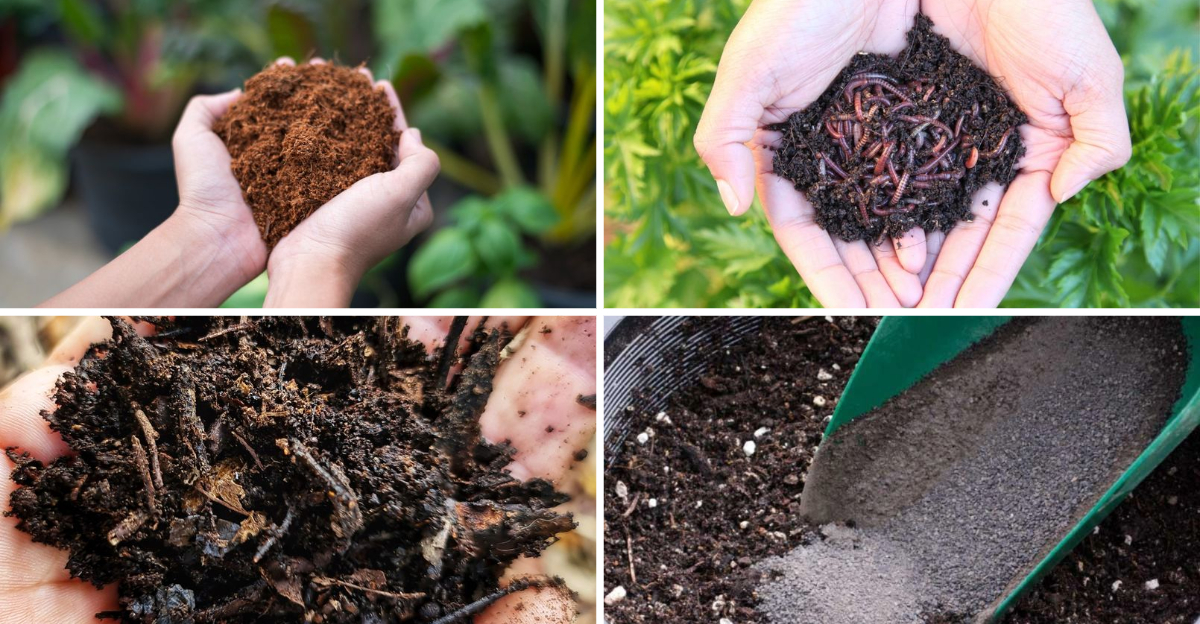
Creating the ideal soil mix for your raised beds is crucial for a bountiful harvest. This guide explores 17 essential ingredients to incorporate, each playing a unique role in enhancing soil structure, fertility, and plant health. By understanding these components, you can optimize your garden’s productivity and sustainability.
1. Compost
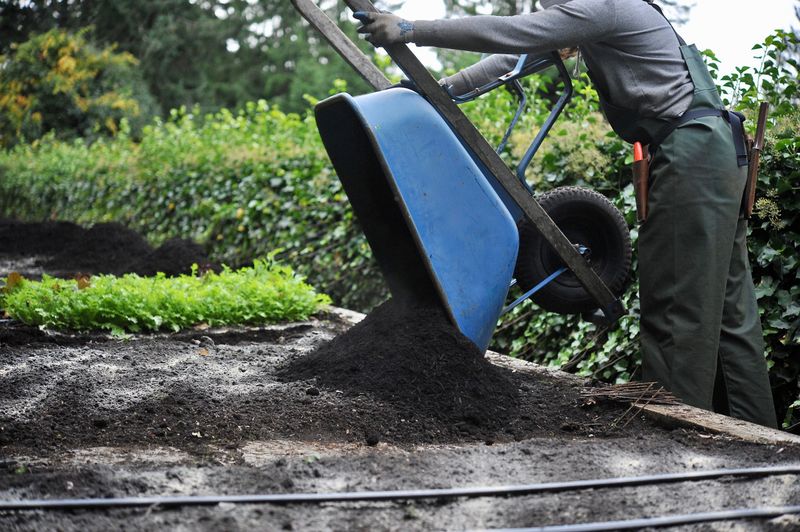
Compost, often called “black gold,” transforms garden soil into a nutrient-rich haven for plants. It retains moisture, improves soil structure, and provides essential nutrients. In its decaying process, compost supports beneficial microorganisms, fostering a lively ecosystem. With origins in ancient farming practices, composting remains a cornerstone of sustainable gardening today.
Adding compost to raised beds offers a natural, holistic boost. Its earthy scent signals life, promising healthier plants and abundant yields. Whether from garden waste, kitchen scraps, or store-bought, compost enriches soil in ways synthetic fertilizers never can.
2. Vermiculite
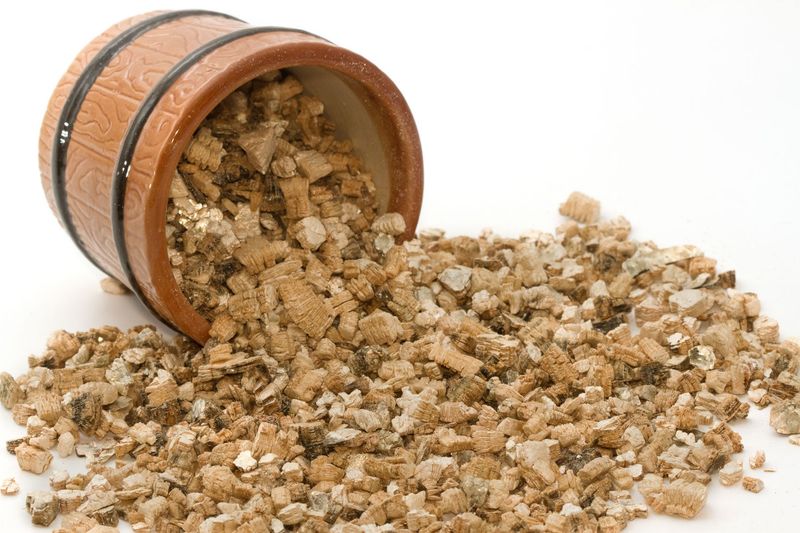
Vermiculite, a golden, flaky mineral, is indispensable for aerating soil. It enhances water retention while ensuring roots receive ample oxygen. Often used in seed starting, vermiculite’s unique properties have been prized since its discovery in the early 19th century.
Incorporating vermiculite into raised beds helps maintain balanced moisture levels, preventing overwatering. Its insulating properties protect young plants from temperature extremes. As a natural mineral, vermiculite is both sustainable and effective, making it a wise choice for conscientious gardeners seeking better soil health.
3. Perlite
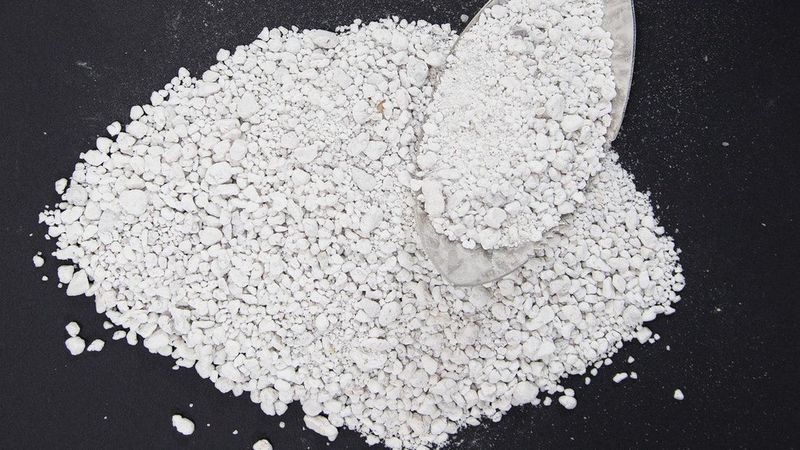
Perlite, with its volcanic origin, resembles tiny white beads, known for improving soil drainage. As it mingles with soil, perlite prevents compaction, allowing roots to spread easily. This natural amendment has been cherished for its lightness and efficiency.
Adding perlite to your raised beds ensures plants enjoy optimal drainage and root growth. Its lightweight nature means easy handling, while its neutral pH complements various soil types. Whether you’re growing vegetables or flowers, perlite’s inclusion is a testament to informed gardening.
4. Coco Coir
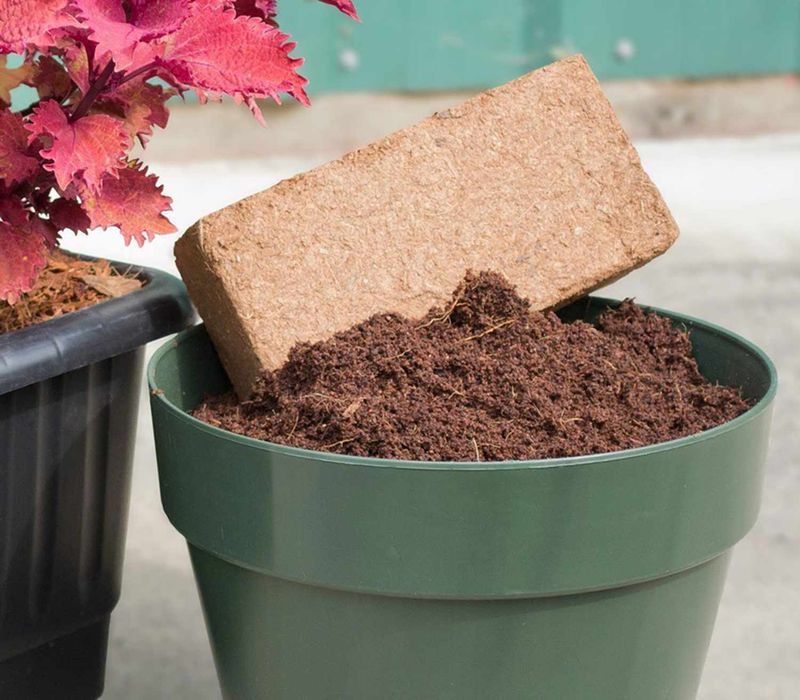
Derived from coconut husks, coco coir offers an eco-friendly alternative to peat moss. It’s prized for its superior water retention and aeration properties, making it ideal for raised beds. Coco coir’s resilience to pests and diseases further accentuates its appeal.
Once rehydrated, coco coir transforms into a sponge-like medium, promoting root development. Its sustainable sourcing and versatility have made it a favorite among environmentally-conscious gardeners. Incorporate coco coir into your soil mix to reap its benefits year-round, ensuring lush, thriving gardens.
5. Manure
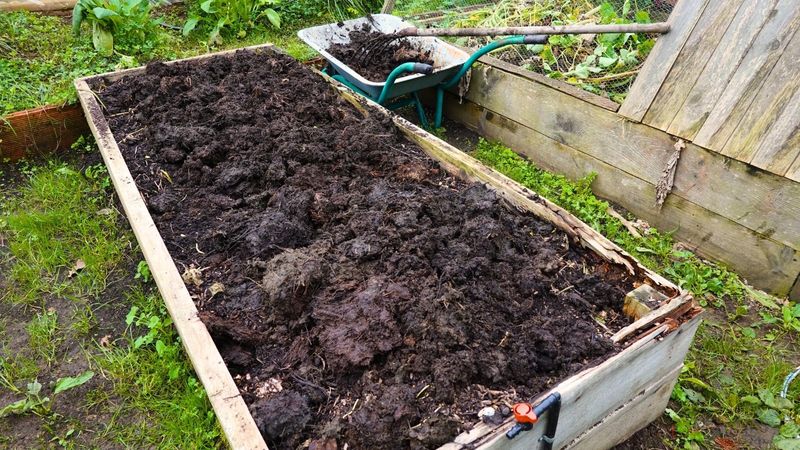
Manure, nature’s oldest fertilizer, enriches soil with vital nutrients. Rich in nitrogen, phosphorus, and potassium, it’s a boon for plant growth. Historically used in agriculture, manure’s benefits are deeply rooted in organic gardening traditions.
Incorporating well-aged manure into raised beds boosts fertility and enhances soil structure. Its organic matter promotes microbial activity, fostering a dynamic growing environment. Select from cow, horse, or chicken manure, ensuring it’s well-composted to avoid burning plants. Manure’s stewardship of nutrients underscores its timeless value.
6. Peat Moss
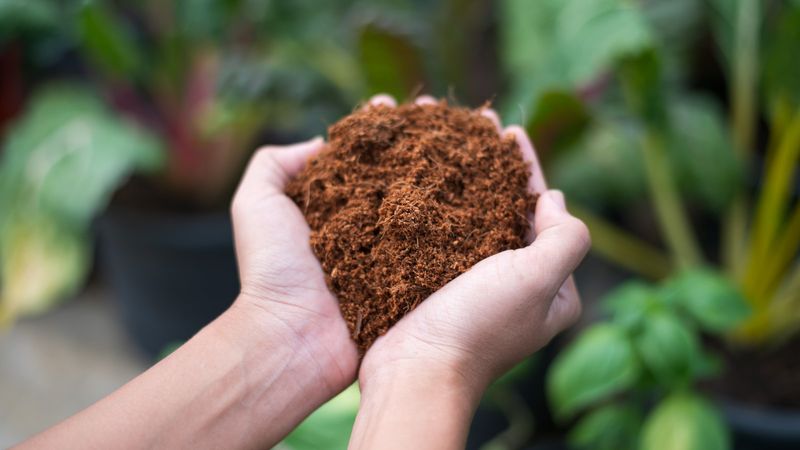
Peat moss, with its spongy texture, revolutionizes soil conditioning. Harvested from peat bogs, it excels at moisture retention and soil aeration. Its acidic nature benefits acid-loving plants like blueberries, offering targeted advantage.
When mixed into raised beds, peat moss ensures consistent moisture levels, reducing the need for frequent watering. However, its non-renewable nature necessitates mindful use, often substituted with coco coir. Despite this, peat moss remains a popular choice for gardeners seeking soil enhancement.
7. Worm Castings
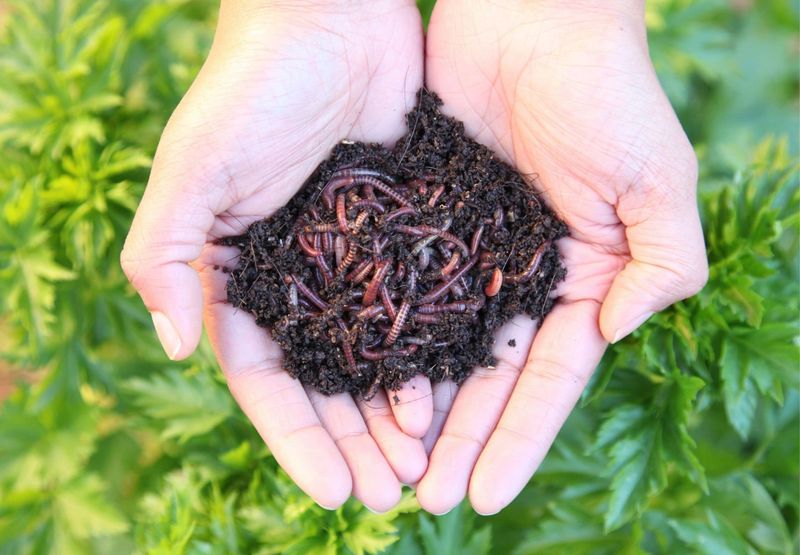
Worm castings, or “vermicompost,” are a gardener’s secret weapon. These nutrient-dense pellets, processed by earthworms, enrich soil and stimulate plant growth. Revered for their gentle fertilizing ability, castings have a long history in sustainable agriculture.
Integrating worm castings into your raised beds boosts microbial activity and improves soil texture. Their slow-release nutrients support robust plant health, offering protection against pests and disease. With worm castings, every handful contributes to a thriving, vibrant garden ecosystem.
8. Leaf Mold
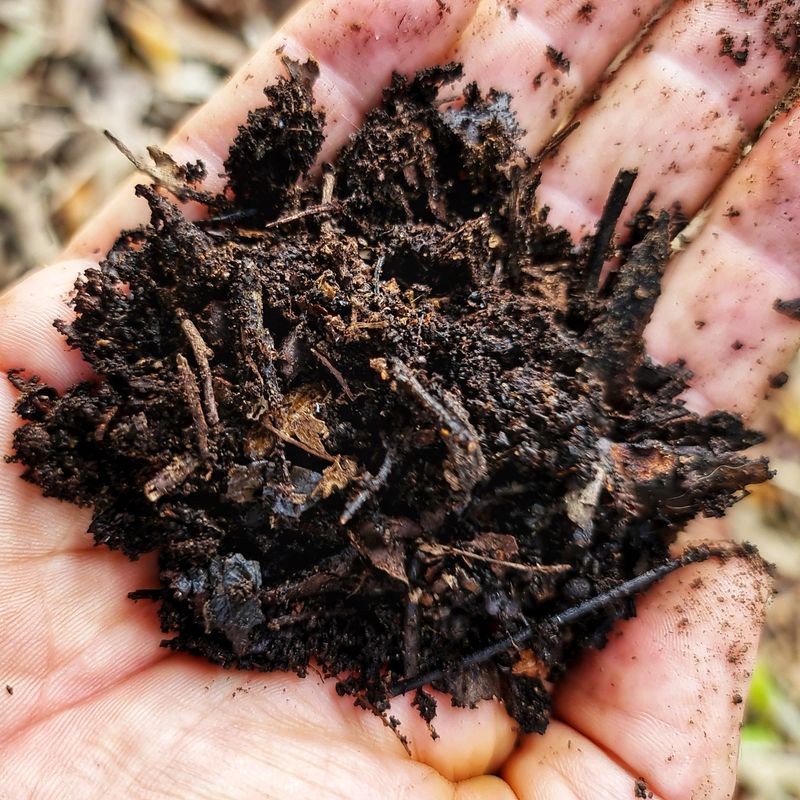
Leaf mold, created from decomposed leaves, adds valuable organic matter to soil. It’s known for enhancing soil structure and water retention. With a history dating back to ancient forestry practices, leaf mold is a testament to nature’s recycling genius.
Sprinkle leaf mold into your raised beds to improve soil aeration and nutrient uptake. Its ability to retain moisture reduces watering needs, making it a practical choice for busy gardeners. Embrace the cyclical beauty of leaf mold to nurture your garden naturally.
9. Bark Mulch
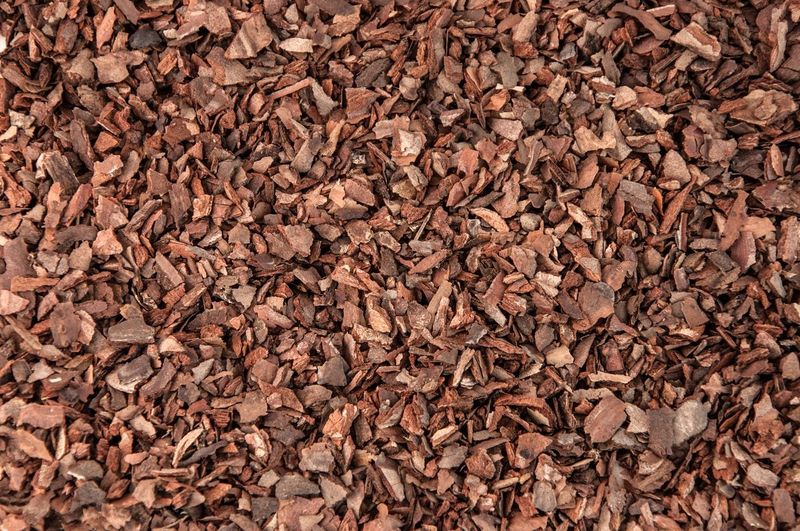
Bark mulch, a protector of soil, offers aesthetic appeal and practicality. It shields plants from harsh weather while suppressing weeds. Its origins in forestry waste make it an eco-friendly choice for gardeners seeking sustainable options.
Layer bark mulch over your raised beds to maintain moisture and prevent erosion. Its slow decomposition enriches soil gradually, offering long-term benefits. Choose from pine, cedar, or hardwood varieties, each adding unique texture and color to your garden.
10. Rice Hulls
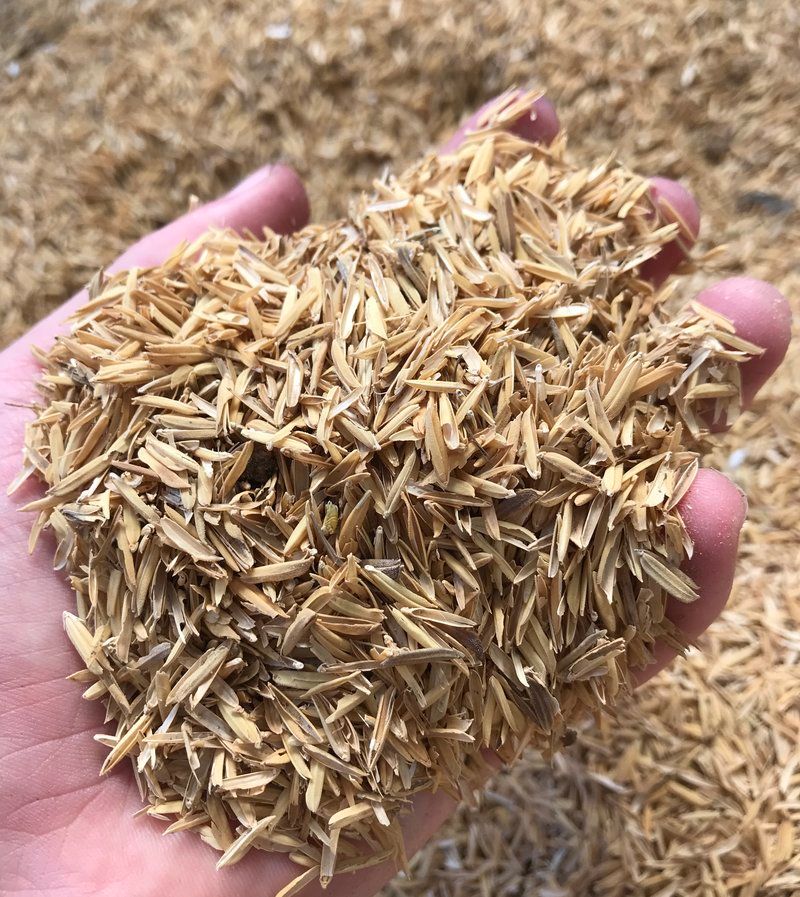
Rice hulls, lightweight and renewable, serve as an excellent soil conditioner. They enhance aeration and drainage, improving root health. Traditionally used in Asian agriculture, rice hulls continue to gain popularity worldwide.
Incorporate them into your raised beds to prevent soil compaction and foster healthy plant growth. Their silica content deters pests, while their natural decomposition enriches the soil over time. Rice hulls are an eco-friendly choice for conscious gardeners.
11. Green Sand
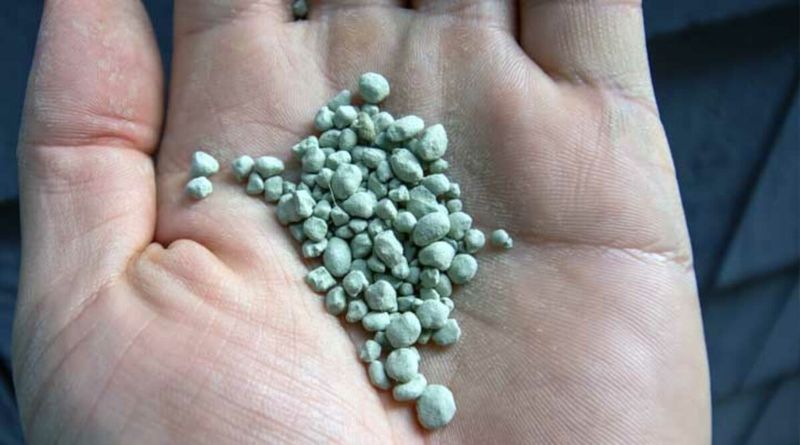
Greensand, a mineral with marine origins, enriches soil with trace elements. Its unique texture improves soil structure, enhancing fertility over time. Known for its potassium-rich composition, greensand supports robust plant growth.
Spread greensand in your raised beds to boost mineral content and promote healthier root systems. Its slow-release properties ensure long-lasting benefits, making it a staple for organic gardeners. Harness the power of the ocean with greensand’s natural enrichment.
12. Gypsum
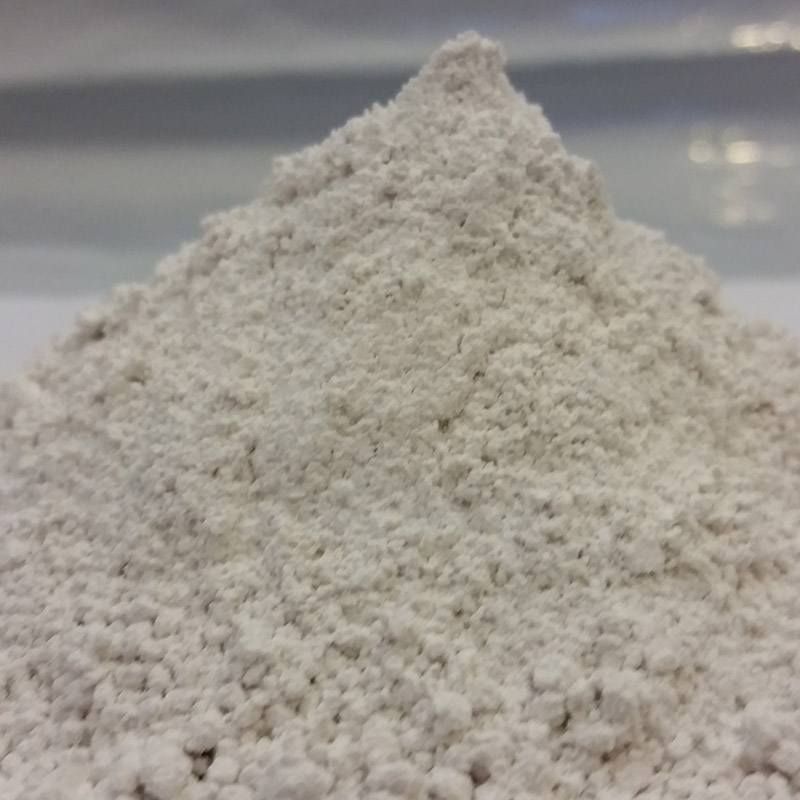
Gypsum, a soft mineral, plays a crucial role in soil amendment. It breaks up clay soil, improving aeration and drainage. Often used in agricultural fields, gypsum’s benefits have been recognized for centuries.
Adding gypsum to your raised beds enhances soil structure, fostering strong root development. Its calcium content supports plant health without altering soil pH. For gardeners seeking to improve clay-heavy soils, gypsum is an invaluable ally.
13. Bone Meal
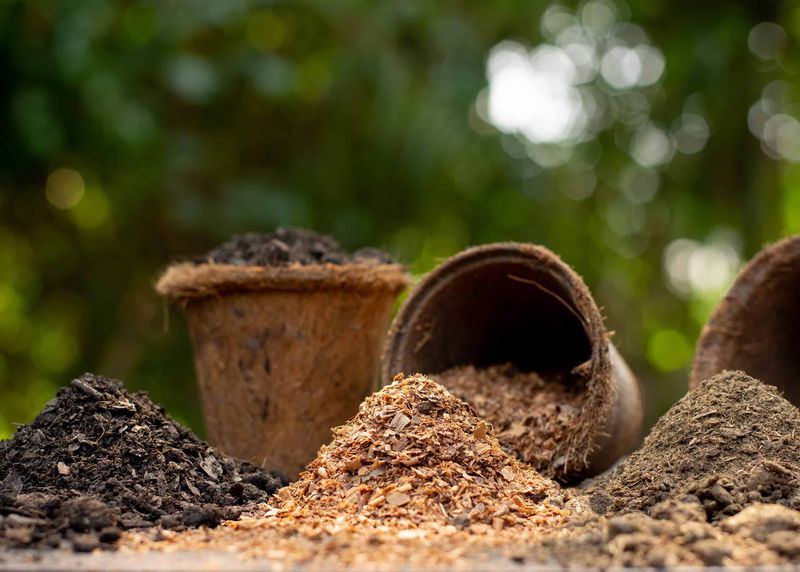
Bone meal, a phosphorus-rich amendment, promotes flowering and root growth. Derived from ground animal bones, it has a long history in agriculture. Its gentle, slow-release nutrients benefit flowering plants and bulbs.
Incorporate bone meal into your raised beds to encourage vibrant blooms and healthy root systems. Its natural composition aligns with organic gardening principles, offering a nutrient boost without chemical additives. Bone meal supports sustainable, flourishing gardens.
14. Blood Meal
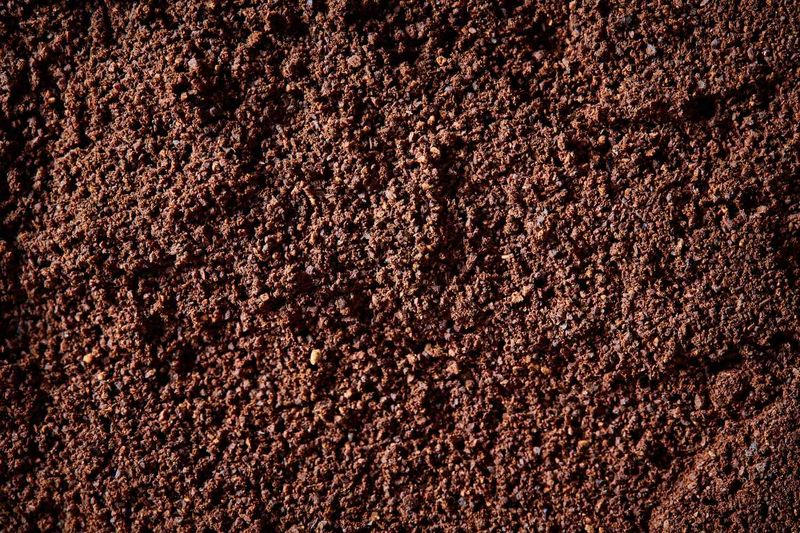
Blood meal, rich in nitrogen, accelerates plant growth and foliage development. Sourced from animal blood, it remains a staple in organic gardening for its potent nutritional benefits.
Apply blood meal to your raised beds to supercharge leafy green production and enhance soil fertility. Its fast-acting nutrients support vigorous plant health, ideal for nutrient-hungry crops. Use cautiously to prevent over-fertilization, keeping your garden balanced and thriving.
15. Rock Dust
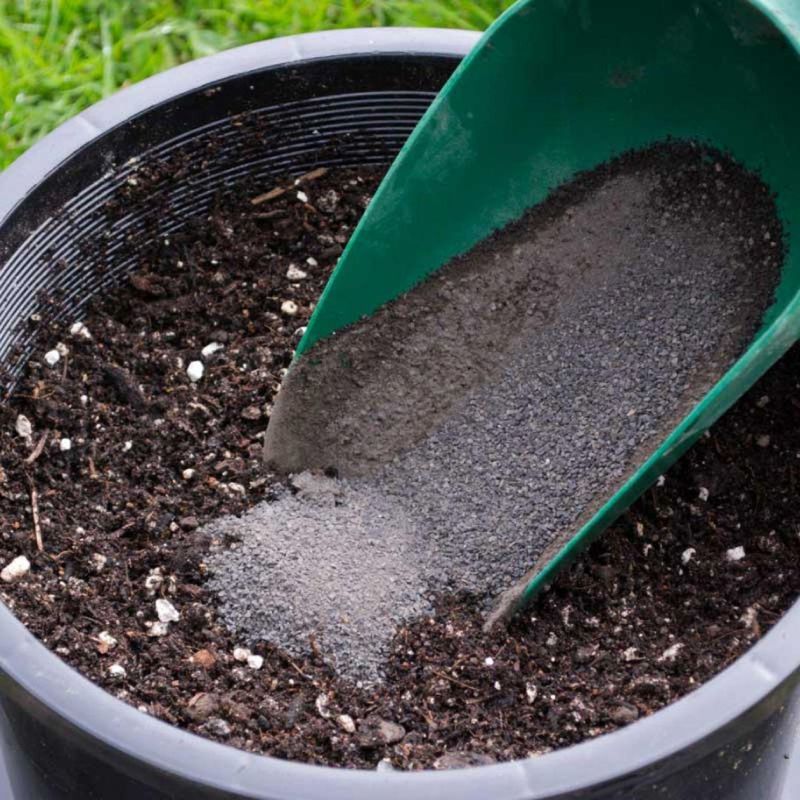
Rock dust, a mineral-rich amendment, enhances soil vitality. Ground from volcanic rocks, it replenishes trace minerals depleted by crop rotation. Its use in agriculture dates back to early farming communities.
Incorporating rock dust into your raised beds boosts soil mineral content, supporting healthy, resilient plants. Its slow-release nature ensures enduring soil fertility, making it a favorite for sustainable gardening practices. Rock dust revitalizes soil, paving the way for bountiful harvests.
16. Epsom Salt
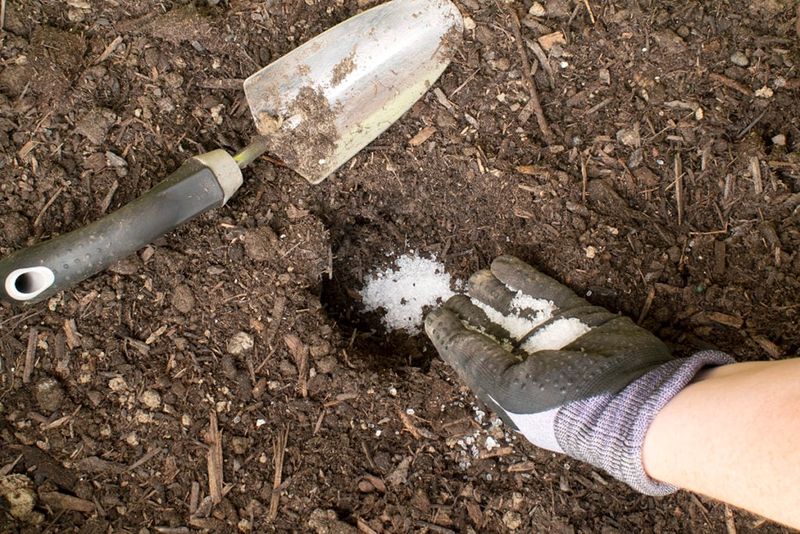
Epsom salt, comprised of magnesium sulfate, supports plant health and vigor. Known for easing transplant shock, it has been a gardener’s ally for generations.
Dissolve Epsom salt in water and apply to raised beds to boost magnesium levels, promoting lush, green foliage. Its use is particularly beneficial for tomatoes, peppers, and roses. Epsom salt offers an accessible, natural solution for enhancing plant vitality.
17. Biochar
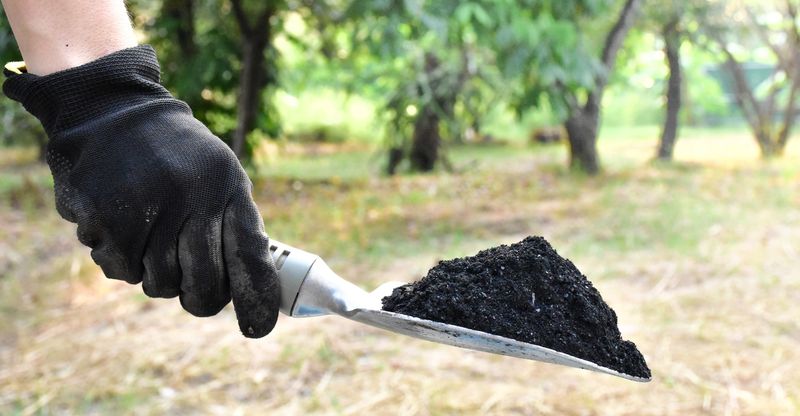
Biochar, an ancient soil amendment, is gaining popularity in modern gardening. Known for its charcoal-like appearance, biochar is created through pyrolysis, a process that heats organic material in the absence of oxygen. This method locks carbon within the biochar, making it a carbon-negative amendment. Its porous structure enhances soil aeration and water retention.
Gardeners appreciate biochar for its ability to boost microbial activity and promote nutrient exchange. Unlike other amendments, biochar remains stable in soil for centuries, providing long-term benefits. Consider introducing biochar to your raised beds for improved soil health and sustainability.
Fun fact: The Amazonian Terra Preta, a fertile dark earth, owes its richness to biochar-like substances.