 Complete Gardening
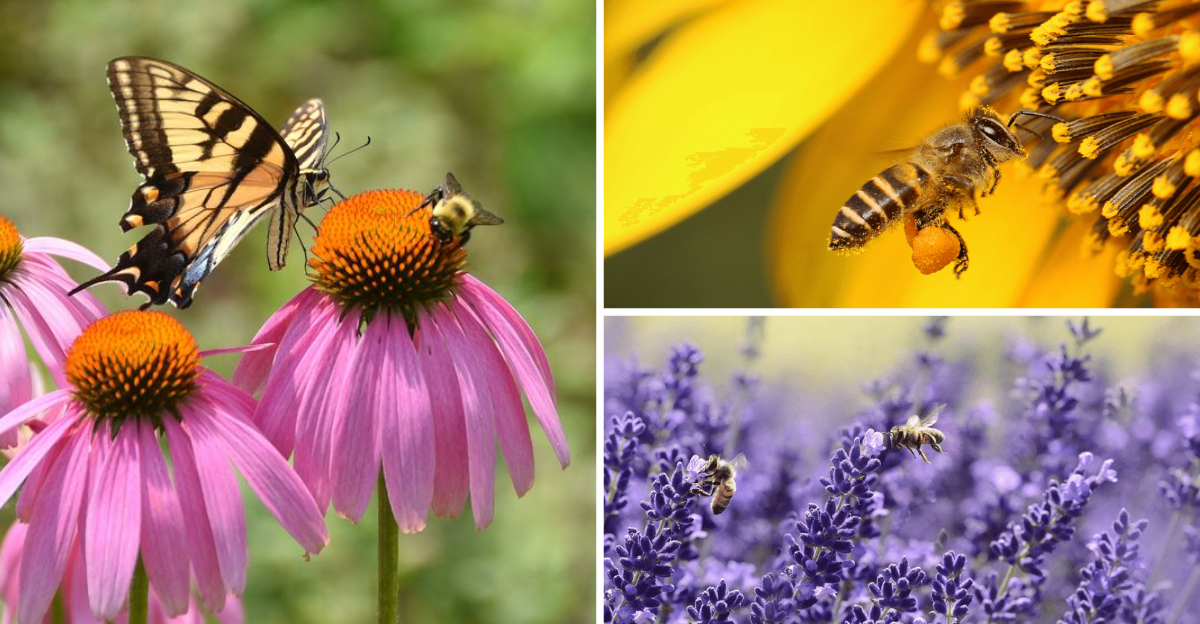
Transform your garden into a haven for pollinators with these 17 exceptional flowers. Each one plays a vital role in supporting bees, butterflies, and other pollinators, ensuring your garden is buzzing with life and color.
1. Lavender
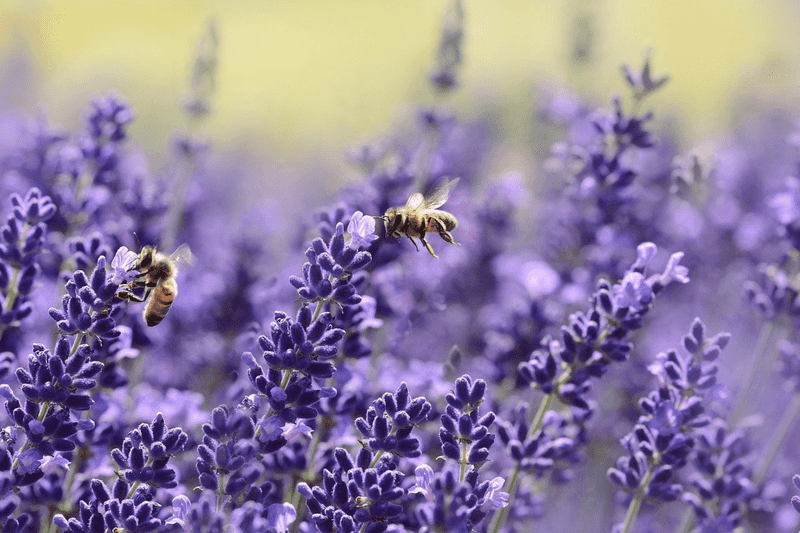
Lavender, with its soothing aroma and vibrant purple hue, is a favorite among pollinators. This perennial herb attracts bees and butterflies, offering them nectar and pollen. Plant it in well-drained soil and watch it thrive. Its scent is not only calming for humans but also acts as an aphrodisiac for bees. Interestingly, lavender oil has been used since ancient times for medicinal purposes. It’s easy to care for and adds a charming touch to any garden. Beyond its beauty, lavender serves as a natural insect repellent, enhancing its appeal to gardeners.
2. Sunflower
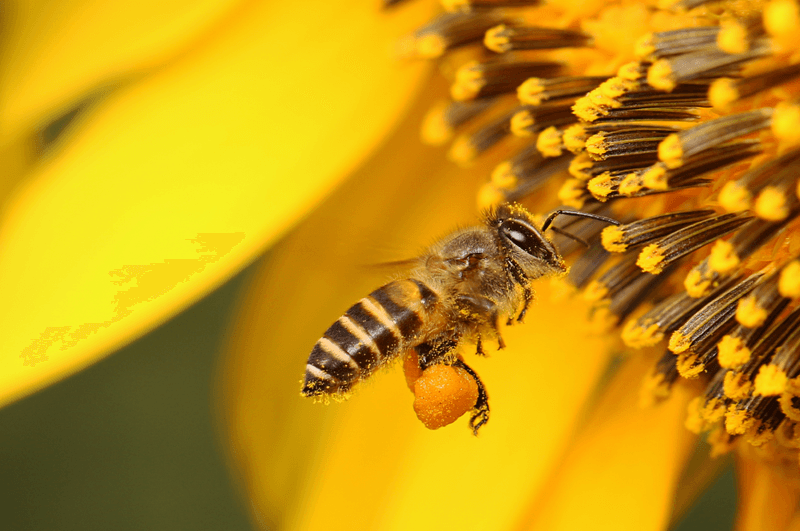
Sunflowers are the giants of the garden, standing tall and proud with their sunny disposition. These towering blooms are irresistible to bees and birds alike. Their seeds provide food for small creatures, while their bright petals lure in pollinators. Sunflowers are easy to grow and can reach impressive heights, making them a statement piece in any yard. Their cheerful appearance is a nod to the sun, and their resilience is admirable. Historically, sunflowers have been admired for both their beauty and utility, serving as a source of oil and food.
3. Bee Balm
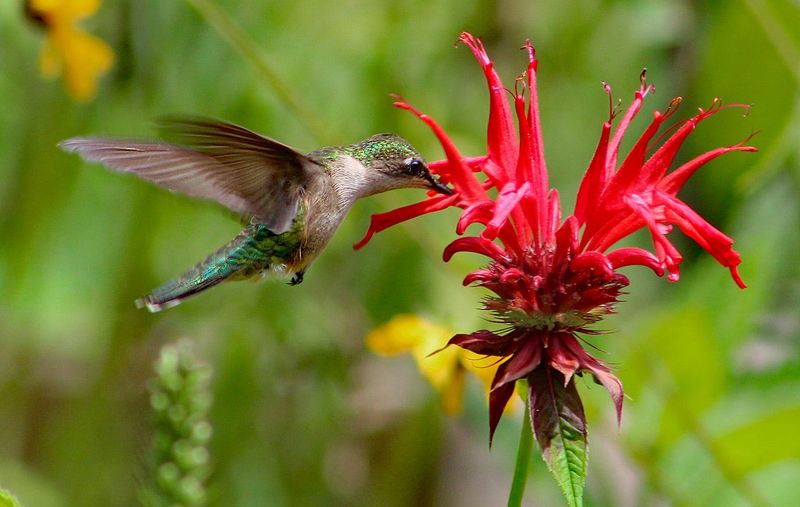
Bee Balm, or Monarda, is a magnet for hummingbirds and bees. Its tubular flowers are perfect for their long tongues, providing easy access to nectar. Available in shades of red, pink, and purple, Bee Balm adds vibrant color to any garden. It’s not just a pretty face; this plant has medicinal uses too. Known for its aromatic leaves, Bee Balm was traditionally used by Native Americans for its antiseptic properties. It thrives in sunny spots and is a resilient addition to pollinator gardens, offering beauty and function.
4. Echinacea
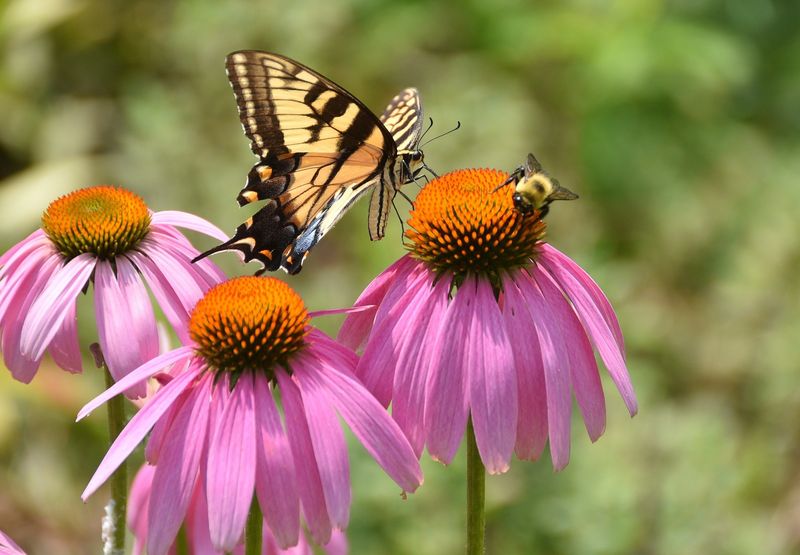
Echinacea, commonly known as coneflower, is a staple in pollinator gardens. Its daisy-like appearance and purple petals attract a diverse range of pollinators. Echinacea is more than just a pretty face; it’s renowned for its immune-boosting properties. This hardy perennial thrives in a variety of conditions, making it a versatile choice for gardeners. Its resilience in drought conditions is notable. For centuries, echinacea has been used in herbal remedies, enhancing its allure. Its presence in the garden is both beneficial for wildlife and pleasing to the eye.
5. Borage
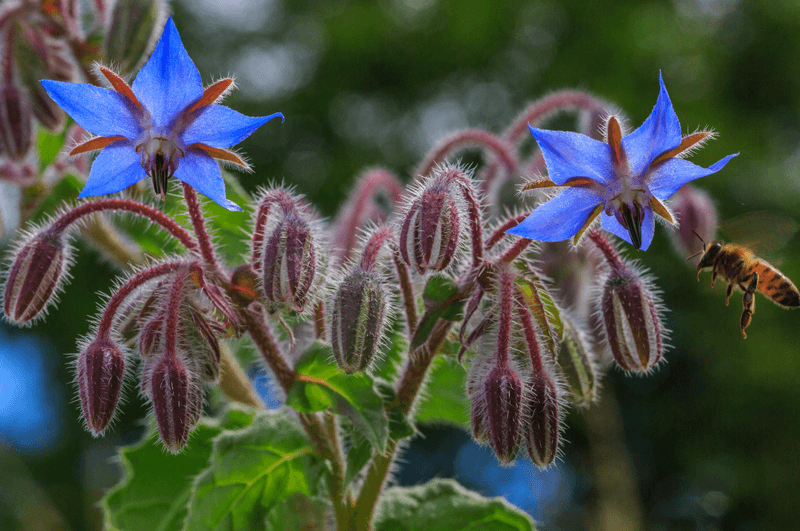
Borage, with its star-shaped blue flowers, is an attractive addition to any pollinator garden. Known for attracting honeybees, borage is a must-have for those looking to enhance their garden’s biodiversity. It’s not just the bees that love borage; this plant also offers culinary uses, with its leaves adding a cucumber-like flavor to salads. Historically, borage was believed to bring courage to the heart. Its ease of growth and self-seeding nature make it a favorite among gardeners. Borage’s beauty and utility make it a standout choice.
6. Aster
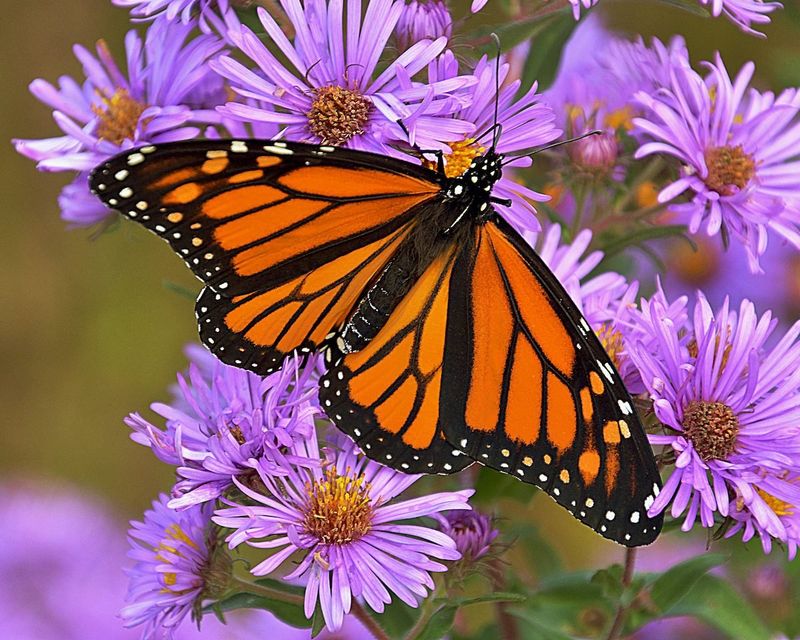
Asters, with their starry-shaped flowers, bring a splash of color to late summer and fall gardens. These perennials are beloved by pollinators, offering nectar and pollen when many other flowers have faded. Asters come in a range of colors, from purple to pink to white, providing visual interest. Their hardy nature makes them a reliable choice for gardeners. Beyond their aesthetic appeal, asters have historical significance, used in traditional medicine for their anti-inflammatory properties. Asters are a testament to the beauty and resilience of nature.
7. Zinnia
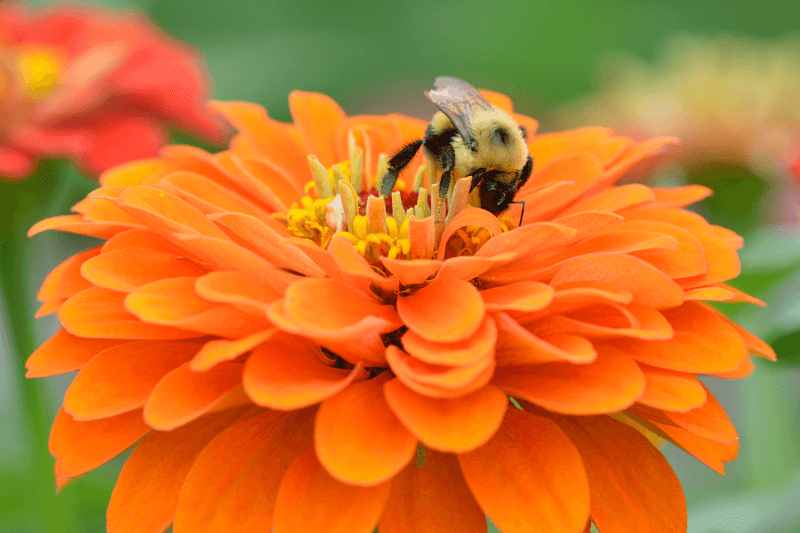
Zinnias are the jewels of the flower garden, known for their bright colors and easy care. These annuals are a favorite among pollinators, drawing in bees and butterflies with their vivid blooms. Zinnias come in a variety of colors, shapes, and sizes, offering endless possibilities for garden design. They are drought-tolerant and perfect for hot, sunny spots. Their ability to bloom continuously until the first frost makes them a long-lasting addition to the garden. Zinnias are not just beautiful; they are a testament to nature’s vibrant palette.
8. Black-eyed Susan
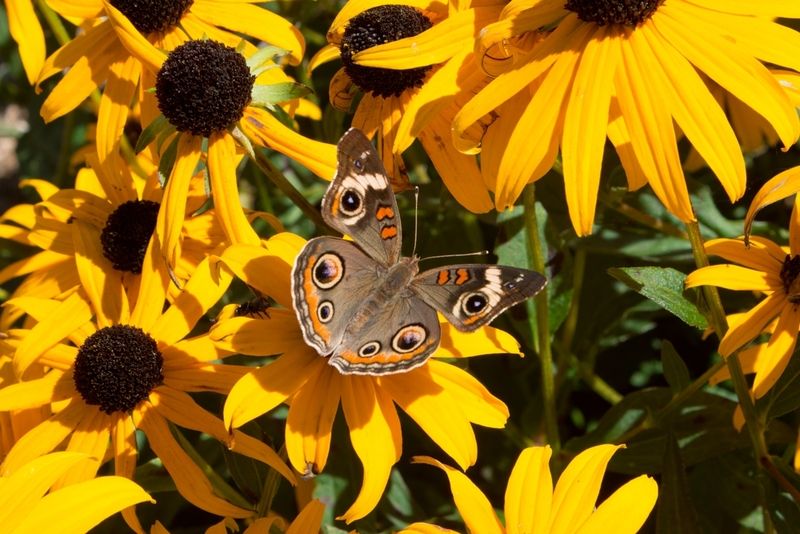
Black-eyed Susans are a classic in pollinator gardens, known for their sunny yellow petals and dark centers. These hardy perennials attract a wide range of pollinators, providing essential nectar and pollen. They are easy to grow and maintain, making them a popular choice for gardeners. Black-eyed Susans are not only beautiful but also symbolize encouragement and motivation. Their long blooming period ensures that your garden remains vibrant throughout the summer. Whether planted in mass or as a border, Black-eyed Susans bring joy and life to any space.
9. Milkweed
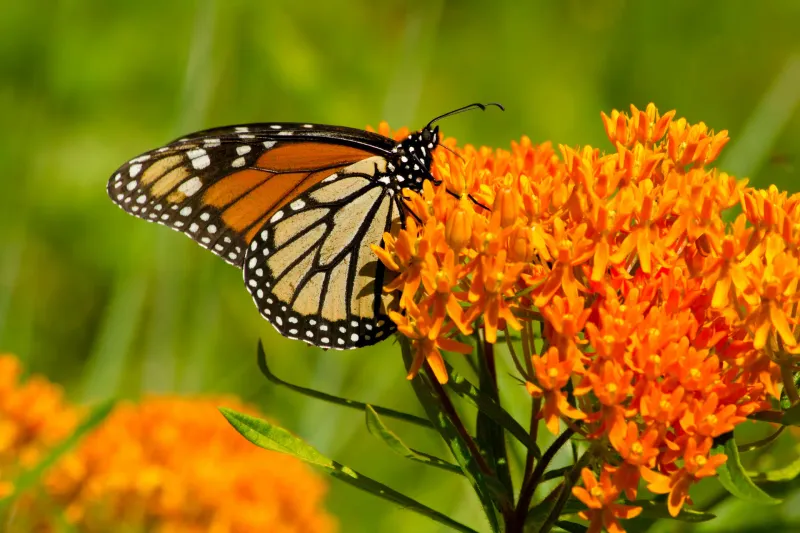
Milkweed is a vital plant for monarch butterflies, serving as their breeding ground. Its clusters of pink or orange flowers are a beacon for pollinators. Milkweed’s milky sap is toxic to many animals, providing a defense mechanism for monarch caterpillars. This resilient plant thrives in a variety of conditions and is a key player in the ecosystem. Its importance to monarchs cannot be overstated, making it a must-have for those looking to support butterfly populations. Milkweed’s beauty and ecological significance make it a standout in any garden.
10. Cosmos
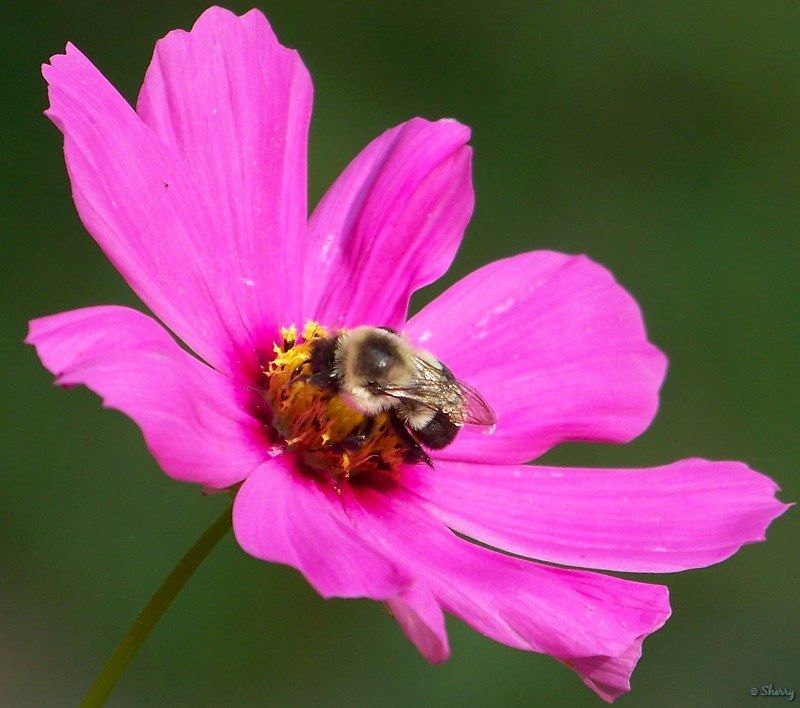
Cosmos are the carefree dancers of the garden, with their delicate petals swaying in the breeze. These annuals are a hit with pollinators, offering easy access to nectar. Cosmos thrive in poor soil conditions, making them a versatile choice for gardeners. Their ability to self-seed ensures they return year after year. Beyond their beauty, cosmos symbolize harmony and peace. Their long blooming season and vibrant colors make them a delightful addition to any garden. Cosmos are a testament to the effortless beauty of nature.
11. Lantana
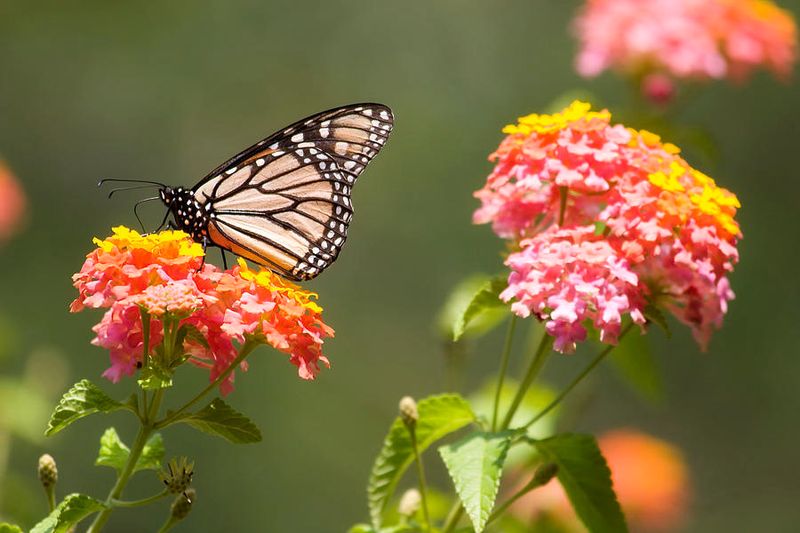
Lantana, with its clusters of multicolored flowers, is a vibrant addition to any garden. These perennials are a magnet for butterflies and hummingbirds, offering nectar in abundance. Lantanas are heat-tolerant and thrive in sunny spots, making them a favorite in warmer climates. Their ability to bloom continuously throughout the growing season ensures a colorful display. Beyond their visual appeal, lantanas are known for their resilience and low maintenance. Whether in containers or as a border plant, lantanas bring a tropical flair to any space.
12. Salvia
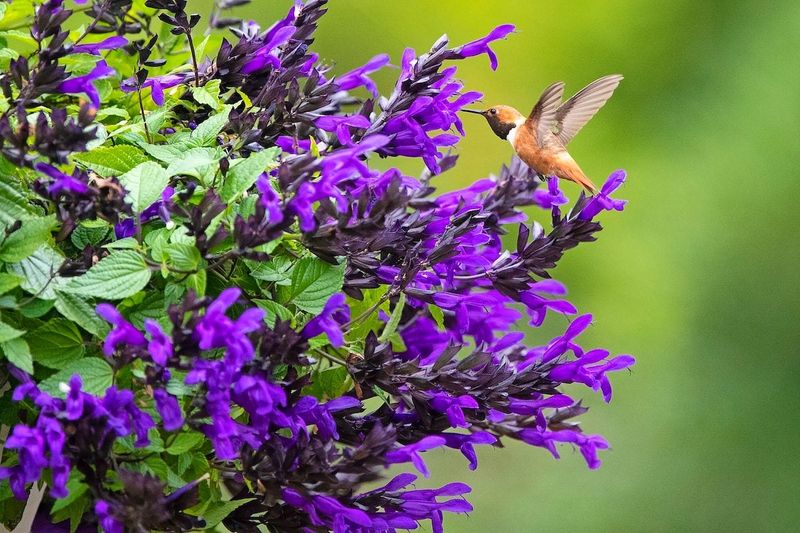
Salvias are the graceful performers of the garden, with their tall spikes and rich colors. These perennials attract a wide range of pollinators, including bees and hummingbirds. Salvias thrive in full sun and well-drained soil, making them a versatile choice for gardeners. Their drought-tolerant nature and long blooming period make them a reliable addition to any landscape. Beyond their beauty, salvias have been used in traditional medicine for their healing properties. Their vibrant colors and ease of care make them a standout choice for pollinator gardens.
13. Verbena
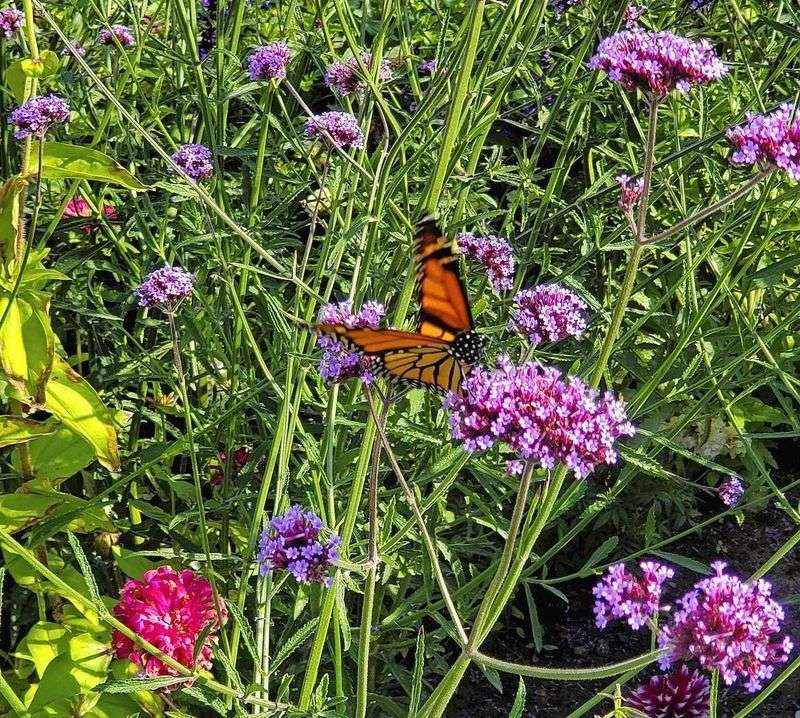
Verbenas are the sun-loving stars of the garden, known for their small, clustered flowers and long blooming period. These perennials are a favorite among butterflies, offering nectar that lasts well into the fall. Verbenas are drought-tolerant and perfect for sunny borders, hanging baskets, or containers. Their low maintenance and ability to thrive in various conditions make them a popular choice for gardeners. Beyond their charm, verbenas symbolize healing and creativity. Their presence in the garden is both practical and aesthetically pleasing, attracting pollinators with ease.
14. Coreopsis
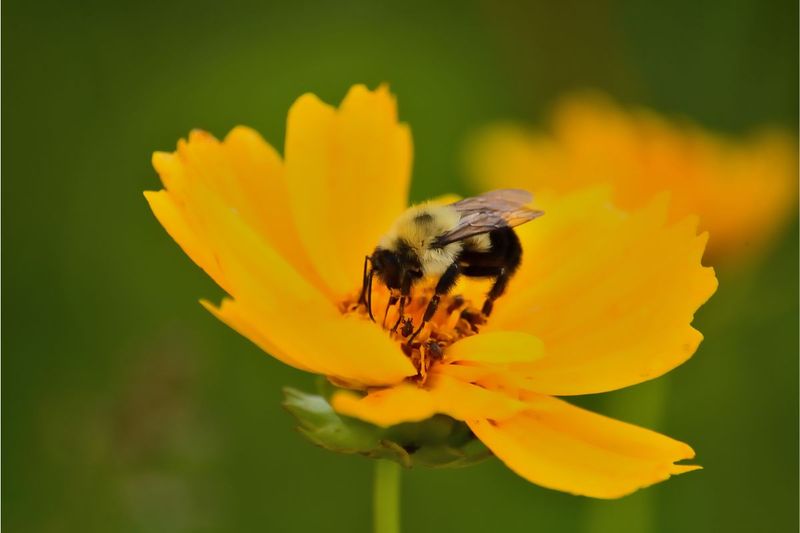
Coreopsis, with its sunny yellow blooms, brings cheer to any garden. These hardy perennials are a favorite among pollinators, providing nectar and pollen throughout the summer. Coreopsis is easy to grow and thrives in various soil conditions, making it a versatile choice for gardeners. Its ability to bloom profusely with minimal care is admirable. Historically, coreopsis has been used in traditional medicine for its potential health benefits. Its bright colors and resilience make it a standout in any landscape, attracting pollinators with its sunny disposition.
15. Phlox
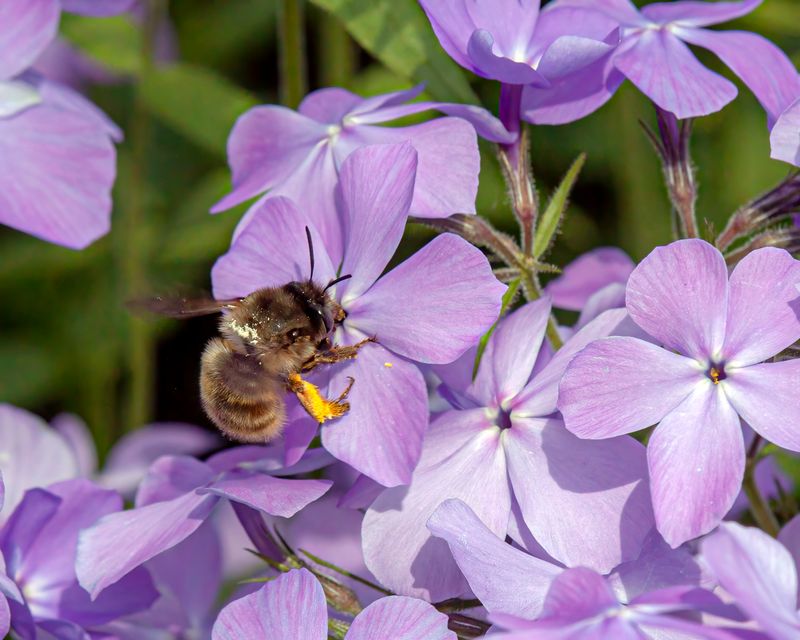
Phlox is the fragrant beauty of the garden. With clusters of pink, white, or purple flowers, it’s a favorite among pollinators. Phlox thrives in sunny spots and adds a burst of color to borders and beds. Its sweet scent is irresistible to bees and butterflies. In addition to its beauty, phlox symbolizes harmony and partnership. Its long blooming season and ease of care make it a desirable choice for gardeners. Whether in cottage gardens or formal settings, phlox brings elegance and charm. Its presence ensures a lively, pollinator-friendly space.
16. Goldenrod
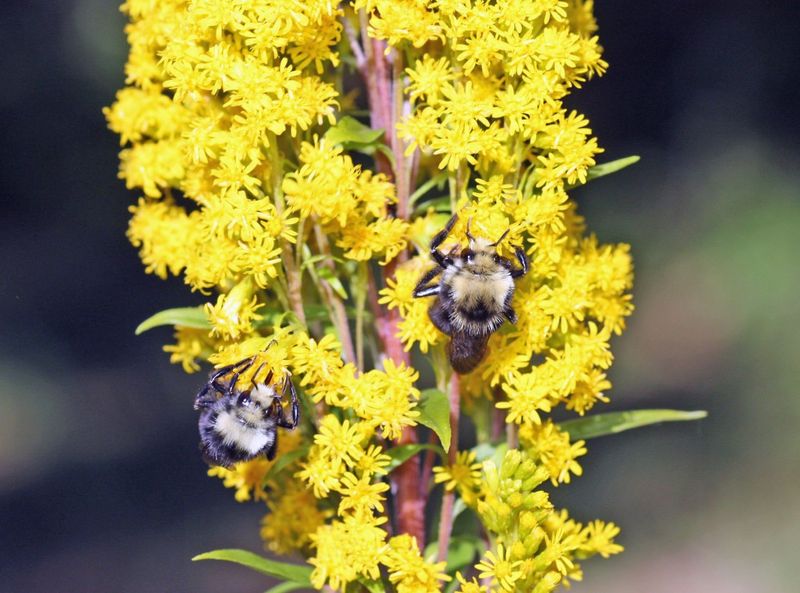
Goldenrod is the unsung hero of pollinator gardens. Often mistaken for a cause of allergies, it is actually a vital nectar source. With its bright yellow flowers, goldenrod attracts a variety of pollinators, including bees and butterflies. This hardy perennial thrives in poor soil conditions and brings late-season color to the garden. Its resilience and ease of care make it a practical choice for gardeners. Goldenrod’s historical use in traditional medicine adds to its allure. Its presence in the garden is both beneficial and beautiful, supporting pollinators with grace.
17. Buddleia
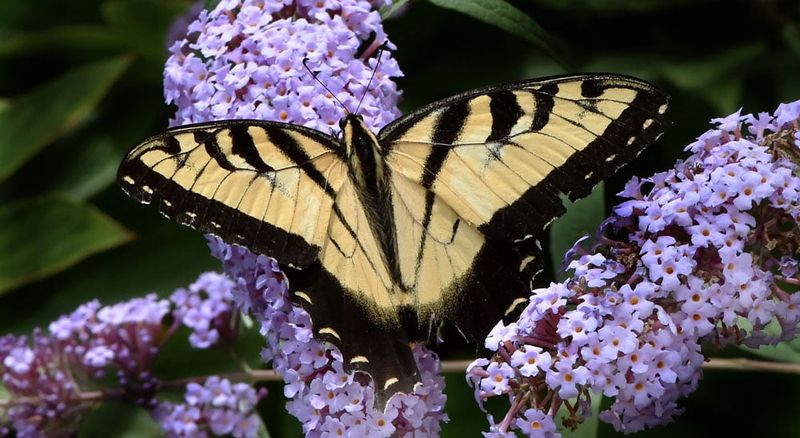
Known as the Butterfly Bush, Buddleia offers a stunning display of blooms in purple, pink, and white. Its long, arching branches are magnets for butterflies and bees.
Every summer, the air around Buddleia is filled with fluttering wings, as these insects are drawn to its sweet nectar. This bush thrives in sunny locations, requiring minimal maintenance while generously rewarding gardeners with its beauty.
Did you know? Buddleia is considered invasive in some regions, yet its allure remains irresistible to pollinators. Its adaptability makes it a cherished addition to pollinator-friendly gardens.