 Complete Gardening
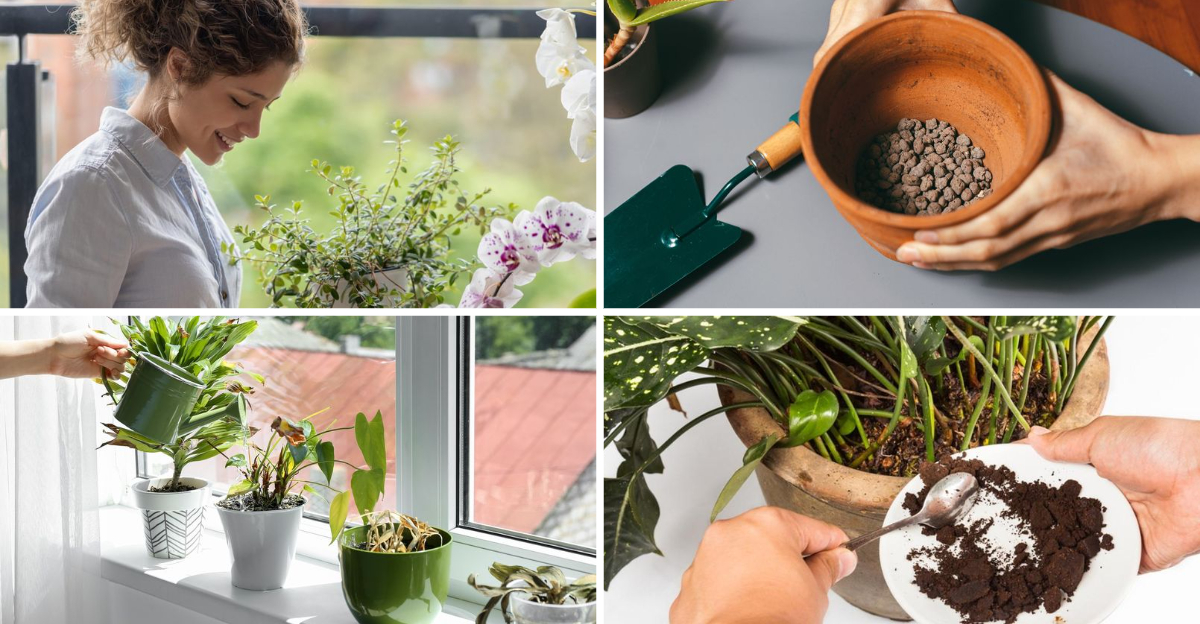
Gardening is a rewarding hobby enjoyed by many, but it’s also rife with myths and misconceptions. From old wives’ tales to well-meaning advice passed down through generations, some gardening myths persist despite having little to no scientific basis. In this article, we will debunk 17 common garden myths that your neighbors may still believe. Prepare to have your expectations challenged as we reveal the truth behind these popular yet misguided beliefs.
1. Myth 1: Talking to Plants Helps Them Grow
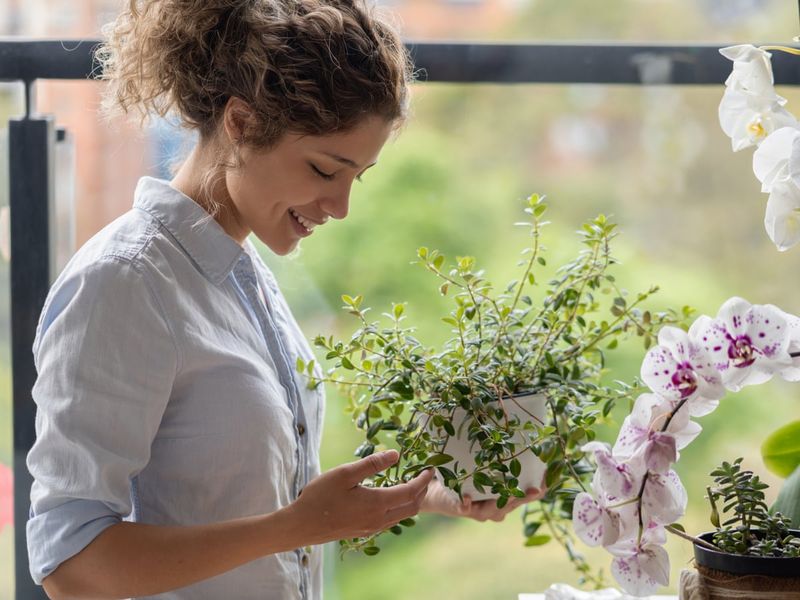
Many people believe that conversing with plants boosts their growth. Imagine chatting with your favorite fern, hoping your words act like sunshine. While it’s a charming notion, plants respond more to proper care and conditions than conversation. Your voice won’t fertilize, but attention to watering, light, and soil quality will.
Scientists have studied the effects of sound on plant growth, with mixed results. Some studies suggest that vibrations might affect plant cells, but there’s no conclusive evidence that human speech has any direct impact. Focus on nurturing your plants with love and care for real growth.
2. Myth 2: Coffee Grounds Acidify Soil
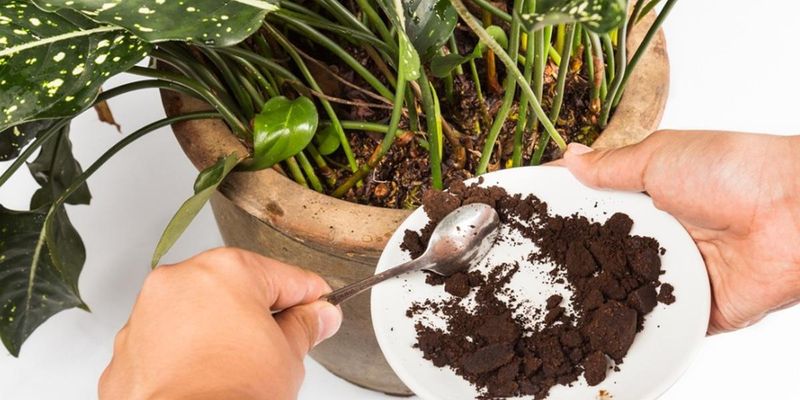
Scattering coffee grounds around plants is often touted as a way to acidify soil. The idea is as stimulating as your morning brew, but it doesn’t hold up scientifically. Used coffee grounds are nearly neutral in pH, not acidic as assumed.
While they can improve soil texture and add nitrogen, they won’t alter the soil’s acidity significantly. It’s always best to test your soil’s pH before making adjustments, ensuring that any amendments suit the needs of your particular garden.
3. Myth 3: Epsom Salt Cures Plant Diseases
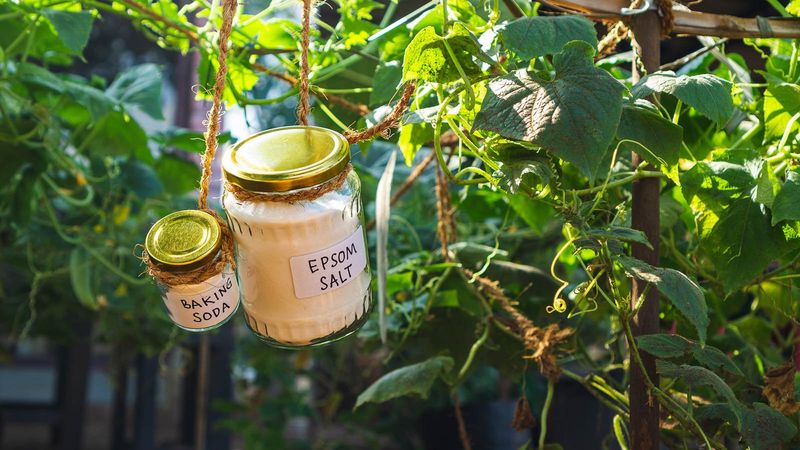
The belief in Epsom salt as a cure-all for plant diseases is widespread among gardeners. Picture a gardener confidently sprinkling it over a wilting plant, expecting miraculous recovery. While Epsom salt can provide magnesium, it’s not a universal fix.
It may help with specific deficiencies, but it’s not a remedy for diseases. Overuse can even harm plants, disrupting soil nutrient balance. Always diagnose the specific needs of your plants before applying any treatments.
4. Myth 4: Marigolds Repel Pests Completely
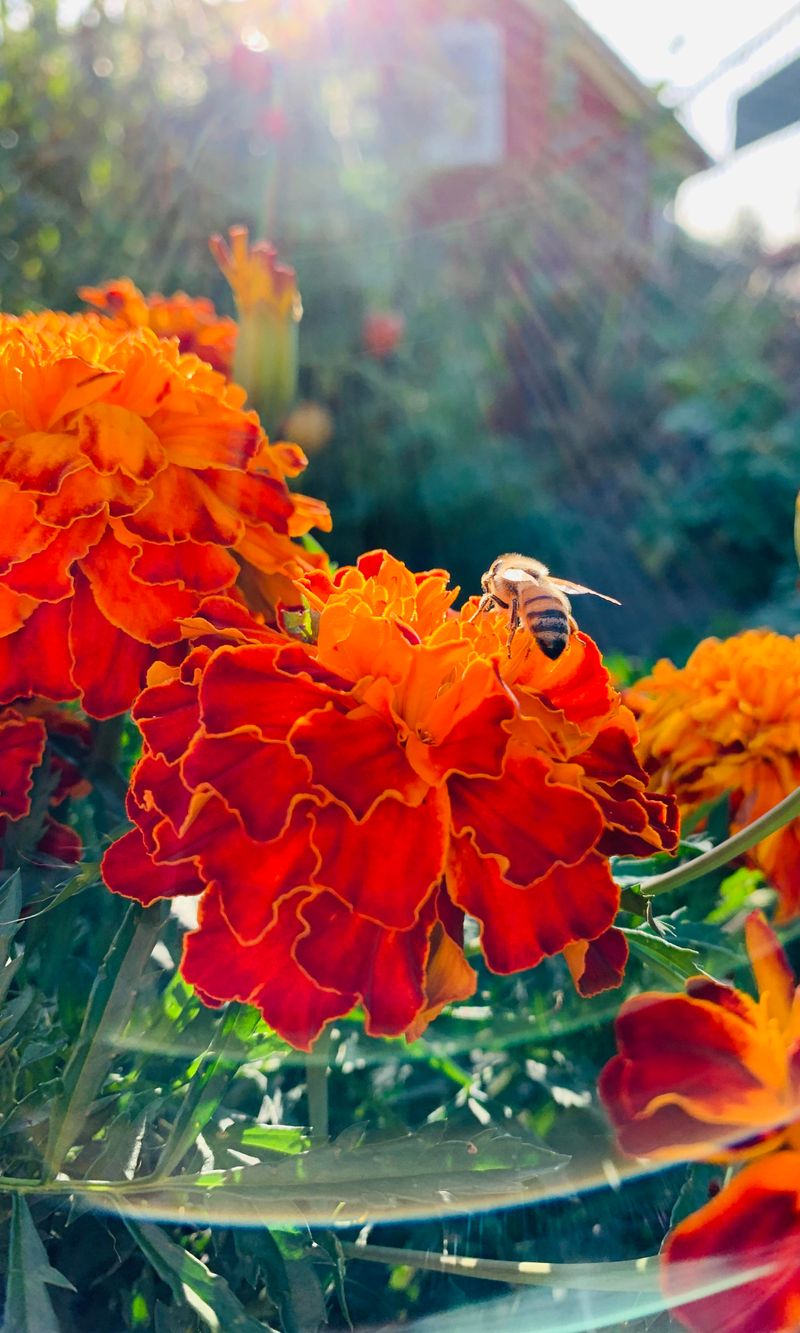
Marigolds are often planted to repel pests, creating an image of a pest-free paradise. While they can deter some nematodes, marigolds don’t repel all garden pests. Their vibrant blooms may attract beneficial insects, contributing to a healthier ecosystem.
Relying solely on marigolds for pest control may leave your garden unprotected. Integrated pest management, combining various strategies, is more effective in keeping your garden thriving.
5. Myth 5: Boiling Water Kills Weeds
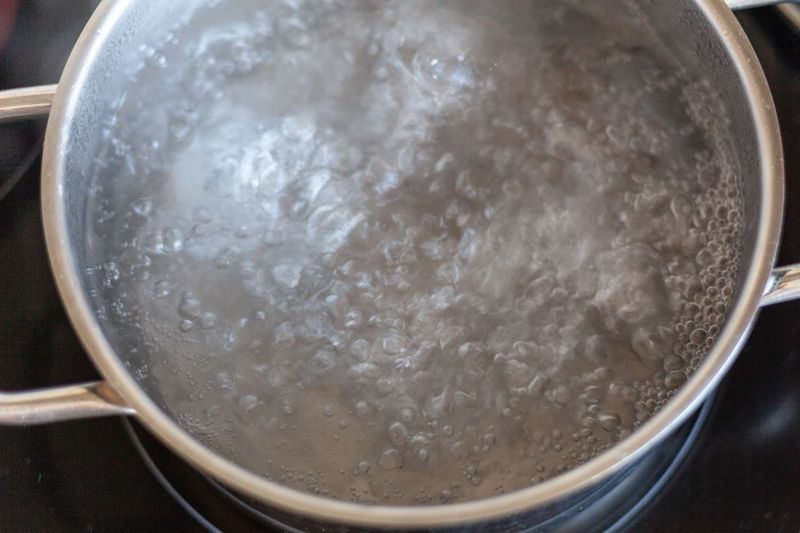
The idea of using boiling water to kill weeds is appealing for its simplicity. Imagine dousing pesky weeds with a kettle, expecting them to vanish. While boiling water can kill surface weeds, it doesn’t address roots beneath the soil.
This method can be a quick fix for small areas but isn’t practical for larger infestations. Persistent weeds often require more comprehensive solutions, such as manual removal or targeted herbicides.
6. Myth 6: Rusty Nails in Soil Help Plants
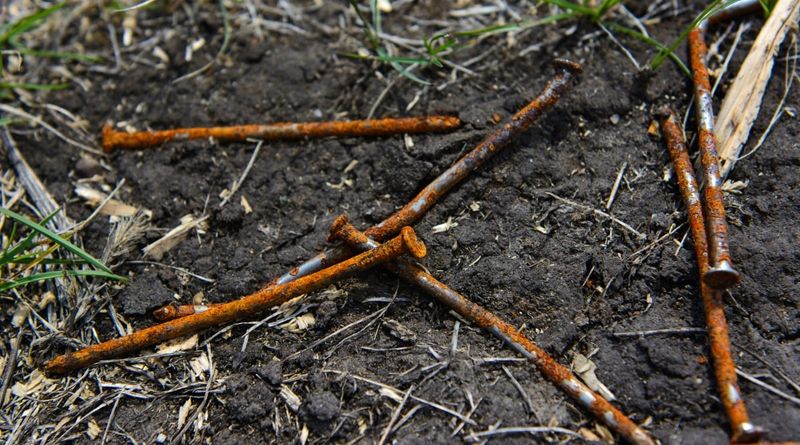
Burying rusty nails in the soil is believed to provide iron for plants. The image is old-fashioned yet enduring, like a gardener’s tale from yesteryear. However, rust doesn’t release iron in a beneficial form for plants.
Modern alternatives like iron chelates are more effective in addressing iron deficiencies. Understanding your plants’ nutritional needs ensures they receive the right care without relying on outdated methods.
7. Myth 7: Mothballs Repel Moles
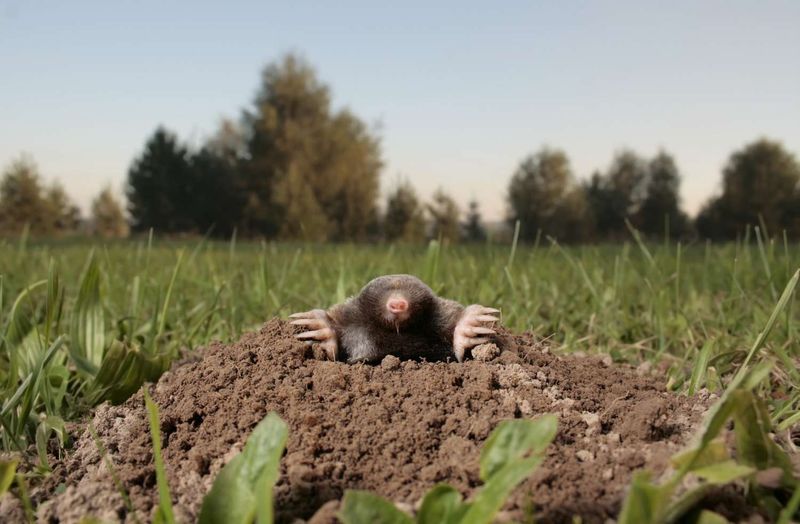
The use of mothballs to repel moles is a persistent myth. Scattering them around creates an image of a mole-free zone, but it doesn’t work as intended. Mothballs contain chemicals that can be toxic to pets and wildlife without deterring moles.
Effective mole control requires understanding their behavior and using humane traps or deterrents. Protecting your garden from these burrowers involves strategies that prioritize safety and effectiveness.
8. Myth 8: Gravel Improves Drainage in Pots
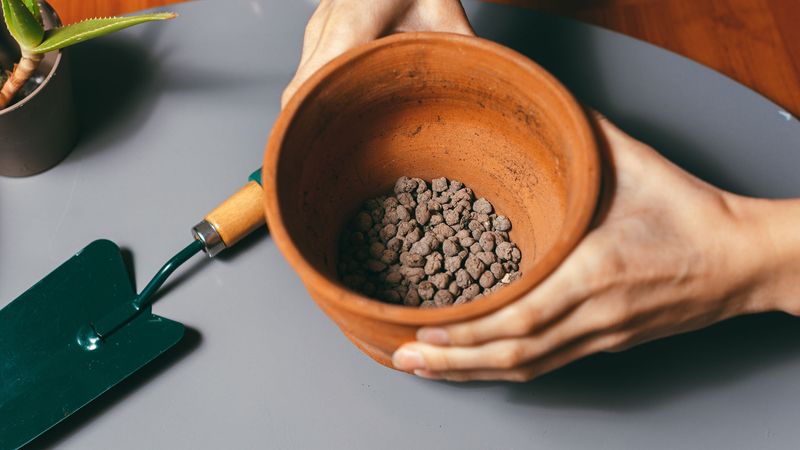
Placing gravel at the bottom of pots is a common practice believed to improve drainage. Visualize layering gravel before adding soil, expecting better water flow. In reality, it can impede drainage by creating a perched water table.
Using high-quality potting soil with good drainage properties is key to healthy plants. Ensure your pots have adequate drainage holes, allowing excess water to escape naturally.
9. Myth 9: Sugar Water Revives Dying Plants
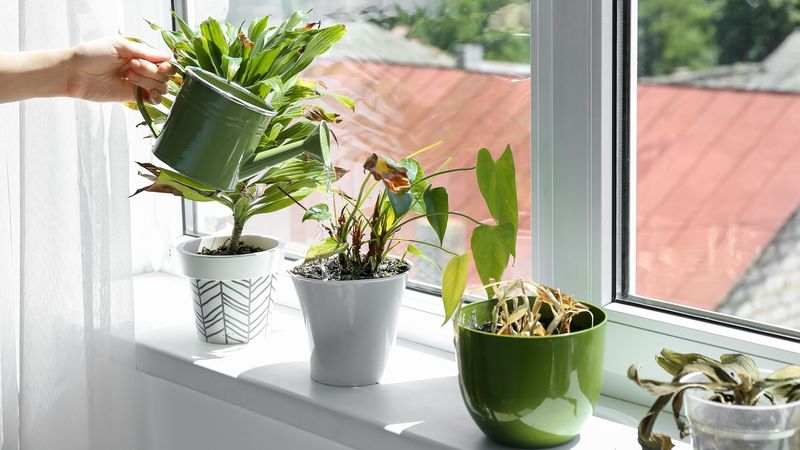
Feeding sugar water to revive plants is a myth rooted in wishful thinking. Picture a gardener nurturing a droopy plant with sweet solutions, hoping for a revival. However, sugar water can attract pests and lead to mold growth.
Plants derive energy from sunlight through photosynthesis, not sugar water. Providing the right light, water, and nutrients will naturally revive struggling plants, without the need for sugary shortcuts.
10. Myth 10: Eggshells Deter Slugs
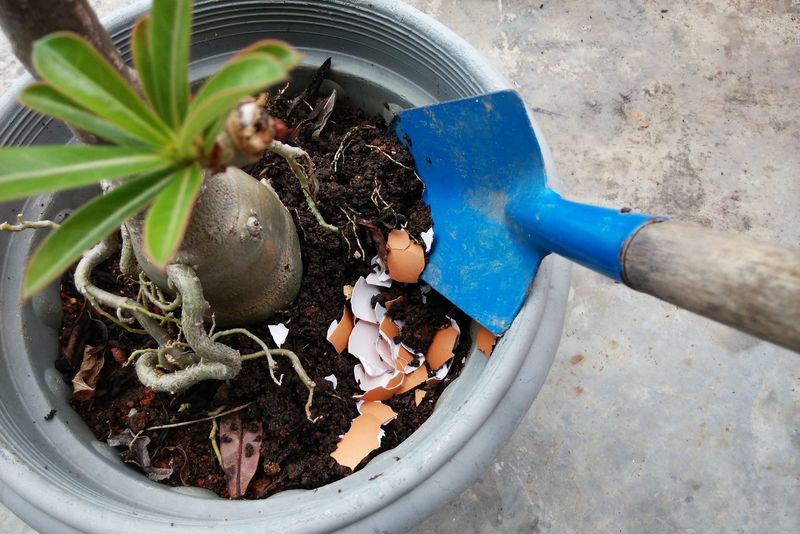
Crushed eggshells are often used as a barrier against slugs, believed to deter them with their sharp edges. Visualize a ring of eggshells protecting tender seedlings, but slugs often bypass them without harm.
Eggshells do add calcium to the soil as they break down, but they aren’t a foolproof slug deterrent. Combining barriers with other slug control methods is more effective for keeping these pests at bay.
11. Myth 11: Organic Pesticides Are Safer
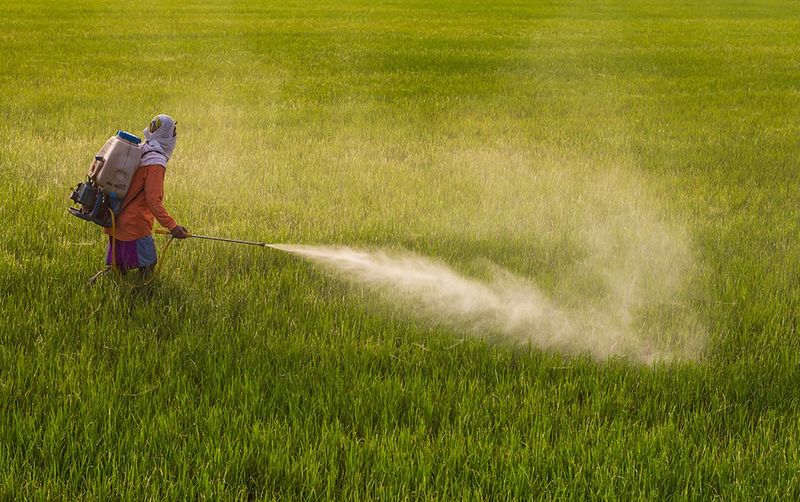
Organic pesticides are often perceived as safer, conjuring images of gardeners freely spraying without concern. However, organic doesn’t always mean non-toxic. Some organic pesticides can harm beneficial insects or require careful handling.
Understanding the active ingredients and their effects is crucial. Responsible use of all pesticides, whether organic or synthetic, ensures a balanced and healthy garden ecosystem.
12. Myth 12: Vinegar Kills All Weeds
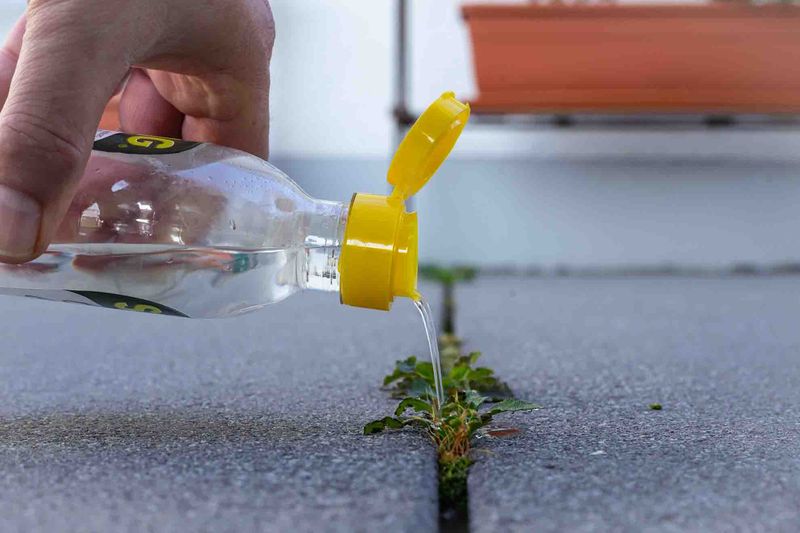
Vinegar is often hailed as a natural weed killer, spraying it is like wielding a magic potion. While vinegar can kill young weeds by dehydrating them, it doesn’t affect established roots.
Using vinegar requires repeated applications and isn’t suitable for all weed types. For stubborn weeds, other control methods may be necessary to achieve lasting results.
13. Myth 13: Beer Traps Are Effective for Slug Control
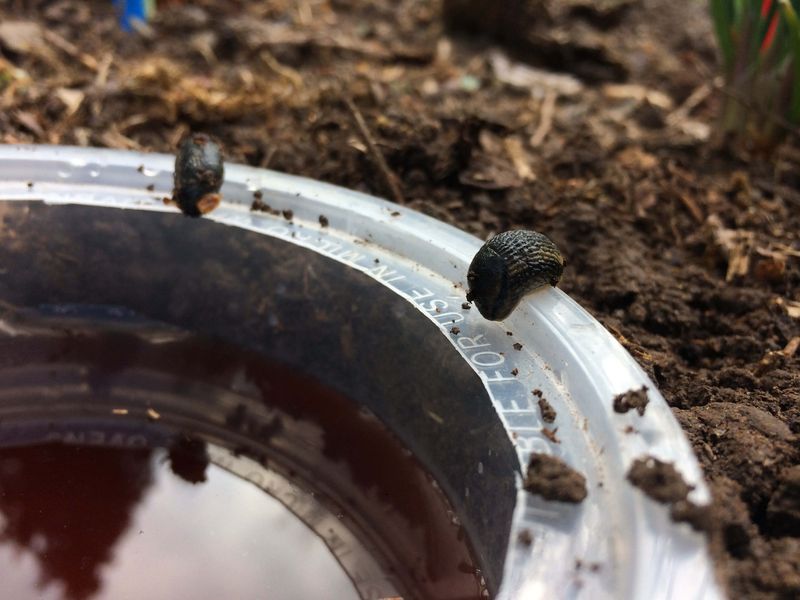
Using beer traps for slug control is a popular DIY method. Picture slugs lured into a beer-filled dish, meeting their demise. However, beer traps are often ineffective at controlling large slug populations.
They might attract and drown some slugs, but they rarely eliminate the problem entirely. Combining traps with other preventative measures provides a more comprehensive approach to slug management.
14. Myth 14: Cinnamon Prevents Fungal Diseases
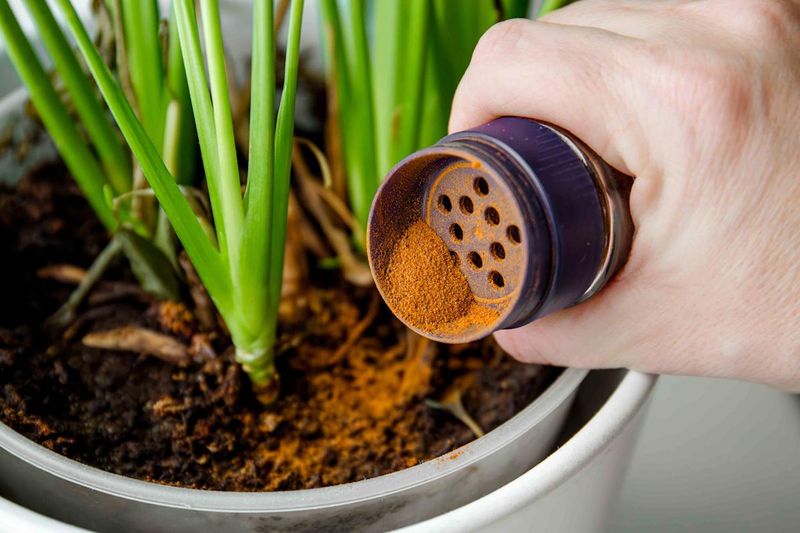
Sprinkling cinnamon to prevent fungal diseases sounds like a sweet solution. Imagine dusting plant bases with cinnamon, expecting it to ward off illness. While cinnamon has antifungal properties, its efficacy in gardens is limited.
Using cultural practices like proper spacing and watering techniques is more effective in preventing fungal issues. Cinnamon should not replace proven horticultural methods.
15. Myth 15: Fertilizer Burn is Always Visible
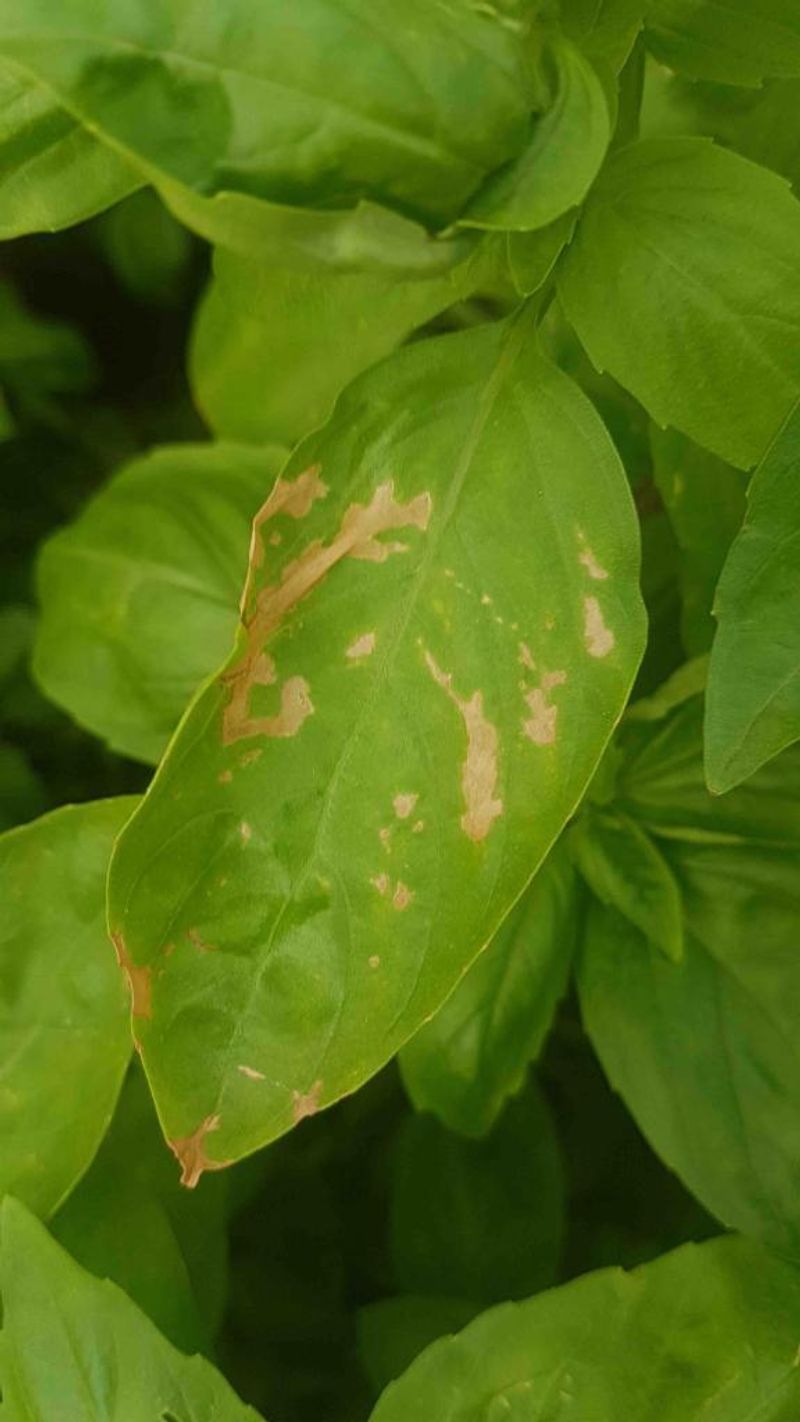
Fertilizer burn is often considered obvious, envisioned as dramatic leaf scorching. However, the signs can be subtle, like stunted growth or root damage. Misinterpreting these symptoms can lead to over-fertilization.
Understanding the right amount and type of fertilizer for each plant species is key. Avoiding excess and following recommended guidelines prevents hidden damage to your garden.
16. Myth 16: Companion Planting Always Works
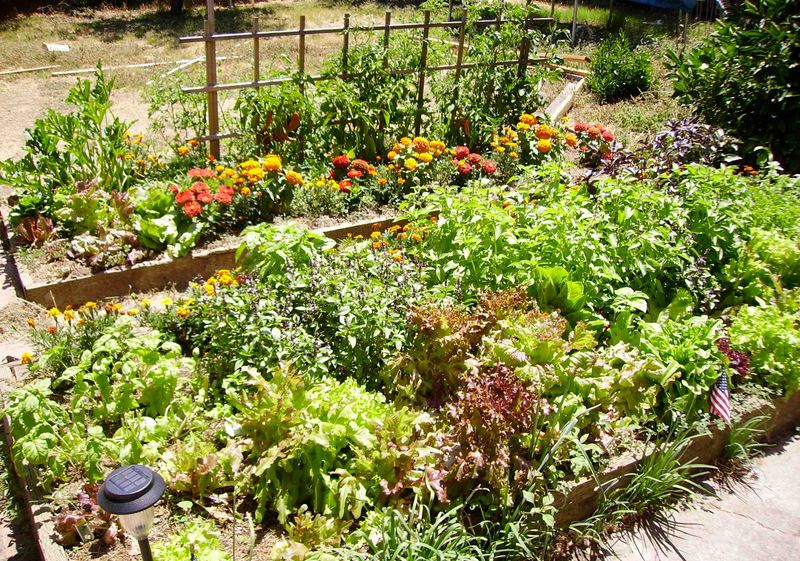
Companion planting is viewed as a magical partnership, like best friends in a garden. While some plant pairings can enhance growth or deter pests, it’s not a guaranteed success.
Factors like soil type, climate, and plant variety can affect outcomes. Experimenting and observing your specific garden conditions will yield the best results from companion planting.
17. Myth 17: Pruning in Winter is Best
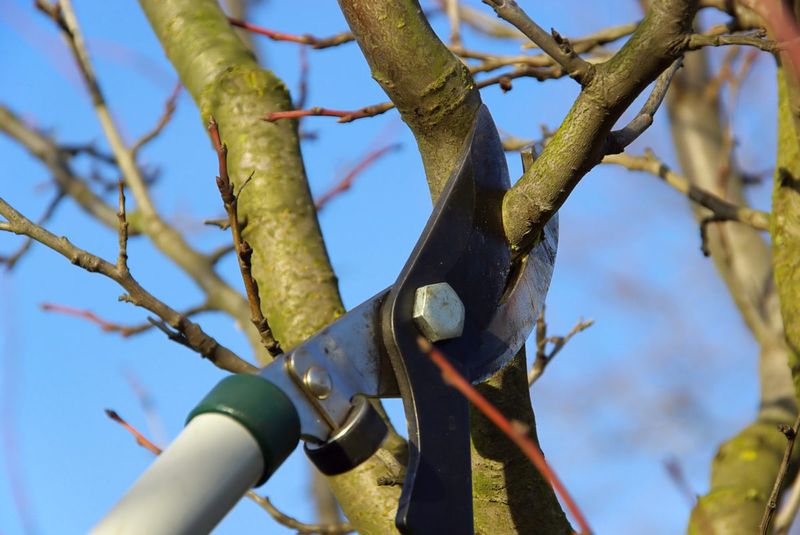
Pruning in winter is often advised for plant health, imagined as sculpting a dormant masterpiece. While it’s beneficial for some plants, not all trees and shrubs thrive with winter pruning.
Timing varies with species, and incorrect timing can harm plant health. Understanding the needs of each plant ensures pruning enhances rather than damages your garden.