 Complete Gardening
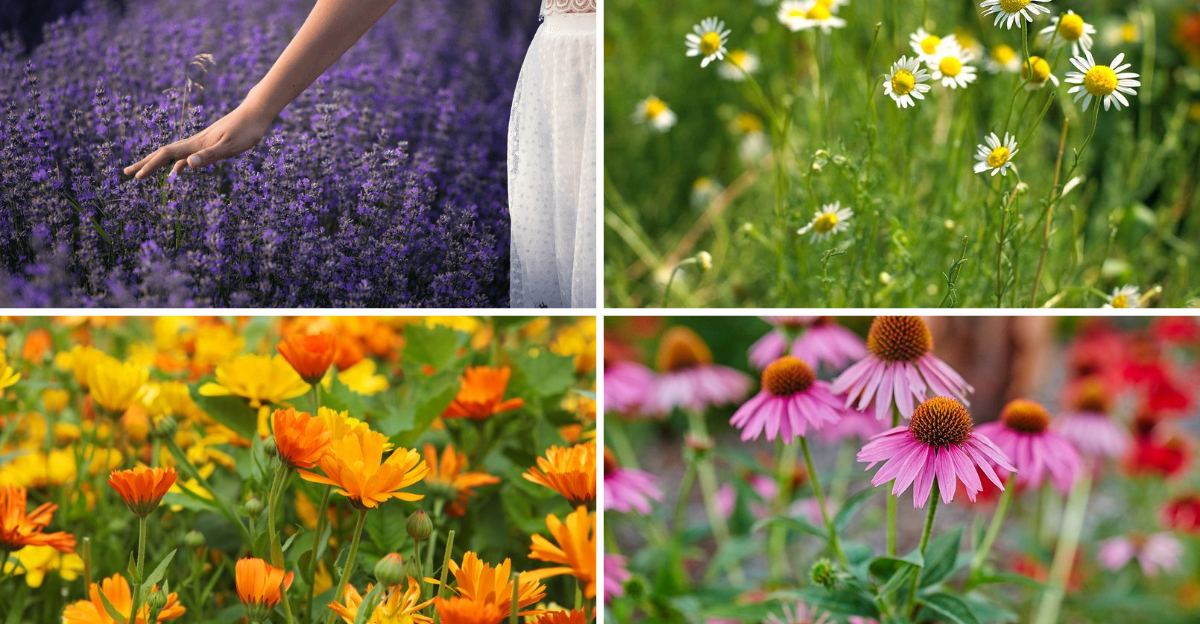
Discover the world of healing flowers that you can easily grow right at home. These blooms not only add beauty to your garden but also offer various therapeutic benefits. From soothing teas to calming balms, these flowers can be used in multiple ways to enhance your well-being. Explore this captivating collection of 17 healing flowers and learn how they can contribute to a healthier lifestyle.
1. Lavender
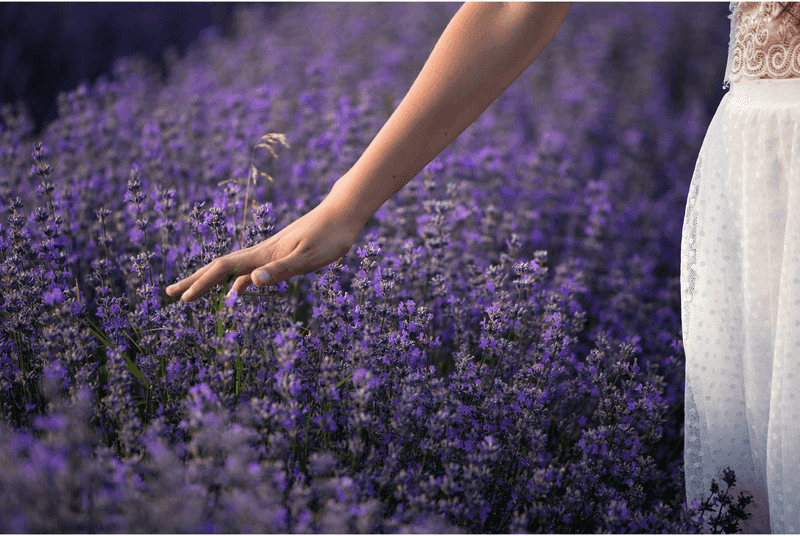
Imagine the calming scent of lavender wafting through your garden. Known for its relaxing properties, lavender can ease stress and promote better sleep. Grow it in a sunny spot, and enjoy its fragrant purple blossoms.
Adding lavender to your garden offers not only aesthetic beauty but also practical benefits. Use the flowers in sachets or as a natural remedy for headaches.
This versatile plant also attracts pollinators, enhancing the ecosystem around your home. Consider blending it into teas or essential oils for a touch of tranquility.
2. Chamomile
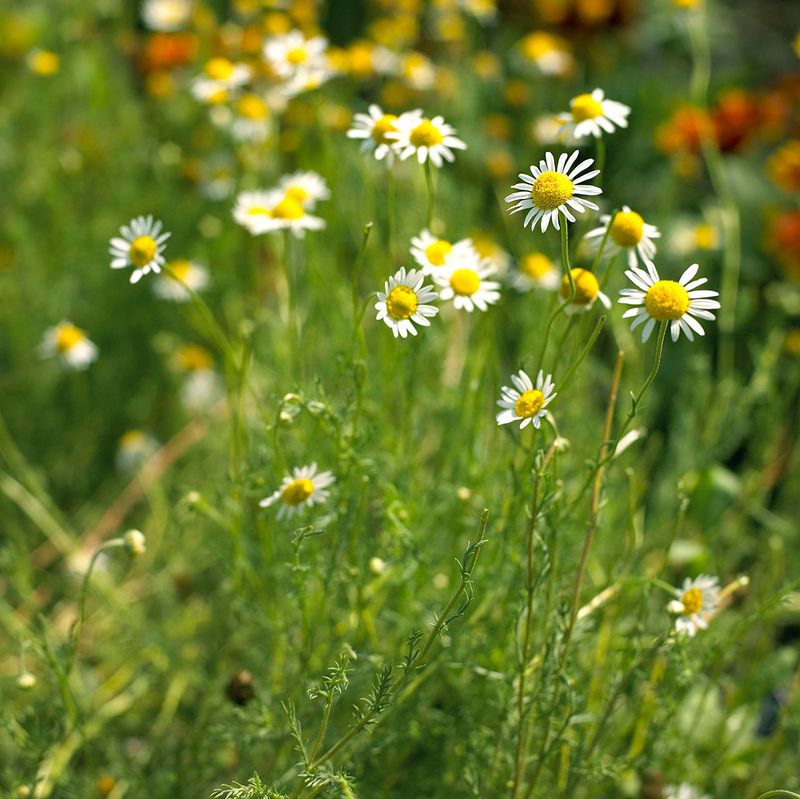
Picture the gentle white petals of chamomile swaying in the breeze. This flower is celebrated for its soothing qualities, commonly used in teas to aid digestion and relaxation.
Cultivate chamomile in well-drained soil and a sunny location to enjoy its cheerful presence. Not only does it provide a calming cup of tea, but its dainty blooms add charm to any garden.
Chamomile can also be used in skincare products to soothe irritated skin. Its inviting aroma is a bonus for any herbal enthusiast.
3. Calendula
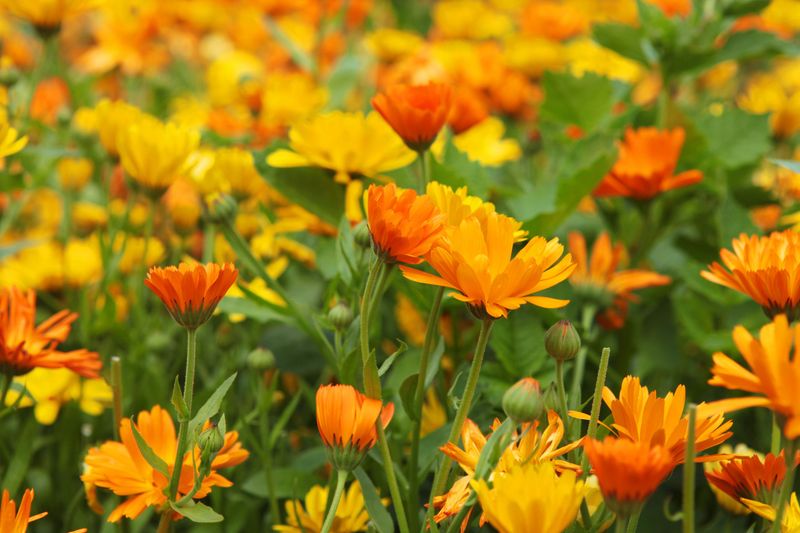
With bright orange petals, calendula is a cheerful addition to any home garden. Known for its healing properties, calendula is often used in ointments and balms to heal cuts and soothe skin.
Growing calendula is straightforward; it thrives in full sun and well-drained soil. Its vivid blooms not only uplift the garden but also attract beneficial insects.
Use calendula petals in salads or teas for a splash of color and health benefits. This flower’s versatility makes it a gardener’s favorite.
4. Echinacea
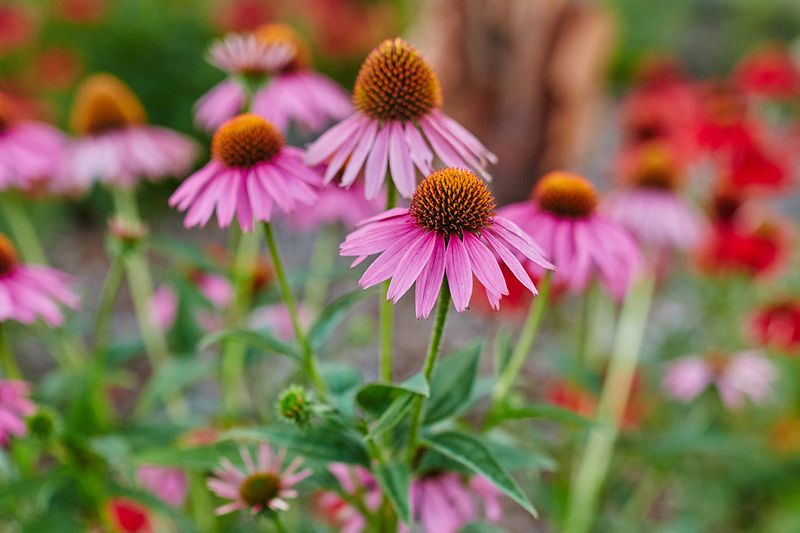
Echinacea, with its striking purple petals, is a staple in herbal gardens. Renowned for boosting immunity, it’s often used in teas and supplements.
Plant echinacea in a sunny location with well-drained soil for best results. Its bold blooms not only enhance garden aesthetics but also attract pollinators.
The medicinal properties of this flower make it a must-have for natural remedy enthusiasts. Echinacea’s resilience and vibrant color add to its appeal.
5. St. John’s Wort
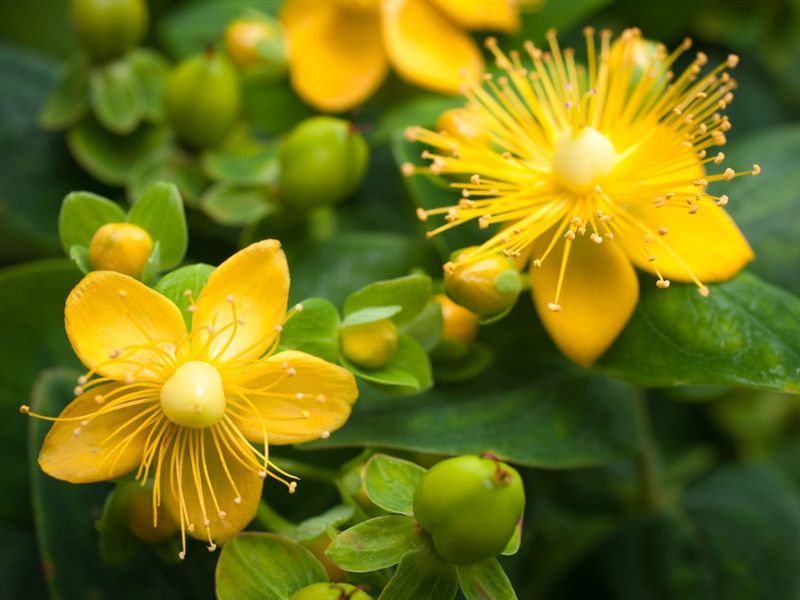
St. John’s Wort, with its bright yellow blossoms, is a well-known herbal remedy for mood support. Often used to ease depression, it’s a valuable addition to any healing garden.
Grow it in a sunny area with well-drained soil, and watch it flourish. The vivid flowers are not only beautiful but also useful in homemade oils and tinctures.
St. John’s Wort offers a natural way to enhance mental well-being, making it a cherished choice for herbalists.
6. Peppermint
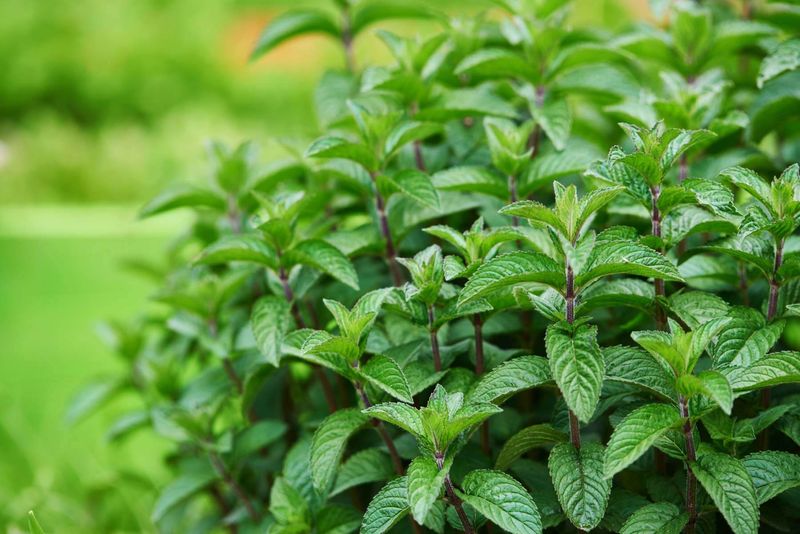
Peppermint’s invigorating aroma is unmistakable, and its small flowers are delightful. Known for aiding digestion, peppermint is a versatile addition to any garden.
Grow it in a container to prevent it from spreading too much, and enjoy its refreshing scent. Use the leaves in teas, or make your own peppermint oil.
This hardy plant is perfect for beginners and offers a constant supply of fresh herbs.
7. Borage
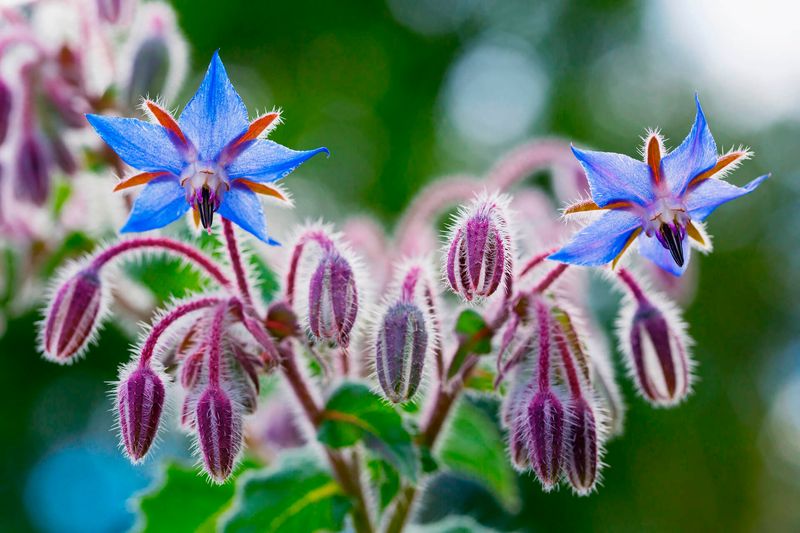
Borage, with its striking blue star-shaped flowers, is a unique garden addition. Known for uplifting spirits, borage is often used in salads and drinks.
Cultivate it in well-drained soil, and enjoy the constant buzz of pollinators. The flowers and leaves are edible, adding a cucumber-like flavor to dishes.
Borage’s vibrant appearance and beneficial properties make it both a visual and culinary delight.
8. Yarrow
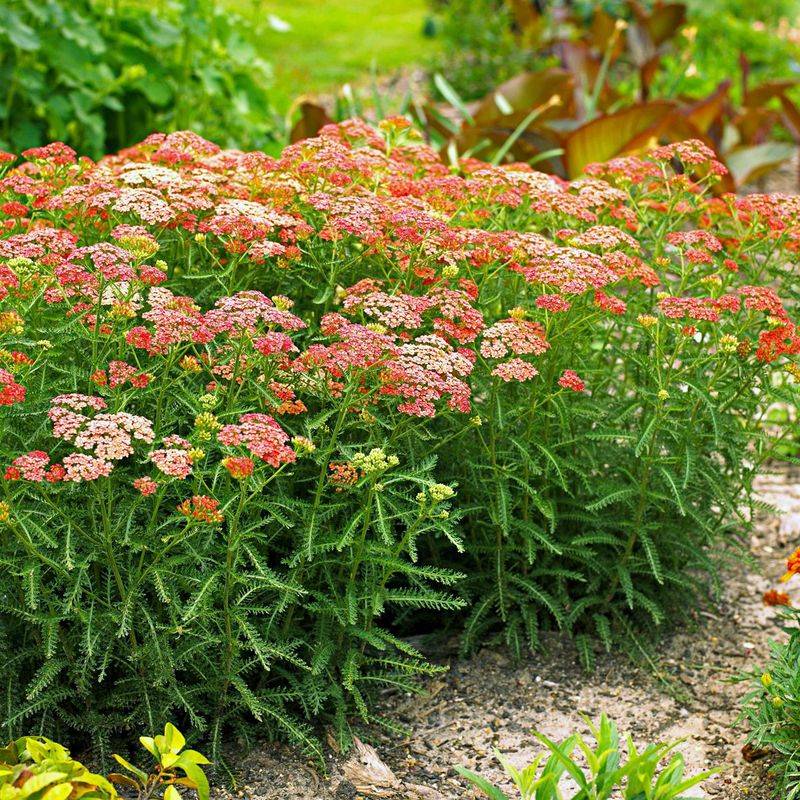
Yarrow’s feathery leaves and clusters of tiny flowers bring elegance to any garden. Revered for wound healing, it’s often used in ointments and teas.
Plant yarrow in a sunny spot with well-drained soil to watch it thrive. The flowers attract beneficial insects, adding balance to your garden ecosystem.
Yarrow’s historical use in herbal medicine and its beauty make it a wise choice for those interested in natural healing.
9. Rosemary
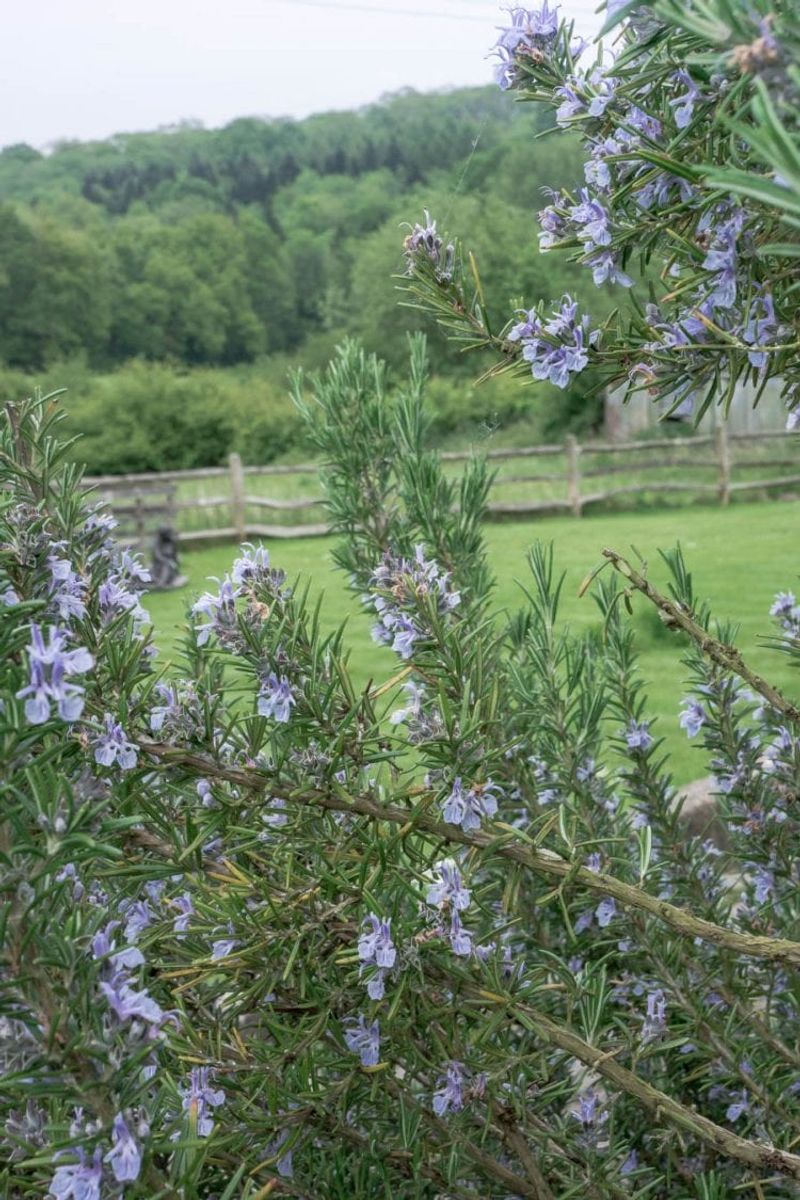
Rosemary’s aromatic leaves and tiny purple flowers are both attractive and useful. Known for enhancing memory, rosemary is a staple in culinary and herbal gardens.
Grow it in a sunny location with well-drained soil, and enjoy its robust fragrance. Use the leaves in cooking or as a natural air freshener.
Rosemary’s versatility and pleasant scent make it a beloved choice for gardeners and chefs alike.
10. Lemon Balm
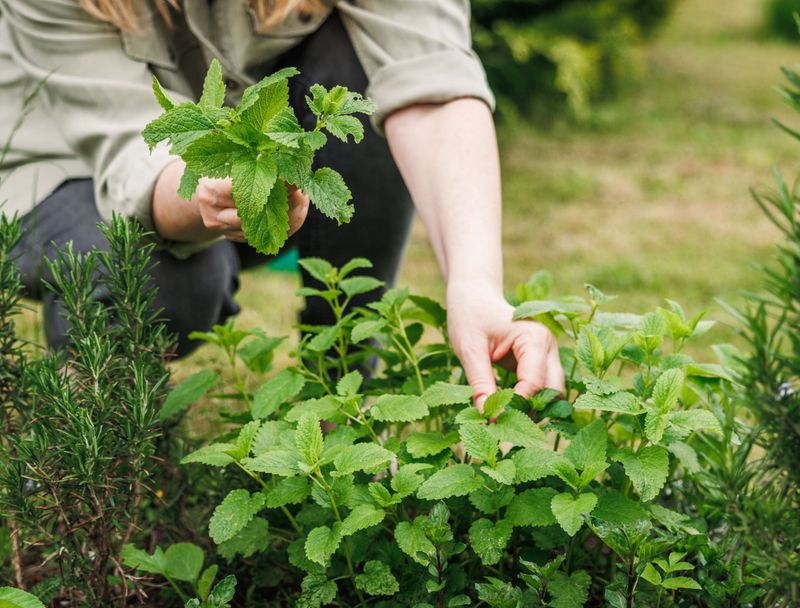
Lemon balm, with its refreshing lemon scent, adds zest to any garden. Often used in teas to promote relaxation, it’s a delightful herb to grow.
Plant it in a sunny spot, and enjoy the gentle sway of its pale yellow flowers. Lemon balm can also be used in homemade balms and lotions for its soothing properties.
The cheerful aroma and calming effects make it a favorite among herbal enthusiasts.
11. Jasmine
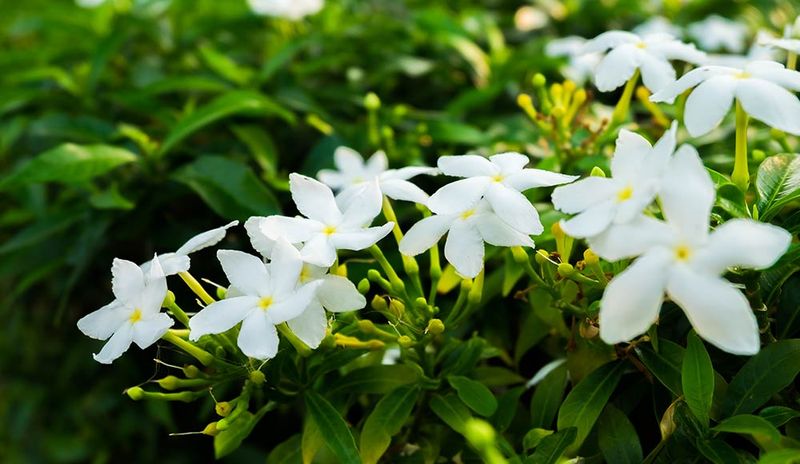
Jasmine’s intoxicating fragrance and delicate white flowers are enchanting. Known for its calming effect, jasmine is often used in teas and perfumes.
Grow it on a trellis in a sunny location, and let its beauty unfurl. The flowers attract pollinators, adding life to your garden.
Jasmine’s allure and therapeutic properties make it a garden treasure.
12. Marigold
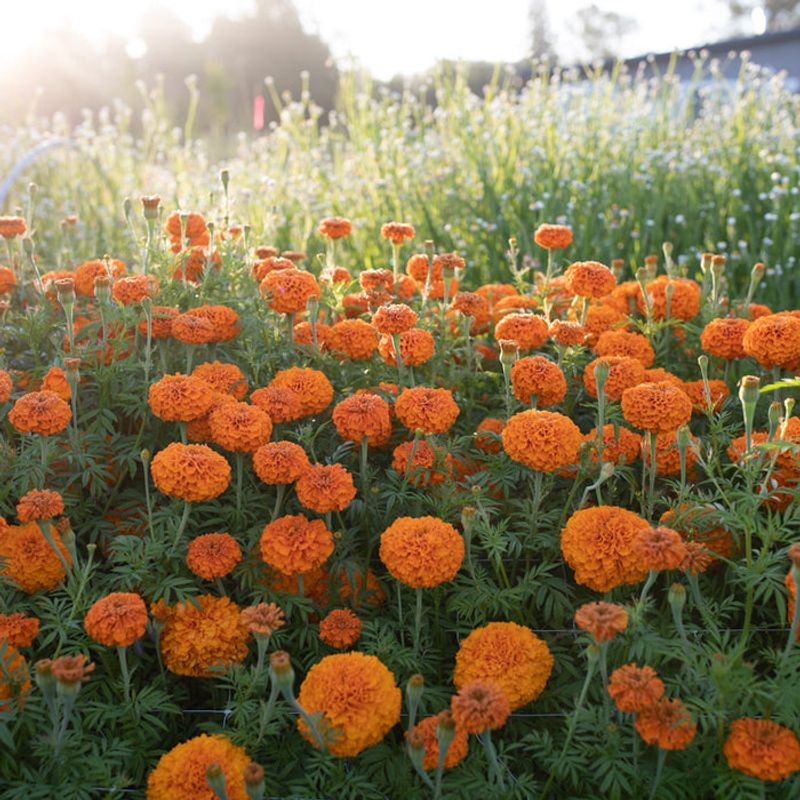
Marigolds, with their vibrant orange hues, are a lively addition to any garden. Known for repelling pests, they’re often planted as a natural garden protector.
Cultivate them in a sunny area, and enjoy their cheerful blooms. Marigolds can also be used in ointments to soothe skin irritations.
Their bold color and practical benefits make them a gardener’s ally.
13. Passionflower
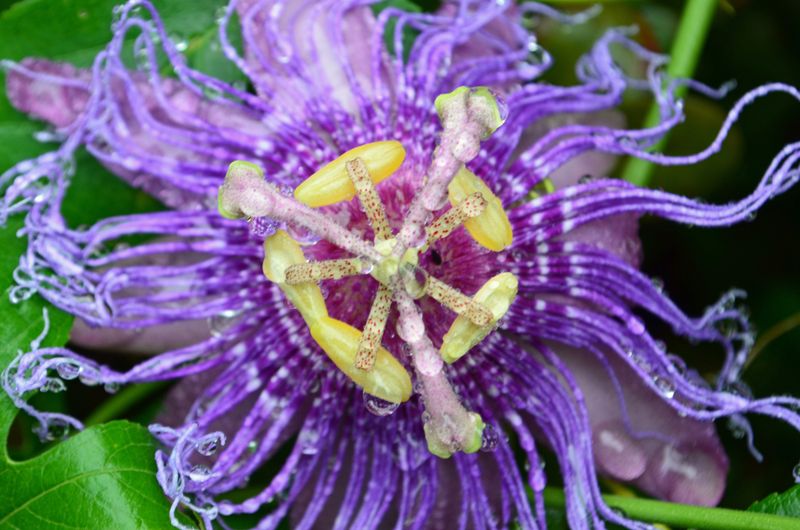
Passionflower’s exotic appearance and calming properties make it a garden standout. Often used in teas for anxiety, it’s a unique addition to home gardens.
Grow it on a trellis in a sunny spot, and watch its intricate blooms captivate. The flowers also attract pollinators, adding diversity to your garden.
Passionflower’s beauty and therapeutic use make it a cherished plant.
14. Hibiscus
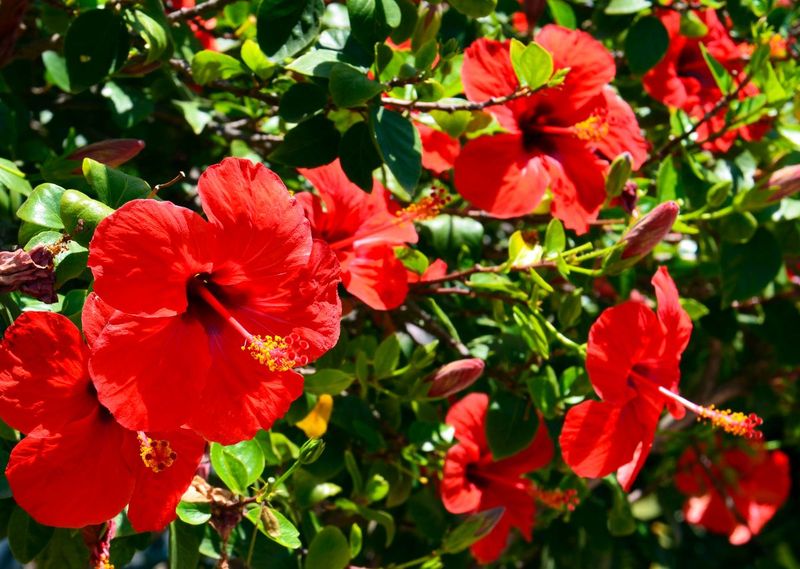
Hibiscus, with its large, vibrant blooms, is a tropical delight. Known for its use in teas, hibiscus is both refreshing and beneficial for heart health.
Plant it in a sunny area with well-drained soil, and enjoy its striking presence. The flowers can be used in teas and jams, adding a tart flavor.
Hibiscus’s bold appearance and health benefits make it a garden favorite.
15. Sage
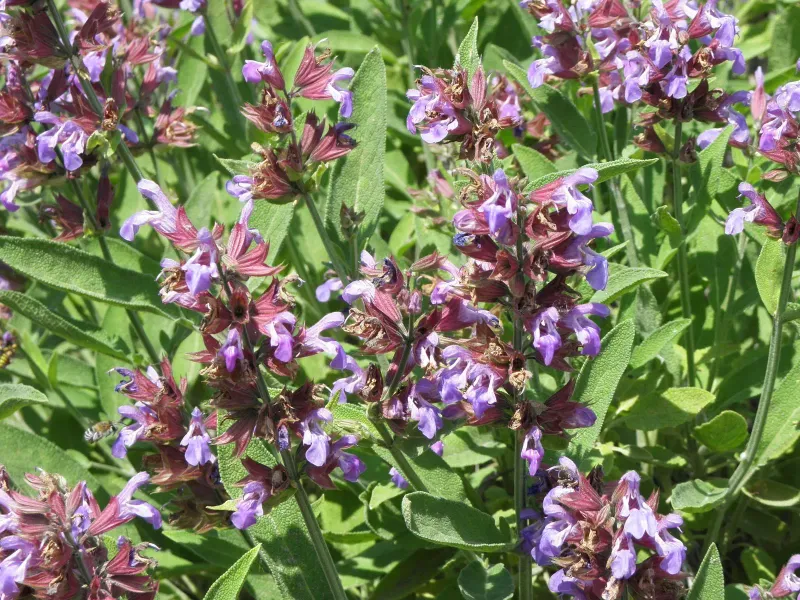
Sage’s earthy aroma and purple blooms add depth to any garden. Often used in cooking and herbal remedies, sage is a versatile plant.
Grow it in a sunny location with well-drained soil, and relish its fragrant leaves. Use sage in teas, or make smudge sticks for cleansing.
Its practical uses and pleasant scent make sage a valued addition to home gardens.
16. Elderflower
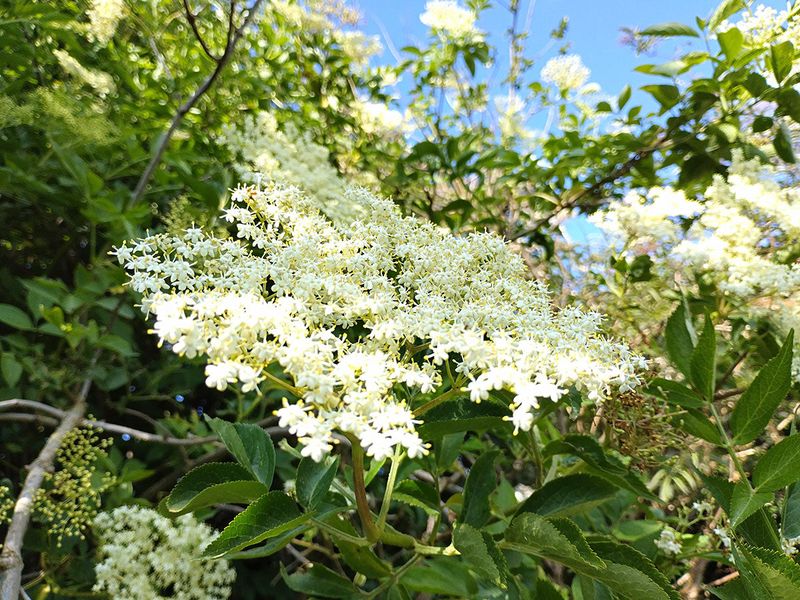
Elderflower’s delicate clusters and sweet scent are enchanting. Known for its use in cordials and teas, elderflower offers a touch of elegance.
Plant it in a sunny spot, and enjoy the gentle allure of its blooms. The flowers can be used in desserts and drinks, adding a floral note.
Elderflower’s charm and culinary versatility make it a delightful choice for gardeners.
17. Nasturtium
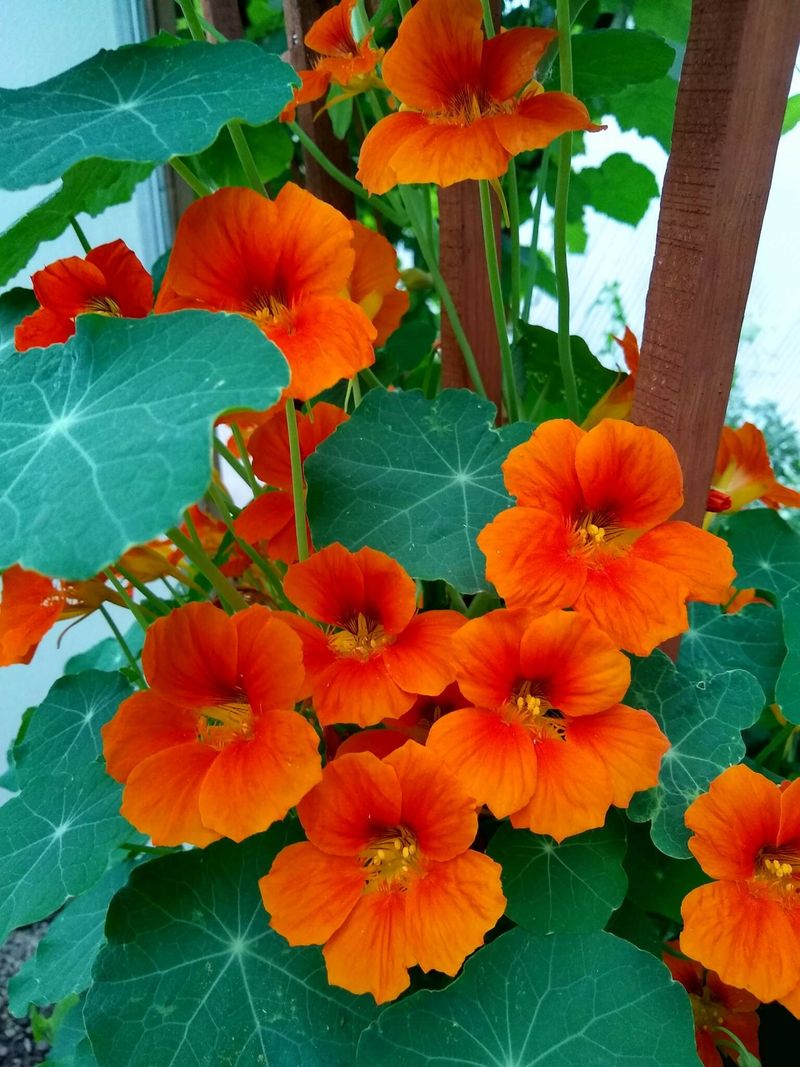
Nasturtium’s vibrant colors and peppery flavor make it a garden favorite. Known for being edible, both the flowers and leaves can be used in salads.
Grow nasturtiums in a sunny area, and enjoy their cheerful abundance. They’re also known for attracting beneficial insects, enhancing garden health.
The bold hues and culinary uses of nasturtiums add flair to any home garden.