 Complete Gardening

Spring is the perfect time to give your roses the care and attention they need to thrive. With the right steps, you can ensure a spectacular bloom that will bring color and fragrance to your garden.
These 17 essential tips will guide you in nurturing your roses, from pruning techniques to soil management, ensuring each rose bush is a showstopper.
1. Prune with Precision

Snip, snip! It’s time to give your roses a fresh start. Pruning in early spring removes dead or weak growth, promoting stronger blooms. Use clean, sharp shears to cut at a 45-degree angle, just above a healthy bud.
Be selective, focusing on creating an open center for air circulation. This meticulous practice not only shapes your rose bush but also prevents diseases.
Remember, the goal is to invigorate your plant, so don’t be shy about cutting back. Trust in the process, and your roses will reward you with vibrant blossoms all season long.
2. Soil Enrichment
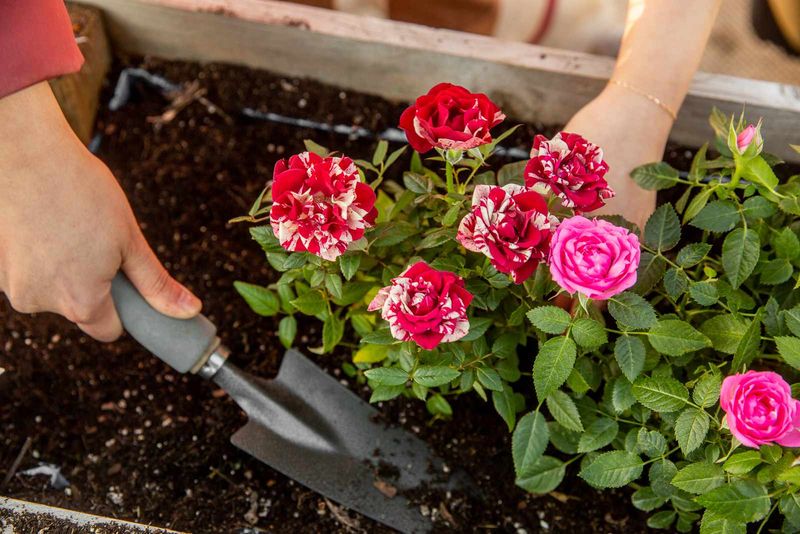
Earth matters! Before roses awaken from their winter slumber, enrich the soil with organic matter. Compost or well-rotted manure works wonders, adding vital nutrients and improving drainage.
Loosen the soil around each bush, mixing in your chosen enrichment gently. This preparation lays a foundation for robust growth and stunning flowers. Healthy soil is the bedrock for healthy roses.
By ensuring your soil is rich and well-drained, you set the stage for a flourishing garden. Let your roses bask in the nutritious goodness of their revitalized home.
3. Water Wisely

Water is life! Roses require consistent moisture, but overwatering can be a common pitfall. Aim to water early in the morning, soaking the soil thoroughly. This timing reduces evaporation and ensures roots absorb necessary moisture.
Avoid wetting the foliage to prevent disease. Instead, focus on the base of the plant, allowing water to penetrate deeply.
With careful attention, you’ll find the balance that keeps your roses lush without being waterlogged. A well-hydrated rose bush is a happy rose bush, ready to dazzle with blooms.
4. Feed with Fertility
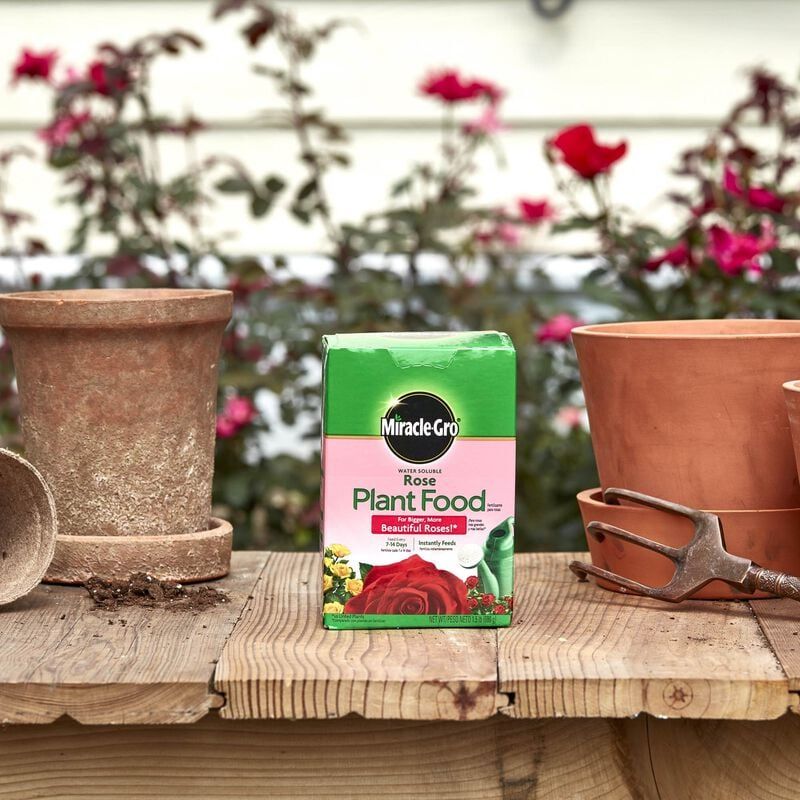
Feed them well! As roses break dormancy, a balanced fertilizer provides the boost they need. Choose an organic, slow-release formula, applying it around the base of each plant. Follow the recommended rate on the package for best results.
Feeding enriches the soil, supporting robust growth and abundant flowers. Remember, healthy roses start with nutrition, and a well-fed rose is a prolific bloomer.
By nurturing the roots, you ensure a season full of vibrant colors and captivating fragrances in your garden.
5. Mulch for Moisture
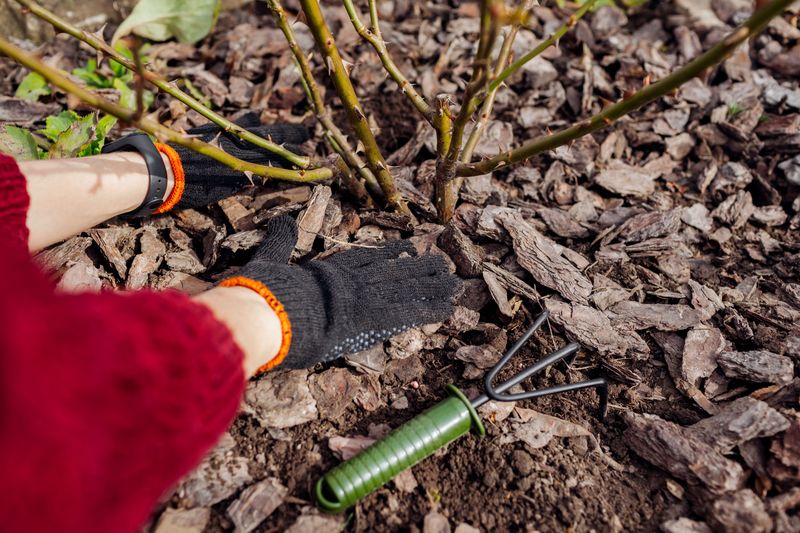
Lock in that moisture! Mulching is a simple yet effective strategy for rose care in spring. Spread a 2-3 inch layer of organic mulch around the base of your roses. This barrier retains soil moisture, suppresses weeds, and moderates soil temperature.
As mulch breaks down, it adds organic matter to the soil, enriching it further. Your roses will thrive with this extra protection, leading to a healthier, more vibrant bloom.
Think of mulch as a cozy blanket, keeping your roses comfortable and content.
6. Sunshine and Space

Sun-seekers unite! Roses adore the sun, needing at least six hours of sunlight daily to flourish. Ensure your roses are planted in an open area where they can bask in the sun’s rays.
Space them adequately to avoid overcrowding, which can lead to mold and mildew. This sunlit exposure not only fuels photosynthesis but also enhances the vibrancy of their blooms.
By granting them space and sunshine, you cultivate an environment where roses can truly shine, their beauty amplified by nature’s light.
7. Pest Patrol

Keep an eye out! Early spring is prime time for pests, but vigilance can keep them at bay. Regularly inspect leaves and buds for aphids or spider mites. A gentle spray of water can dislodge them, or use a natural insecticidal soap for persistent issues.
Encourage beneficial insects like ladybugs, which are natural predators of common rose pests. By staying proactive and attentive, your roses remain pest-free, allowing them to grow undisturbed and bloom magnificently.
8. Disease Defense

Stay healthy! Roses can be susceptible to diseases like black spot and powdery mildew. Apply a preventive organic fungicide early in the season. Pruning and proper spacing also reduce the risk of disease.
Good air circulation and avoiding overhead watering minimize conditions favorable to fungal growth.
Vigilant care ensures your roses maintain their health, showcasing their full beauty without the threat of disease. Healthy roses are happy roses, ready to charm with their flawless blooms.
9. Support Structures

Rise and shine! Climbing roses need support to reach their full potential. Install trellises or arbors early, guiding the canes gently as they grow. Secure them loosely to avoid damaging the stems.
Supporting structures not only enhance the aesthetic but also promote healthy growth and abundant flowering.
Give your climbers the support they need, and they will reward you with an upward cascade of blossoms, making your garden a stunning vertical spectacle.
10. Companion Planting

Teamwork in nature! Companion planting benefits roses by attracting beneficial insects and deterring pests. Consider planting marigolds, which repel nematodes, or lavender, which attracts pollinators.
These companions enhance the garden’s ecosystem, leading to healthier roses. The interplay of colors and scents from companion plants also adds beauty to your garden, creating a harmonious and thriving environment.
By collaborating with nature, your roses will not only look good but also enjoy a supportive community around them.
11. Regular Deadheading
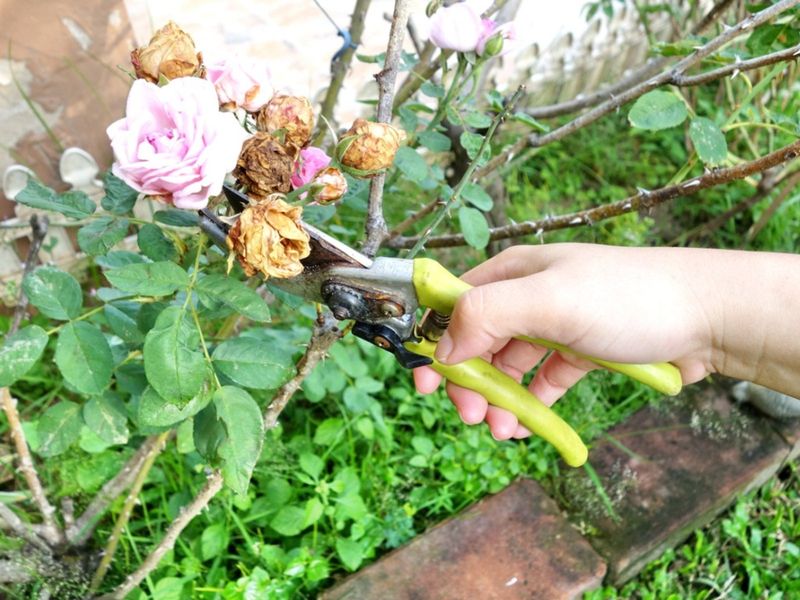
Out with the old! Remove spent blooms regularly to encourage new growth and prolong flowering. Deadheading redirects the plant’s energy from seed production to developing new buds. Use clean shears to cut just above a five-leaflet leaf.
This simple practice keeps your roses looking fresh and vibrant, ensuring a continuous display of blooms. Regular deadheading is like giving your roses a gentle nudge, reminding them to keep the beauty coming, all season long.
12. Early Ant Control
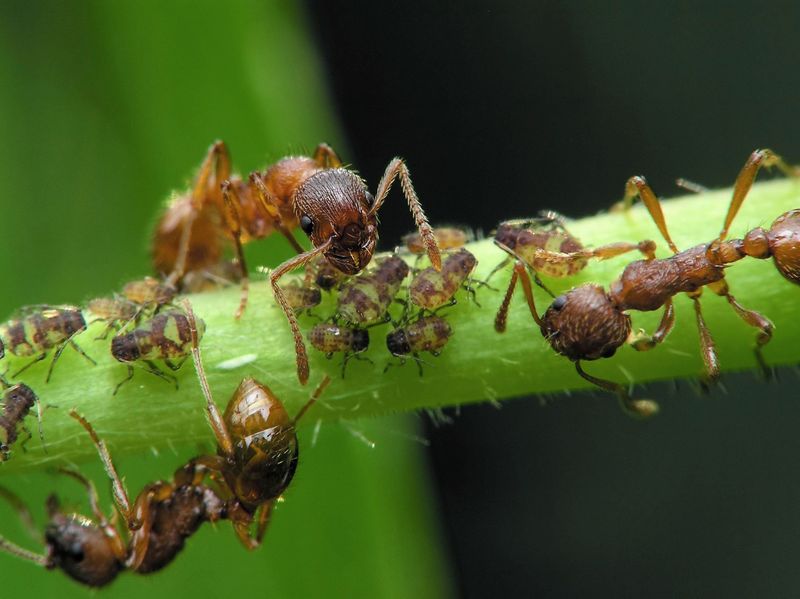
Watch those ants! Ants can be a nuisance in rose gardens, often signaling aphid infestations. Use natural deterrents like diatomaceous earth around the base of plants to keep ants at bay. Additionally, controlling aphids reduces ant presence, as ants farm them for honeydew.
By managing ant populations, you maintain the health and appearance of your roses, ensuring they remain the stars of your garden. A balanced approach keeps your garden ant-free and your roses blooming beautifully.
13. Early Spring Transplanting

Time to move! Early spring is ideal for transplanting roses, as they are about to begin their growth phase. Choose a day when the weather is mild. Dig a hole slightly larger than the root ball in its new location, ensuring good drainage.
Gently move the rose, keeping the roots intact, and water thoroughly after planting. Transplanting in spring allows roses to establish roots in their new home before the heat of summer, setting the stage for a robust display.
Relocation done right leads to thriving roses and a refreshed garden layout.
14. Check pH Levels

Balance is key! Roses prefer slightly acidic soil. Testing pH levels ensures they thrive in their ideal environment. Use a soil pH meter to check levels, aiming for a range between 6.0 and 6.8. If adjustments are needed, lime increases pH while sulfur decreases it.
Maintaining the right pH enhances nutrient uptake, promoting vigorous growth and abundant blooms. By fine-tuning the soil’s acidity, you provide a nurturing ground where roses can flourish, their beauty enhanced by optimal conditions.
15. Evaluate Wind Protection

Shield from gusts! Roses can suffer from wind damage, especially in exposed areas. Assess your garden for potential windbreaks, such as hedges or fences, to protect tender shoots. If needed, create a temporary barrier using burlap or windbreak fabric.
By safeguarding against strong winds, you help your roses retain their moisture and avoid physical damage. A calm, protected environment allows roses to bloom peacefully, their beauty uninterrupted by nature’s breezes.
16. Garden Hygiene

Cleanliness counts! A tidy garden prevents disease and promotes healthy roses. Remove fallen leaves, petals, and debris regularly, as they can harbor pests and diseases. This practice improves air circulation and sunlight penetration, essential for rose health.
By maintaining garden hygiene, you create a pristine environment where roses can grow unchecked, their blooms free from the threat of disease. A clean garden is a thriving garden, with roses taking center stage in their immaculate surroundings.
17. Weekly Observation

Stay connected! Regular observation helps catch issues early, ensuring roses remain healthy. Spend time each week inspecting for pests, diseases, or nutrient deficiencies. Take notes to track changes over time.
This proactive approach allows you to address problems swiftly, maintaining the health and beauty of your roses. By observing closely, you become attuned to your garden’s needs, fostering a deeper connection with your roses and ensuring they thrive under your care.