 Complete Gardening
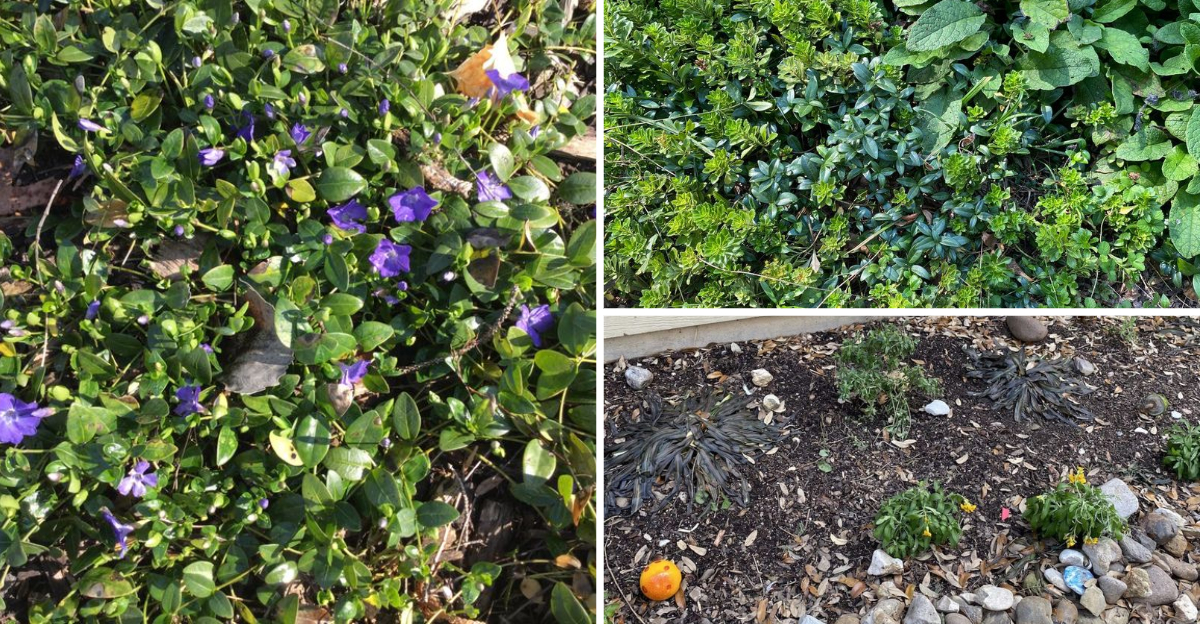
Periwinkle, with its charming blooms and lush foliage, is a favorite among gardeners. However, this delightful plant isn’t as easygoing as it seems. Many enthusiasts find themselves grappling with unexpected challenges long after the planting season. From invasive tendencies to disease susceptibility, periwinkle presents a range of problems that can catch even seasoned gardeners off guard. This guide explores the 17 most common issues associated with growing periwinkle, providing insights and solutions to help you better manage your garden. Embrace the beauty of periwinkle with awareness and preparation to ensure a thriving garden.
1. Invasive Spread
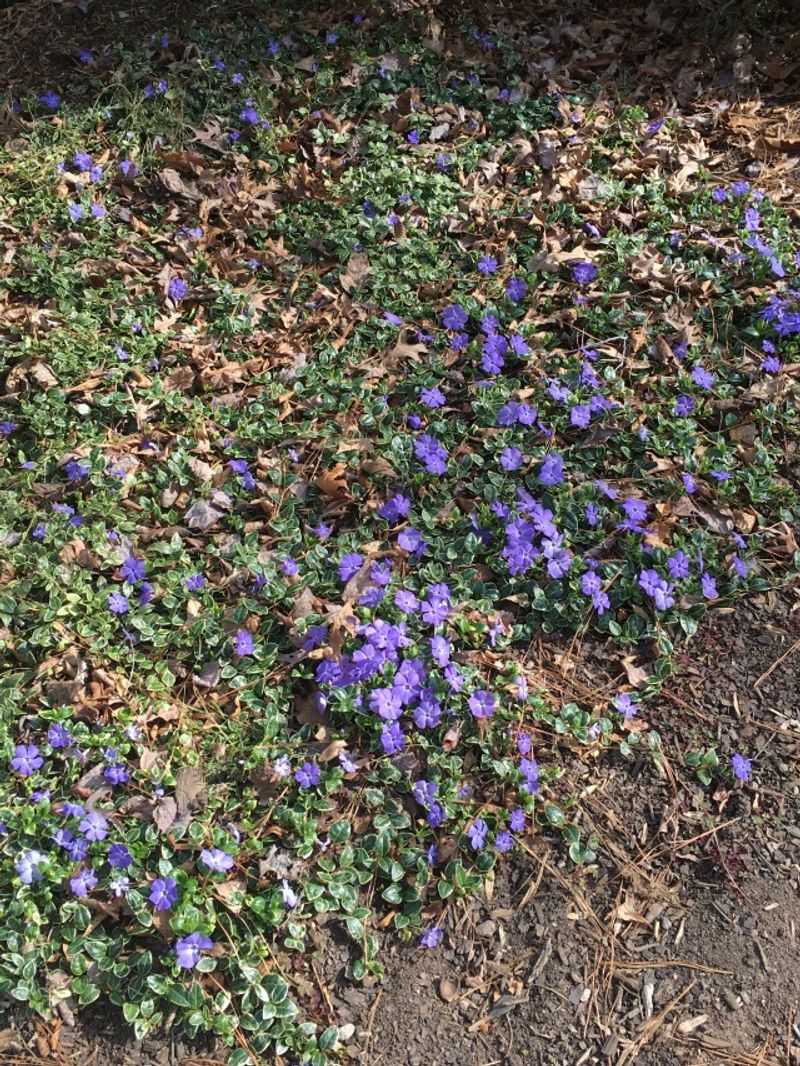
Periwinkle, often adored for its vibrant flowers and hardy nature, can quickly become a garden invader. This plant’s rapid growth allows it to spread beyond its intended area, overtaking other flora in its path. Have you ever noticed how it stealthily creeps across garden beds? Once it takes root, periwinkle establishes itself firmly, making it challenging to control. Gardeners often find themselves in a constant battle, trying to maintain balance. Introducing barriers or regular pruning can help manage its growth without stifling its beauty.
2. Susceptibility to Fungus
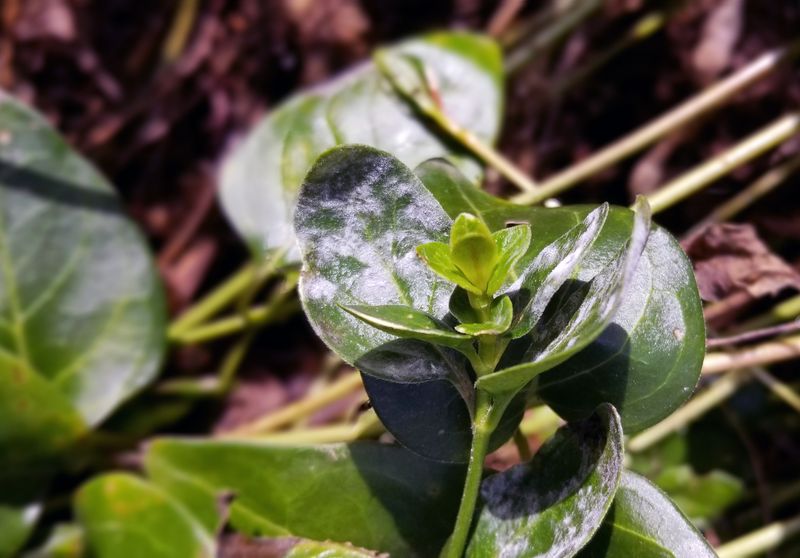
Periwinkle is not immune to fungal infections, which can mar its otherwise pristine appearance. Damp conditions, often unavoidable in gardens, can lead to the proliferation of fungal spores. If you’ve ever spotted discolored patches on its leaves, your periwinkle might be under fungal attack. This issue is more common in shaded areas where moisture hangs in the air. Regular checks and ensuring good air circulation around the plants can alleviate these fungal woes, keeping your periwinkle healthy and vibrant.
3. Root Rot Risk
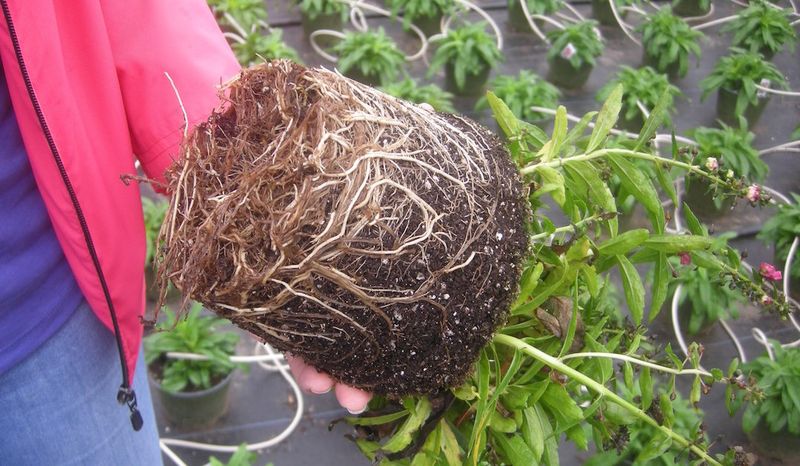
Excessive watering is a common mistake that leads to root rot in periwinkle plants. Root rot occurs when waterlogged soil suffocates the roots, causing them to decay. Has your periwinkle looked wilted despite plenty of water? This might be the culprit. Ensuring that your soil has good drainage and monitoring watering can prevent this dreaded condition. Raised flower beds or pots with drainage holes are effective solutions to avoid root rot, allowing periwinkle to flourish without fear.
4. Pest Attraction
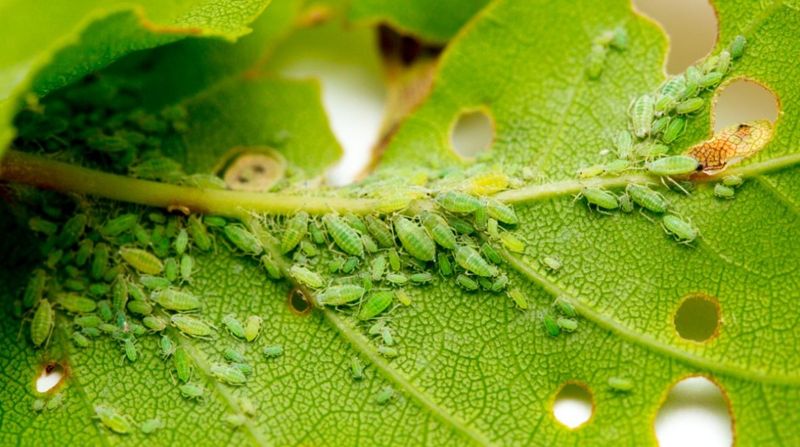
Periwinkles, though beautiful, often attract pests like aphids and caterpillars. These unwelcome guests can damage the foliage and flowers, leaving gardeners frustrated. Have you noticed tiny holes or distorted leaves? Pests might be the cause. A regular inspection can help identify pest problems early, allowing for timely intervention. Natural pest control methods, such as introducing beneficial insects or using organic sprays, can protect your periwinkle without harming the environment.
5. Nutrient Deficiency Signs
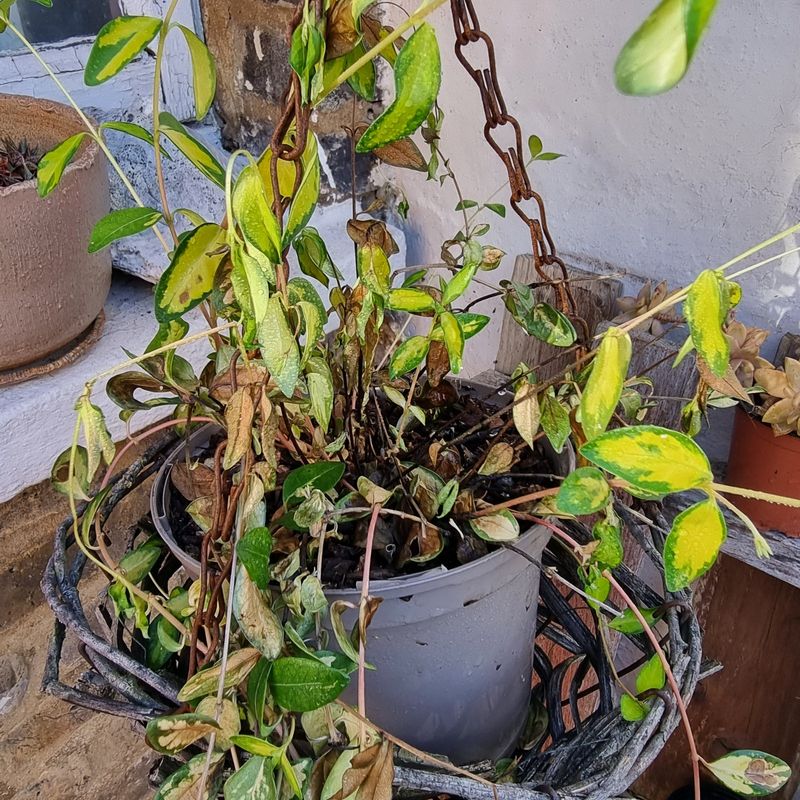
Yellowing leaves on your periwinkle may signal a nutrient deficiency. Despite its robust nature, periwinkle requires a balanced diet to thrive. Have you checked the soil quality? Over time, nutrient levels can deplete, affecting plant health. Regular feeding with a balanced fertilizer can replenish essential nutrients, promoting lush growth and vibrant blooms. Soil testing can provide insights into specific deficiencies, guiding your fertilization strategy for optimal results.
6. Competing Groundcover
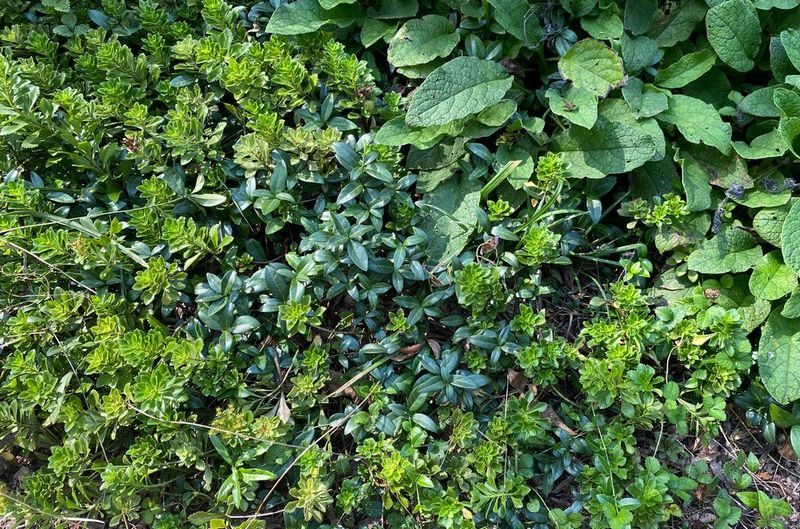
Periwinkle, with its ground-hugging growth habit, often competes with other groundcovers for space and nutrients. In mixed gardens, this competition can hinder the growth of less aggressive plants. Have you noticed other groundcovers struggling? Periwinkle might be the reason. Strategic planting and thoughtful garden design can mitigate this competition, ensuring all plants in your garden have a chance to thrive. Regular maintenance, like thinning, can help maintain harmony among diverse plantings.
7. Sunlight Sensitivity
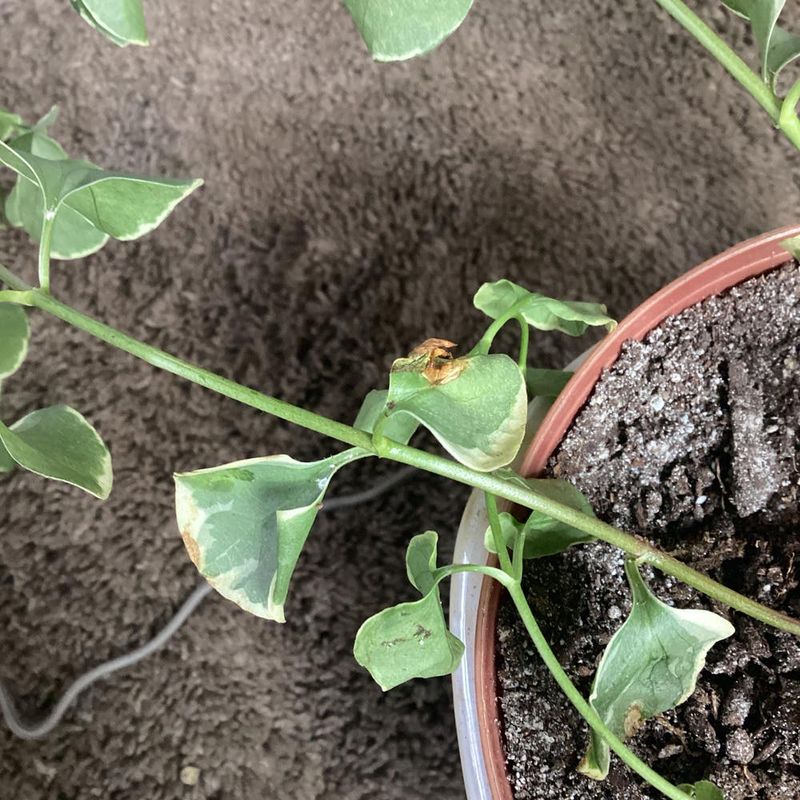
While periwinkle is adaptable, it can suffer from too much sun exposure. Sunburnt leaves, with scorched edges, are a telltale sign of excessive sunlight. Have you ever wondered why your periwinkle looks sun-stressed? It might be getting too much direct light. Providing dappled shade or situating your periwinkle in a partially shaded spot can alleviate this issue. Adjusting its location or using shade cloth can ensure your periwinkle remains vibrant and healthy.
8. Winter Weather Woes
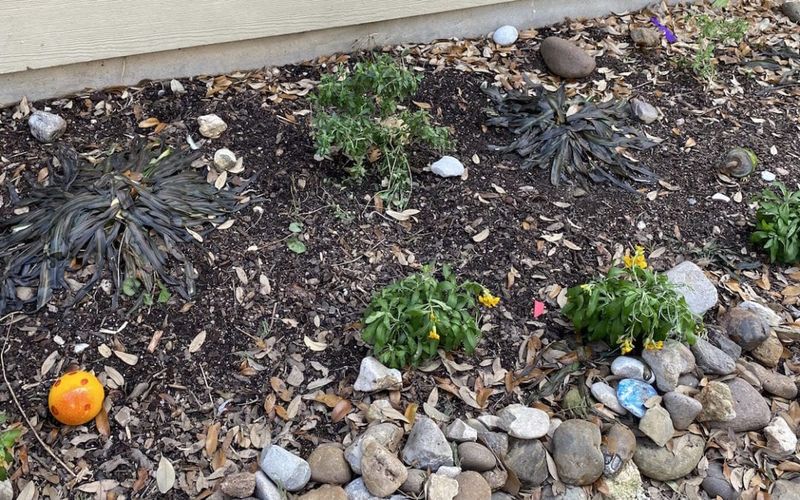
Winter can be harsh on periwinkle, especially in regions with severe frost. Frost damage manifests as browning and wilting of leaves, leaving your plant looking forlorn. Have you seen your periwinkle suffer during cold snaps? Protective measures, like mulching and using frost cloths, can shield your plants from the cold. Choosing frost-tolerant varieties and positioning them in sheltered spots can also help your periwinkle endure winter’s chill.
9. Overcrowding Issues
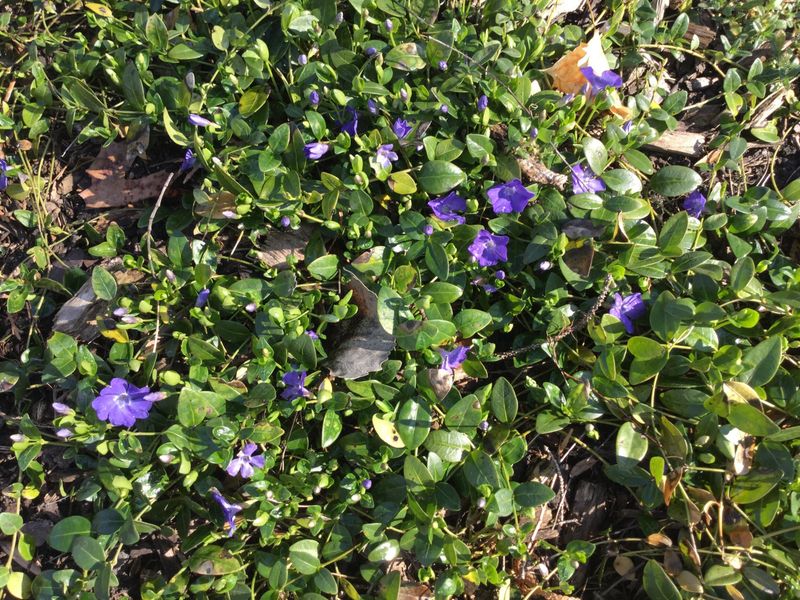
Periwinkle’s robust growth can lead to overcrowding, stifling its own development and that of nearby plants. This dense growth can prevent proper air circulation, increasing disease risk. Have you observed periwinkle crowding out its neighbors? Regular thinning and spacing can alleviate this issue, allowing better airflow and healthier plants. Planning your garden layout with adequate spacing from the start can prevent overcrowding and promote sustainable growth.
10. Soil pH Imbalance
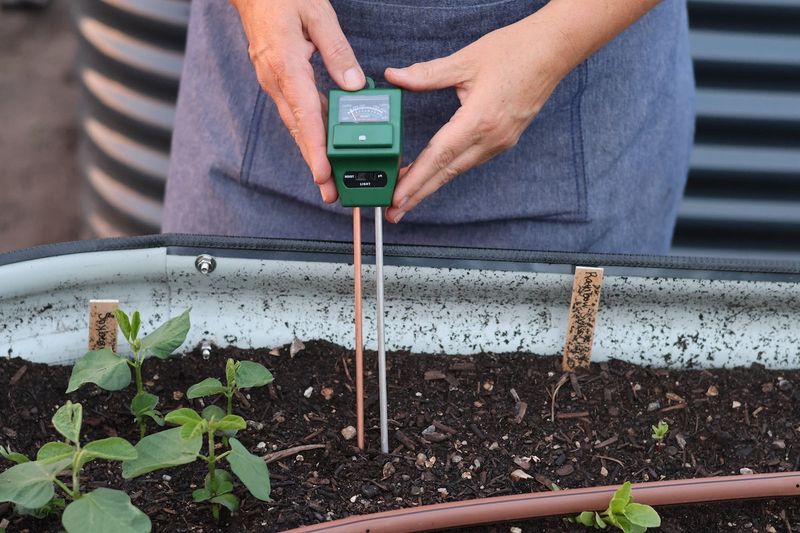
Periwinkle thrives in specific soil pH ranges, and imbalances can affect its vitality. Soil that’s too acidic or alkaline can hinder nutrient uptake, leading to poor growth. Have you tested your garden’s soil pH? Regular testing and amendments, such as lime or sulfur, can adjust pH levels to suit periwinkle’s needs. Understanding and maintaining the ideal pH can foster lush, healthy plants and prevent nutrient-related issues.
11. Limited Blooming
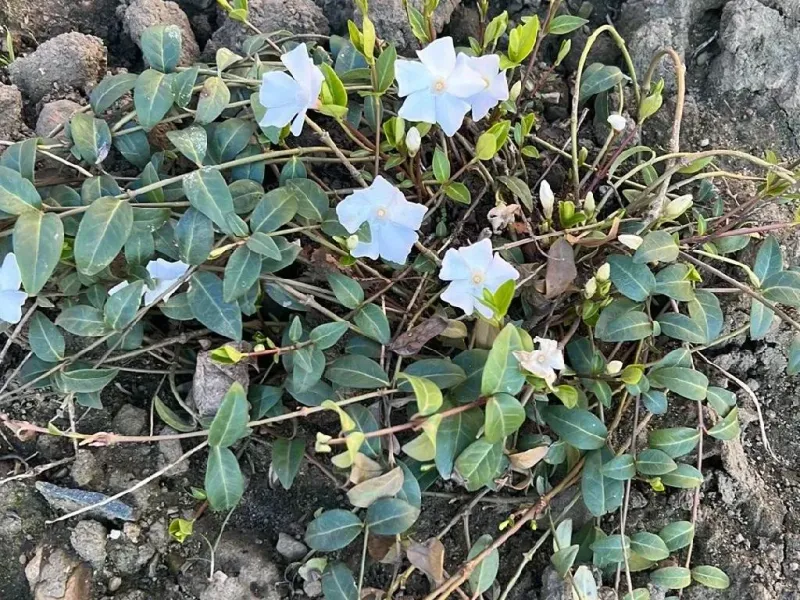
Periwinkle’s charm lies in its abundant blooms, but sometimes it may not flower as expected. Limited blooming can result from insufficient light, poor soil, or improper care. Have you ever been disappointed by scarce blooms? Evaluating growing conditions, such as light exposure and soil quality, can identify underlying issues. Adjustments like relocating plants to sunnier spots or enhancing soil fertility can encourage more plentiful flowering, restoring periwinkle’s visual appeal.
12. Pruning Challenges
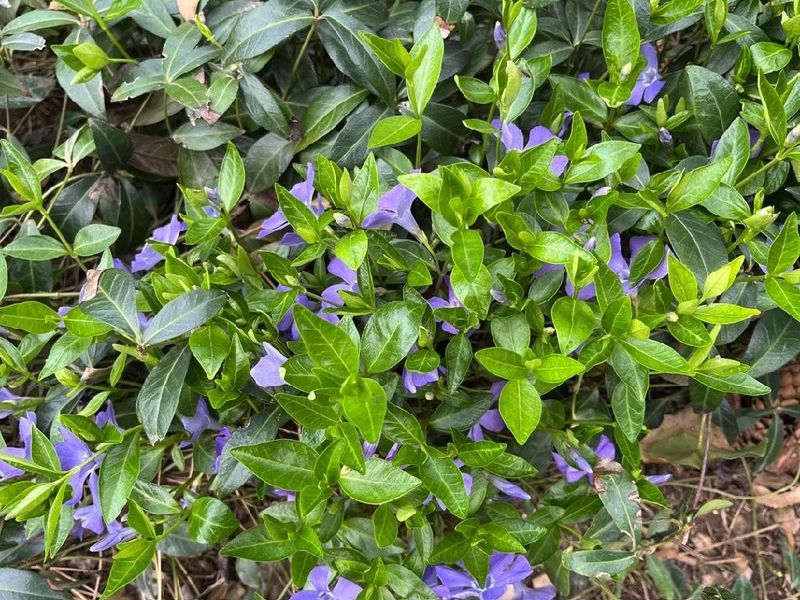
Pruning periwinkle requires a delicate touch to encourage growth without causing damage. Incorrect techniques can lead to stunted growth or unsightly plants. Have you ever felt unsure about trimming your periwinkle? Learning proper pruning methods, such as cutting back after flowering, can maintain its shape and vigor. Utilizing sharp, clean tools prevents disease spread, ensuring healthy, thriving plants. Regular pruning keeps periwinkle tidy and enhances its ornamental value.
13. Seedling Vulnerabilities
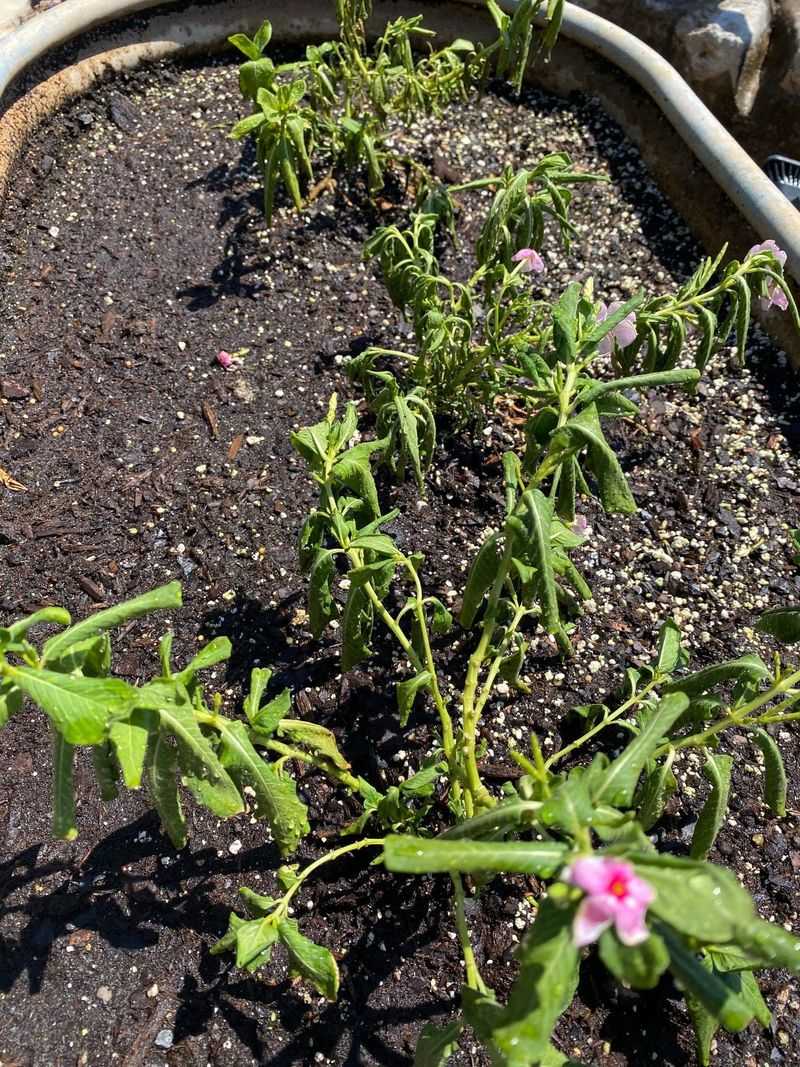
Periwinkle seedlings, though promising, are vulnerable to various threats like pests and weather extremes. Young plants require careful attention to thrive. Have you ever seen seedlings struggle to establish? Providing protection from harsh conditions and monitoring for pest infestations can support healthy growth. Gradually acclimating seedlings to outdoor conditions, a process known as hardening off, can enhance their resilience, ensuring robust, mature plants in your garden.
14. Watering Woes
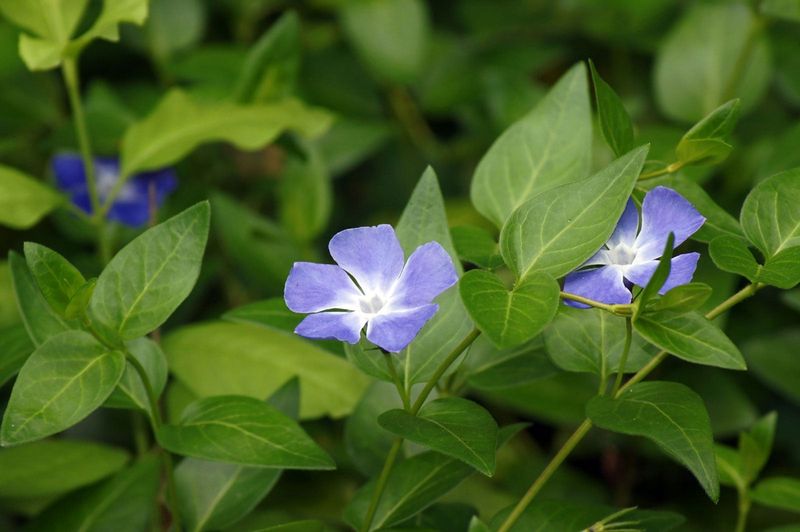
Finding the right watering balance for periwinkle can be tricky, as both overwatering and underwatering lead to stress. Leaves turning yellow or droopy can indicate discrepancies. Have you struggled with watering your periwinkle? Understanding its moisture needs, influenced by weather and soil type, is crucial. Consistent, moderate watering and well-draining soil can prevent water-related issues. Observing your plants and adjusting watering practices as needed ensures periwinkle remains lush and vibrant.
15. Propagation Puzzles
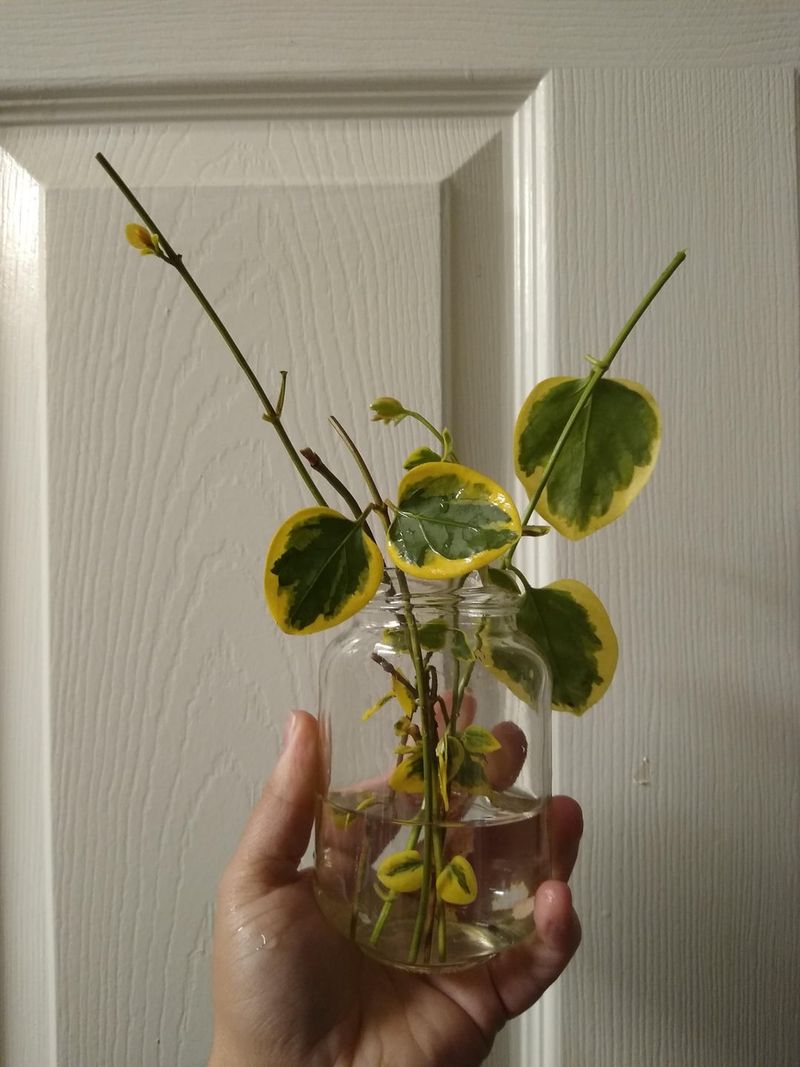
Propagating periwinkle can be rewarding, but it presents challenges, especially for beginners. Taking cuttings and ensuring they root requires patience and precision. Have you found propagation tricky? With the right approach, such as using rooting hormone and maintaining humidity, propagation success increases. Understanding the timing and techniques for taking cuttings can make the process smoother, allowing you to expand your periwinkle collection effectively.
16. Disease Dilemmas
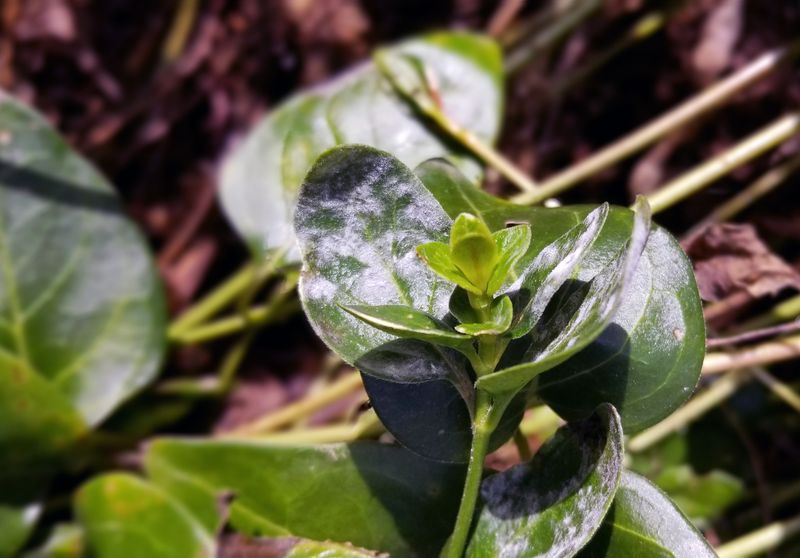
Periwinkle can fall prey to various diseases, affecting its health and appearance. Symptoms like wilting or leaf spots indicate potential issues. Have you encountered unexplained plant distress? Regular monitoring for disease signs and maintaining plant health through proper care can mitigate these dilemmas. Utilizing disease-resistant varieties and practicing good garden hygiene, such as removing affected leaves, can curb disease spread, keeping your periwinkle robust and thriving.
17. Fertilization Faux Pas
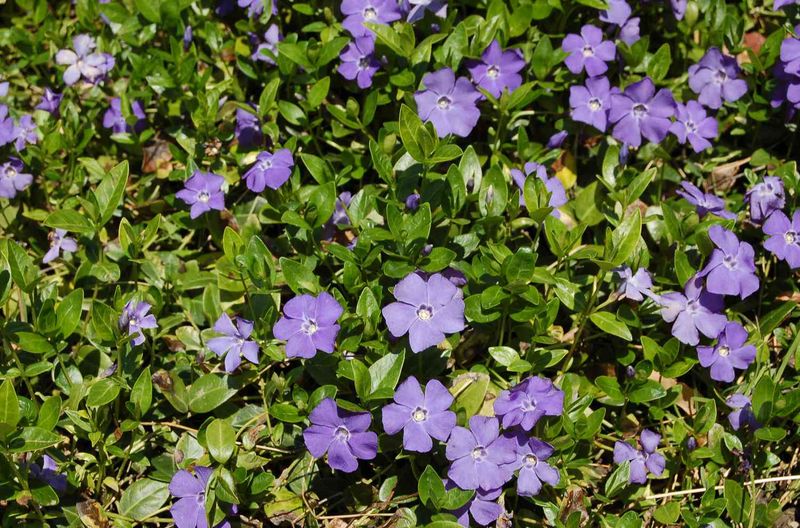
Over-fertilization can harm periwinkle, causing more harm than good. Yellowing leaves or weak growth might signal nutrient overload. Have you ever wondered if you’re feeding your periwinkle correctly? Adhering to recommended fertilization schedules and using suitable products prevent these issues. Slow-release fertilizers and mindful application can enhance plant health without risking nutrient burn. Understanding your periwinkle’s specific needs ensures vibrant, lush growth.