 Complete Gardening
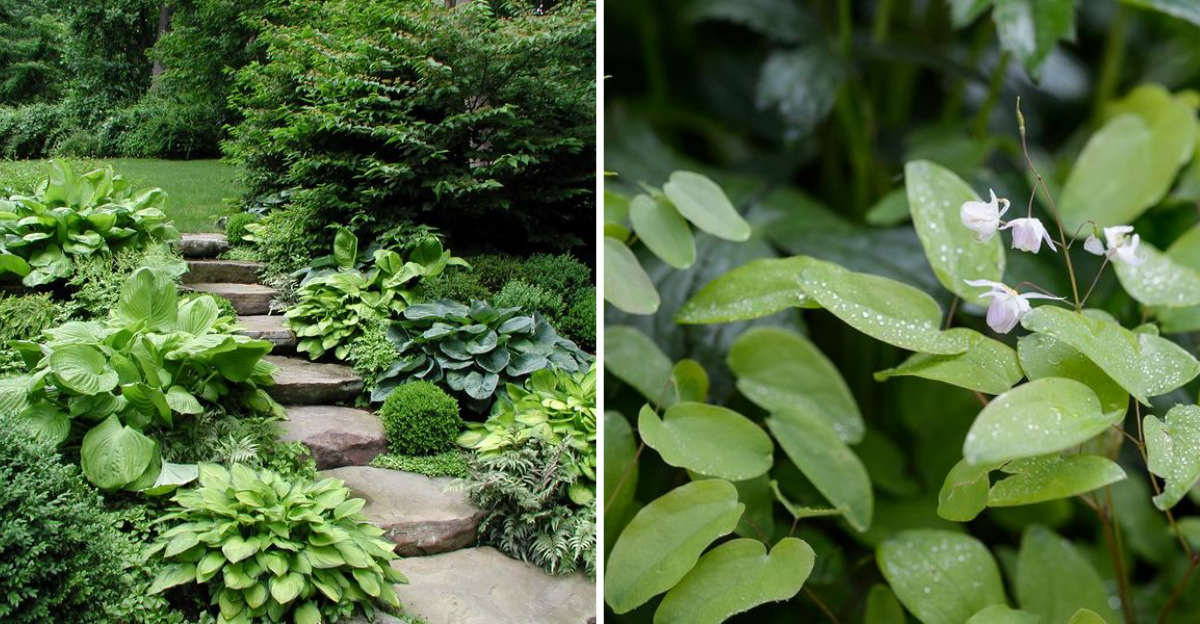
Discovering plants that thrive in overlooked areas of your garden can transform neglected spaces into vibrant, lush oases. Here are 17 unique plants that require minimal care and flourish in those forgotten corners, adding beauty and life where it’s often least expected.
1. Hosta
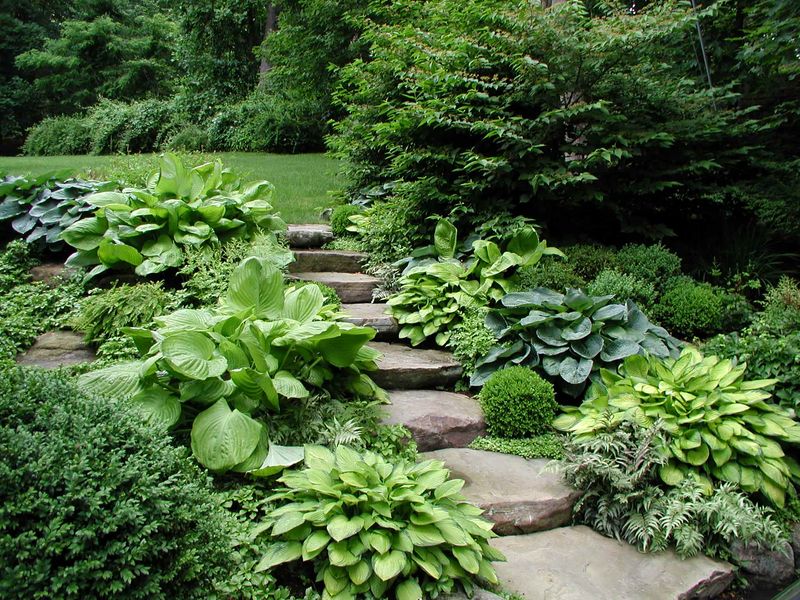
Hostas, with their generous, lush leaves, bring elegance to any shady corner. Their foliage, often variegated with shades of green, blue, or even gold, provides a textural contrast to other plants. Imagine them lining a forgotten pathway or nestling under a large oak tree.
These perennials are surprisingly hardy, enduring the neglect of dry spells and poor soil. Their adaptability to low light makes them ideal for those forgotten garden nooks. Fun fact: Hostas are sometimes called “plantain lilies” due to their broad leaves.
Be mindful of deer, as these gentle giants have a taste for hosta leaves.
2. Ferns
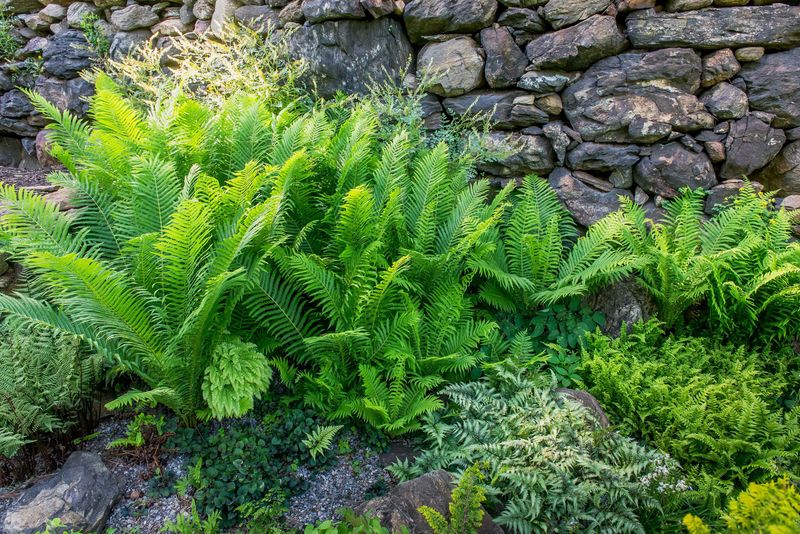
Ferns, with their feathery fronds, evoke a sense of ancient elegance. These plants thrive in shady, moist areas where other plants struggle, making them perfect for neglected corners under trees or beside old walls.
Their prehistoric lineage adds a mysterious charm, as if they’ve been guardians of garden secrets for millennia. While many ferns prefer moisture, they can surprisingly withstand occasional dry spells.
With a variety of species available, their hues range from deep green to silver. A quirky fact: ferns reproduce through spores, not seeds, adding to their mystique.
3. Liriope
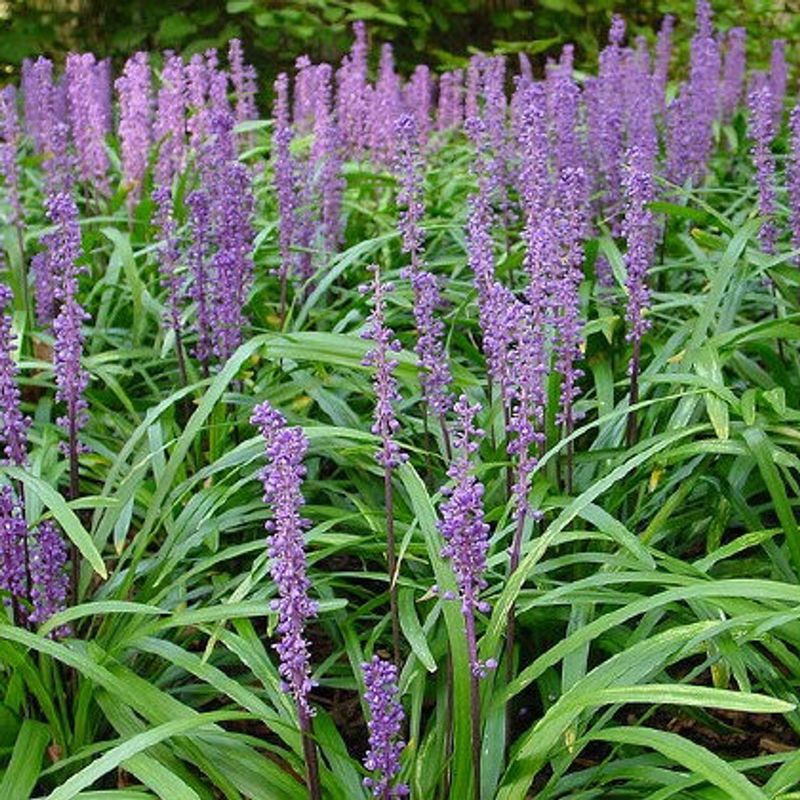
Liriope, often overlooked, is a true garden workhorse. Resilient and low-maintenance, it flourishes in the dimmest corners, offering grassy textures and purple flower spikes. Often used as a ground cover, liriope can transform barren patches into lush green carpets.
Its ability to thrive in poor soil and shade, where others fail, makes it invaluable for neglected areas. Its flower spikes add a burst of color in late summer to autumn. Did you know? Liriope is sometimes called “monkey grass,” although it’s not a true grass.
This plant brings life to the most forgotten spaces.
4. Impatiens
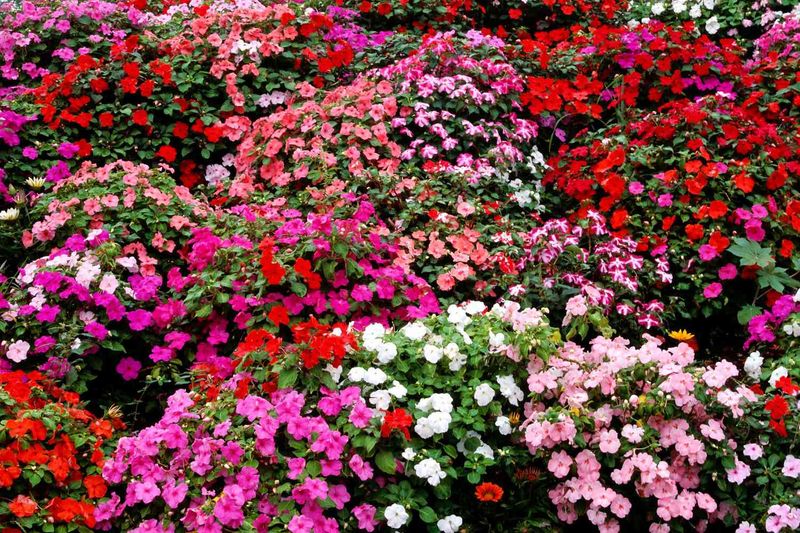
Impatiens are the vibrant artists of the shade garden. Their vivid blooms bring life to neglected, shadowy corners, making them a favorite for those tricky spots. Ranging in colors from pink to orange to white, they create a lively tapestry under trees or along shaded walls.
Despite their delicate appearance, they are robust, managing with minimal sunlight while offering a stunning display. A playful fact: Impatiens are sometimes called “busy Lizzies” due to their prolific blooming.
These annuals require regular watering but reward with continuous color throughout the growing season.
5. Coral Bells (Heuchera)
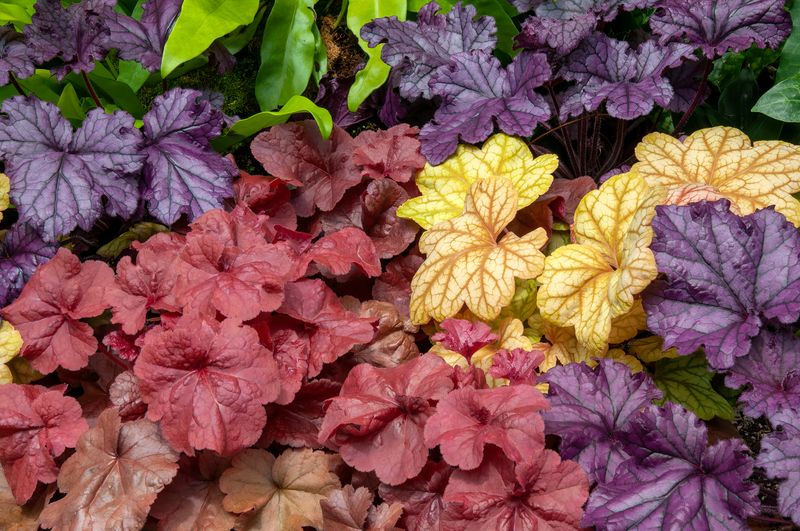
Coral Bells, known for their striking foliage, add a splash of color to dim garden areas. With leaves in shades of purple, silver, and chartreuse, they offer a visual delight in places where sunlight barely reaches.
These perennials are tough and resilient, withstanding varying conditions from dry to damp soils. Their delicate flower spikes attract hummingbirds, adding another layer of garden interest. A fascinating tidbit: Coral Bells are named for their bell-shaped flowers.
This plant’s versatility makes it an excellent choice for both ground cover and container planting in neglected spaces.
6. Ajuga
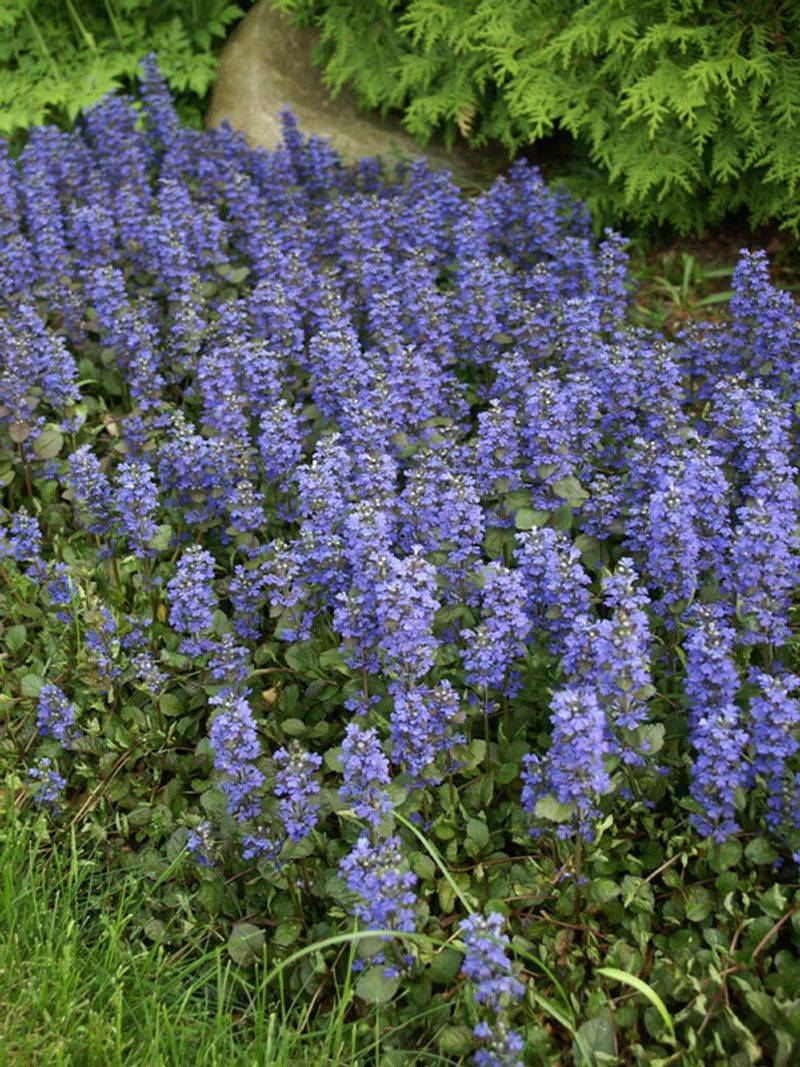
Ajuga, often called “bugleweed,” is a ground-hugging plant that thrives in shade and poor soil. Its glossy leaves and vibrant blue flower spikes create a carpet-like effect, perfect for filling in gaps in neglected garden corners.
This evergreen perennial is not only visually appealing but also suppresses weeds, acting as a natural garden helper. Curiously, ajuga’s leaves can take on a bronze or purple hue in colder months, providing year-round interest.
It’s ideal for slopes and edges where little else will grow, keeping the garden vibrant and maintained.
7. Astilbe
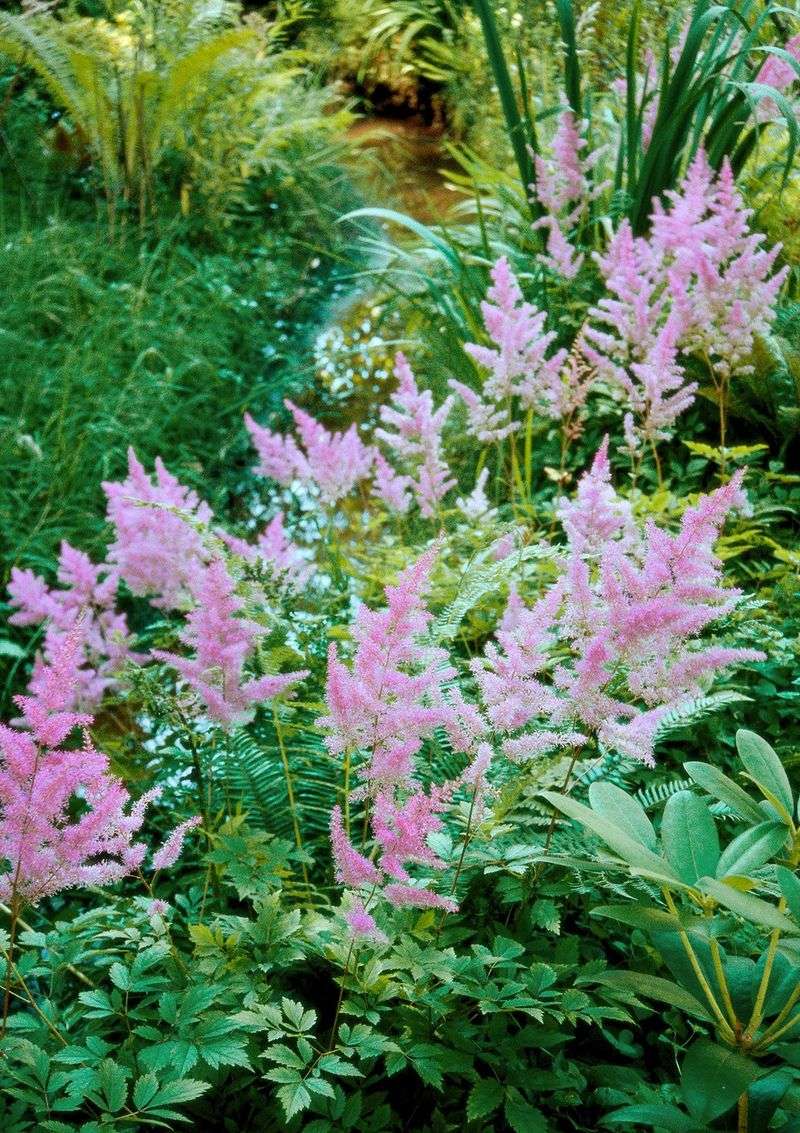
Astilbe plants are like fluffy clouds floating in the garden. Their feathery plumes of pink, red, or white blossom in shaded and moist areas where other plants falter. These perennials are perfect for softening hard edges along a path or brightening a dim corner.
Astilbe is surprisingly tough, managing in both wet and dry conditions, though they thrive best with consistent moisture. A curious fact: Astilbe’s delicate blooms are not only beautiful but also attract butterflies, adding life to any quiet corner.
These plants bring both elegance and resilience to neglected spaces.
8. Epimedium
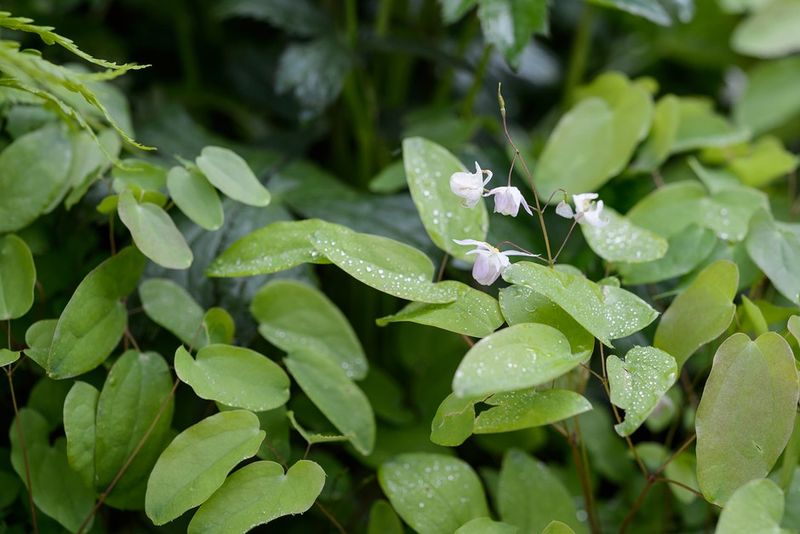
Epimedium, often known as “barrenwort,” is the unsung hero of dry, shaded gardens. Its heart-shaped leaves and delicate flowers offer a fairy-tale charm in the most overlooked areas. This plant is ideal for dry shade, thriving where many others would wither.
Epimedium’s leaves often turn red or bronze in autumn, providing seasonal interest. Despite their fragile appearance, these perennials are quite hardy and require little maintenance.
Did you know? Epimedium is sometimes referred to as “bishop’s hat” due to the shape of its flowers. It’s a whimsical addition to any neglected garden nook.
9. Lungwort (Pulmonaria)
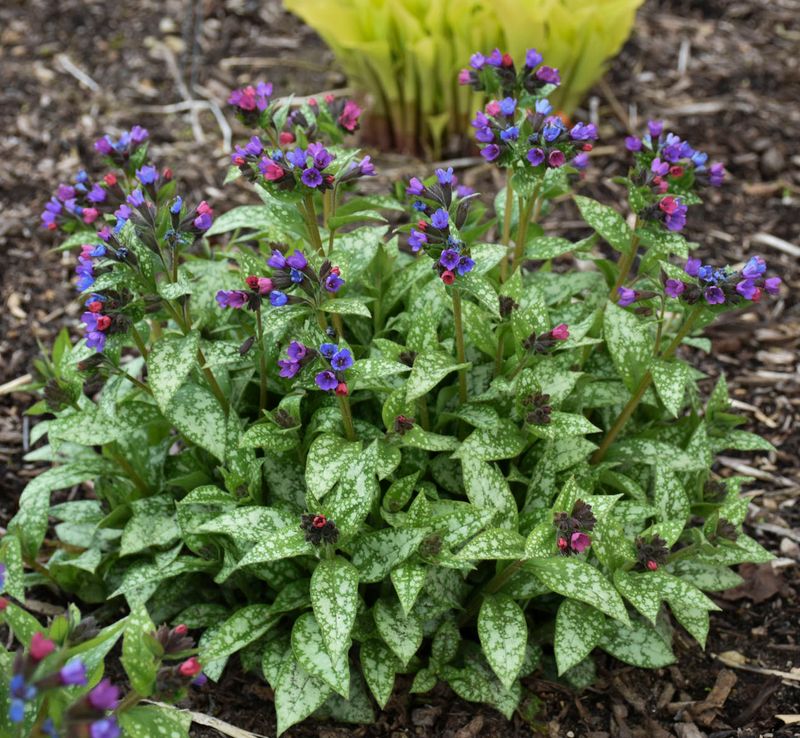
Lungwort, with its spotted leaves and clusters of pink and blue flowers, adds a touch of whimsy to shady corners. This plant thrives in areas where light is sparse, adding color and texture to otherwise dull spaces.
Its name comes from ancient times when it was believed to have medicinal properties for lung ailments. The delicate flowers change color as they age, providing dynamic visual interest.
Lungwort is low-maintenance and deer-resistant, making it a practical choice for neglected garden areas. Its charming appearance and historical intrigue make it a garden favorite.
10. Brunnera
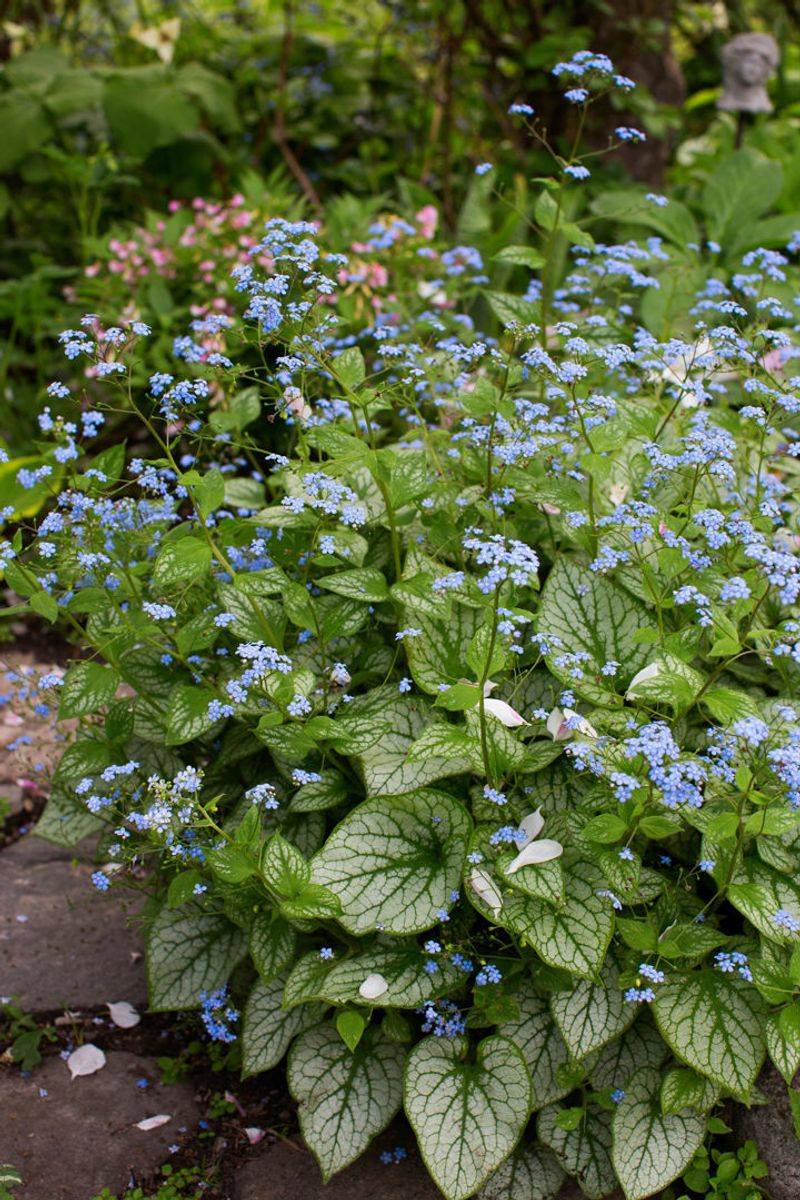
Brunnera, often called “false forget-me-not,” boasts heart-shaped leaves and tiny blue flowers that brighten the darkest corners. Its foliage often features silver patterns, adding a shimmering effect to shaded areas.
This perennial is well-suited for areas with poor light and can handle varying soil conditions. It’s a perfect companion for other shade lovers, offering ground cover that suppresses weeds.
An interesting tidbit: Brunnera’s flowers resemble those of the true forget-me-not but are more resilient in shady spots. This plant is both a visual delight and a practical garden filler.
11. Hellebore
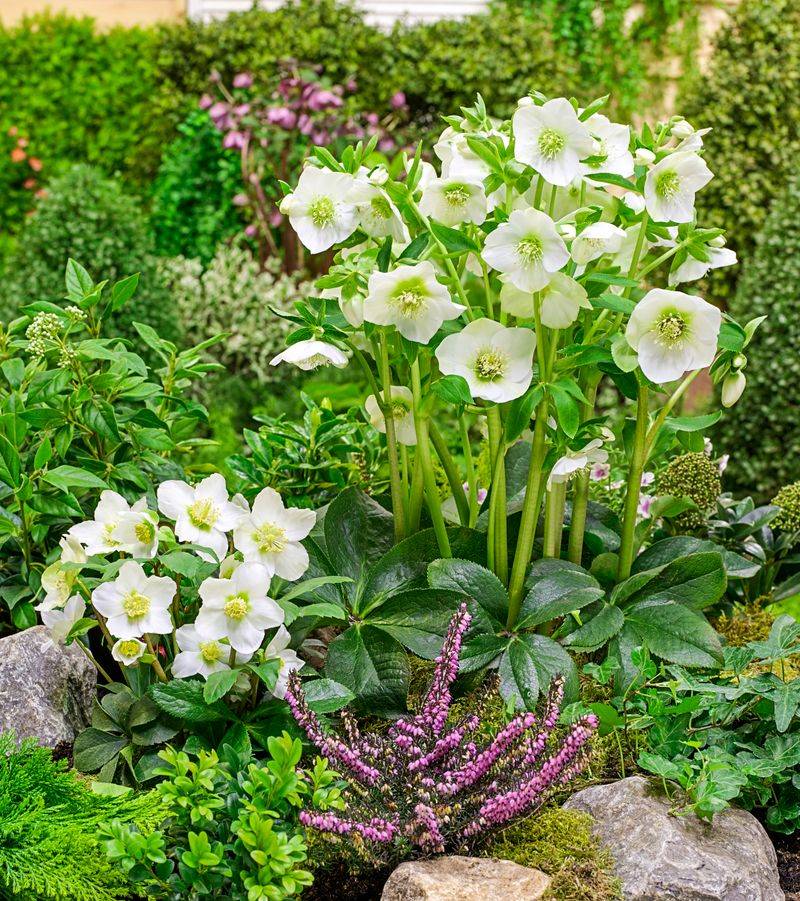
Hellebores, also known as “Lenten roses,” bring early spring cheer with their large, cup-shaped blooms. These perennials thrive in shaded areas, often blooming when little else does, offering a surprising burst of color.
Their evergreen foliage provides year-round interest, while their flowers range from soft pinks to deep purples. Hellebores are remarkably hardy, enduring cold and neglect with grace.
Fun fact: Despite their common name, hellebores are not true roses. Their ability to bloom in late winter makes them a treasured addition to any neglected garden corner.
12. Japanese Forest Grass (Hakonechloa)
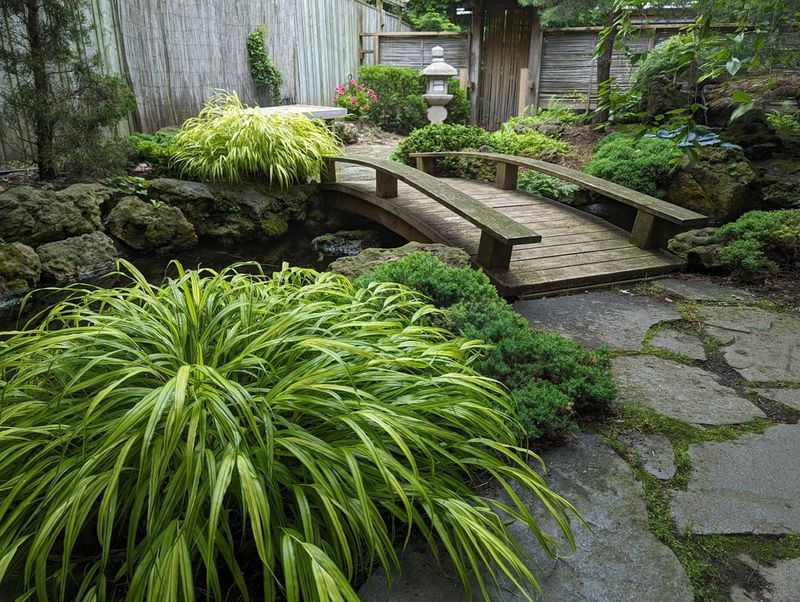
Japanese Forest Grass, with its flowing, vibrant foliage, adds a touch of elegance and movement to shaded areas. It’s perfect for adding texture and color to neglected corners where other plants might not thrive.
This ornamental grass is known for its graceful, arching leaves that sway gently in the breeze. It prefers partial to full shade and thrives in moist, well-drained soil.
A fun fact about Japanese Forest Grass: its leaves often turn golden in the fall, providing a seasonal spectacle. This plant is ideal for creating a serene, natural ambiance in forgotten spaces.
13. Dead Nettle (Lamium)
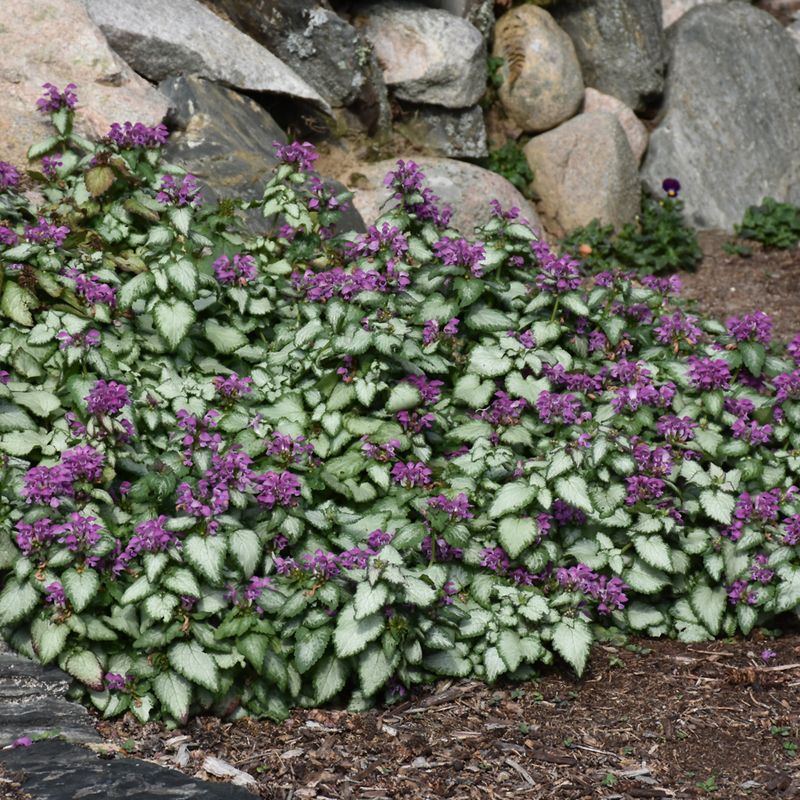
Dead Nettle, with its variegated leaves and delicate pink or purple flowers, is a standout in shady garden corners. Its foliage provides a silver shimmer, brightening dark areas and adding visual interest.
This robust ground cover is perfect for areas where little else will grow, as it can thrive in poor soil and low light. Despite its name, Dead Nettle is not related to stinging nettle and is safe to handle.
A quirky fact: the name “dead” refers to its stingless nature. It’s an excellent choice for filling in neglected garden spaces with color and texture.
14. Sweet Woodruff
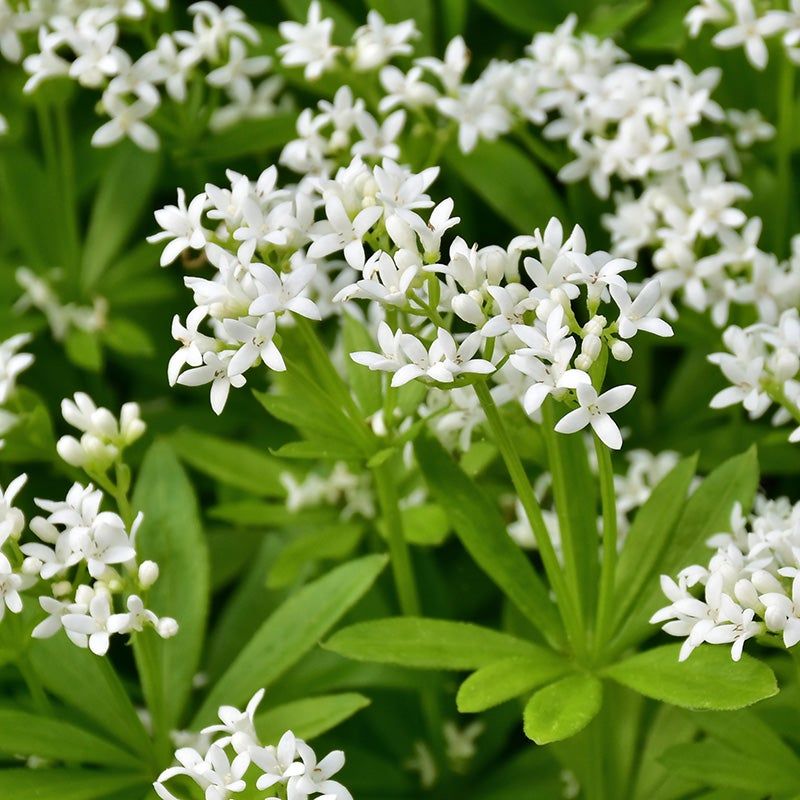
Sweet Woodruff, with its whorls of bright green leaves and tiny white flowers, offers a fresh aroma and visual appeal to shady garden spots. This low-growing perennial is well suited for filling in neglected corners, providing a fragrant carpet in spring.
Its leaves emit a sweet scent reminiscent of fresh-cut hay, especially when dried. Sweet Woodruff is not only visually appealing but also deer-resistant, making it a practical choice for low-maintenance areas.
Fun fact: historically, Sweet Woodruff has been used in perfumes and potpourris. It’s an enchanting addition to any forgotten garden nook.
15. Barrenwort (Epimedium)
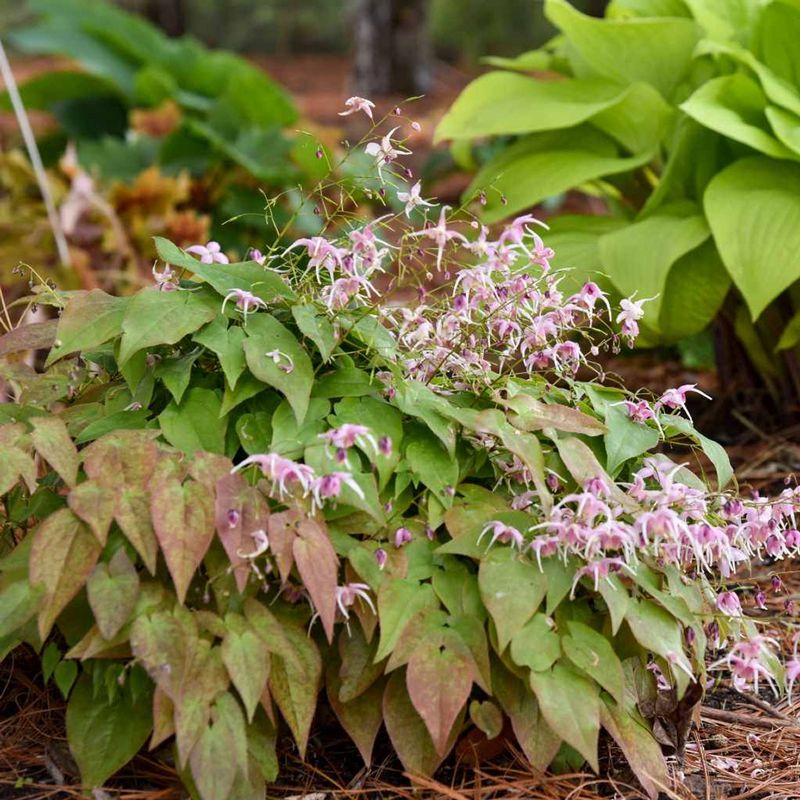
Barrenwort, also known as Epimedium, thrives where others falter—particularly in dry, shaded garden areas. Its delicate, heart-shaped leaves and small flowers bring an air of whimsy and subtle beauty to overlooked spaces.
These perennials are resilient, handling tough conditions with ease. Their leaves often turn hues of red or bronze in the fall, providing seasonal interest.
An interesting tidbit: Barrenwort’s common name, “bishop’s hat,” comes from the flower’s unique shape. This plant is perfect for bringing a touch of elegance and color to neglected garden corners.
16. Toad Lily
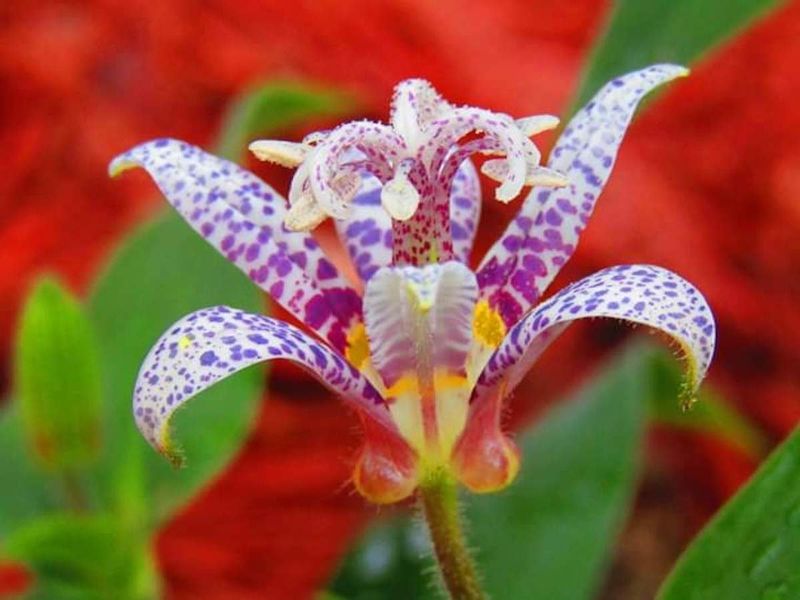
Toad Lilies are the hidden gems of the autumn garden. Their exotic, orchid-like flowers, speckled with purples and blues, bloom in late summer to fall, adding unexpected beauty to shaded corners.
These perennials thrive in moist, well-drained soils, making them ideal for damp, neglected areas. Their unique appearance and late blooming schedule provide visual interest when most plants have finished flowering.
Fun fact: Toad Lilies are native to Asia, and their name comes from the appearance of their spotted flowers. This plant is a delightful surprise in any shadowy garden nook.
17. Periwinkle (Vinca)
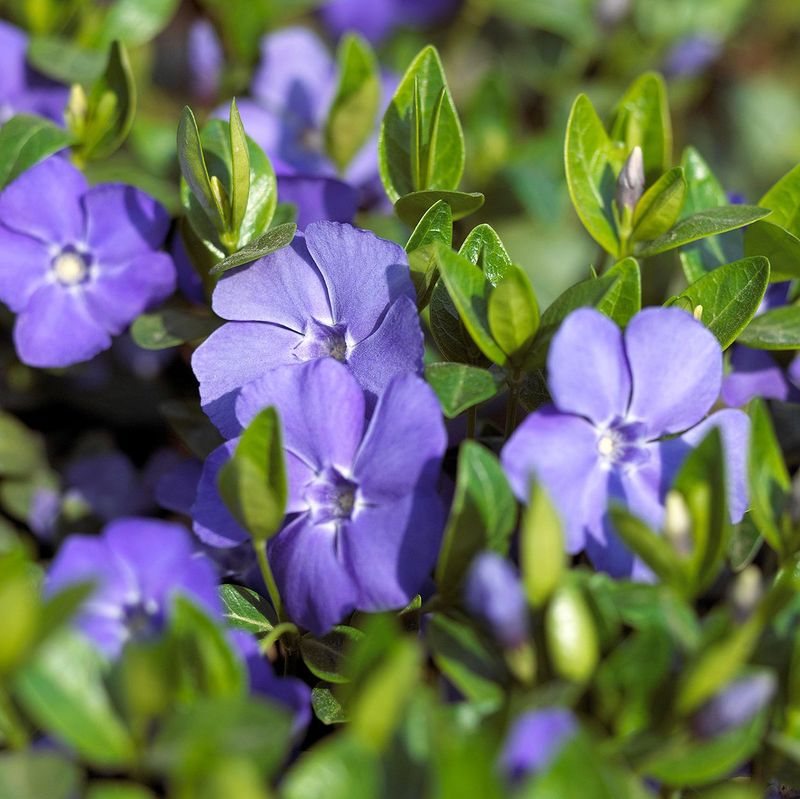
Periwinkle, a gardening secret, is perfect for neglected corners. With its glossy green leaves and vibrant blue-purple flowers, it brings color to shaded areas. This charming plant thrives with minimal care, making it ideal for busy gardeners.
Once established, periwinkle can spread across the ground, creating a lush carpet that discourages weeds. It’s an evergreen, ensuring year-round interest in your garden. Its modest needs make it a reliable choice for any gardener.
Historical tidbit: Periwinkle has been used in traditional medicine for centuries, known for its supposed healing properties. It’s not just beautiful, but functional too!