 Complete Gardening
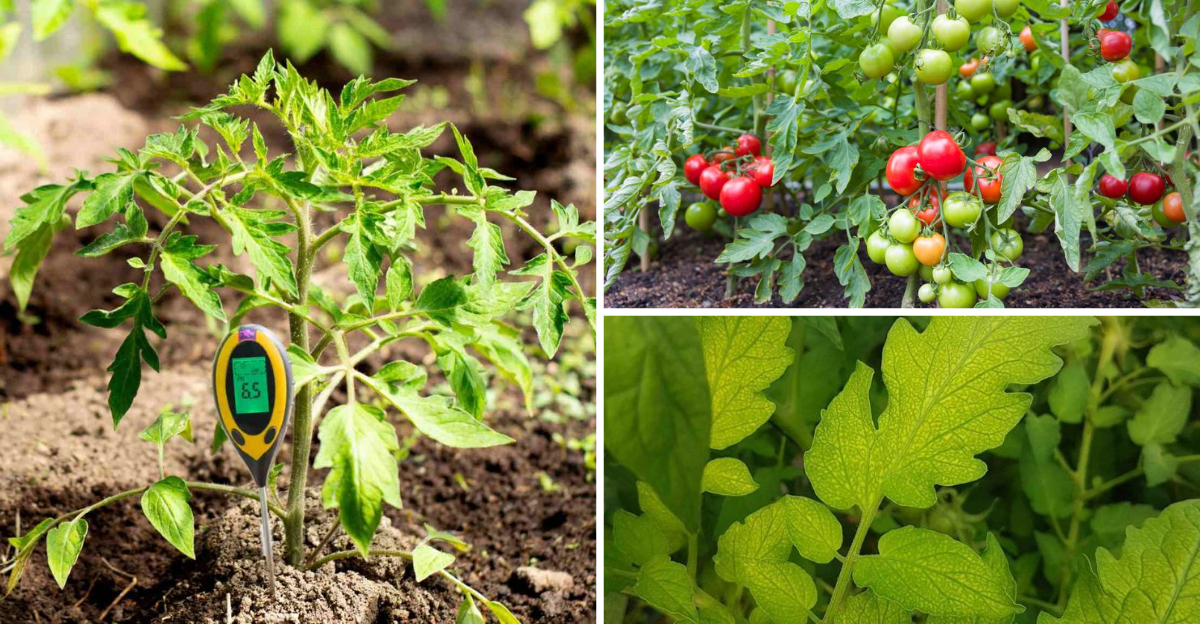
Growing tomatoes can be a rewarding experience, but certain soil ingredients might be silently sabotaging your efforts. Understanding what these ingredients are and how they affect your tomato plants is crucial for a flourishing garden. In this post, we explore 17 hidden soil elements that could be undermining your tomato harvests, along with detailed insights on each.
1. Clay Soil
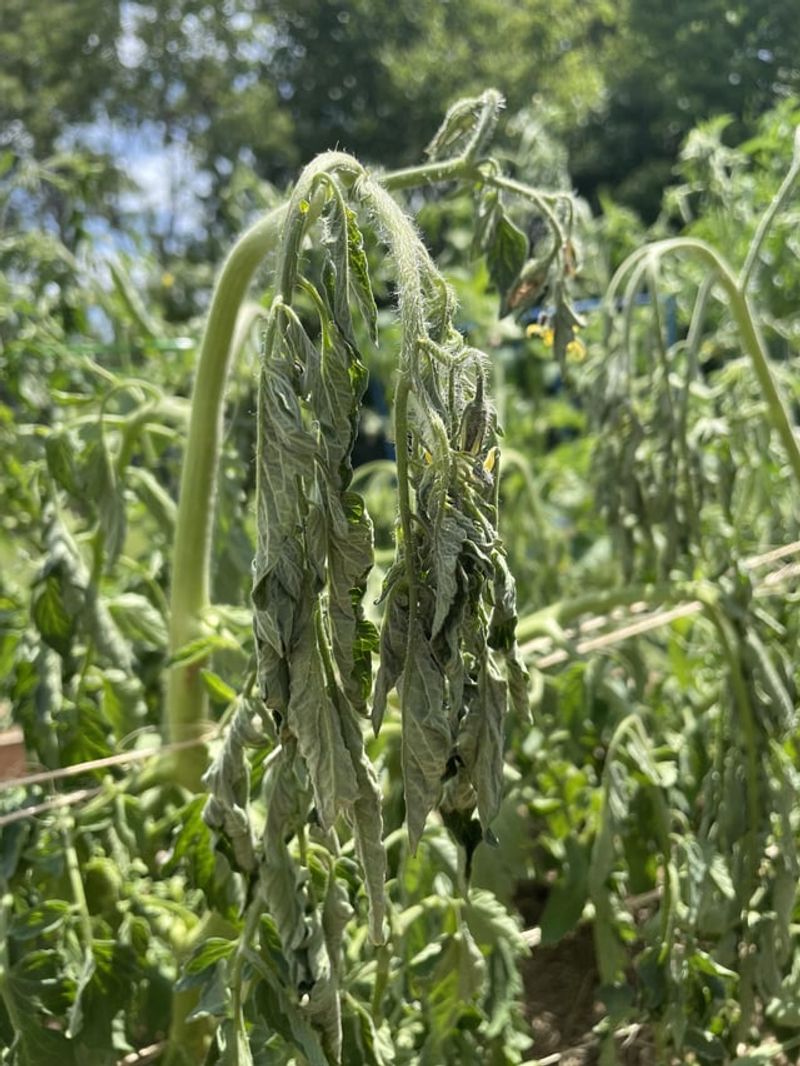
Clay soil, with its densely packed particles, often leads to poor drainage and root suffocation for your tomato plants. When waterlogged, it can quickly become compacted, making it challenging for roots to penetrate. Imagine trying to grow in concrete; that’s what your tomatoes face with clay soil.
Over time, this suffocation can stunt growth and reduce fruit production. Instead of thriving, your tomatoes may appear wilted or yellow. A little-known fact is that adding organic matter, like compost, can help break up the clay, providing much-needed aeration and drainage.
To combat this, consider amending your soil with gypsum or organic matter to improve structure and nutrient availability.
2. Sandy Soil
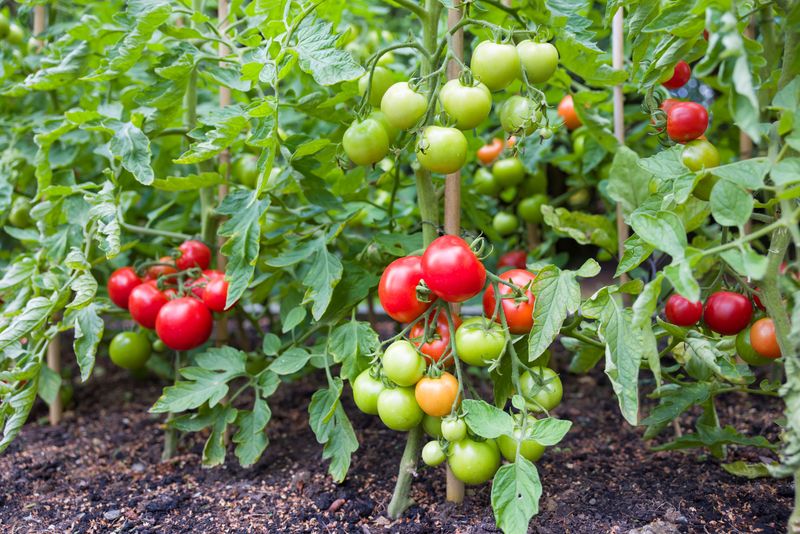
Sandy soil might seem ideal due to its light and airy texture, but it poses unique challenges for tomato cultivation. This soil type drains water rapidly, often leaving plants thirsty. Tomatoes, which require consistent moisture, struggle to find the nutrients they need.
Picture a sponge that can’t hold water; that’s sandy soil in a nutshell. Despite its challenges, sandy soil can be amended with organic matter to improve its water retention capabilities.
Fun fact: In ancient times, sandy soils were often improved by adding seaweed, which not only helped retain moisture but also added essential nutrients.
3. Salty Soil
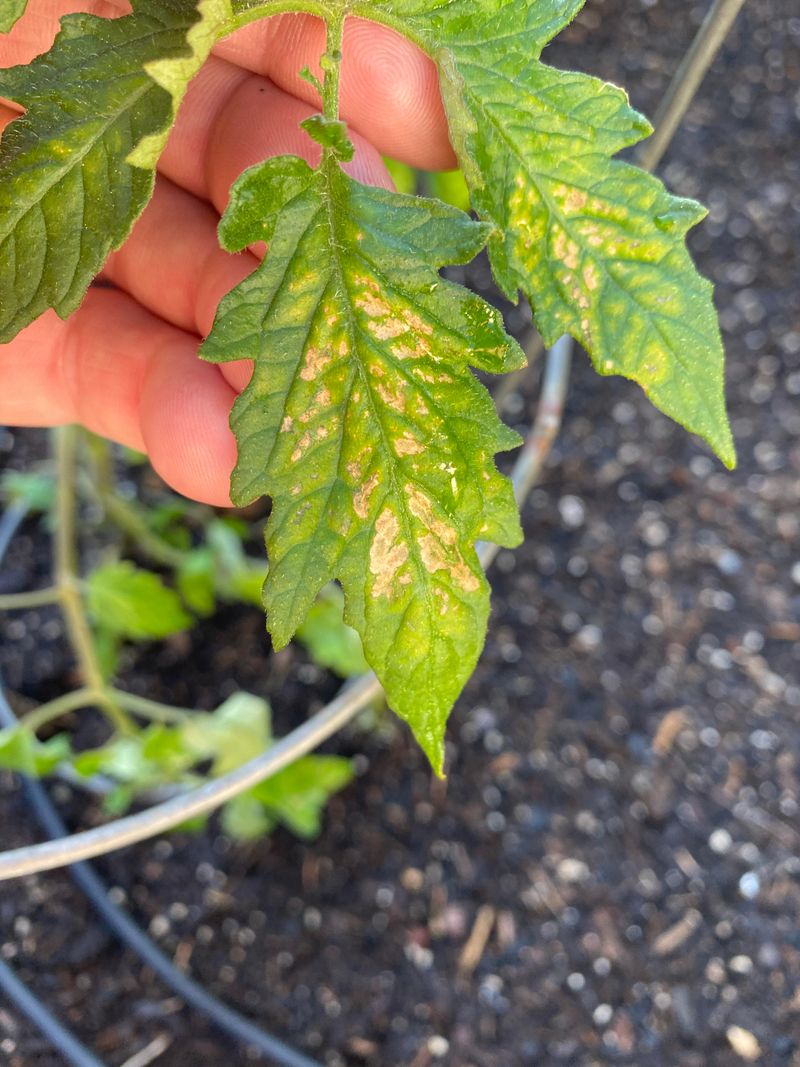
Salty soil can be a silent killer for tomato plants. Salt accumulation happens frequently in areas with poor drainage or overuse of fertilizers. The excess salt draws moisture away from the plant roots, causing dehydration and nutrient deficiencies.
Think of it as trying to quench your thirst with salty water—ineffective and damaging.
Regularly washing the soil with fresh water can help reduce salt levels, but it’s crucial to monitor the source of the salt. An interesting tidbit: Some plants, known as halophytes, thrive in salty conditions, but tomatoes aren’t among them.
4. Acidic Soil
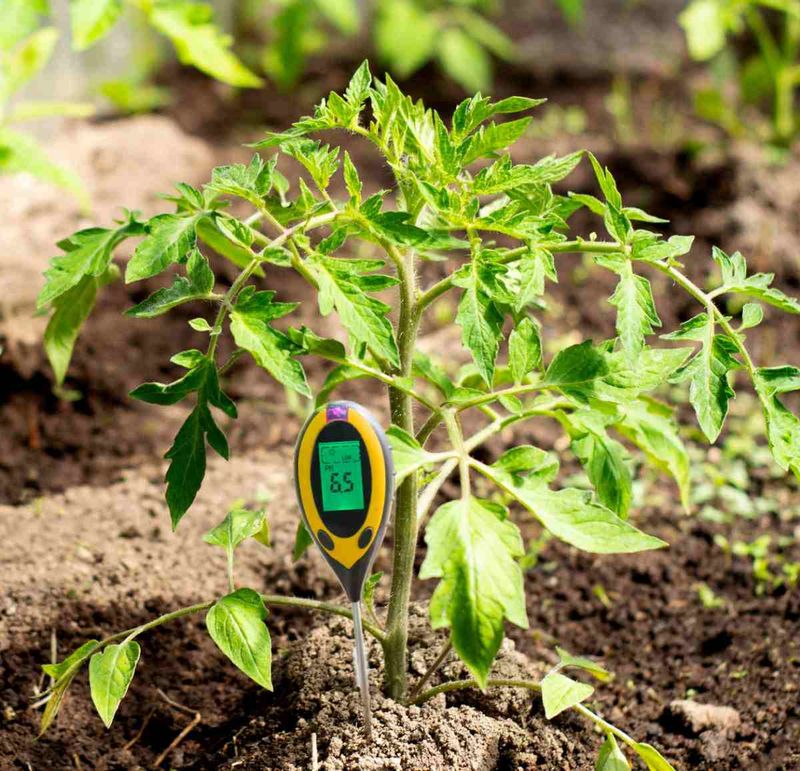
Acidic soil may not sound menacing, but it creates an inhospitable environment for tomatoes. When the pH level drops below 6.0, essential nutrients like calcium and magnesium become less available. This deficiency can lead to blossom-end rot and stunted growth.
Imagine trying to absorb nutrients through a blocked straw—you get the idea. To rectify this, lime can be added to increase the soil’s pH. Interestingly, coffee grounds, often touted as beneficial, can further acidify the soil.
Regular soil testing helps ensure acidity isn’t secretly hindering your tomatoes.
5. Alkaline Soil
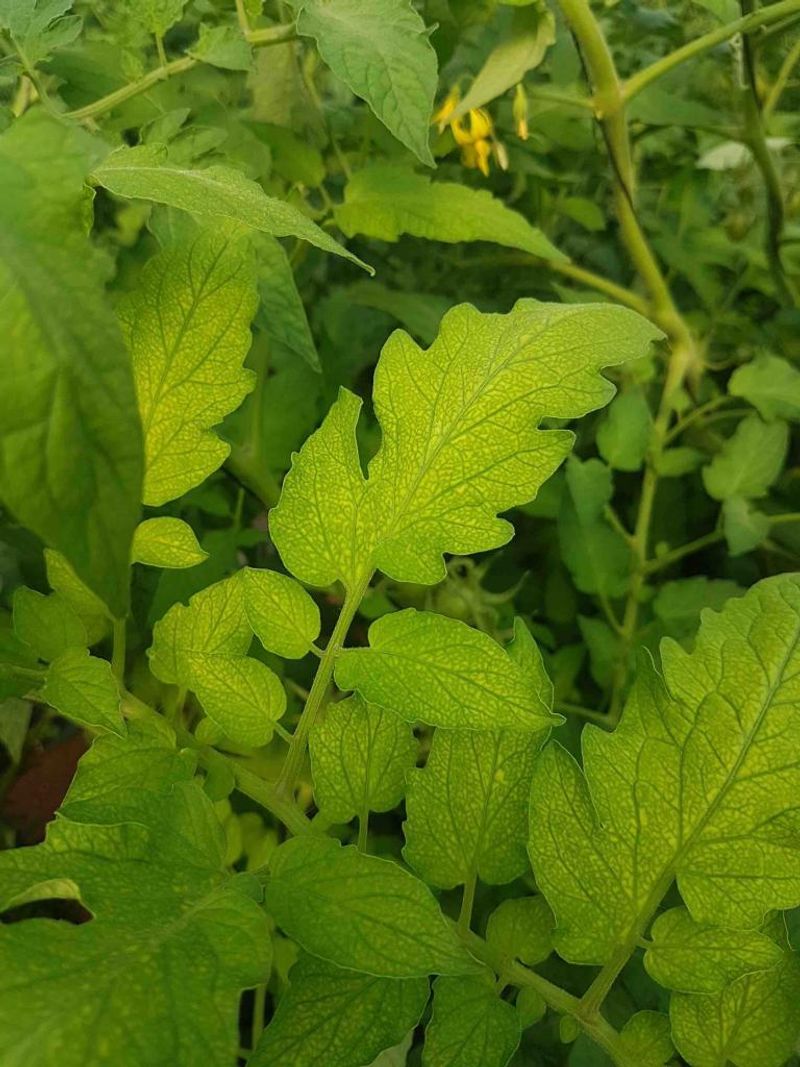
Alkaline soil, with its high pH, can restrict the uptake of vital nutrients for tomatoes. Iron, manganese, and phosphorus become less available, leading to chlorosis—a yellowing of leaves. Picture a tomato plant trying to thrive on a diet lacking variety.
Adding sulfur or organic matter can lower the pH, making nutrients more accessible. Interestingly, some regions with limestone-rich soil naturally lean towards alkalinity, affecting local agriculture.
Routine soil testing and amendments can keep your soil’s pH in check, ensuring your tomato plants receive a balanced diet.
6. Compacted Soil
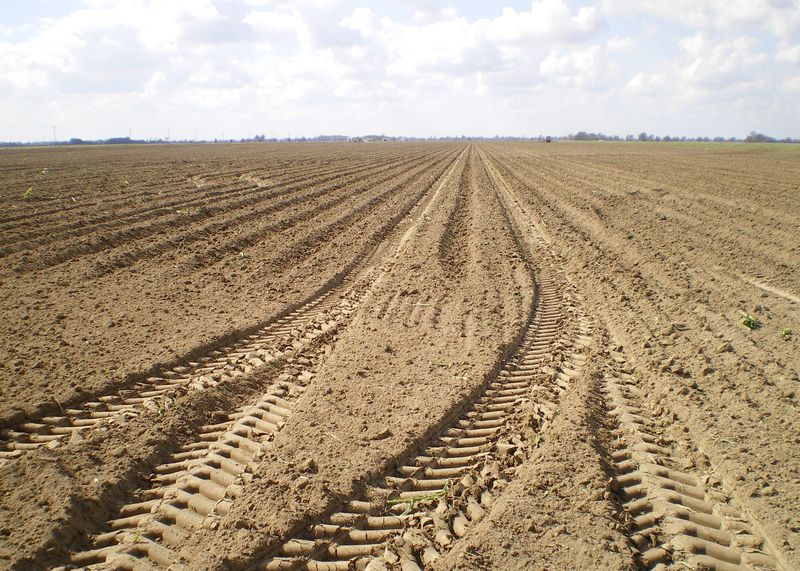
Compacted soil, often a result of heavy foot traffic or machinery, can suffocate tomato roots. This dense soil restricts air and water flow, leading to poor growth and reduced yields. Imagine trying to breathe with a pillow over your face—it’s stifling.
Aerating the soil, either manually or mechanically, can alleviate compaction. Interestingly, earthworms naturally aerate soil by creating channels as they move through it.
Reducing foot traffic and adding organic material can further improve soil structure, providing a healthier environment for your tomatoes.
7. Contaminated Soil
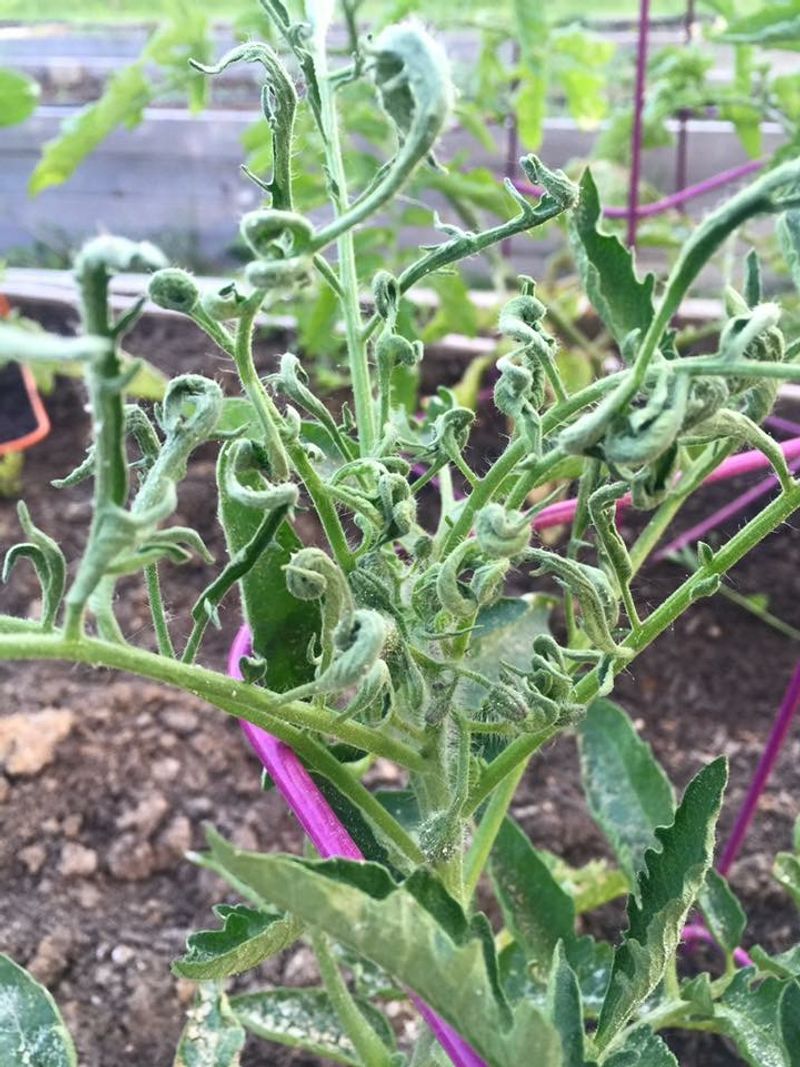
Contaminated soil can harbor toxins from industrial activities or urban runoff, posing a threat to tomato plants. These chemicals can be absorbed by the roots, leading to stunted growth and unsafe produce. Imagine trying to thrive in a toxic environment—it’s challenging.
Testing soil for contaminants is crucial, especially in urban gardens. One quirky fact: Sunflowers are sometimes used in phytoremediation to clean up contaminated soils due to their rapid growth and ability to absorb toxins.
Implementing raised beds with clean soil can provide a safer alternative for growing tomatoes.
8. Nutrient-Deficient Soil
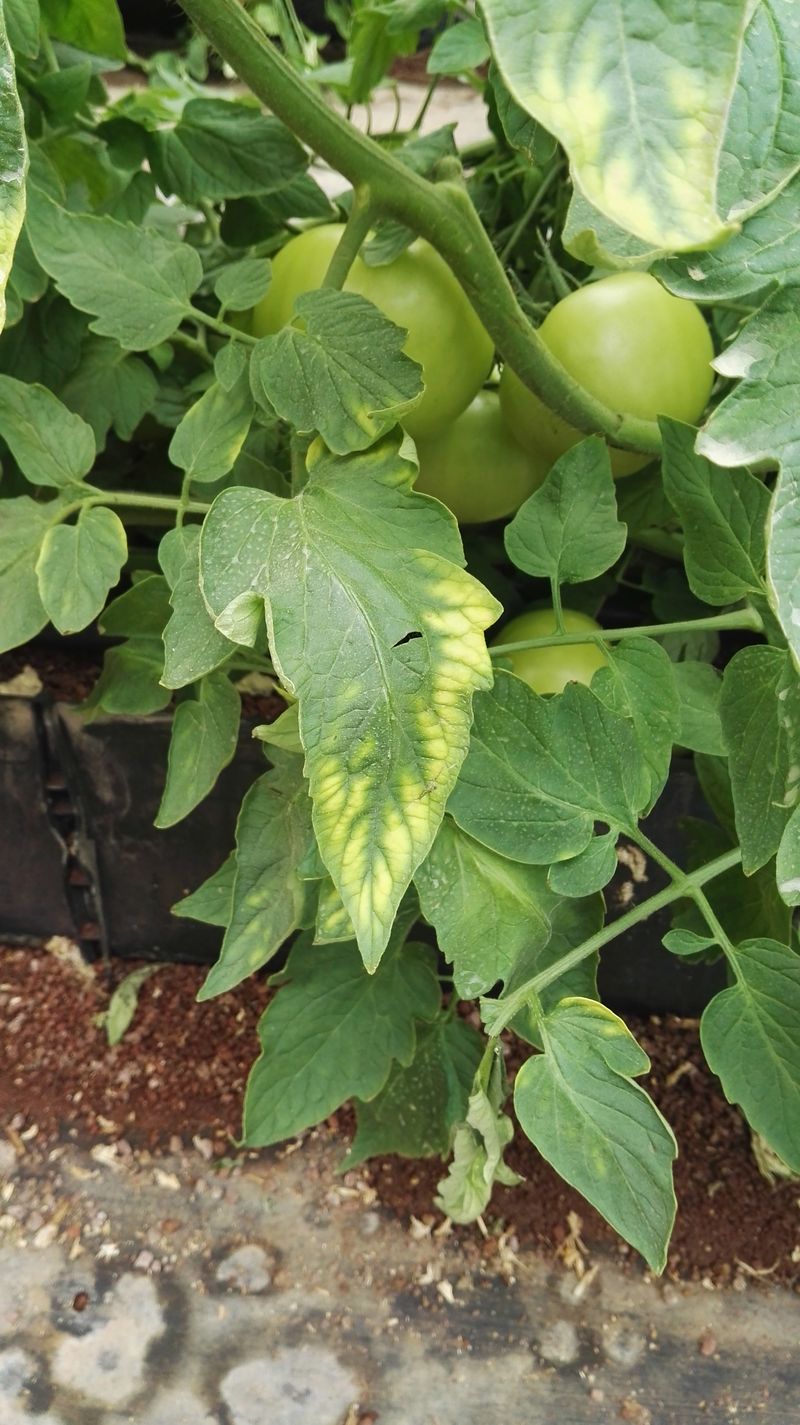
Nutrient-deficient soil leaves tomato plants struggling to access the essentials they need for vibrant growth. Without the right nutrients, plants can’t produce energy, leading to poor growth and low yield. Imagine trying to run a marathon on an empty stomach; that’s what your tomatoes face.
Regular soil testing helps identify deficiencies, allowing for targeted fertilizer applications. A fascinating fact: Crop rotation and cover crops can naturally replenish soil nutrients, supporting healthy plant growth.
Tailoring your fertilization strategy can transform a barren patch into a thriving tomato oasis.
9. Excess Organic Matter
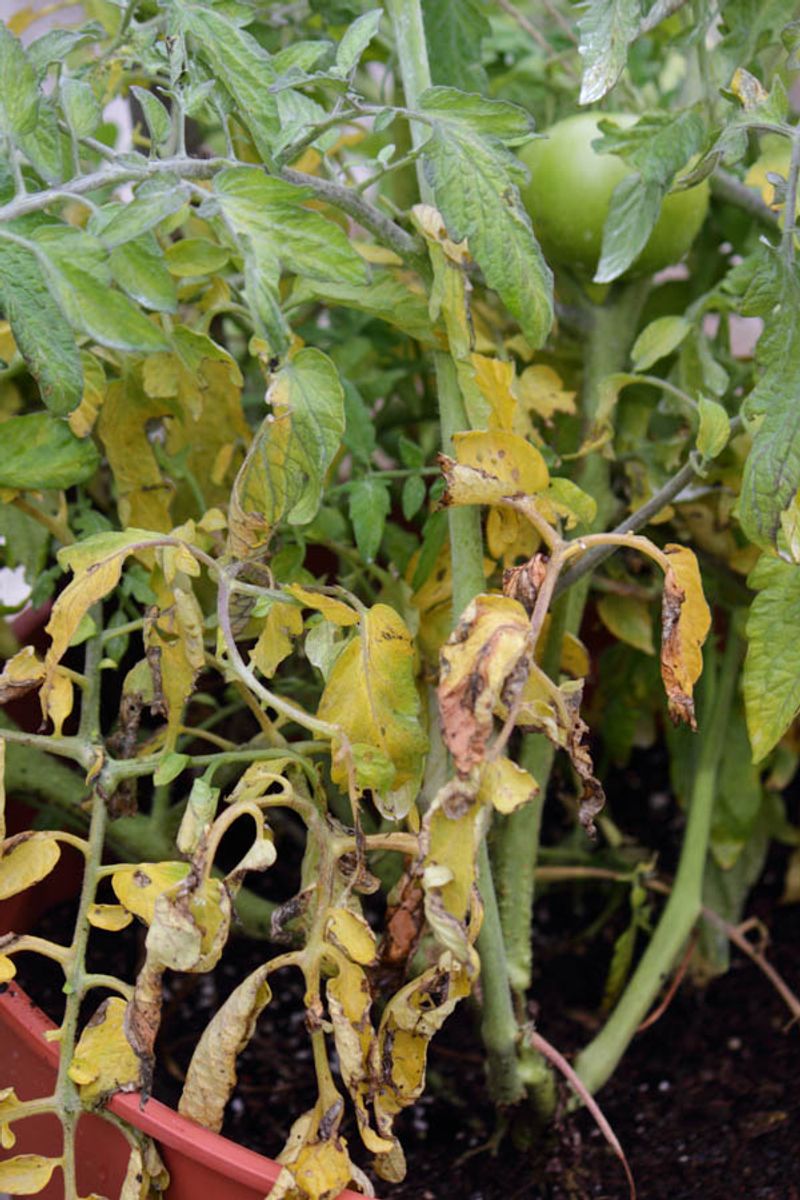
While organic matter is generally beneficial, too much can overwhelm tomato plants. Excessive decomposition can create an oxygen-deprived environment, leading to root rot. Picture a plant with its feet submerged in soggy socks—uncomfortable and harmful.
Balancing the amount of organic matter is key. Interestingly, while mulch is beneficial, too much can have the opposite effect.
Mixing organic matter thoroughly with soil and ensuring proper drainage can prevent these issues, creating a supportive environment for your tomatoes.
10. High Humidity
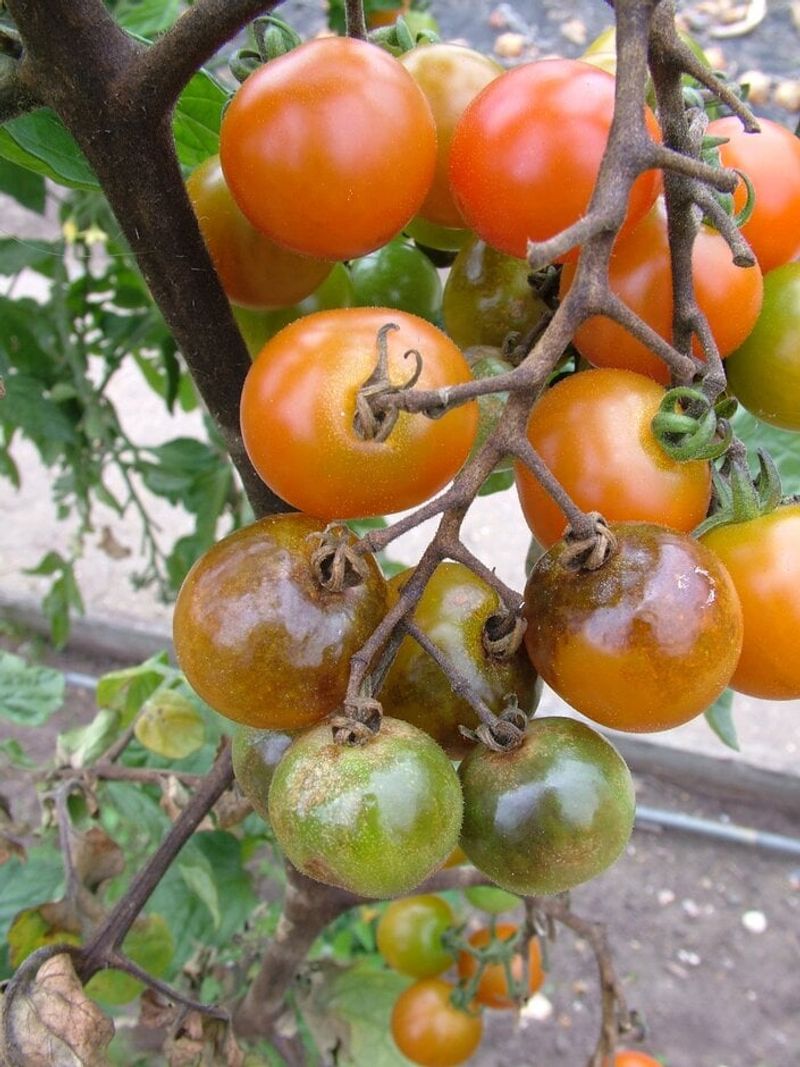
High humidity levels in the soil can promote fungal diseases that devastate tomato plants. These humid conditions create a breeding ground for pathogens like blight and mildew. Imagine trying to stay dry in a constant drizzle—difficult and uncomfortable.
Proper spacing, ventilation, and soil drainage can combat high humidity. Interestingly, some heirloom tomato varieties are more resistant to fungal diseases, offering a natural solution.
Managing humidity levels ensures a healthier environment, safeguarding your tomato harvest from fungal threats.
11. Low Organic Matter
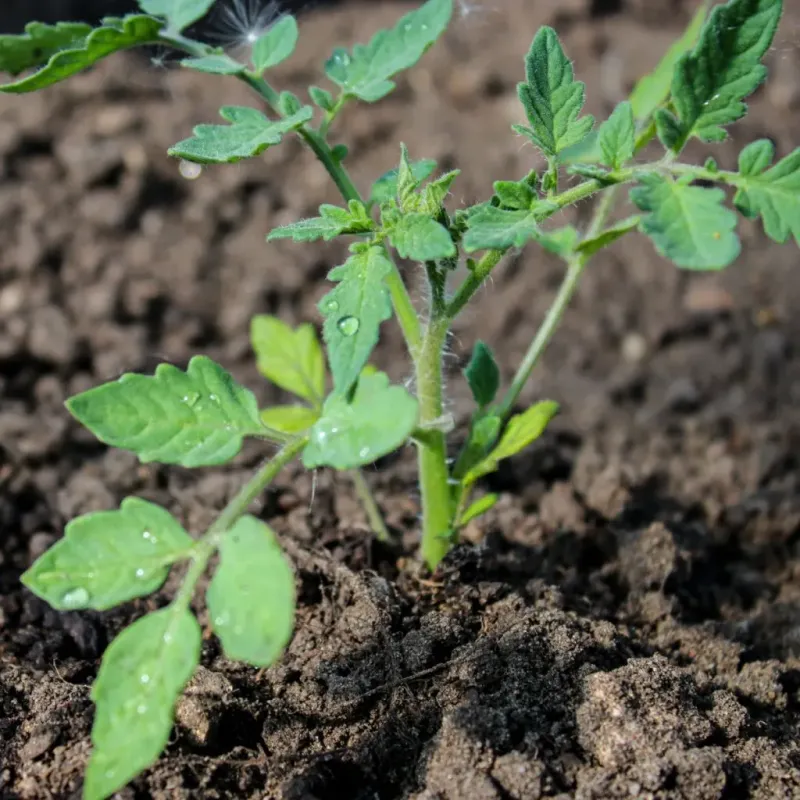
Soil low in organic matter can hinder tomato growth, depriving plants of essential nutrients and moisture retention. It’s like expecting a plant to thrive in a desert; challenging and limiting.
Incorporating organic materials like compost can enrich the soil, boosting its fertility and water-holding capacity. An interesting tidbit: Earthworms are drawn to organic-rich soils, aiding in natural aeration and nutrient cycling.
By building up organic content, you create a more nurturing environment for your tomatoes, promoting robust growth and plentiful yields.
12. Poor Drainage
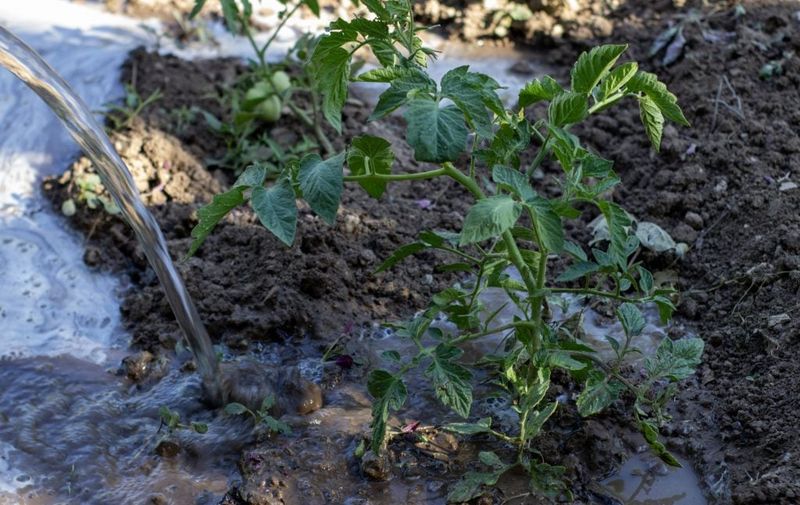
Poor drainage in soil can drown tomato roots, leading to rot and disease. Imagine living with your feet submerged in water—it’s uncomfortable and unhealthy.
Improving drainage through raised beds or adding sand and organic matter can alleviate this issue. Did you know? Some ancient civilizations used raised planting beds to combat waterlogging, ensuring crops thrived.
Ensuring proper soil drainage keeps roots healthy and supports vigorous tomato growth, preventing water-related diseases.
13. Excess Nitrogen
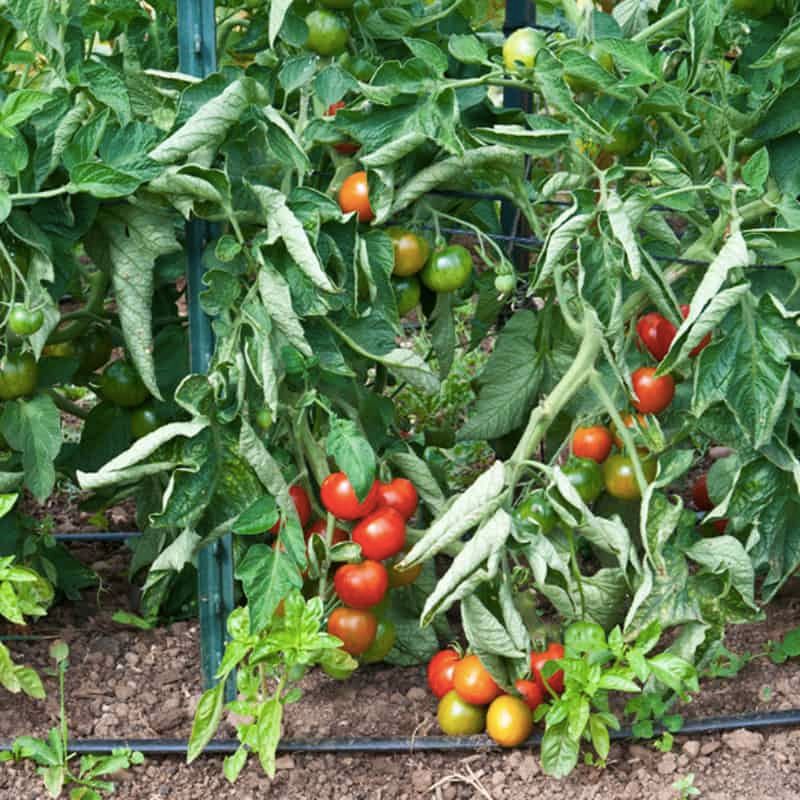
While nitrogen is essential for growth, too much can lead to lush foliage at the expense of fruit production. Your tomatoes might look vibrant but bear little fruit. It’s like a tree with lots of leaves but no apples.
Balancing nitrogen with other nutrients, like phosphorus and potassium, is crucial. Fun fact: Legumes naturally fix nitrogen in the soil, which can benefit nearby plants.
Regular soil tests and balanced fertilization can prevent excessive nitrogen levels, ensuring a fruitful tomato harvest.
14. Soil Erosion
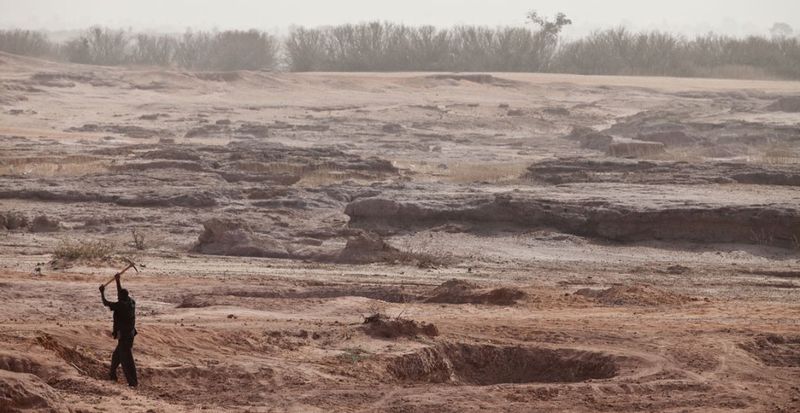
Soil erosion can strip away the topsoil, where most nutrients reside, leaving tomatoes struggling to access what they need. It’s akin to removing the foundation of a structure—unstable and unsustainable.
Planting cover crops or using mulch can reduce erosion, protecting vital topsoil. Interestingly, terracing has been used for centuries to combat erosion on slopes.
Maintaining healthy topsoil ensures tomatoes have the nutrients they need, supporting strong growth and resilience.
15. Heavy Metals
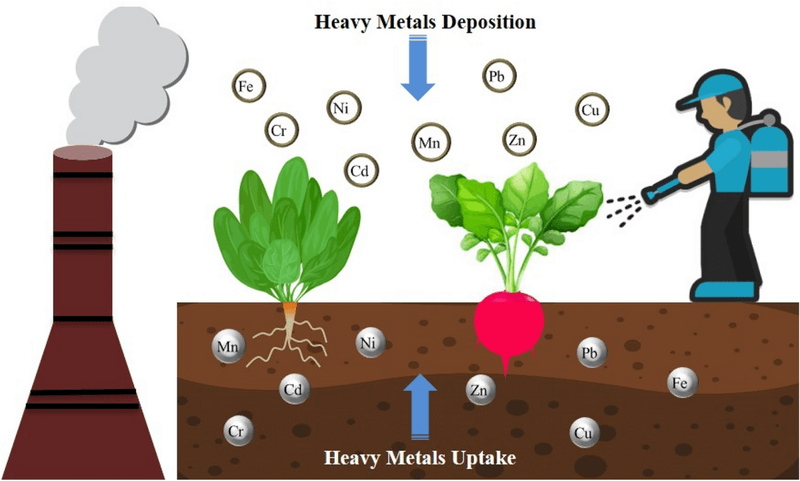
Heavy metal contamination in soil poses a significant threat to tomato plants, affecting growth and fruit safety. These metals can be absorbed by roots, leading to toxic buildup. Imagine trying to thrive in a polluted environment—it’s difficult.
Testing soil for contaminants and using raised beds with clean soil can mitigate risks. An intriguing fact: Certain plants, like sunflowers, can help remove heavy metals from soil through phytoremediation.
Ensuring soil safety helps protect your tomato crops from harmful contaminants.
16. Pesticide Residue
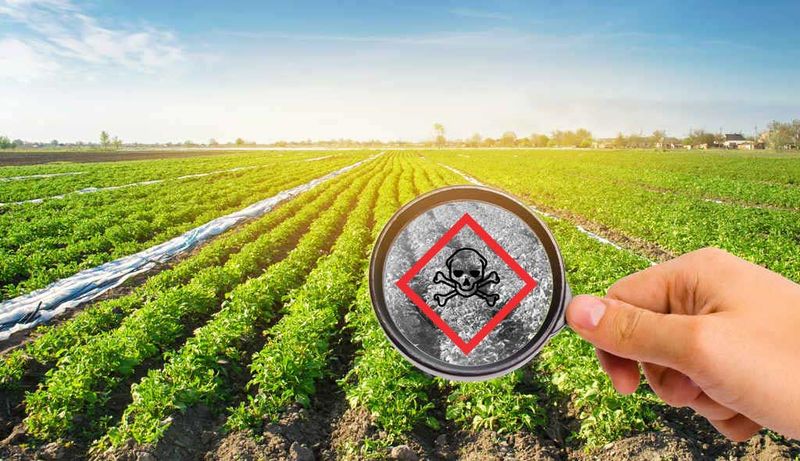
Pesticide residue in soil can linger, affecting tomato plant health and fruit safety. These chemicals can interfere with plant growth, leading to stunted development and potential health risks for consumers. It’s like trying to grow in a chemical-laden environment—harmful and restrictive.
Rotating crops and using organic methods can reduce pesticide buildup. Fun fact: Some plants, like marigolds, can naturally repel pests, reducing the need for chemical interventions.
Creating a healthy, pesticide-free environment supports safe and bountiful tomato harvests.
17. Excessive Soil Moisture
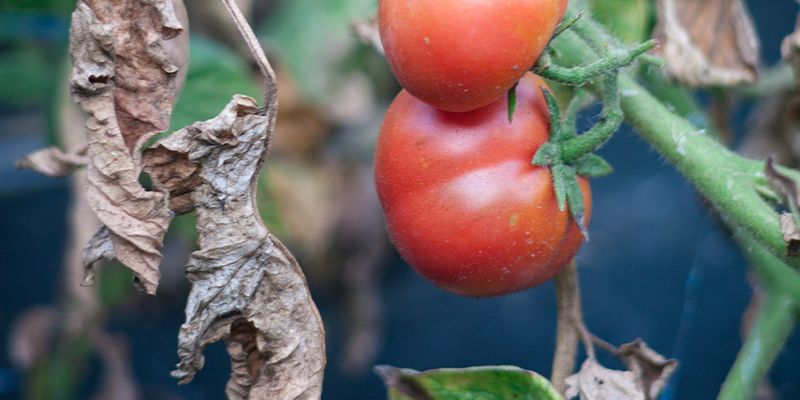
Too much water can be detrimental to tomato plants, as it drowns the roots and deprives them of essential oxygen.
When soil retains excess moisture, the plants struggle to absorb nutrients, leading to weak growth and diminished fruit production. This condition creates a breeding ground for diseases like root rot.
Ensuring proper drainage in your garden is vital. Elevating planting beds and using sandy loam can alleviate this issue.
Did you know? Even slight changes in soil texture can vastly improve drainage, enhancing your plant’s overall health and yield.