 Complete Gardening
Weeds are often seen as unwelcome intruders in gardens and lawns, but they can actually reveal a lot about soil conditions. By understanding what different weeds indicate, gardeners can gain valuable insights into their soil’s health and make informed decisions to improve it. Each type of weed thrives in specific soil conditions, serving as natural indicators of acidity, drainage, fertility, and more. This understanding can enhance gardening strategies and lead to healthier, more productive soil.
1. Dandelions
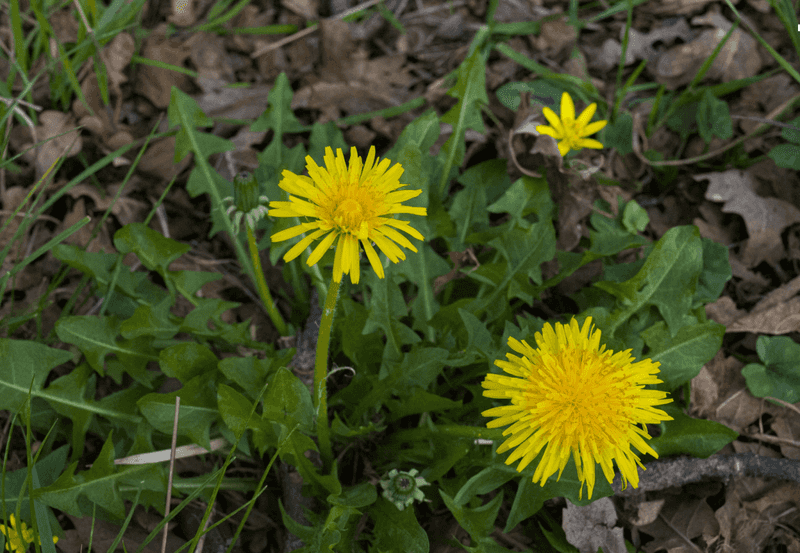
Dandelions are more than just a child’s delight for blowing seeds. These vibrant yellow flowers indicate compacted soil with poor drainage. Their deep taproots help break up compacted layers, allowing water and nutrients to penetrate more easily. If you see dandelions thriving, it’s a sign that your soil may need aeration to improve its structure and drainage. Besides, they also reflect a soil rich in potassium. Consider dandelions as nature’s way of aerating the soil, and perhaps a reminder to give your lawn some tender care. Their presence is, in fact, a silent plea for soil improvement.
2. Chickweed
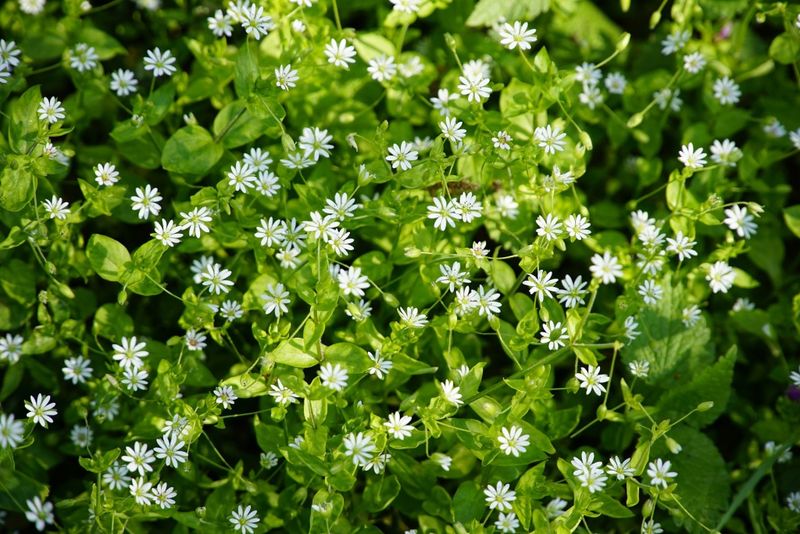
Chickweed often pops up in gardens with fertile and moist soil, thriving in nitrogen-rich conditions. Its presence signals healthy soil that may only need slight adjustments. Though it grows rapidly, chickweed is relatively easy to control. If you spot chickweed in your yard, it’s an indication that your soil is nutrient-rich, but the moisture level might be too high, encouraging its growth. Consider it a friendly sign from nature that your soil is full of life. However, keep an eye on moisture balance to prevent overgrowth. Chickweed whispers of abundant nutrients beneath its lush cover.
3. Clover
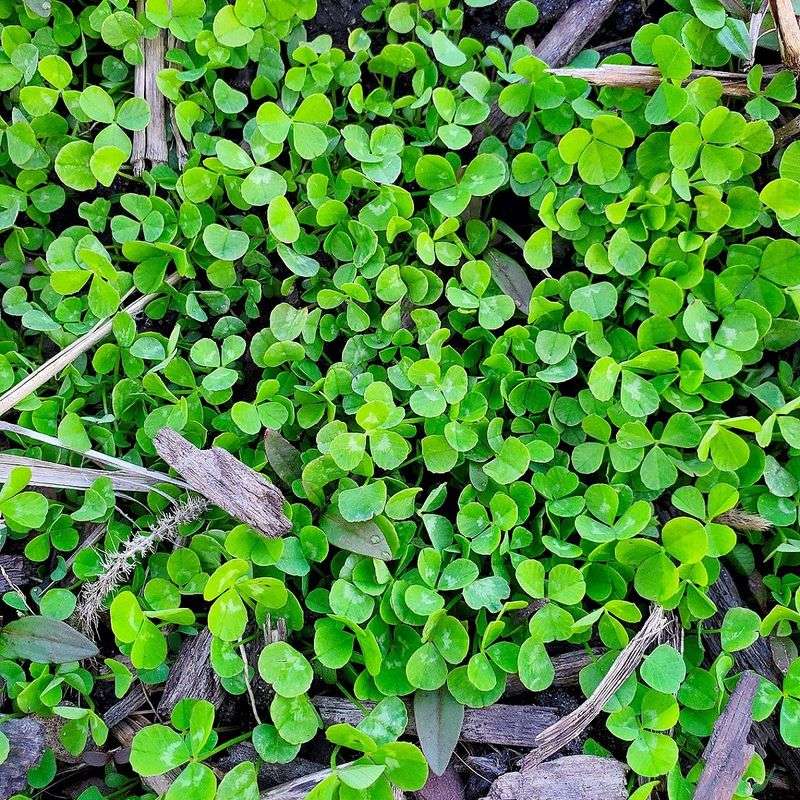
Clover is often associated with good luck, but in your garden, it signifies something even better: nitrogen-rich soil. Clover can improve soil fertility by fixing nitrogen from the atmosphere. Its presence indicates healthy, well-fertilized soil that supports lush growth. If you find clover thriving, your soil is likely well-balanced in nutrients. While it’s a beneficial ground cover, too much clover may indicate a need to manage soil fertility to prevent overshadowing other plants. Consider clover as a sign of nutrient richness, offering both beauty and function to your garden’s ecosystem.
4. Thistle
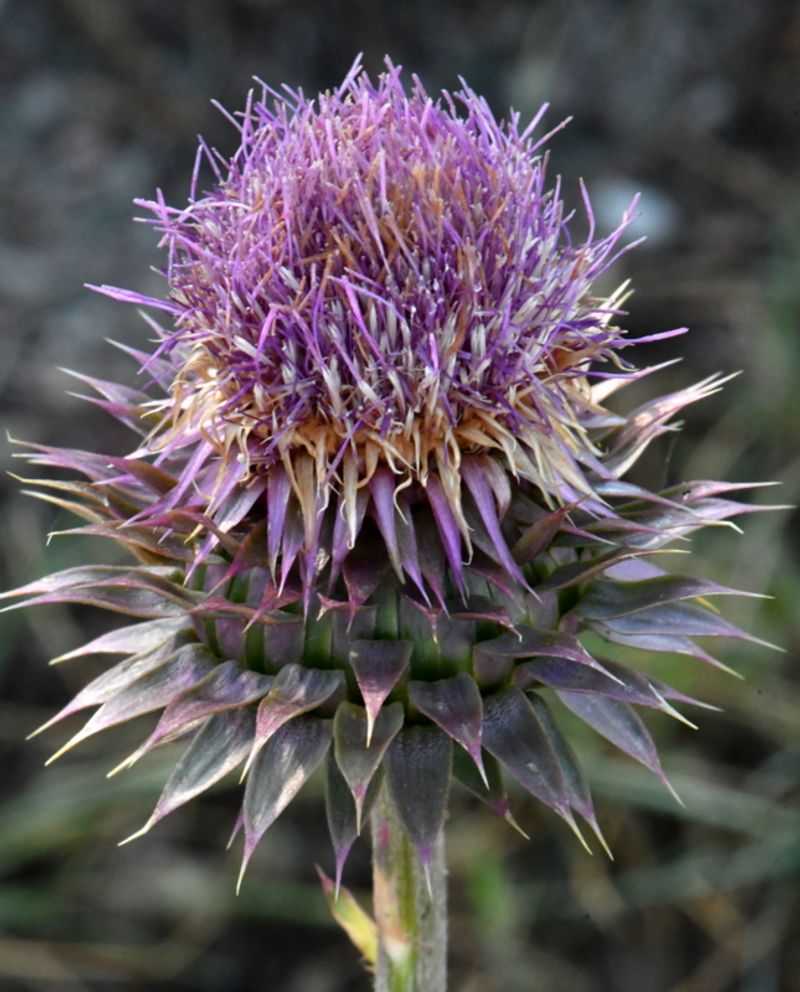
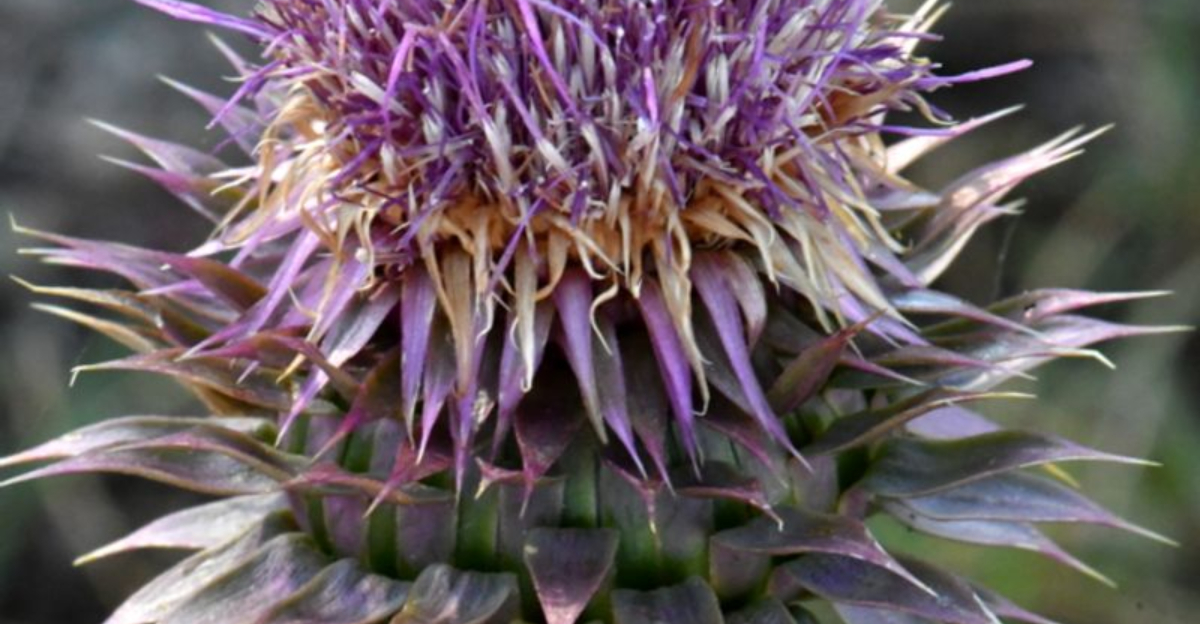
Thistle, with its prickly demeanor, suggests a struggle beneath the surface. These plants thrive in poor, dry soils, often indicating low fertility. Their presence may suggest a need for organic matter or compost to enrich the soil. Thistles’ deep roots work to break up hard soil, hinting at compactness and dryness. While they may seem menacing, thistles are nature’s way of highlighting soil’s deficiencies and the need for improvement. Consider adding organic materials to boost fertility and reduce compaction. Thistle’s thorny presence is a call for soil enhancement and nurturing care.
5. Bindweed
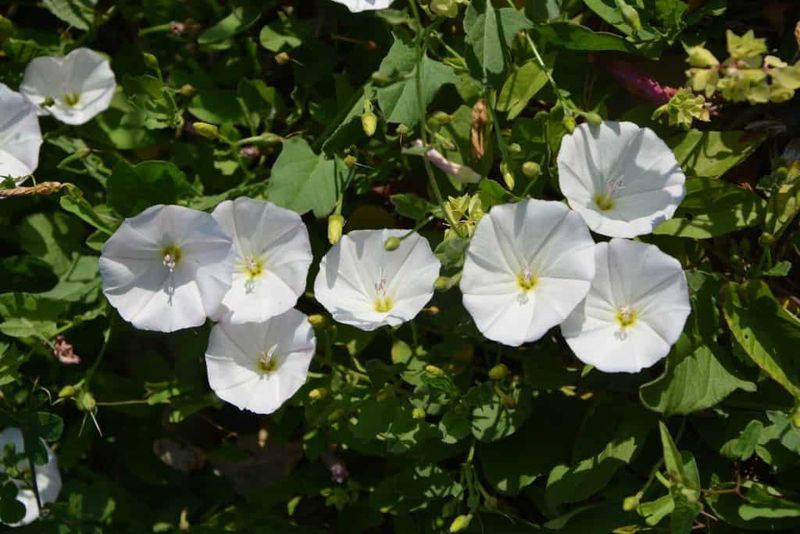
Bindweed’s twining vines and white flowers bring a touch of elegance to a garden, but they also hint at underlying issues. This persistent weed often indicates compacted soil with poor drainage, thriving where other plants struggle. Its presence suggests a need for soil aeration and improvement. Bindweed’s ability to thrive in challenging conditions makes it a stubborn adversary. Consider it a reminder to address soil compaction and enhance drainage. By understanding bindweed’s signals, gardeners can take proactive steps to improve their soil’s structure and health.
6. Ground Ivy
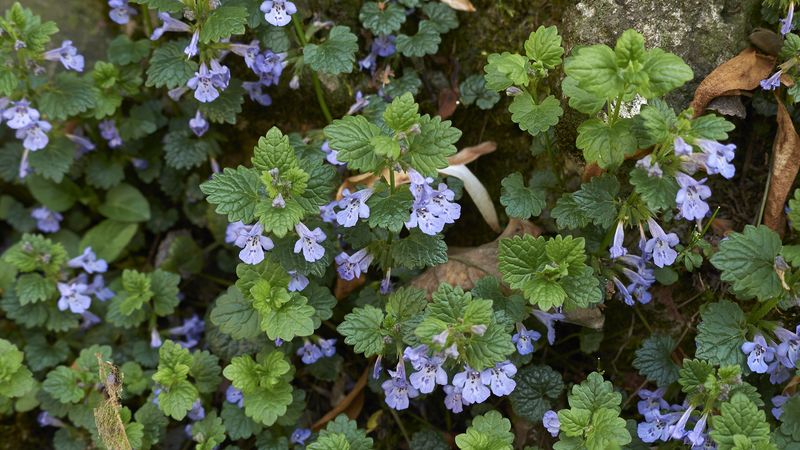
Ground ivy, with its creeping vines and purple flowers, signals soil with poor drainage and low fertility. Its presence often indicates compacted conditions, where water struggles to penetrate. If ground ivy is taking over your garden, it’s time to address drainage issues and consider adding organic matter to improve soil quality. Though persistent, this ivy offers a clue to underlying soil problems. By attending to its signals, gardeners can enhance soil aeration and fertility. Ground ivy’s flourish is a whisper of the earth’s need for a nurturing touch to unlock its potential.
7. Nettle
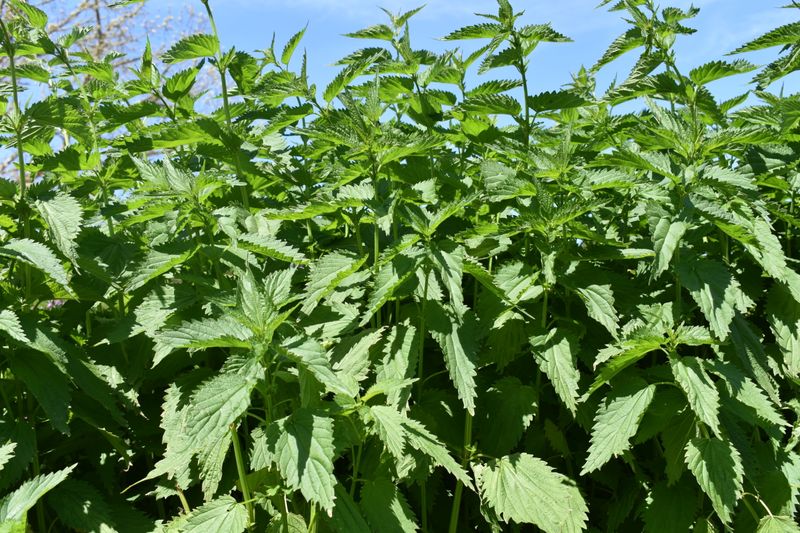
Nettles, known for their sting, thrive in rich, fertile soils high in nitrogen. Their presence indicates excellent soil fertility and a healthy nutrient balance. If nettles are flourishing in your garden, your soil is likely full of organic matter and nutrients. While they can be unwelcome due to their sting, nettles are a sign of thriving soil. Consider using them to your advantage, as they can be composted or used in natural fertilizers. Nettles’ presence is a positive indication of the soil’s richness, inviting gardeners to harness their benefits while managing their growth.
8. Plantain
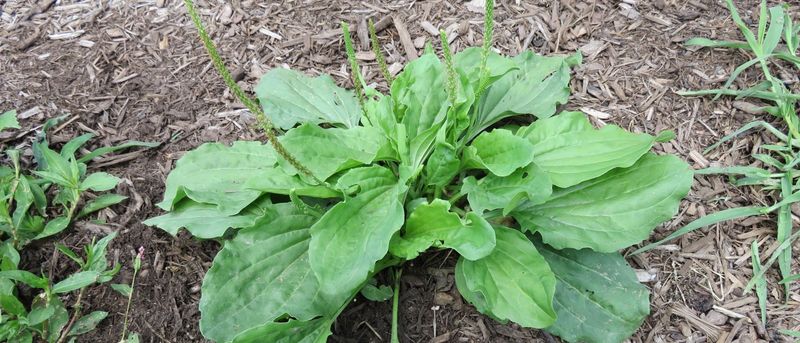
Broadleaf plantain often appears in compacted and poorly drained soils. Its presence signals soil that needs aeration and improved drainage. This hardy weed adapts to difficult conditions, revealing areas where other plants may struggle. If you notice plantain thriving, it’s an invitation to loosen and enrich the soil. Consider incorporating compost or organic matter to enhance soil structure and water movement. Plantain’s resilience offers a glimpse into soil’s hidden challenges, guiding gardeners to address compaction and foster a thriving landscape. Its broad leaves tell a story of soil’s journey to improvement.
9. Oxalis
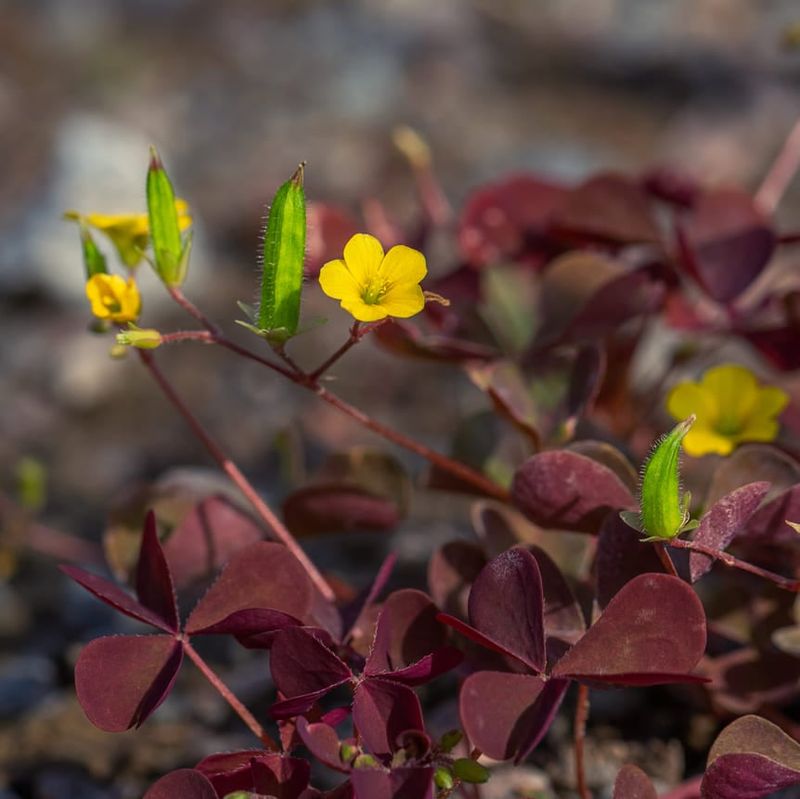
Oxalis, with its charming trifoliate leaves, hints at acidic soil conditions. This delightful plant often pops up where the soil pH is low. Its presence suggests a need to balance soil acidity with lime or other amendments. While oxalis adds a touch of whimsy to gardens, its signals are a call to action for soil pH adjustment. By understanding oxalis’ preferences, gardeners can tailor their approach to achieve optimal soil conditions. This cheerful plant’s presence is a gentle indication to align soil chemistry, ensuring a harmonious environment for diverse plant life.
10. Burdock
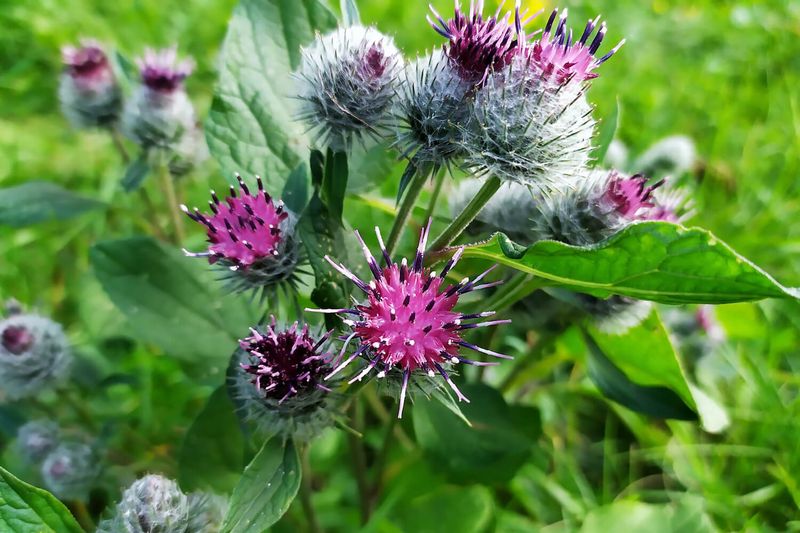
Burdock, known for its large leaves and sticky burrs, thrives in nutrient-rich soils. Its presence indicates soil that is full of organic matter and fertility. If burdock is growing vigorously, it’s a sign that your soil has a healthy nutrient balance. While it can be invasive, burdock’s signals reflect a thriving ecosystem. Consider using its roots in herbal remedies or composting its leaves. Burdock is a symbol of fertility, offering both challenges and opportunities for gardeners. Its robust growth is a testament to the soil’s vitality, inviting careful management and appreciation.
11. Ragweed
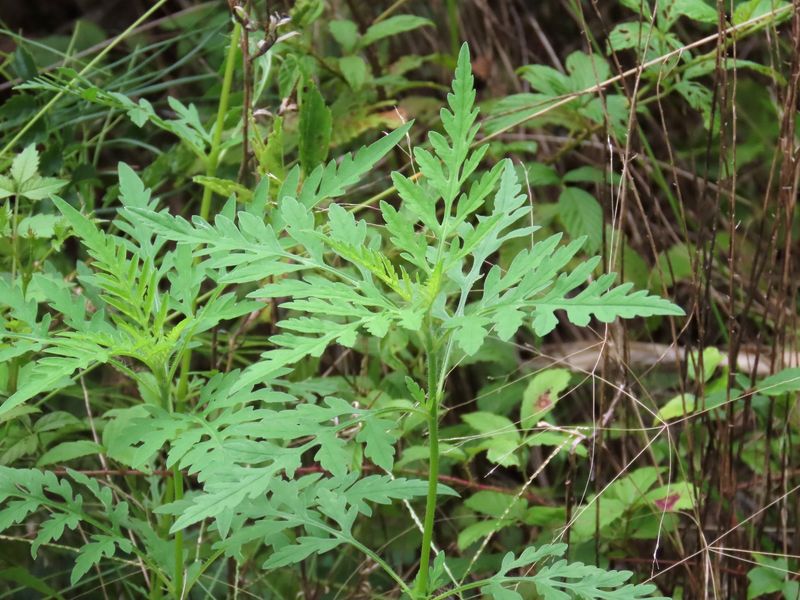
Ragweed, often a culprit for allergies, hints at soil low in fertility and organic matter. Its presence suggests an opportunity to enhance soil nutrient levels with compost or fertilizers. Ragweed thrives where other plants struggle, marking areas that may need revitalization. While it may cause sneezes, ragweed’s presence is a call to enrich and nourish the soil. By recognizing its signals, gardeners can take steps to improve soil quality and create a more balanced environment. Ragweed’s appearance is both a challenge and an invitation to foster soil’s potential for growth.
12. Prickly Lettuce
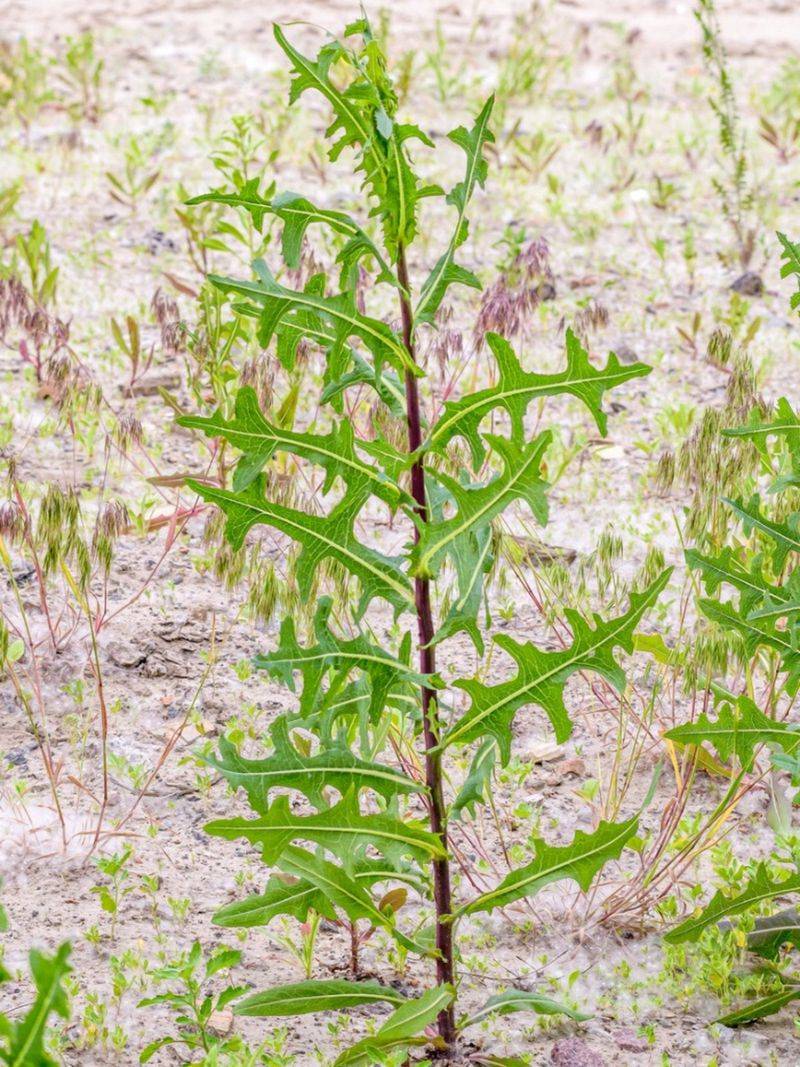
Prickly lettuce, with its spiny leaves and tall stature, thrives in dry, compacted soils. Its presence indicates a need for increased soil moisture and improved structure. If this weed is prevalent, it’s an opportunity to enhance soil conditions with organic matter or mulch. Prickly lettuce highlights areas where water retention and aeration can be improved. By addressing these signals, gardeners can create a more hospitable environment for diverse plant life. Consider prickly lettuce as a guide to understanding and improving soil challenges, offering insights into necessary soil amendments.
13. Shepherd’s Purse
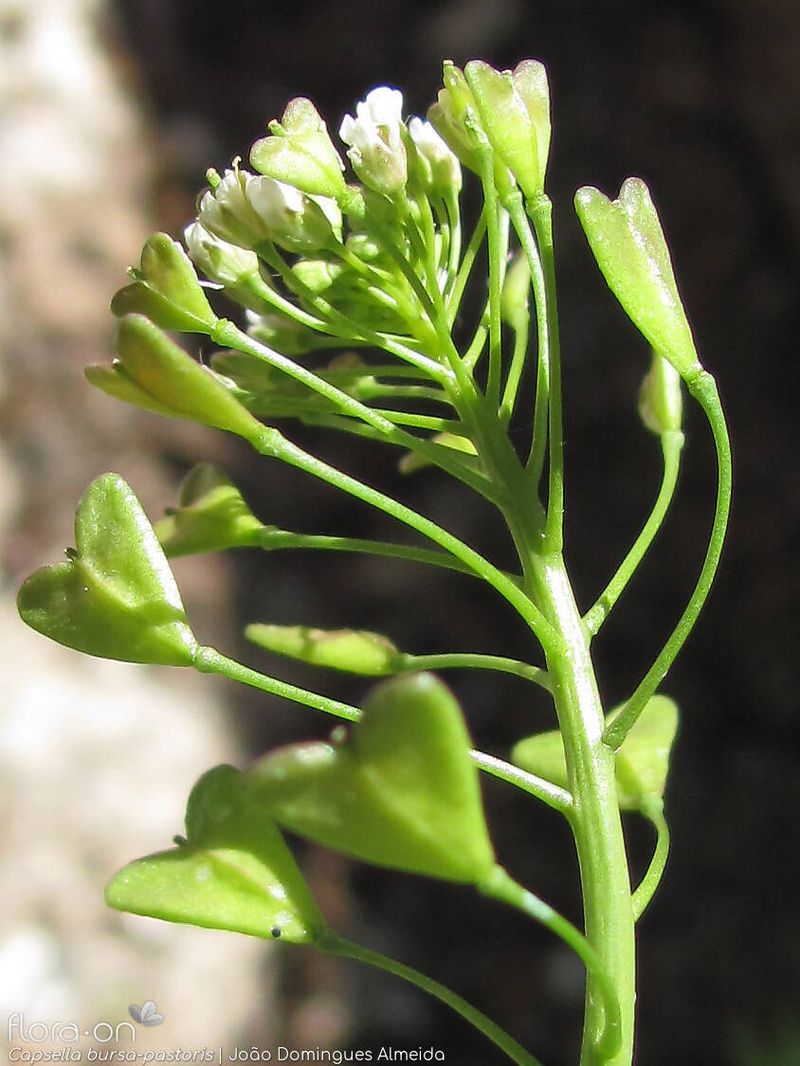
Shepherd’s purse, with its distinctive seed pods, thrives in nutrient-rich, well-drained soils. Its presence indicates a healthy balance of nutrients and good drainage. If you spot this plant flourishing, it’s a sign of fertile soil that supports robust growth. Shepherd’s purse is a reassuring signal of soil’s vitality, suggesting optimal conditions for gardening success. While often considered a weed, its presence is a positive indicator of soil health. Consider it a gardener’s ally in achieving lush landscapes. Its distinctive features mark areas of thriving potential, inviting appreciation and care.
14. Lamb’s Quarters
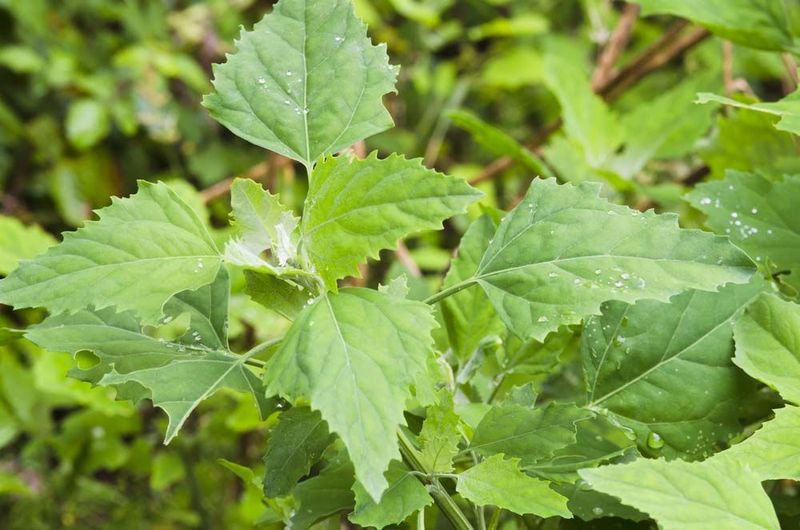
Lamb’s quarters, often found in gardens and fields, signal rich, fertile soils. Their presence indicates a balance of nutrients, especially phosphorus. These plants thrive in well-aerated and nutrient-dense environments. If lamb’s quarters are abundant, it’s a testament to the soil’s capacity to support vigorous plant growth. While they may compete with cultivated plants, their presence is a positive reflection of soil health. Lamb’s quarters are a symbol of fertility, offering insights into the soil’s richness and inviting gardeners to harness its potential for bountiful harvests.
15. Sow Thistle
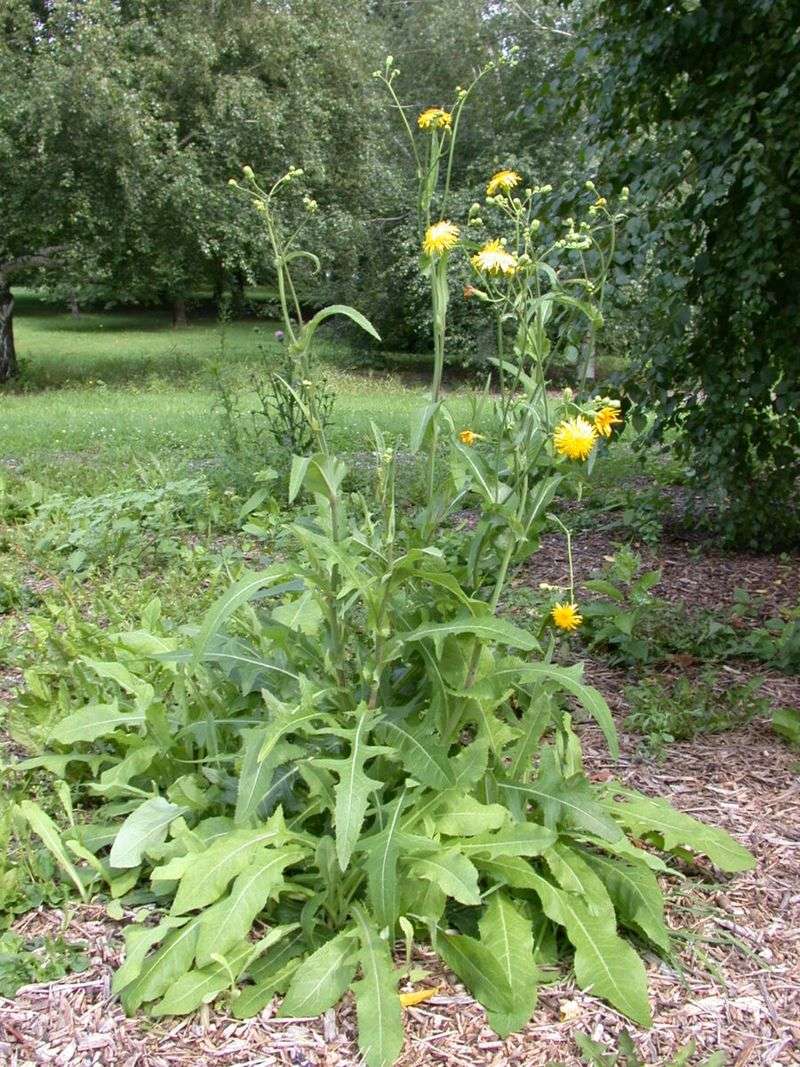
Sow thistle, with its sunny yellow flowers, thrives in fertile, nitrogen-rich soils. Its presence is a sign of healthy nutrient levels and organic matter. If you find sow thistle growing in your garden, it’s an indication of well-fertilized soil. While it may be invasive, sow thistle’s presence reflects a thriving ecosystem. Consider using its leaves in salads or composting them to enrich the soil further. Sow thistle is a testament to soil’s health, offering both challenges and opportunities for gardeners. Its robust growth signals a fertile landscape, inviting careful management and appreciation.
16. Purslane
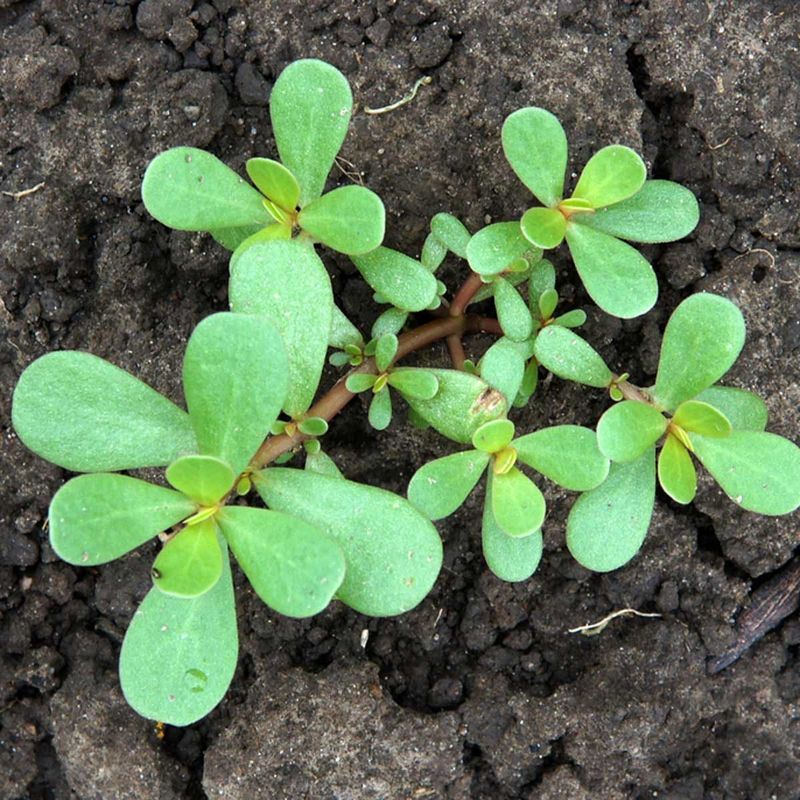
Purslane, with its succulent leaves and small flowers, thrives in dry, sandy soils. Its presence indicates a need to improve soil moisture retention and fertility. If purslane is abundant, it’s an opportunity to enrich the soil with organic matter and increase water retention. Purslane highlights areas where soil amendments can enhance conditions for diverse plant life. By recognizing its signals, gardeners can take steps to create a more fertile and balanced environment. Purslane’s growth offers insights into necessary soil improvements, guiding efforts to foster a thriving landscape.
17. Henbit
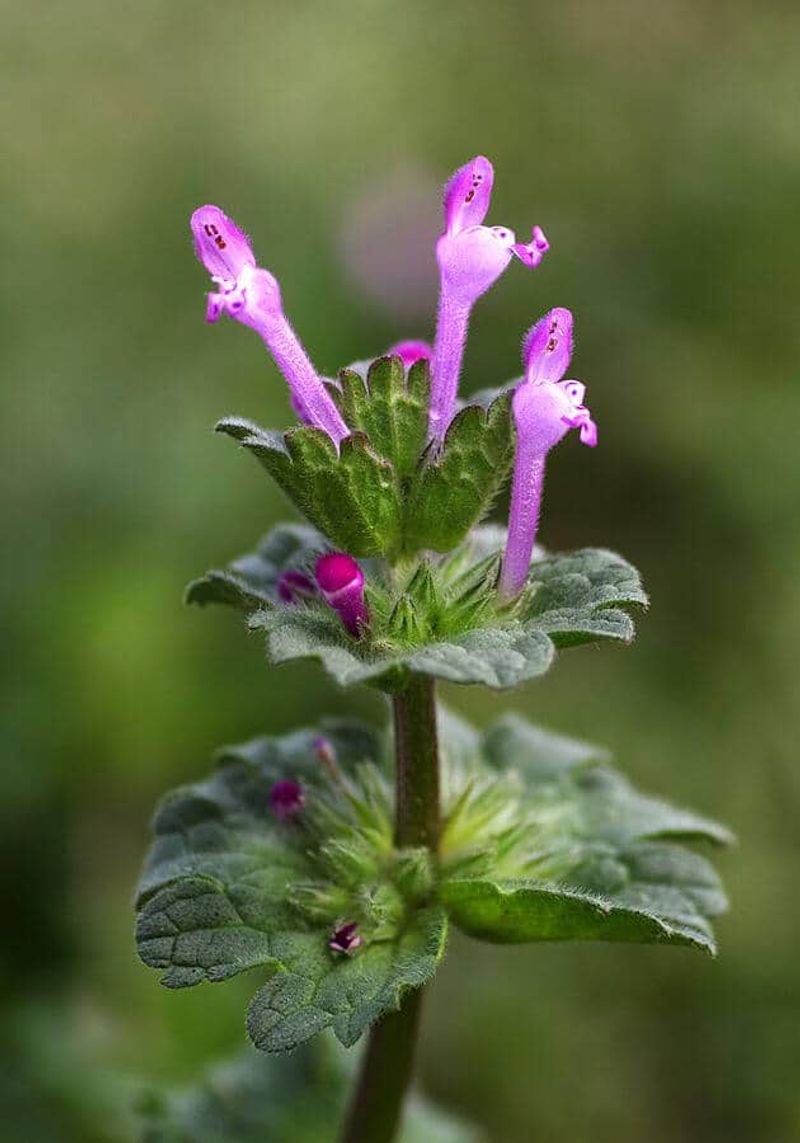
Henbit, with its charming purple flowers, signals soil that is rich in nutrients and moisture. Its presence indicates fertile conditions that support lush growth. If henbit is thriving in your garden, it’s a sign of excellent soil health and a balanced ecosystem. While it may compete with other plants, henbit reflects positive soil attributes. Consider its presence as an encouragement to maintain soil health and fertility. Henbit’s vivid blooms are a testament to the soil’s capacity for supporting diverse plant life, inviting gardeners to appreciate and nurture their thriving environment.