 Complete Gardening
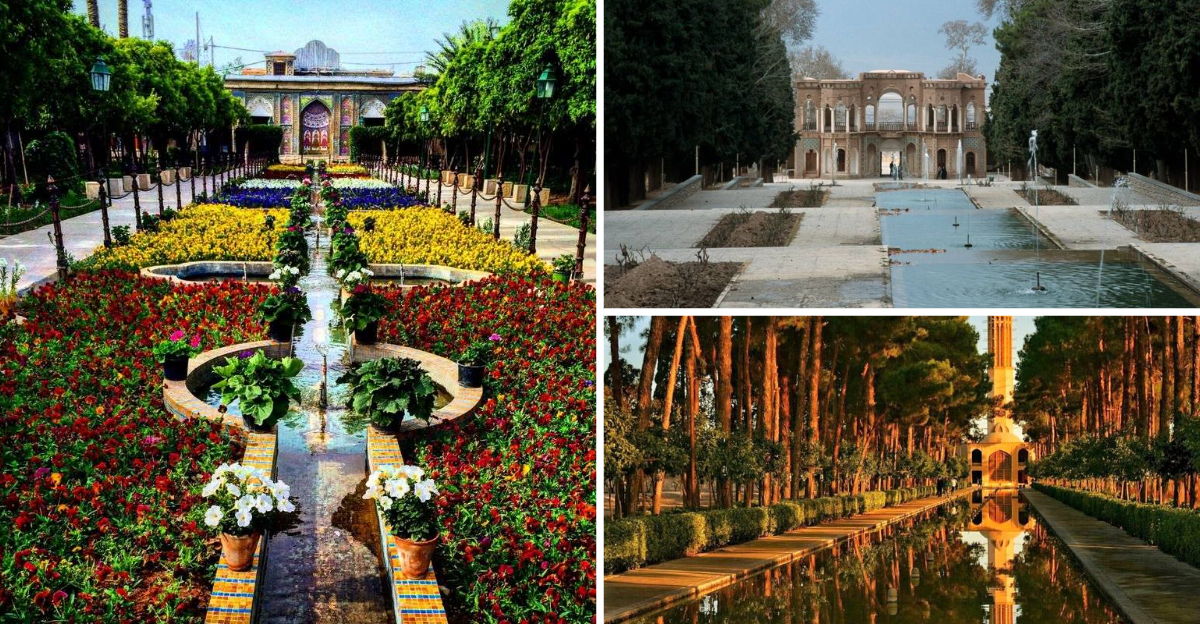
Persian gardens, renowned for their enchanting beauty and timeless design, offer a glimpse into a world where nature and architecture harmoniously blend. These gardens, often seen as earthly paradises, have inspired countless cultures and continue to captivate the imagination of garden enthusiasts worldwide. Their mystical allure lies in a combination of thoughtful design, symbolic elements, and cultural significance that transcends time and geography. From the mesmerizing water features to the tranquil symmetry, each aspect of a Persian garden is meticulously crafted to reflect a deep connection with nature and a profound sense of peace and tranquility.
1. Chahar Bagh
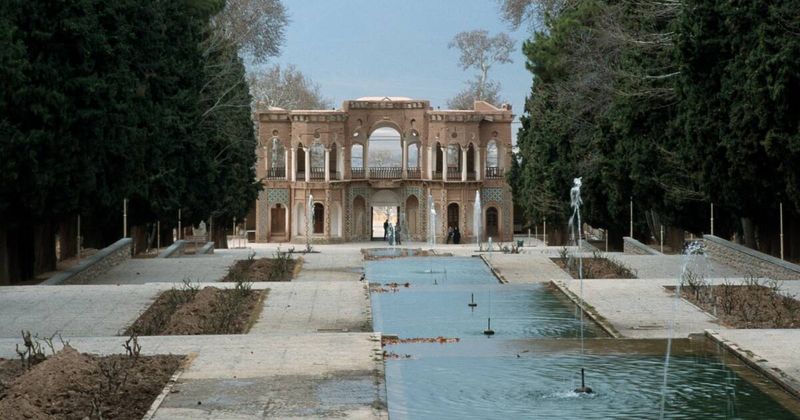
The Chahar Bagh, or ‘four gardens,’ embodies the quintessential Persian garden layout. With its origins in ancient Persia, this design splits the garden into four quadrants, symbolizing the Garden of Eden. Water channels, or rills, divide these sections, creating a geometric harmony that is both visually pleasing and spiritually meaningful. This layout invites contemplation and meditation, offering visitors a serene escape. The symmetry and balance of the Chahar Bagh echo the Persian philosophy of unity and order in nature. This timeless design continues to influence garden architecture around the world, epitomizing elegance and tranquility.
2. Water Features
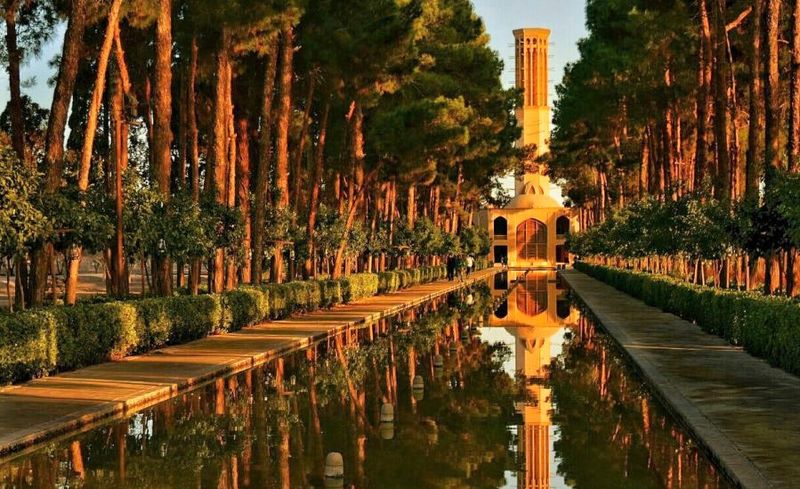
Water is the soul of Persian gardens, bringing life and movement to the serene landscapes. Fountains, streams, and reflecting pools are carefully integrated into the garden’s design, creating a soothing ambiance. The gentle sound of flowing water provides a calming backdrop, inviting relaxation and introspection. In Persian culture, water symbolizes purity and life, essential elements of the garden’s spiritual essence. These features not only enhance the aesthetic appeal but also serve practical purposes, such as irrigation. The artistry of water in Persian gardens reflects a deep appreciation for nature’s vitality and beauty.
3. Symbolic Trees
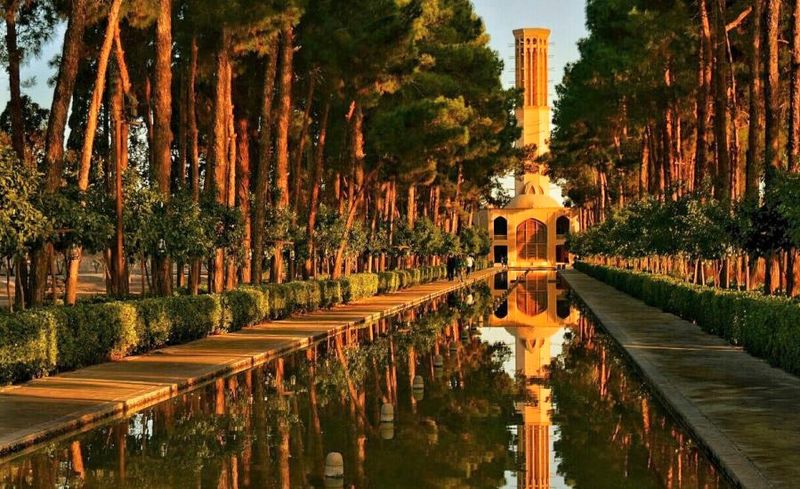
Trees in Persian gardens are more than just flora; they hold profound cultural and symbolic meanings. The cypress, for example, represents eternity and is often planted alongside fruit trees like pomegranates, symbolizing life and abundance. This juxtaposition reflects the Persian ethos of balance between permanence and transience. The lush greenery provides shade and comfort, creating a sanctuary from the harsh sun. Walking among these trees, one feels a connection to the ancient traditions and spiritual beliefs that have shaped Persian horticulture. The trees contribute to the garden’s magical ambiance, whispering stories of the past.
4. Pavilions and Structures
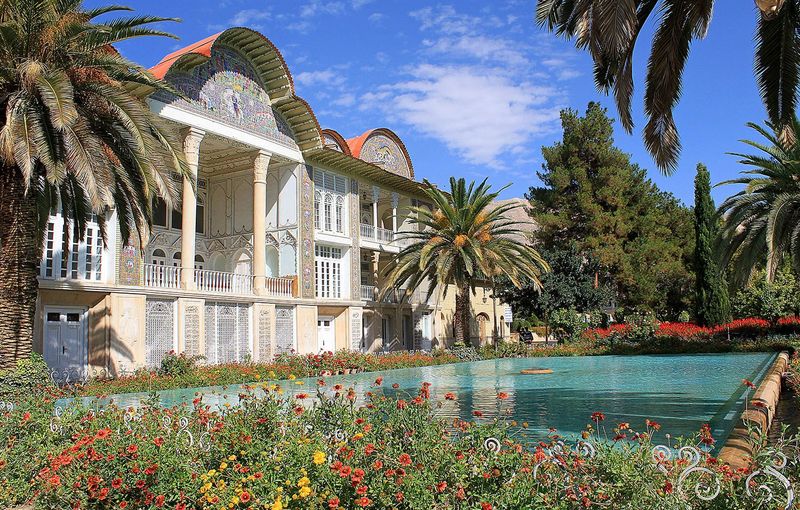
Pavilions, or ‘kiosks,’ are integral to Persian gardens, offering spaces for rest and reflection. These structures are often adorned with intricate tilework and carvings, showcasing Persian artistry. Positioned to capture the best views, pavilions provide shelter while connecting visitors with the surrounding beauty. They serve as quiet retreats, ideal for meditation or social gatherings. The architectural elegance of these pavilions enhances the garden’s aesthetic, blending harmoniously with nature. Whether perched beside a tranquil pond or nestled among fragrant blossoms, these structures are central to the garden’s charm, embodying grace and tranquility.
5. Fragrance and Flora
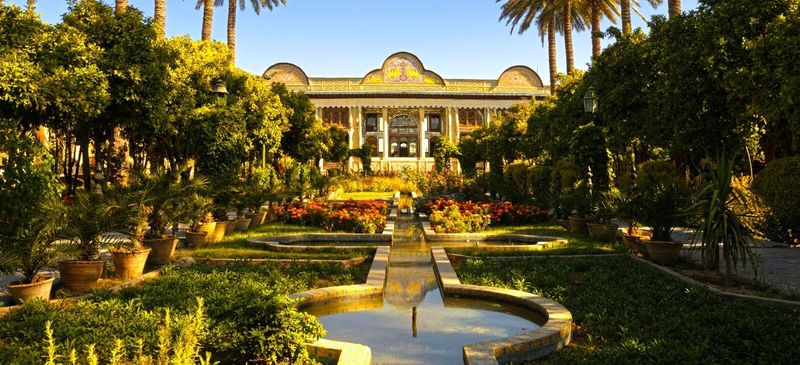
A walk through a Persian garden is a sensory delight, with fragrances playing a vital role in the experience. Roses, jasmine, and orange blossoms fill the air with their intoxicating scents, enhancing the garden’s enchanting atmosphere. These aromatic plants are carefully selected for their beauty and fragrance, creating a symphony of scents that captivate the senses. The combination of floral beauty and aroma invites visitors to linger, savoring the garden’s magic. This thoughtful selection of flora reflects the Persian appreciation for life’s sensory pleasures, transforming the garden into a living tapestry of color and scent.
6. Persian Carpets of Nature
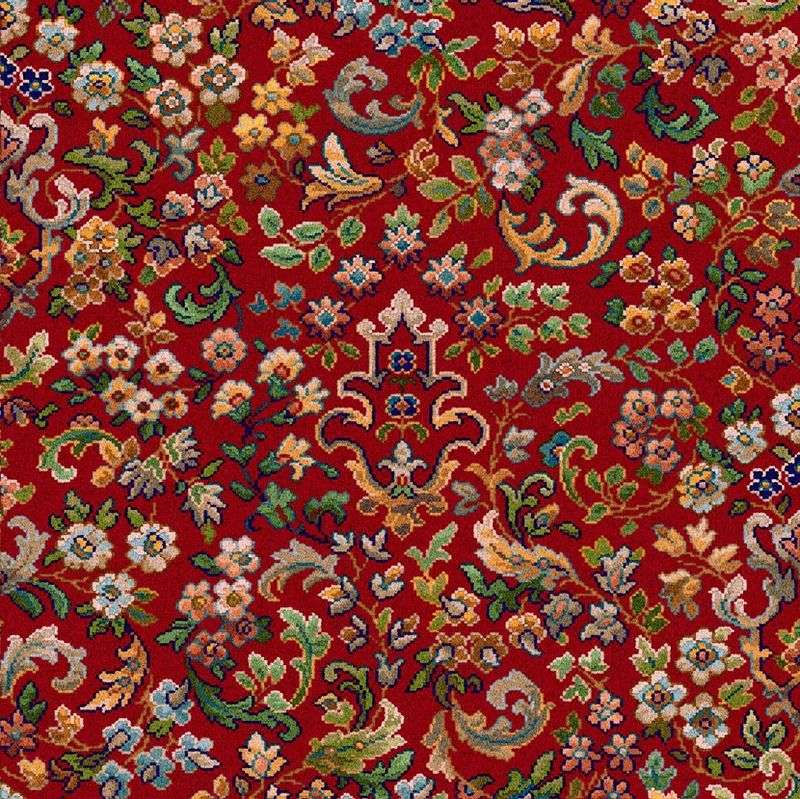
The meticulous arrangement of plants in Persian gardens often resembles the intricate patterns of Persian carpets. This design concept turns nature into a living artwork, showcasing a vibrant tapestry of colors and textures. The careful selection and placement of flowers and shrubs create harmonious designs that mirror the craftsmanship of traditional Persian rugs. Walking through these gardens, one is enveloped in a living masterpiece, where every plant contributes to the overall composition. This artistic approach to gardening reflects the Persian love for beauty and detail, crafting an experience that is both visually striking and deeply satisfying.
7. Reflecting Pools
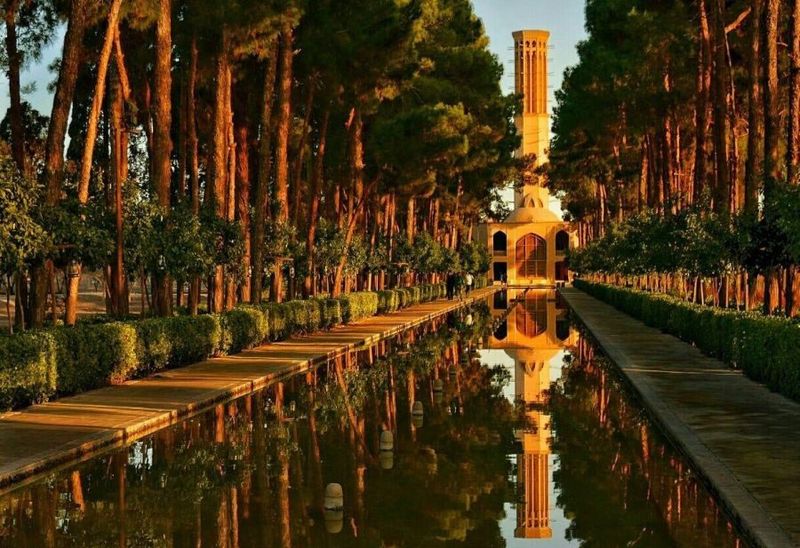
Reflecting pools are a hallmark of Persian gardens, offering a mirror-like surface that enhances the garden’s beauty. These pools create a sense of depth and tranquility, reflecting the sky and surrounding foliage in perfect harmony. The serene water invites contemplation, drawing visitors into a state of reflection and peace. In Persian culture, these pools symbolize clarity and introspection, essential aspects of the garden’s spiritual essence. The artful placement of reflecting pools contributes to the garden’s enchanting ambiance, making them a timeless feature that continues to captivate and inspire.
8. Geometric Harmony
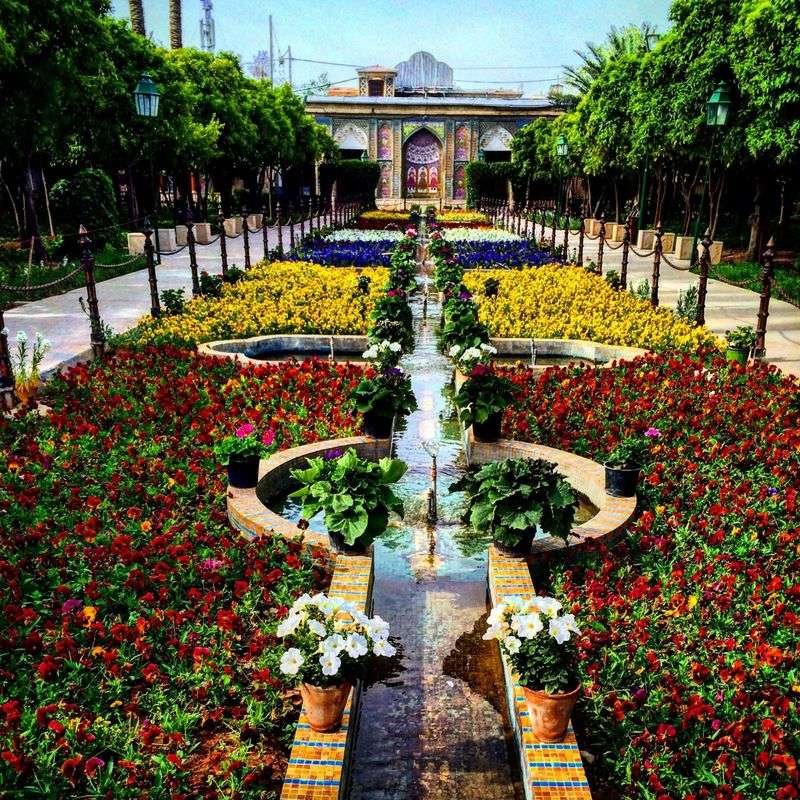
The geometric design is a defining characteristic of Persian gardens, where symmetry and order create a sense of harmony. Pathways, water channels, and plant arrangements are meticulously planned, forming intricate patterns that delight the eye. This geometric precision reflects the Persian philosophy of balance between the natural and built environments. Walking through these gardens, one experiences a sense of calm and order, a reflection of the universe’s inherent symmetry. The geometric elegance of Persian gardens showcases a timeless beauty, where every element is in perfect balance, embodying a deep connection to the cosmos and nature.
9. Colorful Tilework
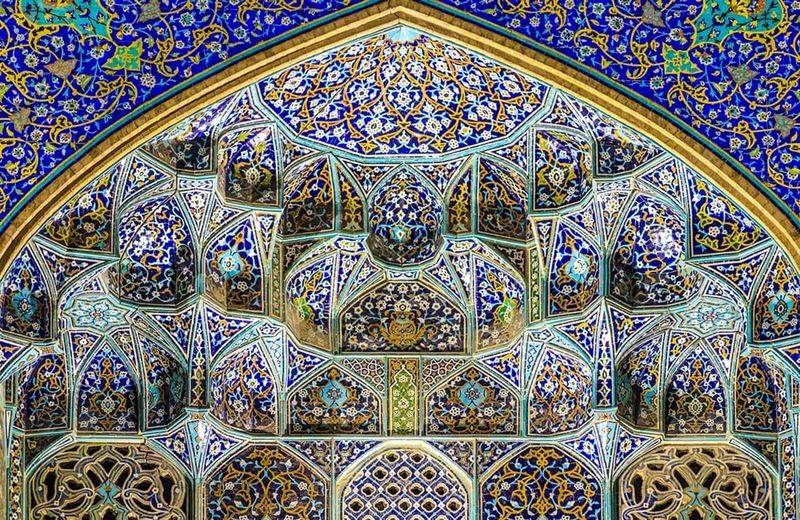
Vibrant tilework adorns the walls, fountains, and pavilions of Persian gardens, adding a splash of color and artistry. These tiles feature intricate patterns and vivid hues, reflecting the rich cultural heritage of Persia. The craftsmanship involved in creating these tiles is a testament to the artistic traditions passed down through generations. The colorful mosaics enhance the garden’s visual appeal, creating a dynamic contrast with the natural greenery. This fusion of art and nature exemplifies the Persian love for beauty and creativity, transforming the garden into a multisensory experience that delights the eyes and uplifts the spirit.
10. Secluded Corners
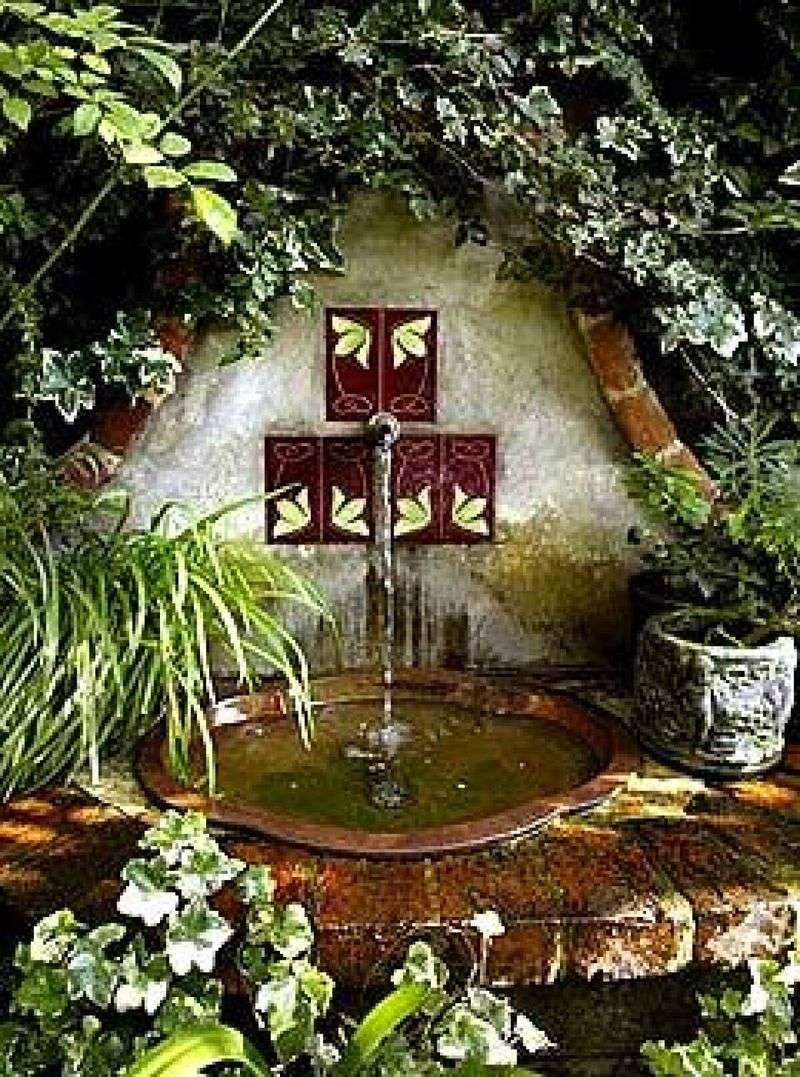
Every Persian garden offers hidden corners, perfect for quiet contemplation or intimate conversations. These secluded nooks are designed to provide privacy and tranquility, away from the main pathways. Nestled among lush greenery and fragrant blooms, they offer a sanctuary from the outside world. The thoughtful placement of benches and seating areas invites visitors to pause and reflect, enjoying a moment of solitude amidst nature’s beauty. These intimate spaces reflect the Persian appreciation for introspection and personal connection with nature, adding to the garden’s magical charm and allure.
11. Historical Significance
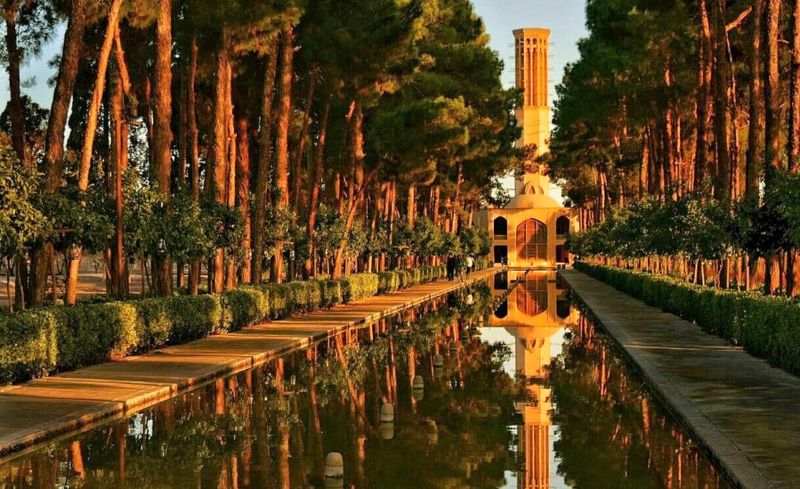
Persian gardens are steeped in history, with roots tracing back to ancient Persia. These gardens have witnessed the rise and fall of empires, serving as places of respite for royalty and scholars alike. The enduring legacy of Persian gardens is reflected in their design, which has influenced garden architecture across the globe. Walking through these historical landscapes, one is transported to a bygone era, where each stone and plant holds a story. This rich heritage adds depth to the garden’s beauty, offering a glimpse into the cultural and historical tapestry of Persia’s past.
12. Seasonal Transitions
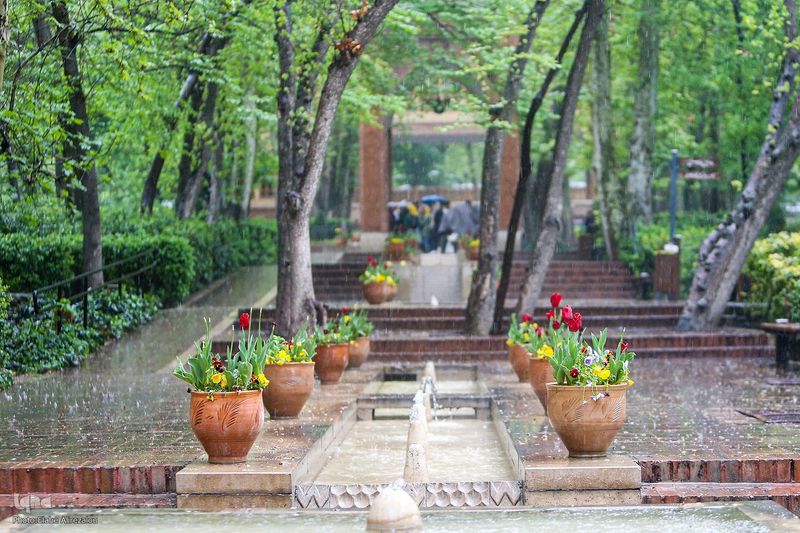
The changing seasons bring new life to Persian gardens, each offering a unique charm. Spring bursts with color and fragrance as flowers bloom, while autumn paints the landscape with golden hues. These seasonal transitions are integral to the garden’s magic, reflecting the cycles of nature. Visitors can witness the garden’s transformation, experiencing its beauty anew with each visit. This dynamic interplay between nature and time enriches the garden’s allure, inviting contemplation of life’s impermanence and renewal. The seasonal beauty of Persian gardens is a testament to the enduring connection between humans and the natural world.
13. Cultural Influences
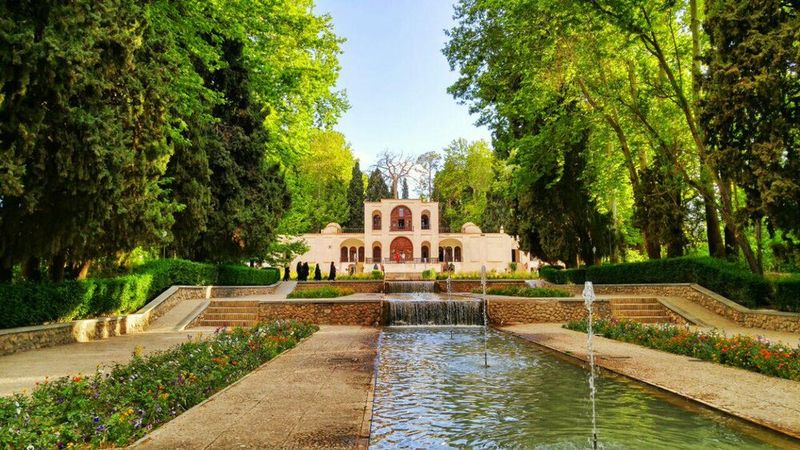
Persian gardens are a melting pot of cultural influences, blending Persian, Islamic, and local elements. This fusion is evident in the architecture, plant selection, and design principles, creating a unique garden experience. The gardens reflect the rich cultural exchange and adaptation that have shaped Persia’s history. Visitors can see traces of ancient traditions and modern innovations, harmoniously coexisting. This cultural tapestry enriches the garden’s magic, offering a window into the diverse influences that have contributed to its timeless beauty. The result is a garden that transcends boundaries, celebrating the universal language of nature and art.
14. Symbolic Pathways
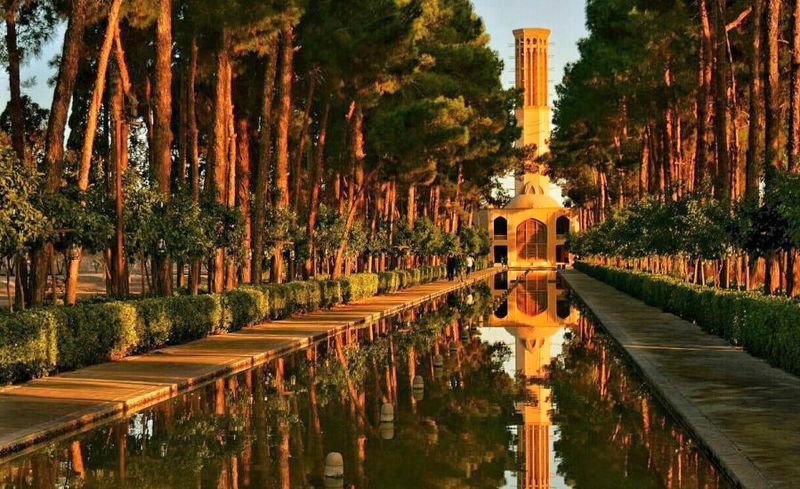
Pathways in Persian gardens are more than mere routes; they are symbolic journeys through nature. These meandering paths are carefully designed to guide visitors through the garden’s beauty, inviting exploration and discovery. The curves and turns represent life’s journey, with each step offering new perspectives and experiences. Surrounded by lush greenery and vibrant blooms, the pathways encourage contemplation and connection with nature. The symbolism of these paths reflects the Persian philosophy of life’s continuous journey, where every turn reveals hidden beauty and meaning. Walking these paths is an invitation to embrace the garden’s magic and wisdom.
15. Architectural Integration
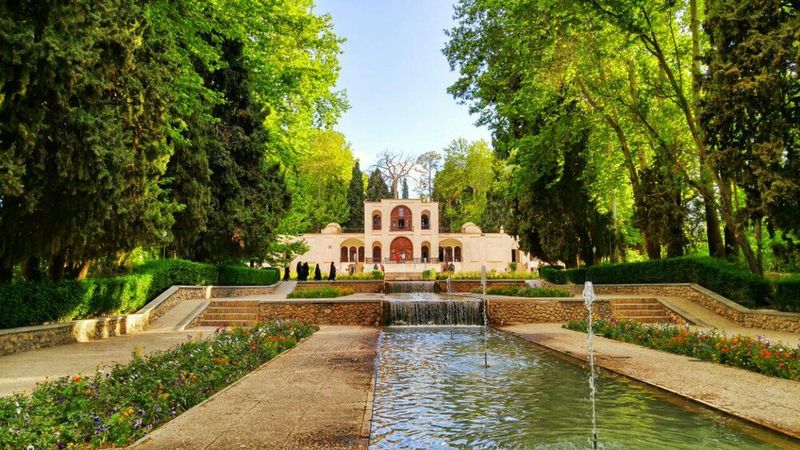
The seamless integration of architecture and nature is a hallmark of Persian gardens. Buildings, pavilions, and walls are designed to complement the natural landscape, creating a harmonious environment. This architectural approach reflects the Persian philosophy of unity between the built and natural worlds. Visitors can appreciate the thoughtful design that ensures every structure enhances the garden’s beauty. The balance between architecture and nature creates a cohesive and enchanting experience, where art and landscape coexist in perfect harmony. This integration is a testament to the timeless appeal of Persian gardens, where every element contributes to the overall magic.
16. Spiritual Essence
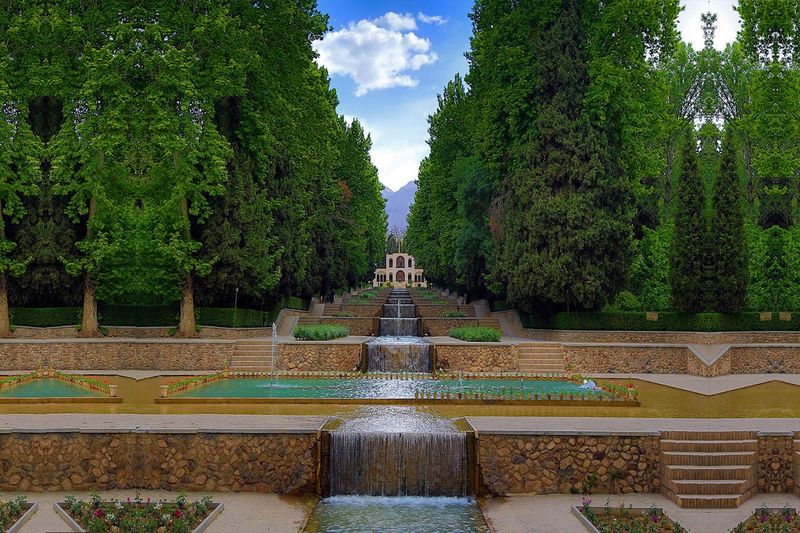
The spiritual essence of Persian gardens is palpable, offering a space for meditation and inner peace. These gardens are designed to evoke a sense of tranquility and reflection, providing a sanctuary from the chaos of everyday life. The harmonious elements of water, plants, and structures create an environment that nurtures the soul. Visitors often find themselves drawn into a contemplative state, where the garden’s beauty inspires introspection and renewal. This spiritual dimension is a fundamental aspect of Persian gardens, embodying the timeless connection between nature and the human spirit, and inviting all who enter to find peace within.
17. Irrigation Mastery
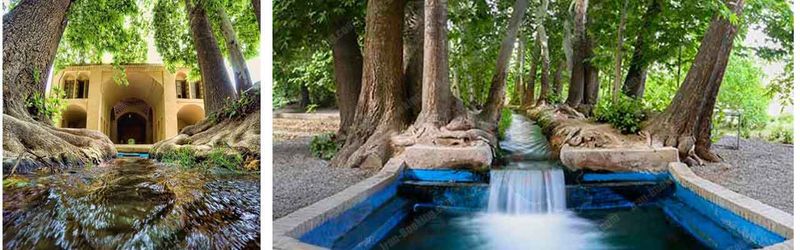
The mastery of irrigation is a defining feature of Persian gardens, reflecting the ingenuity and innovation of ancient Persia. Sophisticated water management systems ensure the garden’s lushness, even in arid climates. These techniques, developed over centuries, demonstrate a profound understanding of nature’s rhythms. The strategic placement of channels, pools, and fountains maximizes water efficiency, ensuring every plant thrives. This mastery of irrigation is a testament to the Persian commitment to nurturing life and beauty in harmony with nature. The enduring success of these techniques highlights the timeless wisdom embedded in Persian garden design, inspiring gardeners worldwide.