 Complete Gardening
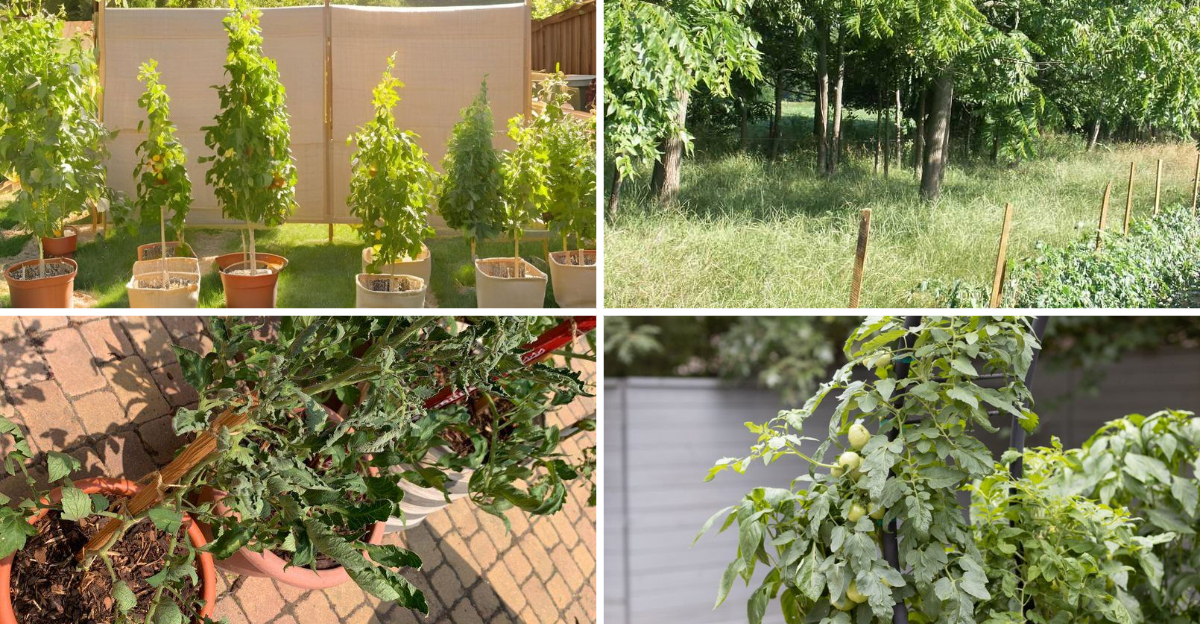
Tomatoes are a staple in many home gardens, cherished for their juicy fruits and vibrant colors. However, where you plant them can make or break their success. Some spots, though seemingly perfect, might be secretly sabotaging your efforts. This guide reveals 17 surprising locations that could be harming your tomato plants, offering insights on why these spots are less than ideal. Whether you’re a seasoned gardener or a newbie, understanding these pitfalls can help ensure a bountiful harvest.
1. Under Tree Canopies
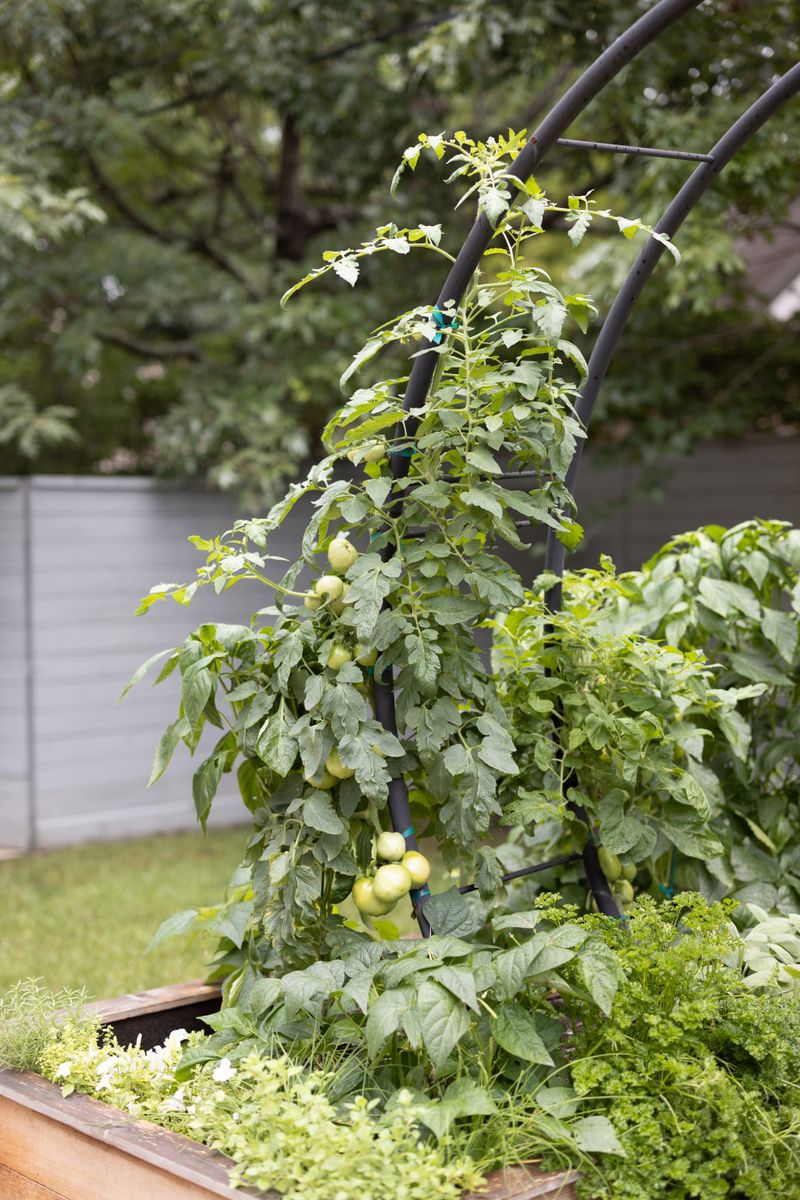
Hidden under the lush greens of a tree canopy, a tomato plant might seem quaint. Yet, this spot is a thief of vital sunlight. Tomatoes crave the sun’s embrace, needing a minimum of six to eight hours daily. Tree canopies, with their dense foliage, filter out the essential rays your tomatoes thirst for. Besides the shade, tree roots are fierce competitors, drawing nutrients and moisture away. Over time, this rivalry can leave your tomatoes starved and stunted. If you must plant near trees, ensure adequate sunlight reaches your tomatoes and consider solutions like pruning or relocating.
2. Beside Concrete Walls
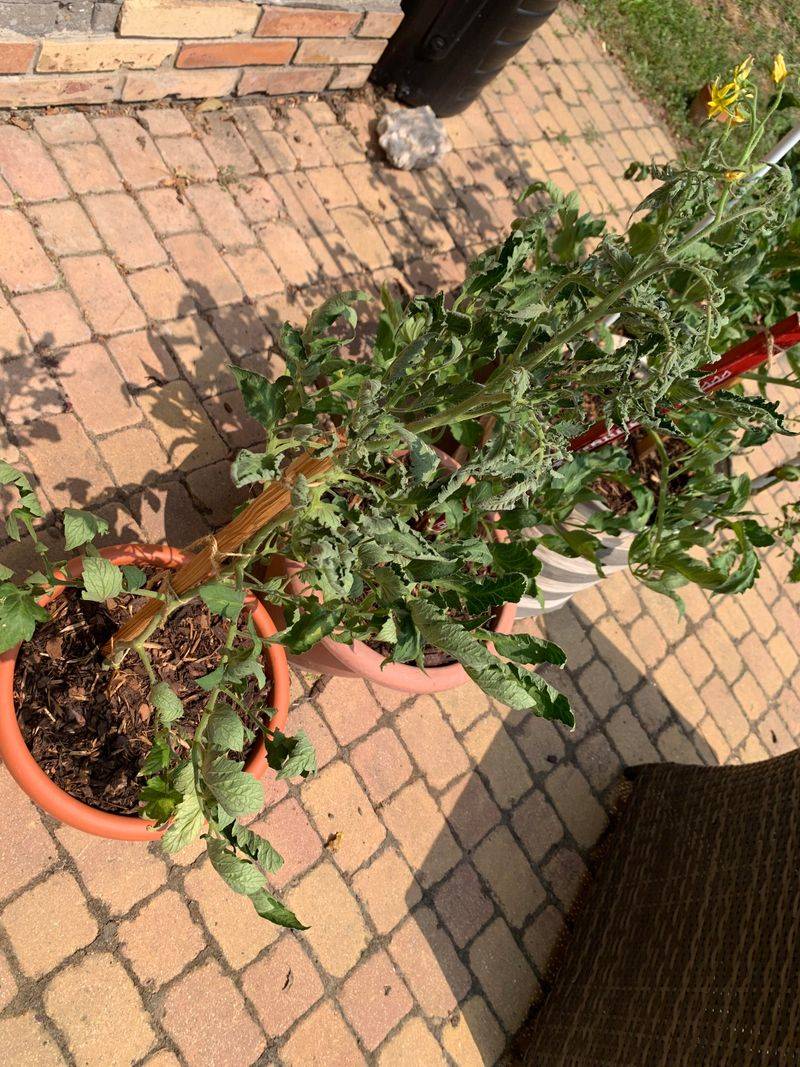
Concrete walls may appear as sturdy garden dividers, but they could spell trouble for your tomatoes. These walls absorb and retain heat, turning into relentless heat radiators. As the sun beats down, concrete walls release trapped warmth, creating a sweltering microclimate. This excess heat can stress your tomatoes, leading to wilting or even sunscald. Moreover, walls can reflect sunlight, intensifying the glare. The trapped heat and reflection can cause the soil to dry out faster, demanding more frequent watering. For a healthier environment, plant tomatoes at a distance from such heat traps or provide adequate shading.
3. Near Walnut Trees
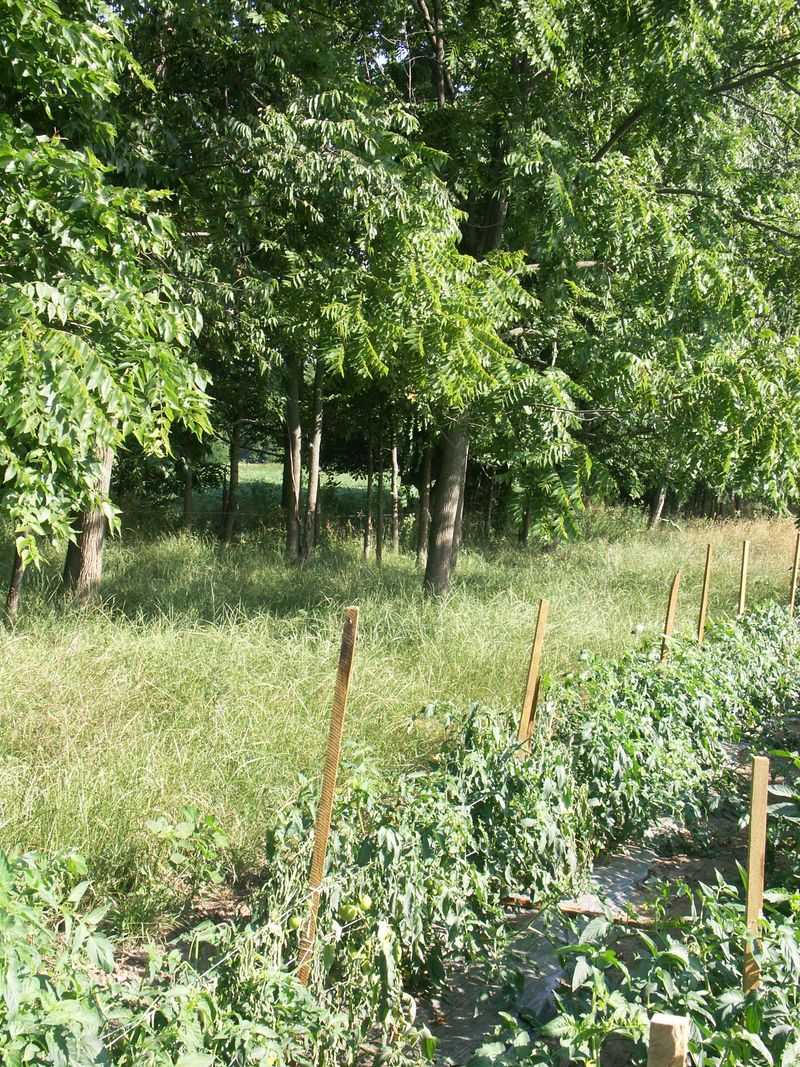
Did you know? Walnut trees, especially black walnuts, release juglone—a natural compound toxic to tomatoes. This chemical seeps into the soil, affecting not just tomato plants but other sensitive crops too. The proximity to a walnut tree can result in wilting, yellowing, and eventually the demise of the tomato plant. To safeguard your garden’s health, it’s crucial to locate tomatoes far from walnut trees or consider raised beds with barriers. Such measures can prevent juglone from reaching the roots, ensuring your tomatoes thrive without chemical interference.
4. Close to Fences
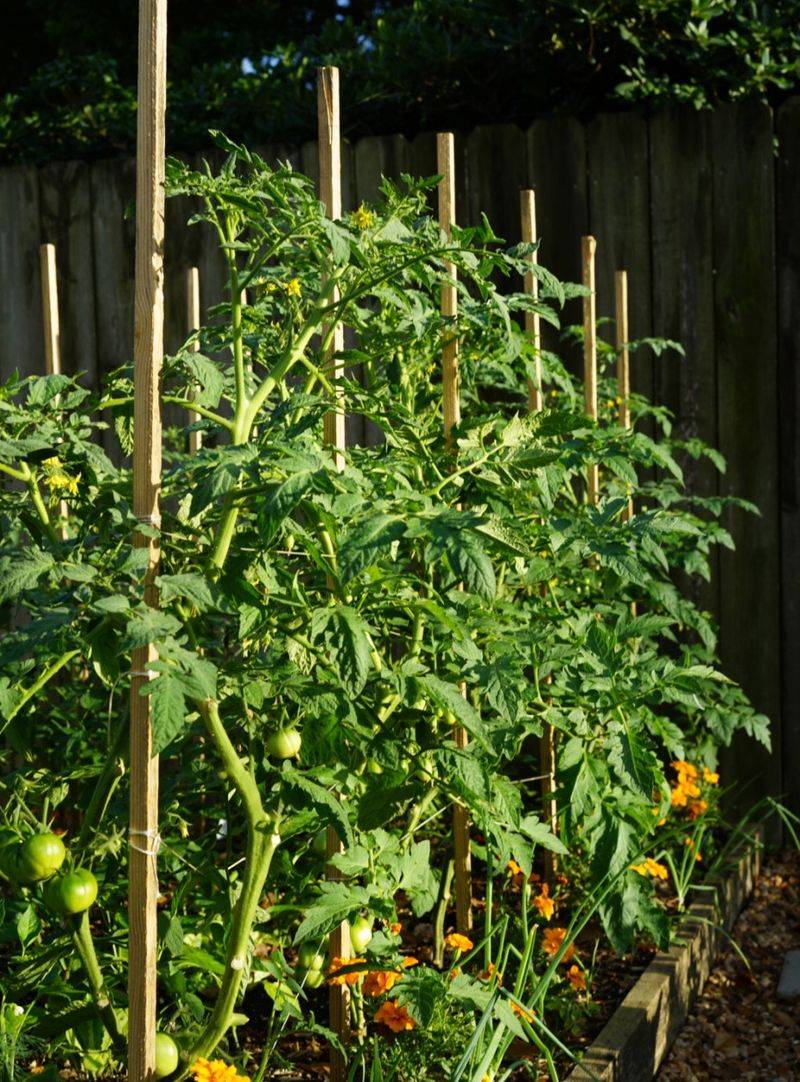
Fences might offer wind protection, but they can also create unexpected challenges for tomato plants. Planted too close, tomatoes may suffer from restricted airflow, leading to higher humidity and increased risk of fungal infections like blight. Additionally, fences can cast unwanted shadows, depriving plants of necessary sunlight. The varying exposure can cause uneven growth and reduced yields. If fences are unavoidable, ensure your tomatoes are placed at a distance that allows for sufficient light and air circulation. Implementing trellises can also assist in directing growth away from constraining barriers.
5. In Low-Lying Areas
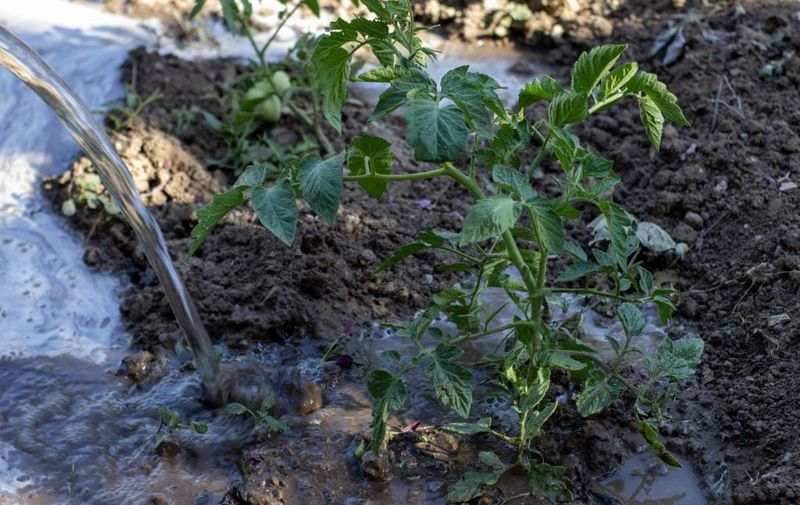
Low-lying areas may seem like natural garden spots, yet they often harbor excess water. Tomato roots drowning in waterlogged soil can lead to a host of issues, including root rot and nutrient deficiencies. These areas are prone to pooling, especially after heavy rains, creating a suffocating environment for the roots. The lack of oxygen and excess moisture foster fungal diseases, severely impacting plant health. To mitigate these risks, consider elevated garden beds or improved drainage solutions. Ensuring proper water management is key to maintaining robust and flourishing tomato plants.
6. Amidst Tall Weeds
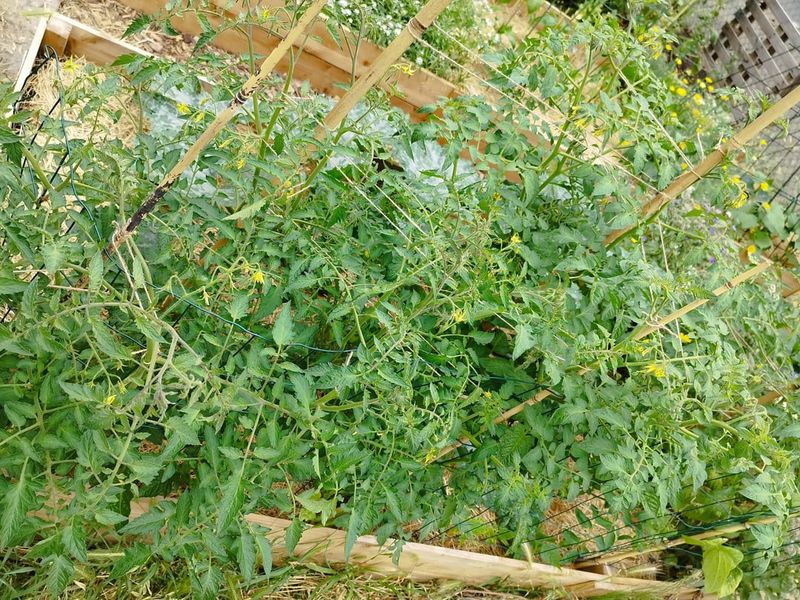
In the battle for space and resources, weeds are formidable foes. When tomatoes are planted amidst tall weeds, they face stiff competition for sunlight, nutrients, and water. Weeds often grow faster, overshadowing the more delicate tomato plants and stunting their growth. Furthermore, weeds can harbor pests and diseases, acting as vectors that threaten tomato health. To cultivate a thriving tomato patch, maintain regular weeding sessions to limit competition. Removing invasive plants not only provides your tomatoes with essential resources but also reduces the risk of disease transmission.
7. Next to Windbreaks
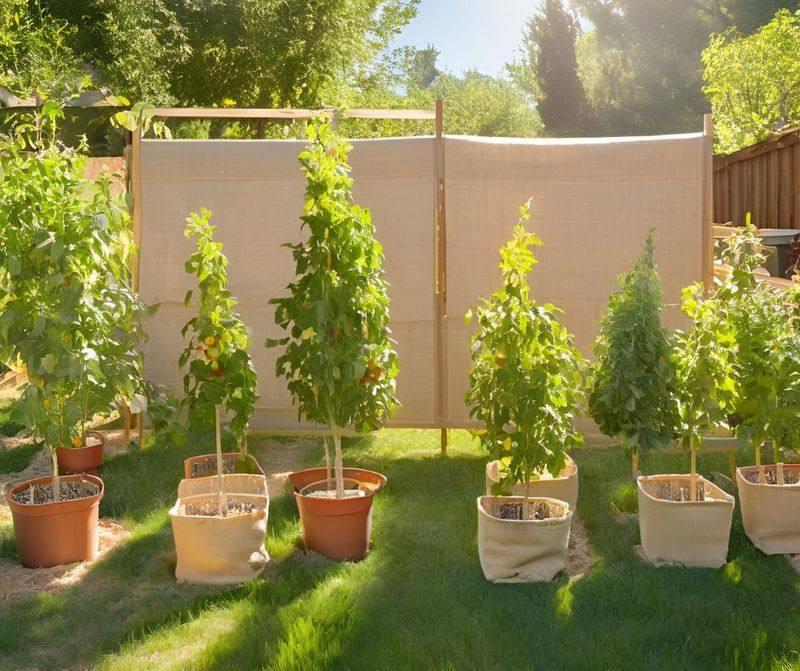
Windbreaks are meant to shield plants from harsh gusts, but they can inadvertently affect tomato growth. Placing tomatoes too close can result in blocked sunlight and reduced air circulation. Although windbreaks offer protection, they also create sheltered zones where humidity can rise, increasing the risk of fungal diseases. The diminished airflow and light can lead to leggy, weak growth. To balance protection and exposure, plant tomatoes at a reasonable distance from windbreaks, allowing for sufficient sunlight and air movement. Such strategic planting ensures robust and healthy development.
8. Under Pergolas
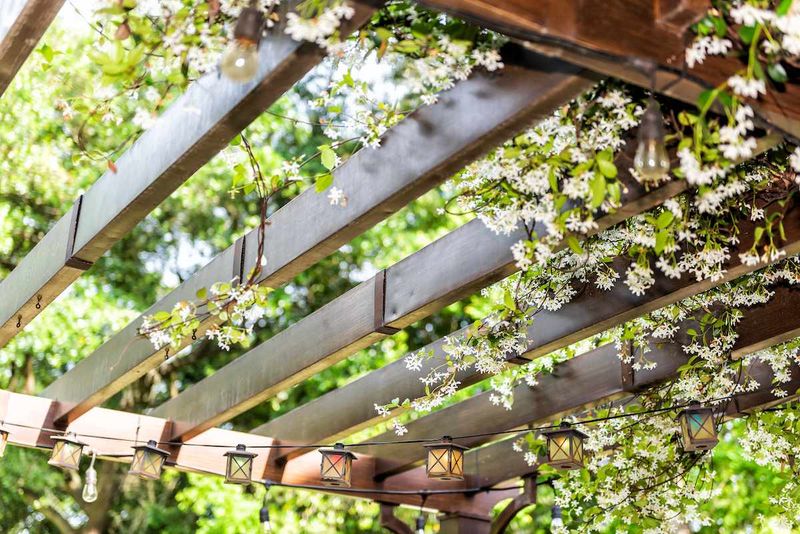
Pergolas provide charming garden aesthetics but can cast shadows that hinder tomato growth. Positioned under these structures, tomatoes may struggle with insufficient sunlight, essential for photosynthesis and fruit production. The decorative beams and foliage of pergolas can block sun rays, leading to leggy plants that fail to thrive. To maximize sunlight exposure, consider training vining plants over pergolas while ensuring tomatoes are planted in sunnier patches. Alternatively, select spots where the pergola’s shade is minimal or where sunlight angles can be adjusted throughout the day to maintain optimal growth conditions.
9. In Shaded Corners
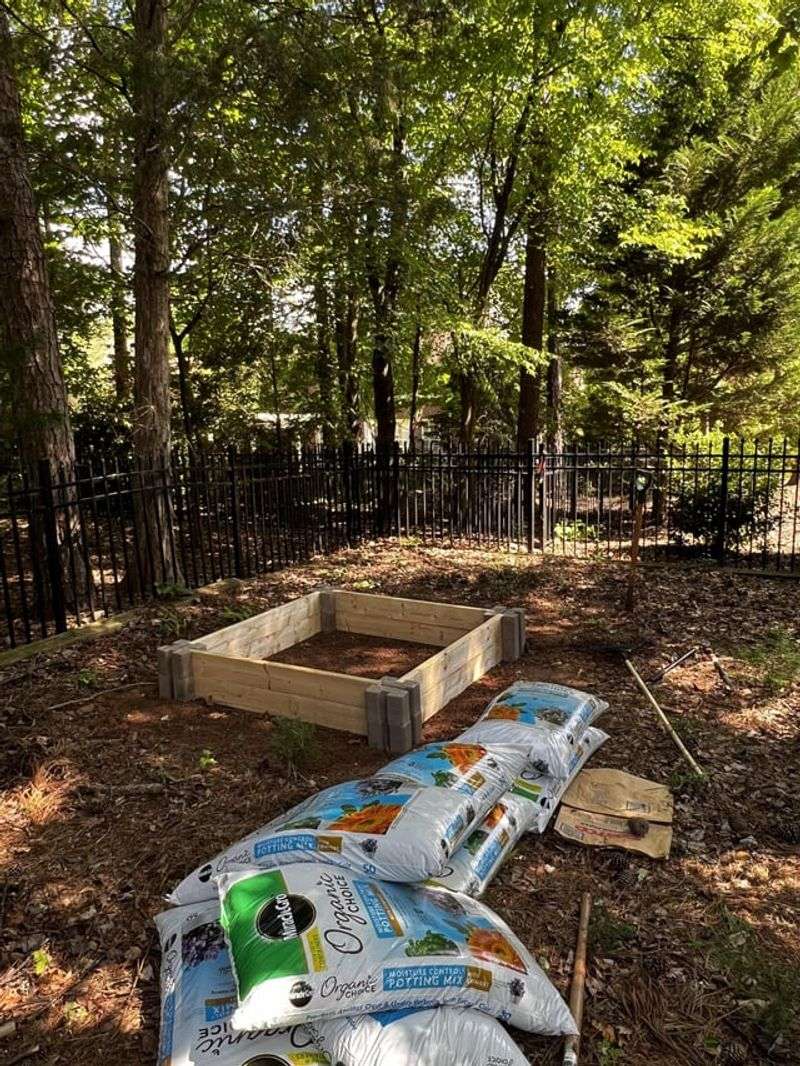
Shaded corners of gardens might seem unassuming, but they can be detrimental to tomato plants. These areas receive limited sunlight, essential for vigorous growth and abundant fruiting. Tomatoes in shaded spots often exhibit slow growth and produce fewer, smaller fruits. The lack of sunlight also fails to deter fungal diseases, which thrive in cooler, damp conditions. To enhance growth prospects, choose planting sites with ample sunlight exposure. If unavoidable, consider growing shade-tolerant varieties or implementing reflective materials to increase light availability for improved tomato production.
10. Near Sprinklers
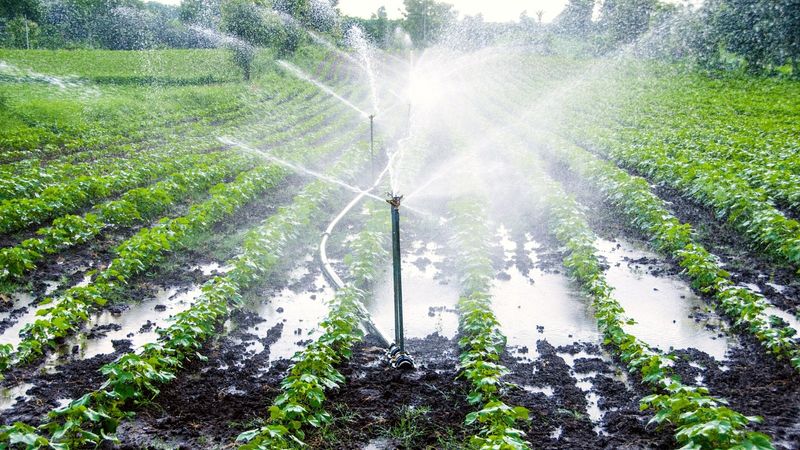
Sprinklers are convenient for watering, yet they pose challenges for tomato plants if positioned improperly. Frequent overhead watering can leave leaves and fruits damp, enhancing the risk of fungal diseases such as blight. Water retention on foliage creates a humid microenvironment that pathogens thrive in. To promote healthier growth, adjust sprinkler systems to minimize direct contact or switch to drip irrigation. This method targets the roots, ensuring efficient water delivery without compromising plant health. Effective watering strategies are key to preventing diseases while supporting robust tomato development.
11. Beside Patios
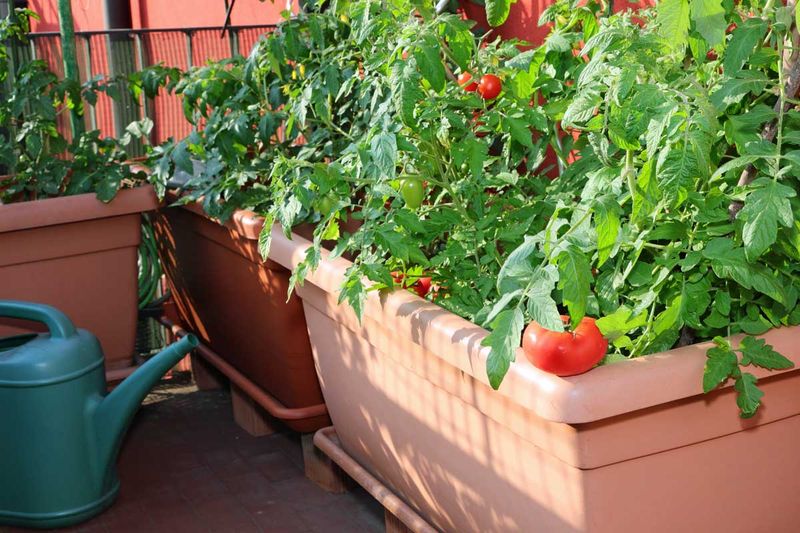
The inviting warmth of a sunlit patio might be perfect for lounging, but it’s less ideal for tomato plants. Patios absorb and radiate heat, creating hot zones that can lead to stress and wilting. The constant heat can dry out soil rapidly, requiring frequent watering to maintain moisture levels. Additionally, patios can reflect intense sunlight, potentially causing sunscald on fruits. For a balanced environment, place your tomatoes away from patio edges or use shading solutions to mitigate heat effects. Ensuring proper moisture management helps sustain tomato health and productivity.
12. In Rocky Soil
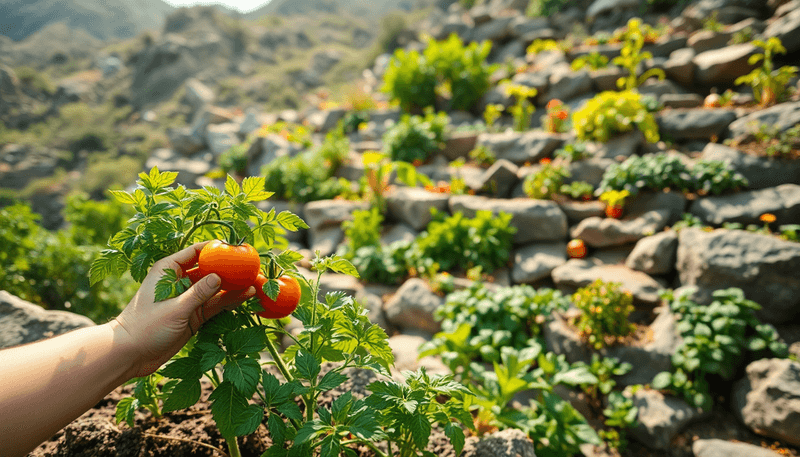
Rocky soil may seem like a natural choice, yet it presents significant challenges for tomatoes. The uneven ground and hard surfaces can impede root development, leading to stunted growth and poor fruiting. Tomatoes need well-draining, nutrient-rich soil to flourish, and rocky substrates often fail to provide these essentials. Moreover, rocks retain heat, further stressing plants. To address these issues, consider amending the soil with organic matter or constructing raised beds to enhance soil quality. Providing a supportive environment is key to encouraging strong root systems and vigorous tomato growth.
13. Alongside Driveways
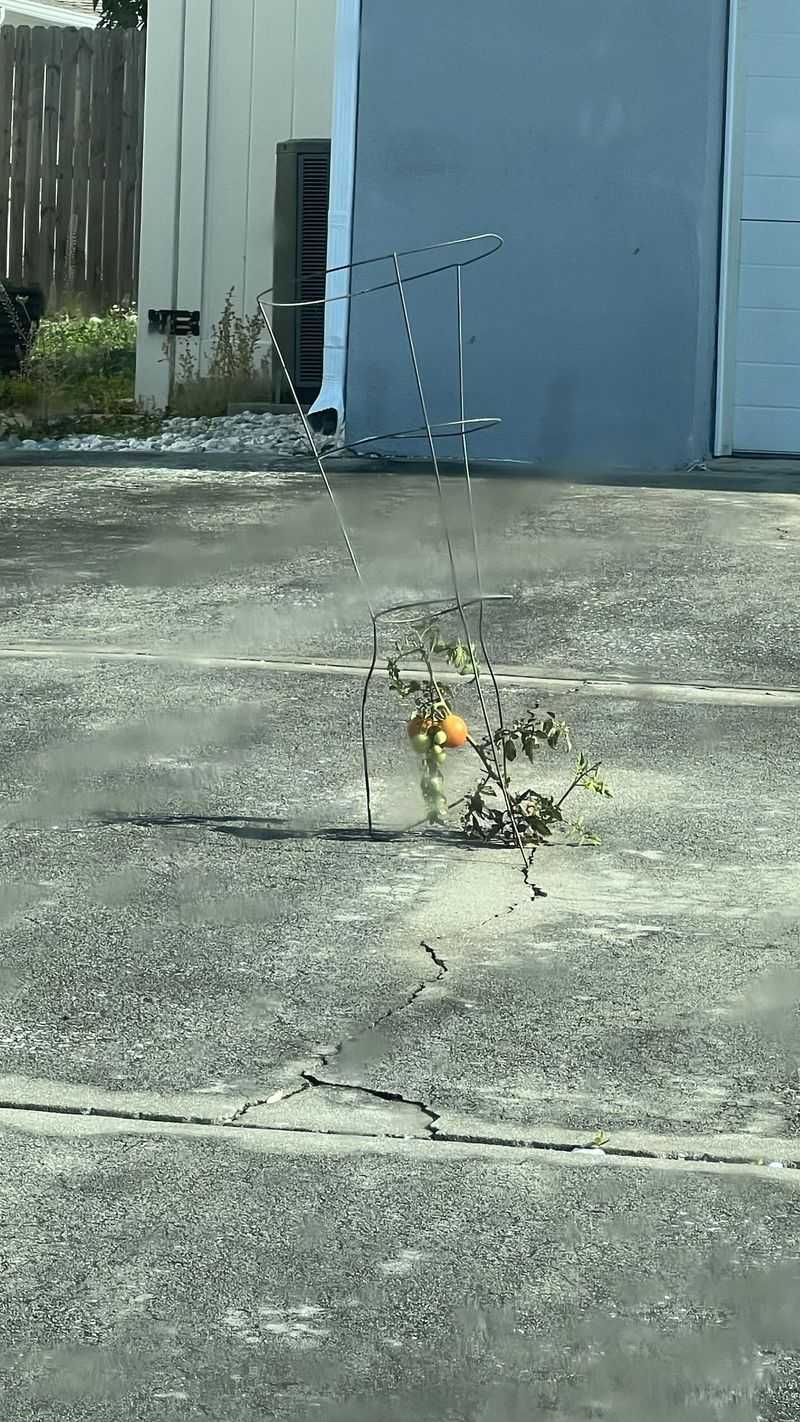
Driveways, though convenient, are fraught with challenges for tomato plants. They absorb heat, turning into hot surfaces that can scorch plants nearby. The constant exposure to vehicular activity can also lead to soil compaction, hindering root growth and water absorption. Additionally, runoff from driveways may alter soil pH, affecting nutrient availability. To protect your tomatoes, cultivate them at a safe distance from driveways or incorporate barriers to shield them from adverse conditions. Providing a stable environment enhances root health and boosts overall plant vitality.
14. In Sandy Patches
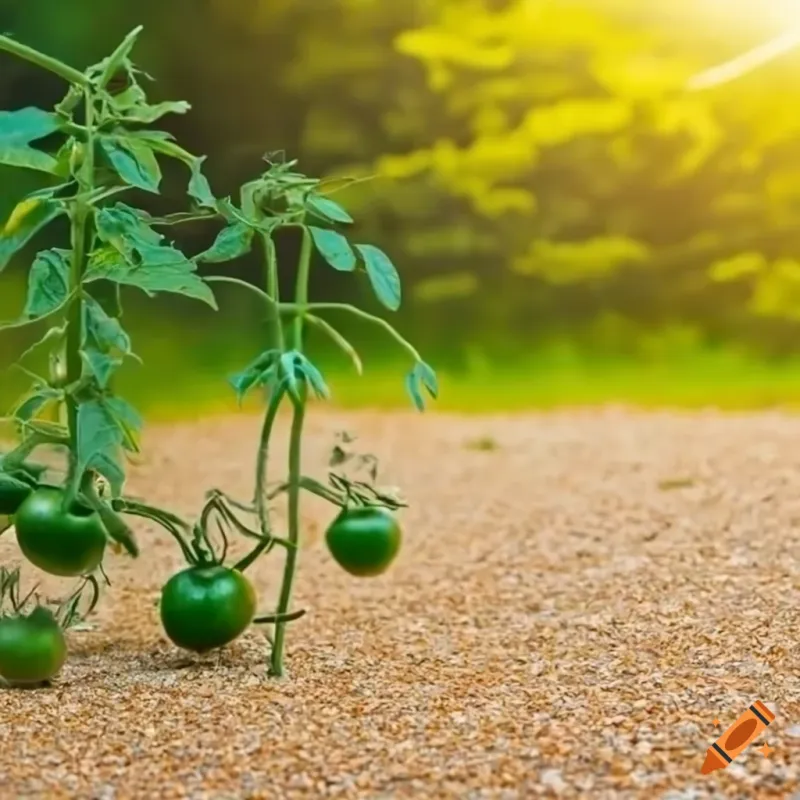
Sandy patches might seem harmless, but they can be insidious foes for tomato cultivation. Sandy soil drains water rapidly, leaving tomatoes thirsty and nutrient-deficient. The constant struggle to retain moisture can lead to leaf yellowing and poor fruit development. Irrigation becomes a relentless task, as water quickly seeps away. To counteract these effects, enrich sandy areas with organic matter or mulch to improve water retention and nutrient availability. By creating a balanced soil environment, you can support healthy growth and maximize your tomato harvest.
15. Behind Sheds
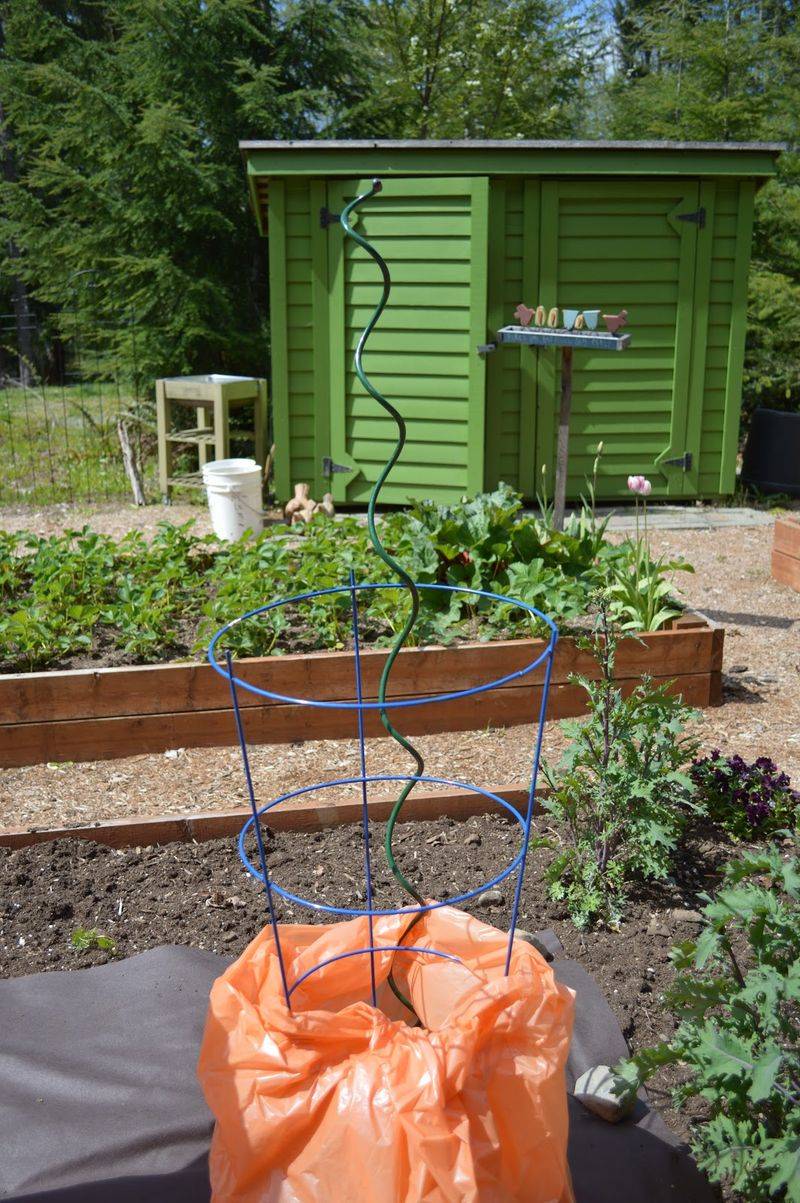
Garden sheds offer storage solutions but can also cast long shadows that stifle tomato growth. Plants hidden behind sheds are deprived of vital sunlight, leading to weak stems and fewer fruits. Moreover, sheds can restrict airflow, creating stagnant, humid microclimates that encourage fungal diseases. For optimal tomato growth, ensure they are planted where sunlight is abundant and airflow unimpeded. Consider relocating or trimming back obstacles to create a more open, sunlit area. A proactive approach to placement can make a significant difference in plant vigor and yield.
16. Near Compost Piles
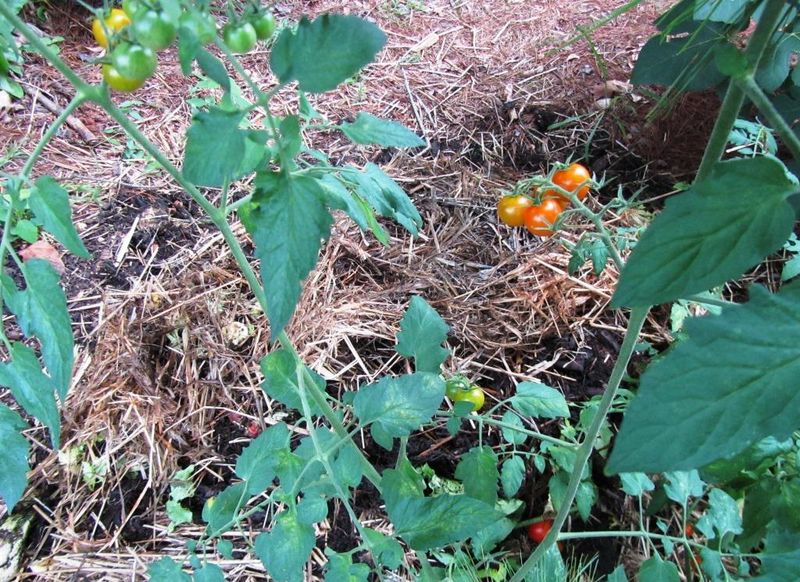
Compost piles are nutrient powerhouses but can pose threats when too close to tomatoes. The heat generated by decomposing material can stress plants, causing wilting or leaf scorch. Additionally, compost piles attract pests like rodents and insects that may venture to nearby tomato plants. To safeguard your crop, maintain a sensible distance between compost areas and tomato beds. Implementing barriers or using contained compost bins can reduce heat and pest risks. Properly managed, compost remains a valuable resource, providing nourishment without compromising plant health.
17. Under Eaves
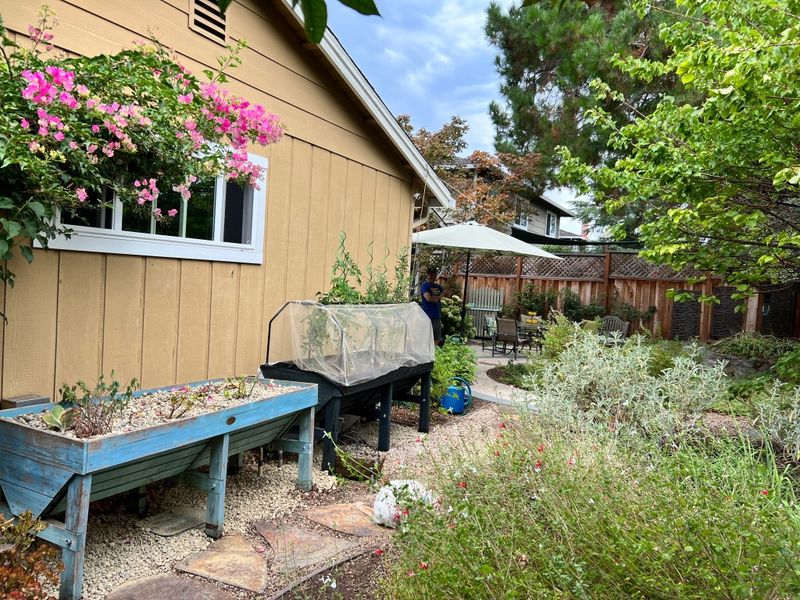
Roof eaves might offer shelter, but they bring unique challenges to tomato growers. Rainwater runoff from roofs can lead to waterlogged soil, creating conditions ripe for root rot and fungal outbreaks. Beyond the moisture, eaves can limit sunlight exposure, hindering photosynthesis. To circumvent these drawbacks, plant tomatoes away from eaves or install gutter systems to direct water away. Alternatively, utilize raised beds to elevate the plants above potential pooling. Prioritizing drainage and sunlight accessibility is crucial to fostering a healthy tomato garden, free from the pitfalls of poor placement.