 Complete Gardening
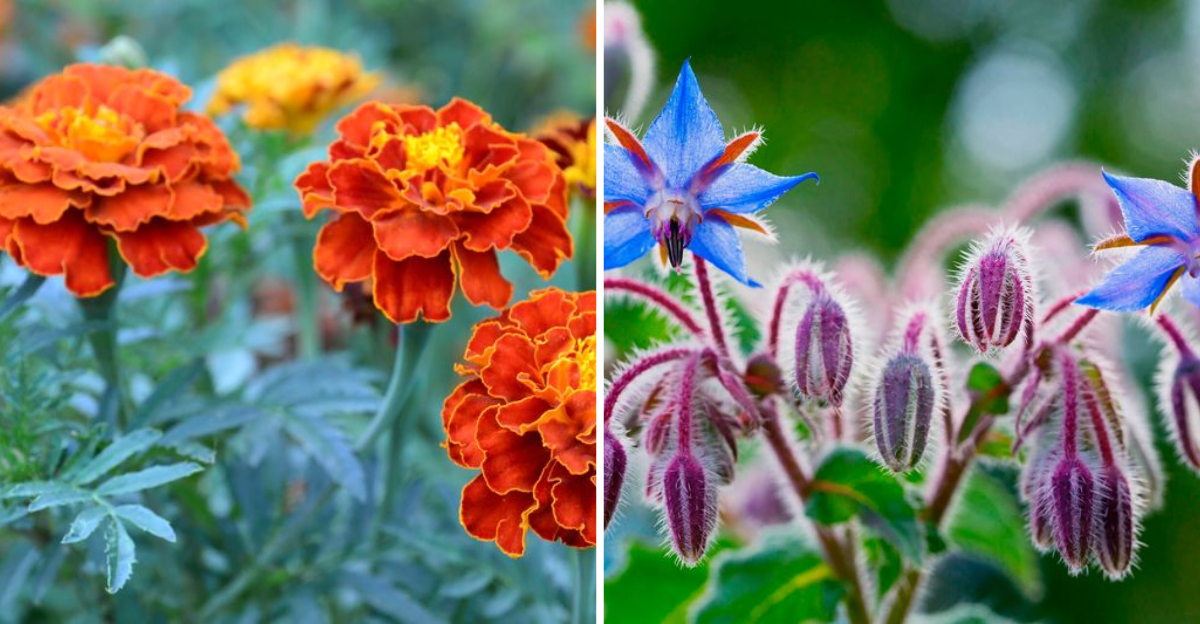
Trap crops are a strategic gardening method used to attract pests away from valuable crops, thereby protecting them from damage. By planting specific plants that pests prefer, gardeners can manage pest populations and enhance the health of their gardens.
1. Nasturtium
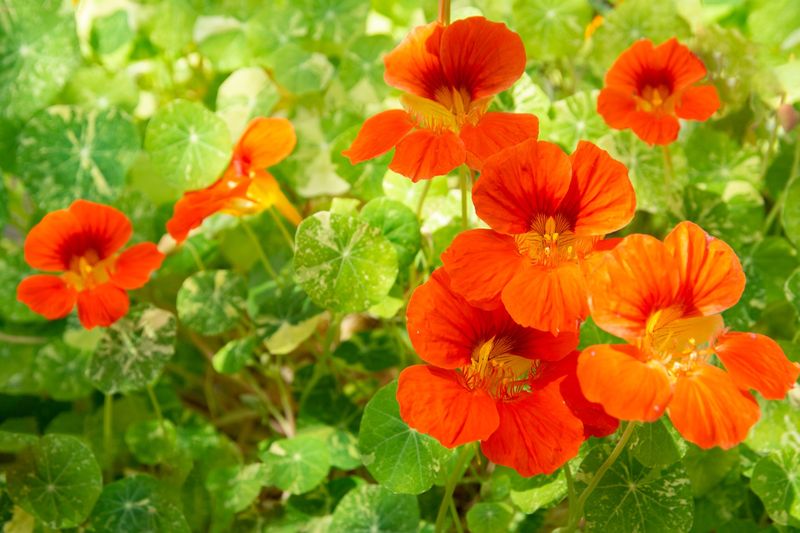
Nasturtiums, with their bright orange and yellow flowers, are more than just a pretty addition to your garden. They act as a magnet for aphids, drawing these pests away from more valuable plants. Imagine the scene: a flurry of tiny insects flocking to these colorful blooms instead of your precious vegetables.
Their peppery leaves offer a culinary delight as well. You can add them to salads for a spicy kick! This plant is easy to grow and resilient, making it a favorite among seasoned gardeners. Not only do they protect, but they also nourish.
2. Radish
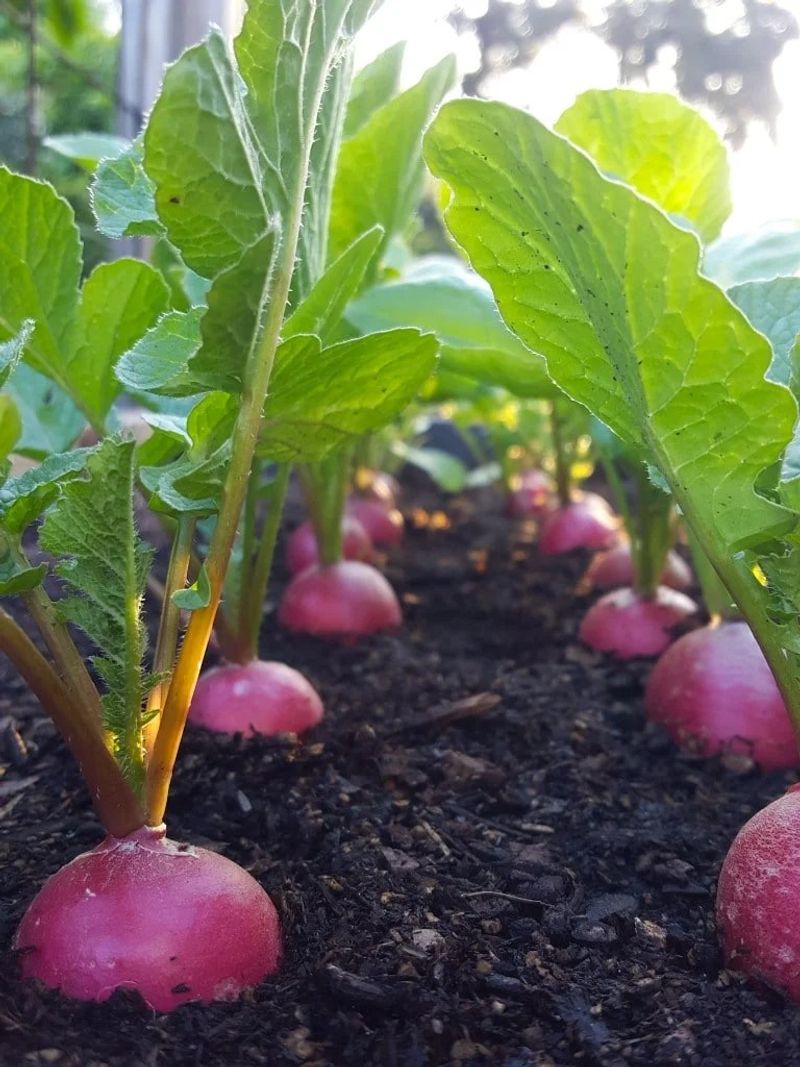
Radishes, often grown for their spicy roots, are excellent decoys for flea beetles. These little pests prefer radish leaves, leaving your other crops free from their nibbling habits.
Picture a row of radishes acting as bodyguards for your veggies, standing firm and ready to protect. While they fend off unwanted guests, they also provide a crunchy snack for your table.
Radishes grow quickly, allowing for multiple harvests throughout the growing season. Their dual role in pest control and food production makes them invaluable in any garden.
3. Marigold

Marigolds, renowned for their vibrant colors, are more than just decorative additions. They release natural compounds that repel nematodes, those pesky soil-dwelling pests.
Imagine their vibrant petals standing guard, a radiant wall against intruders. These flowers don’t just ward off pests; they bring a cheerful splash of color to any garden.
In addition to their defensive qualities, marigolds are low maintenance and thrive in various conditions. Their sunny disposition and protective nature make them a beloved choice among gardeners worldwide.
4. Sunflower

Sunflowers, with their towering presence, serve as a trap crop for aphids and other insects. These majestic plants can redirect pests away from nearby veggies, acting like a towering shield.
Visualize a sunflower standing tall, its bright face turned toward the sun, while beneath, it gathers pests away from your cherished crops. Beyond their pest-attracting prowess, they offer seeds for snacking.
With their easy-going nature and striking appearance, sunflowers are a garden’s friend, promising beauty and protection. Their stately forms bring both delight and defense to garden spaces.
5. Eggplant
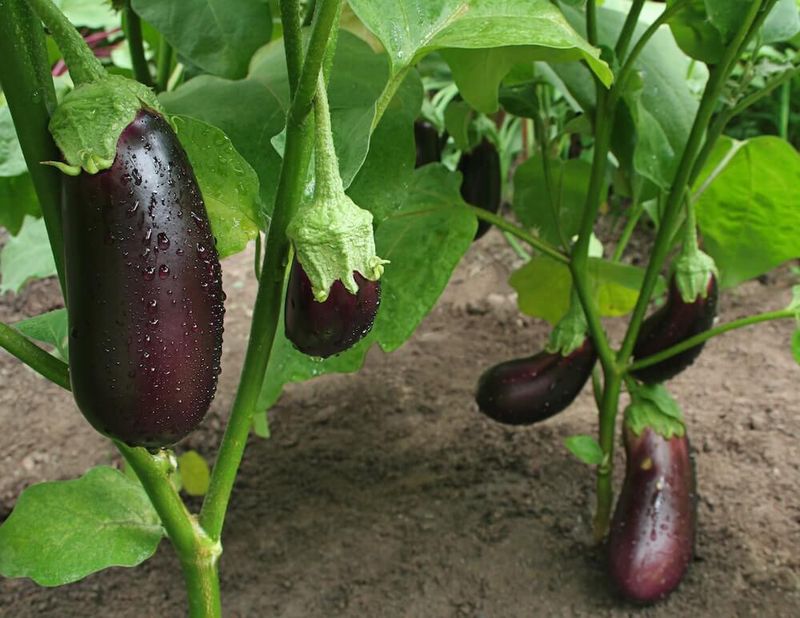
Eggplants, with their glossy purple skins, are not just kitchen staples but also notable decoys for leaf miners. These pests often prefer the leaves of eggplants, sparing other plants in your garden.
Picture a garden where eggplants serve as a frontline defense, their large leaves drawing in pests like a magnet. While they act as sentinels, their fruit provides a delicious addition to your meals.
Eggplants are versatile in dishes and resilient in gardens, making them a smart choice for any gardener looking to protect their crops while enjoying a tasty harvest.
6. Mustard
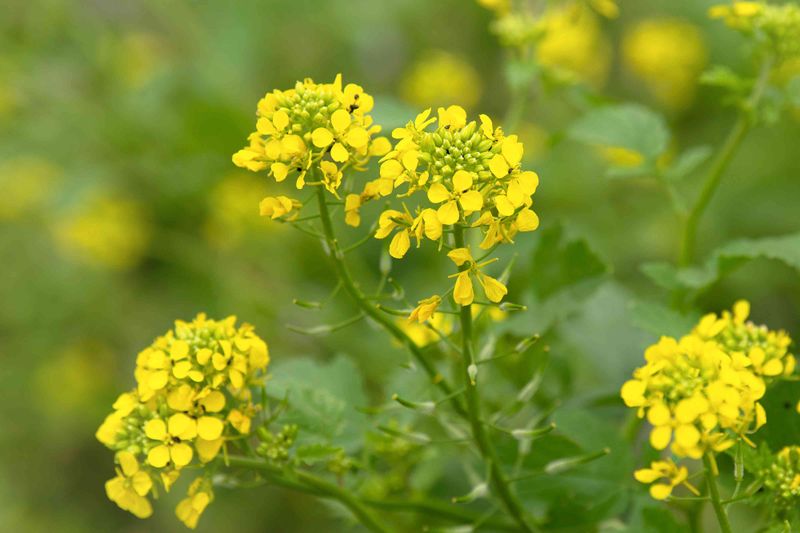
Mustard plants, with their vibrant yellow flowers, attract a variety of pests such as flea beetles and caterpillars. These insects find mustard irresistible, leaving your prized veggies untouched.
Imagine a field of mustard acting as a beacon for pests, drawing them away with its sunny blooms. As they protect, they also provide flavorful leaves that spice up dishes.
Mustard’s fast growth and dual-purpose nature make it a must-have in any garden. They are not just a shield for other plants but a spicy addition to your culinary repertoire.
7. Dill
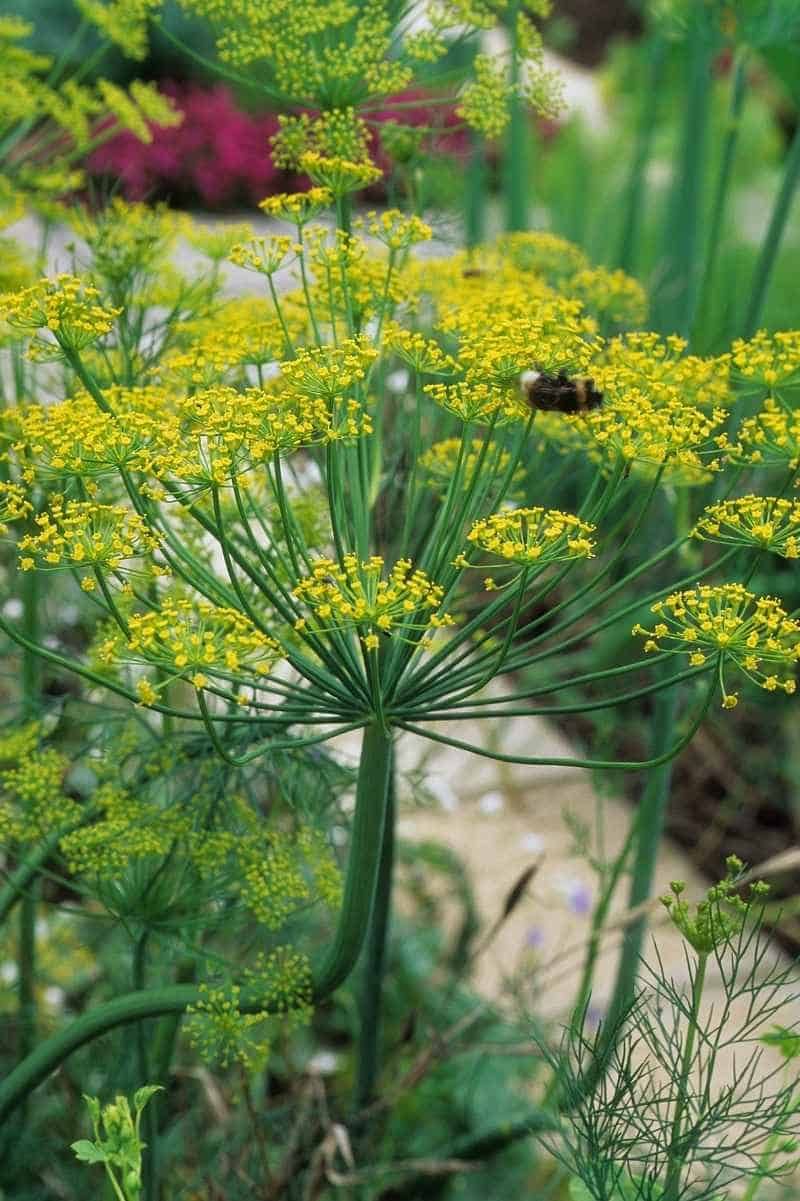
Dill, with its feathery leaves and aromatic scent, captivates pests like aphids and caterpillars. These insects gravitate towards dill, sparing the rest of your garden from their attention.
Picture dill swaying in the breeze, its scent wafting through the air, luring pests away from vulnerable plants. Beyond its protective role, dill is a culinary ally, adding flavor to a variety of dishes.
Dill’s delicate appearance belies its strength in the garden. It’s an essential plant for those seeking both defense against pests and a culinary boost.
8. Borage
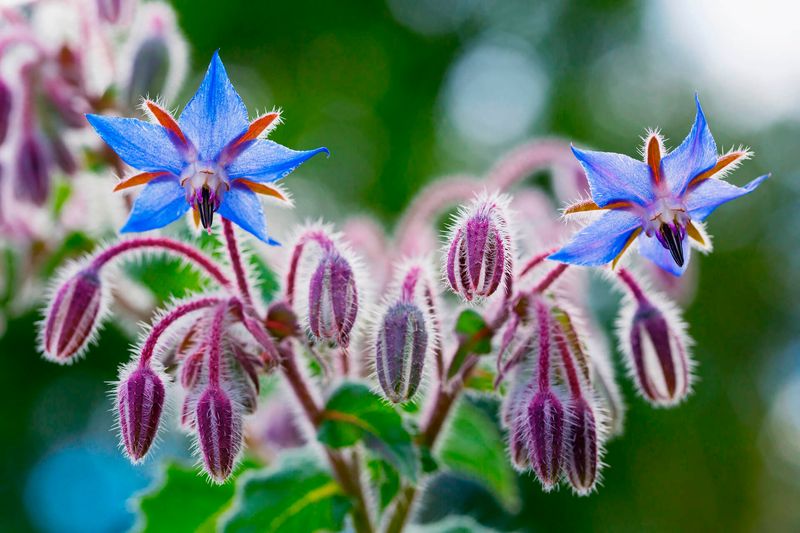
Borage, known for its star-shaped blue flowers, is a magnet for tomato hornworms. These pests prefer the leaves of borage, allowing your tomatoes to flourish undisturbed.
Imagine borage standing tall, its striking blue flowers drawing pests like moths to a flame. It not only safeguards your garden but also offers edible flowers and leaves.
Borage adds a splash of color and a hint of cucumber flavor to salads. Its dual role as protector and edible plant makes it a unique and valuable addition to any gardener’s collection.
9. Alyssum
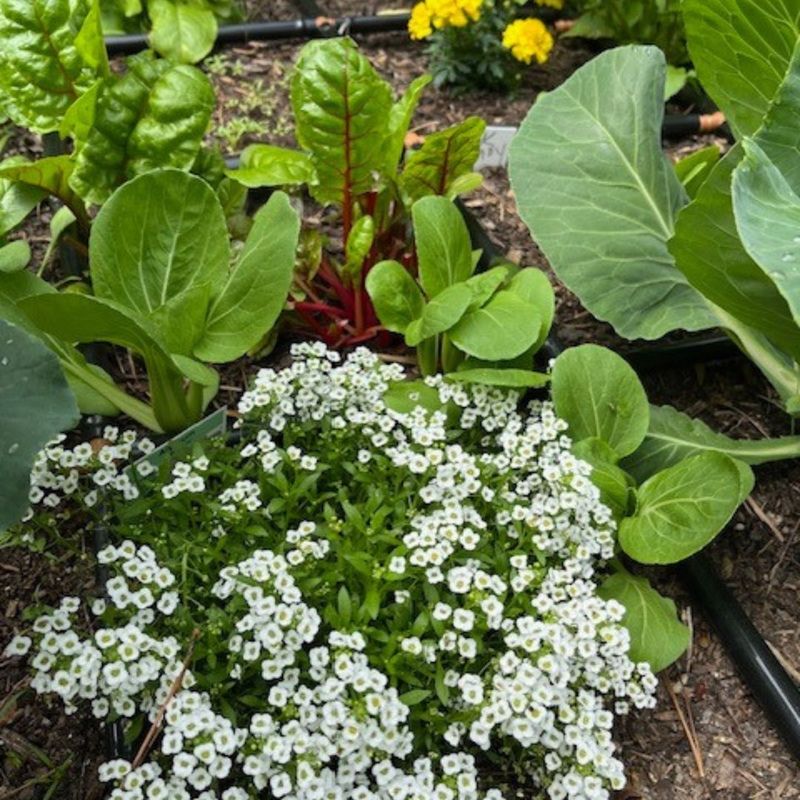
Alyssum, with its delicate white flowers, attracts beneficial insects such as ladybugs and hoverflies. These predators help control aphid populations, indirectly protecting your vegetables.
Imagine alyssum’s tiny blooms creating a living carpet that beckons helpful insects to your garden. While it doesn’t trap pests directly, its presence contributes to a balanced ecosystem.
This low-growing plant is easy to cultivate and adds a sweet fragrance to the garden. Alyssum’s subtle beauty and ecological benefits make it a gardener’s ally in the fight against pests.
10. Geranium
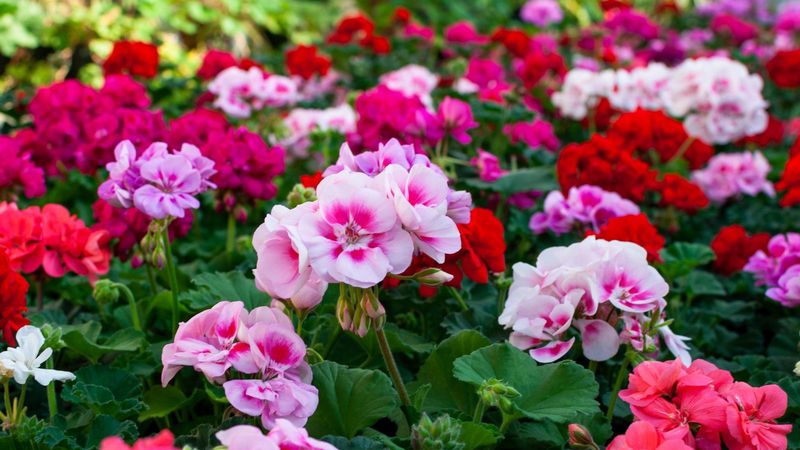
Geraniums, with their vivid pink and red blooms, are known to deter cabbage worms and leafhoppers. These flowers act as a natural barrier, protecting nearby crops from unwanted visitors.
Visualize geraniums in full bloom, their bright colors warding off pests while adding beauty to the garden. They serve both as guardians and as fragrant additions to garden beds.
Easy to grow and adaptable, geraniums thrive in various conditions, making them a versatile choice for pest control. Their cheerful appearance and protective nature are a winning combination for any gardener.
11. Collard Greens
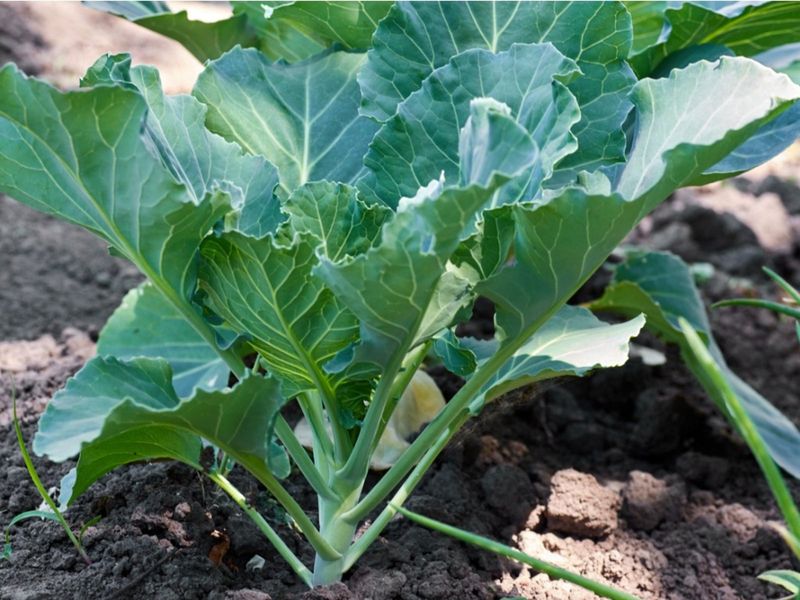
Collard greens, with their large, sturdy leaves, serve as a decoy for cabbage moths, drawing them away from more vulnerable plants. These greens act like a shield, protecting other crops.
Imagine collard greens standing resiliently in the garden, their broad leaves attracting pests like a magnet. While they divert pests, they also offer nutritious leaves for cooking.
Their hardiness and versatility in the kitchen make collard greens a valuable addition to any garden. They embody both protection and productivity, safeguarding your garden while providing a healthy harvest.
12. Basil
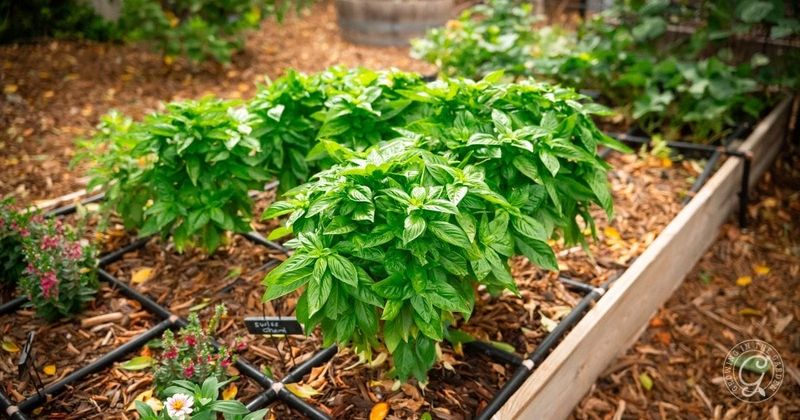
Basil, beloved for its aromatic leaves, can repel pests like mosquitoes and flies. This herb acts as a fragrant barrier, keeping annoying insects at bay.
Picture a garden where basil stands sentinel, its scent perfuming the air while protecting your other plants. As it wards off pests, basil enriches dishes with its unmistakable flavor.
Basil’s easy cultivation and culinary versatility make it a must-have for any gardener. Its role as a natural pest repellent enhances its value, making basil both a protector and a culinary delight.
13. Fennel

Fennel, distinguished by its feathery foliage and aromatic seeds, attracts beneficial insects like ladybugs. These allies help control aphid populations, indirectly protecting other plants.
Imagine fennel flourishing in your garden, its delicate leaves drawing helpful insects to keep pests in check. While fennel does not trap pests directly, it plays a vital role in pest management.
This plant is not only functional but flavorful, offering seeds and leaves for culinary use. Fennel’s contribution to both kitchen and garden makes it indispensable for those seeking harmony in their planting.
14. Buckwheat

Buckwheat, with its delicate white flowers, lures beneficial insects like parasitic wasps. These predators help manage pest populations, protecting your vegetables indirectly.
Picture a field of buckwheat, its blossoms bustling with life as it supports a healthy garden ecosystem. While it doesn’t trap pests, its presence fosters an environment that controls them.
This fast-growing plant is easy to cultivate and improves soil health, making it a valuable companion in the garden. Buckwheat’s ecological benefits and ease of growth make it a wise choice for gardeners.
15. Mint

Mint’s robust aroma can deter pests like ants and aphids, acting as a fragrant barrier in the garden. This herb’s strong scent keeps unwanted insects away from other plants.
Imagine mint flourishing in your garden, its fragrance filling the air while protecting your crops. While mint acts as a natural repellent, its leaves offer a refreshing taste in drinks and dishes.
Easy to grow and spread, mint’s dual purpose as protector and flavor enhancer makes it a valuable addition to any garden. Its lively spirit and utility offer both culinary and protective benefits.
16. Lavender

Lavender, with its soothing scent and purple blooms, deters pests like moths and fleas. This fragrant plant acts as a perfumed shield, protecting nearby vegetables.
Picture lavender in full bloom, its calming aroma wafting through the garden as it wards off unwanted insects. More than just protection, lavender adds beauty and fragrance to any space.
Its easy cultivation and multitude of uses make lavender a gardener’s favorite. Whether for its aromatic qualities or its pest-repelling power, lavender brings peace and purpose to the garden.
17. Blue Hubbard Squash
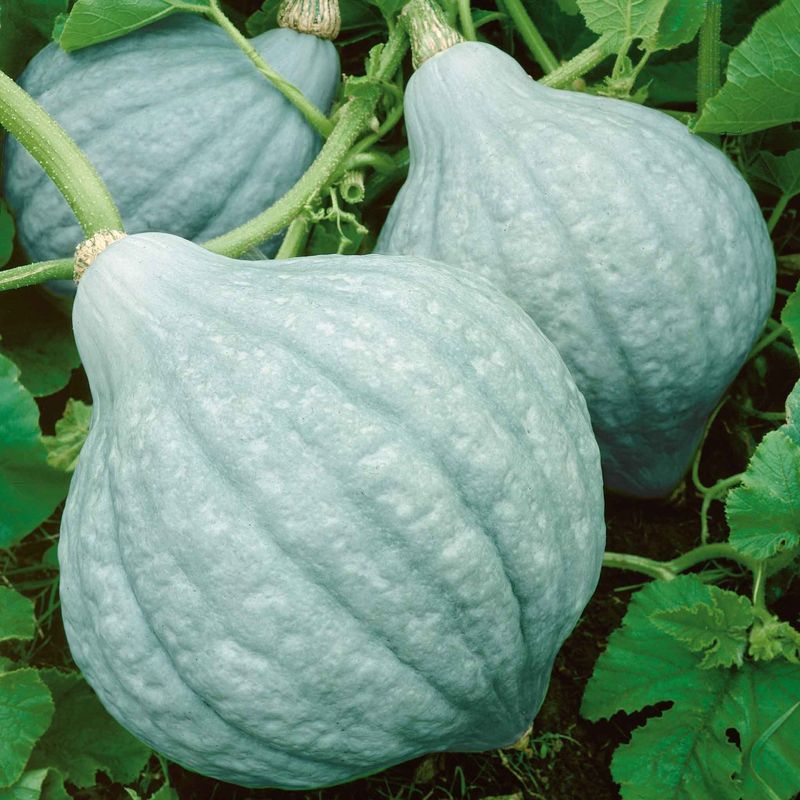
Blue Hubbard Squash stands as a sentinel in the garden, attracting pests like the squash vine borer and cucumber beetles away from other crops. With its thick, meaty vines and large fruits, it serves as an irresistible lure for pests.
Gardeners appreciate its robust nature and ability to thrive in diverse climates, making it a versatile addition to any pest management plan.
Historically, this squash has been a staple in American gardens, not only for its pest-repelling qualities but also for its delicious flesh when harvested. An essential ally in sustainable gardening.