 Complete Gardening
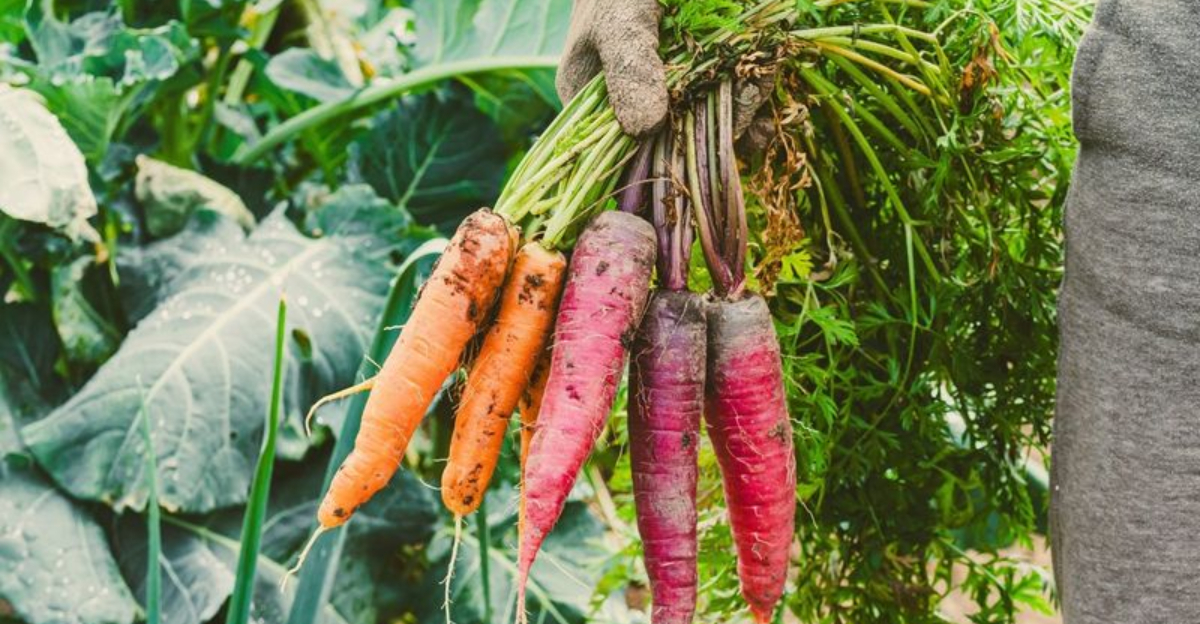
As the temperatures drop, it doesn’t mean you have to say goodbye to fresh produce. Many vegetables can thrive in cold weather, offering a bountiful harvest even in cooler months. This guide explores 17 hardy vegetables that not only survive but thrive in chilly conditions, making them perfect additions to your winter garden.
1. Kale
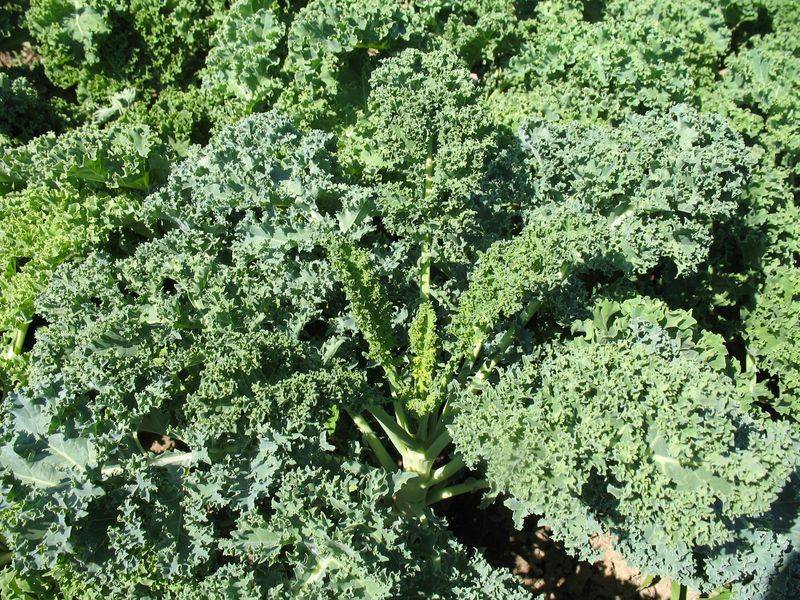
Kale, with its rich, textured leaves, stands resilient against the chill of winter. Its flavor sweetens with frost, making it a favorite among gardeners. Did you know that kale was a staple in the diet of Scottish farmers in the 19th century?
This nutritional powerhouse is packed with vitamins A, C, and K, as well as antioxidants. Whether sautéed, blended into smoothies, or baked into chips, kale offers a versatile addition to any meal.
Its robust nature and ability to withstand cold temperatures make it an ideal candidate for winter gardening enthusiasts.
2. Brussels Sprouts
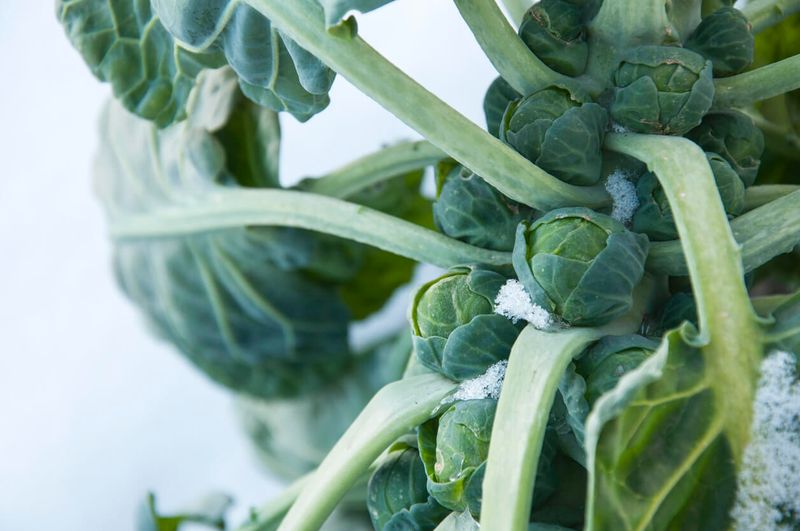
Brussels sprouts might be tiny, but they pack a punch when it comes to cold resistance. These mini cabbages develop their best flavor after exposure to light frost.
Their unique appearance and taste have made them a holiday dinner staple in many households. They were cultivated as early as the 16th century in what is now Belgium.
Roasted, steamed, or sautéed, Brussels sprouts bring a nutty, rich flavor to the table, proving that good things indeed come in small packages.
3. Carrots
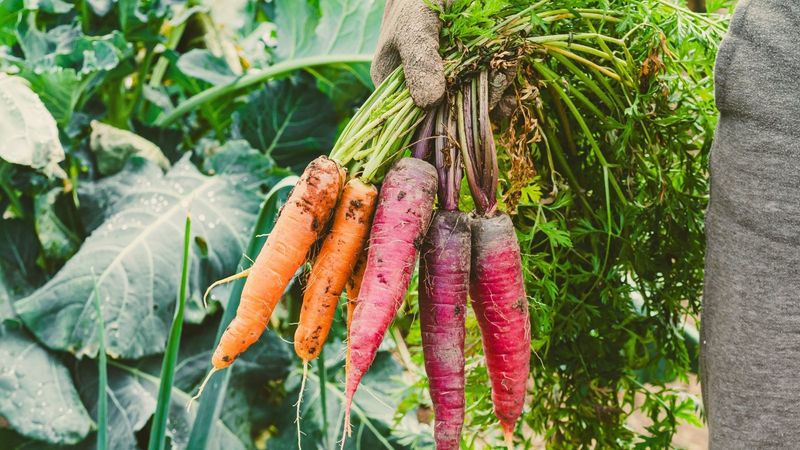
Carrots, with their vibrant orange hue, stand out in the winter garden. As temperatures drop, their sweetness intensifies, making them a delightful winter harvest.
The root vegetable’s versatility is unmatched, from raw snacks to cooked dishes. Historical records suggest that carrots were originally purple in color.
This humble vegetable not only adds color to your plate but is also a great source of beta carotene, which supports vision and immune function.
4. Spinach
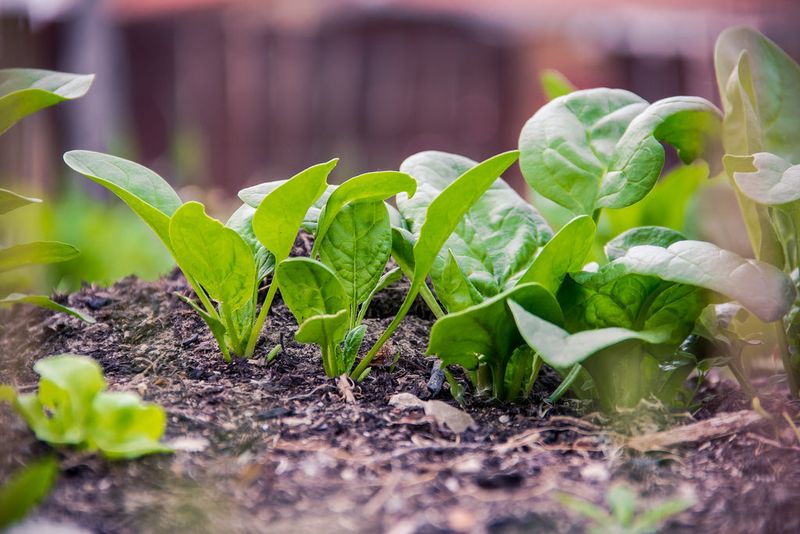
Spinach, often hailed as a superfood, withstands cold weather with grace. Its leaves remain tender and flavorful, a testament to its resilience.
This leafy green is rich in iron and calcium, making it a nutritious addition to any diet. Historically, spinach was a favorite in medieval Persian cuisine.
Whether in salads, smoothies, or cooked dishes, spinach offers versatility and nutrition, thriving even in the colder months of the year.
5. Cabbage
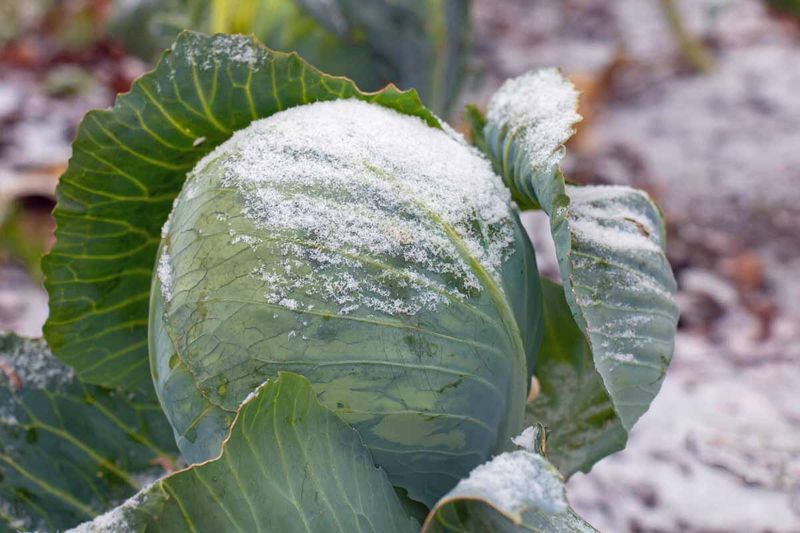
Cabbage is a classic winter vegetable, known for its ability to thrive in the cold. Its dense, leafy heads are a source of vitamin C and fiber.
This vegetable has a rich history, being cultivated in Europe for over a thousand years. Its firm texture and slightly peppery flavor make it a versatile ingredient.
Whether fermented into sauerkraut or used fresh in salads, cabbage offers both nutrition and adaptability to a variety of dishes.
6. Garlic
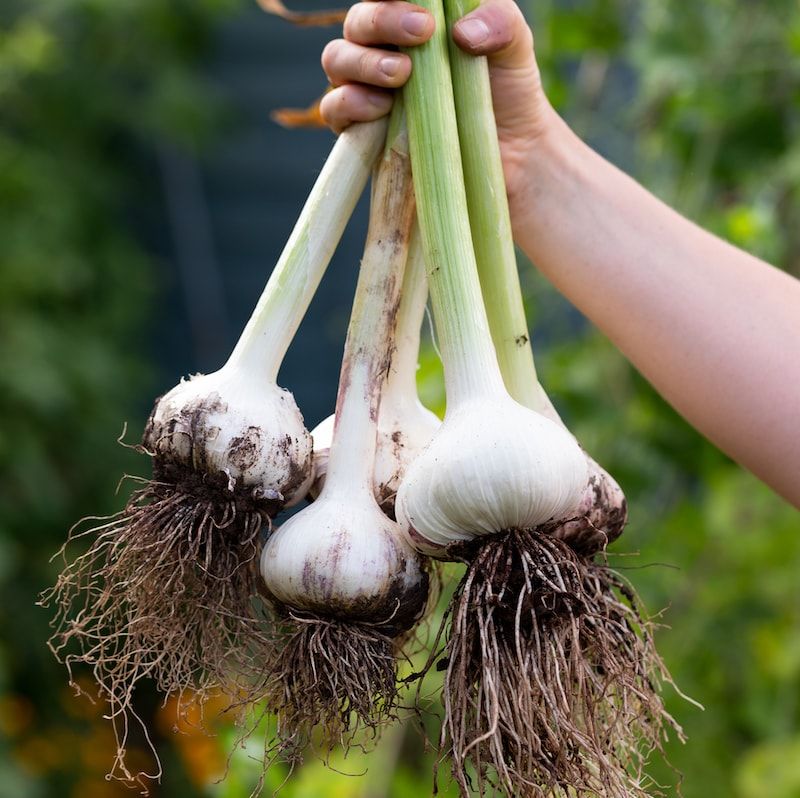
Garlic isn’t just a flavorful addition to meals; it’s a cold-weather champion. Planted in the fall, it overwinters and emerges in spring.
Its pungent aroma and taste make it a staple in cuisines worldwide. Historically, garlic was used for medicinal purposes in ancient cultures.
This hardy bulb adds a spicy kick to dishes and is an essential companion for winter gardeners looking to add flavor and health benefits to their crops.
7. Leeks
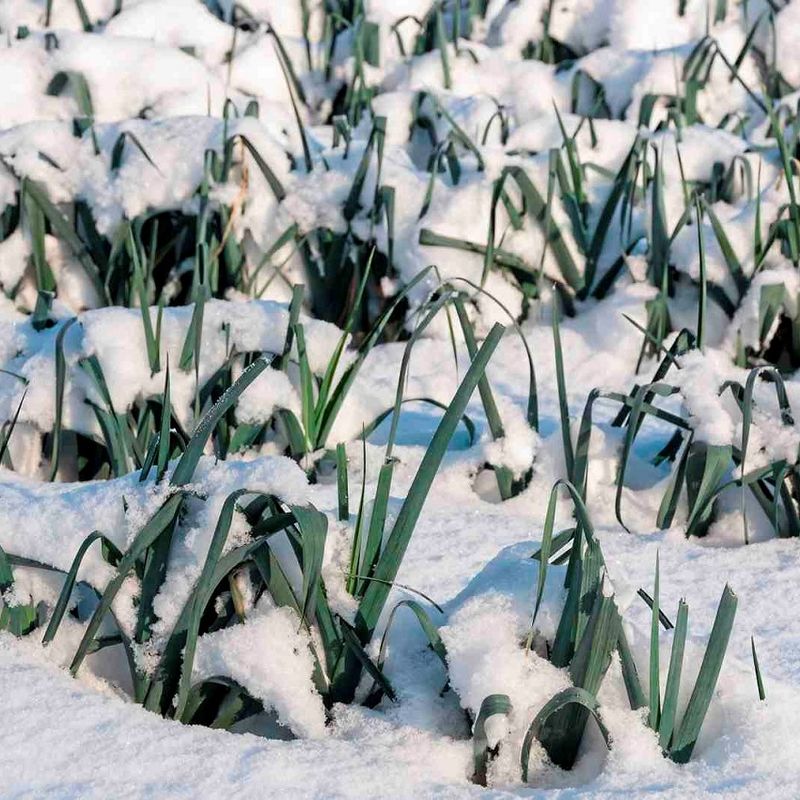
Leeks, with their mild onion-like flavor, are a winter favorite. Their long, white stalks remain firm and flavorful in cold temperatures.
These vegetables have been cultivated since ancient Egyptian times, prized for their subtle taste. Leeks are a key ingredient in comforting soups and stews.
Their hardiness and gentle flavor make them a versatile addition to any winter garden, providing both nourishment and culinary delight.
8. Beets
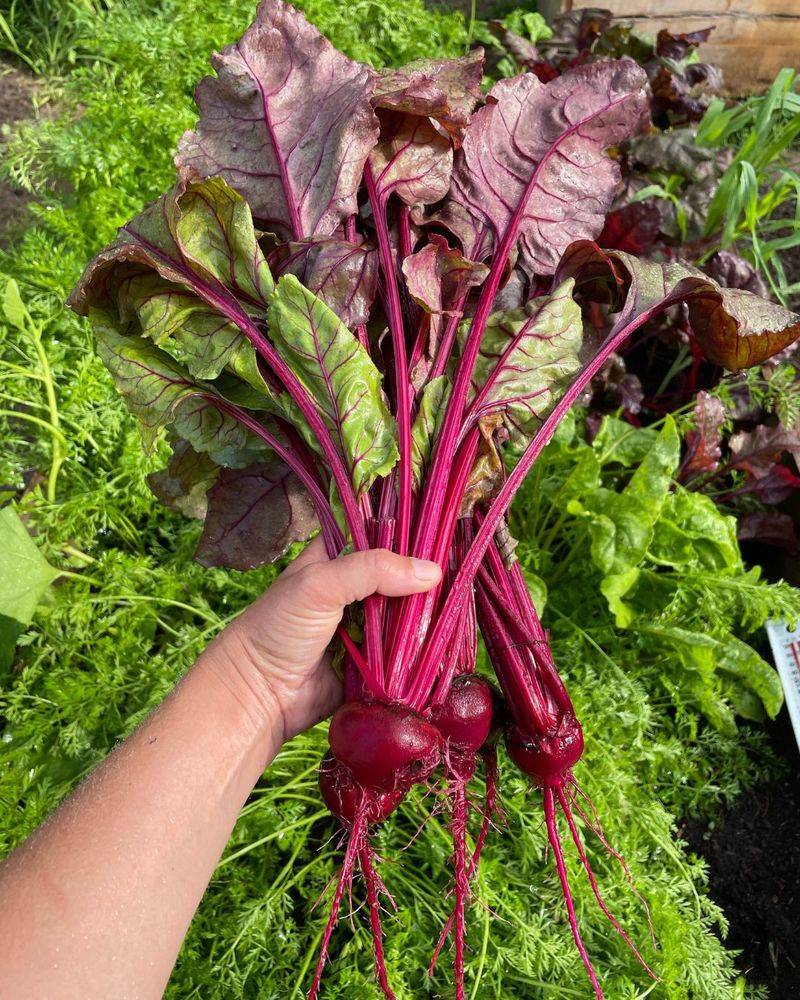
Beets are more than just a root vegetable; they’re a winter warrior. Their vibrant red bulbs and greens provide both color and nutrition.
Rich in folate and manganese, beets are known for their earthy sweetness. Historical records reveal beets were used medicinally in ancient times.
Whether roasted, pickled, or raw, beets add a robust flavor and vibrancy to winter meals, making them a staple for cold-weather gardening.
9. Collard Greens
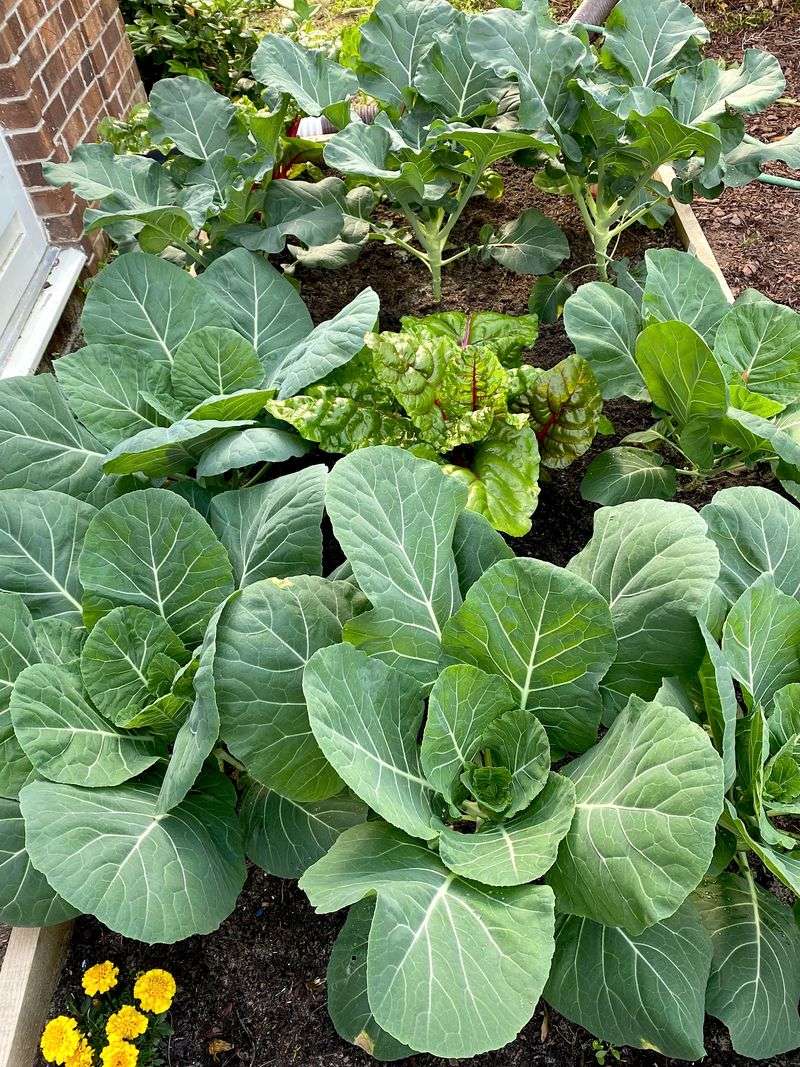
Collard greens, with their broad, flat leaves, thrive in cold weather. Their flavor improves after the first frost, offering a slightly sweeter taste.
These greens are a staple in Southern cuisine, often slow-cooked with flavorful seasonings. Collards are rich in vitamin K and calcium.
Their adaptability to cold conditions makes them a reliable choice for winter gardens, providing both nutrition and a taste of tradition.
10. Radishes
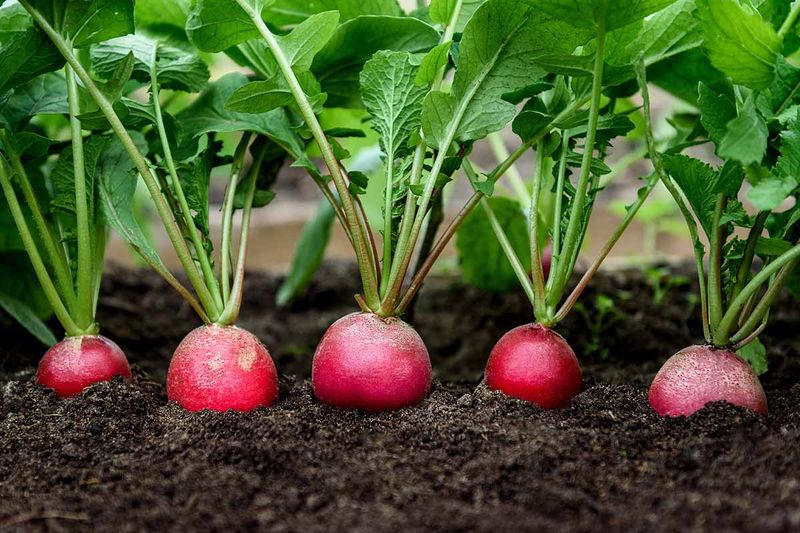
Radishes bring a peppery zing to the winter garden. Their vibrant colors and crisp texture make them a refreshing addition to meals.
Quick to mature, these root vegetables are ideal for short growing seasons. Radishes were first cultivated in Europe in the 16th century.
Whether eaten raw in salads or pickled as a snack, radishes offer a burst of flavor and a crunchy bite, thriving even in colder climates.
11. Parsnips
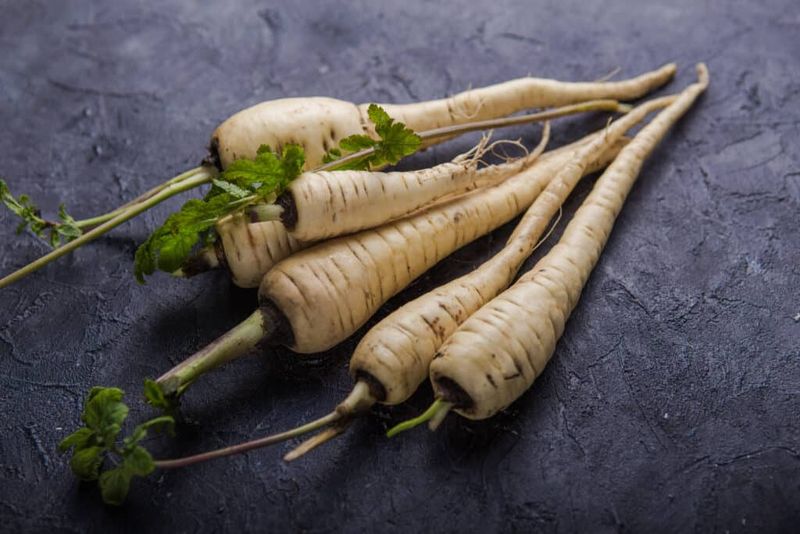
Parsnips, with their sweet, nutty flavor, become even more delicious after a frost. Their creamy roots are a winter staple.
This root vegetable was a favorite in Roman times, praised for its versatility and storability. Parsnips are rich in fiber and vitamin C.
Roasted or pureed, parsnips add warmth and sweetness to winter dishes, making them a cherished addition to cold-weather gardens.
12. Rutabaga
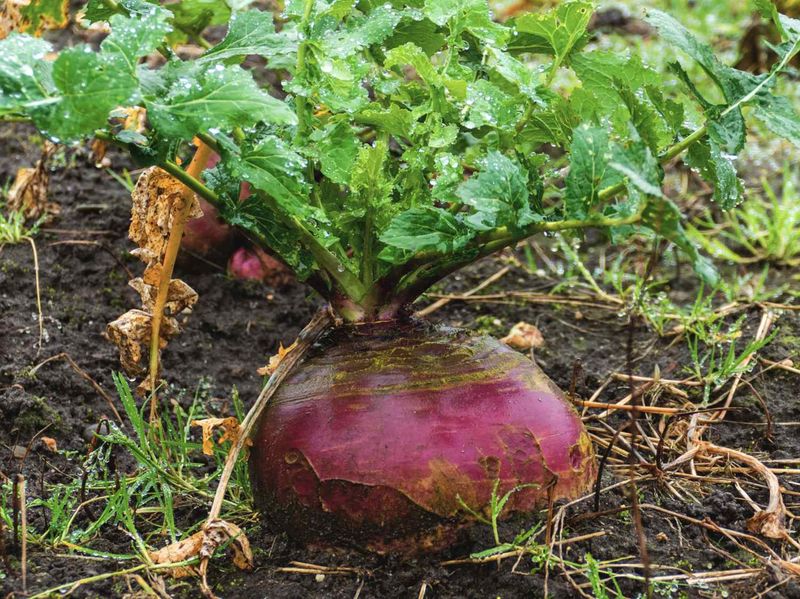
Rutabagas are the unsung heroes of the cold season. Their large, round roots offer a subtle sweetness and peppery undertone.
Originally a cross between cabbage and turnips, rutabagas have been enjoyed since the 17th century. They’re rich in vitamin C and potassium.
Typically mashed or roasted, rutabagas provide a hearty addition to winter meals, thriving in gardens despite chilly temperatures.
13. Turnips
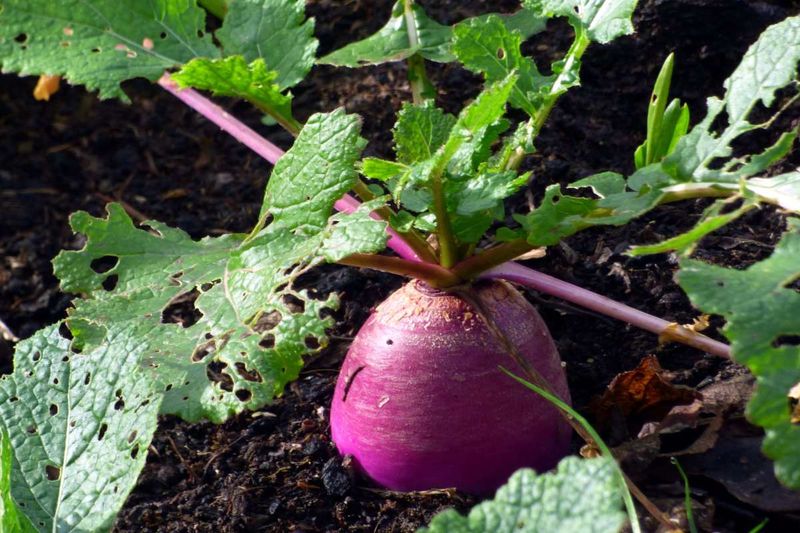
Turnips, with their distinct purple tops, thrive in cold weather. Their roots offer a slightly spicy flavor that mellows with cooking.
Historically, turnips were a staple in ancient Roman diets. They’re packed with vitamin C and fiber, making them both nutritious and filling.
Whether roasted or mashed, turnips are a versatile winter vegetable, providing sustenance and flavor to meals during the colder months.
14. Swiss Chard
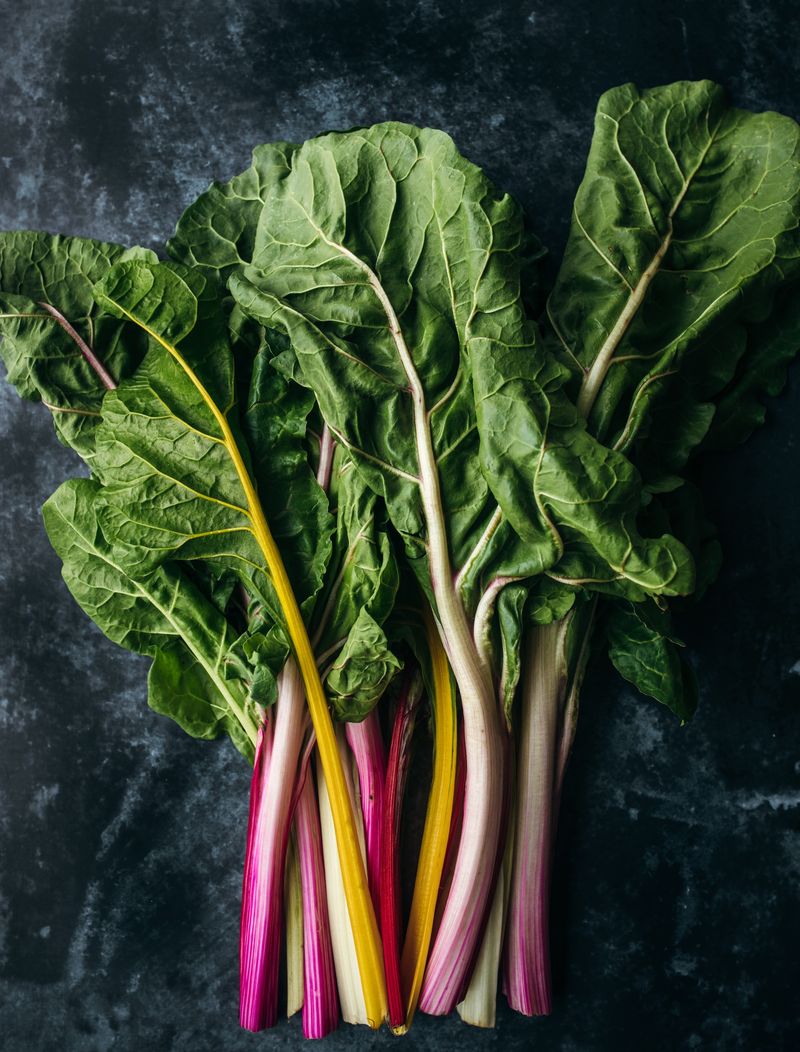
Swiss chard, known for its colorful stems and hearty leaves, defies the cold. This leafy green is a visual and nutritional delight.
Rich in vitamins A, C, and K, Swiss chard adds a burst of color to winter dishes. Its cultivation dates back to ancient Greece.
Whether sautéed or added to soups, Swiss chard offers versatility and vibrancy, making it a standout in any winter garden.
15. Mustard Greens
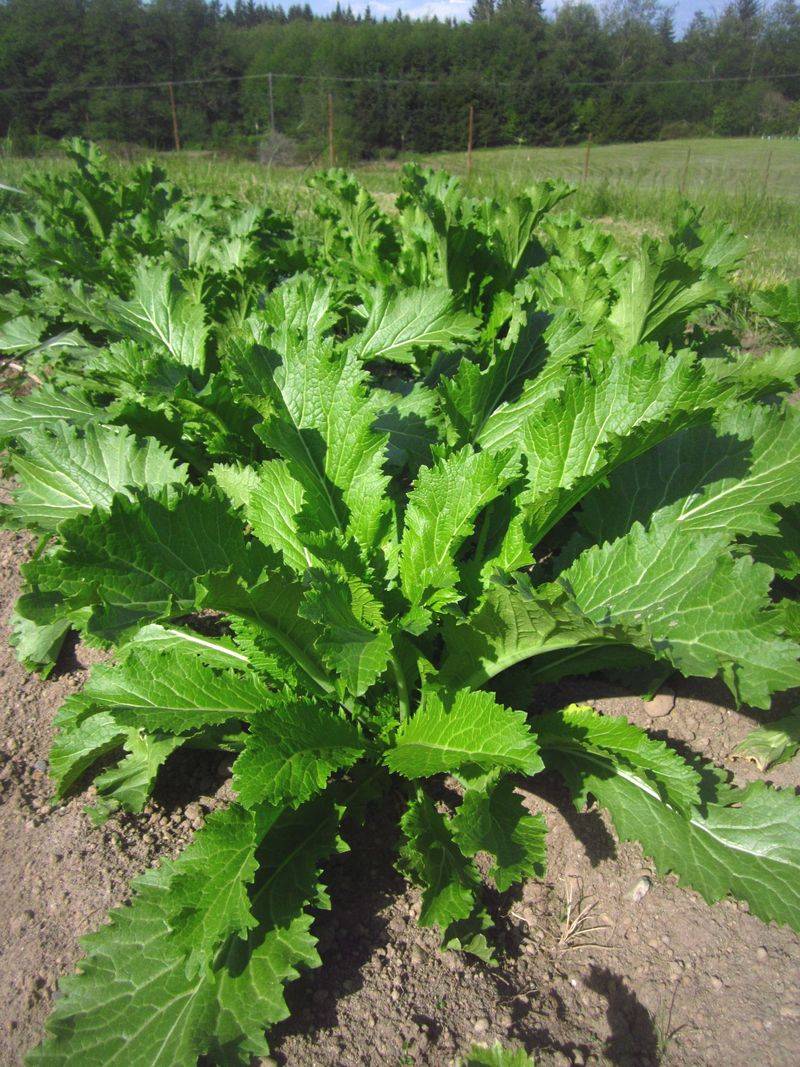
Mustard greens bring a spicy kick to the winter table. Their ruffled leaves withstand frost, offering both flavor and nutrition.
These greens are rich in vitamins A and C, providing a health boost during the colder months. Mustard greens have been cultivated in Asia for thousands of years.
Whether in salads or stir-fries, mustard greens add a peppery zest to dishes, thriving even when the temperature drops.
16. Bok Choy
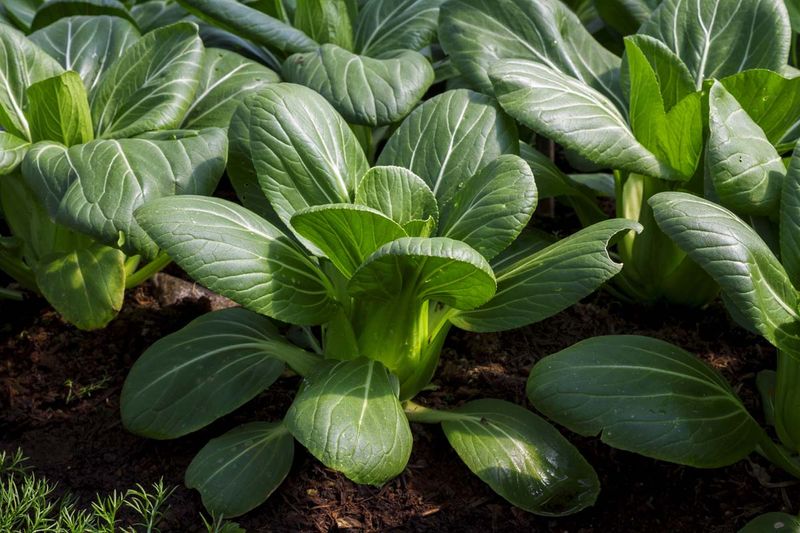
Bok choy, with its crisp texture and mild flavor, shines in cold weather. Its white stalks and green leaves are both tender and nutritious.
This vegetable is a staple in Asian cuisine, known for its ability to withstand chilly conditions. Bok choy is high in vitamins A and C.
Whether in stir-fries or soups, bok choy adds a refreshing crunch and health benefits, making it a popular choice for winter gardens.
17. Kohlrabi
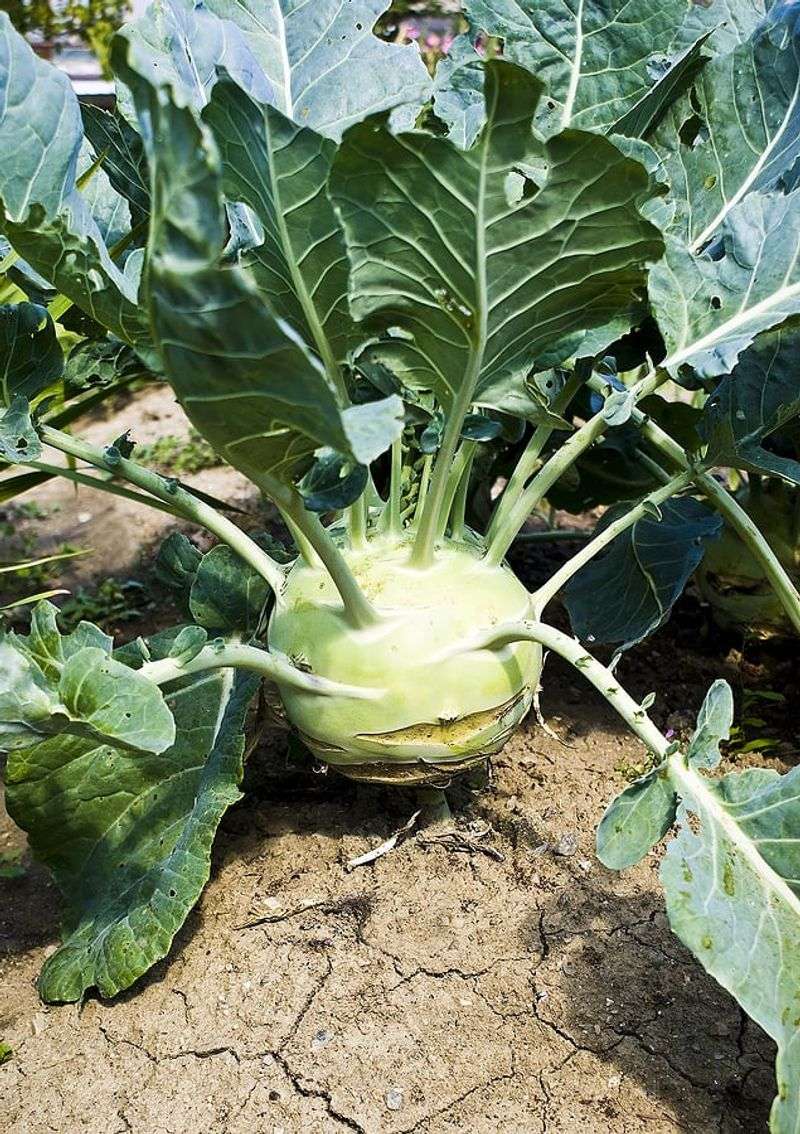
Kohlrabi, often described as an alien-looking vegetable, thrives in cold climates. Its bulbous stem offers a crisp, slightly sweet taste.
This unique vegetable is part of the cabbage family and has been cultivated since the Middle Ages. Kohlrabi is rich in vitamin C and fiber.
Whether eaten raw or cooked, kohlrabi adds a crunchy texture and mild flavor to dishes, making it a cold-weather favorite.