 Complete Gardening
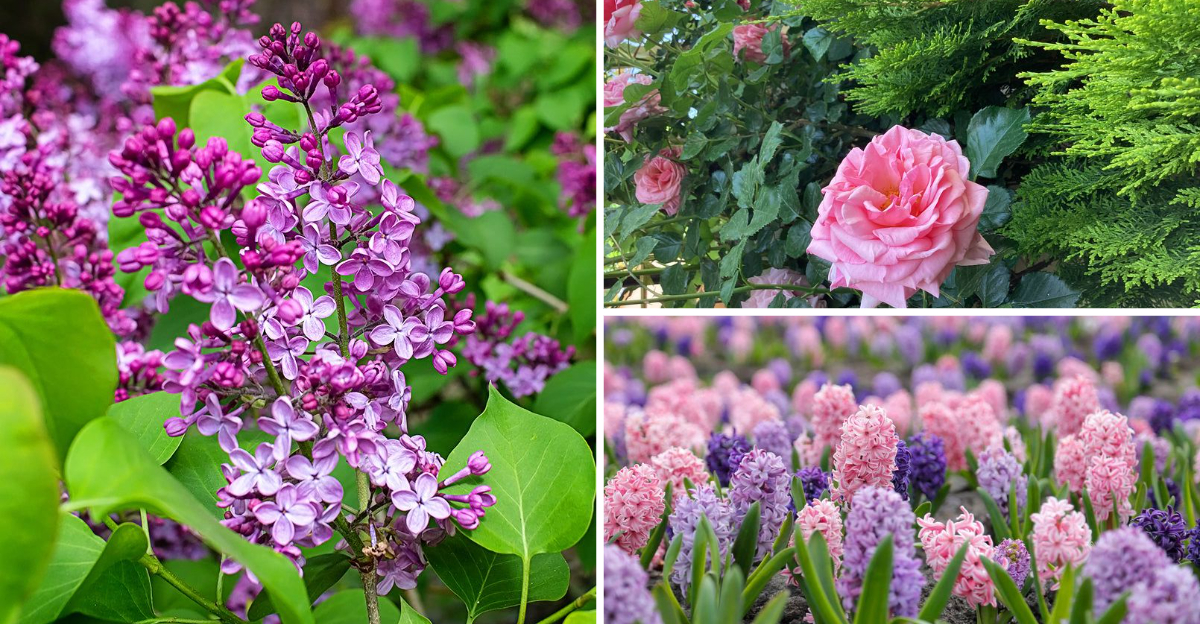
Persian gardens are renowned for their lush beauty and tranquil ambiance, achieved through a harmonious blend of flora that captivates the senses. These gardens are not merely spaces for plants, but symbolic landscapes that embody paradise on earth. Central to their charm are the diverse flowers and trees that flourish within, each selected for their aesthetic and cultural significance. Explore the exquisite array of 18 flowers and trees that form the essence of Persian garden design, each contributing unique visual and sensory elements that together create a tapestry of natural splendor.
1. Rose
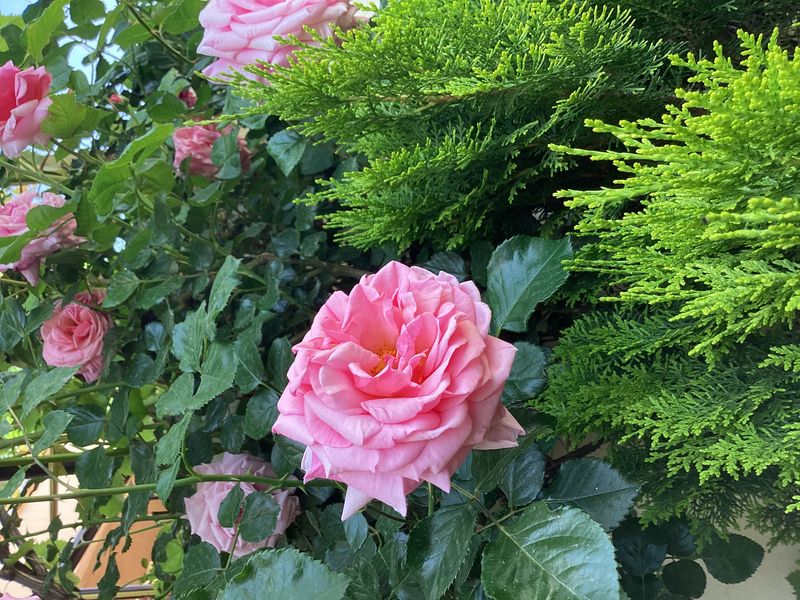
The rose, with its timeless elegance, represents beauty and love in Persian culture. Its fragrant blooms and rich hues make it a staple in Persian gardens, often symbolizing the divine. Roses are celebrated for their ability to thrive in various climates, bringing a touch of romance wherever they bloom. They are versatile, finding a place in both formal and informal garden settings.
The Persian love for roses is evident in poetry and art, where they are depicted as symbols of perfection.
Did you know? The Damask rose, originally from Persia, is cherished for its exquisite fragrance.
2. Cypress Tree
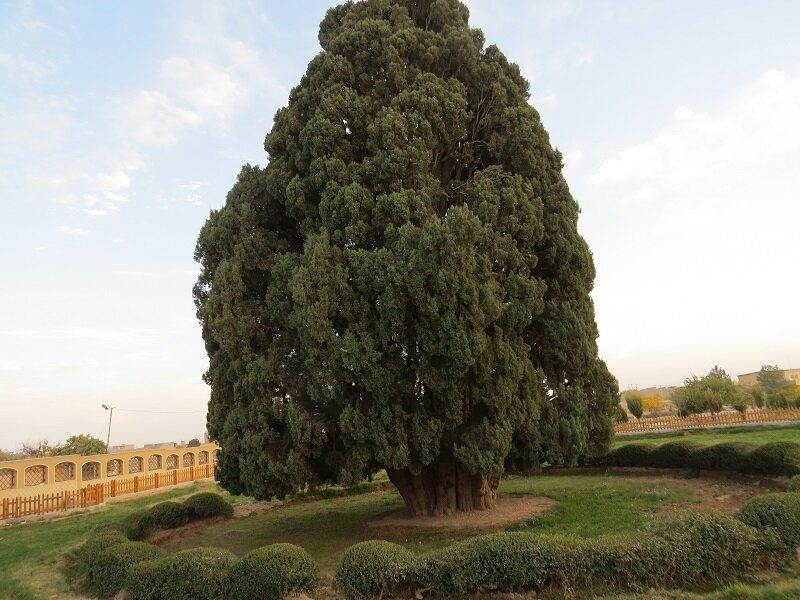
The cypress tree, a symbol of immortality, stands tall and graceful in Persian gardens. Its slender form and evergreen leaves provide a striking contrast against the vibrant colors of flowers. Known as ‘Sarv’ in Persian, the cypress is often associated with eternal life and resilience.
Its presence in gardens offers not just shade but a sense of serenity and continuity. This tree’s ability to endure harsh conditions makes it a favored choice in arid climates.
Fun fact: The Sarv-e Abarqu, a 4,000-year-old cypress in Iran, is one of the oldest living trees.
3. Jasmine
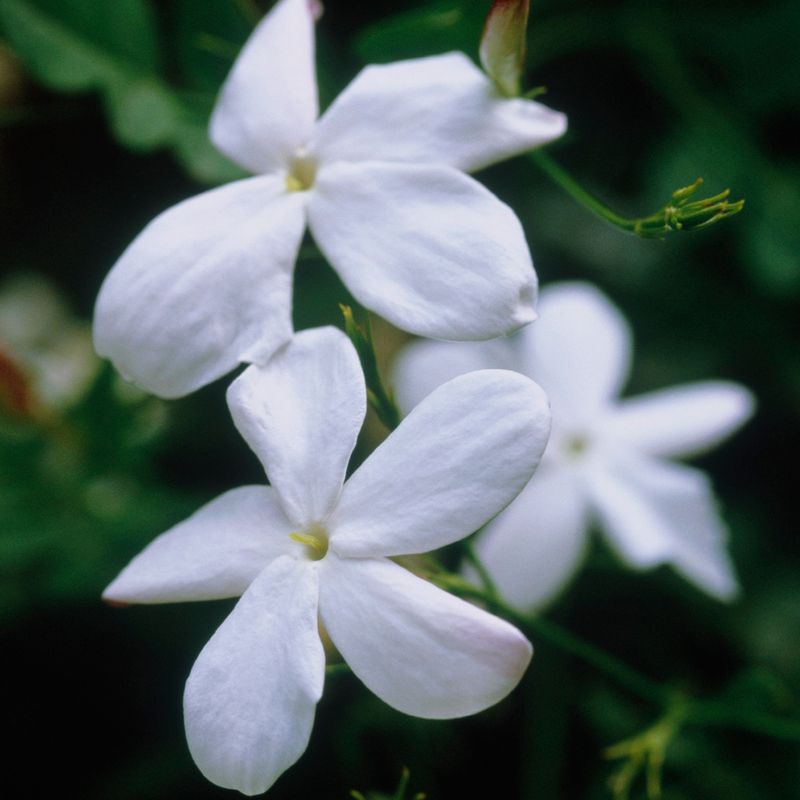
Jasmine, with its intoxicating fragrance, captures the essence of Persian nights. Often planted near walkways or entrances, its sweet scent welcomes visitors into the garden. The star-shaped white blooms are not only beautiful but also serve to mask less pleasant odors, enhancing the overall sensory experience.
Persian gardens often incorporate jasmine for its nighttime aroma, creating an alluring atmosphere.
In Persian culture, jasmine symbolizes love and beauty. It’s frequently referenced in poetry and is considered a flower of the heart.
Did you know? Jasmine oil is highly prized in perfumery.
4. Pomegranate Tree
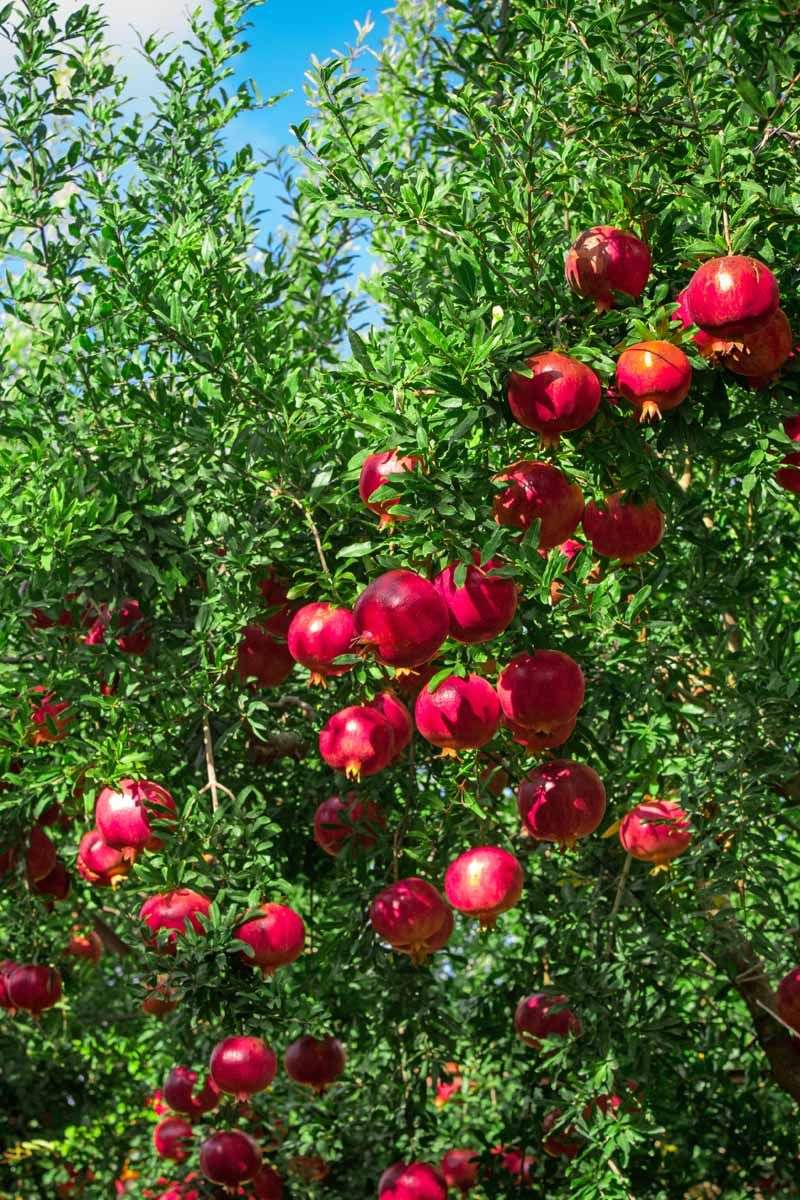
The pomegranate tree is more than just a fruit-bearing plant in Persian gardens; it’s a symbol of fertility and prosperity. Its glossy, vibrant fruits and lush green foliage make it an attractive addition to any garden landscape.
The tree’s unique architecture, with its twisting branches and bright red blooms, adds visual interest and depth. Pomegranates are often used in Persian cuisine, offering a connection between the garden and kitchen.
Fun fact: The pomegranate is featured in Persian art and mythology, symbolizing life and abundance.
5. Lilac
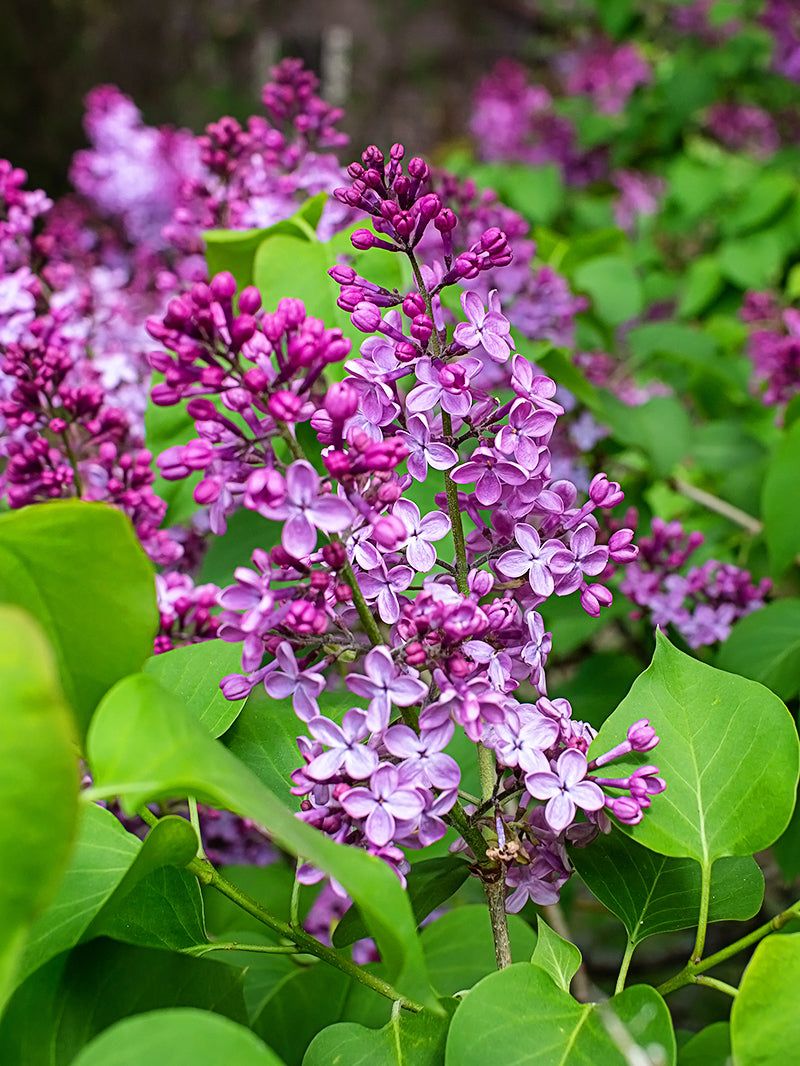
Lilacs bring a burst of color and fragrance to Persian gardens, with their lush, purple clusters. Known for their enchanting scent, these flowers are often planted near garden entrances to greet guests with their delightful aroma.
The lilac’s ability to thrive in temperate climates makes it a popular choice in Persian landscapes. Beyond their aesthetic appeal, lilacs symbolize the arrival of spring and renewal.
Did you know? Lilacs are one of the earliest flowers to bloom in spring, heralding the season’s arrival with their vibrant colors.
6. Plane Tree
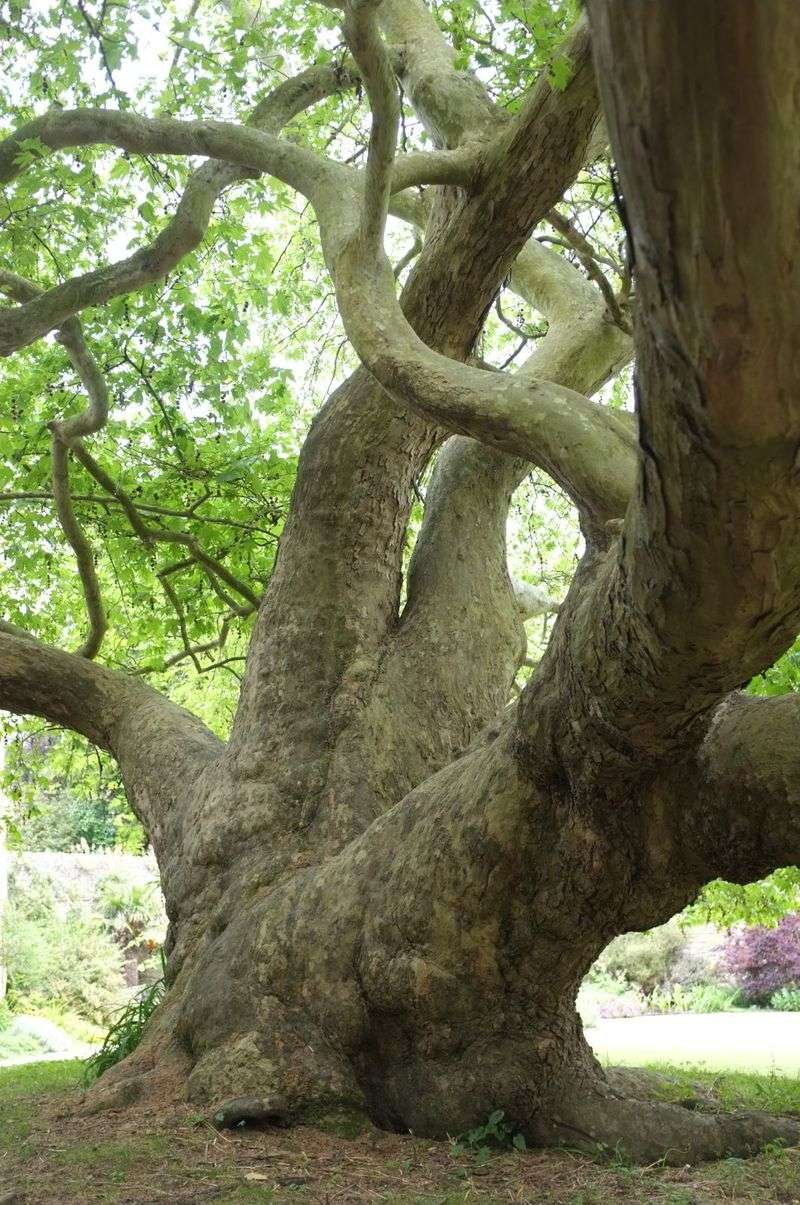
The plane tree, known for its majestic size and expansive canopy, is a cornerstone of Persian garden design. Its broad leaves provide much-needed shade in the hot climate, creating pleasant retreats for relaxation and contemplation.
Often planted along water channels, plane trees enhance the garden’s microclimate by cooling the air. Their bark, which peels away in attractive patterns, adds to their visual charm.
Fun fact: The plane tree has been a symbol of hospitality in Persian culture for centuries.
7. Tulip
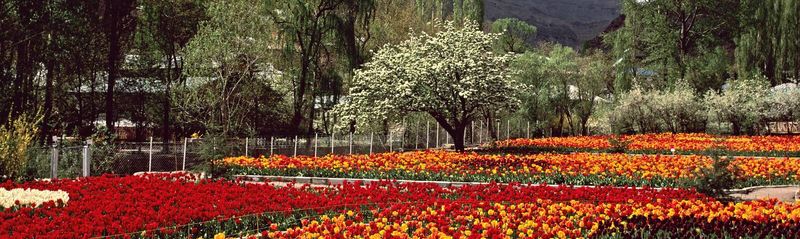
Tulips, with their vibrant colors and elegant shapes, are a favored feature in Persian gardens. Originally native to Persia, these flowers have a rich cultural history. They are planted in clusters for visual impact, creating a tapestry of color that delights the eye.
Tulips symbolize perfection and are often associated with paradise, making them a fitting choice for gardens designed to represent earthly heavens.
Did you know? The word ‘tulip’ is derived from the Persian word ‘dulband’, meaning turban, due to the flower’s distinctive shape.
8. Narcissus
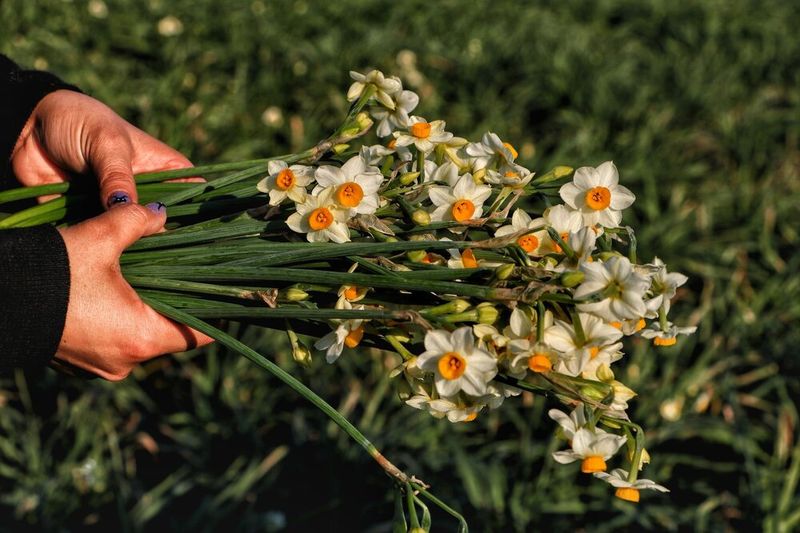
Narcissus flowers, with their delicate beauty and sweet fragrance, are a cherished part of Persian garden design. Often appearing in poetry, they symbolize rejuvenation and reflection.
These flowers thrive in the spring, heralding new beginnings with their bright, sunny faces. Planted near water features, they enhance the garden’s reflective qualities, mirroring their blooms in pools or streams.
Fun fact: In Persian mythology, the narcissus is associated with the story of Narcissus, a youth who fell in love with his reflection, giving the flower its name.
9. Hyacinth
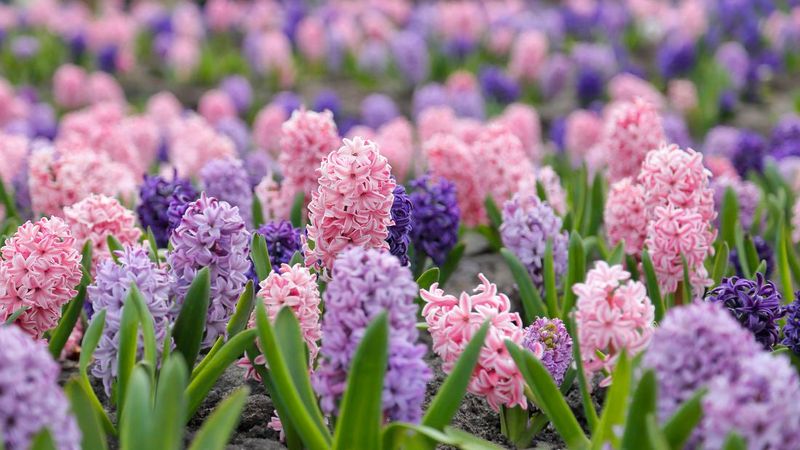
Hyacinths, with their rich hues and intoxicating scent, are a vibrant addition to Persian gardens. Planted in clusters, they create a visual spectacle that draws attention and admiration.
Their fragrance is so powerful that it fills the air, creating an immersive sensory experience that invites visitors to linger.
Hyacinths are often associated with rebirth and play a role in Nowruz, the Persian New Year.
Did you know? The hyacinth is named after Hyacinthus, a figure from Greek mythology who was transformed into the flower by the god Apollo.
10. Orange Tree
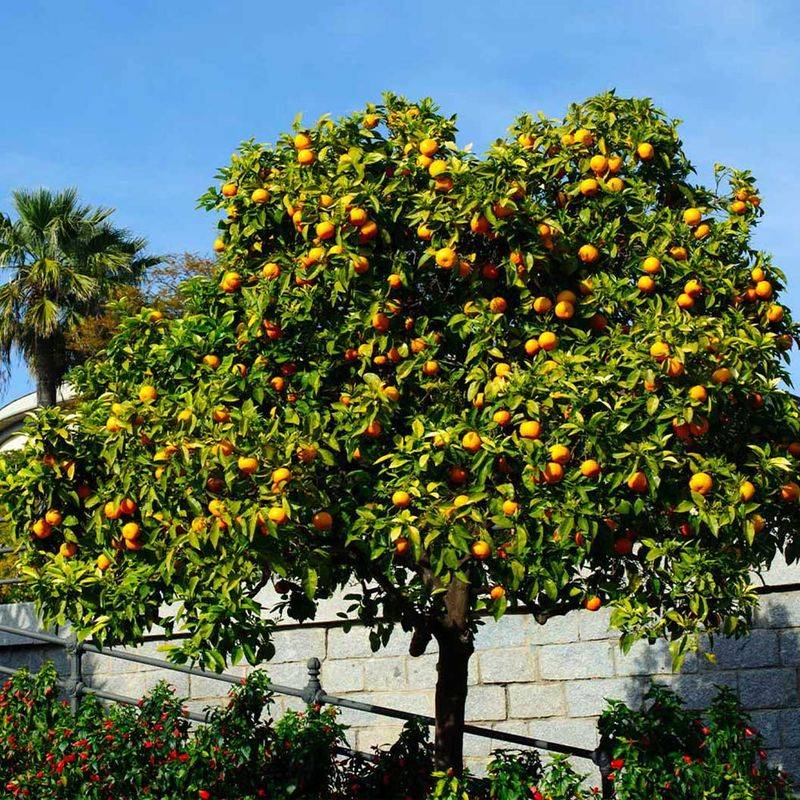
Orange trees, with their sweet-smelling blossoms and vibrant fruit, are a delightful presence in Persian gardens. Their glossy leaves and fragrant flowers add both visual and olfactory appeal, creating a lush and inviting atmosphere.
The fruits themselves are a symbol of abundance and are often used in Persian cuisine.
Orange trees thrive in warm climates, making them a perfect fit for the sunny Persian landscape.
Fun fact: The tradition of gifting oranges during Nowruz is a symbol of good luck and prosperity.
11. Willow Tree
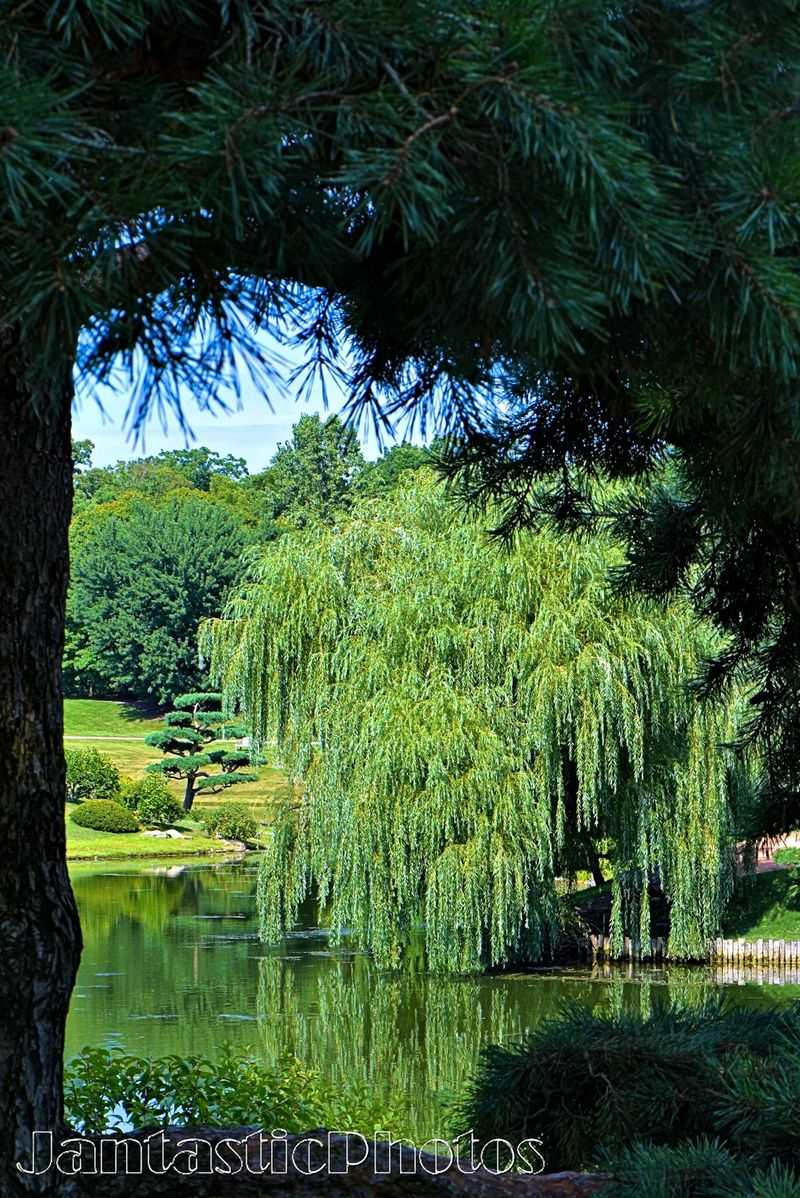
The willow tree, with its sweeping branches and delicate leaves, adds a touch of elegance to Persian gardens. Its drooping form creates a natural canopy, providing shade and a sense of seclusion.
Willows are often planted near water, enhancing the tranquil ambiance with their reflection mirrored in the surface.
In Persian culture, the willow symbolizes resilience and flexibility, adapting gracefully to its environment.
Did you know? Willow bark has been used historically for its medicinal properties, serving as a natural source of aspirin.
12. Daffodil
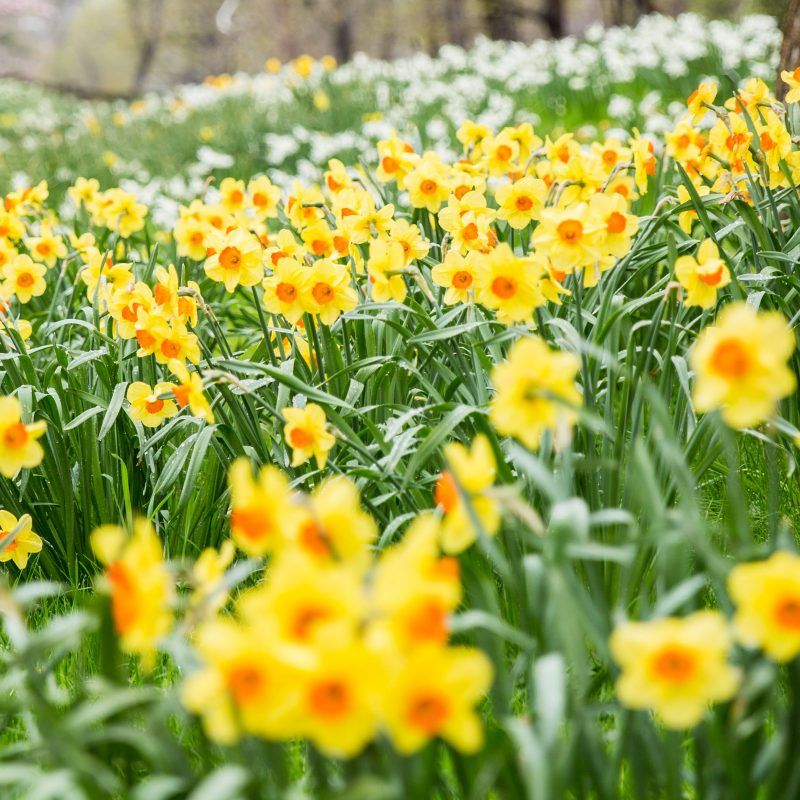
Daffodils, with their cheerful yellow blooms, are a symbol of renewal in Persian gardens. These vibrant flowers herald the arrival of spring, infusing the landscape with color and life.
Their trumpet-shaped blossoms are not only visually appealing but also attract pollinators, supporting the garden’s ecosystem.
In Persian literature, daffodils are often associated with joy and new beginnings.
Did you know? Daffodils are part of the Narcissus family and are sometimes referred to by the same name in Persian culture.
13. Mulberry Tree
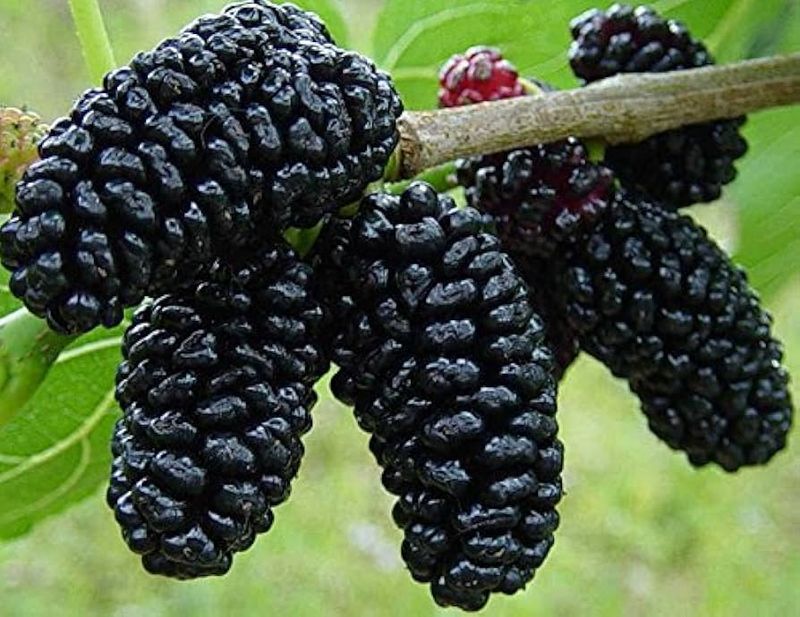
The mulberry tree, with its broad leaves and sweet fruit, is a cherished addition to Persian gardens. Its berries are a delightful treat, enjoyed fresh or dried, and hold cultural significance as symbols of hospitality.
The tree’s dense foliage provides ample shade, creating a cool retreat during the hot summer months. Mulberries are often planted near seating areas, offering both beauty and sustenance.
Fun fact: Mulberry leaves are the primary food source for silkworms, linking the tree to Persia’s rich history in silk production.
14. Oleander
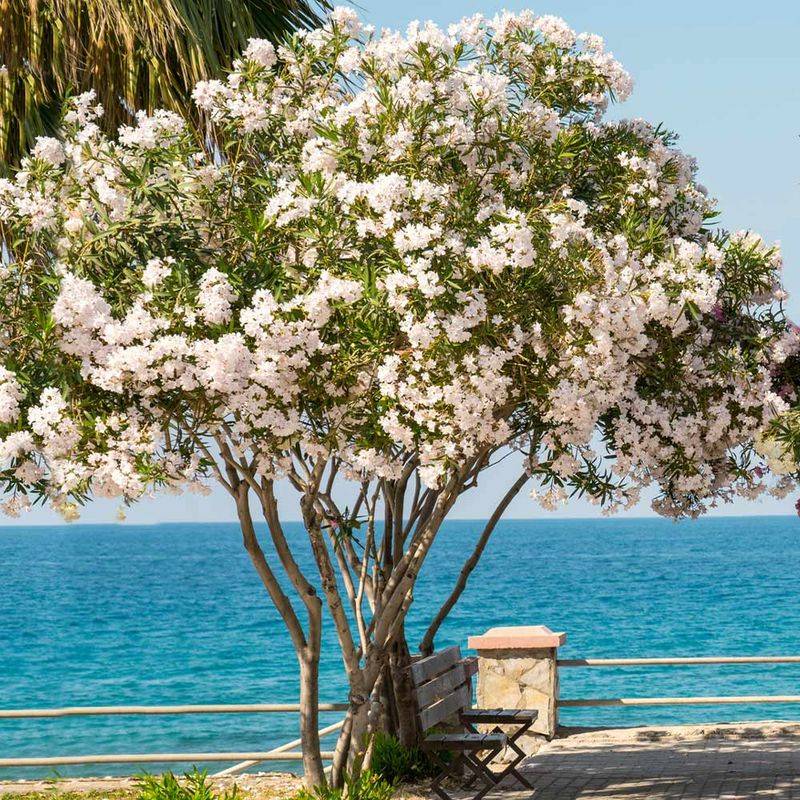
Oleander, with its clusters of pink and white flowers, is a resilient and attractive plant for Persian gardens. Its ability to withstand dry conditions makes it ideal for the arid climate.
The blooms add a splash of color, while the dense foliage provides privacy and shelter. Despite its beauty, oleander is highly toxic if ingested, a reminder of nature’s duality.
In cultural contexts, oleander symbolizes caution and watchfulness.
Did you know? Oleander has been used historically in traditional medicine, though with great care due to its toxic properties.
15. Cherry Blossom
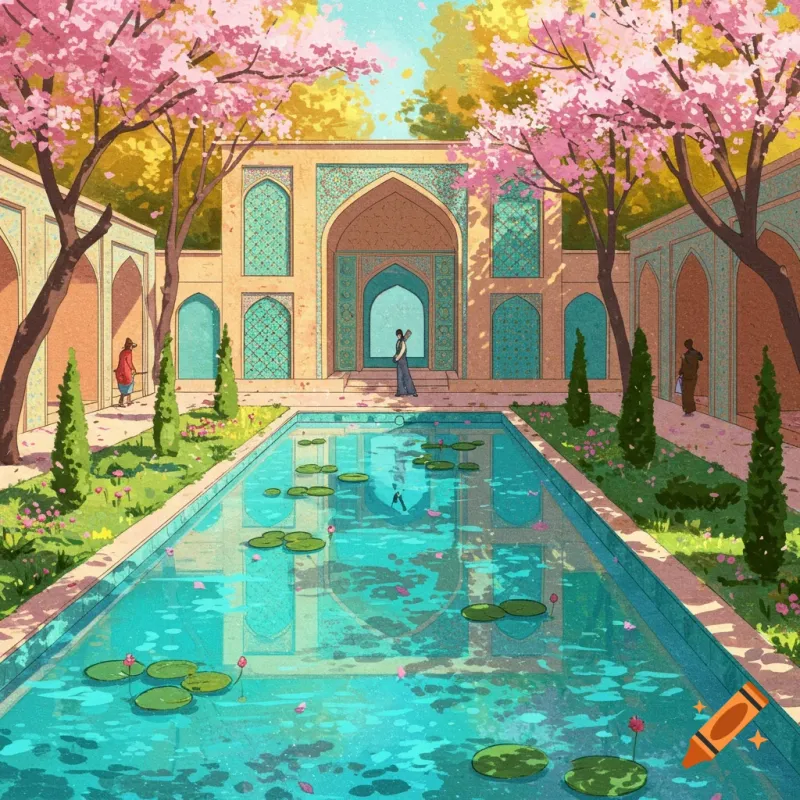
Cherry blossoms, with their fleeting beauty and delicate pink blooms, are a symbol of the transient nature of life. In Persian gardens, these trees create a breathtaking display each spring, transforming the landscape into a sea of pink.
The blossoms are not only visually stunning but also hold cultural significance, representing beauty and impermanence.
Cherry blossoms are celebrated in poetry and art, often evoking themes of renewal and the passage of time.
Fun fact: The tradition of hanami, or flower viewing, has parallels in Persian culture, where gardens are places for reflection and appreciation.
16. Geranium
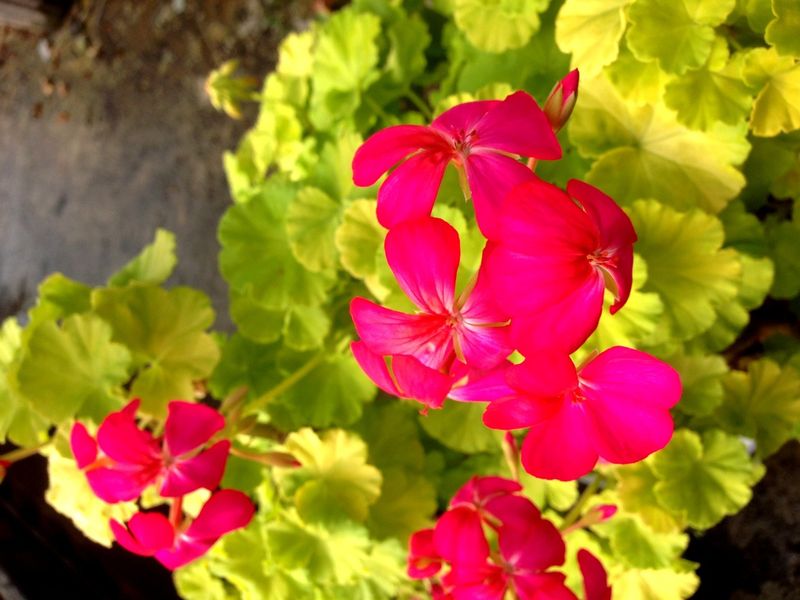
Geraniums, with their vibrant red and pink blooms, add a cheerful touch to Persian gardens. These hardy plants thrive in sunny spots, providing continuous color throughout the growing season.
Their compact size makes them ideal for borders and containers, where they can be appreciated up close. Beyond their beauty, geraniums are valued for their aromatic leaves, which release a pleasant scent when brushed.
Did you know? Geraniums are also used in traditional Persian medicine for their anti-inflammatory properties.
17. Fig Tree
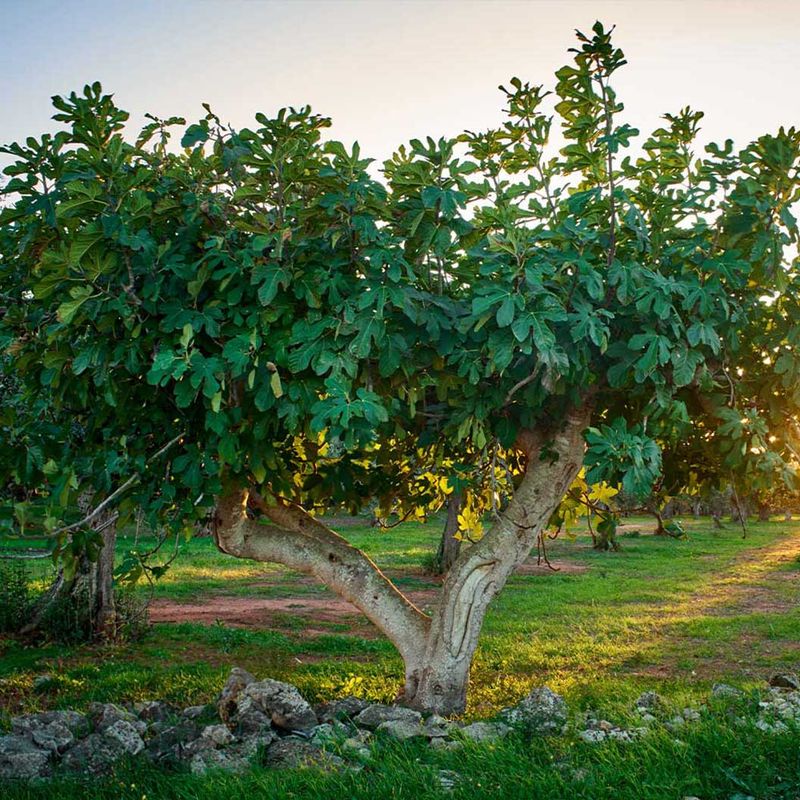
The fig tree, with its broad leaves and sweet fruit, is a symbol of fertility and abundance in Persian gardens. Its lush canopy offers shade, creating a cool and inviting retreat.
Figs are a staple in Persian cuisine, linking the garden to culinary traditions. The tree’s distinctive architecture adds character and depth to the landscape.
Fun fact: The fig tree is one of the first plants cultivated by humans, with a history that dates back to ancient Persia.
18. Lavender
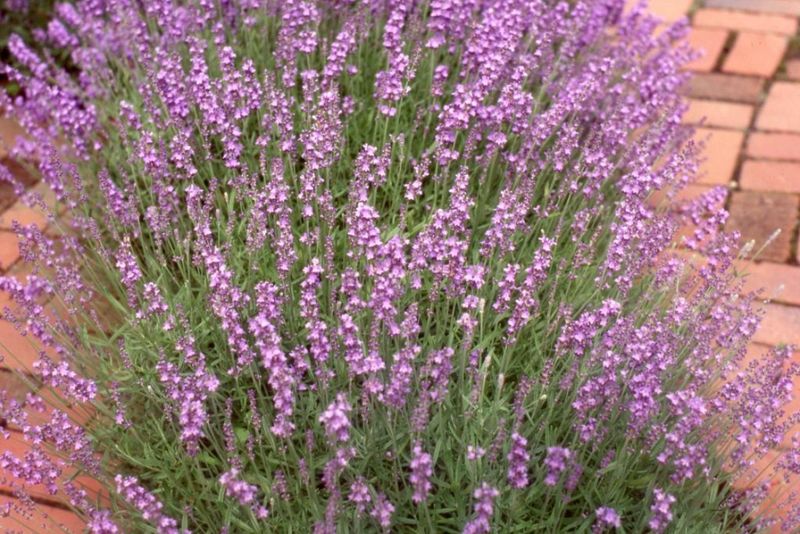
Lavender, known for its soothing scent and purple blooms, is a beloved addition to Persian gardens. Its fragrance is both calming and invigorating, creating an atmosphere of tranquility.
The plant thrives in sunny, well-drained areas, offering visual appeal and fragrance throughout the growing season. Lavender is also used in traditional Persian remedies, prized for its calming properties.
Did you know? Lavender’s name is derived from the Latin ‘lavare’, meaning to wash, due to its historical use in bathing rituals.