 Complete Gardening
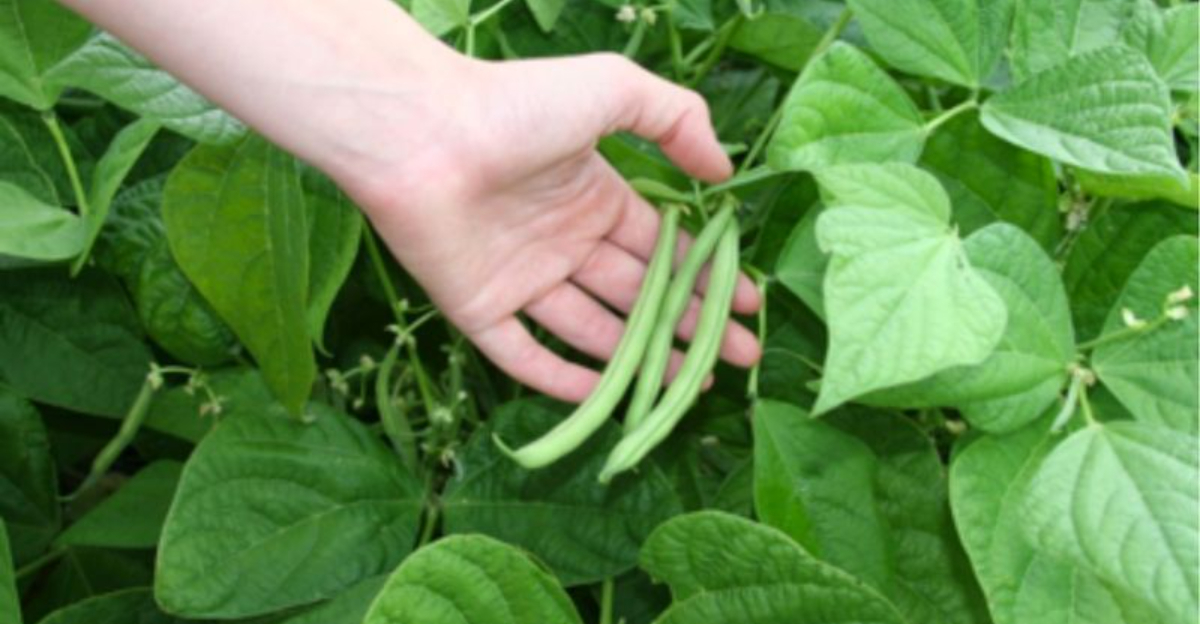
Discover the surprising resilience of certain crops that defy traditional growing seasons. This guide explores 18 unique plants that flourish when planted outside their usual timeframe, offering tips and insights into why they succeed. Whether you’re a seasoned gardener or a curious beginner, these unexpected planting strategies will inspire you to experiment and enjoy bountiful harvests all year round.
1. Spinach (With Shade & Water)
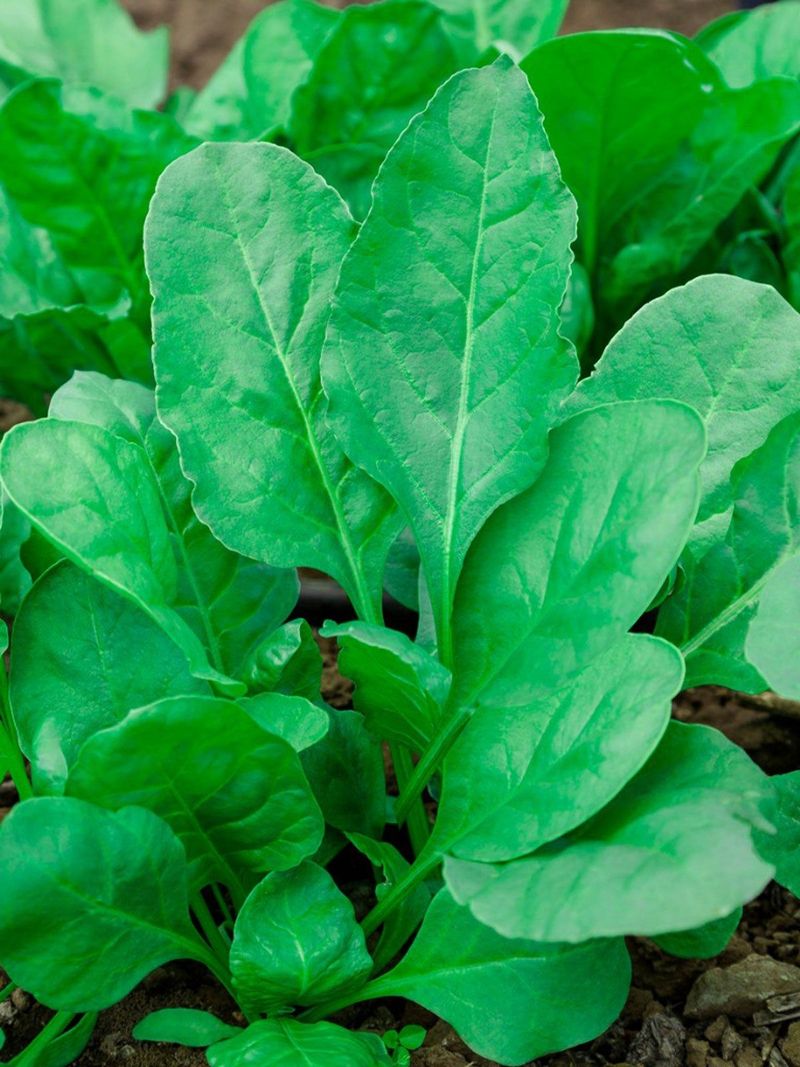
Spinach, often fleeing from summer’s heat, finds solace under the gentle embrace of shade. Imagine planting it beneath towering leafy giants, where sunbeams dance softly. Keep its feet—roots, that is—damp with regular watering. This green delight adapts with grace, thriving all summer. Opt for heat-resilient varieties like ‘Malabar’ or ‘New Zealand’. As the sun blazes, your spinach will flourish, defying conventional wisdom with its tenacity. Who knew this cool-season crop could enjoy a sunlit summer retreat? Embrace this gardening secret and savor the unexpected bounty of summertime spinach harvests.
2. Peas (Late Summer for Fall Harvest)
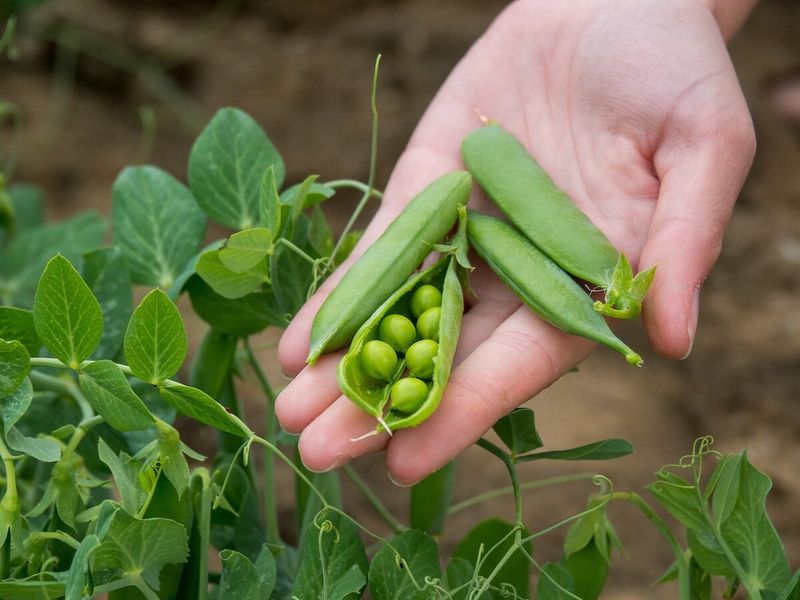
When summer’s heat wanes, peas prepare for an encore. Plant them as summer closes, and witness their gentle magic unfold. They shy away from scorching sun but embrace the cooler whispers of fall. As temperatures dip, they’ll reward you with a crop that tastes sweeter. These tender green pearls, growing shyly, ripen with a flavor that only autumn can inspire. So, bid farewell to summer’s intense warmth and welcome the mellow sweetness of fall peas. Their growth in gently cooling air mirrors nature’s soft transition from vibrant heat to crisp breezes.
3. Kale (Planted in Midsummer for Fall)
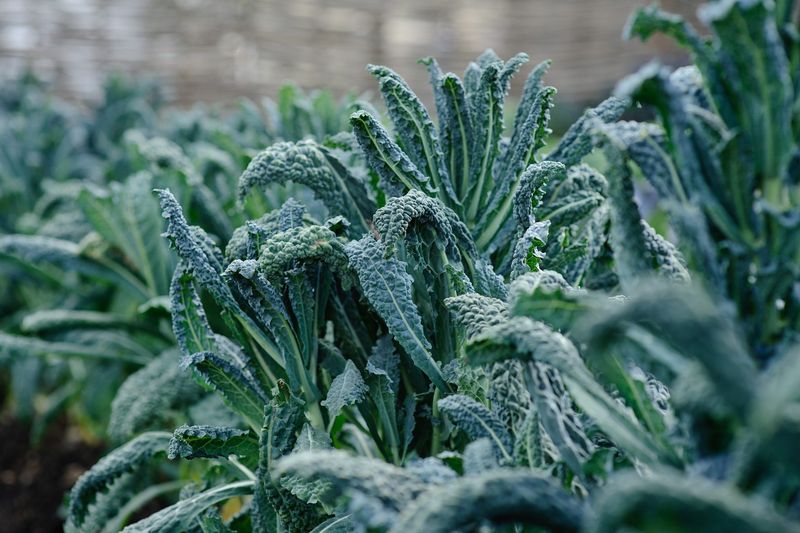
Plant kale in the heart of summer, and prepare for a flavorful surprise. As the season changes, this resilient green transforms, sweetening with each frosty kiss. The magic of a light frost turns kale into a delicacy, enhancing its taste and tenderness. Yearning for those cooler days, it waits, storing energy through summer’s heat. By autumn, it’s ready to gift you with its lush and flavorful leaves. Witness its remarkable transformation—an ode to nature’s adaptability and the gardener’s ingenuity. Kale’s journey from summer to fall is a delightful dance of flavors and textures.
4. Lettuce (Succession Planted in Shade)
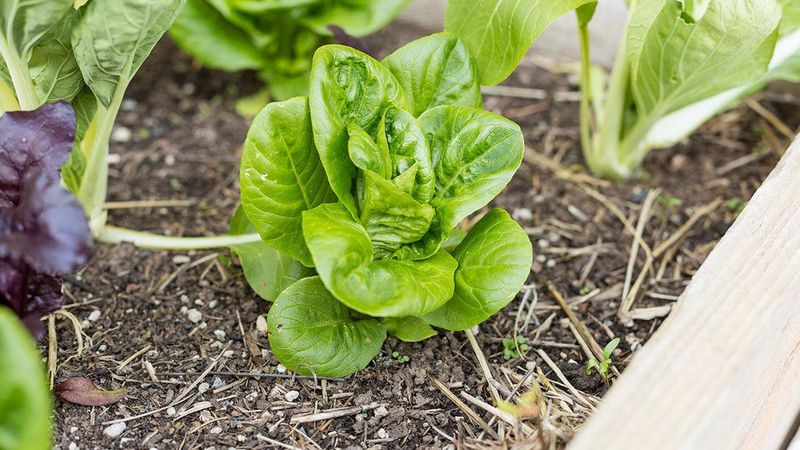
Lettuce is the master of disguise, thriving in the shadowy nooks of your garden. By planting in succession, you craft a seamless harvest tapestry. Under taller plants or with the aid of shade cloth, it stretches its leafy arms, unfazed by the summer sun. Every two weeks, sow seeds, and watch them flourish. The dappled light and cooler embrace of shade create a perfect sanctuary. This leafy green offers a continuous supply, defying summer’s intensity. Let lettuce surprise you with its resilience, rewarding your patience with a perpetual harvest rhythm.
5. Carrots (Late Summer for Winter Storage)
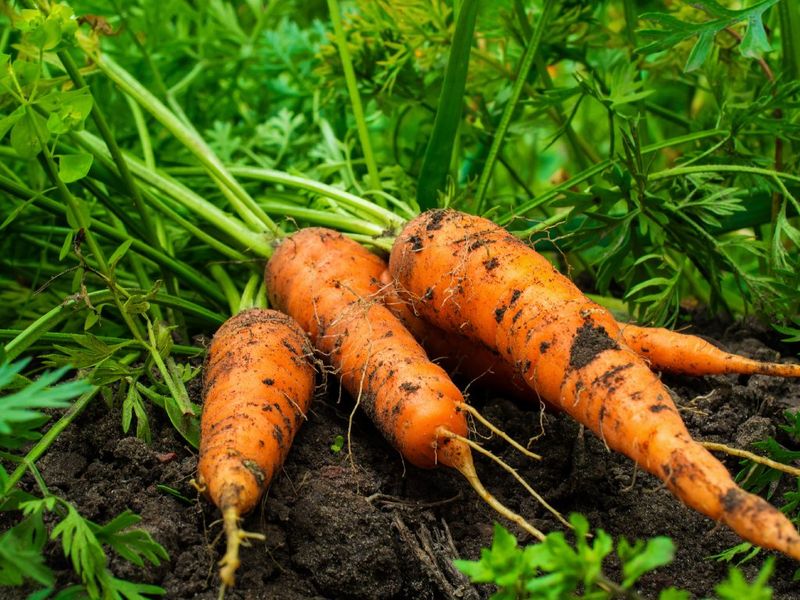
Carrots planted as summer wanes hold a secret: they grow at a leisurely pace. This unhurried development imbues them with a richer flavor, a gift from nature’s pantry. As autumn whispers in, these roots deepen and sweeten, readying for winter storage. Their vibrant orange hides beneath the soil, a trove of taste and resilience. As other plants retire for the season, carrots stand firm, a testament to patience. Harvest them at winter’s doorstep and savor their perfected taste. In this gradual growth, carrots teach us the art of patience and reward.
6. Broccoli (Fall Planting for Bigger Heads)
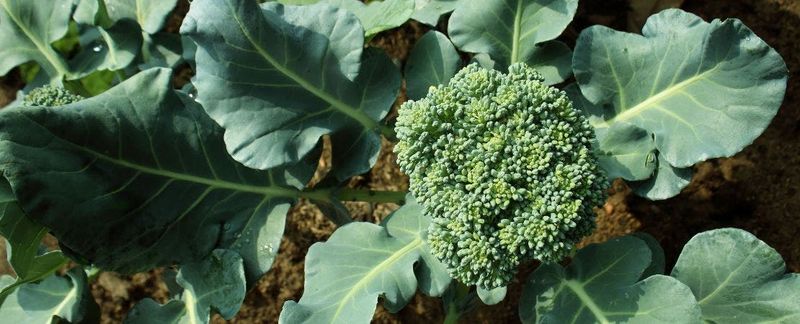
Broccoli, often vexed by summer’s embrace, finds its grandeur in fall. Plant in this mellow season, and watch as it flourishes. The cooler air and lengthening nights coerce broccoli into showcasing its true potential. Heads grow larger, flavors deepen, and pests retreat. This hardy vegetable transforms into the garden’s crown jewel, a testament to autumn’s nurturing touch. For gardeners, fall planting brings the promise of vibrant, tasty broccoli, a tribute to nature’s wisdom and timing. Let this season’s harvest delight your taste buds and enrich your table.
7. Tomatoes (Early Spring Under Cover)
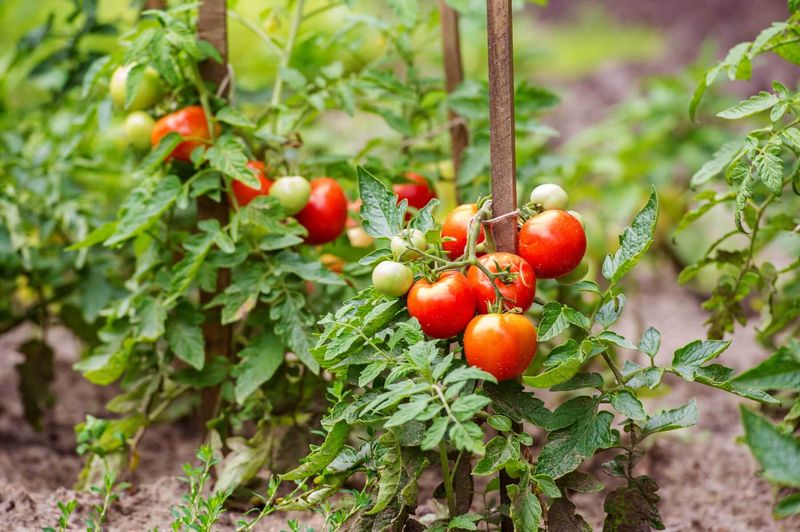
Tomatoes, those sun-loving darlings, can be coaxed into early productivity. Set them out in spring, sheltered under cloches or row covers. Here, they bask in protected warmth, preparing for a fruitful season ahead. As spring matures, they outpace pests and delight in setting fruit earlier than usual. This head start means you savor their juicy goodness before summer’s heat truly arrives. Watch your garden’s early bounty flourish, a testament to clever timing and gentle protection. Let these early tomatoes redefine your expectations of the growing season.
8. Peppers (Overwintered Indoors)
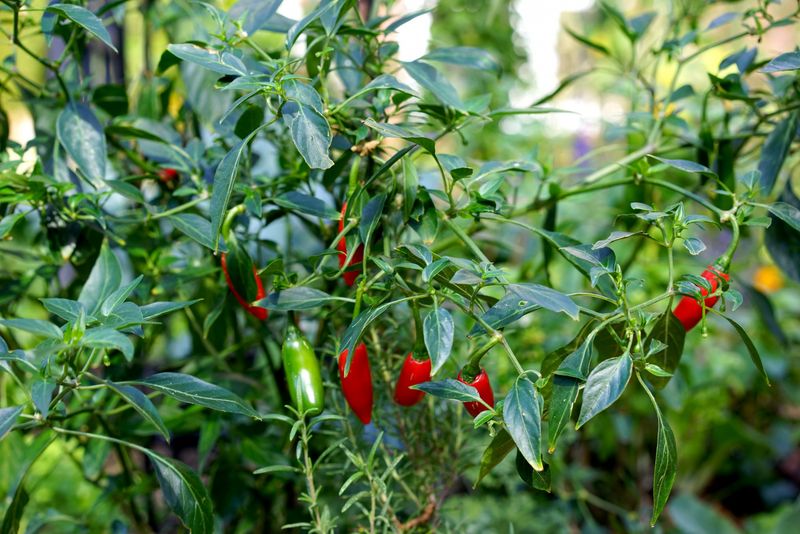
Peppers, perennial in spirit, can outwit winter’s cold grasp. Before frost arrives, bring them indoors, prune back, and let them slumber. Their patience is rewarded when spring returns, rejuvenated and eager to produce. By nurturing them through the cold months, you ensure an early and abundant harvest next year. Embrace their tender nature, and they’ll repay with vibrant peppers. This cycle transforms gardening, turning a one-season plant into a perennial delight. Let your peppers surprise you with their resilience and capacity for renewal.
9. Sweet Potatoes (Planted Late for Fewer Vines)
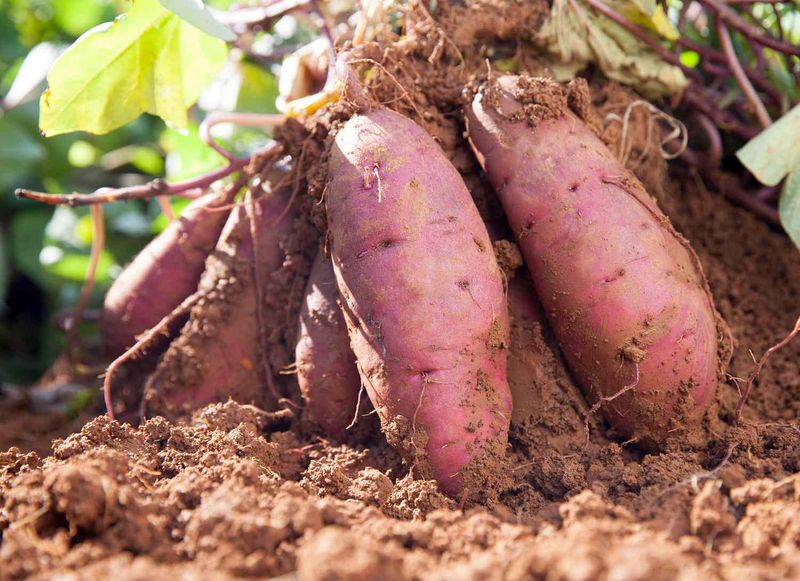
Sweet potatoes, ever the garden’s surprise, prefer a late start. Plant them in warm soil around June or July. This timing reduces vine growth, directing energy toward tuber development. The result? Bigger, tastier roots beneath the surface. This unconventional approach rewards the patient gardener with a bountiful harvest. Sweet potatoes defy expectations, thriving with less foliage and more substance. Their journey from vine to table is one of quiet defiance, proving that sometimes, less is indeed more. Discover the charm of these late-blooming delights.
10. Okra (Fall Planting in Hot Climates)
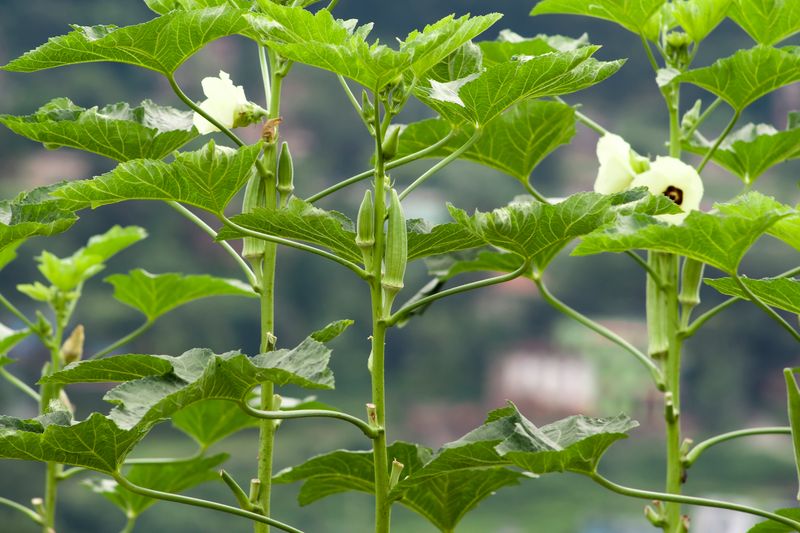
Okra, the Southern gem, thrives when planted in late summer. As fall’s warmth lingers, it embraces the extended growing period. This timing reduces pest pressure and enhances growth. The slender pods stand proudly against the backdrop of a warm autumn sky. In hot climates, okra luxuriates in the lingering heat, producing prolifically. This approach yields a robust harvest, defying the traditional planting calendar. Okra’s resilience and adaptability make it a standout choice for those willing to challenge convention. Experience this fall-time flourish, a nod to nature’s versatility.
11. Cucumbers (Late Summer for Fewer Beetles)
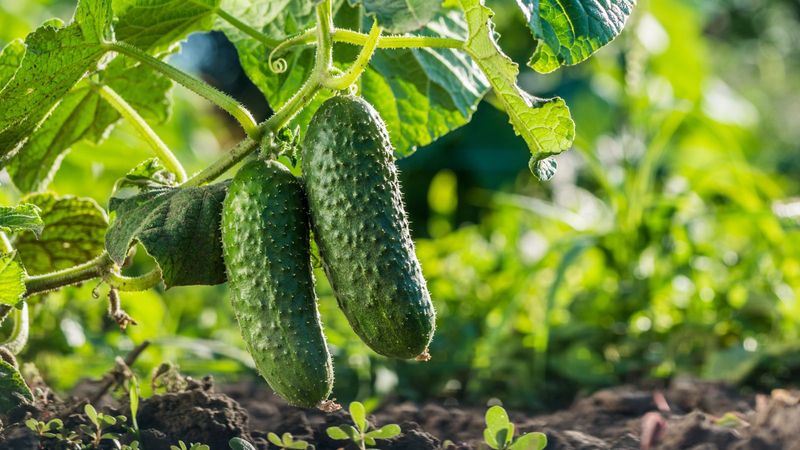
Cucumbers, often pestered by beetles in prime season, find solace in late summer planting. As the heat wanes, pests retreat, granting cucumbers a chance to thrive unbothered. This unconventional timing allows for crisp, late-season fruits, untouched by beetles’ hunger. The garden’s peace in these months encourages robust growth and flavorful yields. Embrace this strategy, and cucumbers will reward you with a plentiful harvest, free from common woes. It’s a lesson in timing and observation, showing how nature’s rhythms can be gently bent to the gardener’s will.
12. Green Beans (Early Fall Crop)
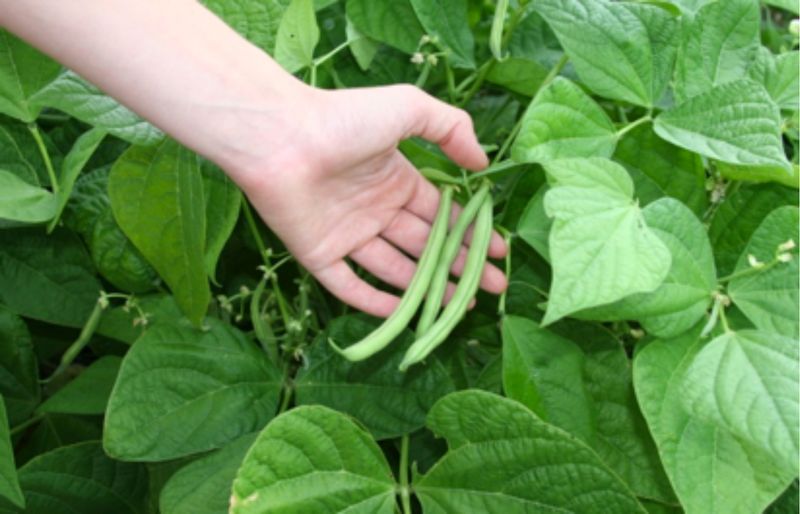
Green beans make a surprising entrance as summer fades. Plant them in late summer, and their rapid growth mirrors autumn’s quickening pace. The cooler air suits them well, leading to a faster, more flavorful yield. Pests diminish, and beans thrive, producing sweet, tender pods. This timing offers a bountiful harvest, a testament to adaptability and nature’s cycles. By planting in the waning days of summer, gardeners enjoy a second chance at fresh beans. Let this unexpected timing inspire your gardening adventures, and savor the seasonal bounty it brings.
13. Garlic (Planted in Spring for Smaller Bulbs)
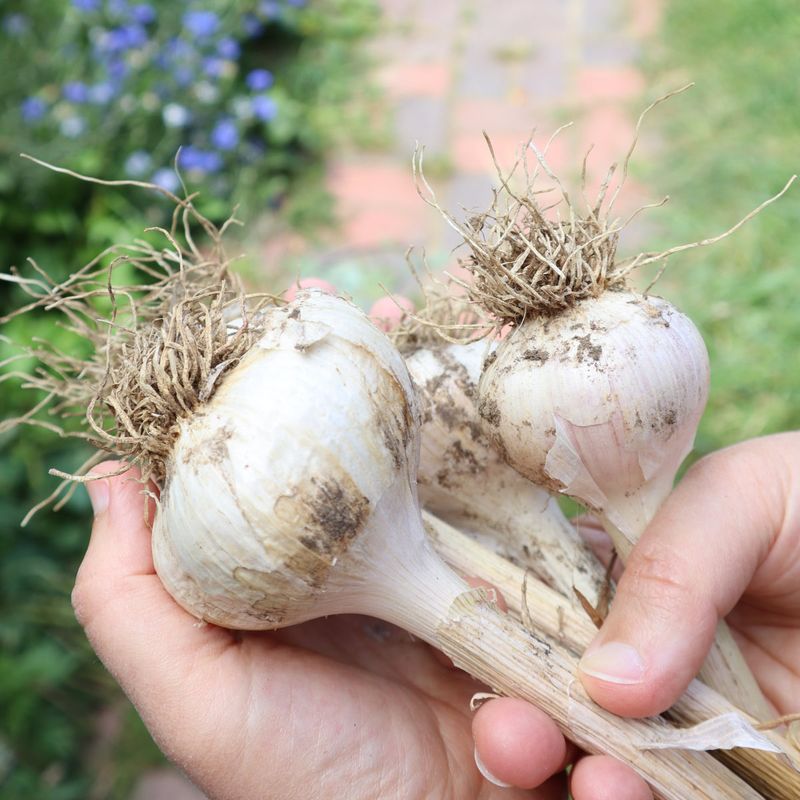
Garlic, typically a fall planting, surprises when sown in spring. Though it produces smaller bulbs, these are milder and ideal for greens. This unexpected timing offers a unique flavor profile, different from the traditional harvest. The spring sun encourages vibrant growth, creating a fresh take on a beloved crop. This approach exemplifies gardening’s flexibility, where outcomes shift with season and strategy. Embrace the delicate, milder bulbs and enjoy their culinary versatility. Spring garlic is a testament to experimenting with tradition, yielding delightful surprises and fresh flavors.
14. Potatoes (Winter Planting in Mild Climates)
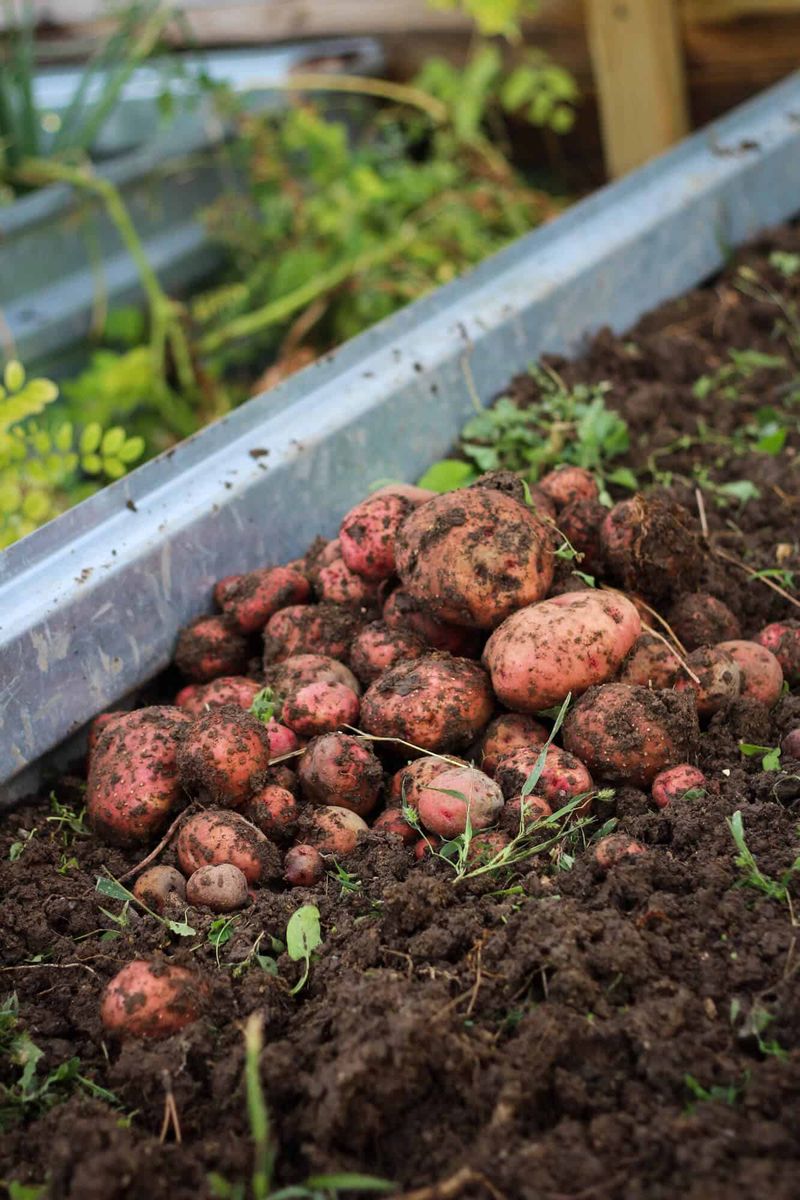
In zones 8 and above, potatoes become winter’s unexpected guests. Plant them in the cool season, and they grow slowly but steadily. This timing sidesteps pests and promises early spring harvests. The gentle winter nurtures them, transforming potential into reality at an unexpected pace. As other gardens lie dormant, your potatoes prepare for early awakening. This strategy reflects nature’s adaptability, showing how growth can occur even in the quiet season. Relish this early harvest, a reward for thinking outside the seasonal box. Let potatoes redefine your gardening calendar.
15. Strawberries (Fall-Planted for Spring Fruit)
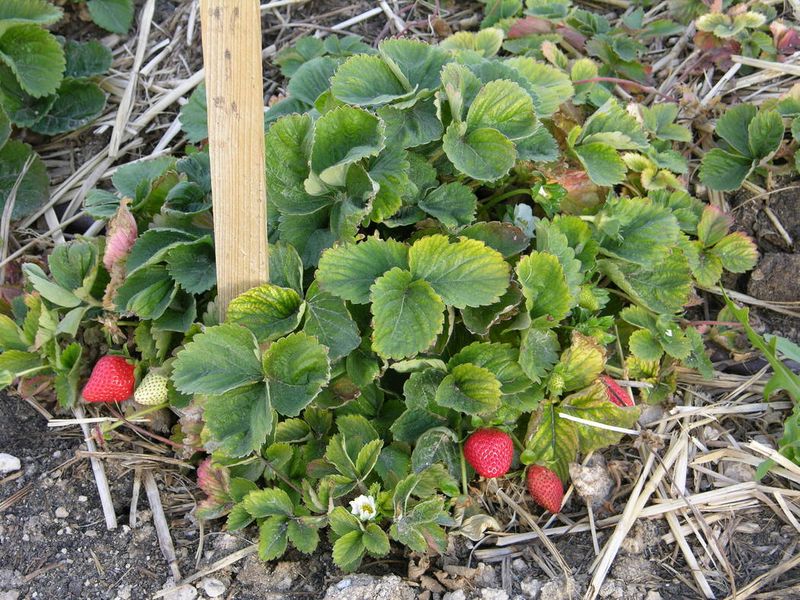
Strawberries, often associated with spring, benefit from a fall start. Planting them as autumn arrives allows roots to establish before winter. Come spring, they’re ready to burst forth with energy and fruit. This preparation leads to a larger, more abundant first harvest. The fall planting mirrors nature’s patience and foresight. Watching strawberries thrive in spring after their quiet preparation is a gardener’s delight. This approach highlights the beauty of anticipation and the rewards of strategic planting. Enjoy the bountiful spring crop, a result of thoughtful timing and nurturing.
16. Radishes (Winter Harvest Under Cover)
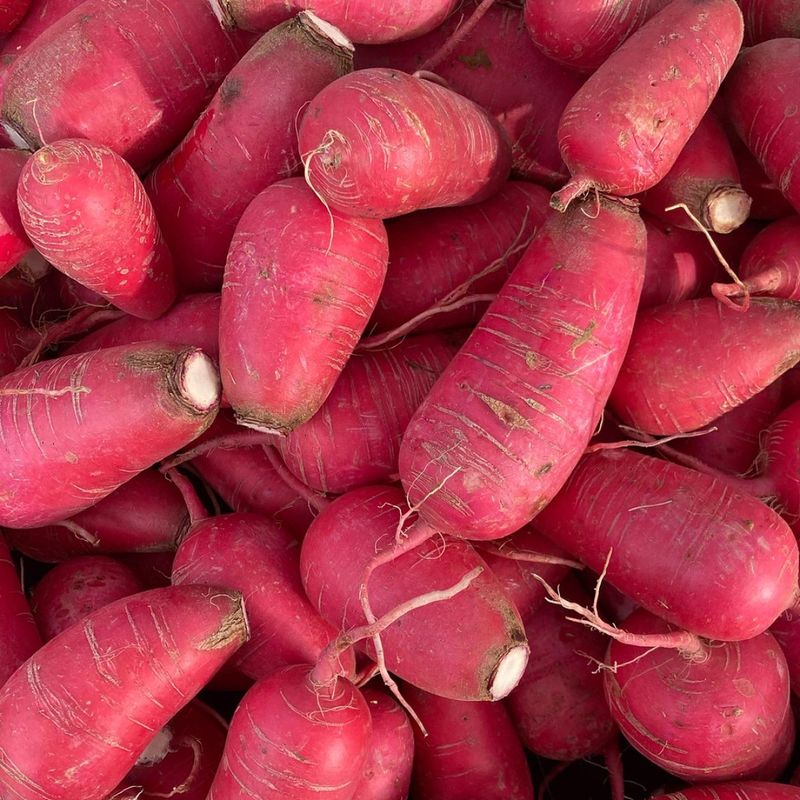
Radishes, quick to grow, defy winter’s chill under protective covers. In mild climates, sow them late in fall for a vibrant winter harvest. The frost blankets create a microclimate, encouraging growth despite the season. This swift development results in crisp, flavorful radishes, a testament to resilience. As snow dusts the garden, radishes push through, offering a fresh taste of winter’s bounty. This strategy showcases adaptability, turning winter into a productive time. Experience the joy of harvesting radishes in winter, a surprise tucked beneath frost’s gentle veil.
17. Beets (Planted in Late Fall for Spring)

Beets, with a flair for drama, lie dormant when planted in late fall. As winter retreats, these hardy roots awaken with vigor, bursting into life in early spring. This timing offers a head start, allowing beets to capture the season’s first rays. Their growth mirrors nature’s cycles, a rebirth after winter’s rest. For gardeners in mild climates, this strategy ensures an early, robust harvest. Beets’ transformation from fall planting to spring bounty is a captivating journey. Savor this early taste, a tribute to gardening’s rhythm and patience.
18. Corn (Very Early or Very Late Plantings)
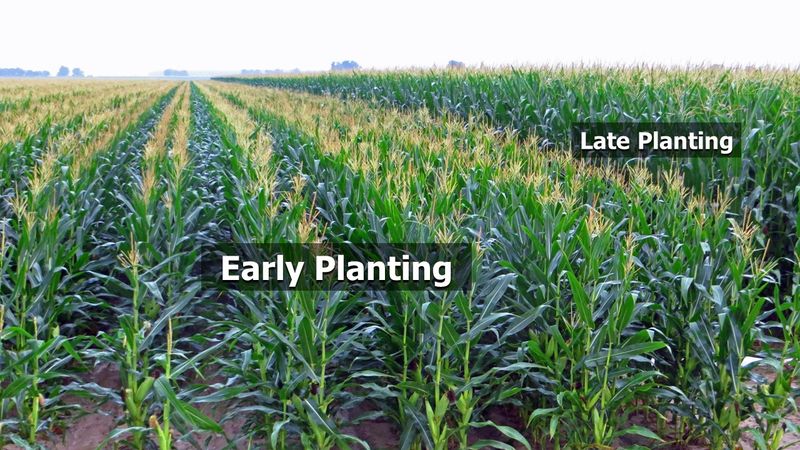
Corn, ever the agricultural icon, surprises with its timing flexibility. Plant either before last frost, hidden under protective cover, or very late in summer. This strategy often evades common pests like corn borers. The result is a resilient crop that defies expectations. Early plantings embrace the chilly start, while late ones enjoy summer’s lingering warmth. Corn’s adaptability and strength shine through, offering a harvest outside traditional bounds. This approach encourages experimenting with timing, showing how crops can thrive in unexpected windows. Discover the joy of corn’s unconventional growth.