 Complete Gardening
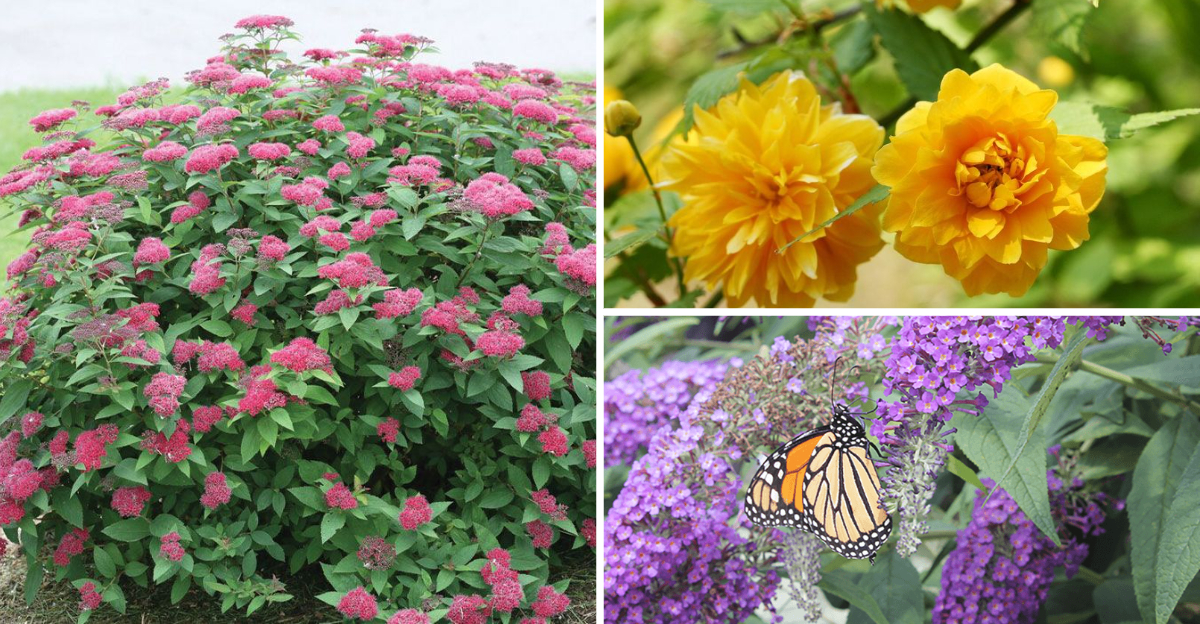
Explore a collection of 18 easy-care shrubs that have been overlooked over time but offer beautiful blossoms to enhance any garden.
1. Kerria Japonica
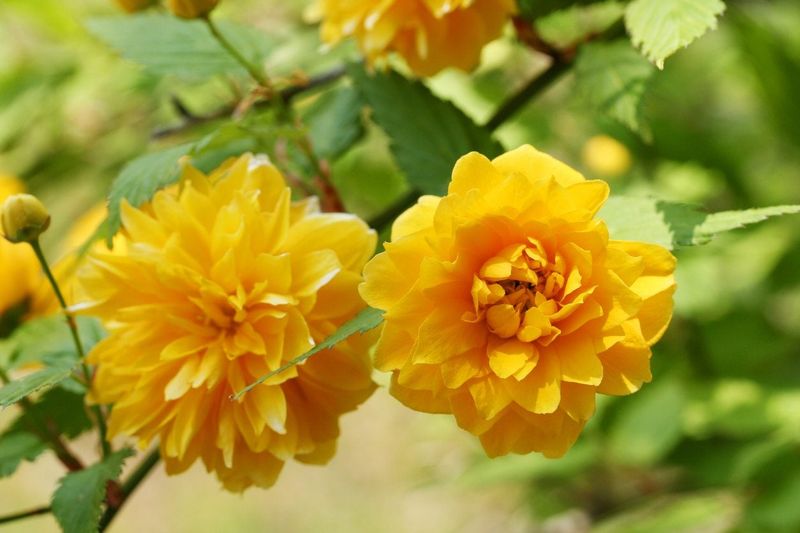
With its cheerful yellow blooms that resemble pom-poms, Kerria Japonica is a shrub that deserves more attention. Known for its resilience, it flourishes even in partial shade. The delightful blossoms appear in early spring, bringing a splash of color after a dull winter. This deciduous shrub is native to China and Japan, where it’s cherished for its ease of care. Kerria Japonica grows gracefully, providing a textured backdrop to garden borders. Did you know? It’s named after William Kerr, a Scottish plant collector credited with introducing this plant to the West.
2. Beautyberry (Callicarpa)
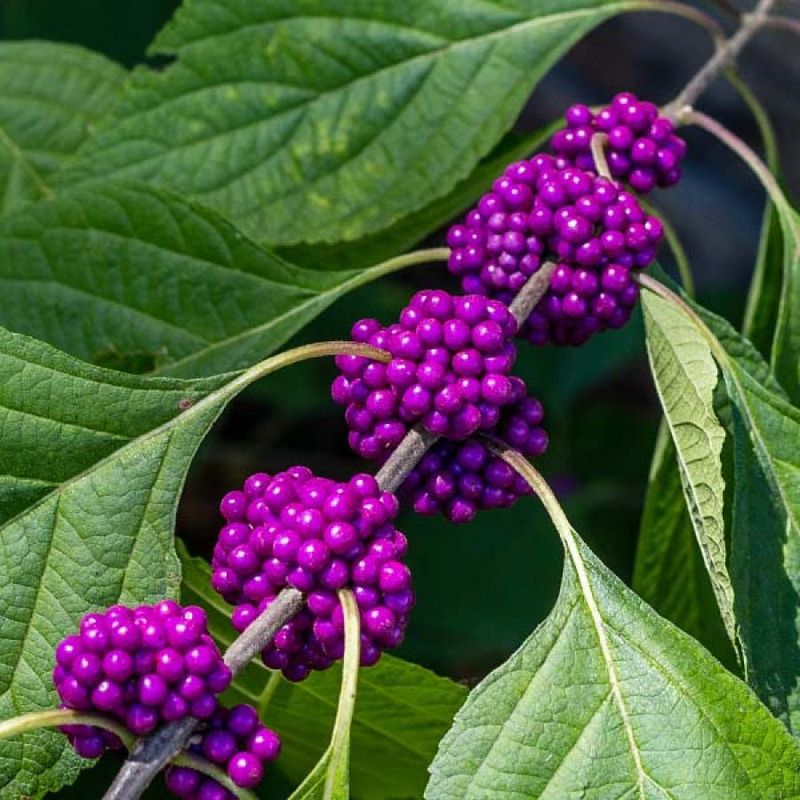
Beautyberry is a visual delight, with clusters of striking purple berries that appear in fall. These berries are not only decorative but also attract birds, adding life to your garden. The shrub’s arching branches create an elegant shape, making it a lovely addition to any landscape. Native to Asia and North America, Beautyberry adapts well to various soil types. Its easy-care nature makes it perfect for gardeners seeking low-maintenance beauty. Historically, its berries were used in folk medicine. The vibrant color contrast between berries and foliage provides a unique visual treat.
3. Sweetshrub (Calycanthus floridus)
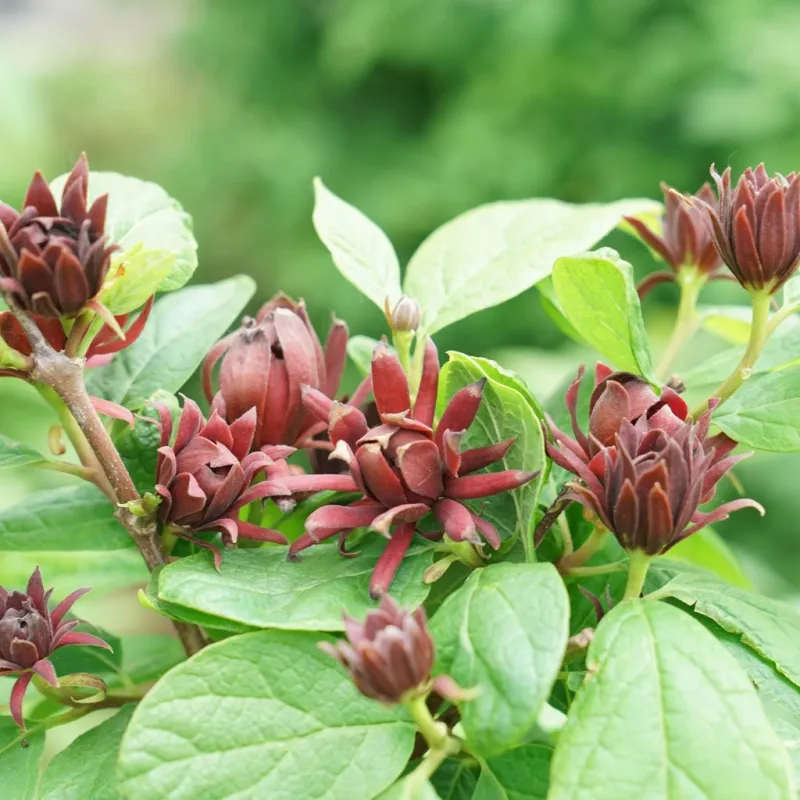
Sweetshrub, or Carolina Allspice, emits a captivating fragrance reminiscent of ripe strawberries. Maroon flowers bloom in late spring, drawing in admirers with both their scent and visual appeal. This shrub thrives in diverse climates, showcasing its adaptability. Native to the southeastern United States, Sweetshrub has a storied history among indigenous tribes for its aromatic properties. Beyond its beauty, the shrub is deer-resistant, making it a practical choice for gardens. Its lush green leaves form an attractive backdrop throughout summer. Sweetshrub is a charming addition to sensory gardens.
4. Abelia (Abelia x grandiflora)
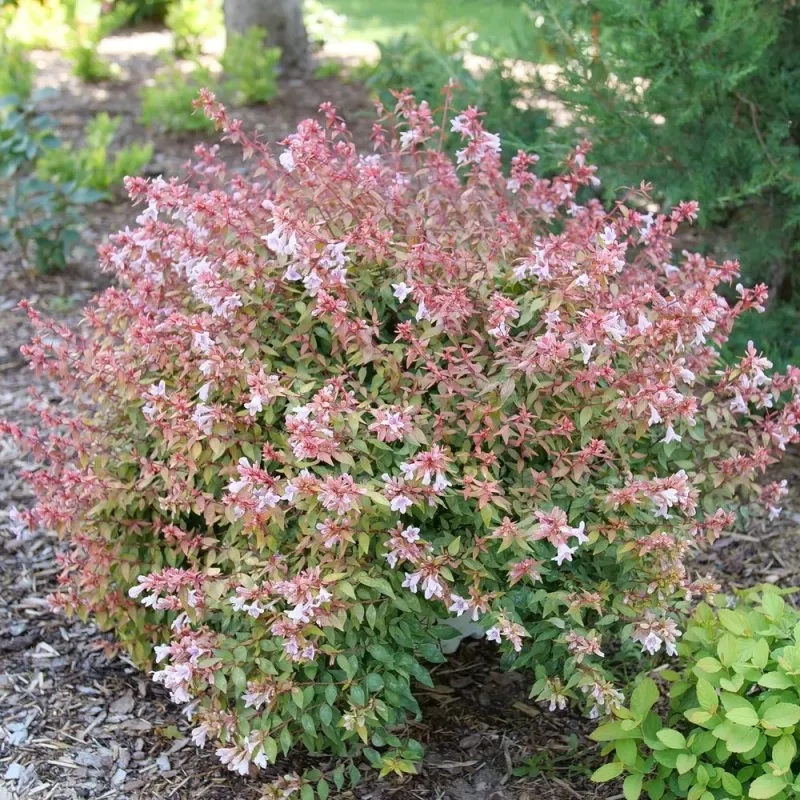
Abelia is a versatile shrub with semi-evergreen foliage and delicate, tubular flowers ranging from pink to white. These blooms attract hummingbirds and butterflies, adding dynamic life to your garden throughout summer and fall. Abelia’s glossy leaves provide year-round interest, with some varieties showcasing bronze or purple hues in cooler months. This hardy plant is native to China and has been cultivated for its ornamental value. Easy to maintain, it tolerates various soil and light conditions. Abelia is perfect for hedges, borders, or container planting, offering both beauty and functionality.
5. Spirea (Spiraea)
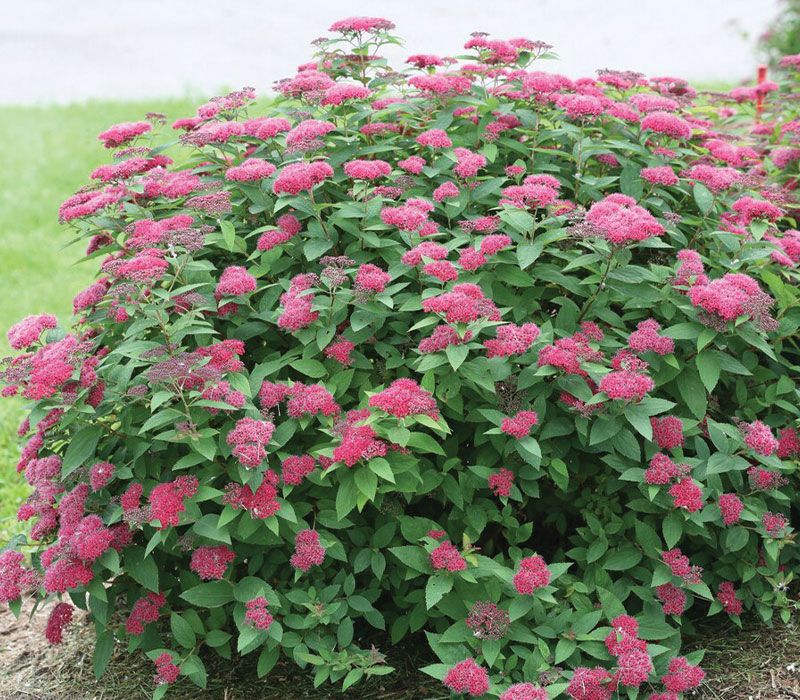
Spirea is celebrated for its cascading clusters of small pink or white flowers that create a stunning visual display in spring and summer. This deciduous shrub is native to temperate regions across the Northern Hemisphere, known for its adaptability and ease of care. The flowers not only add aesthetic appeal but also attract pollinators, supporting the local ecosystem. Spirea’s foliage often changes color in the fall, adding seasonal interest. Its resilience makes it suitable for various garden settings, from borders to mixed beds. Spirea brings vibrant color and texture to any landscape.
6. Ninebark (Physocarpus opulifolius)
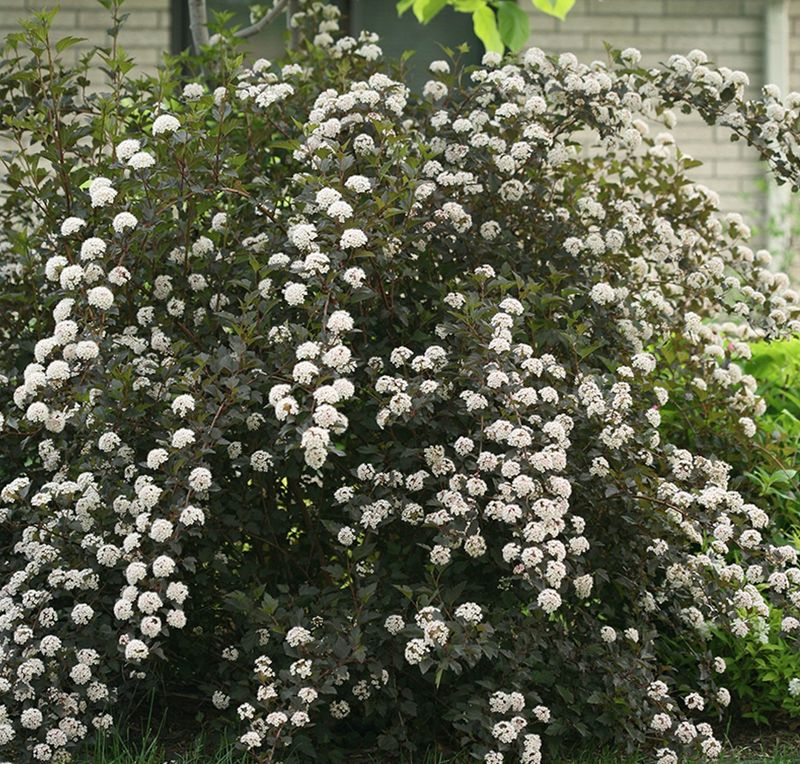
Ninebark is a hardy shrub known for its unique peeling bark, which adds winter interest to gardens. In spring, it produces clusters of white or pink flowers, followed by red seed capsules that persist into fall. This North American native is valued for its adaptability, thriving in various soil types and climates. Ideal for erosion control, Ninebark’s robust root system stabilizes soil on slopes. Its dense foliage provides cover for wildlife, enhancing biodiversity. The name ‘Ninebark’ comes from the appearance of its layered bark. This shrub adds structure and beauty to landscapes year-round.
7. Elderberry (Sambucus nigra)
Elderberry is a versatile shrub, renowned for its clusters of small white flowers in spring, followed by dark, edible berries. These berries are rich in antioxidants and have been used in traditional remedies. The shrub’s feathery foliage creates a soft, elegant appearance in gardens. Elderberry is native to Europe and North America, thriving in a variety of conditions with minimal maintenance. It’s often planted for its health benefits, as well as its ornamental value. Birds are attracted to its berries, adding vibrant activity to your landscape. Elderberry is both functional and beautiful.
8. Viburnum (Viburnum opulus)
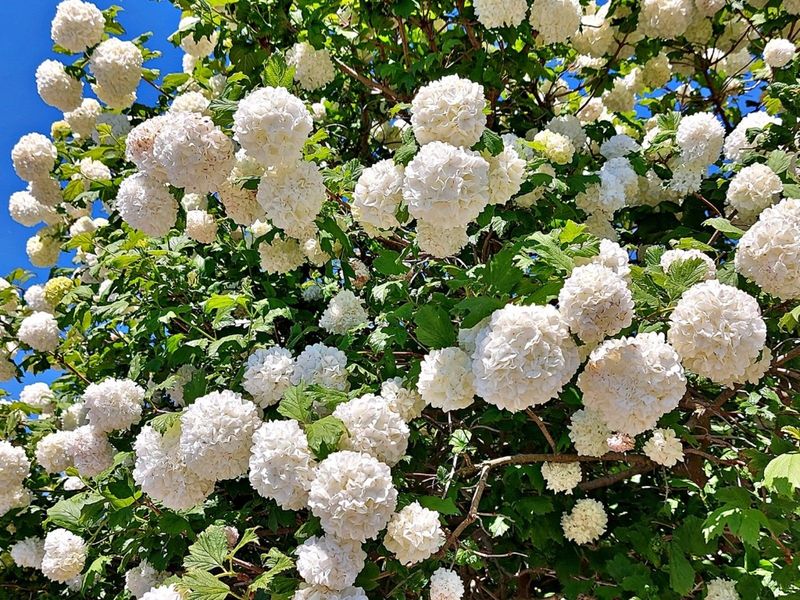
Viburnum is celebrated for its snowball-like clusters of white flowers that bloom in spring. These showy blossoms are followed by red berries that attract birds, offering ecological benefits. The shrub’s lush green foliage turns a stunning red or purple in fall, adding seasonal color to gardens. Viburnum is adaptable to various conditions, making it a favorite among gardeners. Native to Europe and Asia, it has been cultivated for centuries for its ornamental appeal. Viburnum’s versatility and beauty make it an excellent choice for hedges, borders, or standalone specimens.
9. Butterfly Bush (Buddleja davidii)
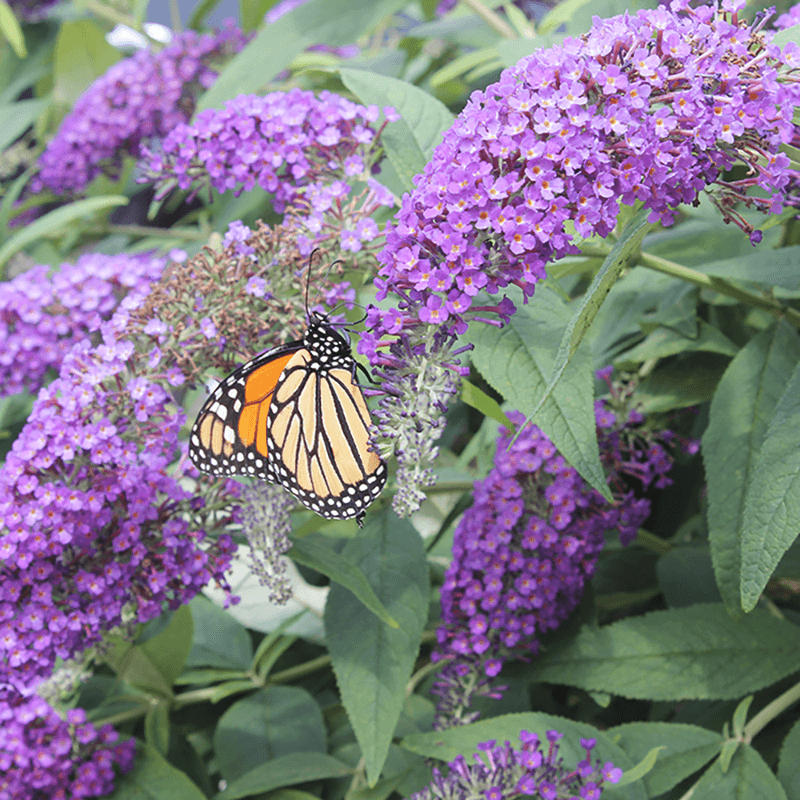
The Butterfly Bush is named for its ability to attract a myriad of butterflies with its fragrant, nectar-rich flowers. These long spikes of lilac, pink, or purple blossoms appear in summer and continue into fall, making it a vibrant addition to any garden. This deciduous shrub is native to China and Japan, where it’s prized for its ease of cultivation. Butterfly Bush is drought-tolerant and thrives in sunny locations. Its rapid growth and stunning blooms provide immediate impact in landscapes. This shrub is ideal for wildlife gardens, offering beauty and ecological value.
10. Forsythia (Forsythia x intermedia)
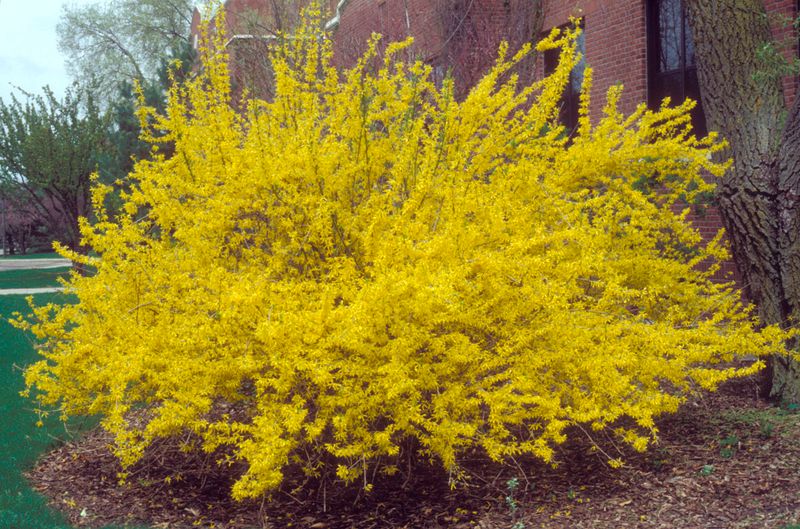
Forsythia heralds the arrival of spring with its bright yellow flowers that emerge before the leaves. This early bloomer creates a striking display against bare branches, offering hope after winter’s chill. Forsythia is easy to grow, thriving in various soil types and light conditions. Native to Asia, it’s often used in traditional medicine. The shrub’s arching branches add architectural interest to gardens. Forsythia can be used for hedges or as a standalone specimen, providing cheerful color and form. Its vibrant flowers and vigorous growth make it a beloved choice for spring gardens.
11. Mock Orange (Philadelphus)
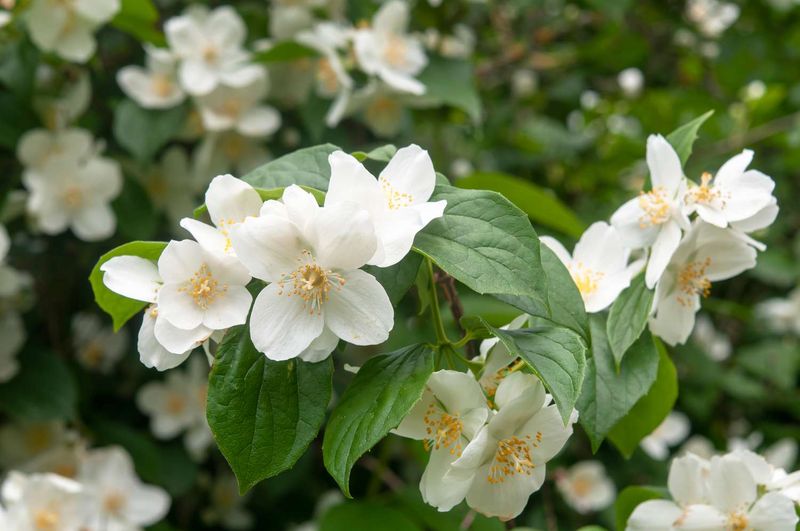
Mock Orange is treasured for its fragrant white flowers, reminiscent of orange blossoms. These blooms appear in late spring, filling gardens with a sweet, citrusy scent. The shrub’s arching branches and lush foliage create a romantic, old-world charm. Mock Orange is native to Europe, Asia, and North America, adapting well to diverse conditions. Its enchanting fragrance and ease of care make it a popular choice for sensory gardens. Beyond its beauty, the shrub’s dense growth provides excellent privacy when used as a hedge. Mock Orange adds elegance and aroma to any landscape.
12. Carolina Allspice (Calycanthus occidentalis)
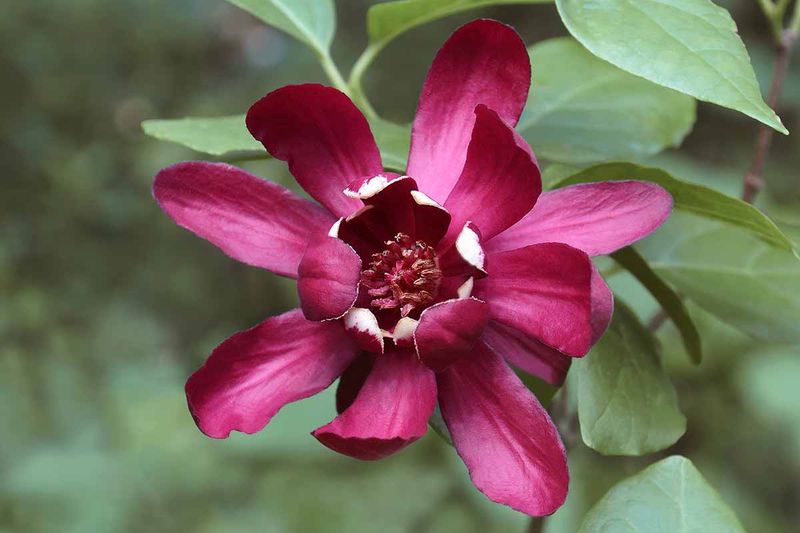
Imagine a garden filled with the warm, spicy scent of cinnamon. Carolina Allspice offers not just fragrance but also eye-catching, deep red blooms.
Perfect for a shaded corner, this hardy shrub thrives with minimal care. Its glossy, green leaves provide a lush backdrop for the star-shaped flowers.
Known for its drought tolerance, it’s a great choice for those who prefer low-maintenance beauty. Historically, native tribes used the bark for medicinal purposes. Today, it continues to please with its aromatic allure and striking appearance.
13. Mountain Laurel (Kalmia latifolia)
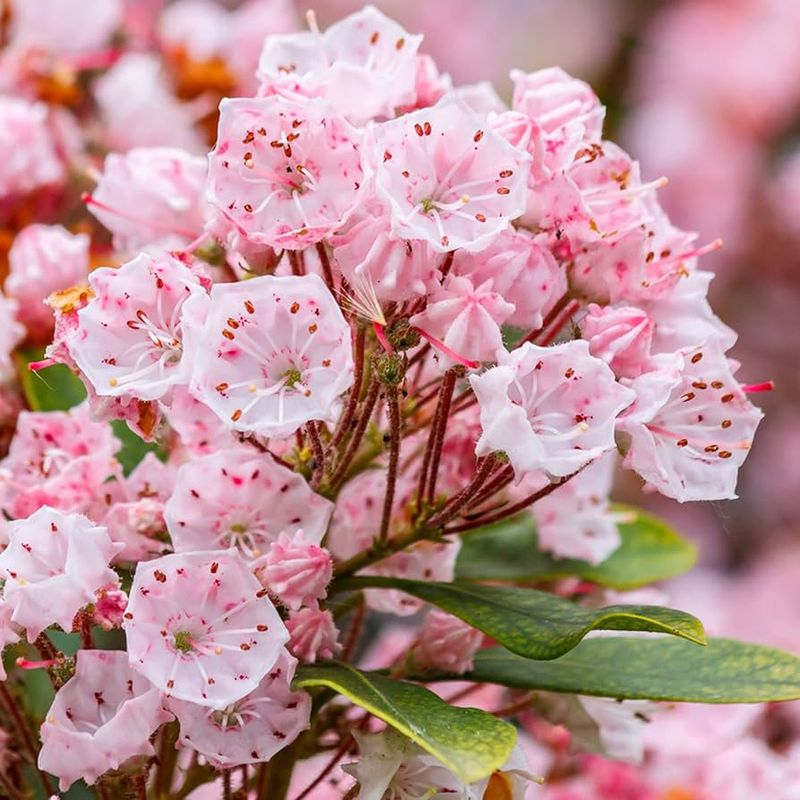
With blossoms reminiscent of candy cups, Mountain Laurel is a hidden gem. This shrub bursts into color with pink and white flowers that captivate any onlooker.
Adored for its glossy evergreen leaves, it’s as attractive as it is resilient. This native beauty thrives in woodland settings, adding delicate charm.
A favorite among butterflies, it brings life and movement to gardens. Despite its beauty, early American settlers once believed it contained mystical properties. It’s easy to see why this enchanting plant is unforgettable.
14. Fothergilla (Fothergilla major)
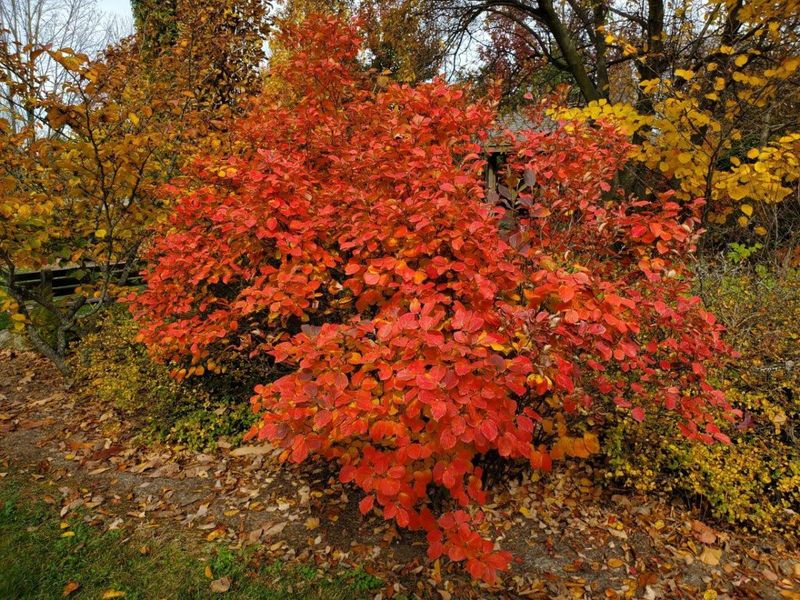
Fothergilla’s charm lies in its seasonal transformation. In spring, it unveils bottlebrush blooms, creamy white, buzzing with bees.
As autumn arrives, its foliage becomes a spectacle of color, transitioning from yellow to orange to red. This shrub is adored for its year-round interest.
Plant it where its fragrance can be appreciated, as the scent is sweet and honey-like. Native to the southeastern U.S., it’s both hardy and adaptable, serving as a delightful highlight in any garden.
15. Japanese Aralia (Fatsia japonica)
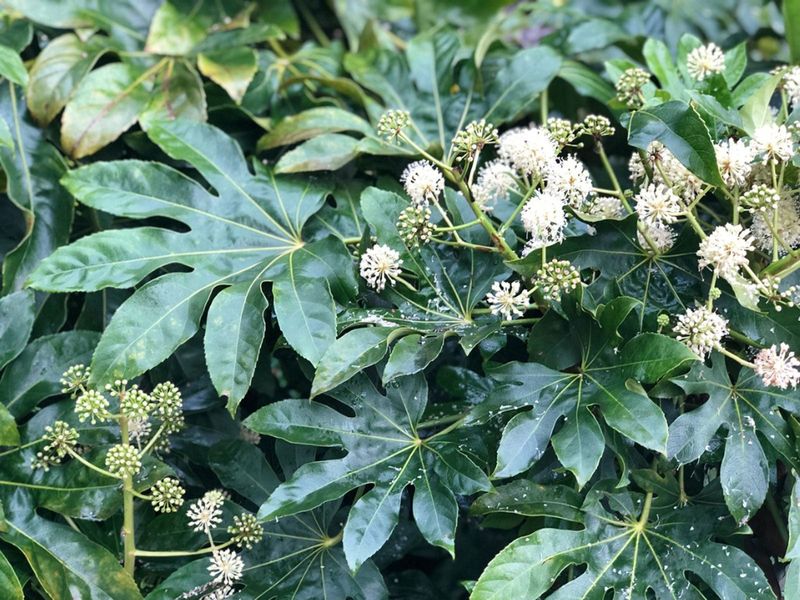
Japanese Aralia stands out with its tropical allure, featuring large, glossy leaves that create a lush look.
In fall, it surprises with clusters of small white flowers, adding contrast to its deep green foliage. This shrub thrives in shade, making it perfect for less sunny spots.
Remarkably tolerant of urban environments, it’s ideal for city gardens. Once thought to ward off evil spirits, it’s still appreciated for its bold and striking presence in contemporary landscapes.
16. Summersweet (Clethra alnifolia)
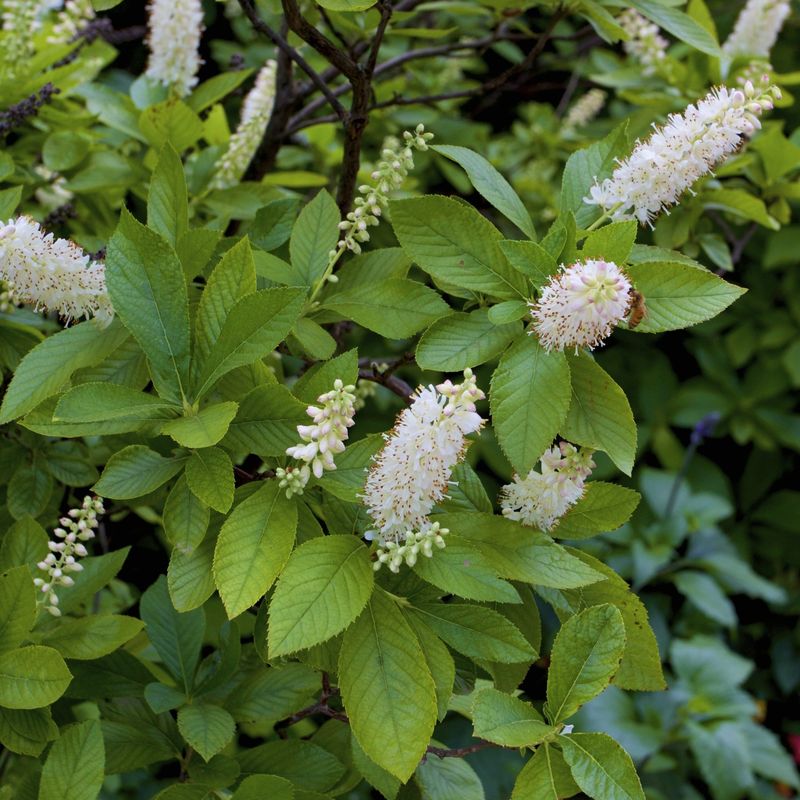
Sweetly fragrant, Summersweet earns its name with vanilla-scented blossoms that appear in midsummer.
These white flower spikes attract pollinators, making it a lively addition to gardens. Its adaptability to wet soils makes it a reliable choice for challenging spots.
Autumn brings a yellow foliage, adding another layer of appeal. Native to Eastern North America, it’s a testament to endurance and beauty. Historically, it’s been used for its cleansing properties, but today it shines in gardens for its delightful fragrance.
17. Daphne (Daphne odora)
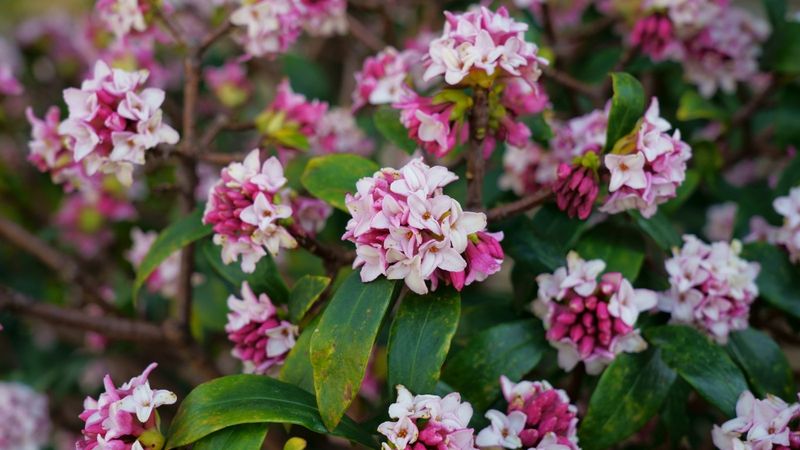
Renowned for its intoxicating scent, Daphne is a winter gem that reveals clusters of pink blossoms.
These flowers are not only beautiful but offer a fragrance that lingers, lifting spirits even in cold months.
Though considered finicky by some, with the right spot, it flourishes, offering elegance and allure. In ancient lore, it was associated with the nymph Daphne, and its beauty continues to enchant those who encounter it.
It demands well-drained soil, rewarding careful placement with spectacular blooms.
18. Sea Buckthorn (Hippophae rhamnoides)
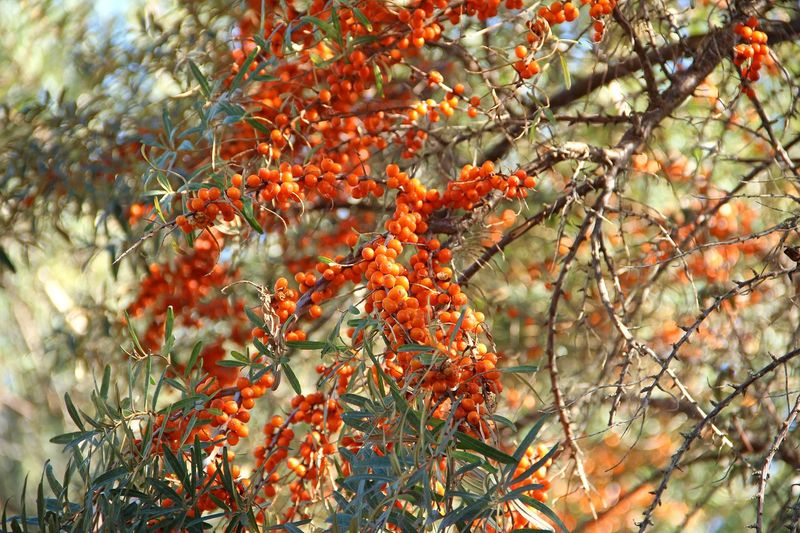
Sea Buckthorn is more than a shrub; it’s a powerhouse of nutrition, adorned with bright orange berries.
These berries are a vibrant contrast to its silvery-green foliage, providing visual interest year-round.
It thrives in coastal areas, tolerant of salty winds and poor soils, making it perfect for difficult sites. Known in traditional medicine for its healing properties, today it’s valued both for its health benefits and its aesthetic appeal. It’s a rugged charmer, capable of transforming barren landscapes into thriving vistas.