 Complete Gardening
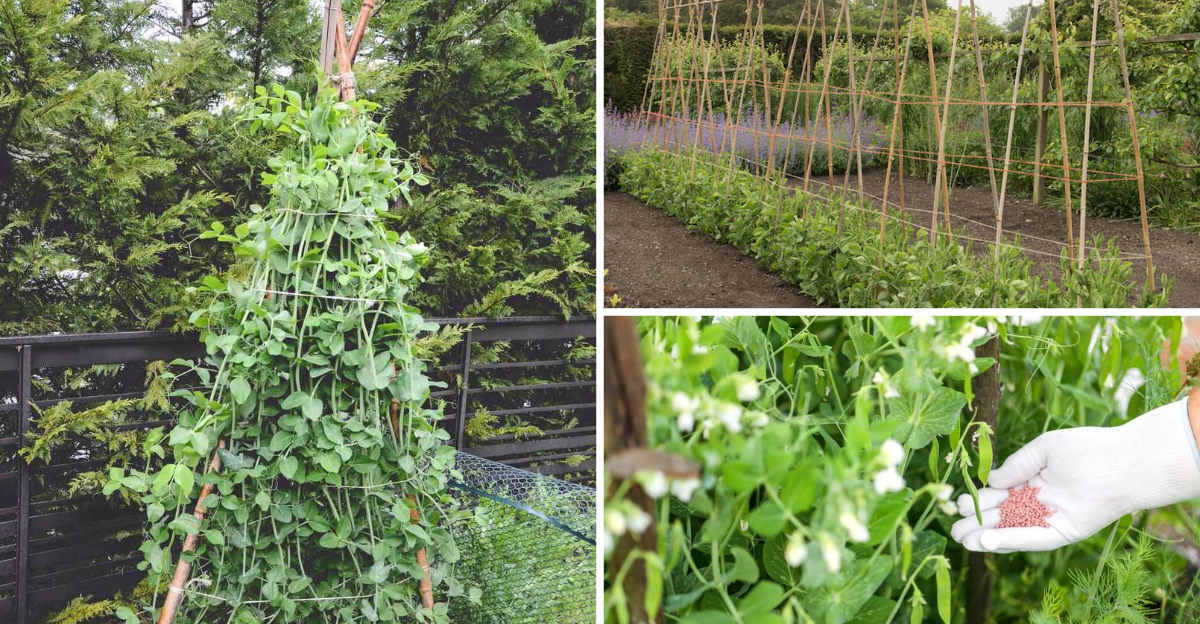
Growing peas can be a rewarding summer activity, offering fresh produce for your meals. However, even seasoned gardeners may stumble upon common pitfalls that hinder their pea-growing success. This guide highlights 18 specific mistakes to avoid, ensuring a flourishing garden and a bountiful harvest come summer’s end. From soil preparation to pest management, each item is crafted to guide you through the intricacies of pea gardening with precision and care. Whether you’re a novice or a seasoned gardener, avoiding these mistakes will set your peas on the path to prosperity this summer.
1. Improper Soil Preparation
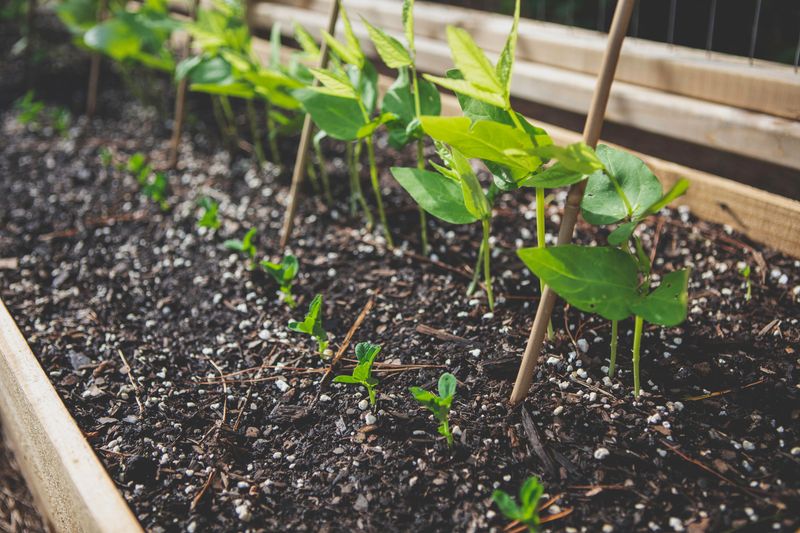
Have you ever wondered why your peas aren’t thriving? One common oversight is neglecting proper soil preparation. Peas thrive in well-drained, loamy soil with a pH between 6 and 7.5. Before planting, ensure your soil meets these criteria by testing its pH and adjusting as necessary.
Using compost and organic matter can improve soil structure, providing the nutrients peas need. Avoid compacting the soil, as this restricts root growth, crucial for healthy pea plants. Remember, well-prepared soil is the foundation for a successful pea-growing season.
2. Planting Too Late
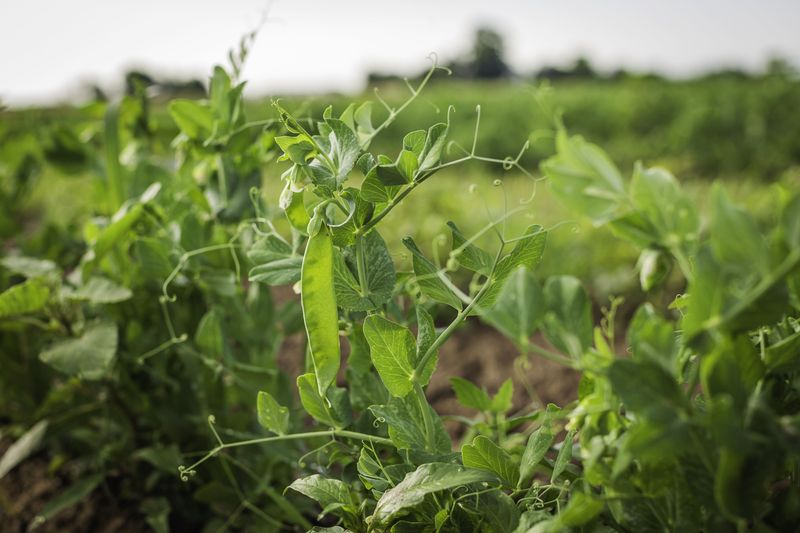
Timing is everything when it comes to planting peas. Plant them too late, and you’ll face the challenging heat of summer, which can stunt growth. Peas prefer cooler temperatures, making early spring the optimal time for planting.
Check your local frost dates and plant peas as soon as the soil can be worked. This gives them enough time to mature before hot weather sets in, ensuring a robust crop. If you miss the early window, consider sowing peas in a shaded area to extend their growth period.
3. Ignoring Pest Control
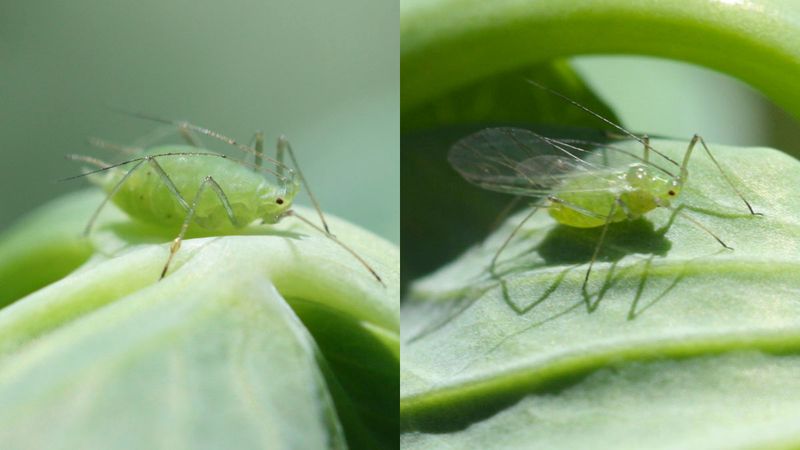
Pests can quickly turn your pea plants into a gardener’s nightmare. Ignoring pest control leads to damaged plants and reduced yields. Common pests include aphids, snails, and caterpillars, all of which can wreak havoc on your garden.
Employ natural pest control methods, such as introducing beneficial insects like ladybugs or using organic repellents. Regularly inspect your plants for signs of pest activity and act promptly to prevent infestations. By prioritizing pest control, you can protect your peas and ensure a healthy harvest.
4. Overwatering
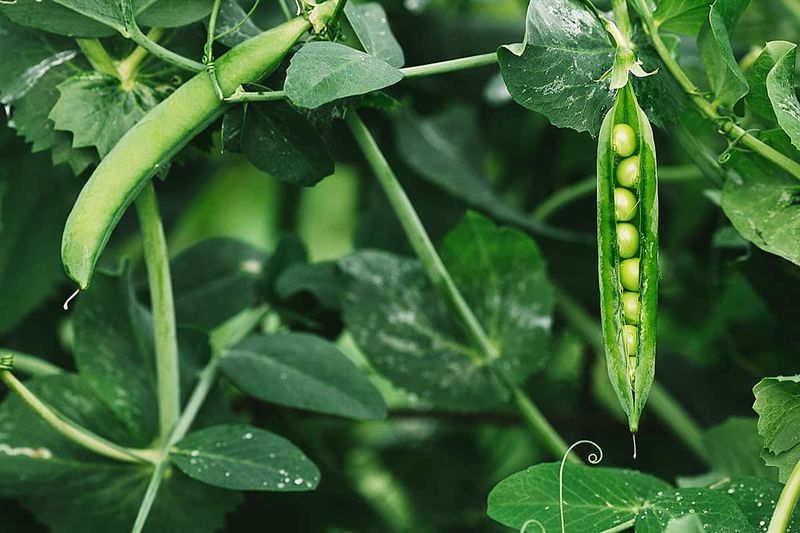
Overwatering is a common mistake that can suffocate your pea plants. Peas require consistent moisture, but too much water leads to root rot and fungal diseases. Understanding your plants’ water needs is crucial for their health.
Check the soil moisture regularly, ensuring it’s damp but not waterlogged. Water early in the morning to allow excess moisture to evaporate, reducing disease risk. By balancing watering needs, you can nurture strong and resilient pea plants.
5. Crowded Planting
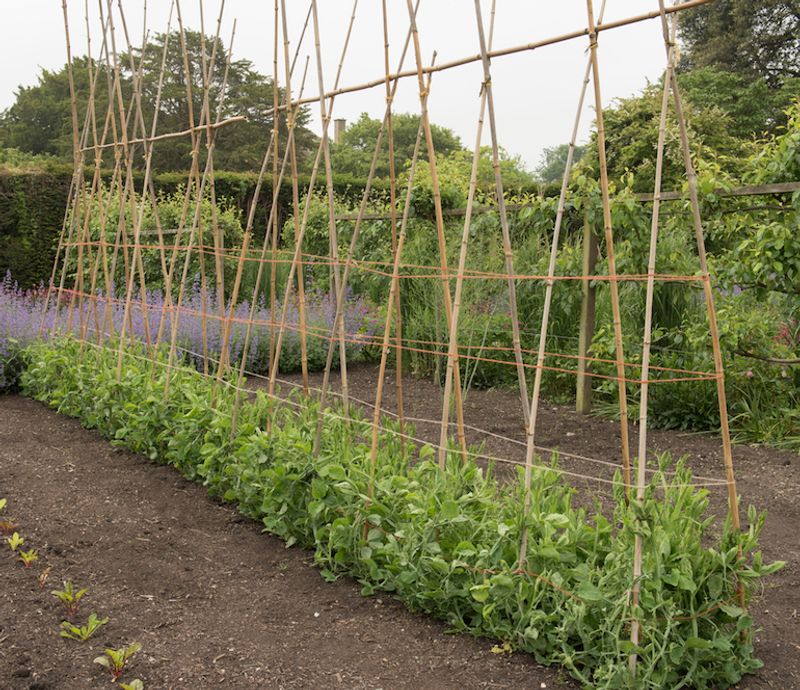
Space is a valuable commodity in gardening, and overcrowding your pea plants can severely impact their growth. When plants are too close, they compete for nutrients, sunlight, and space, leading to stunted development.
Ensure each plant has enough room to grow by following recommended spacing guidelines. This promotes air circulation, reduces disease risk, and allows each plant to reach its full potential. Remember, giving your peas space to breathe is as important as the care you provide them.
6. Neglecting Trellising
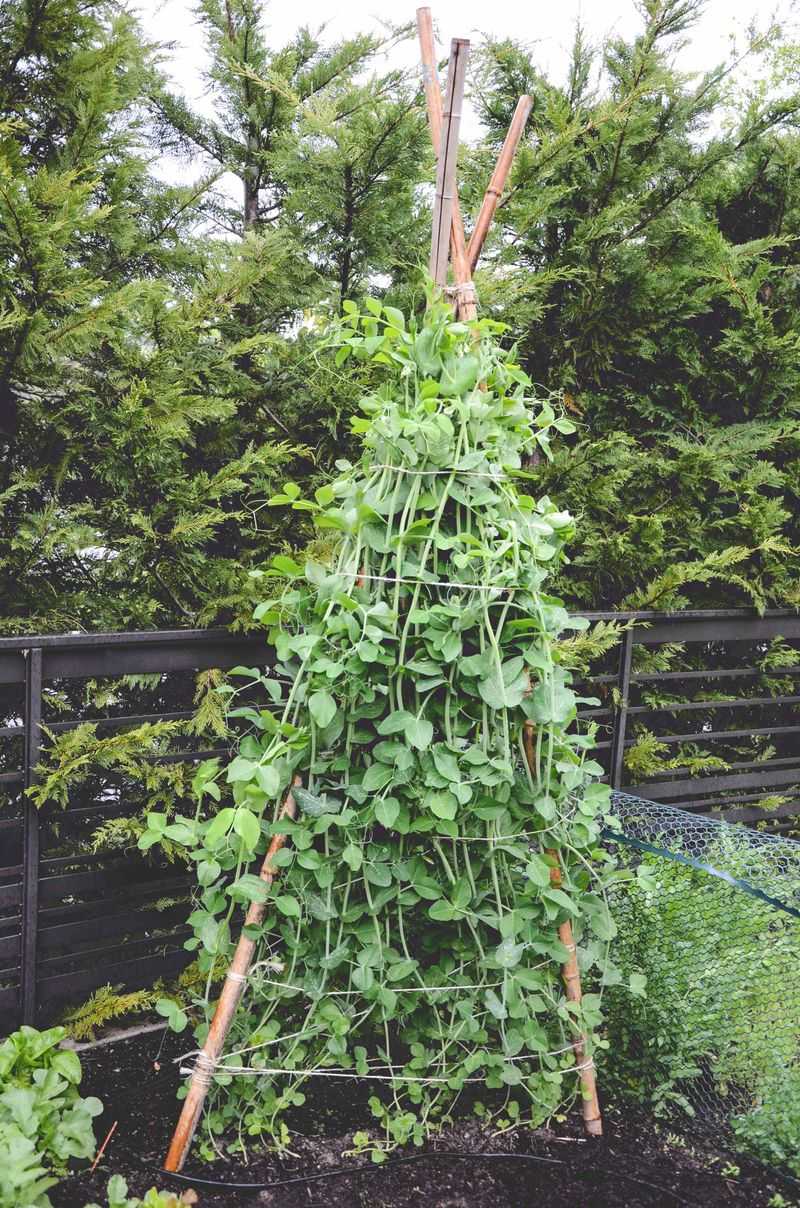
Peas are natural climbers and thrive when they have support to grow upwards. Neglecting to provide a trellis can lead to tangled plants and reduced yields. Supporting your pea plants encourages healthy growth and maximizes garden space.
Install a trellis or use stakes to guide your peas as they grow. This keeps them off the ground, reducing the risk of disease and making harvesting easier. Embrace trellising, and watch your peas reach new heights.
7. Using the Wrong Fertilizer
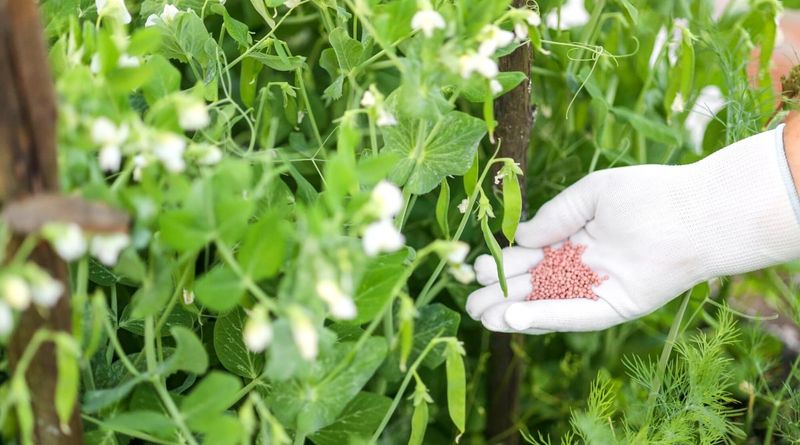
Fertilizing peas requires a careful balance. The wrong fertilizer can lead to lush foliage but poor pea production. Peas are light feeders and benefit from a low-nitrogen fertilizer to avoid excessive leaf growth.
Choose a balanced or phosphorus-rich fertilizer to support flower and pea development. Avoid fertilizers high in nitrogen, as they can hinder fruiting. By selecting the correct fertilizer, you ensure your pea plants focus energy on producing delicious pods.
8. Ignoring Mulching
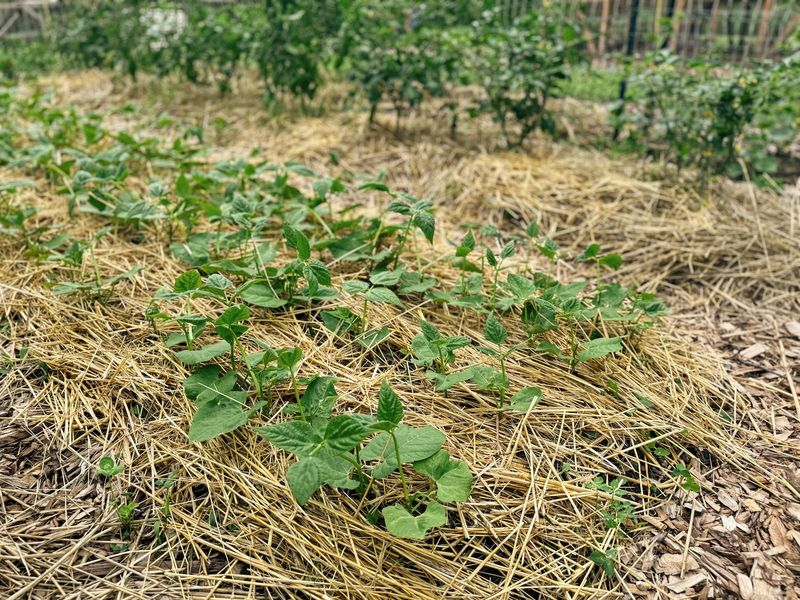
Mulching is an often-overlooked practice that offers numerous benefits for pea plants. Ignoring it can lead to increased weeds and moisture loss, which stress your plants. Mulch helps retain soil moisture, suppress weeds, and regulate soil temperature.
Apply a layer of organic mulch around your peas to lock in moisture and deter weeds. This simple step can make a significant difference in plant health and yield. Don’t underestimate the power of mulching in your gardening routine.
9. Skipping Soil Testing
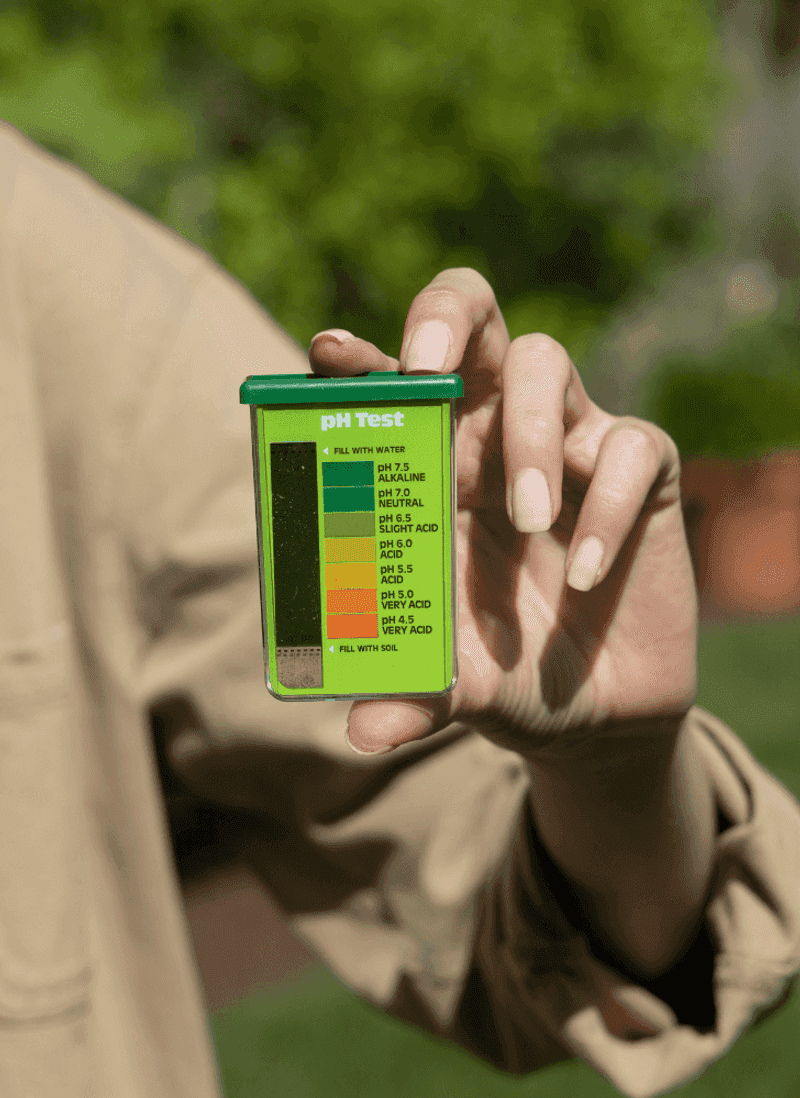
Skipping soil testing is a gamble that can affect your pea crop’s success. Understanding your soil’s composition and pH is essential for optimal growth. Soil testing identifies nutrient deficiencies and allows you to amend soil accordingly.
Test your soil before planting to ensure it’s suitable for peas. This proactive measure saves time and resources, enabling a thriving garden. Remember, soil testing is an investment in your garden’s future.
10. Inadequate Sunlight
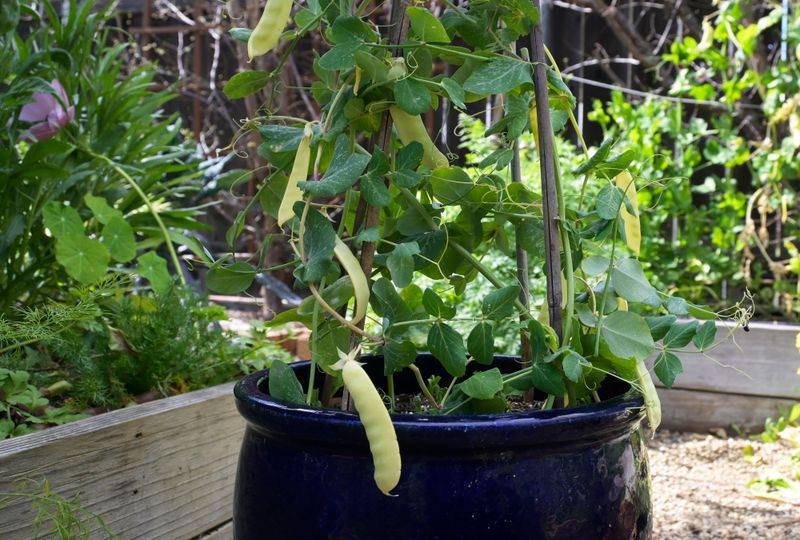
Peas need sunlight to flourish. Placing them in a shaded spot can stunt their growth and reduce yields. Ensure your garden receives at least six hours of direct sunlight daily for optimal pea development.
If your garden lacks sunlight, consider planting peas in containers that can be moved to sunnier locations. Providing adequate sunlight is crucial for healthy, productive pea plants.
11. Ignoring Crop Rotation
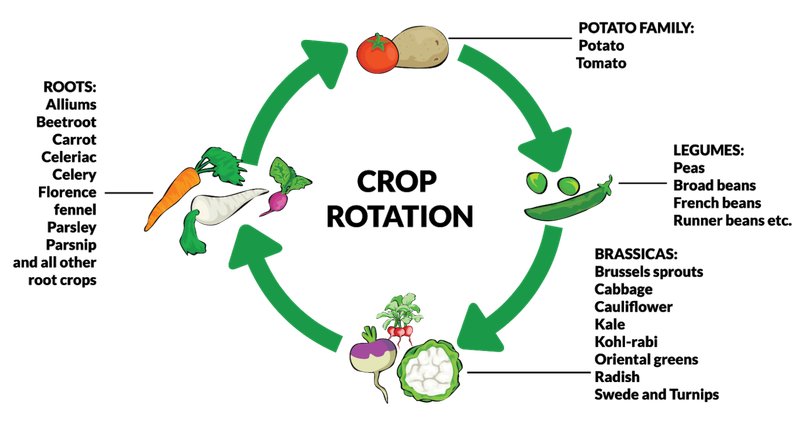
Crop rotation is a vital practice that prevents soil depletion and disease build-up. Ignoring it can lead to poor soil health and increased pest problems. Rotating crops replenishes nutrients and disrupts pest life cycles.
Plan your garden layout to rotate peas with other crops annually. This practice enhances soil fertility and reduces disease risk. Embrace crop rotation for a sustainable and productive garden.
12. Failure to Thin Seedlings
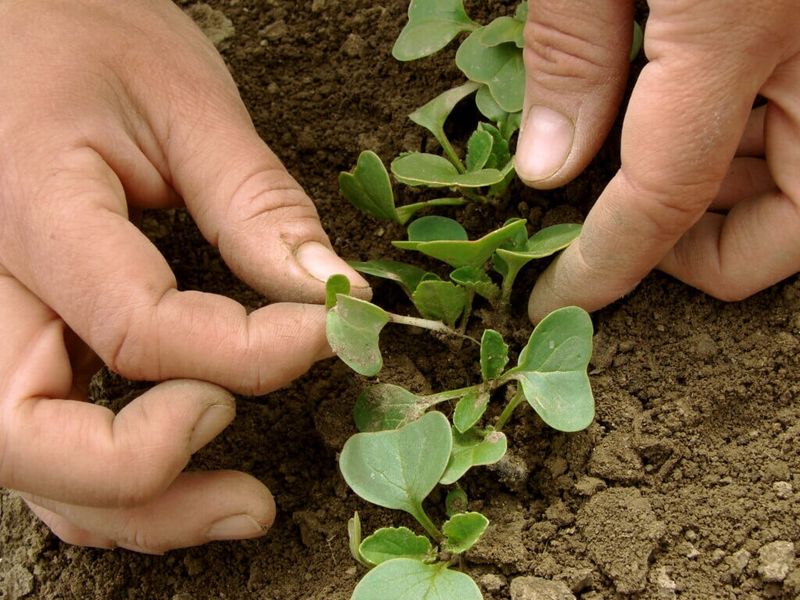
Failure to thin seedlings is a common oversight that can impact growth. Overcrowded seedlings compete for resources, leading to weak plants. Thinning ensures each pea plant has room to thrive.
Once seedlings emerge, thin them to the recommended spacing. This promotes healthy development and robust yields. By thinning your seedlings, you set the stage for a successful growing season.
13. Improper Harvesting Techniques
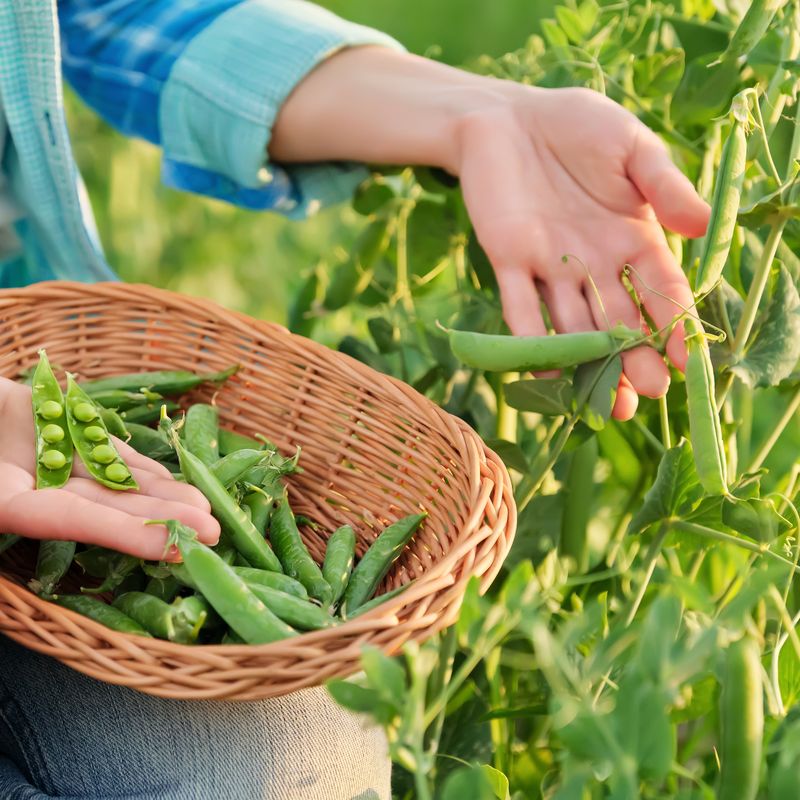
Harvesting peas requires a gentle touch. Improper techniques can damage plants and reduce future yields. Pick peas when they’re plump and full, using two hands to avoid pulling the plant.
Hold the vine with one hand and pick with the other to protect plants from harm. Regular harvesting encourages more peas, extending your yield. Mastering proper harvesting techniques is key to a bountiful pea crop.
14. Lack of Companion Planting
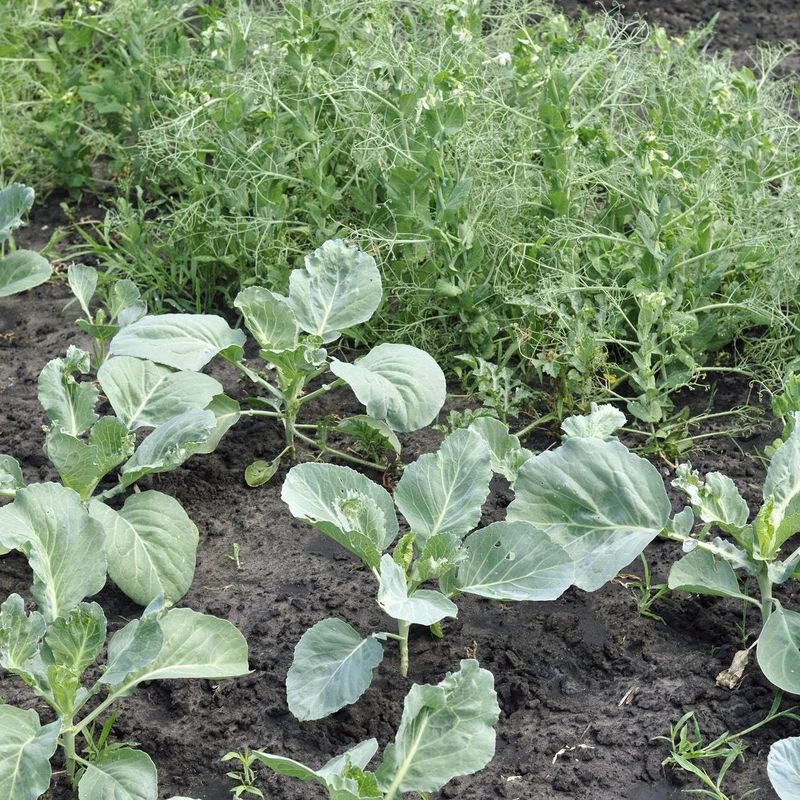
Companion planting is an overlooked strategy that enhances garden diversity and health. Ignoring it misses the opportunity to naturally deter pests and promote growth. Peas thrive alongside crops like carrots and radishes.
Incorporate companion plants to improve soil health and deter pests without chemicals. This practice fosters a balanced ecosystem and supports your peas in flourishing.
15. Overlooking Disease Prevention
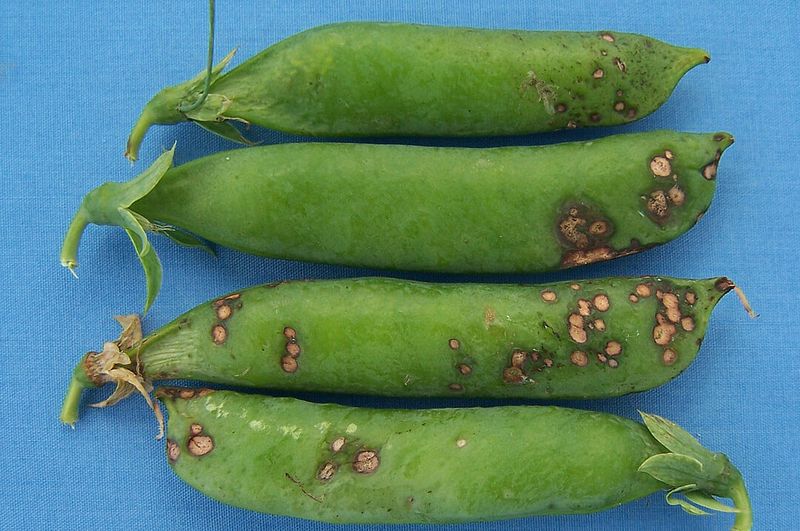
Disease prevention is crucial for healthy pea plants. Overlooking it can lead to devastating crop failures. Common diseases include powdery mildew and root rot, which thrive in specific conditions.
Maintain garden hygiene and practice crop rotation to reduce disease risks. Choose disease-resistant pea varieties and monitor plants regularly. By prioritizing disease prevention, you safeguard your pea harvest.
16. Storing Seeds Improperly
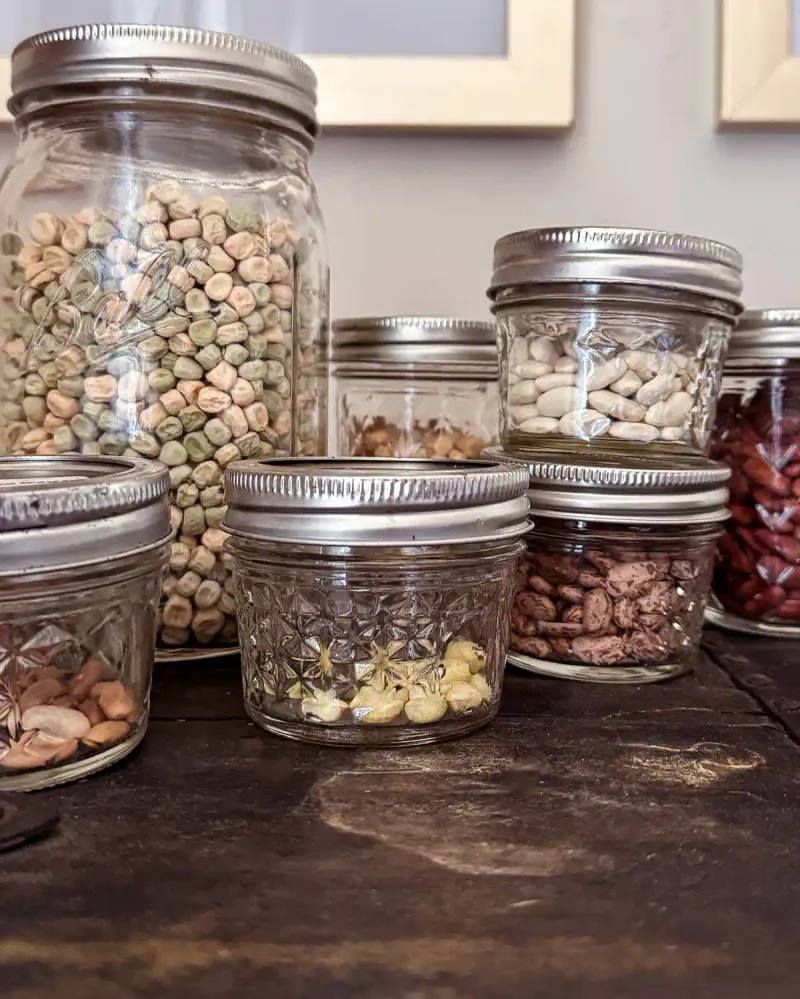
Storing pea seeds improperly can affect germination rates and future crops. Seeds need a cool, dry place for storage to remain viable. Improper storage exposes seeds to moisture and temperature fluctuations, reducing their quality.
Store seeds in airtight containers, away from light and humidity. Label them with planting dates for reference. Proper seed storage ensures healthy plants for upcoming seasons.
17. Underestimating Wildlife Impact
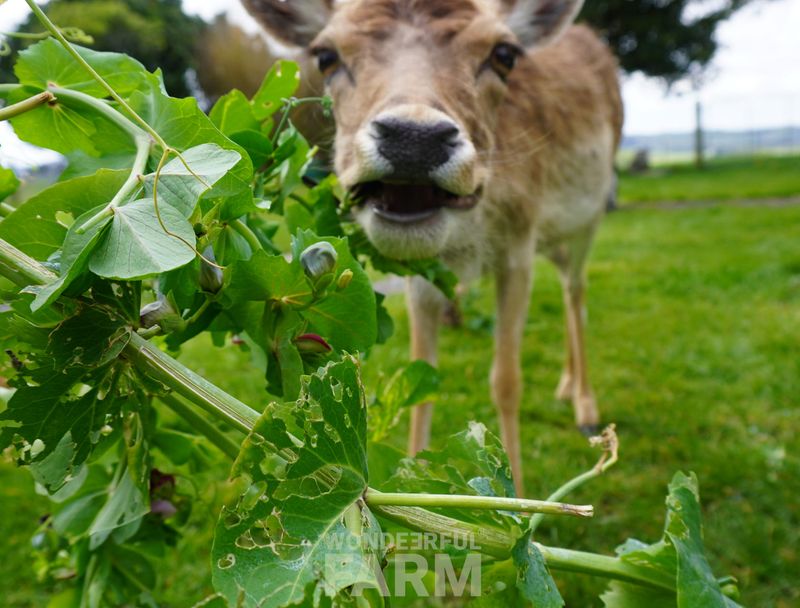
Wildlife can wreak havoc on your pea plants if not addressed. Birds, rabbits, and deer are common culprits that enjoy munching on tender plants.
Implement protective measures, such as netting or fencing, to deter wildlife from your garden. Observing and adapting to wildlife activity helps preserve your pea crop for harvest. Be proactive in safeguarding your garden from these hungry visitors.
18. Ignoring Soil pH Levels
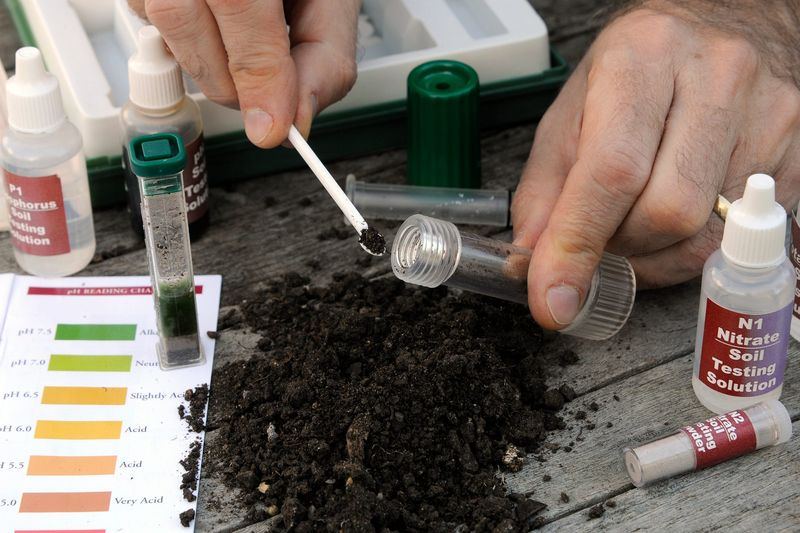
Did you know that soil pH can make or break your pea harvest? Peas thrive in slightly acidic to neutral soils, with a pH of 6.0 to 7.5. Ignoring this crucial aspect might lead to stunted growth or poor yields.
Testing your soil’s pH with a simple meter ensures you provide the best environment for your peas. Adjusting the pH can be as simple as adding lime to increase alkalinity or sulfur to boost acidity.
A balanced pH not only affects growth but also influences nutrient uptake, making it a vital factor for successful pea cultivation.