 Complete Gardening
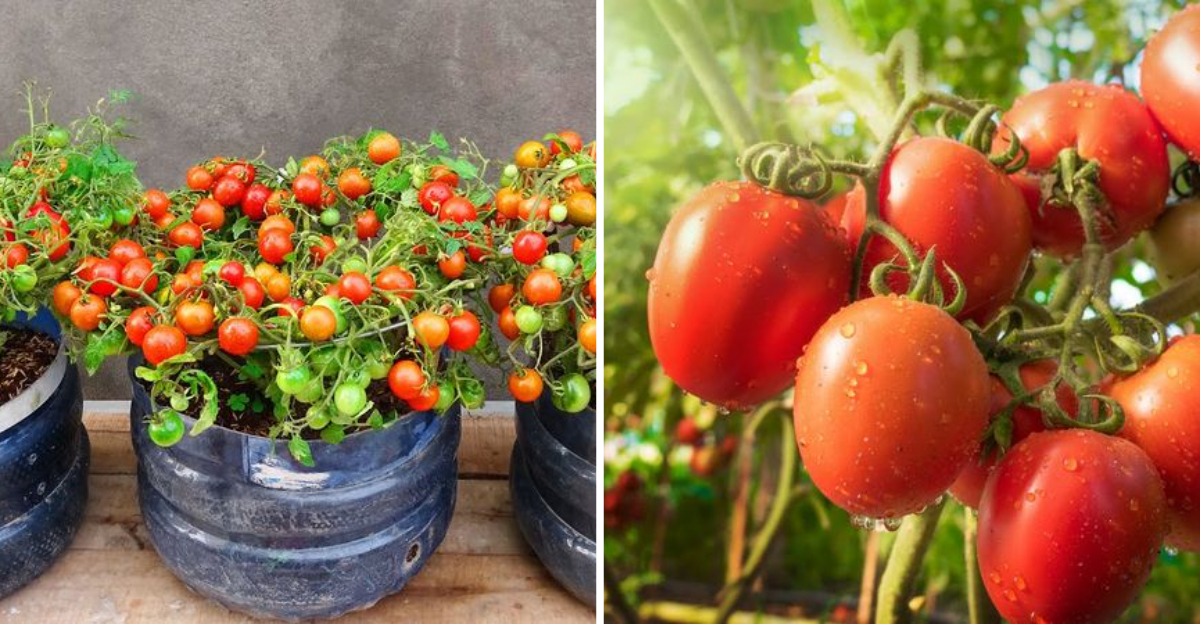
Growing cherry tomatoes can be a rewarding experience, offering juicy, sweet fruits perfect for salads and snacking. With the right tips and tricks, you can enjoy a bountiful harvest season after season. Explore these 18 essential gardening tips to maximize your cherry tomato yield and relish the satisfaction of homegrown produce.
1. Choose the Right Variety
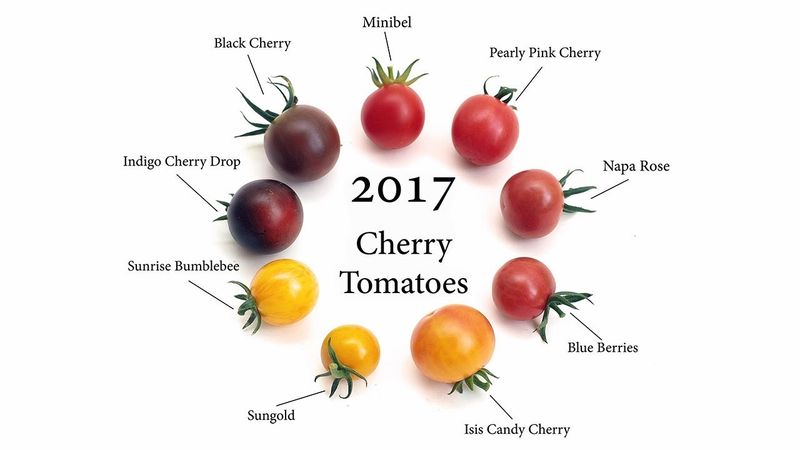
When it comes to growing cherry tomatoes, selection is key. Choosing the right variety can make all the difference. Consider your climate and taste preferences. Varieties like Sweet 100 and Sun Gold are known for their prolific yield and delightful sweetness.
If you prefer a more traditional tomato flavor, opt for the classic red cherry tomato. Always check the seed packet for growth habits and disease resistance to ensure a thriving garden.
A mix of different varieties can provide a colorful and tasty harvest that’s sure to impress family and friends.
2. Optimal Sunlight Exposure
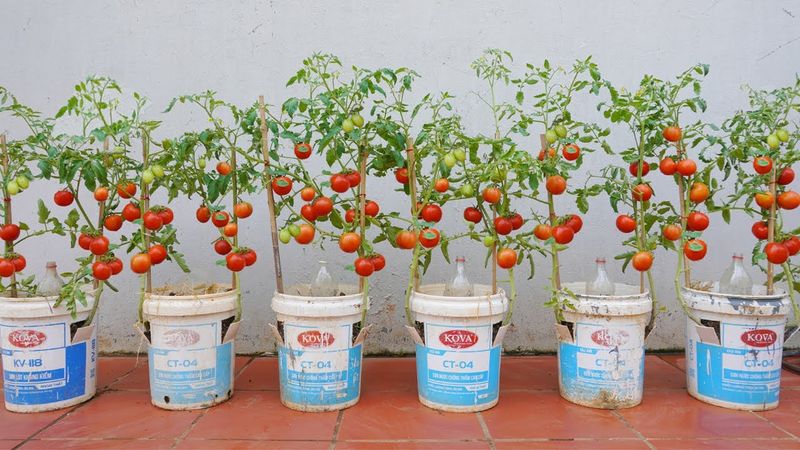
Sunlight is the lifeblood of tomato plants. They crave sunlight and require a minimum of six to eight hours daily. If you can provide more, even better!
Position your garden in a location that receives ample sunlight. Morning sun is preferable as it helps dry dew on the leaves, reducing disease risk.
If natural sunlight is limited, consider using grow lights to supplement. This ensures your plants get the energy they need to produce an abundance of fruit throughout the growing season.
3. Soil Preparation
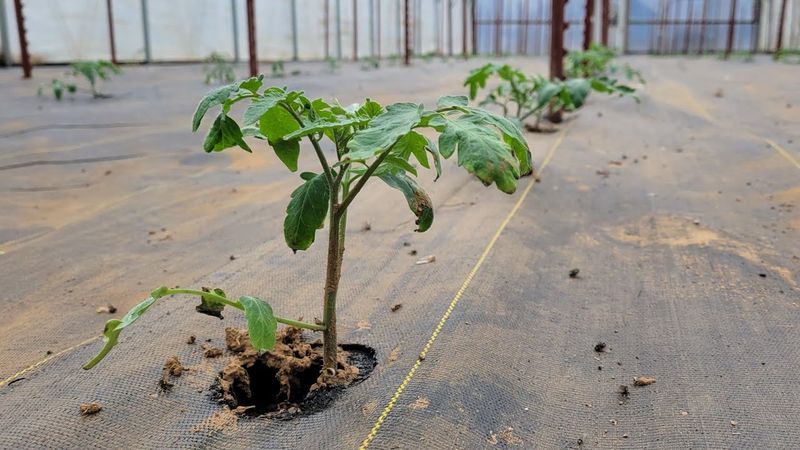
Before planting, focus on soil preparation. Cherry tomatoes thrive in well-drained, nutrient-rich soil. Begin by loosening the soil with a garden fork and removing any debris.
Incorporate organic matter such as compost or aged manure to enrich the soil. This boosts fertility and promotes healthy root development.
Testing the soil pH is also advisable. Cherry tomatoes prefer a slightly acidic to neutral pH between 6.0 and 7.0. Adjust with lime or sulfur as needed to optimize conditions for your plants.
4. Proper Watering Techniques
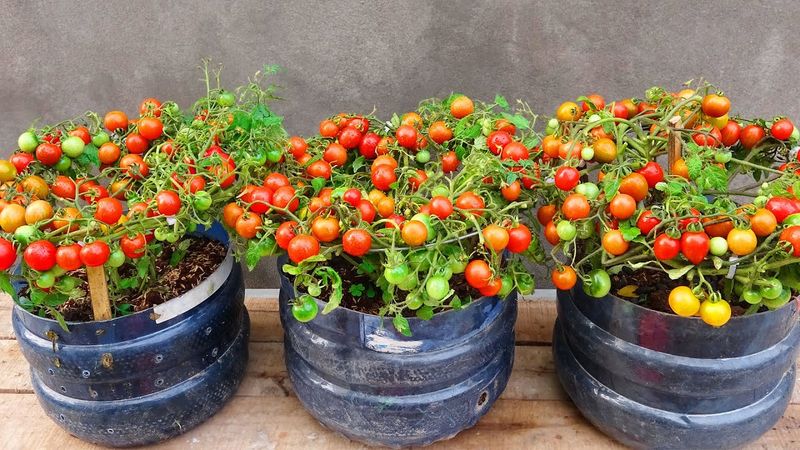
Watering is crucial in tomato gardening. Cherry tomatoes require consistent moisture but hate wet feet. Aim for deep watering once or twice a week, depending on weather conditions.
Water at the base to keep foliage dry and reduce disease risk. Consider using drip irrigation or soaker hoses for efficiency.
Mulching can also aid in moisture retention and discourage weeds. Remember, over-watering can be as harmful as under-watering, so monitor soil moisture to strike the right balance.
5. Support Structures
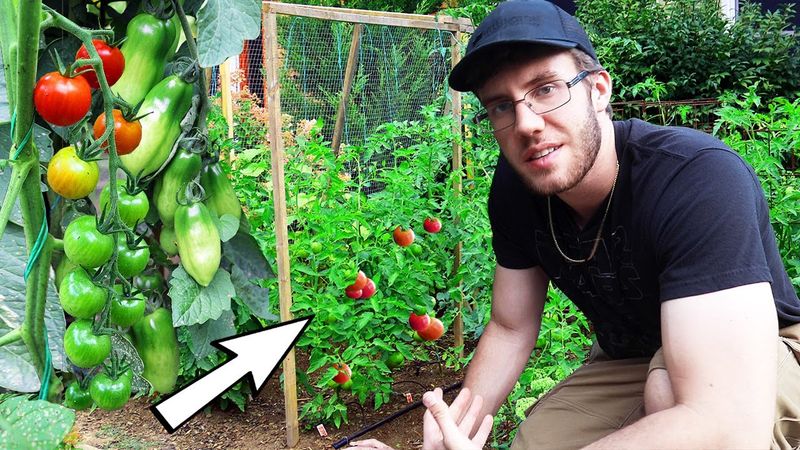
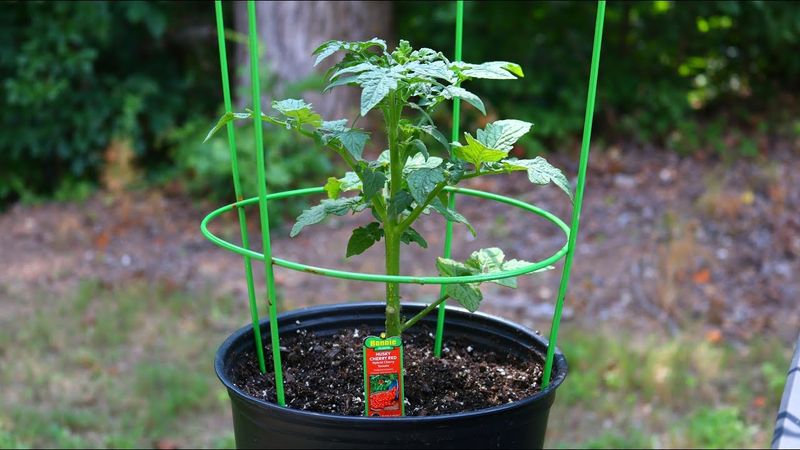
Cherry tomato plants can become quite unruly without proper support. Using cages or stakes helps them grow vertically, improving air circulation and sunlight exposure.
Wire cages are easy to use and support the plant from all sides. For a more economical option, wooden stakes are excellent.
Tie the plants gently with soft twine to avoid damaging stems. Proper support not only keeps your garden organized but also makes harvesting easier and prevents fruit from touching the soil.
6. Pruning for Productivity
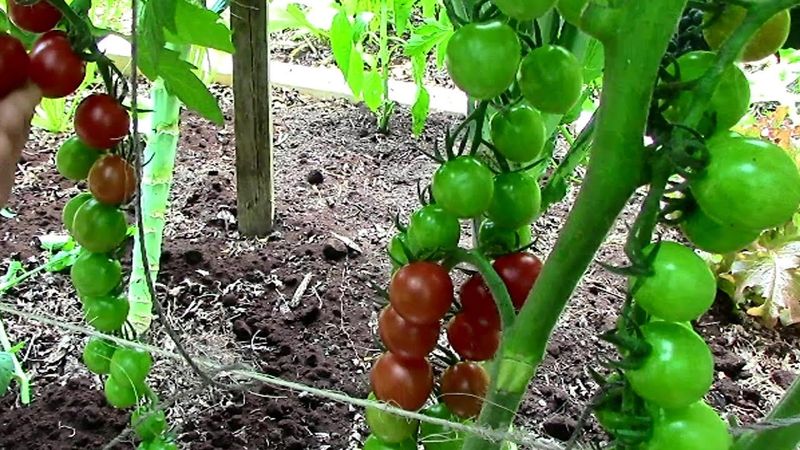
Pruning is often overlooked but can enhance productivity. By removing the lower leaves and suckers, you redirect energy to fruit production.
Focus on removing yellow or diseased leaves to keep plants healthy. Pruning also improves air circulation, reducing the risk of disease.
Be careful not to over-prune, as leaves are essential for photosynthesis. A light, regular pruning routine will support robust growth and bountiful harvests.
7. Companion Planting
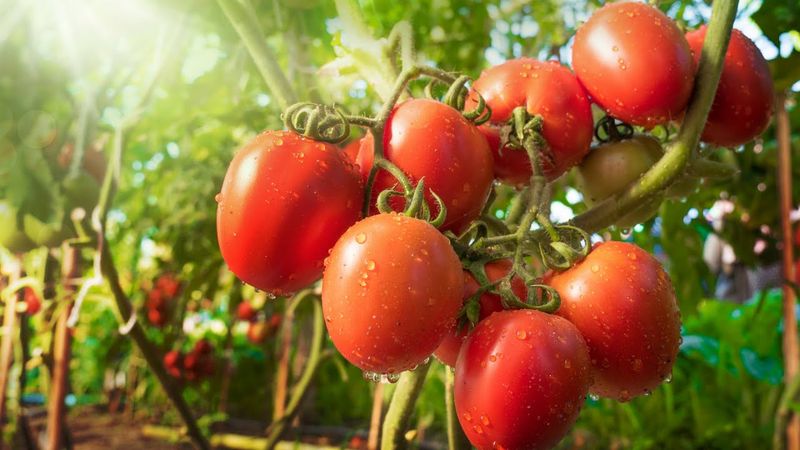
Companion planting can naturally enhance tomato growth and flavor. Basil, for instance, is believed to improve the taste of tomatoes while repelling pests.
Marigolds deter nematodes and other harmful insects, making them a great companion too. Nasturtiums can attract beneficial insects to your garden.
Experiment with different companions to find the best combinations for your garden. This strategy not only boosts yield but also adds beauty and diversity to your planting space.
8. Regular Fertilization
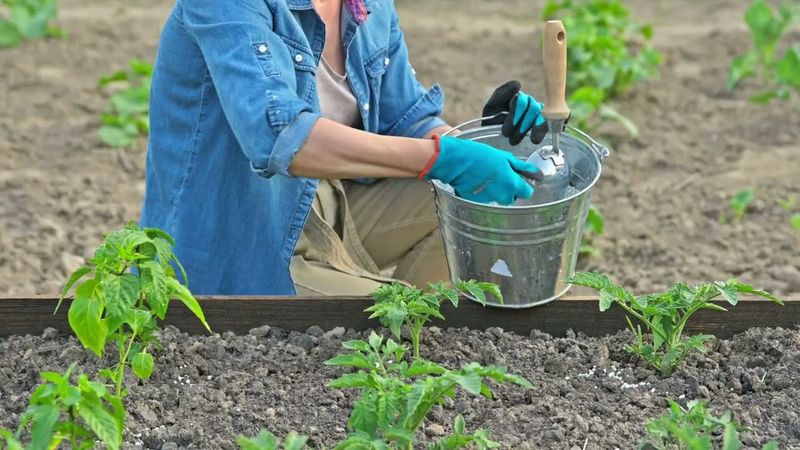
Feeding your cherry tomatoes is crucial for a successful harvest. Start by applying a balanced organic fertilizer when planting.
Continue with regular feedings every few weeks to maintain nutrient levels. Organic options like compost tea or fish emulsion provide a gentle nutrient boost.
Over-fertilization can lead to lush foliage but few fruits. Monitor plant growth and adjust accordingly to keep your cherry tomatoes healthy and productive.
9. Pest Management
Pests can be a gardener’s nightmare. Regular inspection of your cherry tomato plants can catch issues early. Look for signs of aphids, whiteflies, and other common threats.
Introduce beneficial insects like ladybugs to control pests naturally. Organic sprays such as neem oil can be effective if needed.
Keeping your plants healthy through proper care reduces vulnerability to pests. An integrated approach is key to maintaining a thriving garden environment.
10. Disease Prevention
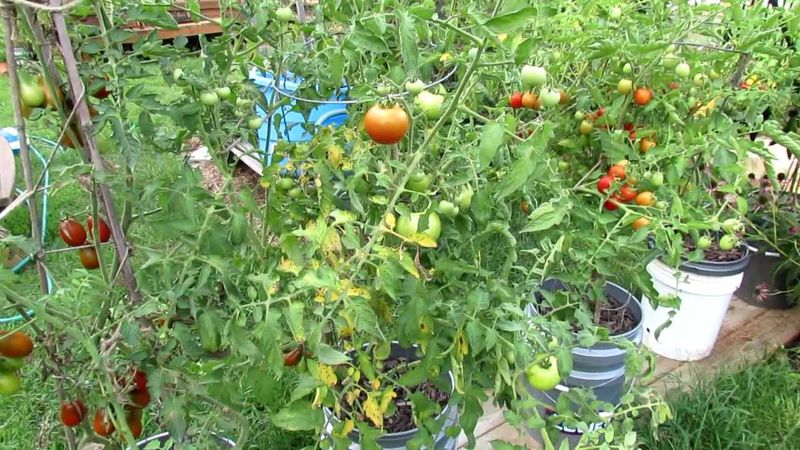
Tomato plants are susceptible to various diseases. Prevention is better than cure, so focus on maintaining garden hygiene.
Remove any diseased leaves immediately and sanitize your tools regularly. Crop rotation can also prevent disease buildup in the soil.
Consider using organic fungicides like copper spray for added protection. Healthy plants in a well-tended environment are less likely to succumb to disease, ensuring a fruitful season.
11. Mulching Benefits
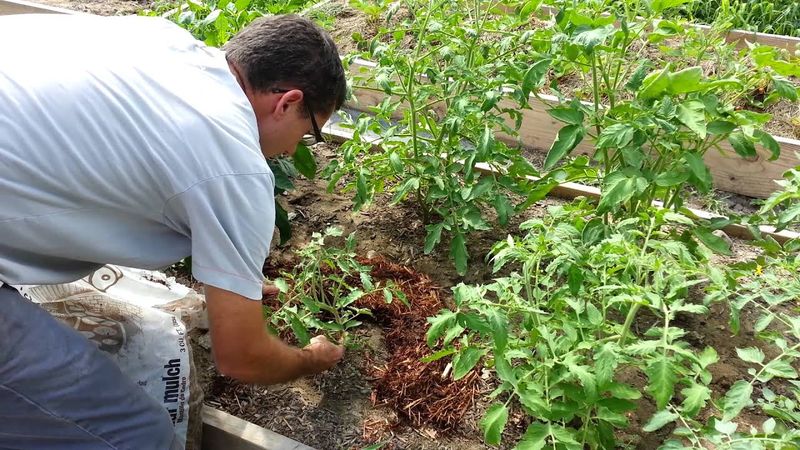
Mulching offers numerous benefits to cherry tomato plants. A layer of organic mulch, such as straw or shredded leaves, helps retain soil moisture and suppress weeds.
Mulch also regulates soil temperature, keeping roots cool in the summer heat. It can enhance soil quality as it decomposes, providing additional nutrients.
Proper mulching promotes a thriving environment for your tomatoes, leading to an abundant harvest. Remember to replenish mulch regularly to keep these benefits ongoing.
12. Spacing Considerations
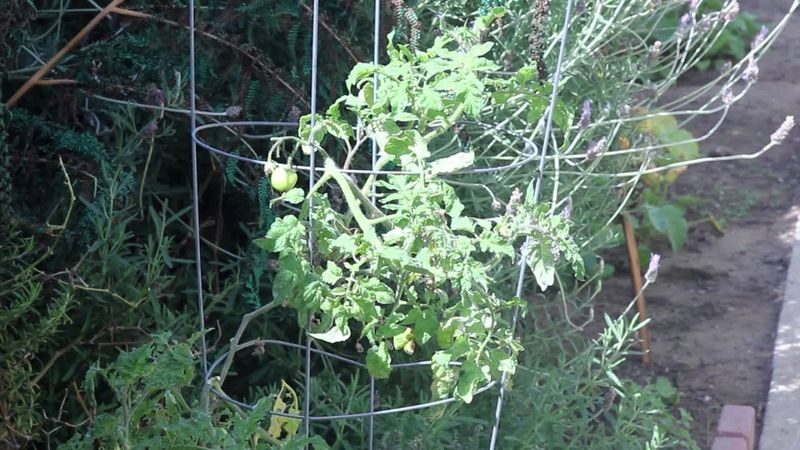
Proper spacing is vital for cherry tomato success. Plants need room to grow and access to sunlight and air.
Space plants at least two feet apart to prevent overcrowding. This helps reduce disease risk and encourages strong, healthy growth.
Ample space also makes it easier to tend to your plants and harvest fruit. A well-planned garden layout can greatly enhance your growing experience and results.
13. Temperature Management
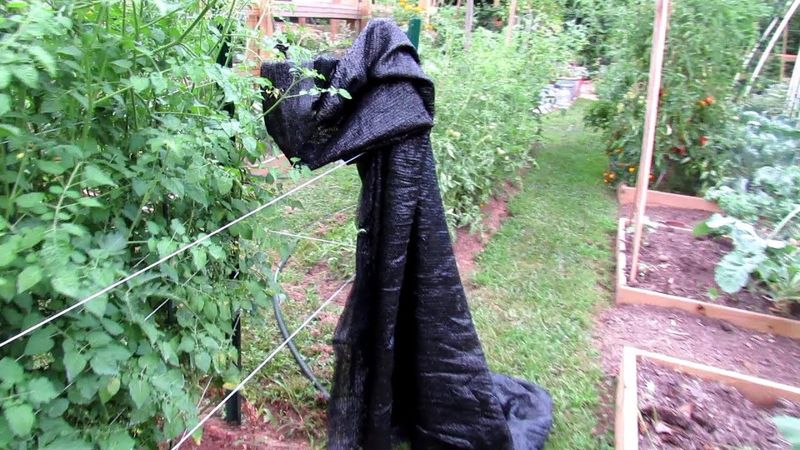
Cherry tomatoes appreciate warm temperatures but can suffer in extremes. Early in the season, use row covers to protect plants from unexpected frosts.
In hot climates, consider shade cloth to shield plants from intense heat. This helps maintain consistent growth and prevents stress.
Monitoring weather forecasts allows you to proactively manage temperature-related challenges. Balanced temperature control supports a successful and abundant cherry tomato harvest.
14. Harvest Timing
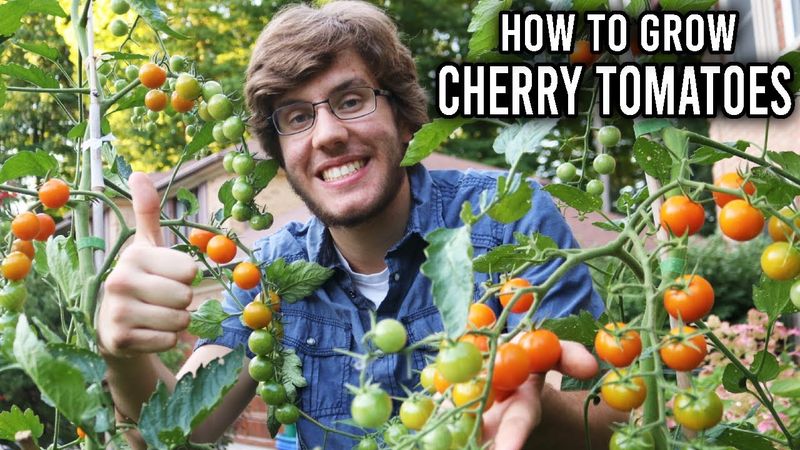
Knowing when to harvest is key to enjoying the best flavor. Cherry tomatoes are sweetest when fully ripe, displaying a vibrant red or orange hue.
Gently twist the fruit from the vine to avoid damaging the plant. Regular harvesting encourages more fruit production and prevents overripening.
Taste-test a few to determine your preferred ripeness level. Enjoy your fresh cherry tomatoes as a delightful addition to your culinary creations.
15. Season Extension Techniques
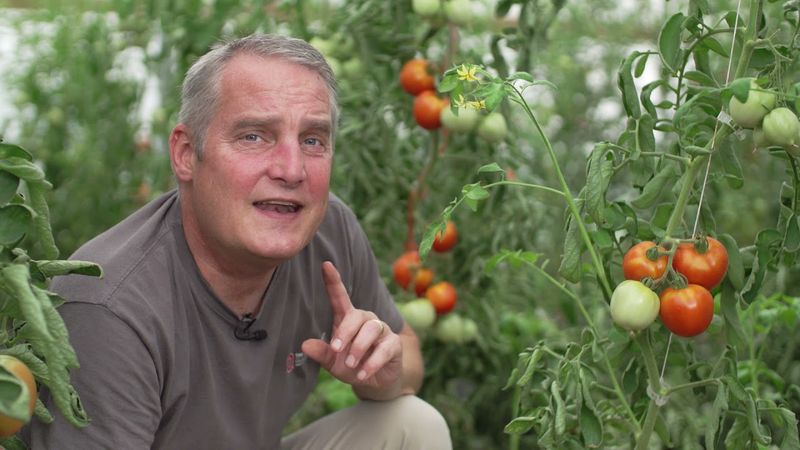
Extend your cherry tomato season with clever techniques. Utilize cold frames or small greenhouses to protect plants from early frost.
Row covers can also help retain warmth and extend the growing period. These methods allow for an earlier start and a later harvest.
Experiment with different season extension options to find what works best in your climate. This ensures a longer and more rewarding cherry tomato growing experience.
16. Seed Saving
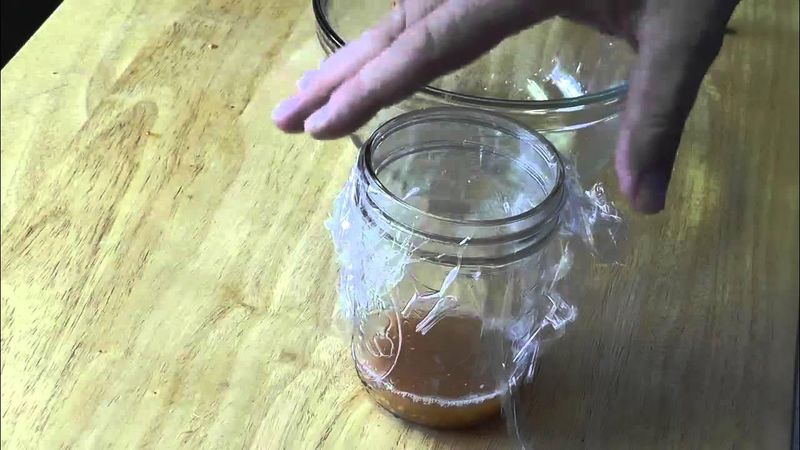
Saving seeds from your favorite cherry tomatoes can be both rewarding and economical. Choose ripe, healthy tomatoes for seed collection.
Extract seeds and allow them to ferment slightly before drying. This process removes the gelatinous coating and ensures good germination.
Store the dried seeds in a cool, dry place for next season. Seed saving connects you to your garden’s cycle and allows you to grow beloved varieties year after year.
17. Organic Gardening Practices
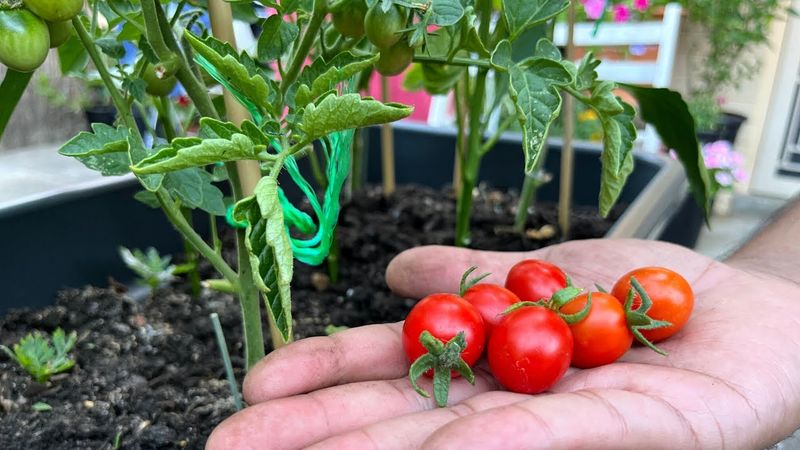
Embrace organic gardening for healthier cherry tomatoes. Use natural fertilizers, such as compost and manure, to nourish your soil.
Implement pest control methods like companion planting and beneficial insects. Avoid synthetic chemicals to promote a natural growing environment.
Organic practices not only yield delicious tomatoes but also contribute to a sustainable and eco-friendly garden that thrives year after year.
18. Nighttime Temperature Management
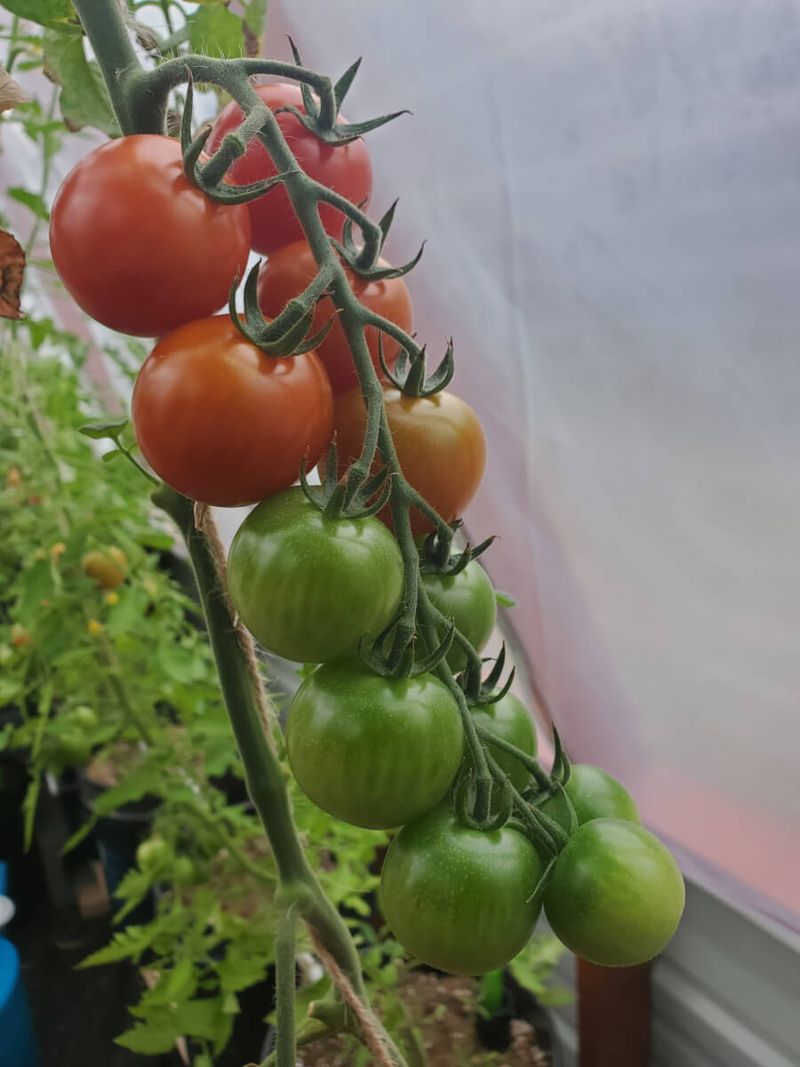
Managing nighttime temperatures is crucial for cherry tomato growth. Temperatures dropping below 55°F can stress plants, affecting fruit set and growth.
Consider using row covers or cloches to retain heat during chilly nights. These protective measures can create a microclimate, maintaining optimal temperatures for your tomatoes.
For an extra boost, fill old milk jugs with warm water and place them around your plants. They’ll release heat throughout the night.
Did you know? Tomato plants are more sensitive to cold than heat, making temperature monitoring essential for consistent yields.