 Complete Gardening

Achieving a lush, green lawn doesn’t have to involve harsh chemicals. Discover 18 natural treatments that are effective and kind to the environment. These methods leverage nature’s own tools to enhance your lawn’s health and appearance, making it thrive without compromising the ecosystem. From common household items to ancient gardening secrets, these tips are designed to help your lawn look its best sustainably.
1. Corn Gluten Meal

Corn gluten meal, a byproduct of corn processing, is a natural pre-emergent herbicide. It prevents weed seeds from germinating, without harming established plants. Sprinkling this yellow powder on your lawn in early spring can significantly reduce weed growth.
Its nitrogen content also acts as a natural fertilizer, promoting lush grass.
However, timing is crucial—apply it before weeds germinate for maximum effectiveness. Its dual action of fertilizing and weed prevention makes it a favorite among organic gardeners. Try it and watch your lawn flourish naturally.
2. Vinegar Solution
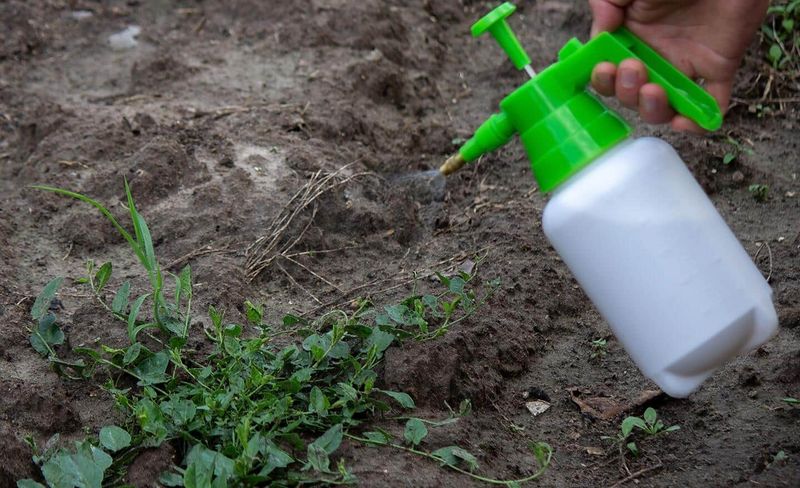
Vinegar, particularly the horticultural type with higher acidity, serves as an effective weed killer. For a natural solution, mix vinegar with a bit of dish soap and spray directly onto weed leaves.
The acetic acid in vinegar draws out moisture, effectively dehydrating and killing weeds. Apply on a sunny day for best results.
This approach is not selective and may harm desirable plants, so be careful where you spray. It’s a simple, cost-effective treatment for pesky lawn weeds.
3. Coffee Grounds
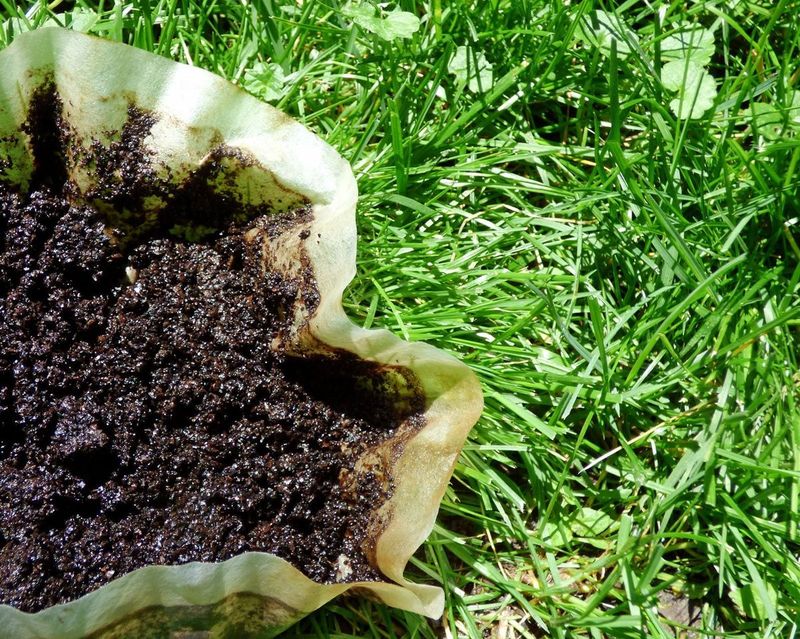
Leftover coffee grounds are more than just waste—they’re a gardener’s ally. Rich in nitrogen, they improve soil structure and fertility when spread across your lawn.
The grounds aerate the soil, enhancing drainage and promoting the growth of beneficial microbes. This small addition can lead to a lush, green lawn over time.
Use them sparingly, as excessive amounts can alter soil pH. Start saving those morning brews for a simple, eco-friendly lawn enhancement.
4. Epsom Salt
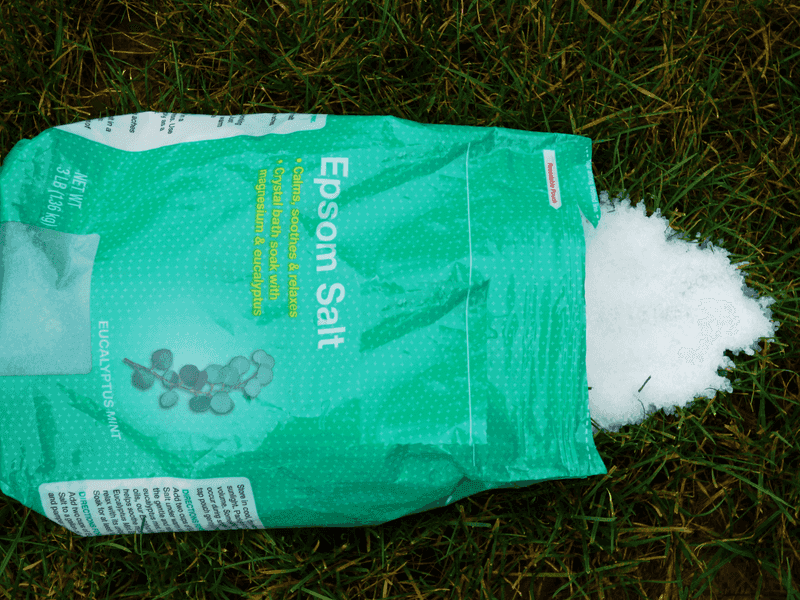
Epsom salt, known for its benefits to human health, works wonders on lawns too. Composed of magnesium sulfate, it enriches the soil with vital nutrients.
Sprinkling Epsom salt can enhance grass color and help seeds germinate more efficiently. Its simple application involves dissolving in water and spraying over the lawn.
This quick and cost-effective solution supports robust lawn growth. Regular application can lead to a greener, more vibrant lawn without the chemical aftermath.
5. Clover Seeding
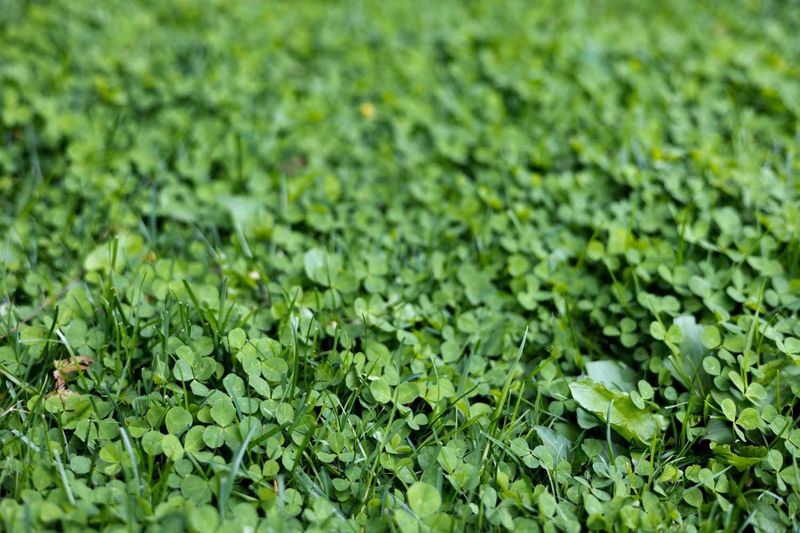
Incorporating clover into your lawn can be transformative. Clover, once considered a weed, is a nitrogen-fixing plant that naturally fertilizes the soil.
It withstands drought and requires less mowing, making it a sustainable choice. Planting clover seeds alongside grass creates a resilient, green carpet that enriches the soil.
This method reduces the need for added fertilizers and pesticides, offering a more natural, low-maintenance lawn option. Embrace clover for a charming, eco-friendly lawn solution.
6. Neem Oil Spray
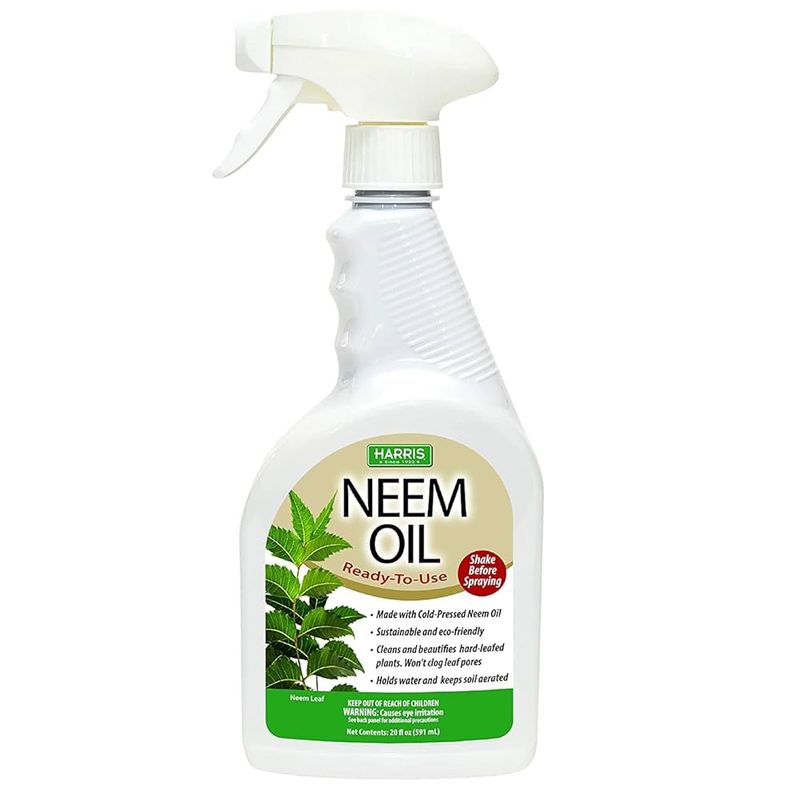
Neem oil, derived from the seeds of the neem tree, is a powerful organic pesticide. It disrupts the lifecycle of pests without harming beneficial insects.
When sprayed on lawns, neem oil repels and controls insects like grubs, aphids, and beetles. Its application is straightforward—mix with water and spray liberally across the lawn.
Regular use not only protects your grass but also nurtures the ecosystem. It’s a safe, natural way to maintain a healthy, pest-free lawn.
7. Diatomaceous Earth
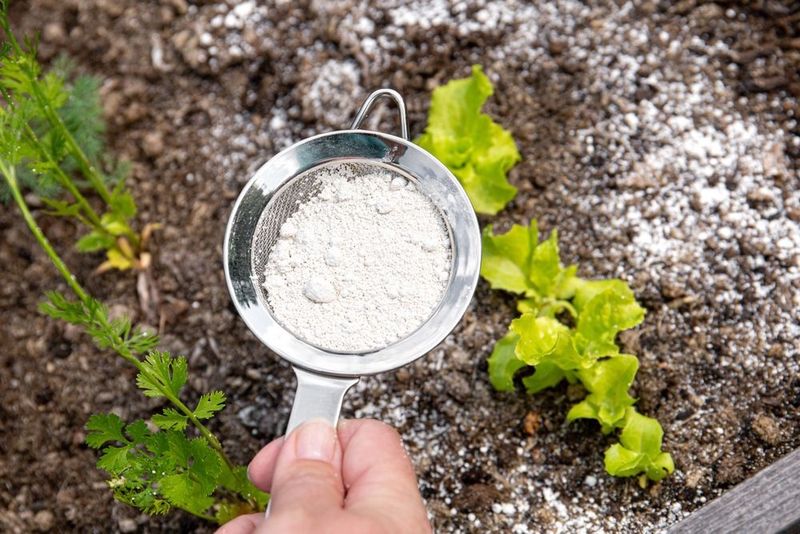
Diatomaceous earth is a natural substance made from crushed fossilized algae. It serves as an effective insecticide, killing pests by dehydrating them.
Sprinkle this powder over your lawn to combat pests like ants, fleas, and ticks. It’s a non-toxic solution that doesn’t harm plants or pets.
Diatomaceous earth also improves soil health, making your lawn more resilient and vibrant. It’s an excellent choice for those seeking an eco-friendly pest control method.
8. Aeration
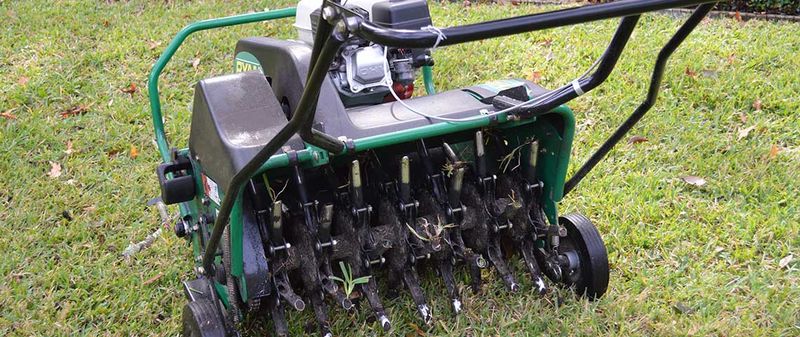
Aeration, the process of perforating the soil with small holes, allows air, water, and nutrients to penetrate the grass roots. This is crucial for lawn vitality, especially in compacted soils.
By reducing soil compaction, aeration improves root growth and enhances grass health. It’s typically done using a garden fork or a mechanical aerator.
Regular aeration strengthens your lawn, making it more drought-resistant and lush. This essential practice contributes to a thriving, naturally beautiful lawn.
9. Compost Top Dressing
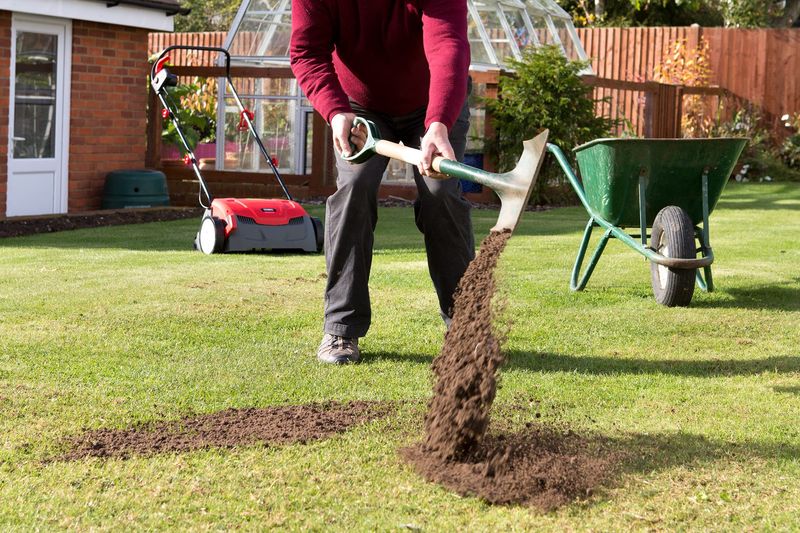
Compost top dressing involves spreading a thin layer of compost over your lawn. This process enriches the soil, improves moisture retention, and encourages healthy grass growth.
The organic matter in compost provides essential nutrients, fostering a robust lawn. It’s a sustainable way to recycle garden waste into a beneficial resource.
Regular application can transform your lawn into a vibrant green space, reducing the need for chemical fertilizers. This method harmonizes with nature’s cycle, enriching your garden naturally.
10. Baking Soda Fungicide
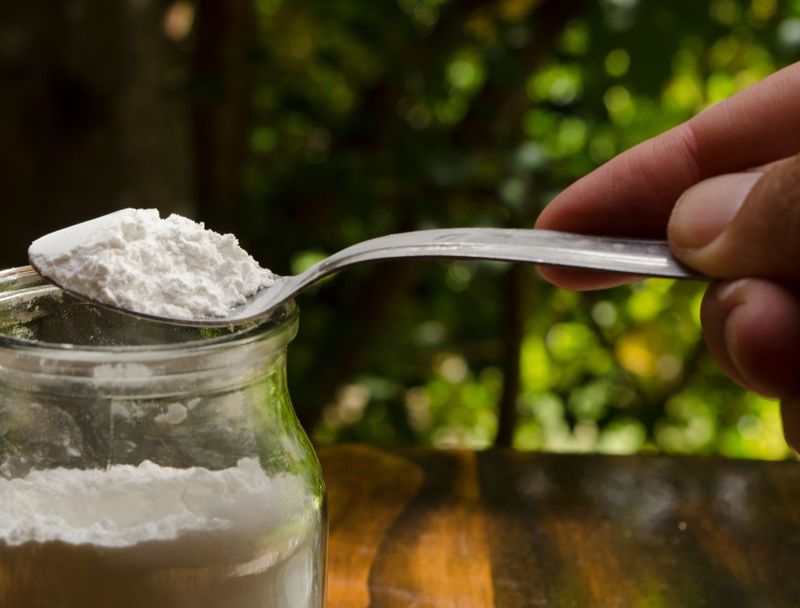
Baking soda, a household staple, is a gentle fungicide ideal for tackling lawn diseases. Mixing it with water and dish soap creates a solution that combats fungal infections.
Spray this mixture on affected areas to prevent and treat issues like powdery mildew and rust. It’s a safe alternative to chemical fungicides, preserving beneficial organisms in the soil.
Using baking soda regularly can help maintain a disease-free lawn, showcasing healthy, thriving grass. It’s a simple, eco-friendly option for natural lawn care.
11. Natural Lawn Mowing
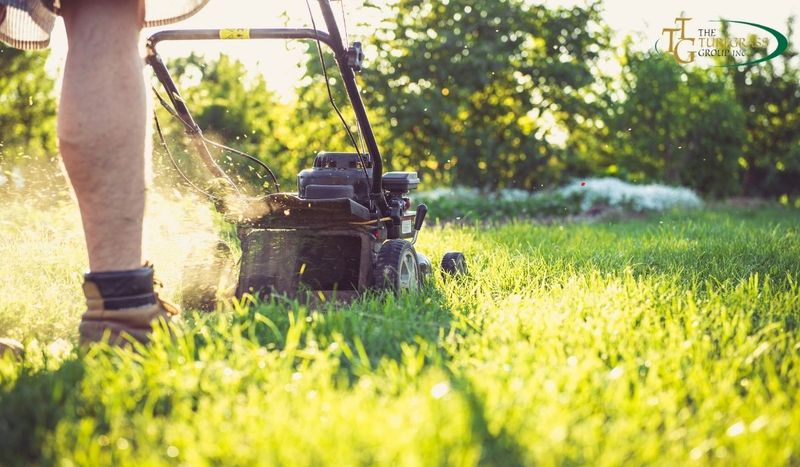
Natural lawn mowing emphasizes using a push reel mower instead of a gas-powered one. This eco-friendly approach reduces pollution and noise, contributing to a healthier environment.
Mowing with a reel mower is gentler on the grass, promoting even growth and reducing stress on the lawn. It’s an excellent choice for maintaining small to medium-sized lawns.
This method not only benefits the lawn but also provides a great workout. It’s a holistic way to care for your garden and the planet.
12. Seaweed Fertilizer

Seaweed fertilizer, extracted from ocean algae, is an excellent natural supplement for lawns. Rich in trace minerals, it stimulates plant growth and enhances soil health.
Simply dilute the liquid form with water and spray over your lawn. It boosts nutrient uptake, strengthens roots, and improves resilience to stress.
This organic treatment is gentle on the environment, supporting a sustainable gardening practice. Incorporating seaweed can lead to a more vibrant, thriving lawn.
13. Molasses Boost
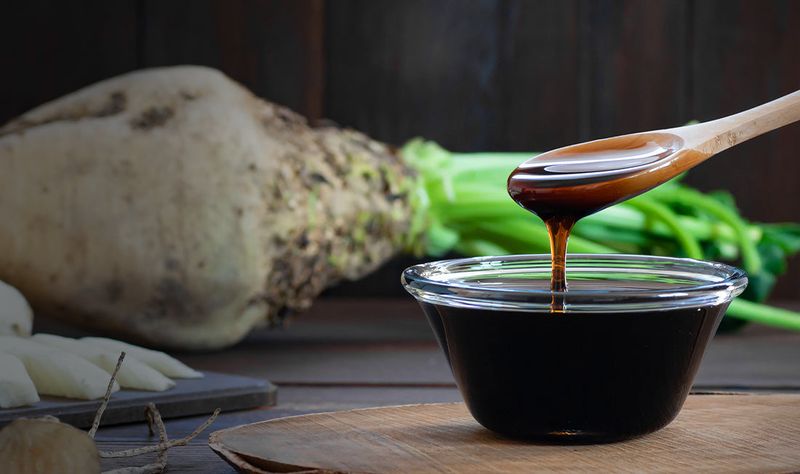
Molasses, more commonly found in the kitchen, is a secret weapon for lawn care. Its natural sugars feed beneficial microorganisms in the soil, enhancing fertility.
Mix molasses with water and apply it to your lawn to promote microbial activity. This results in healthier, more robust grass growth.
Using molasses is a simple, natural method to boost soil health and vitality. It’s an unexpected yet effective way to nurture your lawn’s ecosystem.
14. Comfrey Tea
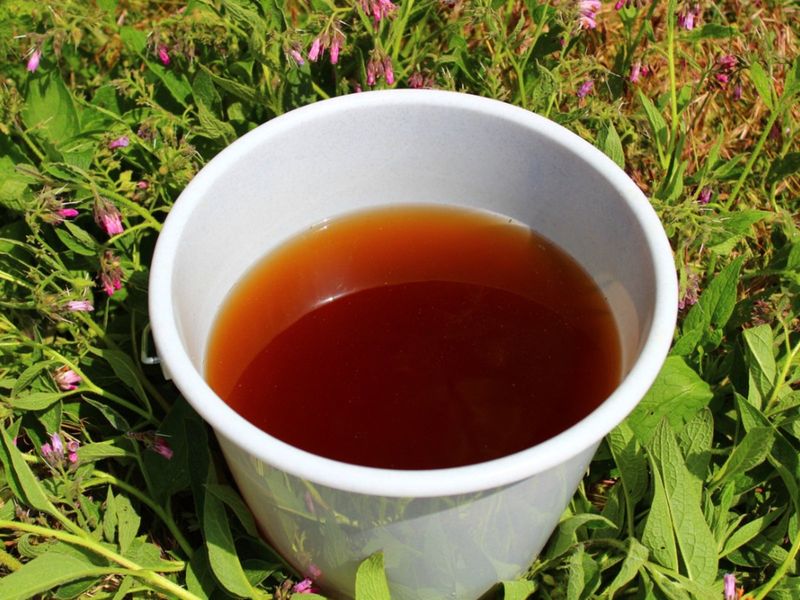
Comfrey tea, brewed from the leaves of the comfrey plant, is a powerful organic fertilizer. Rich in potassium and other nutrients, it supports vigorous grass growth.
Steep comfrey leaves in water to create a nutrient-rich tea, then apply it to your lawn. This solution improves soil structure and boosts your lawn’s health.
Using comfrey tea is a sustainable way to recycle garden resources and enrich your lawn naturally. It’s an ancient gardening secret that continues to prove its worth.
15. Chickens for Pest Control
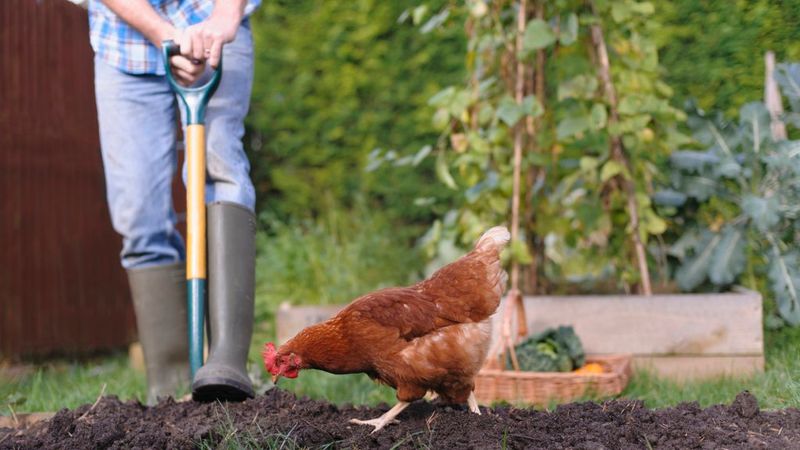
Integrating chickens into your lawn care regimen can bring multiple benefits. Chickens naturally forage for insects, reducing pest populations without chemicals.
Their scratching aerates the soil, promoting healthy grass growth. Additionally, chicken manure enriches the soil with nutrients, supporting a lush lawn.
This method is perfect for those who enjoy a holistic approach to gardening. Chickens offer a delightful and functional addition to any backyard ecosystem.
16. Sunflower Oil Mixture
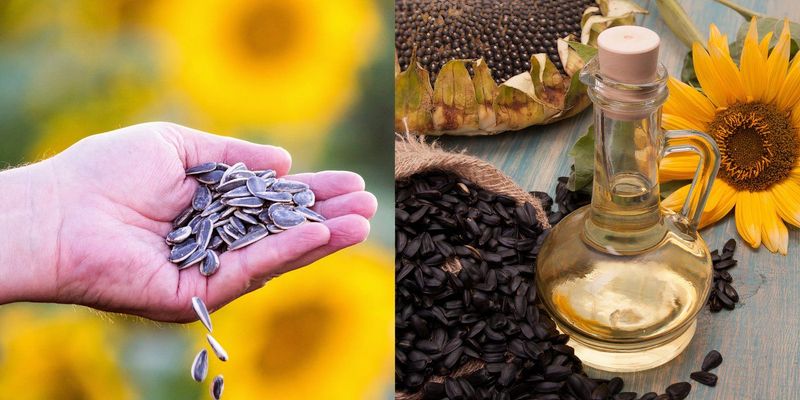
Sunflower oil, usually found in kitchens, can serve as an effective pest deterrent for lawns. Mixing it with water and a bit of dish soap creates a non-toxic spray.
This mixture suffocates insects like aphids and mites when applied to the lawn. It’s a gentle alternative to harsh pesticides.
Using sunflower oil is an innovative way to protect your lawn while preserving its natural beauty. It’s a simple, eco-friendly solution for pest management.
17. Wood Ash Enrichment
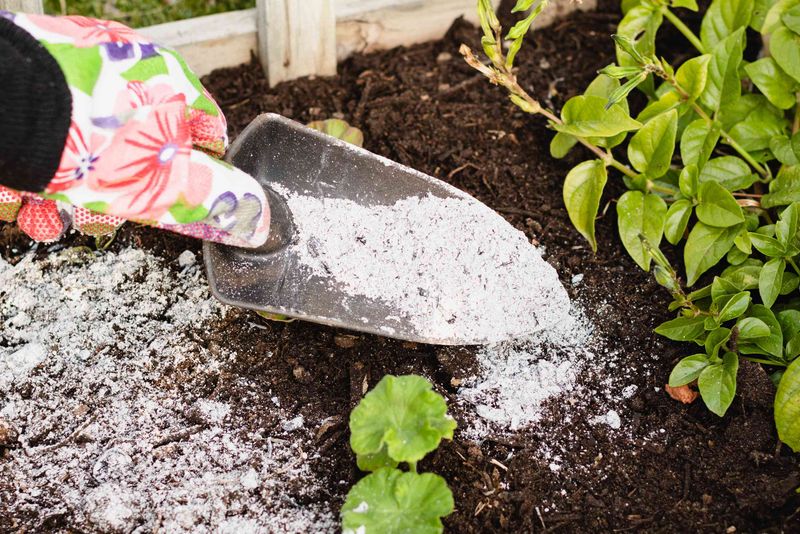
Wood ash, a byproduct of burning wood, is rich in potassium and other trace minerals beneficial for lawns. It acts as a natural fertilizer, enhancing soil health.
Sprinkle it lightly over your lawn to improve nutrient content and encourage lush grass growth. Be cautious not to overapply, as it can alter soil pH.
Incorporating wood ash is a sustainable way to recycle waste and nurture your lawn. It’s a practical, earth-friendly option for those keen on natural gardening.
18. Banana Peel Fertilizer

Ever thought banana peels could be more than just compost? Rich in potassium, banana peels make an excellent natural fertilizer. Simply blend banana peels into a paste and spread it across your lawn.
This nutrient boost enhances root growth and fortifies grass against disease. Moreover, it’s a sustainable way to reuse kitchen waste, minimizing landfill contributions.
Did you know that potassium is vital for photosynthesis and water regulation in plants? It’s a fun fact that makes banana peel fertilizer not only practical but also fascinating to try. Embrace this eco-friendly approach and watch your lawn thrive.