 Complete Gardening
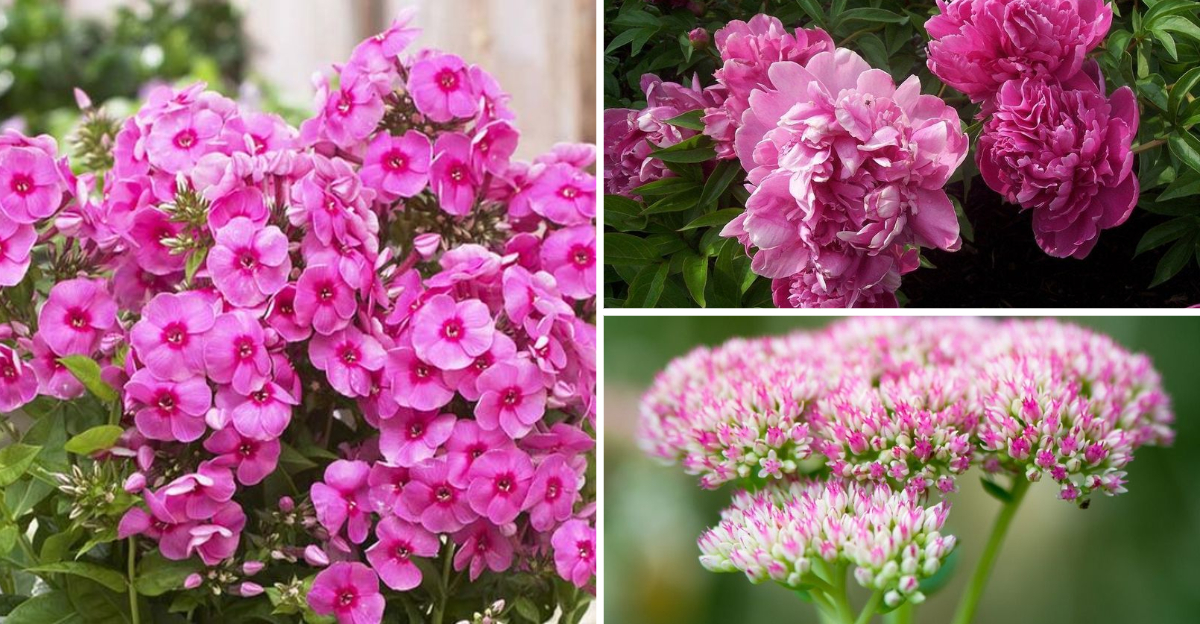
Dividing and transplanting perennials before late spring is crucial for maintaining the health and vigor of your garden. This process not only helps in rejuvenating the plants but also in managing their growth and preventing overcrowding. In this guide, we’ll explore 18 perennials perfect for early division and transplantation, accompanied by expert advice to ensure successful growth in their new locations.
1. Daylilies
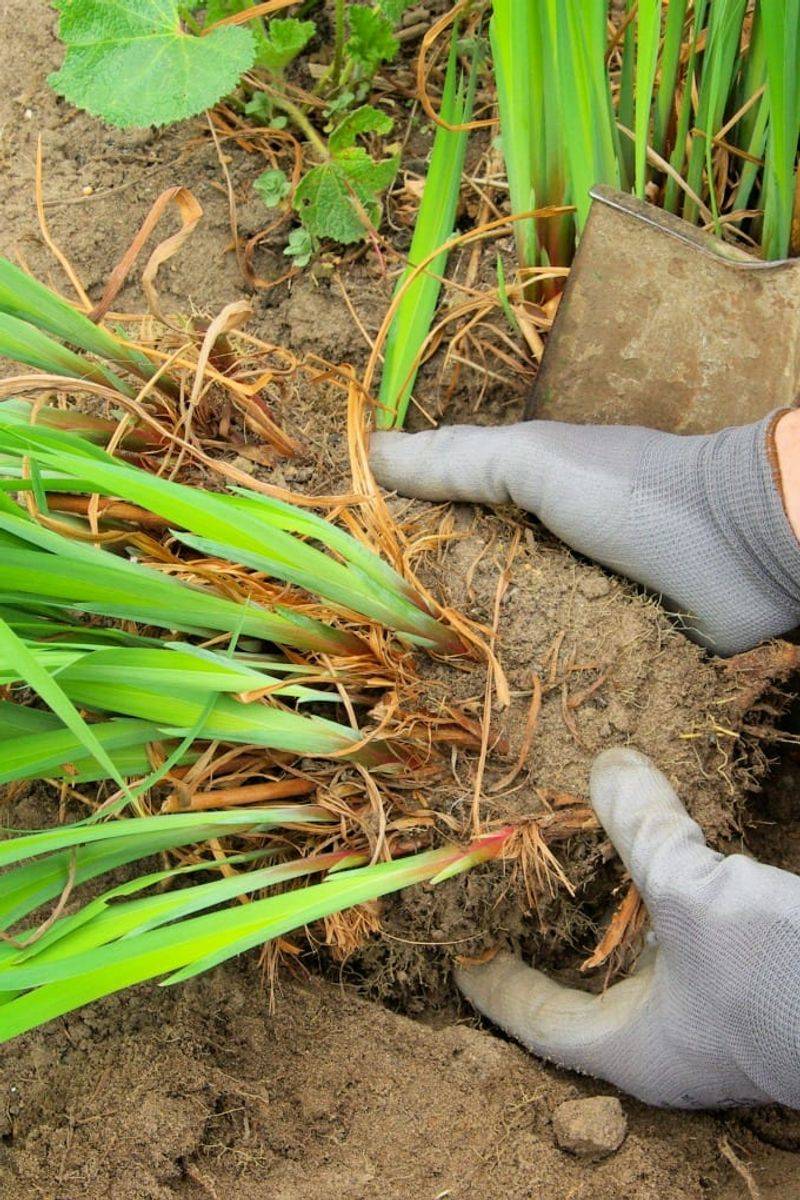
Daylilies bring a burst of color to any garden with their trumpet-shaped blooms. Known for their resilience and adaptability, they thrive in a range of conditions. Dividing these perennials in early spring ensures robust growth. Carefully dig around the root clump, separating sections with at least two or three stems. Plant them in well-draining soil and water thoroughly. Daylilies are low-maintenance, making them ideal for novice gardeners. Each segment will flourish into a full plant, providing blooms throughout the season. A whimsical addition, daylilies suit both formal and informal garden designs.
2. Hostas
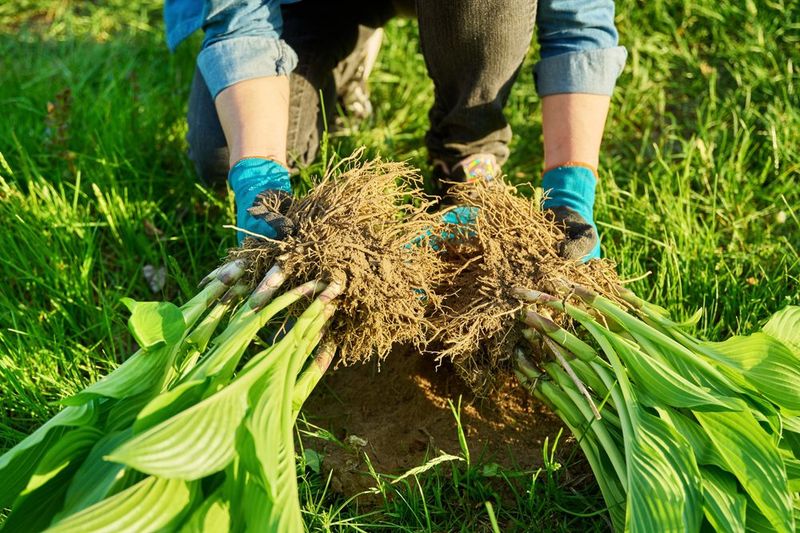
Hostas stand out with their lush foliage and tolerance to shade. Ideal for garden edges, they require dividing every three to four years. Begin by lifting the clump and gently teasing apart the roots. Ensure each division has several eyes or shoots. Replant in rich, moist soil, and provide ample water. Hostas adapt well to shaded areas, making them a favorite for shaded borders. Their foliage adds texture and variety to any garden. With minimal care, hostas reward gardeners with elegant greenery and occasional lavender flowers.
3. Peonies
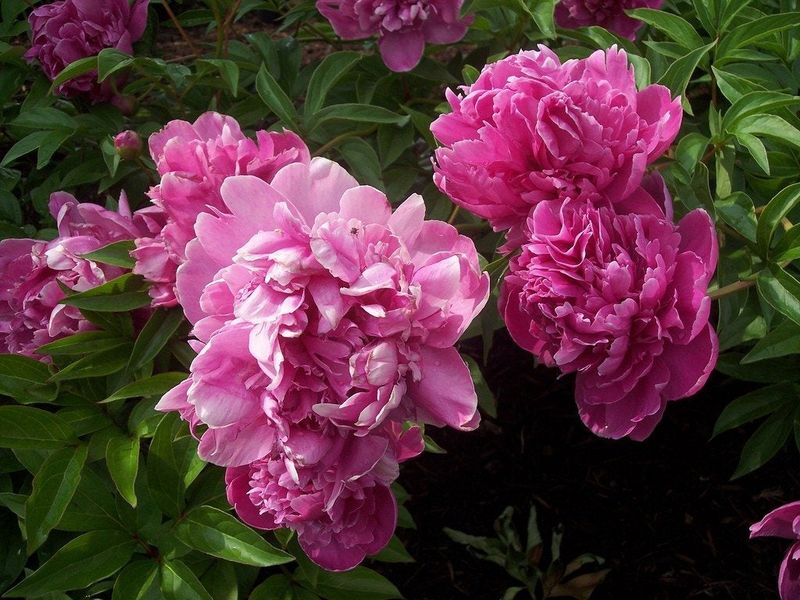
Peonies are beloved for their large, fragrant flowers and long lifespan. Dividing them in early spring requires precision. Carefully dig around the plant, preserving as much root as possible. Use a sharp tool to separate the roots, ensuring each section has at least three eyes. Plant them in well-drained soil with full sun exposure. Peonies are slow to establish, but patience is rewarded with abundant blooms. Their aromatic flowers are perfect for bouquets, adding elegance to any space. With proper care, peonies can thrive for decades, becoming a garden heirloom.
4. Irises
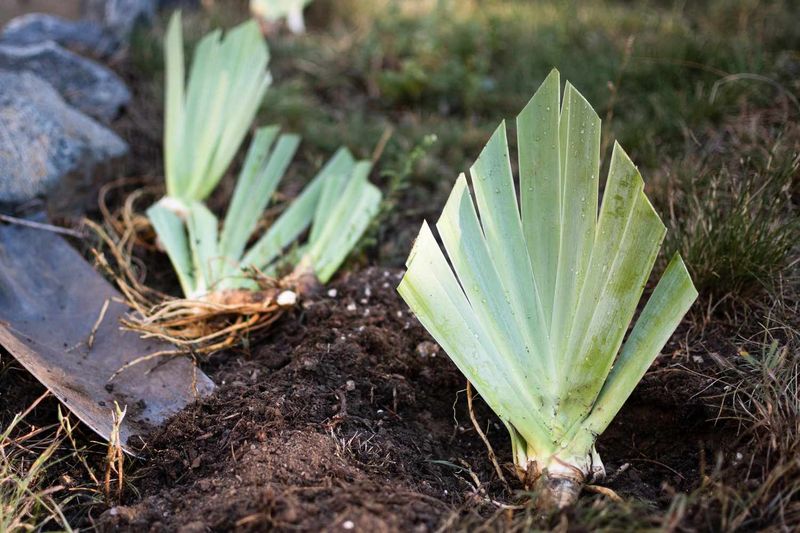
Irises captivate with their striking petals and diverse colors. Divide these beauties post-bloom, typically late summer. Dig up the rhizomes, cutting away any damaged parts. Ensure each division has a healthy fan of leaves and a segment of rhizome. Replant in sunny locations with well-drained soil. Water them sparingly to prevent rot. Irises are hardy and adapt to various climates. Their blooms add height and interest to garden beds, making them a versatile choice. Consider pairing with other perennials for a dynamic display.
5. Sedum
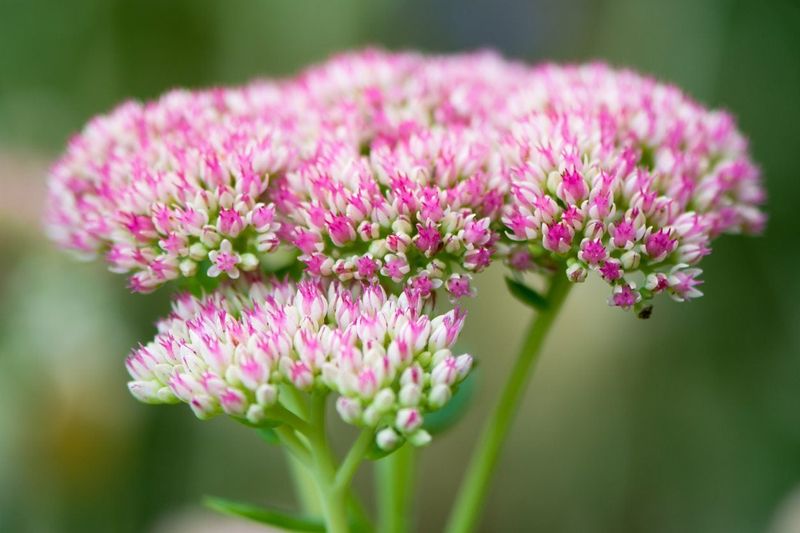
Sedum offers unique texture with its succulent leaves and star-shaped flowers. Perfect for rock gardens, they require minimal care. Divide in spring by gently lifting the clump and cutting sections with a sharp knife. Ensure each piece has roots and several leaf rosettes. Replant in sandy, well-drained soil. Sedum thrives in sunny areas, tolerating drought conditions. Their perseverance makes them an excellent choice for low-maintenance gardens. Over time, they form dense mats, ideal for ground cover. Sedum’s charm is in its simplicity, offering both visual appeal and practicality.
6. Phlox
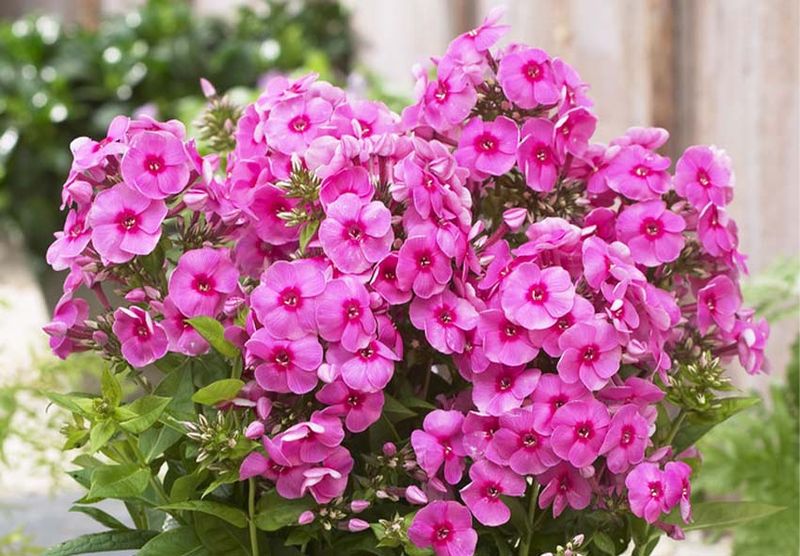
Phlox dazzles with its vibrant clusters of flowers, attracting butterflies and hummingbirds. Best divided every three to five years in spring. Carefully lift the plant, dividing into smaller clumps with roots attached. Replant in sunny spots with rich, well-draining soil. Phlox requires regular watering but avoid wetting the foliage. Their fragrant blooms make them a garden favorite. Incorporate phlox into borders for a splash of color. With proper division, they maintain vigor and prevent overcrowding. Phlox’s lively presence enlivens any garden setting, offering endless charm.
7. Astilbe
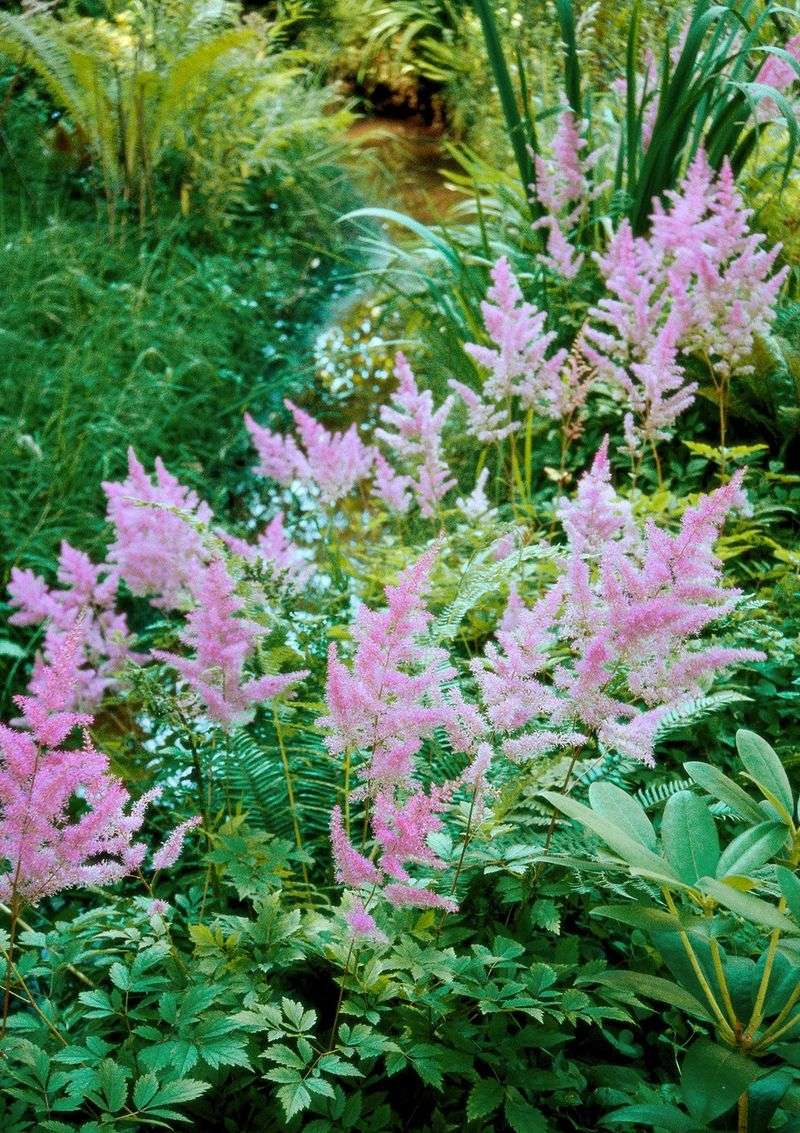
Astilbe delights with its feathery plumes and ability to brighten shady areas. Divide every three to four years to prevent overcrowding. Carefully lift the clump, separating into smaller sections with roots intact. Replant in moist, rich soil, ensuring consistent moisture. Astilbe thrives in shaded gardens, offering a splash of color with minimal sunlight. Their plumes contrast beautifully with broad-leafed plants, adding texture. Ideal for woodland gardens or borders, astilbe’s graceful flowers provide lasting interest. With proper care, they enhance garden elegance and diversity.
8. Bee Balm
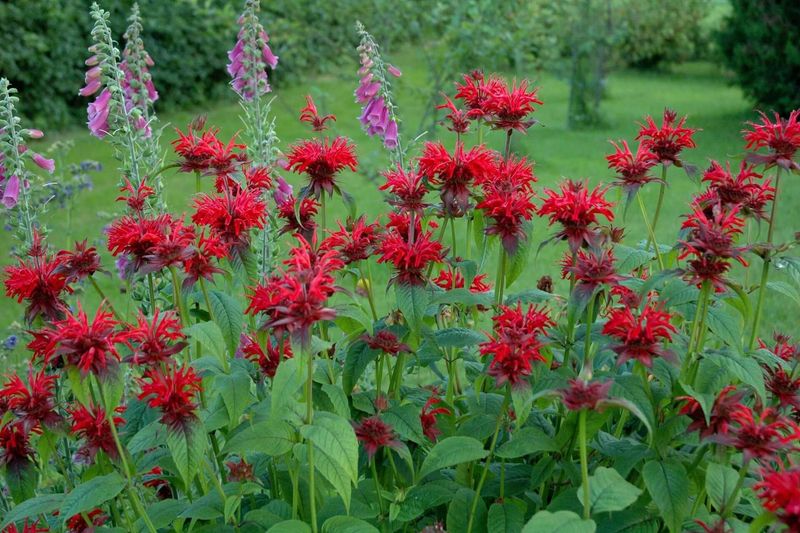
Bee balm, with its striking red flowers, attracts pollinators like bees and hummingbirds. Divide in early spring to maintain health and vigor. Dig around the plant, separating the roots into clumps with stems. Replant in sunny spots with rich, well-draining soil. Bee balm blooms through summer, adding color and life to gardens. Their aromatic leaves are also used in herbal teas. Perfect for perennial borders, bee balm’s vibrant flowers are a favorite among gardeners. Regular division ensures robust growth and prevents fungal diseases.
9. Shasta Daisies
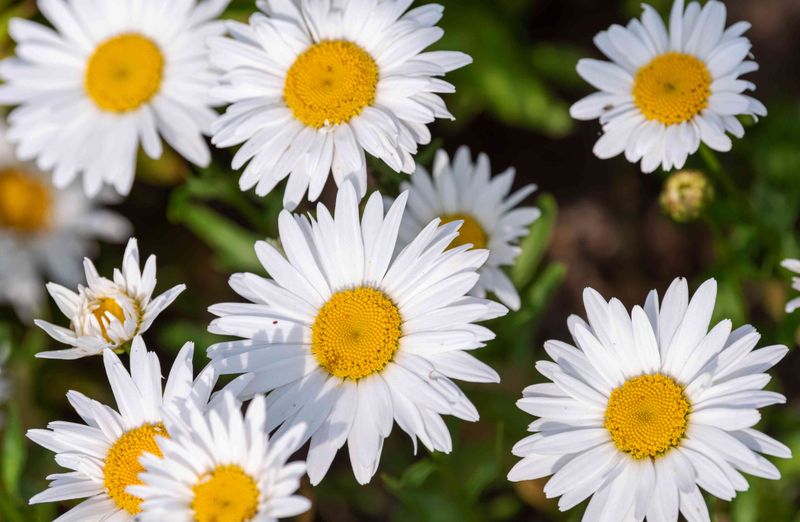
Shasta daisies, with their cheerful white blooms, brighten any landscape. Divide every two or three years in spring for optimal blooms. Gently lift the clump, separating into sections with roots and shoots. Replant in sunlit areas with well-draining soil. These daisies thrive in full sun, offering long-lasting flowers. Their classic look suits any garden style, from cottage to modern. Shasta daisies require minimal care, making them ideal for busy gardeners. With regular division, they maintain vigor and prevent overcrowding, ensuring a continuous display of blooms.
10. Bleeding Hearts
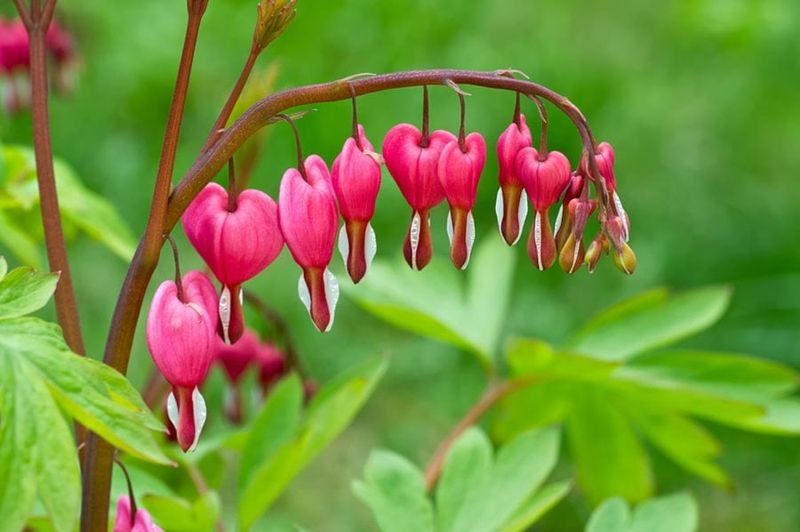
Bleeding hearts, renowned for their heart-shaped blooms, bring romance to shaded gardens. Divide in early spring for the best results. Dig around the root system, carefully separating into smaller sections. Each part should have roots and emerging shoots. Replant in shaded, moist areas with rich soil. Bleeding hearts add a whimsical charm to woodland gardens, thriving in cooler climates. Their flowers dangle gracefully, attracting admiration. With proper care, they bloom profusely in spring, becoming a garden standout. Frequent division prevents overcrowding and maintains plant vigor.
11. Black-Eyed Susans
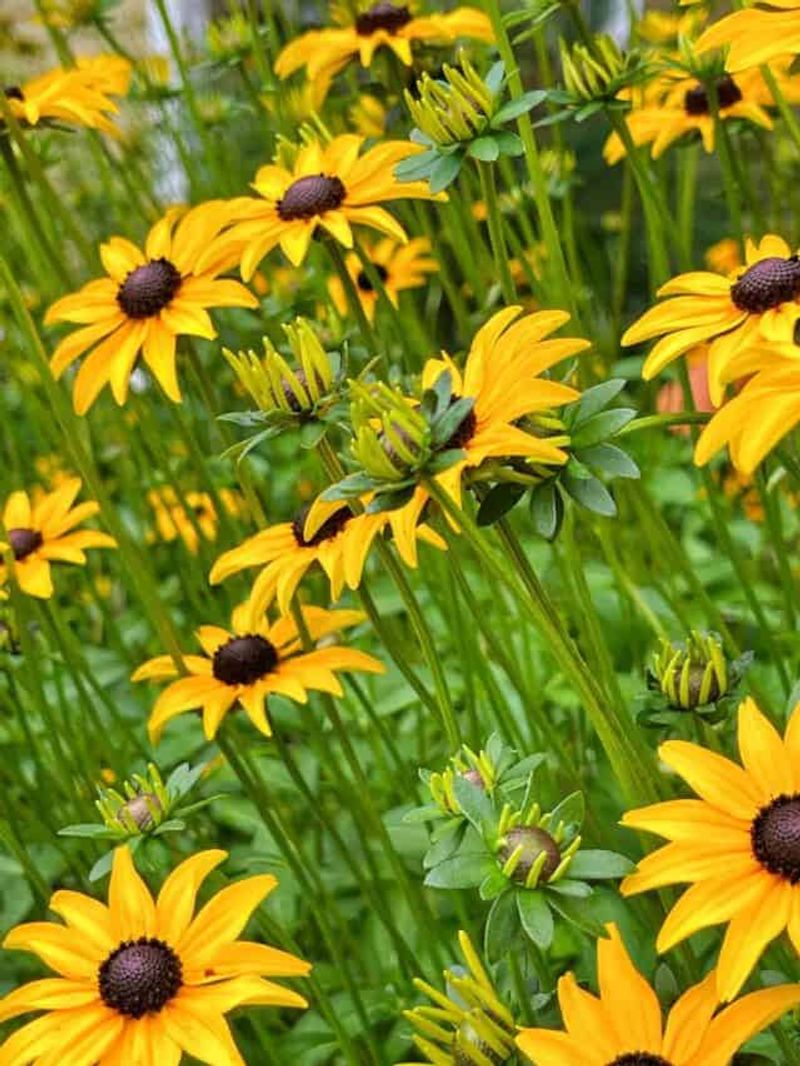
Black-eyed Susans bring sunny charm with their bright yellow petals. Ideal for meadows, divide them every three to four years. Gently lift and separate the clumps, ensuring each has roots and shoots. Replant in full sun with well-draining soil. These perennials thrive with minimal care, attracting butterflies and bees. Their cheerful blooms are perfect for naturalistic gardens. Regular division enhances growth and extends blooming periods. Black-eyed Susans’ resilience makes them a staple in garden landscapes, offering vibrant color and ecological benefits.
12. Lupines
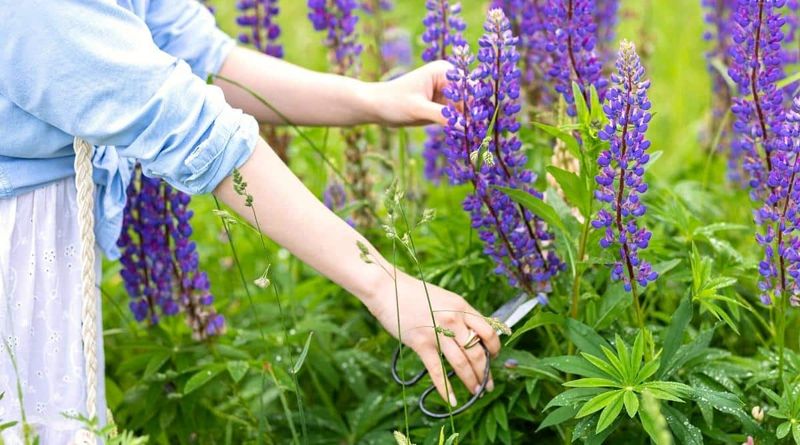
Lupines, with their tall spires and vibrant colors, create a vertical appeal in gardens. Divide in early spring to invigorate growth. Carefully dig around the root ball, splitting into sections with roots and shoots. Replant in sunny locations with acidic, well-draining soil. Lupines add a wildflower charm, perfect for cottage gardens. Their unique shape attracts pollinators, enhancing biodiversity. Regular division prevents overcrowding, ensuring healthy plants. With their bold appearance, lupines make a striking addition to borders and features, offering a touch of wilderness to cultivated spaces.
13. Coneflowers
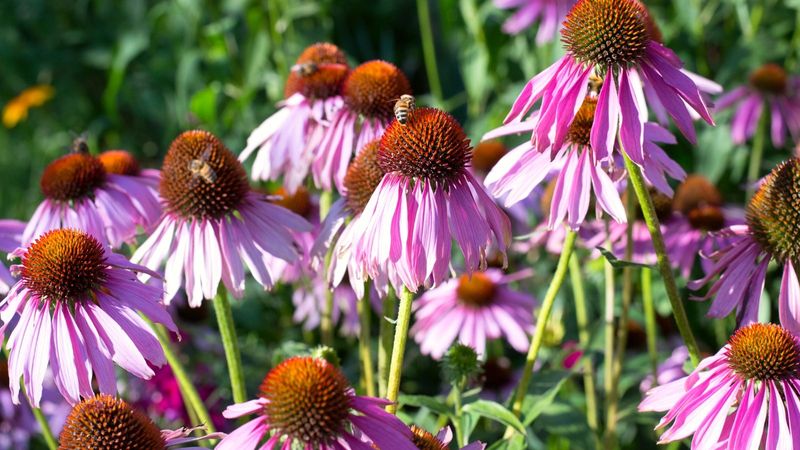
Coneflowers, known for their resilience and beauty, are garden staples. Divide them in early spring, lifting the clumps and separating into smaller sections. Each part should have roots and shoots. Replant in full sun with sandy, well-draining soil. Coneflowers attract pollinators, offering ecological benefits. Their distinctive appearance suits prairie and meadow gardens. With regular division, they maintain health and vigor, blooming profusely. Coneflowers’ adaptability and striking blooms make them a favorite for gardeners seeking both aesthetic and environmental advantages.
14. Yarrow
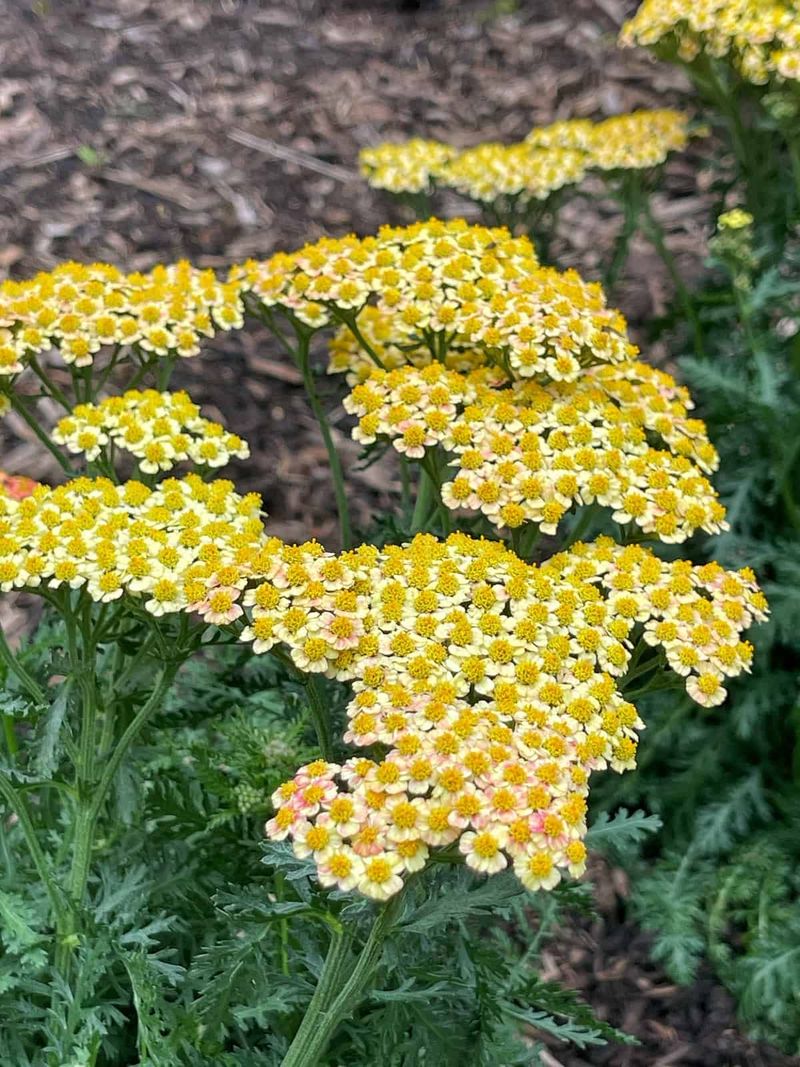
Yarrow is valued for its hardiness and medicinal properties. Ideal for dry gardens, divide it every three to four years. Lift the plant, dividing it into smaller clumps with roots. Replant in well-draining, sunlit areas. Yarrow thrives in poor soils, requiring minimal water. Its flat-topped flowers attract beneficial insects, adding ecological value. With regular division, yarrow maintains vigor and prevents overcrowding. This perennial’s resilience and delicate blooms make it a versatile choice for garden borders and meadows, offering both aesthetic and practical benefits.
15. Coreopsis
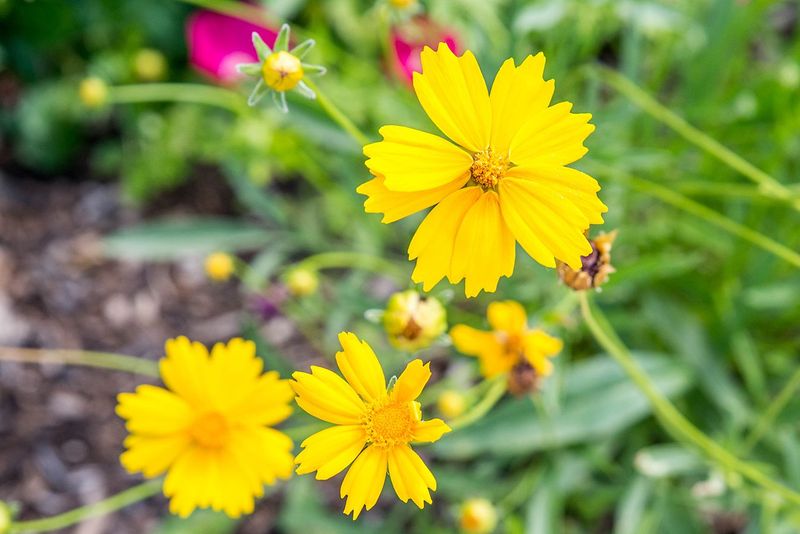
Coreopsis, known for its sunny blooms, adds cheer to any garden. Divide in early spring to rejuvenate growth. Carefully dig and separate the clumps, ensuring each piece has roots and shoots. Replant in sunny, well-draining soil. Coreopsis is low-maintenance, thriving with minimal care. Their bright, daisy-like flowers attract butterflies and add color to borders. Regular division enhances plant health and prolongs blooming. Coreopsis’ adaptability and vibrant presence make it a popular choice for gardeners seeking easy-to-grow, long-blooming perennials.
16. Gaillardia
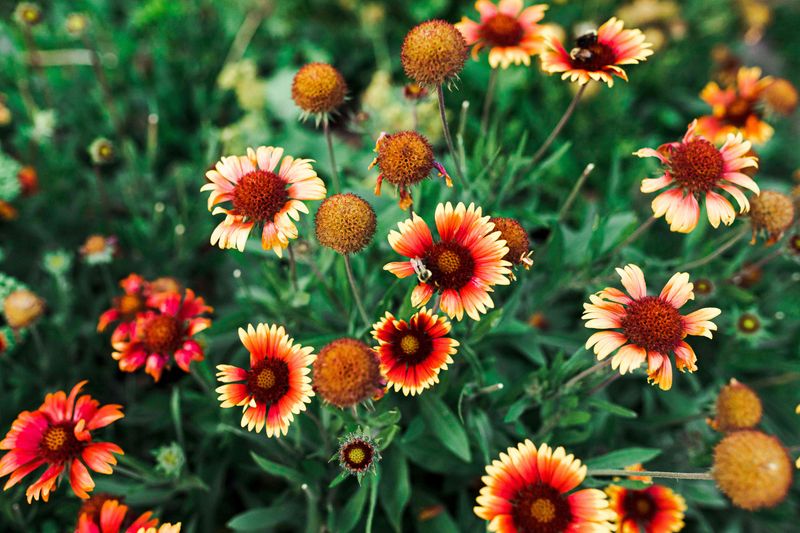
Gaillardia, or blanket flowers, stand out with their vibrant, quilt-like petals. Divide every two to three years for the best results. Gently lift and separate the clumps into smaller sections. Each part should have roots and shoots. Replant in full sun with sandy, well-draining soil. Gaillardia thrives in warm climates, requiring little water once established. Their bold colors attract pollinators, enhancing garden biodiversity. Regular division ensures healthy growth and prolonged blooming. With their unique appearance, Gaillardia adds a splash of color and texture to any garden landscape.
17. Lamb’s Ear
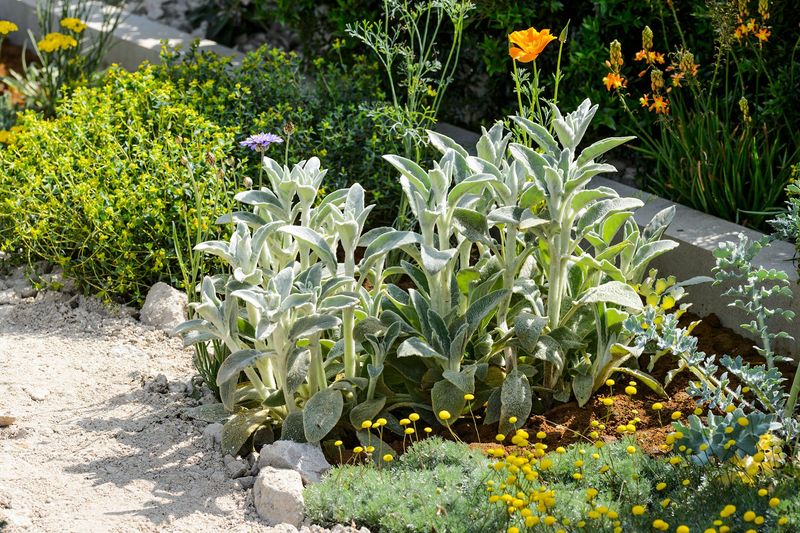
Lamb’s ear, cherished for its velvety leaves, adds a soft touch to gardens. Perfect for borders, divide every three to four years. Lift the clump, separating into smaller pieces with roots. Replant in full sun with well-draining soil. Lamb’s ear is drought-tolerant, thriving with minimal care. Its silvery foliage complements colorful blooms, adding contrast. Ideal for sensory gardens, its tactile nature invites interaction. Regular division maintains vigor and prevents overcrowding, ensuring robust growth. Lamb’s ear offers both aesthetic appeal and practical benefits in garden design.
18. Heuchera
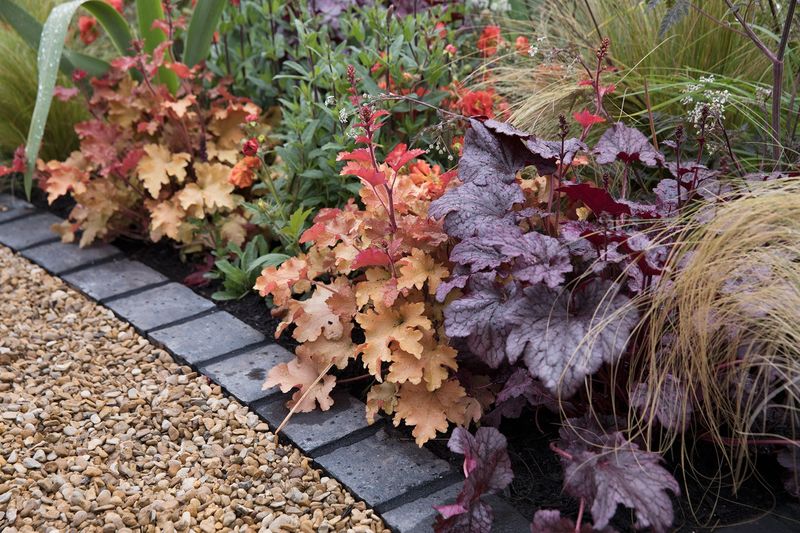
Heuchera, or coral bells, captivate with their ruffled foliage and variety of colors. Divide in early spring for optimal health. Carefully lift the clump, splitting into smaller sections with roots and shoots. Replant in shaded areas with rich, well-draining soil. Heuchera adds texture and color to shaded gardens, thriving with minimal care. Their flowers attract hummingbirds, adding an ecological aspect. Regular division prevents overcrowding, maintaining plant vigor. With their vibrant presence, heuchera makes a striking addition to woodland gardens, offering year-round interest.