 Complete Gardening
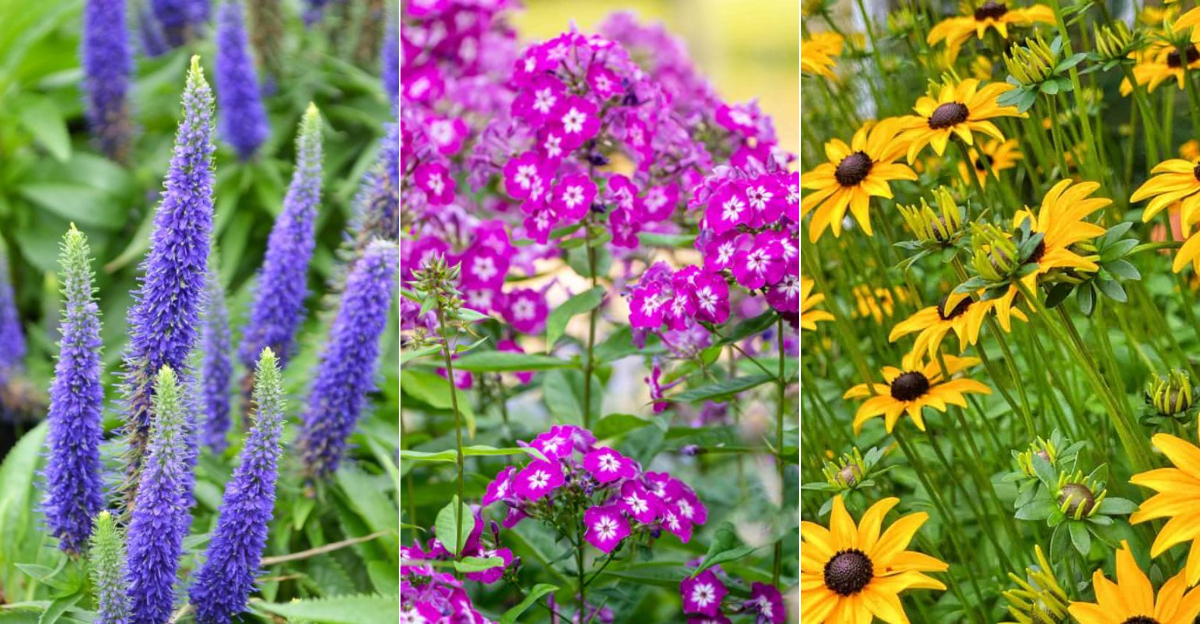
Dividing perennials in July is crucial for maintaining their health and vitality. This process prevents overcrowding, enhances flower production, and ensures robust growth for the next blooming season. By dividing these perennials, gardeners can rejuvenate plants, allowing them to thrive with more space and resources. Discover the 18 perennials that benefit most from division in July, ensuring your garden’s brilliance and bloom for years to come.
1. Hostas
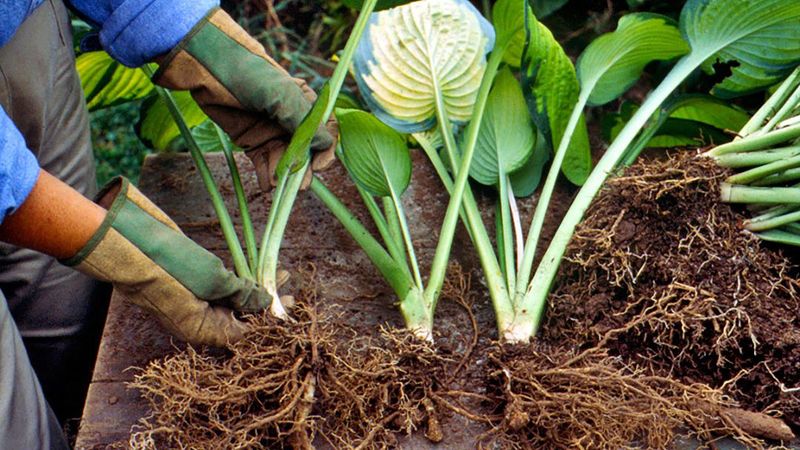
Why should hostas, with their lush leaves and diverse hues, be divided? Overcrowding stifles their vibrant growth and vigor. Imagine a garden bed where hostas grow dense, their roots a tangled mass. By slicing through thick roots with a sharp spade, you free them from their cramped quarters. This practice not only revitalizes their appearance but also boosts their overall health. Each division breathes new life, ensuring next year’s foliage is more abundant and vivid. As these hardy plants settle into their new spaces, they promise a lush and verdant display.
2. Daylilies (Hemerocallis)
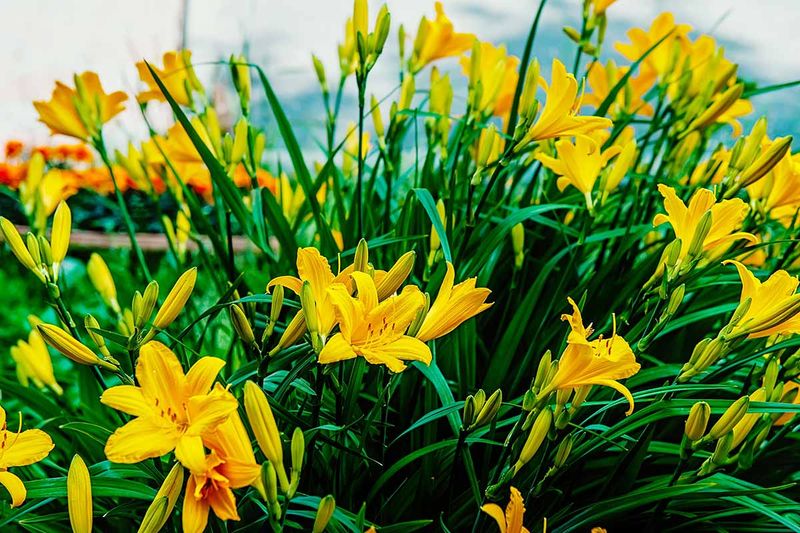
Daylilies, known for their stunning, ephemeral blooms, benefit immensely from division. As they age, their flowering might diminish, signaling the need for rejuvenation. By separating these vibrant perennials, you halt declining blooms and encourage a fresh burst of color. Planting the divisions 12-18 inches apart ensures they have ample space to thrive. This simple step fosters healthier plants and more prolific flowering. Picture a garden bathed in the warmth of daylilies, each flower a testament to careful nurturing. Next summer promises a spectacle of color and vitality.
3. Bearded Iris
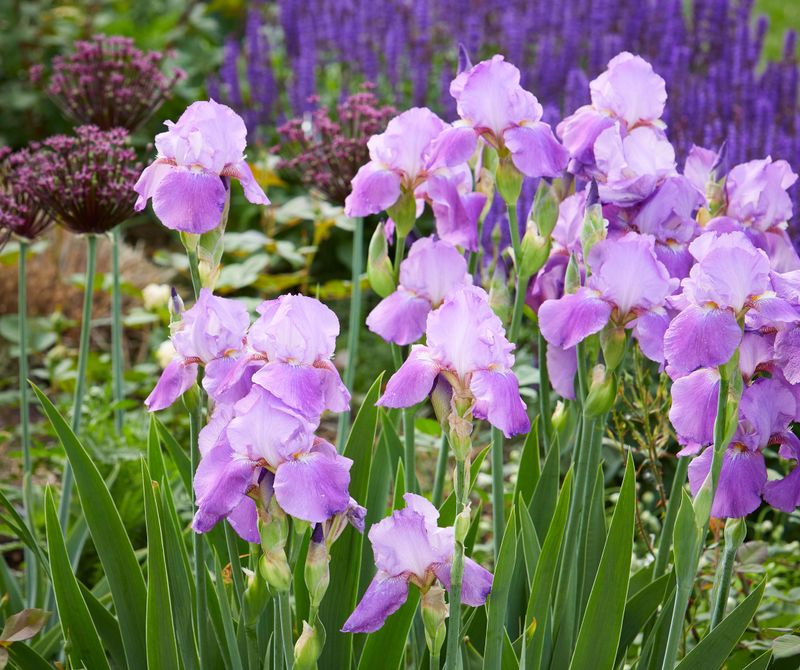
Bearded irises, with their regal blooms, demand attention when they start to crowd. Dividing these beauties prevents rot and increases their flowering potential. A key step is trimming the leaves to six inches, reducing stress on the plant during division. As you carefully separate the rhizomes, envision the garden awash with their stately flowers next year. This process not only keeps disease at bay but also invigorates their growth. Each trimmed iris holds the promise of a more dazzling display, capturing the imagination with its grace and elegance.
4. Peonies
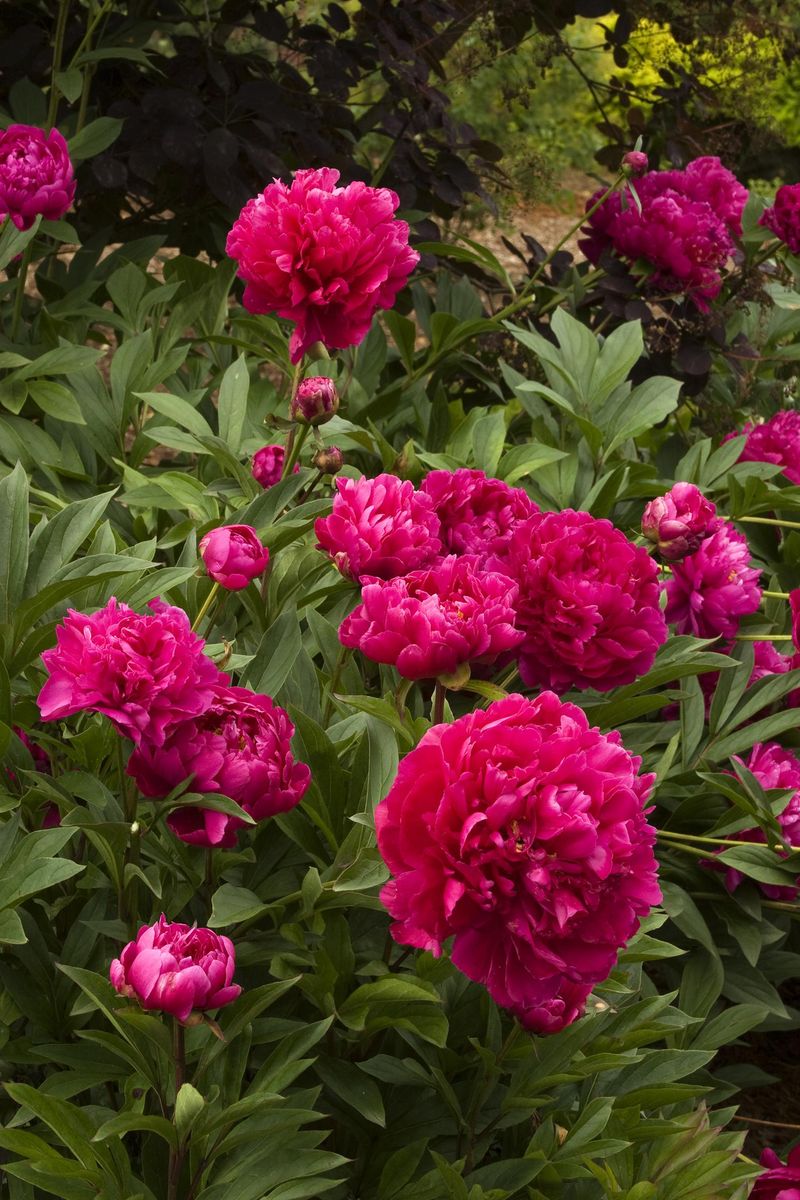
Peonies, beloved for their fragrant blooms, can become shy in flowering as they mature. Dividing old clumps revitalizes their bloom potential. It’s crucial to plant divisions with their eyes no deeper than two inches underground. Visualize a garden where peonies stand tall, their lush flowers swaying gently in the breeze. By dividing them, you’re investing in a future filled with robust plants and abundant blooms. The process breathes new life into tired clumps, ensuring these timeless perennials continue to grace gardens with their beauty for years to come.
5. Coral Bells (Heuchera)
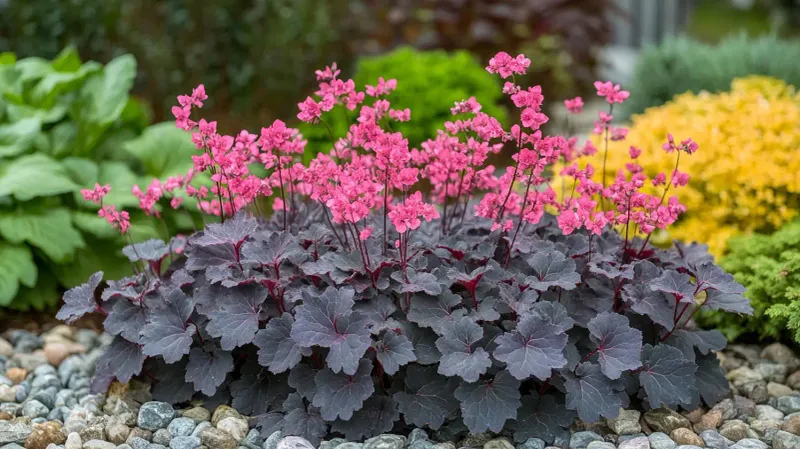
Coral Bells, with their striking foliage, often suffer from dying centers over time. Division reinvigorates these plants, allowing each segment to grow into a full plant by next year. Envision a garden adorned with their rich, varied colors, each plant standing proudly. The division process breathes new life into aging clumps, ensuring a vibrant display. As you separate and replant, each piece holds the potential for lush growth. This simple act of care promises a garden where Coral Bells’ hues will dazzle, captivating every onlooker with their charm.
6. Black-Eyed Susans (Rudbeckia)
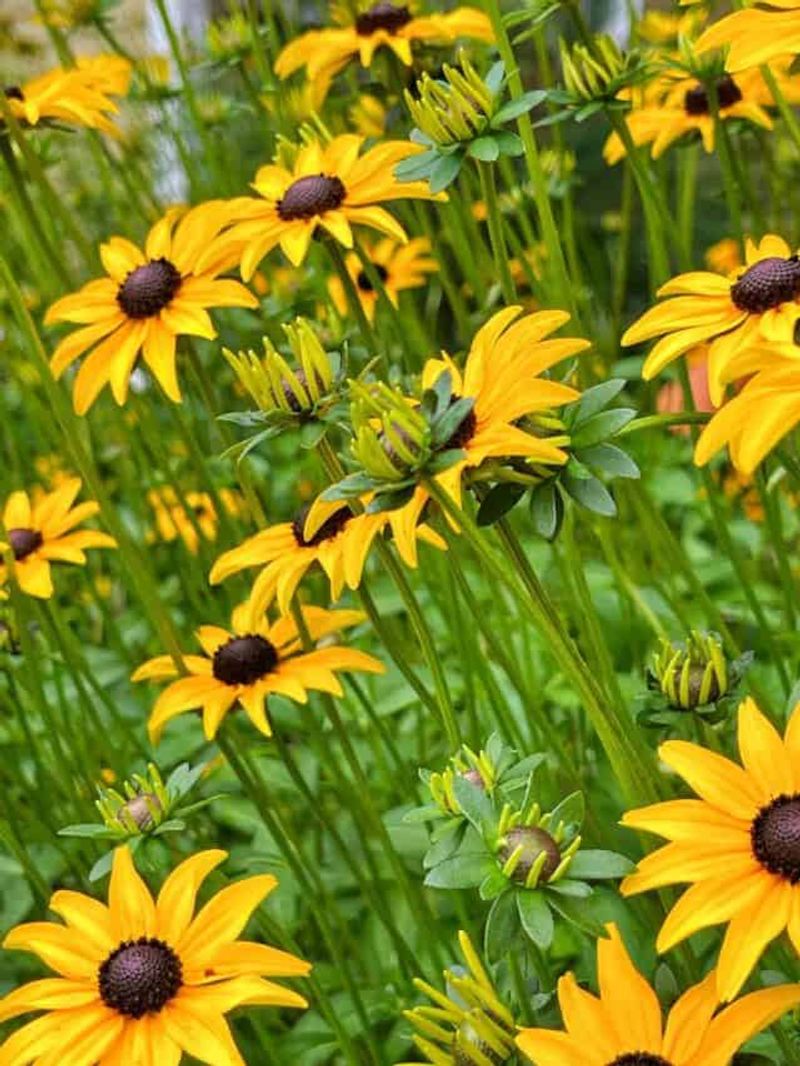
Black-Eyed Susans, known for their bold, sunny blooms, can become leggy and weak without division. By dividing these cheerful perennials, you prevent lackluster growth and invigorate tired clumps. Imagine a garden where their bright yellow flowers stand tall, each one a beacon of sunshine. The division process revitalizes these plants, ensuring they maintain their robust appearance. As they settle into their new spots, the garden transforms with renewed energy and color. This practice promises a bountiful display, where Black-Eyed Susans’ charm and vigor are on full display.
7. Siberian Iris
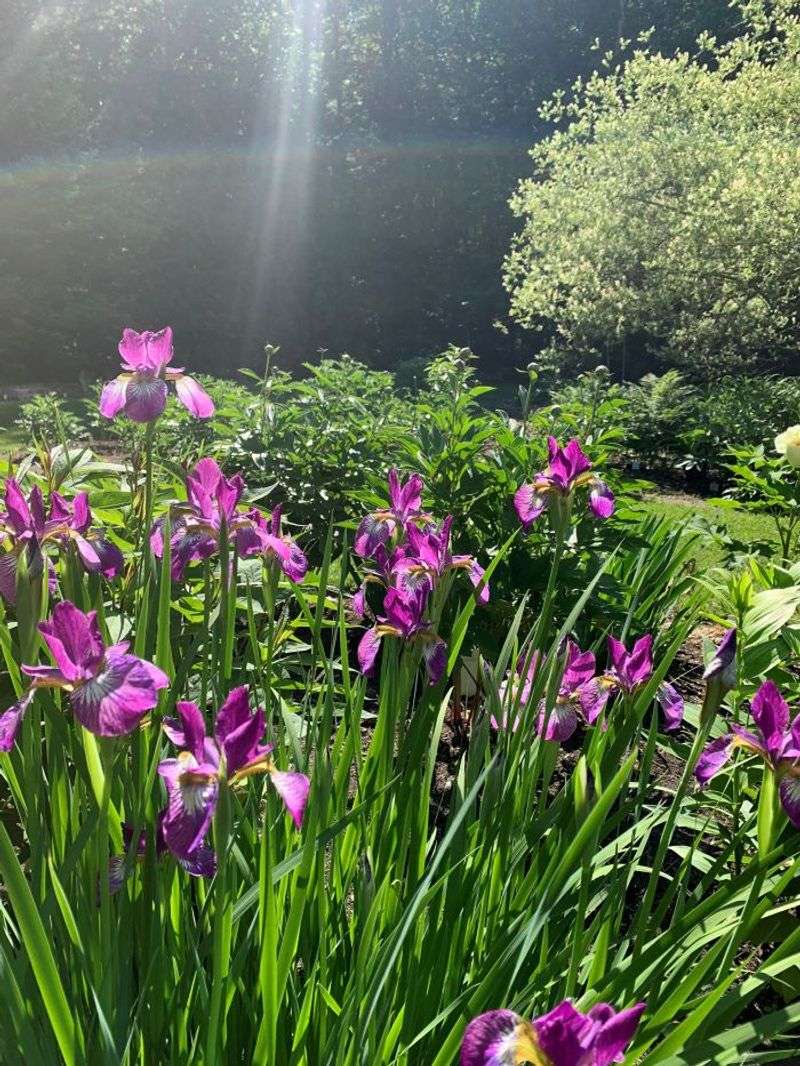
Siberian Irises, with their elegant, slender leaves and vibrant flowers, spread aggressively if left unchecked. Dividing them every 3-4 years ensures the best blooms and prevents overcrowding. Picture a serene garden where these irises flourish, each flower a testament to careful management. The division process keeps them in check, promoting healthier growth and more prolific flowering. As you separate and replant, you create space for their beauty to unfold. These irises promise a captivating display, where their grace and allure illuminate the garden, enchanting all who pass by.
8. Ornamental Grasses (Like Miscanthus)
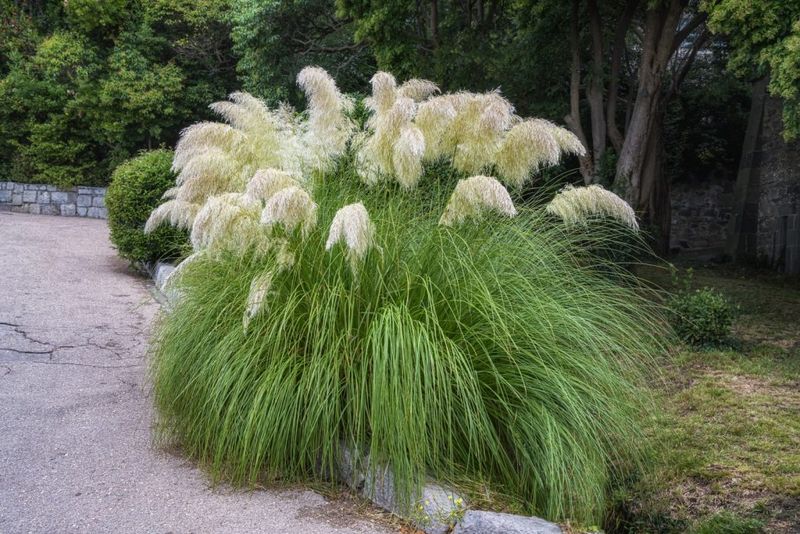
Ornamental grasses, such as Miscanthus, can suffer from dead centers if not divided regularly. Using an old bread knife, slice through their tough roots. Picture a garden where these grasses sway gently, their feathery plumes catching the wind. Division keeps them lush and full, preventing unsightly gaps. This simple act of maintenance ensures they remain a striking feature in the landscape. As the grasses are rejuvenated, they promise to add texture and movement to the garden, creating a dynamic and visually appealing space that captivates and calms.
9. Astilbe
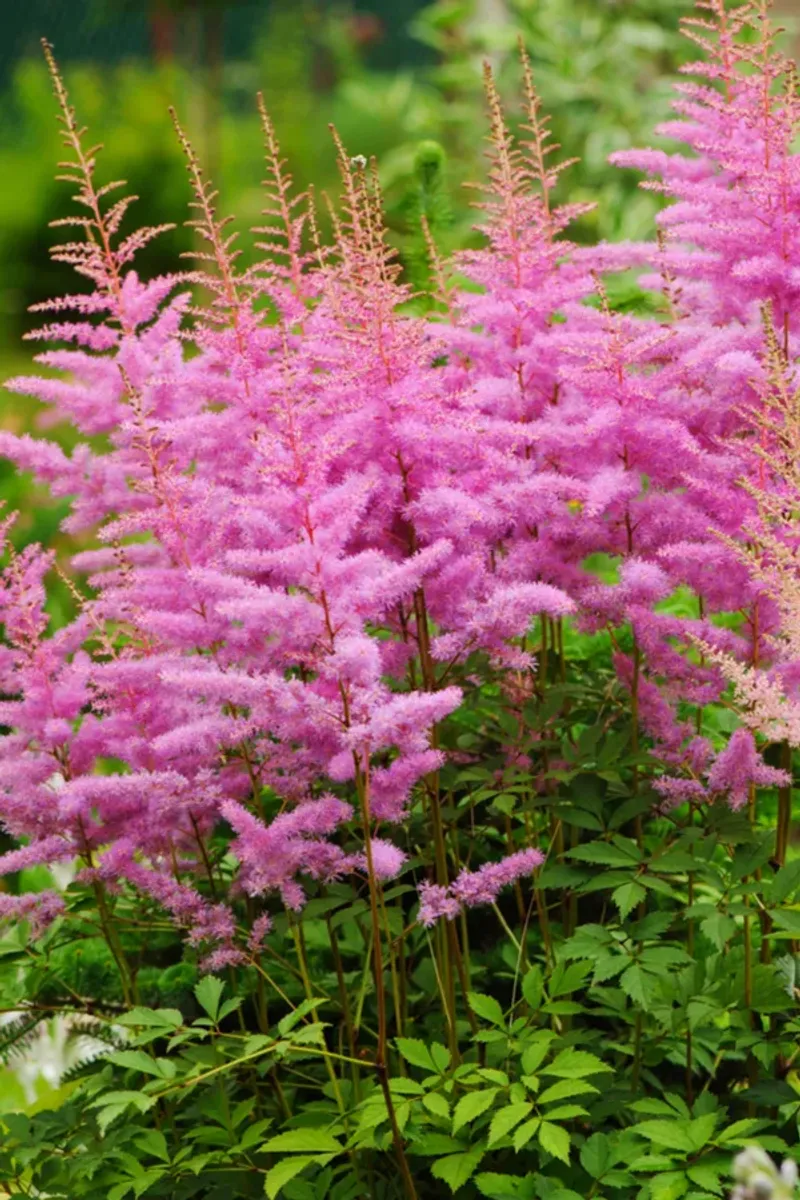
Astilbes, adored for their feathery plumes and lush foliage, require division to stop a decline in flowering. As they age, their blooms might wane, signaling it’s time for renewal. Picture a shaded garden where Astilbe stands vibrant, each plume a testament to care. Dividing these plants not only rejuvenates their appearance but also ensures healthier, more abundant blooms. Keeping new divisions well-watered after splitting is crucial for their success. This nurturing process promises a garden filled with color and texture, where Astilbe’s charm captivates and delights.
10. Shasta Daisies
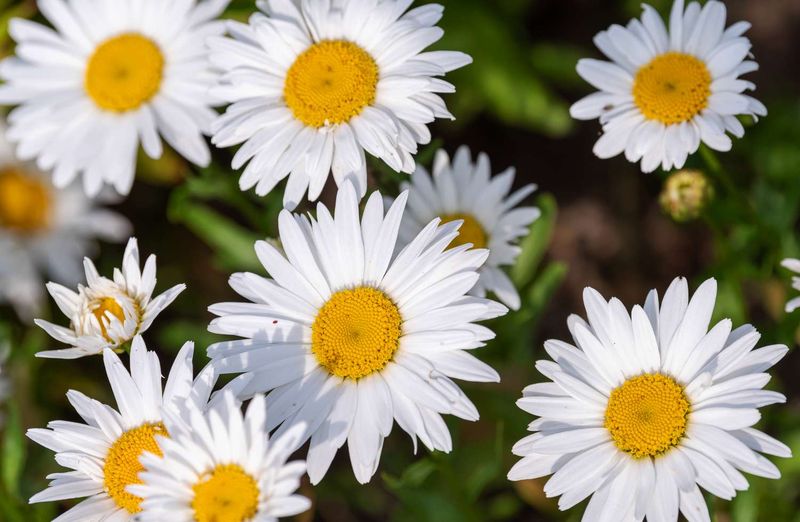
Shasta Daisies, with their classic white petals and sunny centers, can develop floppy, weak stems without division. Every 2-3 years, this process invigorates their growth and keeps them standing tall. Picture a garden bed filled with these cheerful flowers, each one a bright spot in the landscape. Dividing them ensures their robust health, preventing unsightly floppiness. As the new divisions take root, they promise a garden that brims with life and joy. This simple act of care results in a stunning display where Shasta Daisies shine, capturing hearts with their timeless beauty.
11. Phlox (Garden & Creeping)
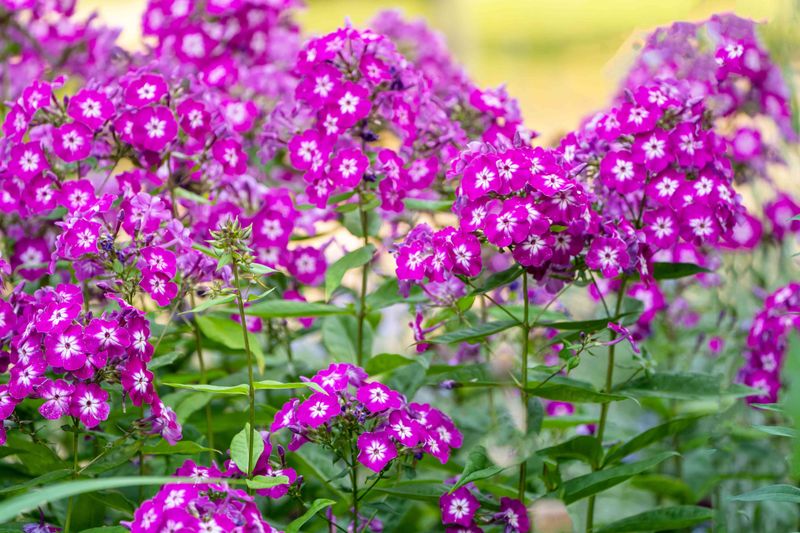
Phlox, both garden and creeping varieties, thrive with division, reducing mildew risk and boosting blooms. Ensuring proper spacing of 18-24 inches provides ample airflow, crucial for their health. Imagine a garden where Phlox blossoms in vibrant clusters, each one a splash of color. Dividing these plants revitalizes their growth, encouraging healthier blooms. As you navigate the garden bed, carefully placing each division, you’re laying the groundwork for a vivid floral display. This meticulous process results in a garden where Phlox captivates, their colors weaving a tapestry of life and vibrancy.
12. Liatris (Blazing Star)
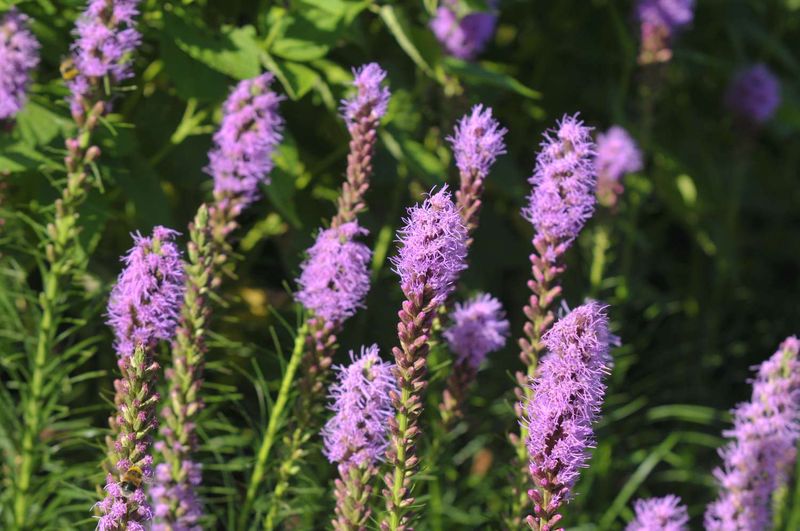
Liatris, with its blazing purple spikes, multiplies rapidly through corms. Dividing them ensures controlled growth and a fuller display. Visualize a garden where Liatris stands proudly, each spike a beacon of vibrant color. Replanting corms pointy side up is essential for optimal growth. This simple yet effective method promotes healthier plants and more abundant flowering. As the garden fills with their striking blooms, Liatris promises to captivate with its bold presence. This process ensures a lively garden, where each plant contributes to a stunning tapestry of colors and textures.
13. Yarrow (Achillea)
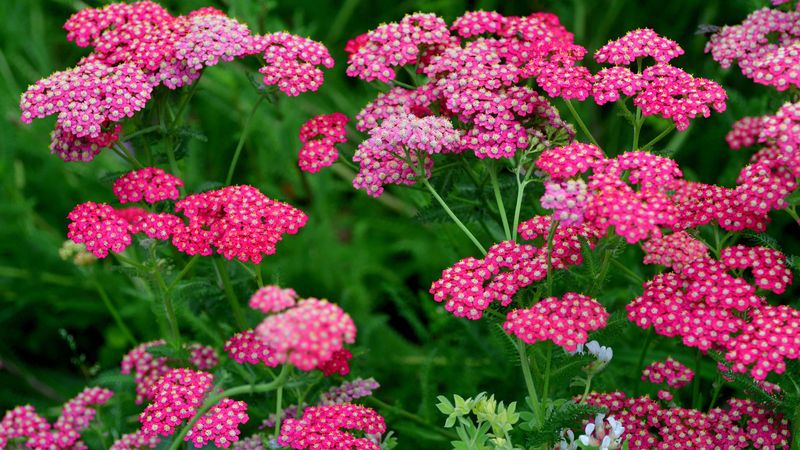
Yarrow, known for its bright, cheerful clusters of flowers, can spread aggressively if left unchecked. Dividing these perennials helps maintain their vigor and prevents them from overwhelming the garden. Imagine a sunny meadow where Yarrow blooms in abundance, each cluster a splash of sunshine. This hardy plant benefits from regular division, ensuring it remains a vibrant part of the landscape. As you divide and replant, each piece promises a robust and drought-tolerant addition to your garden. Yarrow’s resilience and beauty make it a cherished feature, brightening every corner it graces.
14. Coreopsis
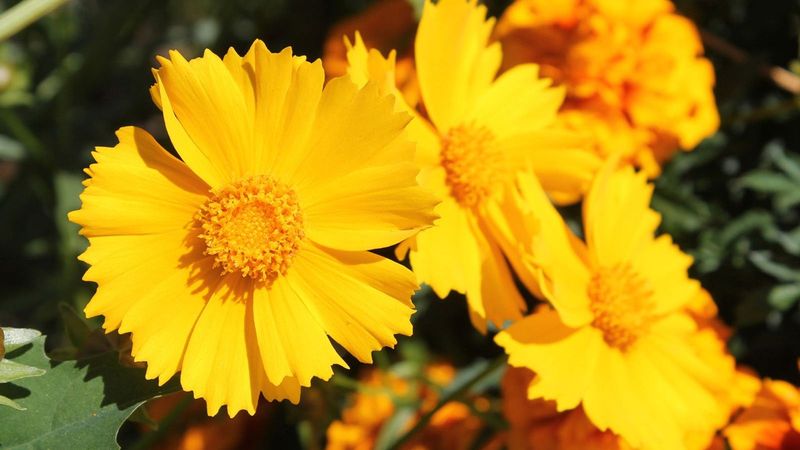
Coreopsis, with its sunny disposition, benefits from division every 2-3 years. This short-lived perennial thrives on renewal, ensuring continued vitality. Picture a garden where Coreopsis blooms radiantly, each flower a testament to rejuvenation. Dividing these plants keeps them thriving, preventing them from becoming lackluster. As you separate and replant, each division promises a burst of color and energy. This simple act of care ensures a garden where Coreopsis’ cheerful blooms shine brightly, creating a lively and inviting atmosphere that enchants all who visit.
15. Lamb’s Ear (Stachys)
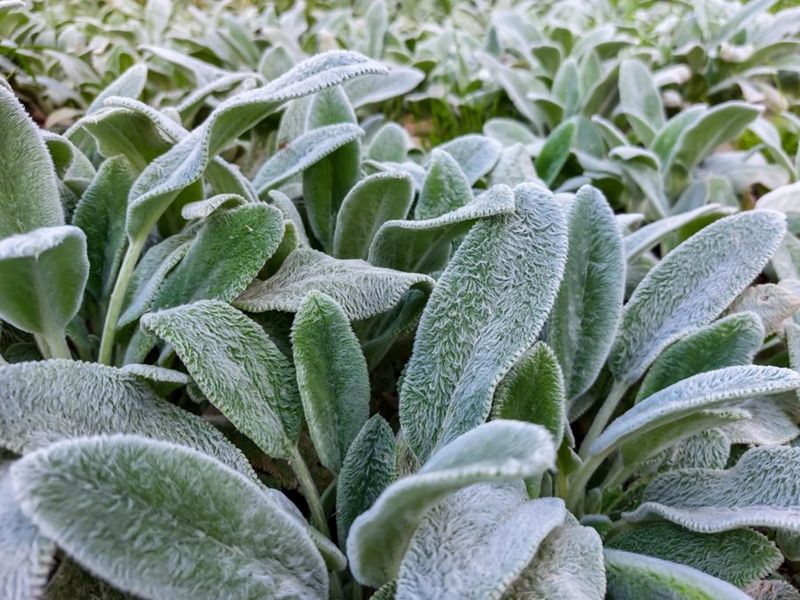
Lamb’s Ear, with its soft, velvety leaves, is prone to rot in dense clumps. Dividing these perennials not only prevents disease but also provides free groundcover plants. Imagine a garden where Lamb’s Ear creates a soft, silvery carpet, each leaf a testament to careful tending. Division keeps them healthy and ensures their spread across the garden. This process breathes new life into the plants, promising a lush groundcover that is both functional and beautiful. Lamb’s Ear transforms the garden into a serene and tactile space, welcoming all who wander through.
16. Sedum (Stonecrop)
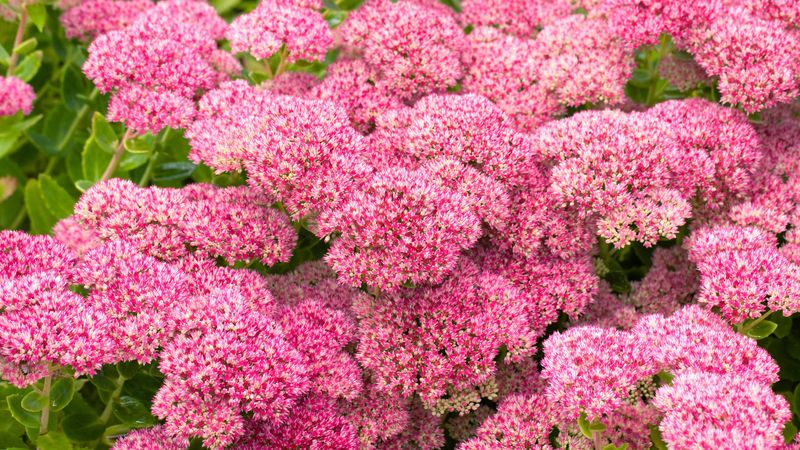
Sedum, known for its fleshy leaves and resilience, thrives when divided. This process keeps plants compact and vigorous, ensuring a robust display. Picture a garden where Sedum’s succulent foliage adds texture and interest, each cluster a testament to renewal. Allowing cuttings to callus over before replanting is key to their success. This simple step guarantees healthy growth and an abundance of star-shaped flowers. As the garden fills with their unique charm, Sedum promises to captivate with its understated beauty. This practice ensures a garden that is both dynamic and enduring.
17. Veronica (Speedwell)
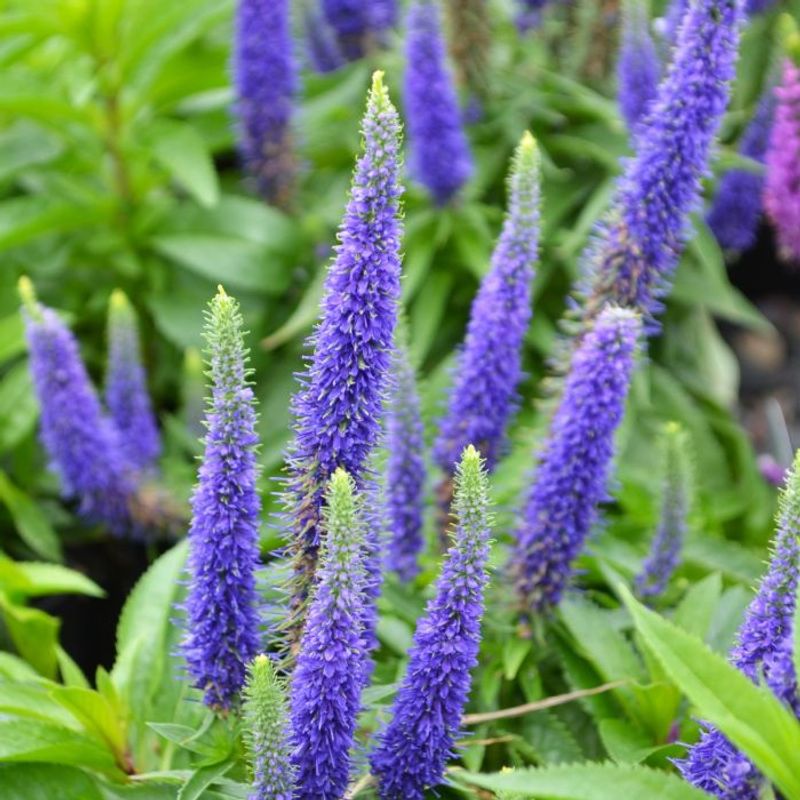
Veronica, with its vibrant blue spikes, benefits from division to prevent woody, sparse centers. Early July is the perfect time, before the heat peaks. Imagine a garden where Veronica’s blooms stand tall, each spike a burst of color. Dividing these plants rejuvenates their growth, ensuring a lush and full appearance. As you work through the garden, carefully spacing each division, you’re crafting a stunning display. This meticulous process results in a garden where Veronica thrives, its vivid blooms weaving a tapestry of life and color that enchants all who pass by.
18. Coneflowers (Echinacea)
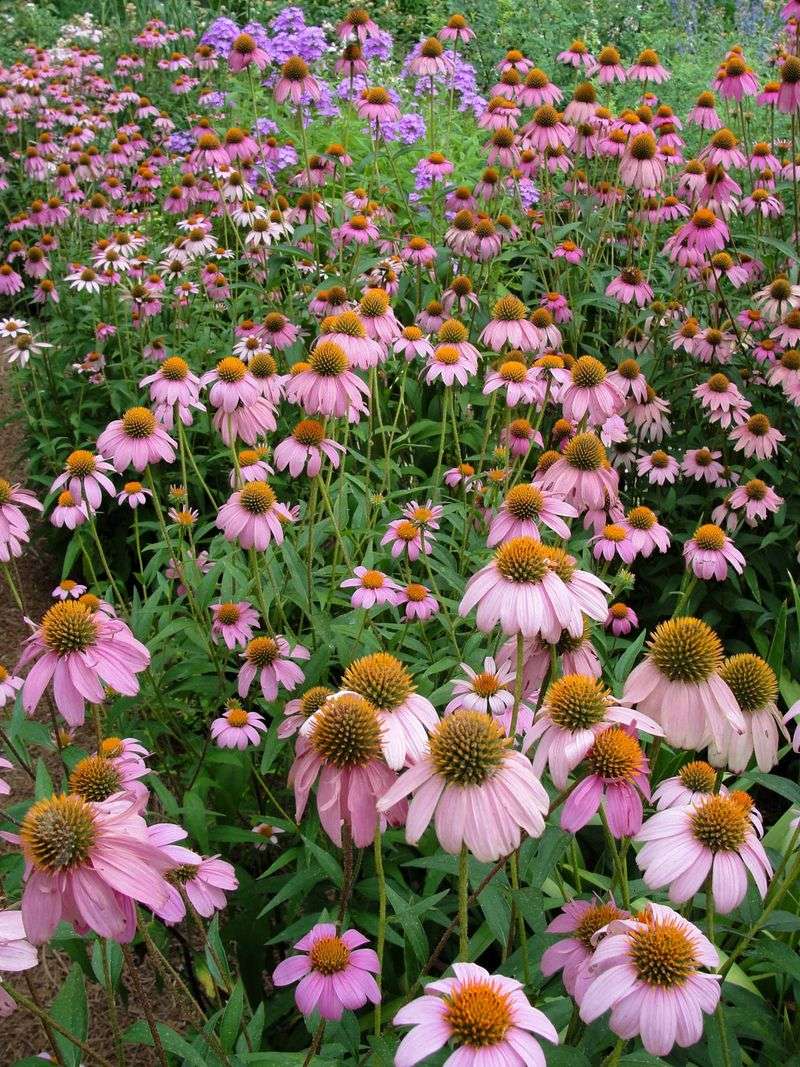
Coneflowers, with their striking pink and purple petals, need division to boost blooming and prevent disease. Every 3-4 years, this process invigorates their growth and ensures a vibrant display. Picture a garden where coneflowers bloom abundantly, each flower a testament to health and care. Dividing these plants not only enhances their appearance but also strengthens their resilience. As the new divisions take root, they promise a garden filled with color and vitality. This simple act ensures that coneflowers continue to grace gardens with their beauty, captivating all who behold them.