 Complete Gardening
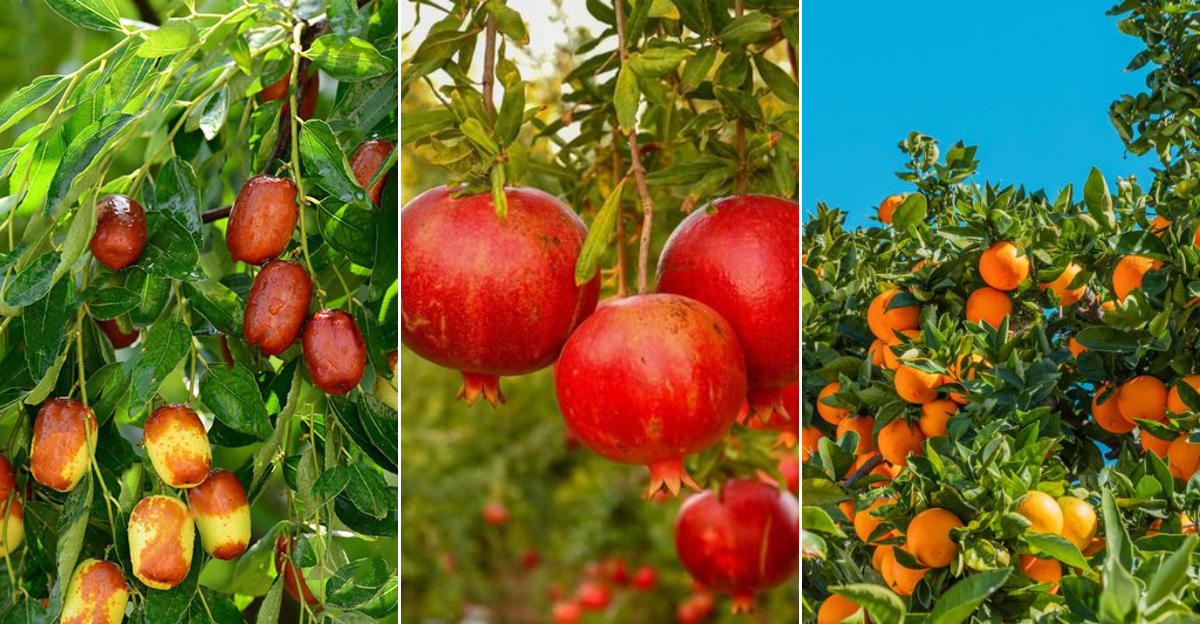
In regions where the sun blazes and water is scarce, gardeners often face challenges in cultivating lush landscapes. Yet, hope is not lost. Many fruit trees are naturally adapted to thrive in hot and dry climates, producing bountiful harvests despite the harsh conditions. These resilient trees not only provide delicious fruits but also add beauty and shade to the environment. Whether you’re planting an orchard or just a single tree, these selections promise productivity and sustainability. Here, we’ll explore 18 remarkable fruit trees that are ideal for such climates, each with its unique charm and contribution.
1. Pomegranate
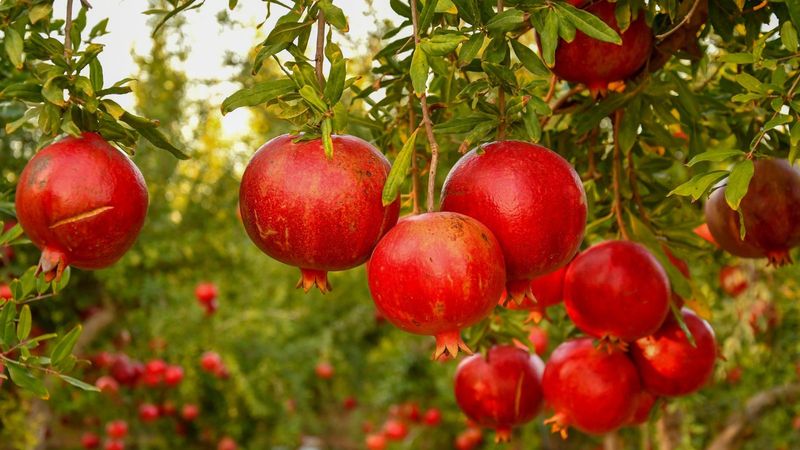
With its jewel-like fruit and vibrant flowers, the pomegranate tree brings a splash of color to dry climates. This ancient tree, native to the Middle East, thrives in hot, sunny conditions. Pomegranates are not just beautiful; their juicy seeds are packed with antioxidants. Plant them in well-drained soil and watch them flourish with minimal water. An added bonus? Pomegranates are long-lived and can withstand temperatures as high as 120°F. Their ability to adapt to various soil types makes them a versatile choice for any garden. Embrace the resilience of this timeless beauty.
2. Fig
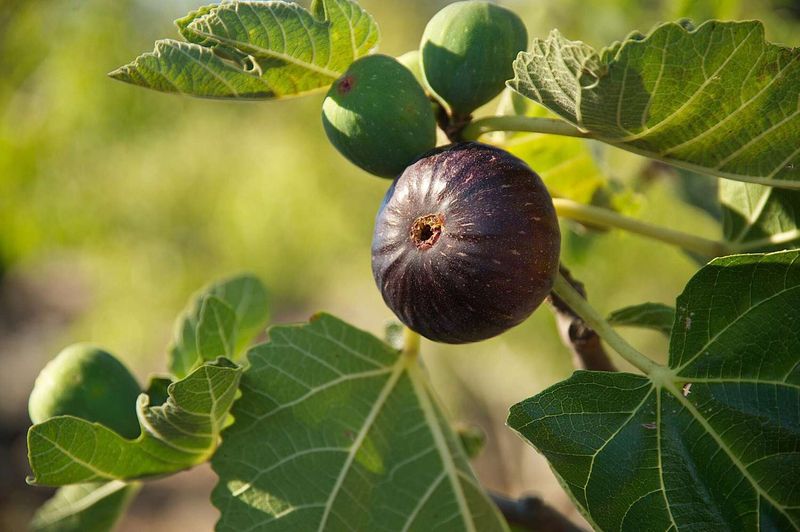
Figs have been cultivated for thousands of years, celebrated for their sweet fruit and hardy nature. Perfect for arid regions, fig trees require little more than sunshine and space to thrive. They are drought-tolerant and can grow in rocky or sandy soils, making them a gardener’s favorite. The succulent fruits, often enjoyed fresh or dried, offer a delightful treat. Fig trees can grow up to 30 feet, providing ample shade. Their attractive, lobed leaves add a touch of elegance to any setting. A fig tree is not just a plant, but a piece of living history.
3. Olive
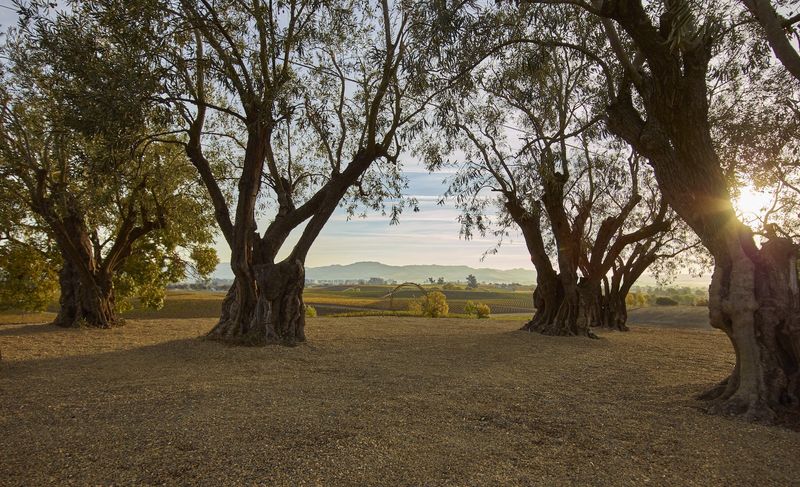
Olive trees evoke images of sunlit groves and Mediterranean breezes. Known for their durability, they thrive in hot, dry climates where other trees may falter. These evergreen wonders produce not only olives but also valuable oil prized worldwide. Olives are deeply rooted in culture and cuisine, symbolizing peace and prosperity. Their silvery foliage and twisted trunks add a touch of the exotic to gardens. Tolerant of poor soils and drought, olive trees are a testament to nature’s ingenuity. Plant one, and you’ll be rewarded with beauty and bounty for generations.
4. Date Palm
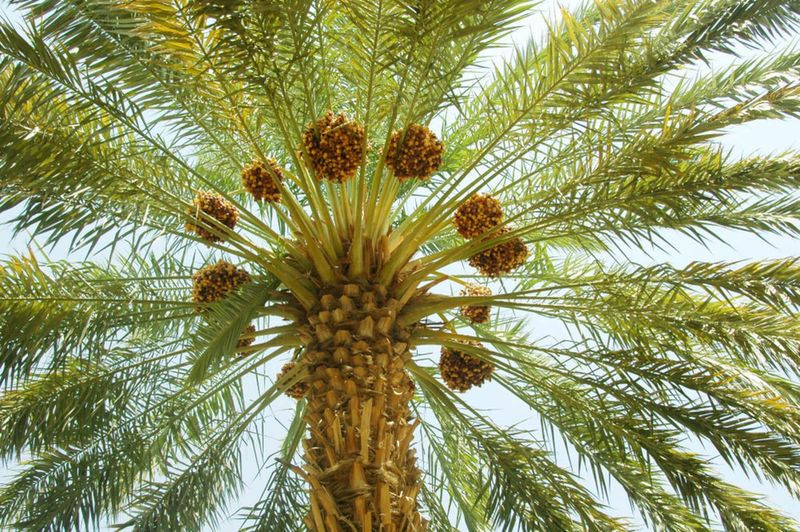
Towering above the landscape, the date palm is a symbol of life and fertility in desert regions. Its sweet, nutrient-rich fruit has sustained civilizations for millennia. Date palms are perfectly adapted to hot, arid conditions, needing little more than sunshine and occasional watering. Their feathery fronds provide much-needed shade, while their fruit offers a nutritious snack. With their towering presence and bountiful harvests, date palms are both practical and majestic. They are the epitome of resilience, thriving where few others can. A date palm isn’t just a tree; it’s a lifeline.
5. Jujube
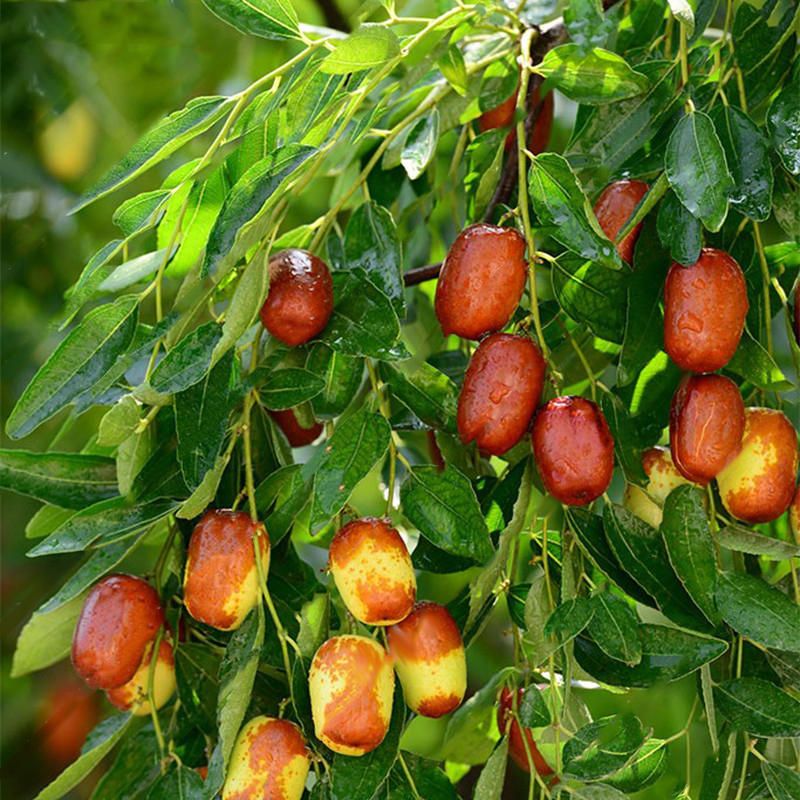
Known as the “fruit of immortality,” the jujube tree is as hardy as it is productive. Its small, sweet fruits are a staple in many cultures, full of vitamins and minerals. Jujube trees thrive in hot, dry climates, often needing less water than their fruit-bearing counterparts. They are versatile, growing well in various soil types, including poor soils where others struggle. With minimal care, jujube trees produce abundant harvests, providing both food and shade. Their resilience and adaptability make them a wise choice for sustainable gardening.
6. Citrus
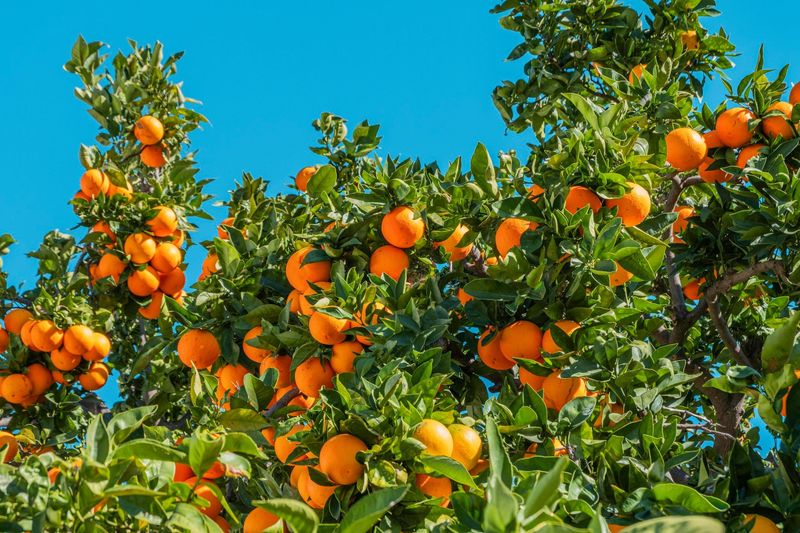
Citrus trees, with their fragrant blossoms and tangy fruits, are a delightful addition to dry landscapes. From lemons to oranges, these trees are surprisingly adaptable, flourishing in sunny climates with well-drained soil. While they do require water, they are more drought-tolerant than many expect. Citrus trees can brighten any setting with their glossy leaves and vibrant fruit, offering a sensory feast of color and aroma. Their versatility extends to their culinary uses, as they are staples in kitchens worldwide. With a little care, citrus trees can provide years of fruitful beauty.
7. Apricot
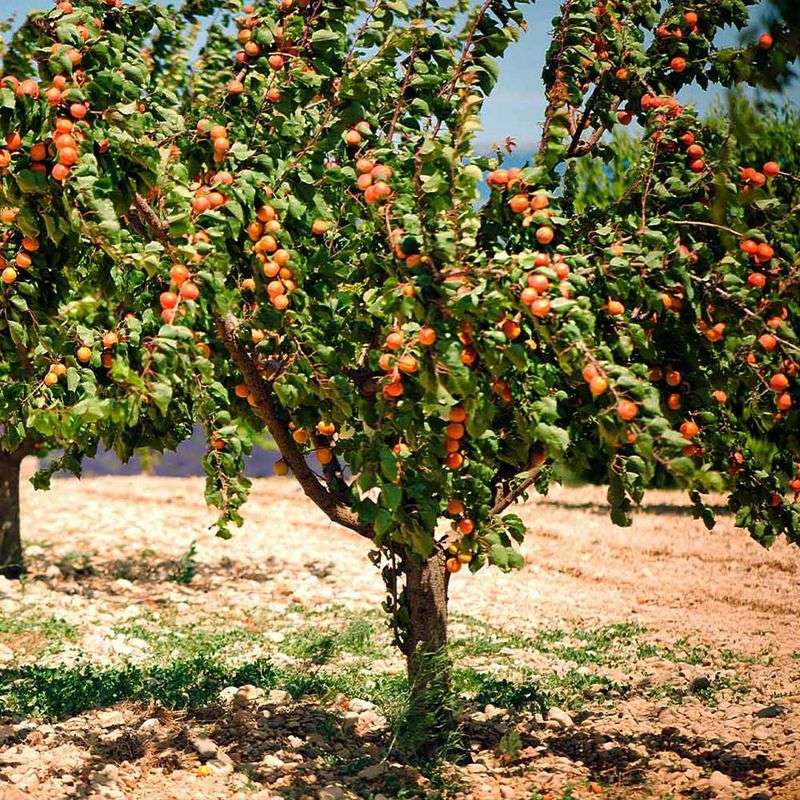
Apricot trees bring joy with their delicate blossoms and sweet, juicy fruits. They are well-suited to hot, dry climates, where they bask in the sun’s warmth. These trees prefer well-drained soil and can tolerate drought once established. Apricots are a cherished fruit, enjoyed fresh, dried, or in preserves. The tree’s graceful form and lush foliage add elegance to any garden. Apricots not only provide delicious fruit but also support local wildlife, attracting bees and birds. Embrace the apricot’s charm and resilience, and you’ll enjoy bountiful harvests year after year.
8. Almond
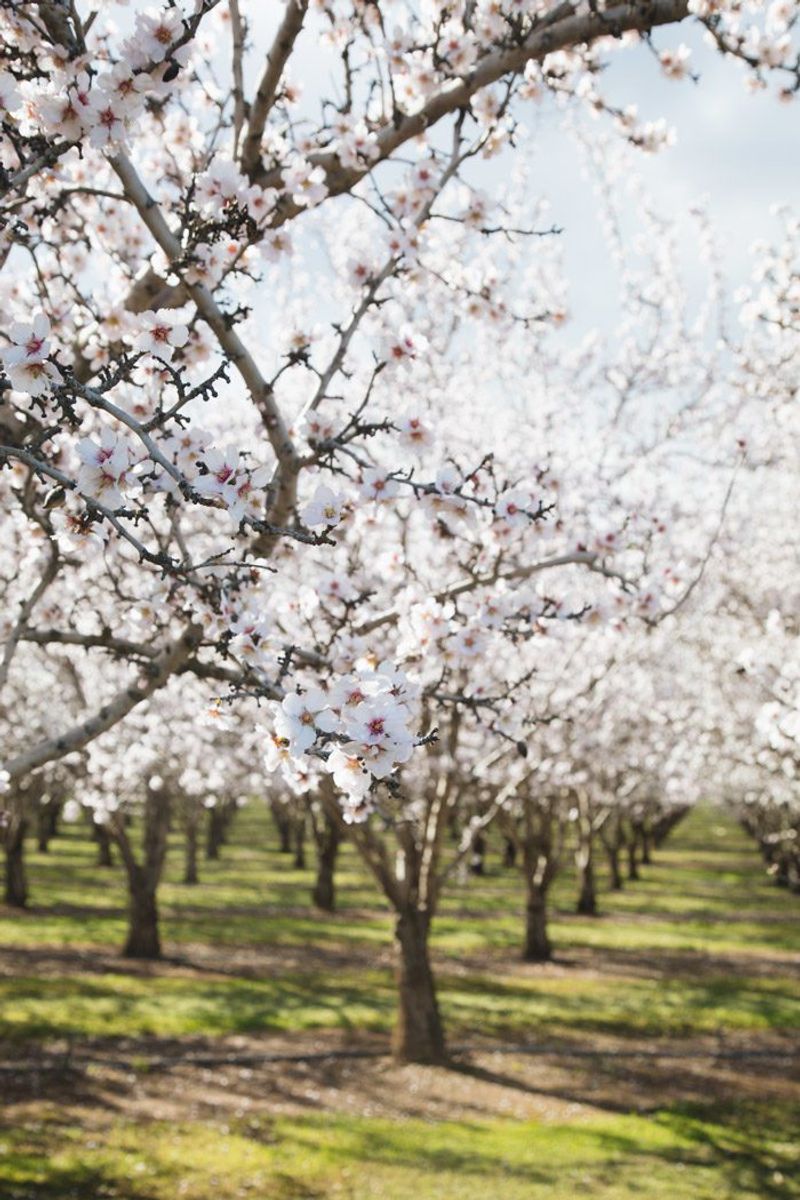
Almond trees are celebrated for their beautiful blossoms and nutritious nuts. They thrive in hot, sunny climates with well-drained soil. Once established, they are drought-tolerant, making them ideal for dry regions. Almonds are not only delicious but also packed with nutrients, making them a valuable addition to any diet. The tree’s ornamental flowers attract pollinators, adding ecological value to their surroundings. With their slender branches and lush canopy, almond trees are as attractive as they are productive. Plant an almond tree, and enjoy the beauty and bounty it brings.
9. Mulberry
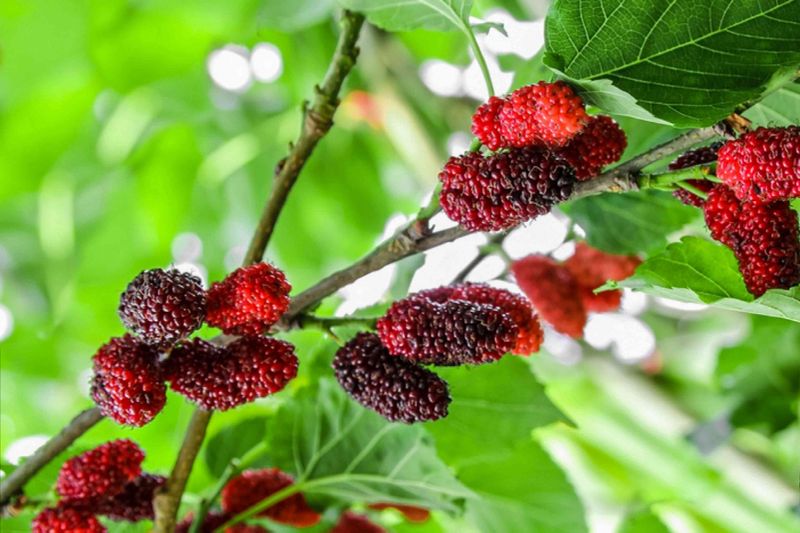
Mulberry trees are versatile and resilient, known for their rapid growth and bountiful fruit. Ideal for hot, dry climates, they can thrive in a variety of soil types. Mulberries are a delicious treat, enjoyed fresh or used in jams and desserts. The tree’s dense canopy provides ample shade, making it a perfect addition to sun-drenched gardens. Mulberries attract birds and wildlife, enhancing the ecological diversity of their surroundings. With minimal care, mulberry trees reward gardeners with abundant harvests and natural beauty. Their adaptability and vigor make them a smart choice for sustainable landscapes.
10. Pistachio
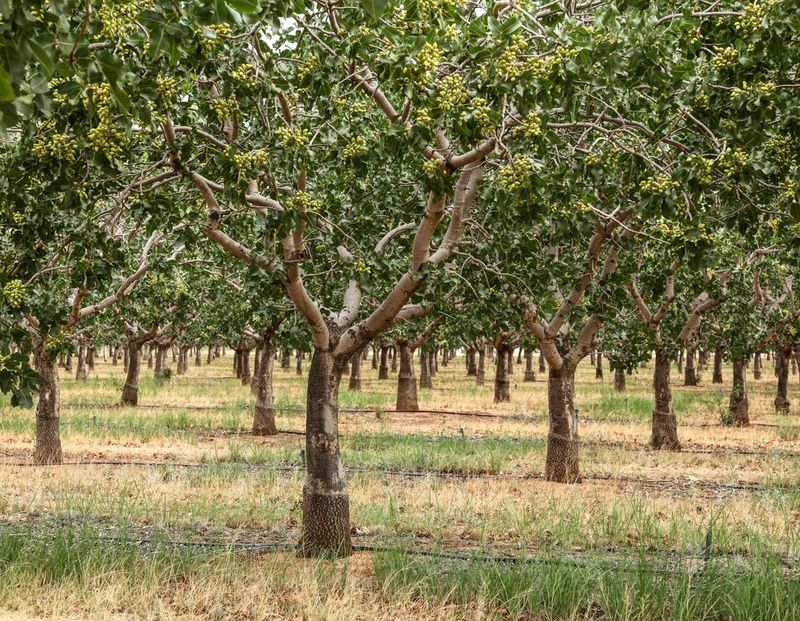
Pistachio trees are a symbol of patience and reward, thriving where others cannot. Native to Central Asia, they are perfectly suited for hot, dry climates. Pistachios require well-drained soil and minimal water once established, making them a resilient choice for arid regions. The nuts are a coveted delicacy, enjoyed worldwide for their unique flavor and nutritional value. Pistachio trees add a touch of elegance to landscapes with their distinctive foliage and sturdy form. Plant a pistachio tree, and savor the rich rewards it offers, both in taste and visual appeal.
11. Quince
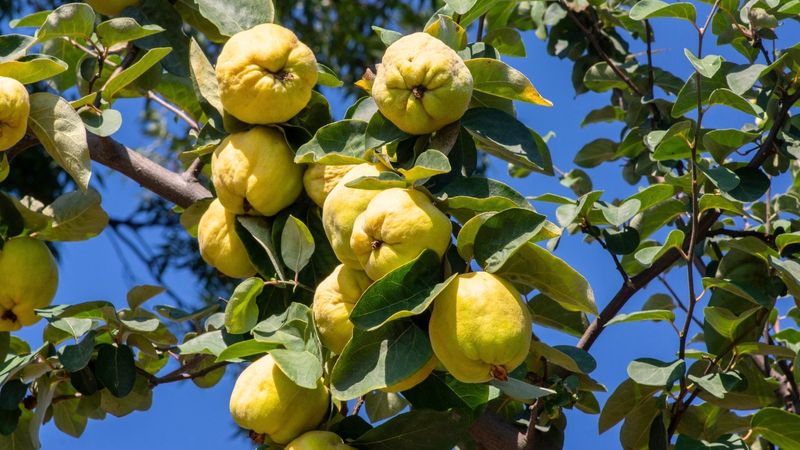
Quince trees are a delightful addition to gardens, known for their fragrant fruit and striking blossoms. They thrive in hot, dry climates, where they bask in the sun. Quince requires little water and can adapt to various soil types, making it a robust choice for gardeners. The fruit, often used in jellies and desserts, adds culinary value to its appeal. Quince trees also provide ornamental beauty with their lush foliage and vibrant flowers. With their hardiness and charm, quince trees are a wise addition to any dry landscape, offering both beauty and utility.
12. Loquat
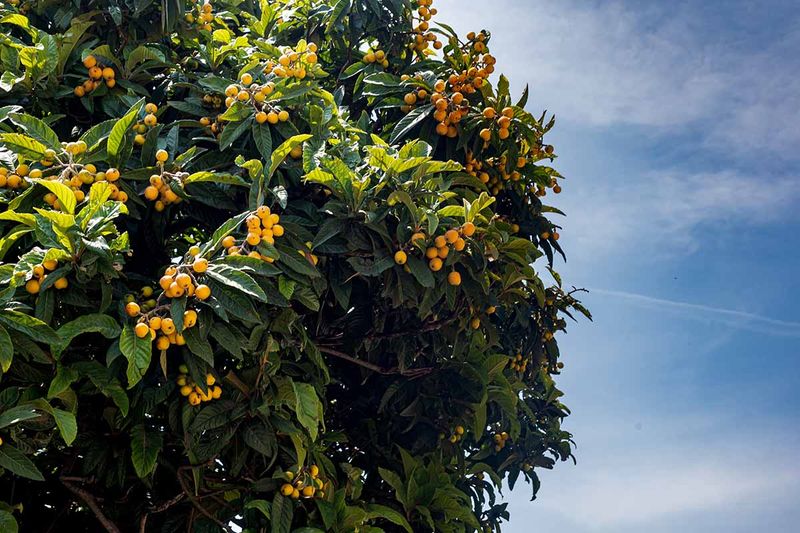
Loquat trees bring a tropical touch to dry gardens, with their glossy leaves and vibrant fruits. Originally from Southeast Asia, they are well-suited to hot, arid climates. Loquats require minimal water and can grow in various soil types, making them a versatile choice. Their sweet, tangy fruits are a delight, often used in jams and desserts. The tree’s attractive form and evergreen foliage add year-round beauty to landscapes. Plant a loquat tree, and enjoy the lush greenery and delicious harvests it brings, all with minimal effort.
13. Peach
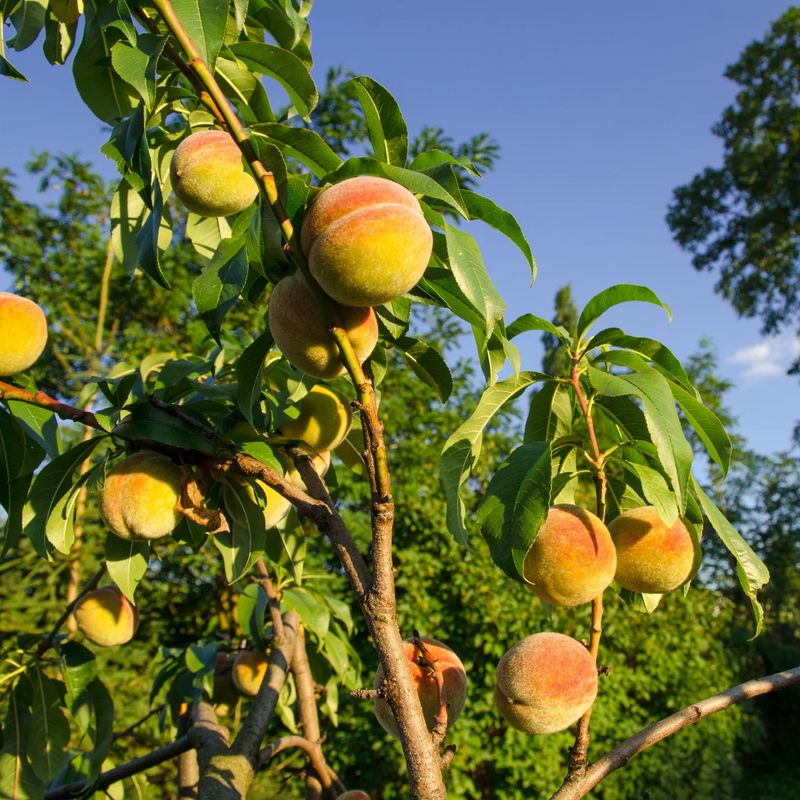
Peach trees are beloved for their juicy, fragrant fruits and lush foliage. They thrive in sunny, dry climates, where they can soak up the warmth they need. Peaches require well-drained soil and moderate watering, but they are surprisingly resilient once established. The tree’s delicate blossoms herald the arrival of spring, adding a burst of color to gardens. With their sweet aroma and vibrant fruits, peaches are a summer staple. Plant a peach tree, and you’ll be rewarded with delicious harvests and a touch of natural beauty in your landscape.
14. Carob
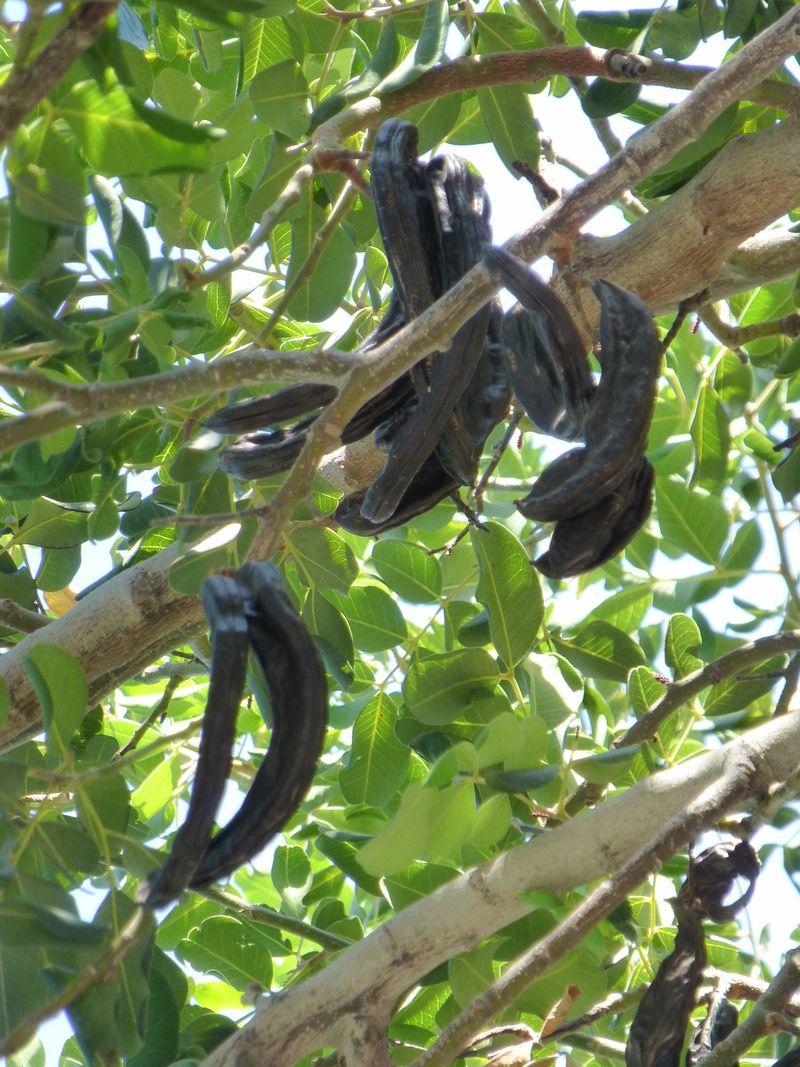
Carob trees are a testament to nature’s adaptability, thriving in hot, dry regions where few others can. Their long, dark pods are not only a source of nutrition but also a natural sweetener, often used as a chocolate substitute. Carob trees require minimal water and can grow in poor soils, making them a sustainable choice for arid landscapes. The tree’s dense canopy offers shade and shelter to wildlife, enhancing biodiversity. With their unique fruits and ecological benefits, carob trees are a valuable addition to any dry garden.
15. Guava
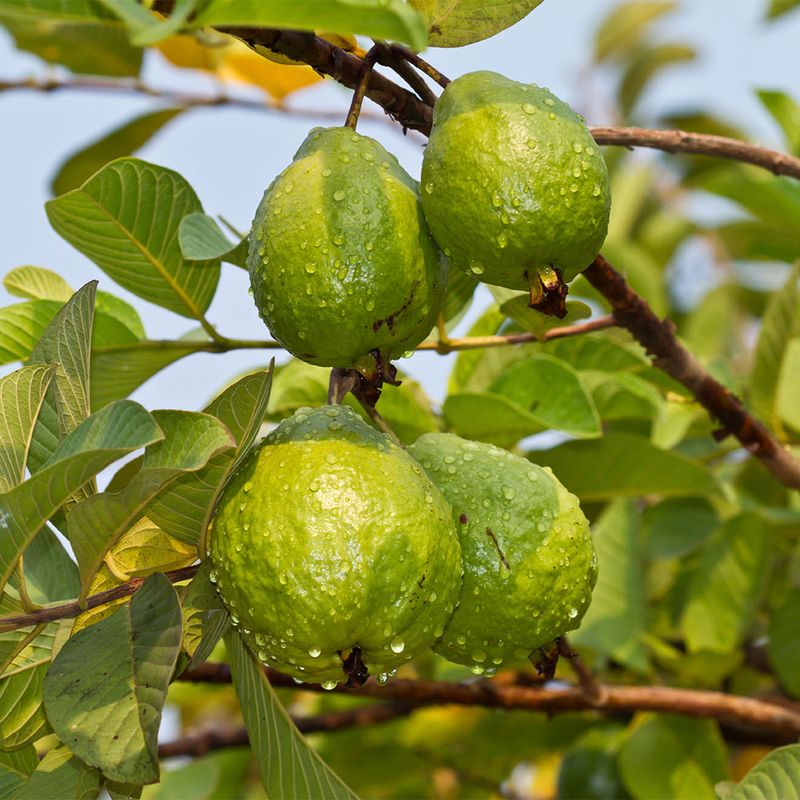
Guava trees offer a tropical flair to dry gardens, with their aromatic fruits and lush foliage. Originally from Central America, they are well-suited to hot, dry climates. Guavas require little water and can thrive in sandy or rocky soils, making them a resilient choice for gardeners. The fruit’s sweet, tangy flavor is a delight, enjoyed fresh or in juices and desserts. With their evergreen leaves and attractive form, guava trees provide year-round beauty. Plant a guava tree, and enjoy the bountiful rewards it offers, both in taste and visual appeal.
16. Persimmon
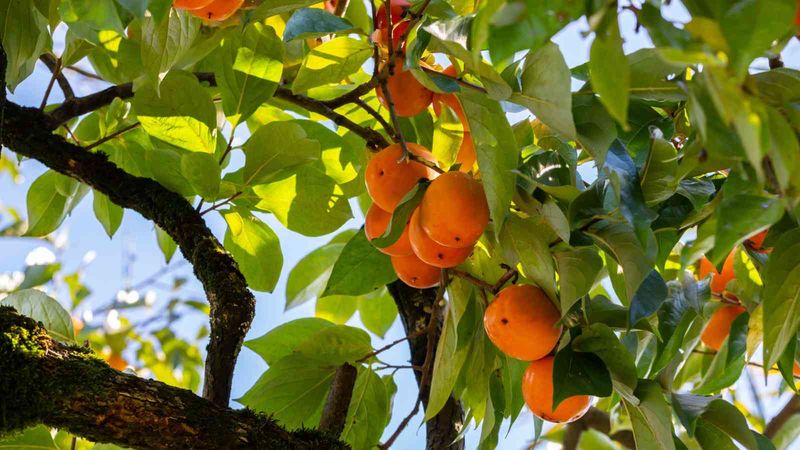
Persimmon trees bring a splash of color to dry landscapes with their bright orange fruits. They thrive in hot, sunny climates, requiring minimal care once established. Persimmons are a delicious, versatile fruit, enjoyed fresh or dried. The tree’s attractive foliage adds an ornamental touch to gardens, while its fruit offers culinary diversity. Persimmon trees are hardy and adaptable, growing well in various soil types. Their resilience and beauty make them a popular choice for sustainable gardening. Plant a persimmon tree, and enjoy its vibrant presence and bountiful harvests.
17. Feijoa
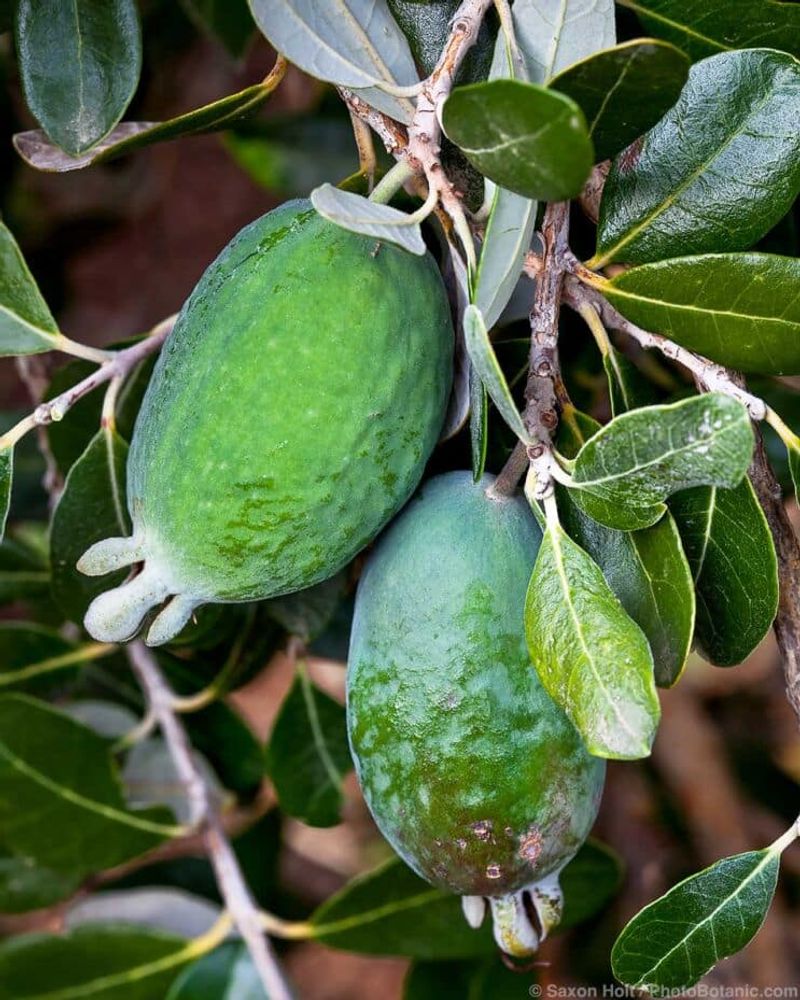
Feijoa, also known as pineapple guava, is a hidden gem for dry gardens. With its sweet, aromatic fruits and striking blossoms, it offers both beauty and bounty. Feijoa trees thrive in hot, sunny climates, needing little water once established. They are adaptable, growing in various soil types, including poor soils. The tree’s evergreen foliage and unique flowers add year-round interest to landscapes. Feijoa fruits are a culinary delight, enjoyed fresh or in desserts. Plant a feijoa tree, and savor the exotic flavors and visual appeal it brings to your garden.
18. Medlar
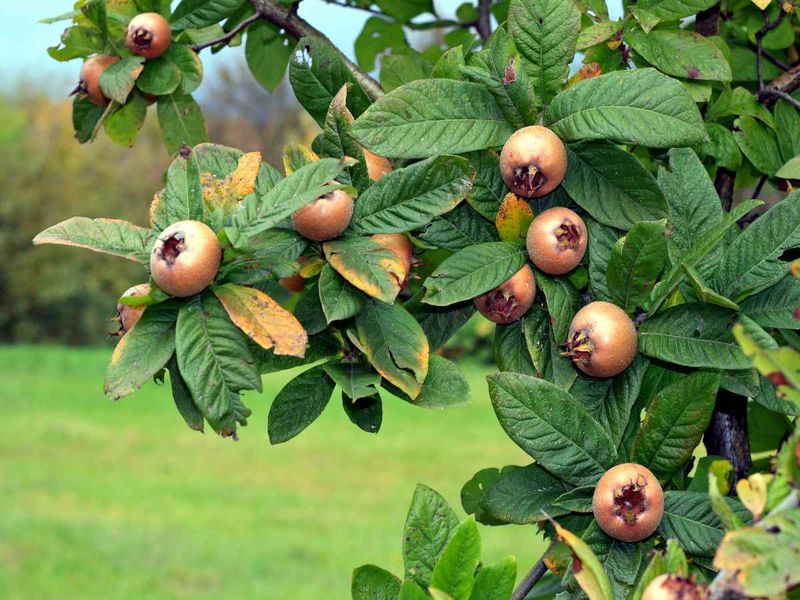
Medlar trees are a charming addition to dry gardens, known for their unique fruits and historical significance. They thrive in hot, dry climates, where they require little water once established. Medlars are an ancient fruit, enjoyed since Roman times, often used in jellies and desserts. The tree’s sturdy form and attractive foliage add structural beauty to gardens. Medlars are not only delicious but also support local wildlife, attracting birds and pollinators. Their resilience and historical charm make medlar trees a distinctive choice for sustainable gardening.