 Complete Gardening
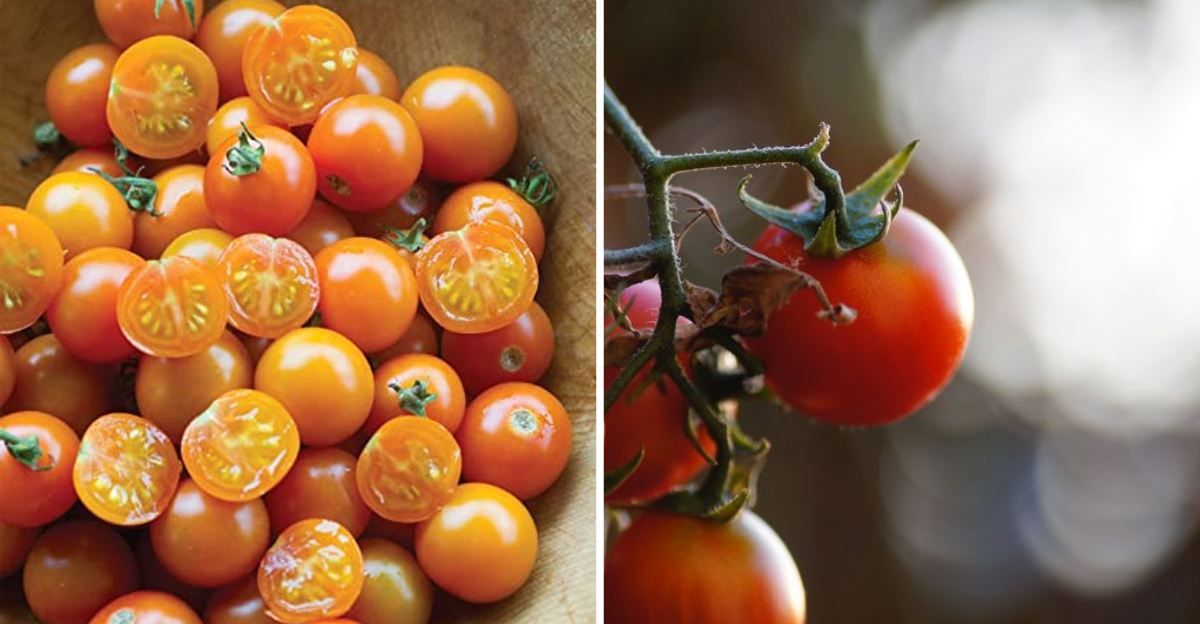
Cherry tomatoes are a favorite among gardeners for their bite-sized sweetness and vibrant colors. Yet, beneath their glossy skin, these tiny fruits hold a trove of secrets. Here are 18 lesser-known facts about cherry tomatoes that even master gardeners might hesitate to share.
1. Unique Color Variations
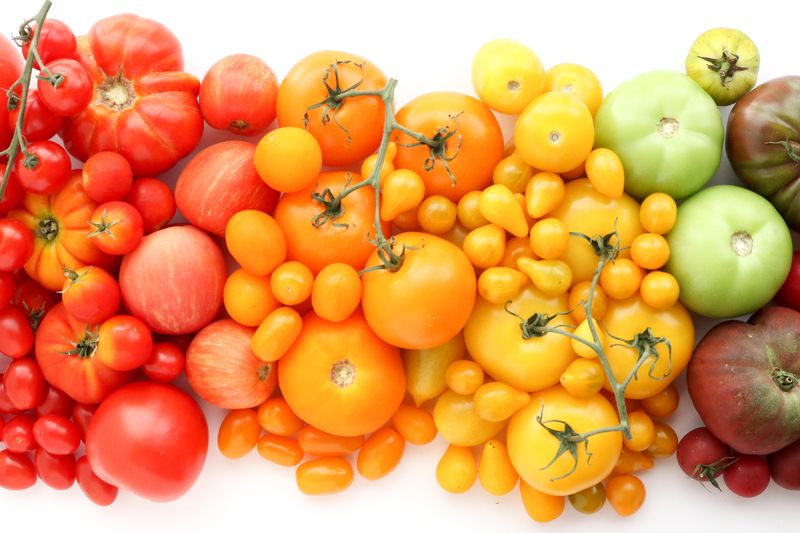
Cherry tomatoes come in a spectrum of colors beyond the familiar red. From deep purples to striking blacks and even creamy whites, these colors are more than just eye-catching. The pigmentation often indicates different levels of antioxidants and nutrients, making each hue beneficial in its own right.
Gardeners cherish these unique varieties not only for their health benefits but also for their aesthetic appeal in the garden. Imagine a salad bowl bursting with a rainbow of tomatoes, each offering its distinct flavor profile and nutritional punch.
2. Nighttime Growth Spurts

Did you know cherry tomatoes grow faster at night? During the day, they focus on photosynthesis, capturing sunlight to fuel their energy reserves.
But when the sun sets, these tiny fruits shift their attention to growth, stretching and expanding during the cool, calm of night. This nocturnal behavior is a strategy to conserve energy, making the most of the daylight hours and avoiding the heat stress of the sun.
Gardeners can optimize growth by understanding and respecting this natural rhythm.
3. Companion Plant Trick
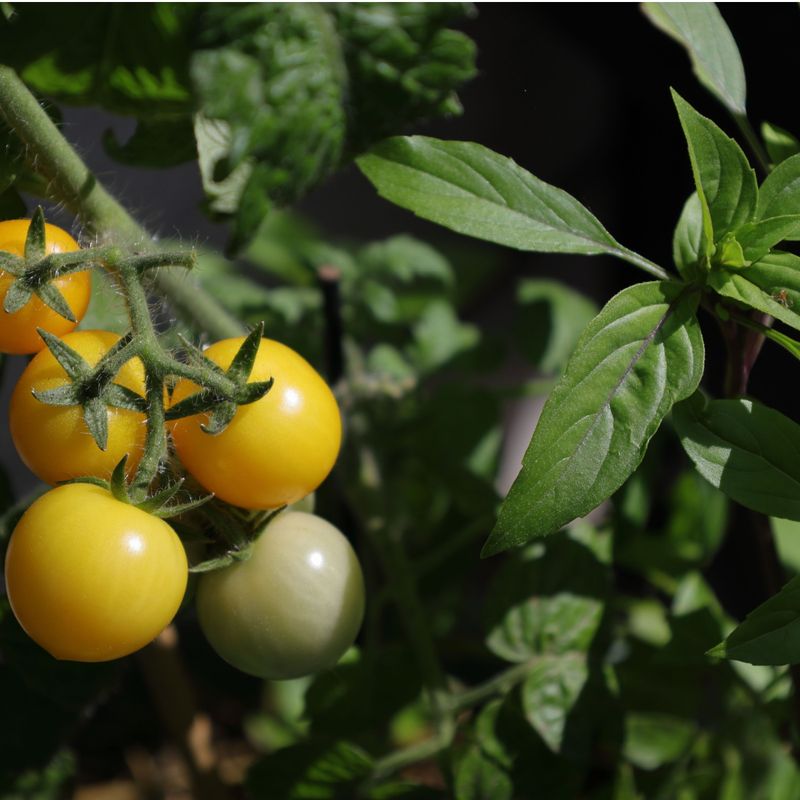
Cherry tomatoes have a best friend in the garden: basil. Planting these two together not only boosts tomato flavor but also helps deter pests. Basil’s strong aroma confuses harmful insects, reducing the number of pests that might otherwise feast on the tomatoes.
This companionship goes beyond protection; it enhances growth. The two plants share nutrients and improve each other’s vigor. This symbiotic relationship is an insider tip that many novice gardeners might not know.
4. Unexpected Sweetness
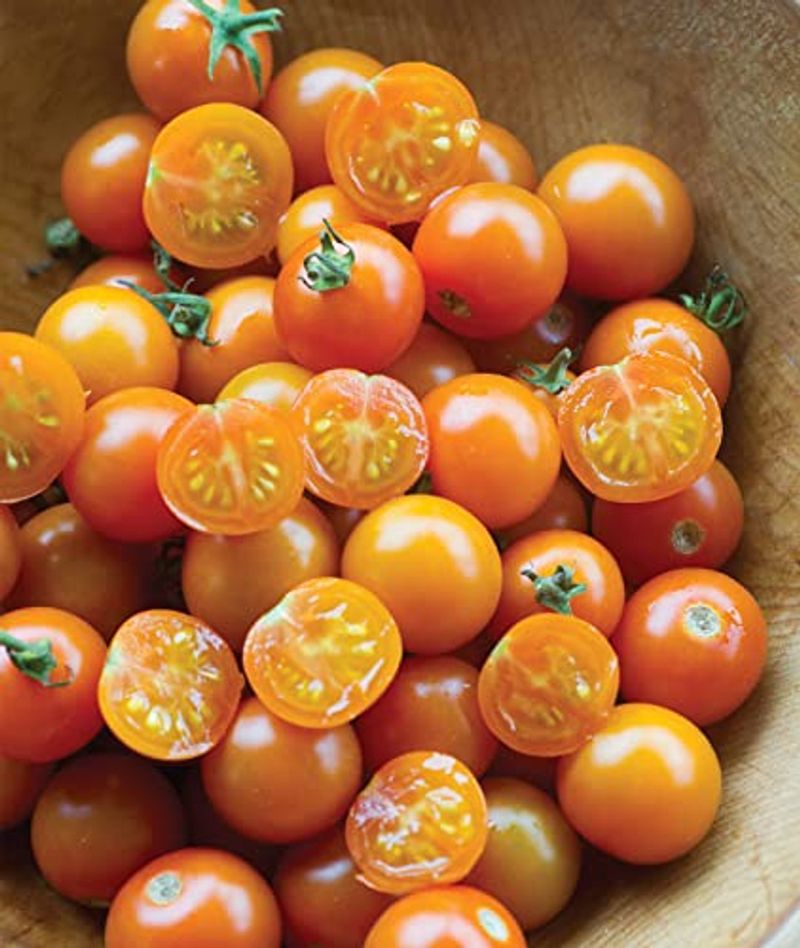
Cherry tomatoes are renowned for their sweetness, often sweeter than their larger counterparts. This is due to their high sugar concentration, which is more pronounced in these bite-sized fruits.
Some varieties can even rival candy, making them a delightful snack for those with a sweet tooth. Children especially love these naturally sweet treats, often preferring them over sugary snacks. This makes cherry tomatoes a fantastic way to introduce kids to the joys of healthy eating.
5. Drought Resistance
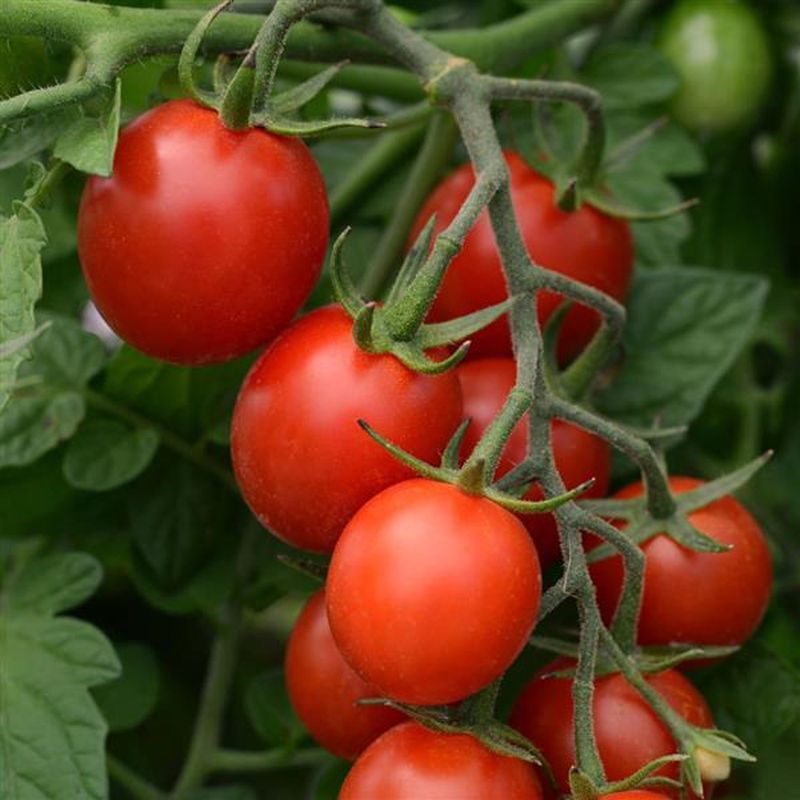
Incredibly, cherry tomatoes are quite drought-resistant. Their small size and specific root systems allow them to thrive with less water compared to larger tomato varieties.
This resilience makes them an excellent choice for gardeners in dry climates or those looking to conserve water. Despite the lack of moisture, these tomatoes continue to produce juicy, flavorful fruits, proving that they can withstand tough environmental conditions without sacrificing quality or taste.
6. Historical Roots
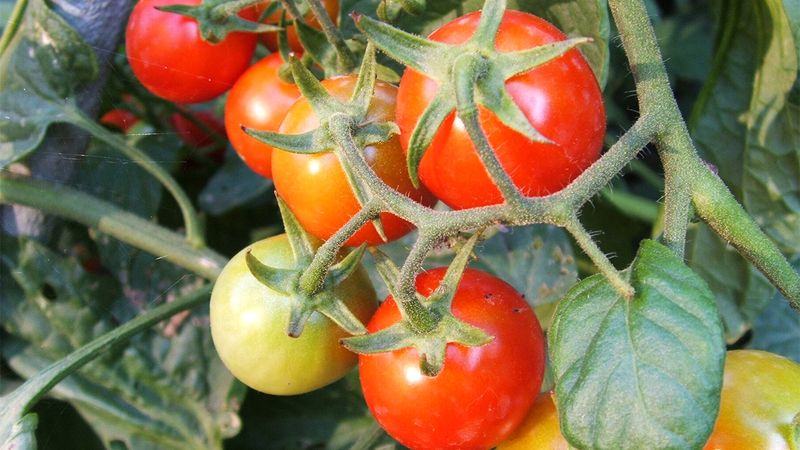
Cherry tomatoes have a rich history dating back to the Aztecs, who were among the first to cultivate them. These ancient peoples recognized the fruit’s potential, integrating it into their diet and agriculture.
Over time, cherry tomatoes spread across the world, captivating various cultures with their unique taste and culinary versatility. Their historical journey from ancient gardens to modern kitchens is a testament to their enduring appeal and adaptability.
7. Pest Attraction Diversion
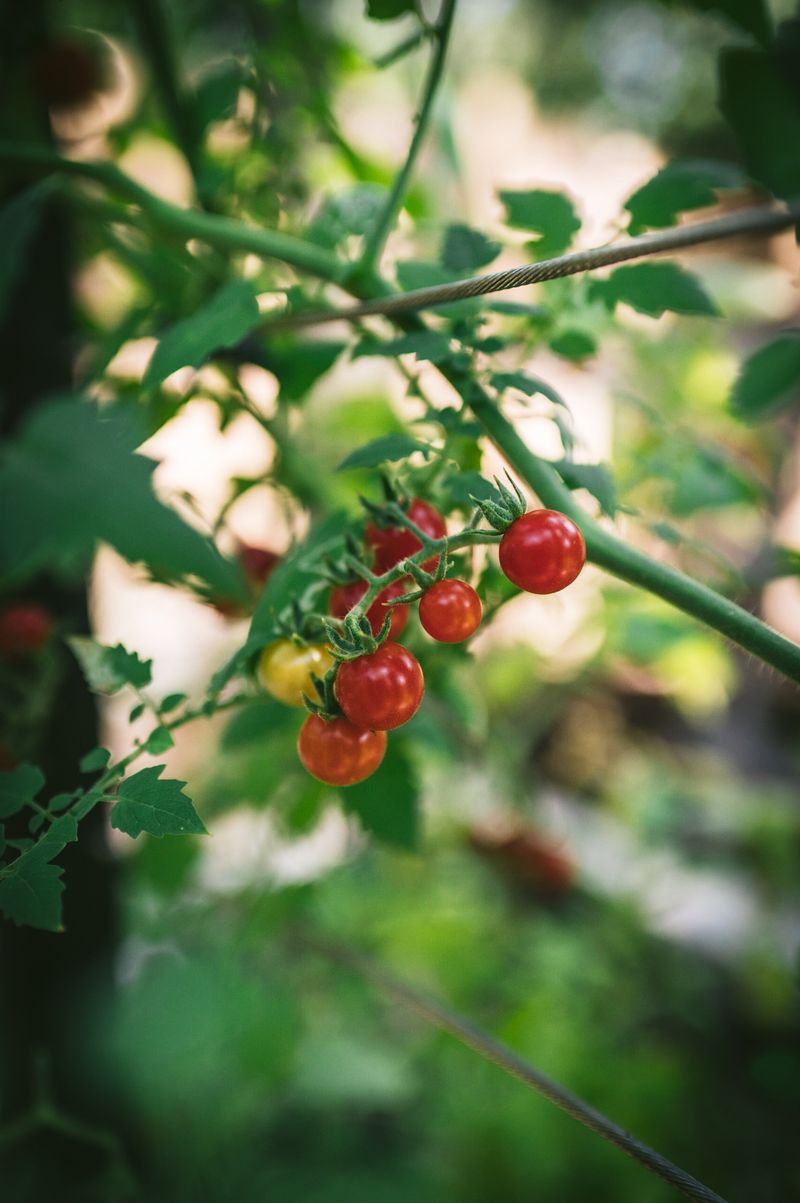
Strangely, cherry tomatoes can be used to divert pests away from more valuable crops. Their vibrant colors and alluring scent attract pests, serving as a diversion.
Gardeners strategically plant them to lure pests, sacrificing a few to protect the rest of the garden. This tactic allows for a more organic approach to pest control, reducing the need for chemical pesticides. It’s a clever, natural solution embraced by those looking to maintain a healthy, balanced garden ecosystem.
8. Flavor Intensity with Age
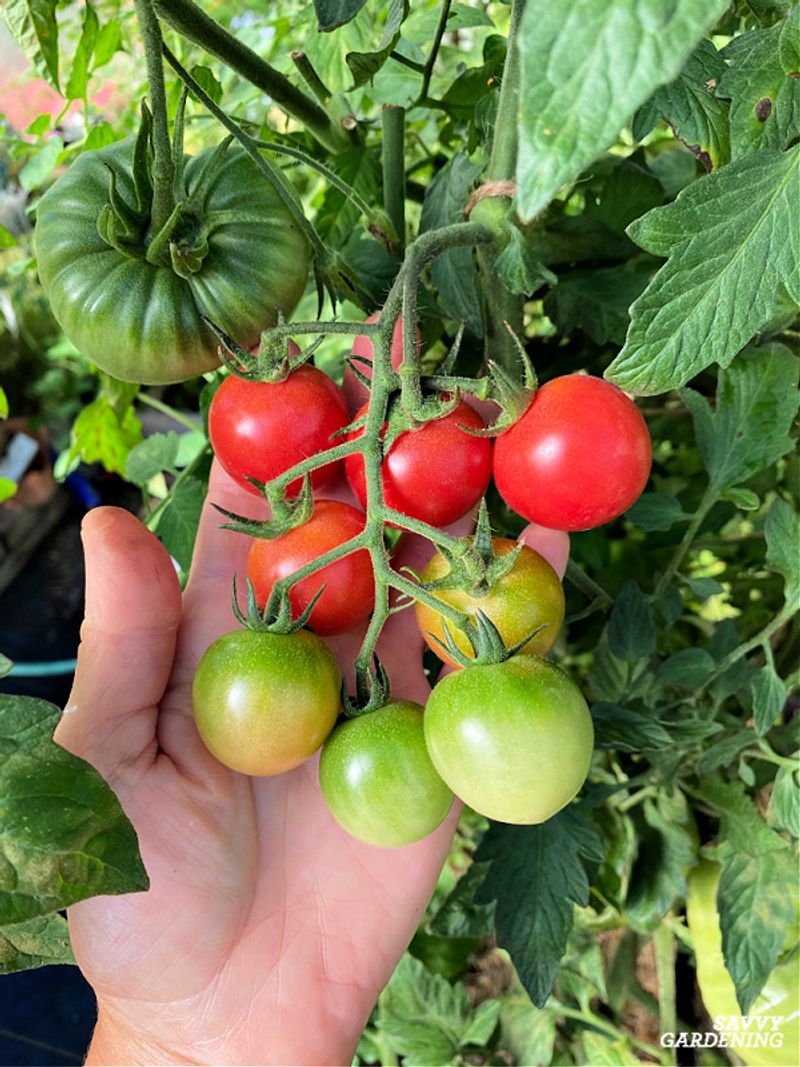
As cherry tomatoes ripen, their flavor intensifies. Starting green and tart, they gradually become redder and sweeter. However, allowing them to overripen can lead to an overly mushy texture, although the flavor remains rich.
Gardeners often debate the perfect time to harvest: some prefer a slight tartness, while others wait for full sweetness. Understanding the flavor transformation can help in picking the perfect fruit to suit individual taste preferences.
9. Urban Garden Adaptability

Cherry tomatoes are perfect for urban gardening. Their compact size makes them ideal for small spaces like balconies or rooftop gardens. They adapt well to container gardening, making them accessible to those without a traditional garden space.
Even in a concrete jungle, these versatile plants can produce an impressive yield. Their adaptability to various environments makes them a favorite among city dwellers looking to add some green to their urban lifestyle.
10. Cross-Pollination Mysteries
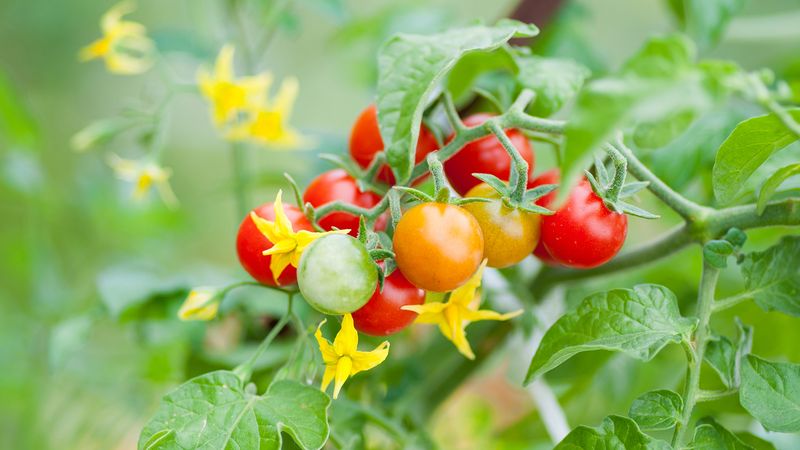
Cross-pollination can lead to unexpected surprises in cherry tomato plants. When bees transfer pollen between different tomato varieties, the resulting fruit can vary in size, shape, and flavor.
This natural mixing can create unique hybrids with desirable traits. Gardeners curious about experimentation often encourage cross-pollination to develop new and exciting tomato varieties. This process adds an element of mystery and discovery to the tomato growing experience.
11. Flavor Preservation Trick
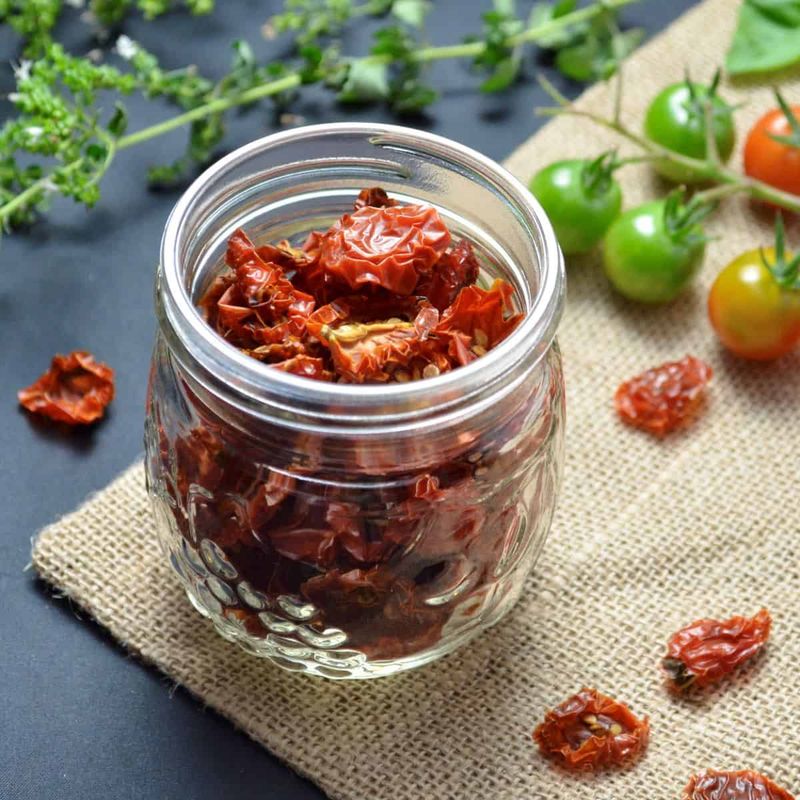
Sun-drying cherry tomatoes is a classic method to preserve their flavor. By removing moisture, the sweetness and acidity become more concentrated, offering a burst of flavor in every bite.
This technique not only extends their shelf life but also enhances their culinary versatility. Sun-dried tomatoes can be used in a variety of dishes, from salads to pastas, providing a rich, tomato essence even when fresh tomatoes are out of season.
12. Soil Quality Impact
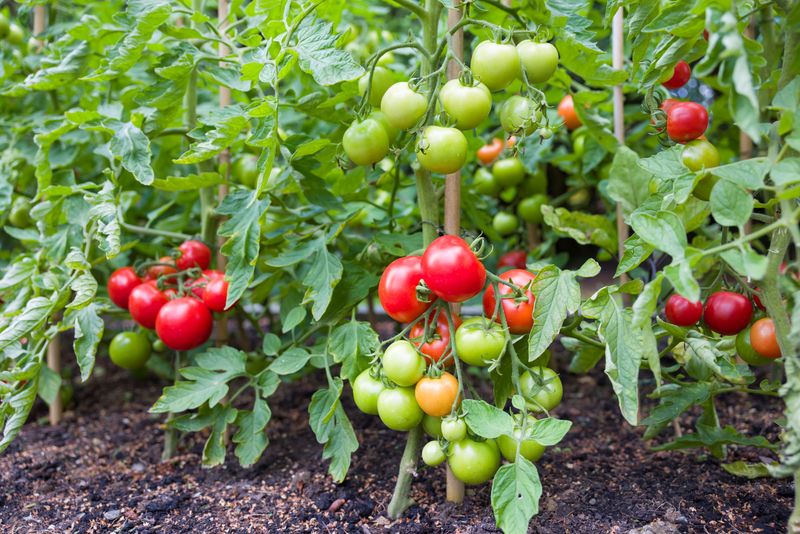
The quality of soil significantly impacts the growth of cherry tomatoes. Rich, well-drained soil with plenty of organic matter can lead to a more abundant and flavorful harvest. Earthworms, often found in healthy soil, help aerate the ground, further boosting plant health.
Gardeners aiming for the best yield prioritize soil health, using compost and organic fertilizers. This focus on soil quality is a fundamental principle that experienced gardeners understand well.
13. Temperature Sensitivity
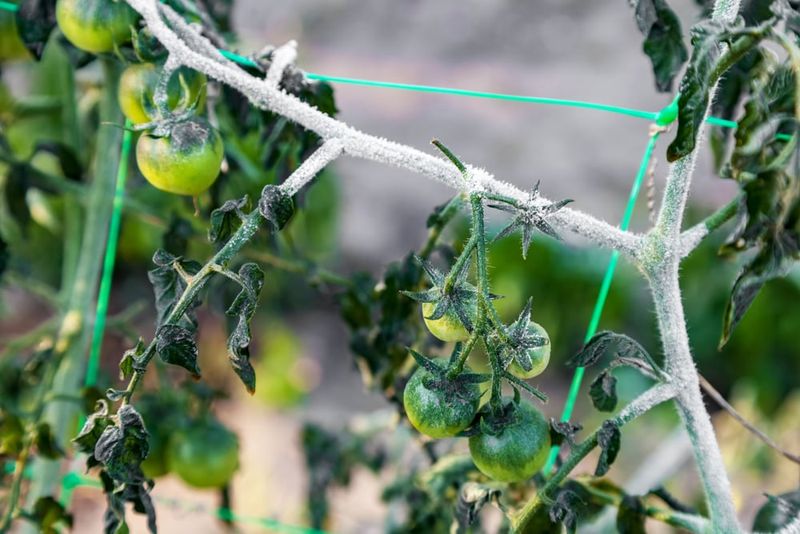
Cherry tomatoes are sensitive to temperature fluctuations. While they love warmth, sudden cold spells can stress the plants, leading to reduced fruit production or even plant death.
Gardeners in variable climates often use protective measures like cloches or row covers to shield their tomatoes from unexpected frosts. Understanding this sensitivity helps in planning and preparing for sudden weather changes, ensuring a healthy and productive tomato crop.
14. Size Doesn’t Equal Yield
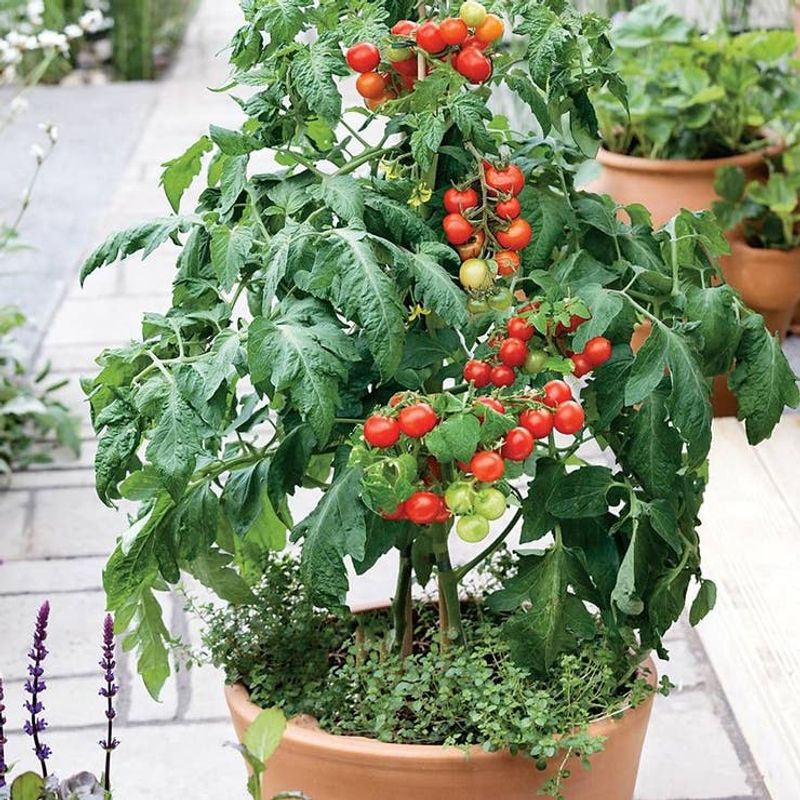
Despite their diminutive stature, cherry tomato plants can produce an astonishing amount of fruit. Their compact nature doesn’t limit their productivity; in fact, it often enhances it.
These plants continuously produce throughout the growing season, offering a steady supply of tomatoes. This high yield is one of the reasons they are so popular among both novice and experienced gardeners alike.
15. Unique Blight Resistance
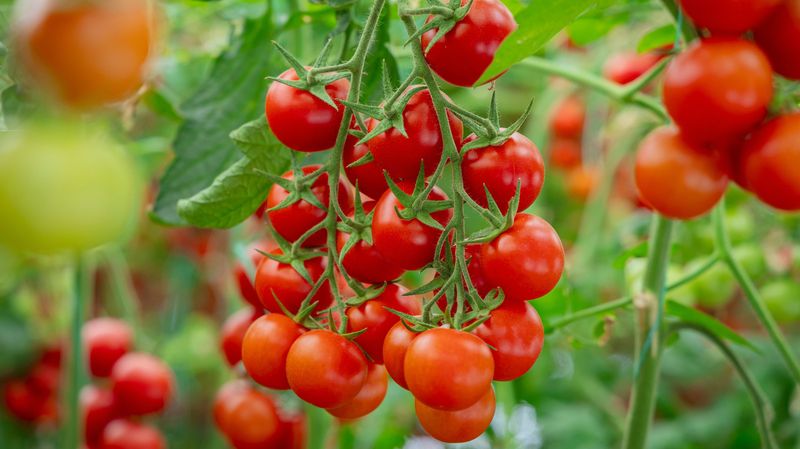
Cherry tomatoes tend to be more resistant to blight than larger varieties. This disease resistance makes them a preferred choice for gardeners dealing with fungal issues.
Their ability to withstand common plant diseases ensures a more reliable harvest, even in less-than-ideal conditions. This natural resistance is a hidden advantage that adds to their appeal in both home gardens and commercial farms.
16. Culinary Versatility

Cherry tomatoes shine in the kitchen with their culinary versatility. Their sweetness and vibrant flavor make them a favorite in salads, while their juiciness enhances pasta dishes and sauces.
They can be roasted, grilled, or even enjoyed fresh off the vine. This adaptability in cooking methods allows for endless creativity, making cherry tomatoes a staple ingredient in many cuisines around the world.
17. Pruning Benefits
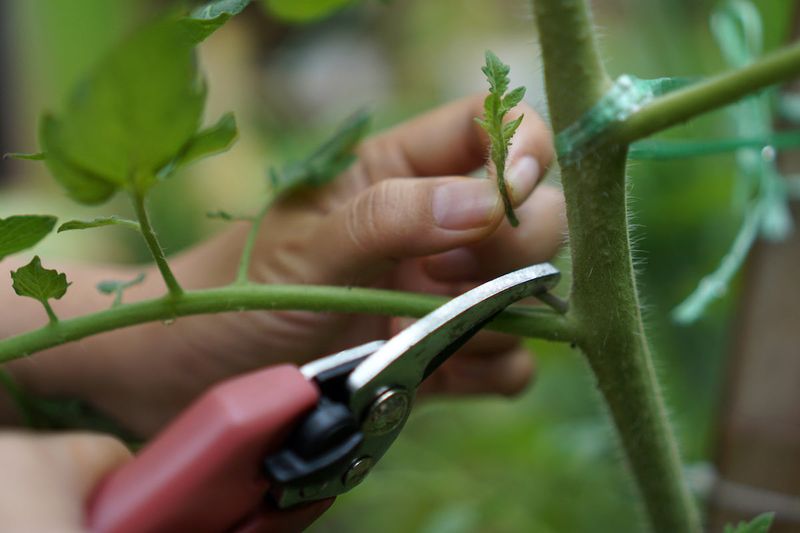
Pruning cherry tomato plants can significantly boost their yield. Removing excess foliage directs the plant’s energy towards fruit production rather than leaf growth.
This technique also improves air circulation, reducing the risk of disease and promoting healthier plants. Master gardeners often recommend strategic pruning to maximize harvest, balancing between leafy growth and fruiting branches for optimal productivity.
18. Flavor Influenced by Weather
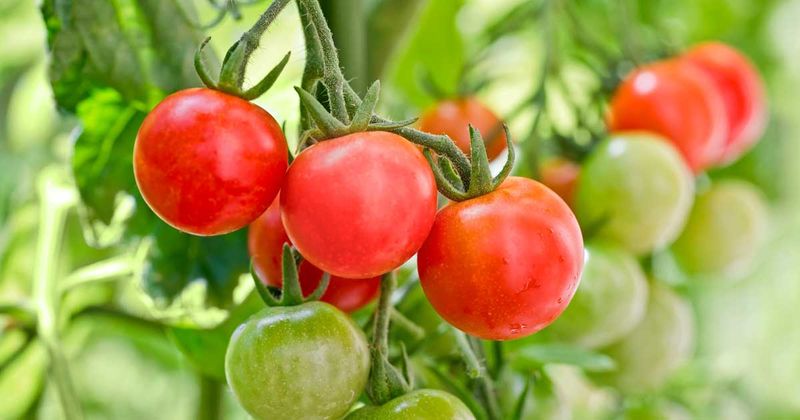
Weather conditions can alter the flavor profile of cherry tomatoes. Sunny days tend to increase sugar content, enhancing sweetness, while overcast or rainy periods may result in a more diluted flavor.
Understanding this connection helps gardeners anticipate changes in taste and plan their harvest accordingly. The climate’s influence on flavor is a subtle yet fascinating aspect of growing these delicious fruits.