 Complete Gardening
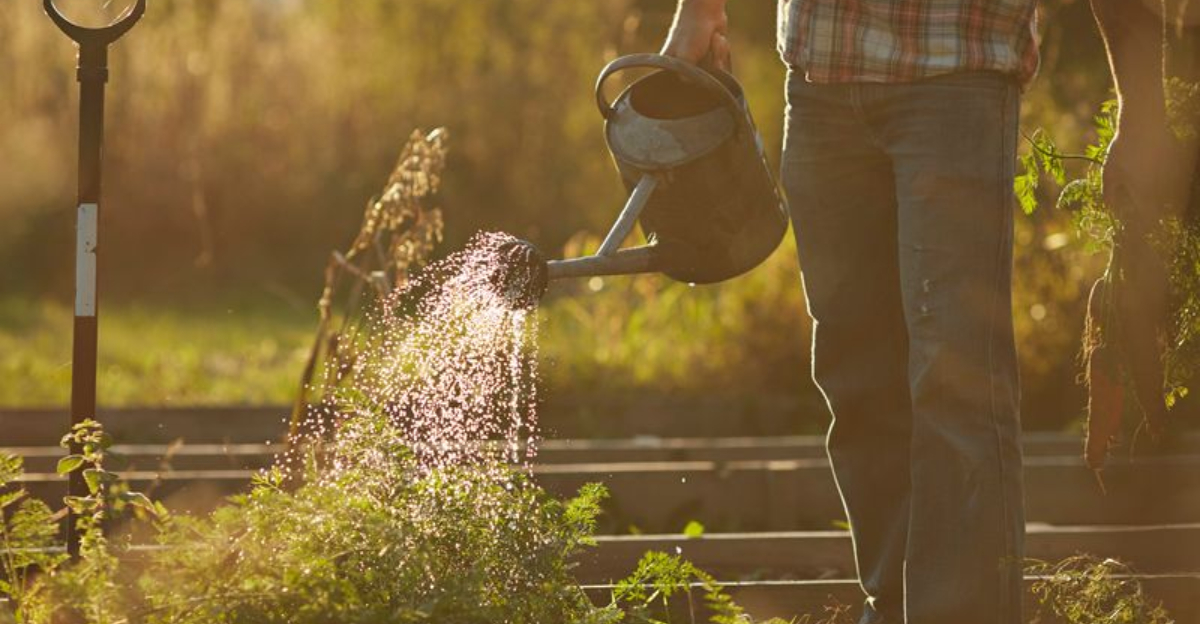
Watering plants might seem straightforward, yet many unwittingly make mistakes that can hinder plant health. Understanding the nuances of hydration can transform your garden into a thriving paradise. Explore common missteps and learn how to provide optimal care for your plants.
1. Watering At The Wrong Time
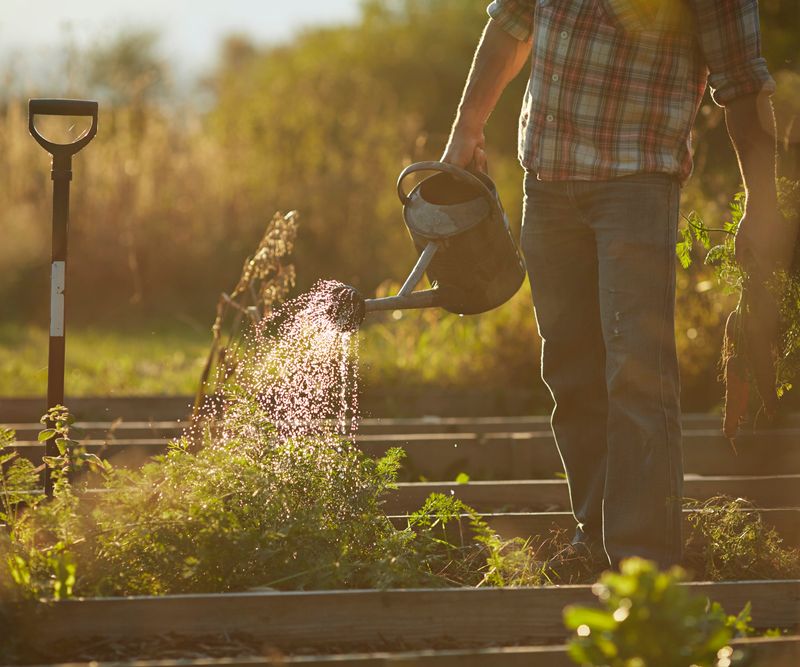
Timing is everything in gardening. Watering during the hottest part of the day can cause more harm than good. The sun’s rays may lead to evaporation before water reaches the roots. Instead, choose early morning or late afternoon. These times allow absorption while reducing evaporation. Have you ever noticed plants wilting by noon? This might be due to mistimed watering. By adjusting to nature’s clock, you give plants the chance to drink deeply. Consider syncing your schedule with the sun. Embrace these peaceful, cooler hours to nurture your garden’s thirsty inhabitants.
2. Over-Watering Your Plants
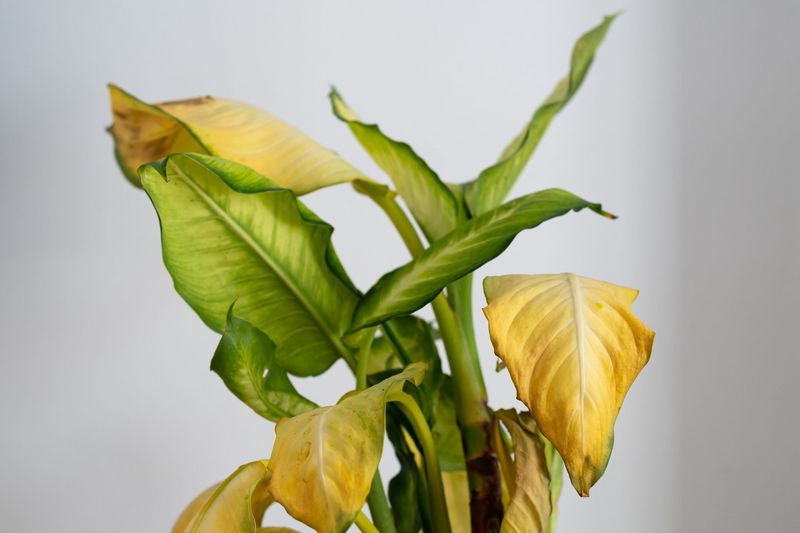
Too much love can drown your plants. Over-watering remains a common blunder among plant enthusiasts. It suffocates roots, leading to rot and eventual plant demise. Each plant has distinct hydration needs, demanding keen observation. Leaves yellowing might indicate excess moisture. Feel the soil an inch deep; if it’s moist, hold off on watering. Too often, over-eager gardeners equate more water with more love. Resist this urge! Developing patience and understanding nature’s cues is vital. It promises flourishing greenery. Cultivating moderation ensures thriving plants, rewarding your attentive care.
3. Under-Watering Your Plants
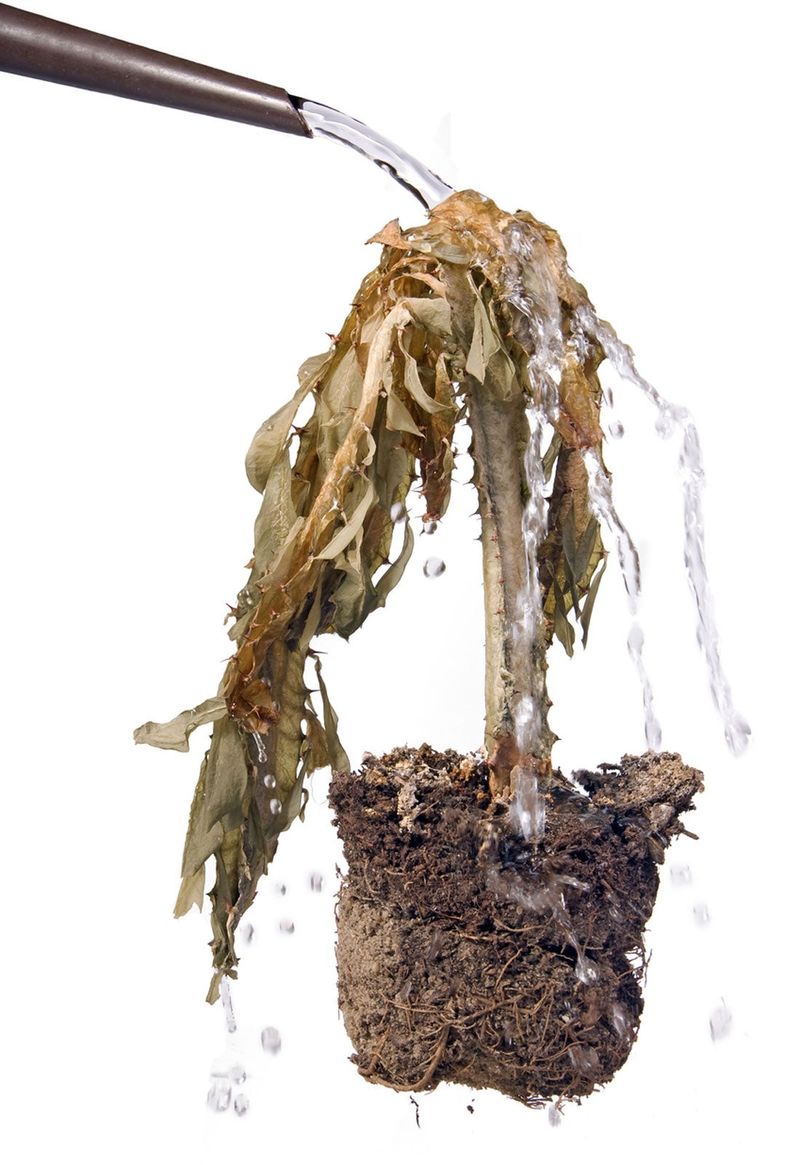
Ignoring a plant’s thirst can be just as damaging as over-watering. Plants left dry suffer from stunted growth and lifelessness. When soil dries to a crisp, roots can’t function effectively. Hydration inconsistency breeds stress for these green beings. Ever seen a drooping plant in summer? It’s crying for a drink. Regular watering checks prevent dehydration. By feeling the soil, you gauge the plant’s needs. Adapt your routine to its silent pleas. Remember, a consistent schedule fosters lush, vibrant foliage, bringing joy to your home or garden.
4. Using Cold Water
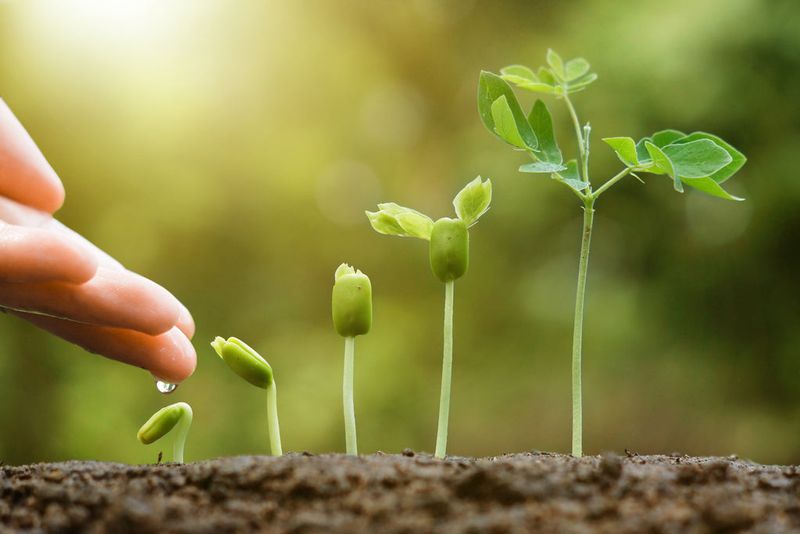
Temperature shock is real for plants too. Pouring cold water can send roots into a frenzy. This can hinder nutrient absorption, impacting growth. Opt for room-temperature water. It’s gentler and more akin to rainwater. Have you tried touching the water before pouring? This simple test can make all the difference. Plants appreciate this thoughtful gesture. Consistency in temperature nurtures them effectively. Treat your greenery as you’d prefer – with warmth and care. Such mindfulness results in happier, healthier plants.
5. Neglecting Soil Drainage
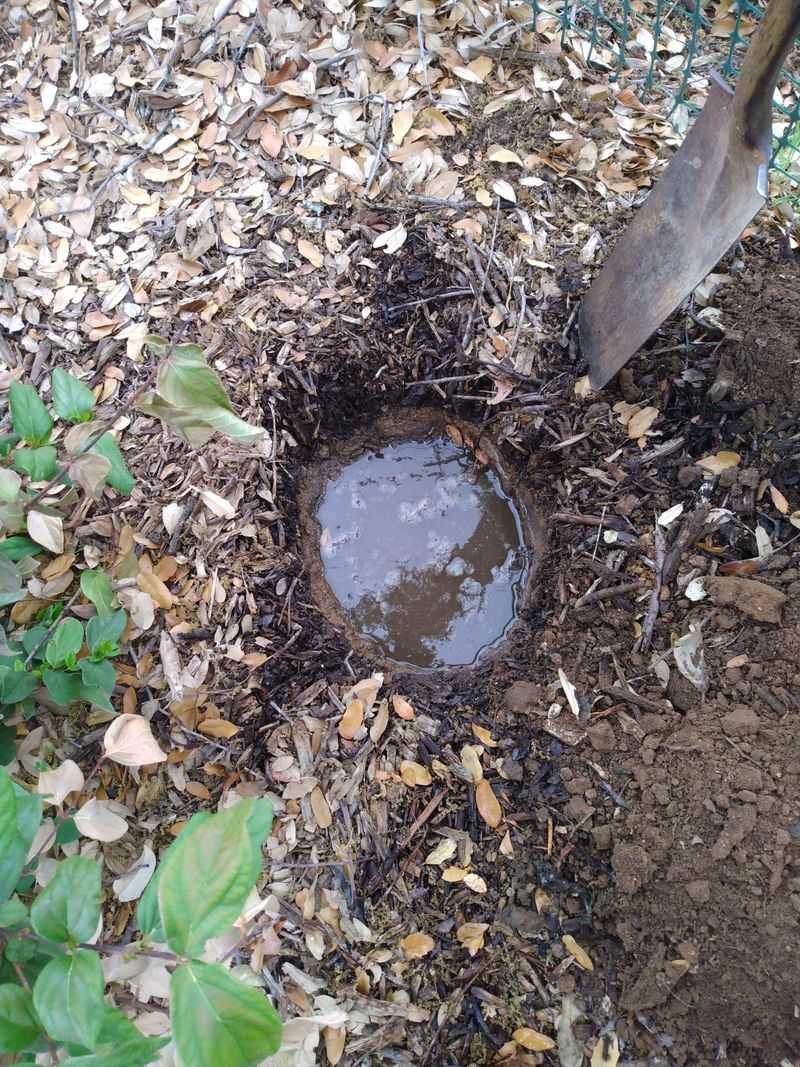
Proper drainage is essential for plant health. Without it, water accumulates, suffocating roots. Ever wondered why your plant seems soggy? Poor drainage might be the culprit. Ensure pots have adequate holes; it’s a simple yet effective measure. Check soil composition too. Sandy soil offers better drainage than clay. Strive for balance. Recognizing this can transform your gardening experience. Plants thrive in well-aerated environments, free from waterlogged woes. Prioritize this often-overlooked aspect, and watch your plants flourish.
6. Ignoring Plant Size
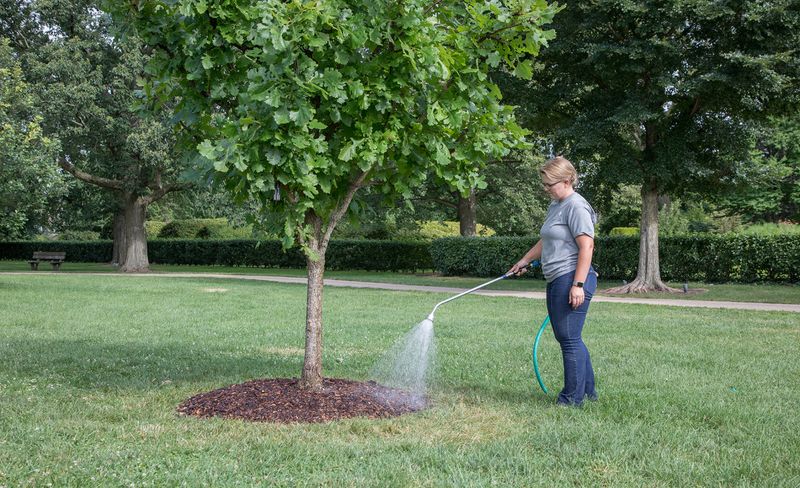
One size doesn’t fit all in gardening. Each plant variety demands a unique watering routine. Large plants, with extensive root systems, require more water than their smaller counterparts. Ever thought about matching water volume to plant size? This oversight can stunt growth or worse. By understanding the correlation between size and hydration, you cater to individual needs. Observe your plant’s growth. Adjust watering to reflect its development. Such attentiveness ensures robust growth, fostering a harmonious garden environment.
7. Watering The Leaves
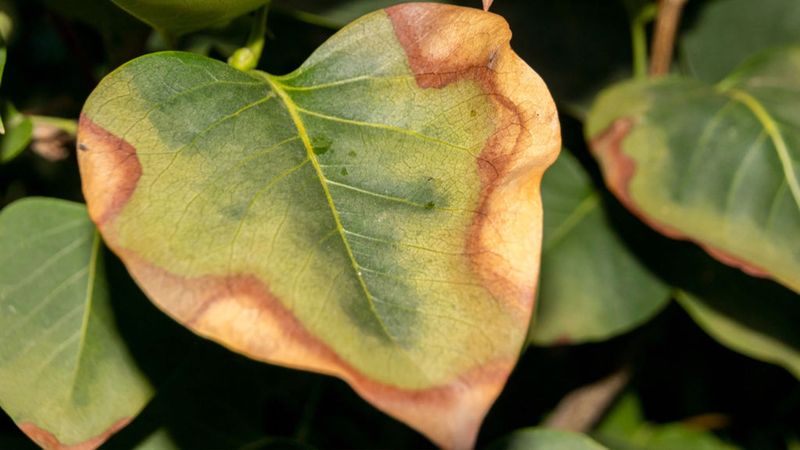
Directing water onto leaves might seem beneficial, but it’s misleading. It can promote fungal diseases and block sunlight. Focus on the roots. Have you noticed leaves spotting or wilting? This could be from misguided watering. Roots are the real drinkers, absorbing and distributing nutrients. By watering the soil directly, you assist this process. Observe the transformation when roots receive priority. Your plants will thank you with vibrant growth, steering clear of disease and decay.
8. Using Tap Water
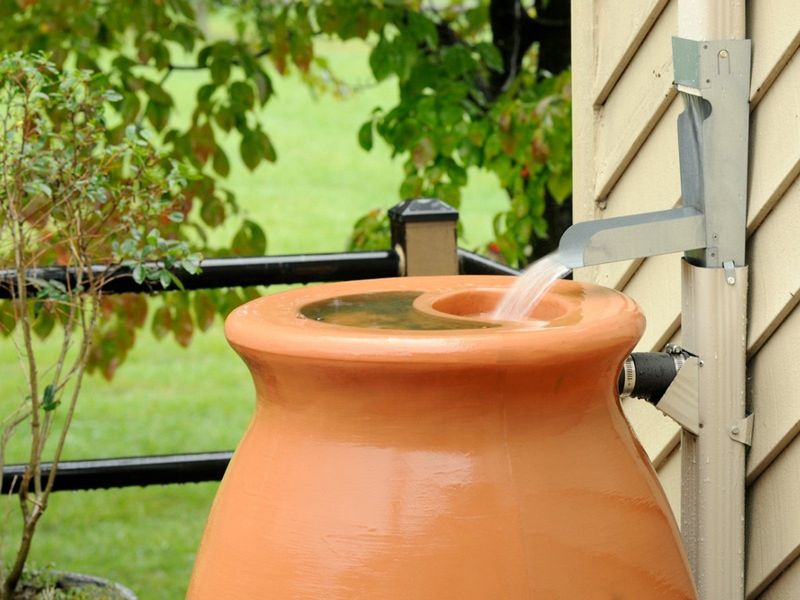
Tap water can be harsh on plants due to chemicals like chlorine. These chemicals may alter soil pH, affecting nutrient uptake. Ever mulled over the water source’s impact? Consider alternatives like rainwater or distilled water. Plants thrive with purer hydration, free from additives. Testing your tap water or letting it sit overnight can mitigate issues. By prioritizing water quality, you nurture a balanced environment. Healthier roots lead to lusher foliage, echoing nature’s purity.
9. Ignoring Plant Species
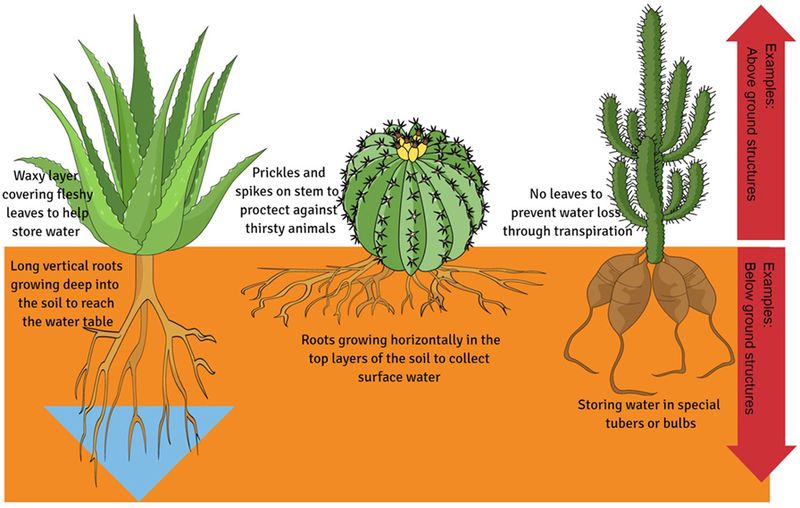
Not all plants share the same watering needs. Each species possesses unique requirements. Cacti prefer drier habitats compared to ferns. Have you ever considered this diversity? Researching specific plant needs enhances care. Grouping similar plants eases this task. Tailor your approach to each species. Observing their reactions guides your actions. Embrace this botanical diversity. By respecting individual needs, you cultivate a thriving, verdant collection, celebrating nature’s variety.
10. Skipping Mulching
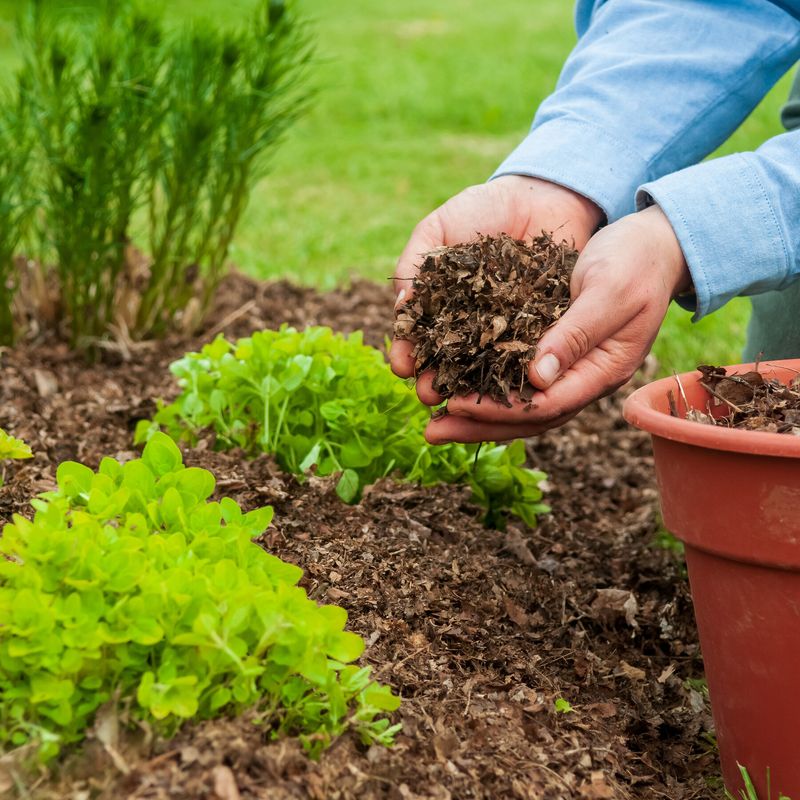
Mulching, a gardener’s secret weapon, retains soil moisture and regulates temperature. Skipping it makes plants susceptible to extreme conditions. Have you noticed soil cracking or drying quickly? Mulch might be the missing ingredient. Organic materials like straw or bark enhance soil health. Embrace this protective layer. It nourishes while safeguarding against environmental stressors. Mulch not only beautifies but also fortifies your garden, creating a more resilient ecosystem.
11. Overcrowding Plants
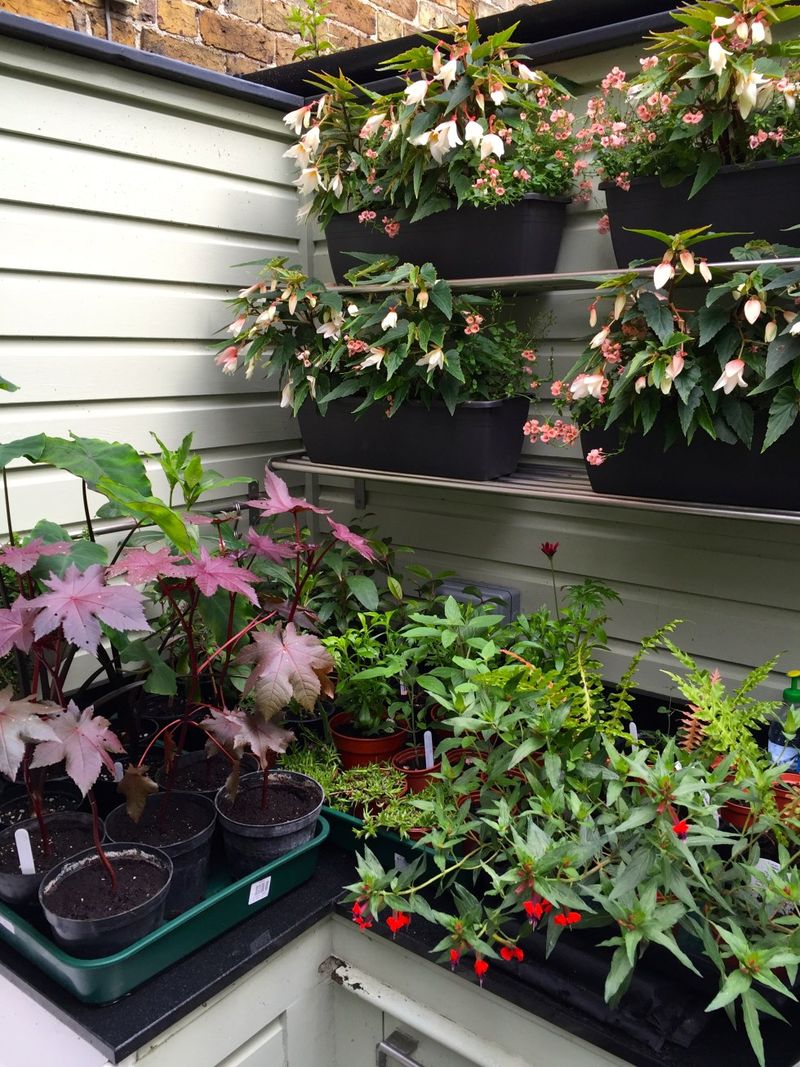
Space, the final frontier for plants, often gets overlooked. Crowded conditions hinder growth and water distribution. Ever seen plants competing for resources? They’re vying for space and moisture. Adequate spacing ensures each plant receives sufficient water. It also enhances air circulation, reducing disease risk. By giving plants room to breathe, you foster healthier growth. Observing their spatial needs transforms your garden into a thriving habitat, teeming with life and vitality.
12. Neglecting Seasonal Changes
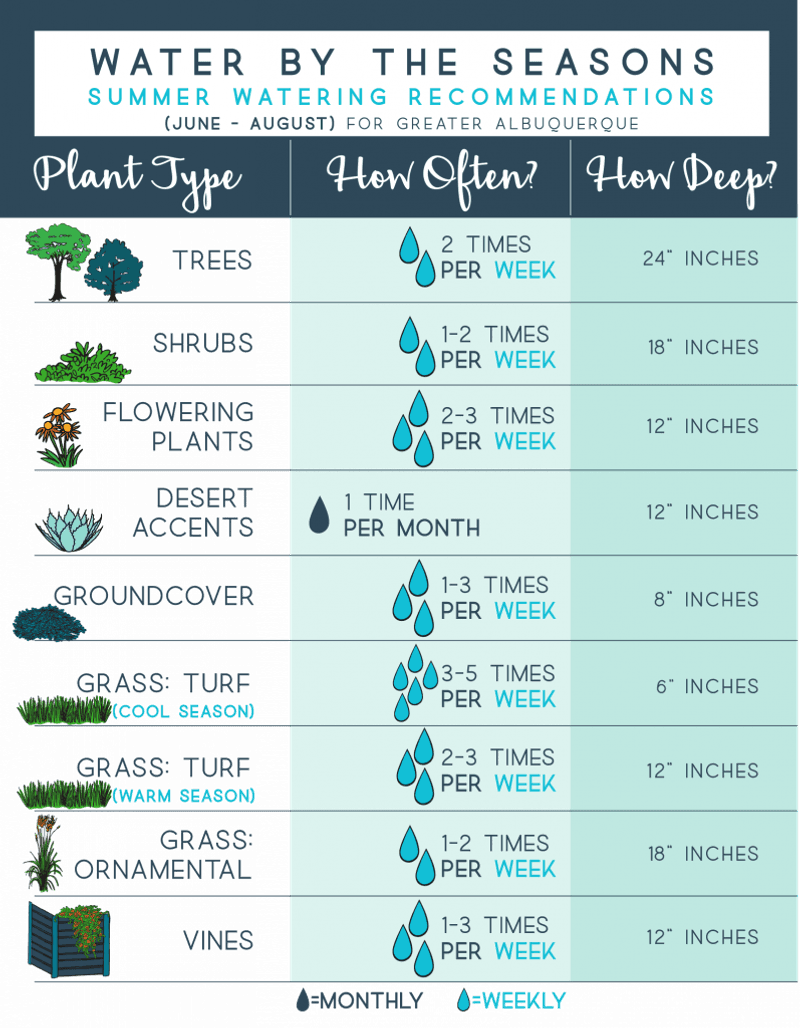
Seasons dictate plant water needs. Neglecting this can stress or starve plants. Summer demands more hydration, while winter calls for restraint. Ever noticed changes in plant behavior across seasons? Adjusting watering habits to match climate shifts is crucial. This responsiveness ensures year-round vitality. Observe weather patterns and plant responses. Tailor your care accordingly. By embracing seasonal rhythms, you ensure a resilient, flourishing garden that adapts to nature’s cycles.
13. Forgetting To Fertilize
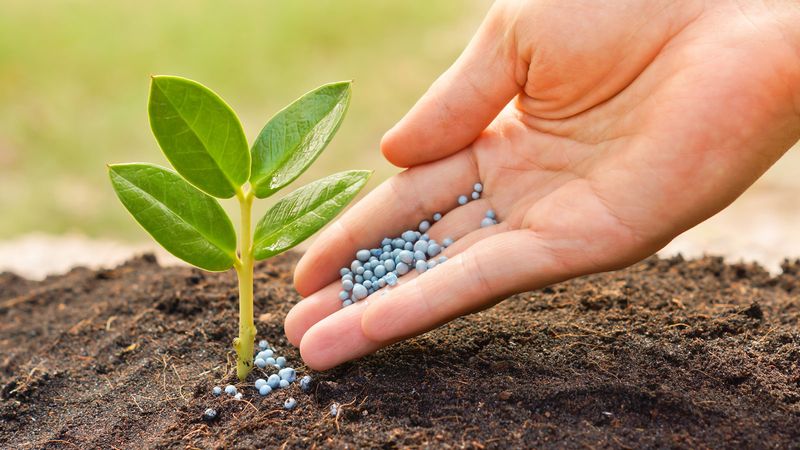
Fertilizing complements watering. Neglecting it can stunt growth. Water alone can’t supply all nutrients. Ever wondered why growth stalls despite regular watering? Fertilizers bridge this gap. They’re the multivitamins for plants, enhancing vitality. Observe plant health and soil quality to gauge needs. A balanced approach nurtures robust, lush growth. By integrating fertilization into your routine, you enrich your garden’s life force, supporting vibrant greenery.
14. Using Dirty Tools
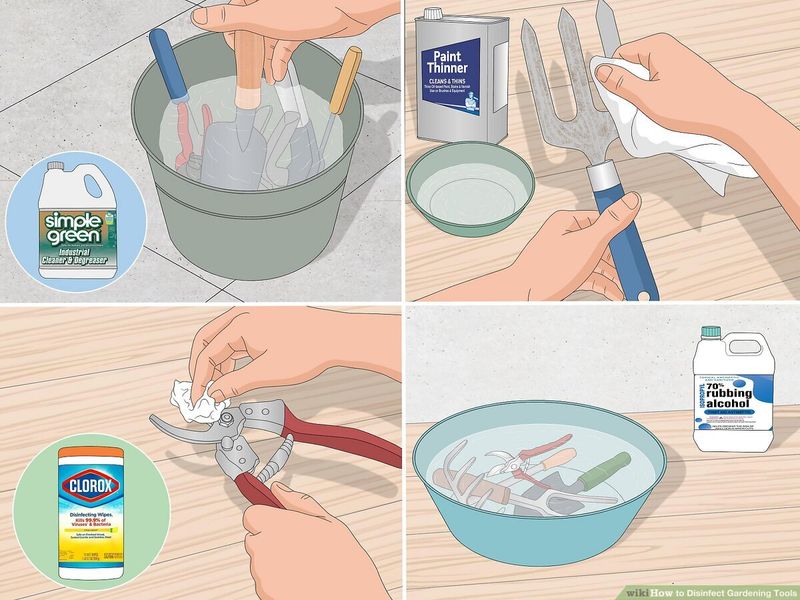
Cleanliness matters in gardening too. Dirty tools can spread diseases, undermining plants’ health. Ever used unclean tools and noticed plant decline? They’re silent carriers of pathogens. Regular cleaning prevents this. Sterilizing tools before use ensures a safer environment. This small step fosters healthier growth. By maintaining hygiene, you protect your green sanctuary, promoting robust and vibrant plants.
15. Not Adjusting For Plant Age
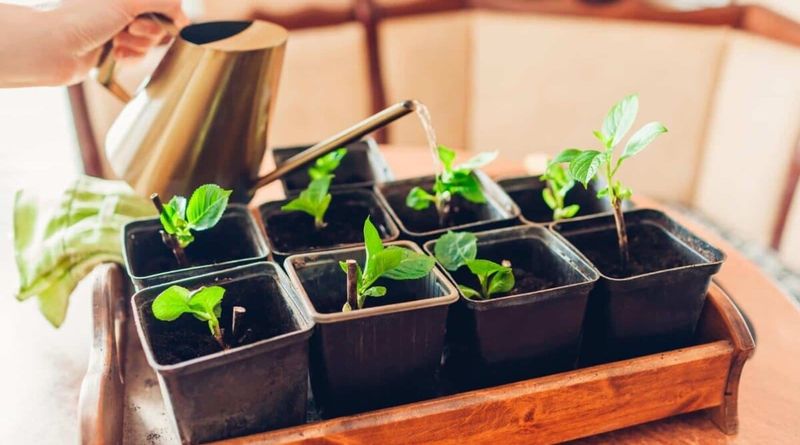
Plant age influences watering needs. Young plants require more frequent attention than mature ones. Have you ever equated age with care? It’s a common misconception. Young roots are developing, requiring consistent moisture. Mature plants, with established systems, prefer deeper, less frequent watering. Observing life stages guides care. Adjusting watering to match age ensures each plant thrives. By respecting these phases, you nurture a diverse and healthy garden.
16. Ignoring Root Depth
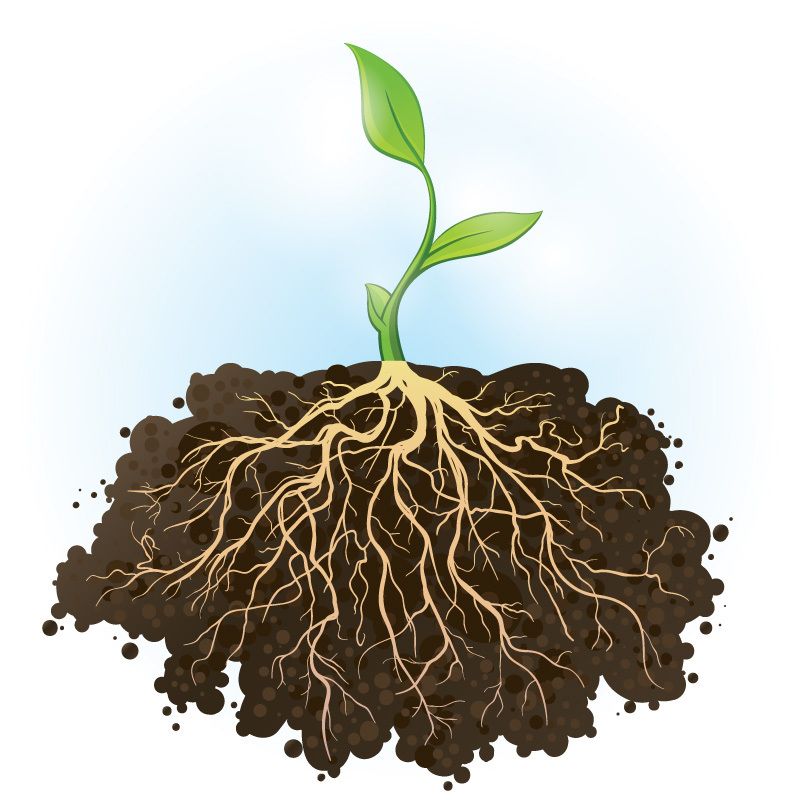
Roots, the unseen lifeline, determine water needs. Shallow roots dry faster than deeper ones. Ever considered root depth in your watering routine? It’s crucial for plant health. Understanding this aspect fosters targeted care. Feel the soil at different depths. Adapt your watering to match root structure. This attention ensures hydration reaches where it’s needed most. By delving beneath the surface, you cultivate a thriving ecosystem, grounded in insight and care.
17. Using Hard Water
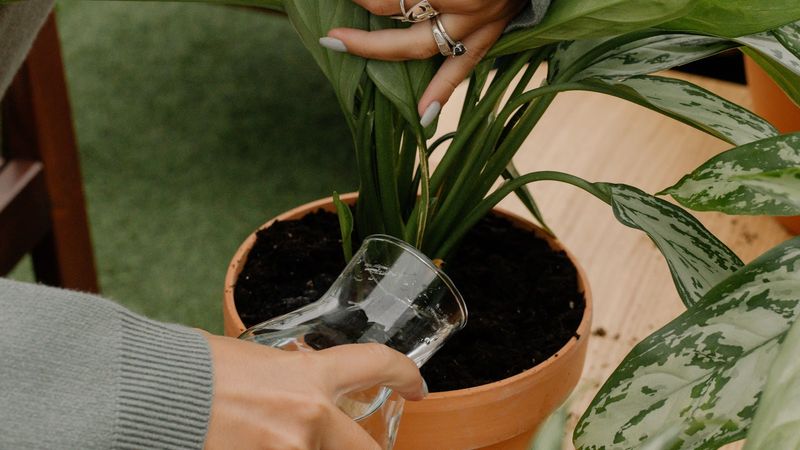
Hard water contains minerals that can hinder plant health. These deposits may block nutrient uptake, affecting growth. Ever noticed white residue on pots? It’s a sign of hard water buildup. Consider testing water hardness. Softening methods or rainwater collection can mitigate this. Recognizing water quality impacts care, ensuring a lush, vibrant garden. By prioritizing this often-overlooked factor, you support your plants’ thriving journey.
18. Ignoring Water Temperature
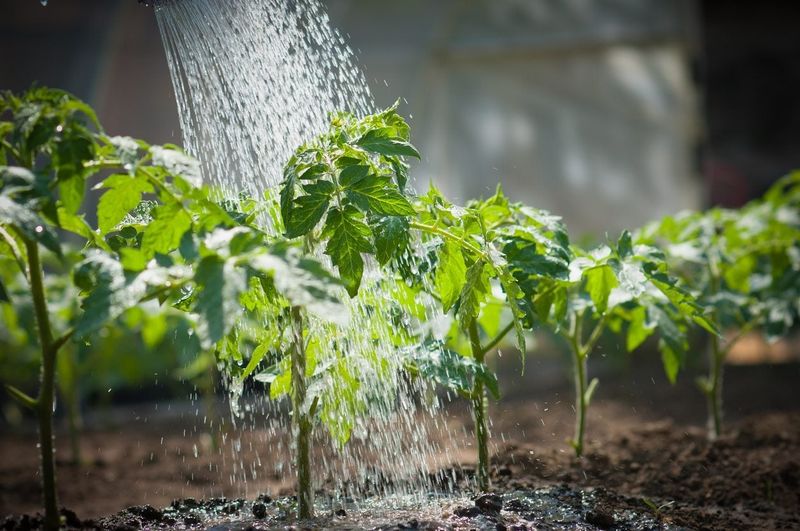
Imagine pouring a glass of hot tea over your favorite plant. Unpleasant, right? While most people understand not to use scalding water, using water that’s too cold or too hot can shock plants.
Plants thrive best with lukewarm water, similar to the ambient temperature. Water that’s too cold can cause root chilling, while too hot can damage delicate plant tissues.
Consistently using room-temperature water ensures happier, healthier plants.
Did you know? Some plants, like orchids, are particularly sensitive to water temperature. Always check to ensure your watering routine is not inadvertently stressing them.