 Complete Gardening
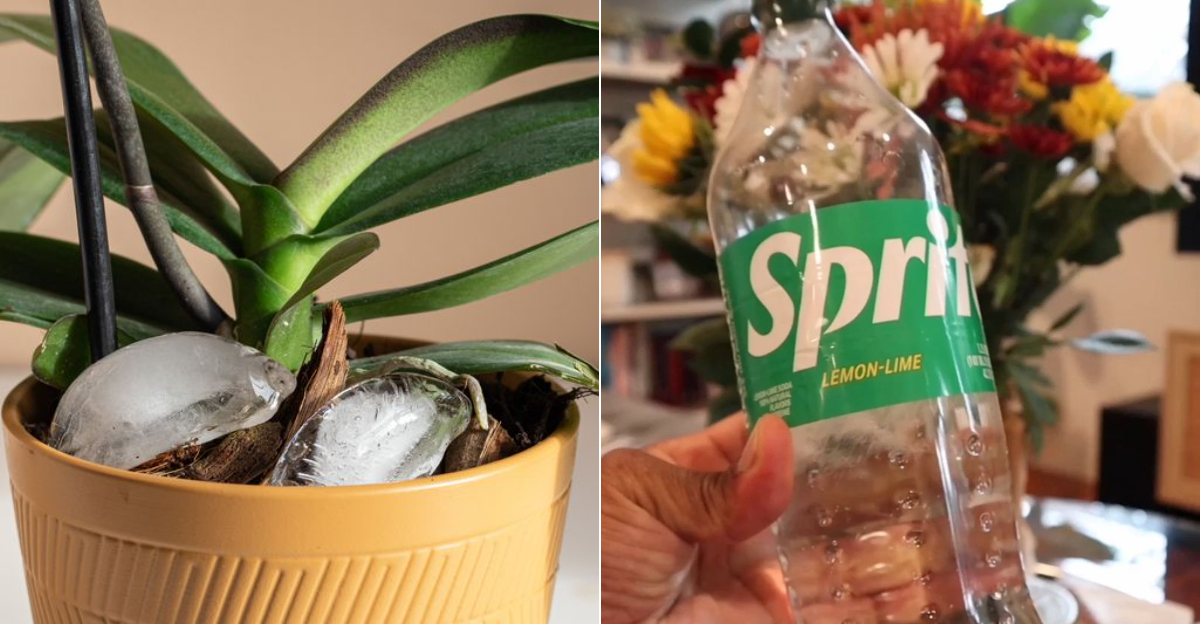
Explore the world of TikTok plant hacks as we put 18 popular tricks to the test. From watering techniques to pest control, discover which hacks truly benefit your green friends and which are mere myths. Whether you’re a seasoned gardener or a curious beginner, these insights will help you make informed decisions for your plant care routine.
1. Ice Cube Watering for Orchids
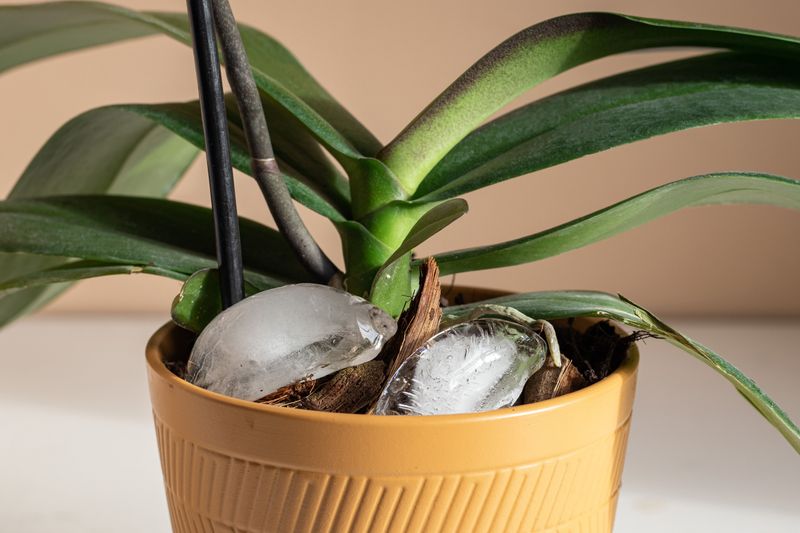
Ever tried using ice cubes to water your orchids? The idea is that the slow melting of the ice mimics natural moisture absorption, preventing overwatering. This method is particularly great for epiphytes like orchids that thrive on gradual humidity. In our experiment, the orchids appeared vibrant and healthy with this technique, proving its effectiveness. Orchids, with their delicate roots, benefited from the slow release of water that never flooded them. The method is simple yet surprisingly effective, making it an ideal hack for those who want to avoid the complexities of traditional watering schedules.
2. Cinnamon as a Natural Antifungal
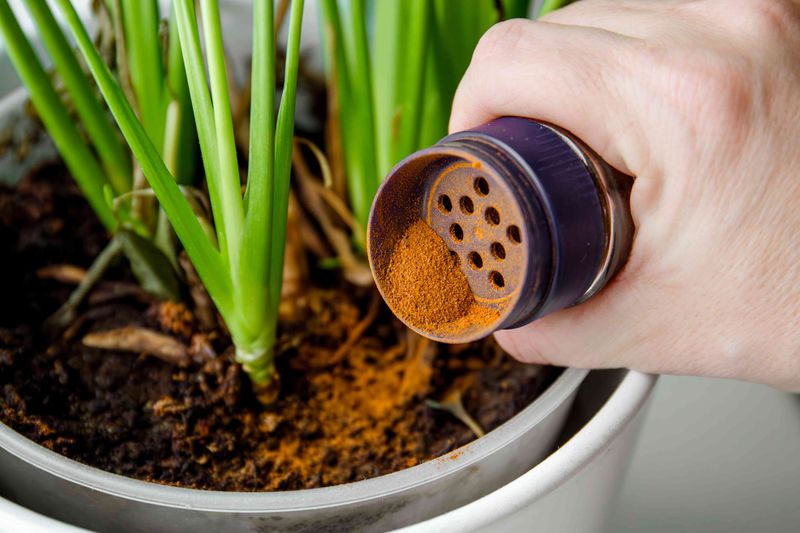
Cinnamon isn’t just for spicing up your latte—it’s a powerhouse against mold on seedlings. Sprinkling cinnamon on soil can curb the damaging effects of damping-off disease, a common problem for young plants. We found that the gentle dusting of this aromatic spice worked wonders in maintaining a healthy seedling environment. The cinnamon acted as a natural barrier, preventing fungal growth without any harsh chemicals. It’s an affordable and natural solution, adding a sweet-smelling layer of protection to your plant care arsenal. This hack is a must-try for any budding gardener.
3. Banana Peel Fertilizer Tea
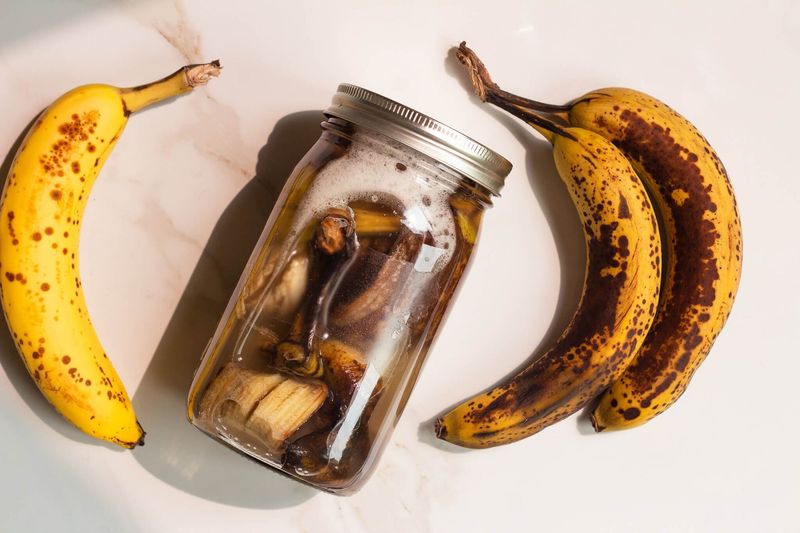
Banana peel tea promises to boost blooms with potassium, but does it deliver? While it offers a mild nutrient boost, the smell can be off-putting. Creating this mix involves soaking banana peels in water, which releases their nutrients. However, compared to composting, it’s less effective over time. Our results showed slight improvements in plant vigor. Yet, the distinct odor made it less appealing for indoor plants. Despite its limitations, it’s a quirky way to recycle kitchen scraps and provides a temporary nutrient lift. Composting remains a more efficient use of banana peels.
4. Hydrogen Peroxide for Root Rot
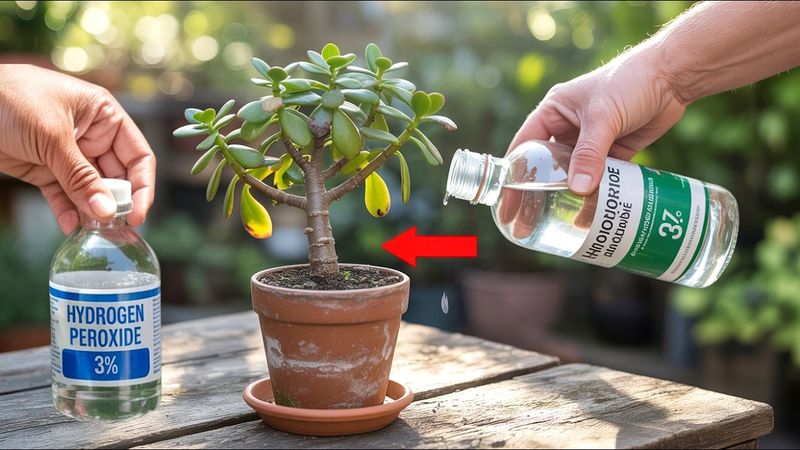
For those battling root rot, a hydrogen peroxide solution might be your savior. By mixing one part peroxide with four parts water, you create a solution that oxygenates roots and combats pathogens. Our trial with a struggling pothos proved this hack’s merit, reviving its previously drooping leaves. This bubbling elixir not only fights off root rot but also promotes healthier root growth. The key is moderation; overuse can damage plants. As a rescue remedy, this hack is surprisingly effective, breathing life back into plants that seemed beyond saving.
5. Using a Potato to Propagate Roses
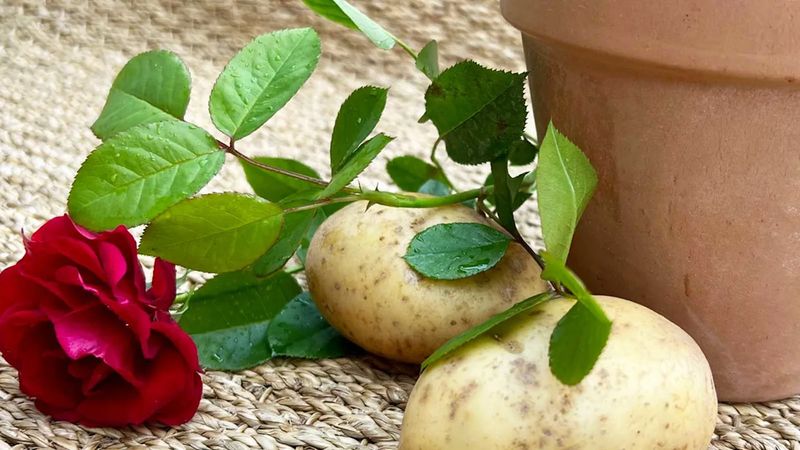
Propagating roses using potatoes sounds unusual but works by keeping cuttings moist. Inserting a rose cutting into a potato helps retain moisture, giving it a stable rooting environment. Our experience showed successful root development, although the process was a bit messy. While effective, we found water propagation to be simpler and cleaner. This method is a fun experiment for gardening enthusiasts looking to try something unconventional. The potato acts as a natural growth medium, nurturing the cuttings with its own moisture, making it a creative, albeit messy, gardening trick.
6. Coffee Grounds for Acid-Loving Plants
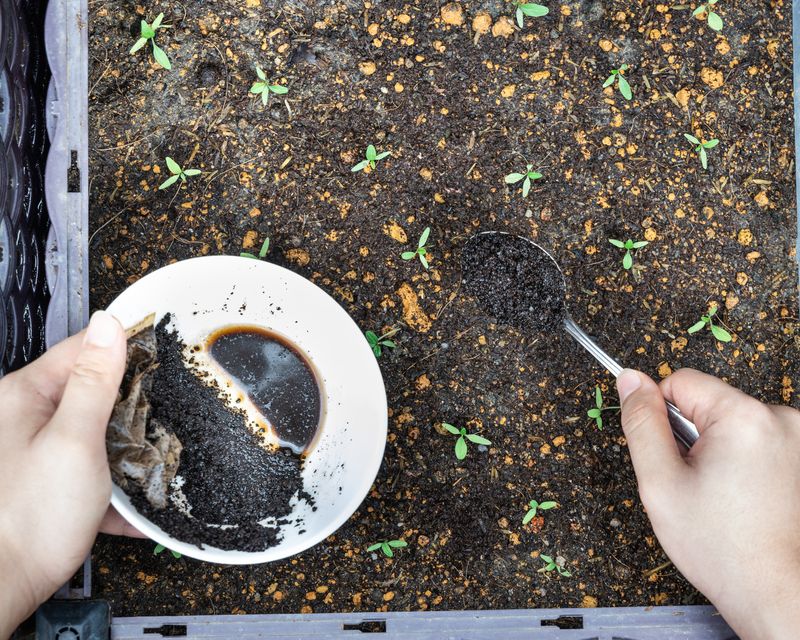
Coffee grounds can be a wonderful addition to the soil for acid-loving plants like hydrangeas and blueberries. They help lower the soil pH, creating a more favorable environment for these plants. Our testing showed positive results, but caution is needed. Overuse can lead to mold growth, which may harm the plants. The grounds act as a slow-release fertilizer, providing nitrogen and other nutrients over time. It’s an eco-friendly way to recycle used coffee, though moderation is key. This hack is a delightful blend of sustainability and plant care.
7. Shower “Rain” for Houseplants
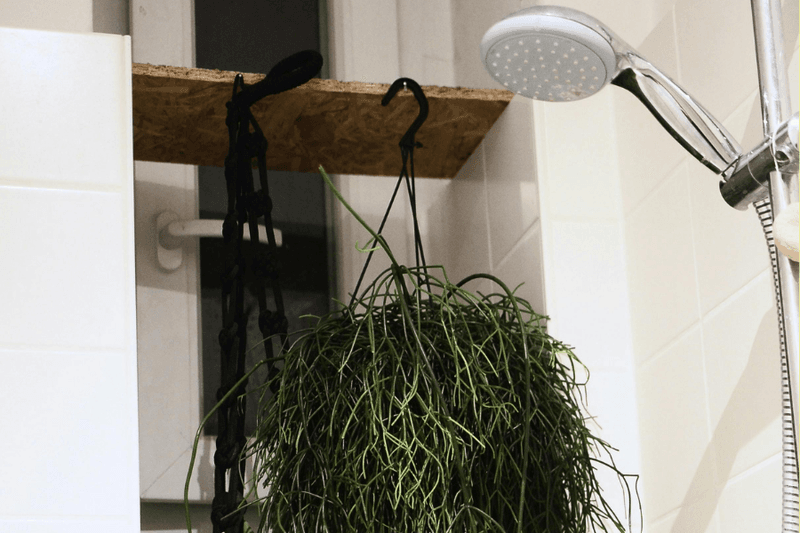
Giving your houseplants a shower to mimic tropical rain can dramatically enhance their vitality. Our monstera flourished with this method, showing immediate signs of perkiness. The gentle shower helps wash away dust and pests, invigorating the plant’s natural processes. However, cold water should be avoided to prevent shock. This hack provides a refreshing cleanse, reminiscent of their natural habitats. It’s a straightforward and enjoyable way to care for your leafy companions, making them look and feel rejuvenated. This simple act of kindness can transform your plant care routine.
8. Aspirin Water for Stressed Plants
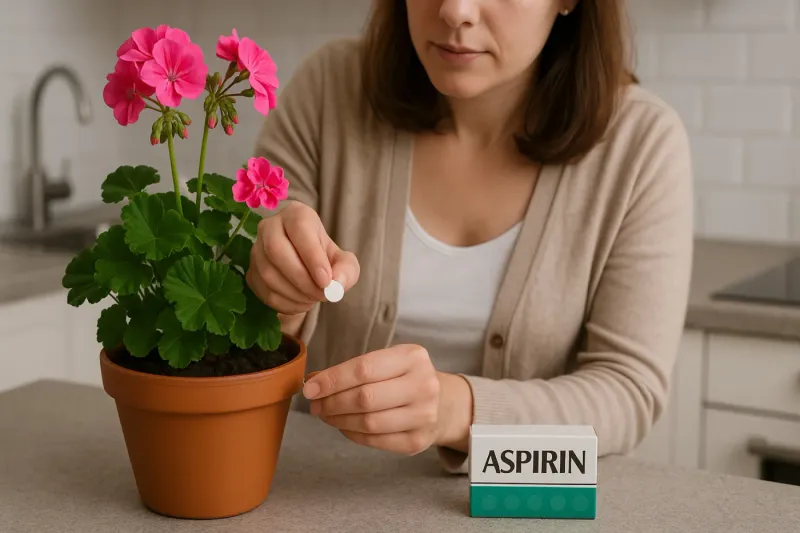
Could aspirin be the remedy for plant stress? The salicylic acid in aspirin supposedly boosts plant immunity. Our trials yielded mixed results—tomatoes appeared healthier, whereas herbs showed no significant change. The idea is intriguing, as aspirin can mimic stress hormones in plants, potentially aiding their defense mechanisms. However, its efficacy varies widely among different species. While it showed promise for certain plants, others remained unaffected. This hack might be worth a shot for those curious about unconventional plant treatments, but results can be unpredictable at best.
9. Glueing Fake Flowers to Succulents

Adding fake flowers to succulents may seem aesthetically pleasing, but it can be detrimental. The glue and blockage prevent essential light from reaching the plant. Our experiment resulted in wilting and decay, highlighting the critical need for unobstructed light access. While the intention is to enhance visual appeal, the outcome is often a disaster. This hack can compromise plant health, leading to irreversible damage. Instead, embracing the natural beauty of succulents without artificial adornments is the way to go. Keeping them in their original state ensures robust growth and longevity.
10. Watering with Vodka for “Drought Stress”

Watering plants with vodka as a means to induce drought stress is misguided. The alcohol burns the delicate roots, causing more harm than good. Our trials showed no benefits, only damaged and stressed plants. The concept is flawed as it overlooks the plant’s natural water needs. Rather than toughening them up, it exacerbates their struggle. This hack poses a risk to plant health, potentially leading to irreversible damage. It’s a reminder that not all viral hacks are beneficial or grounded in sound horticultural practices. Opt for water-based care instead.
11. Painting Succulents with Nail Polish
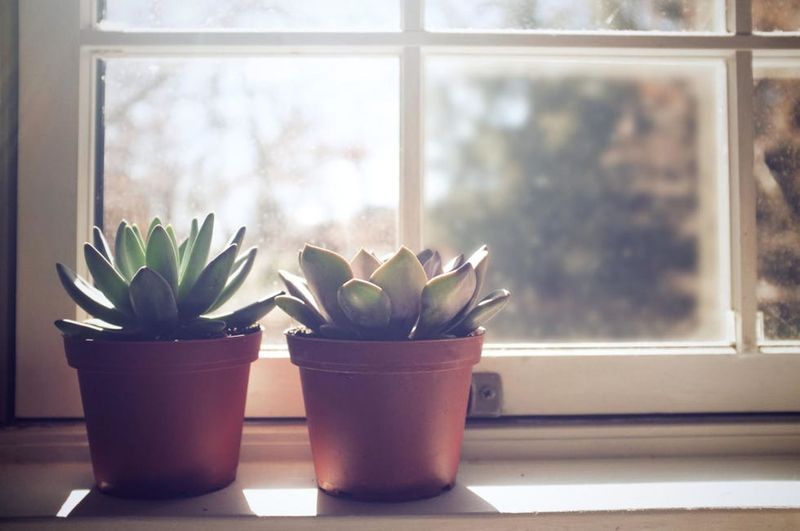
Painting succulents with nail polish might seem like an artistic endeavor, but it spells disaster. The polish suffocates the leaves, preventing essential gas exchange. Within a week, our test subjects were wilting and lifeless. This hack sacrifices plant vitality for temporary aesthetics. While it might offer a burst of color, the long-term effects are detrimental. The beauty of succulents lies in their natural form, which should be preserved without harsh chemicals. Such practices highlight the importance of prioritizing plant health over fleeting visual appeal.
12. Burying Pennies for Fungus Gnats
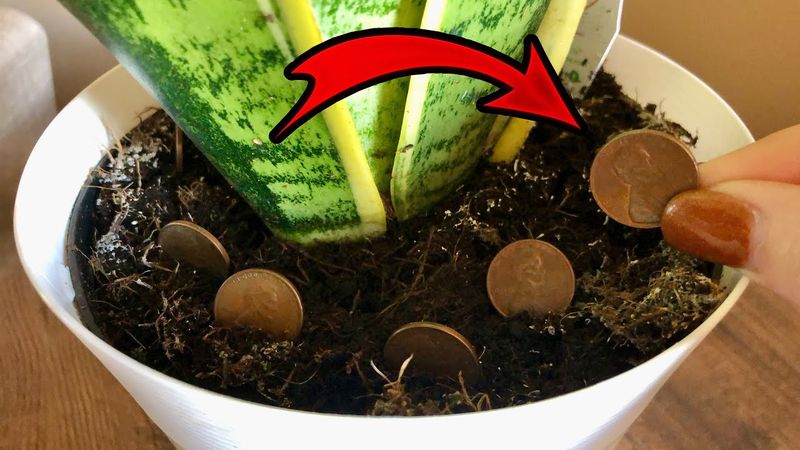
Burying pennies in soil as a deterrent for fungus gnats proved ineffective in our trials. The theory that copper repels these pests didn’t hold up, as the gnats persisted. While the idea is rooted in the antimicrobial properties of copper, it seems insufficient for pest control. Sticky traps, in contrast, showed immediate results, capturing the gnats effectively. This hack falls short as a standalone solution, though it piques curiosity. For those seeking effective pest management, traditional methods remain more reliable. It’s a testament to the trial and error in plant care hacks.
13. Milk as a Leaf Shiner
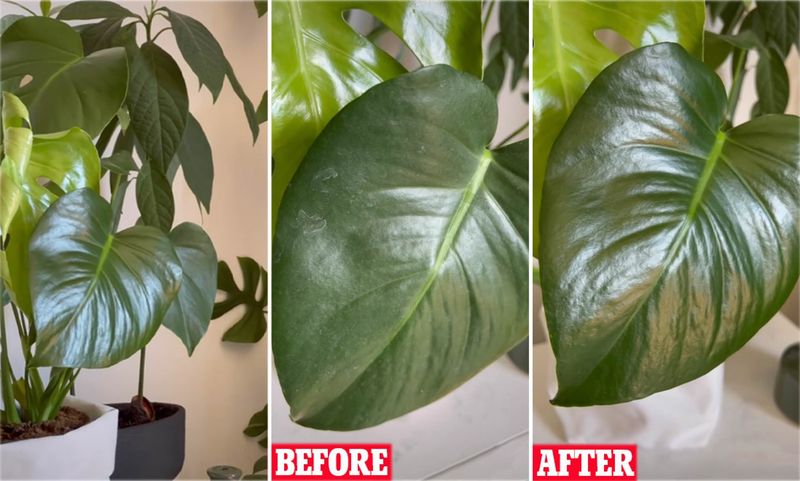
Using milk as a leaf shiner turned out to be a sticky mess. While it initially gave leaves a glossy finish, the residue attracted ants and created a breeding ground for mold. Neem oil, by comparison, offers a safer alternative for enhancing leaf shine without inviting pests. Our experiment showcased the pitfalls of using perishable substances on plants. While milk’s protein might temporarily enhance shine, its drawbacks far outweigh the benefits. For a healthy plant appearance, opting for specialized plant care products is advisable over household shortcuts.
14. Talking to Plants to “Help Them Grow”
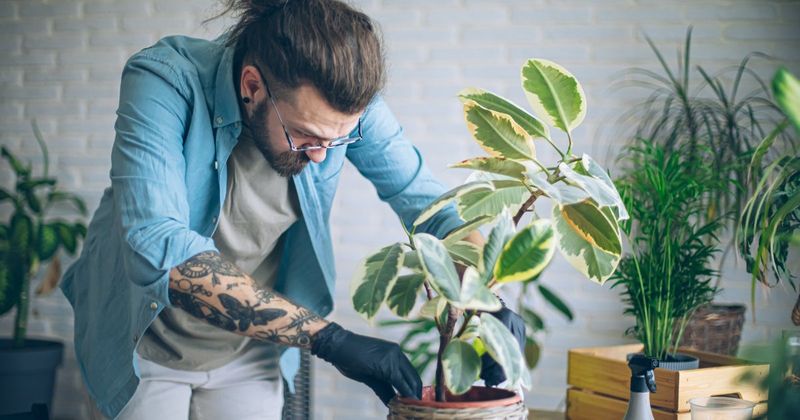
Does talking to plants boost their growth? Our trials suggested no significant difference, yet the practice is therapeutic for humans. The idea is that sound vibrations might promote growth, but plants seemed unaffected in our tests. While scientifically unproven, the emotional connection fostered through conversation can enhance the caregiver’s bond with their plants. It’s a gentle reminder of the joy found in tending to living things. Though not scientifically validated, this hack emphasizes the emotional benefits of plant care, even if growth remains unchanged.
15. Using Rice Water as Fertilizer
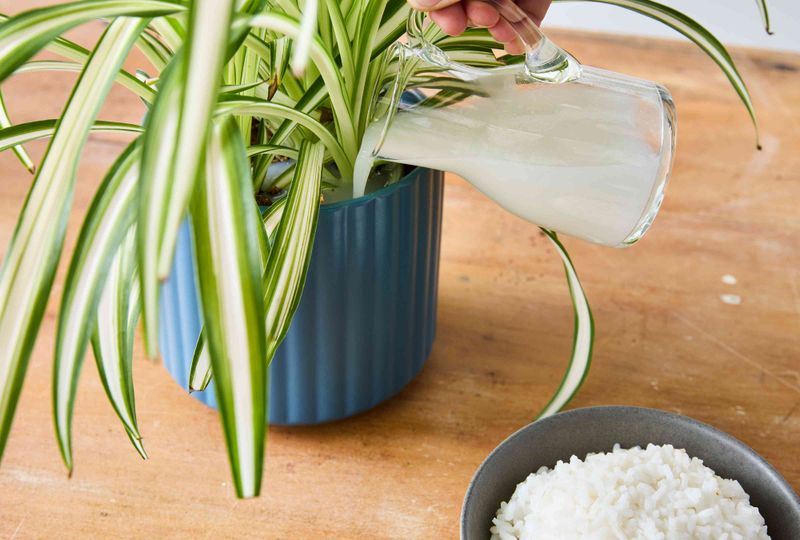
Rice water as fertilizer offers a unique approach to plant nourishment. The fermented starch provides nutrients, proving beneficial to leafy greens in our trial. However, overuse led to a rancid smell, cautioning against frequent application. This hack presents a sustainable way to repurpose kitchen waste while offering a mild nutrient boost. Its effectiveness varies depending on plant types and concentrations used. For those exploring eco-friendly options, rice water serves as an intriguing experiment. Despite mixed results, it highlights the potential of unconventional fertilizers in gardening practices.
16. Eggshells for Pest Control
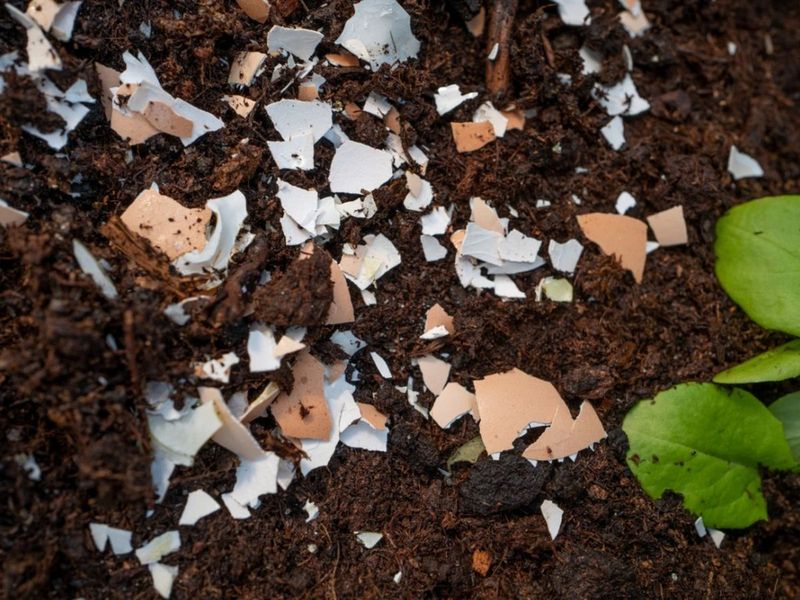
Eggshells as a pest deterrent rely on their sharp edges to ward off slugs. While moderately effective, beer traps outperformed them in our tests. Crushed shells create a physical barrier, but their effectiveness diminishes after rainfall. This hack offers a natural, albeit limited, solution for pest control. It’s a creative way to recycle kitchen waste while contributing to pest management. However, for persistent infestations, combining methods yields better results. Despite its shortcomings, this hack is a testament to the innovative spirit of sustainable gardening practices.
17. Sprite as Flower Food
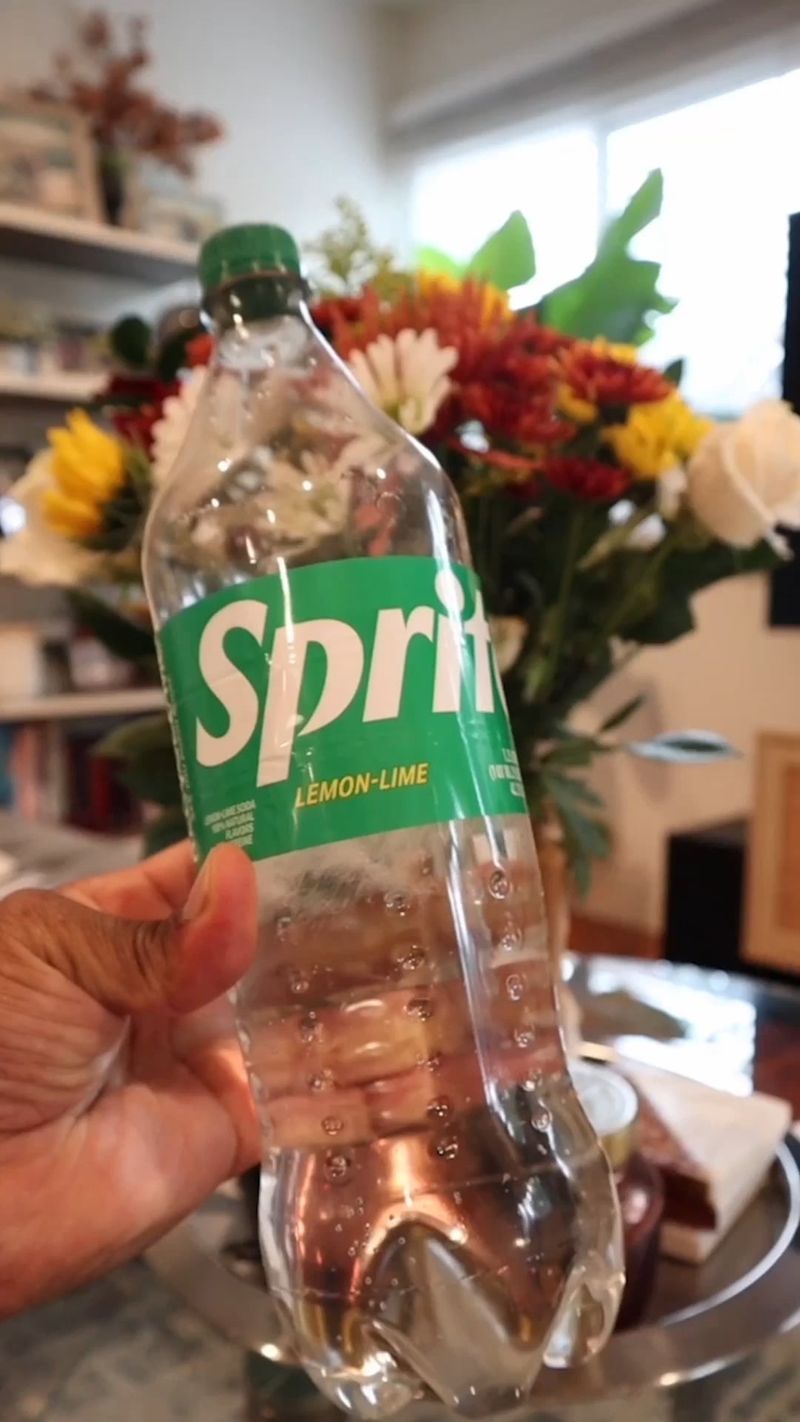
Using Sprite as flower food offers short-term freshness, with sugar prolonging vase life. However, it attracted mold in our trials when overused. The carbonated drink provides a quick nutrient boost but lacks long-term benefits. This hack is fun for experimenting with cut flowers but requires careful monitoring. It highlights the delicate balance between nourishment and decay in floral arrangements. For lasting results, traditional flower food or fresh water changes are preferable. Despite its novelty, Sprite as a floral preservative serves more as a curiosity than a dependable solution.
18. Aloe Vera as Rooting Hormone
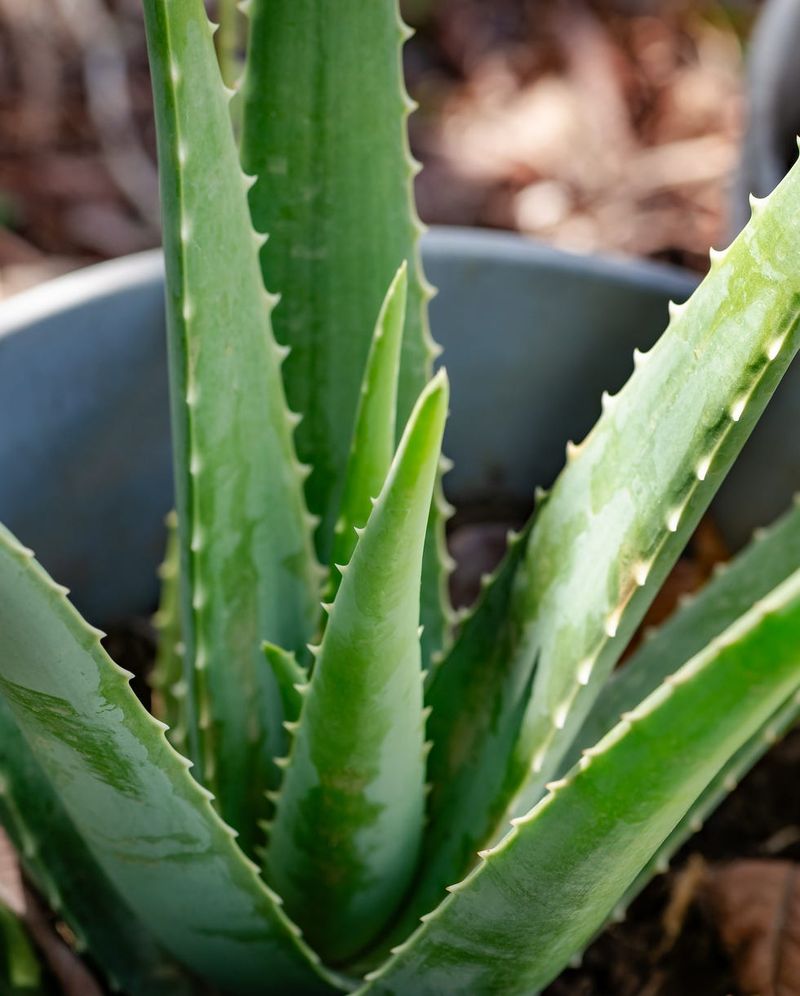
Aloe vera gel as a natural rooting hormone offers slight benefits, though commercial products proved stronger in our tests. The gel provides a soothing layer, aiding in moisture retention. While it helped some cuttings, the effect was limited compared to synthetic hormones. This hack is appealing for its simplicity and accessibility, making it a viable option for small-scale propagation. Aloe’s gentle properties offer a mild alternative for those seeking chemical-free solutions. Despite mixed results, it underscores the potential of natural substances in plant care, reflecting an eco-conscious approach.