 Complete Gardening
Unlock the secrets to a bountiful garden with these 18 expert tips for growing tomatoes and peppers. From selecting the right seedlings to mastering soil conditions, these strategies will ensure a two-fold increase in your harvest.
Whether you’re a seasoned gardener or a beginner, these insights will guide you through each step of the process.
1. Start with Strong Seedlings
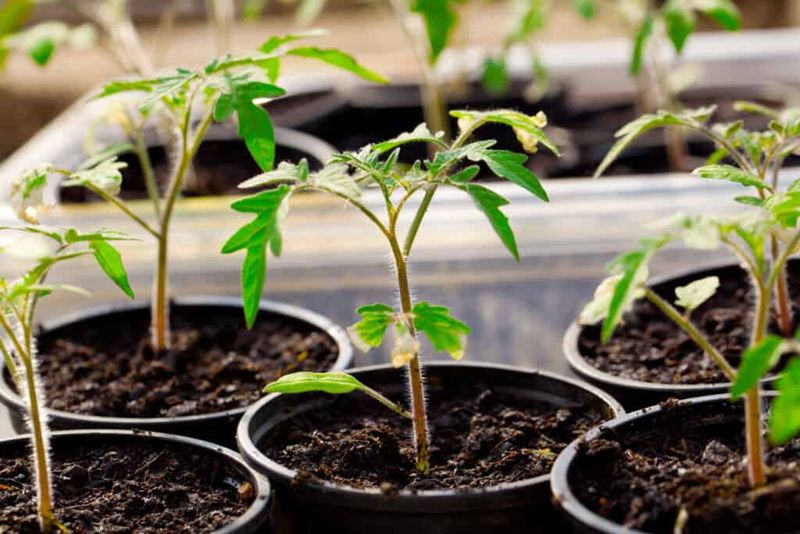
Selecting seedlings is the foundation for a fruitful garden. Seek out plants with robust, sturdy stems and vibrant leaves as these indicate health and vigor. Avoid plants that appear leggy or pale as these traits often point to stress or disease. Choosing disease-resistant varieties helps prevent future issues. Observing these traits at purchase ensures your plants have a strong start. Consider varieties known for their resilience and productivity. Early investment in quality seedlings sets the stage for a bountiful harvest, ensuring your efforts yield the best possible results. Choose wisely to double your harvest potential.
2. Harden Off Before Planting
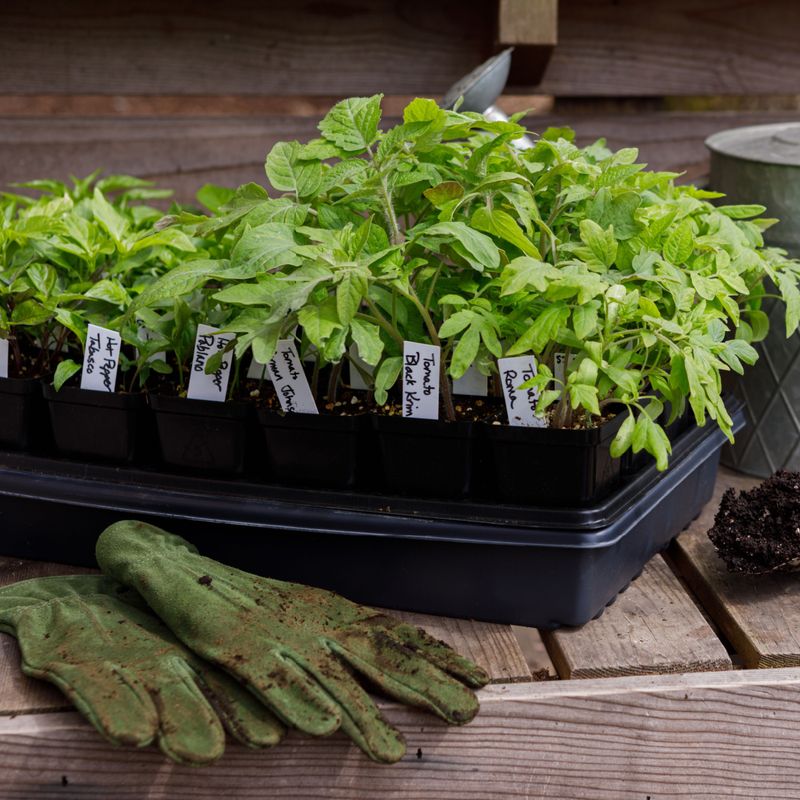
The transition from indoor growing conditions to the outdoors is delicate. Gradually expose your plants to the elements over a period of 7-10 days to minimize transplant shock. Begin by placing them in a sheltered outdoor spot, increasing sunlight and wind exposure incrementally. This process, known as hardening off, strengthens plants and prepares them to thrive in their permanent garden locations. Sudden exposure to full sun or harsh winds can stunt growth. Proper acclimatization boosts long-term vitality and productivity, setting your plants up for success in their new environment.
3. Test and Amend Soil
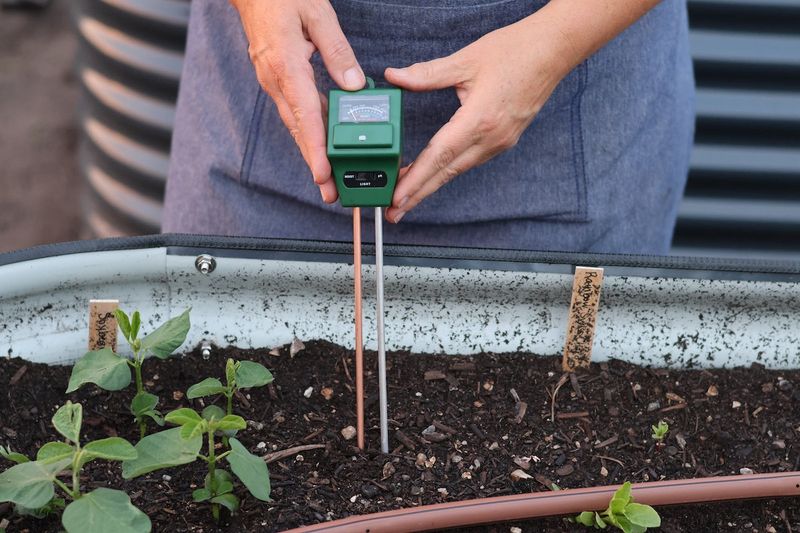
Soil quality is crucial for thriving plants. Test your garden soil to ensure a slightly acidic pH between 6.0 and 6.8, ideal for tomatoes and peppers. Amend the soil with organic matter like compost, aged manure, or worm castings to enrich it with nutrients. This preparation creates a fertile environment for root growth and fruit production. By enhancing soil structure and fertility, you lay the groundwork for a robust harvest. Healthy soil not only supports plant health but also increases resilience against pests and diseases, ensuring a prosperous growing season.
4. Give Them Full Sun
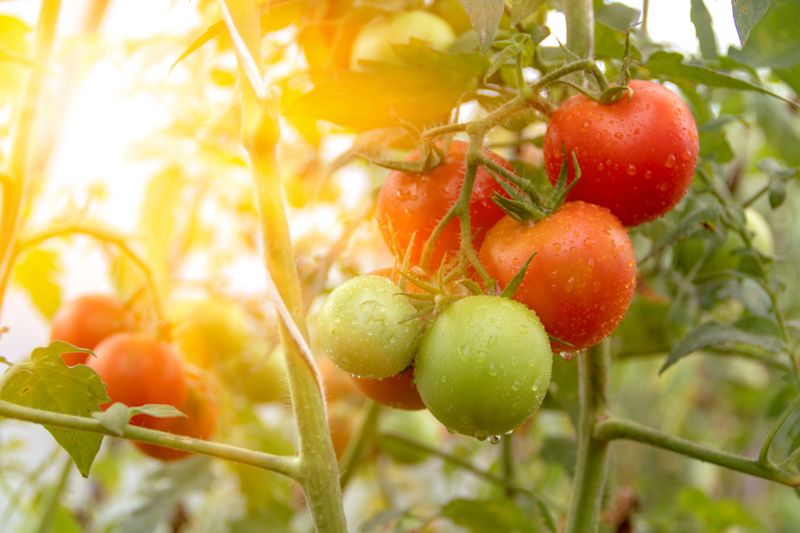
Sunlight is vital for photosynthesis and crop yield. Ensure your tomato and pepper plants receive 6-8 hours of direct sunlight daily. Position them in a part of your garden that is free from shadows cast by trees or buildings. Ample sunlight leads to more flowers, which in turn results in a larger harvest. Without sufficient light, plant growth is stunted, and yields are reduced. Prioritize sunlight exposure to maximize the potential of your garden. This natural energy source is free and abundant, making it essential for doubling your harvest.
5. Space Them Properly
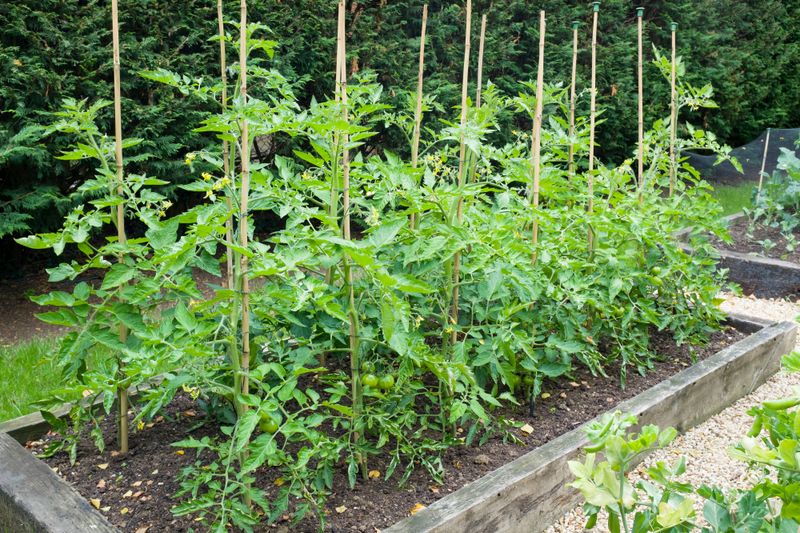
Proper spacing prevents competition for resources among plants. Space tomato plants 18-24 inches apart and peppers about 12-18 inches. This arrangement promotes air circulation and reduces disease risk. Crowded plants struggle for sunlight and nutrients, leading to smaller yields. Adequate spacing allows each plant to thrive, optimizing growth and fruit production. Planning plant placement carefully ensures each has room to grow and produce abundantly. Effective spacing is a simple yet significant practice in achieving higher yields, contributing to a productive and disease-free garden environment.
6. Plant Tomatoes Deep
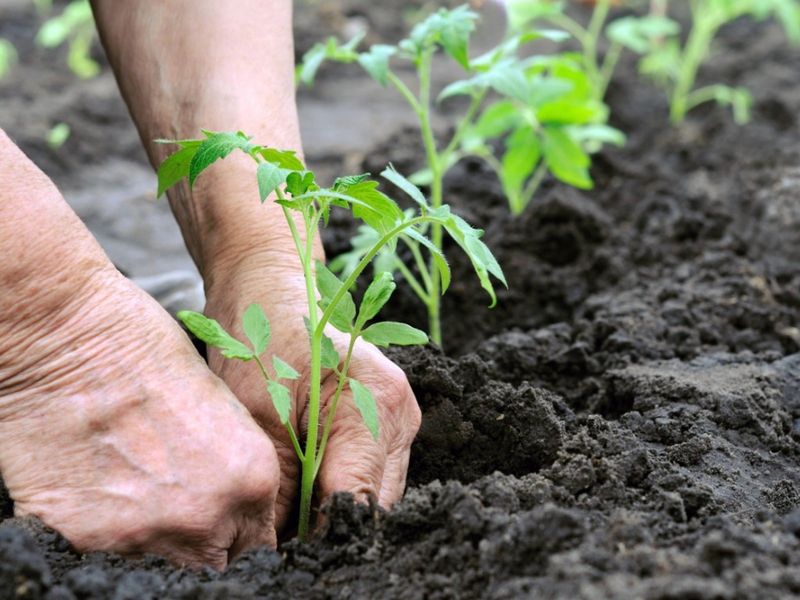
Tomatoes have a unique ability to grow roots along their buried stems. Plant them deeper than their first set of leaves to encourage a robust root system. This practice results in stronger plants capable of supporting a larger yield. The extra root growth improves nutrient absorption and stability. While peppers do not require deep planting, the benefits for tomatoes are substantial. Ensuring a strong foundation through deep planting is a proven technique for boosting productivity. The effort invested at planting time pays dividends with increased harvests.
7. Support Early and Often
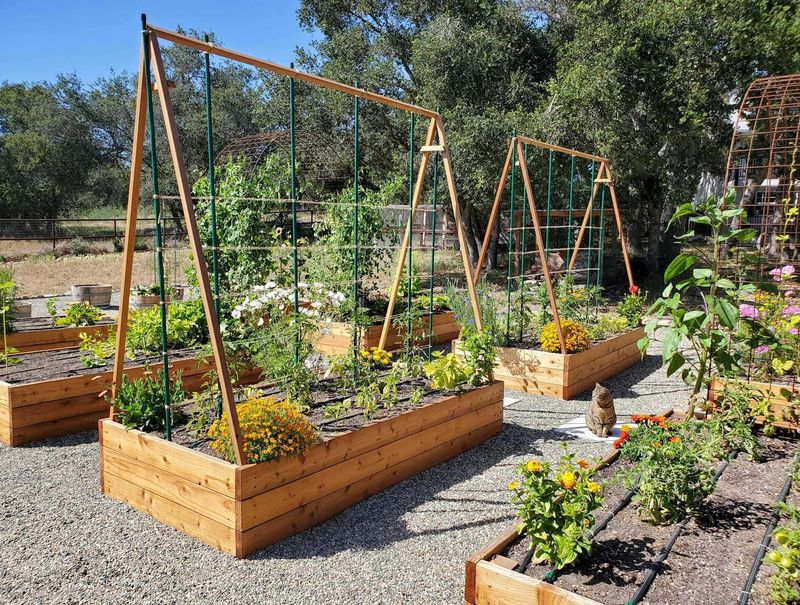
Supporting plants prevents damage and disease. Use cages, stakes, or trellises to keep plants upright as they grow. This support system helps keep fruit clean and reduces the risk of disease by increasing air circulation. Early intervention with support structures ensures plants grow vertically, maximizing sun exposure. This practice also makes harvesting easier by keeping fruits visible and accessible. By investing in support systems early, you promote healthy plant development and higher yields. This fundamental gardening technique is essential for maximizing harvest potential.
8. Water Consistently
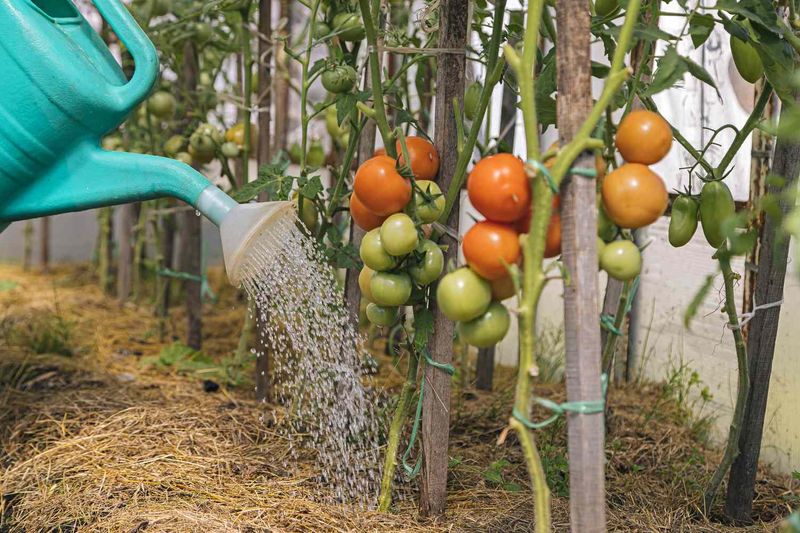
Consistent watering is key to preventing common issues like blossom end rot and fruit splitting. Water your plants deeply 1-2 times a week rather than shallow, daily watering. This encourages deep root growth and ensures plants receive adequate moisture. Mulching around the base of the plants helps retain moisture and regulate soil temperature. Monitor soil moisture levels to adjust watering frequency during dry spells or rainy periods. Consistent and deep watering supports healthy growth and robust fruit production, contributing to a plentiful harvest.
9. Add Banana Peels or Epsom Salt
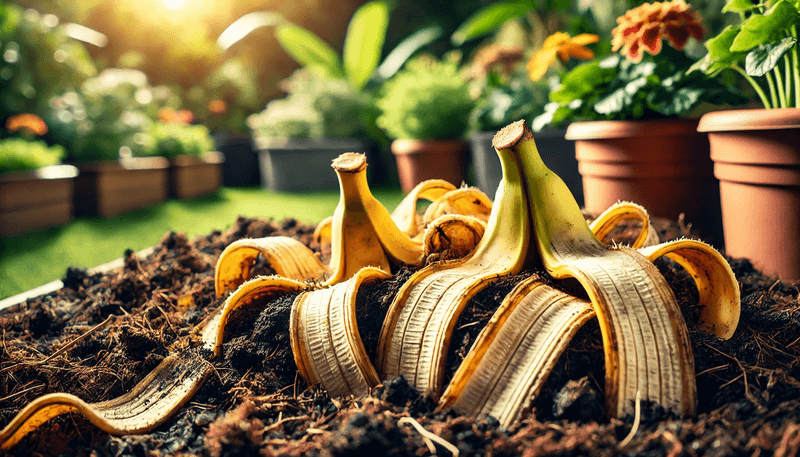
Nutrient enhancements can boost fruit development. Bury banana peels near the roots to add potassium, essential for flowering and fruiting. Alternatively, a monthly dose of Epsom salt (1 tablespoon per gallon of water) provides magnesium, supporting chlorophyll production. These organic supplements enrich soil fertility, promoting vigorous plant health. Adding these nutrients enhances the overall quality and quantity of your harvest. Simple and natural, these household items can make a significant difference in your garden’s productivity. Embrace these methods to nourish your plants effectively.
10. Prune Lower Leaves
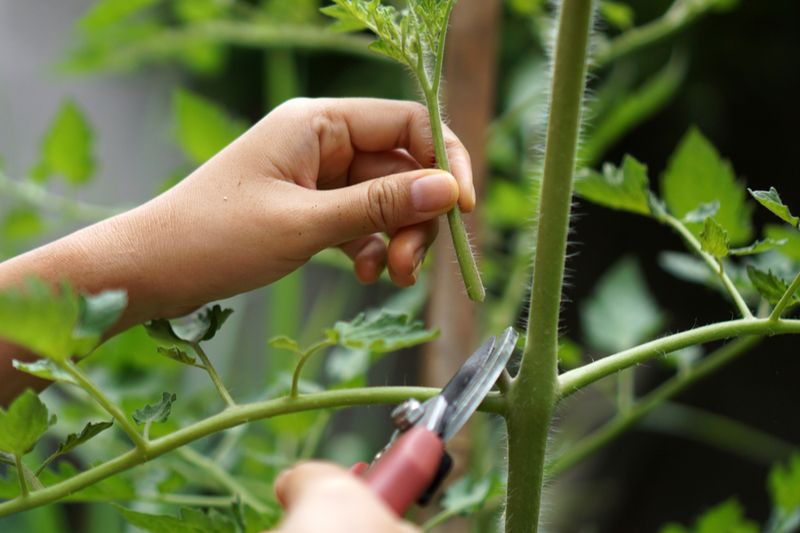
Pruning is an essential practice for maintaining plant health and promoting fruit production. Remove the lower leaves of tomato plants to prevent soil splash, reducing the risk of diseases. This also improves air circulation, which is vital for healthy growth. For peppers, light pruning encourages branching and increases flowering sites. By managing foliage, you direct energy towards fruit development. Pruning can be a transformative technique, allowing plants to focus on producing abundant fruit. It is a simple yet powerful tool for enhancing the productivity of your garden.
11. Attract Pollinators
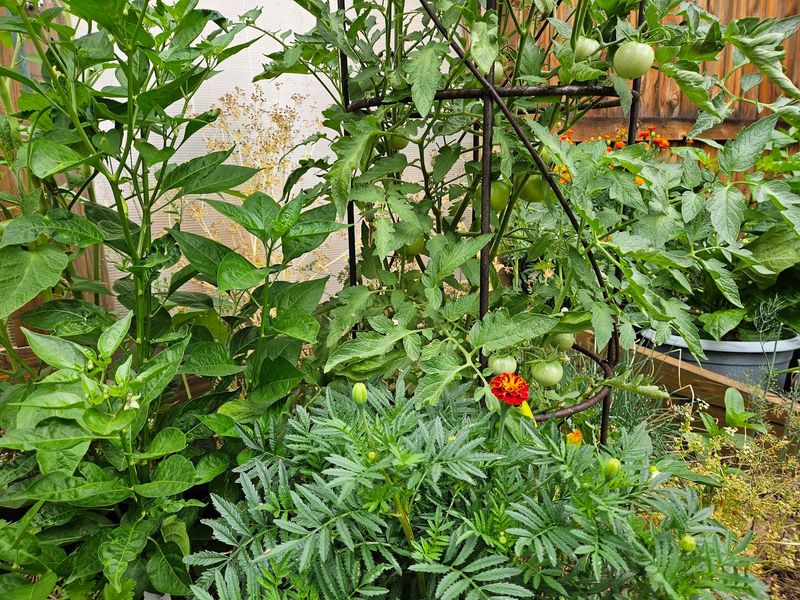
Pollinators are crucial for increasing flower and fruit production. Plant companion flowers like basil, marigolds, or borage nearby to attract bees and butterflies. These insects play a vital role in pollinating, leading to more flowers and ultimately more fruit. A diverse garden not only enhances beauty but also functional productivity. Encouraging pollinator presence boosts harvest yields naturally. Creating a welcoming environment for these helpful creatures is a strategic approach to double your garden’s output. This colorful addition to your garden serves a practical purpose.
12. Pinch the First Flowers
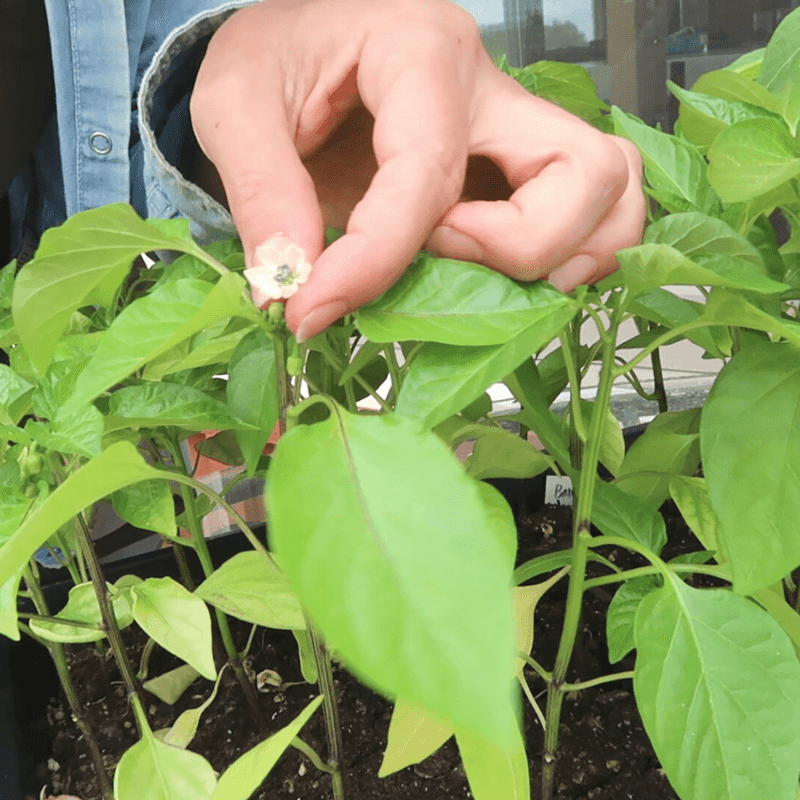
Pinching off the first flowers of young plants redirects energy into root and foliage development. By removing these early blooms, plants strengthen their foundation, leading to higher long-term yields. This initial sacrifice results in more vigorous growth and a more fruitful harvest. Although it may seem counterintuitive, this technique ensures plants are well-prepared for sustained productivity. Focusing on building a robust structure early on pays off with increased fruit production later. Embrace this practice to maximize your garden’s potential for a bountiful harvest.
13. Fertilize Right
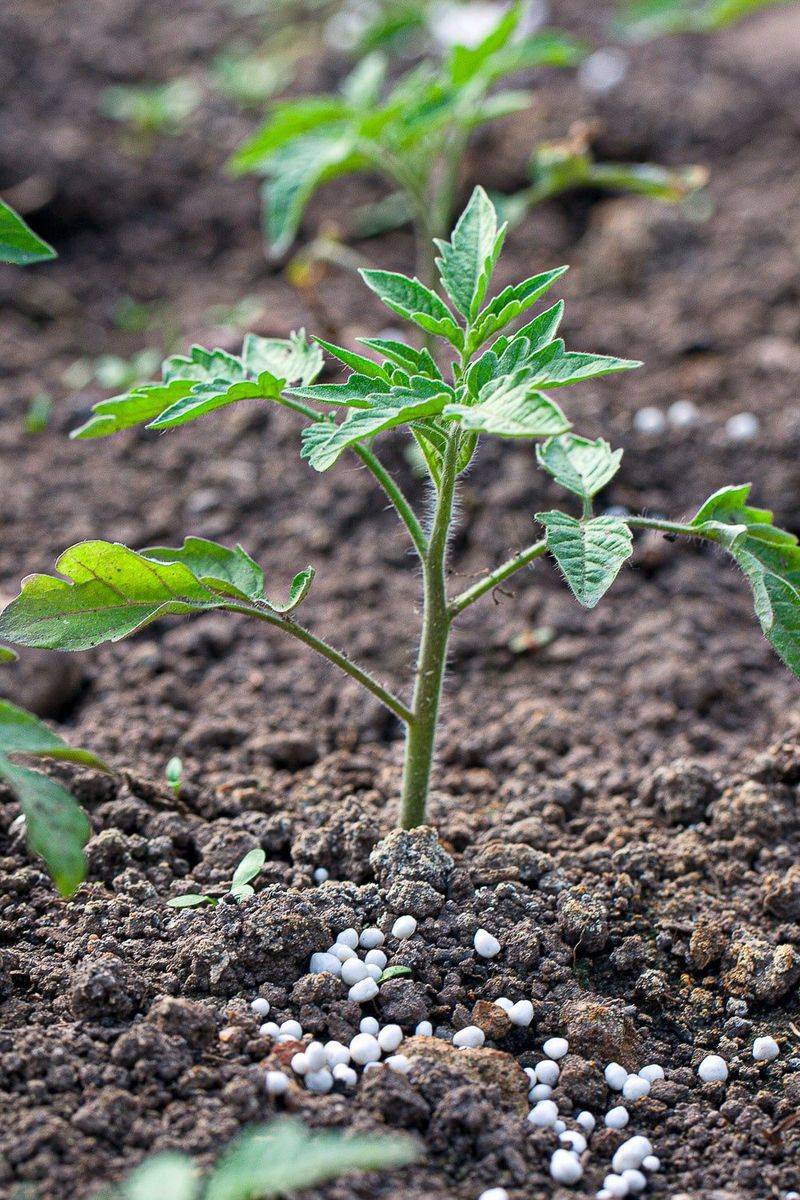
Balanced fertilization supports healthy plant growth without encouraging excessive foliage at the expense of fruit. Use a balanced or low-nitrogen fertilizer, such as 5-10-10 or 10-20-20, to ensure the right nutrient balance. Too much nitrogen leads to lush leaves but few fruits. Proper fertilization encourages robust flowering and fruiting, maximizing harvest potential. Adjusting nutrient levels according to plant needs is crucial for a successful growing season. Mindful fertilizer use promotes overall plant health and productivity, allowing for a satisfying and abundant garden experience.
14. Watch the Temperature
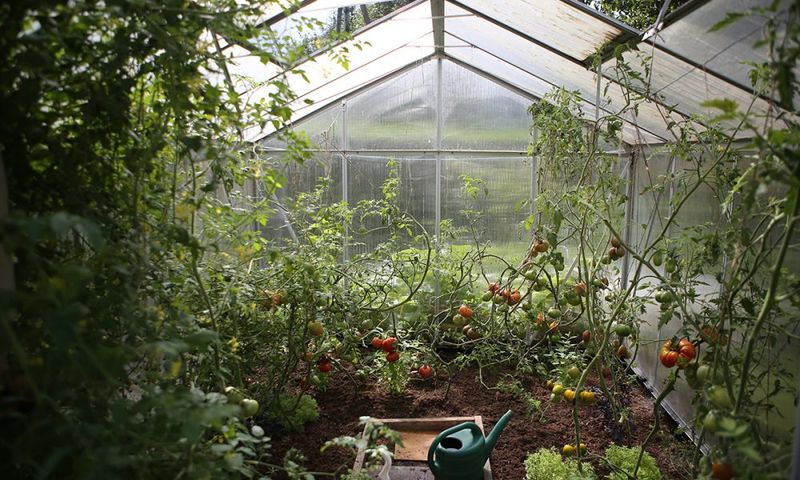
Temperature plays a significant role in fruit set and development. Peppers stop setting fruit when temperatures fall below 55°F or rise above 85°F. Tomatoes struggle in heat above 90°F. Use shade cloths or row covers to help manage extreme temperatures and protect your plants. Monitoring and adjusting to temperature fluctuations ensures optimal growth conditions. Being proactive in managing environmental stressors keeps plants healthy and productive. The right temperature range supports consistent fruiting, contributing to an abundant harvest. This attention to detail can significantly impact your garden’s success.
15. Rotate Crops
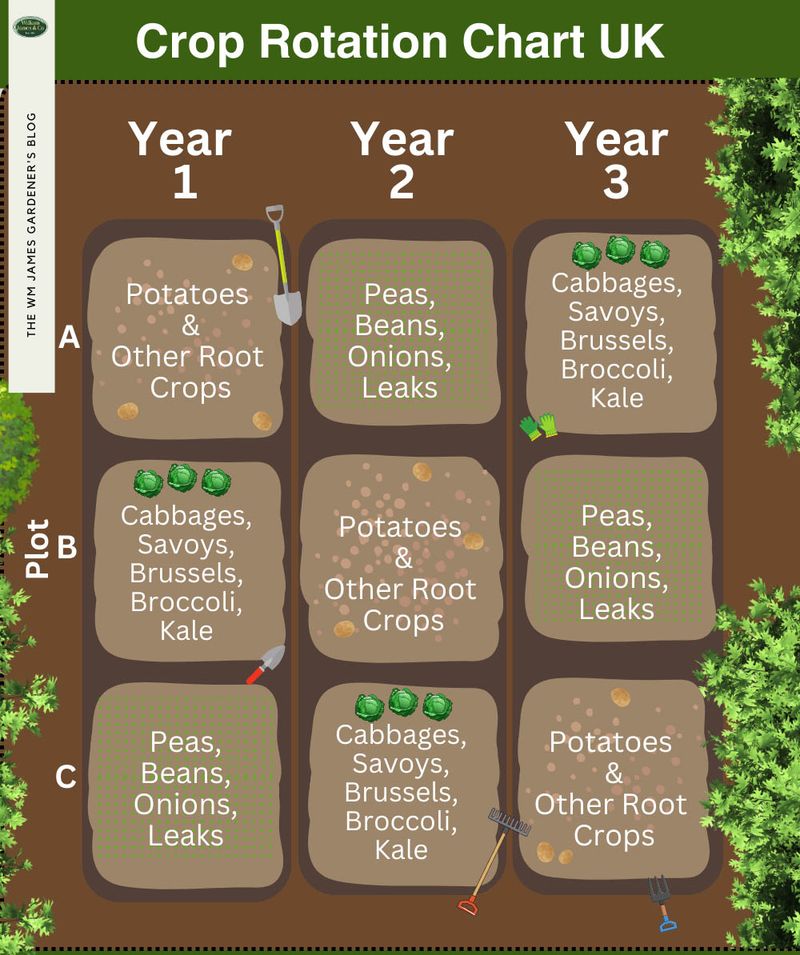
Crop rotation reduces disease buildup and pest pressure by changing plant locations annually. Avoid planting tomatoes or peppers in the same spot more than once every 2-3 years. This practice disrupts pest life cycles and prevents soil nutrient depletion. Rotation supports healthy soil and plant vitality, leading to higher yields. By diversifying planting locations, you maintain soil balance and reduce disease risks. Strategic crop rotation is a long-term investment in your garden’s productivity, ensuring sustainable and successful growing seasons. Embrace this practice for robust and thriving plants.
16. Control Pests Early
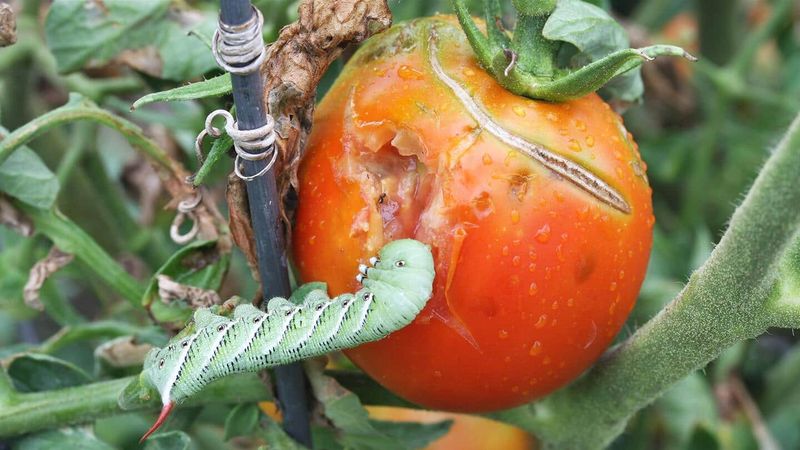
Early pest control is essential to prevent harvest loss. Use neem oil or insecticidal soap to manage common pests like aphids, hornworms, and whiteflies. Introducing beneficial insects, such as ladybugs, also helps control pest populations naturally. Monitoring plants regularly for signs of infestation allows for timely intervention. Early action prevents damage and supports healthy plant development. Keeping pests in check ensures your plants remain strong and productive. Implementing these measures protects your garden from potential threats, safeguarding your harvest for a successful growing season.
17. Top Pepper Plants
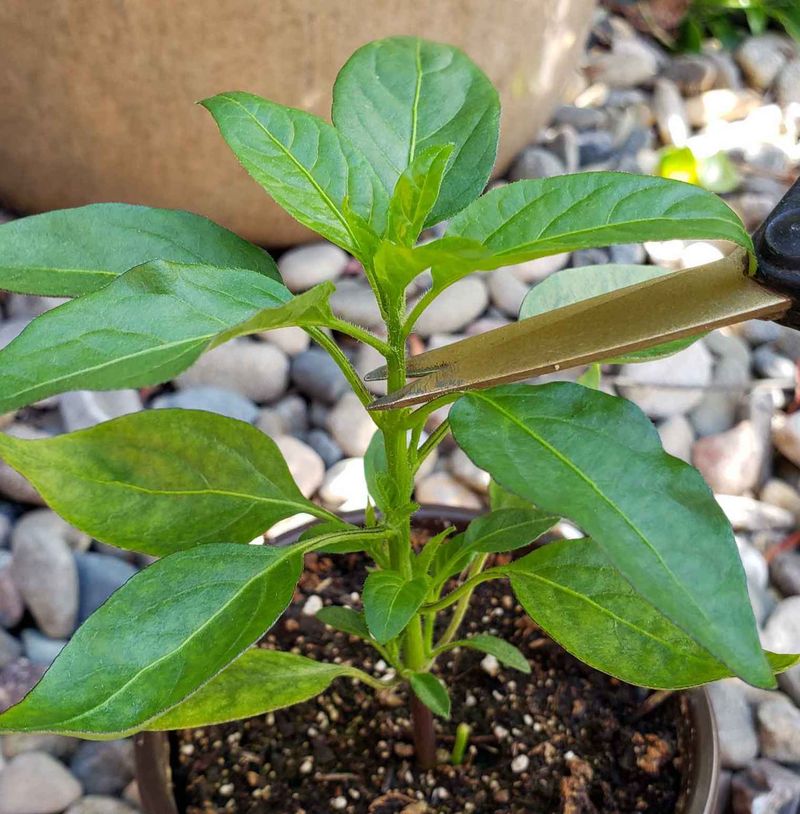
Topping pepper plants encourages bushier growth and increased flowering stems. By cutting back the main stem when plants reach 8-10 inches tall, you promote lateral branching. This results in more flowering sites and ultimately a larger harvest. Topping may seem aggressive, but it stimulates robust growth and enhances productivity. This practice allows plants to focus energy on developing multiple shoots, leading to a more fruitful outcome. Implementing topping as part of your garden routine boosts your pepper plants’ potential, doubling their yield capabilities.
18. Harvest Often
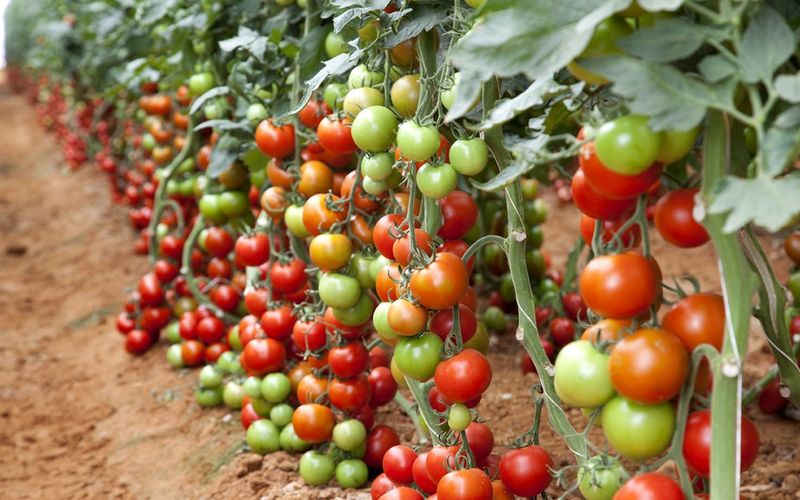
Regular harvesting encourages plants to keep producing. By picking ripe fruit often, you signal to the plant that more energy is required for flowering and fruiting. Delaying harvest allows plants to shift focus, potentially slowing productivity. Frequent picking keeps plants in active production mode, leading to a consistent supply of fresh produce. This practice not only maximizes yield but also ensures quality by picking at peak ripeness. Embrace regular harvesting to maintain plant momentum, contributing to a bountiful and continuous harvest throughout the season.