 Complete Gardening
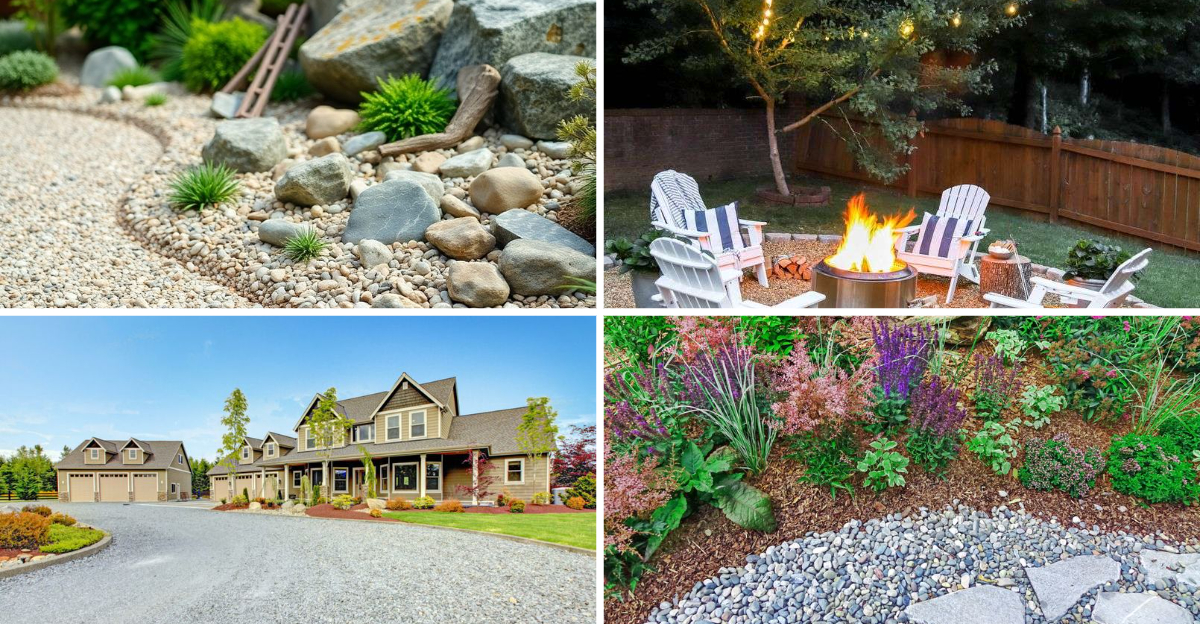
Gravel has become one of the most popular materials for creating beautiful outdoor spaces. This versatile stone offers endless possibilities for transforming your yard into something special. From practical walkways to stunning decorative features, gravel can solve many landscaping challenges while adding natural beauty to any property.
1. Create Stunning Garden Pathways
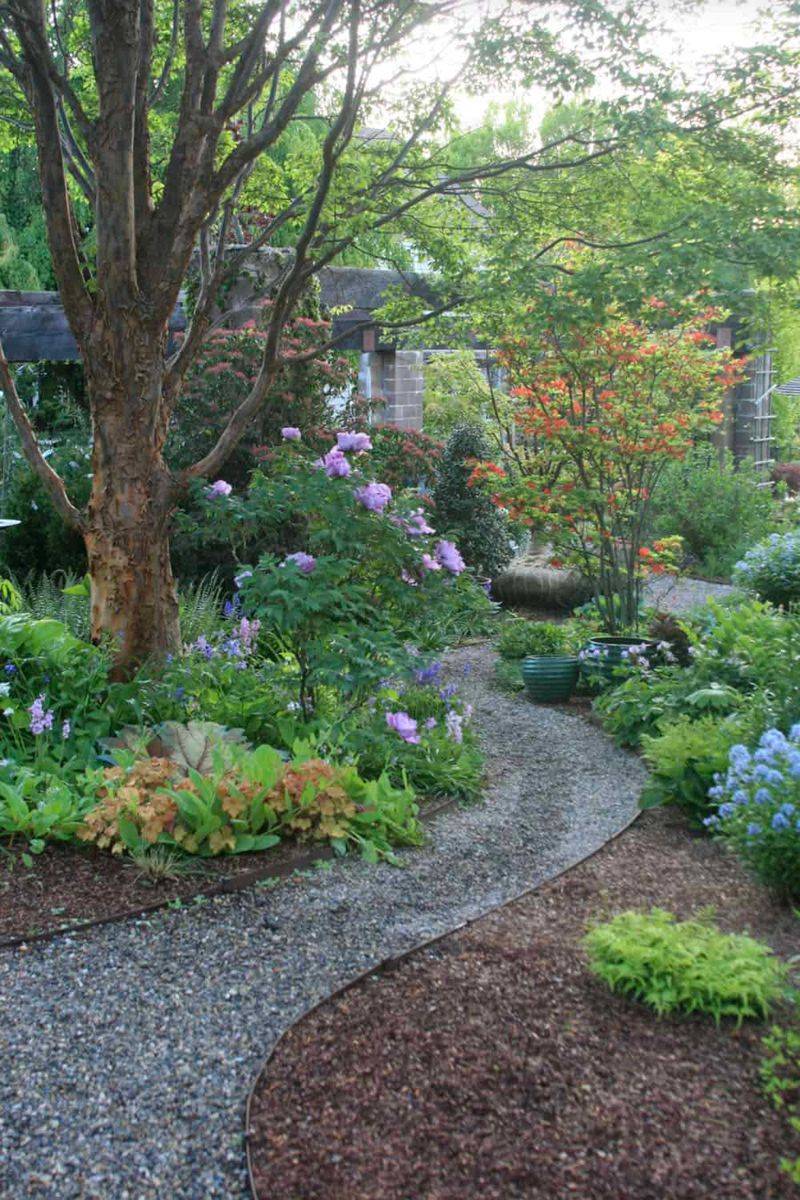
Winding gravel paths add charm and functionality to any garden space. Choose fine pea gravel or crushed stone for comfortable walking surfaces that drain well during rainy weather.
Installing edging materials like metal strips or stone borders keeps gravel contained and creates clean lines. Regular raking maintains the pathway’s appearance and prevents weeds from taking root in high-traffic areas.
2. Design Low-Maintenance Rock Gardens
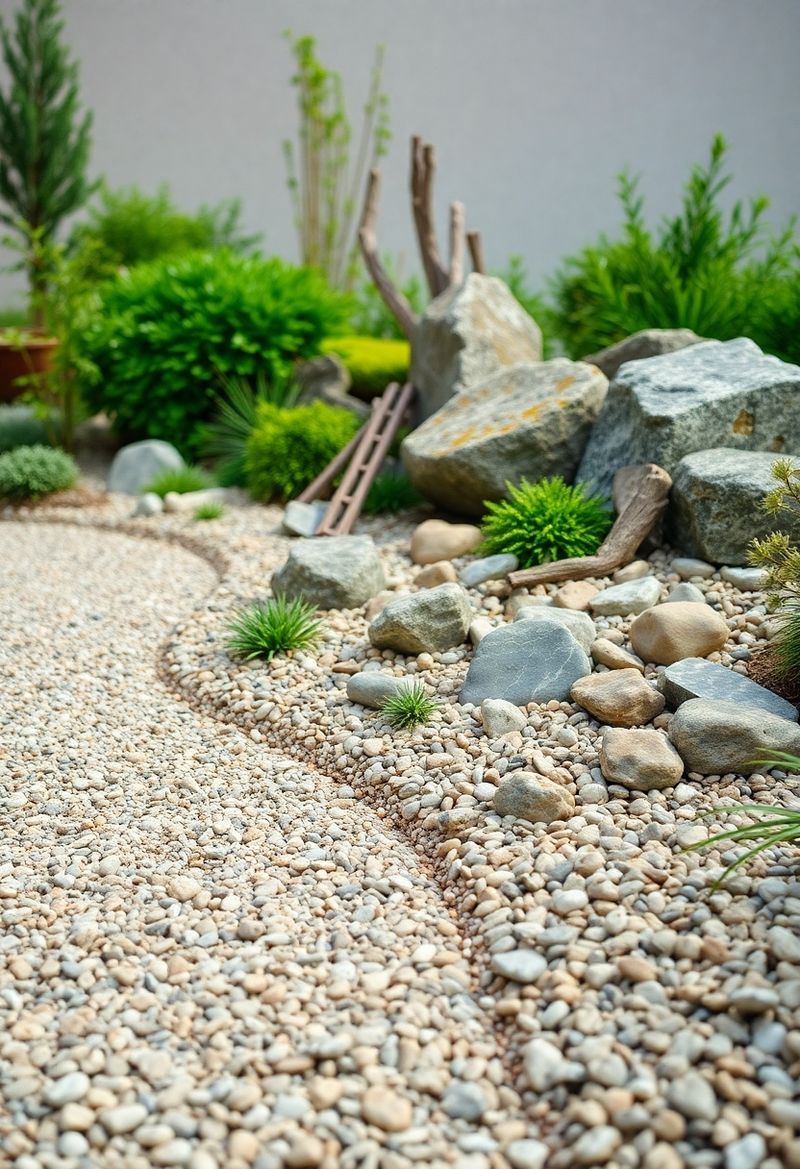
Rock gardens featuring different gravel sizes create dramatic focal points with minimal upkeep required. Combining various stone colors and textures adds visual interest while supporting drought-resistant plants perfectly.
Layer larger stones as anchors, then fill spaces with medium gravel for contrast. Succulents and alpine plants thrive in this environment, creating year-round beauty without constant watering or maintenance needs.
3. Build Effective Drainage Solutions
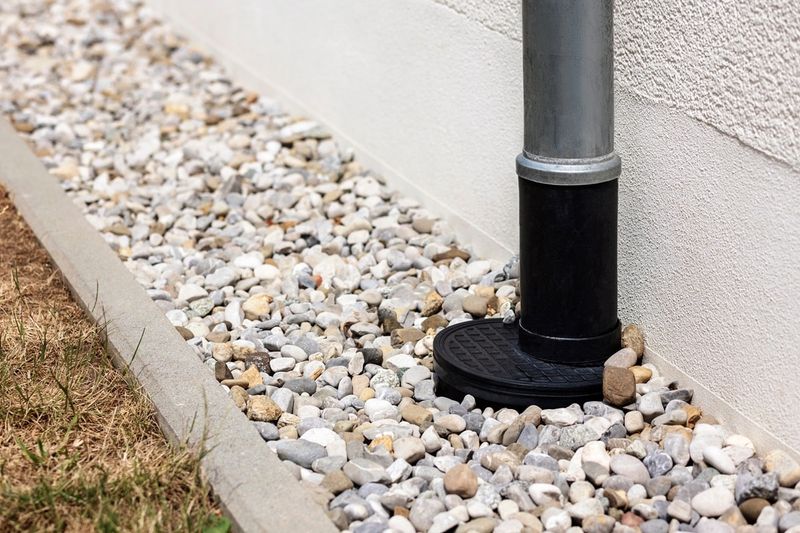
French drains filled with gravel solve water problems around foundations and low-lying areas. Coarse gravel allows water to flow freely while preventing soil erosion and basement flooding issues.
Dig trenches sloping away from problem areas, line with landscape fabric, then fill with drainage gravel. This simple solution protects your property while remaining completely hidden beneath the surface level.
4. Construct Practical Driveways
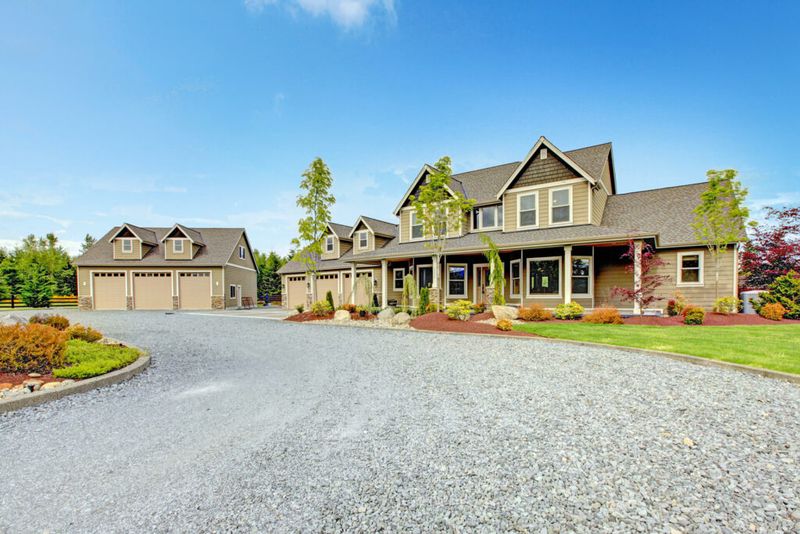
Gravel driveways offer affordable alternatives to expensive asphalt or concrete installations. Crushed limestone or granite provides excellent traction while handling heavy vehicle traffic without cracking or breaking apart.
Proper preparation includes excavating existing soil and adding base layers for stability. Regular maintenance involves adding fresh gravel annually and grading the surface to maintain proper drainage and smooth driving conditions.
5. Establish Mulch Alternatives
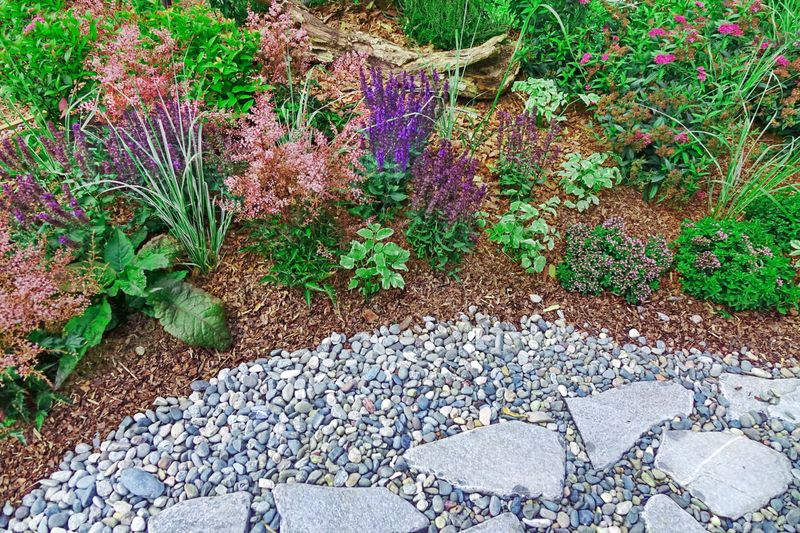
Decorative gravel serves as permanent mulch that never decomposes or requires annual replacement. River rock or pea gravel suppresses weeds while retaining soil moisture around plants effectively.
Unlike organic mulches, gravel won’t attract insects or create fungal problems in humid climates. Choose colors that complement your home’s exterior and existing landscape features for cohesive design throughout your property.
6. Form Natural Dry Creek Beds
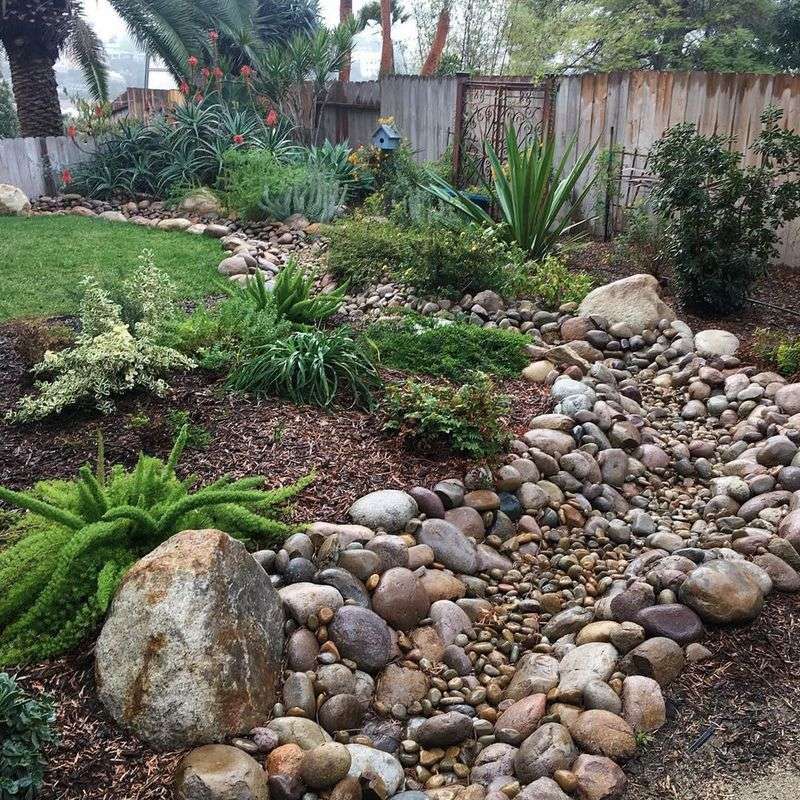
Artificial creek beds using river rocks and gravel create the illusion of flowing water year-round. These features add movement and natural beauty to flat landscapes needing visual interest.
Start with larger boulders as focal points, then arrange medium stones along the edges. Fill the center channel with smooth river gravel, varying sizes to mimic natural water flow patterns through your garden space.
7. Install Modern Zen Gardens
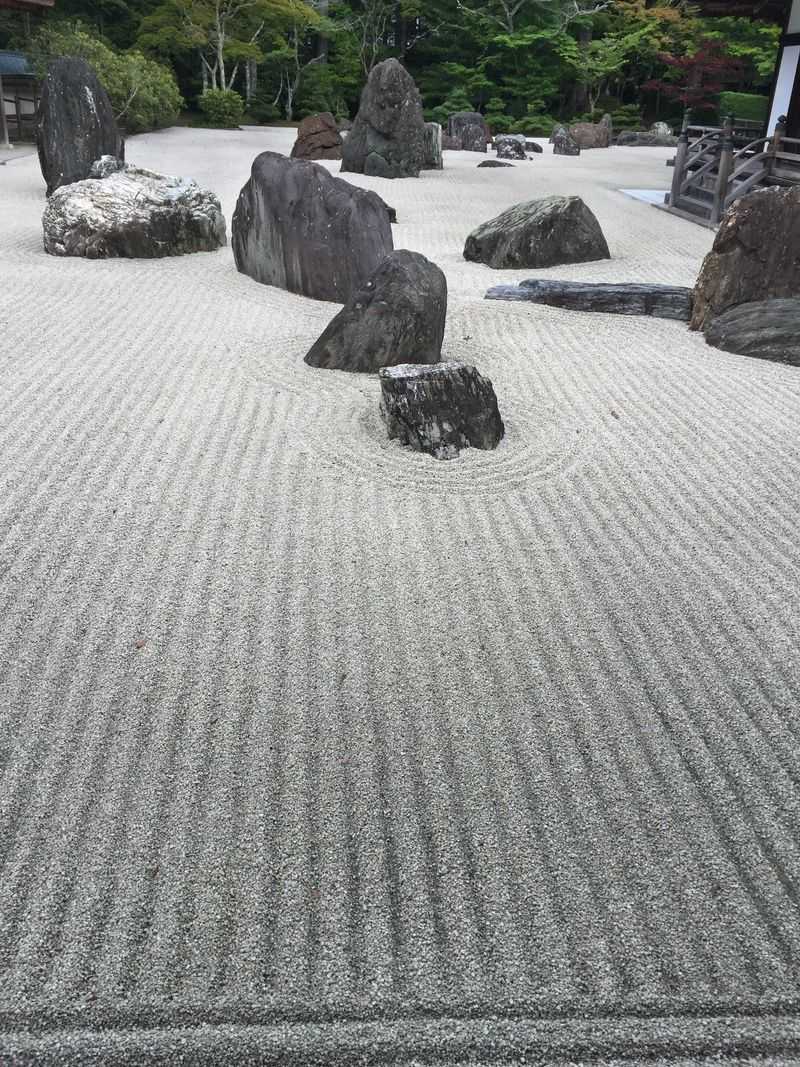
Minimalist zen gardens featuring raked gravel patterns promote relaxation and meditation in small spaces. Fine granite dust or decomposed granite works best for creating smooth, rake-able surfaces.
Surround the gravel area with simple borders and add carefully placed stones as focal elements. Regular raking creates therapeutic patterns while maintaining the garden’s peaceful, uncluttered appearance that encourages quiet contemplation.
8. Develop Fire Pit Areas
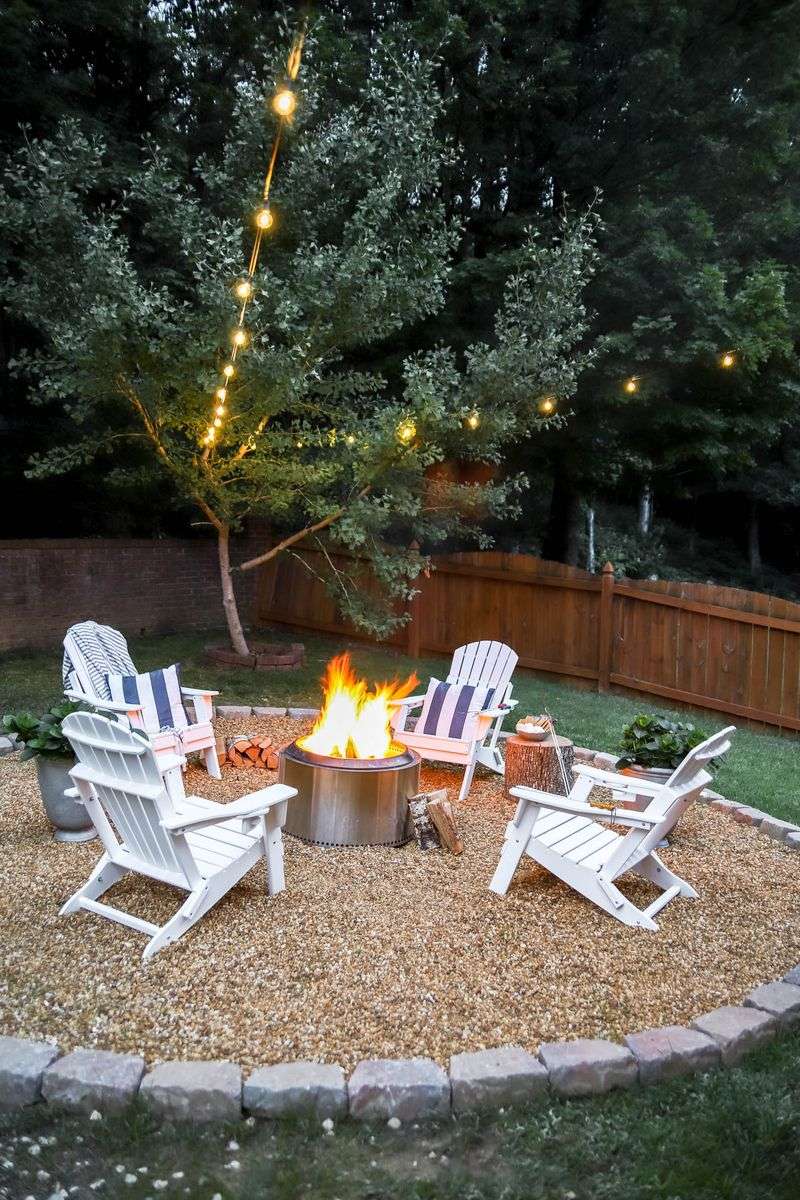
Gravel creates safe, attractive surfaces around fire pits that won’t catch fire or retain dangerous heat. Lava rock or heat-resistant stone gravel provides extra safety for family gathering spaces.
Clear vegetation from a wide radius around the fire feature, then spread gravel several inches thick. This creates defined seating areas while preventing grass fires and providing stable footing for chairs and tables.
9. Create Decorative Borders
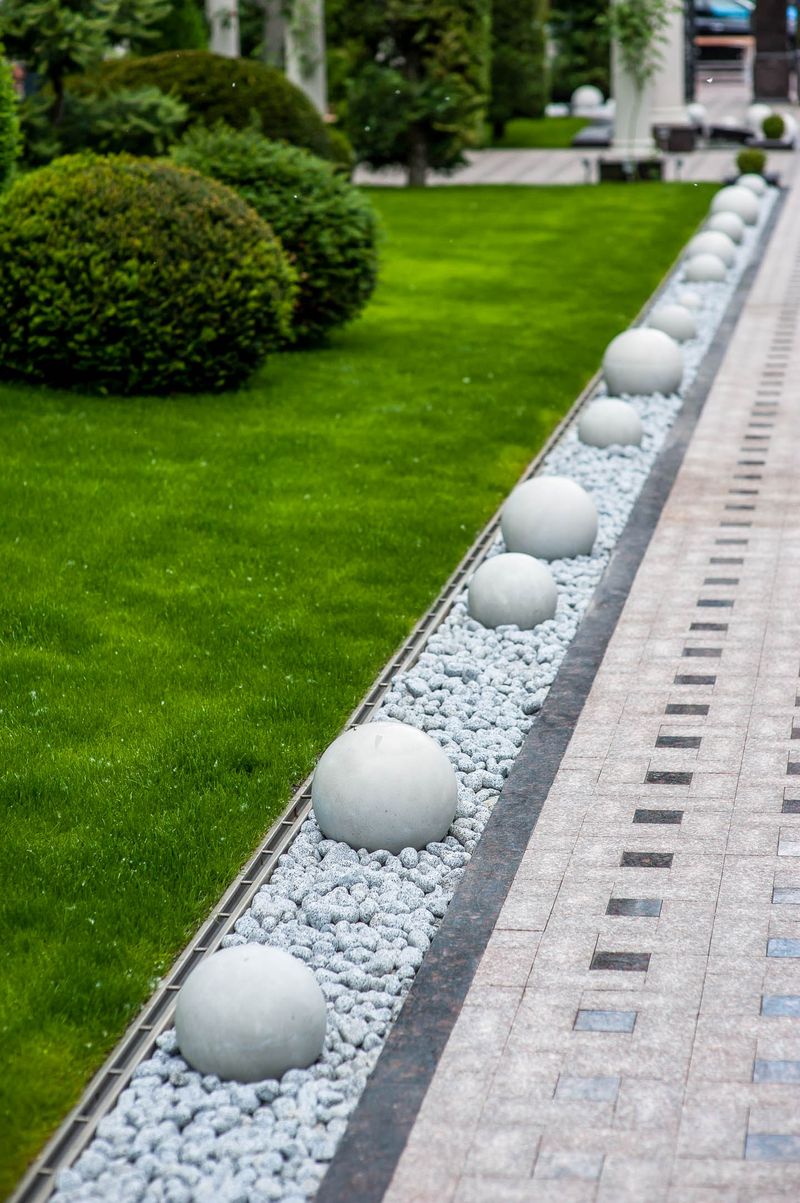
Gravel borders define garden beds and lawn edges with crisp, professional-looking lines. Contrasting colors like white marble chips against dark mulch create striking visual boundaries.
Install flexible edging to contain the gravel and prevent spreading into adjacent areas. Borders also serve practical purposes by creating mowing strips that eliminate trimming needs around flower beds and landscape features.
10. Build Permeable Parking Areas
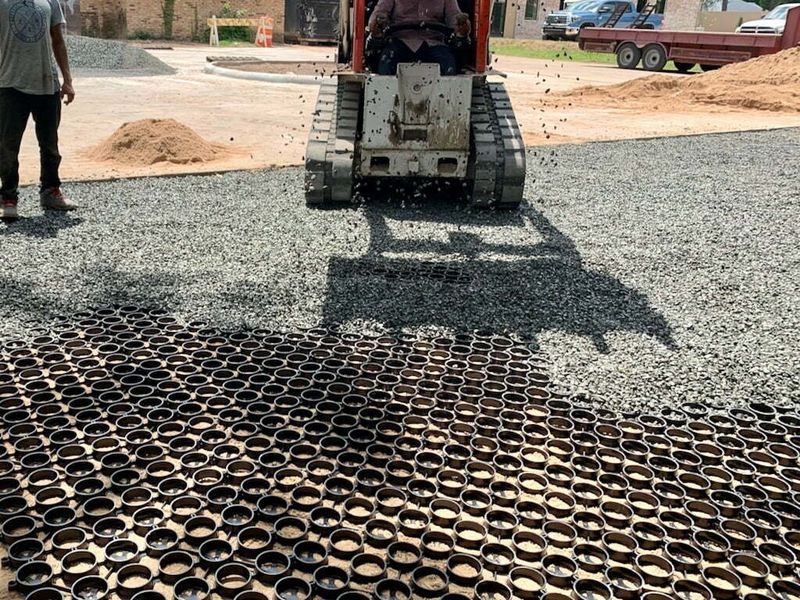
Gravel parking pads allow rainwater to soak into the ground instead of running off into storm drains. This environmentally friendly solution prevents erosion while providing stable vehicle parking.
Use angular crushed stone that locks together under weight for maximum stability. Grass pavers or gravel grids help distribute vehicle weight evenly while maintaining the permeable surface that benefits local water systems.
11. Design Succulent Garden Displays
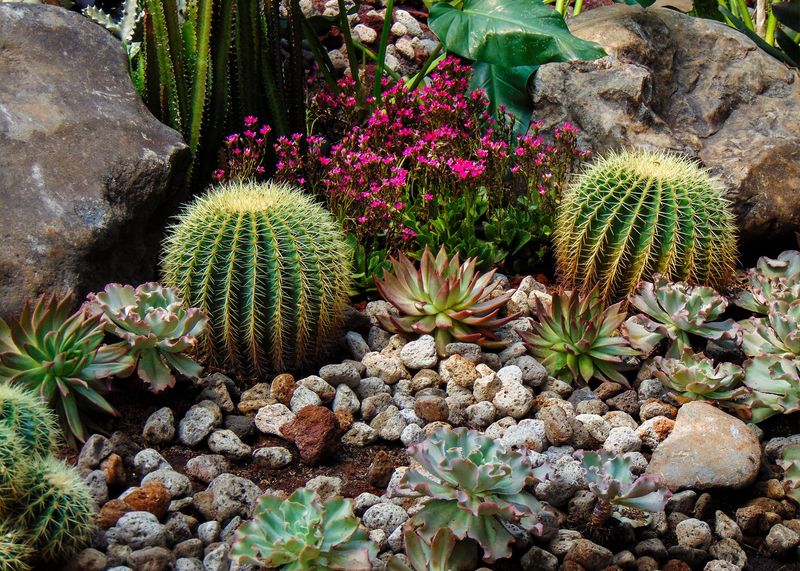
Succulent gardens thrive in well-draining gravel environments that prevent root rot and overwatering problems. Decomposed granite or fine gravel provides perfect growing conditions for these water-wise plants.
Arrange succulents in artistic patterns, then top-dress with decorative gravel that complements the plant colors. This combination creates stunning displays that require minimal water and maintenance throughout the growing season.
12. Establish Erosion Control
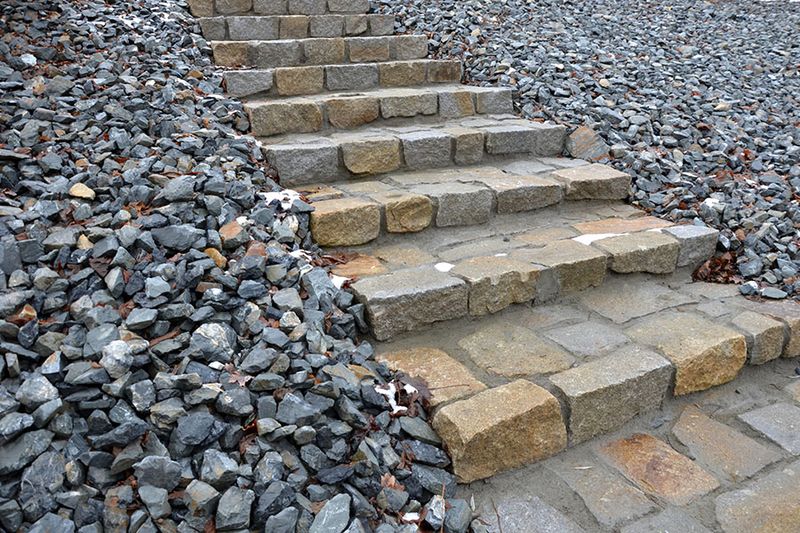
Steep slopes benefit from gravel placement that prevents soil washout during heavy rains. Angular rock fragments interlock to create stable surfaces that protect vulnerable hillsides.
Combine gravel with erosion control fabric for maximum effectiveness on challenging slopes. Plant deep-rooted groundcover through the gravel layer to provide long-term soil stabilization while maintaining attractive appearance year-round.
13. Construct Outdoor Seating Areas
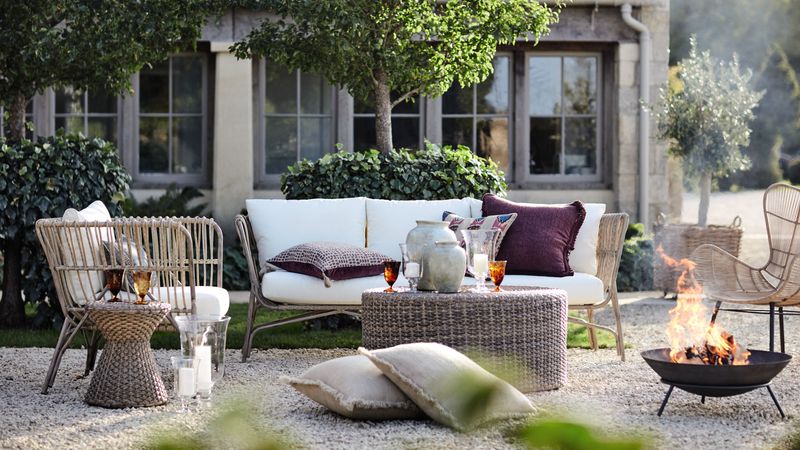
Gravel patios provide affordable alternatives to expensive stone or concrete installations. Compacted gravel creates level surfaces perfect for outdoor furniture and entertaining spaces.
Choose smooth, rounded gravel for comfort underfoot when walking barefoot around seating areas. Proper base preparation ensures long-lasting surfaces that won’t shift or become uneven with regular use and weather exposure.
14. Form Decorative Water Features
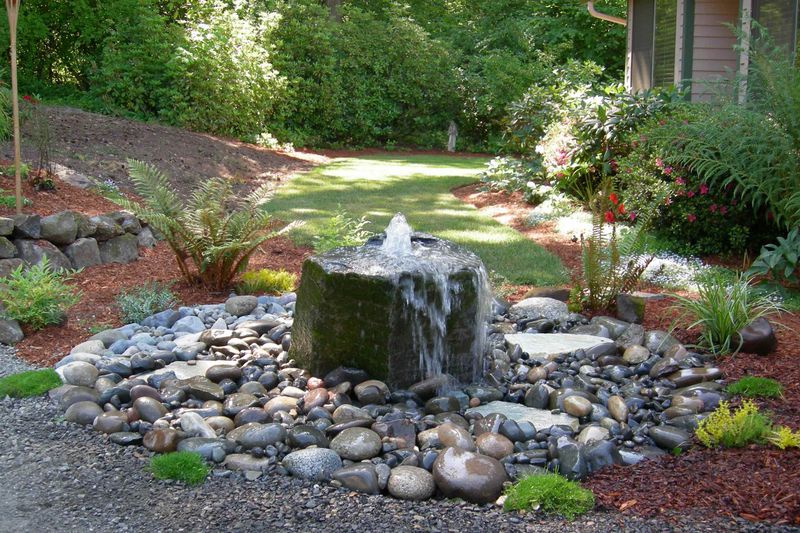
Fountains and water features surrounded by gravel create stunning focal points that mask pump noise effectively. River rock and beach pebbles complement flowing water while providing natural-looking settings.
Arrange stones in graduated sizes from large boulders to fine gravel for realistic water feature bases. The gravel also helps with splash control and creates easy access for maintenance without muddy conditions.
15. Develop Play Area Surfaces
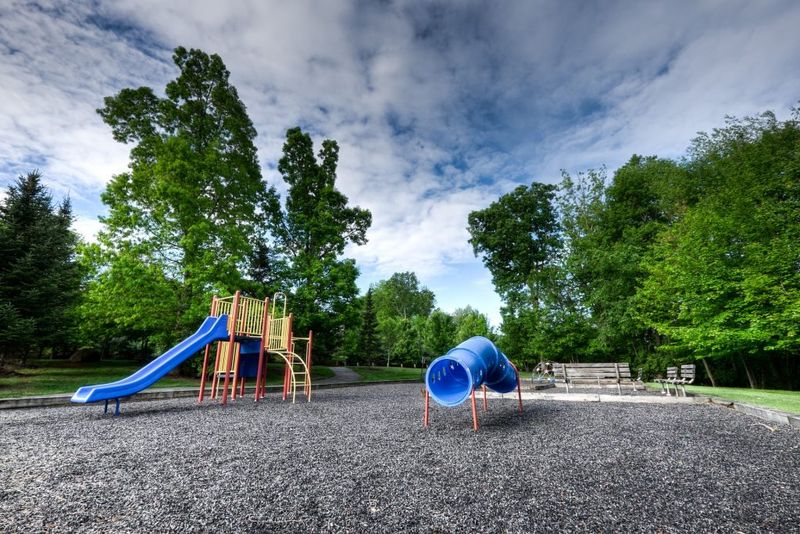
Rounded pea gravel creates safe, soft landing surfaces under playground equipment that drains well after rain. This natural material costs less than rubber mulch while providing excellent impact absorption.
Maintain proper depth levels for safety certification requirements in play areas. Regular raking keeps the surface level and removes debris, while periodic additions maintain adequate depth for child safety standards.
16. Create Greenhouse Flooring
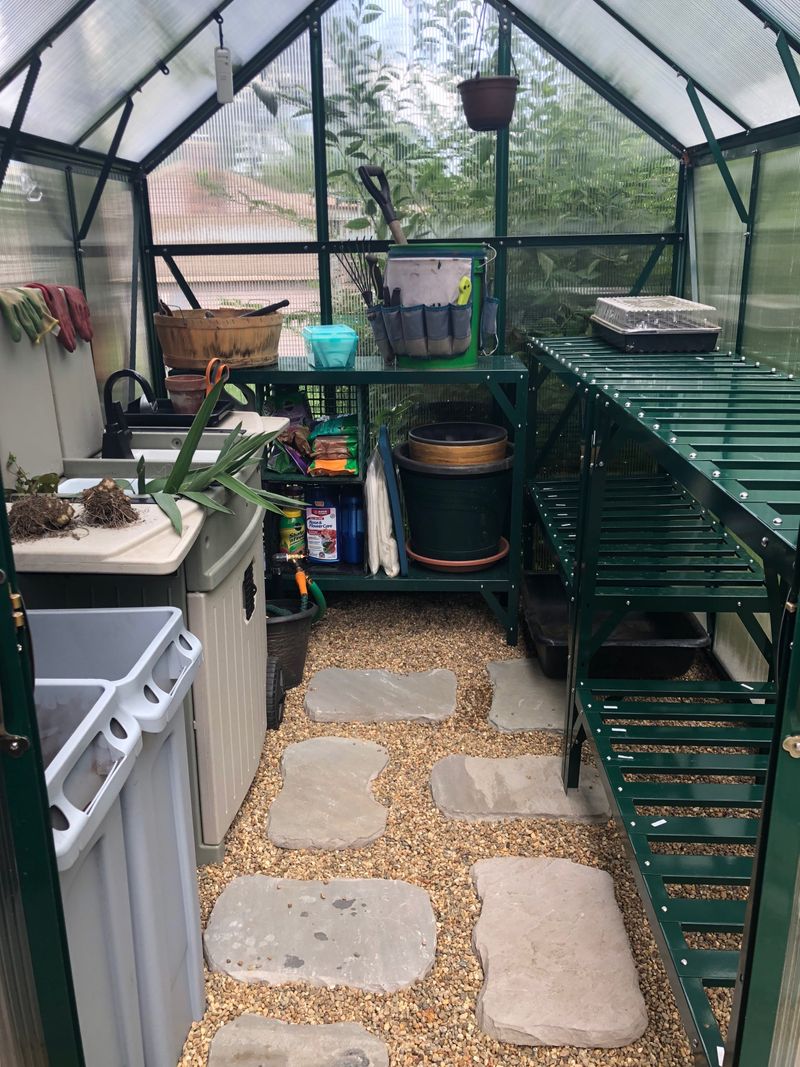
Gravel floors in greenhouses provide excellent drainage while preventing standing water that encourages pest problems. The stones create humidity through evaporation while remaining easy to clean and maintain.
Choose light-colored gravel that reflects heat and light back to plants for improved growing conditions. The permeable surface allows excess water to drain away quickly, preventing root rot and fungal issues.
17. Install Tree Ring Mulch
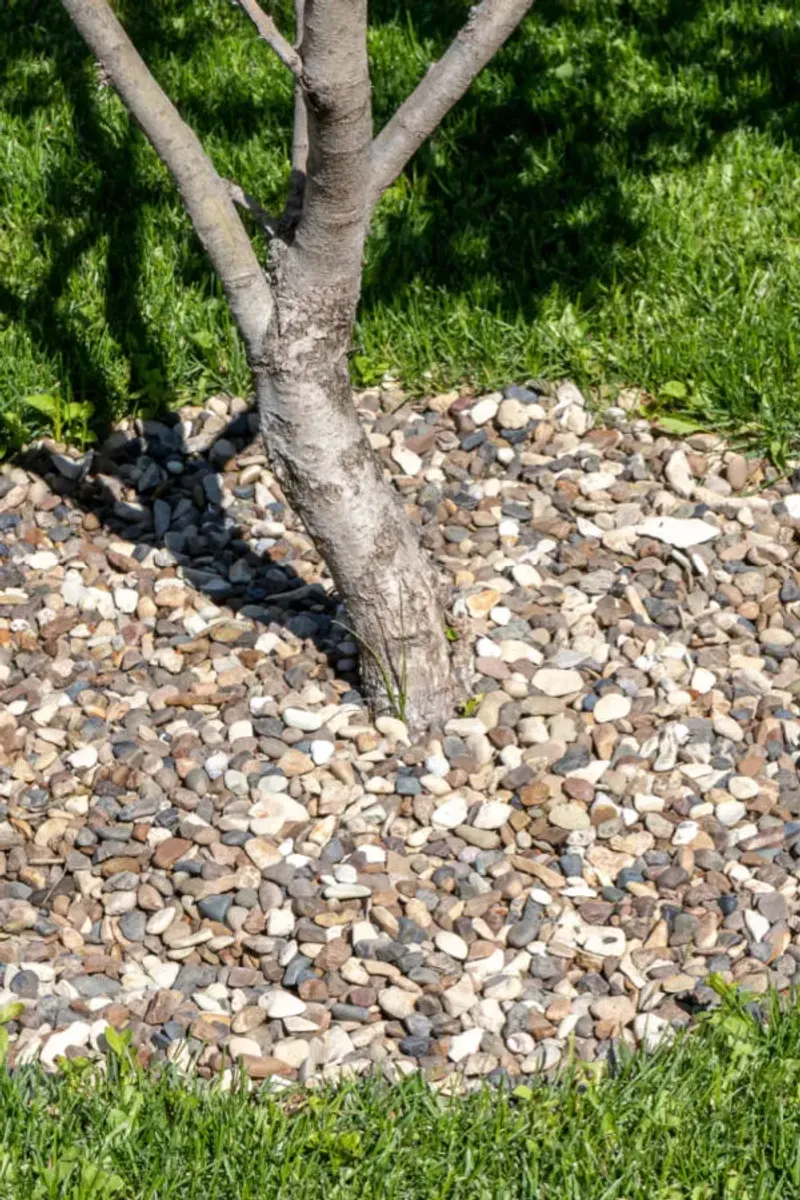
Gravel rings around tree bases provide permanent mulching that never needs replacement like organic materials. The stones suppress weeds while allowing air and water to reach root systems.
Keep gravel several inches away from tree trunks to prevent bark damage and pest problems. Choose colors that complement the tree’s natural bark tones for attractive, low-maintenance landscape features that last for years.
18. Build Container Garden Drainage
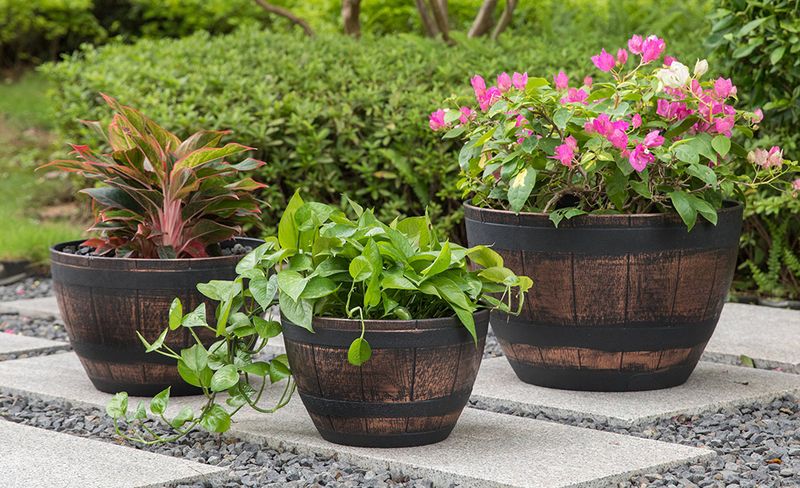
Large planters and containers need gravel layers at the bottom for proper drainage and plant health. Coarse gravel prevents soil from washing out drainage holes while ensuring excess water escapes.
Add landscape fabric over the gravel layer before adding potting soil to prevent mixing. This drainage system keeps container plants healthy by preventing waterlogged roots that cause plant death in outdoor containers.