 Complete Gardening
Plants are often admired for their beauty and vitality, but some hide a darker side. This article explores 19 plants that never stop growing, spreading relentlessly in gardens and ecosystems. Their unyielding growth can lead to unexpected consequences for both gardeners and local environments. Learn about these beautiful yet challenging plants and why they may be more than you bargained for.
1. Mint
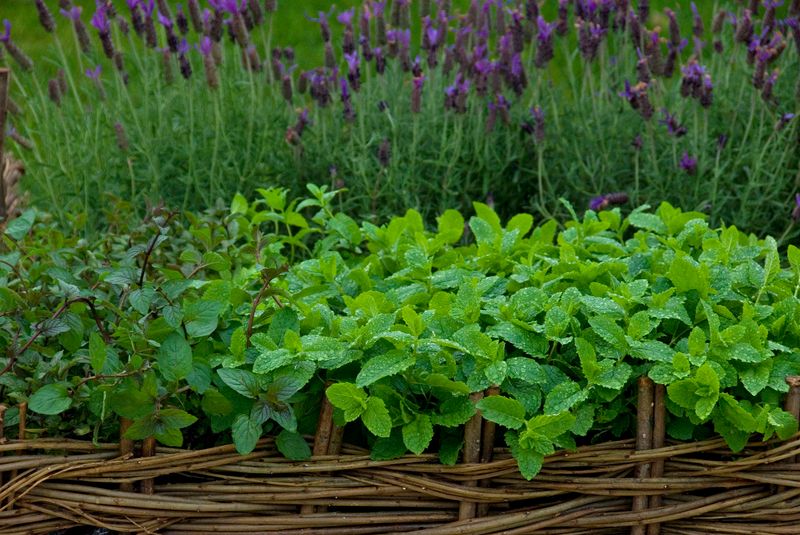
Mint, with its refreshing aroma, might seem like the perfect addition to any herb garden. However, this enticing plant is a notorious spreader. Its underground runners, known as rhizomes, extend far beyond where it’s planted, threatening to overtake everything in its path. Gardeners often underestimate its tenacity. Containing mint requires either planting it in a pot or carefully managing its spread with barriers. This “silent invader” can quickly turn a tidy garden into a minty wilderness. Did you know? Mint’s robust growth has made it a symbol of hospitality since ancient times.
2. Bamboo

Bamboo’s elegance and height make it a popular choice for adding a tropical feel to gardens. However, certain species of bamboo can grow an astonishing three feet per day. This rapid growth can cause serious structural issues, as bamboo roots are strong enough to break through concrete. Gardeners looking to enjoy bamboo’s beauty should consider clumping bamboo varieties, which are less invasive. Fun fact: Bamboo’s rapid growth is so renowned that it’s used in experiments to measure plant growth rates.
3. English Ivy

English Ivy is admired for its classic charm, often seen adorning old buildings. Yet, beneath its beauty lies a potential menace. Ivy’s adhesive roots cling stubbornly to surfaces, including walls and trees, leading to structural damage over time. Its growth can suffocate host plants, depriving them of light and nutrients. Managing ivy requires regular trimming and monitoring. Did you know? In Europe, ivy was once believed to ward off evil, symbolizing fidelity and eternity.
4. Creeping Jenny

Creeping Jenny, with its cheerful yellow leaves, is a favorite ground cover for many gardeners. However, it seldom stays where planted. Its creeping nature allows it to spread rapidly, often invading areas where it wasn’t intended to grow. Gardeners must be vigilant, as Creeping Jenny can quickly overrun flower beds and lawns. To harness its beauty without chaos, consider planting it in contained spaces. A quirky fact: Creeping Jenny is also known as “moneywort,” symbolizing prosperity and good fortune.
5. Goutweed (Bishop’s Weed)
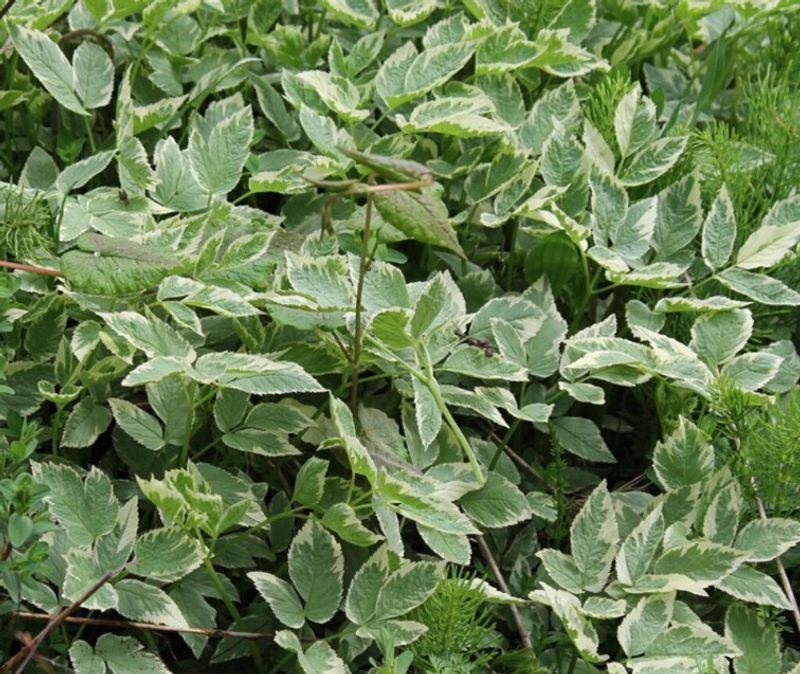
Goutweed, also known as Bishop’s Weed, is both admired for its lush foliage and dreaded for its invasiveness. Once established, it’s nearly impossible to eradicate, as its roots penetrate deeply into the soil. Goutweed’s rapid spread can suffocate other plants, leaving only its green carpet behind. Gardeners are often caught in a battle to control this persistent plant. Did you know? Goutweed was historically used as a medicinal herb, believed to relieve gout and arthritis symptoms.
6. Wisteria
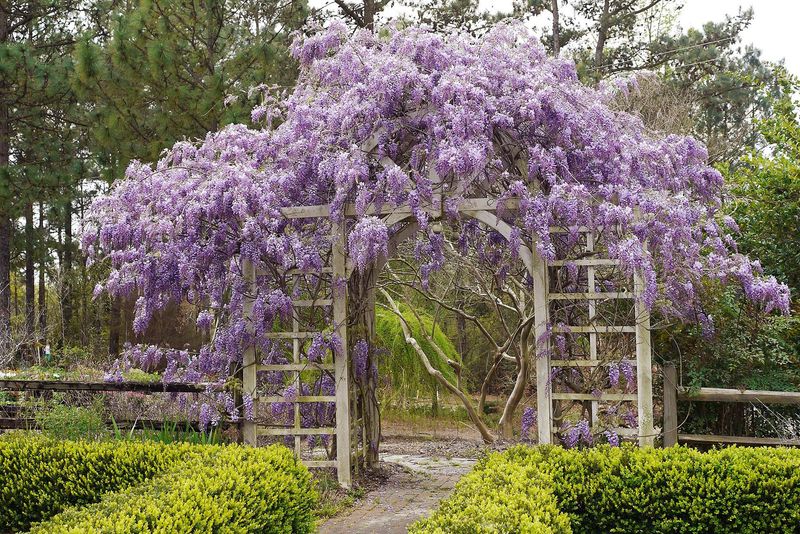
Wisteria, with its breathtaking purple blooms, is a showstopper in any garden. Yet, its beauty hides a dark secret. Wisteria’s vines grow aggressively, wrapping around trees and structures, often causing damage. Without regular pruning, wisteria can smother everything in its path. Despite its challenges, wisteria remains a beloved choice for gardeners who can manage its growth. A historical tidbit: Wisteria was introduced to the United States in the 19th century and quickly became popular in ornamental gardens.
7. Morning Glory
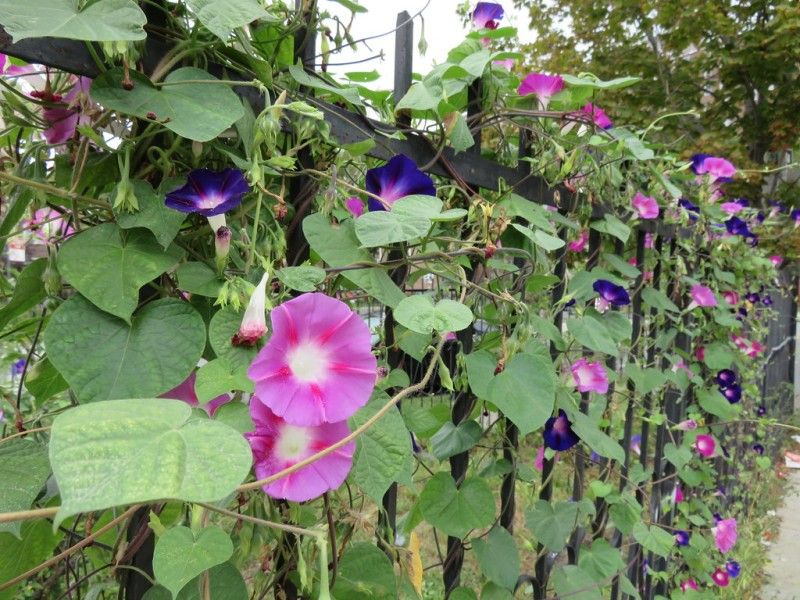
Morning Glory, with its joyful and colorful blooms, seems like a dream come true for gardeners. However, this fast-growing vine has a tendency to overwhelm. Its rapid growth can quickly cover trellises, fences, and even neighboring plants, leaving little room for anything else. Managing Morning Glory requires dedicated pruning and careful placement. Interestingly, Morning Glory seeds have been used in various cultures for their psychoactive properties.
8. Japanese Honeysuckle
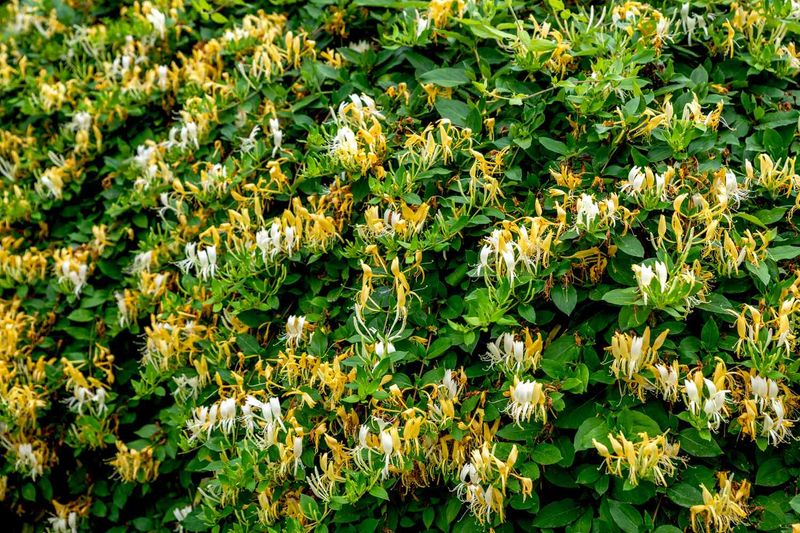
Japanese Honeysuckle, known for its sweet fragrance, is a tempting addition to gardens. Unfortunately, it’s also an aggressive invader. Its vines spread rapidly, choking out native plants and disrupting local ecosystems. Gardeners must be cautious, as Japanese Honeysuckle can quickly dominate an area. A cultural note: In Japan, Honeysuckle represents bonds of love and devotion, illustrating the plant’s intertwined nature.
9. Lily of the Valley
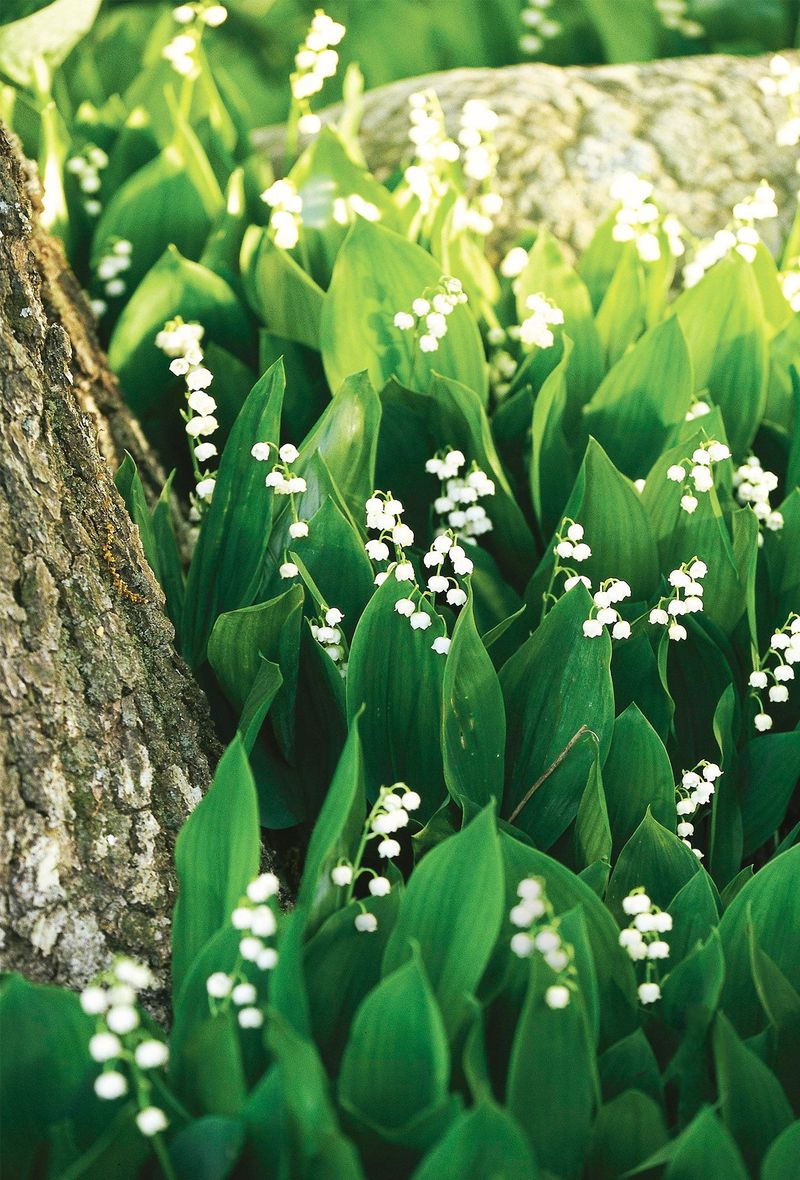
Lily of the Valley, with its delicate white flowers and sweet scent, is a charming addition to shady gardens. However, it spreads aggressively, quickly forming dense colonies through underground roots. This growth can crowd out other plants, making it a challenge to manage. Despite its invasiveness, Lily of the Valley remains cherished for its beauty and fragrance. Did you know? In France, Lily of the Valley is a traditional gift on May 1st, symbolizing happiness and luck.
10. Butterbur (Petasites)
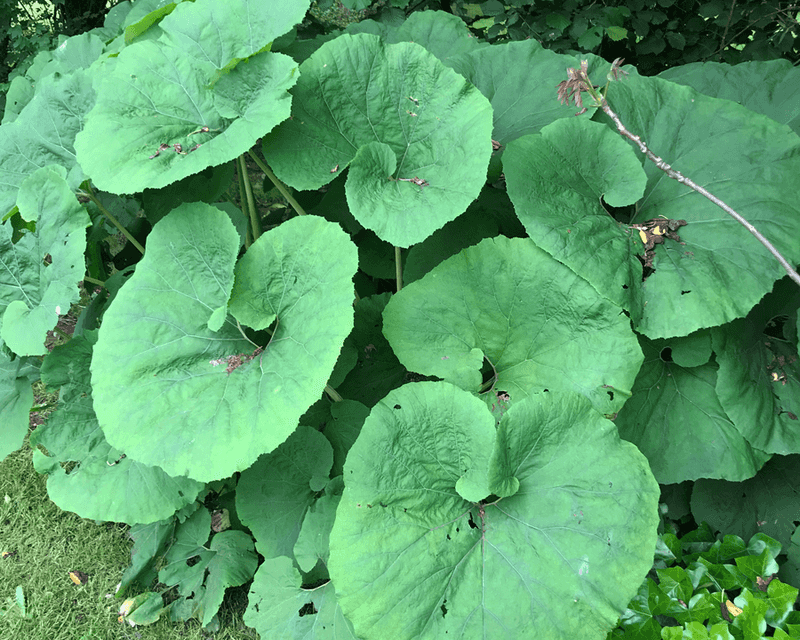
Butterbur is known for its enormous leaves that create a striking visual impact in gardens. However, this plant’s deep and wide-reaching roots make it a formidable spreader. Butterbur can rapidly occupy large areas, often at the expense of other plants. Gardeners looking to enjoy its unique foliage must plan carefully to contain its growth. Fun fact: Butterbur leaves were historically used to wrap butter, lending the plant its common name.
11. Kudzu
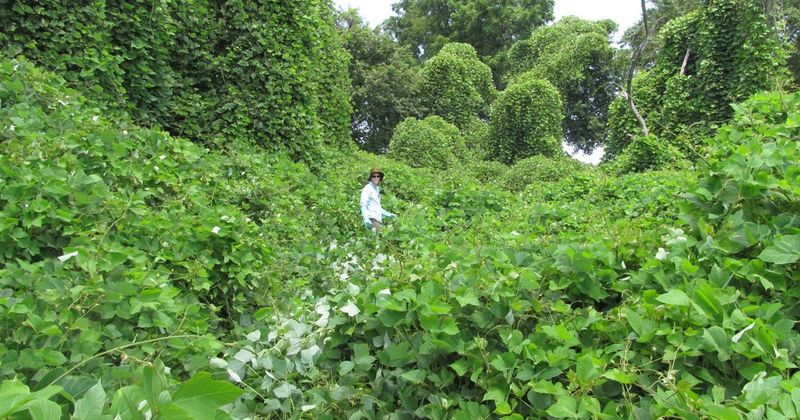
Kudzu, often dubbed “The Vine That Ate the South,” is infamous for its unstoppable growth. Capable of growing a foot per day, Kudzu can quickly overtake landscapes, smothering trees and structures alike. Managing Kudzu requires persistent effort, as it can easily regenerate from roots left in the ground. Despite its reputation, Kudzu has been used in traditional medicine and as livestock fodder. Did you know? It was first introduced to the U.S. as a decorative plant at the 1876 Centennial Exposition in Philadelphia.
12. Purple Loosestrife
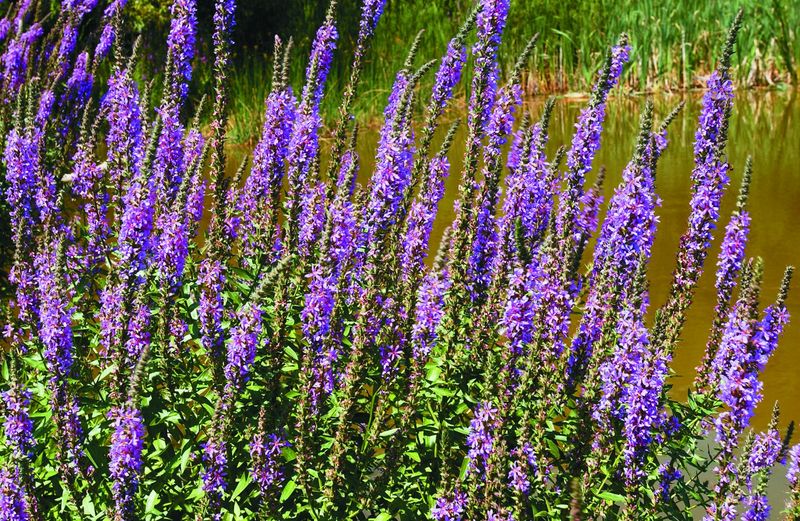
Purple Loosestrife is renowned for its striking purple spikes that create a stunning display in wetlands. However, it’s a notorious invader, capable of displacing native species and disrupting ecosystems. Its aggressive growth can alter wetland habitats, making it a significant ecological threat. Controlling Purple Loosestrife requires coordinated efforts to prevent its spread. Interestingly, the plant was originally introduced to North America as an ornamental and medicinal herb.
13. Japanese Knotweed
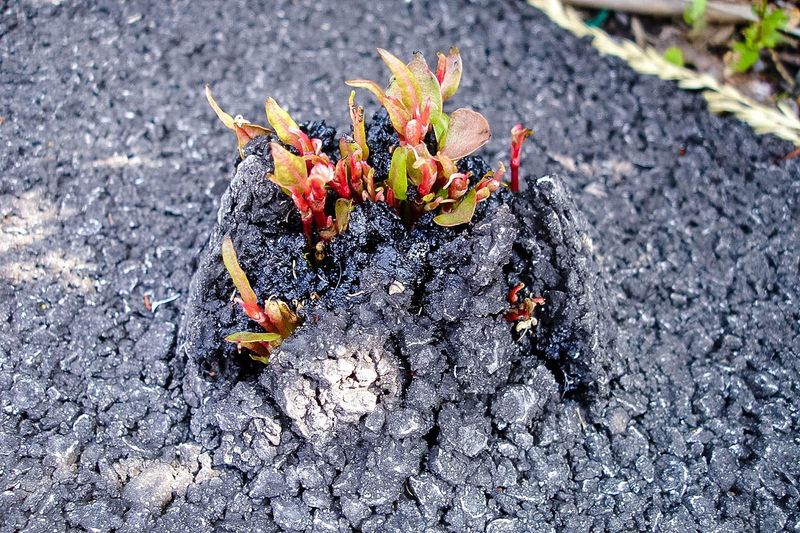
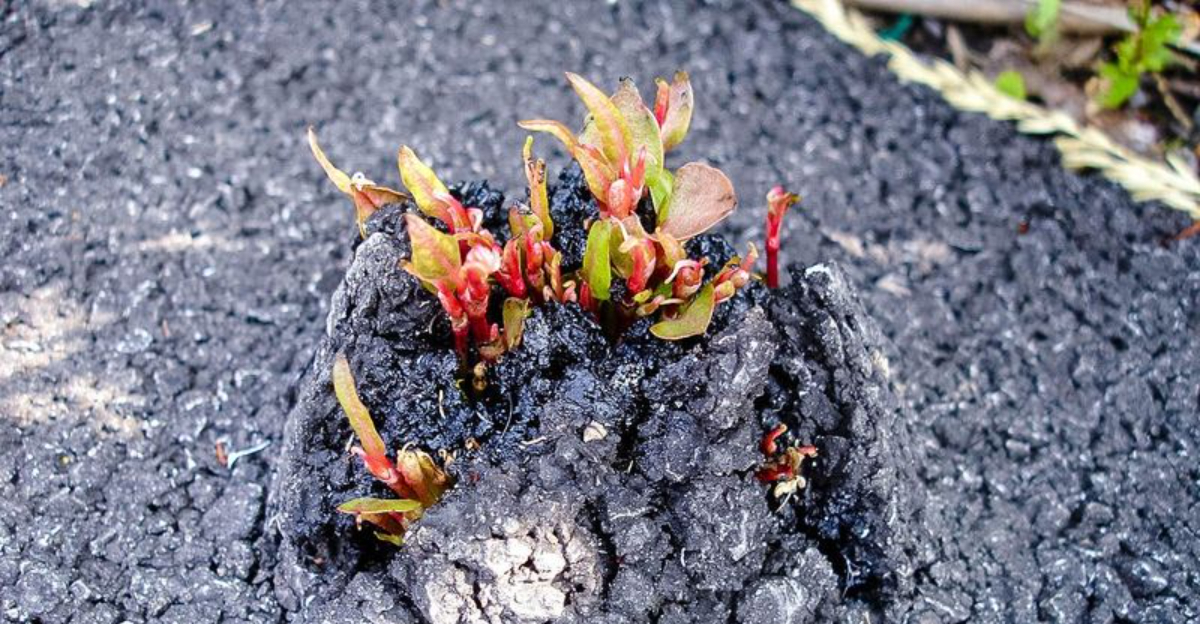
Japanese Knotweed is often regarded as one of the most formidable plant invaders. Its ability to grow through asphalt and foundations makes it a nightmare for property owners. Knotweed spreads through rhizomes, making it difficult to eradicate once established. Despite its challenges, Knotweed has been used in traditional medicine, valued for its medicinal properties. Did you know? Knotweed’s resilience has earned it a reputation as a symbol of perseverance in some cultures.
14. Giant Hogweed
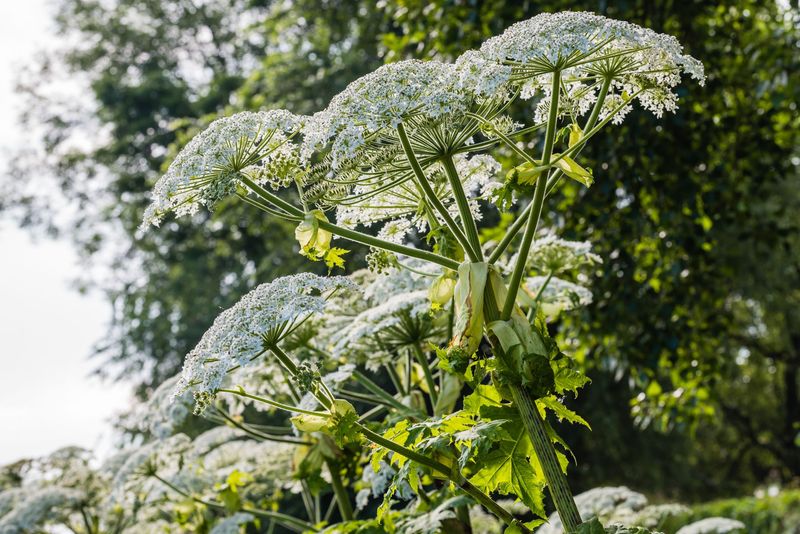
Giant Hogweed is as dangerous as it is impressive. Its towering size and striking flowers draw attention, but its toxic sap causes severe skin burns. Hogweed’s aggressive spread further exacerbates its threat, as it can quickly dominate areas and displace native plants. Special care is required when handling or removing Giant Hogweed. A safety note: Protective clothing is essential to avoid contact with its harmful sap.
15. Hydrilla

Hydrilla is an aquatic plant that poses a significant threat to water bodies. Its dense mats can clog waterways, impede boat navigation, and destroy fish habitats by blocking sunlight. Hydrilla’s rapid growth makes it challenging to control once it takes hold. Despite its invasiveness, Hydrilla has been used in aquariums as a decorative aquatic plant. Did you know? Hydrilla can grow in both freshwater and slightly brackish conditions, adding to its resilience.
16. Black Locust
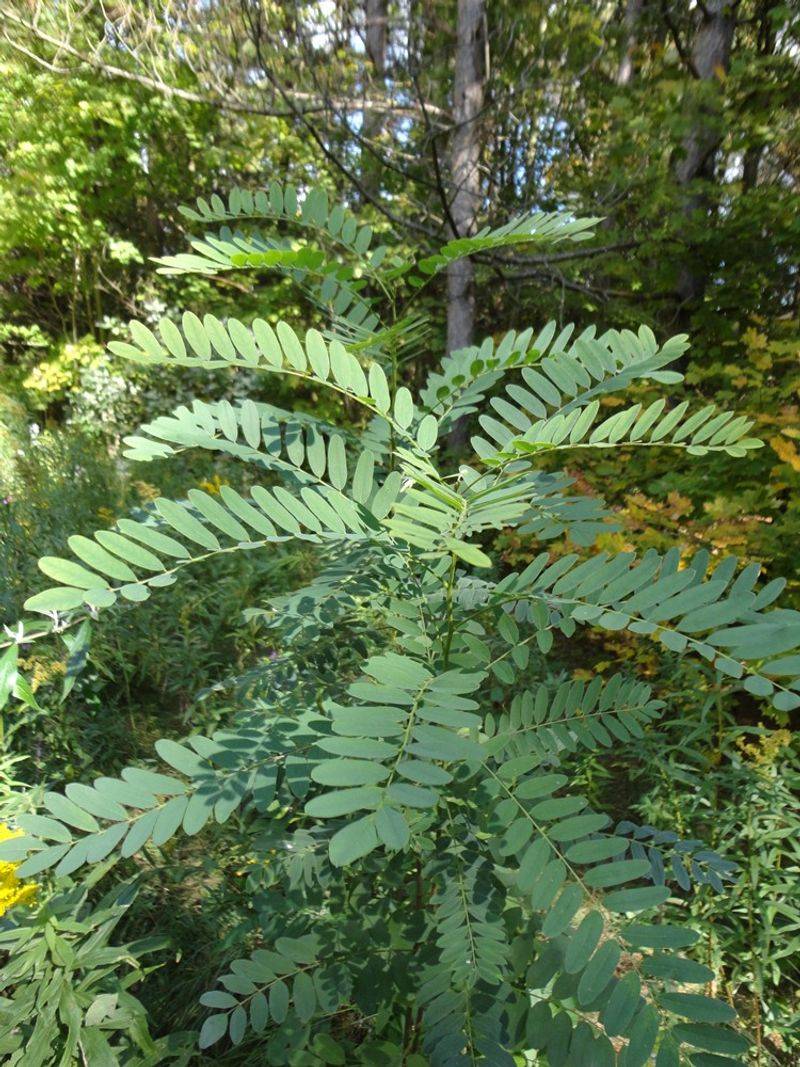
Black Locust is a fast-growing tree known for its resilience and adaptability. However, it spreads aggressively through suckers, and its ability to poison the soil makes it difficult for other plants to thrive. Its rapid growth and tendency to form dense thickets create challenges for land management. Despite its invasiveness, Black Locust wood is prized for its rot-resistant properties, often used in fencing and outdoor projects.
17. Russian Olive
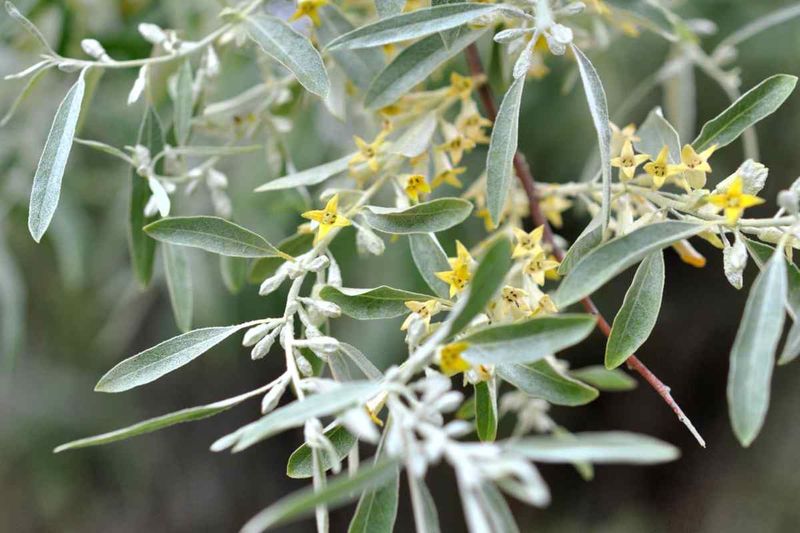
Russian Olive is a drought-resistant tree that easily adapts to various environments. However, it often crowds out native plants, forming dense thickets that alter ecosystems. Its ability to thrive in poor soil conditions makes it particularly challenging to control. Despite its invasiveness, Russian Olive has been used for erosion control and shelterbelts. A historical note: Russian Olive was introduced to North America in the early 1900s as an ornamental plant.
18. Bradford Pear
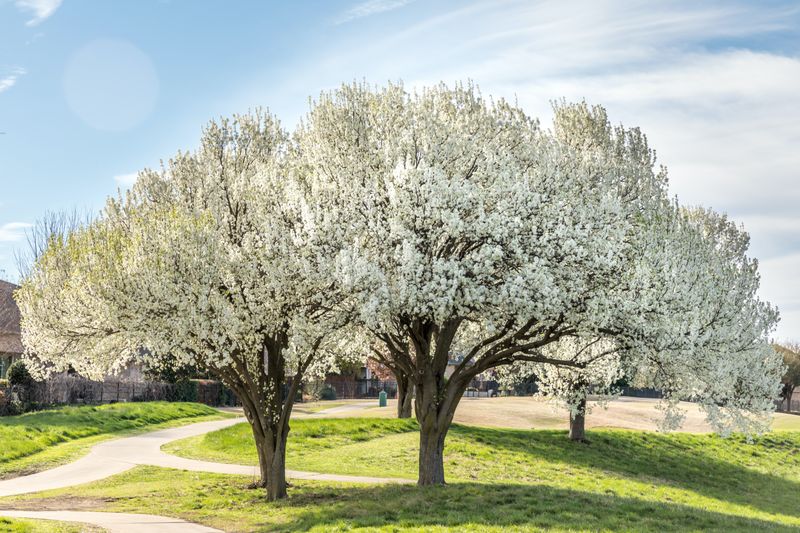
Bradford Pear, with its stunning spring blooms, is a common sight in urban landscapes. However, its weak wood makes it prone to splitting, and its seeds spread easily, leading to invasiveness. The unpleasant odor of its flowers, reminiscent of rotting fish, further detracts from its appeal. Despite its challenges, Bradford Pear remains popular for its early flowering. Did you know? Bradford Pear trees were initially part of a breeding program to develop fire blight-resistant fruit trees.
19. Norway Maple
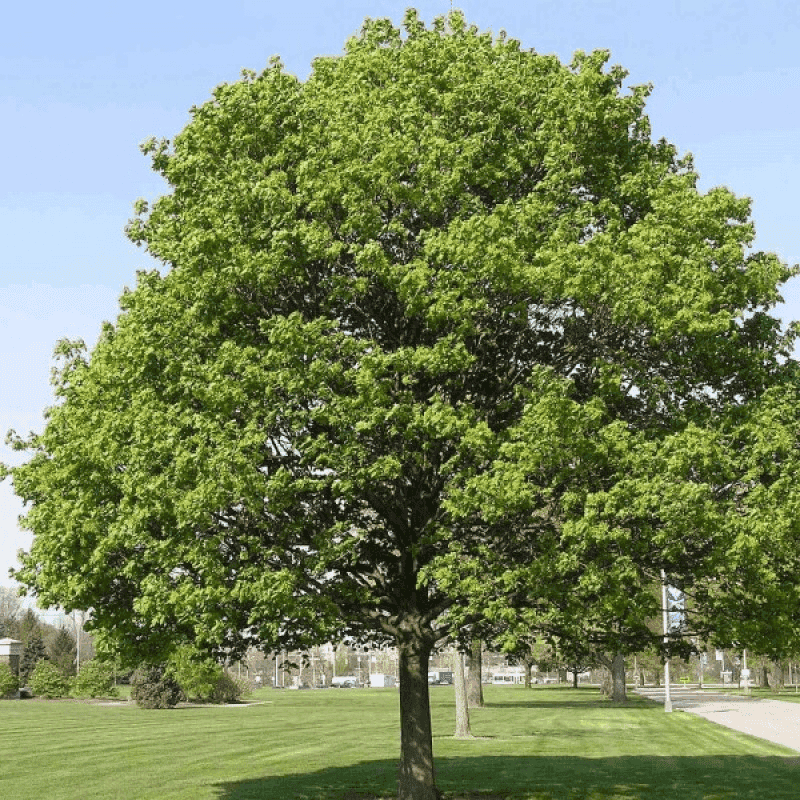
Norway Maple is known for its adaptability and dense shade, making it a favorite in urban areas. However, its dominance can shade out native trees and alter soil chemistry, impacting local biodiversity. The rapid spread of Norway Maple’s seeds contributes to its invasiveness. Gardeners should consider alternatives to preserve native flora. Fun fact: Norway Maple was first introduced to North America in the mid-18th century and quickly became a popular street tree.