 Complete Gardening
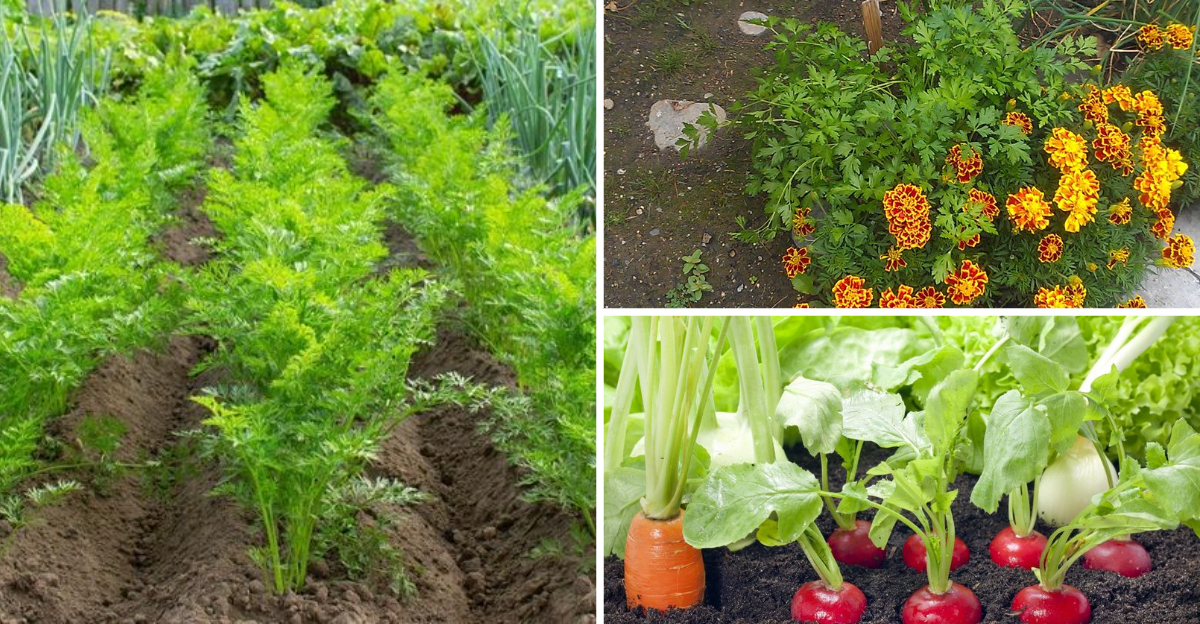
Parsley, a versatile and beloved herb, not only adds flavor to dishes but also thrives when planted with specific companions. Companion planting offers numerous benefits, including pest control, soil enhancement, and increased yields. In this blog post, we’ll explore 19 companion plants that pair well with parsley, creating a thriving garden ecosystem.
Tomatoes
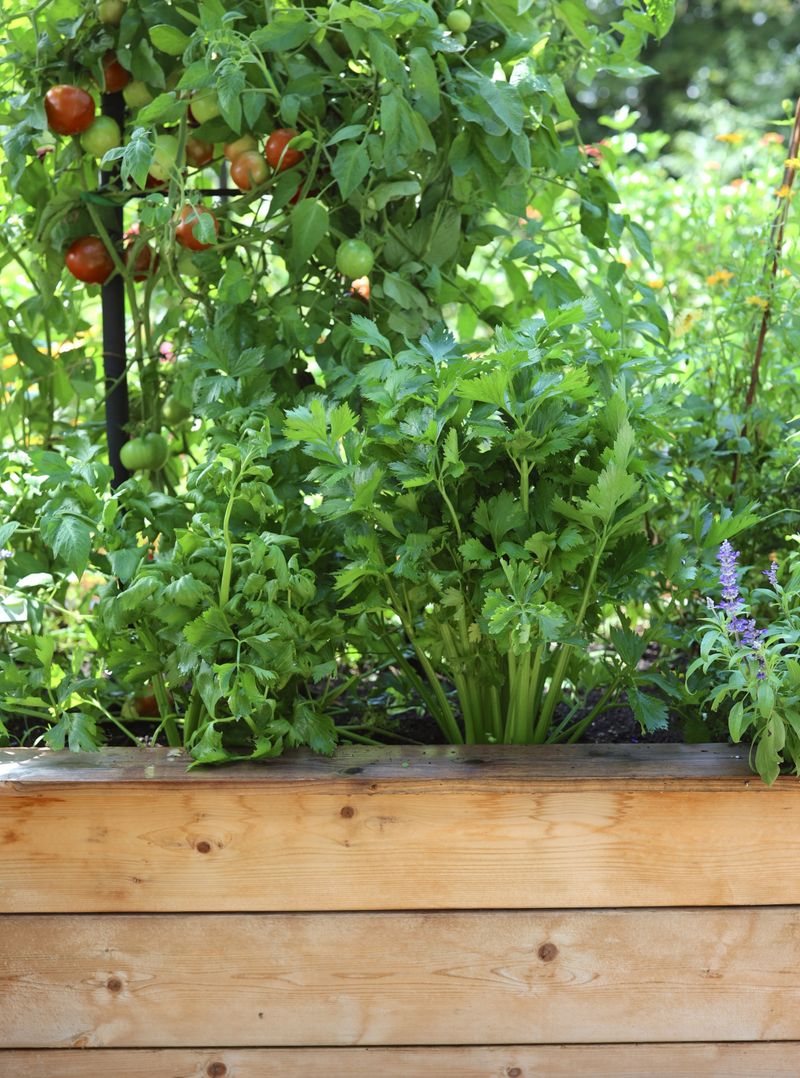
With a burst of red and a flavor that dances on the tongue, tomatoes are a classic companion to parsley. The two grow harmoniously in the garden, with parsley enhancing the growth of tomatoes by repelling harmful insects.
Tomatoes, in turn, provide a bit of shade, helping parsley thrive in hot climates. This mutual relationship benefits both plants, creating a vibrant and healthy garden.
Did you know? Tomatoes belong to the nightshade family, sharing this lineage with potatoes, eggplants, and peppers. Together with parsley, they offer a dynamic duo in the garden.
Carrots
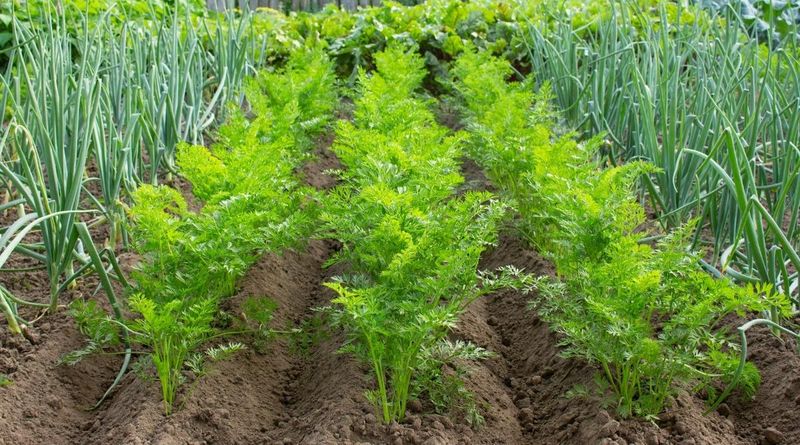
Carrots and parsley share more than just a love for well-drained soil; they also complement each other in growth. Parsley can help deter carrot flies, protecting your carrots from potential harm.
This combination is not just beneficial but aesthetically pleasing, with the fine, feathery foliage of carrots beautifully contrasting the lush green of parsley leaves. Together, they create a delightful visual in any garden.
Fun fact: Carrots were originally purple or white; the orange variety is a result of selective cultivation. This historical tidbit adds intrigue to this pairing.
Chives
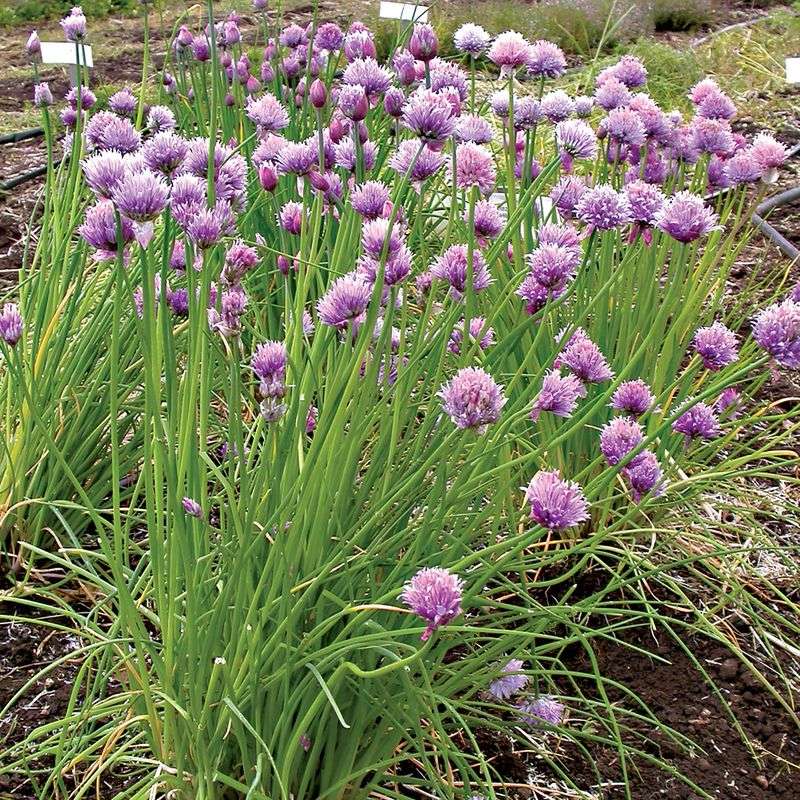
Chives, with their delicate purple blooms and mild onion flavor, make a charming companion for parsley. They assist in repelling aphids and other pests, providing natural protection to neighboring plants.
In return, parsley’s presence may enhance the growth of chives, making this pair a gardener’s delight. Their close proximity encourages a healthy, thriving environment.
Chives are perennials, meaning they return year after year, giving a reliable source of flavor and beauty. This dependable nature makes them a cherished addition to any parsley patch.
Radishes
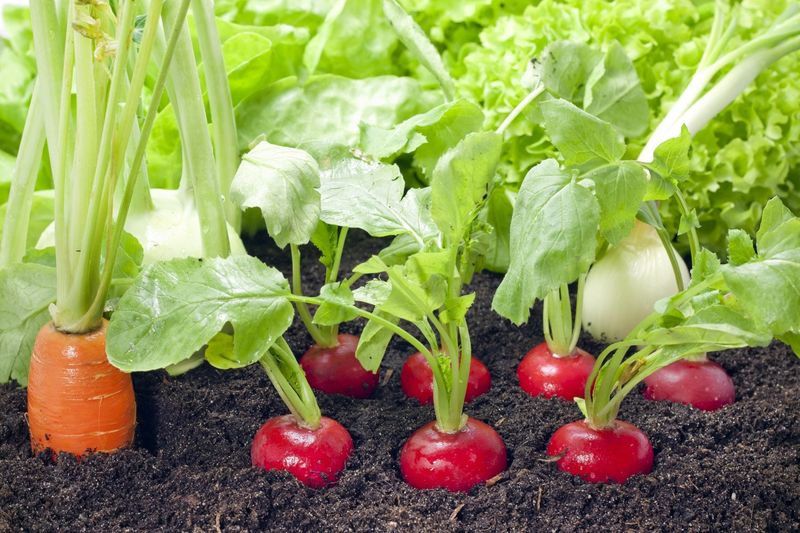
Radishes, known for their peppery bite, grow swiftly alongside parsley, offering a quick yield. This efficiency makes them an excellent choice for gardeners seeking rapid results.
Parsley acts as a deterrent against certain pests that target radishes, insulating them from potential damage. This partnership ensures that both plants can reach their full potential without interference.
Radishes have been cultivated since ancient times, providing sustenance and spice for centuries. Their historical significance adds depth to their role in modern gardens, especially next to parsley.
Marigolds
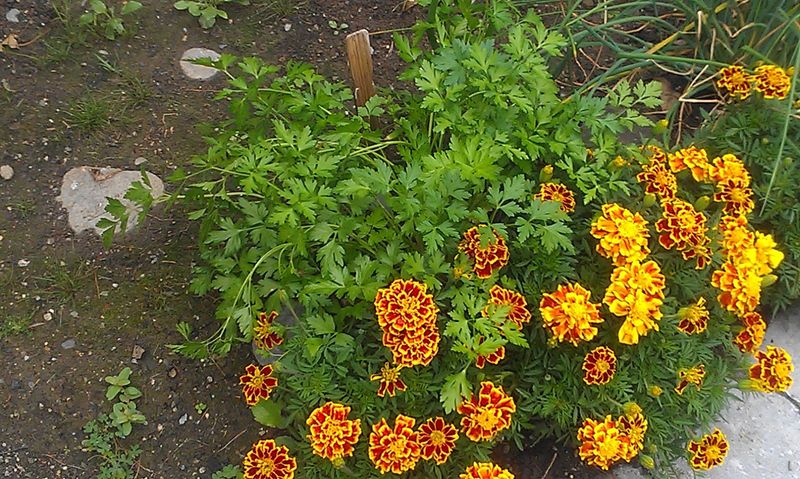
Marigolds, with their cheerful blooms, not only add a splash of color to any garden but also serve a practical purpose. They repel nematodes and other garden pests, offering protection to their parsley neighbors.
The vibrant combination of marigolds and parsley creates a visually stunning display, attracting pollinators while deterring harmful insects. This balance of beauty and utility makes them a popular pair.
Originating from the Americas, marigolds have been used in gardens for centuries, celebrated for their beauty and pest-repelling properties. Their history complements their modern-day use next to parsley.
Peppers
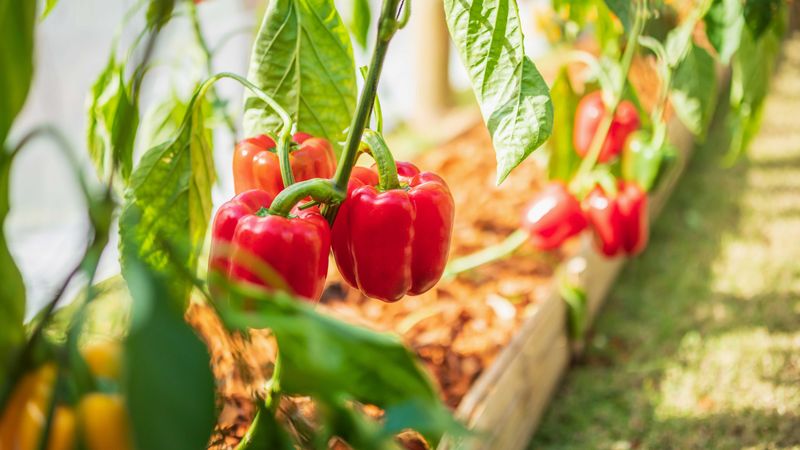
Peppers, whether sweet or hot, make an excellent pairing with parsley. Their bold colors and flavors contrast beautifully with the verdant green of parsley leaves.
As garden companions, they enhance each other’s growth, with parsley helping to repel pests that might otherwise target the peppers. This mutual protection fosters a fruitful growing environment.
Peppers have a rich history, originating from Central and South America. Their journey across continents has made them a staple in gardens worldwide, blending seamlessly with parsley’s universal appeal.
Onions
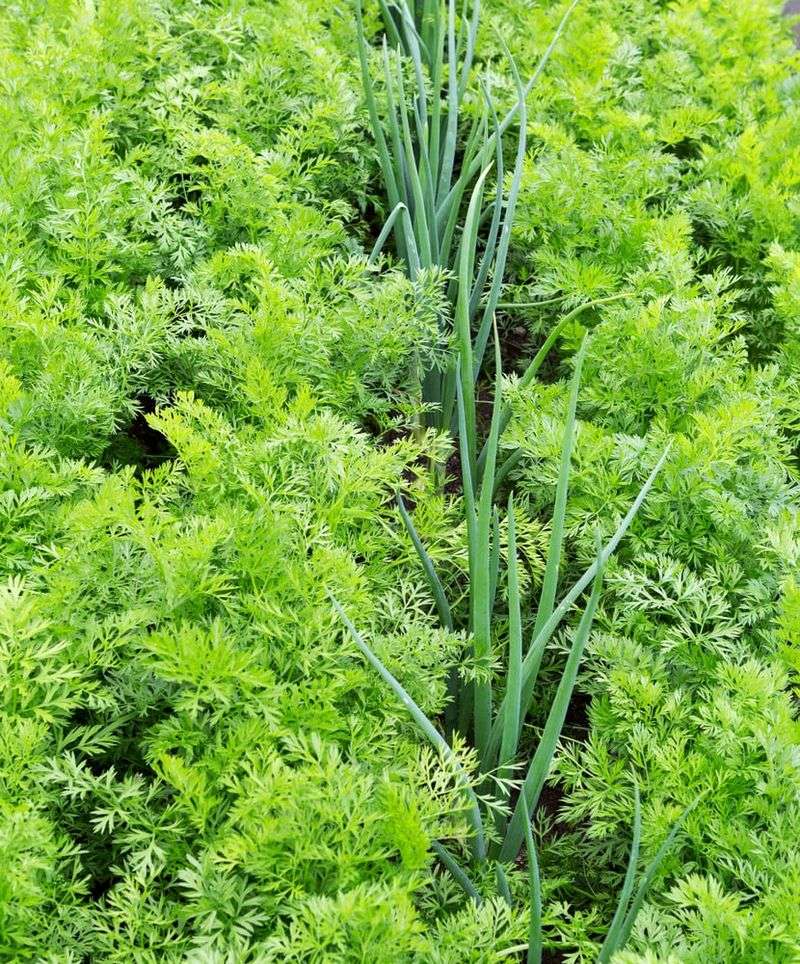
Onions, with their pungent aroma, are natural allies to parsley, aiding in pest deterrence. They share a symbiotic relationship in the garden, where each plant benefits the other.
The crisp texture of onions paired with the soft leaves of parsley creates a delightful culinary combination as well. This practical and flavorful pairing is a testament to their compatibility.
Onions have been cultivated for thousands of years, valued for their culinary and medicinal properties. Their enduring presence in gardens highlights their effectiveness alongside parsley.
Basil
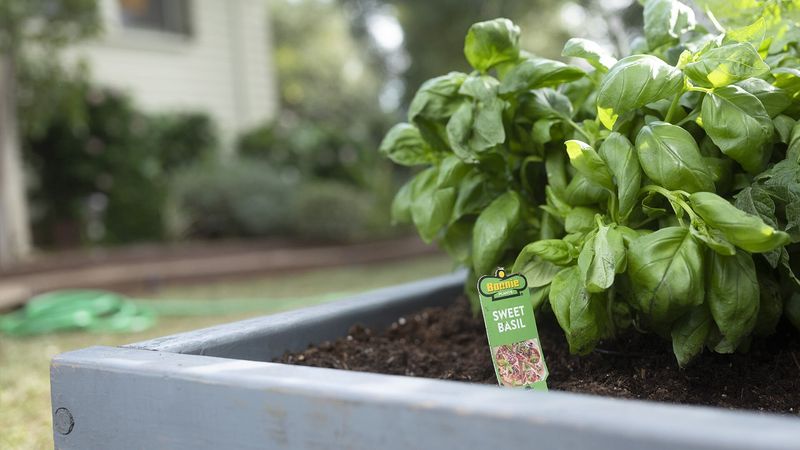
Basil, with its aromatic leaves, complements parsley not only in the kitchen but also in the soil. They grow well together, offering mutual benefits that enhance each other’s development.
Parsley’s ability to repel certain pests aids basil, while basil’s aromatic properties contribute to a healthier garden environment. Together, they form a dynamic duo, both visually and functionally.
Basil has a storied history, revered in various cultures for its flavor and fragrance. Its partnership with parsley is a natural extension of its role in culinary and garden settings.
Spinach
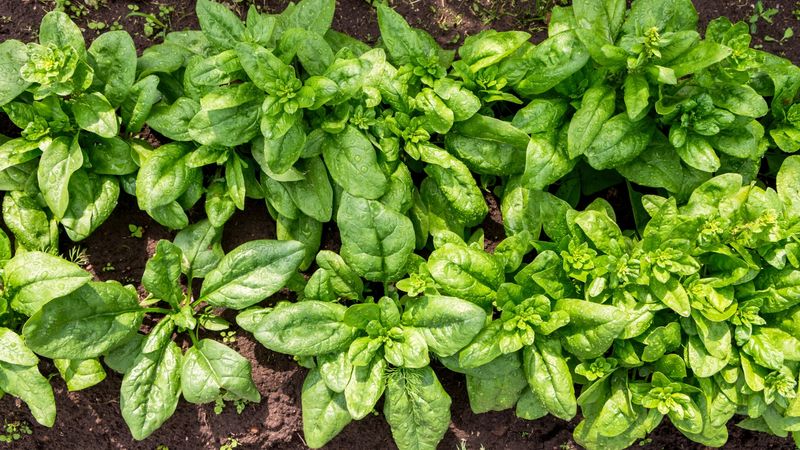
Spinach, with its nutrient-rich leaves, pairs seamlessly with parsley in the garden. Their shared love for similar growing conditions makes them ideal companions.
Parsley can help deter pests that may otherwise harm spinach, ensuring a robust and healthy crop. This combination supports a lush and bountiful garden space.
Spinach has been enjoyed for its health benefits for centuries, known for its iron content and versatility in the kitchen. Its compatibility with parsley enhances its appeal in both culinary and gardening contexts.
Lettuce
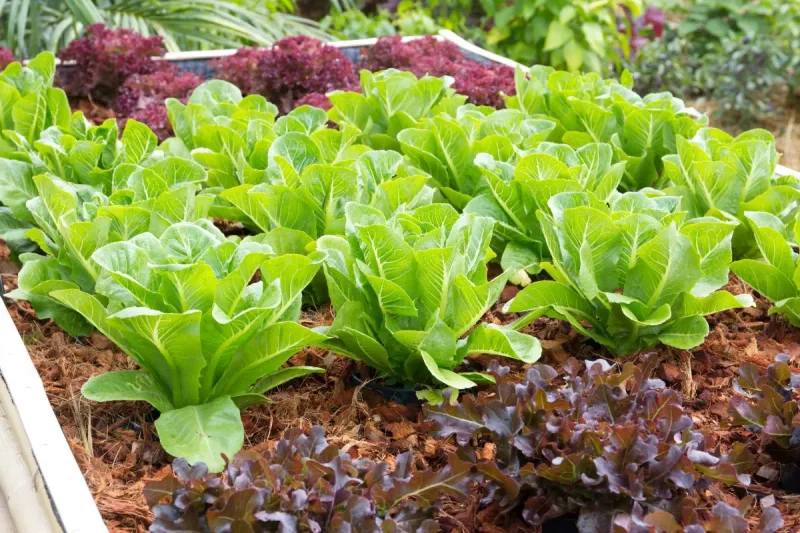
Lettuce, with its tender leaves, thrives next to parsley, creating a harmonious relationship in the garden. They both prefer similar conditions, making them compatible partners.
Parsley helps in warding off pests that might otherwise target lettuce, ensuring a fresher and more abundant yield. This synergy enhances the overall health of the garden.
Historically, lettuce has been cultivated for its cooling and refreshing qualities, beloved in salads and dishes worldwide. Its partnership with parsley is a testament to their shared gardening success.
Beets
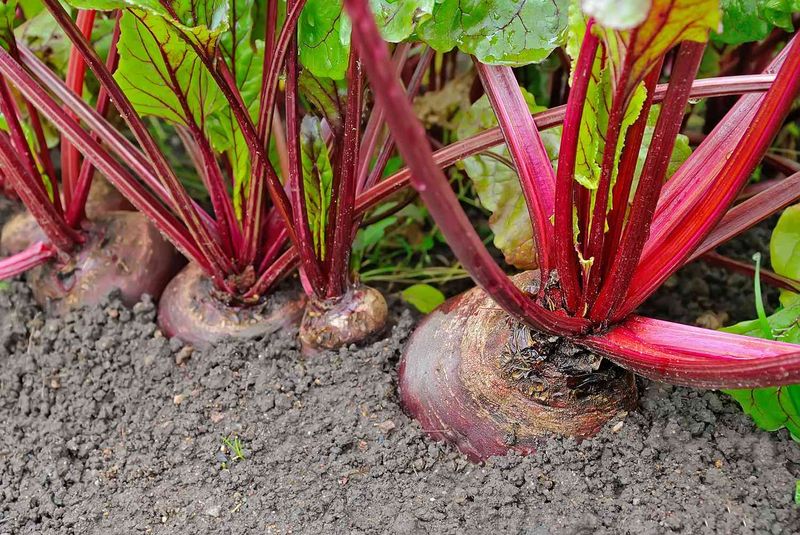
Beets, known for their deep red roots and earthy flavor, grow well alongside parsley. This pairing benefits both plants by enhancing the soil and deterring pests.
The lush foliage of beets provides a striking contrast to the fine leaves of parsley, creating an appealing visual effect in any garden. This combination also supports a healthy soil environment.
Beets have been cultivated since antiquity, valued for their nutritional benefits and vibrant color. Their historical significance adds depth to their modern-day presence next to parsley in gardens worldwide.
Cucumbers
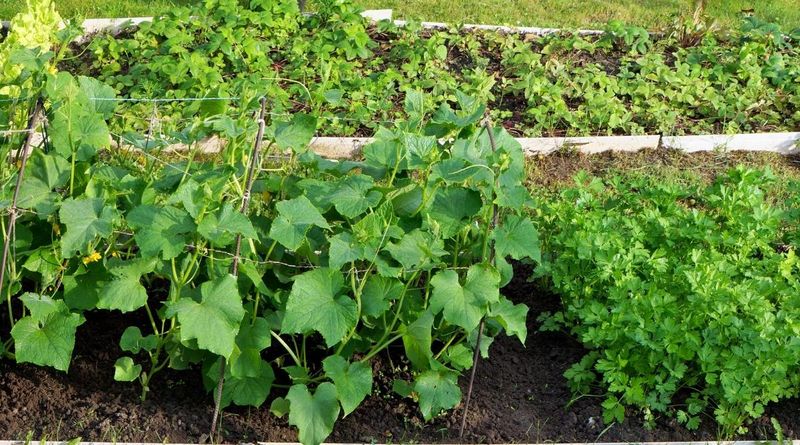
Cucumbers, with their refreshing crunch, make delightful companions to parsley in the garden. They benefit from parsley’s ability to repel harmful insects, which can affect cucumber growth.
This support helps cucumbers thrive, resulting in a bountiful harvest. The combination of parsley and cucumbers offers both visual appeal and practical benefits.
Originally from South Asia, cucumbers have spread across the globe, enjoyed for their cooling qualities and versatility. Their presence alongside parsley adds a refreshing twist to any garden setting.
Strawberries
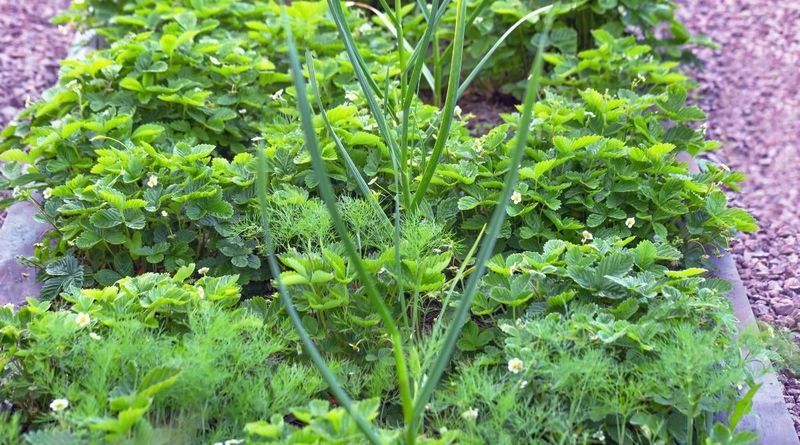
Strawberries, with their sweet, juicy fruits, flourish next to parsley. This pairing enhances strawberry growth by deterring pests that might otherwise damage the berries.
Parsley acts as a protective companion, ensuring a more robust and fruitful harvest. This combination not only boosts garden health but also creates a delightful and delicious landscape.
Originating from the Americas, strawberries have captivated gardeners and food lovers alike for centuries. Their compatibility with parsley makes them a cherished duo in any modern garden.
Sage
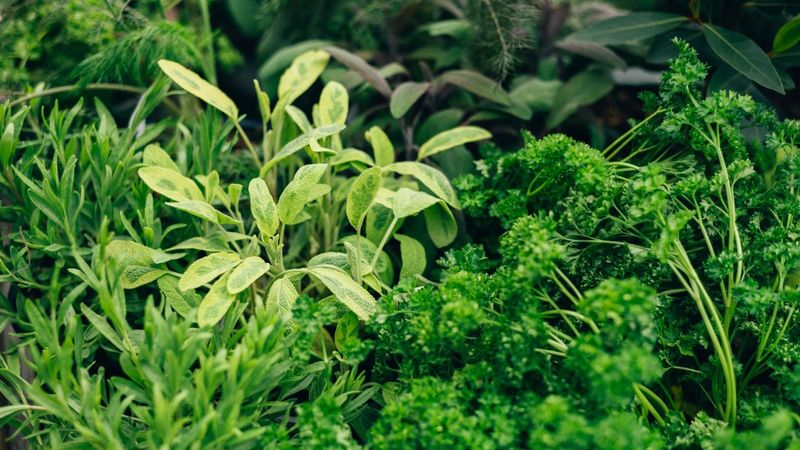
Sage, with its silvery leaves and earthy aroma, partners well with parsley in the garden. The two herbs share a mutual benefit, enhancing each other’s growth and deterring pests.
Their contrasting textures and colors create a visually appealing garden, while their combined properties promote a healthy growing environment.
Sage has been revered for its medicinal and culinary qualities throughout history. Its enduring presence in gardens complements parsley’s role, adding depth and interest to modern gardening endeavors.
Mint
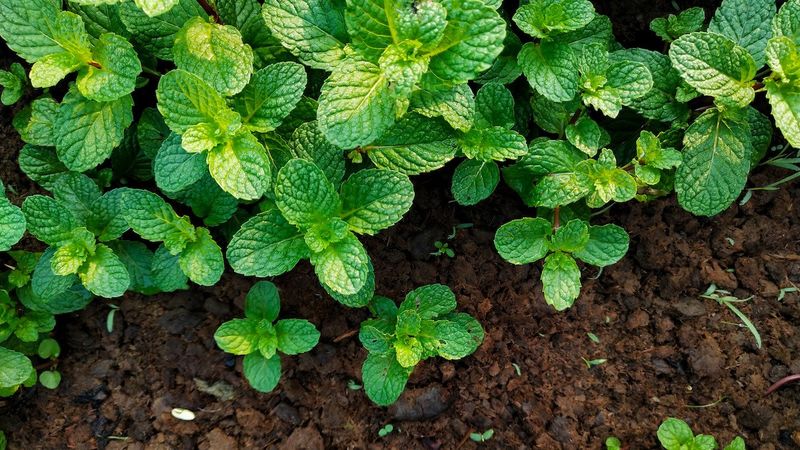
Mint, with its invigorating scent and rapid growth, is a bold companion to parsley. Their combined aromatic properties offer natural pest protection, enhancing the garden’s overall health.
It’s essential to manage mint’s growth, as it can be invasive. However, when controlled, mint thrives alongside parsley, adding a refreshing note to the garden.
Historically, mint has been used in various cultures for its medicinal and culinary applications. Its partnership with parsley enhances both its utility and visual appeal, making it a favored choice for gardeners.
Eggplants
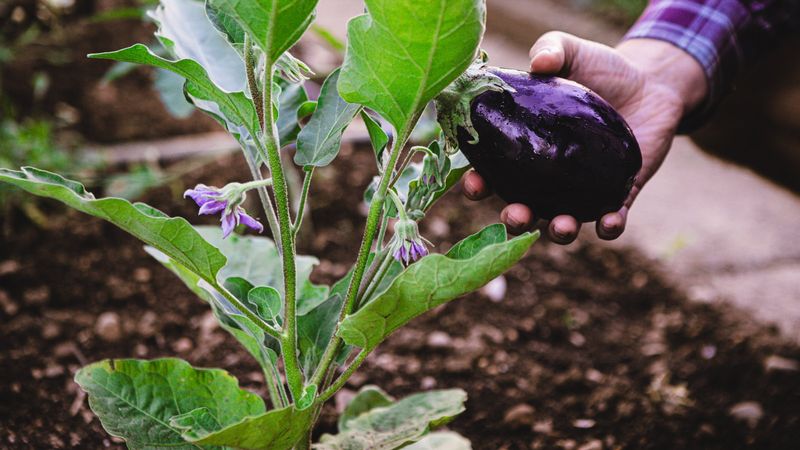
Eggplants, with their glossy purple skin, pair beautifully with parsley. This duo thrives together, with parsley providing pest protection that benefits eggplant growth.
Their striking colors and textures create a visually appealing garden, offering both beauty and practicality. This combination supports a bountiful harvest, enriching the garden environment.
Eggplants, originating from India, have traveled the world, becoming a staple in many cuisines. Their compatibility with parsley enhances their role in gardens, offering both flavor and visual interest.
Thyme
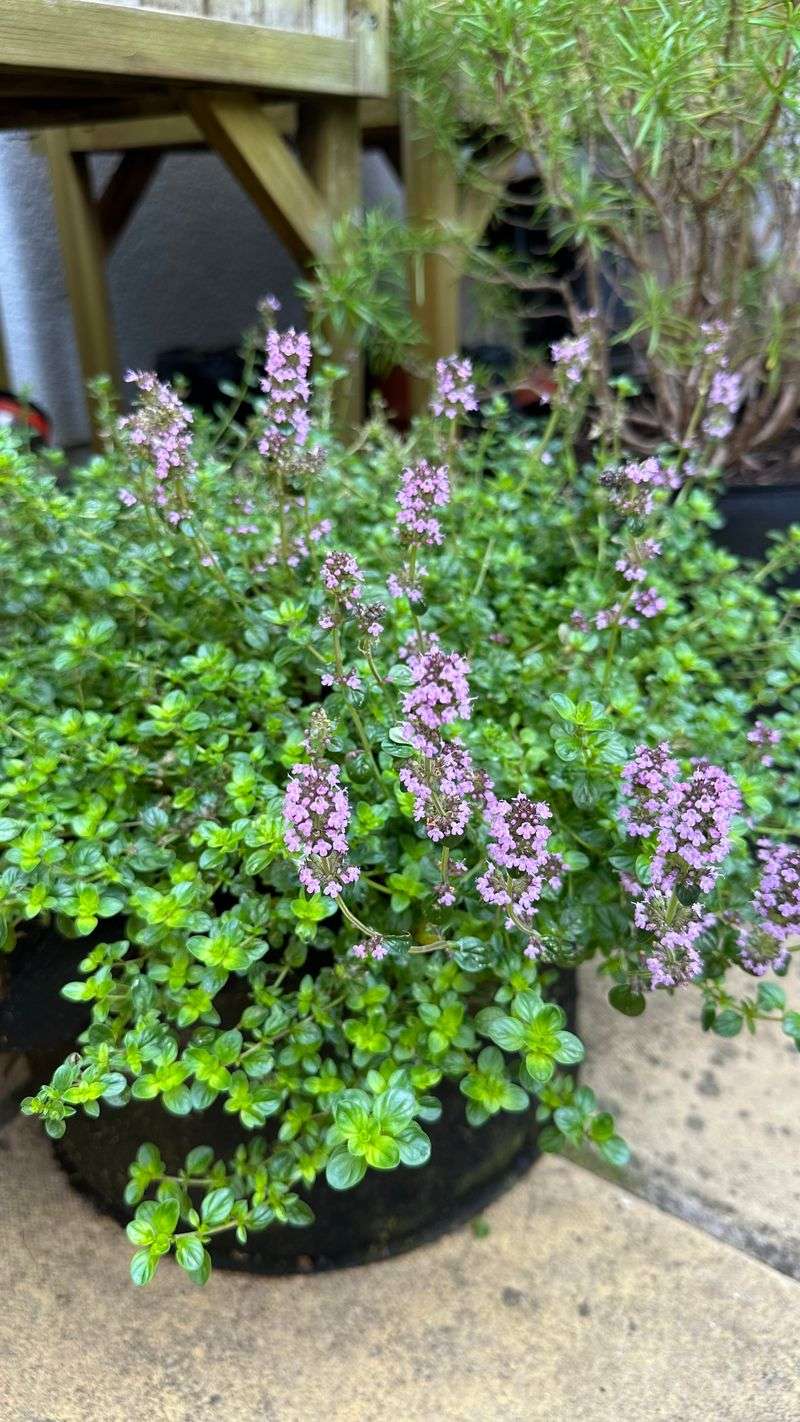
Thyme, with its tiny leaves and robust aroma, makes a delightful companion to parsley. Their shared love for similar growing conditions enhances their development, creating a thriving garden space.
Parsley’s presence may deter pests, benefiting thyme’s growth and health. This botanical pairing is both practical and aesthetically pleasing.
Thyme has been cherished for its culinary and medicinal uses throughout history, celebrated for its resilience and flavor. Its enduring legacy in gardens complements parsley’s versatile nature, enriching the gardening experience.
Oregano
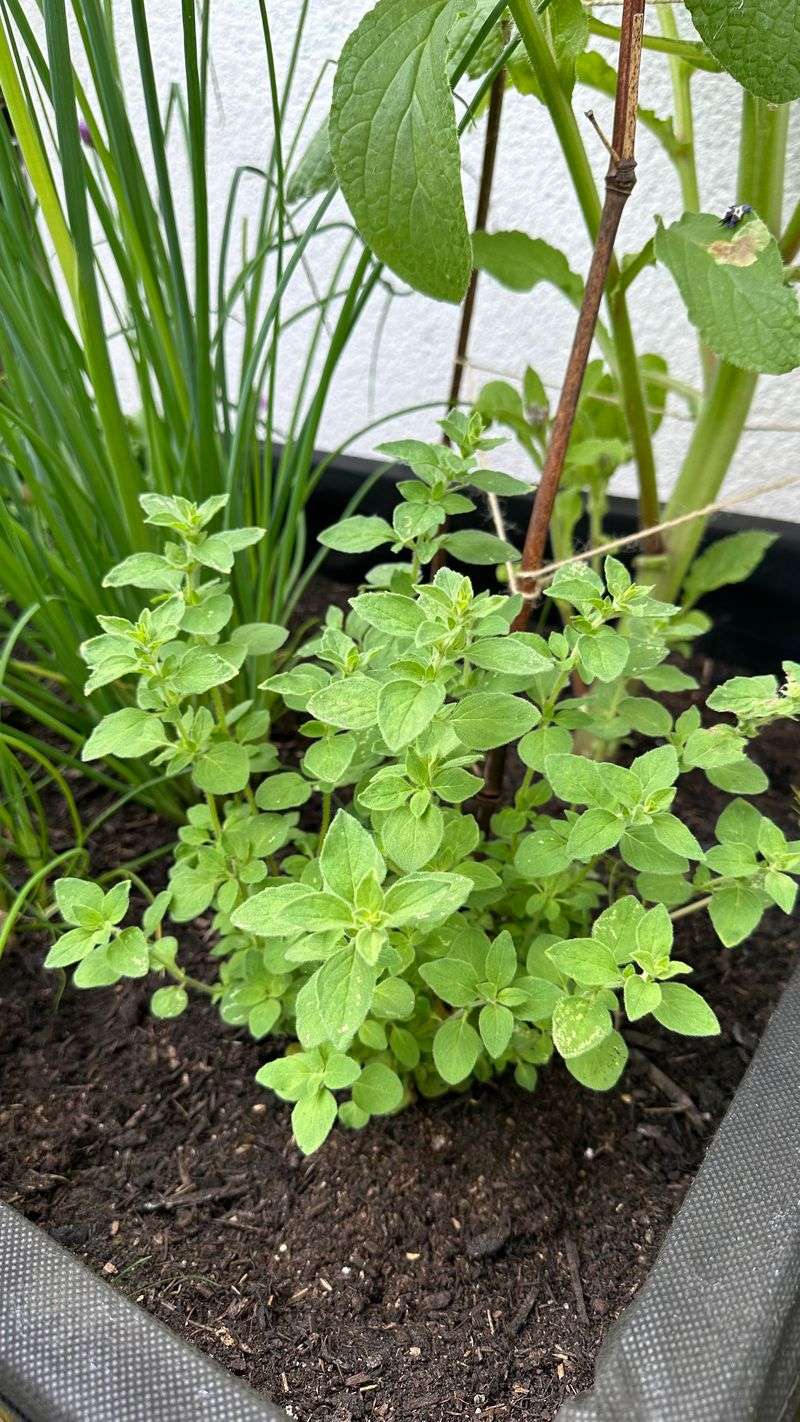
Oregano, with its robust flavor and hardy growth, serves as a fitting companion to parsley. They thrive in similar soil and conditions, enhancing each other’s development.
The aromatic properties of oregano help deter pests, which benefits parsley’s growth. This combination offers both practical and culinary advantages in the garden.
Oregano has been a staple in Mediterranean cooking, known for its bold taste and health benefits. Its partnership with parsley enriches gardens, providing a flavorful and visually appealing landscape.
Dill
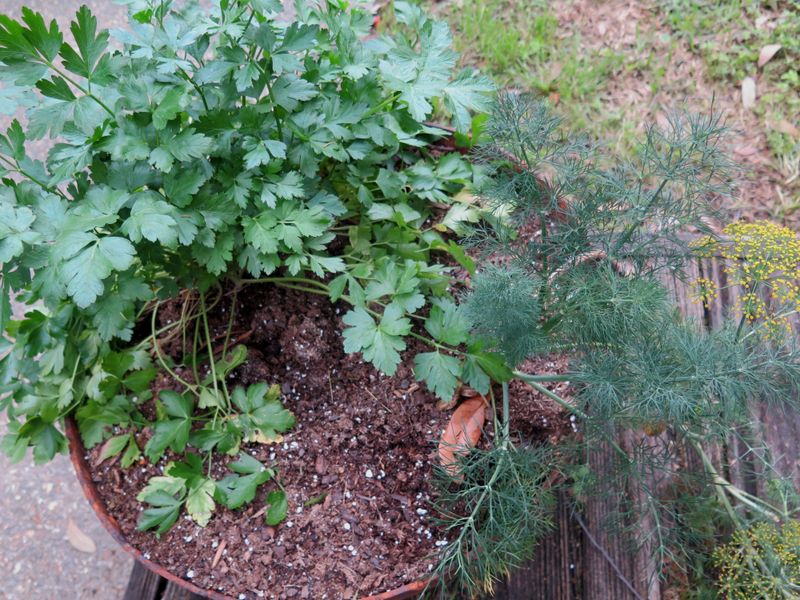
Dill, with its feathery fronds and unmistakable aroma, pairs excellently with parsley. They both enjoy similar growing conditions, supporting each other’s development.
Parsley may help deter pests that target dill, promoting a healthier and more productive garden. This compatibility is both practical and visually striking.
Dill has been cherished for its culinary and medicinal properties, adding flavor and interest to dishes. Its role alongside parsley highlights their shared history and benefits, making them a cherished garden duo.