 Complete Gardening
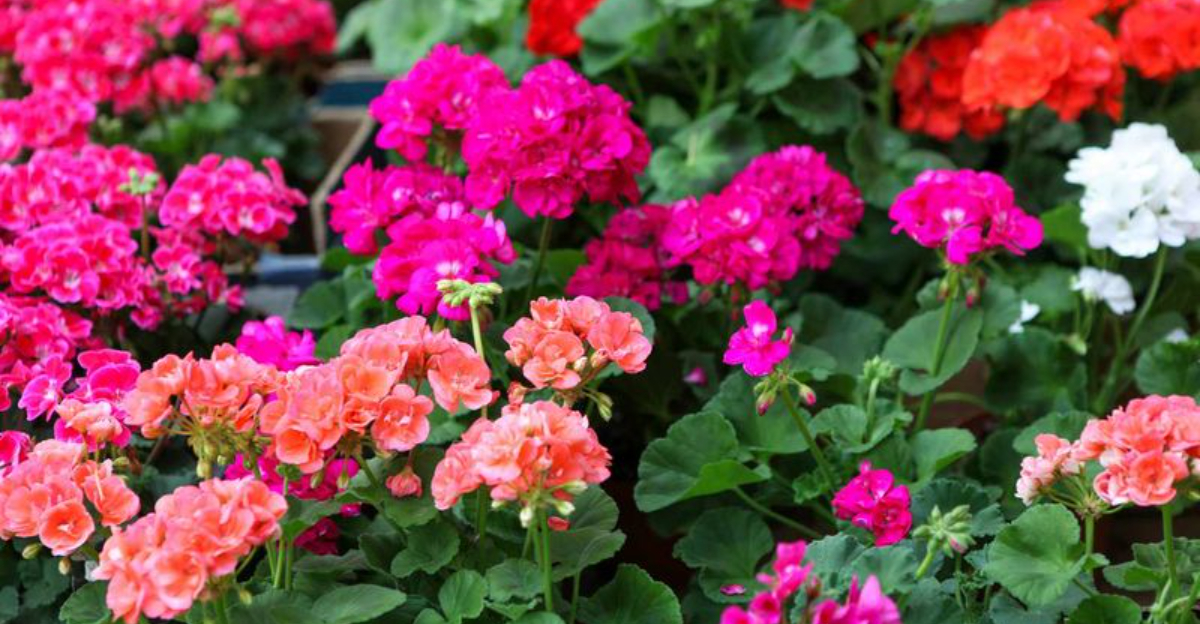
Gardening enthusiasts often overlook the potential risks associated with beautiful blooms. While we admire their colors and fragrances, some flowers might inadvertently contribute to spreading plant diseases in your garden.
This article explores twenty such flowers, providing insights into how they might affect your garden’s health. Understanding these risks allows gardeners to take preventive measures, ensuring that their gardens remain vibrant and disease-free.
1. Roses
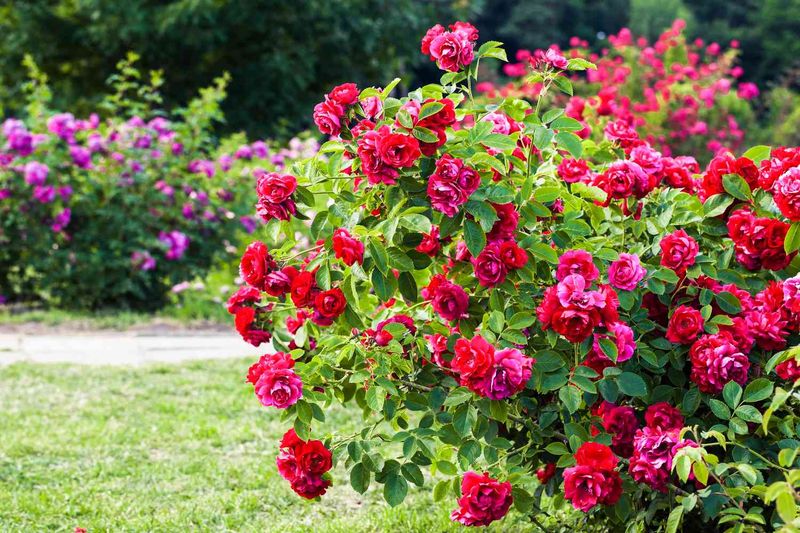
Roses, with their timeless beauty, are unfortunately prone to several diseases. Black spot, a common ailment, manifests as dark circles on leaves, leading to defoliation. Powdery mildew, another frequent issue, covers leaves in a white, powdery substance.
Rust, characterized by orange pustules, can quickly spread in damp conditions. To manage these diseases, ensure proper air circulation by spacing plants adequately and removing affected leaves promptly.
Regular application of fungicides may also be necessary. Despite these challenges, with diligent care, roses can remain a stunning centerpiece in any garden.
2. Dahlias
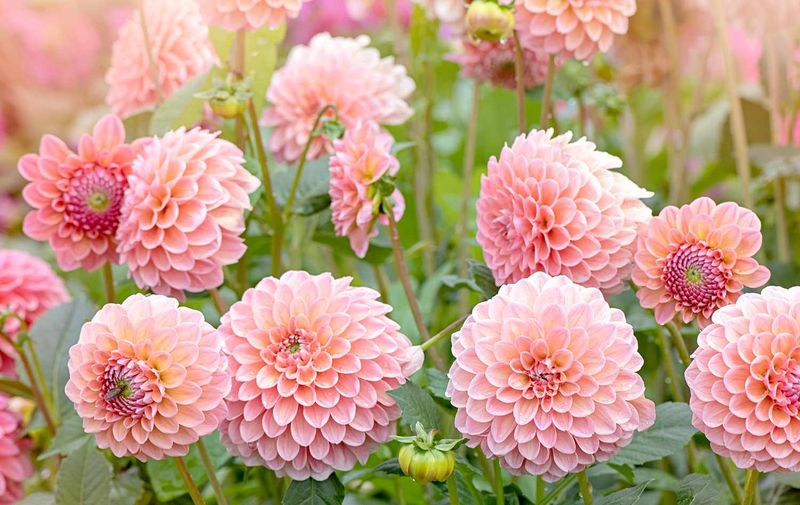
Dahlias, cherished for their vibrant blooms, are susceptible to diseases such as powdery mildew and dahlia mosaic virus. Powdery mildew appears as a white film on leaves, thriving in warm, humid environments.
The virus, however, causes mottled or streaked leaves, affecting growth. Bacterial wilt, another threat, leads to sudden wilting and plant death. Maintaining cleanliness in the garden by removing debris and ensuring good air flow can reduce disease spread.
Opting for resistant varieties and practicing crop rotation are also effective strategies. With care, dahlias can bring joy without contributing to garden maladies.
3. Lilies
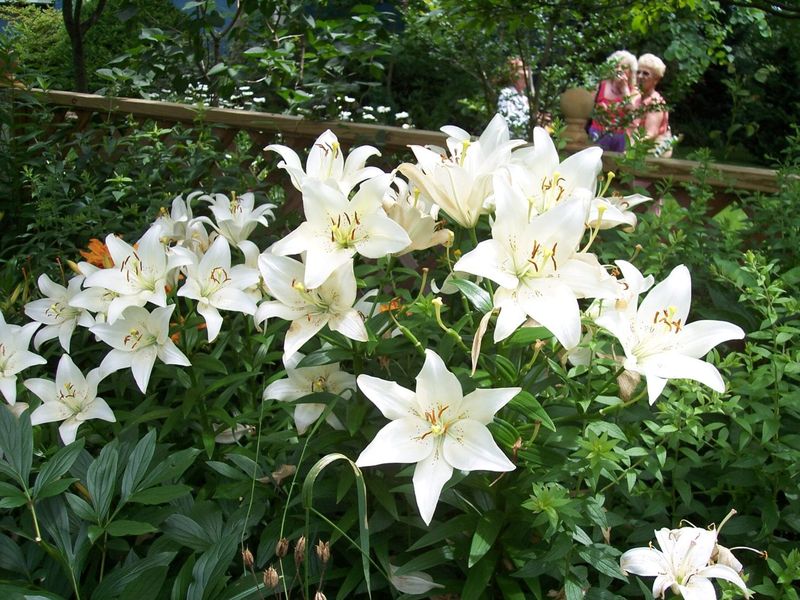
Lilies, known for their elegance, can harbor diseases like Botrytis, also known as gray mold. This appears as fuzzy gray spots on flowers and leaves. Fusarium wilt causes yellowing and wilting, often starting at the plant base.
Viral infections may present as distorted leaves or flowers. To prevent disease spread, plant lilies in well-drained soil and avoid overhead watering. Regular monitoring and removing infected parts can protect nearby plants.
Despite these challenges, lilies can thrive in gardens with proper care, spreading beauty rather than disease.
4. Petunias
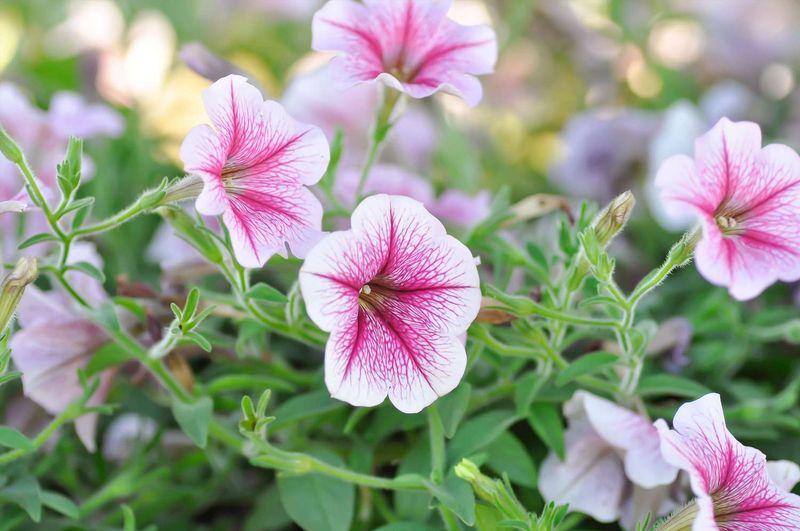
Petunias are a popular choice for their vibrant colors and cascading growth. However, they can fall victim to bacterial blight, which causes soft, water-soaked spots on leaves. Fungal leaf spots are also common, particularly in warm, humid conditions.
To manage these diseases, ensure adequate spacing to promote air circulation. Watering at the base rather than overhead can minimize moisture on leaves, reducing fungal growth.
Regular inspection and removal of affected areas are crucial in controlling the spread. With attention to detail, petunias can flourish, adding bursts of color to any setting.
5. Chrysanthemums
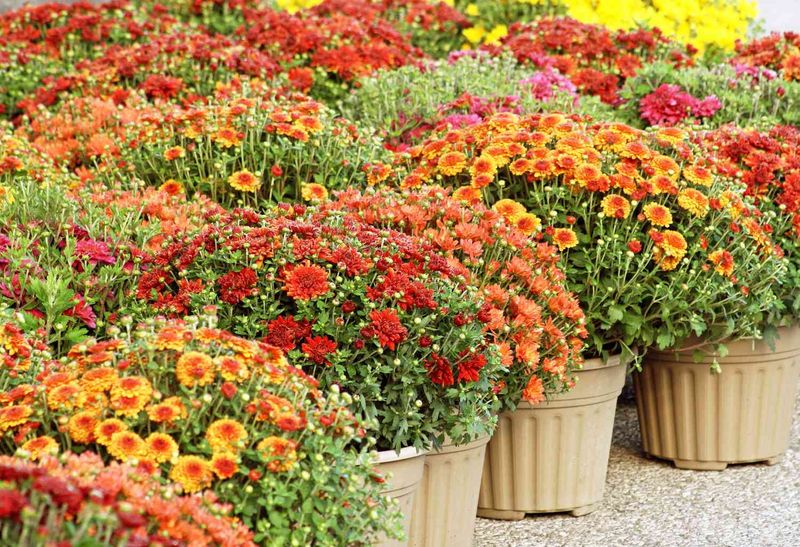
Chrysanthemums, or mums, are beloved for their late-season blooms. However, they can be vulnerable to diseases like powdery mildew, which coats leaves in a white, powdery film. White rust, characterized by white pustules on leaves, can also occur.
These diseases thrive in crowded conditions with poor air flow. To mitigate risks, space plants appropriately and improve air circulation. Removing fallen leaves and debris helps prevent overwintering of spores.
Regular fungicide applications may be necessary in severe cases. With proper care, chrysanthemums can be a resilient, colorful addition to gardens.
6. Marigolds

Marigolds, often valued for their pest-repelling properties, can also suffer from diseases like fungal leaf spots and mildew. Fungal infections appear as dark spots on leaves, while mildew manifests as a powdery substance.
These issues are more likely in humid, poorly ventilated areas. To prevent disease, ensure good air flow and avoid overhead watering. Regularly inspect plants and remove affected foliage to reduce spread.
Despite these challenges, marigolds can contribute vibrant color and pest control benefits to gardens when managed properly.
7. Hydrangeas

Hydrangeas, known for their large, colorful blooms, can be prone to powdery mildew and various leaf spot diseases. Powdery mildew appears as a dusty coating on leaves, thriving in high humidity and poor air circulation.
Leaf spots present as small, dark lesions, which can enlarge and merge. To combat these issues, plant hydrangeas in well-ventilated areas and prune regularly to improve air flow.
Keeping foliage dry by watering at the base reduces fungal growth. With careful management, hydrangeas can remain a striking feature in any garden.
8. Impatiens
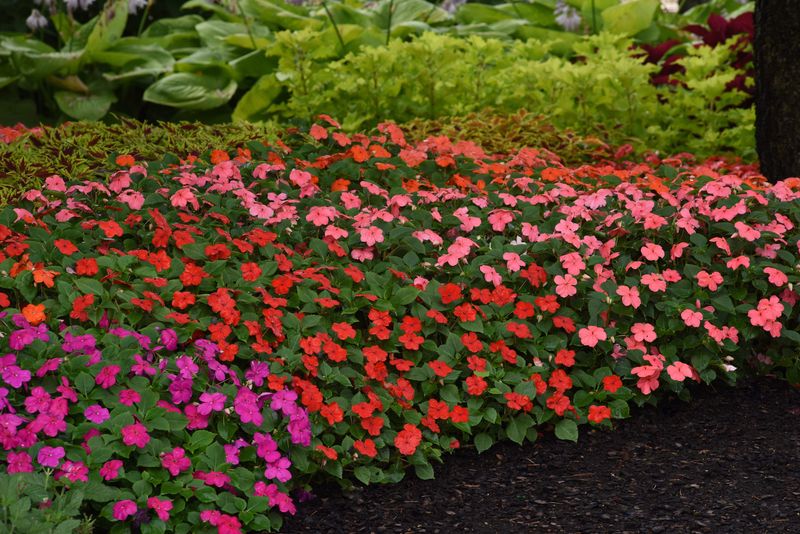
Impatiens, favored for their shade tolerance and bright flowers, face a significant threat from downy mildew. This disease causes yellowing leaves, white downy growth on undersides, and eventual defoliation.
It spreads rapidly in humid, wet conditions, often wiping out entire plantings. To combat downy mildew, ensure excellent air circulation and avoid overhead watering. Removing infected plants promptly prevents further spread.
Selecting resistant varieties and rotating plant locations yearly can also help. With vigilance, impatiens can continue to brighten shaded areas without succumbing to disease.
9. Pansies
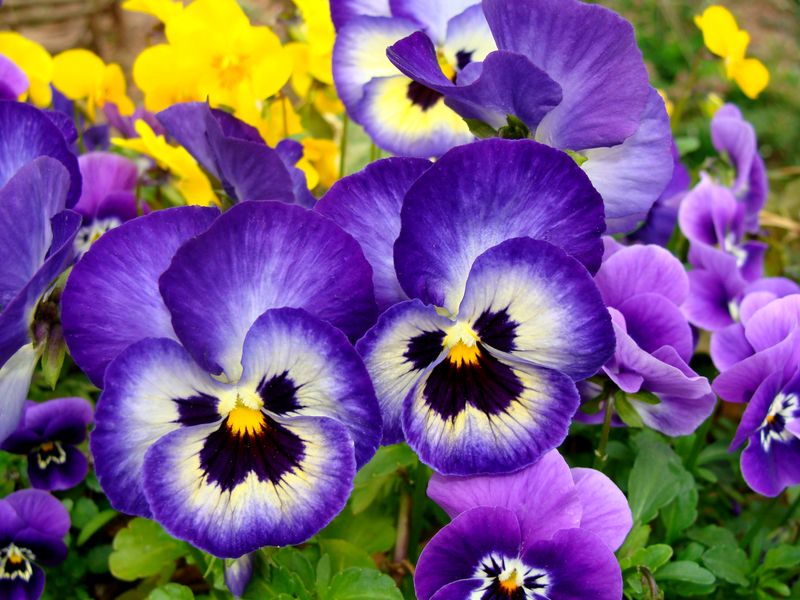
Pansies, cherished for their cheerful blooms, can suffer from powdery mildew and botrytis. Powdery mildew forms a white coating on leaves, especially in fluctuating temperatures.
Botrytis, or gray mold, appears as fuzzy gray patches on flowers and leaves. To prevent these diseases, maintain good air circulation and avoid overhead watering. Regularly removing old flowers and diseased leaves is essential.
Applying fungicides at the first sign of disease can also be effective. With attentive care, pansies can continue to provide vibrant color throughout their growing season.
10. Zinnias
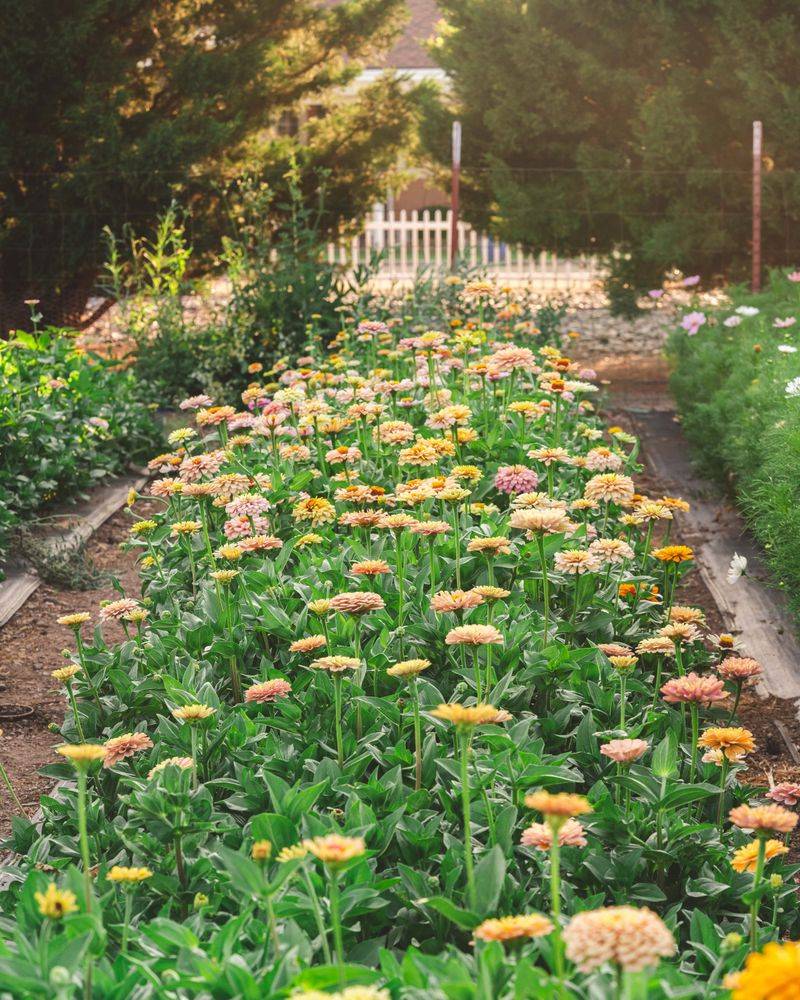
Zinnias, with their bold colors and varied forms, can be prone to powdery mildew and bacterial leaf spot. Powdery mildew appears as a white coating on leaves, thriving in moist, warm conditions.
Bacterial leaf spot creates dark, water-soaked lesions that can spread rapidly. To manage these diseases, plant zinnias in well-ventilated areas and avoid overhead watering.
Regularly removing affected leaves and improving soil drainage can also help. Applying organic fungicides may provide additional protection. With proper care, zinnias can continue to brighten gardens throughout the summer.
11. Geraniums
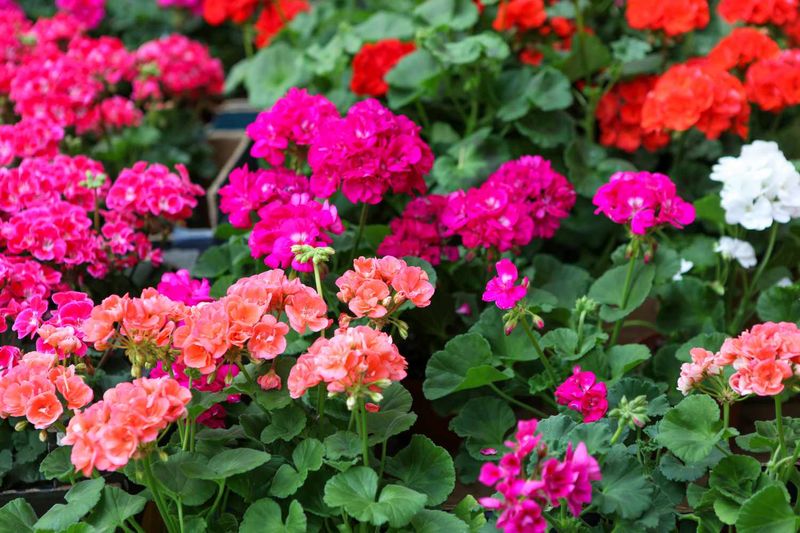
Geraniums, known for their hardiness and vibrant blooms, can be susceptible to bacterial blight and rust. Bacterial blight causes water-soaked lesions on leaves, leading to rapid wilting. Rust presents as small, orange pustules that can spread quickly.
To prevent these diseases, ensure plants have adequate air circulation and water them at soil level. Regularly inspect and remove infected parts to minimize spread.
Applying appropriate fungicides when necessary can also help maintain plant health. With attentive care, geraniums can remain a resilient and colorful addition to any garden.
12. Begonias
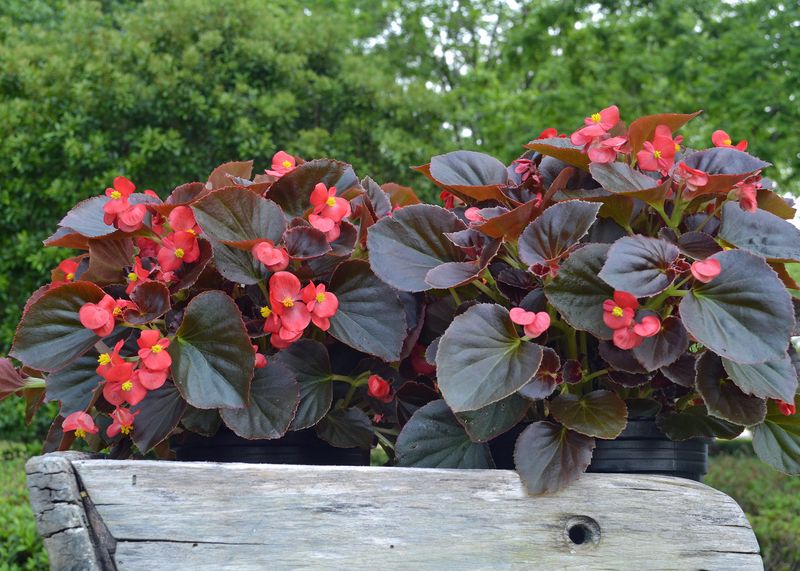
Begonias, admired for their lush foliage and bright blooms, can be vulnerable to botrytis and other fungal infections. Botrytis appears as fuzzy gray mold on leaves and flowers, thriving in damp conditions.
To prevent these diseases, ensure proper air flow and avoid overhead watering. Regularly remove dead or diseased plant parts to stop the spread. Mulching can help control moisture levels, reducing fungal growth.
By maintaining good garden hygiene and monitoring closely, begonias can continue to flourish, adding charm without spreading disease.
13. Sweet Peas
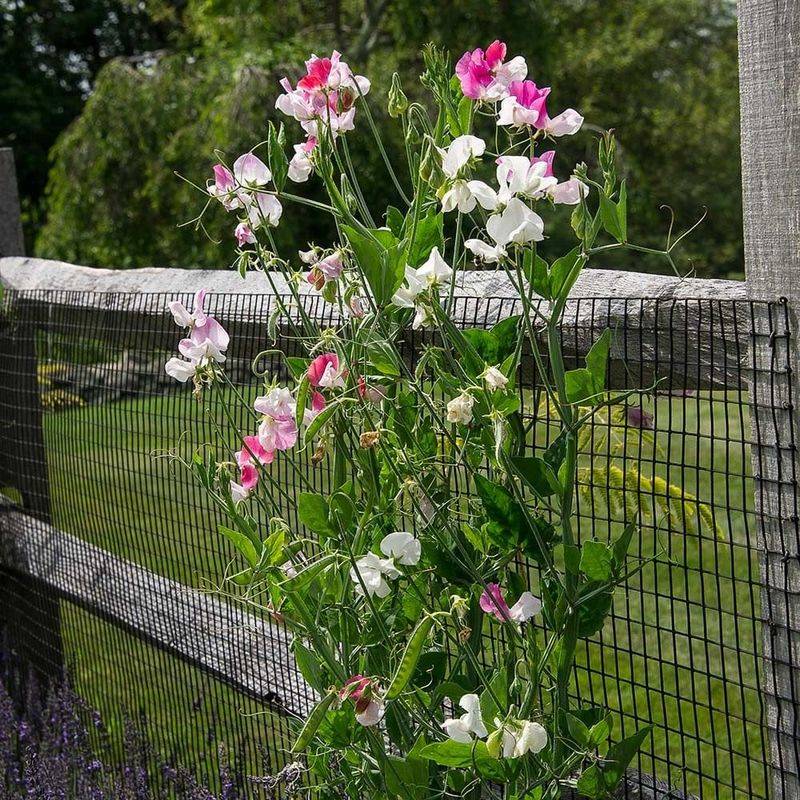
Sweet peas, prized for their fragrance and delicate blooms, can be susceptible to rust and powdery mildew. Rust causes orange pustules on leaves, while powdery mildew forms a white coating.
These diseases spread rapidly in dense plantings with poor air circulation. To manage these issues, ensure adequate spacing and water plants at the base to keep foliage dry.
Removing infected leaves promptly and applying fungicides when necessary can help control outbreaks. With careful attention, sweet peas can continue to enhance any garden with their beauty and scent.
14. Snapdragons
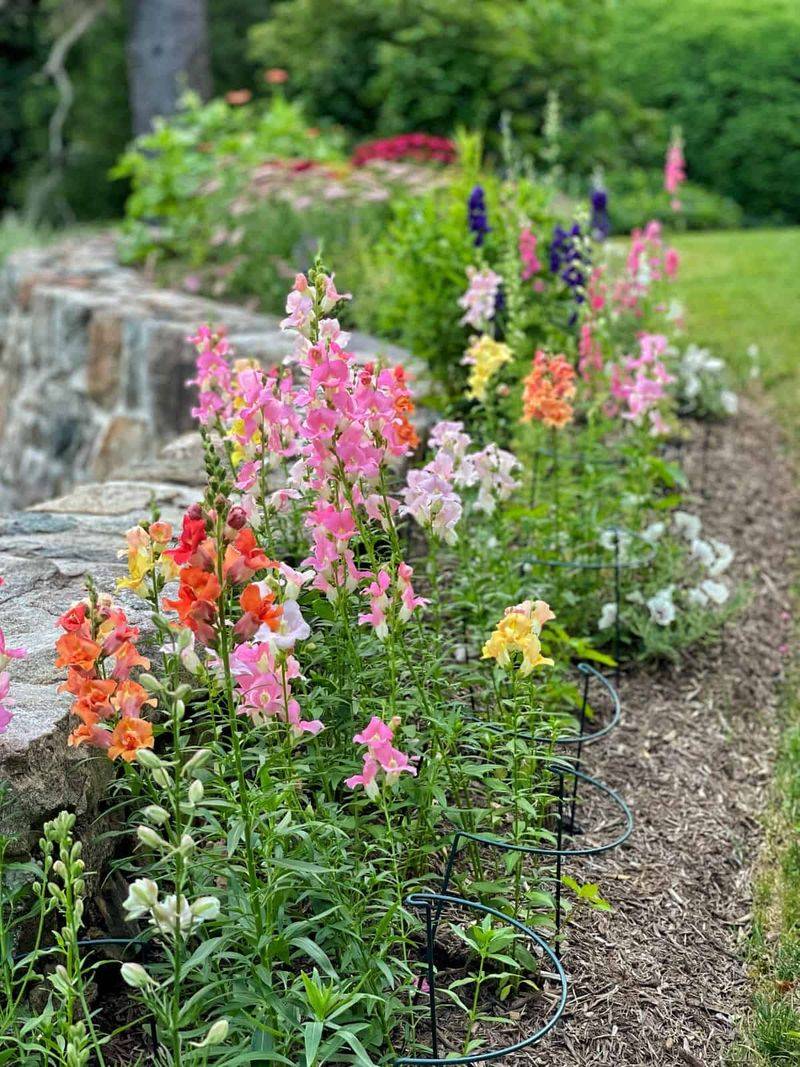
Snapdragons, with their distinctive flowers, can develop powdery mildew and other fungal infections. Powdery mildew presents as a white coating on leaves, thriving in humid environments.
Fungal infections can cause leaf spots and plant decline if not addressed. To prevent these diseases, ensure good air circulation and avoid overhead watering. Regularly inspect plants, removing diseased parts promptly to reduce spread.
Applying fungicides at the first sign of disease can also provide control. With vigilant care, snapdragons can continue to be a striking and resilient addition to garden borders.
15. Fuchsia
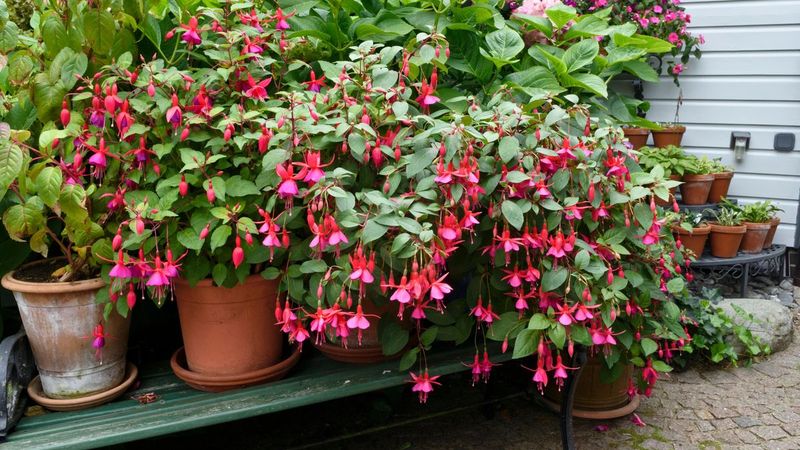
Fuchsia, known for its pendulous blooms, can often suffer from botrytis and powdery mildew. Botrytis appears as gray mold on flowers and leaves, while powdery mildew forms a white film. These diseases thrive in cool, damp conditions.
To prevent them, ensure good air circulation and avoid overhead watering. Regularly remove spent flowers and diseased parts to limit spread. Applying fungicides when needed can also help maintain health.
With proper management, fuchsias can continue to offer their unique beauty without becoming a source of disease.
16. Coneflowers (Echinacea)
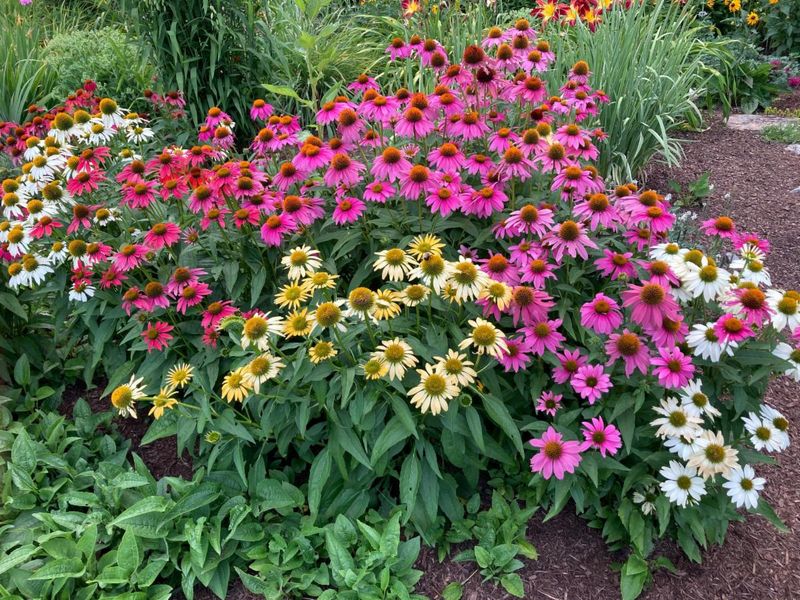
Coneflowers, or Echinacea, are generally hardy but can sometimes develop fungal leaf spots or powdery mildew. Powdery mildew forms a white powder on leaves, while fungal leaf spots appear as dark lesions.
These issues arise in areas with limited air circulation. To mitigate them, plant coneflowers in sunny, well-ventilated spots. Avoid overhead watering and ensure good soil drainage.
Removing affected leaves and applying fungicides as needed can help maintain plant health. With care, coneflowers can remain a robust and attractive presence in gardens.
17. Sunflowers
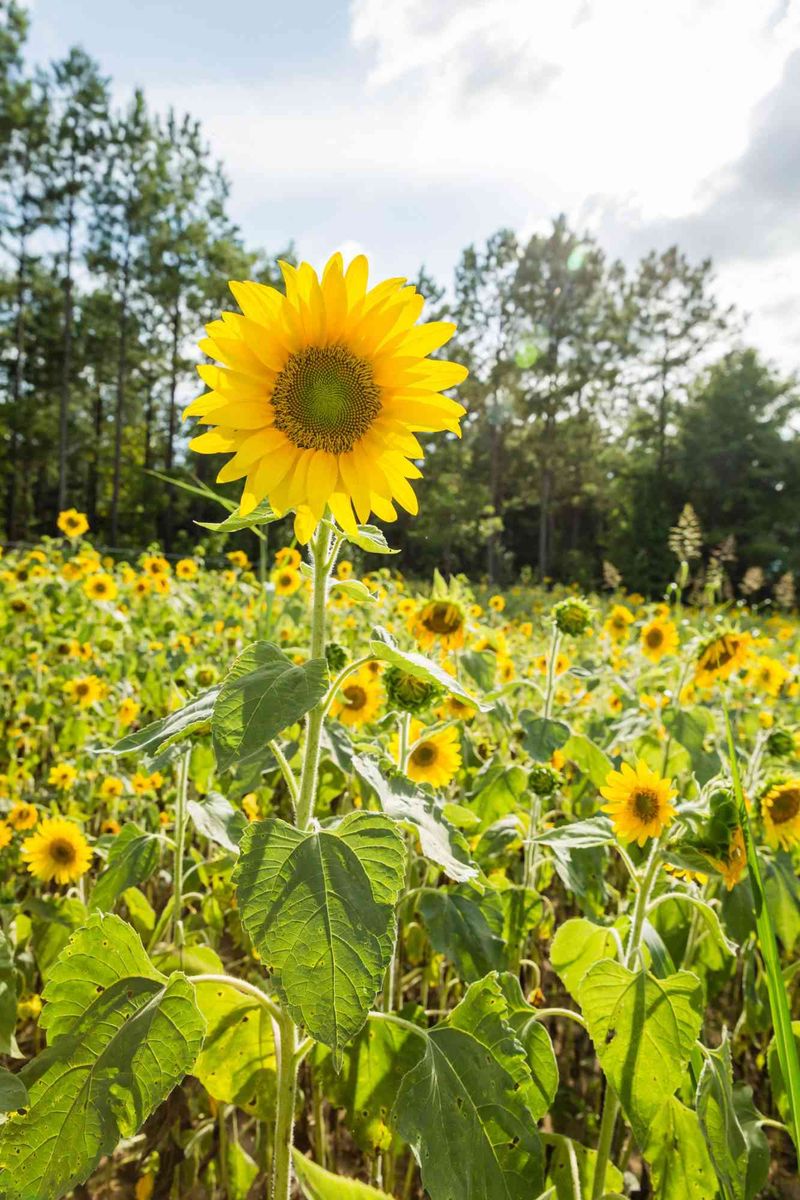
Sunflowers, known for their towering presence, can be susceptible to fungal infections like Sclerotinia head rot. This disease causes wilting and decay in flower heads, thriving in damp conditions.
To prevent its spread, ensure good air circulation and avoid planting in overly wet areas. Crop rotation and removing affected plants promptly can also help control outbreaks. Applying fungicides when needed provides additional protection.
With proactive management, sunflowers can continue to bring their sunny disposition to gardens without succumbing to disease.
18. Poinsettias

Poinsettias, often associated with the holiday season, can develop fungal and bacterial diseases, particularly in greenhouse conditions. Fungal diseases cause leaf spots and mold, while bacterial infections can lead to wilting.
To prevent these issues, ensure good ventilation and avoid overwatering. Regularly inspect plants, removing infected parts to reduce spread. Applying fungicides and bactericides when necessary can help maintain plant health.
Despite these challenges, with attentive care, poinsettias can continue to offer their vibrant color during the festive season and beyond.
19. Verbena
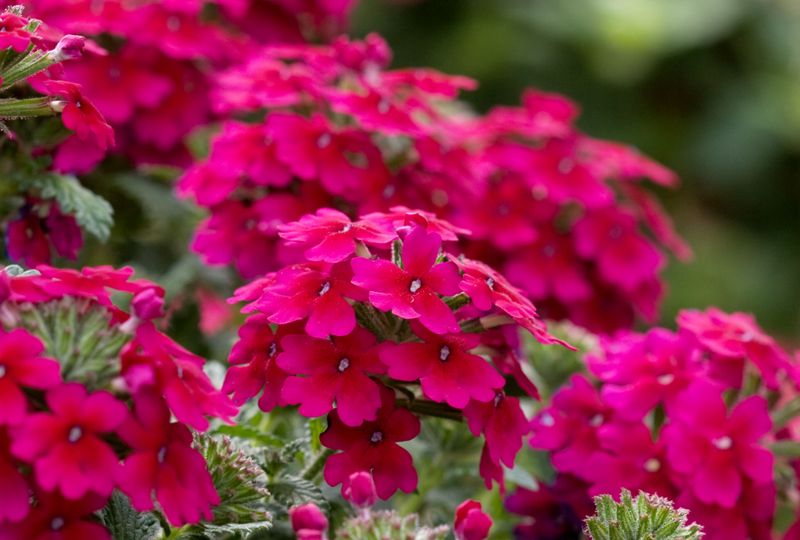
Verbena, prized for its long blooming season, can be prone to fungal leaf spots and powdery mildew. Powdery mildew coats leaves in white powder, while fungal spots create dark lesions.
These diseases often occur in dense, humid gardens. To prevent them, ensure good air circulation and avoid overhead watering. Regularly inspect and prune plants to remove infected parts.
Applying fungicides at the first sign of disease can help protect plant health. With diligent care, verbenas can continue to provide vibrant blooms throughout their growing season.