 Complete Gardening
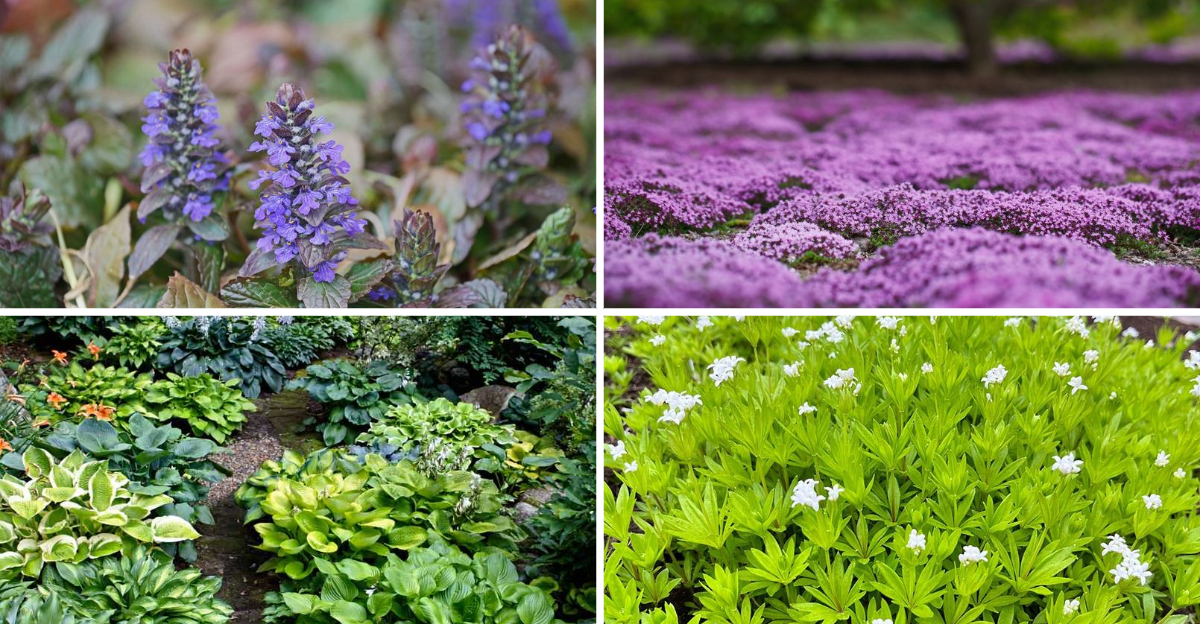
When designing a garden, ground covers play a crucial role in adding beauty and functionality. They help in soil retention, reducing weeds, and of course, providing a splash of color and texture beneath trees and shrubs. Here’s a detailed guide to 19 stunning ground covers that will thrive in those shaded areas, each with its unique charm and allure.
1. Creeping Thyme
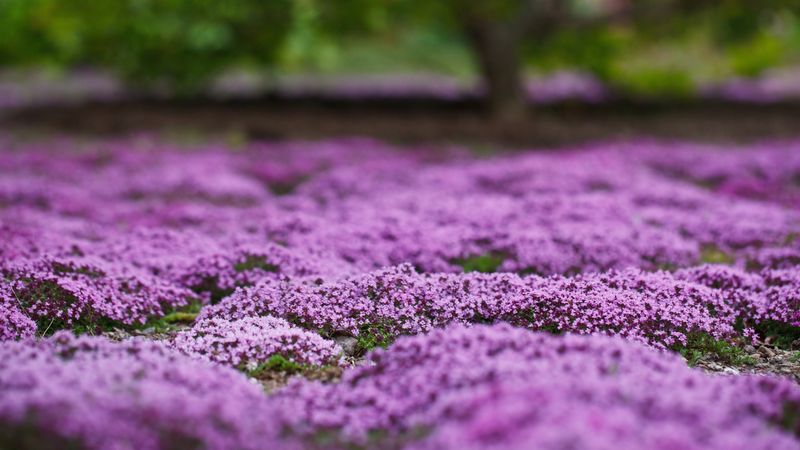
Creeping Thyme, with its aromatic foliage, is a delightful addition to any garden. Known for its resilience, it thrives under trees, creating a fragrant carpet that attracts pollinators. Its purple blooms add a touch of elegance.
Despite its delicate appearance, Creeping Thyme is hardy and drought-resistant. Whether used along pathways or as a colorful patch under a shrub, it brings life to shaded spots.
Fun fact: In medieval times, thyme was believed to bring courage to its bearer.
2. Sweet Woodruff
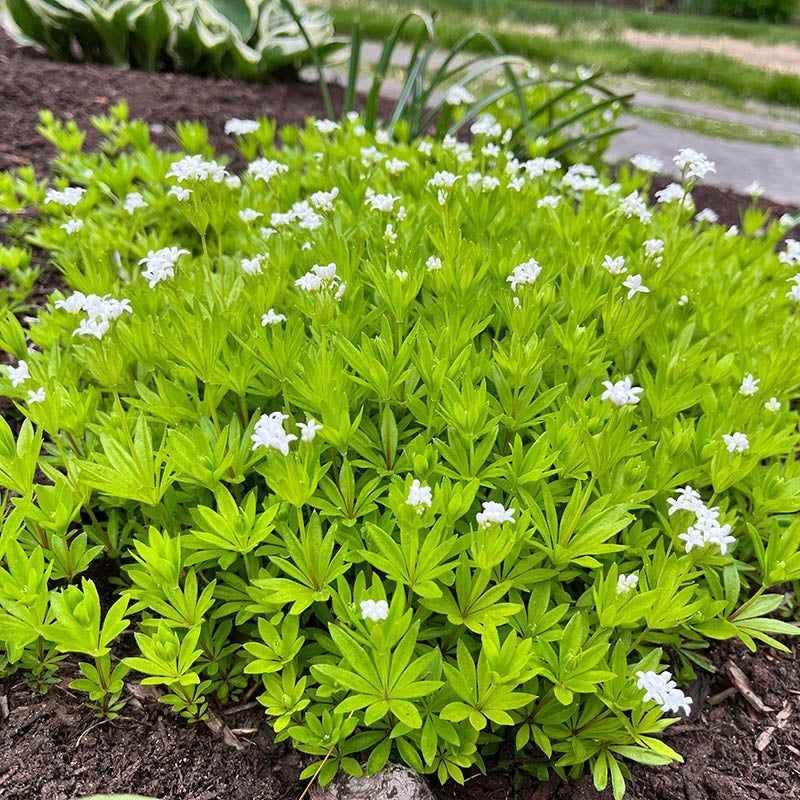
Sweet Woodruff is synonymous with charm and grace. Its star-shaped white flowers and whorled leaves create a soothing ground cover. Ideal for shady gardens, it flourishes even in poor soil.
The subtle vanilla scent it releases adds an inviting aroma to the surroundings. A historical note: it was once used to scent linens and deter insects.
Its low-maintenance nature makes it a favorite among gardeners. Sweet Woodruff stands out with its gentle beauty and practicality.
3. Periwinkle (Vinca Minor)
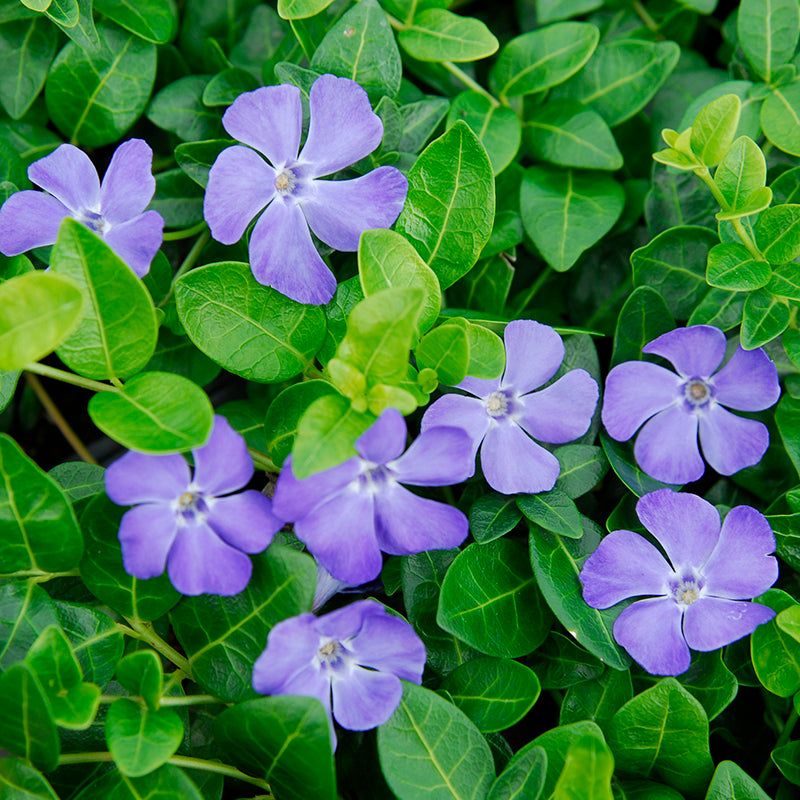
With its glossy leaves and periwinkle blue flowers, Vinca Minor is a stalwart choice for ground cover. It spreads rapidly, offering a lush mat that suppresses weeds.
Gardeners love its ability to adapt to various soil conditions. Its evergreen nature ensures year-round interest.
Historically, Periwinkle was thought to ward off evil spirits, adding a mysterious allure to its beauty. Its vigorous growth is perfect for shaded areas.
4. Hosta
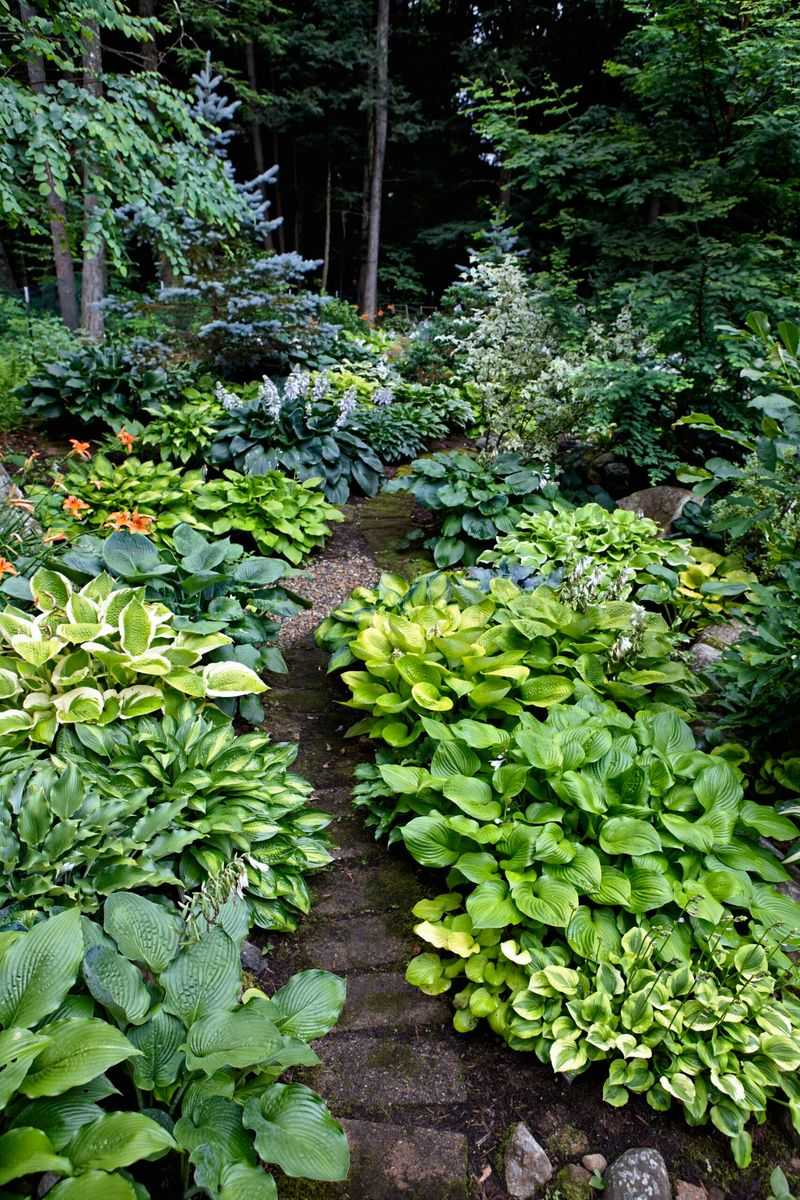
Hostas are famed for their striking foliage and elegant flowers. These shade-loving plants come in various sizes and colors, making them versatile for any garden.
They require minimal care and flourish in shaded environments. The soft, lavender-colored flowers add a hint of color amidst their lush greenery.
Fun fact: Hostas are sometimes referred to as “plantain lilies” due to their leaf shape. They’re a staple in shade gardens for their beauty and resilience.
5. Barrenwort (Epimedium)
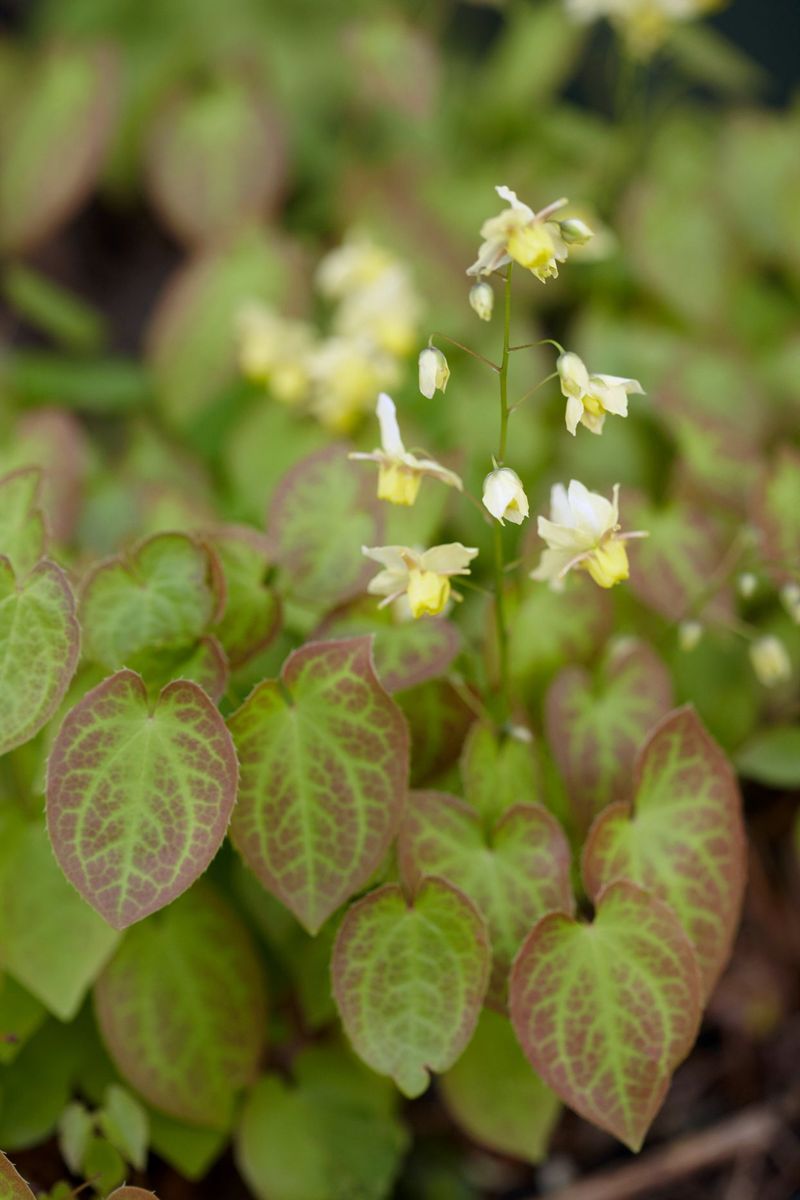
Barrenwort, or Epimedium, captivates with its delicate heart-shaped leaves and dainty flowers. It’s a true survivor in dry, shady conditions.
These plants form a robust ground cover, their foliage changing hues with the seasons. In spring, the blooms are particularly enchanting.
Historically, Barrenwort was used in traditional medicine, believed to promote vitality. Its resilience and beauty make it a worthy choice for shaded spots.
6. Ajuga (Bugleweed)
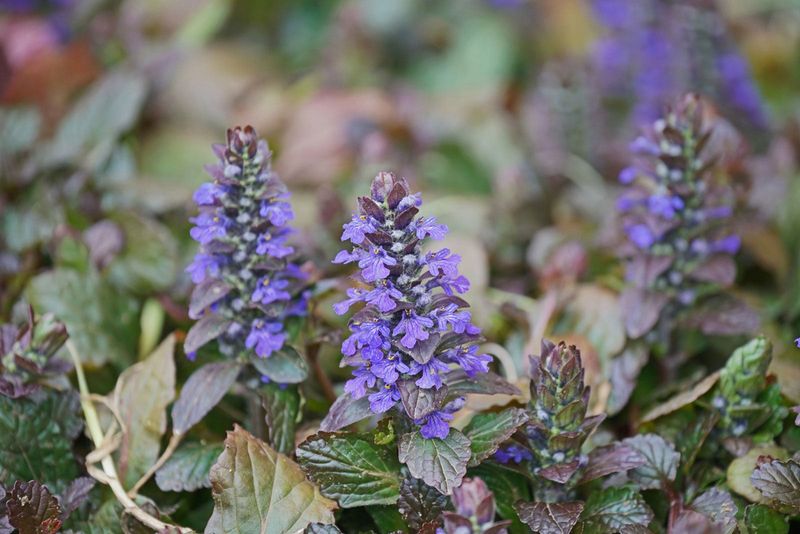
Ajuga, often known as Bugleweed, is a standout ground cover with its vibrant blue flower spikes. This plant spreads quickly, providing a lush carpet that thrives in shaded areas.
The glossy leaves add texture, making it visually appealing throughout the year. Ajuga is notably easy to grow, requiring minimal maintenance.
Its rapid growth and colorful blooms make it a popular choice among gardeners. It’s perfect for filling in spaces under trees and shrubs.
7. Lily of the Valley
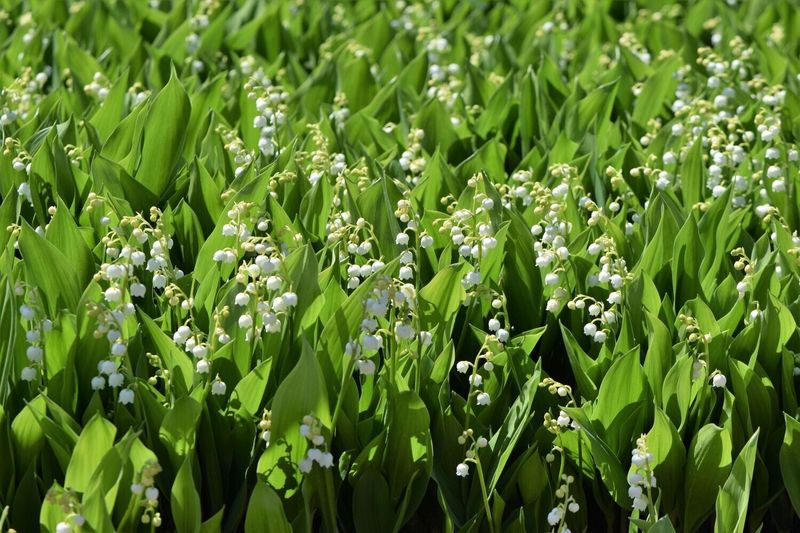
Lily of the Valley is cherished for its delicate, bell-shaped flowers and sweet fragrance. This charming plant thrives in the shade, producing lush green foliage.
It’s a symbol of purity and renewal, often used in bridal bouquets. Its ability to spread quickly makes it ideal for covering bare patches under trees.
Fun fact: In folklore, it was believed to bring luck and happiness. Its enchanting beauty and history make it a beloved ground cover choice.
8. Japanese Spurge (Pachysandra)
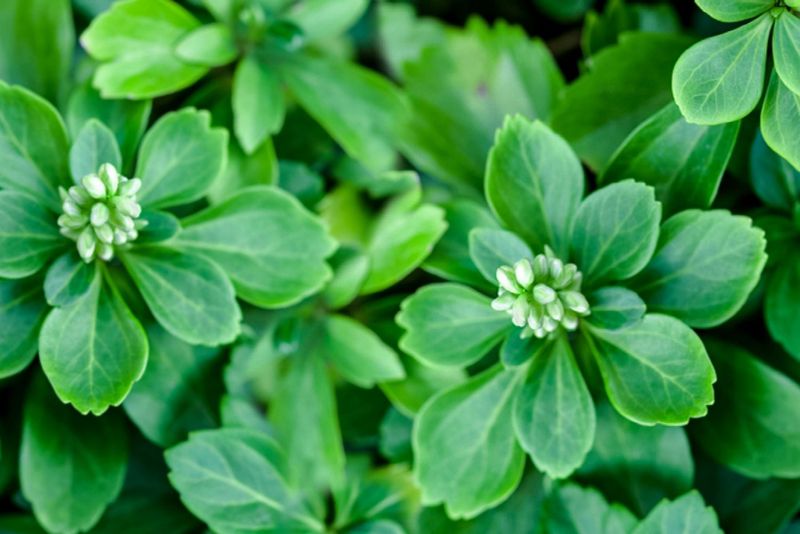
Japanese Spurge, or Pachysandra, is well-suited for shaded areas, forming a dense, evergreen mat. Its rich green leaves and small white flowers offer year-round interest.
This ground cover is particularly useful for erosion control on slopes. It’s low-maintenance and thrives in difficult, shady spots.
Historically, Pachysandra was valued for its ground-stabilizing properties. Its enduring greenery makes it a practical and attractive choice for gardens under trees.
9. Lungwort (Pulmonaria)
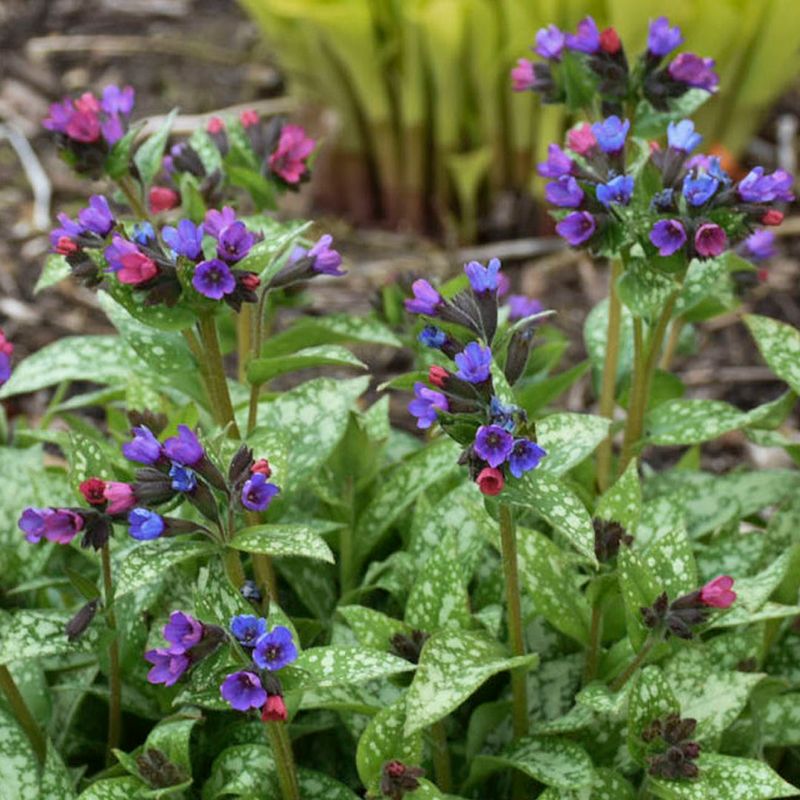
Lungwort is known for its unique foliage and vibrant flowers, ranging from pink to blue. It’s a shade-loving plant that adds color and texture to gardens.
The speckled leaves of Lungwort are its signature trait, providing visual interest even when not in bloom.
The plant’s name originates from medieval times when it was used in herbal remedies for lung ailments. Its striking appearance and historical significance add to its charm as a ground cover.
10. Wild Ginger (Asarum canadense)
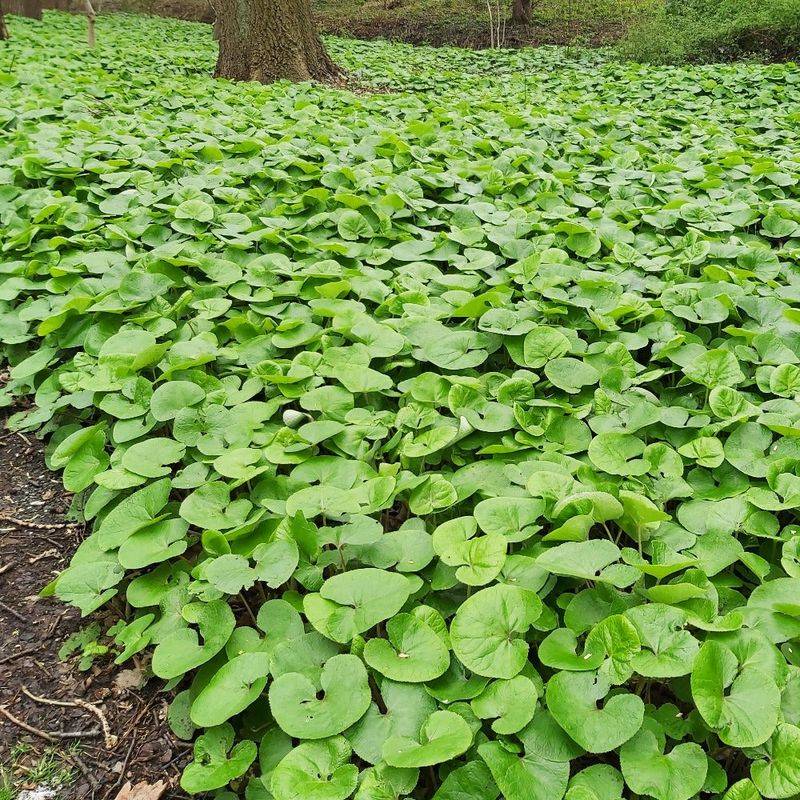
Wild Ginger, with its heart-shaped leaves, is a unique ground cover for shaded gardens. Its small, hidden flowers are often overlooked, but they add a mysterious allure.
This plant creates a dense carpet that helps suppress weeds, making it both beautiful and practical.
Historically, Wild Ginger was used by Native Americans for its medicinal properties. Its ability to thrive in the shade and its interesting history make it a garden favorite.
11. Heuchera (Coral Bells)
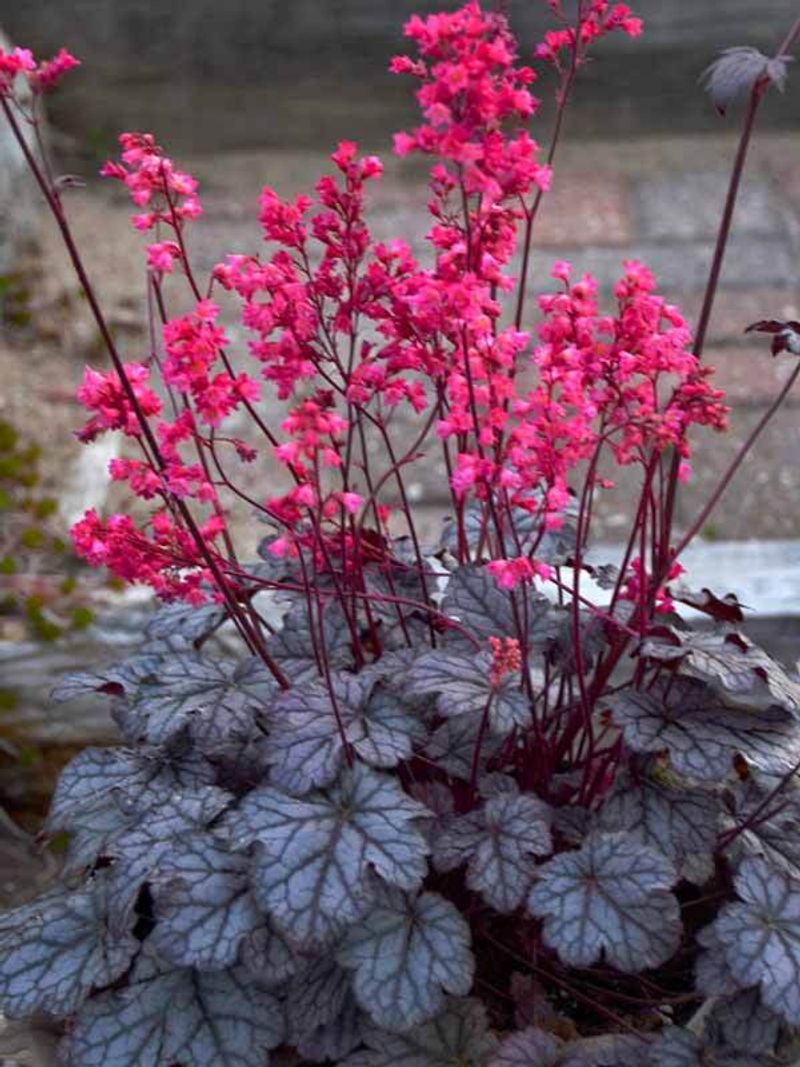
Heuchera, or Coral Bells, is admired for its vibrant foliage and delicate flowers. It thrives in shaded areas, adding a splash of color with its red and purple leaves.
The tiny, bell-shaped flowers further enhance its beauty, creating a delightful ground cover.
Heuchera’s ability to survive in varied conditions makes it a versatile choice. Its striking appearance and adaptability ensure its place in any garden design.
12. Siberian Bugloss (Brunnera)
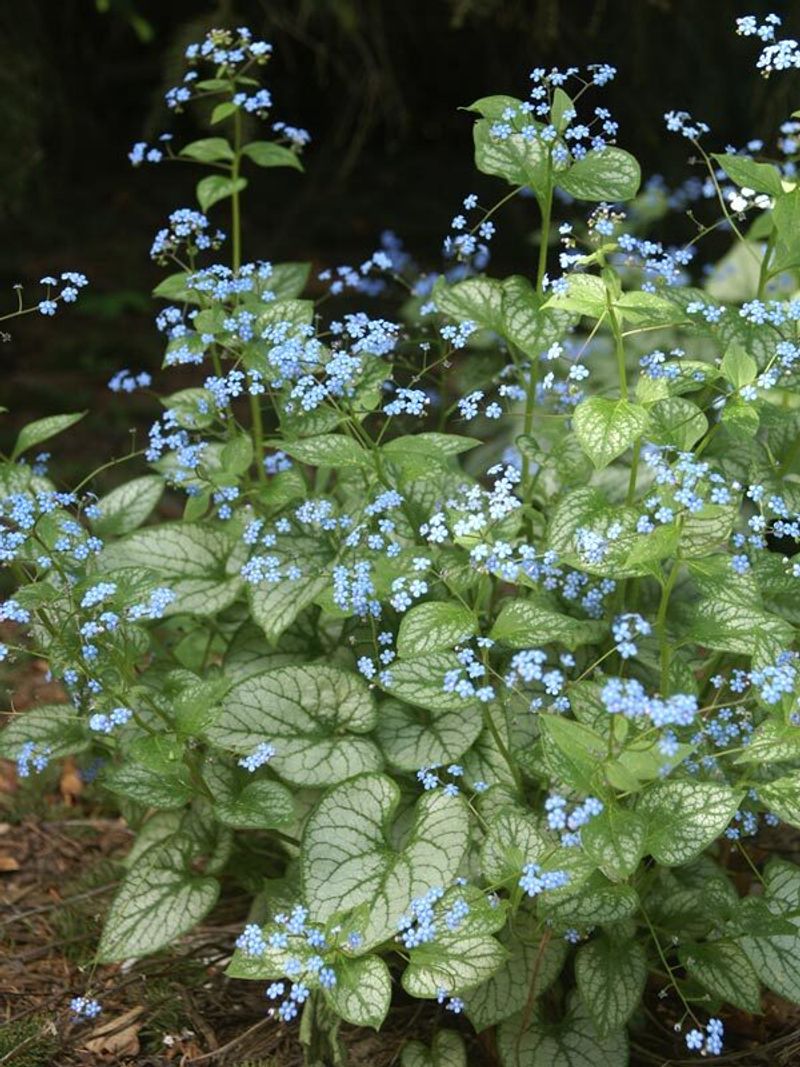
Siberian Bugloss, with its heart-shaped leaves and sky-blue flowers, brings charm to shaded gardens. The foliage, often variegated, adds texture and interest.
This plant is known for its ability to thrive in moist, shady areas, making it suitable for woodland gardens.
The delicate flowers resemble those of forget-me-nots, creating a nostalgic appeal. Siberian Bugloss is a graceful addition to any shaded space.
13. Goldenstar (Chrysogonum virginianum)
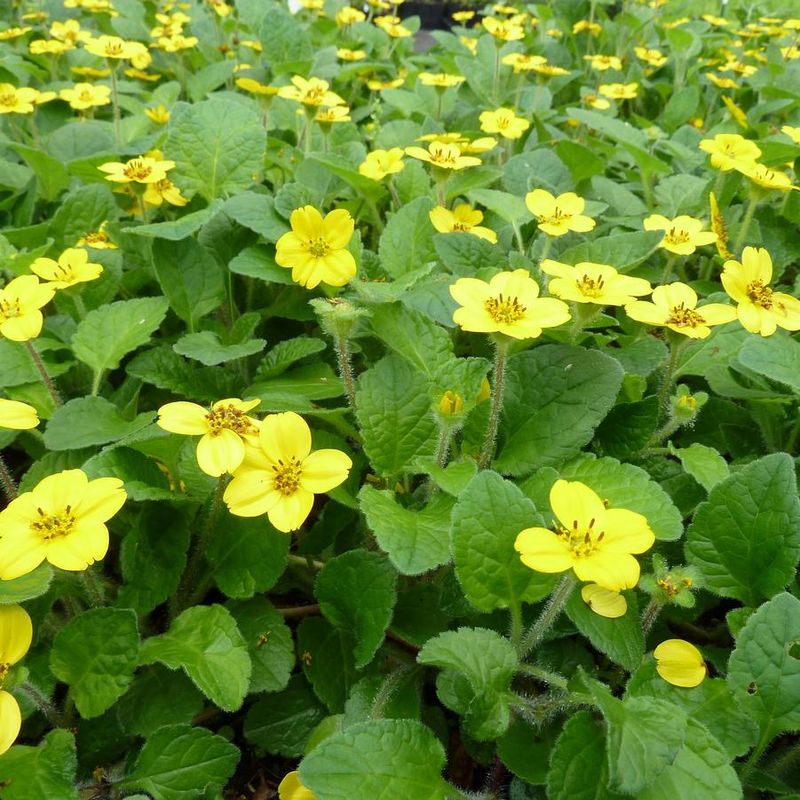
Goldenstar, or Chrysogonum virginianum, dazzles with its bright yellow flowers. This cheerful ground cover thrives in dappled shade, adding a sunny spot to dark corners.
Its low-growing habit and lush foliage make it ideal for creating a vibrant carpet beneath trees.
Goldenstar is also known as “green and gold” due to its striking color contrast. Its easy-care nature and vivid blooms make it a garden delight.
14. Foamflower (Tiarella)
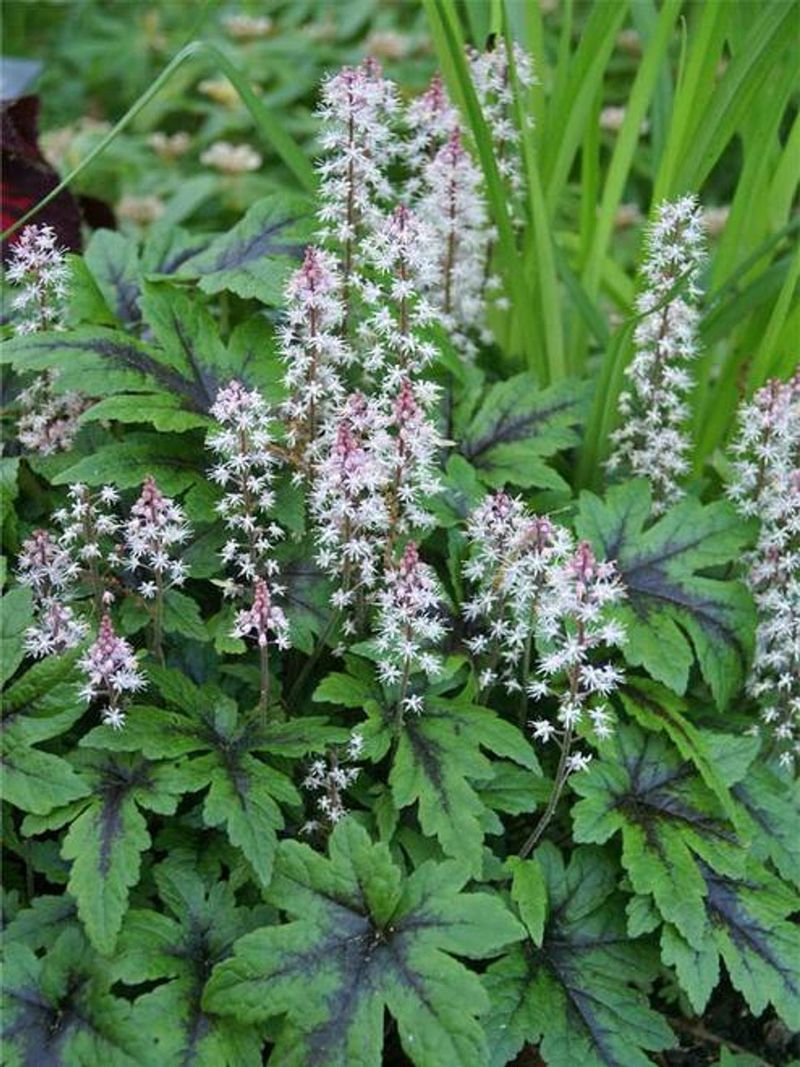
Foamflower enchants with its frothy white blooms and intricate lobed leaves. It thrives in the shade, making it perfect for woodland gardens.
The flowers create an ethereal atmosphere, while the foliage adds depth. Foamflower is also prized for its ability to spread gently, covering the ground with grace.
Its name derives from the airy appearance of its flowers. This plant’s delicate beauty and adaptability make it a favored choice for shaded areas.
15. Ground Morning Glory (Convolvulus sabatius)
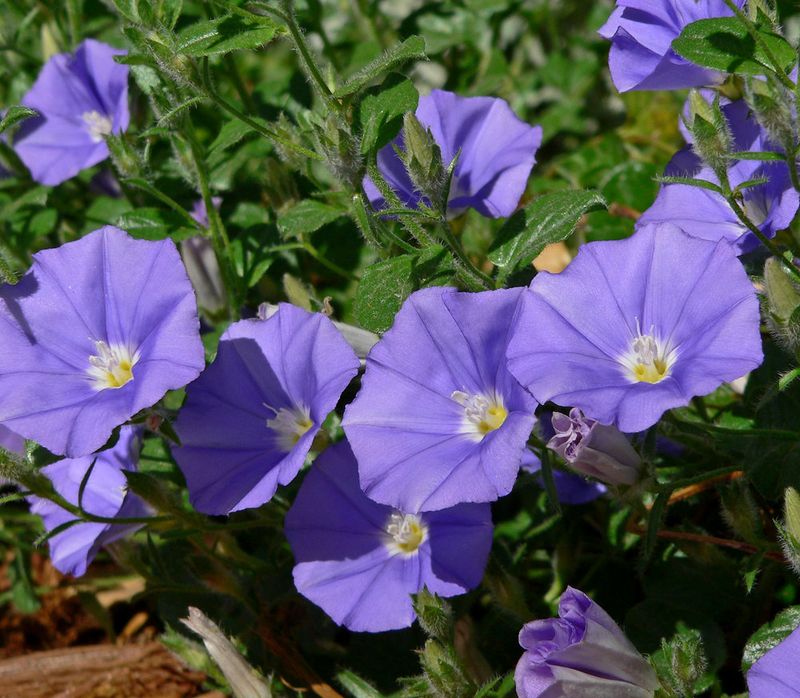
Ground Morning Glory is known for its trailing habit and stunning sky-blue flowers. It thrives in shaded areas, offering a pop of color with its vibrant blooms.
This plant’s ability to cascade over walls or along pathways adds a dynamic element to garden design.
Ground Morning Glory is easy to grow and maintain, making it a popular choice for both novice and experienced gardeners. Its lively appearance energizes any shaded spot.
16. Creeping Jenny (Lysimachia nummularia)
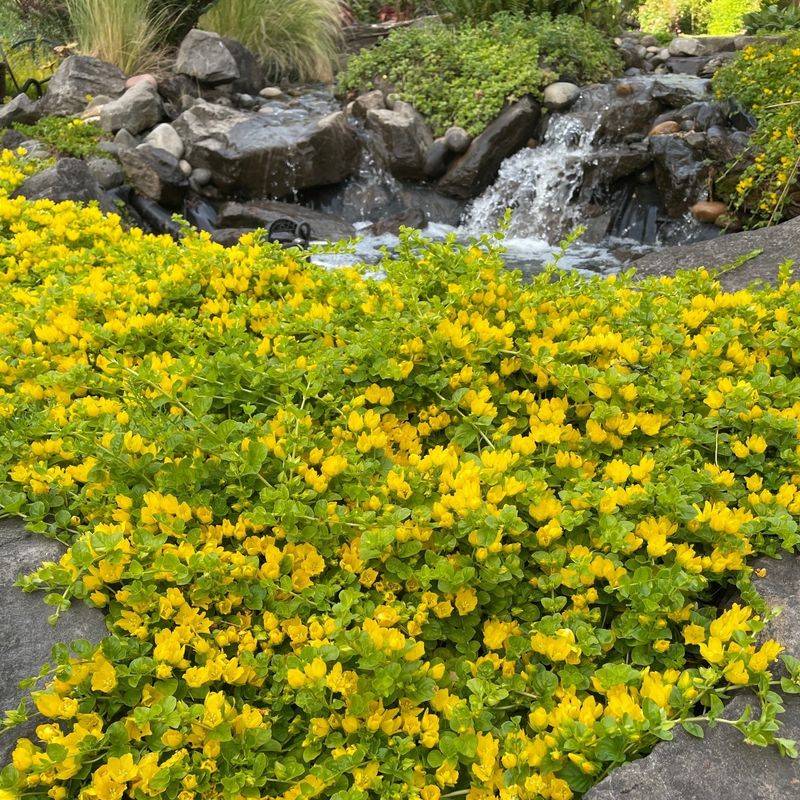
Creeping Jenny, with its vibrant yellow foliage, adds a splash of brightness to shaded areas. Its trailing growth habit allows it to cascade beautifully over edges.
This ground cover is known for its vigorous growth and adaptability, making it suitable for various garden settings.
Its cheerful appearance is complemented by small yellow blooms in spring. Creeping Jenny is a lively addition to any garden, brightening up the darkest corners.
17. Snow-in-Summer (Cerastium tomentosum)
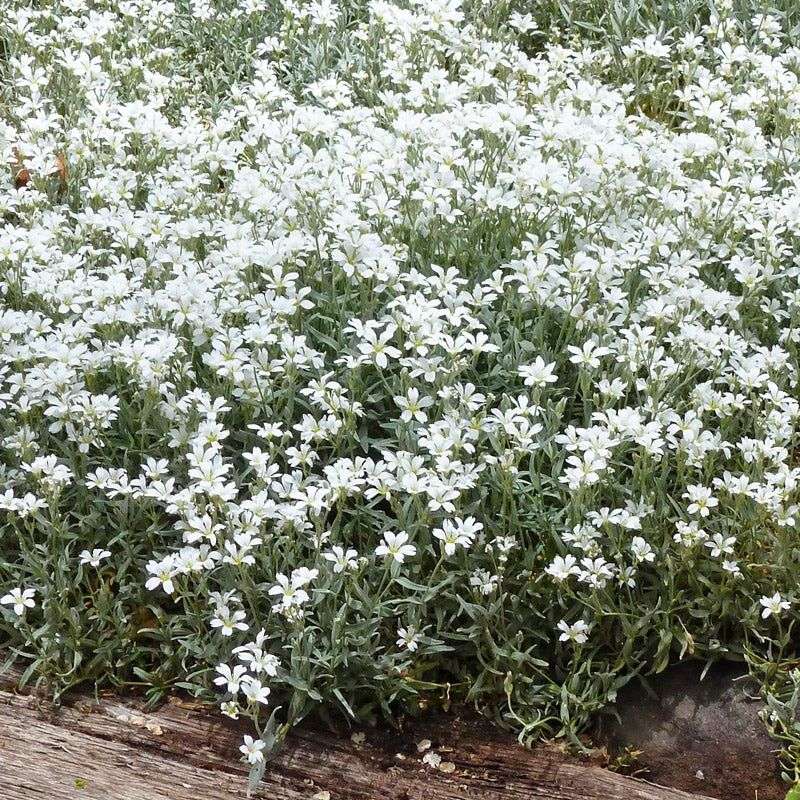
Snow-in-Summer captivates with its silvery foliage and blanket of white flowers. This ground cover thrives in shaded areas, offering a cool, calming presence.
The plant’s name reflects its summertime flowering, creating a snow-like effect in the garden.
Its ability to spread quickly makes it ideal for covering bare patches. Snow-in-Summer’s ethereal beauty and practicality make it a sought-after choice for gardeners.
18. Bishop’s Weed (Aegopodium podagraria)
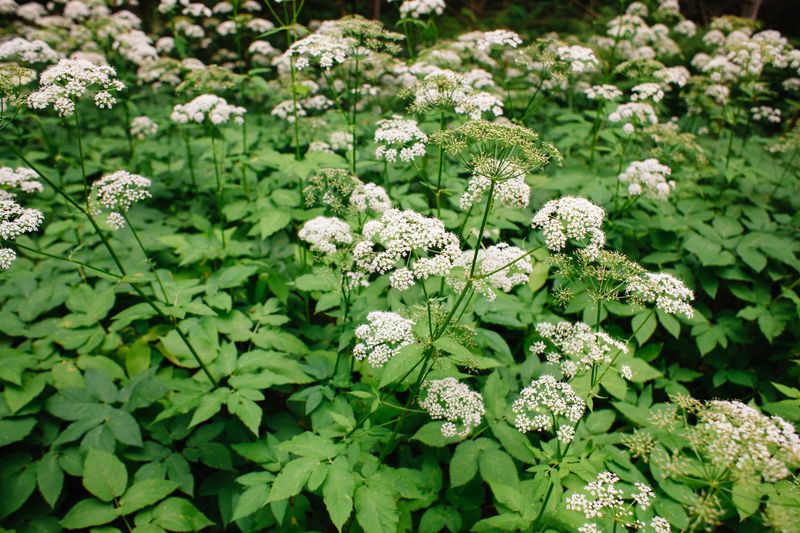
Bishop’s Weed, known for its vigor and lush foliage, provides a verdant carpet beneath trees. This hardy ground cover boasts umbrella-shaped clusters of small white flowers that pop against its green foliage, creating a visual delight.
Its adaptability to various soil conditions makes it a versatile choice for gardeners looking to fill shady spaces. While its beauty is undeniable, Bishop’s Weed can become invasive if not maintained.
Fun fact: Bishop’s Weed is also called Goutweed, historically used to treat gout. Its historical ties add an intriguing layer to its garden appeal.