 Complete Gardening
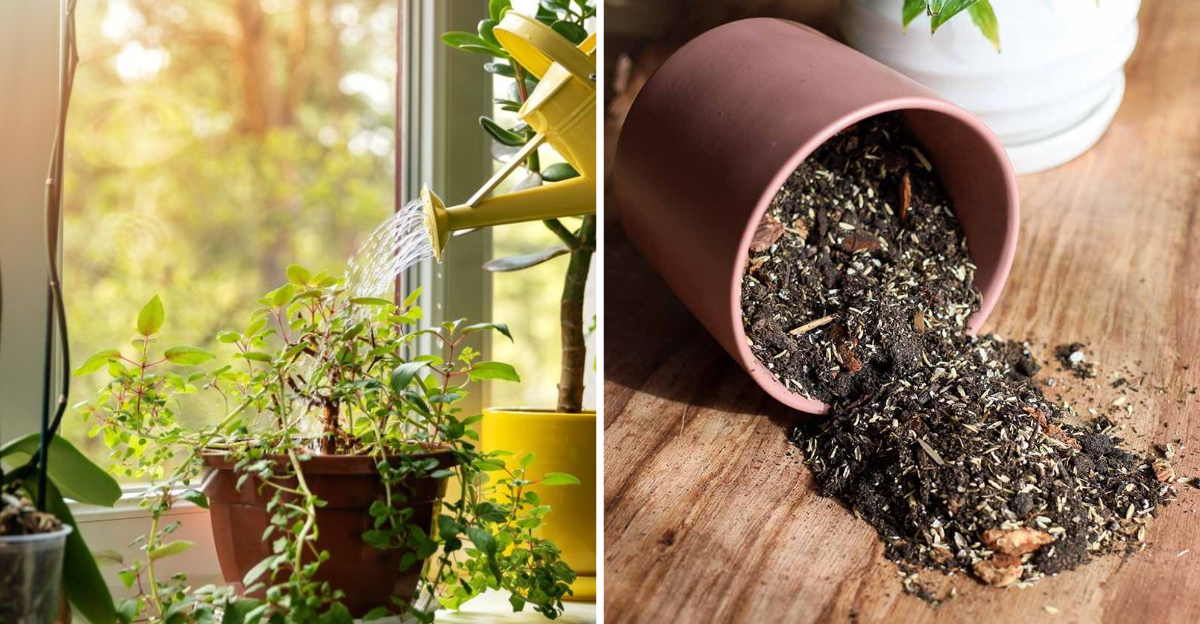
Houseplants bring life and color to our homes, but keeping them healthy requires more than just watering them once in a while. Even experienced plant owners can make mistakes that lead to droopy leaves, wilted stems, or even a dead plant. Understanding common pitfalls can help you create a thriving indoor garden. Here are 19 frequent errors that can harm your leafy friends and how to avoid them.
1. Overwatering
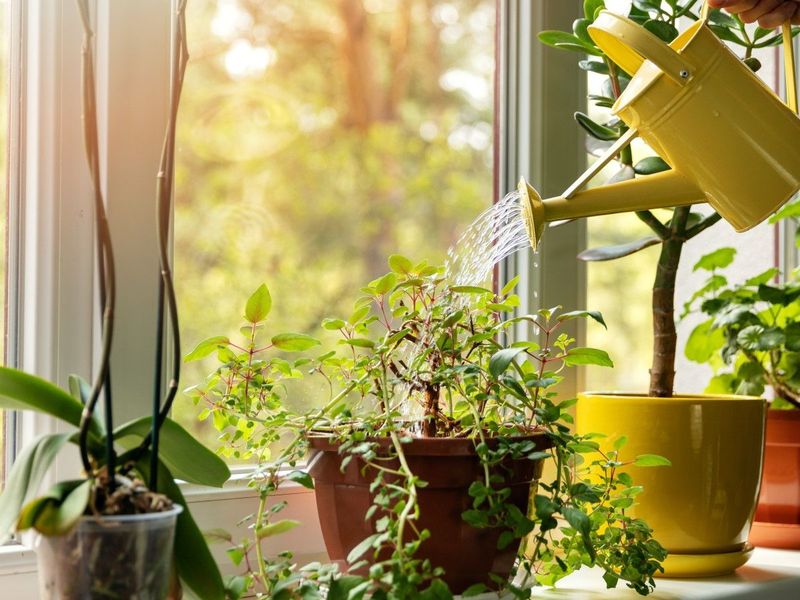
Overwatering is a common mistake that can swiftly lead to the demise of a houseplant. Many people believe more water means better care, but that is far from the truth. Roots need air to thrive and excessive moisture suffocates them.
When the roots are constantly wet, they are prone to root rot, a condition that can be fatal. A simple test is to touch the soil; if it’s moist, it’s not time to water yet.
Letting the soil dry out between waterings is crucial. Consider using a moisture meter if you’re unsure. This method ensures accurate watering.
2. Insufficient Light
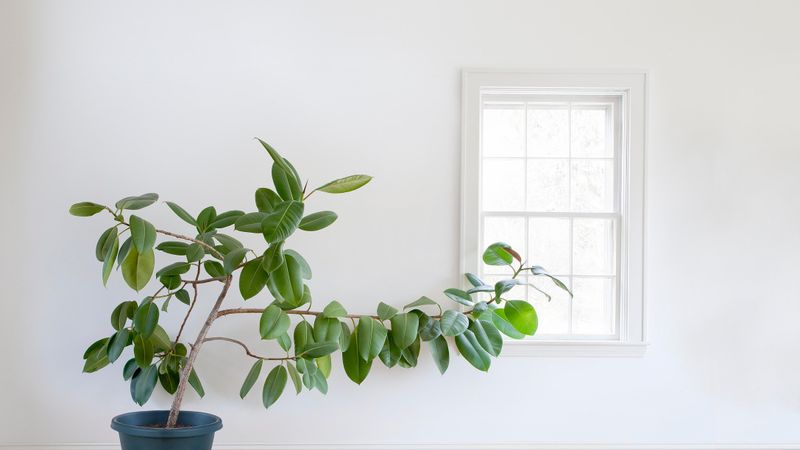
Plants, much like humans, require adequate light to thrive. Placing them in dark corners or rooms with minimal sunlight can lead to weak and leggy growth. The lack of light affects photosynthesis, crucial for plant health.
Different plants have varying light needs. It’s essential to know whether your plant prefers bright, indirect, or low light conditions. A plant’s placement can be adjusted seasonally to match available light.
For those with limited natural light, consider investing in grow lights. They provide the necessary spectrum for healthy growth, ensuring plants get their needed energy.
3. Poor Drainage
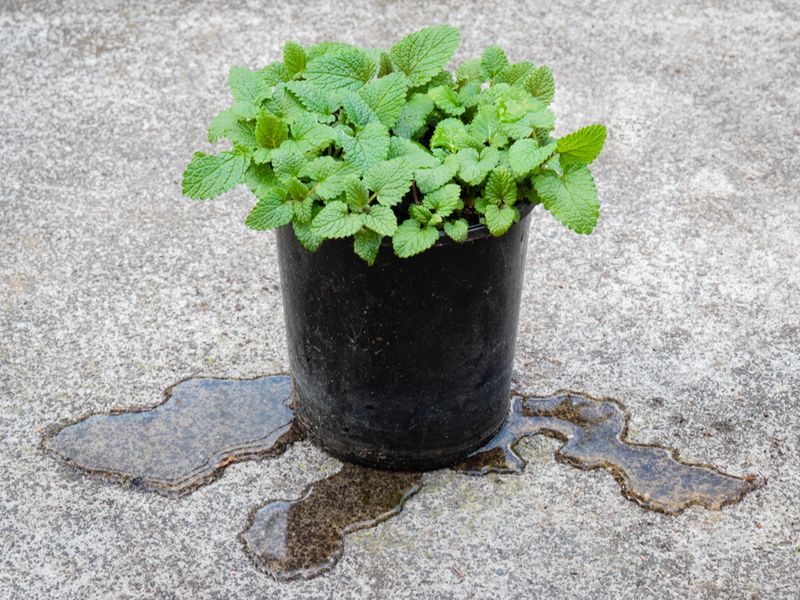
Proper drainage is essential for the health of houseplants. Without it, water accumulates at the bottom of the pot, leading to waterlogged roots. This can cause root rot, a serious condition that often goes unnoticed until it’s too late.
Using pots with drainage holes allows excess water to escape, preventing saturation. Adding a layer of pebbles at the bottom can also help improve drainage.
If your decorative pot lacks holes, consider using a plastic liner pot with holes inside. Always ensure that water doesn’t sit at the base, and empty saucers regularly to keep plants healthy.
4. Inappropriate Pot Size
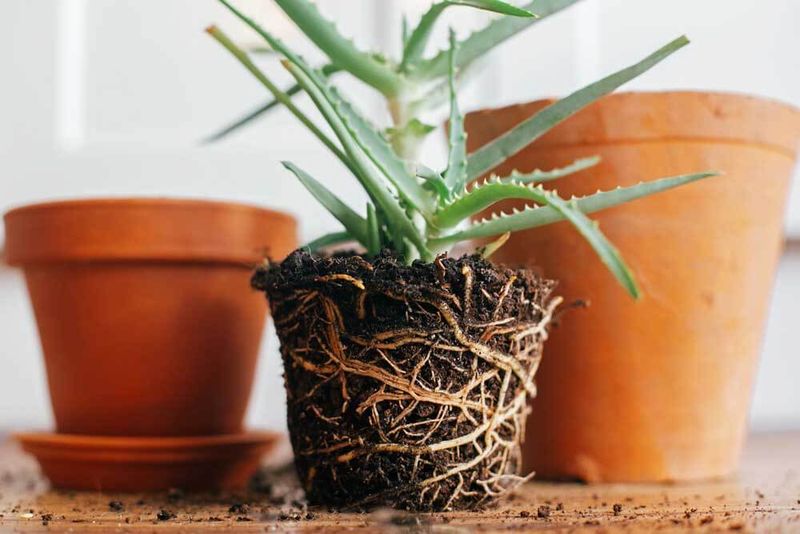
Choosing the right pot size is crucial. A pot that’s too large holds excessive soil, which retains moisture for longer periods than needed. This can drown the roots, leading to rot. Conversely, a tiny pot restricts root growth and can cause nutrient deficiencies.
When repotting, gradually move to a pot one size larger. This ensures adequate growth space and prevents overwatering.
It’s important to monitor your plant’s growth. If roots are growing through drainage holes, it’s time for a new pot. Always match pot size to your plant’s needs for optimal health.
5. Neglecting Humidity
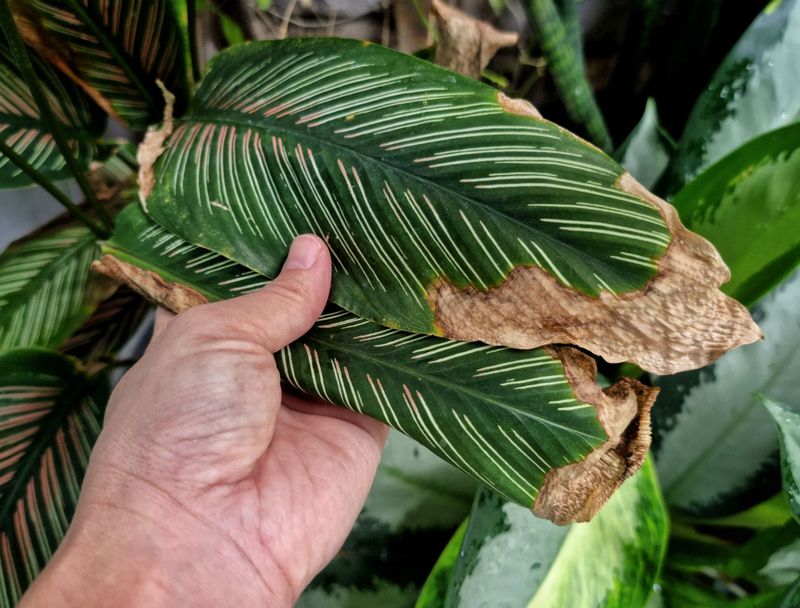
Humidity is often overlooked but vital for certain houseplants, especially tropical varieties. Dry indoor air, especially during winter, can lead to brown leaf tips and overall plant decline.
To boost humidity, consider grouping plants together or placing a humidifier nearby. Regular misting can also help, but ensure the leaves dry completely to prevent fungal issues.
A pebble tray with water underneath the pot can create a micro-environment with higher humidity. Understanding and meeting your plant’s humidity needs can significantly enhance its health and vigor.
6. Incorrect Soil Type
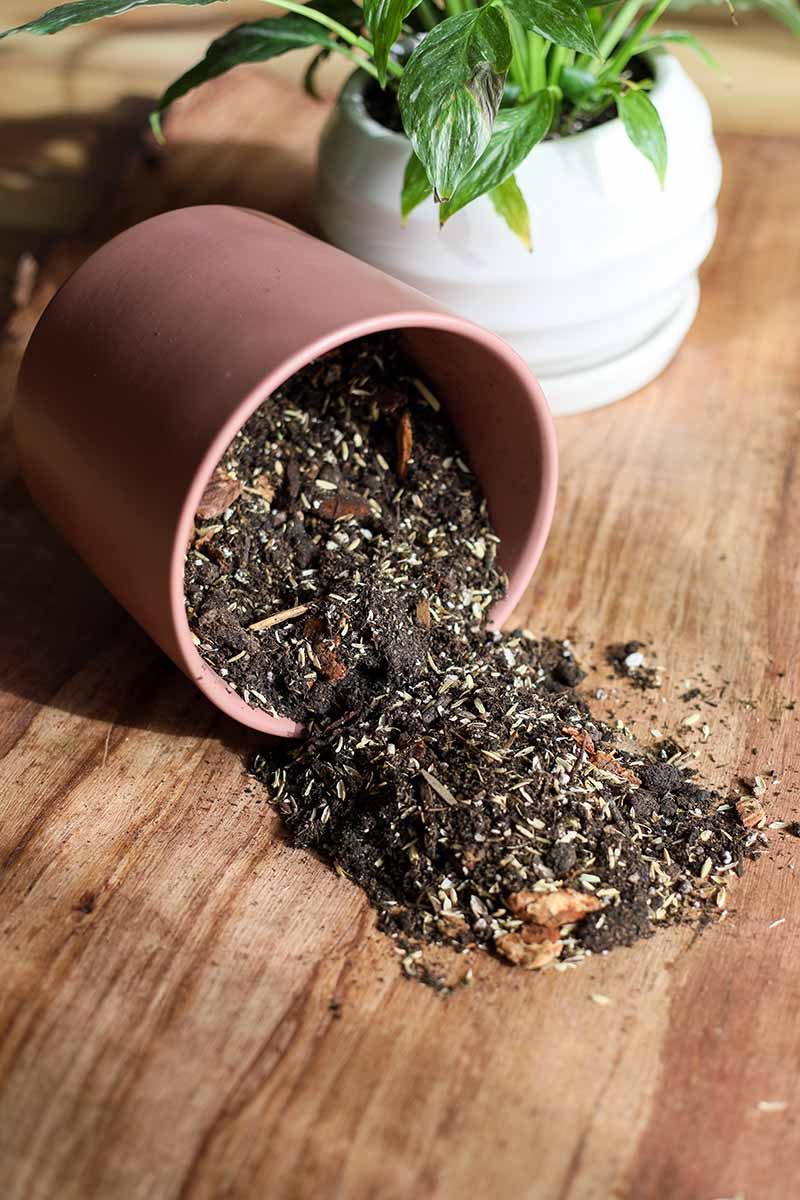
Soil type directly impacts a plant’s health. Using the wrong soil mix can lead to poor drainage or insufficient nutrients. Each plant species has specific soil needs, from well-draining cactus mix for succulents to rich, organic soil for ferns.
Researching your plant’s native environment can guide your soil choice. A good-quality potting mix usually suffices, but some plants may require amendments like sand or perlite for better aeration.
Testing your soil’s pH can also be beneficial, as some plants prefer acidic or alkaline conditions. Providing the correct soil promotes strong, healthy growth.
7. Over-Fertilizing
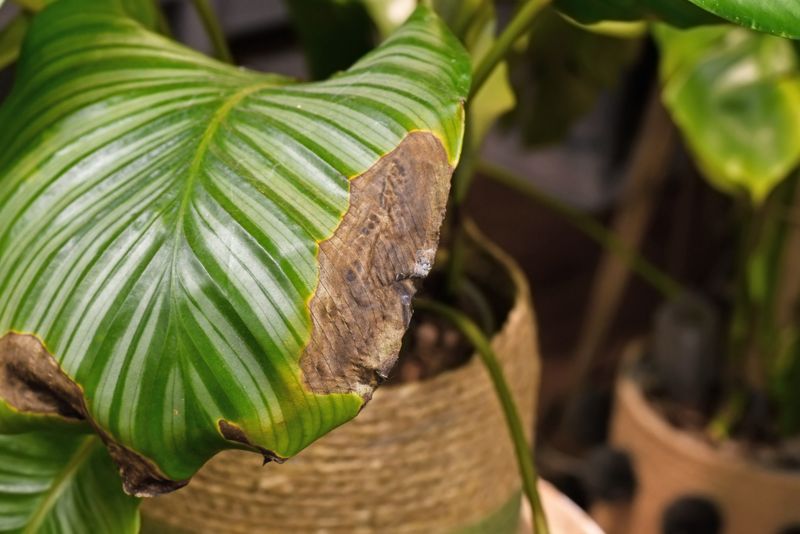
While nutrients are vital, they must be provided in moderation. Over-fertilizing can lead to nutrient burn, where leaf tips become brown and crispy. This often results from applying too much fertilizer too frequently.
Always follow the recommended dosage on the fertilizer package. It’s typically better to under-fertilize than overdo it. During the growing season, feed your plants sparingly.
Flushing the soil with water occasionally can help remove excess salts from fertilizers. Understanding your plant’s specific nutritional needs prevents over-fertilization disasters, supporting lush, vibrant growth.
8. Ignoring Pest Control
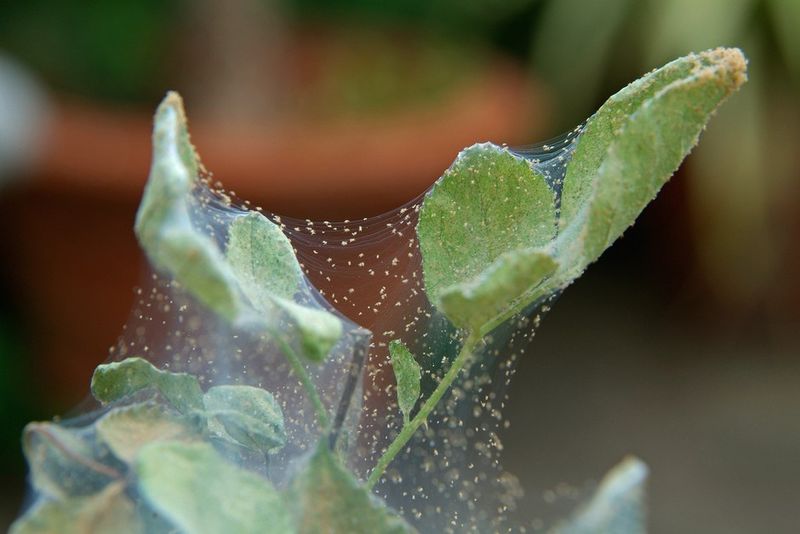
Ignoring pests is a surefire way to harm houseplants. Common pests like spider mites, aphids, and mealybugs can quickly infest and damage your plants. Early detection and treatment are crucial.
Inspect your plants regularly for signs of infestation. Sticky residue, leaf discoloration, and webbing are all indicators. Using natural pest control methods, like neem oil, can be effective without harming the plant.
Quarantining new plants before introducing them to your collection can prevent pest spread. Staying vigilant and proactive keeps your plants healthy and pest-free.
9. Temperature Extremes
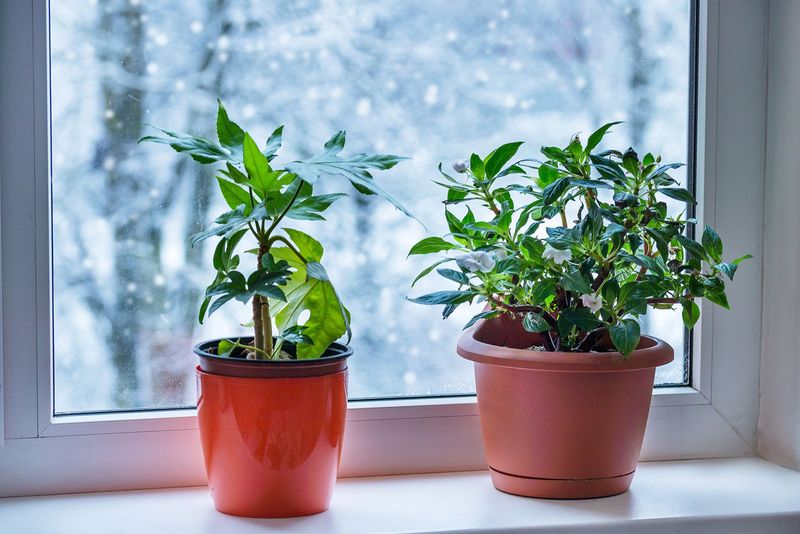
Temperature extremes can be detrimental to houseplants. Most thrive within specific temperature ranges. Exposure to cold drafts or heat from radiators can cause wilting and leaf drop.
Always be mindful of placement. Avoid areas near heating vents or air conditioners. The ideal location depends on the plant species, but generally, consistent temperatures are key.
Moving plants away from windows during cold nights can prevent chilling injuries. Understanding and maintaining suitable temperatures ensures that your plants flourish throughout the year.
10. Lack of Pruning
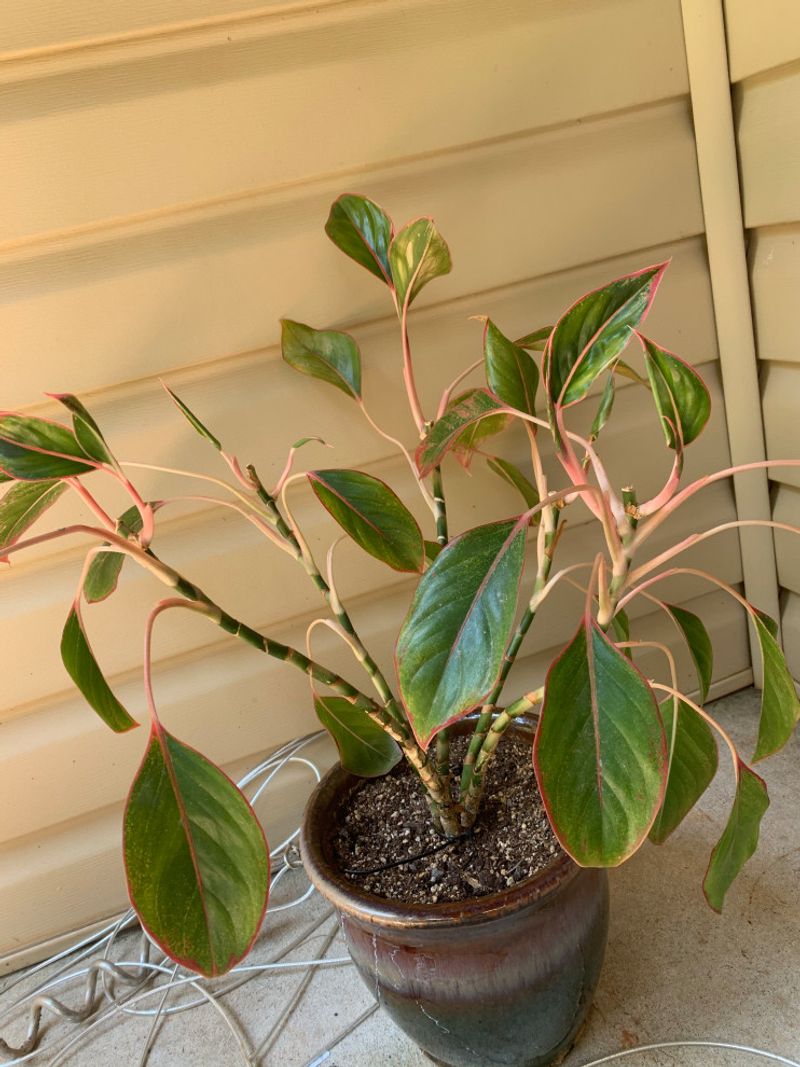
Pruning is often overlooked, yet it’s crucial for maintaining plant health. Without it, plants can become leggy, with sparse growth and yellowing leaves. Pruning helps redirect energy to healthy growth and maintains a pleasing shape.
Regularly removing dead or damaged leaves prevents disease spread. It also encourages bushier growth by stimulating new shoots.
Use clean, sharp tools to avoid damaging the plant. Each species has its own pruning needs, so familiarize yourself with your plant’s preferences. Regular attention keeps your plants thriving and looking their best.
11. Using Tap Water
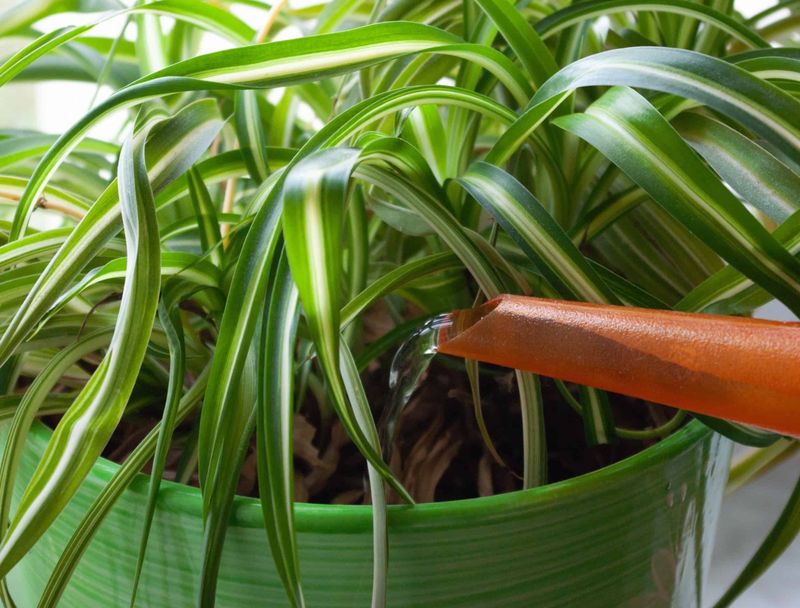
Water quality significantly affects houseplants. Tap water often contains chlorine and fluoride, which can build up in the soil and damage sensitive plants. This results in brown leaf tips and stunted growth.
Allow tap water to sit for 24 hours before use, letting chemicals dissipate. Alternatively, use distilled or rainwater for more delicate plants.
Understanding the water preferences of your plants is essential. Some thrive on tap water, while others require more care with specific water types. Ensuring the right water quality supports vibrant, healthy plants.
12. Ignoring Seasonal Needs
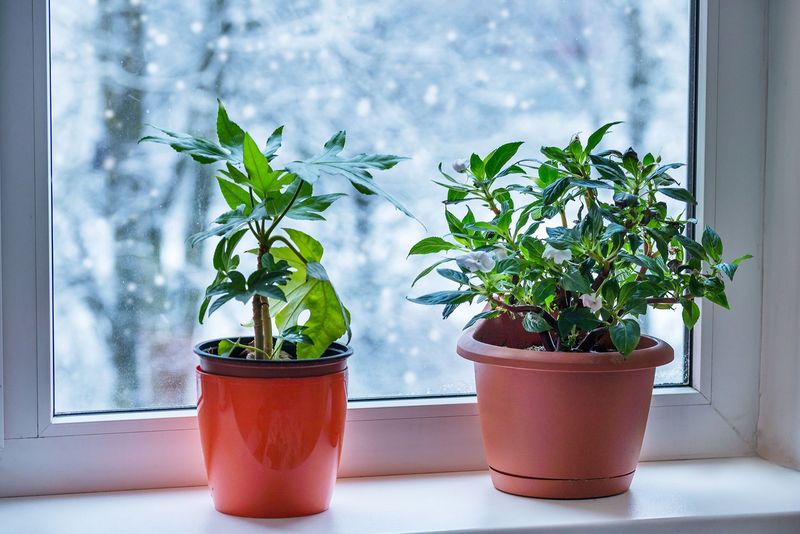
Plants have different needs depending on the season. Ignoring these can lead to stress and poor growth. In winter, many plants enter dormancy, requiring less water and fertilizer.
In contrast, the growing season demands more nutrients and frequent watering. Adjusting your care routine according to the season ensures optimal health and minimizes stress on your plants.
Observing your plant’s behavior across seasons helps tailor the care approach. Consistent adjustments lead to robust and resilient plants, thriving year-round in varying conditions.
13. Crowded Conditions
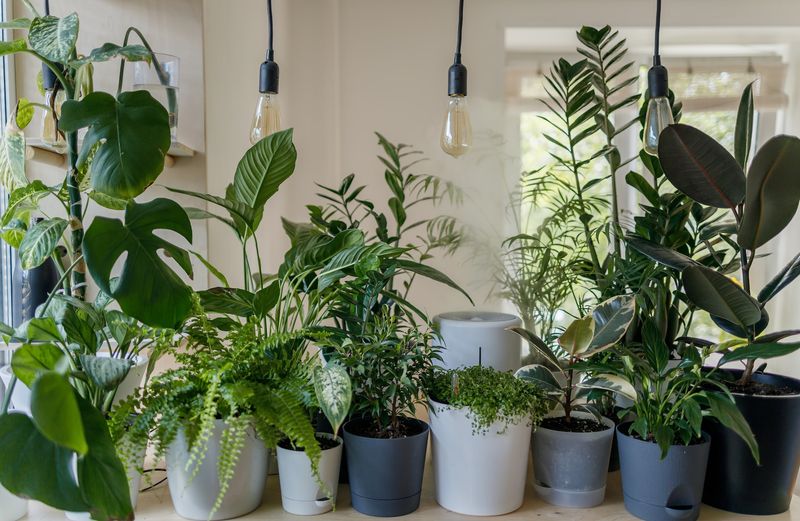
Crowding plants can lead to competition for light, nutrients, and air circulation. This results in weak, elongated growth and increased susceptibility to pests and diseases.
Ensure each plant has ample space to reach its full potential. Adequate spacing allows for proper air movement, reducing fungal issues.
Consider rearranging your setup periodically to accommodate growth and seasonal changes. Giving plants room to breathe enhances their vitality and aesthetic appeal, creating a harmonious indoor garden environment.
14. Ignoring Plant Labels
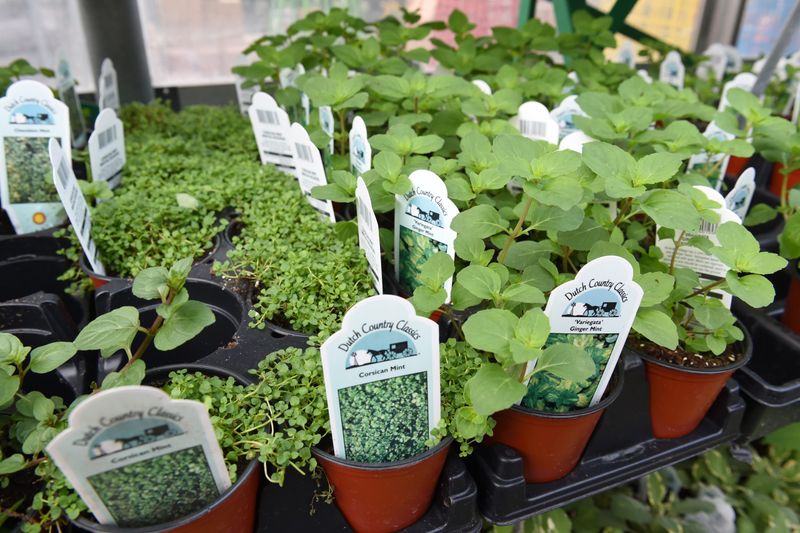
Plant labels provide vital information that often goes ignored. They typically include light, water, and temperature preferences, which are crucial for proper care.
Misunderstanding or neglecting these guidelines can lead to suboptimal conditions and plant stress. Take the time to read and research each plant’s specific needs.
If a label is lost, use plant identification apps or guides to determine care requirements. Knowledge empowers you to create an environment where your plants can thrive, free from unnecessary challenges.
15. Improper Watering Technique
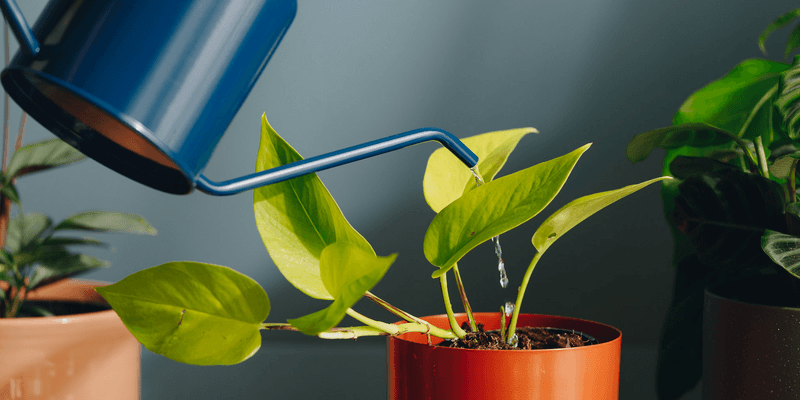
Watering technique affects plant health significantly. Pouring water over leaves rather than directly onto the soil can lead to fungal growth and leaf damage.
It’s best to water at the base of the plant, ensuring moisture reaches the roots where it’s needed. Allow excess water to drain away to prevent root rot.
Each plant has unique watering needs. Some prefer to dry out between waterings, while others like consistent moisture. Tailoring your watering approach to each plant’s needs fosters robust growth and minimizes common watering pitfalls.
16. Exposure to Harsh Chemicals
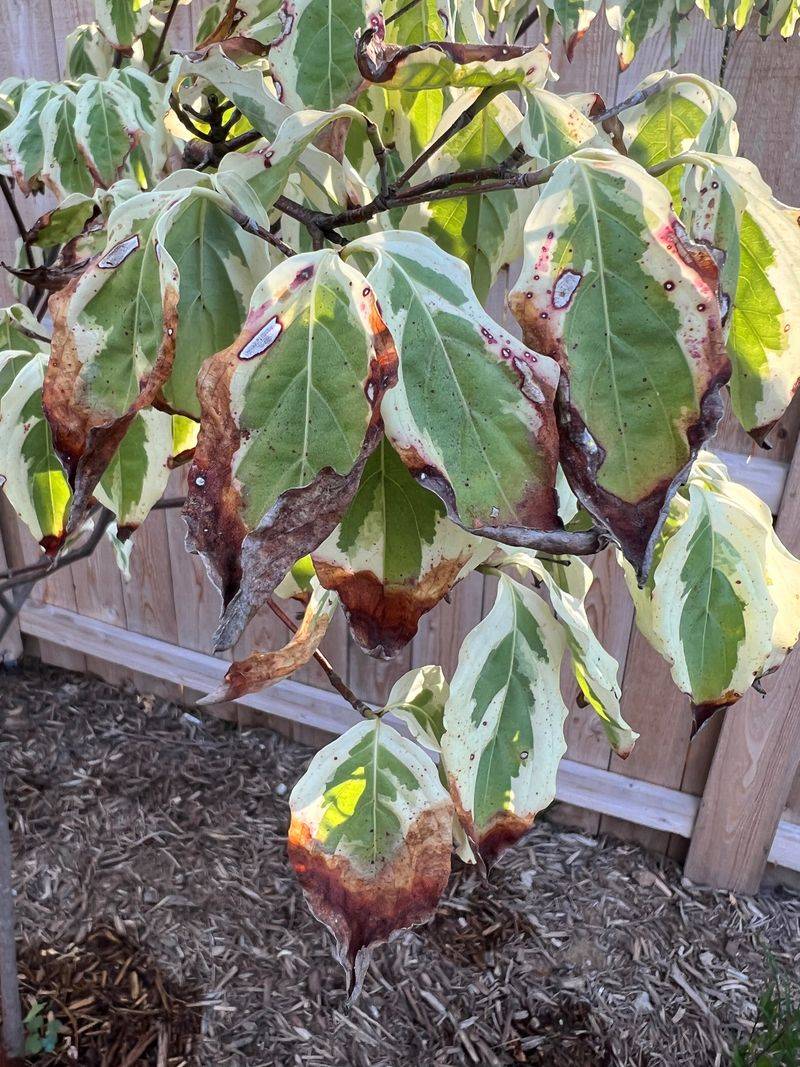
Exposure to cleaning products and other harsh chemicals can damage houseplants. Chemicals can burn leaves, cause discoloration, and stunt growth.
Ensure plants are moved away from areas where strong cleaning products are used. If accidental exposure occurs, rinse plants with clean water to remove residues.
Using natural cleaning alternatives can prevent accidental damage. Being mindful of your plant’s environment protects them from harmful exposure, ensuring they remain vibrant and healthy.
17. Lack of Consistency
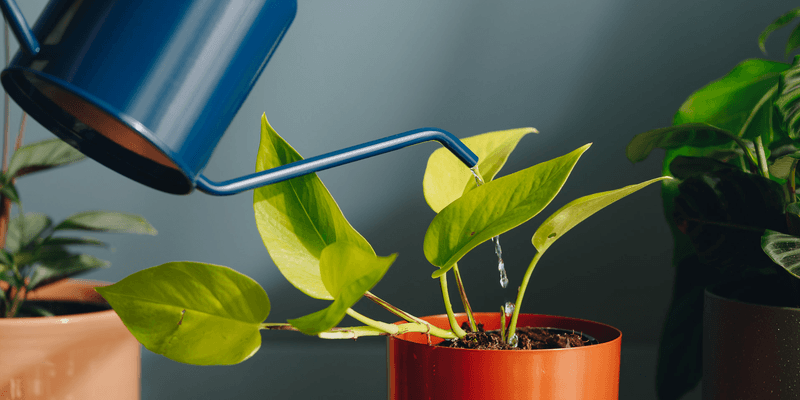
Consistency is key to plant health. Erratic watering, light exposure, and feeding schedules can confuse and stress plants. They thrive on routine and predictability, much like any living organism.
Establish a regular care schedule tailored to your plant’s specific needs. Observe how your plant responds, adjusting routines if necessary.
Consistency helps you notice subtle changes in your plant’s health, allowing for early intervention. A stable environment promotes strong growth and resilience, creating happy, thriving plants.
18. Ignoring Air Circulation
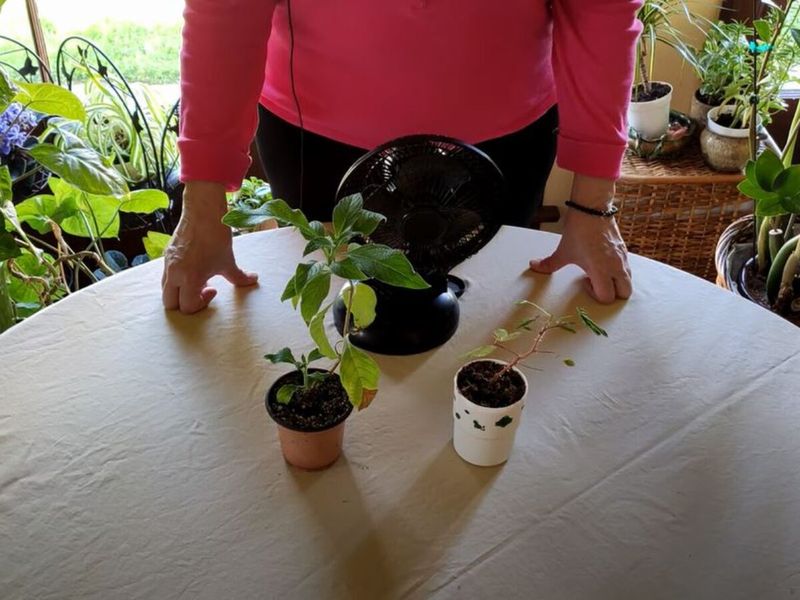
Air circulation is crucial for houseplants. Stagnant air can encourage mold growth, pest infestations, and disease.
Ensure good airflow around your plants by positioning them near windows or using fans. Rotating plants occasionally can also improve circulation and light exposure.
Consider the natural environment of your plant species. Some thrive in still air, while others need more movement. Tailoring your approach to their needs fosters healthier, more vibrant plants, free from common air-related issues.
19. Exposing to Drafts
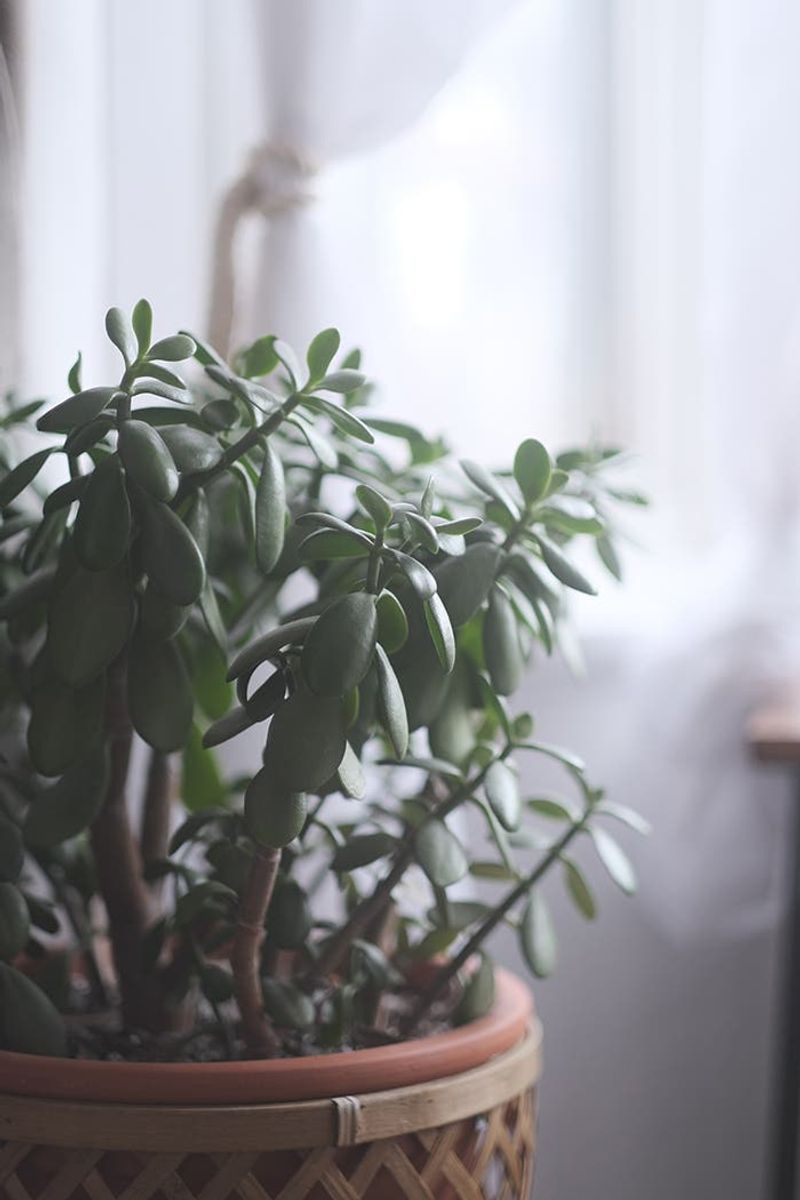
Picture this: a peaceful corner of your home adorned with lush green leaves that suddenly lose their vibrancy. Often, plants exposed to sudden temperature changes or drafts from windows and doors can suffer dramatically. The unexpected breezes can cause stress and lead to wilting, browning, or even premature leaf drop.
Have you ever noticed how some leaves turn crispy overnight? It’s not just dehydration; drafts can be sneaky culprits. Moving your plants away from drafty spots can prevent these unpleasant surprises. Many plant owners overlook this detail, yet it’s crucial for maintaining a healthy indoor forest.
Did you know? Some tropical plants are particularly sensitive to temperature fluctuations, mimicking their natural habitats can promote robust growth and resilience.