 Complete Gardening
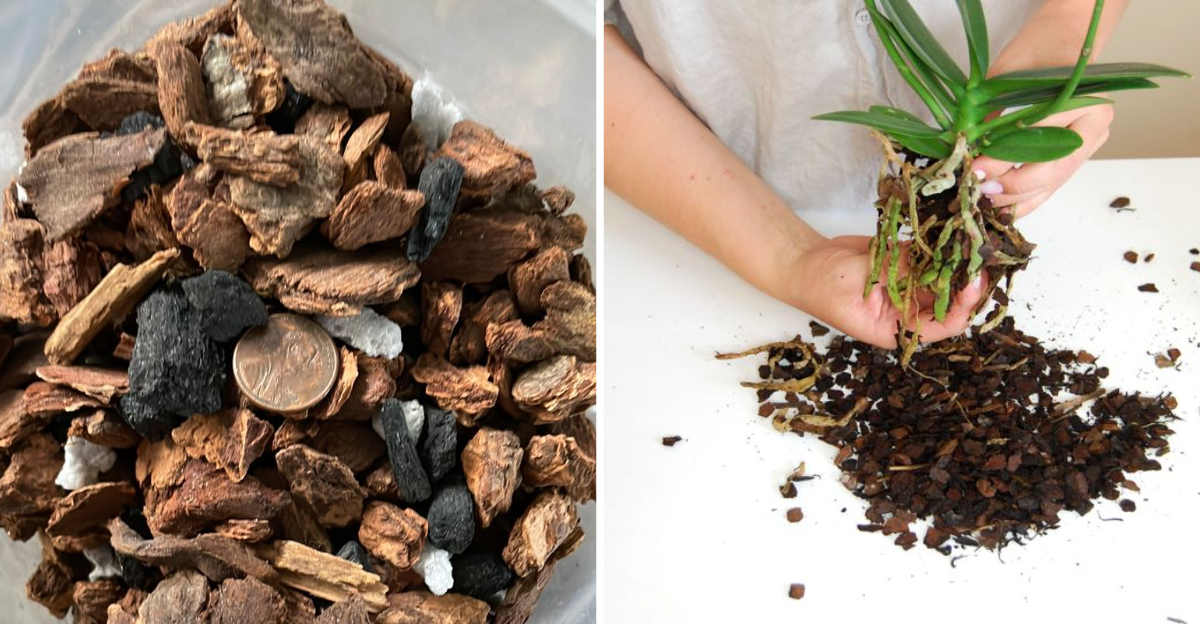
Orchids have a reputation for being finicky plants that only experts can grow successfully. Many people receive these beautiful flowers as gifts, only to watch them wither within weeks. However, with the right knowledge and techniques, anyone can keep orchids thriving and blooming for years to come.
1. Ice Cube Watering Works Wonders
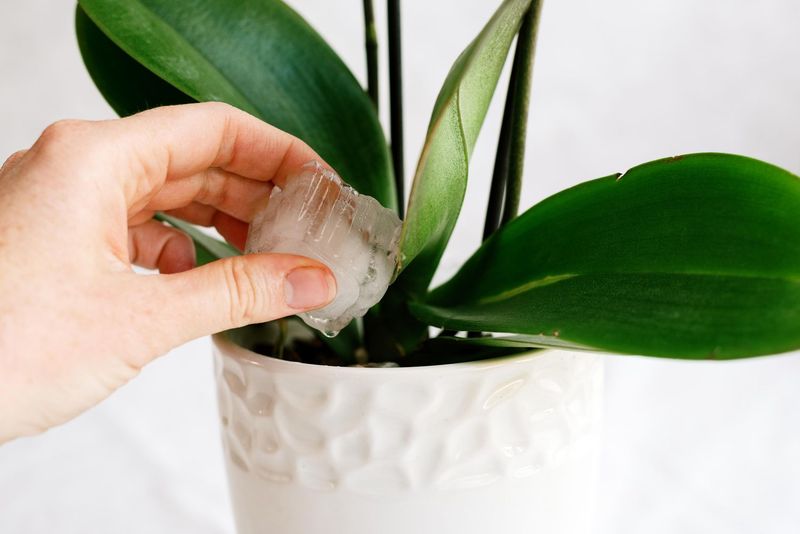
Forget complicated watering schedules that leave you guessing. Place three ice cubes on your orchid’s bark once a week, and watch the magic happen.
The slow melting provides steady moisture without drowning the roots. This method prevents overwatering, which kills more orchids than any other mistake.
Your plant gets exactly what it needs without the stress of soggy conditions.
2. Humidity Trays Create Perfect Conditions
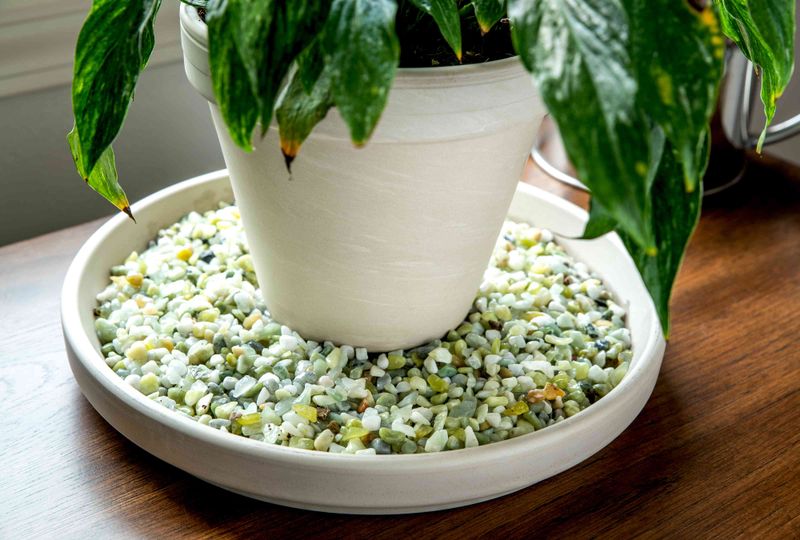
Most homes are too dry for orchids, which love tropical humidity levels. Fill a shallow tray with pebbles and add water until it reaches halfway up the stones.
Place your orchid pot on top, ensuring the bottom doesn’t touch the water directly. The evaporating water creates a humid microclimate around your plant.
This simple trick mimics their natural rainforest environment perfectly.
3. Bright Indirect Light Prevents Burning

Orchids crave light but burn easily in direct sunlight. Position your plant near an east-facing window where it receives gentle morning rays.
If leaves turn reddish or develop brown spots, move it further from the window immediately. Healthy orchid leaves should be bright green, not dark or yellowish.
A sheer curtain can filter harsh afternoon sun while maintaining brightness.
4. Bark Mix Beats Regular Soil
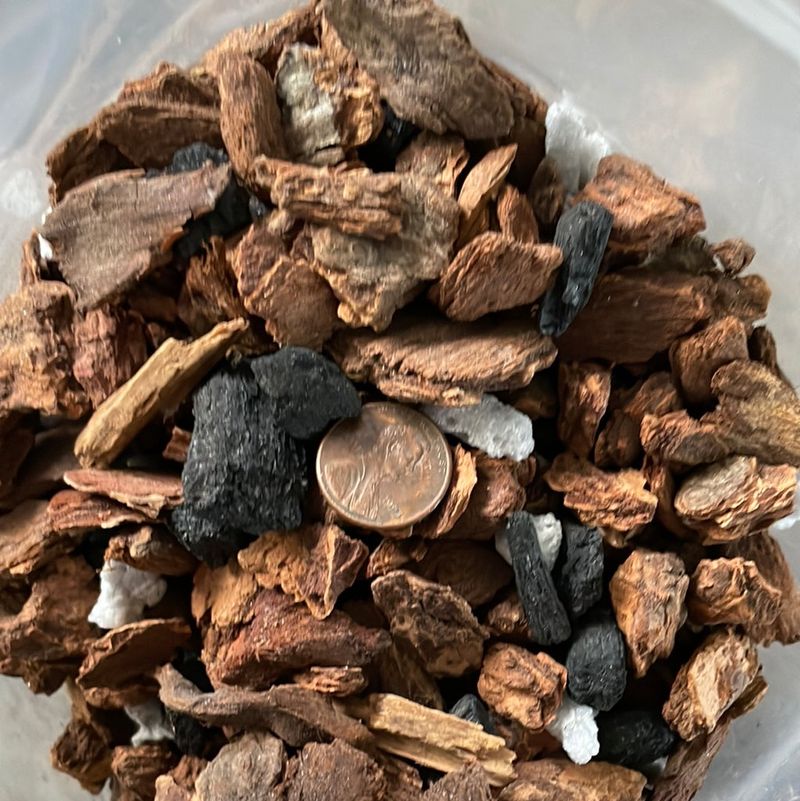
Regular potting soil suffocates orchid roots, which need air circulation to survive. Orchids are epiphytes in nature, growing on trees rather than in soil.
Use a chunky bark mix specifically designed for orchids. This allows roots to breathe while providing necessary drainage.
The coarse texture prevents water from pooling around delicate root systems that rot easily in soggy conditions.
5. Clear Pots Let You Monitor Root Health
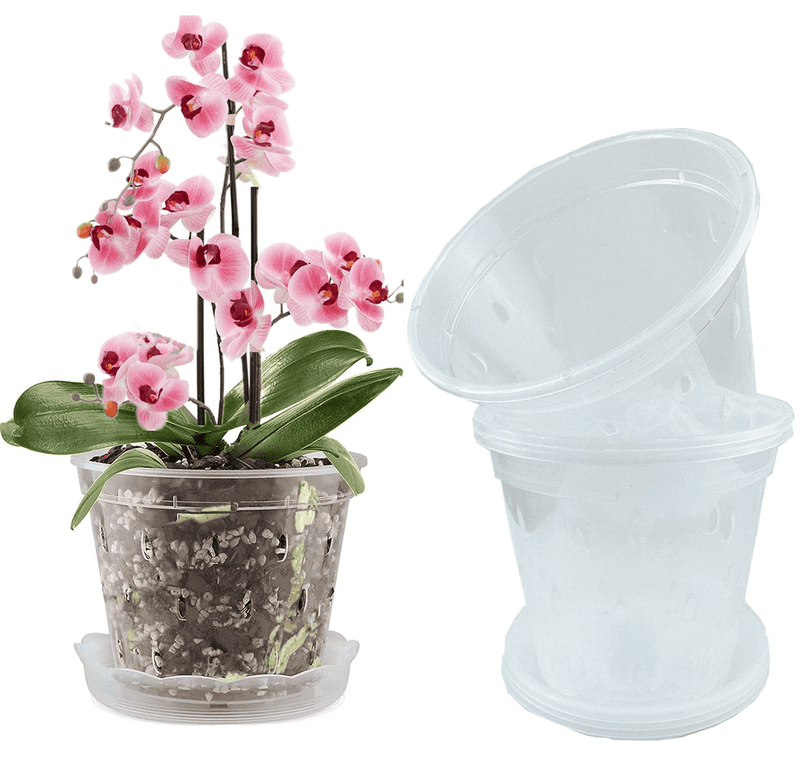
Transparent containers aren’t just pretty – they’re practical tools for orchid success. Healthy roots appear silvery-green when dry and bright green when watered.
Brown or mushy roots signal trouble that you can catch early. The clear walls also allow roots to photosynthesize, providing extra energy for blooming.
You’ll never have to guess about watering needs again with this visual guide.
6. Weekly Fertilizer Feeds Blooming Power
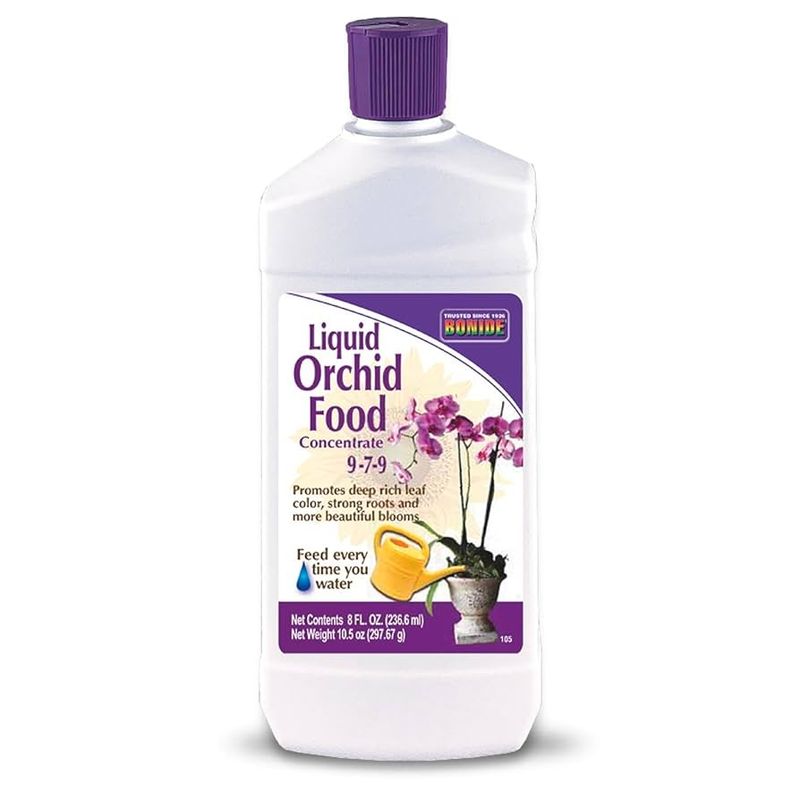
Orchids are light feeders but still need regular nutrition to produce spectacular blooms. Use a balanced liquid fertilizer diluted to quarter strength every week.
The motto “weakly, weekly” keeps plants healthy without burning sensitive roots. Skip fertilizing during winter months when growth naturally slows.
Well-fed orchids reward you with longer-lasting flowers and more frequent blooming cycles throughout the year.
7. Repotting Every Two Years Refreshes Growth
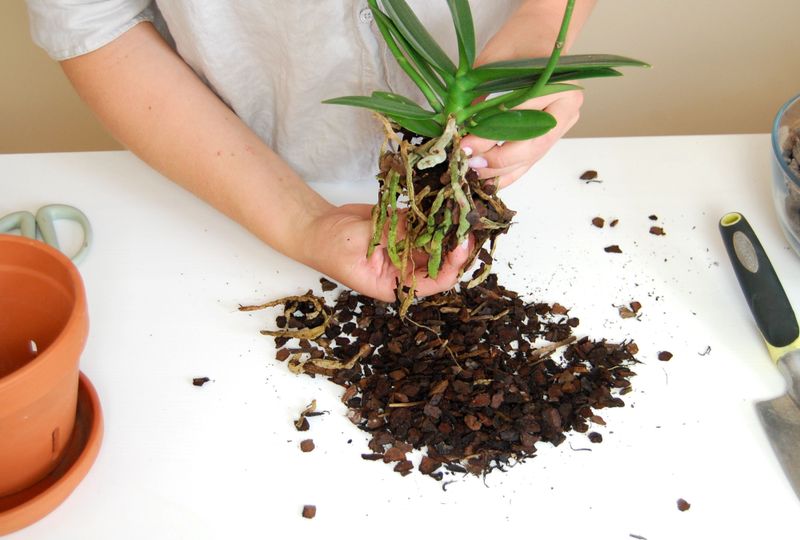
Fresh bark mix provides better drainage and prevents salt buildup from fertilizers. Wait until after blooming ends to avoid shocking your plant.
Gently remove old bark and trim any dead or rotted roots with sterile scissors. Choose a pot only slightly larger than the root system.
New growing medium gives roots room to breathe and establishes healthy conditions for future blooming seasons.
8. Cool Nights Trigger Flower Spikes
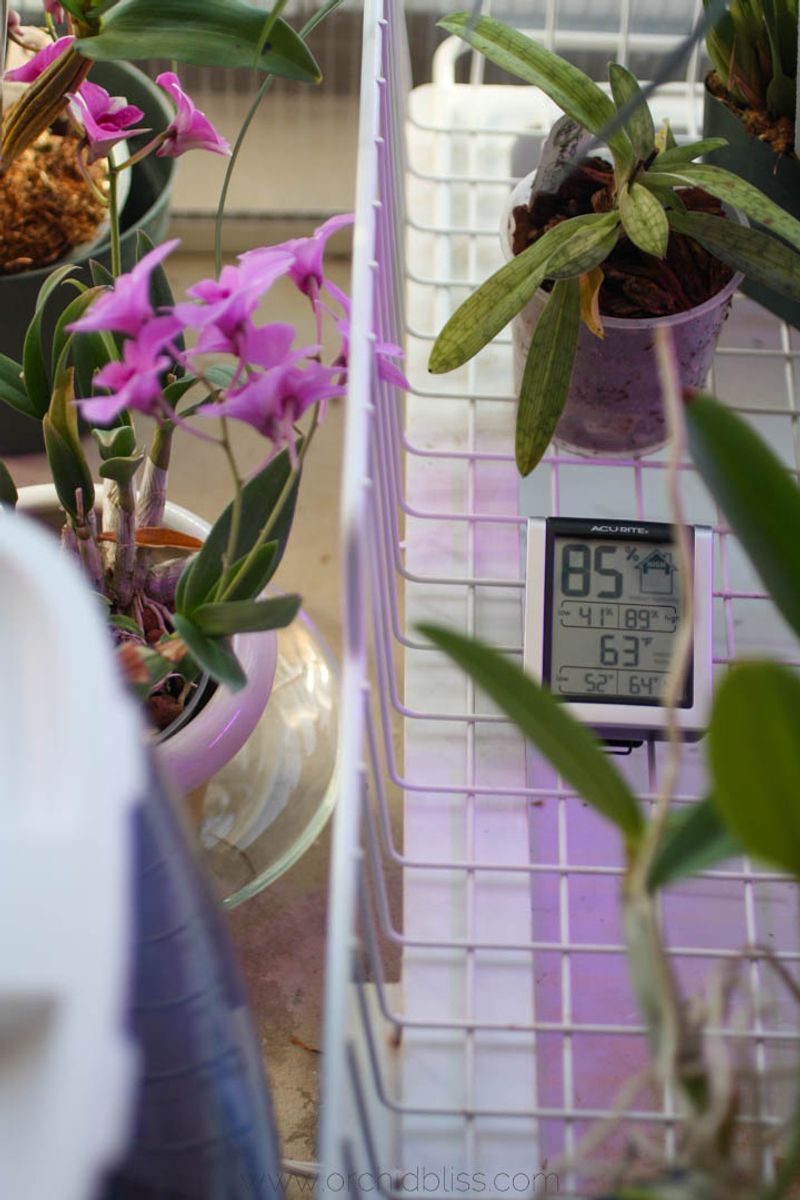
Temperature drops signal orchids to start their blooming process. Maintain daytime temperatures around 70-75°F and nighttime temperatures 10-15 degrees cooler.
This natural rhythm mimics seasonal changes in their native habitats. Consistent temperatures year-round actually prevent flowering in many orchid varieties.
A simple thermostat adjustment can be the difference between a leafy plant and spectacular blooms.
9. Proper Air Circulation Prevents Disease
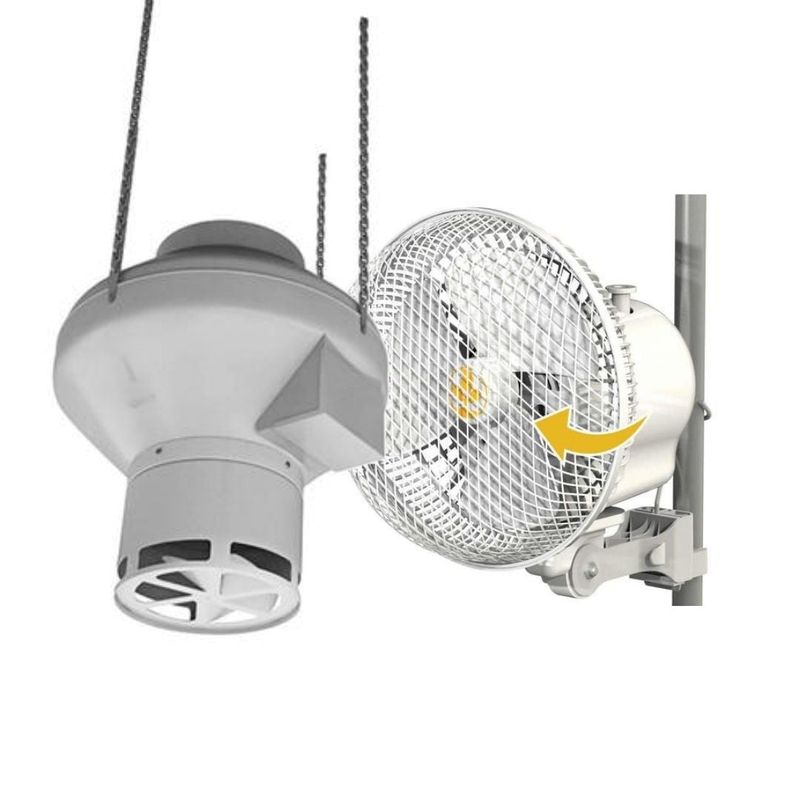
Stagnant air creates perfect conditions for fungal infections that destroy orchid health. Position a small fan nearby to create gentle air movement.
Good circulation also helps water evaporate properly from leaves and bark surfaces. Avoid placing orchids in closed terrariums or areas with poor ventilation.
Moving air strengthens plant tissues and reduces the risk of bacterial rot that kills orchids quickly.
10. Cutting Spent Spikes Encourages Reblooming
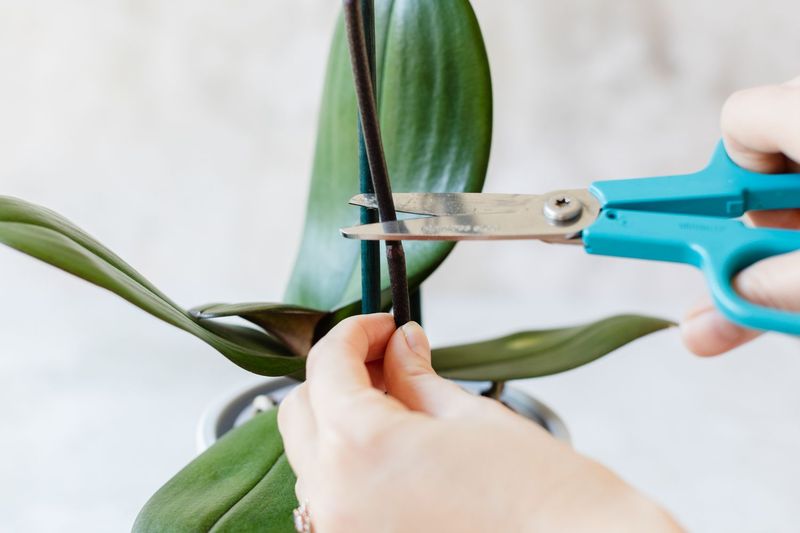
After flowers fade, examine the spike carefully before making cuts. If it remains green and firm, trim just above a node to encourage secondary blooming.
Brown or yellowing spikes should be cut at the base to redirect energy into new growth. Sterilize cutting tools with rubbing alcohol between plants.
Strategic pruning can extend blooming seasons and promote healthier overall plant development for years of enjoyment.
11. Rainwater Provides Chemical-Free Hydration
Tap water contains chlorine and minerals that accumulate in bark mix over time. Collect rainwater in clean containers during storms for pure hydration.
If rainwater isn’t available, use distilled water from the store. Let tap water sit overnight to allow chlorine to evaporate before using.
Pure water prevents salt buildup that damages roots and creates brown leaf tips that signal plant stress.
12. Seasonal Rest Periods Restore Energy
Even blooming machines need breaks to gather strength for spectacular displays. Reduce watering frequency during winter months when growth naturally slows.
Stop fertilizing from November through February to allow plants to rest. This dormancy period is crucial for setting buds for spring blooming.
Respecting natural cycles results in stronger plants that produce more flowers when growing season returns in full force.
13. Leaf Cleaning Improves Photosynthesis
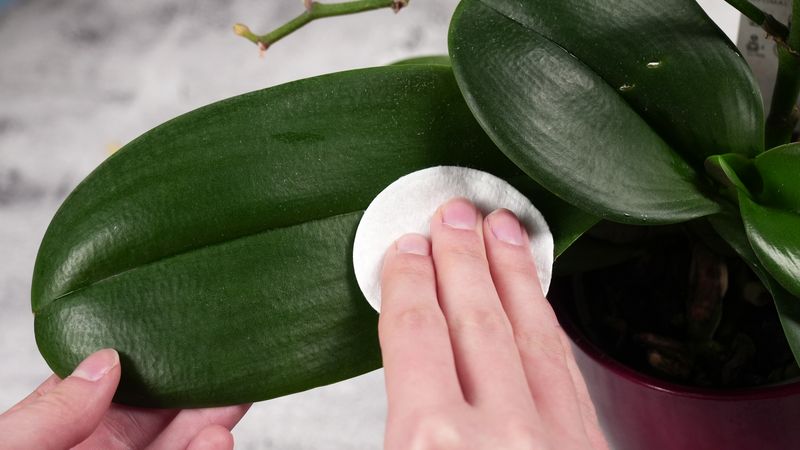
Dust blocks sunlight and reduces your orchid’s ability to make food through photosynthesis. Wipe leaves gently with a damp cloth monthly.
Clean leaves also look more attractive and can better resist pest infestations. Use room-temperature water and avoid commercial leaf shine products.
Healthy, clean foliage supports robust blooming by maximizing the plant’s energy production capabilities throughout the growing season.
14. Root Inspection Catches Problems Early
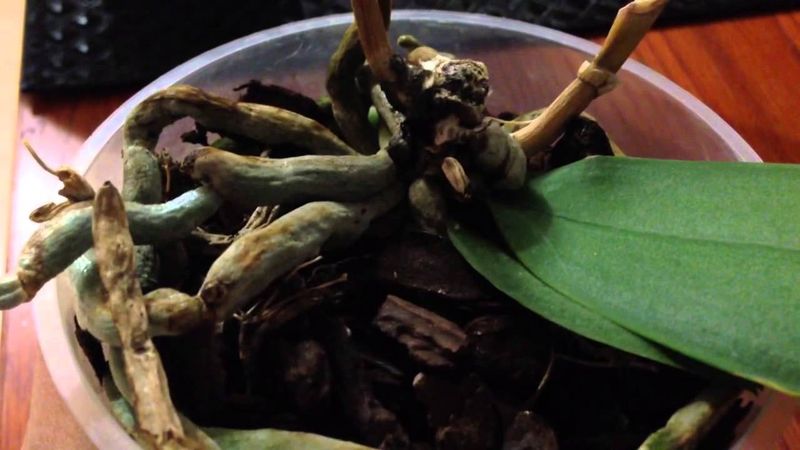
Healthy roots are the foundation of blooming success. Check monthly by gently lifting your orchid from its pot.
Look for firm, plump roots that range from silver to green in color. Soft, brown, or hollow roots indicate rot that spreads quickly.
Early detection allows you to trim damaged areas and repot before problems become fatal to your precious orchid investment.
15. Grouping Plants Increases Humidity Naturally

Multiple plants create their own microclimate through transpiration. Group orchids with other houseplants to boost humidity levels naturally.
Each plant releases moisture through its leaves, benefiting neighboring orchids. This community effect reduces the need for artificial humidity solutions.
Strategic placement creates a thriving indoor garden where orchids support each other’s growth and blooming potential year-round.
16. Patience Pays Off With Blooming Cycles
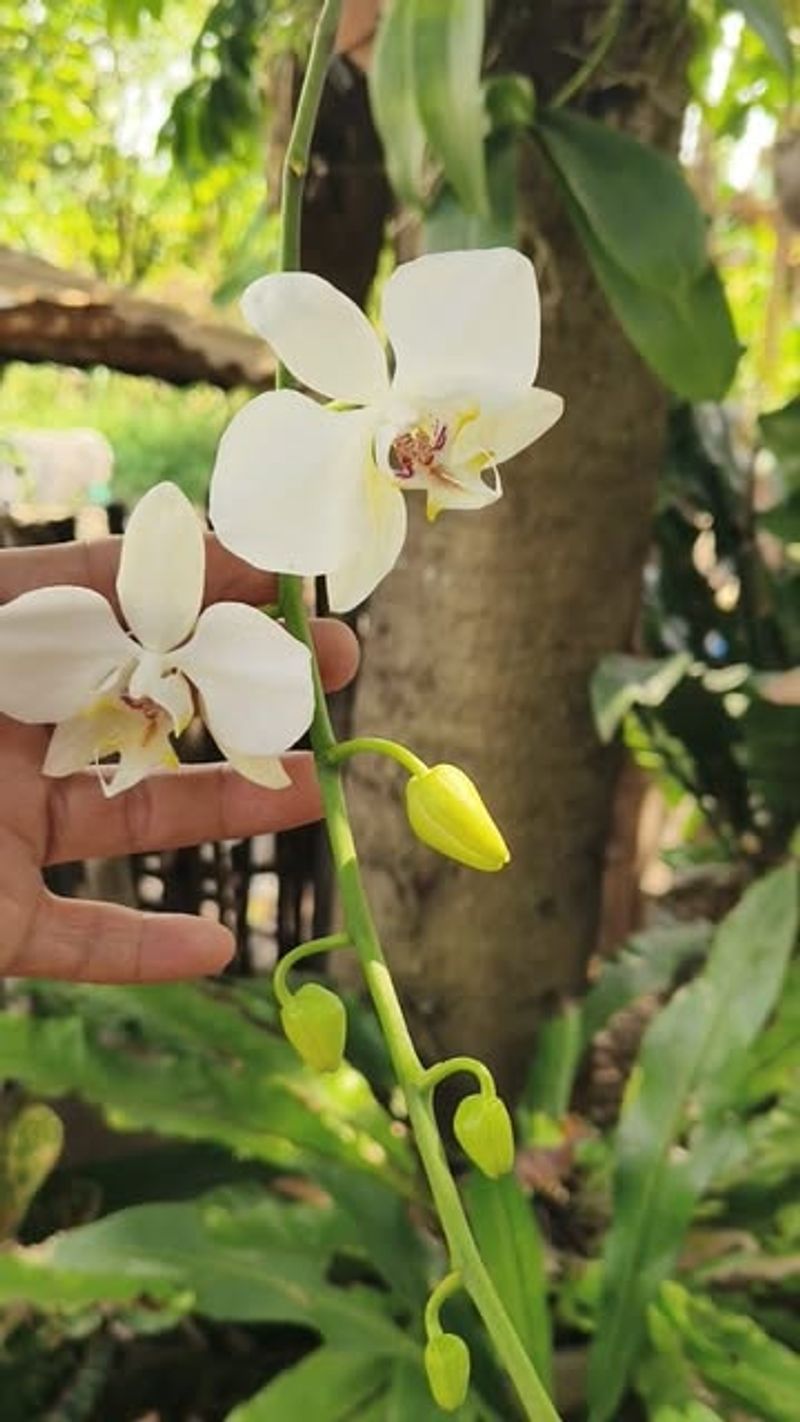
Orchids bloom on their own schedule, not yours. Most varieties flower once yearly, with blooms lasting several months when properly cared for.
Rushing the process with excessive fertilizer or light often backfires. Trust the natural rhythm and focus on consistent, gentle care.
Patient growers are rewarded with spectacular displays that arrive exactly when the plant is ready to show off its beauty.
17. Sterilization Prevents Disease Spread

Clean tools prevent bacteria and viruses from jumping between plants. Wipe scissors, stakes, and pots with rubbing alcohol before each use.
This simple step protects your entire collection from devastating infections. Disease spreads rapidly in orchid collections without proper sanitation.
A small bottle of rubbing alcohol and cotton swabs should be part of every orchid grower’s essential care toolkit.
18. Stable Environment Reduces Plant Stress
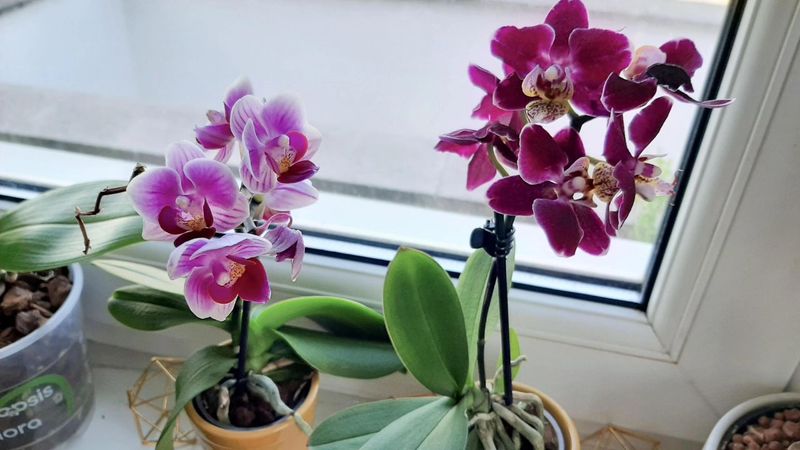
Orchids hate sudden changes in their environment. Avoid moving plants frequently or placing them near heating vents and drafty windows.
Consistent conditions allow orchids to focus energy on blooming rather than adapting to new surroundings. Stability breeds success with these sensitive plants.
Find the perfect spot and leave your orchid there to establish strong roots and reliable blooming patterns.
19. Support Stakes Guide Healthy Growth
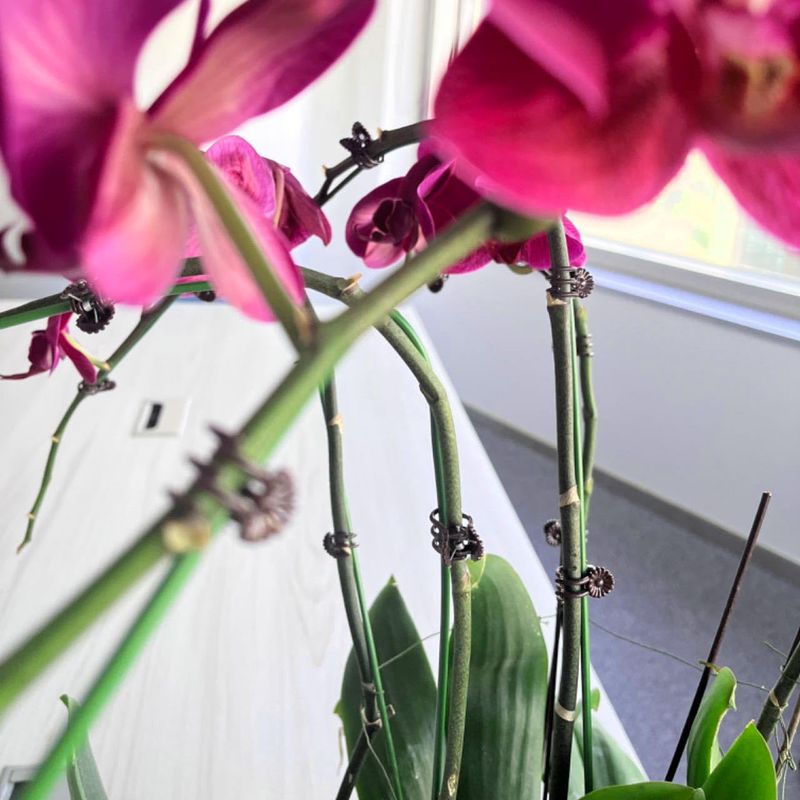
Flower spikes need support to display blooms properly and prevent breaking under their own weight. Install stakes early when spikes reach six inches tall.
Use soft ties that won’t cut into tender stems as they grow. Bamboo stakes blend naturally with plant aesthetics.
Proper support ensures flowers face the right direction and prevents damage that shortens blooming periods significantly.