 Complete Gardening
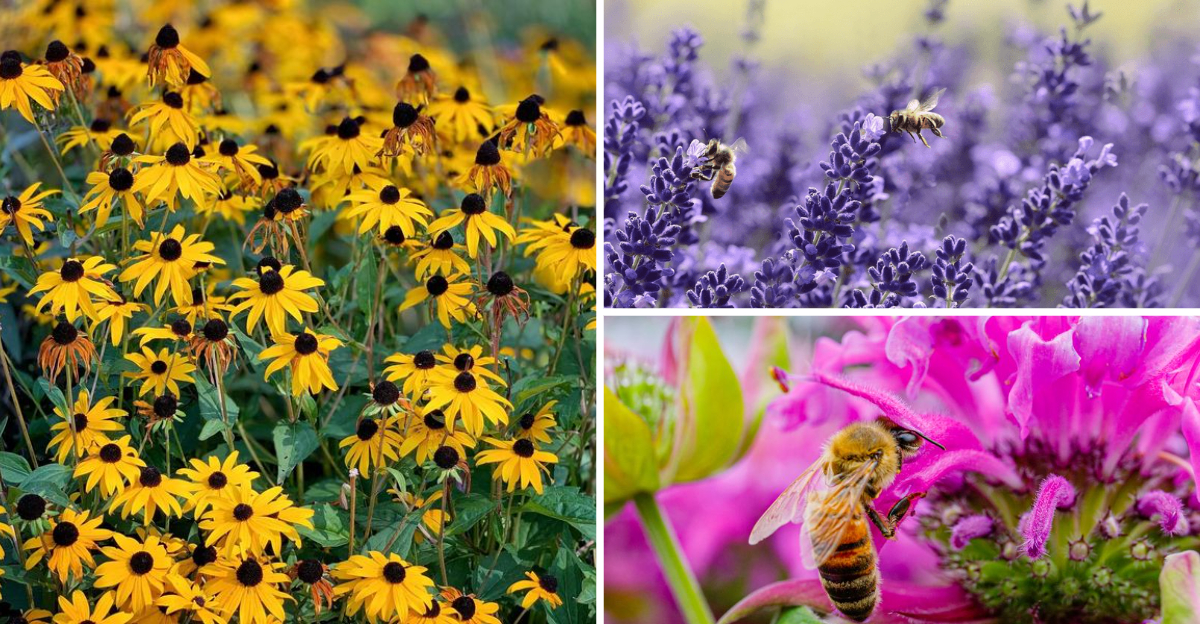
Discover the allure of perennial flowers that not only beautify gardens but also create a haven for bees throughout the blooming season. These flowers have a unique charm, offering nectar and pollen that keep bees returning, ensuring pollination and ecological harmony. Explore this list of 19 perennial flowers that make any garden a buzzing bee paradise.
1. Lavender
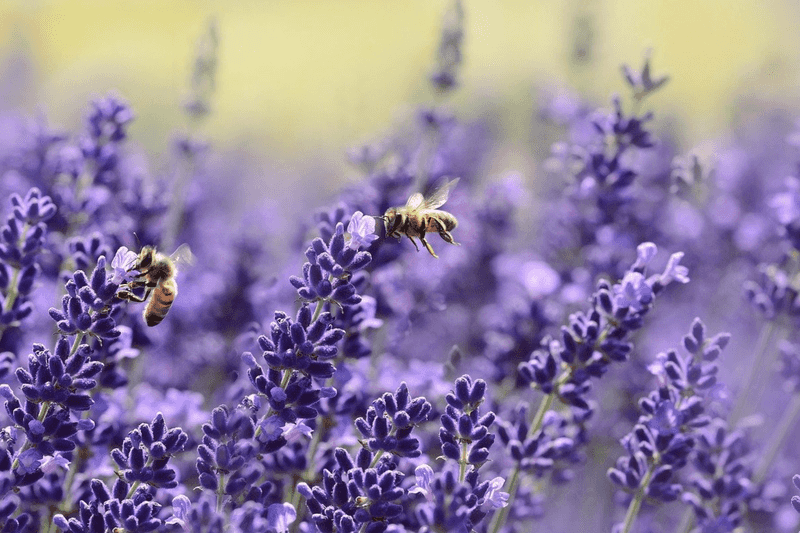
Lavender draws bees with its soothing scent and vibrant purple blooms. This resilient flower thrives in sunny spots and well-drained soil, making it a garden staple. Its aromatic oils not only refresh but also invite pollinators. Imagine bees busily flitting amongst the lavender spikes, gathering nectar. Historically, lavender has been cherished for its calming properties. Did you know? In ancient Rome, lavender was used to scent bathwater. Such rich history adds depth to its modern-day allure. Whether in vast fields or small urban gardens, lavender remains a timeless favorite for both bees and gardeners alike.
2. Echinacea
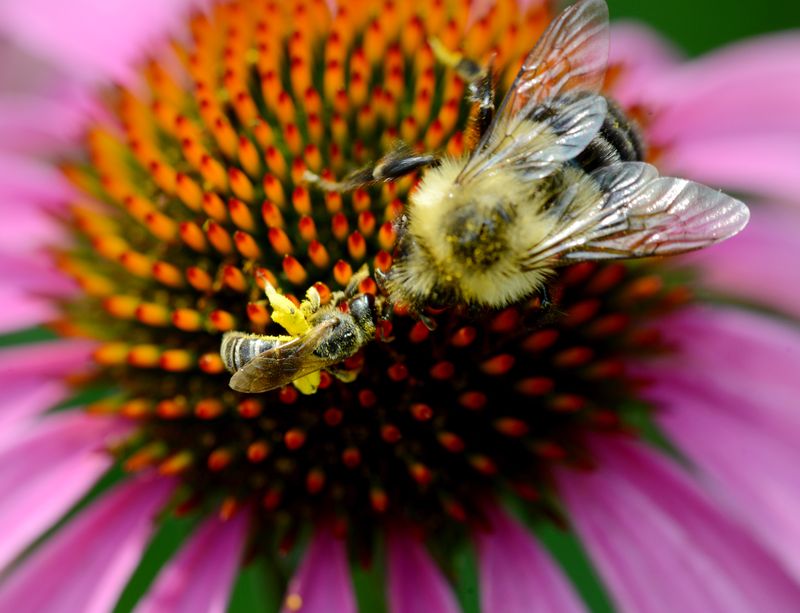
Echinacea, often known as coneflower, boasts large, daisy-like blooms that captivate both bees and human admirers. Its vibrant petals and spiky central cone offer a picturesque scene in any garden. Originating from North America, echinacea has long been celebrated for its medicinal properties. Each petal tells a story of resilience, thriving in various climates. Bees are irresistibly drawn to its rich nectar, ensuring their frequent visits. As summer unfolds, watch these flowers become a hub of activity, with bees darting from bloom to bloom, gathering sustenance. Echinacea truly bridges beauty with functionality.
3. Bee Balm
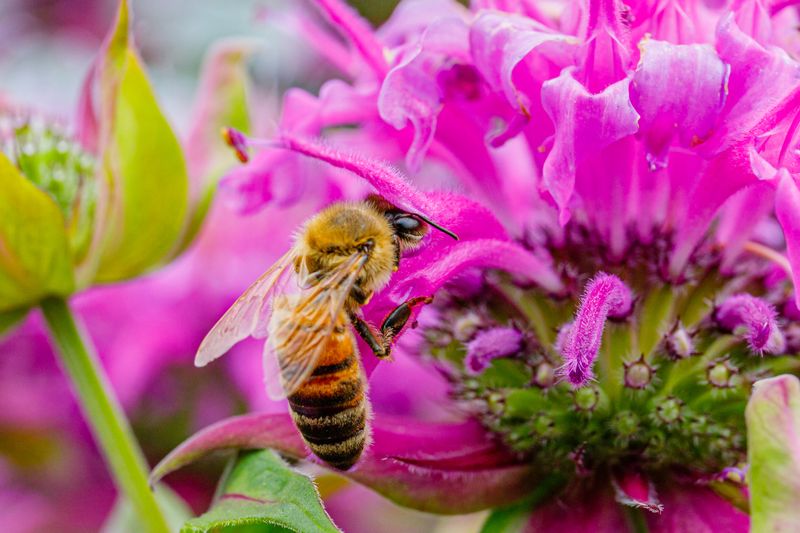
Bee balm, a vibrant perennial, transforms gardens into lively bee havens. Its tubular flowers, in shades of red and pink, are a feast for the eyes. Named for its bee-attracting prowess, bee balm is a magnet for pollinators. Plant it in sunny areas for optimal growth. Interestingly, Native Americans used bee balm leaves for medicinal teas, valuing its soothing effects. The aromatic scent of bee balm adds a sensory delight to gardens. As bees dance around, gathering nectar, this flower stands as a testament to nature’s interconnected beauty. Bee balm enriches both gardens and ecosystems.
4. Black-eyed Susan
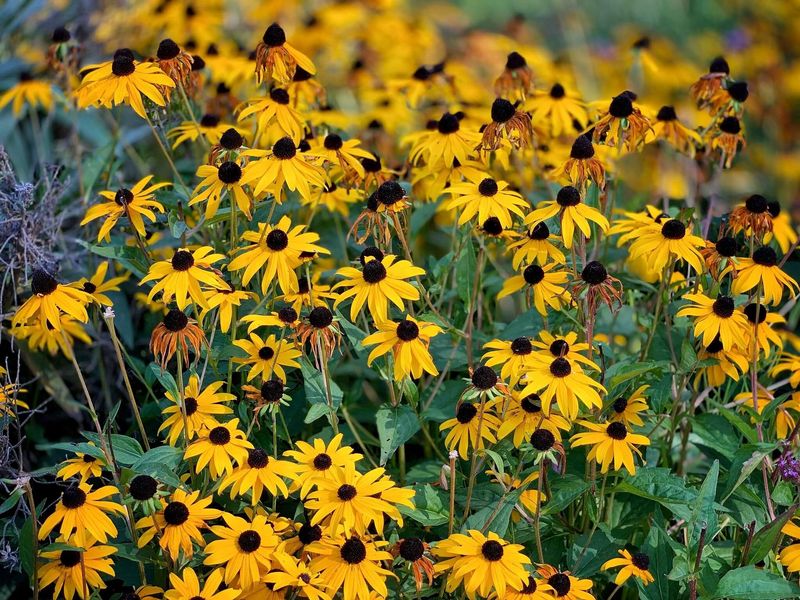
Black-eyed Susans, with their striking yellow petals and dark centers, are a true spectacle. These resilient flowers flourish in diverse conditions, offering a vibrant display. Their sunny appearance is both uplifting and inviting to bees. As bees collect nectar, they also aid in pollination—a harmonious exchange. Historically, these flowers symbolize justice and encouragement. Their ability to brighten landscapes is unparalleled. Imagine a meadow dotted with these golden blooms, buzzing with life. Black-eyed Susans not only enhance garden aesthetics but also ensure a thriving bee population. Their presence is both purposeful and picturesque.
5. Salvia
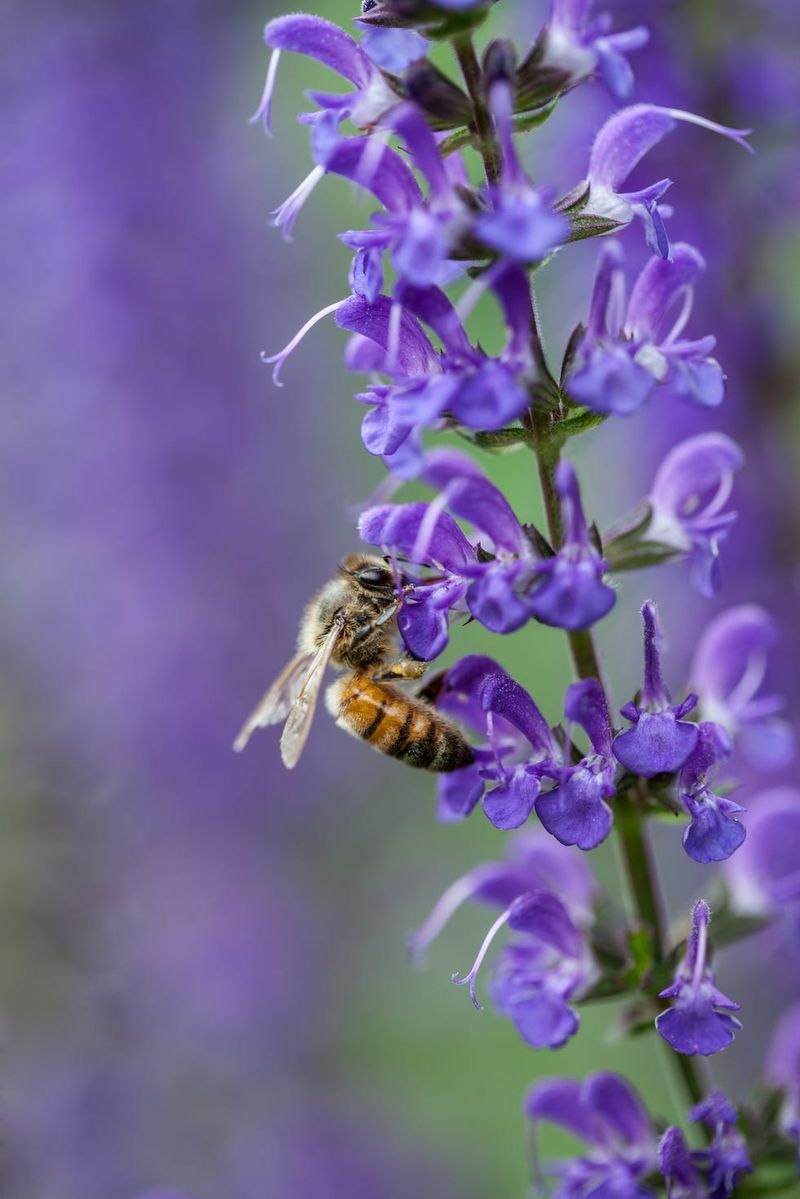
Salvia, with its tall spikes and rich hues, is a perennial favorite for bees. Its tubular blossoms are perfectly shaped for nectar-sipping. Known for its drought tolerance, salvia thrives in sunlit gardens. Historically, salvia has been used in herbal medicine, adding to its intrigue. Bees are drawn to its vibrant colors, ensuring frequent visits. The sight of bees hovering over salvia flowers is a testament to the plant’s allure. As an added bonus, salvia’s aromatic foliage deters deer, making it a practical choice for gardeners. This resilient flower seamlessly blends beauty with utility, sustaining bee populations effortlessly.
6. Sedum
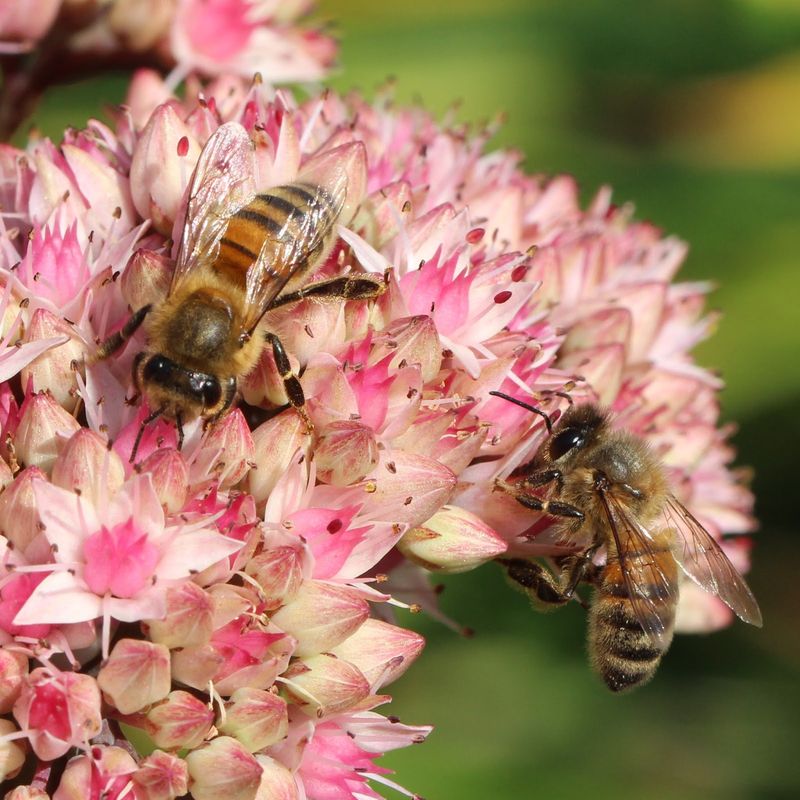
Sedum, commonly known as stonecrop, offers a fascinating blend of texture and color. Its succulent leaves and star-shaped flowers create a unique garden feature. Bees are particularly fond of sedum’s late-blooming clusters. This drought-tolerant plant thrives in sunny spots, requiring minimal care. With origins tracing back to ancient times, sedum has been a staple in rock gardens. Bees flock to its nectar-rich blooms, playing a crucial role in pollination. Whether in rooftop gardens or traditional landscapes, sedum is both a visual delight and a beacon for bees, contributing to the ecosystem’s balance and vibrancy.
7. Yarrow
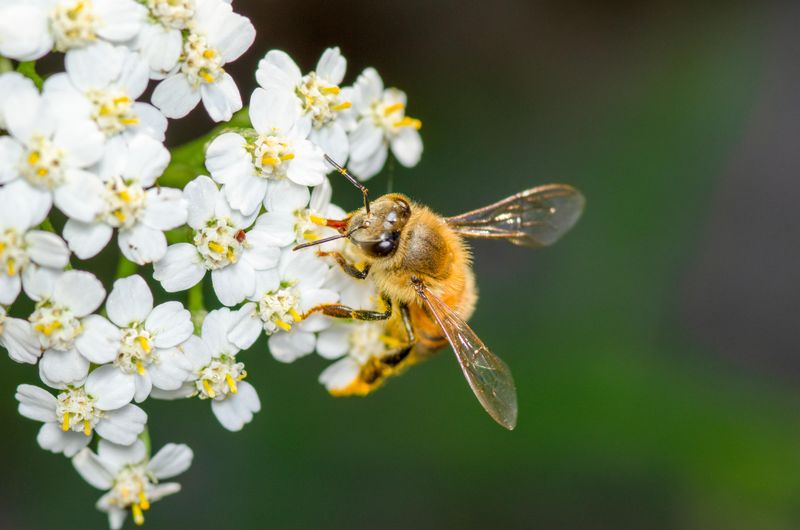
Yarrow, distinguished by its feathery foliage and clustered blooms, is a perennial gem. Its versatility in garden design is unmatched, flourishing in various conditions. Bees find yarrow irresistible, drawn to its nectar-rich clusters. Historically, yarrow was revered for its medicinal uses, particularly in herbal remedies. Picture a garden alive with bees flitting from one yarrow bloom to another. This flower not only supports bee populations but also adds a splash of color and texture. Yarrow embodies resilience, thriving where other plants might falter, making it an essential component of any pollinator-friendly garden.
8. Aster
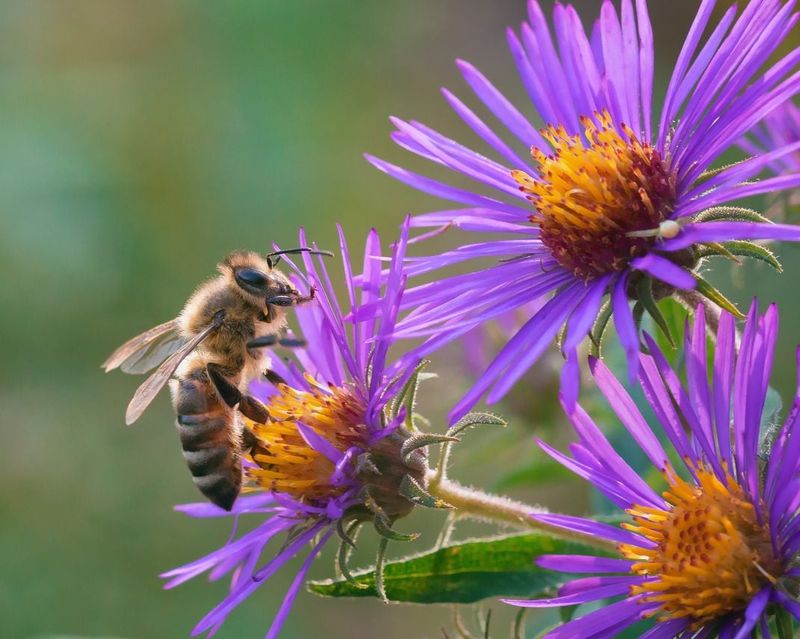
Aster flowers, with their star-shaped blooms, are a late-season gift for bees. These perennials provide crucial nectar as other flowers wane. Available in various colors, asters bring cheerful tones to gardens. Historically, asters were believed to ward off evil spirits. Their presence signals a thriving garden ecosystem. Bees flock to asters, ensuring pollination and nectar collection. Imagine a garden in autumn, where asters stand tall, buzzing with activity. Their vibrant hues and bee-friendly nature make them a favorite for gardeners seeking to support pollinators. Asters continue to charm with their timeless beauty and ecological significance.
9. Coreopsis
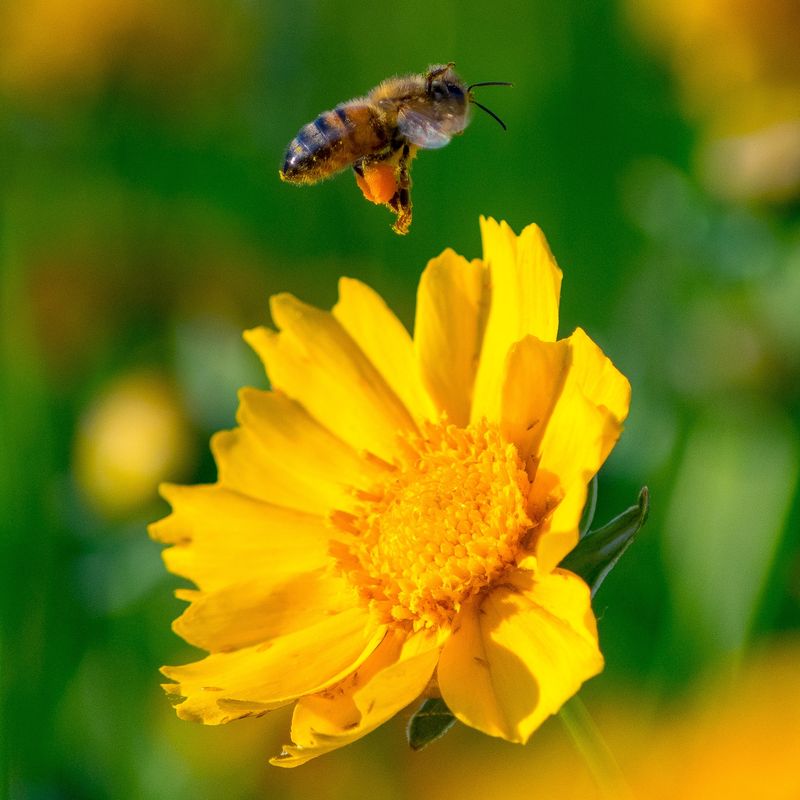
Coreopsis, often called tickseed, is a sun-loving perennial that brightens gardens with its cheerful blooms. Its daisy-like flowers come in various shades, attracting bees with their nectar. Originating from the Americas, coreopsis has been used in traditional dye-making. Bees, drawn to its inviting blossoms, play a key role in pollination. Imagine a summer day with coreopsis swaying gently in the breeze, each bloom a landing spot for bees. This flower not only enhances garden aesthetics but also supports wildlife. Its resilience and vibrant appearance make coreopsis a garden staple, offering color and ecological benefits.
10. Catmint
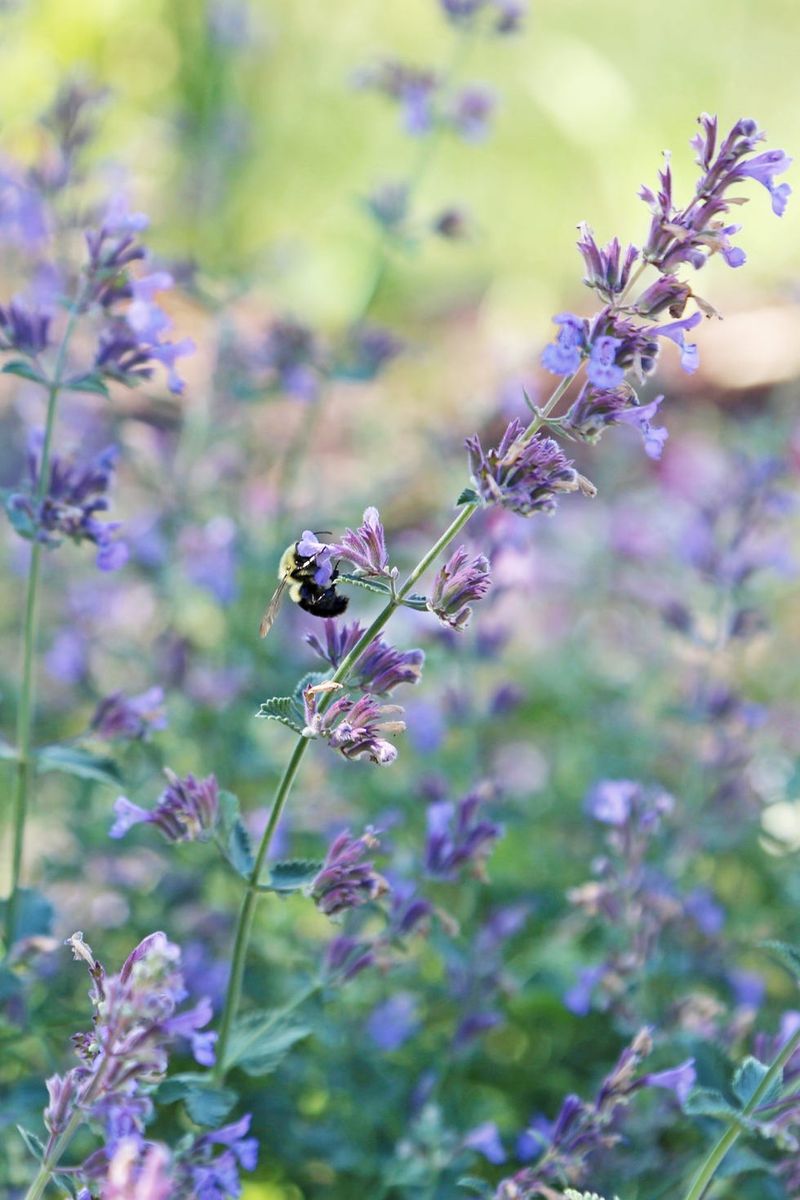
Catmint, known for its aromatic foliage and lavender-blue spikes, is a bee favorite. Its low-maintenance nature makes it ideal for gardeners seeking easy care. Bees are particularly attracted to its long-lasting blooms, which provide ample nectar. Historically, catmint was used for its soothing properties in herbal teas. Picture a garden filled with its minty fragrance, alive with the gentle hum of bees. Catmint not only enhances the sensory experience but also supports pollinator health. Its sprawling habit and vibrant flowers create a captivating display, making it a valuable addition to any bee-friendly garden.
11. Russian Sage
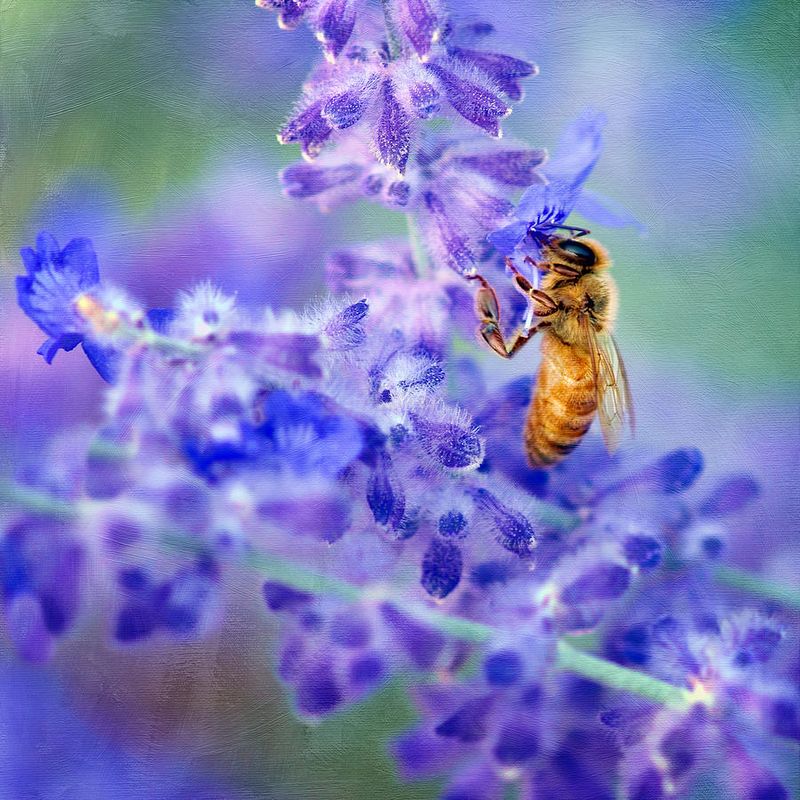
Russian sage, with its silvery foliage and lavender-blue flowers, offers a striking garden presence. This hardy perennial thrives in sunny, well-drained areas, providing a feast for bees. Known for its aromatic scent, Russian sage adds a sensory dimension to gardens. Bees are frequent visitors, drawn to its abundant nectar. Historically, Russian sage has been admired for its drought tolerance and ornamental appeal. Envision a garden border lined with these elegant plants, buzzing with bee activity. Russian sage not only beautifies spaces but also supports pollinator populations, making it a cherished choice for eco-conscious gardeners.
12. Helenium
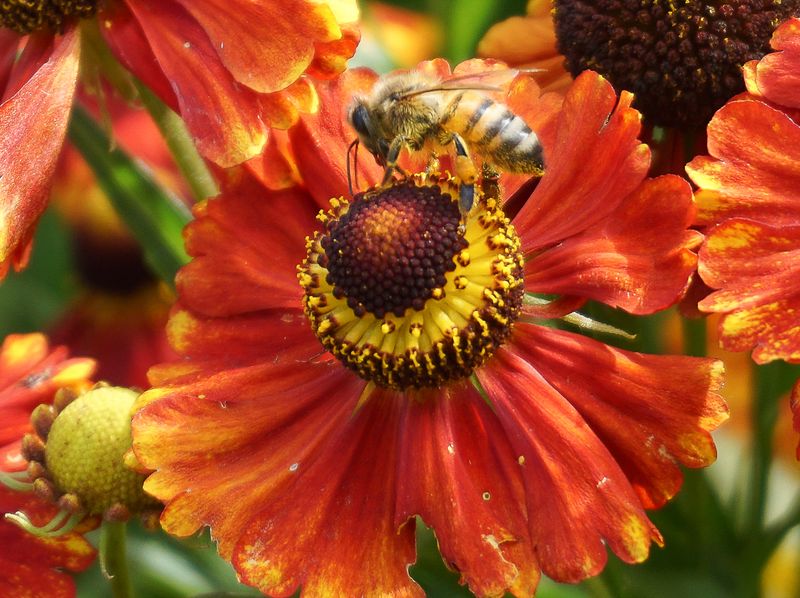
Helenium, with its vibrant sunset hues, is a showstopper in gardens. Its daisy-like flowers attract bees with their rich nectar, adding energy to landscapes. Originating from North America, helenium has a storied past in traditional medicine. Imagine a garden alive with helenium’s fiery blooms, each a beacon for bees. This perennial thrives in sunny spots, offering both aesthetic and ecological benefits. As bees flit from flower to flower, they ensure pollination and plant health. Helenium’s bold colors and bee-friendly nature make it a must-have for those looking to support biodiversity and enjoy a vibrant garden display.
13. Goldenrod
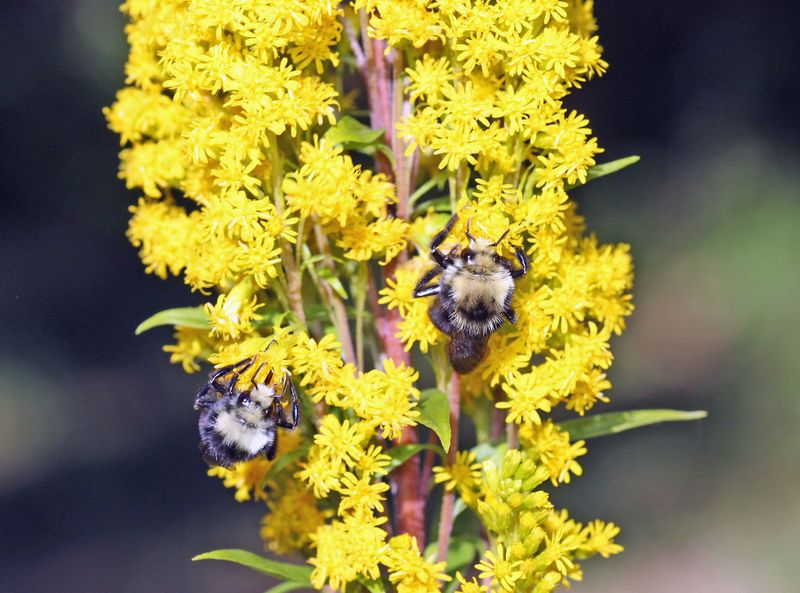
Goldenrod, often mistaken for causing allergies, is actually a bee magnet. Its tall, golden plumes brighten landscapes, providing essential nectar. Bees flock to goldenrod during late summer, when few other flowers bloom. This resilient perennial thrives in various soils, offering ecological benefits. Historically, goldenrod was used for its medicinal properties, adding to its intrigue. Picture a meadow filled with goldenrod, alive with bees collecting nectar. This flower not only supports pollinator health but also enhances garden aesthetics, making it a valuable addition to any landscape. Goldenrod embodies resilience and beauty, crucial for sustaining bee populations.
14. Phlox
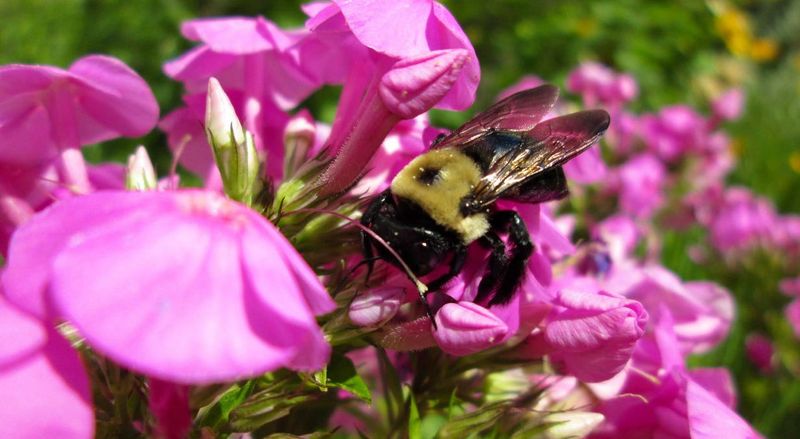
Phlox, with its clusters of fragrant blooms, is a perennial delight for bees. Its vibrant colors and sweet scent make it a garden favorite. Originating from North America, phlox has been a staple in cottage gardens for generations. Bees are drawn to its rich nectar, ensuring their frequent visits. Imagine a garden filled with phlox’s vibrant hues, each bloom a haven for pollinators. As bees flit from flower to flower, they contribute to the garden’s ecological balance. Phlox not only enhances visual appeal but also supports biodiversity, making it an essential addition to any bee-friendly landscape.
15. Butterfly Weed
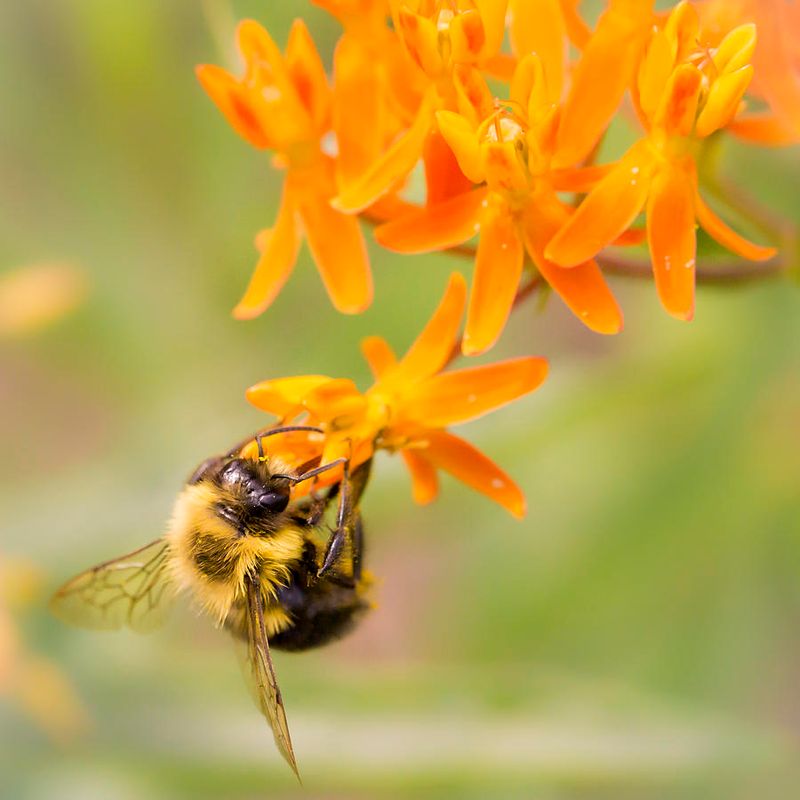
Butterfly weed, with its fiery orange blooms, is a beacon for bees and butterflies alike. This drought-tolerant perennial thrives in sunny spots, offering nectar throughout the season. Historically, Native Americans valued butterfly weed for its medicinal uses. Imagine a garden where butterfly weed stands tall, drawing in pollinators. Its vibrant flowers provide not only a visual spectacle but also essential sustenance for bees. As bees buzz around, they ensure the health of the ecosystem. Butterfly weed’s striking appearance and ecological benefits make it a prized addition to gardens focused on supporting wildlife and pollinator diversity.
16. Penstemon
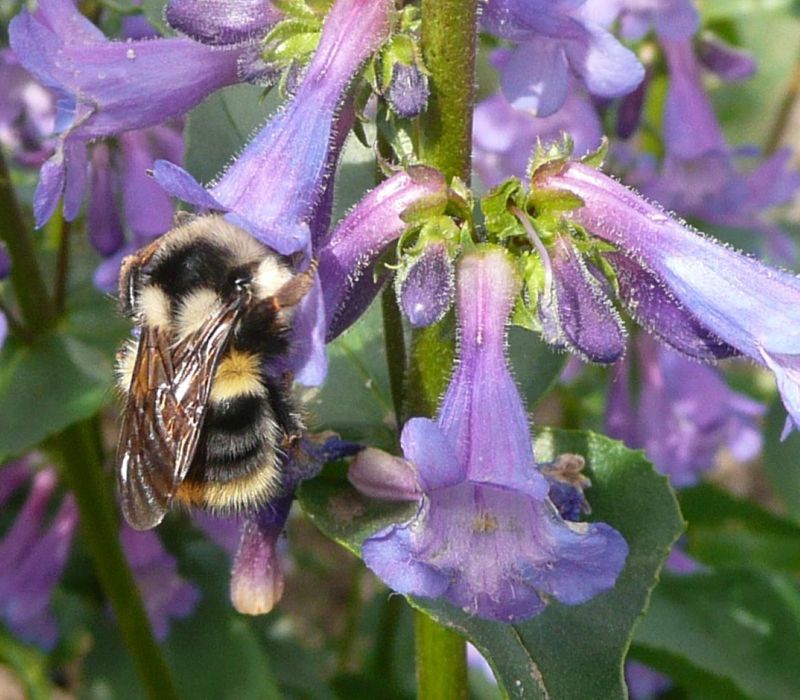
Penstemon, known for its tubular blooms, attracts bees with a promise of rich nectar. This perennial, often found in vibrant pinks and purples, thrives in well-drained soil. Native to North America, penstemon has been cherished for its ornamental beauty. Bees, drawn to its striking flowers, play a crucial role in pollination. Picture a garden bed adorned with penstemon, buzzing with bee activity. Its presence not only enhances visual appeal but also supports ecological health. As bees gather nectar, they ensure the continuation of plant life. Penstemon embodies both beauty and functionality, making it a garden favorite.
17. Agastache
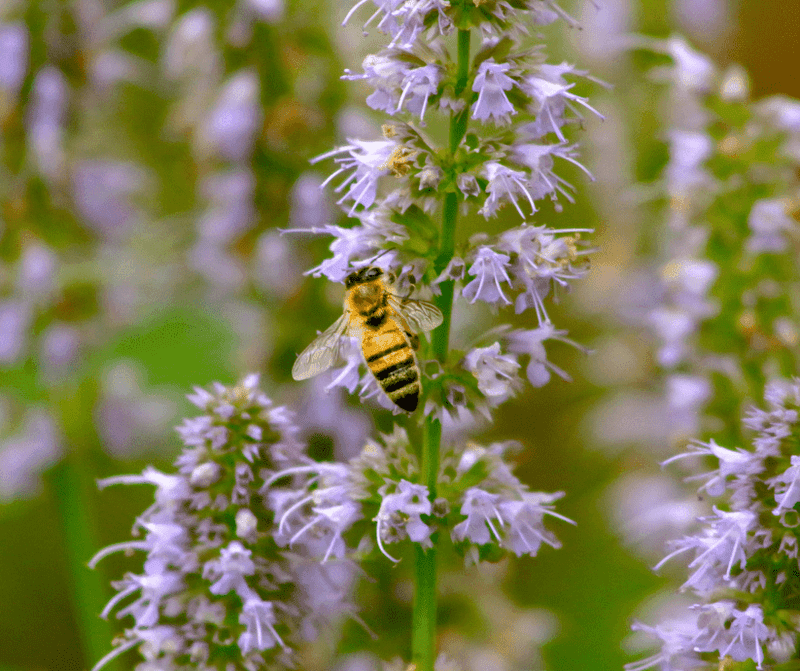
Agastache, often known as hyssop, is a haven for bees with its spiky blooms and minty fragrance. This perennial thrives in sunny, well-drained areas, offering vibrant flowers throughout the season. Historically, agastache has been used in herbal teas for its soothing properties. Imagine a garden where agastache stands tall, buzzing with bee activity. Its aromatic scent not only pleases the senses but also attracts pollinators. As bees flit from flower to flower, they ensure the garden’s ecological balance. Agastache’s striking appearance and ecological benefits make it a valuable addition to any pollinator-friendly landscape.
18. Liatris
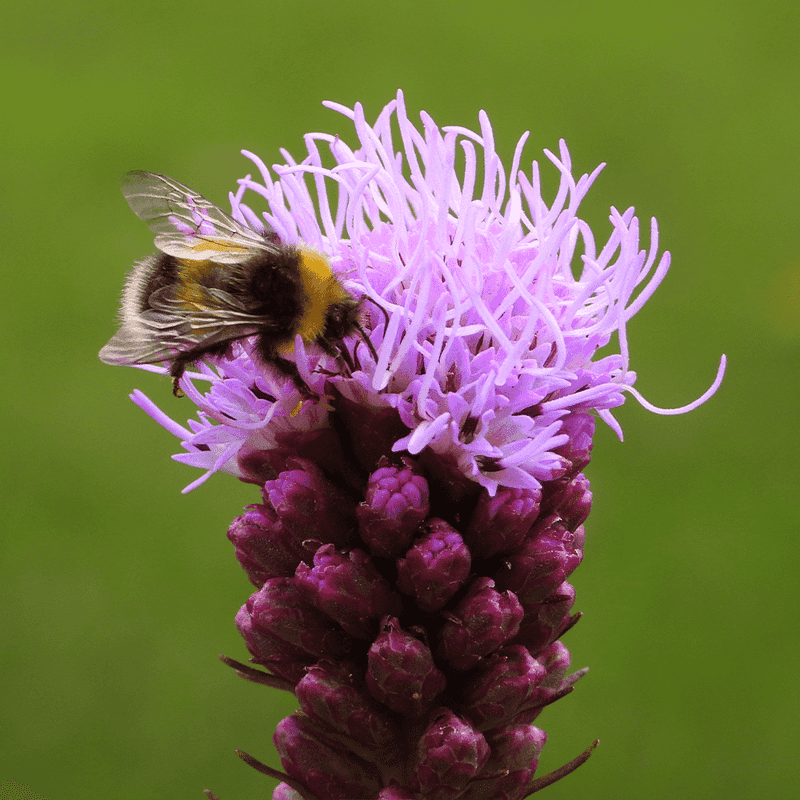
Liatris, with its tall, feathery spikes, offers a unique garden presence. This perennial’s purple blooms are a magnet for bees, providing essential nectar. Known for its drought tolerance, liatris thrives in sunlit areas. Historically, it has been valued for its medicinal properties. Picture a garden where liatris stands proudly, alive with bee activity. Its striking appearance not only enhances visual appeal but also supports pollinators. As bees gather nectar, they contribute to the garden’s ecological health. Liatris embodies both beauty and resilience, making it a cherished choice for those focused on supporting biodiversity.
19. Joe Pye Weed
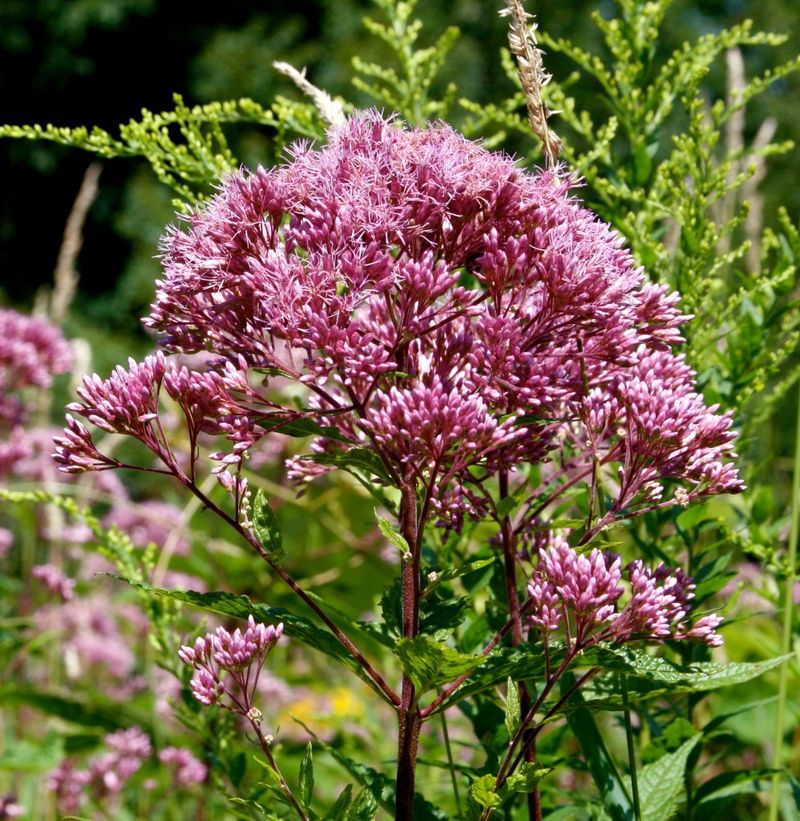
Joe Pye Weed, with its towering stature and mauve blooms, is a beacon for bees. This perennial thrives in sunny, moist areas, providing essential nectar throughout the season. Historically, it was named after a Native American herbalist known for its medicinal uses. Imagine a garden where Joe Pye Weed stands tall, alive with bee activity. Its presence not only adds height and texture to landscapes but also supports pollinators. As bees flit from bloom to bloom, they ensure the health of the ecosystem. Joe Pye Weed’s striking appearance and ecological benefits make it a valuable addition to any garden.