 Complete Gardening
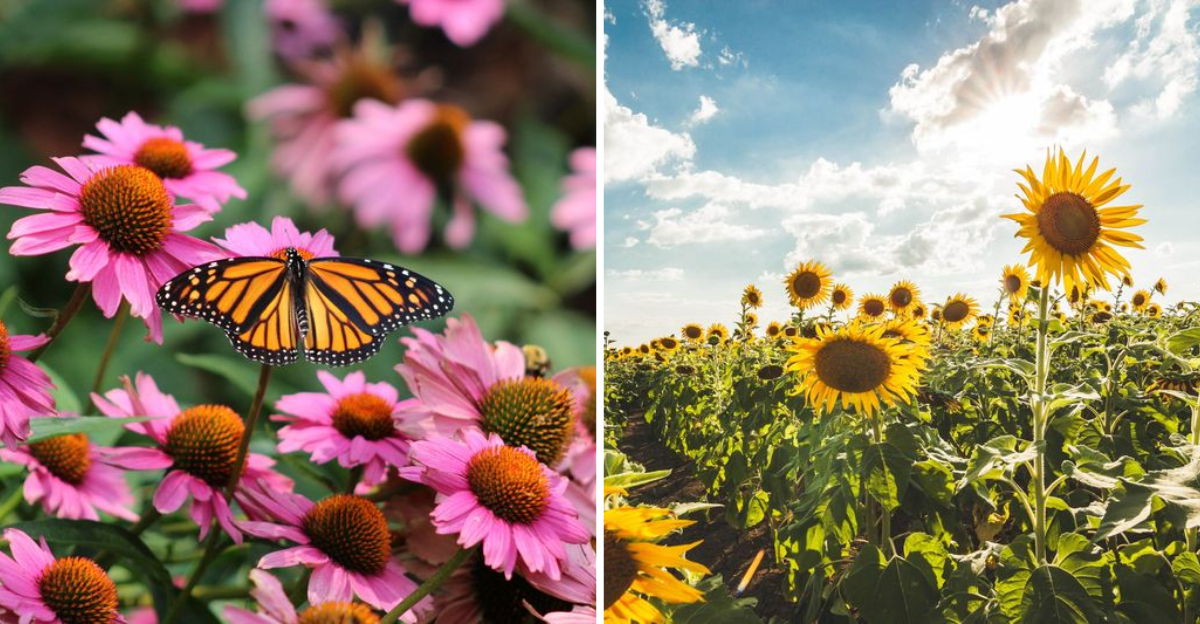
Creating a garden that attracts pollinators such as bees, butterflies, and hummingbirds is a wonderful way to support local ecosystems. These 19 plants not only enhance your yard with their beauty but also play a crucial role in pollinator conservation. Explore the diverse selection of plants that can transform your outdoor space into a vibrant habitat for pollinators.
1. Lavender
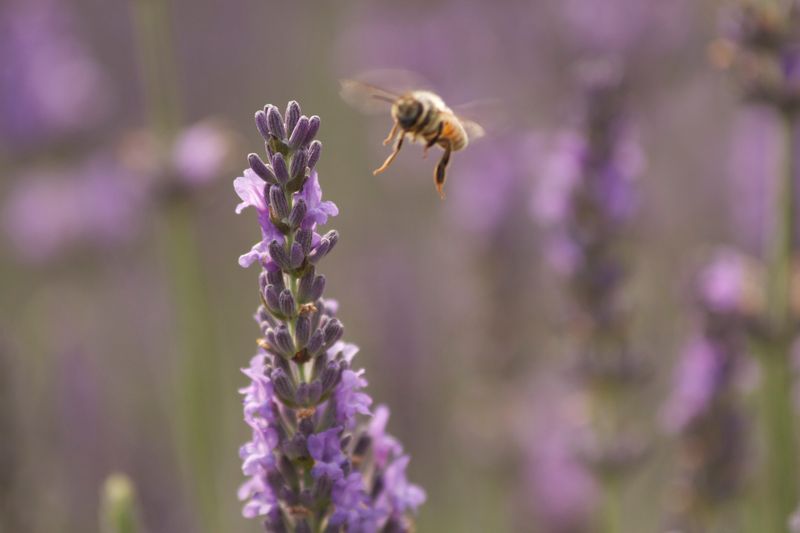
Lavender’s fragrant blooms are a haven for bees. Its purple flowers sway gently in the breeze, releasing a calming scent. Ideal for garden borders, lavender adds a touch of elegance while inviting pollinators.
This hardy plant thrives in full sun and well-drained soil. Its silver-green foliage provides a striking contrast to the vibrant blooms. In addition to its beauty, lavender offers culinary and medicinal uses.
Planting lavender not only beautifies your garden but supports local bee populations, making it a valuable addition to any yard.
2. Bee Balm
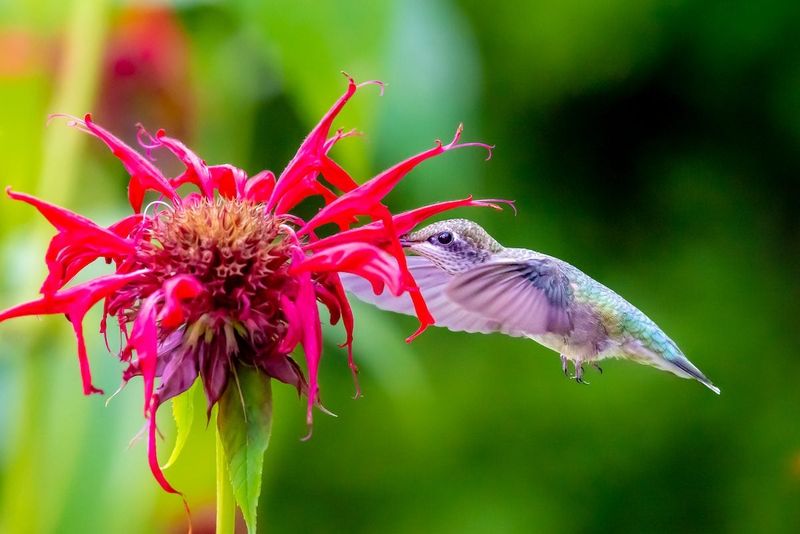
Bee Balm, with its fiery blooms, beckons pollinators from afar. The tubular flowers are perfect for hummingbirds and butterflies. Planted in masses, they create a stunning visual display.
Known for its minty fragrance, Bee Balm thrives in sunny spots with moist soil. It can grow up to four feet tall, providing height and drama in your garden.
Besides attracting pollinators, Bee Balm can be used in teas and herbal remedies, offering both beauty and utility to your outdoor space.
3. Coneflower
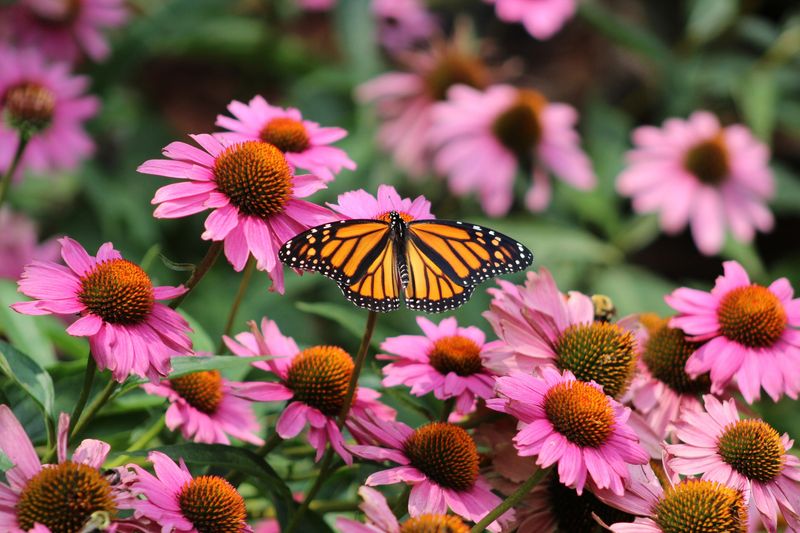
Coneflowers stand tall with bold, daisy-like blooms. Their vibrant colors draw pollinators, making them a garden favorite. These perennials are drought-resistant and easy to grow, perfect for beginners.
The conical seed heads that follow the blooms are not only decorative but also provide food for birds. Coneflowers bloom from midsummer to fall, ensuring a long season of beauty.
Add coneflowers to your garden for a pop of color and constant pollinator activity, enhancing the biodiversity of your yard.
4. Sunflower
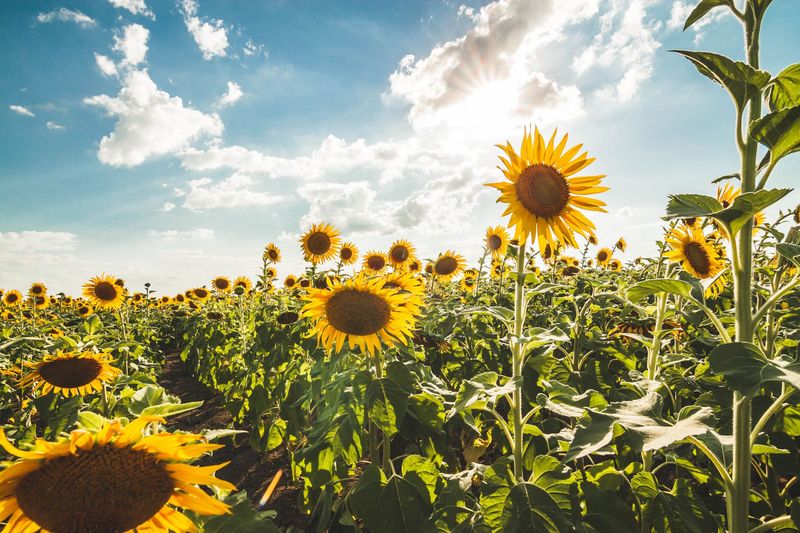
Sunflowers stand as majestic sentinels in the garden, drawing pollinators with their oversized blooms. Their tall stalks and sunny faces bring joy and vibrancy.
These annuals thrive in sunny locations and can grow exceptionally tall, creating a natural fence or privacy screen. Sunflowers are not only beautiful but also provide seeds for birds.
With their cheerful demeanor, sunflowers are an excellent choice for attracting bees and other beneficial insects, enhancing the ecological balance of your yard.
5. Borage
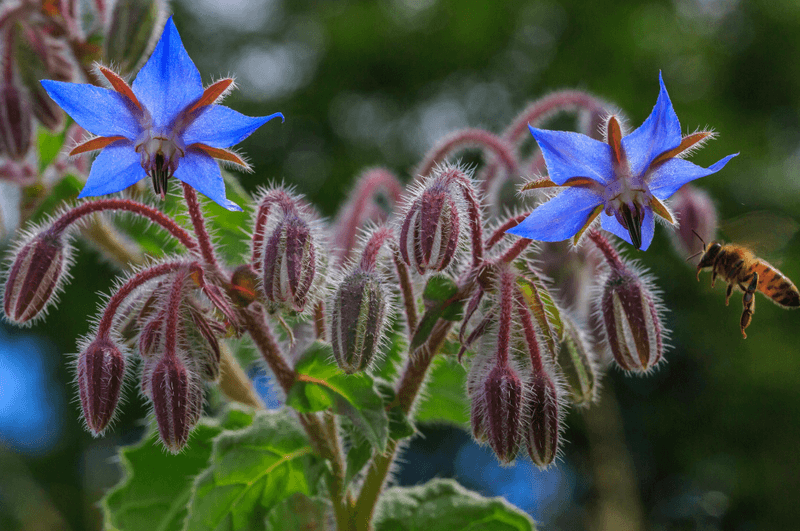
Borage, with its star-shaped blue flowers, is a magnet for bees. The plant’s cucumber-like taste adds a unique twist to salads and beverages.
This annual herb self-seeds easily, ensuring a continuous supply of blooms. Borage thrives in sunny spots with well-drained soil, making it a low-maintenance choice.
In addition to supporting pollinators, borage offers medicinal properties and can enhance your garden’s diversity. Its vibrant flowers are edible, adding both color and flavor to culinary creations.
6. Zinnia
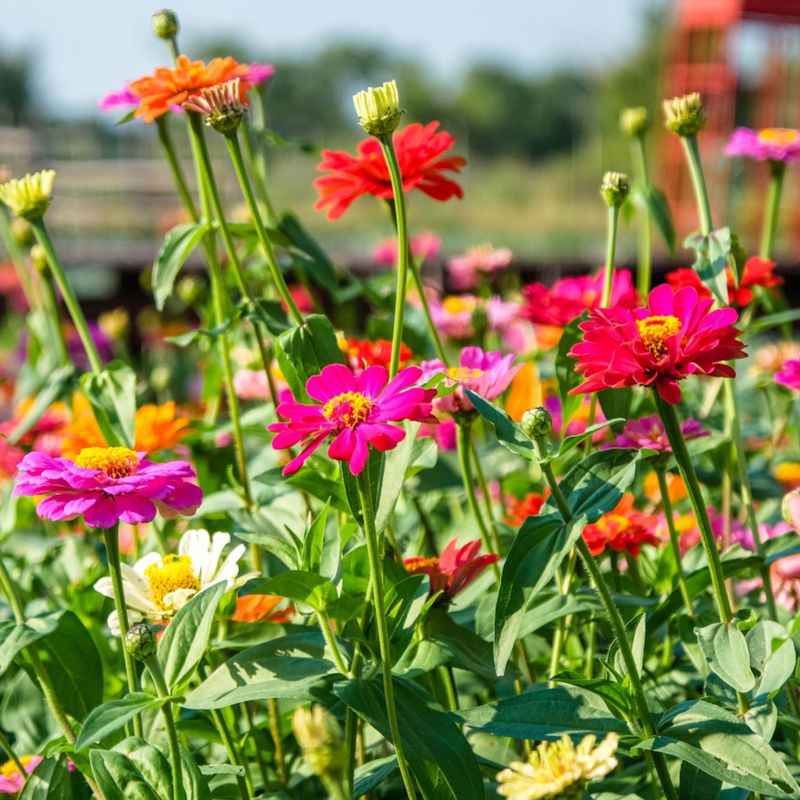
Zinnias burst into life with a spectrum of colors, attracting a multitude of pollinators. Their long-lasting blooms make them a favorite in summer gardens.
These hardy annuals are easy to grow, requiring minimal care. They thrive in sun-drenched locations and tolerate heat well. Zinnias are perfect for cutting gardens, providing vibrant bouquets.
Planting zinnias will not only enhance your garden’s beauty but also support pollinators, making your yard a hub of activity and life.
7. Salvia
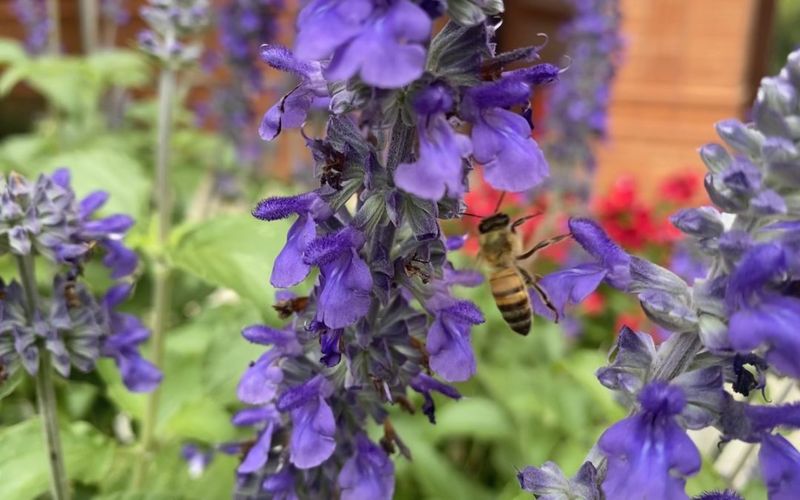
Salvia’s tall spikes of vibrant flowers attract hummingbirds and bees alike. Their tubular shape is ideal for pollinators seeking nectar.
These perennial plants are drought-tolerant and thrive in sunny, well-drained locations. Salvia’s aromatic foliage adds an additional sensory layer to your garden.
With their long blooming season, salvias are a reliable choice for continuous pollinator attraction, ensuring your garden remains lively and colorful.
8. Lantana
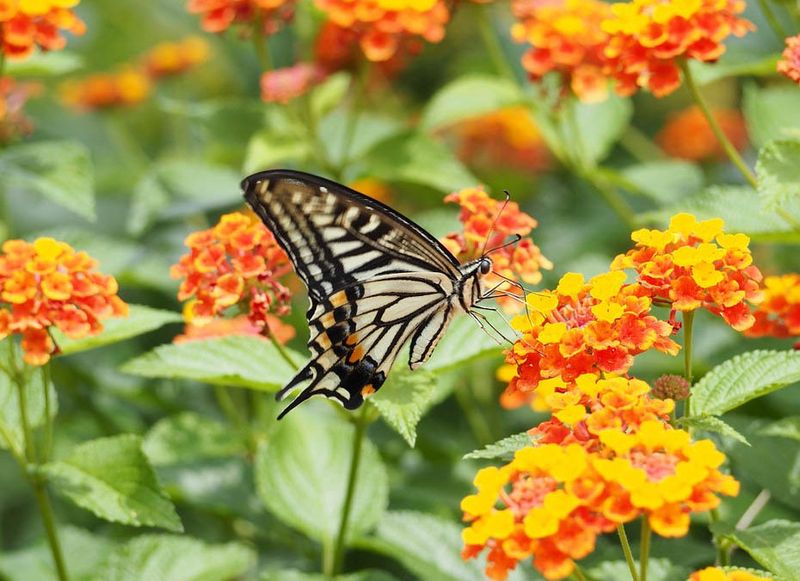
Lantana’s clusters of small, bright flowers are a beacon for butterflies. The plant’s vibrant hues range from red and orange to pink and yellow, creating a festive display.
This hardy shrub thrives in hot, sunny locations and is drought-resistant once established. Lantana’s long blooming season ensures your garden remains colorful.
Beyond its beauty, lantana’s nectar-rich flowers are a vital resource for pollinators, making it an excellent addition to any garden aiming to support biodiversity.
9. Black-eyed Susan
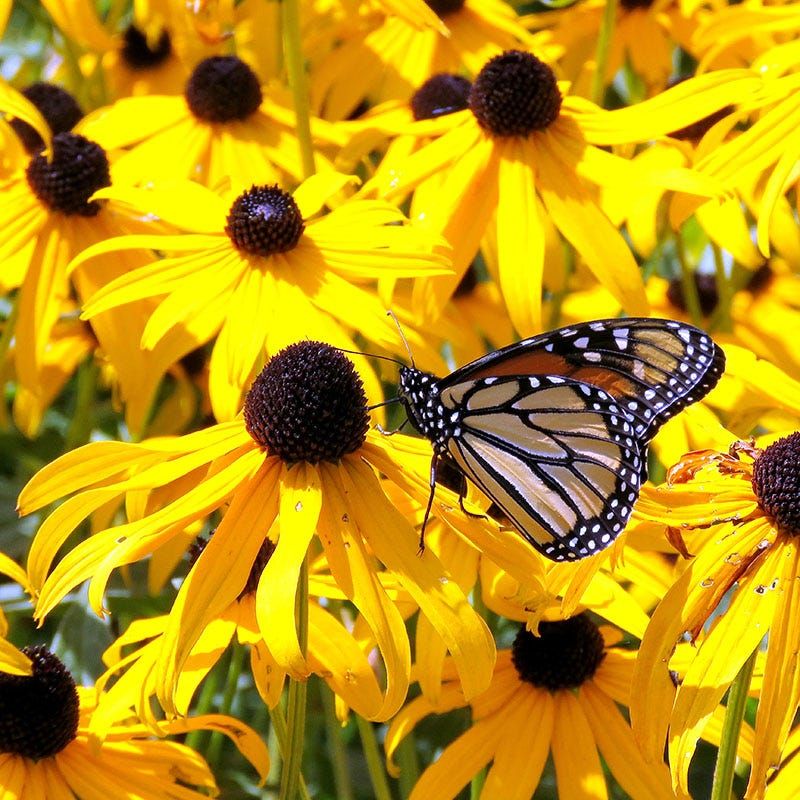
Black-eyed Susans bring sunshine to any garden with their bright yellow petals. Their daisy-like appearance draws bees and butterflies.
These perennials are easy to grow, thriving in sunny spots with well-drained soil. Black-eyed Susans are drought-tolerant, making them a low-maintenance option.
Their long blooming season and vibrant color make them a staple in pollinator-friendly gardens, providing both beauty and ecological benefits.
10. Milkweed
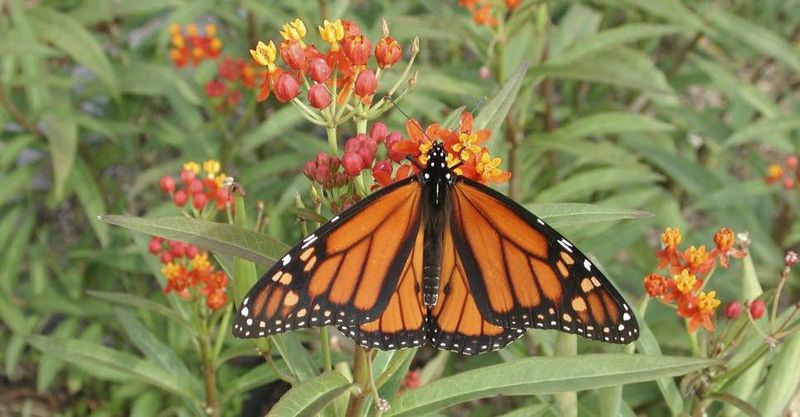
Milkweed is a crucial plant for monarch butterflies, serving as a host for their larvae. Its clusters of pink and orange flowers also attract bees.
This perennial thrives in sunny locations and is known for its resilience. Milkweed’s seed pods add interest to the garden once the flowers fade.
By planting milkweed, you support the life cycle of monarchs and other pollinators, contributing to conservation efforts and enhancing your garden’s diversity.
11. Hollyhock
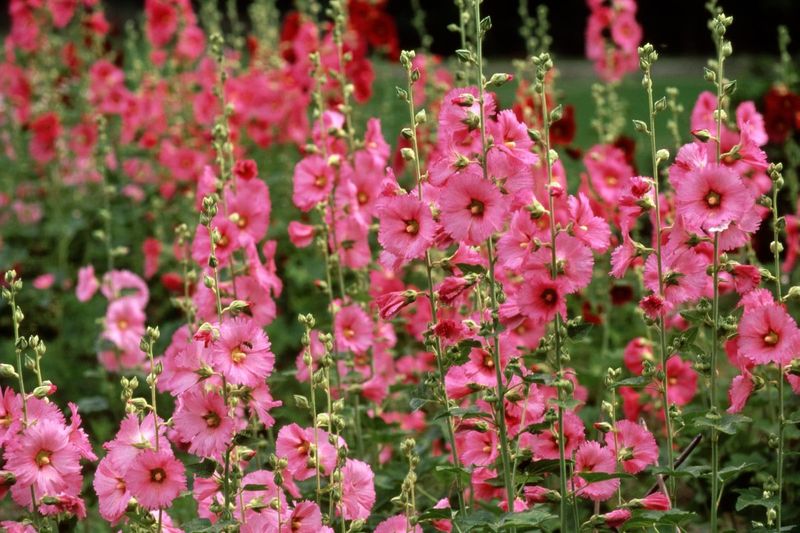
Hollyhocks add vertical interest to gardens with their tall spikes of flowers. Their old-fashioned charm invites pollinators like bees and butterflies.
These biennials thrive in sunny locations and can grow up to eight feet tall. Hollyhocks’ wide range of colors adds visual appeal.
Incorporating hollyhocks into your garden enhances its aesthetic while supporting pollinator populations, making it a worthwhile addition.
12. Aster
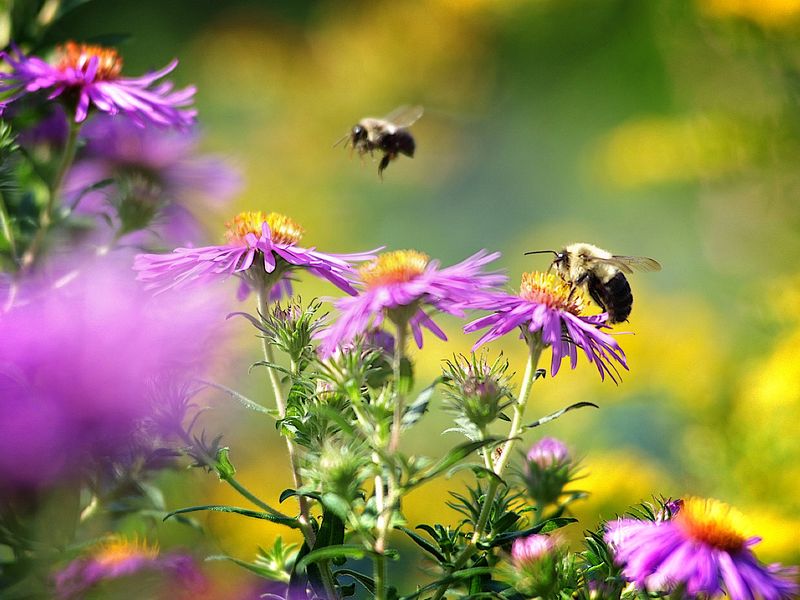
Asters, with their star-shaped blooms, are a late-season nectar source for pollinators. Their vibrant colors add life to fall gardens.
These perennials thrive in sunny to partially shaded areas and tolerate poor soil conditions. Asters’ extended blooming period provides ongoing support for pollinators.
Adding asters to your garden not only boosts its beauty but also offers essential resources to bees and butterflies when other flowers have faded.
13. Butterfly Bush
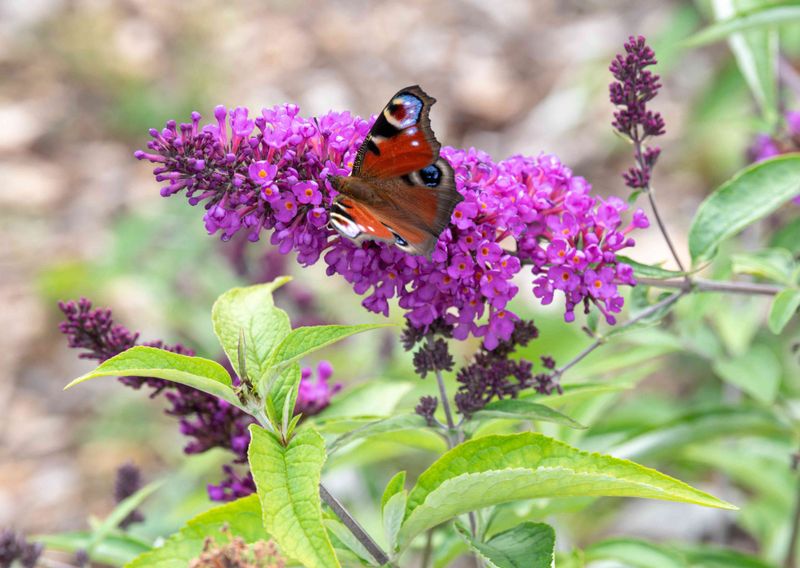
The Butterfly Bush earns its name with ease, drawing scores of butterflies and bees. Its fragrant flowers bloom in long clusters.
This deciduous shrub thrives in sunny locations and is drought-tolerant once established. The butterfly bush’s extended blooming season ensures prolonged pollinator attraction.
Enhance your garden’s allure with this plant, offering both visual appeal and ecological benefits, making it a must-have for pollinator gardens.
14. Goldenrod
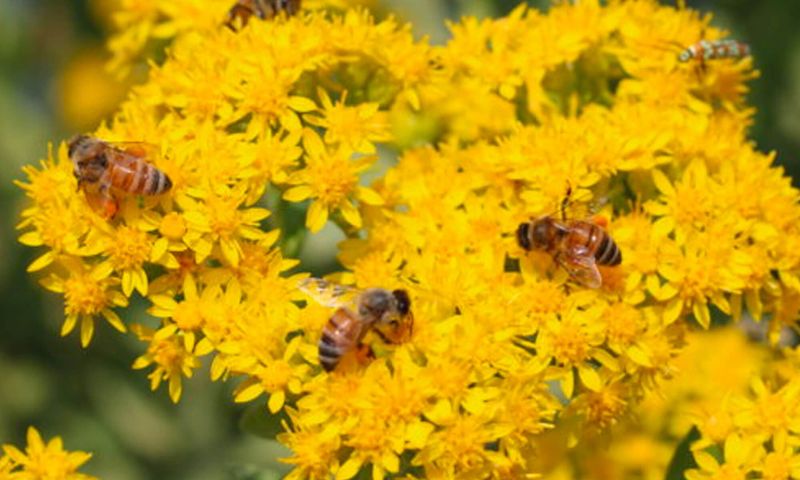
Goldenrod’s bright yellow flowers light up fall gardens, attracting bees and butterflies. Contrary to popular belief, it does not cause allergies.
This hardy perennial thrives in sunny locations and supports a wide variety of pollinators. Goldenrod’s tall stems and vivid blooms create a natural spectacle.
Incorporate goldenrod into your garden for a burst of color and to encourage beneficial insect activity, enhancing your local ecosystem.
15. Catmint
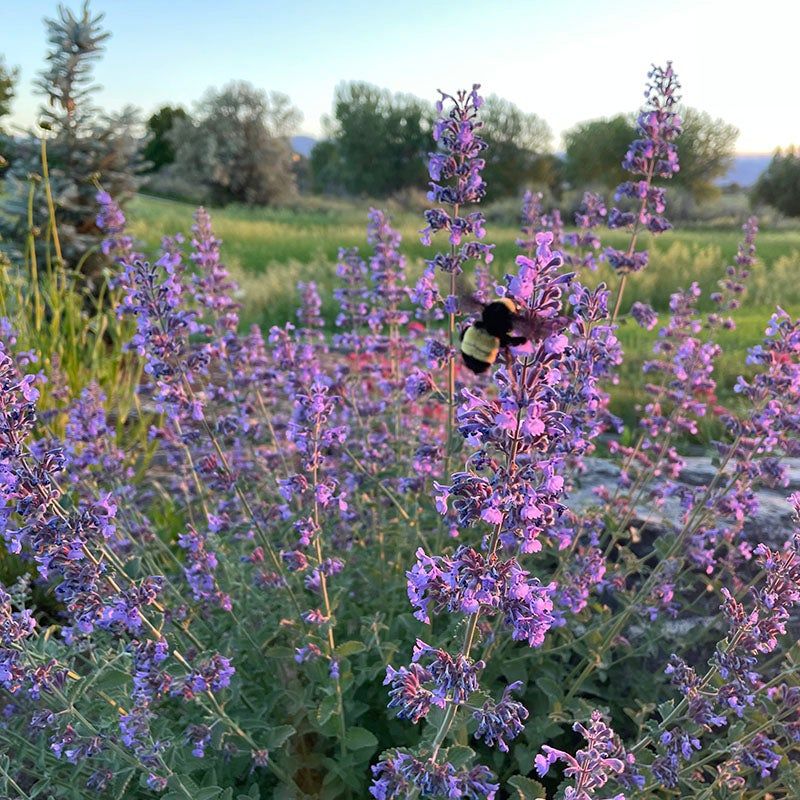
Catmint, with its aromatic foliage and purple flowers, attracts a variety of pollinators. Its spreading habit makes it a great groundcover.
This perennial thrives in sunny locations with well-drained soil. Catmint is drought-tolerant and low-maintenance, ideal for busy gardeners.
Plant catmint to add beauty and fragrance to your garden while providing essential resources for bees and butterflies.
16. Marigold
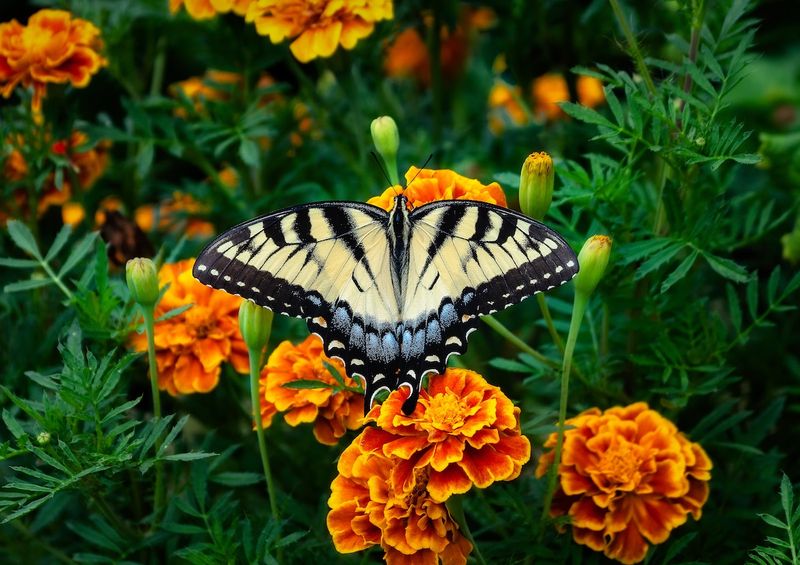
Marigolds brighten gardens with their cheerful colors and pungent aroma. They attract beneficial insects like bees and deter pests.
These annuals thrive in sunny spots and are easy to grow, making them a favorite for gardeners of all levels. Marigolds’ long blooming season ensures continuous beauty.
Including marigolds in your garden supports pollinators and adds a splash of color, enhancing the overall vitality of your outdoor space.
17. Coreopsis
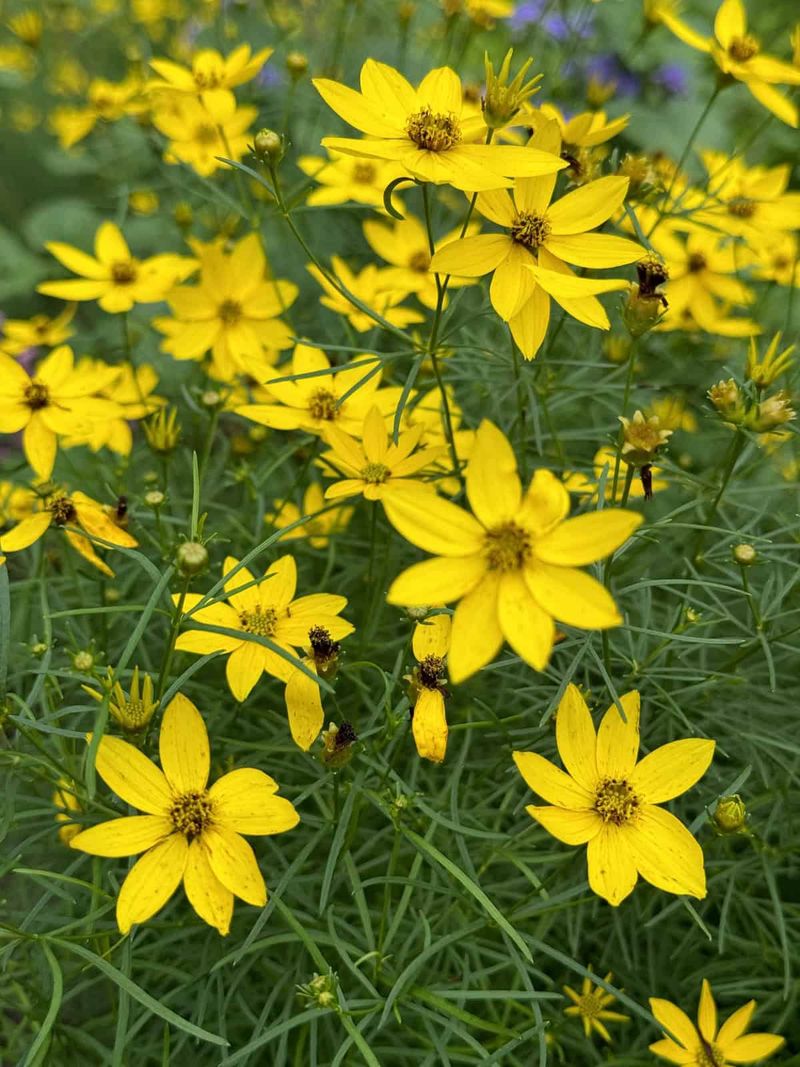
Coreopsis, also known as tickseed, offers bright yellow blooms that attract bees and butterflies. Their cheerful presence is a garden staple.
These perennials thrive in sunny locations and are drought-tolerant. Coreopsis’ long blooming period provides ongoing color and pollinator support.
Add coreopsis to your garden for continuous beauty and to foster a thriving ecosystem for beneficial insects.
18. Penstemon
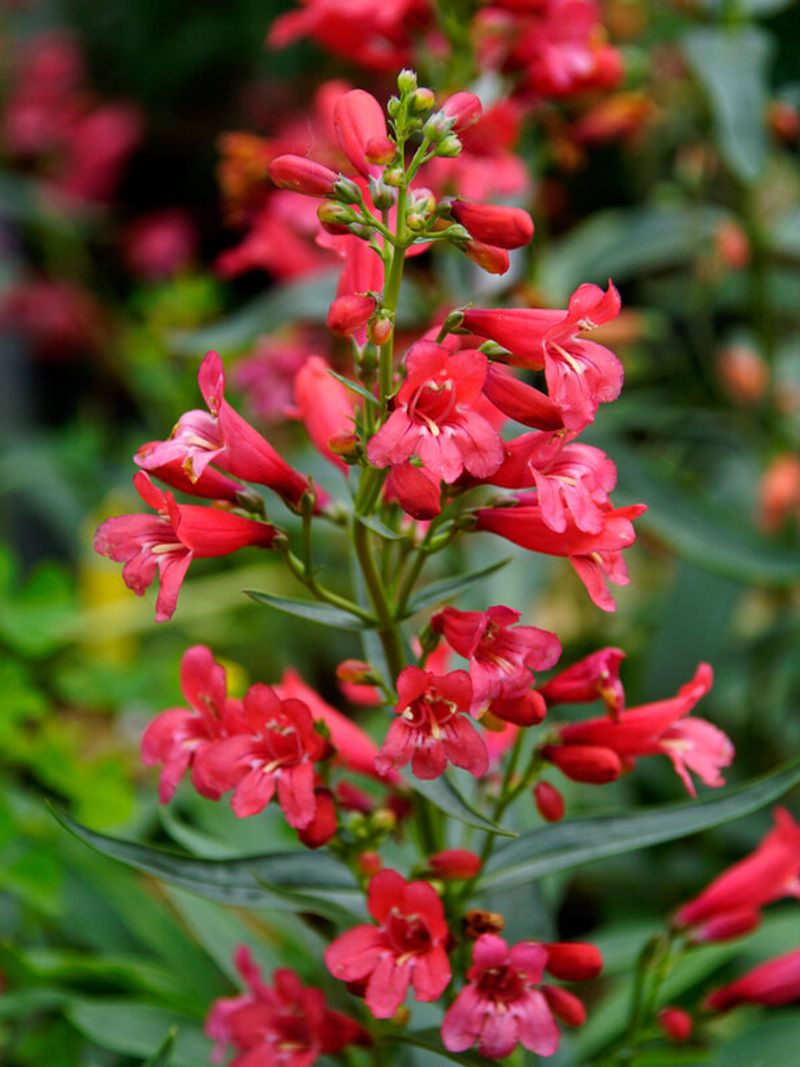
Penstemon’s tubular flowers attract hummingbirds and bees with their vibrant colors. These perennials bring a unique flair to gardens.
They thrive in sunny, well-drained conditions and are drought-resistant, making them a practical choice for eco-friendly gardens. Penstemon’s varied flower colors add diversity.
Incorporate penstemon into your garden to support pollinators while enjoying its striking appearance and low-maintenance nature.
19. Phlox
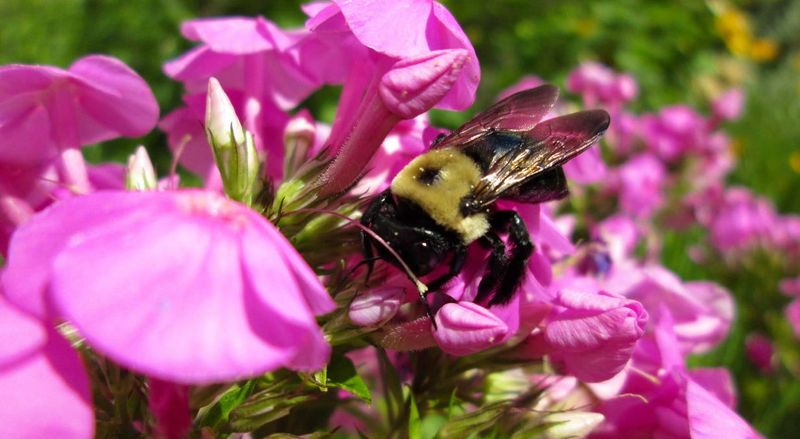
Phlox offers an array of colors and a sweet fragrance that attracts pollinators. Its clusters of blooms provide ample nectar.
These perennials thrive in sunny to partially shaded areas and require well-drained soil. Phlox’s versatility makes it suitable for borders and as ground cover.
Plant phlox to enhance your garden’s beauty and fragrance while supporting bees and butterflies, contributing to a vibrant and healthy ecosystem.