 Complete Gardening
The coastal zones of South Carolina offer a unique and vibrant ecosystem, but not all plants thrive in this particular environment. Many species that look appealing may wreak havoc on local biodiversity, disrupt ecosystems, or struggle to survive in the humid coastal climate. This article highlights 19 plants that are better left out of your coastal garden in South Carolina.
English Ivy
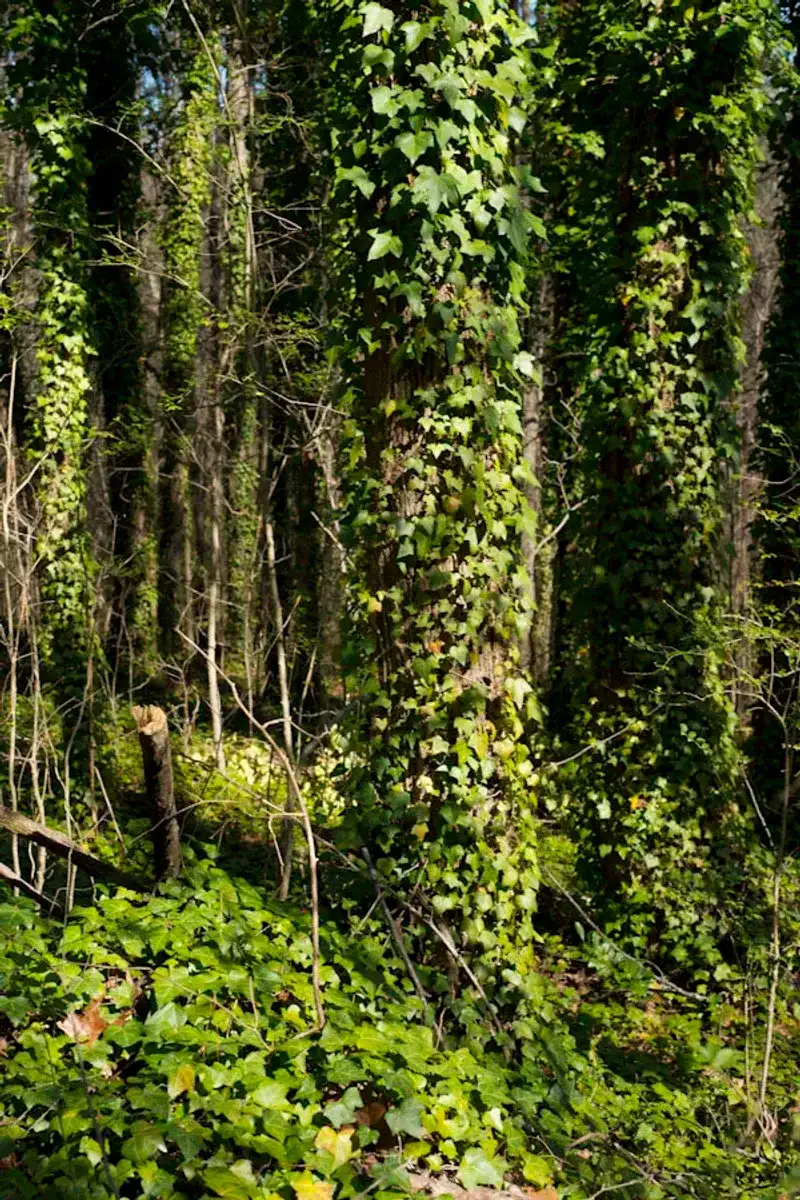
A common sight in many gardens, English Ivy might seem charming, but it can be quite destructive. Its rapid growth allows it to smother trees and shrubs, competing for nutrients and light. Over time, this ivy can cause significant damage to structures and local vegetation.
In South Carolina’s coastal zones, the humid climate further encourages its aggressive spread. It’s difficult to control once established, often requiring extensive labor to remove. English Ivy can also harbor pests, adding another layer of complexity to garden maintenance.
While its lush green appearance might be tempting, it’s best to avoid this plant if you want to maintain a balanced ecosystem. Its presence might lead to unforeseen challenges and costs.
Japanese Honeysuckle
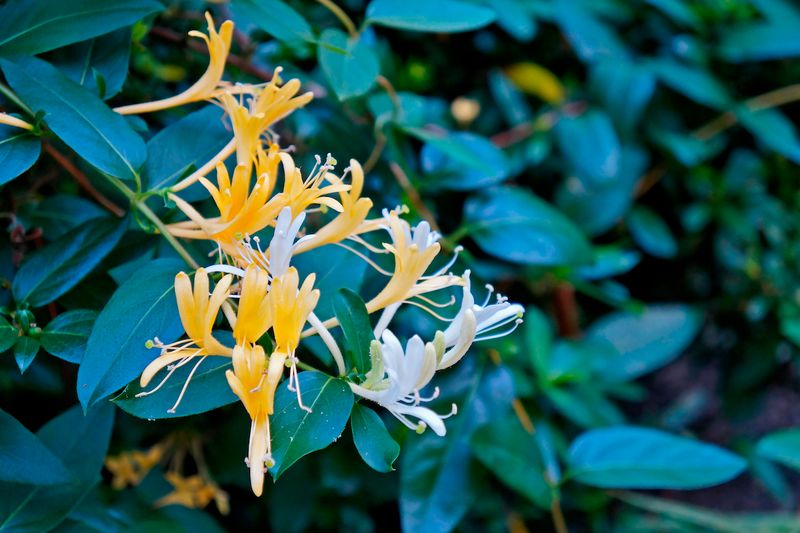
Japanese Honeysuckle enchants with its sweet fragrance and lovely blooms, yet hidden beneath its beauty is a highly invasive nature. In South Carolina’s coastal zones, it can quickly overtake native flora, leading to decreased biodiversity.
Its vines climb and smother trees and shrubs, robbing them of light and space. This not only disrupts local ecosystems but can also damage infrastructure, as it clings to fences and walls.
Gardeners may find its removal taxing, as it requires consistent effort to eradicate completely. It’s a reminder that beauty can sometimes come with a hidden cost in the garden.
Privet
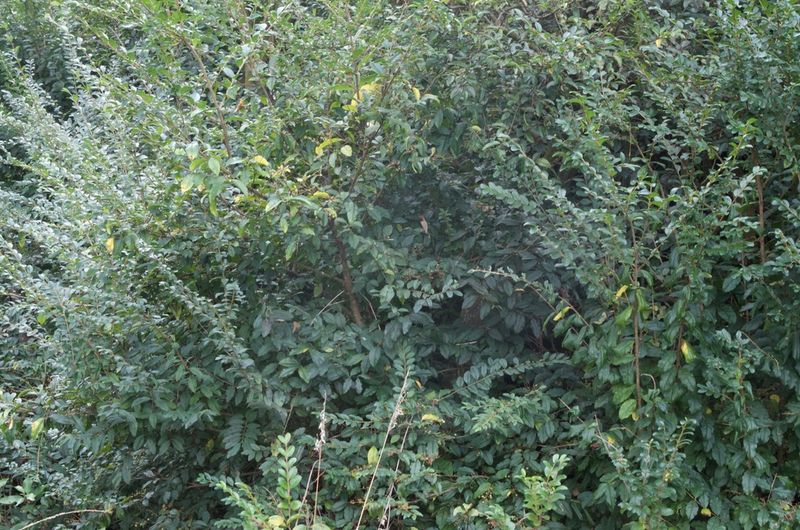
Privet is often planted for its dense foliage and ability to create quick-growing hedges. However, in South Carolina’s coastal areas, it poses a significant threat to native plant life. Its aggressive growth pattern allows it to outcompete local species.
This not only reduces plant diversity but also impacts wildlife that depends on native plants for food and habitat. Privet’s resilience makes it difficult to control once established.
Choosing alternative native shrubs can help preserve the local environment and avoid the pitfalls associated with this plant.
Wisteria
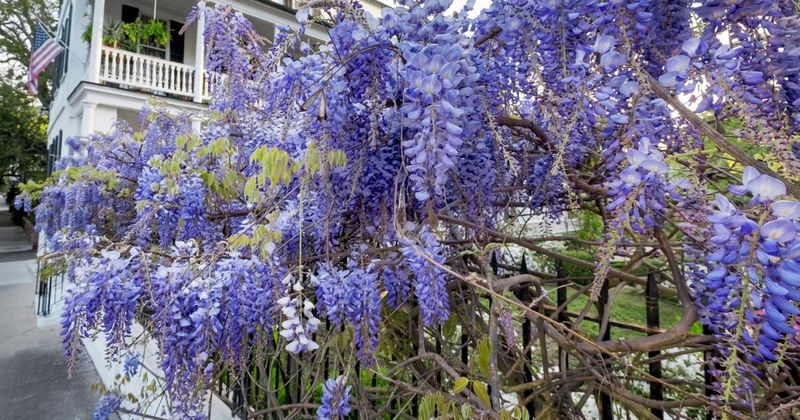
Wisteria’s cascading flowers are undeniably stunning, creating a fairy-tale ambiance. Yet, beneath its beauty lies a tendency to become wildly invasive. In the humid conditions of South Carolina’s coastal zones, Wisteria can grow unchecked.
Its strong vines can strangle trees and shrubs, leading to their decline or death. This not only disrupts the aesthetic of gardens but also affects local ecosystems. Removing Wisteria once it’s established is no small task.
Opting for less aggressive flowering vines can maintain the beauty of your garden without the associated risks.
Chinese Tallow Tree
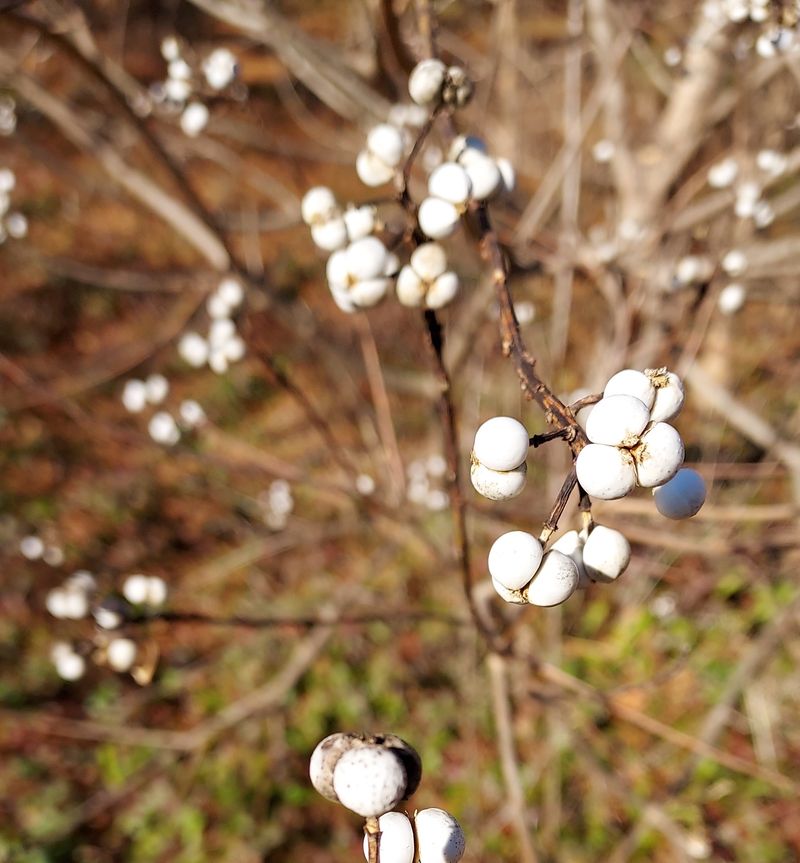
Often referred to as the “Popcorn Tree” due to its white seeds, the Chinese Tallow Tree is a notorious invader along the South Carolina coast. Its ability to thrive in various soil types allows it to spread rapidly, outcompeting native plants.
This can lead to significant changes in local habitats, affecting everything from soil composition to animal life that relies on native vegetation. The tree’s invasive nature makes it difficult to control.
Avoiding planting this species can help protect the unique ecosystems of the coastal zones and prevent future ecological challenges.
Mimosa Tree
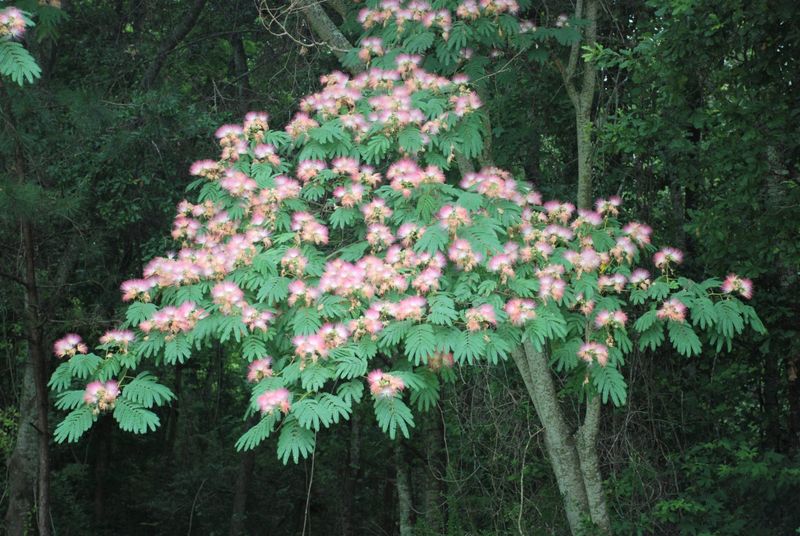
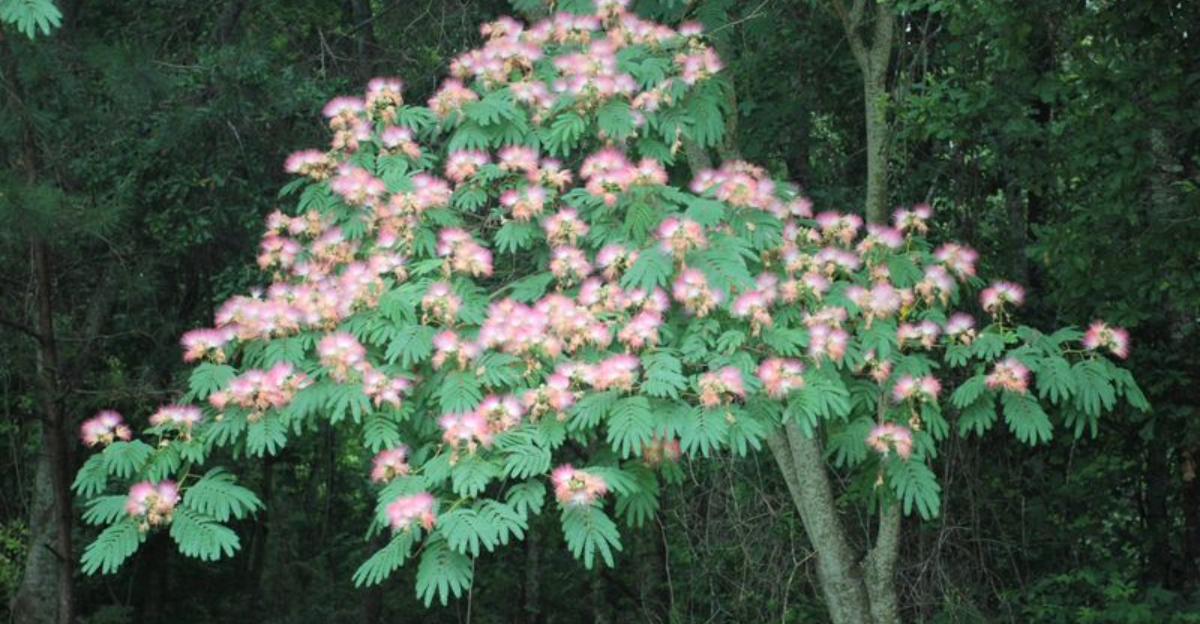
The Mimosa Tree, with its delicate pink flowers and feathery leaves, adds a whimsical touch to any garden. However, in South Carolina’s coastal areas, it quickly becomes invasive. Its ability to reproduce rapidly and adapt to poor soil conditions allows it to outcompete native plants.
This tree often forms dense thickets that are hard to eradicate, impacting local ecosystems and biodiversity. Its tendency to attract pests further complicates garden maintenance.
Gardeners seeking a splash of color might consider native alternatives that support and enhance local biodiversity instead.
Kudzu
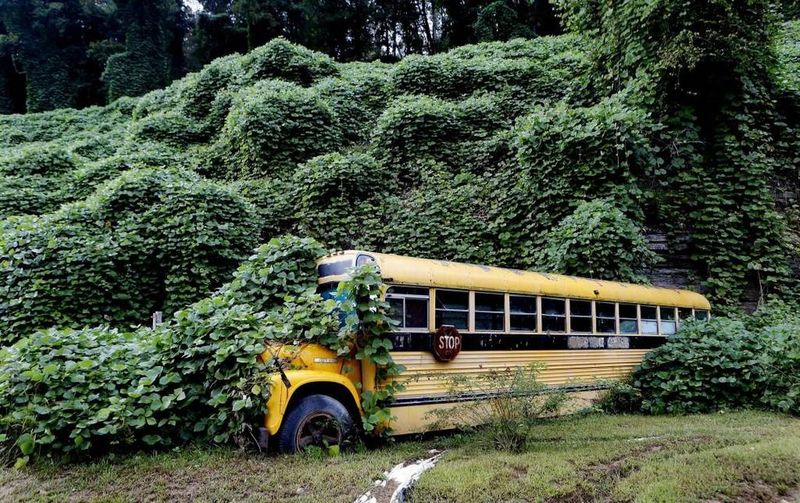
Known as “the vine that ate the South,” Kudzu lives up to its reputation in South Carolina’s coastal areas. With its rapid growth, it can engulf trees, buildings, and anything else in its path.
Once established, Kudzu is nearly impossible to remove and requires constant vigilance to manage. Its spread not only threatens biodiversity but can also lead to significant economic costs related to its control.
The aggressive nature of Kudzu serves as a stark warning against introducing non-native species to delicate ecosystems.
Bamboo
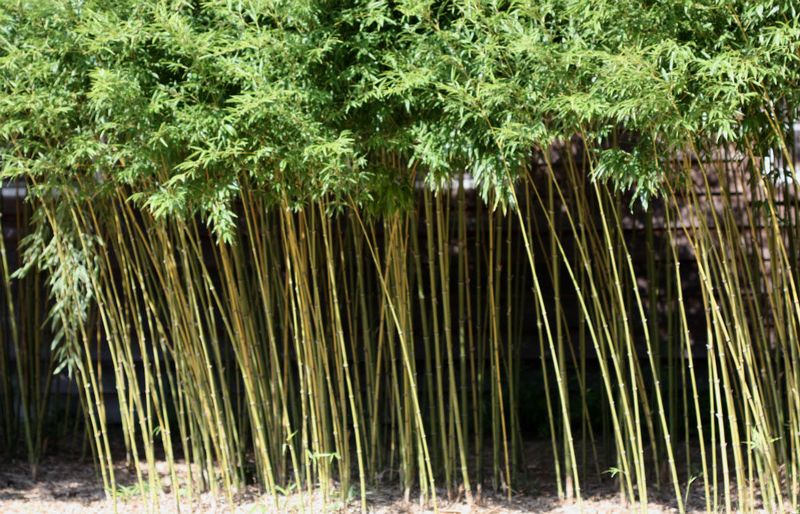
Bamboo is prized for its tall, elegant stalks and rapid growth, often used for creating natural screens. However, in South Carolina’s coastal zones, it can become an uncontrollable force.
Its underground rhizomes allow it to spread quickly, overtaking gardens and wild areas alike. Once established, Bamboo is difficult to eradicate, requiring extensive effort to control.
Opting for native grasses or shrubs can offer a more sustainable and manageable alternative for gardeners seeking privacy or structure.
Elephant Ear
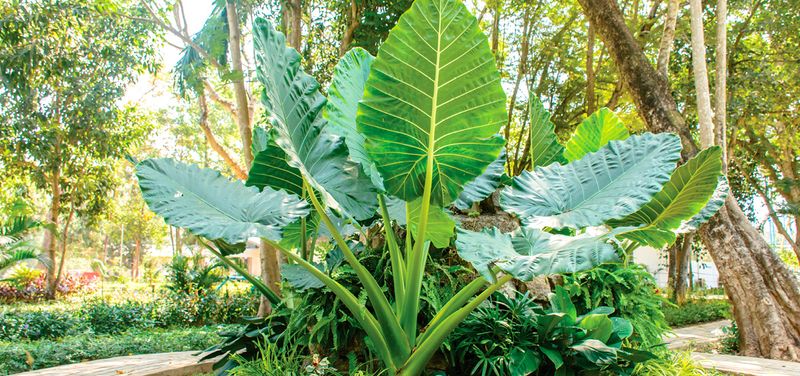
Elephant Ear plants bring a tropical feel to gardens with their large, dramatic leaves. While visually striking, they can become problematic in South Carolina’s coastal zones.
Thriving in moist environments, they can spread rapidly, crowding out native plants. This not only impacts local biodiversity but can also alter the habitat for native wildlife.
Choosing less invasive tropical plants can help maintain the ecological balance while still achieving a lush, vibrant garden aesthetic.
Purple Loosestrife
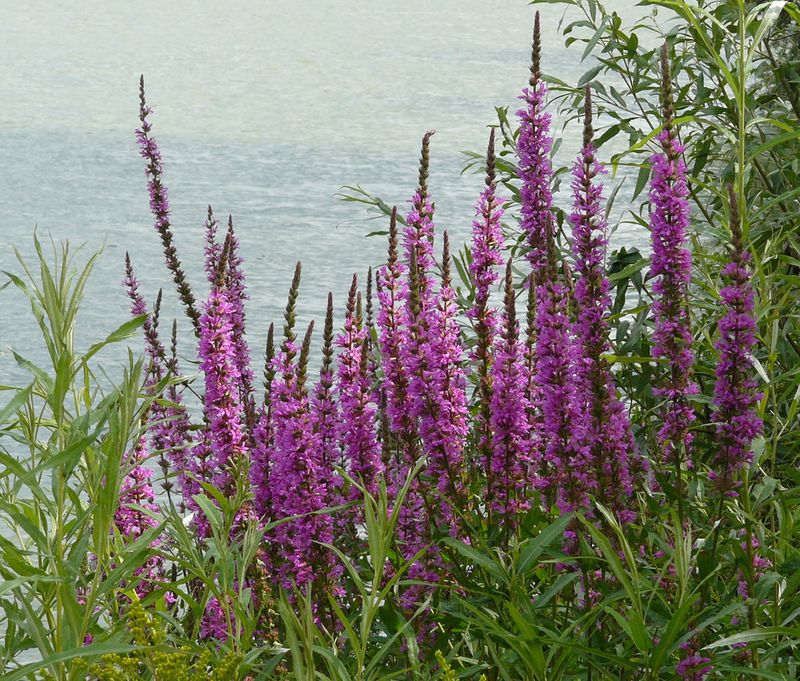
Purple Loosestrife is admired for its tall, vibrant spikes of flowers. However, its beauty belies its aggressive nature in South Carolina’s coastal areas.
It thrives in wetland environments, where it can form dense stands that displace native vegetation. This not only affects plant diversity but can also impact water flow and local wildlife.
Preventing its spread by choosing native wetland plants helps protect these vital ecosystems from degradation and loss of biodiversity.
Japanese Knotweed

Japanese Knotweed is a master of disguise, often mistaken for bamboo with its tall, hollow stems. In South Carolina’s coastal zones, it becomes a relentless invader.
Its rapid growth can damage infrastructure such as roads and buildings, while outcompeting native plant species. The deep root system makes it extremely hard to eradicate once established.
Avoiding this plant can save both time and resources, preventing potential damage to property and local ecosystems.
Water Hyacinth
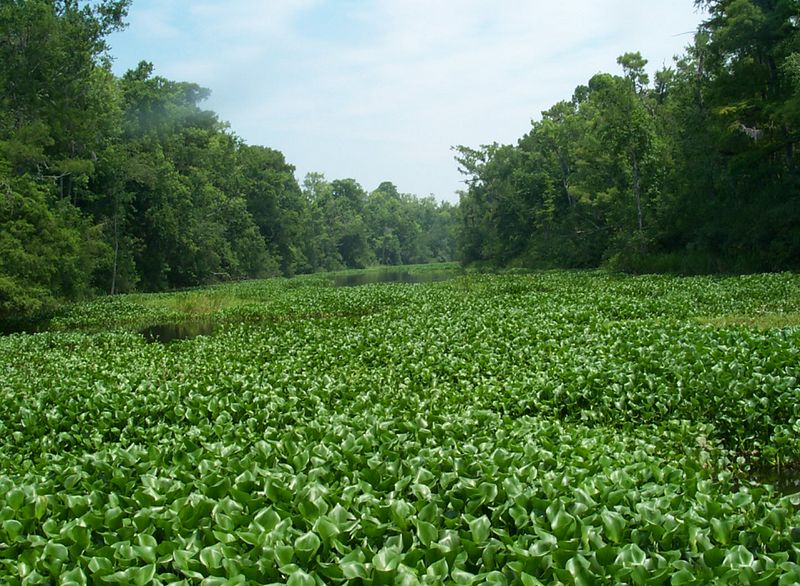
Water Hyacinth is a floating aquatic plant with charming flowers, yet in South Carolina’s coastal waters, it can become a serious problem. Its rapid growth forms dense mats that choke waterways.
This not only disrupts aquatic ecosystems but can also impede recreational activities and water management efforts. Its thick cover blocks sunlight, leading to oxygen depletion and harming aquatic life.
Controlling its spread requires constant monitoring and removal efforts, making it an unsuitable choice for water gardens in the region.
Multiflora Rose
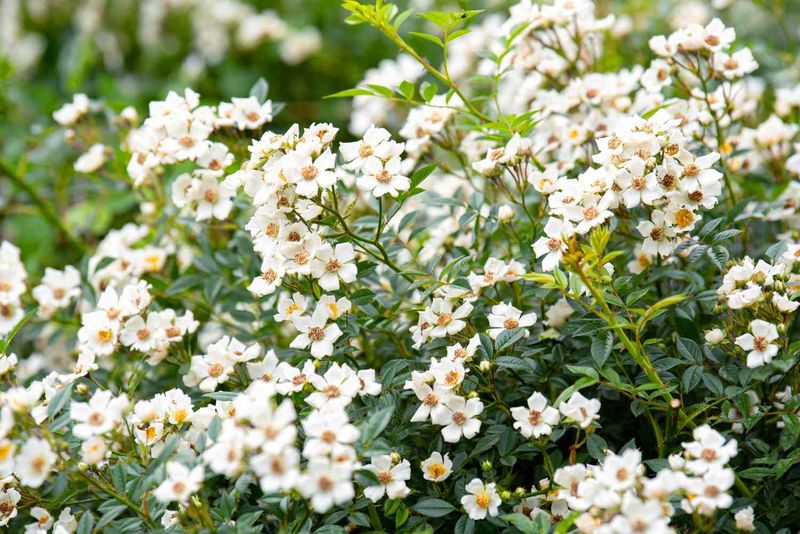
Multiflora Rose, with its clusters of white flowers, might seem like an attractive addition to a garden. However, in South Carolina’s coastal areas, it grows aggressively, forming impenetrable thickets.
These dense growths can smother native plants and reduce habitat availability for local wildlife. Its sharp thorns also make it a challenging plant to manage or remove.
Opting for native rose species can provide similar beauty without the invasive nature, helping to preserve local ecosystems.
Tree of Heaven
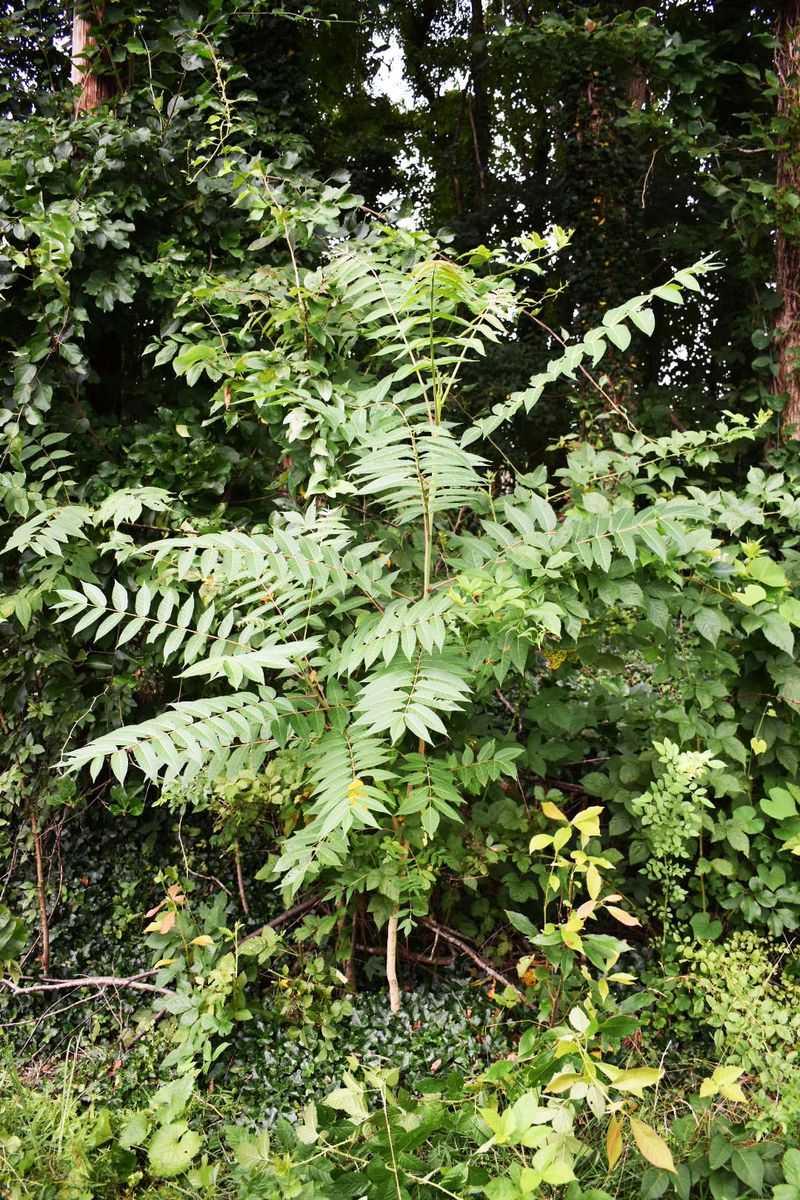
The Tree of Heaven is notorious for its resilience and rapid growth. In South Carolina’s coastal zones, it quickly becomes a dominant species, outcompeting native plants.
Its ability to grow in poor soil conditions and its allelopathic nature inhibit the growth of surrounding vegetation. This can lead to reduced biodiversity and alteration of local habitats.
Avoiding this tree in landscaping can help protect the natural beauty and ecological balance of coastal areas.
Russian Olive
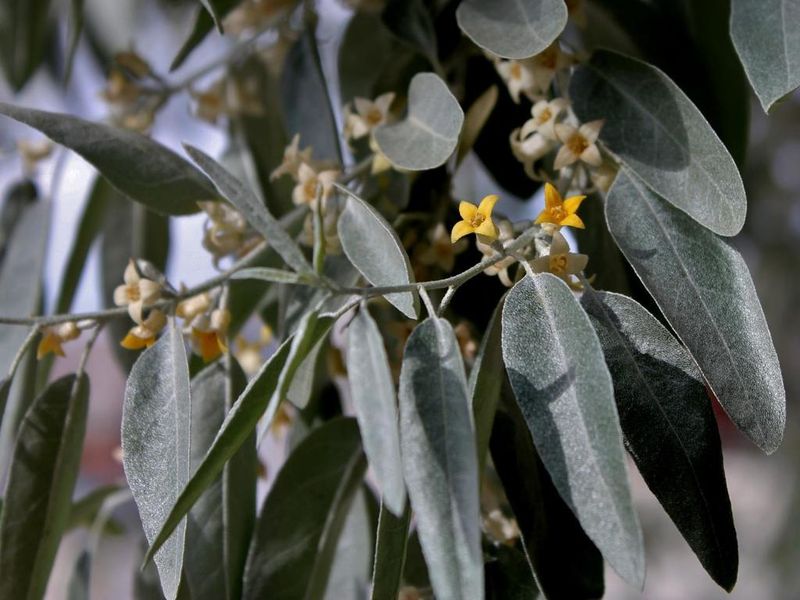
The Russian Olive tree adds a unique touch with its silvery leaves and fragrant flowers. Yet, in South Carolina’s coastal areas, it becomes highly invasive.
Its ability to fix nitrogen gives it a competitive edge, allowing it to thrive in poor soil and outcompete native species. This can lead to significant changes in soil chemistry and local plant communities.
Choosing native alternatives helps maintain ecological integrity and prevents the spread of this challenging species.
Giant Reed
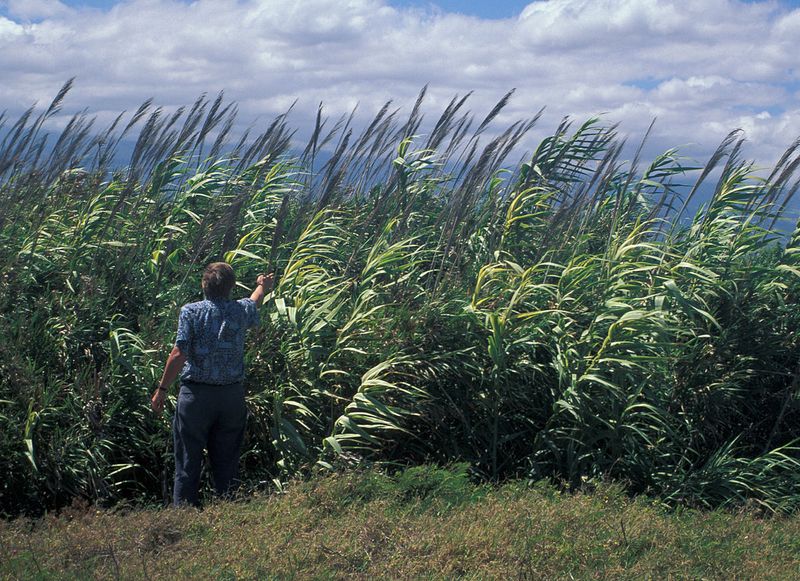
Giant Reed, known for its towering stalks and feathery plumes, is often used for erosion control. However, in South Carolina’s coastal zones, it becomes a formidable invader.
Its rapid growth and ability to spread via rhizomes lead to dense stands that displace native vegetation. This not only impacts biodiversity but can also alter hydrology and soil stability.
Avoiding Giant Reed in coastal landscaping projects helps protect the delicate balance of these unique ecosystems.
Cogongrass
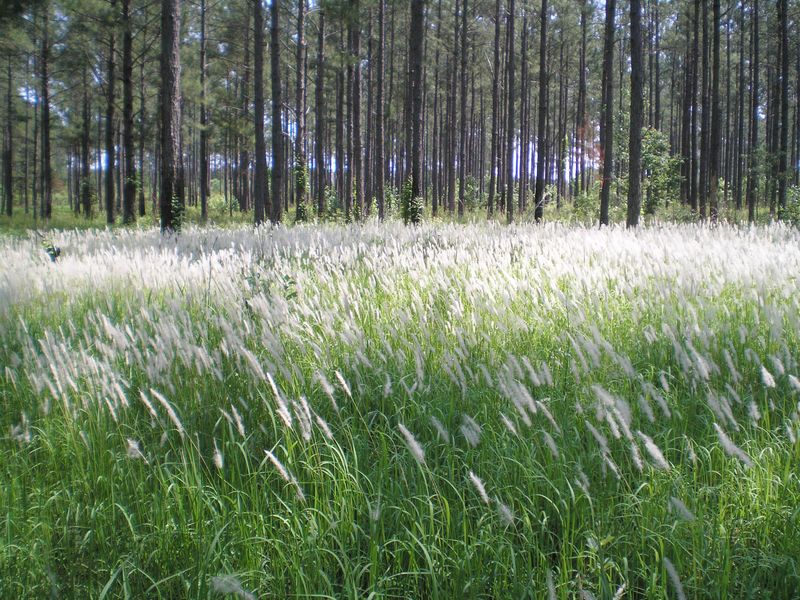
Cogongrass is a deceptively beautiful plant, with its fluffy seed heads and sharp blades. In South Carolina’s coastal zones, it poses a significant threat to local ecosystems.
Its ability to form dense mats crowds out native plants and alters fire regimes, increasing the risk of wildfires. Its invasive nature makes it difficult to control once established.
Selecting native grasses for landscaping can help prevent the spread of this aggressive species and protect local habitats.
Autumn Olive

Autumn Olive is admired for its fragrant flowers and abundant red berries. However, in the coastal areas of South Carolina, it becomes an aggressive invader.
Its rapid growth and nitrogen-fixing abilities allow it to outcompete native plants, leading to reduced biodiversity. The berries attract wildlife, which further aids in its spread.
Using native berry-producing shrubs can offer similar benefits to wildlife without the invasive drawbacks, supporting local ecosystems.
Air Potato
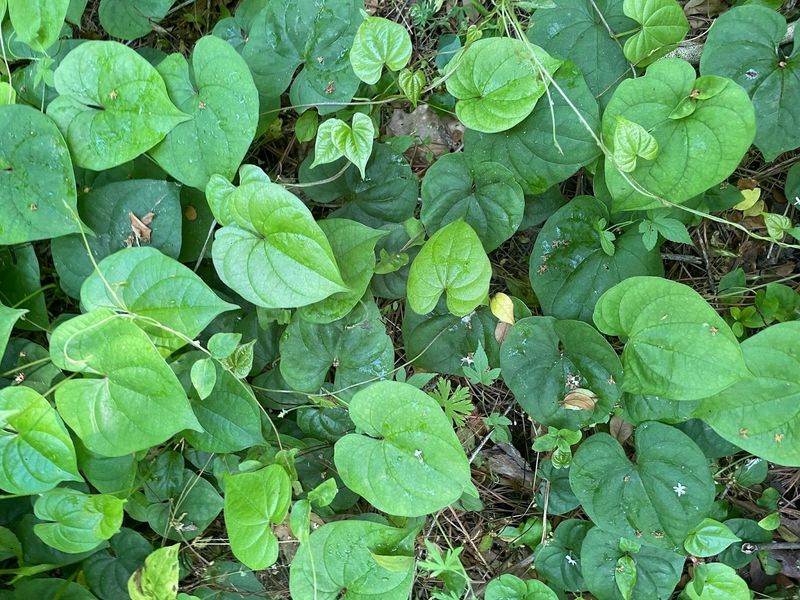
Air Potato vines may appear whimsical with their heart-shaped leaves, yet they conceal a highly invasive nature. In South Carolina’s coastal zones, these vines can grow rapidly, smothering native plants.
Their bulbils allow them to spread quickly, making them difficult to control once established. This leads to significant ecological impacts, including reduced plant diversity and altered habitats.
Avoiding this plant in coastal gardens helps preserve the unique ecosystems that define the region.