 Complete Gardening
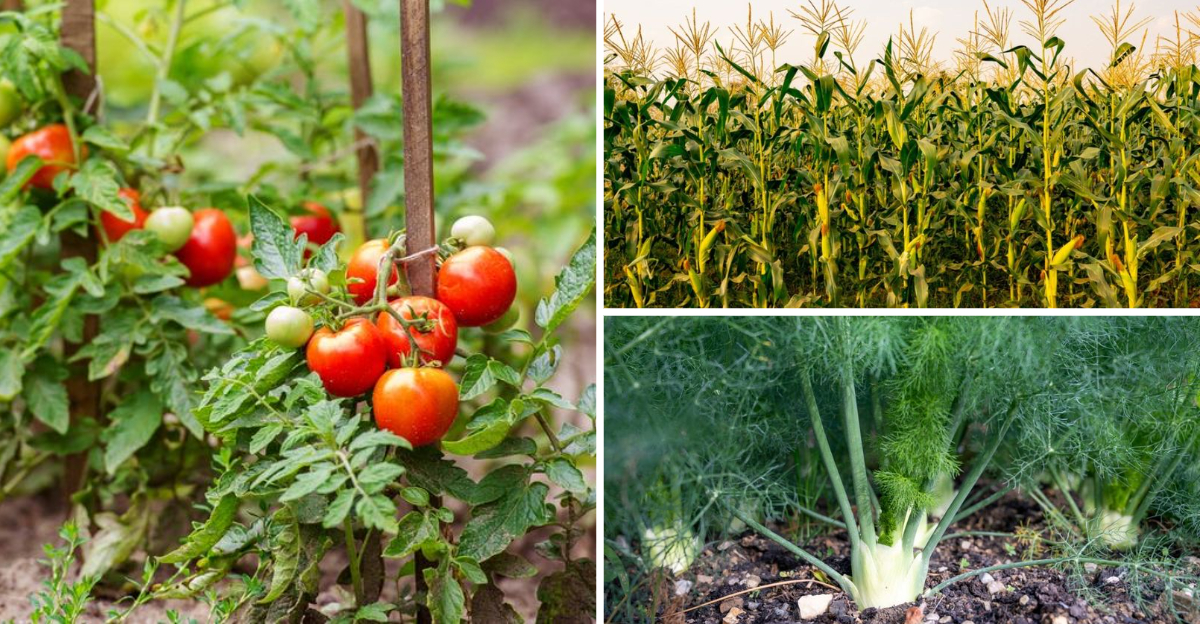
Nasturtiums are vibrant and versatile in the garden, but not every plant makes a suitable neighbor. Some may compete for the same nutrients, while others attract pests that thrive on nasturtiums. Knowing which plants to avoid can save you time and enhance your garden’s health. Below is a guide to 19 plants you should keep away from nasturtiums and what you might consider planting nearby instead.
1. Fennel
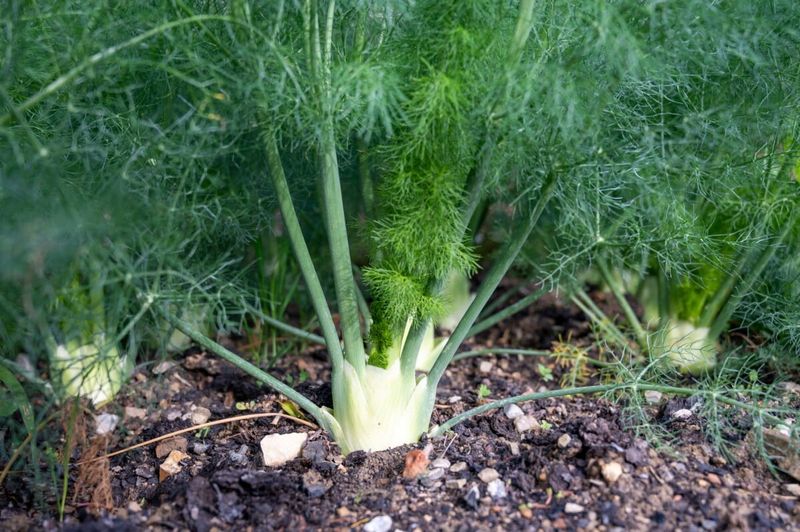
Fennel, with its feathery foliage and aromatic quality, is a poor companion for nasturtiums. It often releases a chemical into the soil that can inhibit the growth of nearby plants.
This can lead to stunted growth for your vibrant nasturtiums. Instead, consider growing dill nearby, which not only complements the garden aesthetically but also attracts beneficial insects.
Did you know? Fennel has been used since ancient times as a medicinal herb. Its distinctive licorice flavor makes it a unique addition to culinary dishes.
2. Cabbage
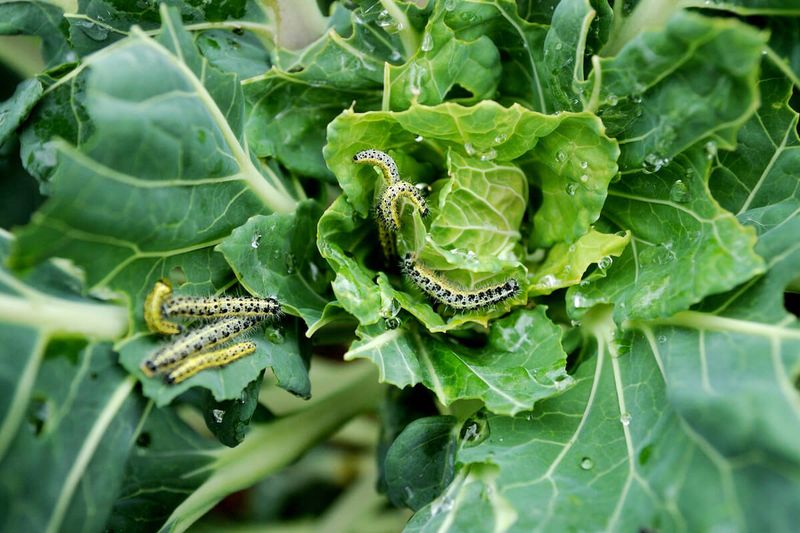
Cabbage is notorious for attracting pests like cabbage worms that also love nasturtiums. These pests can quickly destroy both plants if planted together.
Instead, try planting mint nearby. The strong aroma of mint can deter these common pests, protecting your garden.
Cabbage has been a staple in human diets for centuries, with origins tracing back to Europe. Its dense leaves not only provide nutrition but also a satisfying crunch in meals.
3. Tomatoes
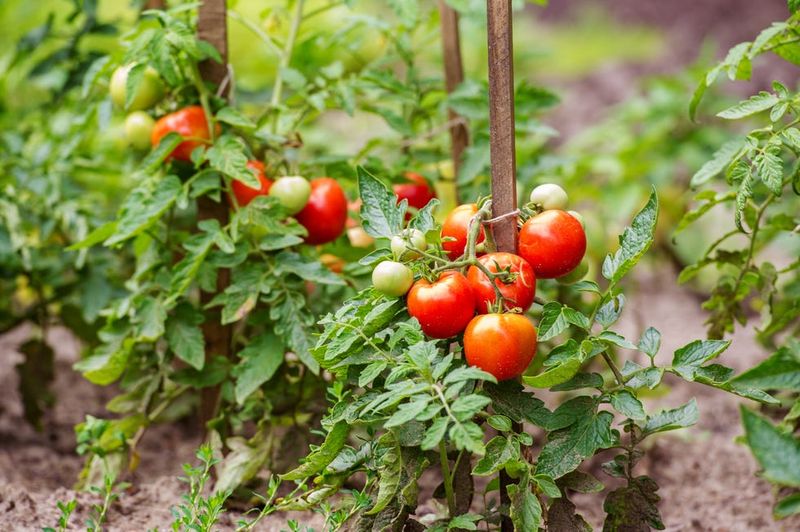
Tomatoes and nasturtiums may seem like a colorful pairing, but tomatoes can overshadow and outcompete nasturtiums for nutrients.
A better pairing would be basil. Known as the king of herbs, basil enhances the flavor of tomatoes when planted nearby and can also repel harmful insects.
Tomatoes originally hail from South America and have become a global culinary favorite. Their versatility and rich flavor make them a must-have in any garden.
4. Beans
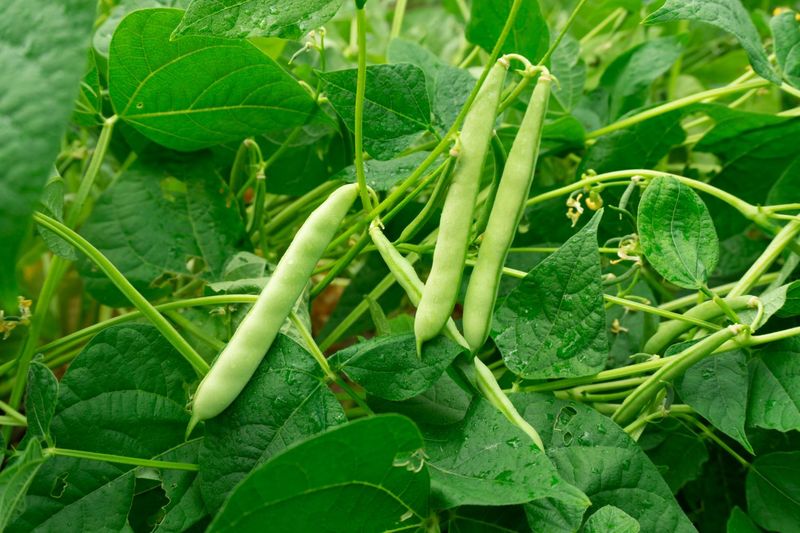
Beans can be overbearing companions, often competing with nasturtiums for space and nutrients. They can also attract aphids, which favor nasturtiums.
Consider growing marigolds instead. Marigolds not only add a splash of color but also deter nematodes and other pests.
Beans have a rich history as one of the ancient staple foods and come in various types, each offering nutritious benefits and versatility in dishes.
5. Potatoes
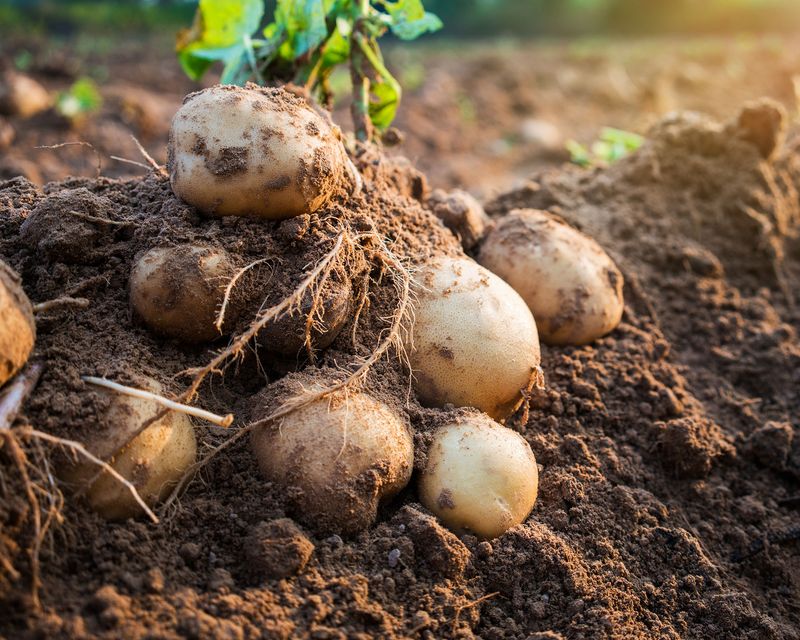
Potatoes and nasturtiums can both attract the same pests, like aphids and beetles, which can devastate your garden.
Instead, try planting horseradish nearby. It acts as a natural pest deterrent, keeping unwanted insects away from your vegetables.
Potatoes were first cultivated in South America and have since become a staple ingredient worldwide, known for their adaptability in countless recipes.
6. Strawberries
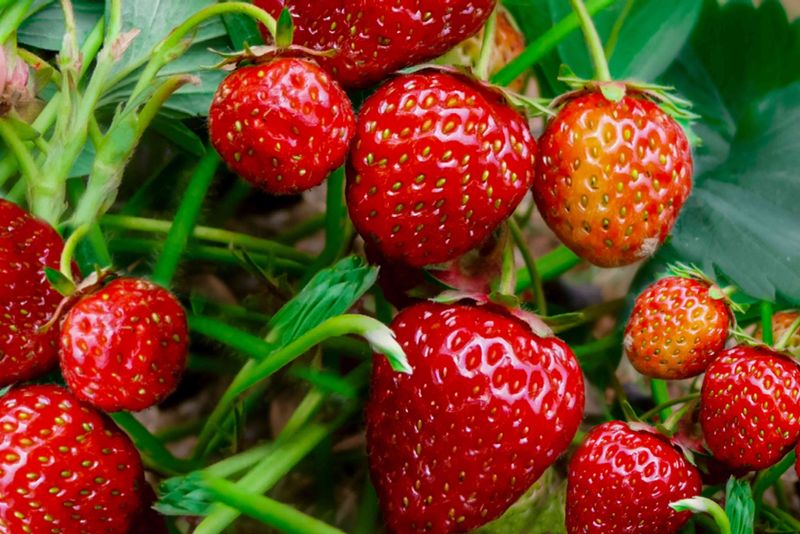
Strawberries, though delightful, can attract slugs and other pests that also target nasturtiums. This shared vulnerability can lead to crop damage.
Instead, try growing thyme nearby. Thyme’s strong scent helps deter pests and complements the sweet aroma of strawberries.
Originating from Europe, strawberries are celebrated for their sweet taste and are a favorite in desserts and snacks alike.
7. Corn

Corn can overshadow nasturtiums, blocking sunlight necessary for their growth. The sheer height and density of corn can impede on the light and space nasturtiums need.
Instead, plant sunflowers. These towering beauties attract pollinators and provide just enough shade for nasturtiums.
Corn has a long history of cultivation, particularly in the Americas, and remains a key staple in diets around the world.
8. Broccoli
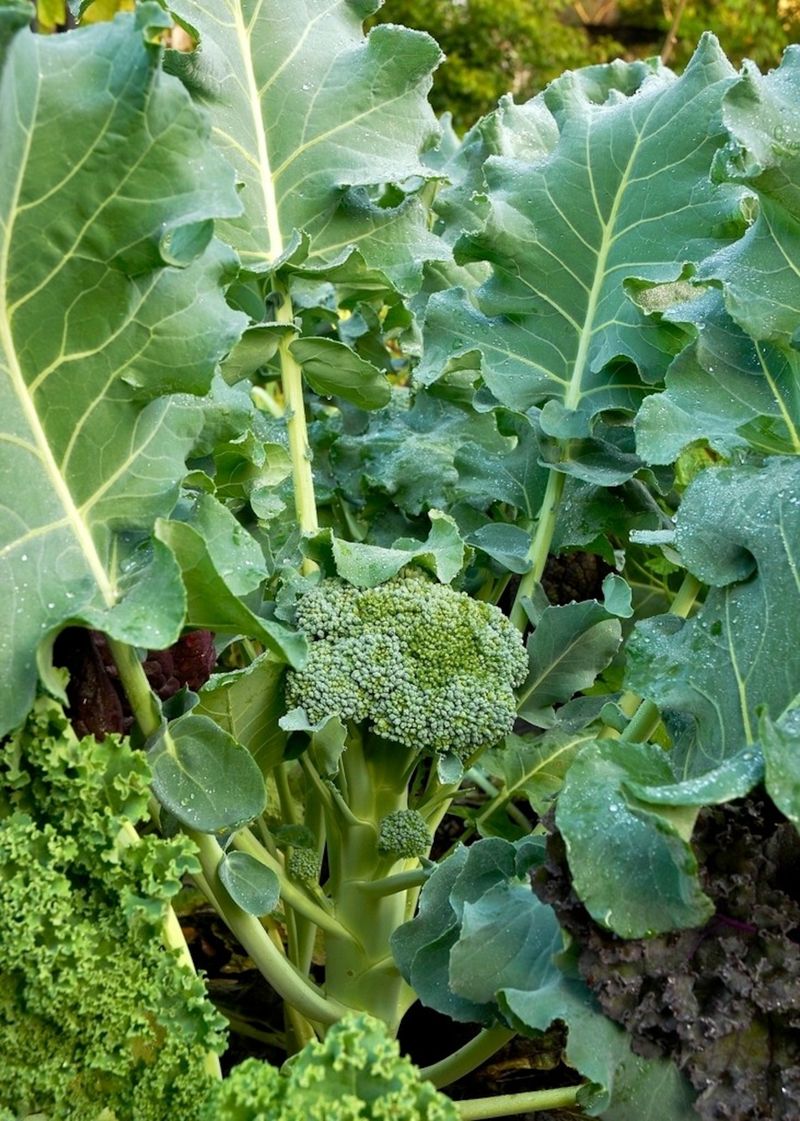
Broccoli and nasturtiums both attract cabbage moths, which can quickly decimate your garden. The similar pest profile makes them incompatible neighbors.
Opt for oregano instead. Its strong aroma can help mask the scent of broccoli, reducing pest attraction.
Broccoli is a member of the cabbage family and hails from the Mediterranean. It’s renowned for its nutritional benefits and versatility in cooking.
9. Onions
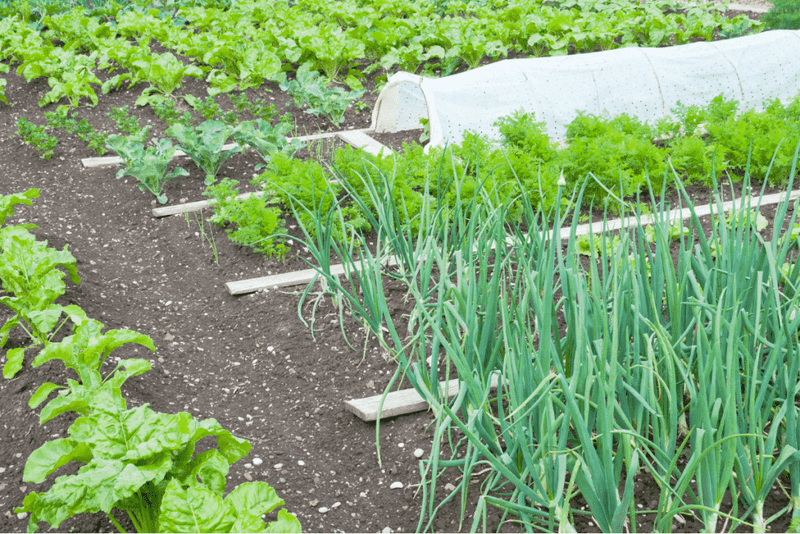
Onions can be aggressive in their growth, often outcompeting nasturtiums for vital nutrients. Their pungent aroma can also disrupt the delicate balance in the garden.
A better pairing would be carrots, which have a more complementary growth habit. Carrots and onions together can deter many pests beneficially.
Onions have been cultivated for thousands of years, appreciated for their flavor and medicinal properties across various cultures.
10. Peas
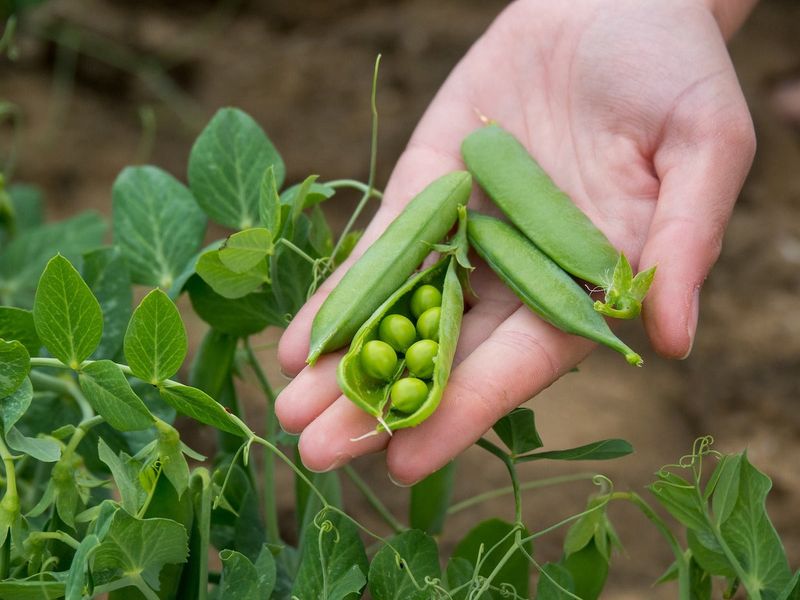
Peas, with their climbing nature, can overshadow and entangle nasturtiums, leading to stunted growth. They also attract aphids, a common pest for nasturtiums.
Instead, consider chives. When grown nearby, chives can repel aphids and enhance the flavor of neighboring plants.
Peas have been a dietary staple for millennia, celebrated for their sweet taste and nutritional content. These legumes offer a taste of spring in every bite.
11. Squash
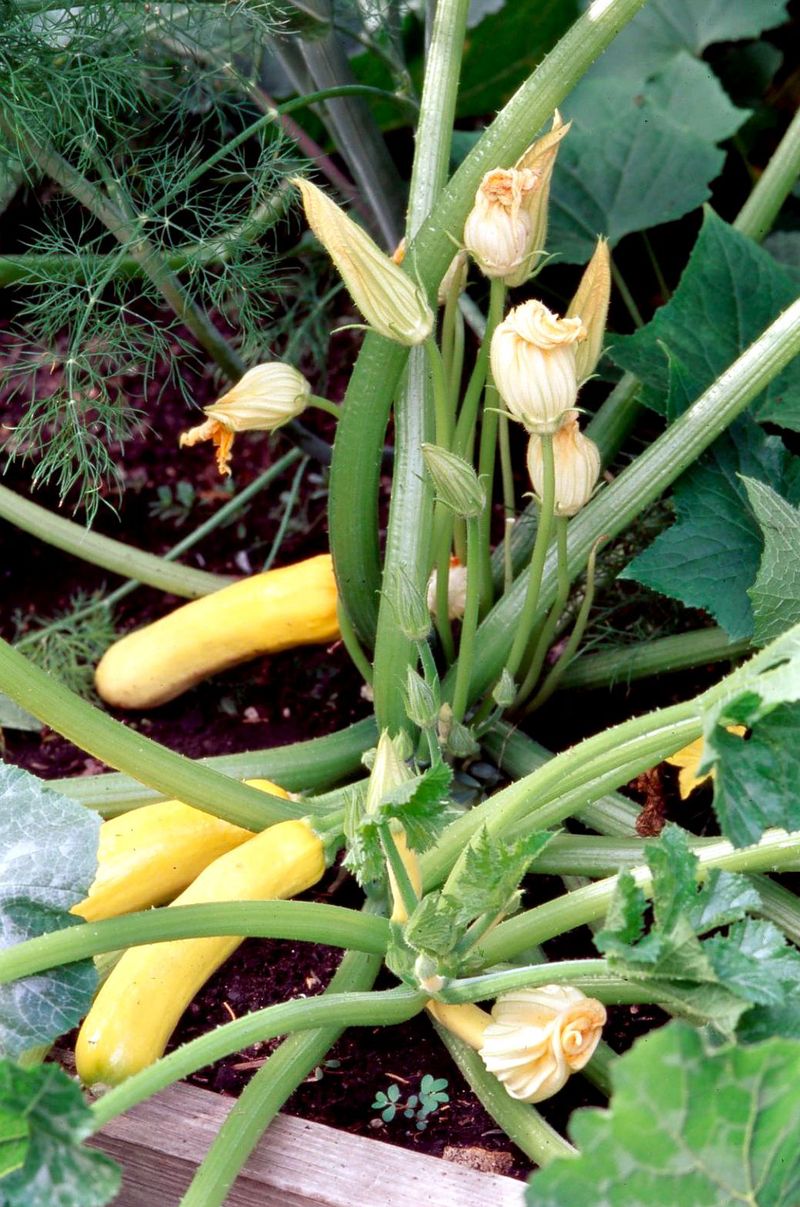
Squash plants can become overwhelming neighbors, with their sprawling vines overshadowing nasturtiums. This can limit sunlight and nutrients.
Consider planting borage instead. Borage attracts pollinators and enhances the growth of nearby plants.
Squash has a rich history in American agriculture, with varieties used in countless culinary traditions. From soups to sides, squash remains a versatile kitchen staple.
12. Cauliflower
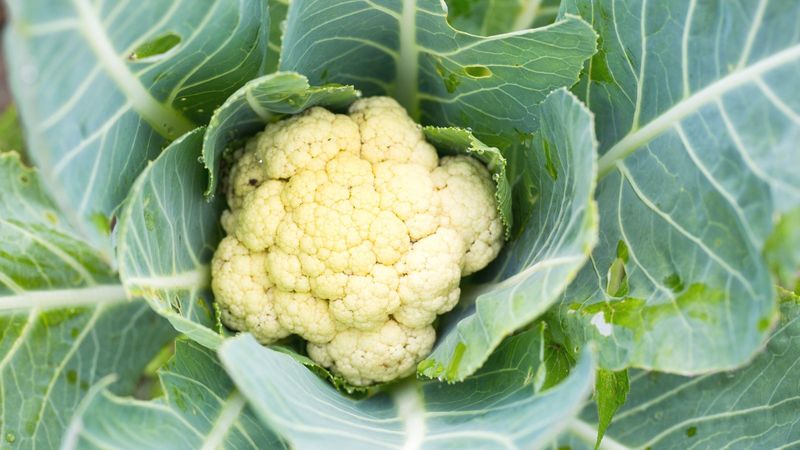
Cauliflower shares pests with nasturtiums, particularly cabbage worms. This can lead to significant damage if both are grown together.
Opt for garlic. Its strong scent can deter pests and enhance the flavor profile of your garden.
Cauliflower, like broccoli, belongs to the cabbage family and is known for its versatility. Whether roasted or riced, it’s a culinary chameleon.
13. Brussels Sprouts
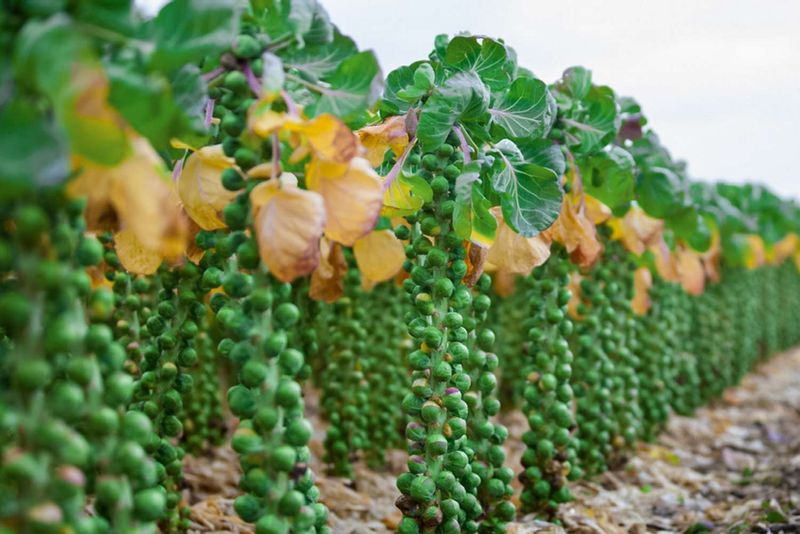
Brussels sprouts are often plagued by the same pests that infest nasturtiums, such as aphids and cabbage moths.
Grow rosemary nearby instead. The aromatic herb repels pests and adds a delightful fragrance.
These little cabbages are enjoyed worldwide, known for their unique taste and health benefits. Whether roasted or sautéed, they bring a robust flavor to the table.
14. Radishes
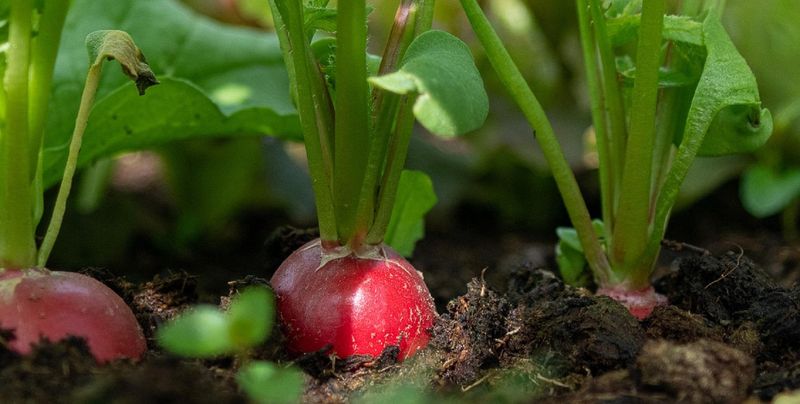
Radishes can grow aggressively and compete with nasturtiums for resources in the soil, hindering their growth.
Try planting lettuce nearby. With its shallow roots, lettuce allows more room for nasturtiums to thrive.
Radishes have been cultivated since ancient times, prized for their peppery crunch in salads and dishes. Their quick growth cycle makes them a favorite among gardeners.
15. Eggplants
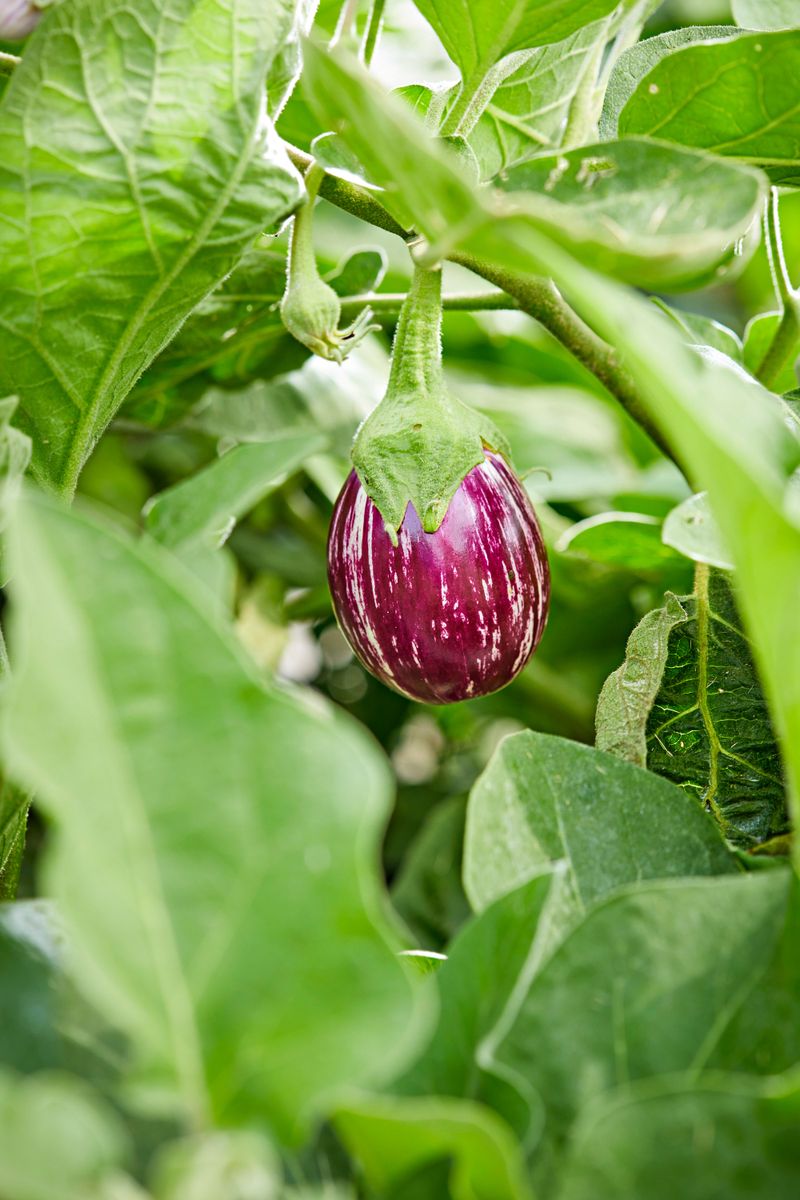
Eggplants can attract pests like flea beetles, which also target nasturtiums, creating a challenging environment.
Plant lavender instead. It repels harmful insects and infuses the garden with a calming aroma.
Eggplants are native to Asia and have been enjoyed in cuisines worldwide, from Mediterranean to Asian recipes. Their meaty texture offers a satisfying alternative in vegetarian dishes.
16. Grapes
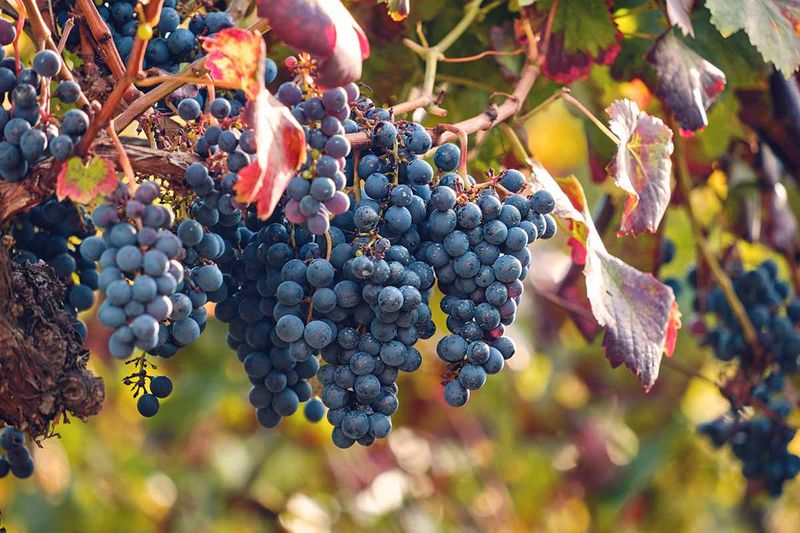
Grapes and nasturtiums both attract similar pests, such as aphids and beetles, which can damage their growth.
Consider planting fennel nearby. It attracts beneficial insects while adding a unique texture to the garden landscape.
Grapes have been cultivated for thousands of years, mostly for wine production. Today, they are also enjoyed as fresh fruit and in various culinary applications.
17. Carrots
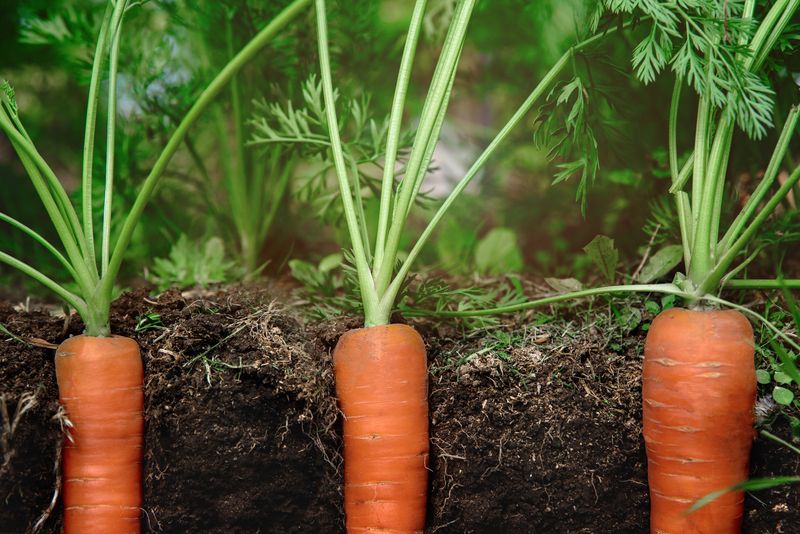
Carrots can become aggressive underground, competing for nutrients with nasturtiums, hindering their growth.
Try growing sage nearby. Sage repels pests and adds a savory note to your garden’s aroma.
Carrots are beloved for their sweet flavor and crunch. They are a staple in many diets, often featured in salads, soups, and as snacks.
18. Celery
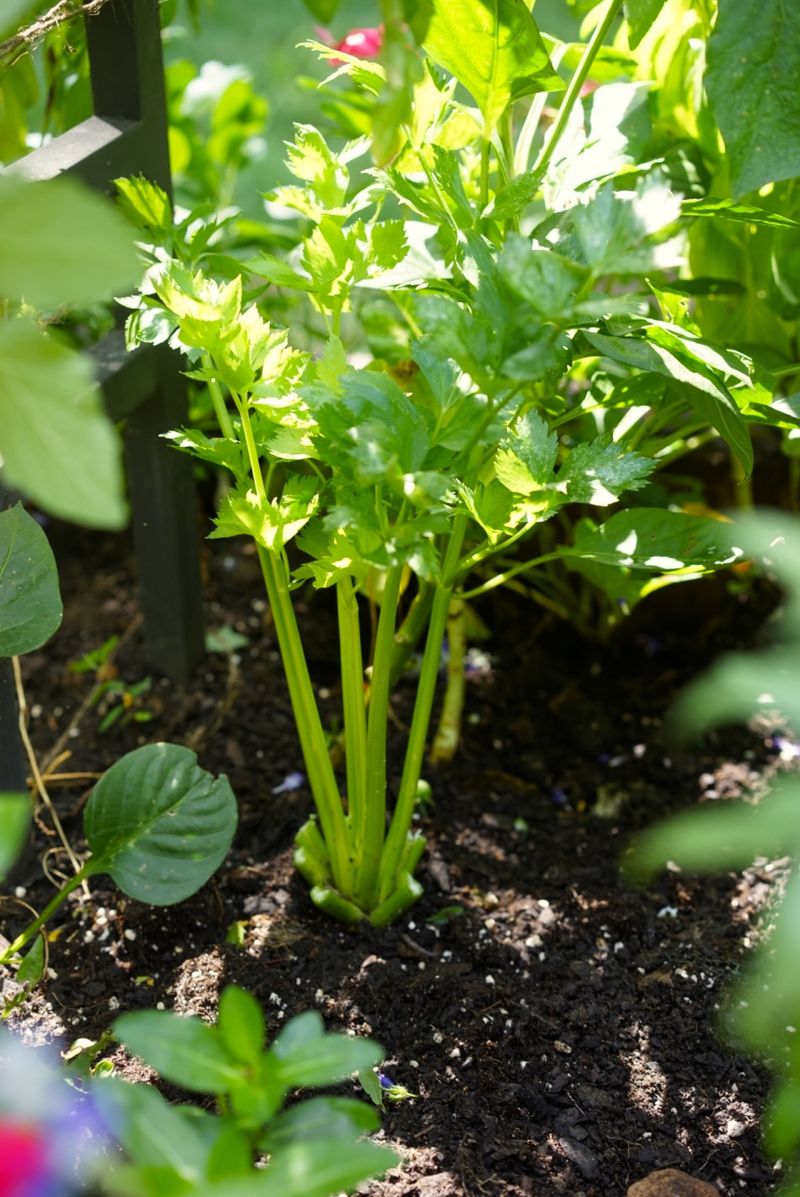
Celery can overshadow nasturtiums, especially in moist environments. Their growth habit can stifle nasturtiums.
Opt for cilantro instead. It’s low-growing and attracts beneficial insects to your garden.
Celery has been cultivated for its crunchy texture and health benefits, making it a popular choice in salads and snacks. Its refreshing taste is a favorite in summer dishes.
19. Spinach
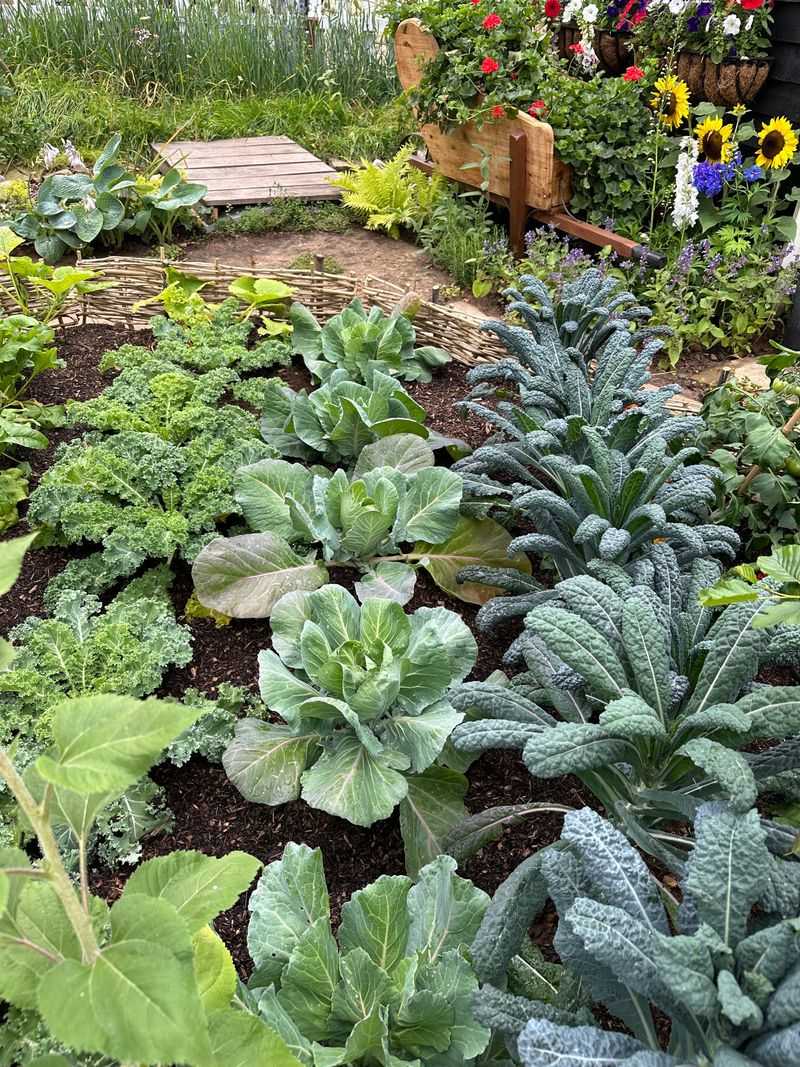
In the world of gardening, spinach and nasturtiums don’t get along well. Spinach thrives in rich, nitrogen-filled soil, while nasturtiums prefer poorer soil, where they can grow vigorously without becoming leggy. Planting them together may lead to competition for nutrients, where spinach might struggle in less than ideal conditions.
Instead, consider planting kale next to your nasturtiums. Kale enjoys similar soil conditions and can benefit from the pest-deterring properties of nasturtiums. This pairing creates a balanced environment, enabling both plants to flourish without competing for nutrients.
Fun fact: Spinach was once cultivated as a medicinal plant in ancient Persia.