 Complete Gardening
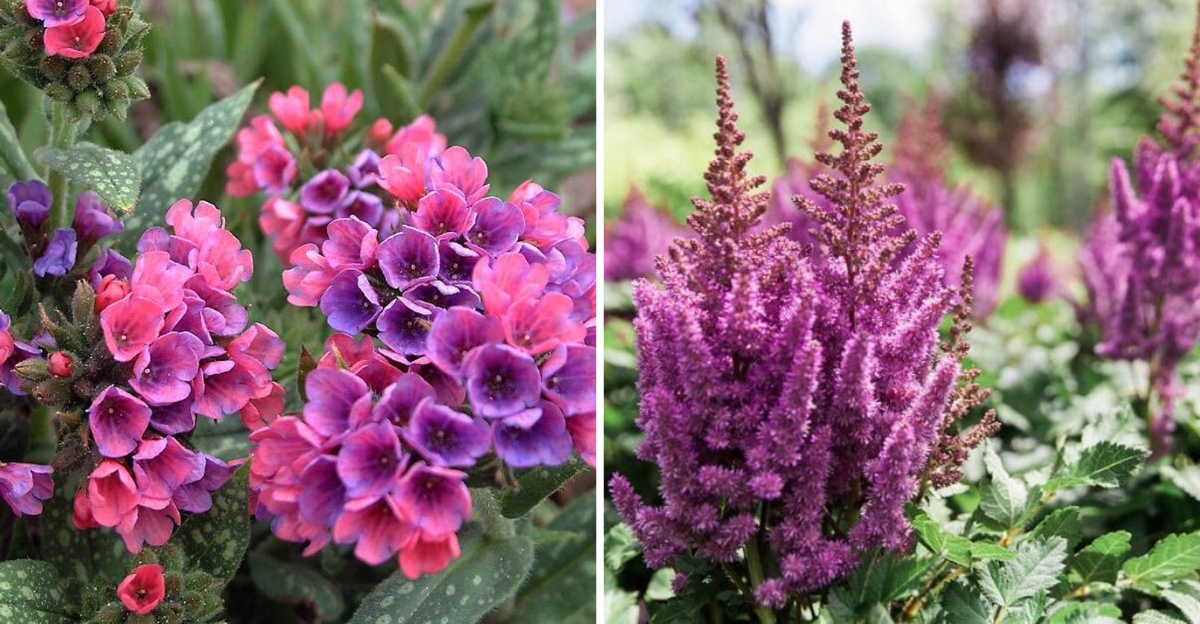
Explore the world of purple shade perennials, a delightful addition to any garden. These charismatic plants not only bring a splash of color but thrive in shaded areas where many other plants may struggle. Whether you are an experienced gardener or just getting started, these perennials are sure to captivate your imagination and enhance your outdoor space.
1. Hellebore
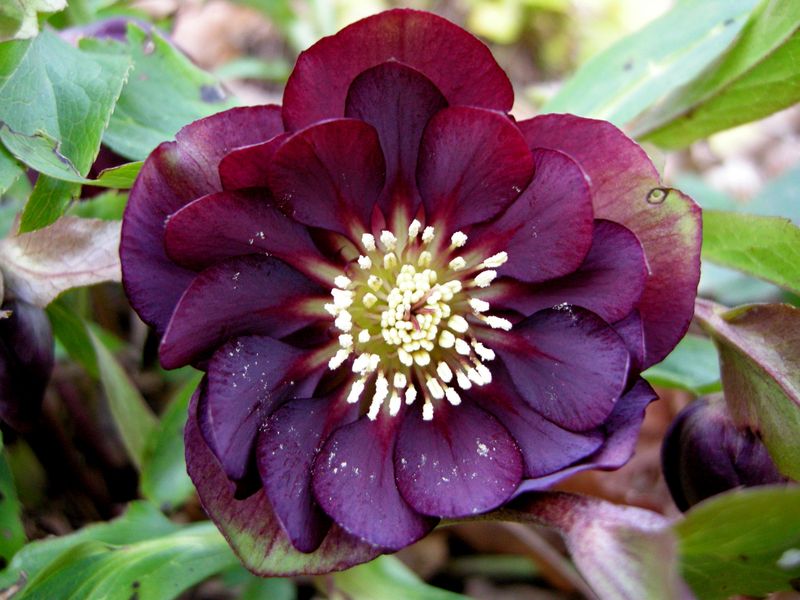
Hellebores, often called “Lenten Roses,” bloom when most other plants are dormant. They grace gardens with their purple hues during late winter and early spring. These perennials are not only beautiful but are also hardy, requiring minimal care.
Their unique petals and evergreen foliage make them a favorite among gardeners. Hellebores thrive in shady areas, bringing life to parts of the garden that often go unnoticed. With their captivating charm, these flowers create a serene atmosphere year-round.
Fun fact: Hellebores have been cultivated since ancient times for their medicinal properties.
2. Astilbe
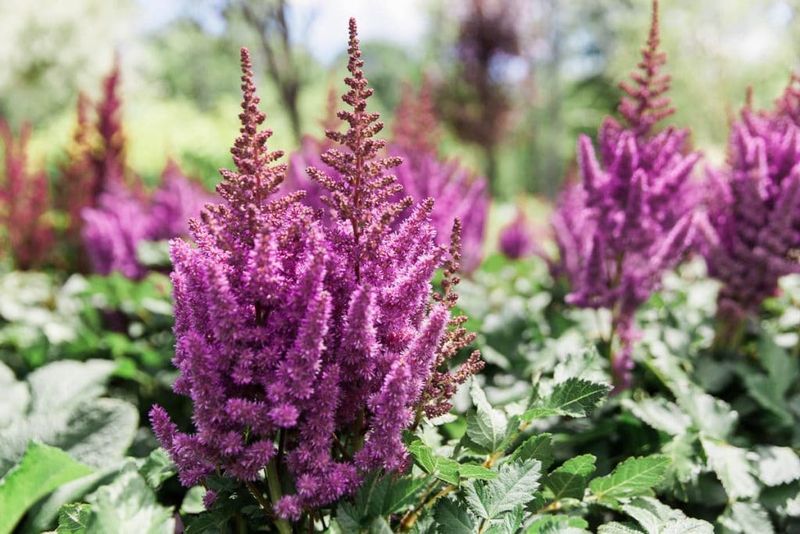
Astilbe is like a gentle whisper in the garden, with its feathery plumes swaying softly in the breeze. These perennials are perfect for adding texture and color to shaded areas.
Their vibrant purple flowers bloom in late spring and continue through summer, attracting pollinators. Astilbe’s fern-like foliage complements its blooms, providing a lush, green backdrop.
Did you know? Astilbes are native to Asia and North America, and they symbolize patience and dedication, making them an ideal gift for a gardener.
3. Coral Bells
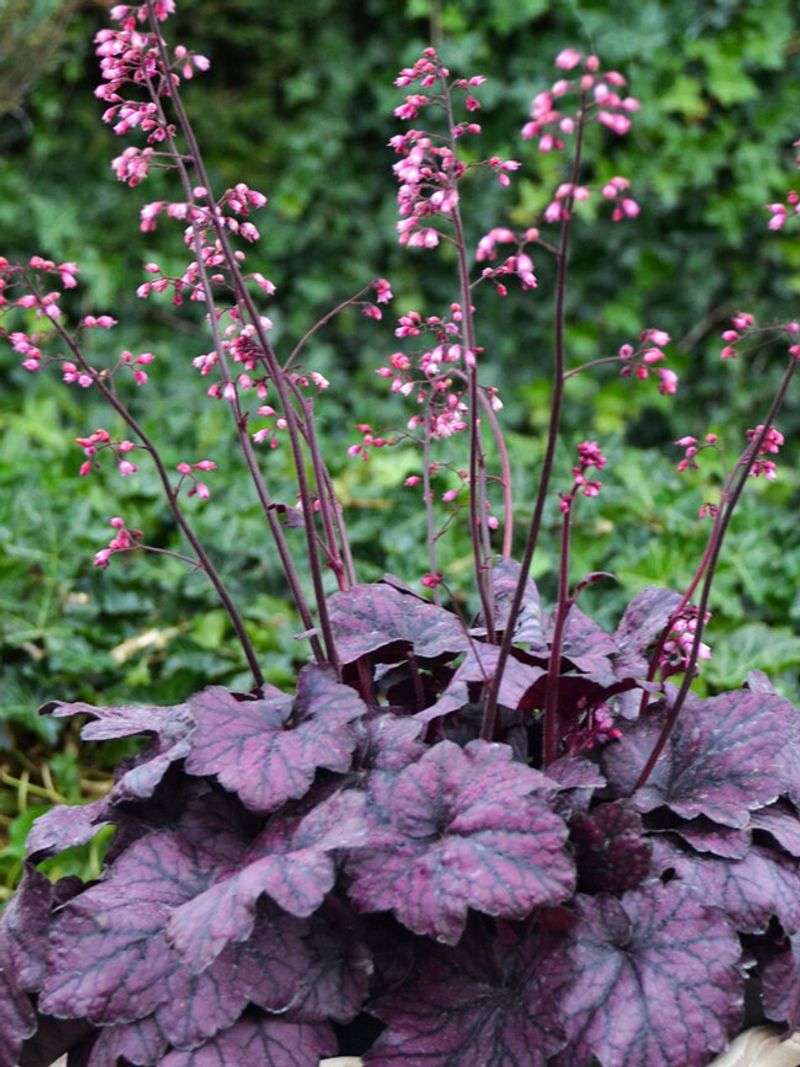
Coral Bells, or Heuchera, are known for their stunning foliage that ranges from deep purples to striking greens. These perennials are not just about looks; they add depth to any garden.
Their small, bell-shaped flowers appear in late spring, attracting hummingbirds. Coral Bells are versatile, thriving in full shade to partial sun, and require little maintenance.
An interesting tidbit: Heuchera gets its name from Johann Heinrich von Heucher, an 18th-century German physician and botanist.
4. Lungwort
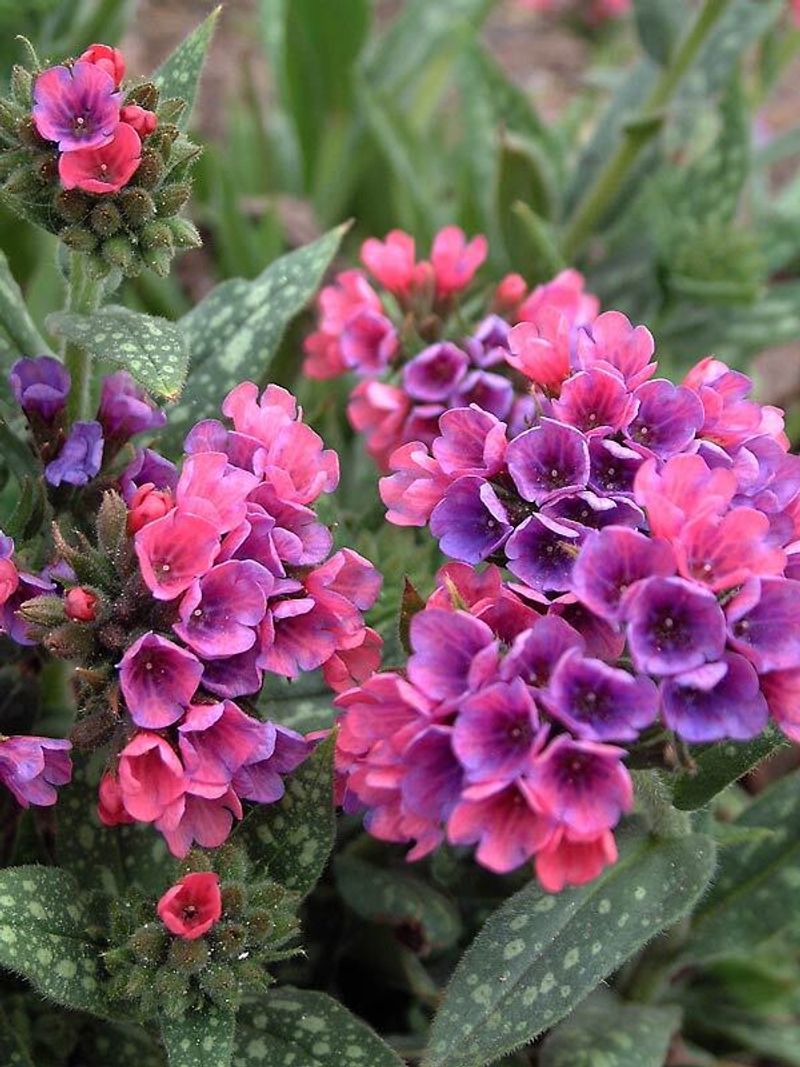
Lungwort, also known as Pulmonaria, has an enchanting quality with its spotted leaves and clusters of purple flowers. These perennials are perfect for shaded, woodland gardens.
In early spring, the Lungwort’s flowers transition from pink to blue-purple, creating a dynamic display. Their foliage remains attractive throughout the year.
Fun fact: Lungwort was historically used in herbal medicine for treating respiratory ailments, hence its name. This fascinating plant is a testament to nature’s ability to heal and beautify.
5. Japanese Anemone
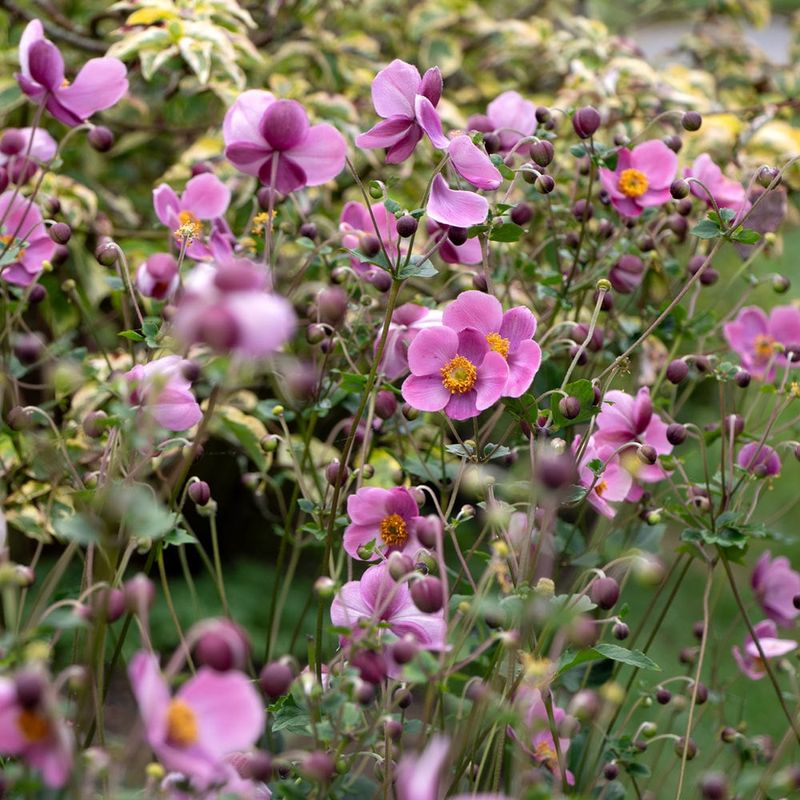
Japanese Anemones add elegance and grace with their tall stems and delicate purple blooms. These perennials are ideal for late-season color, flourishing in the fall.
Their flowers seemingly dance above the foliage, swaying with the wind. Japanese Anemones thrive in partial shade, offering a burst of color when many plants have faded.
Did you know? Japanese Anemones have been cultivated in gardens for over 150 years, originally introduced from China and Japan to Europe in the 1840s.
6. Brunnera
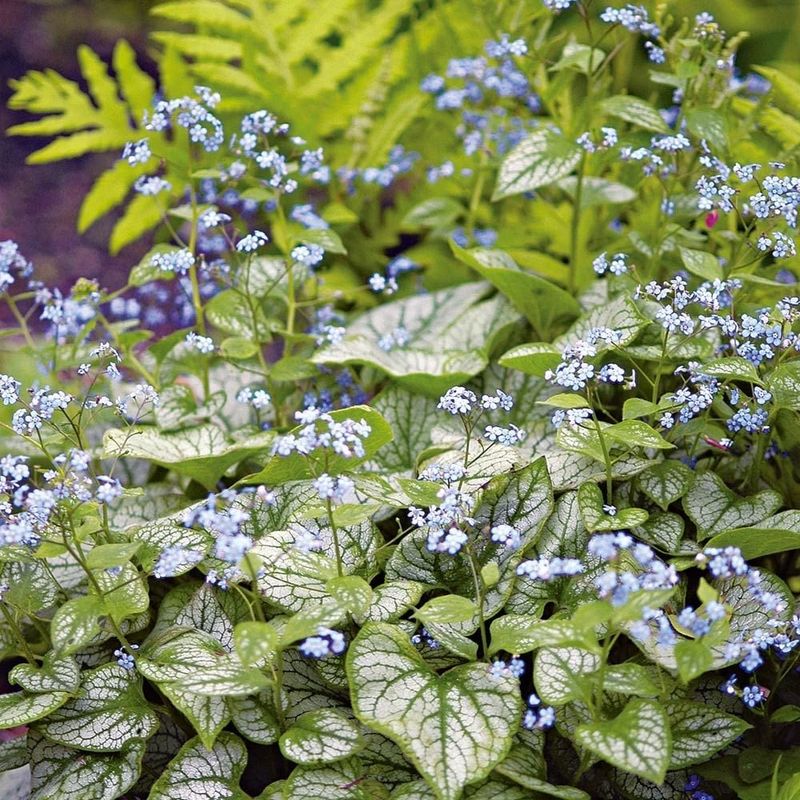
Brunnera, also known as Siberian Bugloss, is cherished for its heart-shaped leaves and delicate clusters of purple flowers. These perennials are like a breath of fresh air in shaded gardens.
Blooming in early spring, Brunnera’s flowers resemble forget-me-nots. Their foliage remains vibrant throughout the seasons, resisting pests and diseases.
A quirky fact: Brunnera is named after the Swiss botanist Samuel Brunner. Its ability to thrive in shade makes it a gardener’s ally, providing year-round beauty and interest.
7. Toad Lily
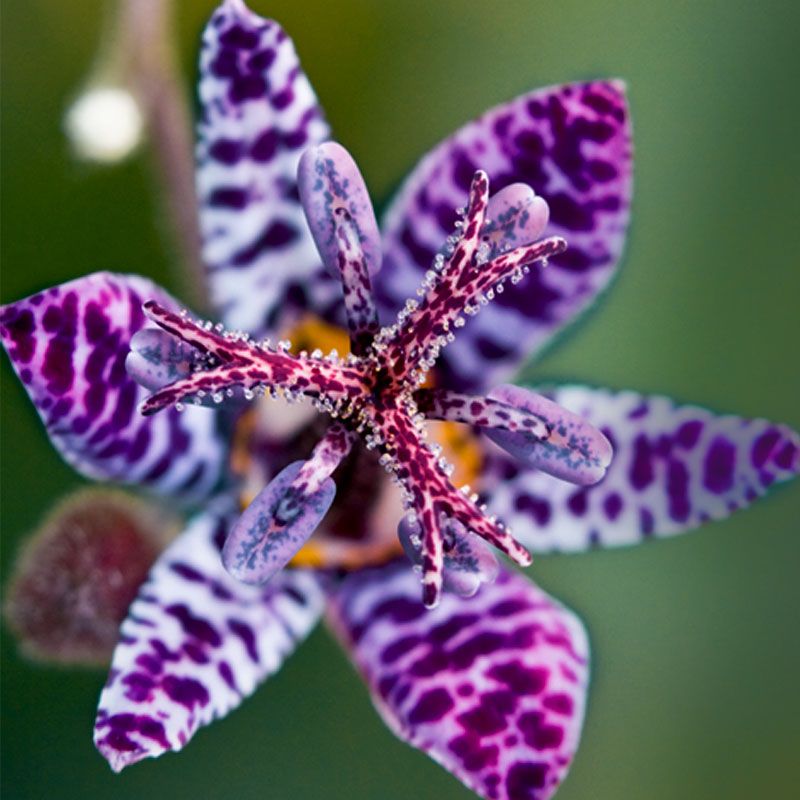
Toad Lilies are the exotic stars of the shade garden, with their intricate spotted purple flowers. Blooming in late summer to fall, they bring unexpected beauty to shaded areas.
Their orchid-like appearance invites admiration from all who encounter them. Toad Lilies are hardy and resilient, flourishing where others may fail.
Did you know? These unique flowers are native to the woodlands of Asia and were named for their unusual, toad-like spots. They serve as a reminder of nature’s endless creativity and diversity.
8. Barrenwort
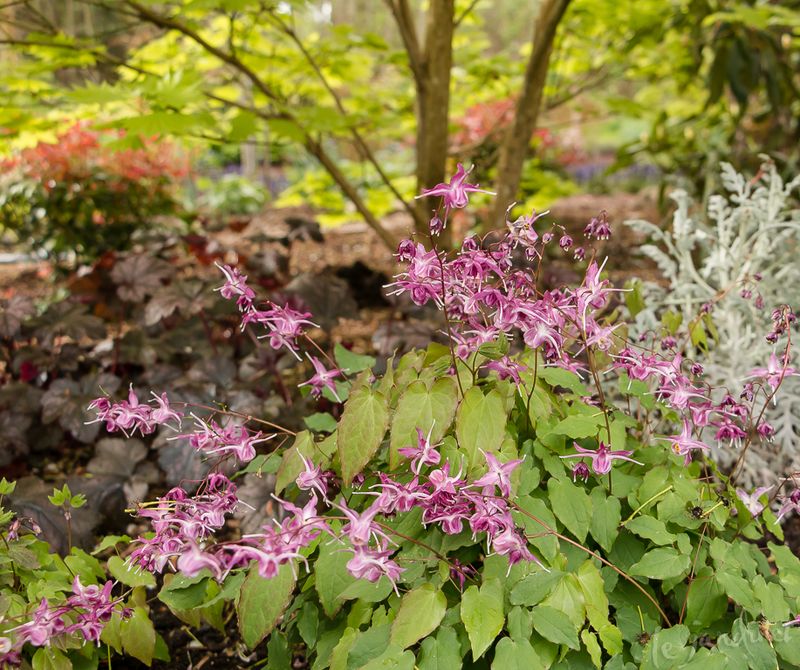
Barrenwort, or Epimedium, enchants with its delicate purple flowers and heart-shaped leaves. This perennial thrives in shady corners, bringing vibrancy where light is scarce.
In spring, its flowers emerge, adding a touch of whimsy to the garden. Barrenwort’s foliage is equally captivating, often turning reddish in the fall.
Fun fact: Known as the “fairy wings” plant, Barrenwort has been used in traditional Chinese medicine for centuries, believed to enhance vitality and longevity.
9. Bleeding Heart
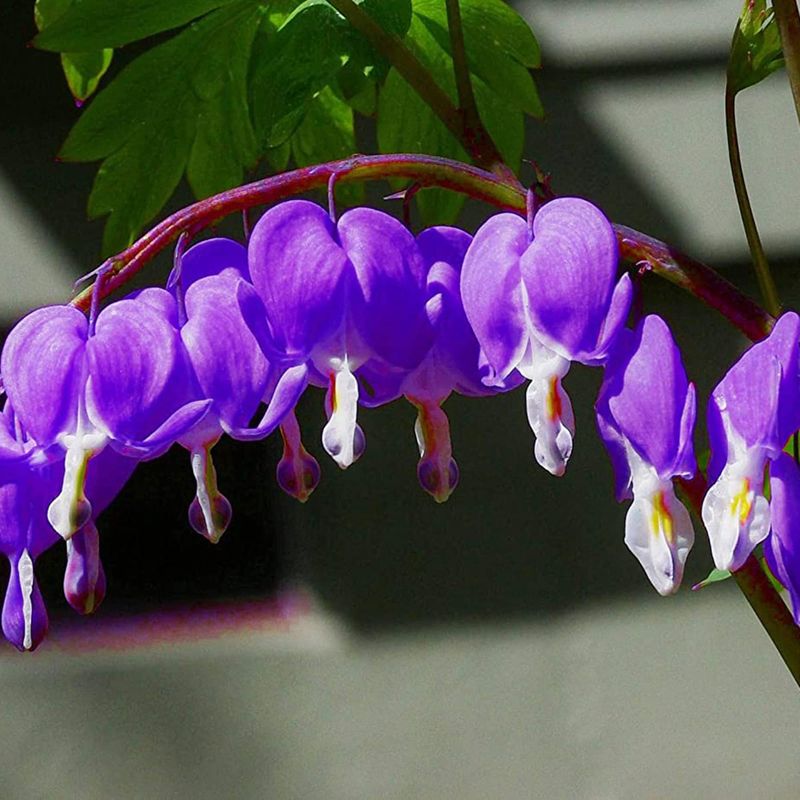
The Bleeding Heart plant tells an enchanting tale with its heart-shaped purple flowers. A symbol of love and devotion, these perennials are the romantic poets of the garden.
Blooming in late spring, their pendulous flowers hang gracefully from arching stems. Bleeding Hearts prefer cool, shaded spots where they can thrive undisturbed.
Interesting tidbit: The plant’s distinct flower shape inspired its name and makes it a favorite for adding a touch of romance to any garden setting.
10. Trillium
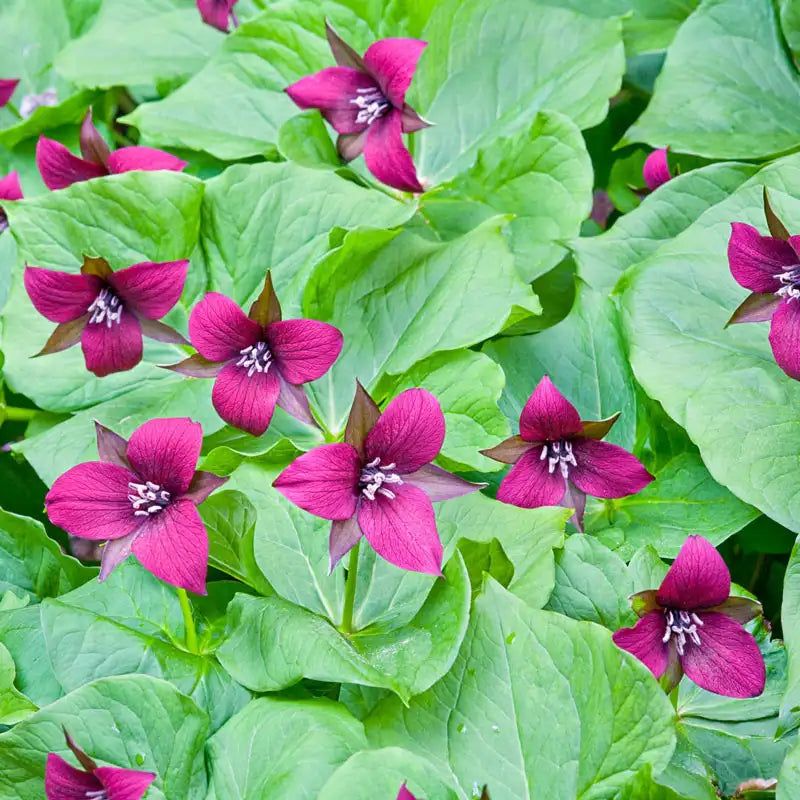
Trillium, with its unique three-petaled flowers, is a woodland wonder. These perennials emerge in early spring, bringing a touch of magic to shaded areas.
Their purple blooms are a sight to behold, often surrounded by lush green foliage. Trillium is a slow-growing plant, but its beauty makes the wait worthwhile.
Did you know? Trillium is a protected species in many areas, making conservation efforts important for this delicate beauty. Its presence signifies a healthy, thriving ecosystem.
11. Columbine
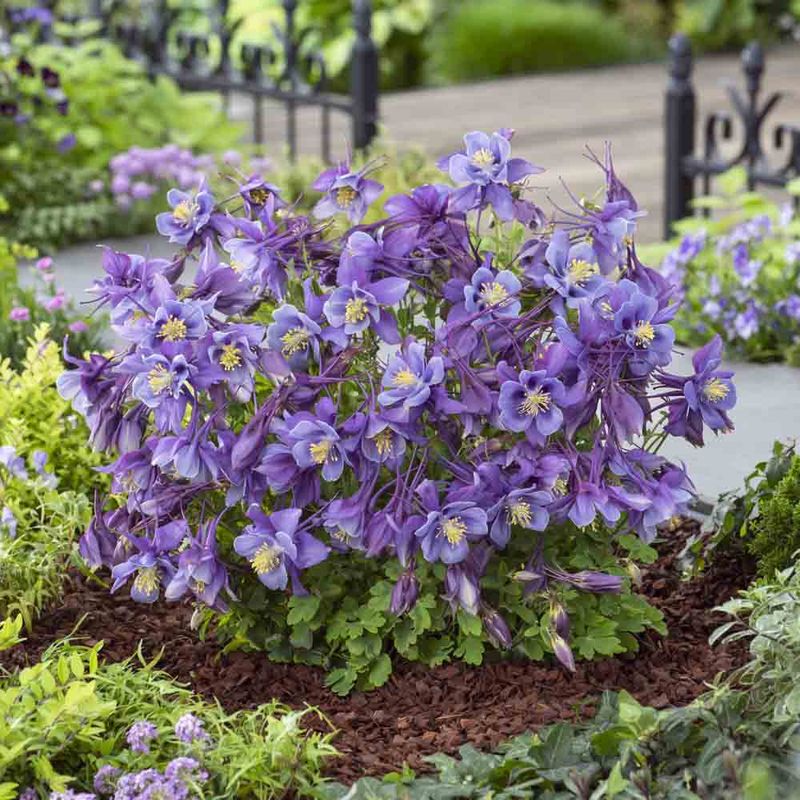
Columbine, with its whimsical purple blooms, adds an air of enchantment to any garden. These perennials are beloved for their intricate, spurred flowers and delicate foliage.
Blooming in late spring to early summer, Columbine attracts pollinators with its unique shape. It thrives in dappled shade, making it a versatile addition to shaded gardens.
Fun fact: Columbine’s name is derived from the Latin word for “dove,” referring to the flower’s resemblance to a cluster of doves. It’s a symbol of love and joy.
12. Bugbane
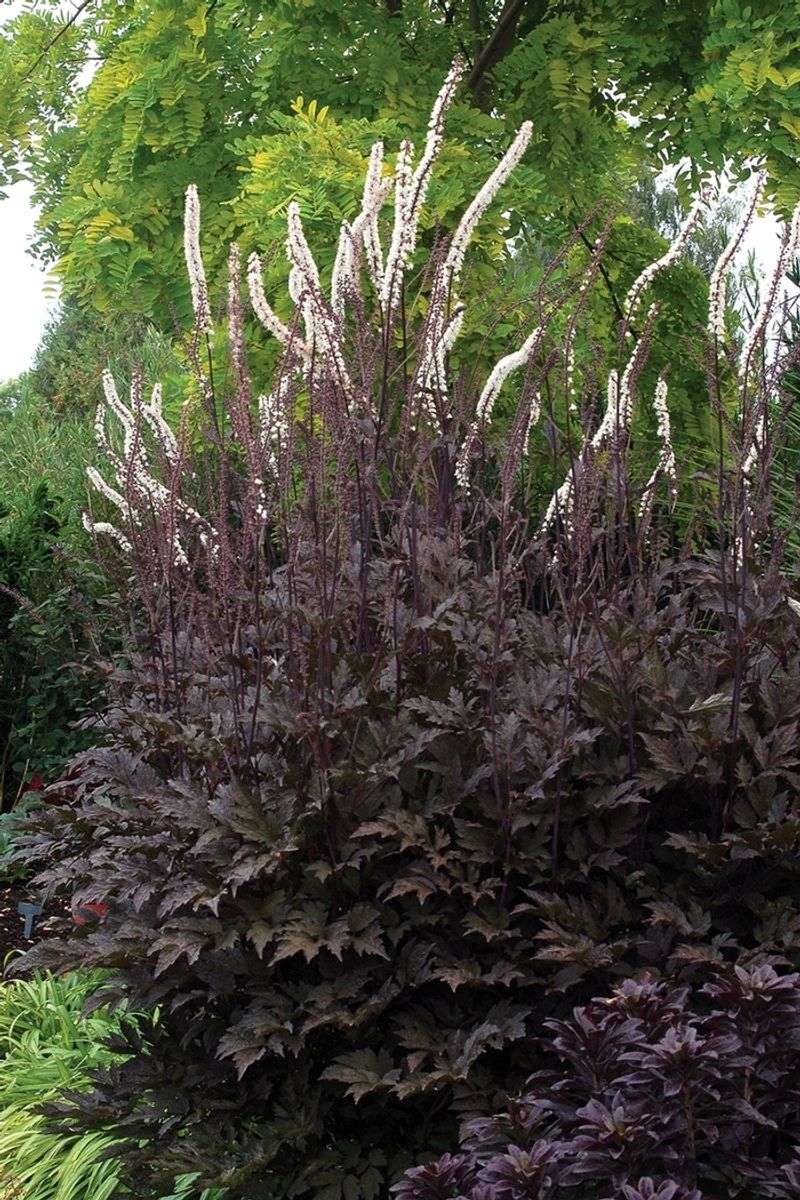
Bugbane, or Actaea, is a dramatic addition to any shade garden with its towering spikes of purple flowers. Blooming in late summer, it brings height and elegance to the landscape.
Its flowers rise above the lush, fern-like foliage, creating a striking visual. Bugbane thrives in woodland settings, often associated with mystery and allure.
Did you know? Bugbane gets its name from the plant’s natural insect-repelling properties, making it both beautiful and functional. It’s a gardener’s secret weapon for serene gardens.
13. Virginia Bluebells
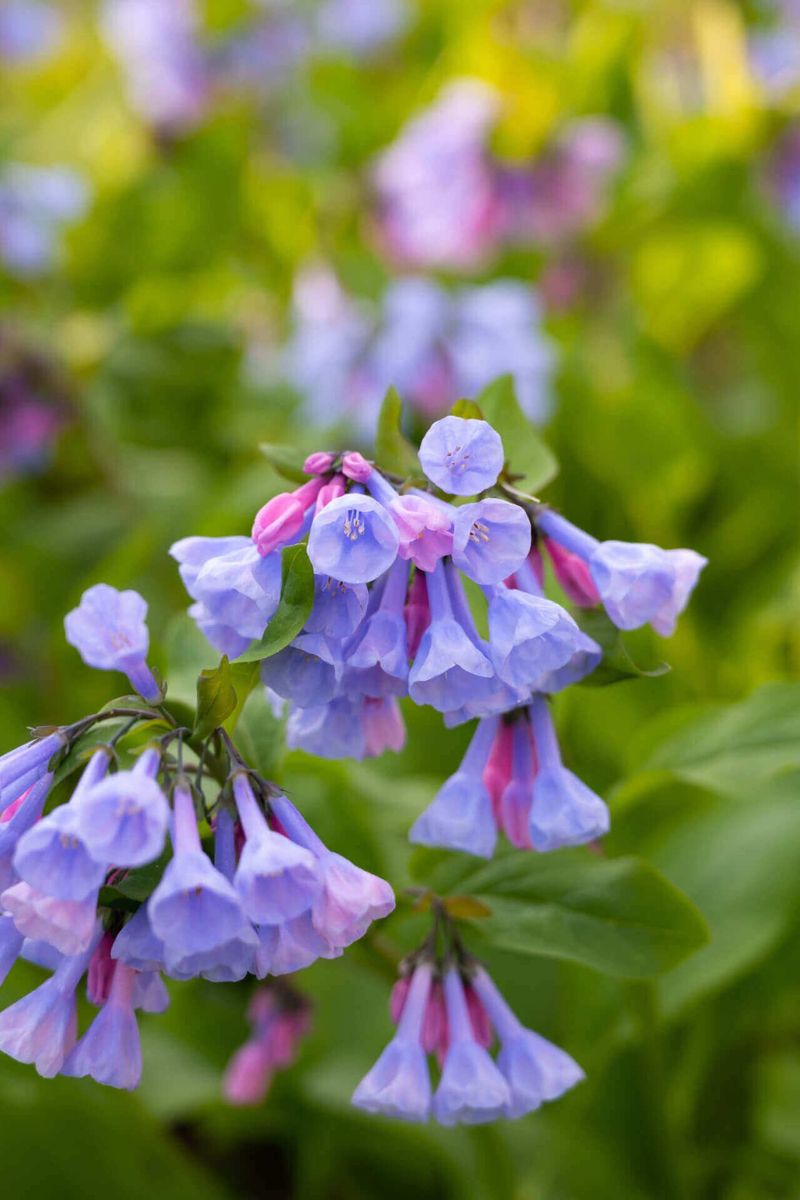
Virginia Bluebells weave a dreamy tapestry with their clusters of purple, bell-shaped flowers. These perennials are the heralds of spring, blooming profusely in shaded areas.
Their flowers transition from pink to purple, creating a captivating display. Virginia Bluebells prefer moist, shady spots, where they can form dense carpets.
Interesting tidbit: Native to North America, these flowers have been a favorite for generations, celebrated for their beauty and resilience in the face of changing seasons.
14. Monkshood
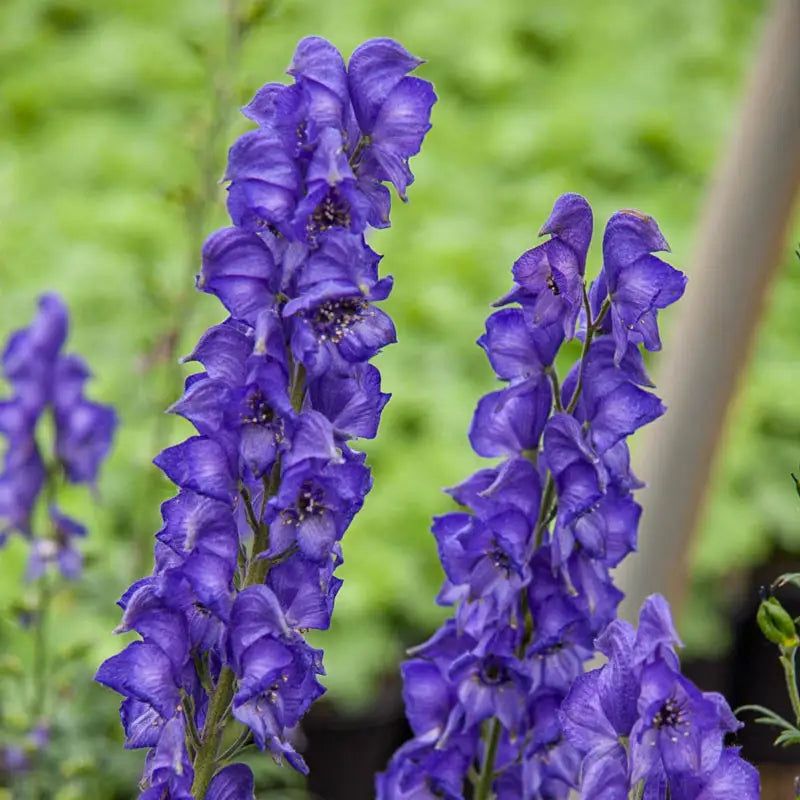
Monkshood, with its hooded purple flowers, adds a touch of mystery to the garden. These perennials bloom in midsummer, bringing an air of intrigue.
Their tall spikes rise majestically, creating a striking silhouette against the shaded backdrop. Monkshood thrives in moist, well-drained soil and is known for its resilience.
Fun fact: Despite its beauty, Monkshood is toxic and has been used historically in poisons. Its name reflects the flower’s resemblance to a monk’s cowl, adding to its enigmatic allure.
15. Hosta
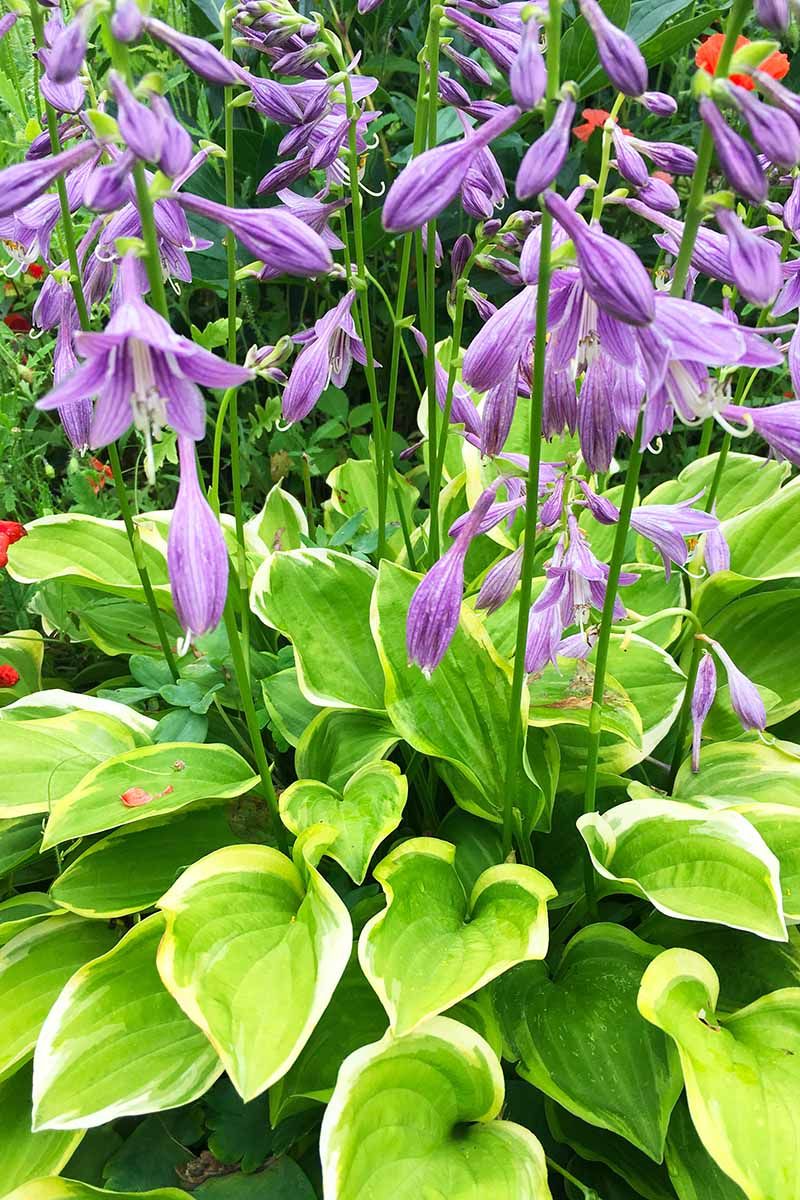
Hostas are the quintessential shade plants, known for their lush foliage and subtle purple flowers. These perennials provide structure and elegance, transforming any garden nook.
Their large, textured leaves create a peaceful oasis, while the flowers add a gentle touch of color in midsummer. Hostas thrive in the cool shade, requiring little maintenance.
Did you know? Hostas are often called “plantain lilies” and are native to Northeast Asia. Their ability to adapt makes them a versatile choice for gardeners looking to create a serene retreat.
16. Periwinkle
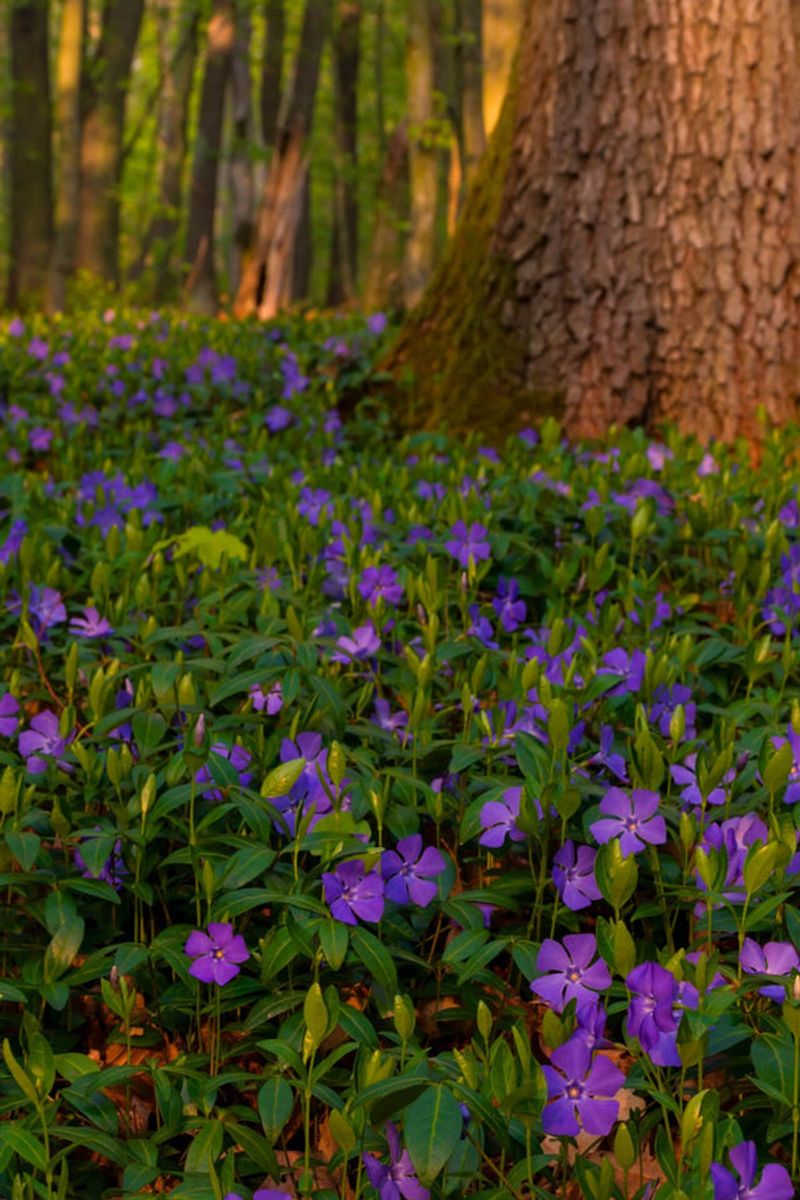
Periwinkle, with its charming purple blooms, carpets the garden ground in a vibrant hue. This perennial is a favorite for adding color to shaded areas where other plants struggle.
Its trailing habit allows it to cover ground quickly, providing an attractive, low-maintenance solution. Periwinkle is known for its resilience, thriving in diverse conditions.
Fun fact: Also known as “myrtle” or “vinca,” this plant has been used in traditional medicine and is a symbol of everlasting love. Its timeless appeal makes it a garden staple.
17. Foamflower
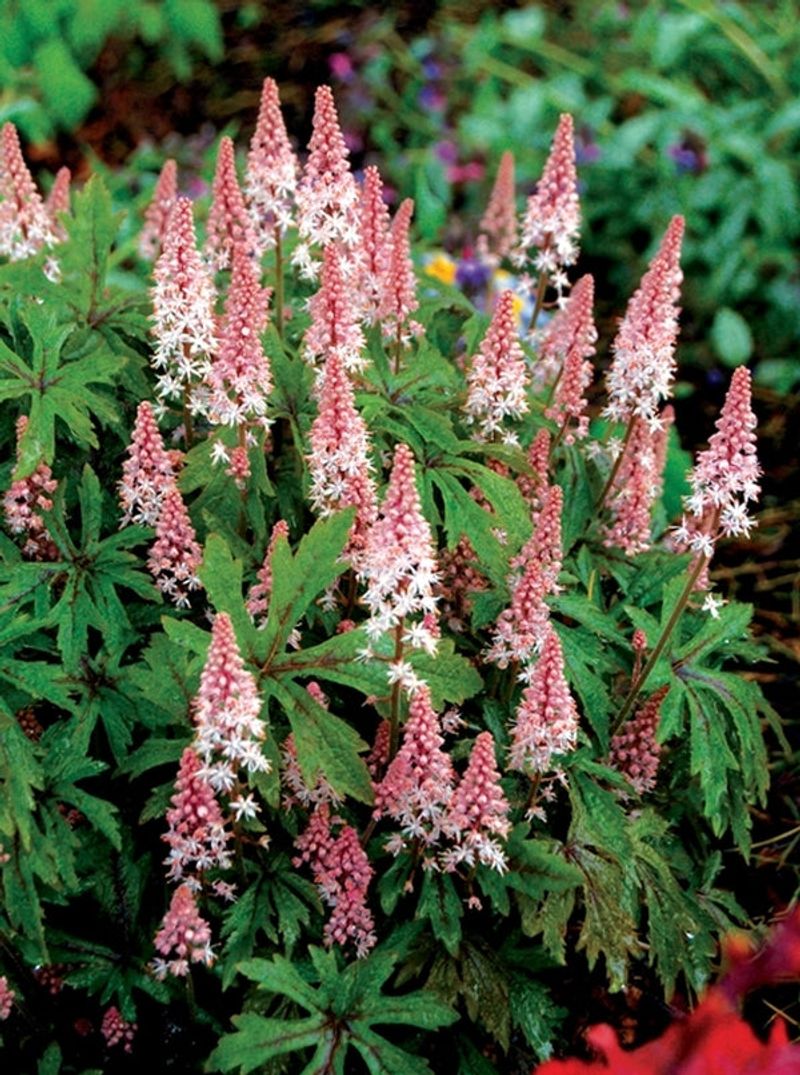
Foamflower, or Tiarella, enchants with its delicate purple flowers and scalloped leaves. These perennials create a whimsical ground cover in shaded woodland gardens.
Blooming in spring, Foamflower’s airy sprays of flowers resemble foam, hence the name. Its foliage is equally attractive, often displaying unique patterns.
Did you know? The name “Tiarella” is derived from the Latin word for “small crown,” a nod to the flower’s regal appearance. It’s a delightful addition to any garden looking for a touch of elegance.
18. Ajuga
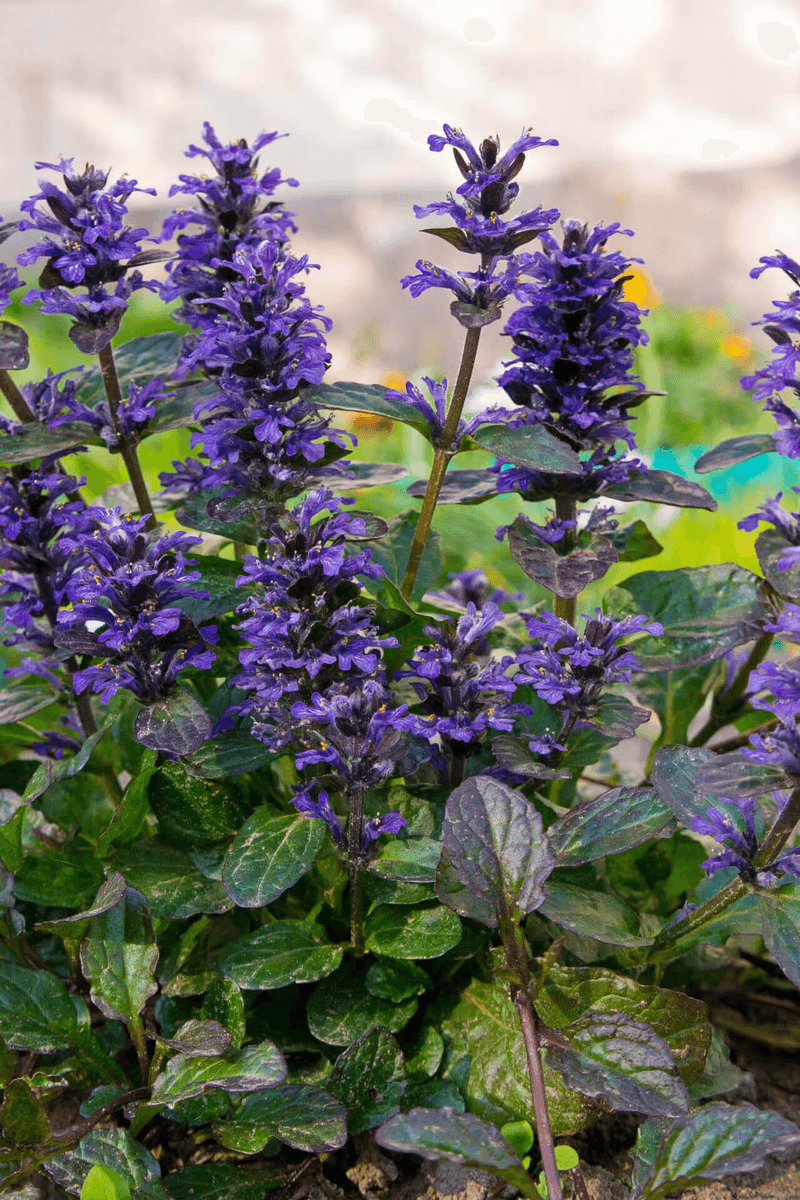
Ajuga, often referred to as “Bugleweed,” is a workhorse in the garden, offering vibrant purple spikes of flowers. This perennial is perfect for ground cover, spreading quickly across shaded beds.
Its glossy leaves complement the flowers, creating a lush, layered effect in spring. Ajuga is easy to grow and maintain, making it ideal for busy gardeners.
Fun fact: Ajuga’s name is derived from the Latin “abigo,” meaning “to drive away,” because of its traditional use in repelling pests. It’s a dynamic addition to any garden.
19. Japanese Painted Fern
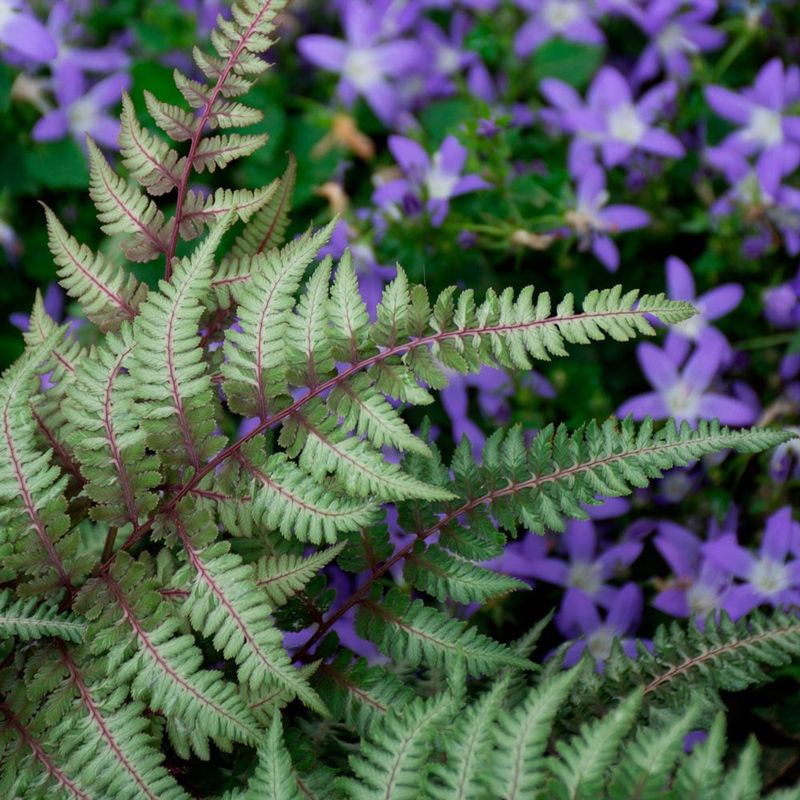
The Japanese Painted Fern stands out with its exquisite blend of silvery-green fronds and subtle purple hues. Its delicate leaves create a stunning visual contrast, making any shaded corner of your garden an artistic masterpiece.
With its graceful arching form, the fern offers a touch of elegance and tranquility, inviting onlookers to pause and admire. Ideal for woodland gardens, this perennial thrives in moist, well-drained soil.
Did you know? The Japanese Painted Fern is not just a garden favorite, but also a symbol of longevity and endurance in Asian cultures, adding a layer of cultural richness to your garden.