 Complete Gardening
Healthy soil is crucial for thriving plants and a sustainable garden. Unfortunately, many gardeners overlook the subtle indications that their soil might need help. Recognizing these signs early can prevent larger problems down the line. Here’s your guide to understanding the 19 signs that suggest your soil is struggling, along with actionable tips to restore its vitality.
1. Cracked Surface
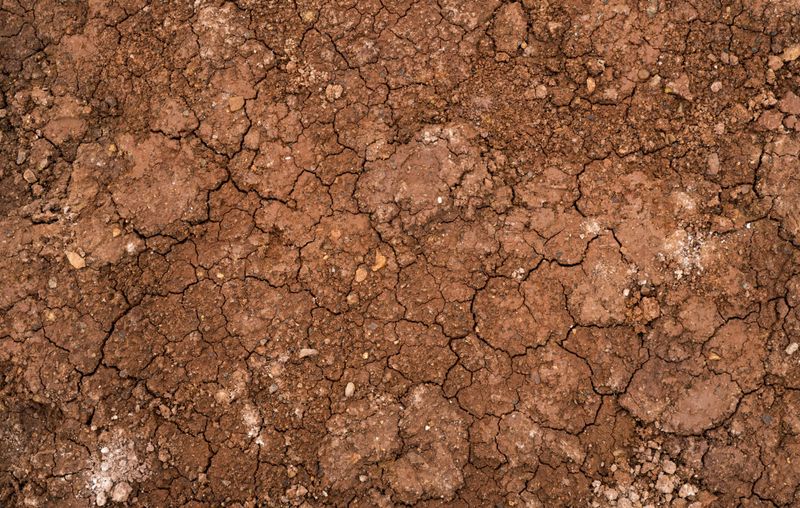
Cracked soil is often a cry for help from the earth beneath your feet. When the surface resembles a parched desert, it’s a signal that moisture is lacking. Watering might not be enough.
Check the soil composition; clay-heavy soils are more prone to cracking due to their dense nature. Consider introducing organic matter like compost to improve water retention and aeration.
Mulching is another effective technique to lock in moisture and protect against temperature extremes. Regularly assessing your soil’s texture and adjusting your watering routine can turn this dry bed into a fertile garden again.
2. Yellowing Leaves
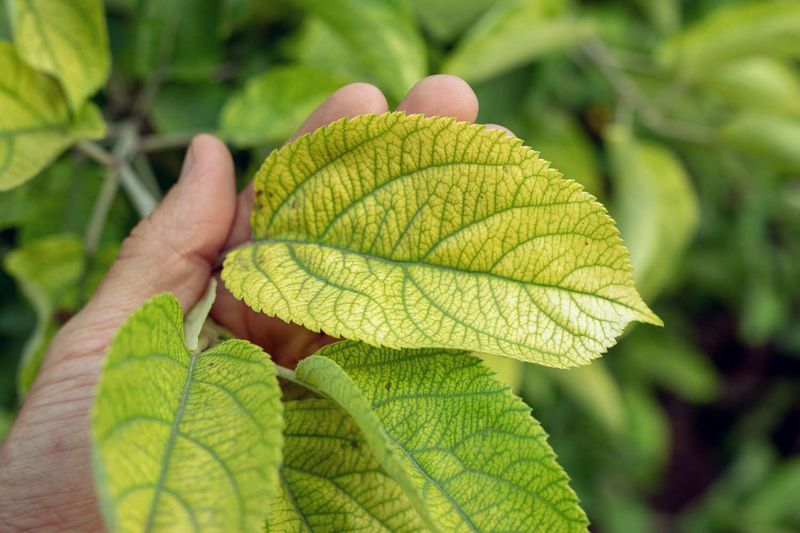
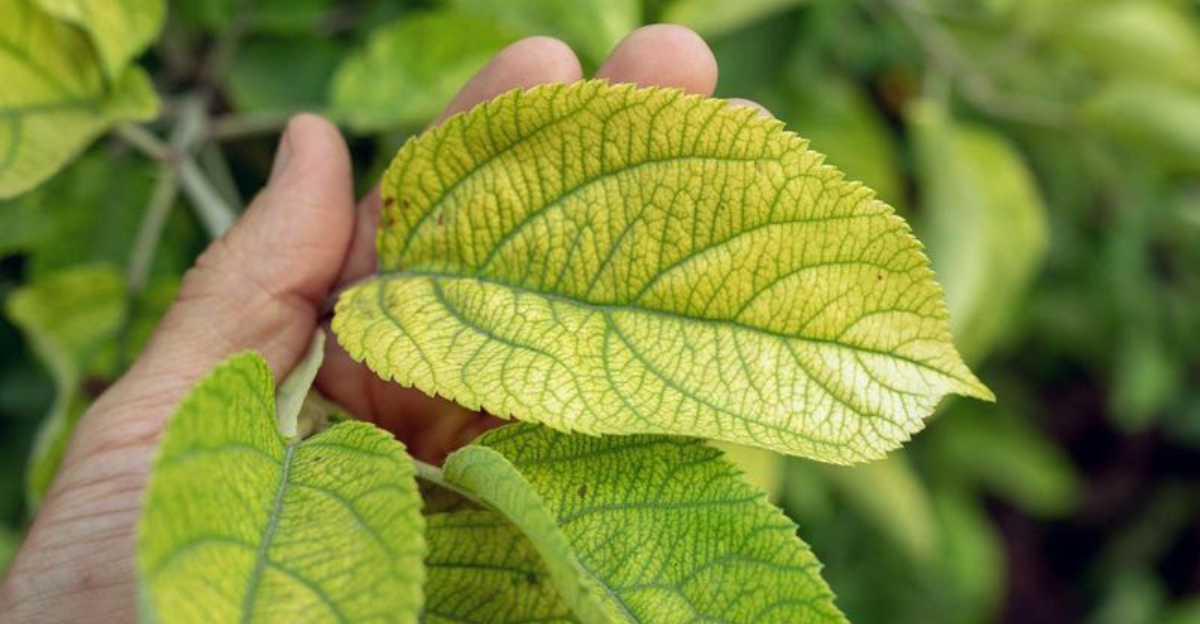
Yellow leaves might remind you of autumn, but in your garden, it’s a symptom of nutrient deficiency. Particularly, a lack of nitrogen can lead to this unwelcome change. Soil testing is key.
Once identified, organic fertilizers rich in nitrogen, like blood meal or fish emulsion, can rejuvenate your plants.
Ensure you’re not overwatering, as this can also wash away essential nutrients. With careful attention, those yellow leaves can transform back to their vibrant green, signaling a healthy comeback.
3. Stunted Growth
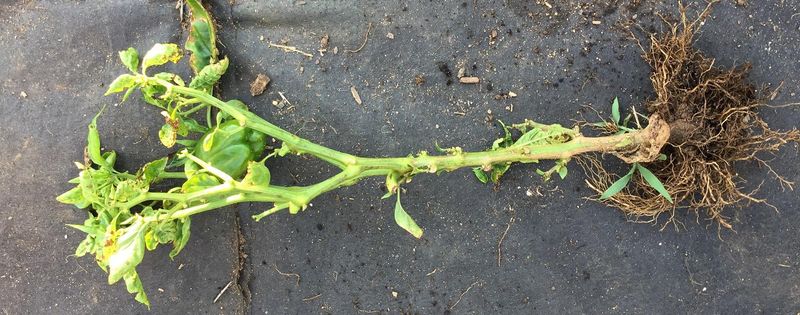
You’ve eagerly planted seeds, but they refuse to flourish. Stunted growth can arise from compacted soil, which limits root expansion. Examine your soil’s texture.
If it’s hard and impenetrable, aeration might be necessary. Using a garden fork, gently loosen the soil around your plants to encourage air and water movement.
Consider adding perlite or sand to improve drainage and reduce compaction. With the right soil structure, your plants will soon rise to the occasion.
4. Poor Drainage
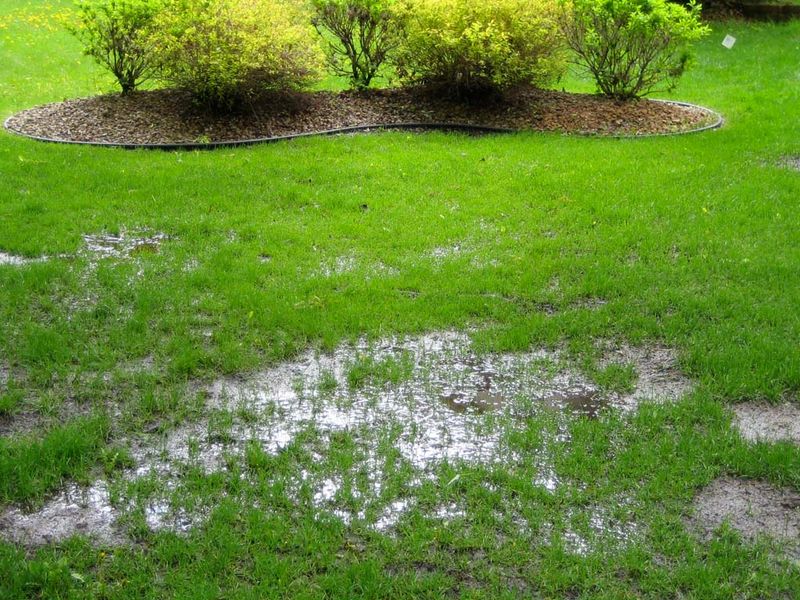
Soggy soil and standing water can drown plant roots, leading to rot. Poor drainage might be to blame. Observing how your garden handles a heavy rain can offer insights.
Raised beds or mounds can be beneficial in improving drainage. Alternatively, adding organic matter or sand can enhance permeability.
By reshaping the landscape or amending the soil, your garden can better manage water, ensuring your plants thrive without the risk of root rot.
5. Erosion
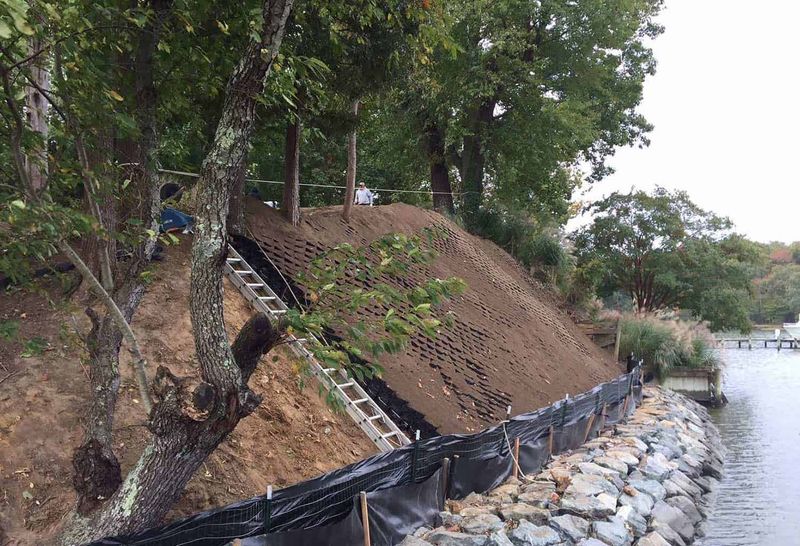
Erosion is a gradual thief, stealing the very soil your plants rely on. Sloped areas are particularly vulnerable, especially during heavy rains.
To combat this, groundcover plants or mulch can be protective allies, anchoring soil in place and reducing runoff. Building terraces or swales might also be an effective solution.
By fortifying your landscape, you can prevent this silent erosion from robbing your garden’s potential.
6. Compacted Soil
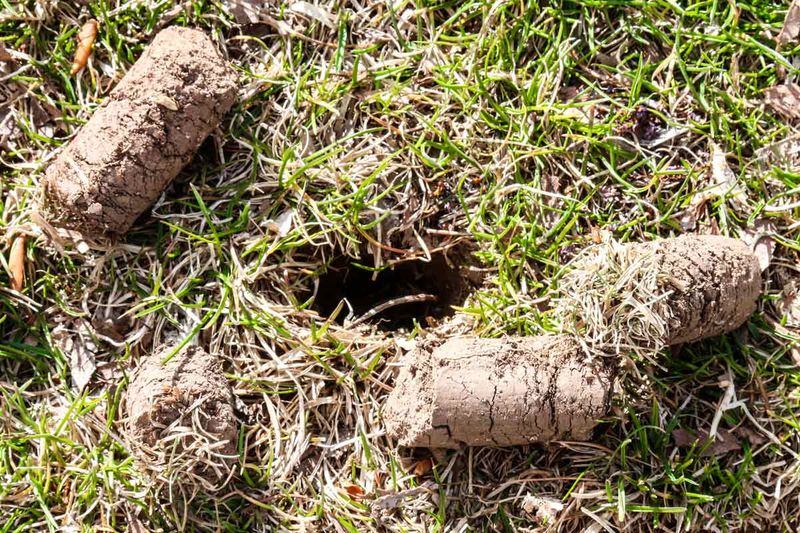
Compacted soil is a silent struggle beneath the surface. When soil particles are tightly packed, roots can’t breathe. This barrier can stunt growth and stress plants.
Regular aeration can relieve compaction. Use a core aerator or garden fork to gently open up the soil structure. Adding organic matter can also enhance texture and increase porosity.
By giving your soil room to breathe, your plants will have the space they need to thrive again.
7. Weed Overgrowth
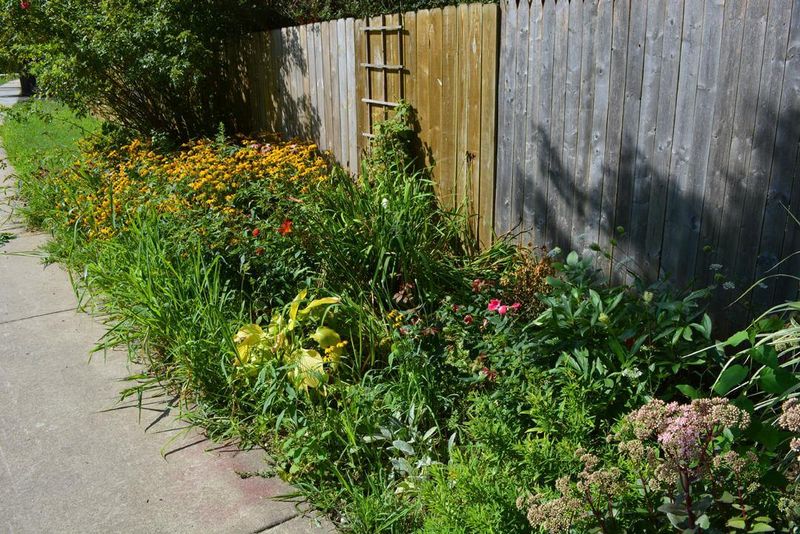
Weeds are nature’s intruders, thriving in disturbed soils. Their rapid spread can indicate soil imbalance. They often thrive in areas lacking nutrients or suffering from compaction.
Regular mulching and hand-weeding can control their growth. Consider soil amendments to address nutrient deficiencies.
With consistent care and attention, you can reclaim your garden from these unwelcome guests, allowing your chosen plants to flourish.
8. Acidic Soil
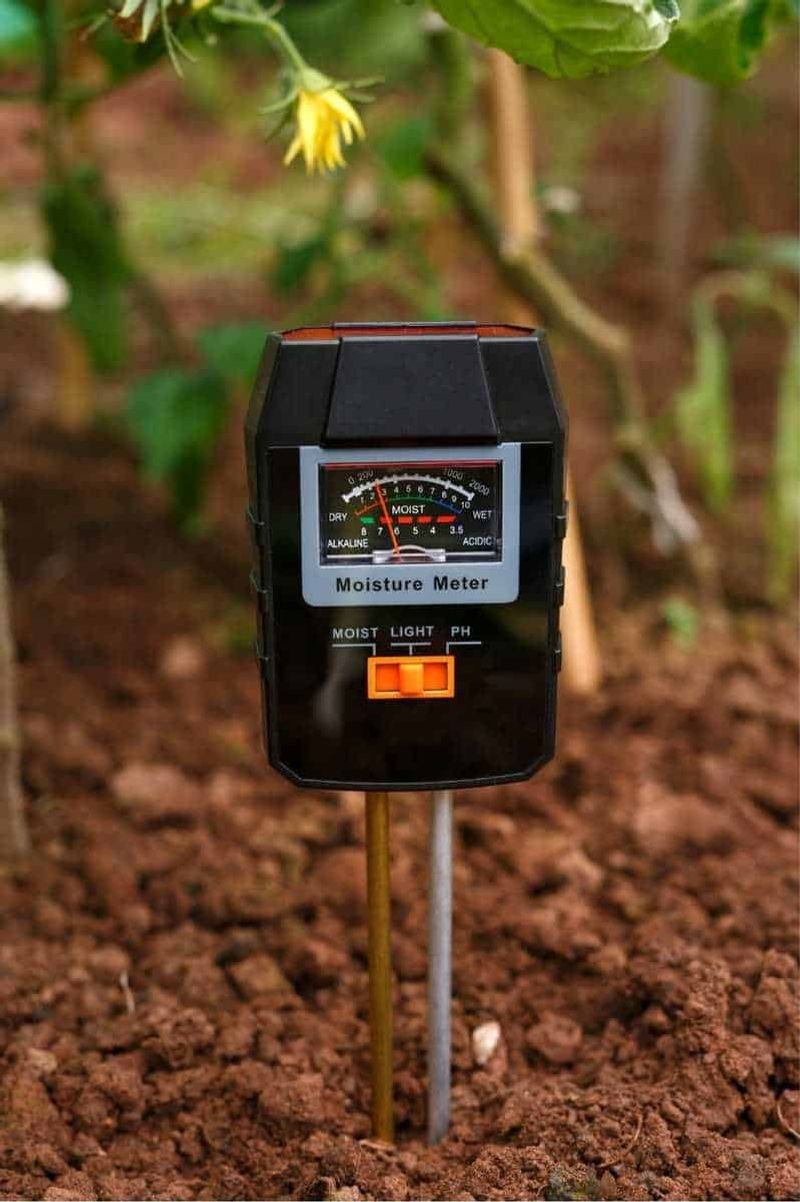
Acidic soil can be a silent adversary, limiting plant variety. Certain plants, like blueberries, might thrive, but others will struggle.
Regular soil testing can identify pH imbalances. If acidity is too high, consider adding lime to neutralize the soil. This process should be gradual and monitored.
Balanced soil pH can open up new opportunities for plant diversity, ensuring a vibrant and healthy garden.
9. Alkaline Soil
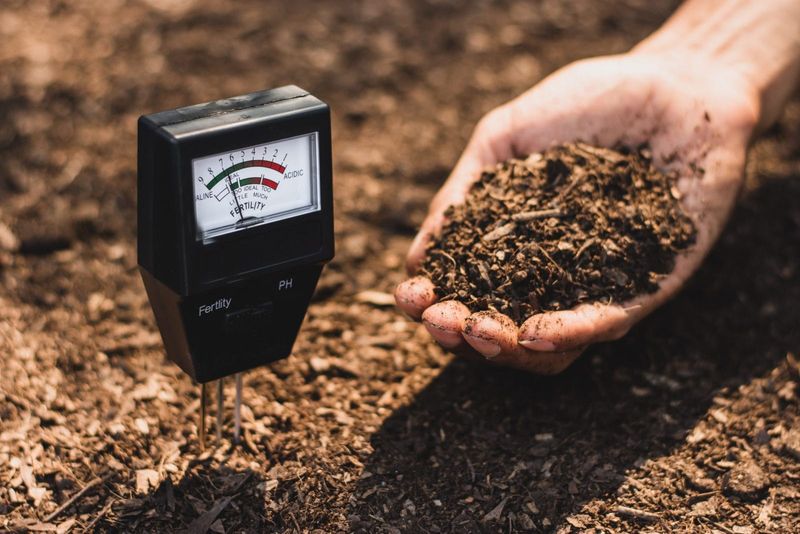
Alkaline soil can hinder a plant’s ability to absorb nutrients. When your garden loses its vigor, this might be the cause.
Testing your soil can reveal its pH status. To tackle alkalinity, introducing sulfur or organic materials like pine needles might help.
By adjusting the soil’s pH, you’ll unlock its potential, allowing your garden to burst with life once more.
10. Presence of Salt Crust
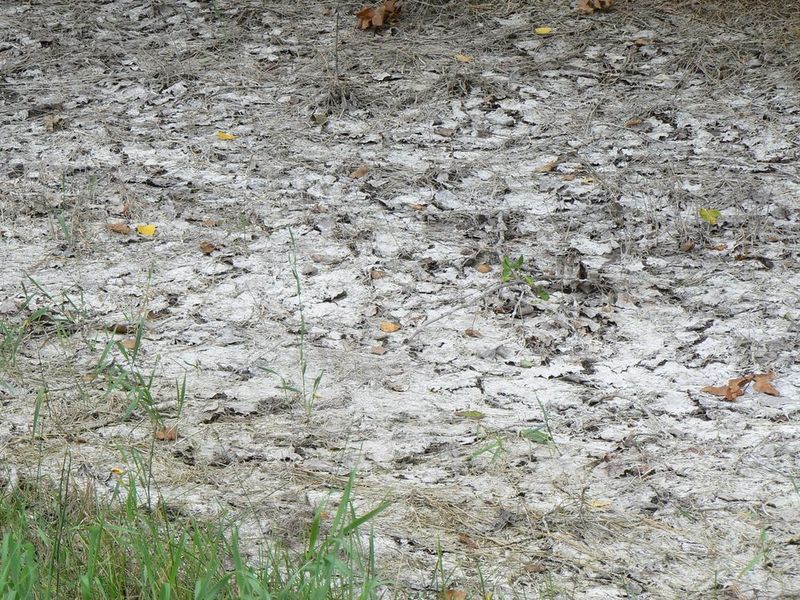
A visible salt crust on the soil surface can spell trouble. This phenomenon is often due to poor drainage or excessive fertilization.
Flushing the soil with water can sometimes alleviate salt buildup, provided the drainage is adequate. Reducing fertilizer use or switching to organic alternatives can prevent recurrence.
By addressing the salt issue, your plants will regain their strength and vitality, free from the grip of salt stress.
11. Pest Infestation
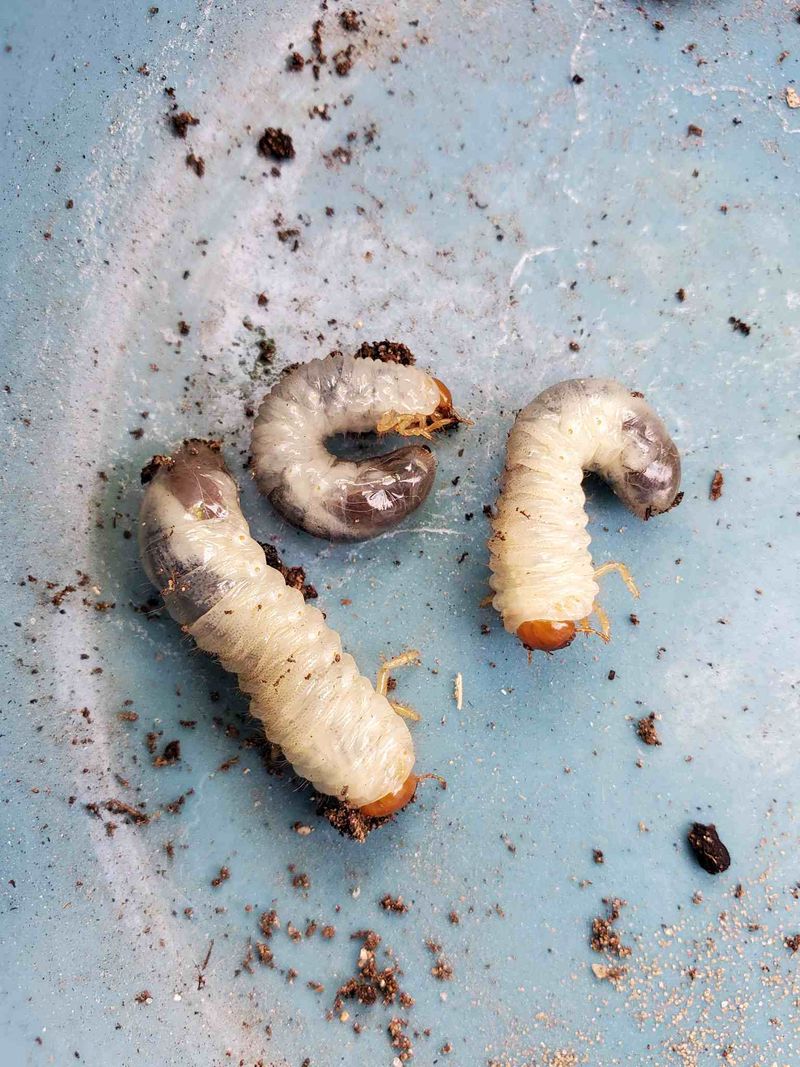
Pests in the soil can wreak havoc on plant roots. Signs include wilting despite adequate water and visible pest presence.
Biological controls like beneficial nematodes can reduce pest populations naturally. Maintaining soil health through organic matter can deter pest attraction.
With strategic intervention, you can protect your garden from these hidden adversaries, ensuring a robust plant growth environment.
12. Moss Growth
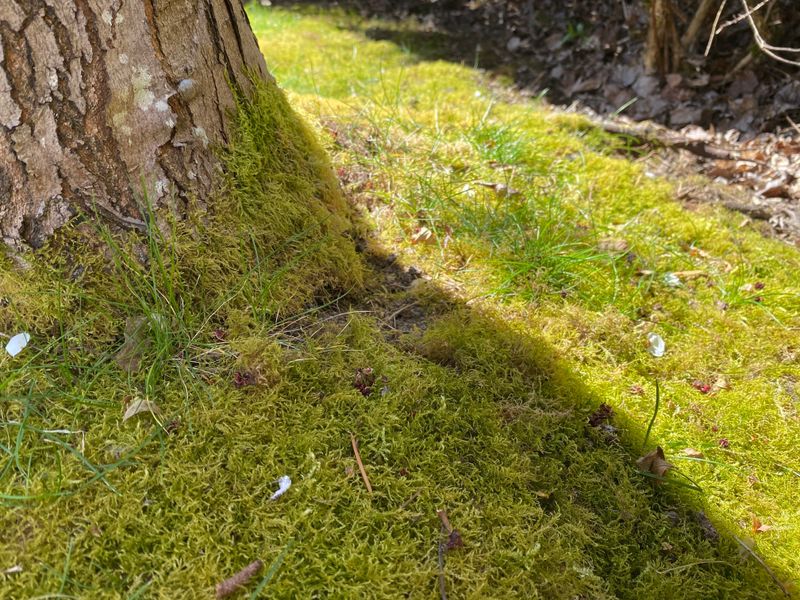
Moss is a quiet invader, thriving in shade and compacted, acidic soils. While it adds a lush green, it can signal problems.
Improving sunlight exposure and aerating the soil can reduce moss prevalence. Liming can adjust pH levels, making the environment less favorable for moss.
By understanding moss’s preferences, you can create conditions that favor your chosen garden plants instead.
13. Soil Discoloration
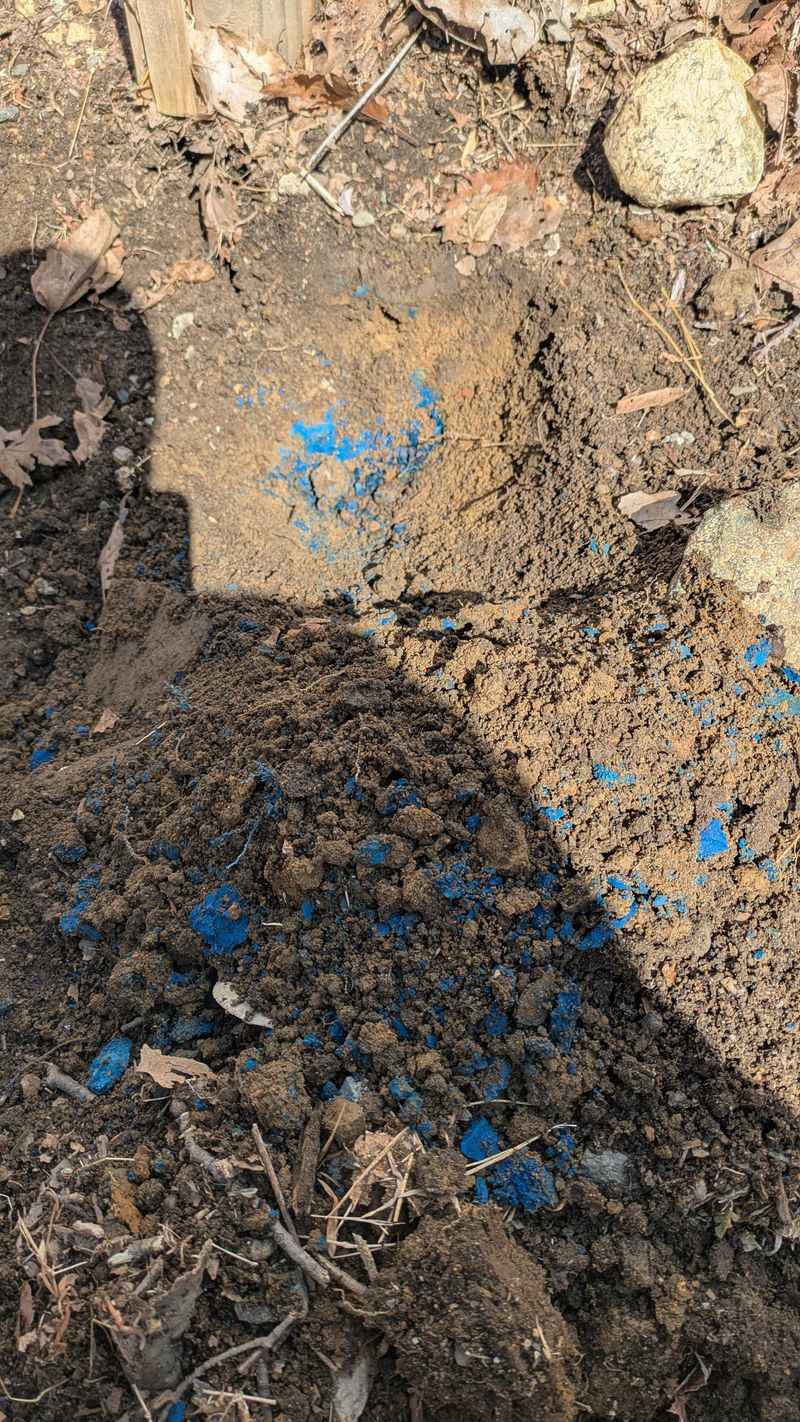
Unusual soil colors can be more than just an aesthetic concern. Discoloration might indicate contamination or nutrient imbalance.
Testing for pollutants or specific nutrient levels can diagnose the issue. Remediation might involve soil amendments or even replacing the affected soil.
By addressing the root cause, your garden can return to a healthy, balanced state, ready for new growth.
14. Root Exposure
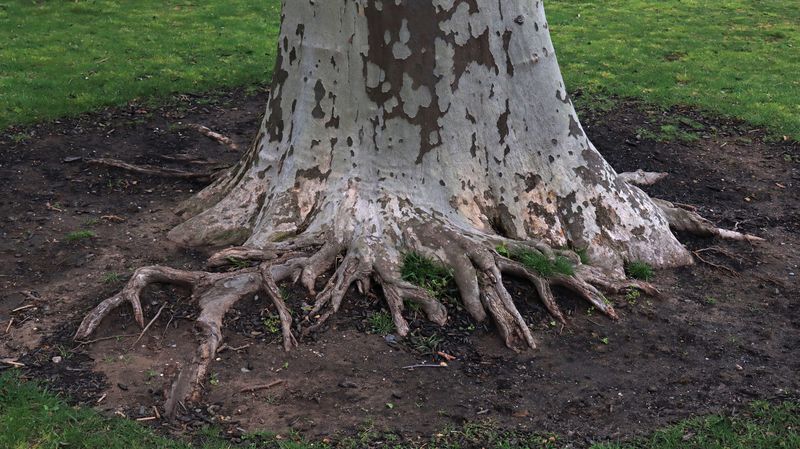
Exposed roots are a clear sign of soil erosion or shallow soil. This exposure can leave plants vulnerable to damage and instability.
Mulching and adding soil around the base can protect roots from further exposure. Ensuring proper soil structure and reinforcing with groundcover plants can prevent erosion.
With these measures, your plants can regain their footing and grow strong.
15. Soil Crusting
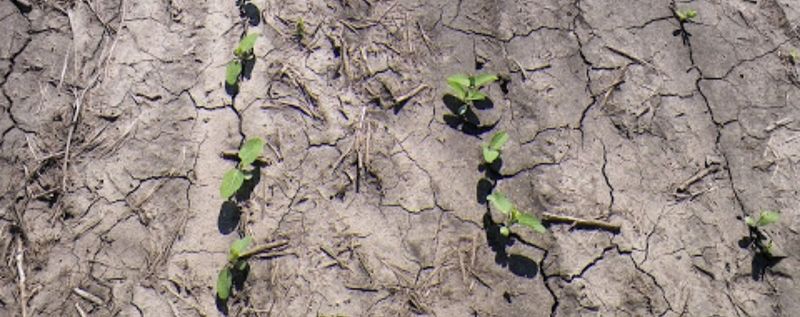
A crusty soil surface can choke off new growth. This can result from rain impact or watering methods.
Breaking up the crust gently with a hoe or rake can allow seedlings to breathe. Consider altering your watering technique to reduce surface compaction.
With attention to these details, your garden can support burgeoning life once more.
16. Nutrient Deficiency
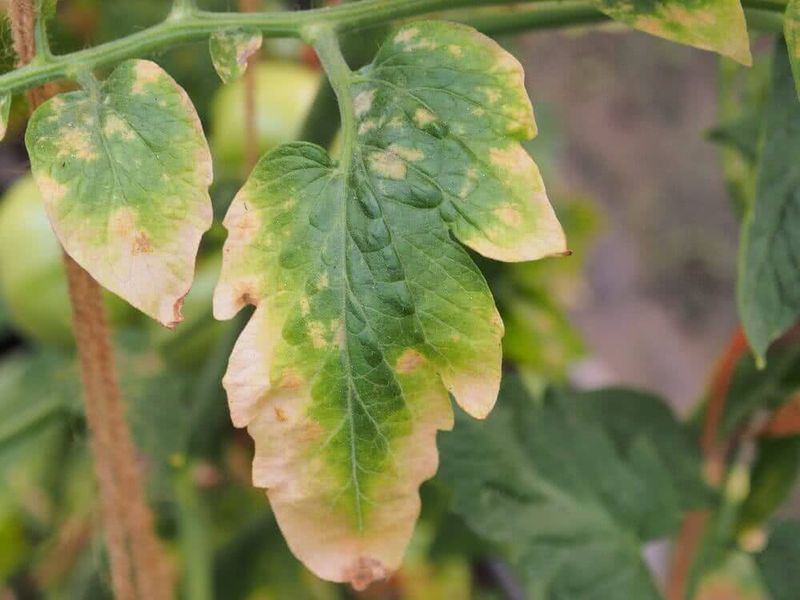
Without the right nutrients, plants can’t thrive. Symptoms include pale leaves or slow development.
Soil testing can identify specific deficiencies. Tailored fertilizers or compost can replenish missing elements. Regular monitoring ensures sustained plant health.
With careful nutrient management, your garden can achieve its full potential.
17. Unpleasant Odors
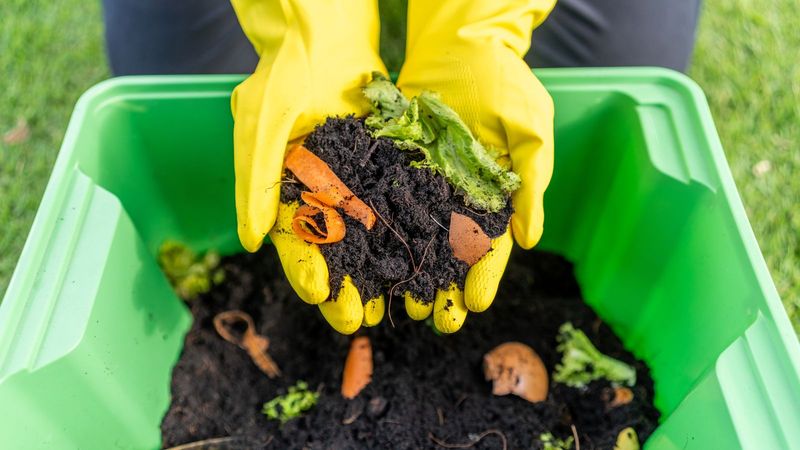
Foul odors from the soil might indicate anaerobic conditions, where lack of oxygen leads to decay.
Improving drainage and aeration can alleviate this issue. Composting methods might need adjustment to prevent similar occurrences.
Fresh, well-aerated soil not only smells better but supports healthier plants.
18. Soil Hardpan
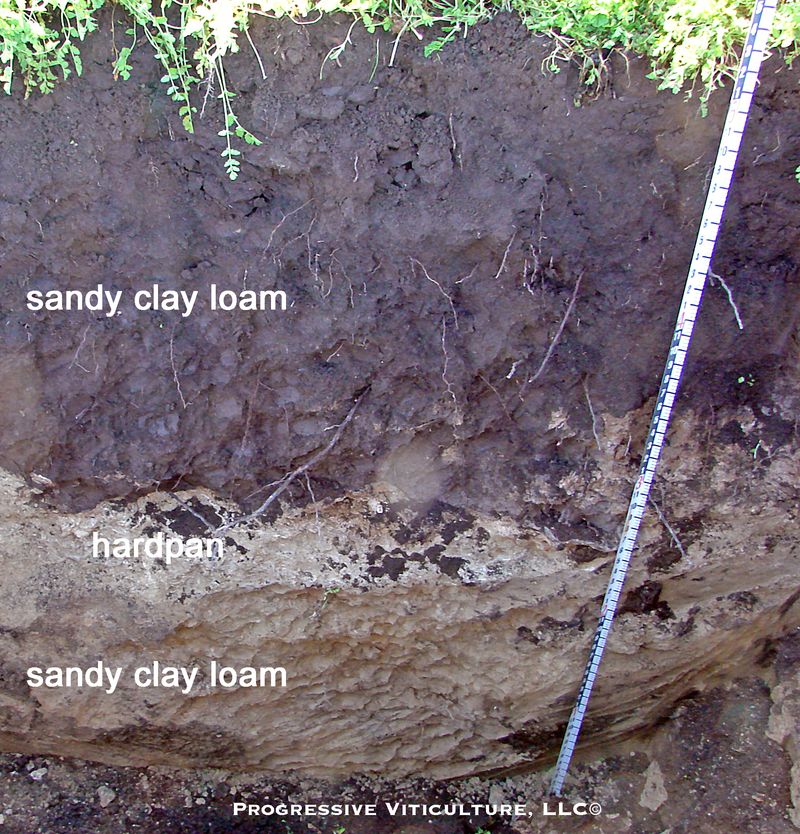
A hardpan layer beneath the soil can act like a barrier, restricting root penetration and water movement.
Breaking through this layer with deep cultivation or subsoiling can restore soil health. Adding organic matter aids in preventing reformation.
With perseverance, you can transform your garden’s subsurface into a welcoming environment for roots.
19. Excessive Water Runoff
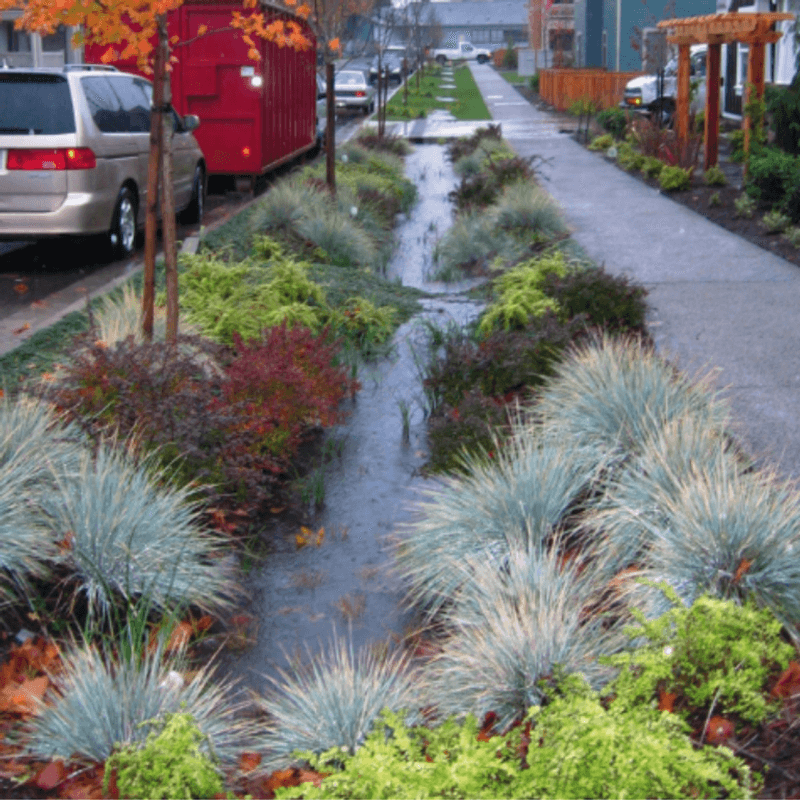
Water rushing away without soaking in can deplete your garden’s moisture and nutrients.
Strategically placed swales or rain gardens can capture runoff. Improving soil structure with organic matter enhances absorption.
By controlling runoff, you foster a garden that retains essential resources.