 Complete Gardening
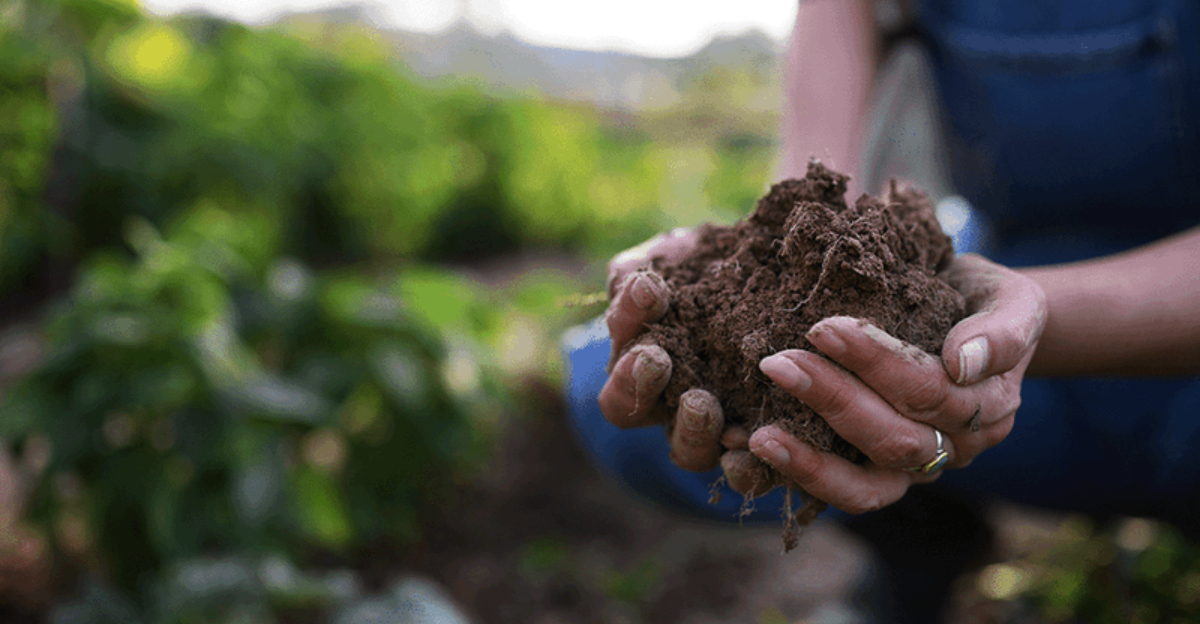
Gardening enthusiasts often turn to soil additives to boost plant health, but some common additives may do more harm than good. In this blog post, we explore 19 soil additives that might be secretly ruining your plants. From altering pH levels to introducing harmful chemicals, these additives can impact plant growth in unexpected ways. By understanding the potential risks associated with these products, gardeners can make more informed decisions and protect their plants from unintended damage. Learn about each additive’s effect and find alternatives to help your garden thrive naturally.
1. Perlite
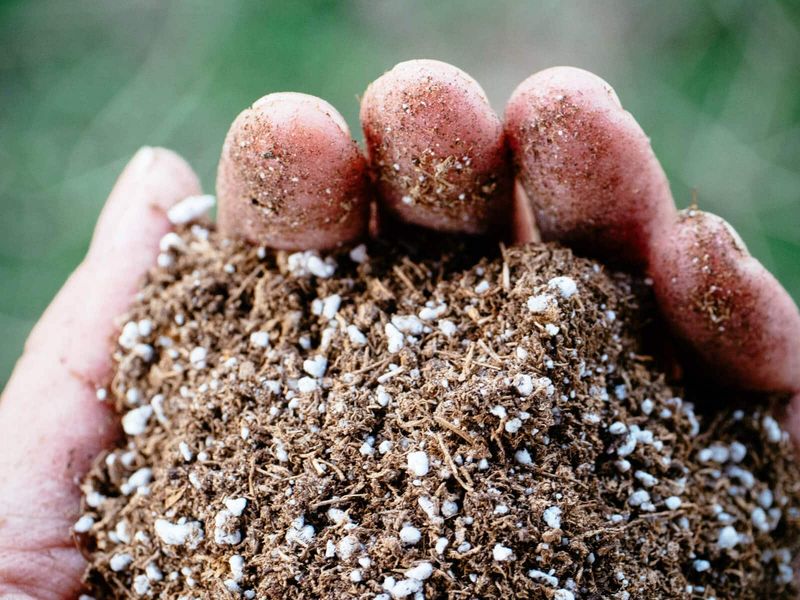
Perlite, with its bright, white pebbles, might seem harmless. However, its ability to aerate soil can sometimes lead to over-drying, depriving plants of necessary moisture.
For moisture-loving plants, this can lead to stress and wilting.
Moreover, perlite can alter soil pH over time, affecting nutrient availability. It’s essential to balance perlite with other organic materials to maintain a healthy soil structure. Consider alternatives like vermiculite for a more balanced moisture retention.
2. Vermiculite
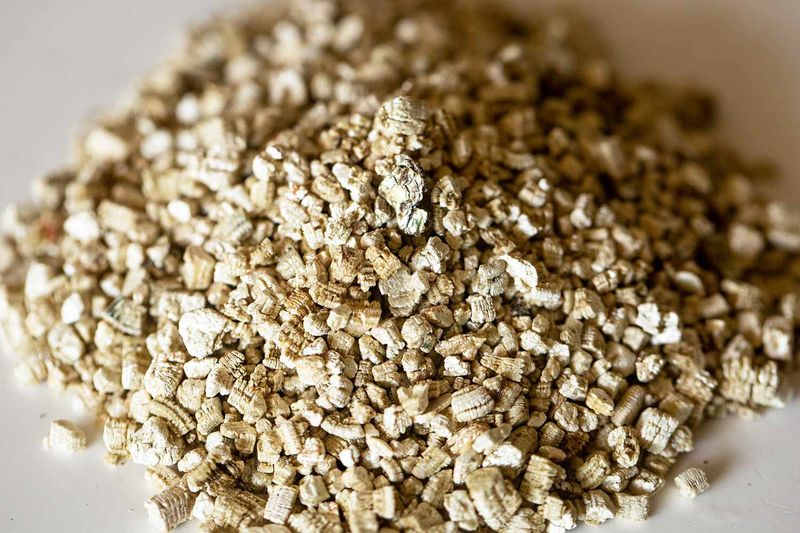
Vermiculite is celebrated for its moisture retention and aeration properties, but it’s not always the hero it’s portrayed to be.
When used excessively, it can retain too much moisture, leading to root rot in plants sensitive to water-logged conditions. For plants preferring drier soils, this can be detrimental.
Vermiculite’s shiny, flaky texture can also lead to compaction over time, reducing soil permeability. To counteract these issues, mixing it with sand or bark can help maintain a balanced growing medium, ensuring roots have space to breathe.
3. Peat Moss
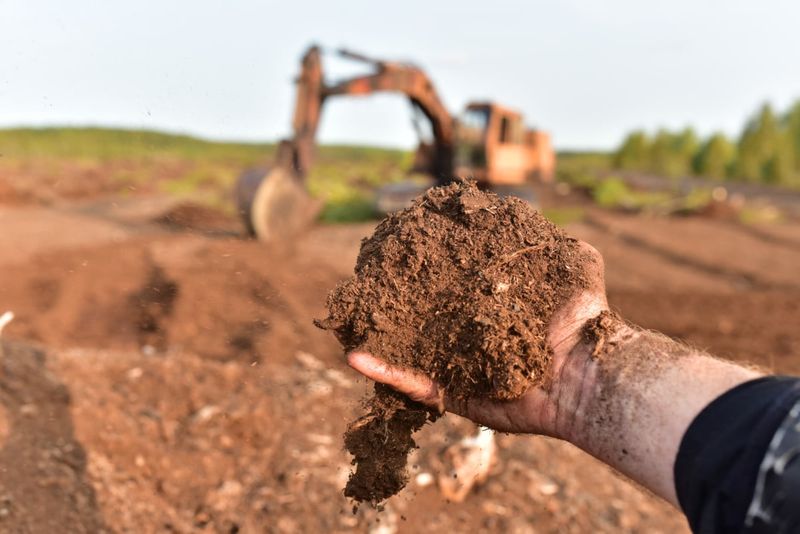
Peat moss is a popular choice for gardeners seeking to improve soil acidity and water retention. Yet, its environmental impact and tendency to compress soil make it a double-edged sword.
With overuse, peat moss can lead to poor root growth due to compacted soil, reducing aeration. Additionally, its harvesting contributes to habitat destruction.
Switching to sustainable alternatives like coconut coir can provide similar benefits without the downsides. Coconut coir maintains soil structure and moisture while preserving natural habitats, making it a more eco-friendly choice for the conscientious gardener.
4. Manure
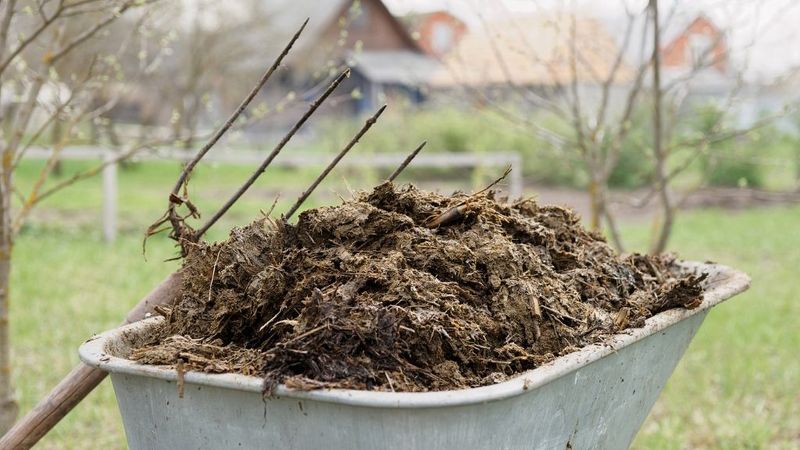
Manure is often lauded as a natural fertilizer, but its misuse can lead to nutrient imbalances and contamination.
When not properly composted, manure can introduce harmful pathogens into the soil, risking plant health. Excessive use can also cause nutrient burn, where plants receive too much nitrogen, stunting growth.
To safely utilize manure, ensure it’s well-composted to eliminate pathogens and balance nutrient levels. Consider integrating it with other organic materials to create a nutrient-rich yet balanced soil amendment, supporting healthy plant growth without adverse effects.
5. Lime
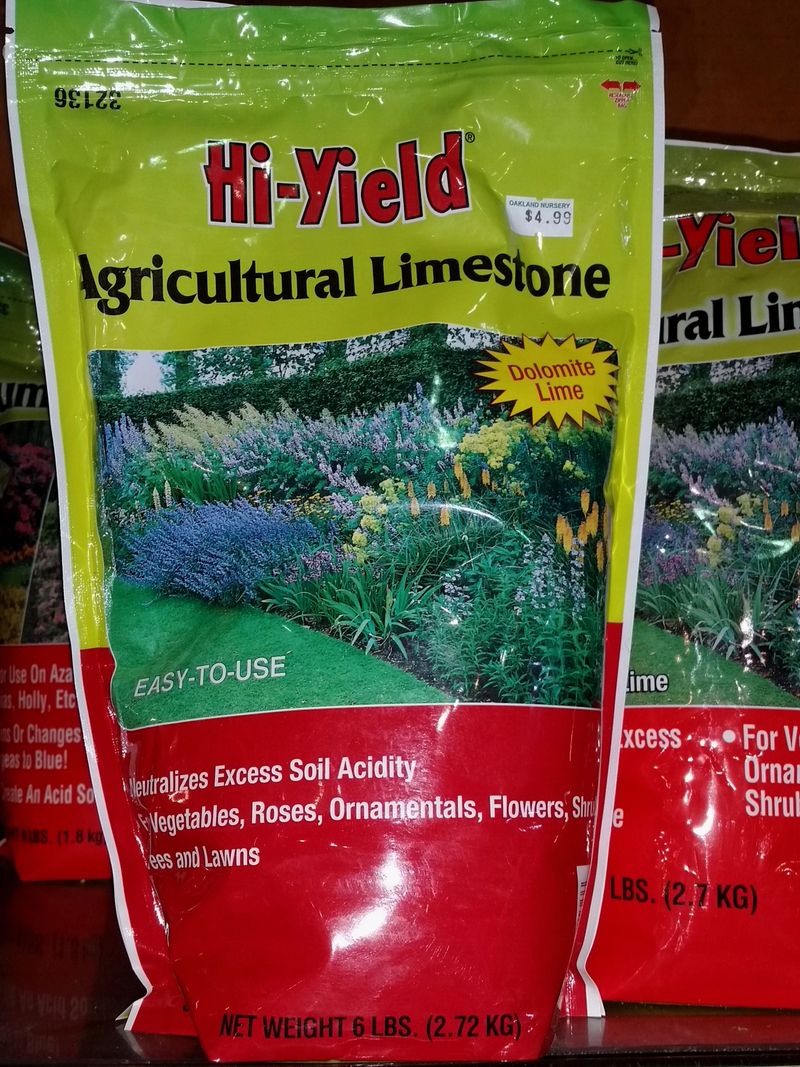
Lime is commonly used to adjust soil pH, but its application requires precision. Over-liming can lead to soil alkalinity, hindering nutrient absorption and impacting plant health.
Imagine trying to grow acid-loving plants, like blueberries, in alkaline soil—growth will be stunted, and plants may become nutrient-deficient.
Regular soil testing is crucial before lime application to ensure appropriate levels. By doing so, gardeners can prevent over-application, maintaining optimal soil conditions for diverse plant varieties and avoiding unintended growth issues.
6. Wood Ash
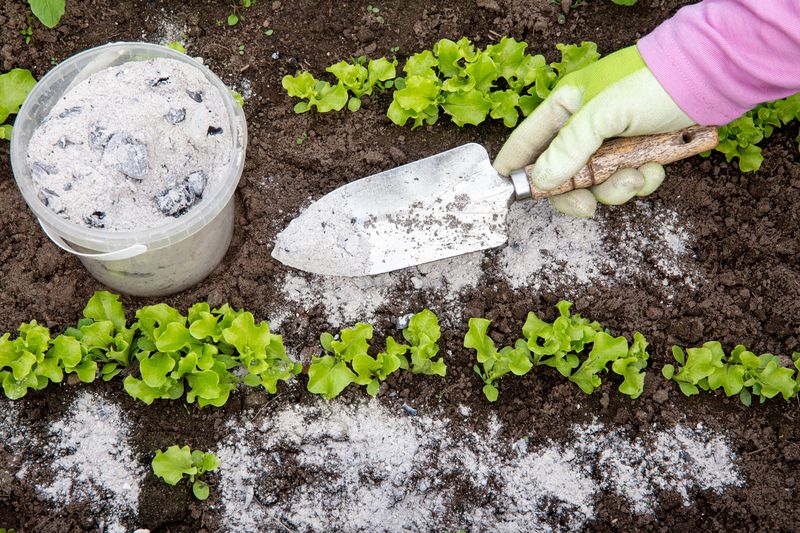
Wood ash, a natural byproduct of burning wood, is often used to increase soil pH and add nutrients. However, its high alkalinity can lead to nutrient lock-up, restricting plant access to essential elements.
For acid-loving plants, wood ash can be particularly harmful, inhibiting growth and flowering. Moreover, excessive use can lead to salt build-up in the soil, affecting overall plant health.
To mitigate these effects, limit wood ash use and pair it with organic matter. This approach helps maintain a balanced pH and nutrient availability, promoting healthy plant growth.
7. Charcoal
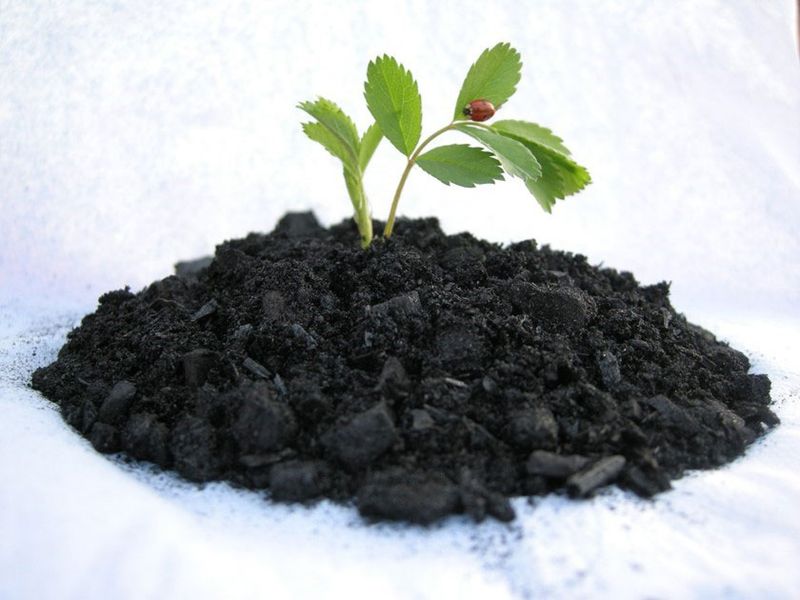
Charcoal is often added to soil for its purported detoxifying properties. However, its absorptive nature can sometimes work against plants by binding essential nutrients, making them unavailable.
This nutrient lock-up can lead to deficiencies, especially in nutrient-poor soils. For sensitive plants, this may result in stunted growth and yellowing leaves.
To prevent such issues, use charcoal sparingly and combine it with nutrient-rich compost. This mix ensures that soil remains fertile, supporting plant vitality without compromising nutrient availability.
8. Eggshells
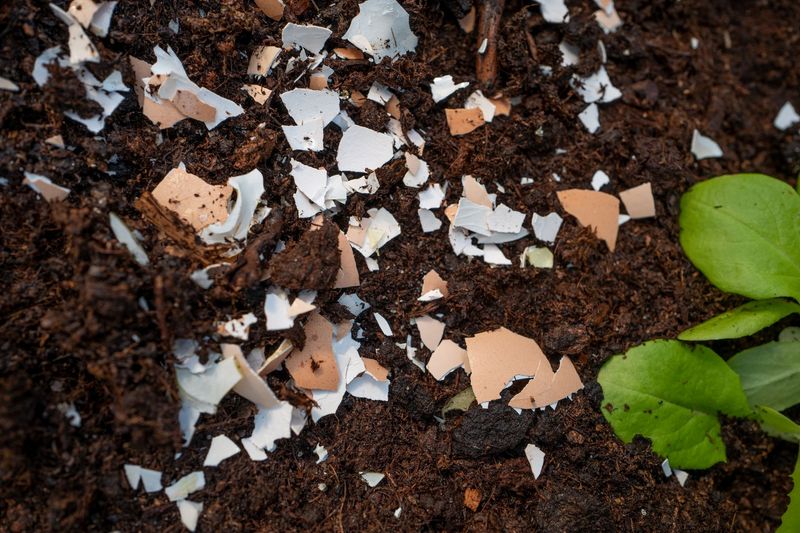
Eggshells, often praised for their calcium content, can backfire if overused. Their slow decomposition means that calcium release is minimal, potentially leaving soils deficient in other nutrients.
In gardens with naturally high pH, eggshells can exacerbate alkalinity, affecting plant growth. For plants requiring acidic soils, this can hinder nutrient uptake, leading to poor health.
Crush eggshells finely and mix them with balanced fertilizers to avoid these pitfalls. This approach ensures calcium is a supplement rather than a sole amendment, supporting plant health in a more balanced manner.
9. Compost
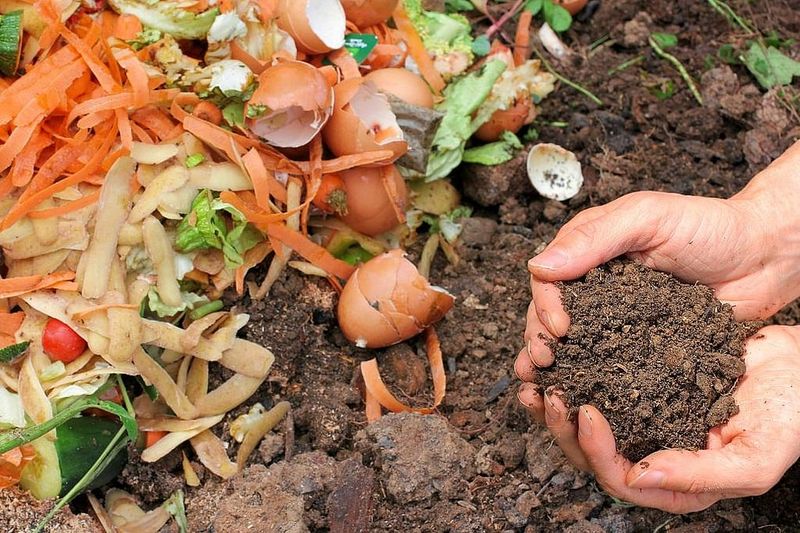
Compost is regarded as a gardener’s gold, yet improper use can lead to problems. Over-application can result in nutrient imbalances, particularly excess nitrogen, which may harm sensitive plants.
Too much compost can also increase soil salinity, affecting water uptake and plant health. For delicate plant species, this can lead to wilting and reduced growth.
To avoid these issues, apply compost in moderation and regularly test soil to ensure balanced nutrient levels. This practice supports healthy plant growth by maintaining a stable and productive soil environment.
10. Epsom Salt
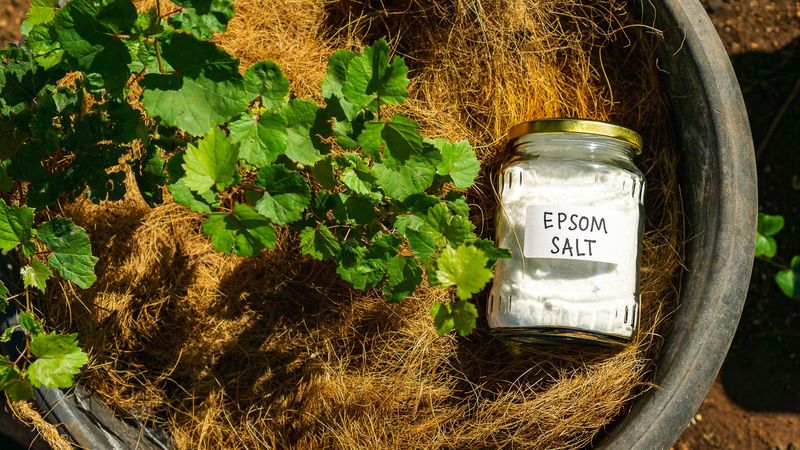
Epsom salt, celebrated for its magnesium content, is used to boost plant growth. However, excessive application can lead to an imbalance in soil nutrients, affecting plant health.
In particular, high levels of magnesium can interfere with calcium absorption, leading to deficiencies. For plants like tomatoes and peppers, this can result in blossom end rot.
To prevent these issues, use Epsom salt sparingly and in conjunction with other balanced fertilizers. This approach ensures plants receive the benefits without risking nutrient imbalances that could compromise growth.
11. Gypsum
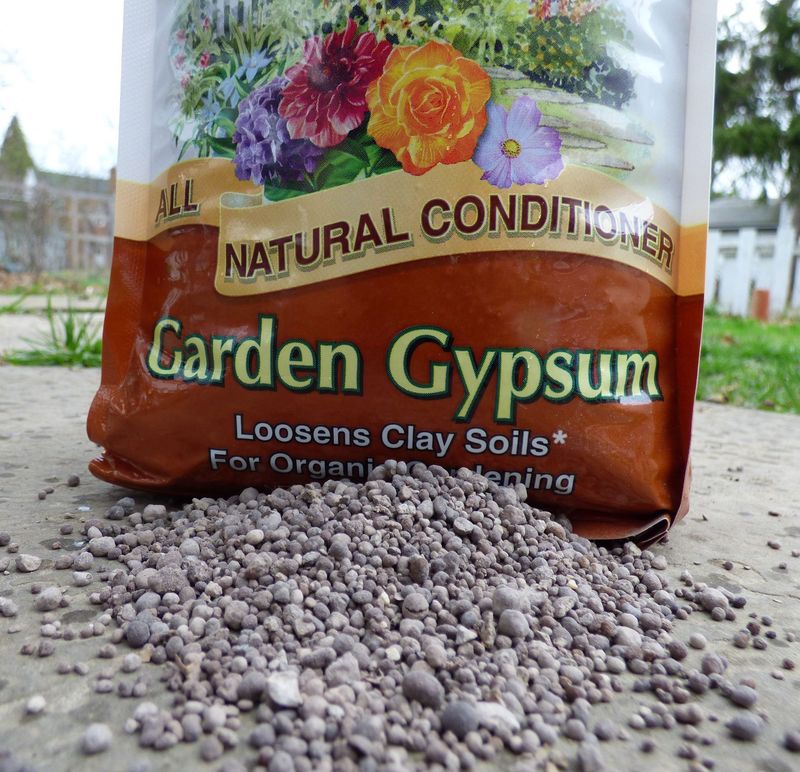
Gypsum, known for its soil conditioning properties, can sometimes lead to unintended consequences. Overuse may lead to an accumulation of sulfur in the soil, affecting plant growth.
For plants that are sensitive to sulfur, such as strawberries, this can be particularly detrimental, resulting in discolored leaves and stunted growth.
To use gypsum effectively, measure application carefully and integrate it with other soil amendments. This balanced approach helps maintain nutrient availability, ensuring plants thrive without adverse effects from excessive sulfur levels.
12. Coffee Grounds
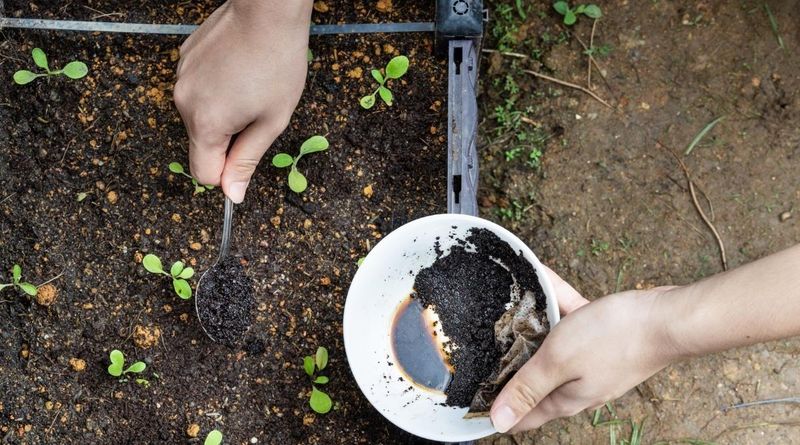
Coffee grounds are a popular organic amendment, praised for their acidity and nutrient content. Yet, their overuse can lead to soil compaction, restricting root growth and water penetration.
Excessive grounds can also increase soil acidity beyond desirable levels, affecting nutrient availability. This is particularly problematic for plants preferring neutral to alkaline soils.
To use coffee grounds effectively, mix them with other organic matter to balance their effects. This strategy ensures soil structure remains conducive to healthy growth, providing the benefits of coffee grounds without the drawbacks.
13. Bone Meal
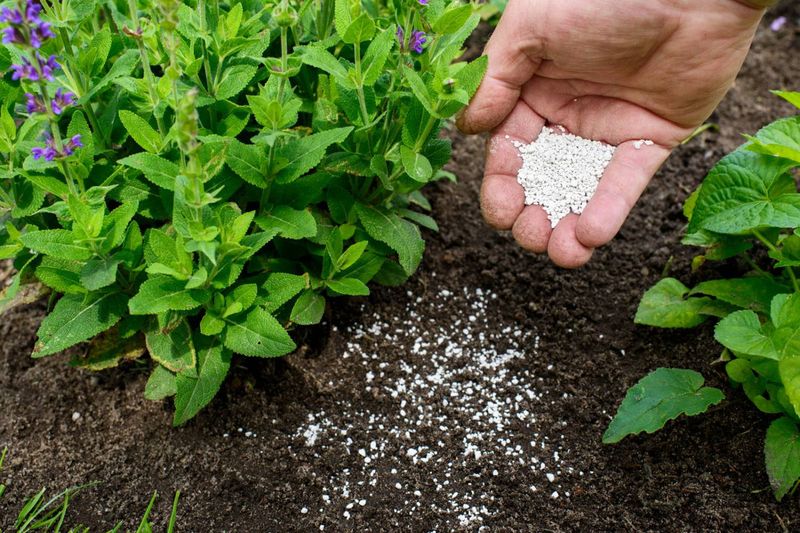
Bone meal is a traditional fertilizer valued for its phosphorus content. However, its overuse can lead to nutrient imbalances, particularly in phosphorus-sensitive plants.
Excess phosphorus can inhibit the uptake of other essential nutrients like zinc and iron, leading to deficiencies. For acid-loving plants, this can result in yellowing leaves and poor flowering.
To avoid these issues, apply bone meal in moderation and consider soil testing before application. This ensures plants receive balanced nutrition, promoting healthy growth and robust blooms without the risk of nutrient imbalance.
14. Sulfur
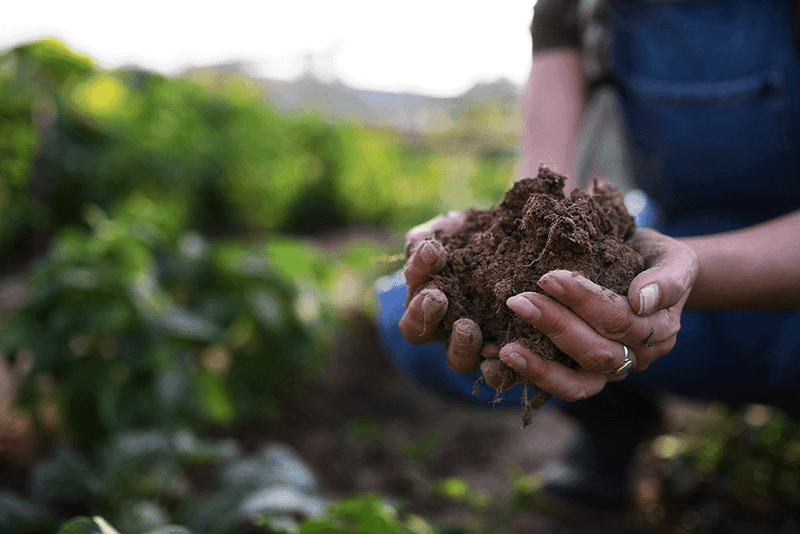
Sulfur is used to lower soil pH for acid-loving plants, but its overuse can lead to overly acidic conditions. This can result in nutrient lock-up, affecting plant health and growth.
For plants that prefer neutral or slightly acidic soils, too much sulfur can be damaging, leading to stunted growth and poor flowering.
To use sulfur effectively, apply it judiciously and monitor soil pH regularly. This approach maintains optimal conditions for plant growth, ensuring that the benefits of sulfur are realized without compromising soil health.
15. Sand
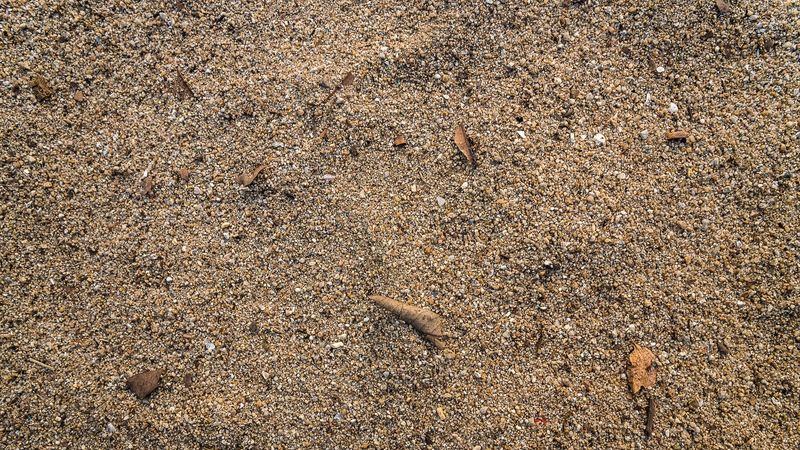
Sand is often used to improve soil drainage, but excessive amounts can lead to poor nutrient retention.
This can create a challenging environment for plants, as nutrients wash away before roots can absorb them. For plants requiring nutrient-rich soil, this can lead to deficiencies and stunted growth.
To prevent these issues, mix sand with organic matter to balance drainage with nutrient retention. This combination provides the benefits of improved aeration without compromising soil fertility, supporting robust plant development.
16. Sawdust
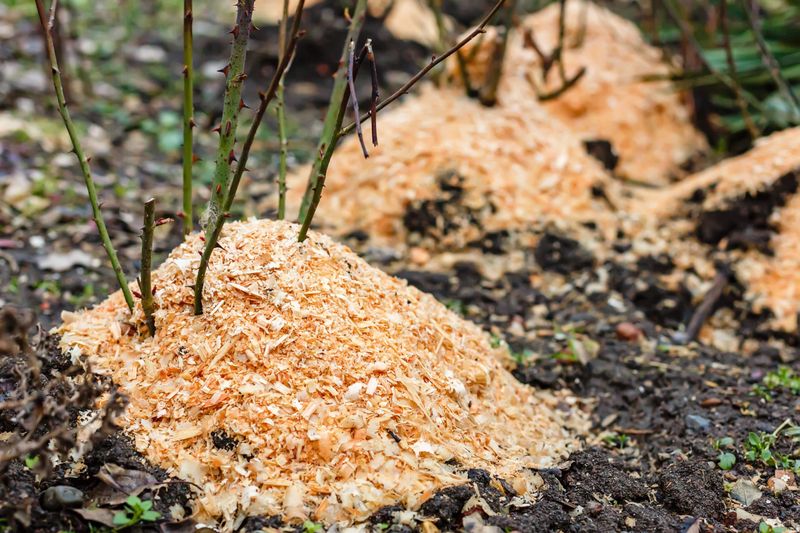
Sawdust is sometimes added to soil for its organic matter content, yet its decomposition can lead to nitrogen depletion.
As it breaks down, sawdust absorbs nitrogen, making it unavailable to plants and potentially leading to deficiencies. For nitrogen-sensitive plants, this can result in yellowing foliage and poor growth.
To counteract this, incorporate sawdust with nitrogen-rich fertilizers. This approach ensures that the soil remains fertile, supporting healthy plant growth while enjoying the benefits of added organic matter.
17. Clay
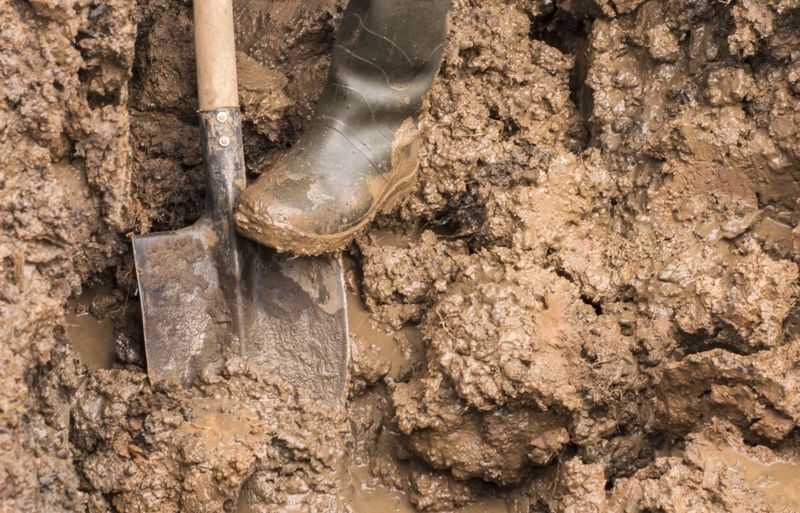
Clay soil is known for its poor drainage and compaction issues, making it challenging for plant roots to penetrate.
In gardens dominated by clay, water retention can lead to root rot and other moisture-related problems. For plants requiring well-drained soil, this can be disastrous.
To improve clay soil, mix in organic matter and sand to enhance aeration and drainage. This blend transforms heavy clay into a more manageable growing medium, promoting healthy root development and plant vitality.
18. Rock Dust
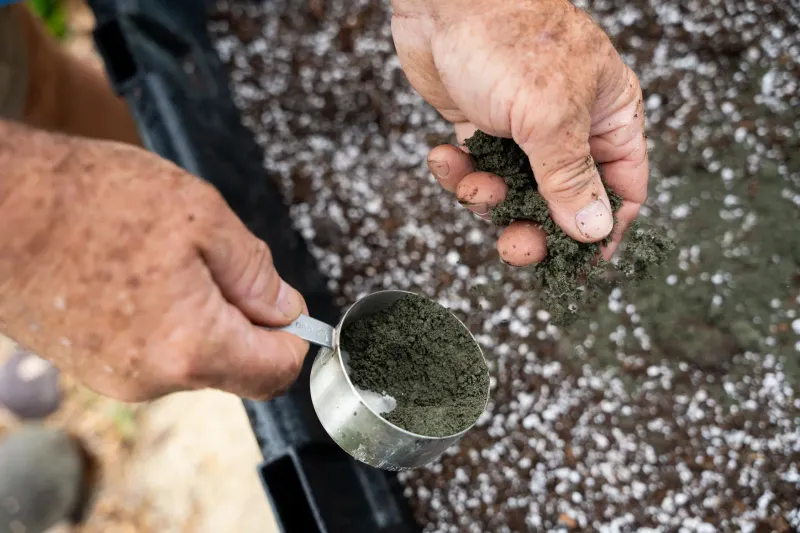
Rock dust is used to remineralize soil, but its effects can vary widely. The dust can alter soil pH and introduce unwanted minerals, impacting nutrient balance and availability.
For plants with specific mineral needs, this can lead to deficiencies or toxicities, hindering growth.
To use rock dust effectively, test soil before application to determine mineral deficiencies. This ensures that the benefits of remineralization are achieved without disrupting the existing nutrient balance, supporting healthy plant development.