 Complete Gardening
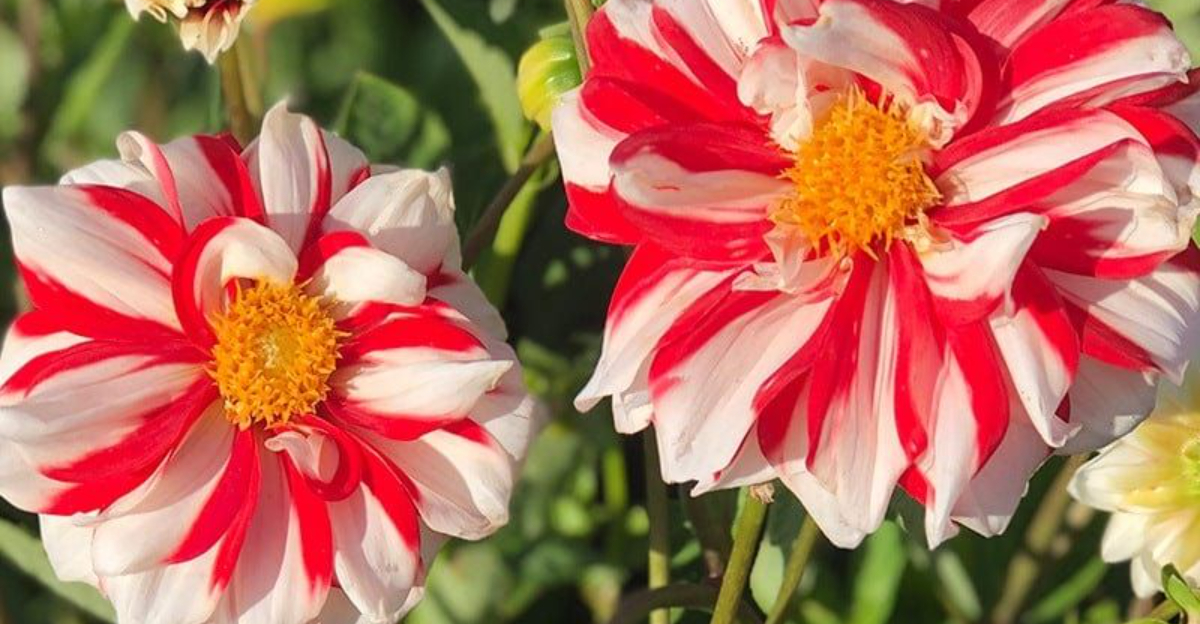
Sometimes, the most beloved garden plants are not the result of meticulous breeding but rather happy accidents. These spontaneous discoveries often bring unexpected beauty and variety to gardens worldwide.
1. Granny Smith Apple
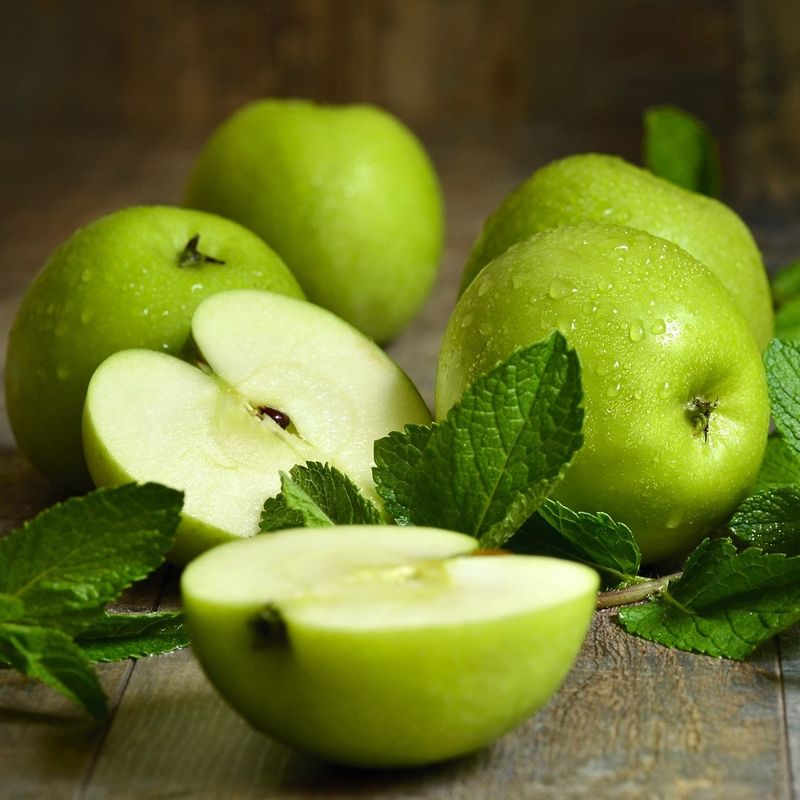
Granny Smith apples originated from a chance seedling in Maria Ann Smith’s Australian orchard in 1868. This bright green apple, with its crisp tartness, has become a staple in kitchens worldwide. Imagine the surprise when this resilient apple appeared, thriving in local conditions with unmatched vigor.
The Granny Smith apple is cherished not just for its unique tart flavor but also for its versatility in both cooking and snacking. Its vibrant green skin and firm flesh have made it a favorite among bakers and chefs.
Over time, the Granny Smith has become synonymous with freshness and health, often representing the quintessential green apple in culture and media.
2. Red Delicious Apple
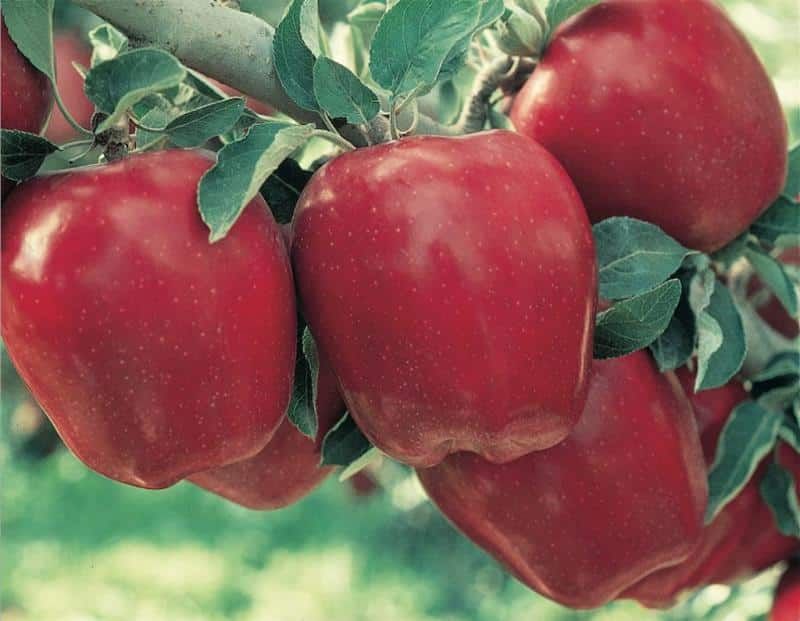
The Red Delicious apple was discovered as a volunteer tree on Jesse Hiatt’s farm in Iowa around 1880. This iconic apple, known for its deep red color and sweet flavor, quickly captured the hearts of apple lovers everywhere.
Characterized by its striking appearance, the Red Delicious is often seen as the epitome of an apple. Its rich, juicy taste makes it a favorite for fresh eating.
The apple’s discovery was purely accidental, but its impact on orchards and grocery stores has been profound. Today, it’s celebrated as one of the most recognized apple varieties worldwide.
3. Golden Delicious Apple
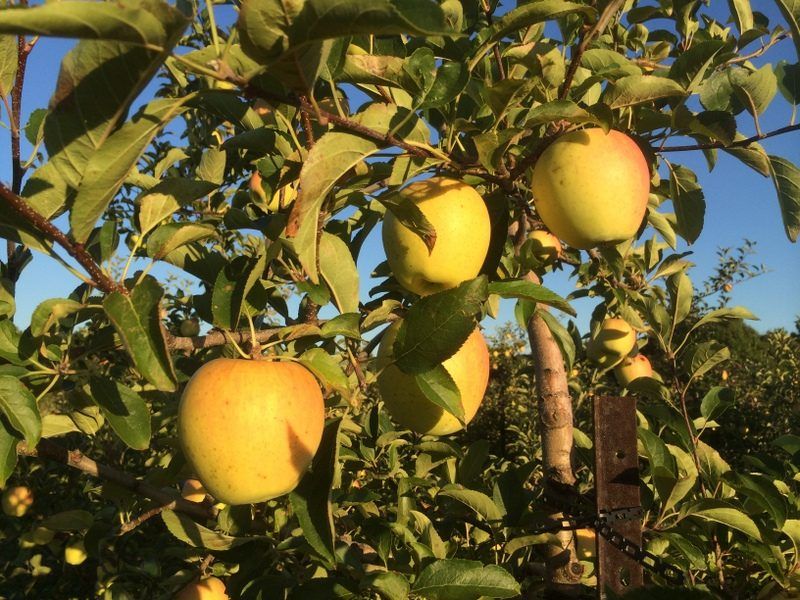
A chance seedling found by the Mullin family in West Virginia around 1905 gave rise to the Golden Delicious apple. This golden-hued fruit is known for its sweet, mild flavor and delightful crunch.
The apple’s smooth skin and juicy texture make it perfect for both eating fresh and cooking. Its sweetness and versatility have made it a beloved addition to many dishes.
Once a mere accident, the Golden Delicious apple has become a staple in orchards and homes alike, cherished for its sunny appearance and delectable taste.
4. Honeycrisp Apple
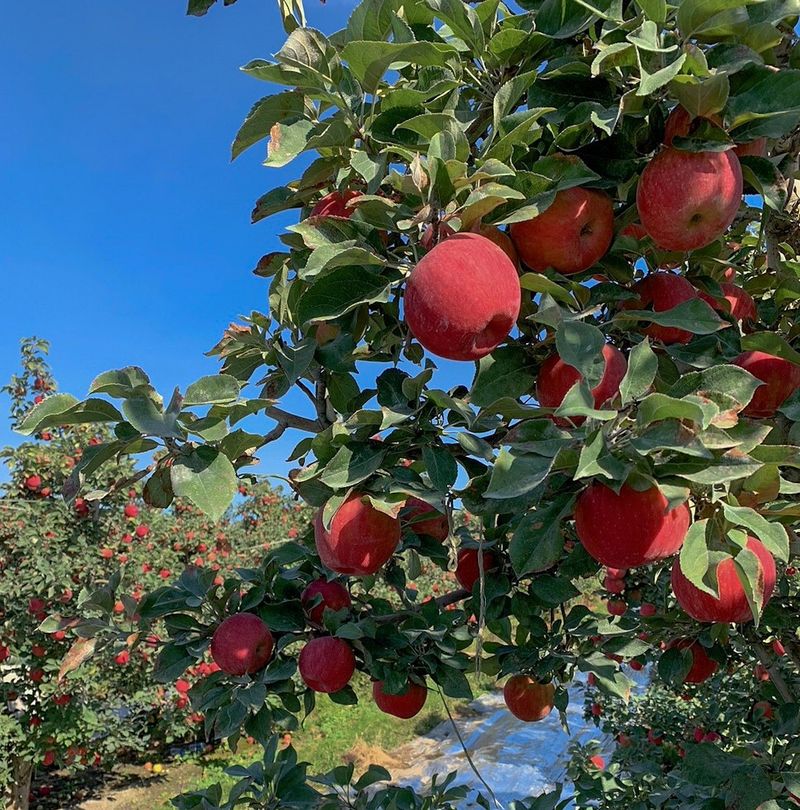
Accidentally crossed in Minnesota’s experimental orchards in the 1960s, the Honeycrisp apple was released in 1991, quickly winning the hearts of apple enthusiasts with its explosive crunch and honeyed sweetness.
This apple’s unique texture and juicy flavor make it ideal for fresh eating, salads, and as an all-around favorite. Its vibrant red and yellow skin is a feast for the eyes.
Despite its unplanned origins, the Honeycrisp has become a symbol of modern apple breeding success, demonstrating how delightful surprises can emerge from the unexpected.
5. Boysenberry
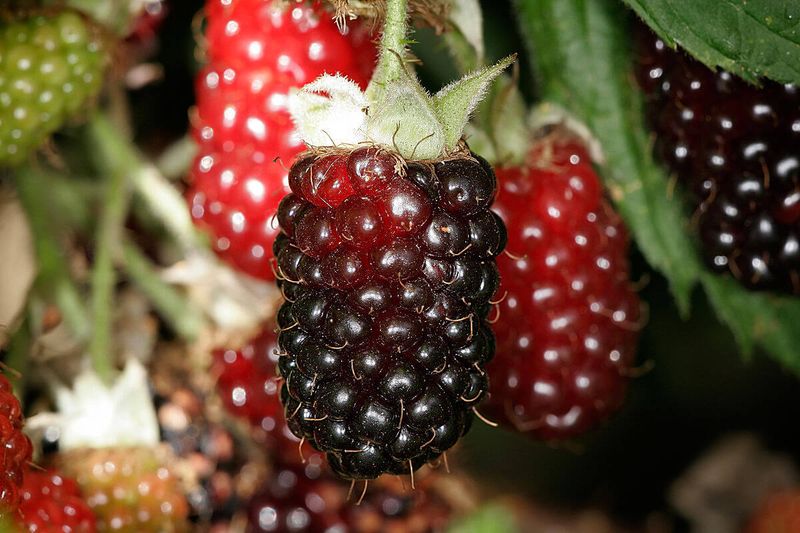
The Boysenberry, a delicious blend of raspberry, blackberry, and loganberry, was accidentally discovered when Rudolph Boysen’s hybrid berries escaped his plot in 1923. Thanks to Walter Knott, who rescued and cultivated them, this berry became a garden favorite.
Its large, juicy berries are known for their unique, tangy-sweet flavor that delights berry enthusiasts everywhere. Ideal for jams, pies, and eating fresh, it brings a burst of flavor to any dish.
A testament to accidental success, the Boysenberry is a sweet reminder of how nature’s surprises can lead to culinary innovation.
6. Stella de Oro Daylily
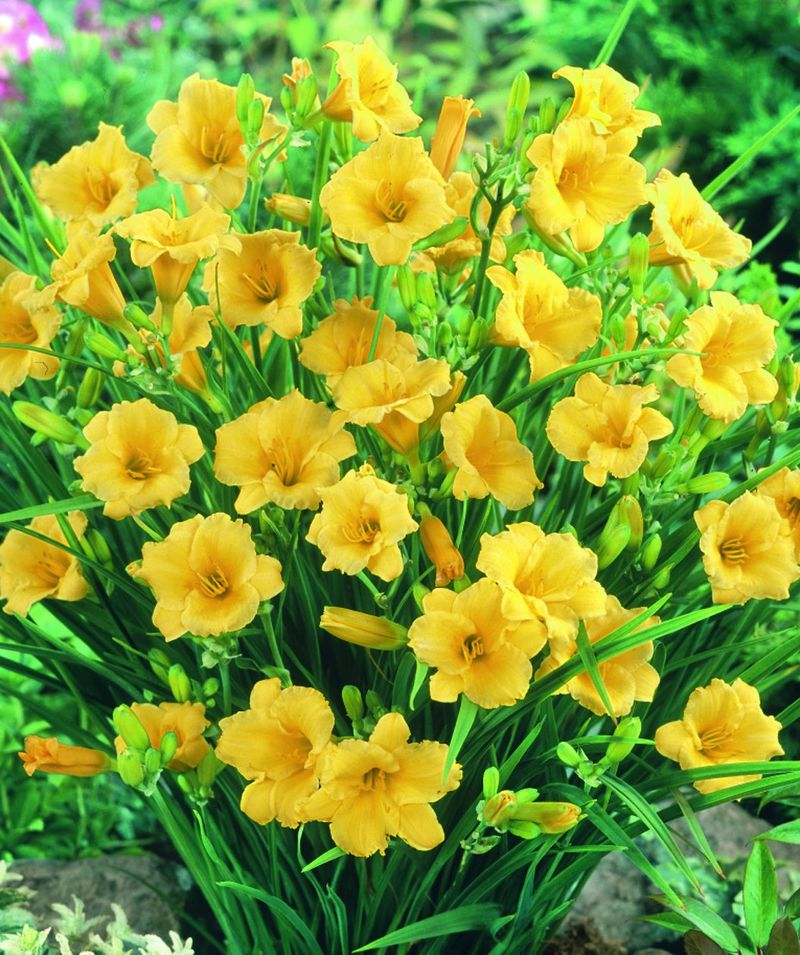
The Stella de Oro daylily appeared as a lone seedling in Michigan State’s trial garden in 1975, and it turned out to be a groundbreaking discovery. Its ability to rebloom reliably throughout the growing season brought a new dimension to garden design.
With vibrant golden-yellow flowers and a compact form, this daylily quickly became a staple in perennial gardens, loved for its long flowering period and minimal care requirements.
Stella de Oro continues to enchant gardeners with its cheerful blooms, proving that sometimes the best plants are those that find us.
7. Dahlia ‘Bishop of Llandaff’
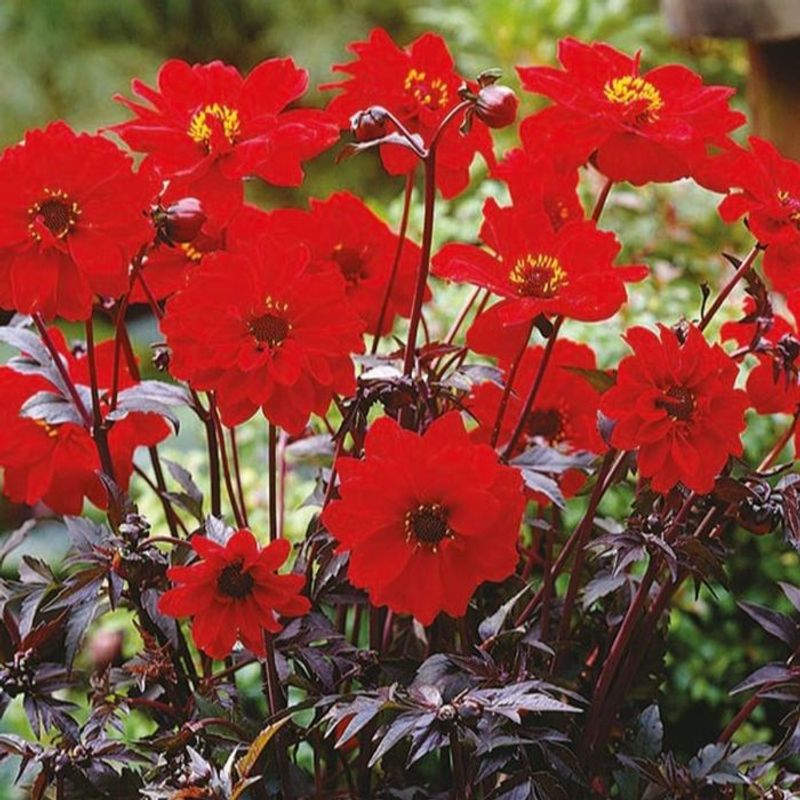
The Dahlia ‘Bishop of Llandaff’ was discovered in Bodnant Gardens, Wales, as a striking red sport of a darker dahlia. Its vivid red blooms and dark, almost black foliage create a stunning contrast.
This dahlia’s dramatic appearance and robust nature make it a favorite in flower borders and arrangements. Blooming throughout the late summer, it adds a pop of color when other plants begin to fade.
Its accidental discovery has led to widespread admiration from gardeners and florists alike, showcasing the beauty of nature’s surprises.
8. Dianthus ‘Firewitch’
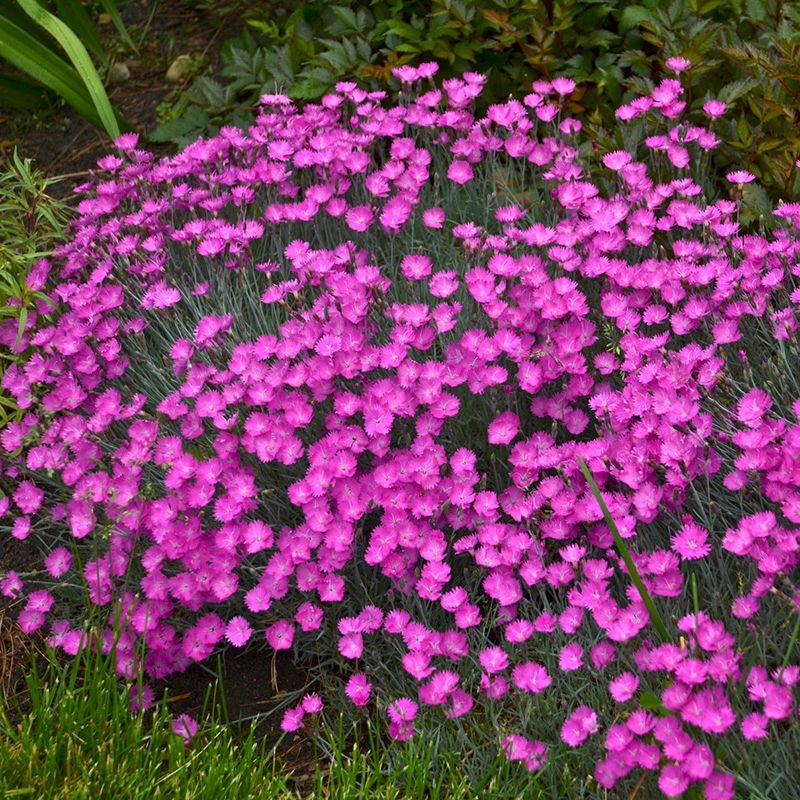
Dianthus ‘Firewitch’ emerged as a chance mutation in a patch of Alpine pinks, leading to its intense scarlet blooms. This perennial is not only visually striking but also wonderfully fragrant, attracting pollinators to the garden.
Its low-growing, mat-forming habit makes it ideal for rock gardens and border fronts, where it creates a carpet of color. ‘Firewitch’ is also celebrated for its long bloom time.
This serendipitous find has become a beloved garden favorite, reminding us that nature’s mutations can result in unforeseen beauty and garden joy.
9. Hostas (Variegated Sports)
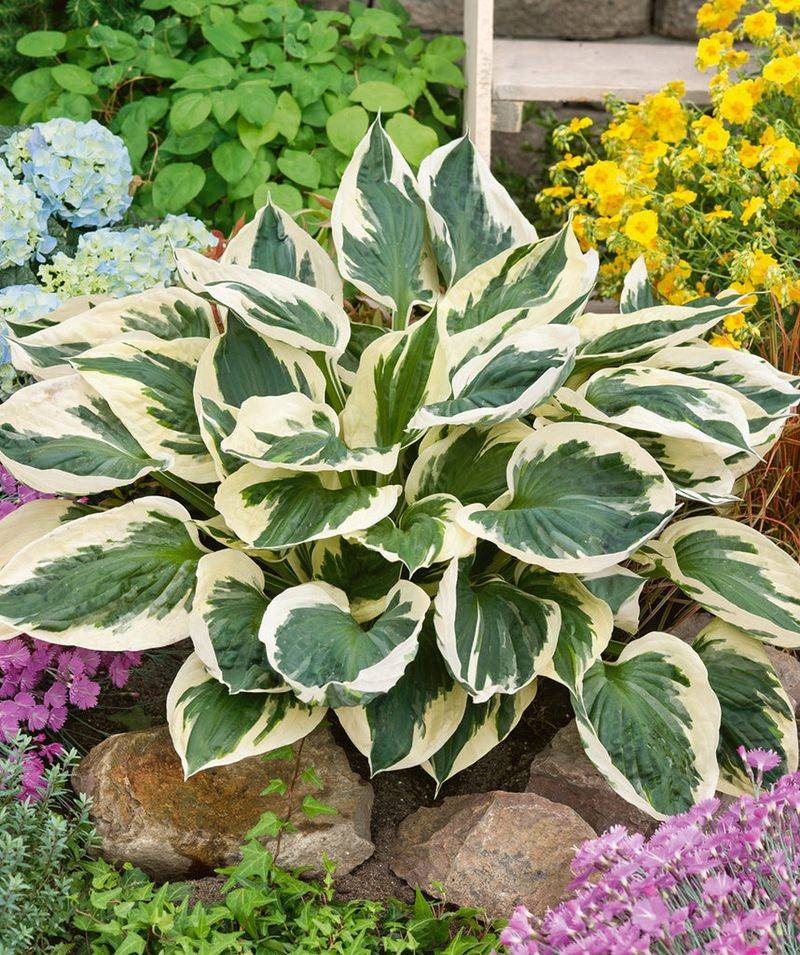
In the early 20th century, Japanese gardeners spotted pale-margined sports on wild hostas, leading to the development of variegated hostas that ornament gardens worldwide. These unique plants add texture and interest to shaded garden areas.
Their lush foliage and striking leaf patterns make them a favorite for shady spots, where they thrive with minimal fuss. They’re not just beautiful, but also hearty and resilient.
The variegated hostas, born from accidental observations, have become a cornerstone in landscape design, showcasing the subtle elegance of shaded greenery.
10. Monstera deliciosa ‘Variegata’
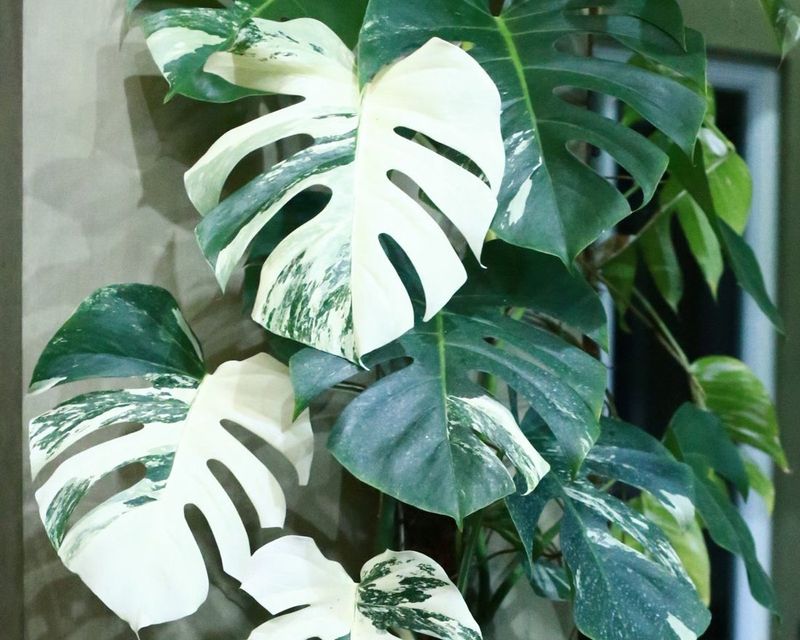
The Monstera deliciosa ‘Variegata’ originated from a rare, naturally variegated shoot on a Mexican jungle vine. Its unique white and green leaves became an instant sensation among houseplant enthusiasts.
This plant’s dramatic foliage and climbing nature make it a striking statement piece indoors. Its care requirements are similar to the standard Monstera, making it accessible to many plant lovers.
The ‘Variegata’ variety highlights how a single mutation can elevate a plant’s status, transforming it into a coveted piece of living art.
11. Philodendron ‘Pink Princess’
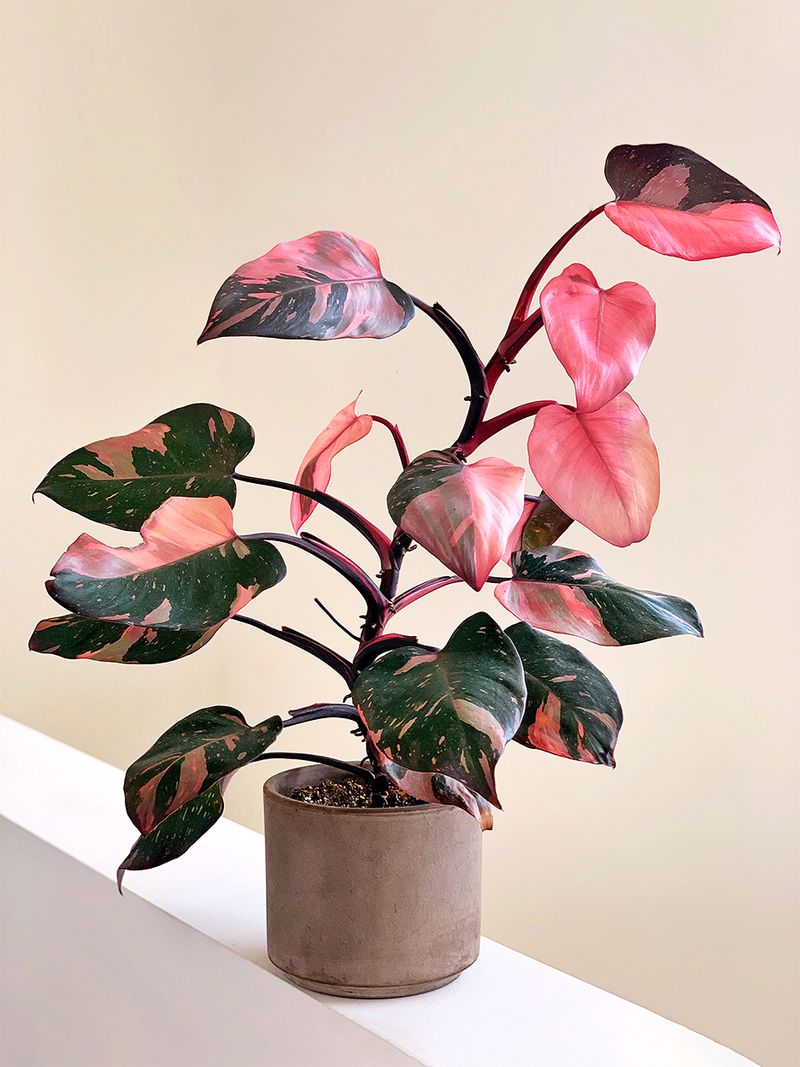
Discovered as a single pink-leafed sport in a Colombian greenhouse in the ’80s, the Philodendron ‘Pink Princess’ quickly captured the imaginations of plant collectors with its stunning coloration.
Its leaves, splashed with pink and green, create a visually appealing contrast that stands out in any plant collection. This rare beauty is relatively easy to care for, adding to its allure.
The ‘Pink Princess’ is a reminder of how even a small change in nature can lead to widespread fascination and desire among gardening enthusiasts.
12. Pothos ‘Marble Queen’
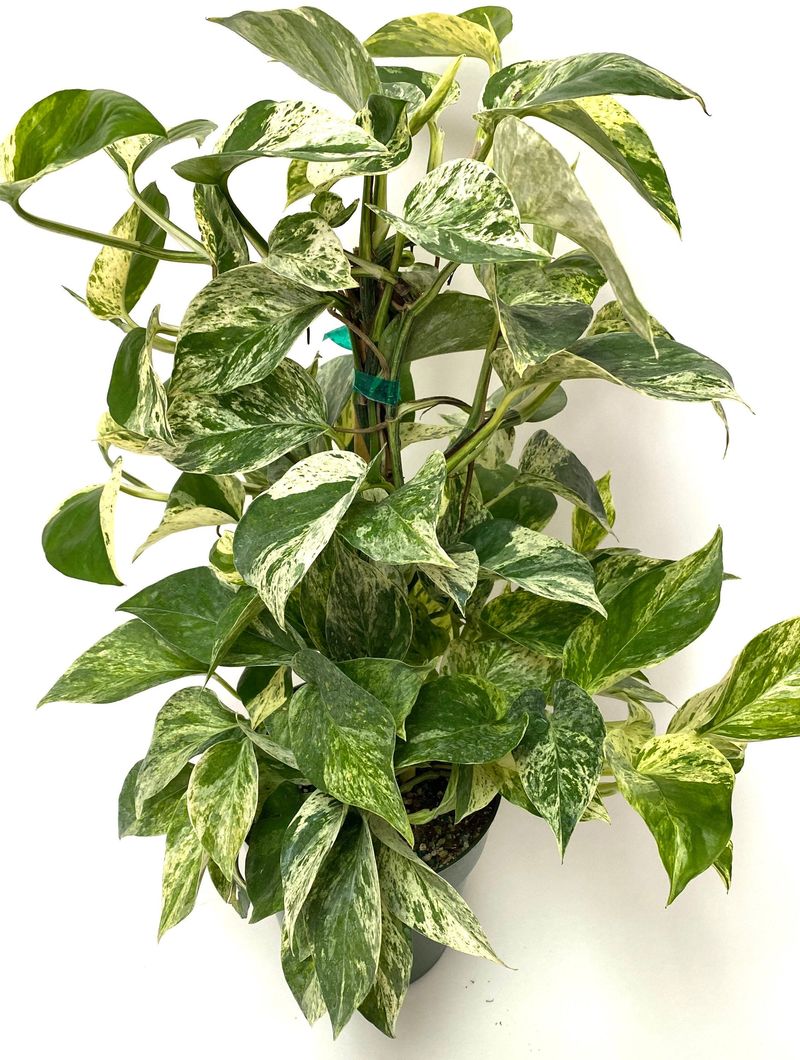
The Pothos ‘Marble Queen’ was found as a self-branching sport on a plain pothos, boasting stunning white-marbled leaves. This plant’s striking variegation quickly made it a household favorite.
Ideal for hanging baskets or climbing structures, its cascading vines add elegance to any indoor space. The ‘Marble Queen’ is not only beautiful but also resilient, thriving with minimal care.
Its discovery shows how a small genetic twist can transform a common plant into a cherished indoor companion, celebrated for its beauty and adaptability.
13. Tradescantia zebrina (Wandering Jew)

Tradescantia zebrina, commonly known as Wandering Jew, features classic striped foliage first noted as a spontaneous color sport in Central America. Its vibrant purple and silver-striped leaves create a dazzling effect.
This hardy plant is perfect for hanging baskets, where its cascading vines showcase its unique colors. It’s also known for being easy to propagate, making it a favorite among houseplant enthusiasts.
The Wandering Jew’s eye-catching beauty and ease of care have made it a beloved choice for those looking to add a touch of the exotic to their homes.
14. Euonymus fortunei ‘Emerald Gaiety’
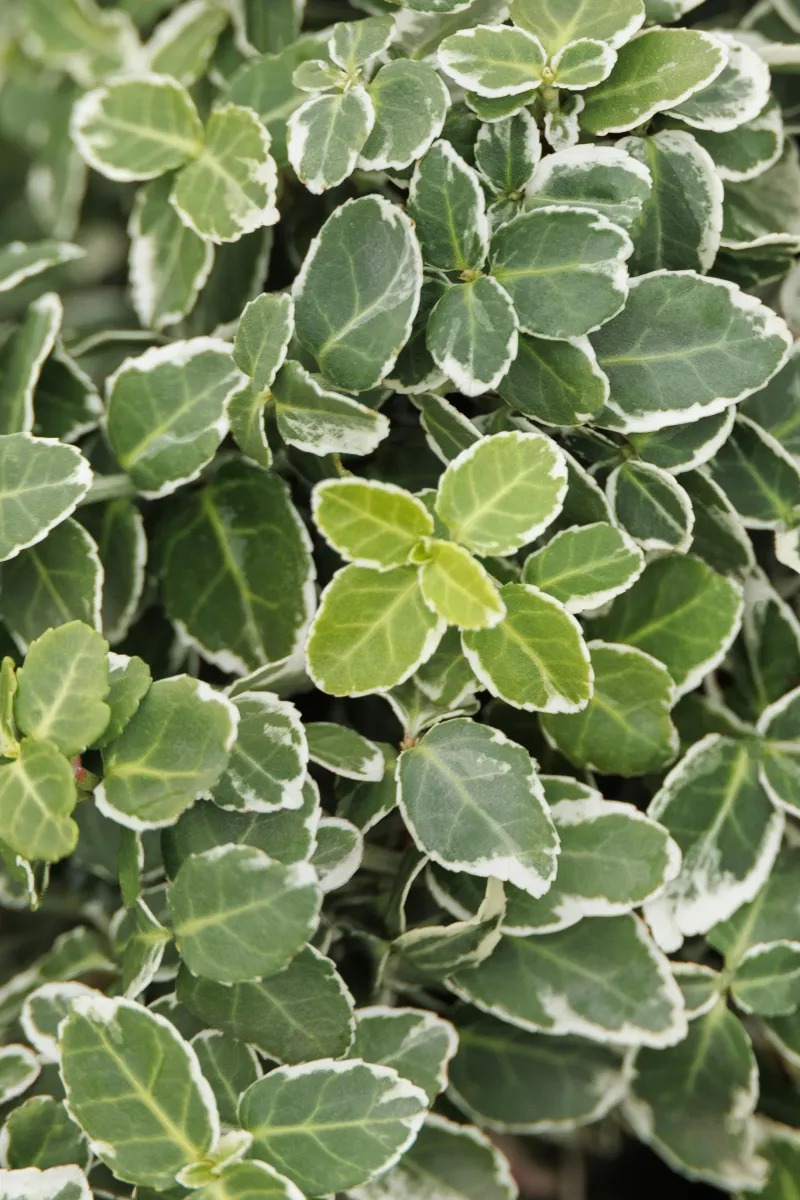
Euonymus fortunei ‘Emerald Gaiety’ emerged from a chance variegated branch on a wild wintercreeper vine. Its striking green and white leaves create an evergreen staple in gardens.
This plant’s ability to thrive in both sun and shade makes it versatile for various landscapes. It provides year-round interest with its vibrant foliage.
The ‘Emerald Gaiety’ reminds us how unexpected mutations in nature can lead to sought-after garden varieties, adding structure and beauty to our outdoor spaces.
15. Weigela florida ‘Variegata’
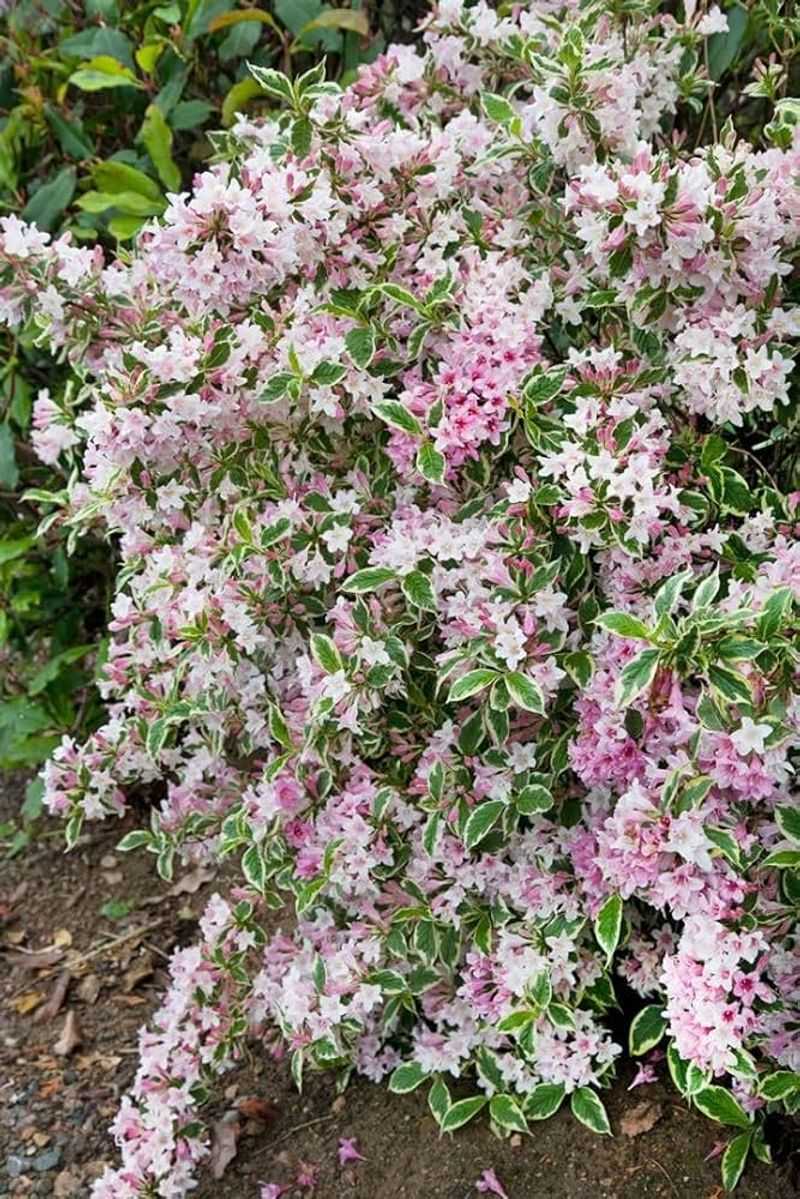
Discovered in a German nursery as a pale-margined sport, Weigela florida ‘Variegata’ has become a garden staple. Its lush green leaves, edged with cream, are complemented by pink trumpet-shaped flowers.
This shrub’s adaptability to sun or shade and its abundant blooms make it a favorite for borders and hedges. Its vibrant colors attract pollinators, adding life to the garden.
The ‘Variegata’ serves as a prime example of how a simple mutation can enhance a plant’s appeal, making it a cherished addition to any garden.
16. Dahlia ‘Fire and Ice’
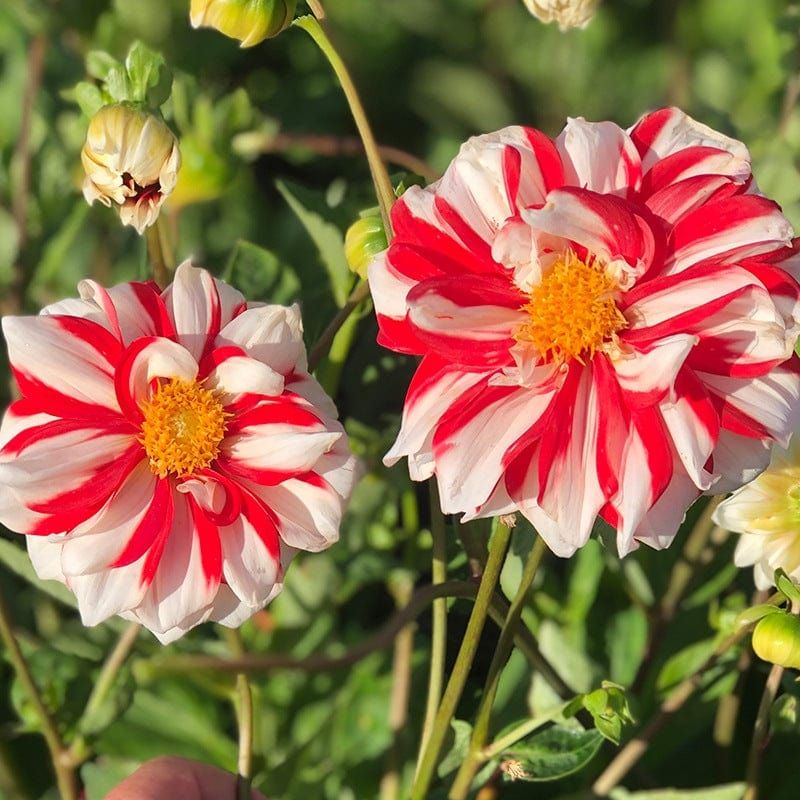
The Dahlia ‘Fire and Ice’ appeared as a bi-color sport in a French trial bed, captivating gardeners with its two-tone blooms. Its striking red and white petals create a visual spectacle.
This dahlia’s bold colors are perfect for cutting gardens and floral arrangements, bringing vibrant contrast and drama. Its prolific blooming adds extended beauty to garden displays.
Accidentally discovered yet intentionally celebrated, ‘Fire and Ice’ demonstrates the enchanting allure of color variations in our gardens.
17. Begonia ‘Iron Cross’

The Begonia ‘Iron Cross’ was discovered as a single leaf sport in a greenhouse, noted for its distinctive x-shaped dark blotch on its leaves. This unique pattern adds intrigue to any plant collection.
Its lush, textured foliage and compact nature make it ideal for indoor spaces where it can be admired up close. This begonia thrives in indirect light, adding ease to its care.
The ‘Iron Cross’ stands as a testament to the beauty of botanical surprises, where a simple mutation can create an extraordinary visual interest.
18. Tomato ‘Brandywine’
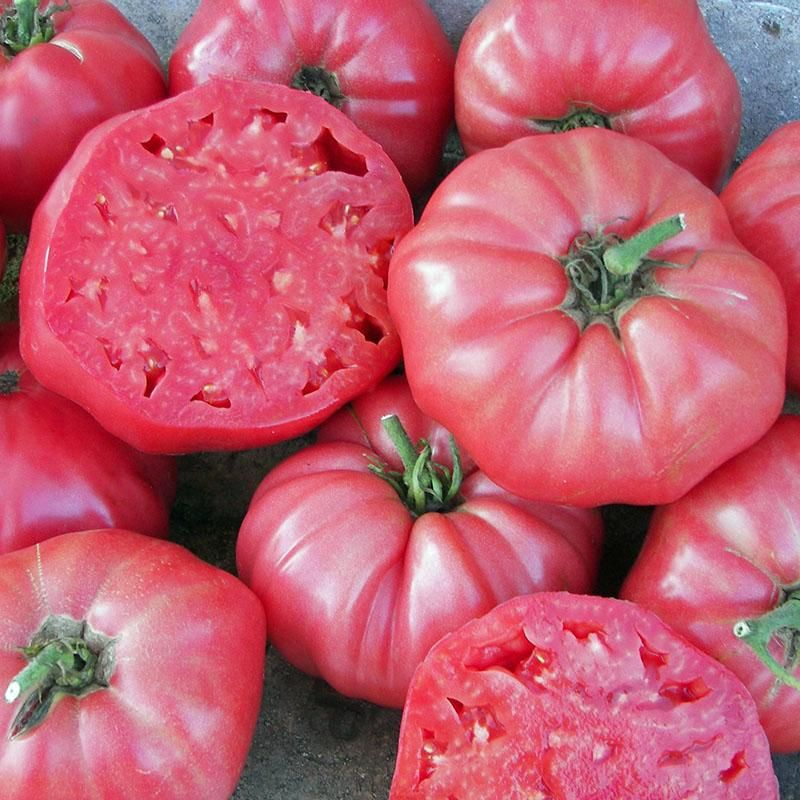
The Tomato ‘Brandywine’ originated as a “jelly bean”-sized volunteer in an Amish garden around 1885, eventually producing giant, flavorful fruits. This heirloom variety is celebrated for its rich taste and beefy texture.
With its iconic pinkish-red hue and robust flavor, ‘Brandywine’ is a favorite among tomato lovers. Its large fruits are perfect for slicing and adding to gourmet dishes.
A naturally occurring gem, the ‘Brandywine’ tomato is a beloved garden staple, praised for its distinctive taste and historical significance.
19. Japanese Maple ‘Bloodgood’

The Japanese Maple ‘Bloodgood’ was discovered as a crimson-leafed seedling at Bloodgood’s nursery in the 1920s. Its stunning fall foliage and elegant form make it a highly planted maple variety.
This tree’s vibrant red leaves create a dramatic display throughout the year, adding visual interest to landscapes. Its graceful structure and manageable size make it ideal for gardens.
The ‘Bloodgood’ maple captures the essence of refined beauty, becoming a sought-after choice for gardeners looking to add a touch of elegance.
20. Hakone Grass ‘Aureola’ (Hakonechloa macra ‘Aureola’)

Hakone Grass ‘Aureola’ was discovered as a chance variegated clump in Japan, now prized for its golden-striped foliage. This ornamental grass adds texture and movement with its graceful, arching habit.
Ideal for shaded gardens, ‘Aureola’ thrives in moist, well-drained soil, providing year-round interest with its striking colors. Its low-maintenance nature makes it a favorite among gardeners.
A serendipitous find, ‘Aureola’ enhances garden landscapes with its elegant form and vibrant hues, celebrated for its ornamental value.