 Complete Gardening
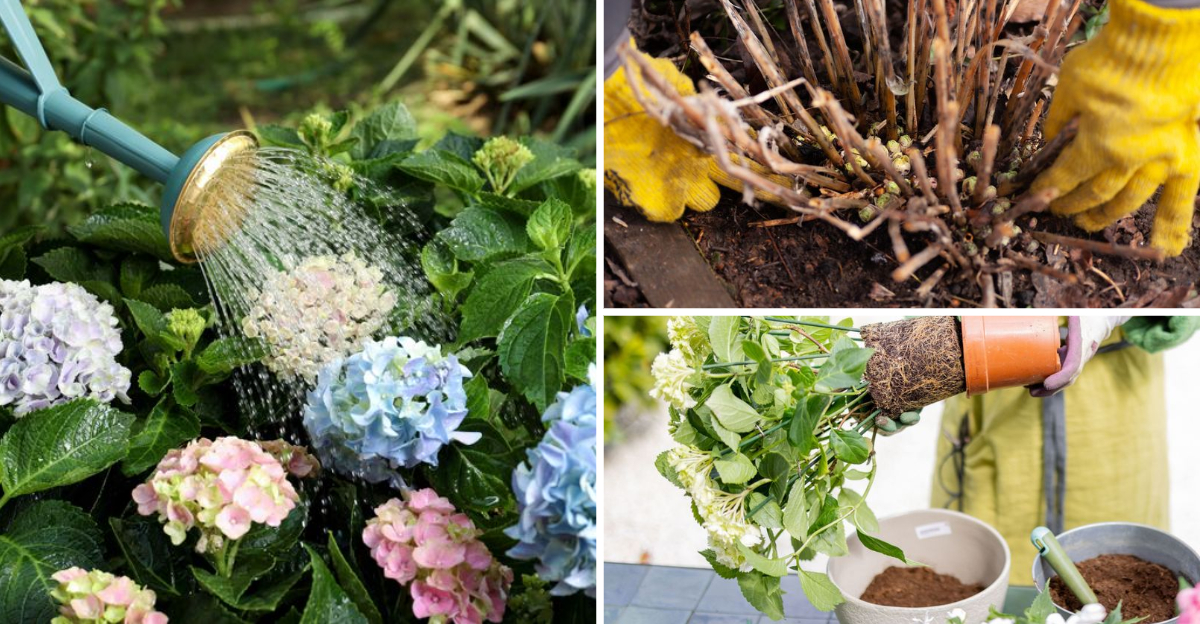
Hydrangeas, with their lush blooms and vibrant colors, are a favorite in many gardens. Maintaining their beauty requires some insights and practices to ensure they bloom for longer periods. In this guide, we explore 20 essential tips that will help you nurture your hydrangeas effectively. From watering techniques to soil management, each tip is designed to enhance your plants’ vitality. Enjoy the journey of making your hydrangeas the envy of every gardener.
1. Tip 1: Water Wisely
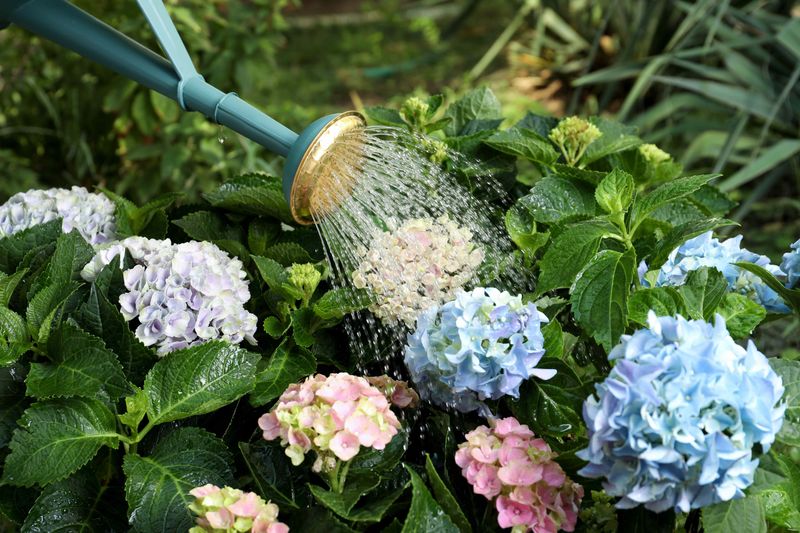
A thriving hydrangea garden often hinges on the right watering strategy. Inconsistent watering may lead to wilting or fungal issues. Consider a regime where you water deeply but less frequently to encourage root growth. Early morning is the best time to water, as it allows moisture to reach deep into the soil before the sun evaporates it. Use mulch to maintain soil moisture. Remember, overwatering can be as detrimental as underwatering. Hydrangeas prefer moist, not soggy, conditions. Achieving this balance will keep them blooming beautifully for a longer duration.
2. Tip 2: Prune with Purpose
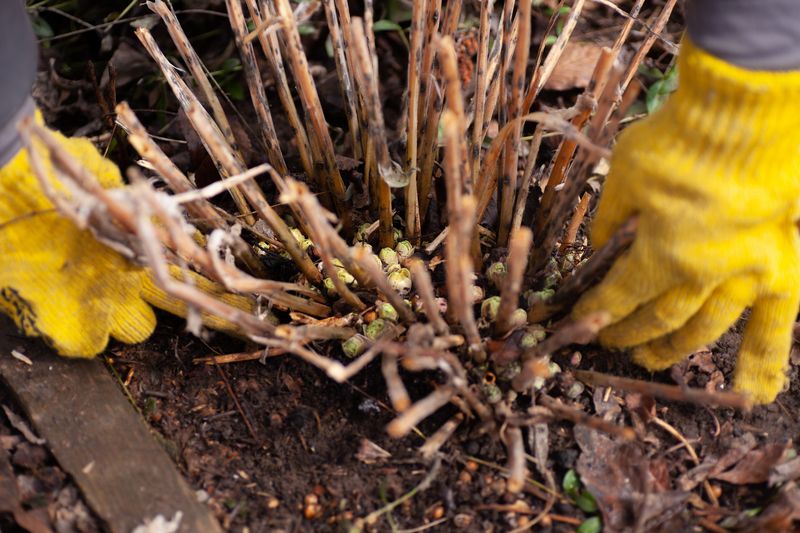
Pruning hydrangeas isn’t just about aesthetics; it’s crucial for their health and bloom cycle. Timing is everything. For example, prune mophead and lacecap hydrangeas immediately after flowering to avoid cutting off next year’s blooms. Annabelle and panicle varieties, however, can be pruned in late winter or early spring. Remove deadwood and spent blooms to encourage fresh growth and prevent diseases. Understanding your variety’s blooming habits will guide your pruning schedule. Done correctly, pruning stimulates vibrant blooms and maintains a pleasing shape in your garden.
3. Tip 3: Soil Matters
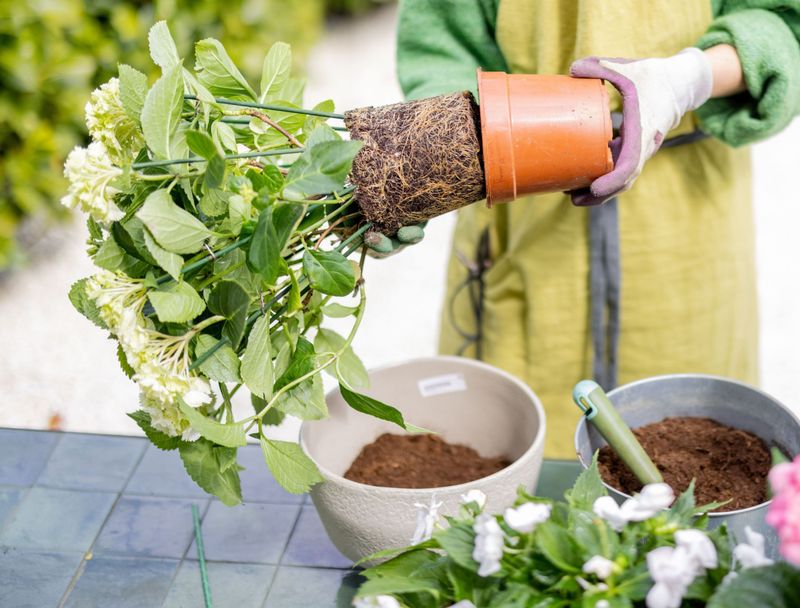
The soil in which your hydrangeas grow plays a pivotal role in their health and bloom color. Hydrangeas thrive in rich, well-draining soil. A soil test can help determine the pH balance, which affects bloom color in certain varieties. For instance, acidic soil tends to produce blue blooms, while alkaline soil results in pink hues. Regularly amending the soil with organic matter can improve its structure and nutrient content. Understanding and adjusting your soil’s makeup can lead to healthier plants and more vibrant blooms year after year.
4. Tip 4: Sun and Shade Balance
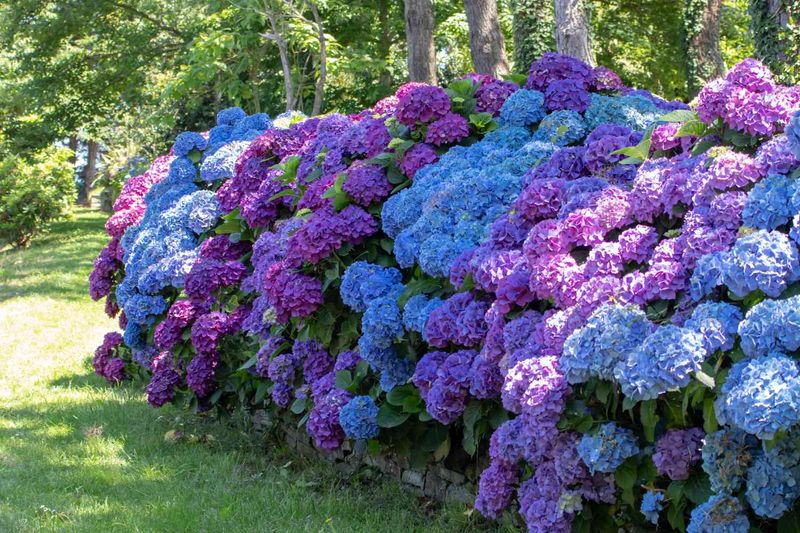
Finding the right balance of sun and shade is key to maximizing hydrangea blooms. Most hydrangeas prefer morning sun and afternoon shade. Too much sun can scorch leaves and fade blooms, while too little light can stifle flowering. Observe how the sun moves through your garden to find the ideal spot. Adjusting the plant’s location based on its light needs can result in more vibrant and abundant flowers. This balance helps maintain both the aesthetic appeal and the health of your hydrangeas, ensuring they continue to impress.
5. Tip 5: Fertilize Properly
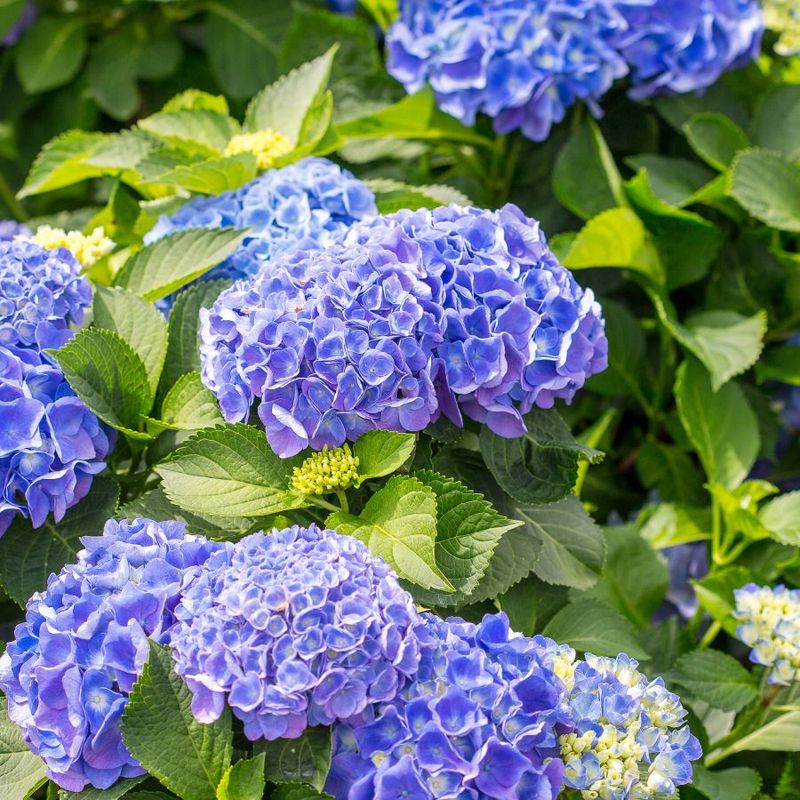
Feeding hydrangeas the right nutrients is vital for lush, long-lasting blooms. A balanced, slow-release fertilizer applied in early spring and again in the summer can enhance growth. Avoid high nitrogen fertilizers, as they promote leaf growth over flowers. Be mindful of the specific needs of your hydrangea variety, as some may require different nutrient ratios. Over-fertilizing can lead to lush foliage with few blooms. Knowing how and when to fertilize will help your hydrangeas thrive, producing stunning blooms that are the hallmark of a healthy garden.
6. Tip 6: Mulch for Moisture
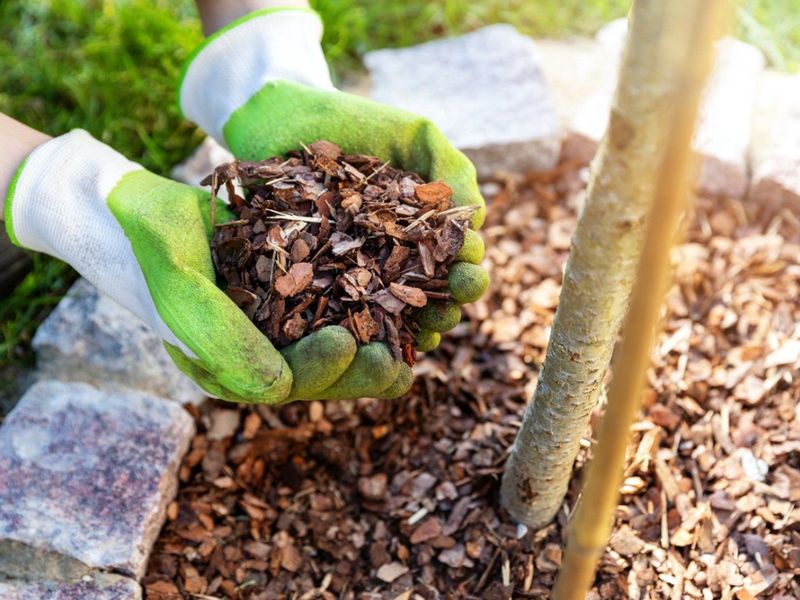
Mulching is a simple yet effective way to retain soil moisture and regulate temperature. Organic mulches like bark or compost provide a protective barrier against the elements. This layer helps keep roots cool in summer and insulated in winter. It also suppresses weed growth, reducing competition for nutrients and water. As mulch breaks down, it adds organic matter to the soil, enriching it over time. By incorporating mulching into your garden routine, you can enhance the health and longevity of your hydrangeas, ensuring vibrant blooms.
7. Tip 7: Beware of Pests
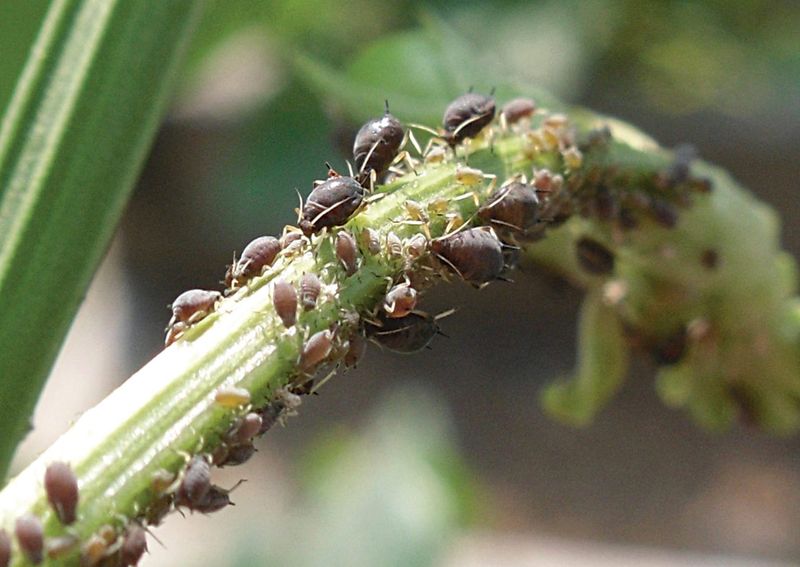
Pests can be a formidable challenge for hydrangea enthusiasts. Common culprits include aphids, spider mites, and slugs. Regular inspection of leaves and stems can help detect early signs of infestation. Natural remedies like neem oil or insecticidal soap can be effective in controlling pests. Encouraging beneficial insects such as ladybugs can also help keep harmful pests in check. Maintaining plant health with proper care aids in resistance against pest attacks. Vigilance and a proactive approach are key to preserving the beauty and vitality of your hydrangeas.
8. Tip 8: Protect from Frost
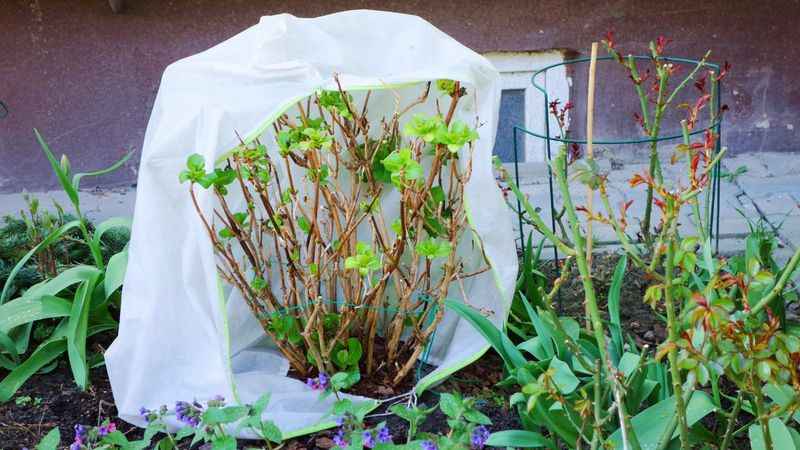
Hydrangeas can suffer from frost damage, especially in early spring. Protecting them from unexpected cold snaps is essential for healthy blooms. Using frost covers or blankets can shield plants during temperature drops. For potted hydrangeas, consider moving them to a sheltered location. Frost damage often affects new growth, so monitoring weather forecasts enables timely action. Ensuring that your hydrangeas are well-hydrated before a frost can also mitigate damage. These protective measures will help sustain your plants through the colder months, ensuring robust flowering seasons.
9. Tip 9: Location is Key
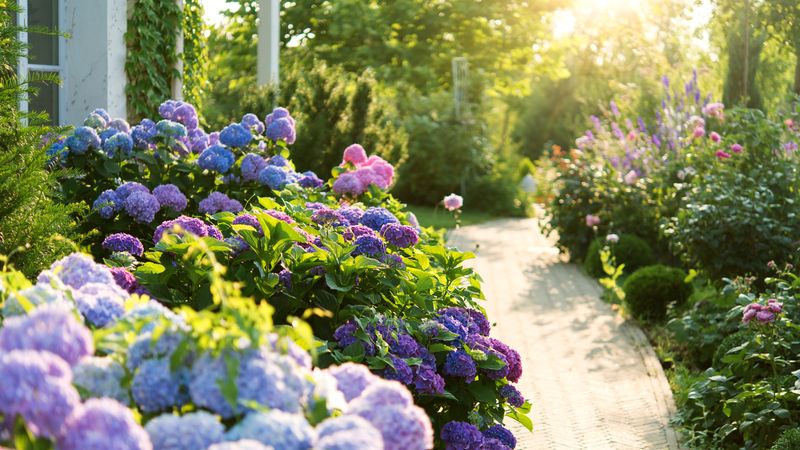
Choosing the right location for planting hydrangeas is crucial for their success. Consider factors such as sunlight, soil quality, and space for growth. Hydrangeas generally do well in areas with morning sun and afternoon shade. Avoid planting near large trees that compete for nutrients and water. Proper spacing ensures adequate air circulation, reducing the risk of disease. A well-chosen location not only enhances bloom quality but also contributes to the plant’s overall health. Thoughtful placement can transform your garden into a thriving, picturesque landscape.
10. Tip 10: Water Quality
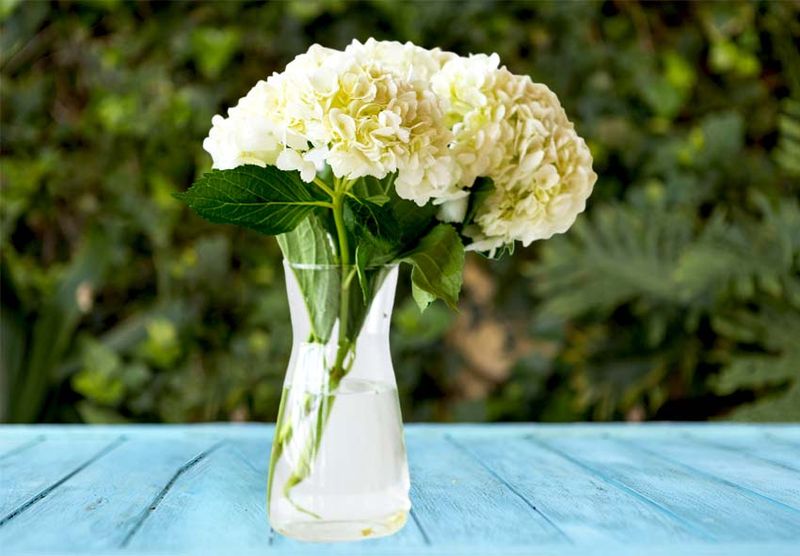
The quality of water used for hydrangeas can impact their growth and bloom. Hard water, which contains high levels of minerals, may alter soil pH and affect plant health. Using rainwater or distilled water can help maintain optimal conditions. Regularly check water for chlorine and fluoride, as these chemicals can be harmful in large quantities. Adjusting water quality is part of a holistic approach to caring for hydrangeas. These considerations, though subtle, can make a significant difference in the vibrancy and longevity of your blooms.
11. Tip 11: Right Plant, Right Place
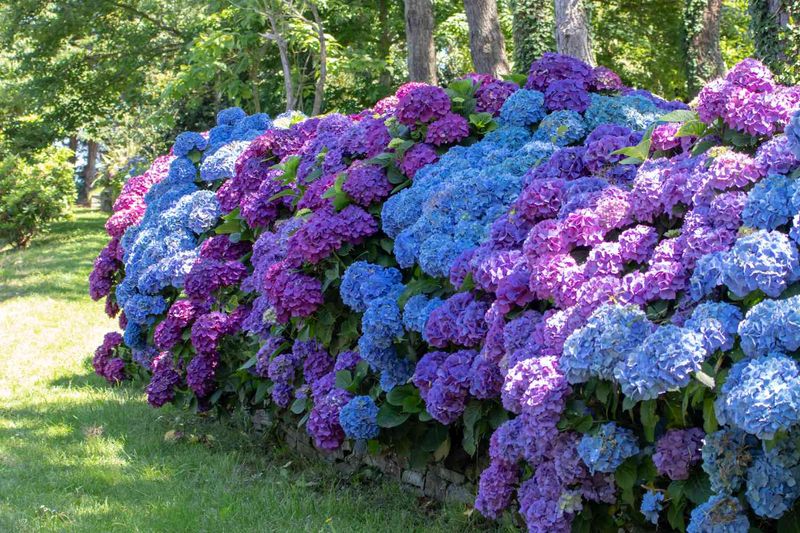
Choosing the right spot for your hydrangeas can make a world of difference. Assess your garden’s sun and shade patterns before planting. Hydrangeas thrive in areas with morning sun and afternoon shade.
Consider the type of hydrangea you’re planting, as some varieties prefer more sun than others. Ensuring the right location will promote healthier, fuller blooms.
Remember, a well-suited location reduces the need for constant adjustments and enhances the plant’s natural beauty. By respecting the plant’s preferences, you help it reach its full potential.
12. Tip 12: Companion Planting Benefits
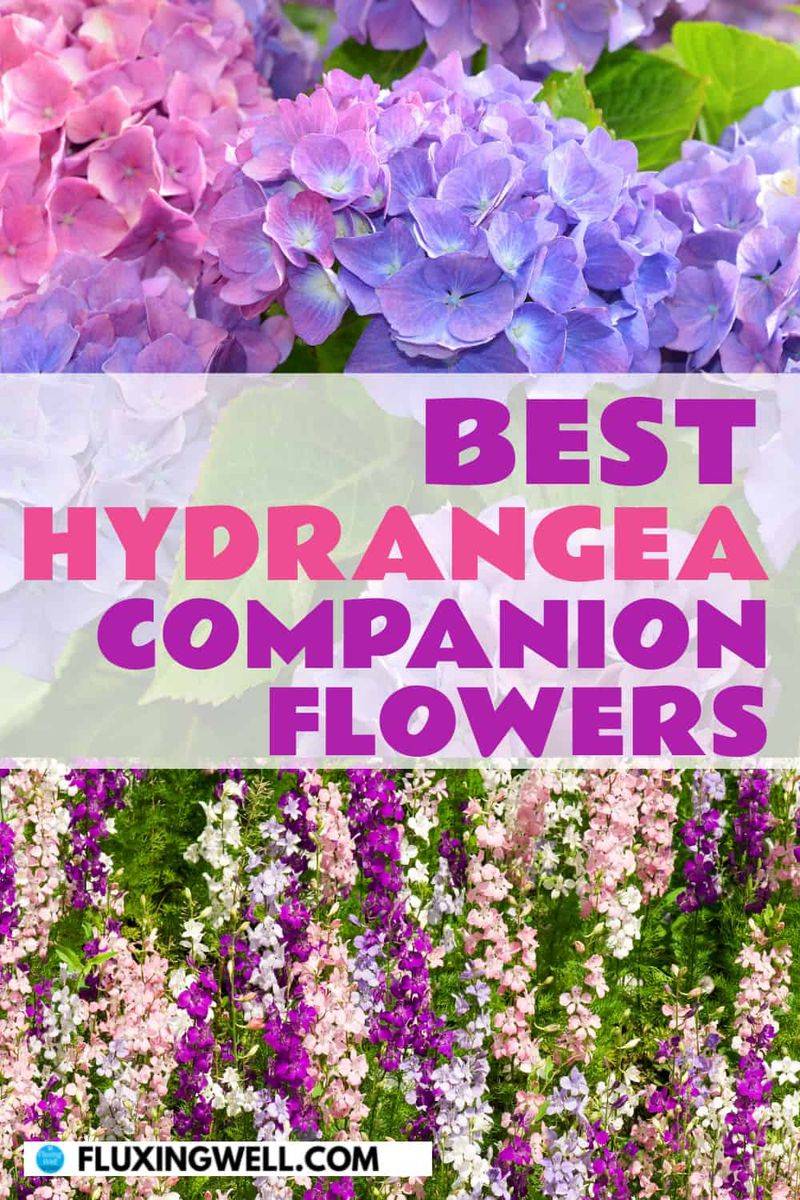
Companion planting offers hydrangeas added protection and beauty. Hostas, ferns, and shade-loving perennials make excellent companions, providing ground cover and maintaining soil moisture.
These plants deter pests naturally and contribute to a balanced ecosystem in your garden. Choose companions based on the specific needs of your hydrangea variety.
By incorporating companions, you not only enhance the aesthetic appeal but also support the hydrangea’s growth. It’s a harmonious partnership that cultivates resilience and vibrancy in your garden.
13. Tip 13: Proper Staking and Support
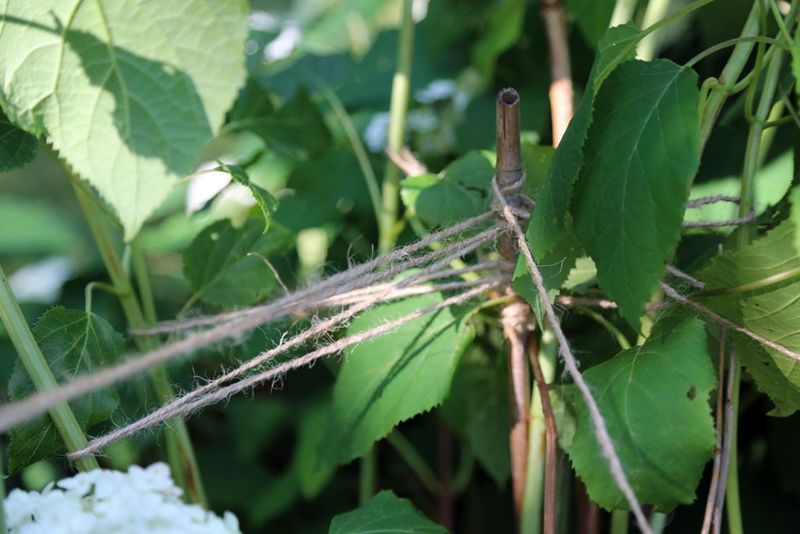
Staking hydrangeas can prevent drooping and damage during heavy blooms. Choose ornamental stakes that complement your garden’s design and offer sturdy support.
Position the stakes early in the growing season to guide growth naturally. This proactive measure saves blooms from bending and breaking under their weight.
With the right support, your hydrangeas will stand tall, showcasing their beauty without impediments. It’s a small investment with a significant return in plant health and garden aesthetics.
14. Tip 14: Consistent Deadheading Practice
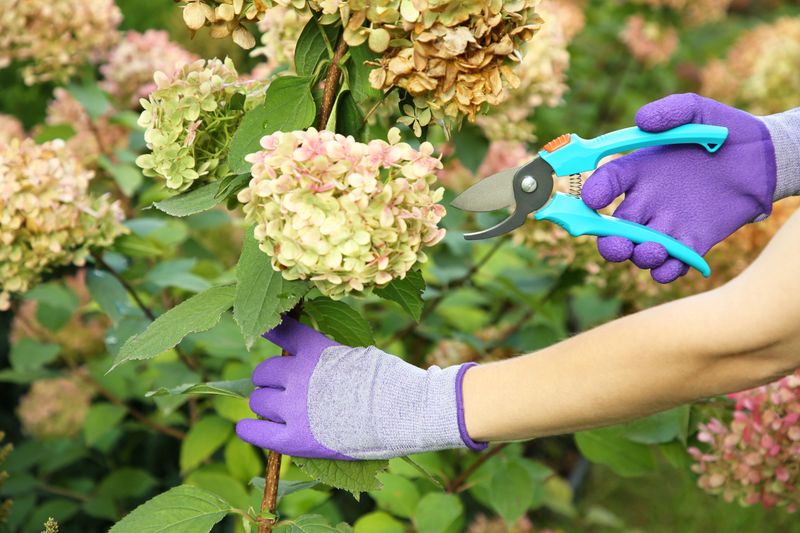
Deadheading spent hydrangea blooms encourages new flowers and prolongs the blooming season. This simple practice directs the plant’s energy toward developing new buds.
Regular deadheading prevents the plant from wasting resources on seed production. Use clean, sharp shears for best results, avoiding damage to stems.
Incorporating deadheading into your routine ensures a continuous display of vibrant blooms. It’s a straightforward yet effective way to enhance your garden’s allure throughout the season.
15. Tip 15: Soil pH Monitoring
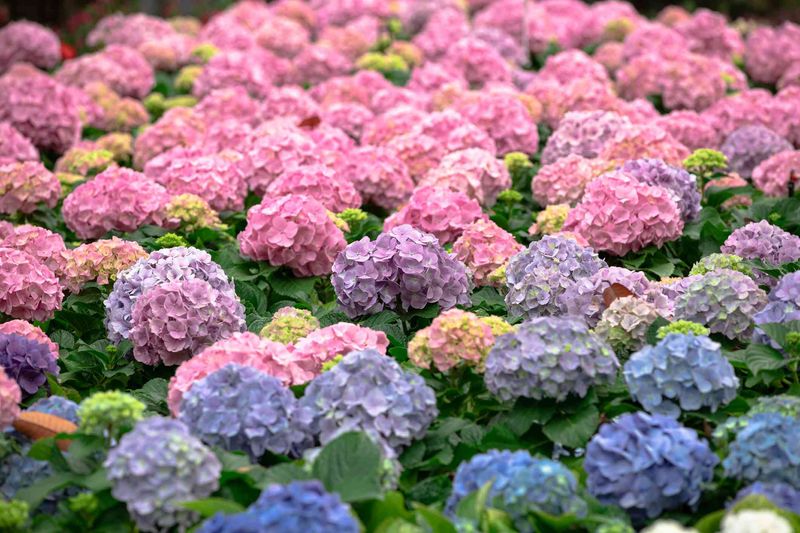
Adjusting soil pH can dramatically alter hydrangea bloom color and overall health. Regularly test the soil to maintain the desired pH level for your hydrangea variety.
Blue blooms prefer more acidic soil, while pink blooms thrive in neutral to slightly alkaline conditions. Tailoring soil conditions to your preference enhances both color and vibrancy.
Monitoring pH not only influences aesthetics but also supports robust plant growth. It’s an essential tool in any gardener’s kit for achieving optimal results.
16. Tip 16: Rainwater Collection
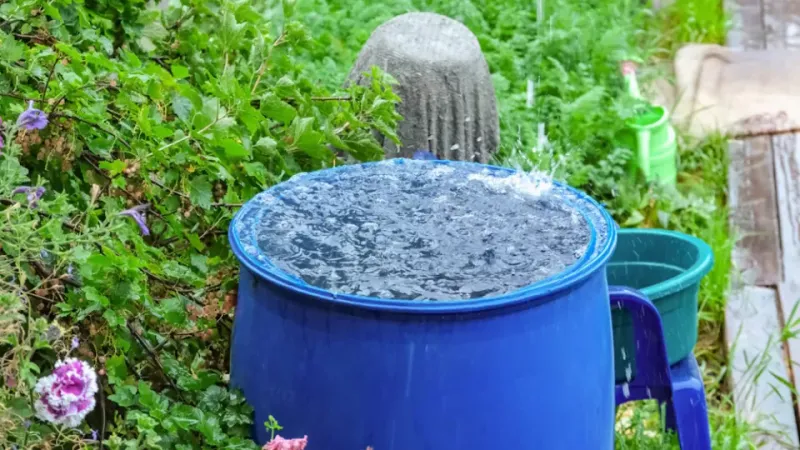
Using rainwater to hydrate hydrangeas ensures they receive pure, mineral-free moisture. Collecting rainwater is an eco-friendly alternative to using treated tap water.
Install a rain barrel to capture runoff from roofs, providing a sustainable water source for dry spells. Rainwater supports healthy foliage and vibrant blooms without added chemicals.
This practice not only benefits the environment but also saves on water bills. It’s a simple, effective way to nourish your hydrangeas naturally.
17. Tip 17: Avoiding Overcrowding
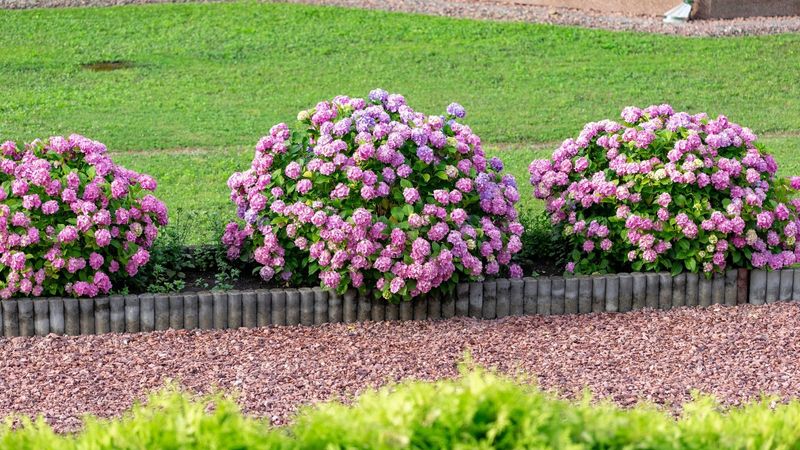
Overcrowding can stunt hydrangea growth and increase susceptibility to disease. Ensure plants have enough space for air circulation and sunlight access.
Proper spacing reduces competition for nutrients and allows each plant to reach its full potential. This consideration is crucial when planting new additions or rearranging your garden layout.
A well-spaced garden fosters healthier plants, enhancing both resilience and bloom quality. It’s an investment in long-term garden success.
18. Tip 18: Seasonal Watering Adjustments
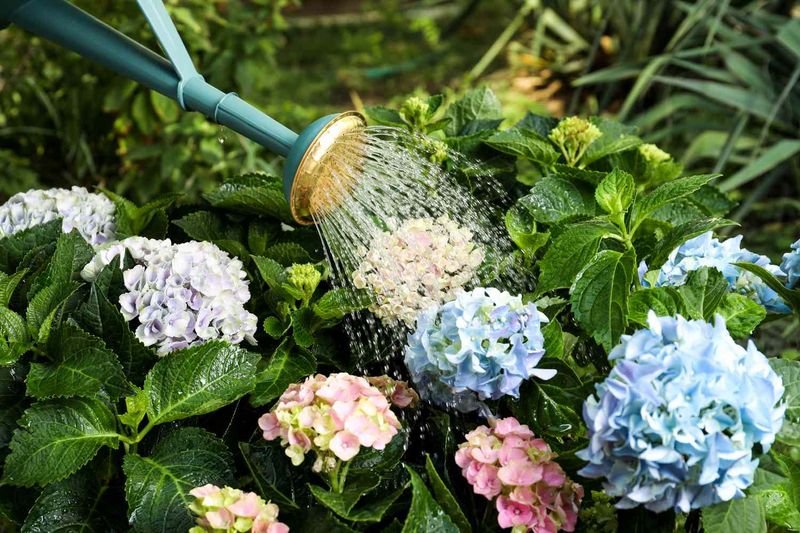
Adjust hydrangea watering habits with the changing seasons to maintain optimal hydration. During warmer months, increase watering frequency to combat evaporation.
In cooler seasons, reduce watering to prevent root rot and ensure plant health. Tailoring your approach to seasonal needs supports robust growth and extended blooming.
This dynamic watering strategy accommodates the plant’s evolving requirements, promoting resilience and vibrancy throughout the year.
19. Tip 19: Mindful Fertilizer Use
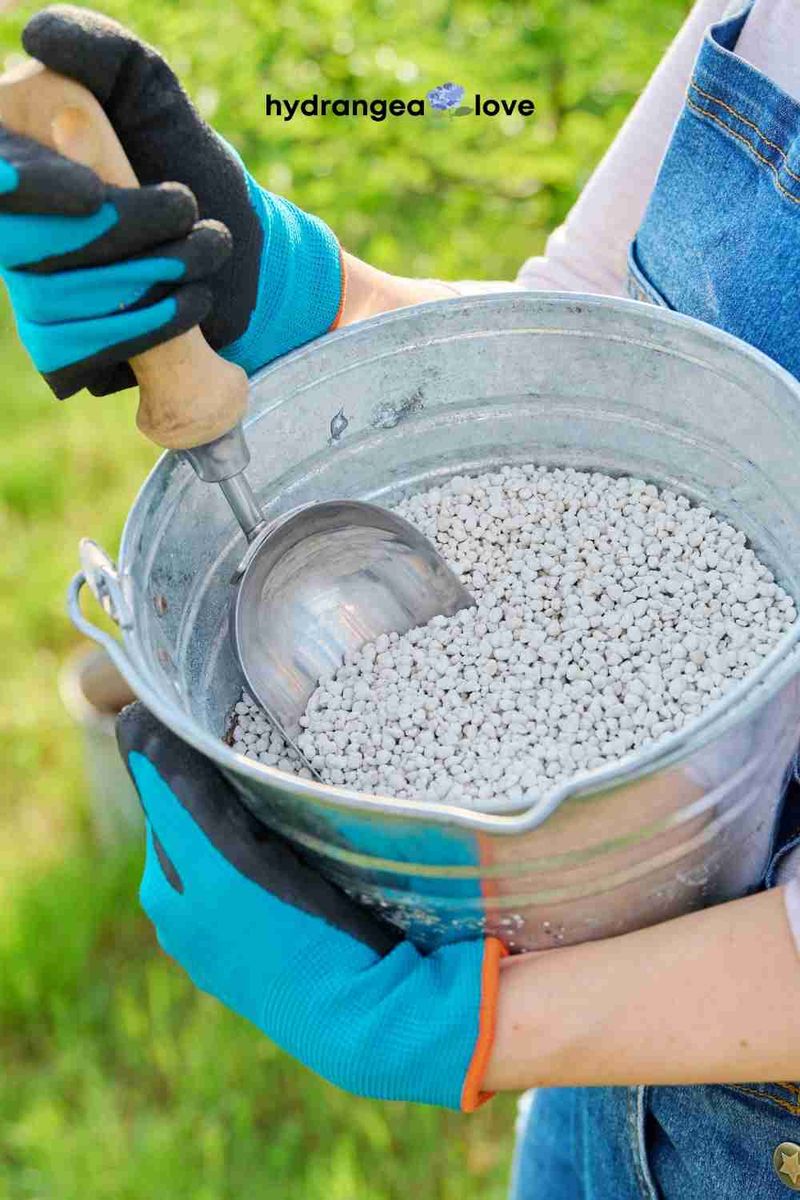
Mindful fertilization ensures hydrangeas receive the right nutrients without overfeeding. Use a balanced, slow-release fertilizer to support sustained growth and blooming.
Apply fertilizers during the growing season, avoiding late-season applications that encourage weak growth. Monitor plant response to adjust feeding as needed.
This thoughtful approach to fertilization nurtures healthy plants that reward you with fuller, more vibrant blooms. It’s a key component of successful hydrangea care.
20. Tip 20: Embracing Natural Predators

Encourage natural predators in your garden to manage pest populations without chemicals. Ladybugs, lacewings, and birds contribute to a balanced ecosystem.
These allies keep harmful insects at bay, reducing the need for pesticides and supporting organic gardening practices. Planting diverse flora attracts these helpful creatures.
By fostering a hospitable environment for natural predators, you enhance both the health and sustainability of your garden. It’s an organic way to protect your hydrangeas naturally.