 Complete Gardening
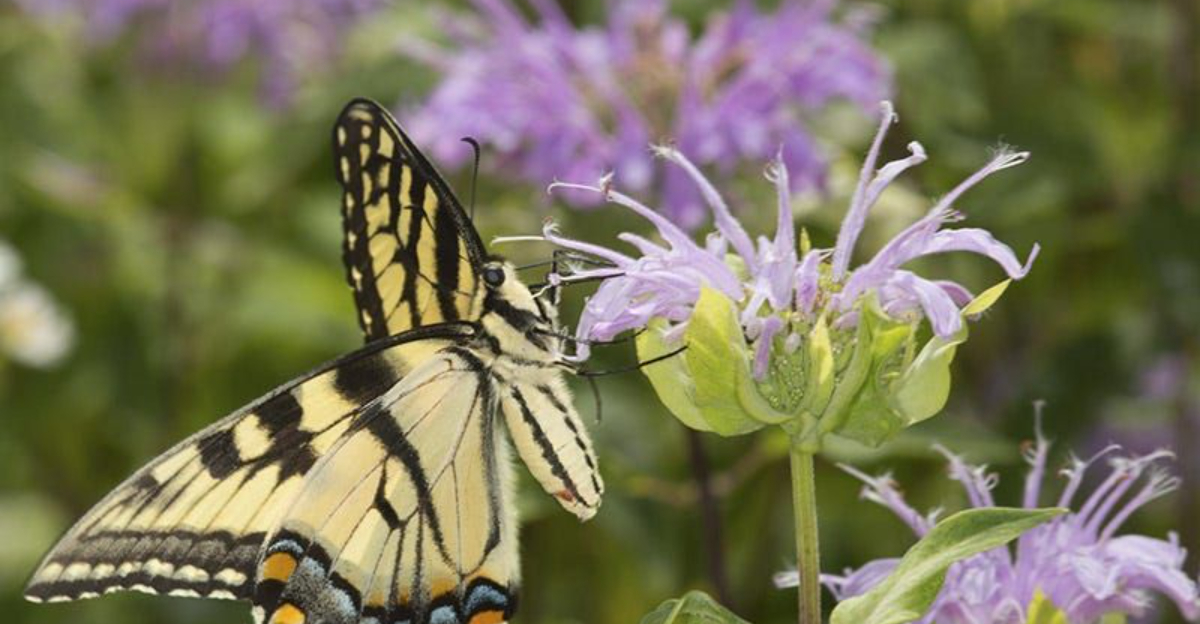
Discover the vibrant beauty and resilience of American wildflowers that can transform your backyard garden into a stunning landscape. From sun-loving blossoms to shade-dwelling gems, these wildflowers not only enhance the visual appeal but also support local ecosystems. Whether you’re looking to attract butterflies or add a splash of color, these 20 wildflowers are perfect companions for your garden.
1. Black-Eyed Susan (Rudbeckia hirta)
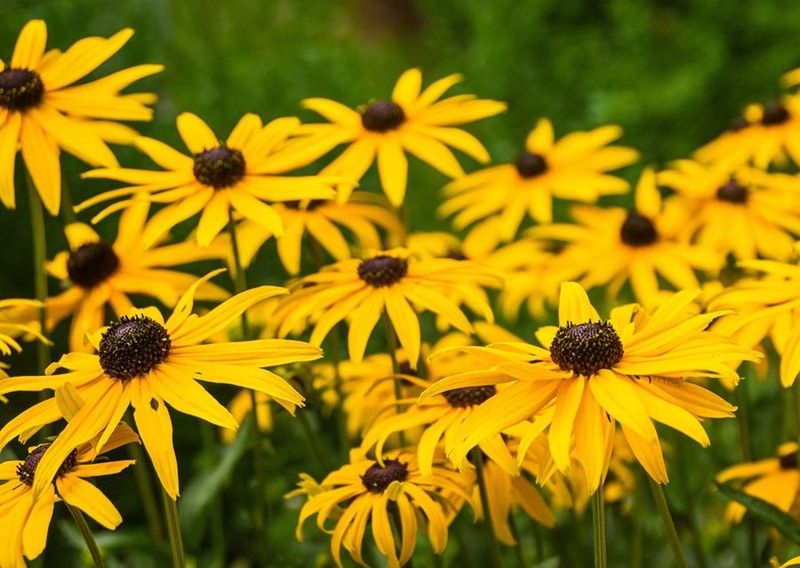
Black-Eyed Susan captivates with its striking yellow petals and dark centers, a quintessential summer bloom. As drought-tolerant as it is, this wildflower thrives in full sun, making it a favorite amongst gardeners. Butterflies are irresistibly drawn to its nectar-rich flowers, turning your garden into a fluttering paradise.
This native beauty is easy to grow, requiring minimal attention while delivering maximum impact. Plant it in well-drained soil and watch as it becomes a cheerful focal point in your yard.
Its ability to adapt to various conditions makes it an ideal choice for novice and experienced gardeners alike.
2. Purple Coneflower (Echinacea purpurea)
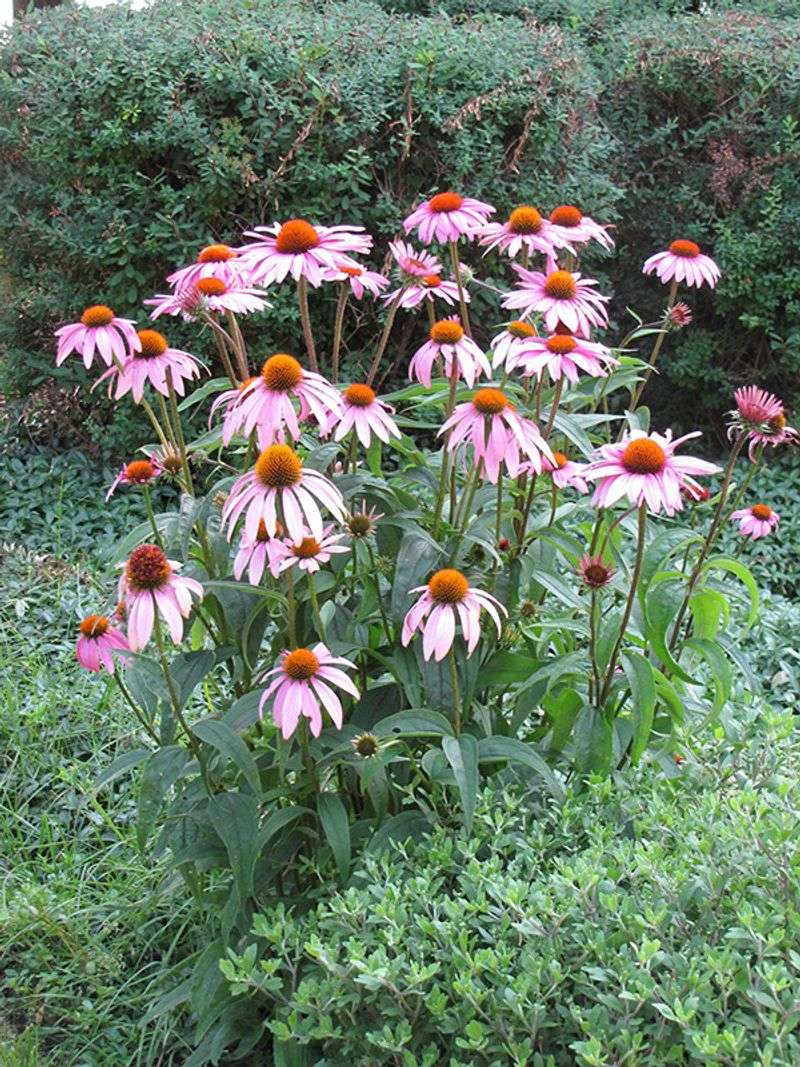
Purple Coneflower stands as a symbol of rugged beauty and medicinal prowess. Its pink-purple blooms not only adorn gardens but also find their way into herbal teas that boost immunity. Hardy and unyielding, this perennial is a staple in American gardens.
Thriving in full sunlight, Purple Coneflower requires little more than well-drained soil to flourish. Its presence invites a myriad of pollinators, including bees and butterflies, that add life to your garden.
Growing Purple Coneflower is both a horticultural endeavor and an investment in traditional herbal remedies cherished through generations.
3. Blanket Flower (Gaillardia pulchella)
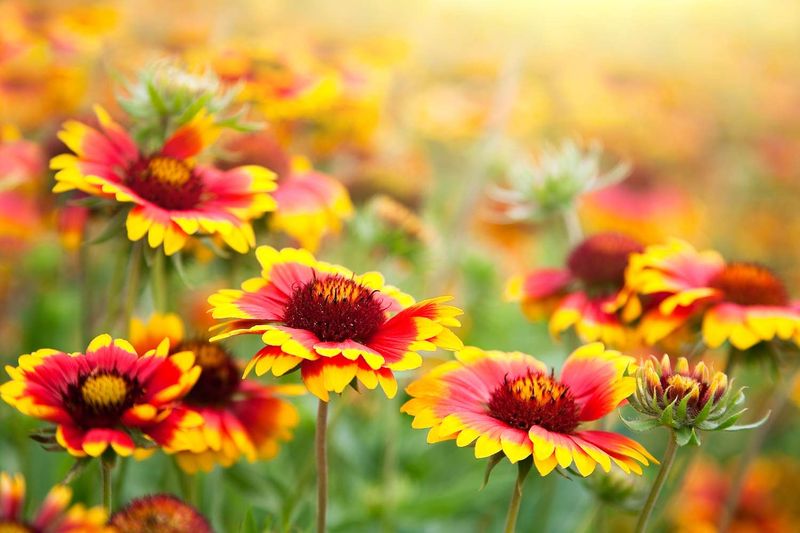
Blanket Flower dazzles with fiery red and yellow blossoms that endure throughout summer. This hardy wildflower is an emblem of resilience, thriving in sunny, dry conditions where others might fail. Its vivid palette adds warmth and vibrancy to any garden.
These flowers flourish with minimal care, making them perfect for busy gardeners seeking low-maintenance beauty. They’re also a magnet for butterflies, adding dynamic movement to the landscape.
With its ability to thrive in challenging environments, Blanket Flower is a testament to nature’s brilliance and the gardener’s joy.
4. Butterfly Weed (Asclepias tuberosa)
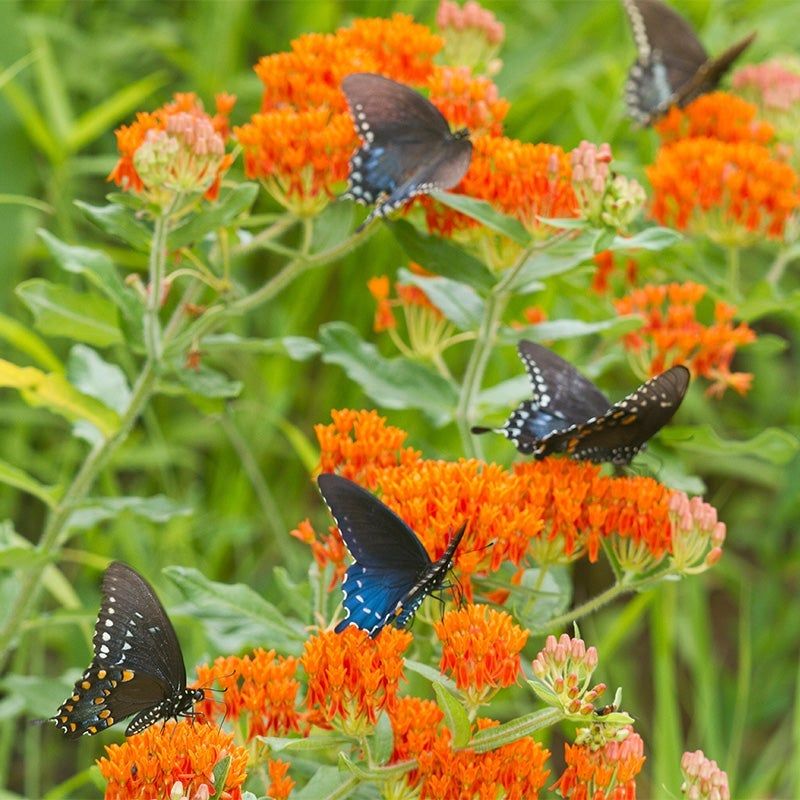
Butterfly Weed, with its vivid orange clusters, is a larval host for the iconic monarch butterfly. This perennial thrives in well-drained, sandy soil, proving that beauty and toughness can coexist. Its presence in the garden supports vital pollinator populations.
This native wildflower demands little beyond full sun and space to spread its vibrant blooms. It’s a gardener’s ally in conservation efforts, contributing to the survival of monarch butterflies.
Known for its medicinal properties, Butterfly Weed has historically been used in traditional medicine, adding another layer to its allure.
5. Coreopsis (Coreopsis lanceolata)
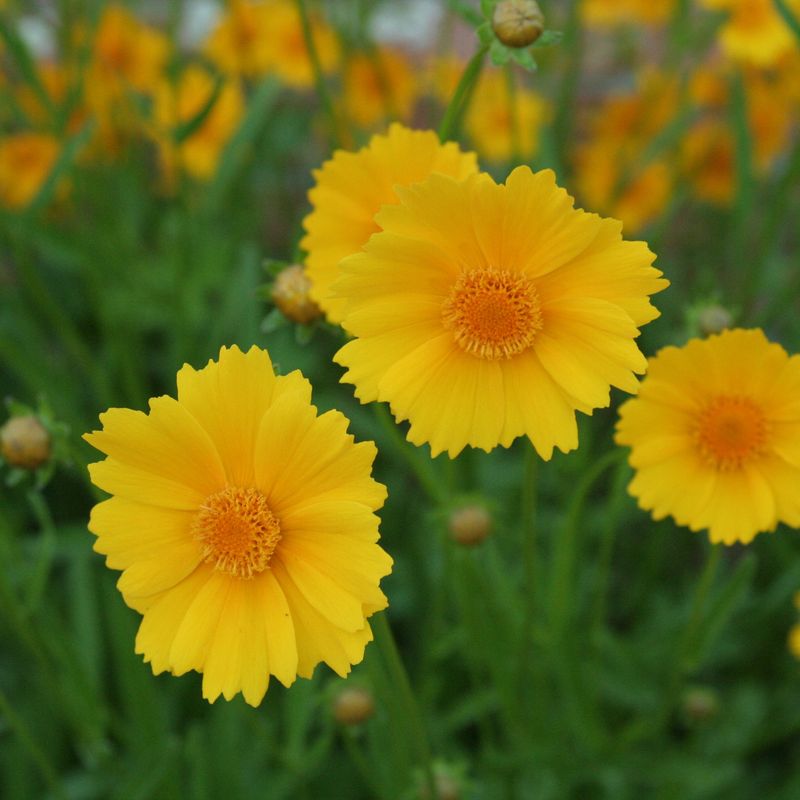
Coreopsis, often hailed as the gardener’s delight, bursts forth with cheerful yellow blooms that spread easily. This wildflower thrives in full sun, embodying both simplicity and elegance in its bright petals.
Its non-invasive nature ensures that it complements rather than overtakes other plants, making it perfect for mixed flower beds. Coreopsis invites bees and butterflies, enriching your garden’s ecosystem.
With minimal care requirements, this perennial is a testament to effortless beauty, offering a canvas of sunshine that brightens any garden landscape.
6. Virginia Bluebells (Mertensia virginica)
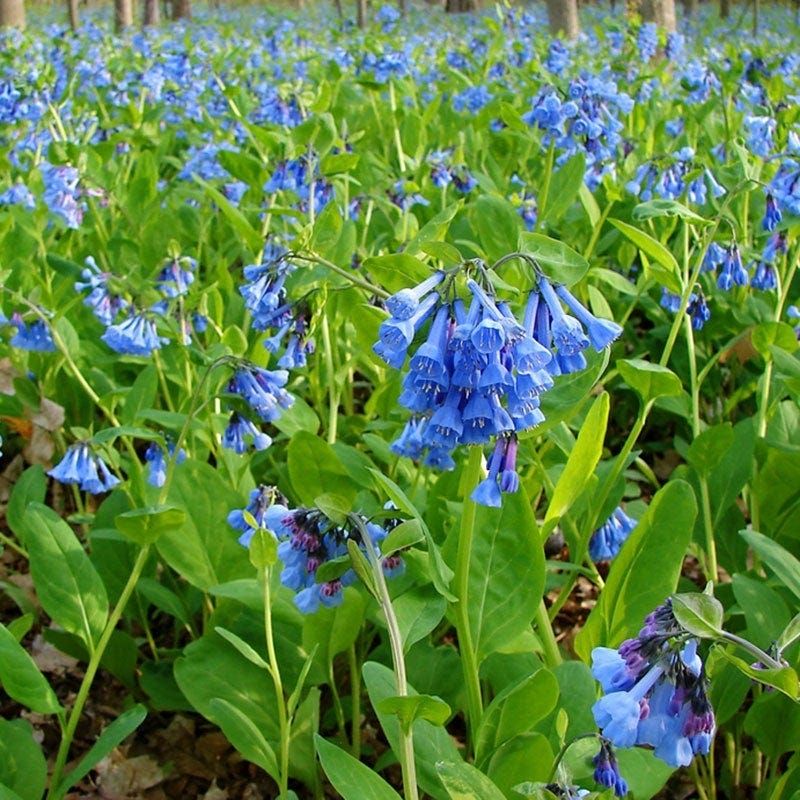
Virginia Bluebells emerge in spring with enchanting blue-pink bell-shaped flowers, a sign of the season’s renewal. Nestled in partial to full shade, these woodland flowers create a serene and magical garden atmosphere.
Their fleeting blooms invite admiration, as they transform shaded spaces into whimsical floral displays. Adaptable to rich, moist soil, Virginia Bluebells are a gardener’s dream for shaded areas.
Evoking a sense of nostalgia, these flowers have graced American woodlands for generations, embodying the delicate beauty of springtime in a garden setting.
7. Wild Columbine (Aquilegia canadensis)
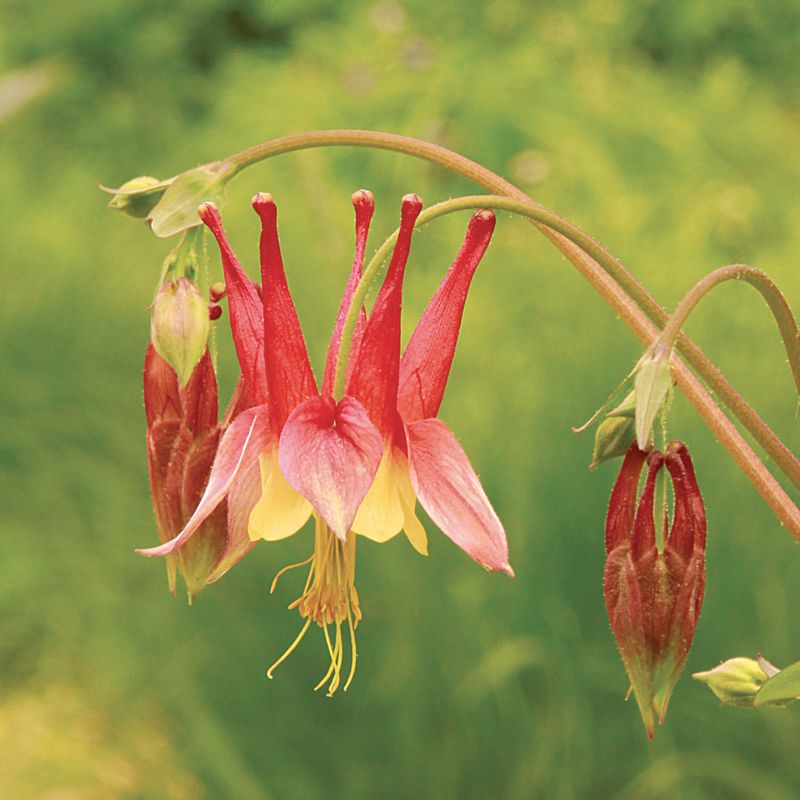
Wild Columbine enchants with its uniquely structured red and yellow flowers, loved by hummingbirds. This shade-tolerant wildflower thrives in partial to full shade, bringing an artistic flair to any garden.
Its delicate, nodding blooms offer visual intrigue, while its nectar-rich flowers serve as a vital food source for pollinators. Wild Columbine’s adaptability to various soil types makes it a versatile addition.
This perennial’s whimsical appearance and historical significance as a native plant make it a beloved choice among gardeners seeking both beauty and ecological benefit.
8. Swamp Milkweed (Asclepias incarnata)
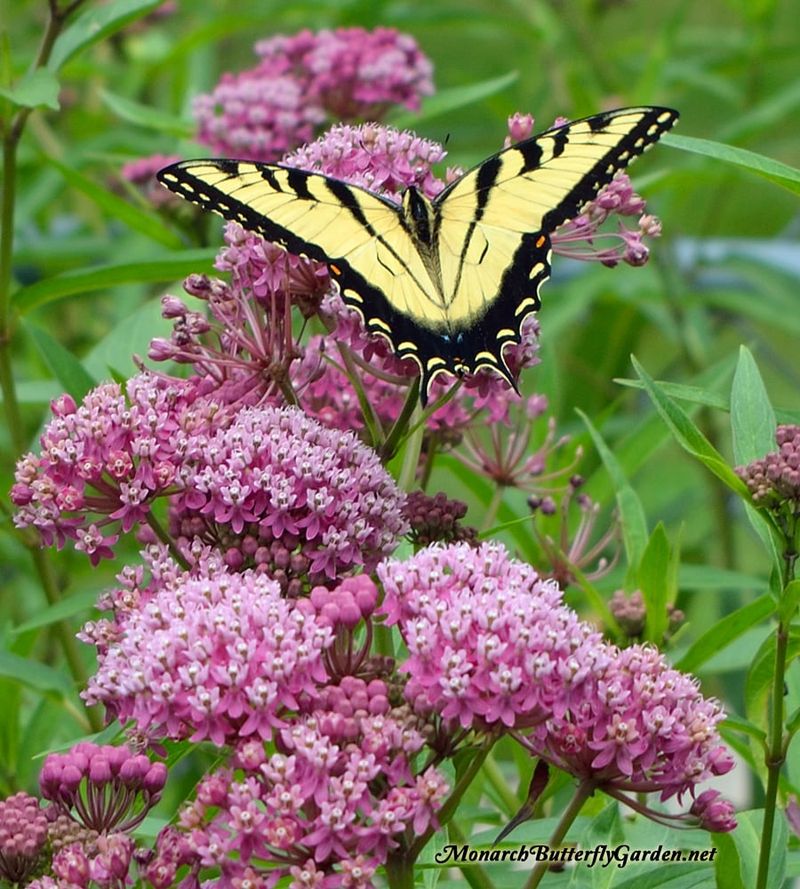
Swamp Milkweed, with its clusters of pink flowers, thrives in damp soils, making it ideal for rain gardens. As a host plant for monarch butterflies, it plays a crucial role in supporting these pollinators.
This perennial’s fragrant flowers attract a variety of pollinators, turning wetlands into lively ecosystems. Its robust nature and ecological contribution make it a gardener’s ally in conservation.
With its beauty and importance, Swamp Milkweed stands as a symbol of environmental stewardship, enhancing gardens with both purpose and color.
9. Trillium (Trillium grandiflorum)
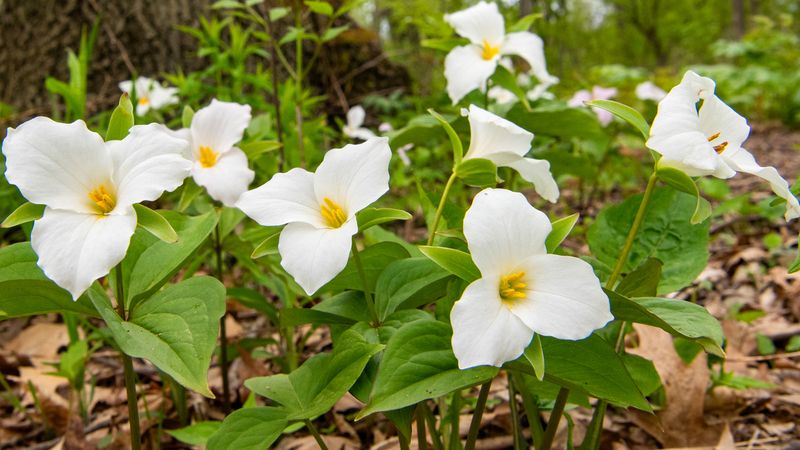
Trillium, with its classic three-petaled white flowers, is a herald of spring in woodlands. This wildflower thrives in the shade, offering a touch of elegance and simplicity to any naturalized garden or woodland setting.
Revered for its pristine beauty, Trillium requires rich, well-drained soil to flourish. Its understated blooms are a favorite among garden purists and nature enthusiasts alike.
Steeped in folklore, Trillium’s arrival each spring is celebrated, symbolizing purity and renewal in the garden’s tapestry.
10. Jack-in-the-Pulpit (Arisaema triphyllum)
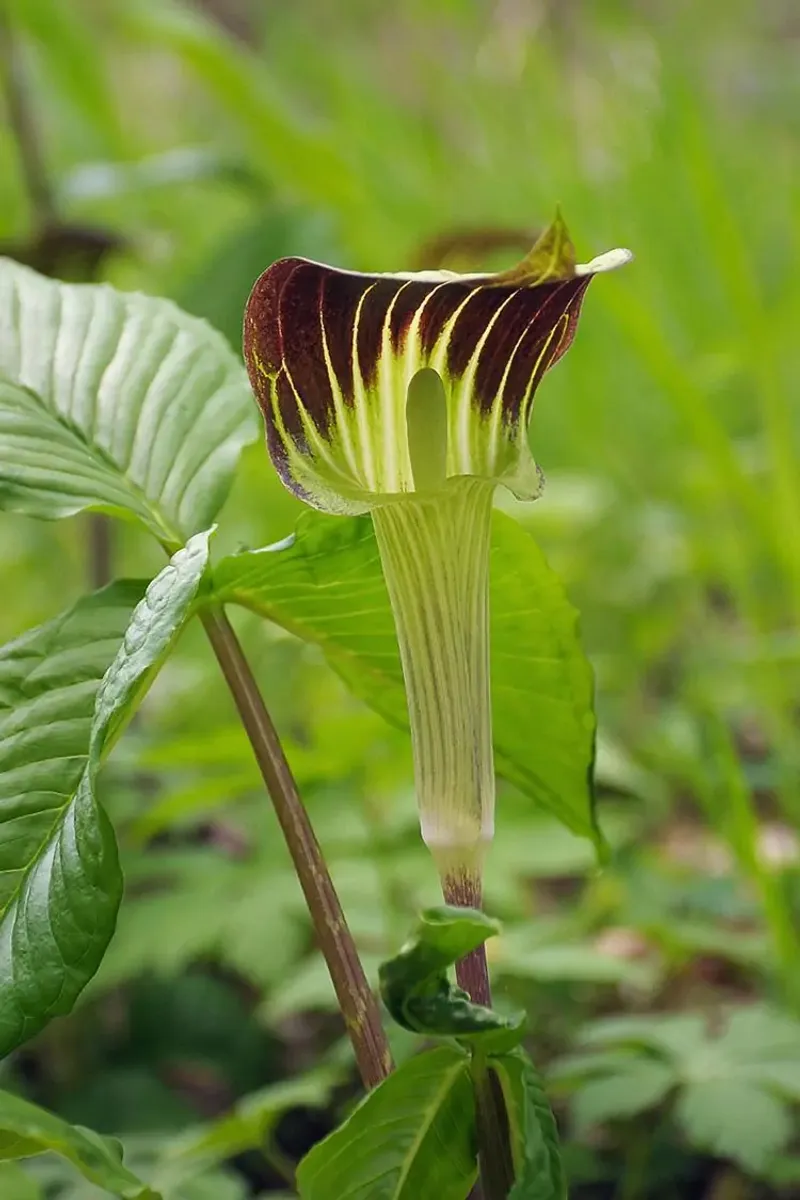
Jack-in-the-Pulpit captivates with its unique hooded flower, striped in green and purple. Flourishing in shaded, moist environments, this woodland marvel adds intrigue and texture to the garden.
Its unusual appearance has made it a subject of fascination, often drawing the curious gardener’s eye. Preferring rich, humus-laden soil, it complements the dappled light of forested areas.
Jack-in-the-Pulpit’s distinctive structure and historical presence in folklore make it a conversation piece, enhancing the garden’s mystique and charm.
11. Bloodroot (Sanguinaria canadensis)
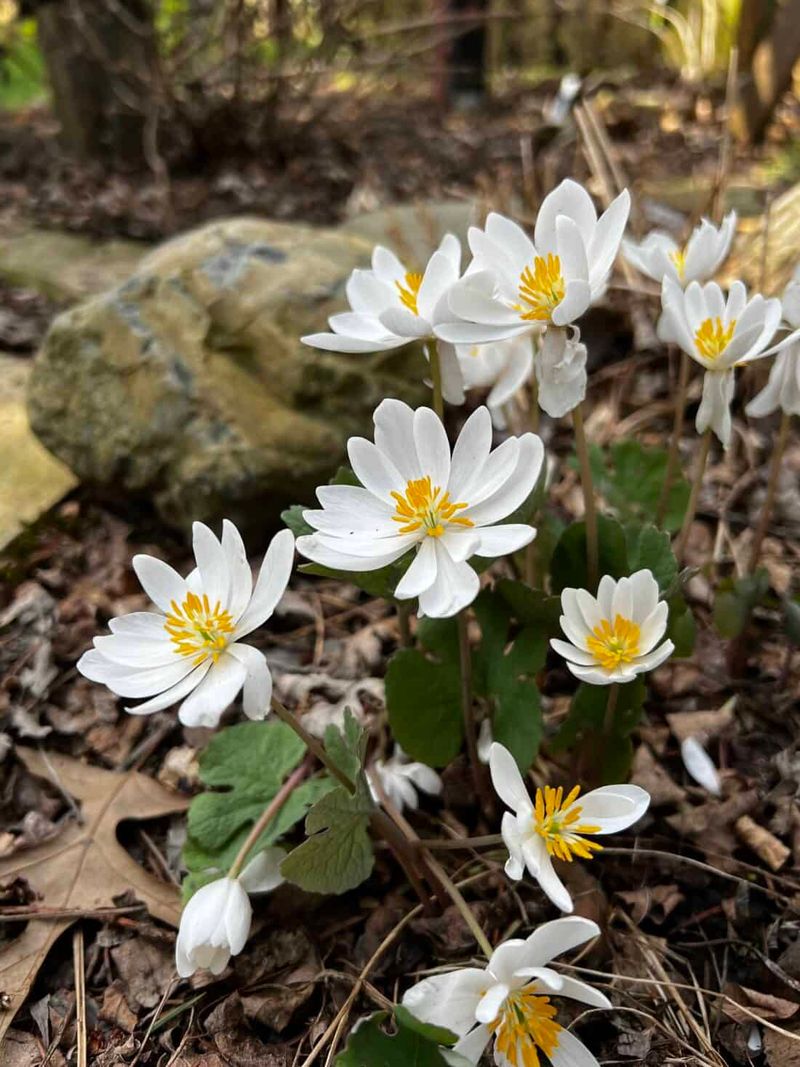
Bloodroot, known for its early white blooms and distinctive red sap, heralds the arrival of spring in shaded gardens. Its fleeting flowers create a brief but memorable display, capturing the essence of woodland elegance.
Growing best in moist, well-drained soil, Bloodroot is perfect for naturalizing in forested areas. Its slow-spreading nature ensures it complements rather than dominates the space.
Historically, Bloodroot’s red sap was used by Native Americans as a dye, adding a layer of cultural significance to this enchanting wildflower.
12. Cardinal Flower (Lobelia cardinalis)
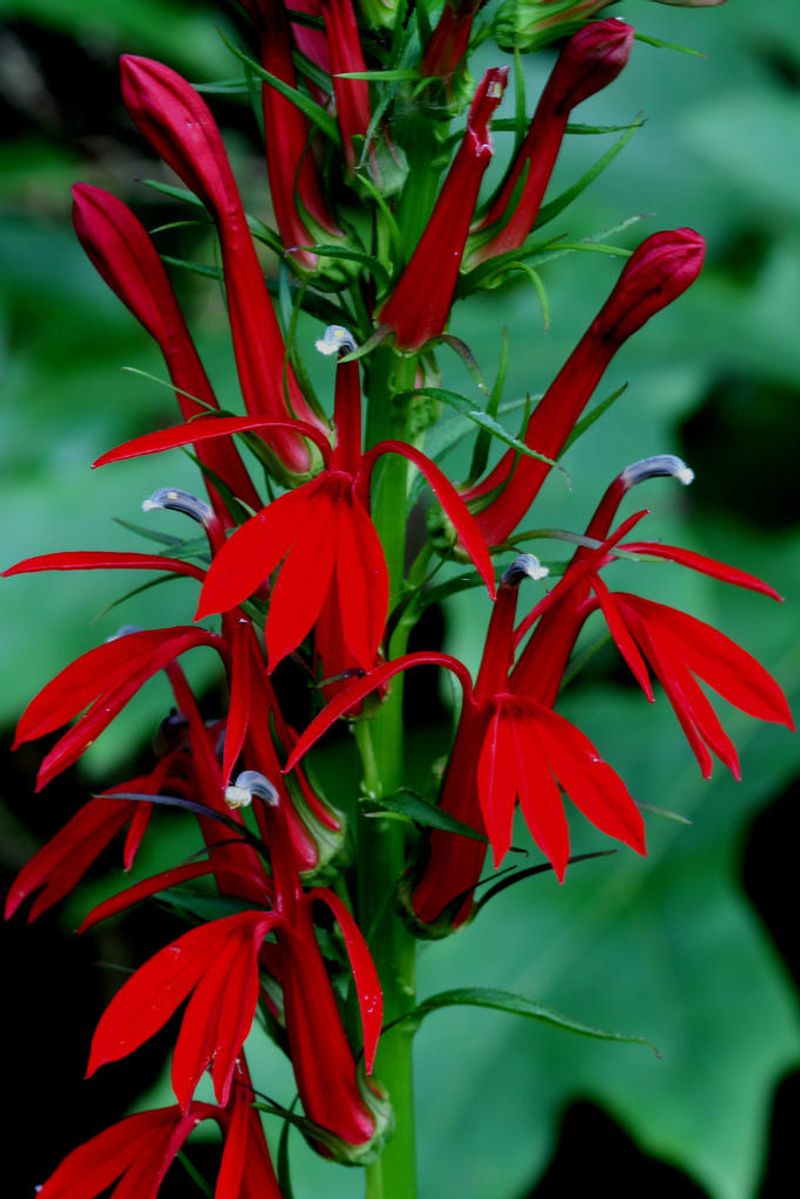
Cardinal Flower commands attention with its vivid red spikes, a beacon for hummingbirds. Thriving in moist, shaded environments, it transforms damp areas into vibrant garden highlights.
This perennial’s striking blooms stand tall, adding vertical interest and a touch of drama. Preferring rich, moist soil, it’s an excellent choice for rain gardens or near water features.
With its bold color and ecological importance, Cardinal Flower not only beautifies but also supports wildlife, making it a cherished addition to the garden.
13. Blue Flag Iris (Iris versicolor)
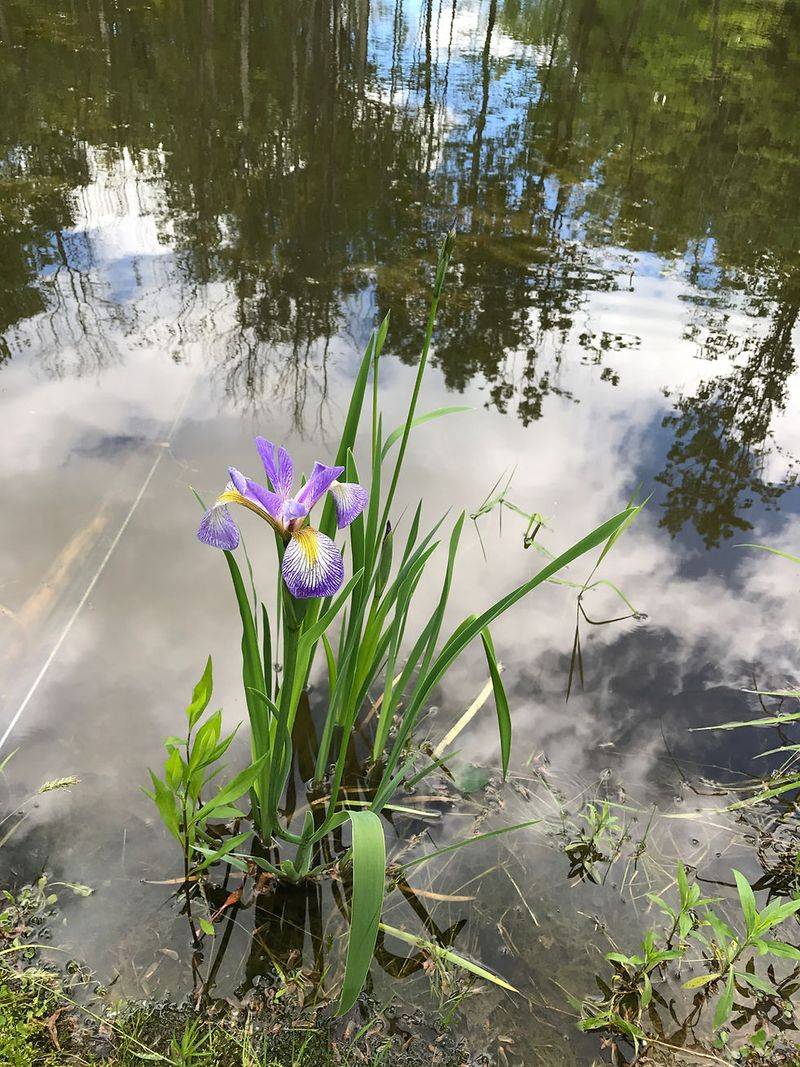
Blue Flag Iris graces pond edges with its purple-blue flowers, bringing elegance and tranquility to aquatic settings. Thriving in wet soils, it’s a perfect choice for gardeners looking to beautify water features.
This wildflower’s sword-like foliage and vibrant blooms create a striking contrast against the water’s surface. Its adaptability to wet environments highlights its resilience and beauty.
Blue Flag Iris not only enhances the garden’s aesthetic but also provides habitat for aquatic wildlife, adding ecological value to its ornamental appeal.
14. Joe-Pye Weed (Eutrochium purpureum)
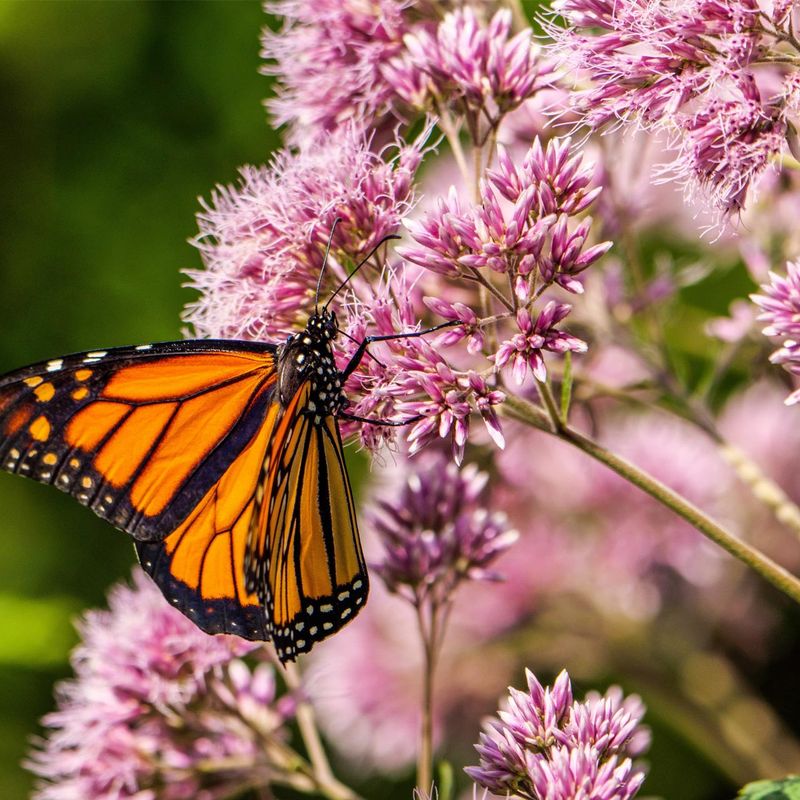
Joe-Pye Weed, with its towering mauve-pink blooms, transforms meadows into butterfly havens. Thriving in moist soils, this perennial brings height and color to rain gardens and naturalized areas.
Its fragrant flowers are a magnet for pollinators, ensuring a vibrant and dynamic garden environment. As a native plant, it contributes to local biodiversity, supporting a variety of wildlife.
Joe-Pye Weed’s stature and ecological significance make it a standout choice for gardeners seeking to create a sustainable and visually appealing landscape.
15. Marsh Marigold (Caltha palustris)
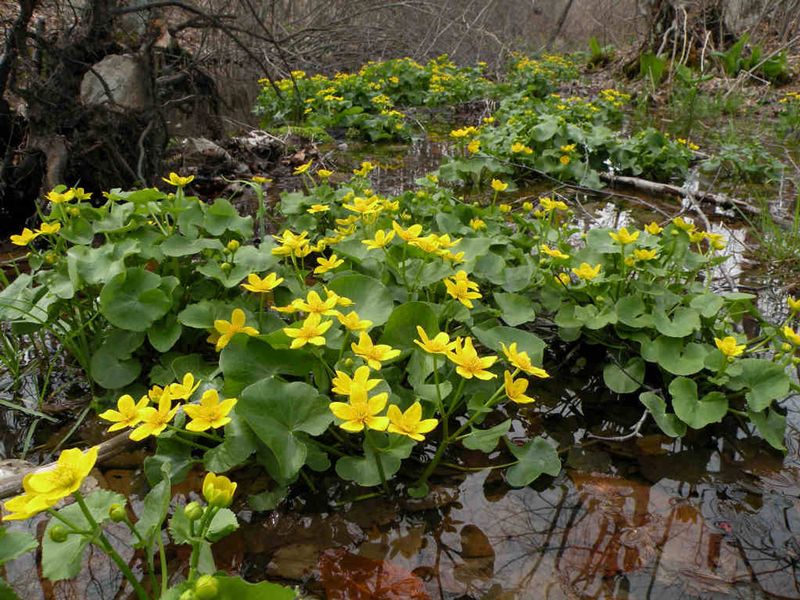
Marsh Marigold offers a burst of yellow flowers, brightening soggy areas early in the growing season. It flourishes in wet soils, making it ideal for bog gardens or pond edges.
This perennial’s cheerful blooms are among the first to appear, signaling the arrival of spring. Its adaptability to aquatic environments underscores its value in diverse garden settings.
Marsh Marigold not only enhances the visual appeal but also supports wetland ecosystems, providing habitat for amphibians and other wildlife.
16. Prairie Blazing Star (Liatris pycnostachya)
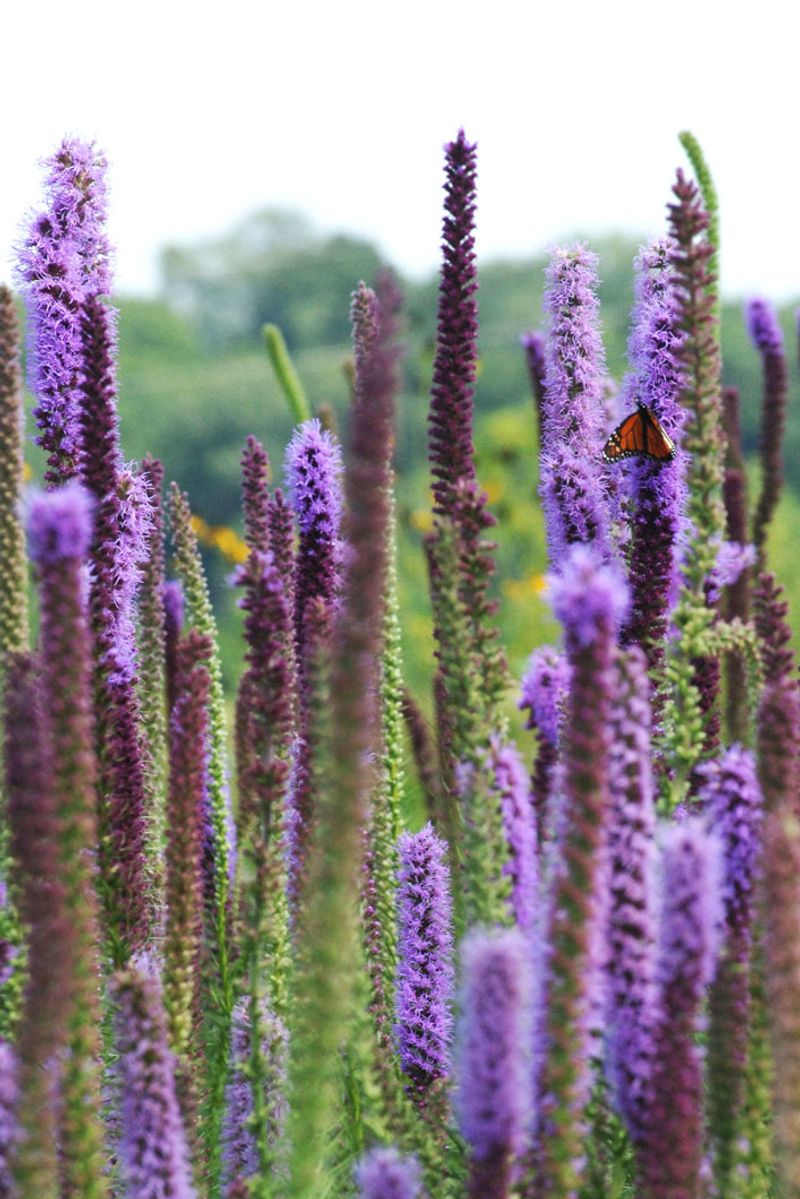
Prairie Blazing Star captivates with its tall purple spikes, adding vertical elegance to prairies and gardens. Blooming from top to bottom, it’s a testament to the beauty of native wildflowers.
Thriving in dry conditions, this perennial is a favorite for xeriscaping. Its nectar-rich flowers attract butterflies, ensuring a lively and colorful garden scene.
With its striking form and minimal water requirements, Prairie Blazing Star is both a gardener’s delight and a nod to natural prairie landscapes.
17. Goldenrod (Solidago spp.)
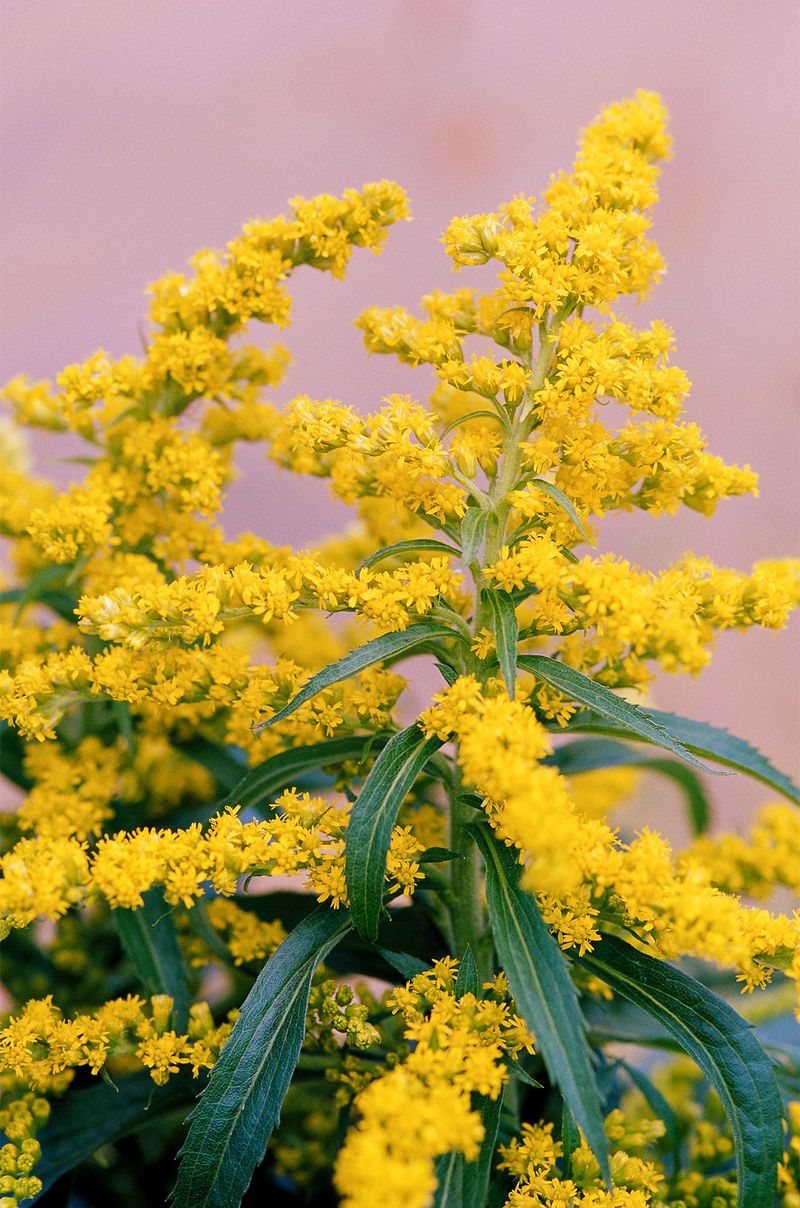
Goldenrod, with its abundant yellow plumes, is a late-season marvel often unfairly blamed for allergies. This perennial thrives in various soils, showcasing resilience and adaptability.
Its bright blooms bring a touch of sunshine to any garden, attracting bees and butterflies. Goldenrod’s robustness makes it a staple in native plant gardens and wildflower meadows.
Beyond its beauty, Goldenrod holds ecological significance, providing a vital food source for pollinators during the fall when other blooms wane.
18. Lupine (Lupinus perennis)
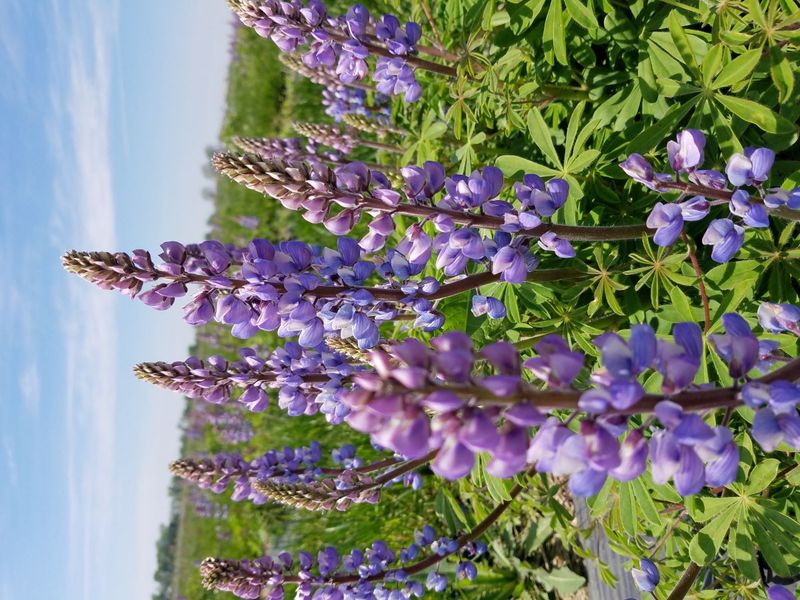
Lupine dazzles with its spiky blue-purple flowers, a vibrant addition to any garden. Known for fixing nitrogen in the soil, it’s as beneficial as it is beautiful.
This wildflower thrives in well-drained, sunny locations, making it perfect for dry, open spaces. Its striking blooms attract a variety of pollinators, including bees and butterflies.
With its dual role in enhancing soil fertility and providing visual interest, Lupine is a gardener’s ally in creating a healthy and thriving garden ecosystem.
19. Wild Bergamot (Monarda fistulosa)
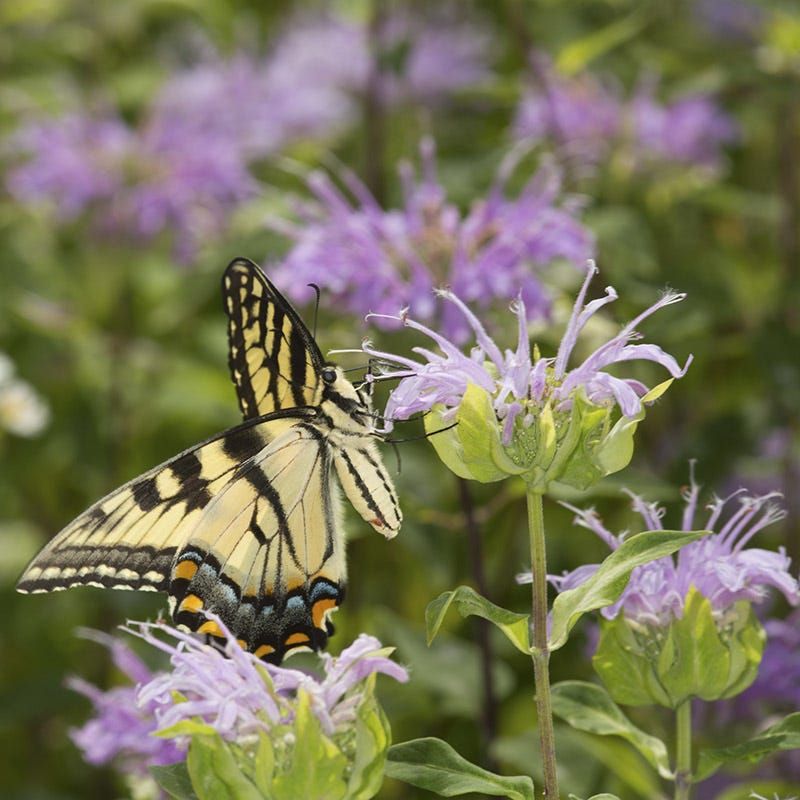
Wild Bergamot delights with its lavender-pink blooms and aromatic leaves, famously used in Earl Grey tea. This perennial brings both beauty and utility to gardens.
Thriving in sunlit areas, Wild Bergamot attracts pollinators, creating a bustling garden ecosystem. Its adaptability to various soil types ensures it flourishes with ease.
Beyond its ornamental appeal, Wild Bergamot’s fragrance and culinary uses make it a multifaceted addition, enhancing gardens with both scent and color.
20. Pasque Flower (Pulsatilla patens)
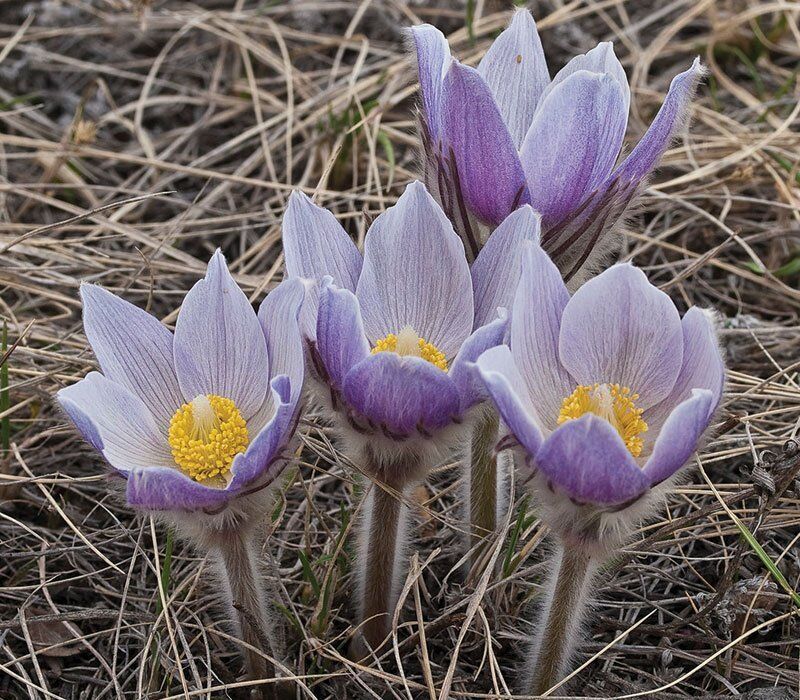
Pasque Flower enchants with its early purple blooms and fuzzy seed heads, heralding spring’s arrival. Thriving in sunny, well-drained locations, it adds a touch of wild elegance to gardens.
This perennial’s delicate appearance belies its hardiness, enduring cool climates with grace. Its unique seed heads add interest long after the flowers fade.
Pasque Flower’s early blooms and distinctive features make it a cherished choice for gardeners seeking to embrace the changing seasons with floral beauty.