 Complete Gardening
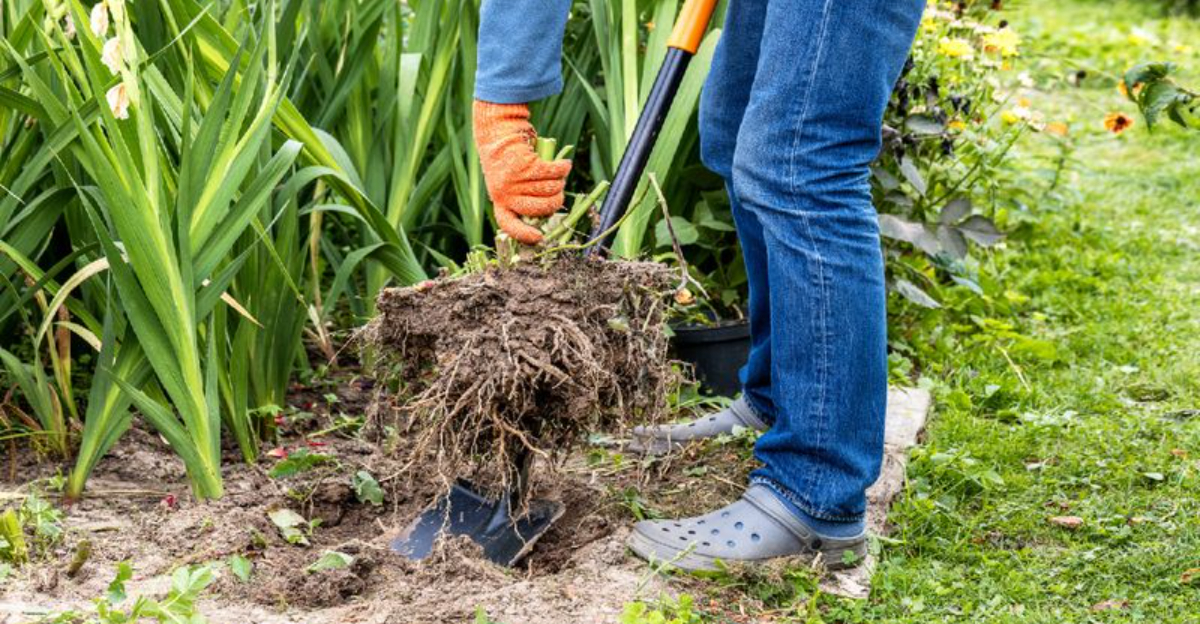
Gardening can be a rewarding experience, but it’s often filled with tasks that are less than glamorous. These necessary chores can be tedious, but they are crucial to maintaining a healthy and beautiful garden. Whether it’s dealing with persistent weeds or battling pesky insects, gardeners must tackle these challenges head-on. This article explores 20 annoying gardening tasks that you simply can’t avoid, no matter how hard you try.
1. Weeding – No mulch or pre-emergent can stop them all.
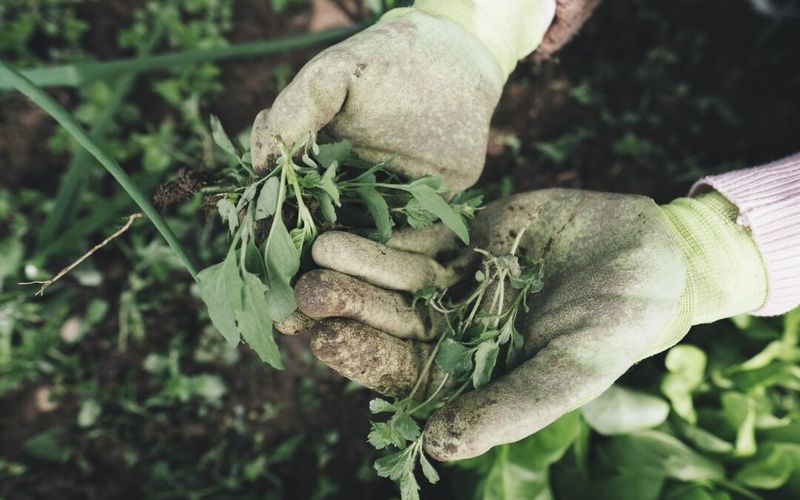
Weeding is the bane of many gardeners’ existence. No matter how much mulch you lay down, those pesky plants find a way to sprout. The relentless nature of weeds makes this task unavoidable. On a sunny morning, you might find yourself knee-deep in soil, pulling out intruders that threaten to overtake your carefully curated plants. It’s a job that requires patience and persistence, but it’s also a great way to connect with your garden. Whether it’s dandelions or crabgrass, weeding is a chore that never seems to end.
2. Deadheading Flowers – If you want more blooms, you gotta snip.
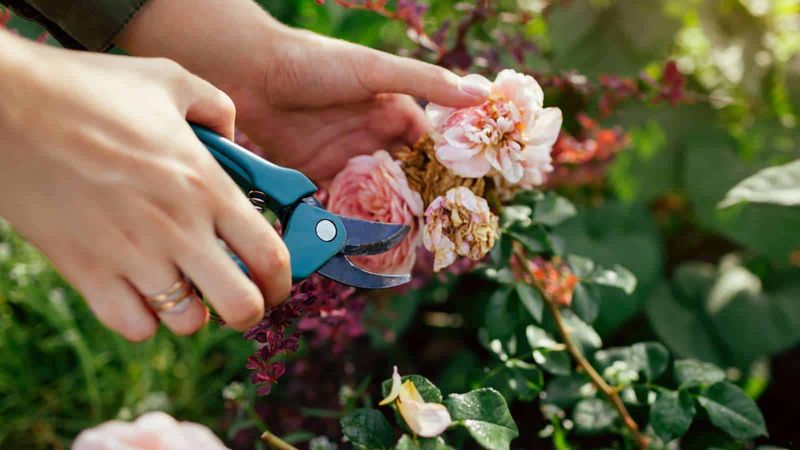
Deadheading may seem tedious, but it’s essential for encouraging new growth. Snipping off spent blooms ensures that the plant focuses energy on producing new flowers. Imagine an endless cycle of blooming beauty, all thanks to a few strategic cuts. It’s a delicate task that requires a keen eye and a steady hand. Each snip brings the promise of fresh blossoms, making the effort worthwhile. While it might feel like a chore, deadheading is an art form that rewards those willing to put in the effort.
3. Fighting Slugs & Snails – Beer traps, copper tape, or midnight patrols.
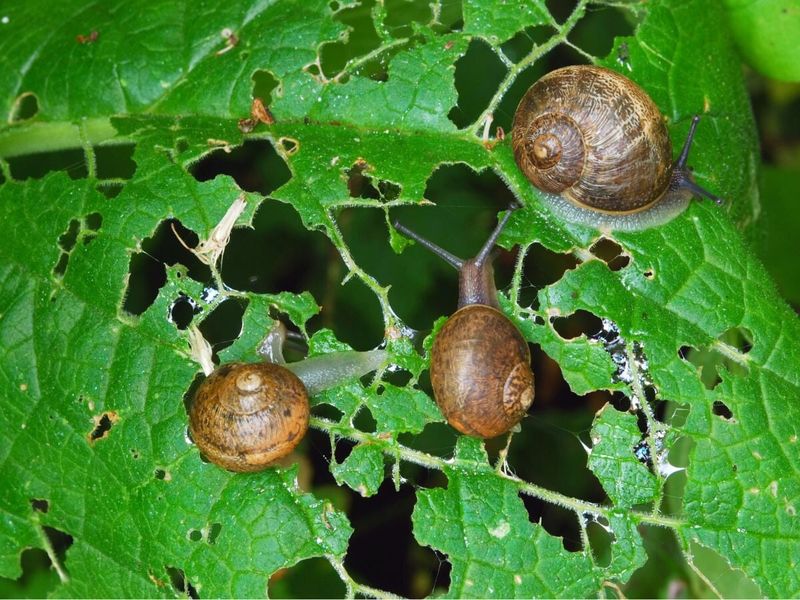
The battle against slugs and snails is one fought in the shadows. These nocturnal nuisances leave a trail of destruction in their wake, munching on tender leaves. Armed with a flashlight, a gardener might find themselves on a midnight patrol, seeking out these slimy foes. Beer traps and copper tape are common weapons in this ongoing war. The struggle against these pests is a test of creativity and resilience. Despite their tiny size, slugs and snails can wreak havoc if left unchecked.
4. Dealing with Aphids – They always come back.
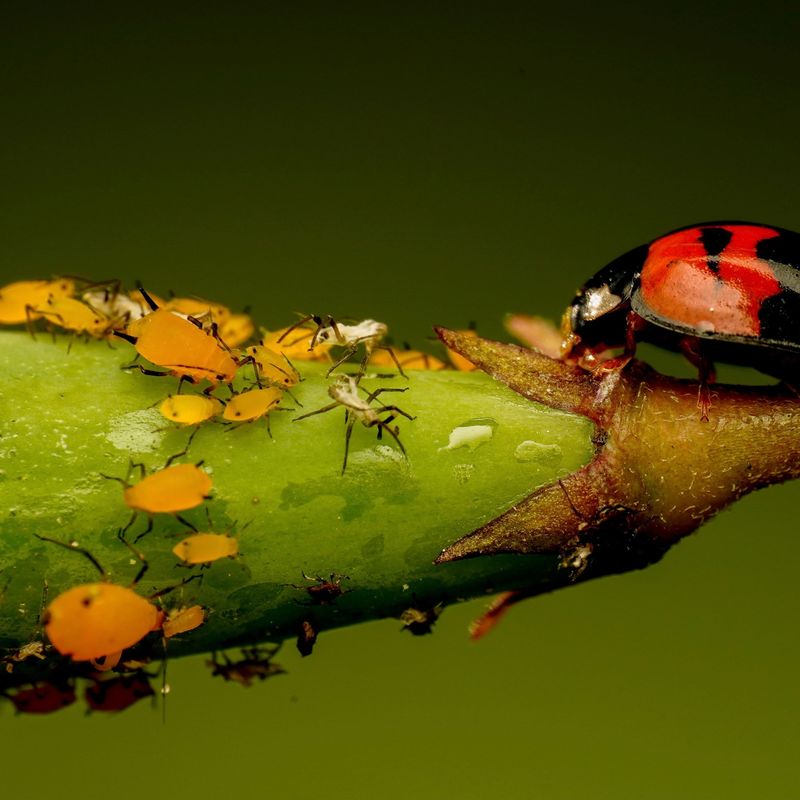
Aphids are the uninvited guests that always seem to crash the garden party. These tiny, sap-sucking insects can be a real headache for gardeners. They multiply quickly and can cause significant damage if not dealt with promptly. Whether you opt for insecticidal soap or introduce ladybugs, there are various ways to tackle an aphid infestation. The key is vigilance, as they tend to return when least expected. Aphids are a reminder that even the smallest creatures can be the most troublesome.
5. Cleaning Dirty Pots – Mold, algae, and salt buildup won’t scrub themselves.
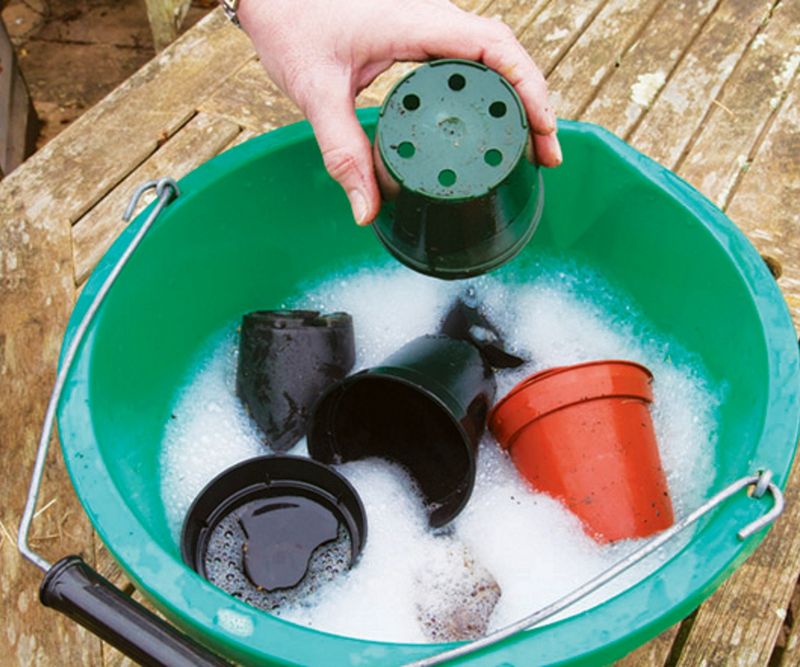
Dirty pots are more than just an eyesore; they can harbor pests and diseases. Over time, mold, algae, and salt buildup can accumulate, requiring a thorough cleaning. Picture an afternoon spent scrubbing pots until they gleam, ready to house a new season of plants. It’s a task that demands elbow grease but pays off with healthier plants. The satisfaction of seeing clean pots lined up is a reward in itself. Though it may seem mundane, cleaning pots is a vital part of garden maintenance.
6. Untangling Hose Chaos – The hose always kinks at the worst moment.
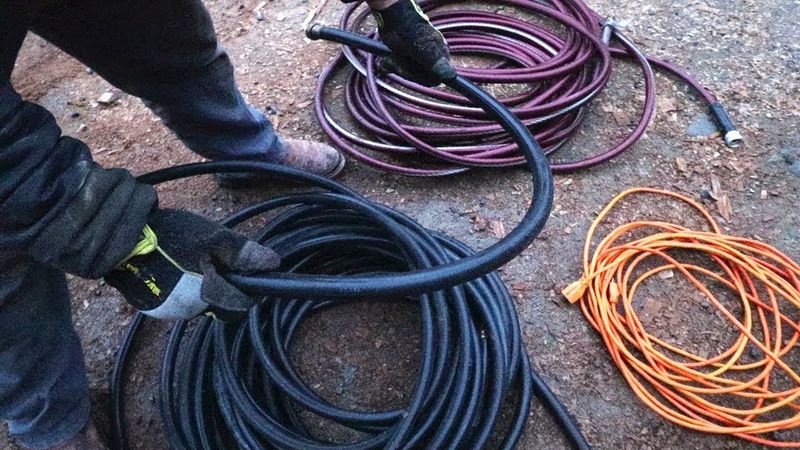
Few things are more frustrating than a tangled hose. Just when you think you have it sorted, it kinks again. This task can feel like a never-ending battle, testing the patience of even the most seasoned gardener. Yet, a well-organized hose is essential for efficient watering. Untangling the chaos is a small victory in the world of gardening. It may seem trivial, but smooth watering sessions are the reward for this often-overlooked task. The struggle with hoses is a rite of passage for every gardener.
7. Pruning Overgrown Shrubs – One missed year = a jungle.
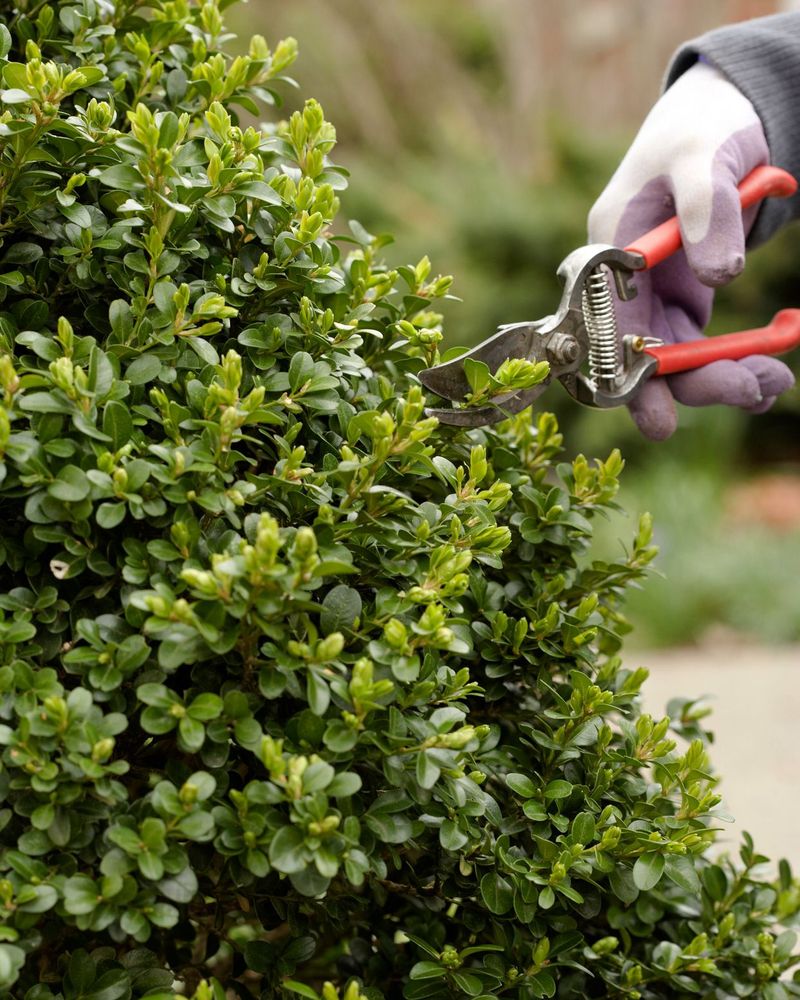
Pruning overgrown shrubs is akin to sculpting a masterpiece. Miss a year, and what was once a tidy bush can turn into an unruly jungle. Armed with shears, a gardener shapes and trims, bringing order to chaos. This task requires a discerning eye and a steady hand to balance growth and aesthetics. The reward is a garden that looks loved and cared for. Pruning is more than maintenance; it’s a creative endeavor that reflects the gardener’s vision. It’s an art form that transforms the landscape.
8. Picking Off Tomato Hornworms – Disgusting but necessary.
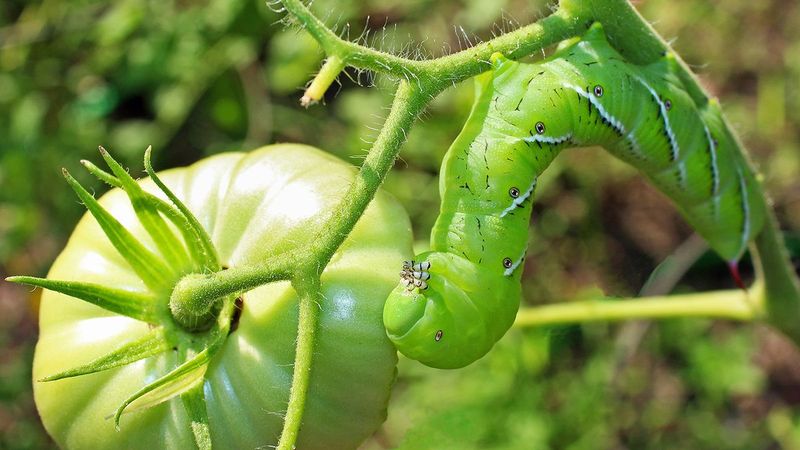
Tomato hornworms are the stuff of nightmares for any vegetable gardener. These sizable, green caterpillars can decimate a tomato plant in no time. Removing them is a task not for the faint-hearted, requiring a steely resolve. It’s a battle between gardener and pest, one where vigilance and determination win the day. Despite their disgusting appearance, hornworms are an inevitable challenge. The satisfaction of saving your tomatoes from these voracious eaters makes the effort worthwhile. The struggle with hornworms is as old as gardening itself.
9. Staking Floppy Plants – Delphiniums, peonies, and dahlias will topple.
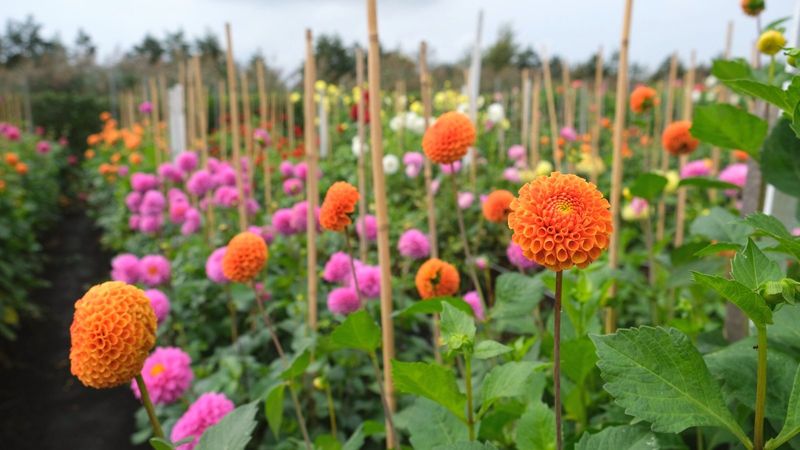
Staking floppy plants is like providing a helping hand to friends in need. Without support, plants like delphiniums and peonies can topple under their own weight. The process of staking involves careful placement and tying, offering stability to vulnerable stems. It’s a task that requires foresight, understanding the natural tendencies of each plant. The reward is a garden where blooms can reach their full potential. Staking is an act of kindness, ensuring that every flower stands tall and proud.
10. Raking Leaves Out of Beds – They smother plants if ignored.
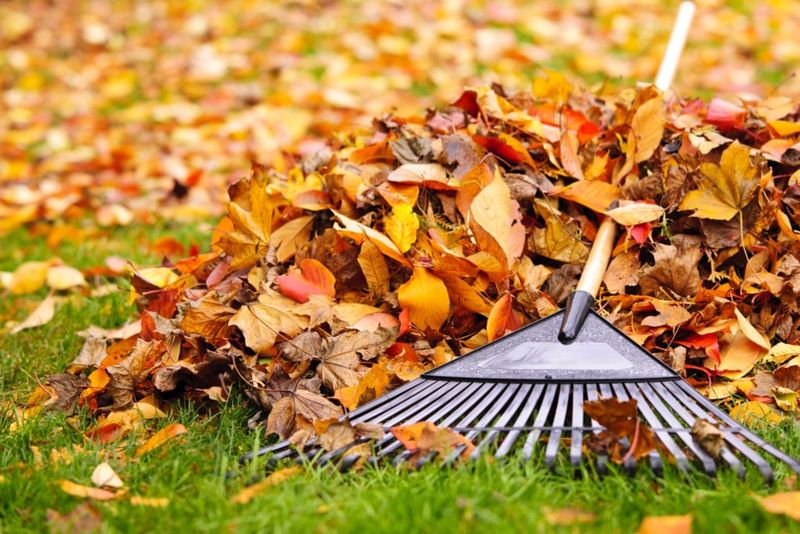
Raking leaves out of garden beds is a task synonymous with autumn. As trees shed their foliage, leaves can smother plants if left unchecked. Armed with a rake, a gardener clears the way, allowing plants to breathe and thrive. This task is more than tidying; it’s about preserving the health of the garden. The rhythmic motion of raking can be meditative, offering a moment of connection with nature. While it may seem endless, raking leaves is an essential part of seasonal garden maintenance.
11. Dividing Overcrowded Perennials – Or they’ll flower poorly and die.
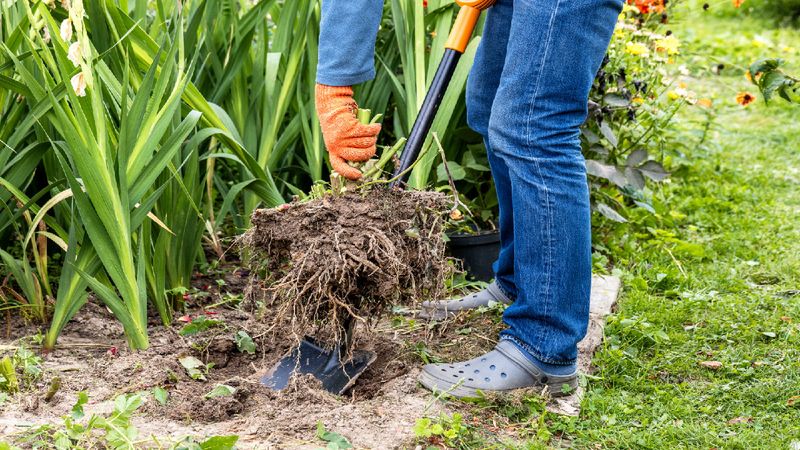
Dividing overcrowded perennials is an act of renewal. As plants grow, they can become congested, leading to poor flowering and decline. By separating them, gardeners ensure each plant has the space to thrive. This task requires a careful hand and an understanding of each plant’s needs. The process can feel like giving a new lease on life, breathing fresh vitality into the garden. It’s a labor of love that pays dividends in blooms. Dividing perennials is both an art and a science, essential for vibrant garden life.
12. Cleaning Gutters Full of Leaves – If you have trees nearby.
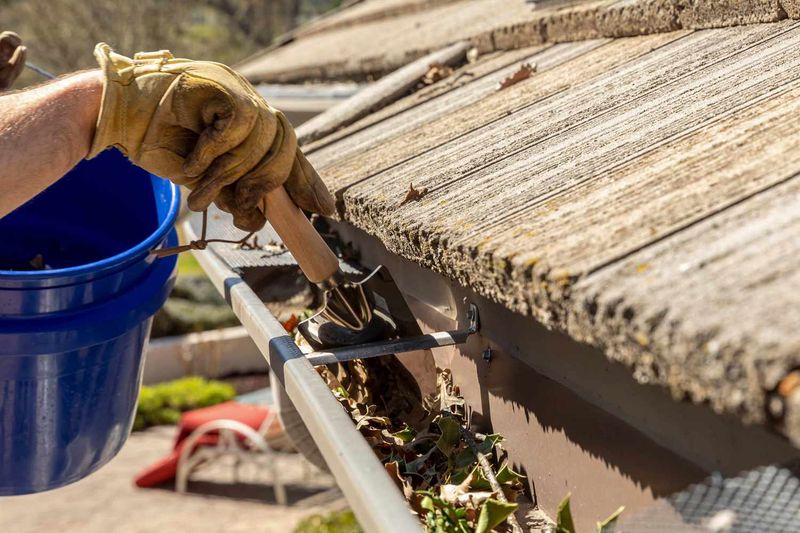
Cleaning gutters may seem more like a home maintenance task, but it’s crucial for gardeners too. Leaves clogging gutters can lead to water overflow, affecting nearby plants. Armed with a ladder and gloves, a gardener tackles this often-overlooked chore. It’s a task that requires caution and thoroughness, ensuring water flows freely away from the house. The satisfaction of clear gutters is a simple pleasure, knowing you’ve prevented potential problems. It’s an unsung hero of garden tasks, protecting both home and garden.
13. Watering Hanging Baskets Daily – They dry out so fast.
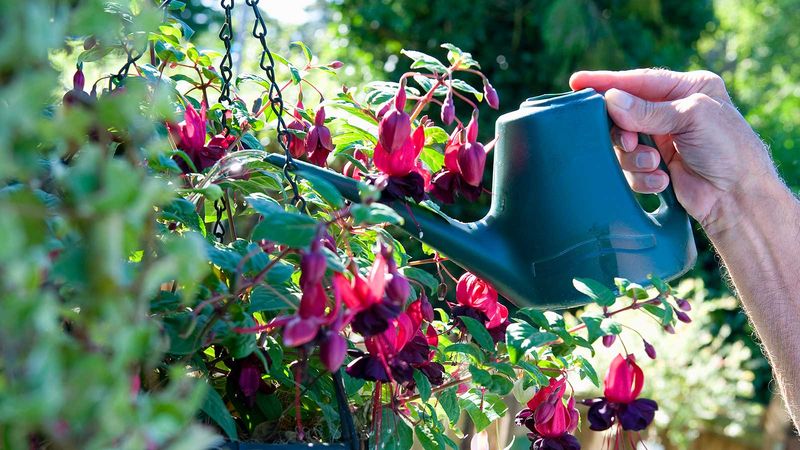
Hanging baskets are a beautiful addition to any garden but require diligent care. Their elevated position means they dry out quickly, demanding daily watering. This task is a labor of love, ensuring each plant receives the moisture it needs. The reward is a cascade of blooms spilling over the basket’s edge, a testament to the gardener’s commitment. Watering becomes a daily ritual, a moment to pause and appreciate the beauty you’ve nurtured. Though it can be demanding, the vibrant display is worth every effort.
14. Fertilizing (Even If You Forget) – Weak plants = pests & diseases.
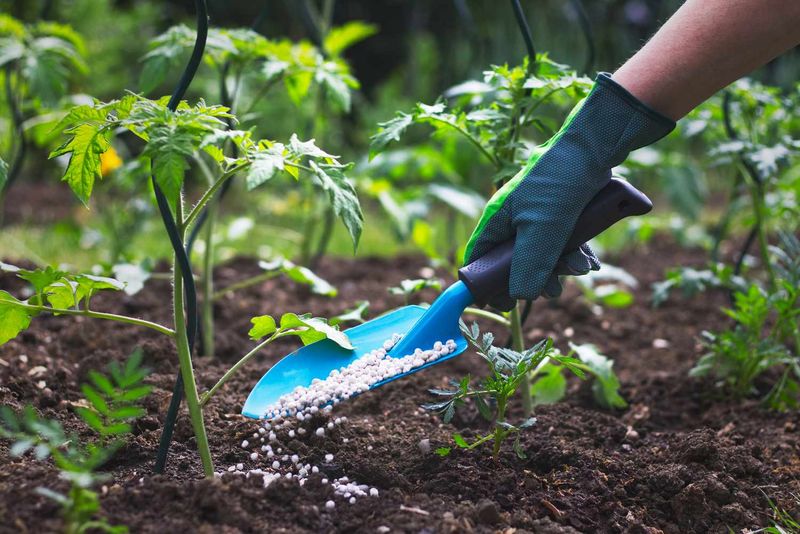
Fertilizing is like giving your garden a nutritious meal. Without it, plants can become weak, inviting pests and diseases. Even if it slips your mind, it’s a task that mustn’t be neglected. With a sprinkle of granules or a dash of liquid feed, you fortify your garden for growth. The process is straightforward but vital, ensuring plants have the nutrients they need to thrive. Fertilizing transforms a garden, turning struggling plants into robust specimens. It’s the secret ingredient for a flourishing garden.
15. Fixing Leaky Irrigation Lines – Drips and breaks happen.
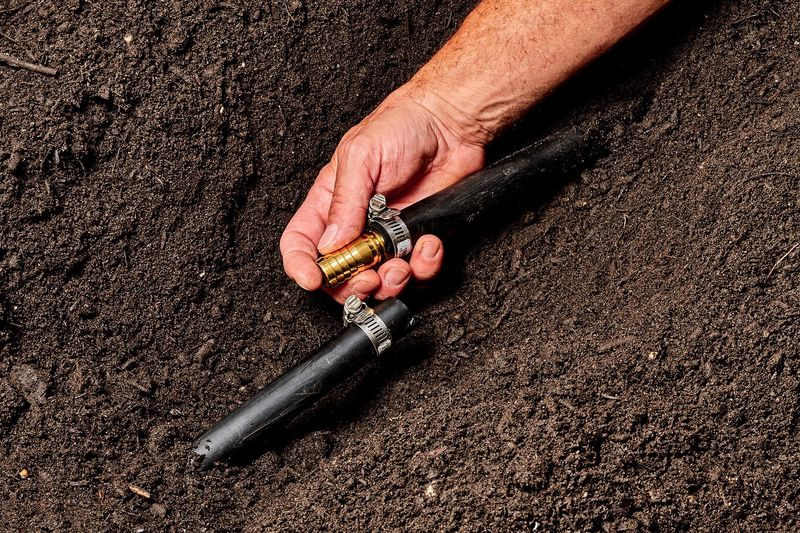
Leaky irrigation lines are a gardener’s quiet nemesis. These hidden issues can lead to water wastage and uneven watering. Armed with repair tape or connectors, gardeners fix these drips and breaks. The task requires keen observation and problem-solving skills. Addressing leaks ensures every plant receives adequate water, a crucial factor in garden health. It’s a behind-the-scenes chore that makes a visible difference. Fixing irrigation lines is a testament to the unseen efforts that contribute to a thriving garden.
16. Pulling Up Invasive Spreaders – Mint, bamboo, and creeping Jenny don’t quit.
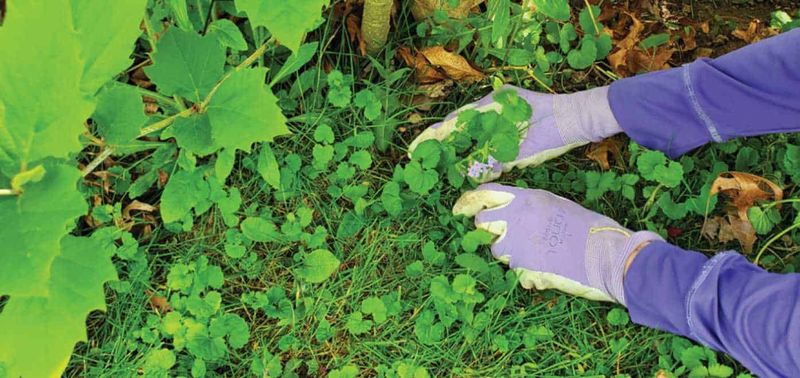
Invasive spreaders like mint and bamboo can quickly overrun a garden. These persistent plants require a firm hand to keep them in check. Pulling them up is a task that demands determination and regularity. It’s a battle for control, ensuring these plants don’t choke out more desirable ones. The process can be relentless, but it’s essential for maintaining balance in the garden. The effort to tame these spreaders is ongoing, reflecting the gardener’s commitment to their craft. It’s a task that defines stewardship.
17. Dealing with Fungal Diseases – Powdery mildew, black spot… ugh.
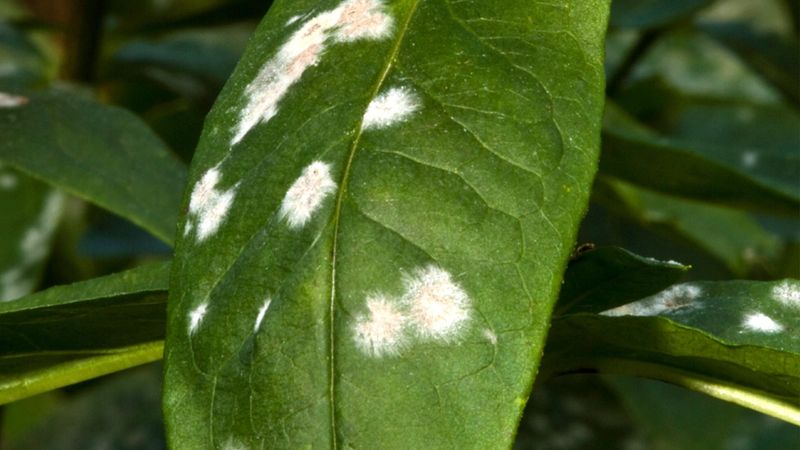
Fungal diseases are an unwelcome yet familiar foe for gardeners. Powdery mildew and black spot can mar the beauty of any plant. Combatting these diseases requires vigilance and treatment, whether through sprays or cultural practices. The sight of a healthy, disease-free plant is the reward for this constant vigilance. Dealing with fungal issues is a reminder of nature’s challenges and the gardener’s role in facing them. It’s a task that demands both knowledge and action, ensuring a garden’s ongoing vitality.
18. Picking Stones Out of Soil – They magically reappear every year.
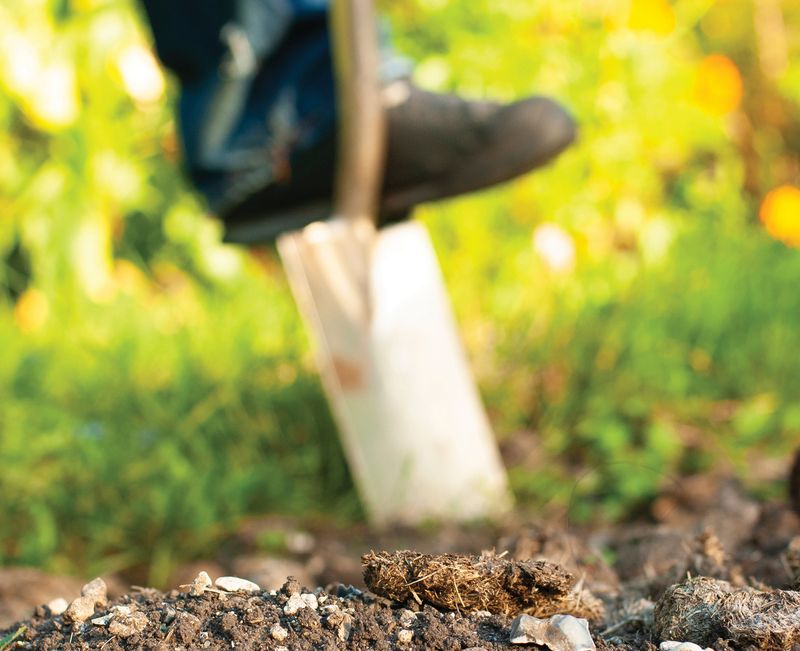
Stones in the soil are a mystery, seeming to multiply overnight. Picking them out is a task that tests patience and persistence. Despite thorough preparation, stones always reappear, challenging even seasoned gardeners. This task ensures a smooth planting surface, free from obstacles that hinder growth. It’s a meditative process, connecting gardener and earth. The satisfaction of a stone-free bed is a small triumph, a testament to dedication. Picking stones is an age-old chore, steeped in the tradition of nurturing the land.
19. Storing Tender Bulbs in Fall – Dahlias, cannas, and gladiolus won’t survive frost.
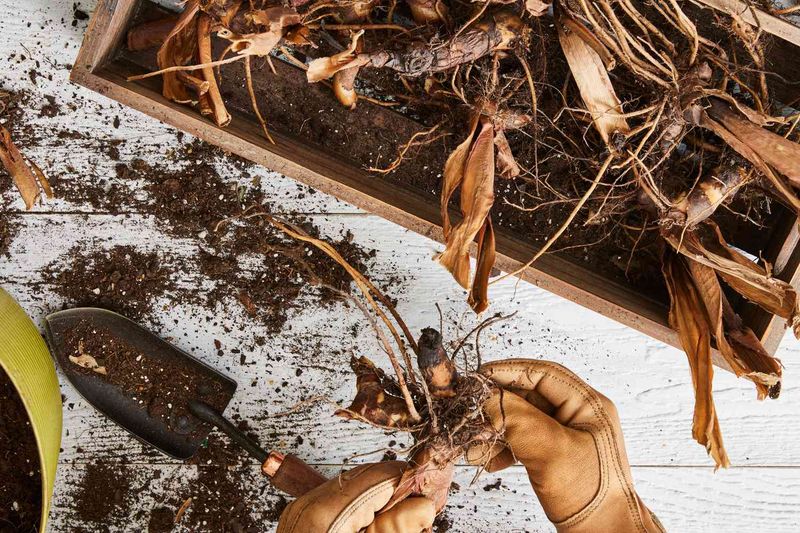
Storing tender bulbs is like tucking your garden in for the winter. Dahlias and cannas won’t survive the frost, requiring careful packing and storage. This task is a gesture of care, preserving the beauty for another season. Each bulb is a promise of future blooms, waiting for the return of warmth. The process requires attention to detail, ensuring bulbs are dry and safe. It’s a task that bridges the seasons, connecting the cycles of growth and dormancy. Storing bulbs is an investment in the garden’s future.
20. Sweeping Dirt Off Pavement – Wind, rain, and pets track it back instantly.
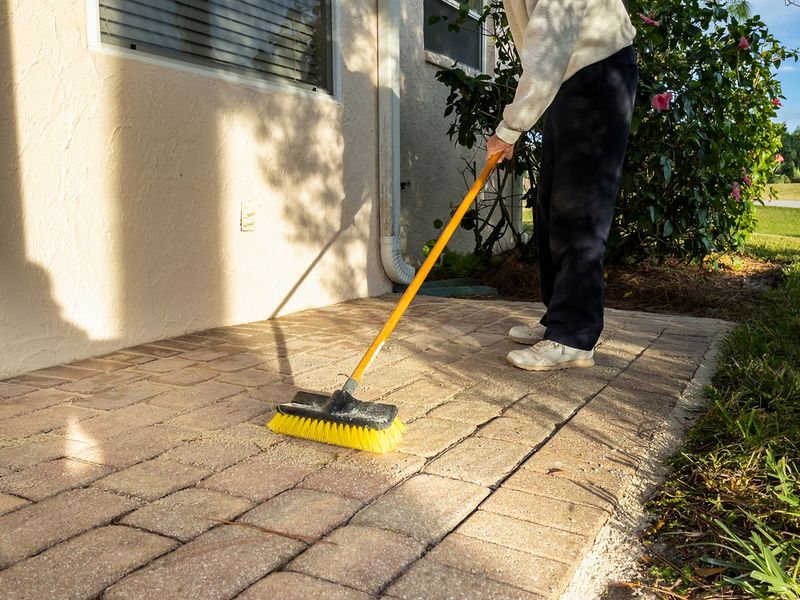
Sweeping dirt off pavement is a task that often feels like an endless cycle. Wind, rain, and pets conspire to keep paths messy. Armed with a broom, the gardener restores order, creating clean lines against the chaos. This simple task brings a sense of accomplishment, a visual reminder of care and maintenance. It’s more than tidying; it’s about creating a welcoming space. The act of sweeping is a moment of reflection, a pause in the busyness of garden life. It’s a chore that celebrates the small victories.