 Complete Gardening
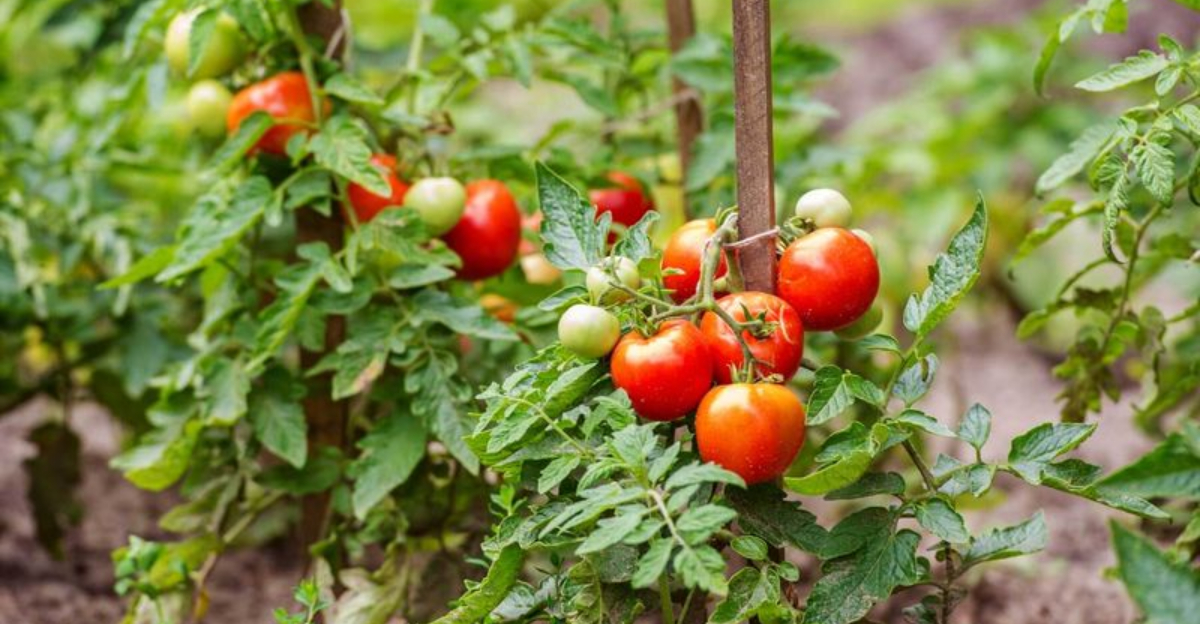
Explore the world of antioxidant-rich vegetables that are easy to grow and maintain. These 20 vegetables not only enrich your diet but also bring a touch of nature to your garden. With minimal effort, you can enjoy a bountiful harvest that supports a healthy lifestyle.
1. Kale
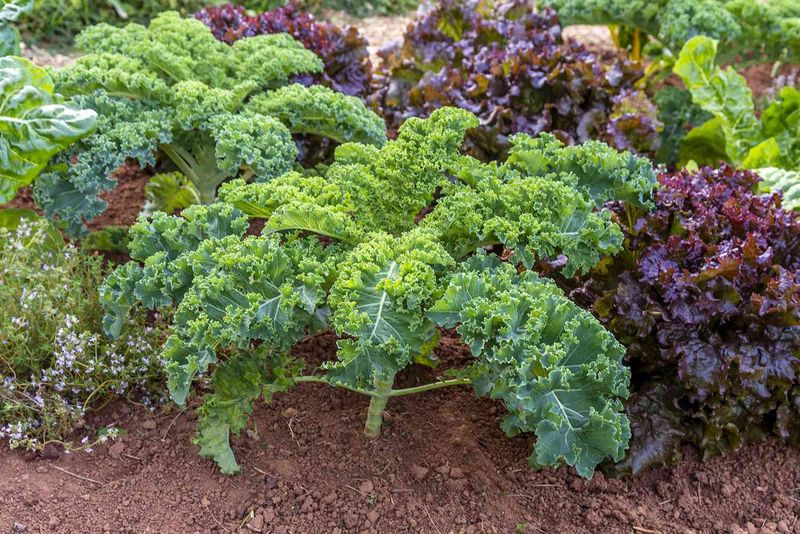
Kale, with its vibrant green leaves, is a powerhouse of nutrients. Known for its resilience, kale requires little attention to thrive. It can be grown in a variety of climates, making it an ideal choice for gardeners of all skill levels. Often regarded as a superfood, kale is rich in antioxidants like quercetin and kaempferol, which have numerous health benefits.
This leafy green can be harvested multiple times, providing a continuous supply. Whether added to salads or smoothies, kale’s versatility is unmatched. Its robust flavor and crunchy texture make it a favorite among health enthusiasts.
2. Spinach
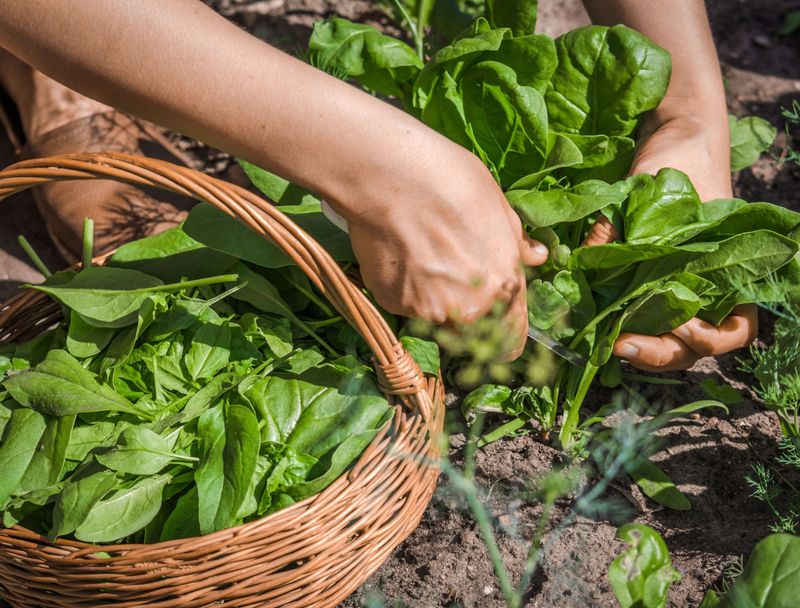
Spinach is not only easy to grow but also packed with beneficial antioxidants. Its fast-growing nature makes it a top choice for those seeking quick results. Spinach thrives in both cool and mild climates, and its ability to regrow after harvesting is a gardener’s delight.
Rich in vitamins and minerals, spinach is known for improving eye health and reducing oxidative stress. The tender leaves are perfect for salads, soups, and stir-fries. Its mild flavor complements a range of dishes, making spinach a versatile addition to any meal plan.
3. Swiss Chard
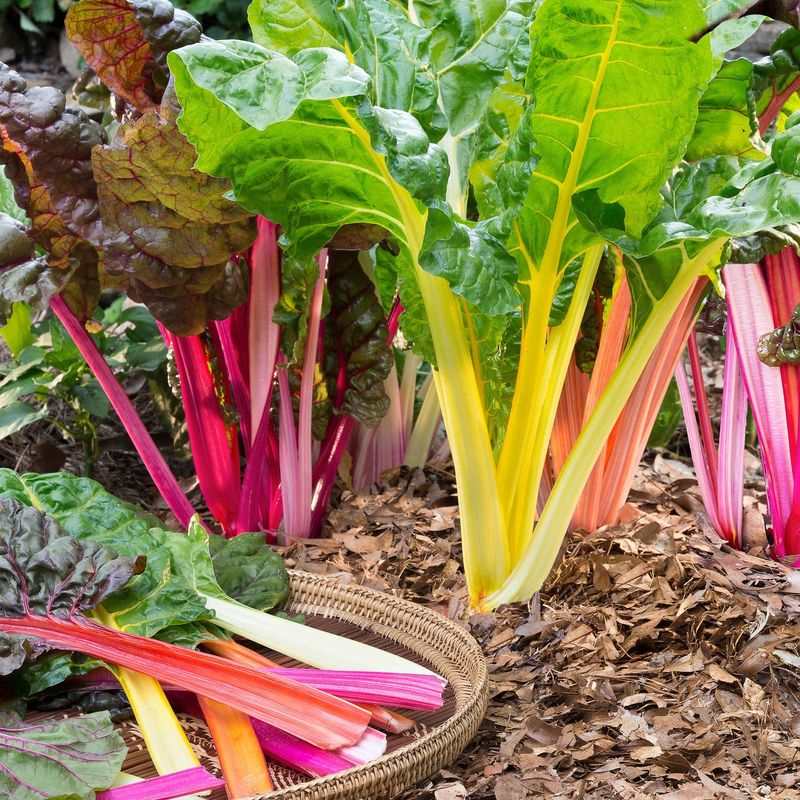
Swiss chard stands out with its bright, colorful stems and lush greenery. It grows abundantly with minimal care, adapting well to various soil types. This leafy vegetable is loaded with antioxidants such as beta-carotene and lutein, which promote good health.
Swiss chard is known for its slightly bitter taste, adding depth to dishes. Its leaves can be harvested continuously, ensuring a fresh supply. Whether sautéed or added to stews, Swiss chard’s unique flavor and texture make it a culinary favorite.
4. Arugula
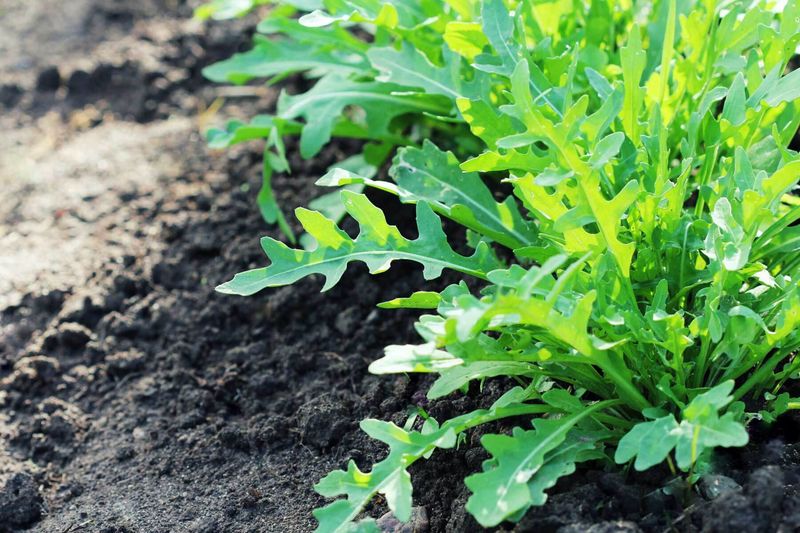
Arugula, with its peppery leaves, brings a zesty edge to salads and sandwiches. Its rapid growth and low maintenance make it an excellent choice for novice gardeners. Arugula is rich in antioxidants that help reduce inflammation and improve heart health.
This green is best harvested when young, offering a tender bite. Its distinct flavor adds a kick to any dish, making it a popular choice for culinary enthusiasts. Easy to grow in pots or garden beds, arugula thrives with minimal effort.
5. Beet Greens
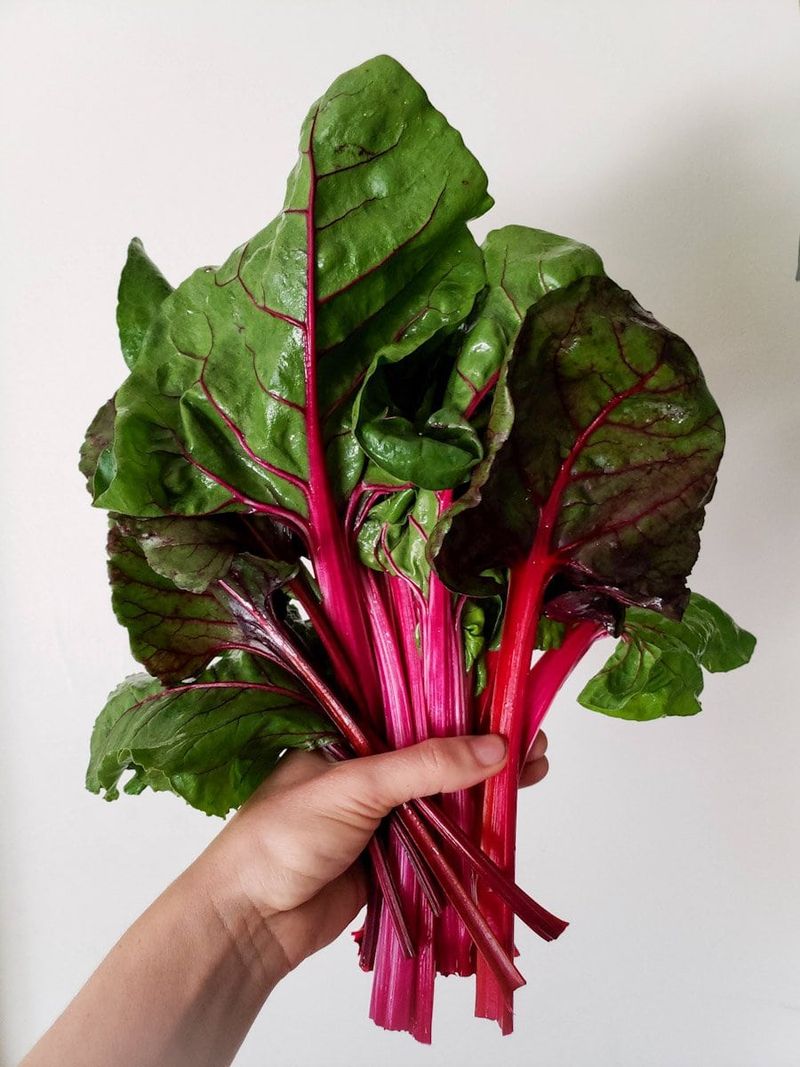
Beet greens are often overlooked in favor of their roots, yet they are equally nutritious. These leaves are a
6. Broccoli
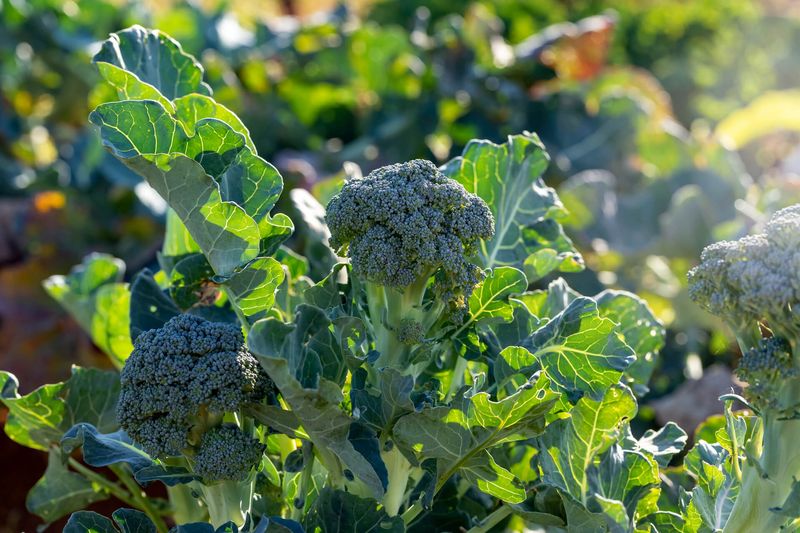
Broccoli, with its tree-like appearance, is a powerhouse of nutrition. Its rich green florets contain compounds known to support the body’s antioxidant defense system.
Growing this vegetable is a breeze, as it thrives in cool temperatures and requires little more than well-drained soil and consistent watering.
A fascinating fact about broccoli is that it was cultivated in ancient Rome, where its health benefits were already celebrated. Today, it continues to be a favorite among health enthusiasts for its versatility in dishes.
7. Carrots
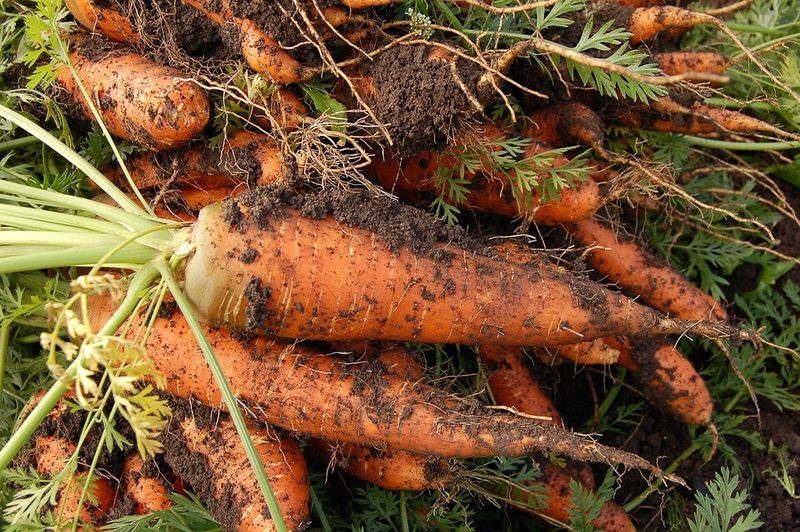
Carrots are not just for rabbits. These crunchy treats are loaded with beta-carotene, a powerful antioxidant that the body converts to vitamin A.
Carrots are remarkably easy to grow in loose, sandy soil, making them ideal for garden beginners. They require minimal care and can thrive in various climates.
Interestingly, carrots were originally purple or white. The familiar orange carrots we know today were developed by Dutch growers for the House of Orange in the 17th century.
8. Tomatoes
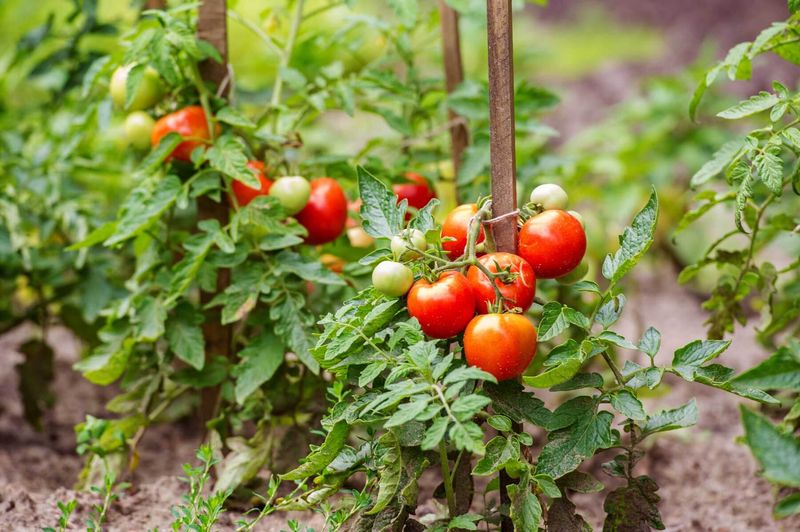
Tomatoes are a staple in many gardens, cherished for their juicy texture and antioxidant-rich profile, including the famed lycopene.
These plants flourish in sunny areas with well-drained soil, making them a gardener’s delight. Regular watering and staking will ensure a bountiful harvest.
Did you know that tomatoes were once considered poisonous in Europe? Now, they are a beloved culinary ingredient worldwide, offering a wealth of flavors and health benefits.
9. Bell Peppers
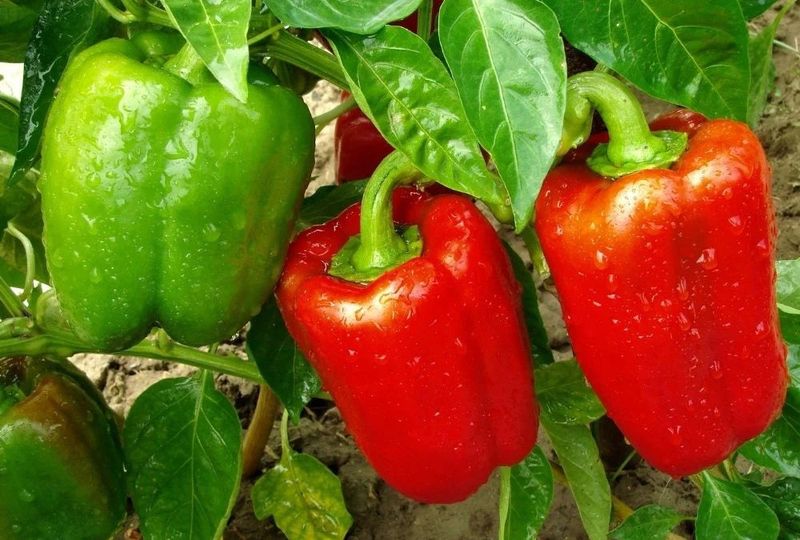
Bell peppers, with their sweet crunch, are packed with vitamin C and antioxidants that fortify the body.
These colorful vegetables are easy to grow and require full sun and regular watering. They add a splash of color to any garden, thriving in warm climates.
A fun fact: Bell peppers are technically fruits. They are related to chili peppers but have a milder flavor, making them a versatile ingredient in many dishes.
10. Zucchini
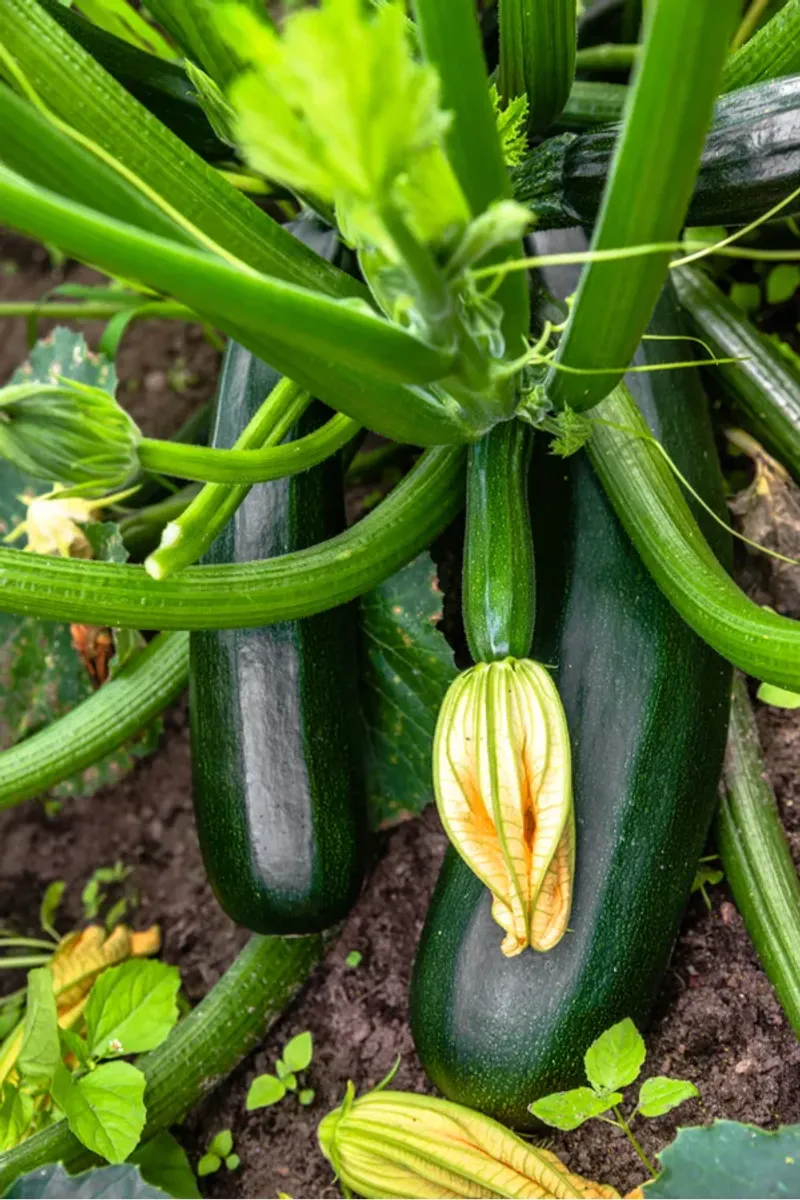
Zucchini is not only easy to grow but also brimming with antioxidants, making it a popular choice for health-conscious gardeners.
This vegetable thrives in fertile, well-drained soil and requires ample sunlight to produce its best yield. Regular harvesting encourages more fruit to grow.
Zucchini was brought to the United States by Italian immigrants in the 1920s and has since become a beloved addition to gardens and kitchens alike.
11. Eggplant
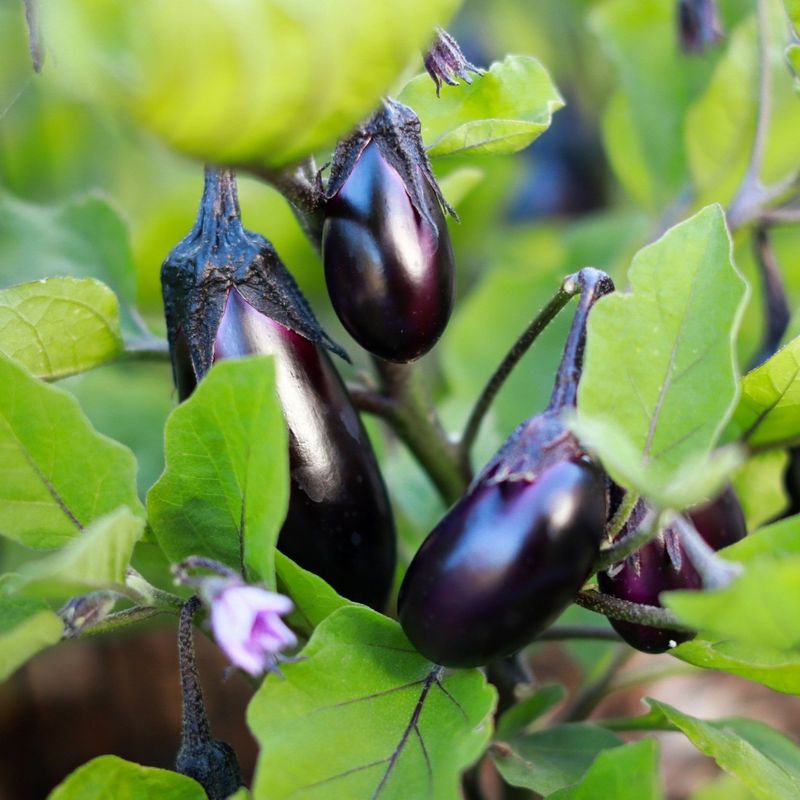
Eggplants, with their deep purple hue, are rich in antioxidants, particularly nasunin found in their skin.
These warm-season plants thrive in sunny areas with well-drained soil. Regular watering and a bit of patience will reward gardeners with a plentiful harvest.
An interesting tidbit: Eggplants were once considered an ornamental plant in Europe, appreciated more for their aesthetics than culinary use.
12. Cabbage
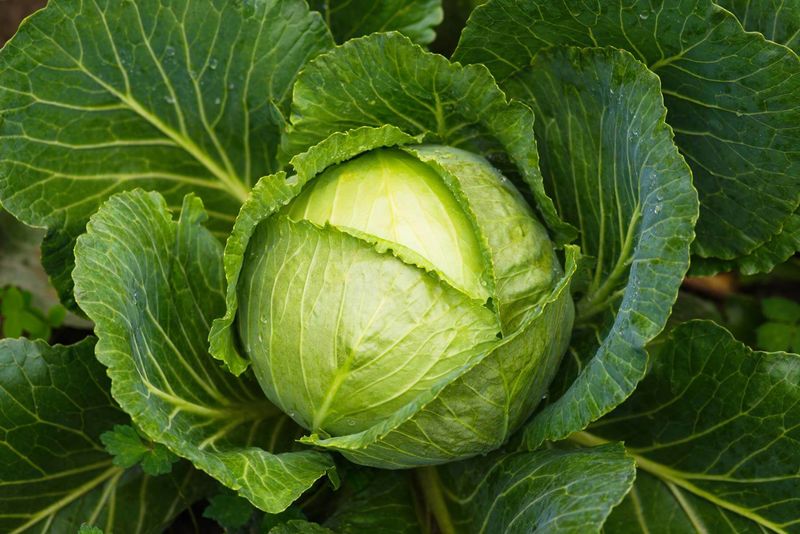
Cabbage, with its leafy, crisp texture, is a nutritious addition, rich in antioxidants like vitamin C.
This hardy vegetable grows well in cool climates and can be planted in early spring or fall. It requires consistent watering and fertile soil.
Did you know? Cabbage has been a staple in diets for centuries, revered for its health-promoting properties and versatility in various cuisines.
13. Green Beans
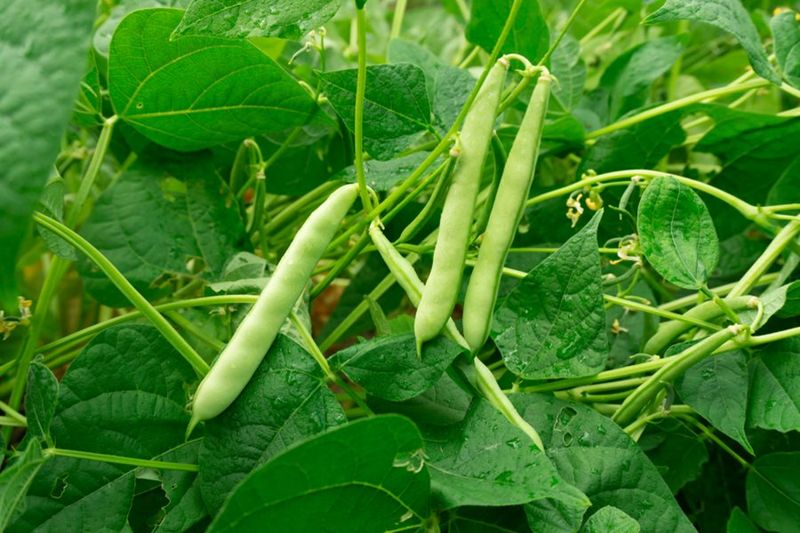
Green beans are not only delicious but also full of antioxidants that support overall health.
These plants are straightforward to grow, needing support to climb and plenty of sunlight. They’re a favorite among gardeners for their quick growth and generous yield.
Fun fact: Green beans are also known as string beans and have been cultivated for thousands of years, enjoyed in numerous culinary traditions worldwide.
14. Peas
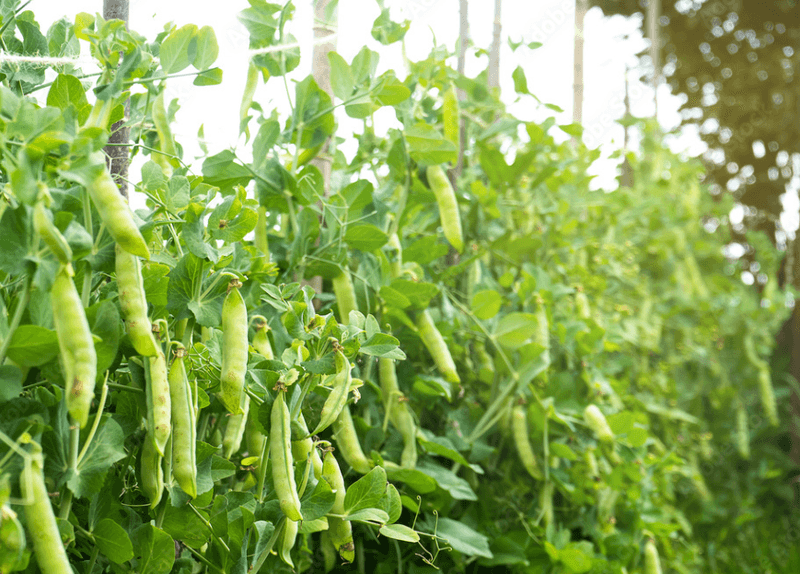
Peas, with their sweet taste and bright green pods, are a delightful addition to any garden, offering antioxidants and essential nutrients.
Growing peas is simple; they love cool weather and can be planted early in the season. They require minimal care, just some support to climb.
Historically, peas were one of the first crops cultivated by humans, symbolizing prosperity and good fortune in many cultures.
15. Sweet Potatoes

Sweet potatoes, with their creamy texture and sweet flavor, are rich in beta-carotene and other antioxidants.
These plants are easy to grow, requiring plenty of sunlight and well-drained, sandy soil. They spread quickly, making them ideal for larger garden spaces.
Interestingly, sweet potatoes are often confused with yams, but they are botanically distinct and belong to different plant families.
16. Radishes
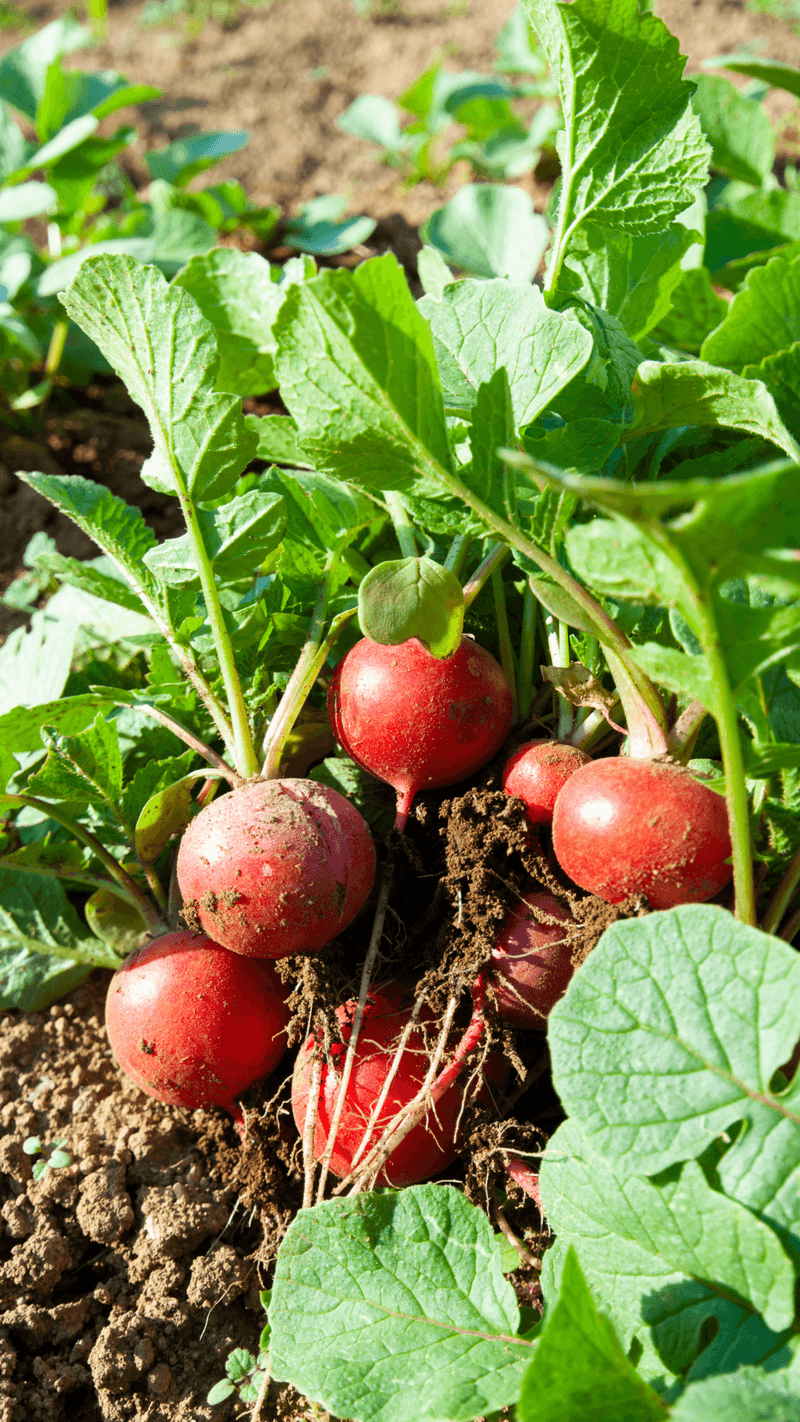
Radishes, known for their peppery taste, are packed with antioxidants and add a spicy kick to salads.
These root vegetables are quick to mature, thriving in both spring and fall. They prefer loose soil and consistent watering.
Did you know that radishes were a common offering to the gods in ancient Egypt? Their quick growth makes them a favorite for gardeners seeking instant gratification.
17. Pumpkins

Pumpkins are not just for Halloween; they are loaded with antioxidants, particularly in their seeds and vibrant flesh.
These large vines require space to grow and plenty of sunlight. With regular watering, they are relatively low-maintenance.
Fun fact: Pumpkins are native to North America and have been grown for thousands of years, valued for both their nutritional and ornamental qualities.
18. Brussels Sprouts
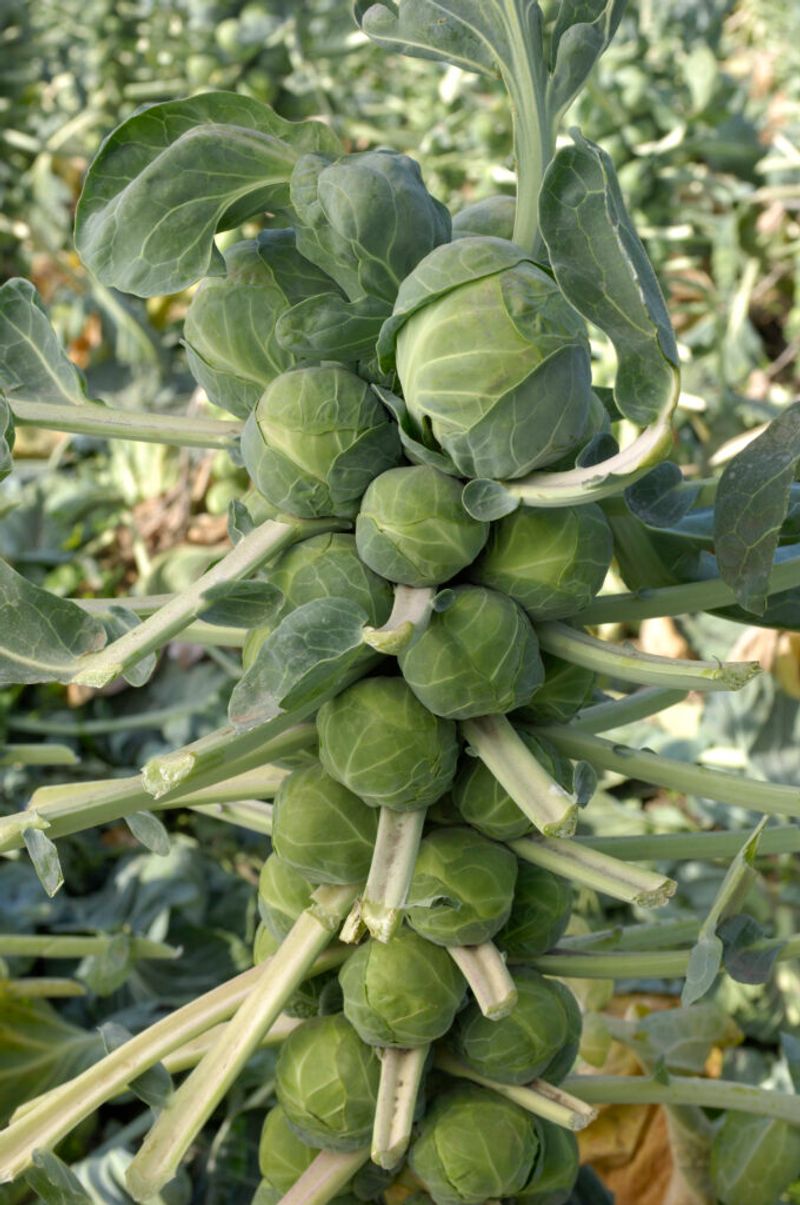
Brussels sprouts, often misunderstood, are a nutrient-dense vegetable rich in antioxidants like vitamin K.
These plants thrive in cool weather and require fertile soil and regular watering to develop their signature mini-cabbage appearance.
Originally from Belgium, Brussels sprouts have gained popularity worldwide for their unique flavor and health benefits, especially when roasted to caramelized perfection.
19. Cauliflower
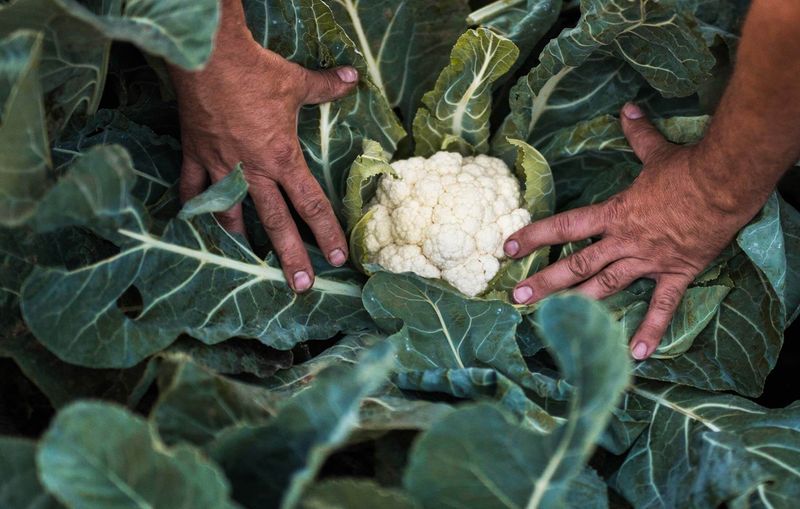
Cauliflower, with its creamy white florets, is an excellent source of antioxidants and versatile in culinary use.
This vegetable prefers cool climates and well-drained soil. Regular watering and a bit of patience will reward you with a bountiful harvest.
Intriguingly, cauliflower can also be purple, yellow, or green, each variant offering the same health benefits and a splash of color to your plate.
20. Celery
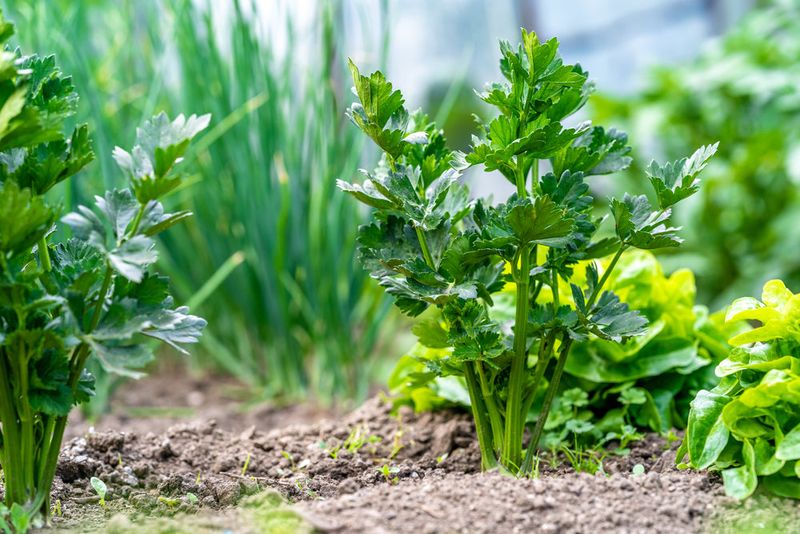
Celery, with its crisp stalks and subtle flavor, is more than a diet staple; it’s rich in antioxidants and vitamins.
Growing celery requires consistent moisture and rich soil, but its rewards are worth the effort. It adds a refreshing crunch to meals and is perfect for snacking.
A quirky fact: Celery was once considered an exotic seasoning in ancient Greece and Rome, valued for its aromatic properties.