 Complete Gardening
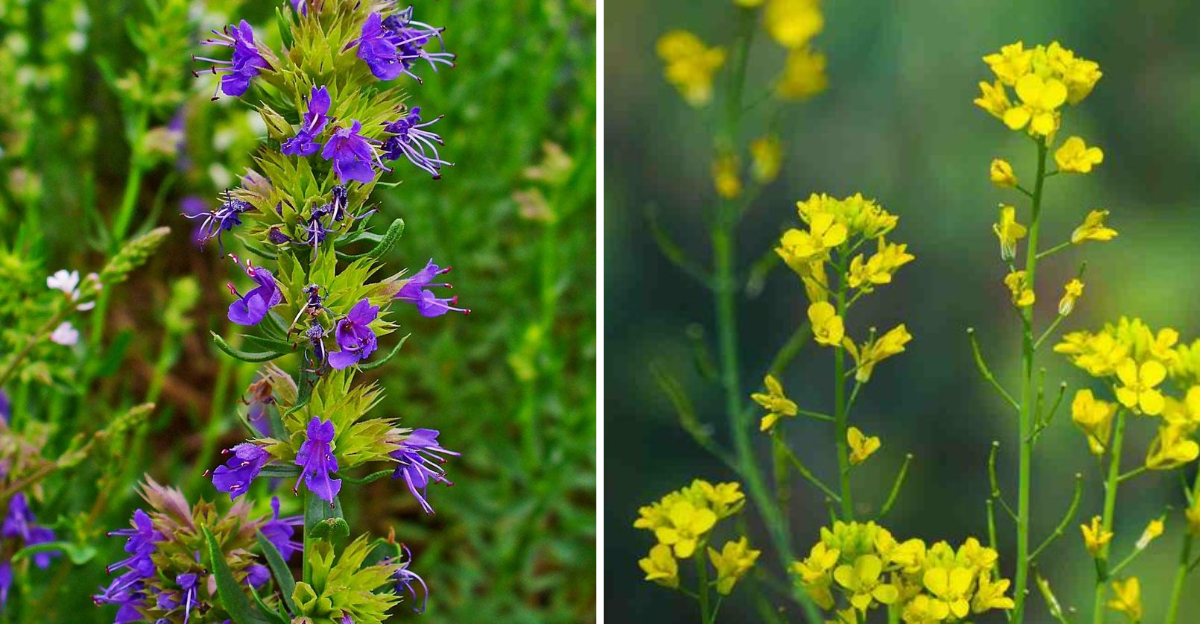
Creating a meditation garden inspired by biblical plants is a serene way to reflect on faith and spirituality. These plants, mentioned in various scriptures, have deep-rooted significance in Christian traditions. A garden filled with these plants can serve as a tranquil retreat, offering peace and contemplation. Each plant tells its own story, bringing together a harmonious blend of nature and spirituality.
1. Olive Tree
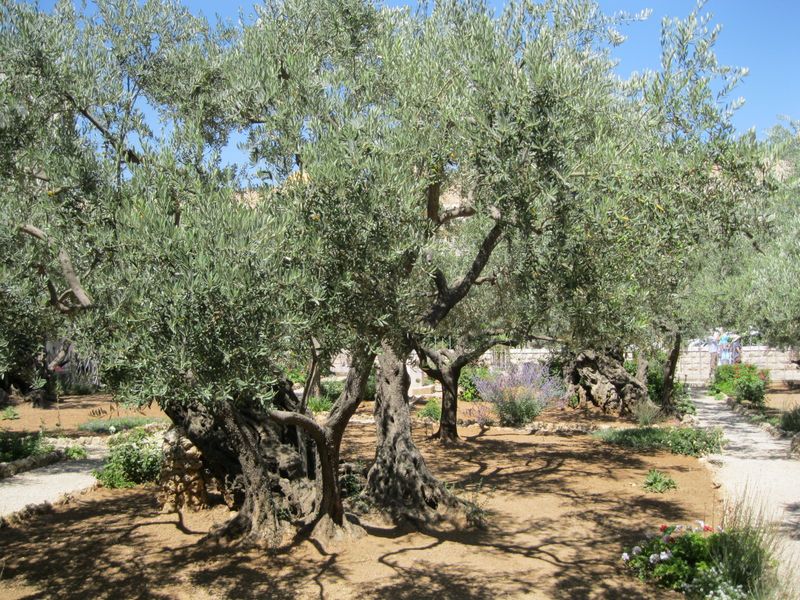
The olive tree stands as a symbol of peace and endurance. In the Bible, the olive branch is famously known as a symbol of peace, and the tree itself is referenced multiple times, notably in the story of Noah’s ark.
These trees are hardy and resilient, thriving in a variety of conditions. Their ability to produce olives, an important biblical fruit, adds to their significance.
Positioning an olive tree in your garden can bring a touch of the Holy Land into your own backyard, providing a meaningful spot for reflection and prayer.
2. Fig Tree
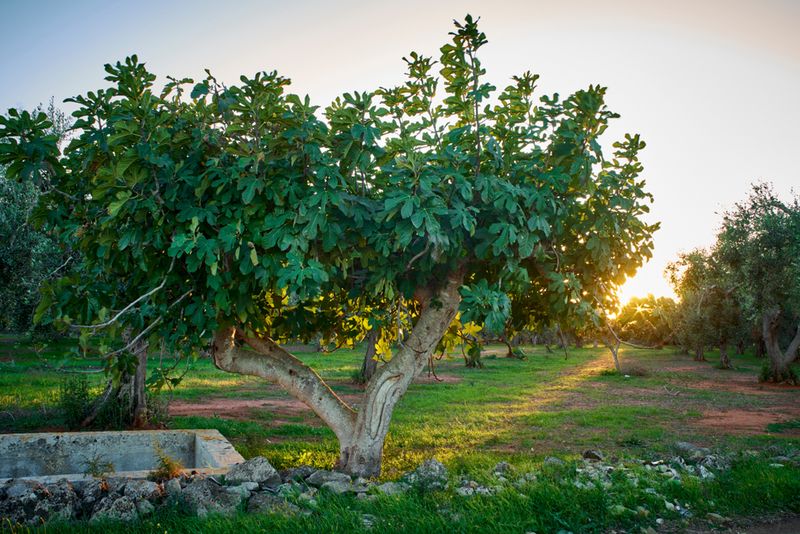
The fig tree is often associated with prosperity and security in biblical texts. In the Garden of Eden, it is said that Adam and Eve used fig leaves to cover themselves.
This tree’s broad leaves and sweet fruit make it both visually appealing and practical. Figs symbolize abundance and have been a staple food source in ancient times.
Planting a fig tree in your meditation garden doesn’t just add beauty; it offers a historical connection that enriches the spiritual atmosphere of the space.
3. Cedar of Lebanon

Known for their grandeur and strength, the Cedars of Lebanon are frequently mentioned in the Bible. They were used in the construction of Solomon’s Temple, symbolizing durability and stature.
These trees can provide a comforting shade and a majestic presence in your garden. Their aromatic wood is celebrated for its quality and longevity.
Incorporating a cedar of Lebanon can invoke a sense of ancient wisdom and sacredness, transforming your garden into a sanctuary of faith and tradition.
4. Aloe Vera

Aloe vera appears in the Bible as a plant of healing and anointing. Its gel is renowned for its soothing properties, making it a symbol of renewal and rejuvenation.
These succulent plants require minimal care and flourish in sunny areas, offering both aesthetic appeal and practical benefits.
Positioning aloe vera in your garden can remind you of the healing miracles recounted in scriptures, providing a place for both physical and spiritual restoration.
5. Hyssop
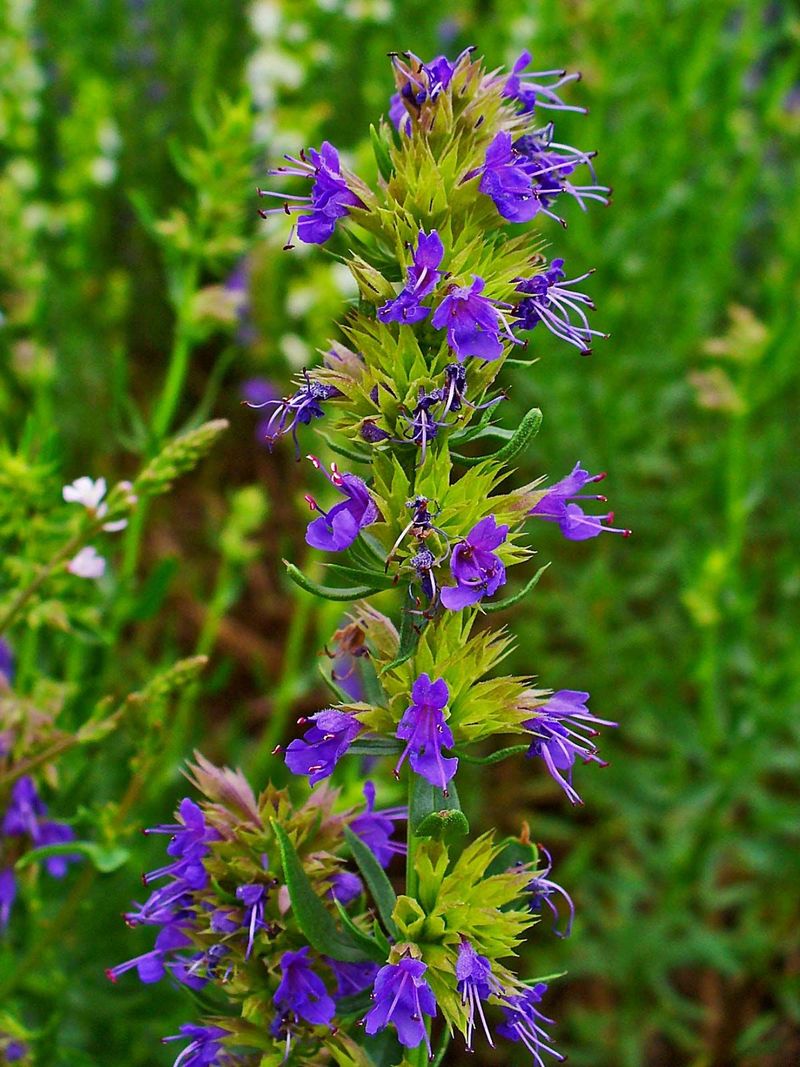
Hyssop has significant biblical references, often mentioned in purification rituals. Known for its cleansing properties, it was used in ancient times for spiritual and physical purification.
Its fragrant leaves and small flowers add beauty and aroma to any garden. Hyssop is a versatile plant that can thrive in various conditions, making it an excellent choice for a biblical garden setting.
Incorporating hyssop provides a sensory reminder of ancient cleansing traditions, enhancing the meditative quality of your space.
6. Mustard Plant
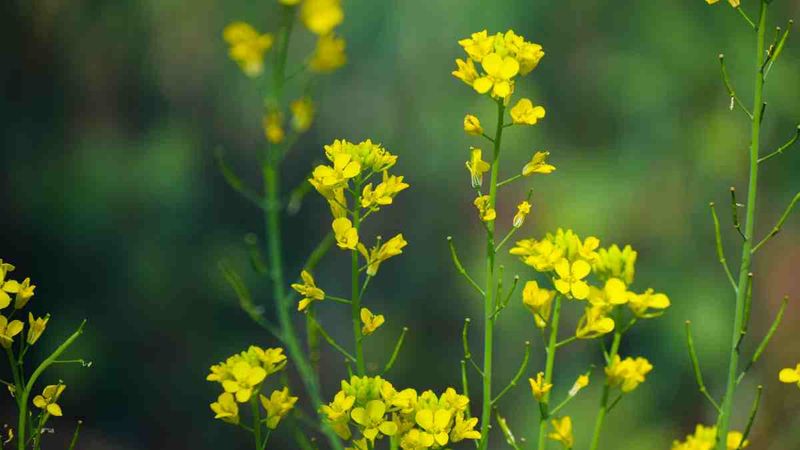
The mustard plant is famously used in Jesus’s parable of faith. A small seed growing into a large plant exemplifies the potential within faith, no matter how small.
Its bright yellow flowers bring vibrancy and life to a garden, symbolizing growth and potential.
Planting mustard in your garden can serve as a daily reminder of the power of faith and the expansive growth it promises, inviting reflection on spiritual teachings.
7. Frankincense Tree

Frankincense is one of the gifts brought by the Magi to Jesus, symbolizing worship and divinity. Derived from the resin of its tree, it has been used in incense and perfumes for centuries.
These trees thrive in arid conditions and their presence adds a touch of the exotic to any garden.
Having a frankincense tree in your garden not only adds historical significance but also offers a fragrant aroma that can enhance spiritual practices, making it a space for deep meditation.
8. Myrrh
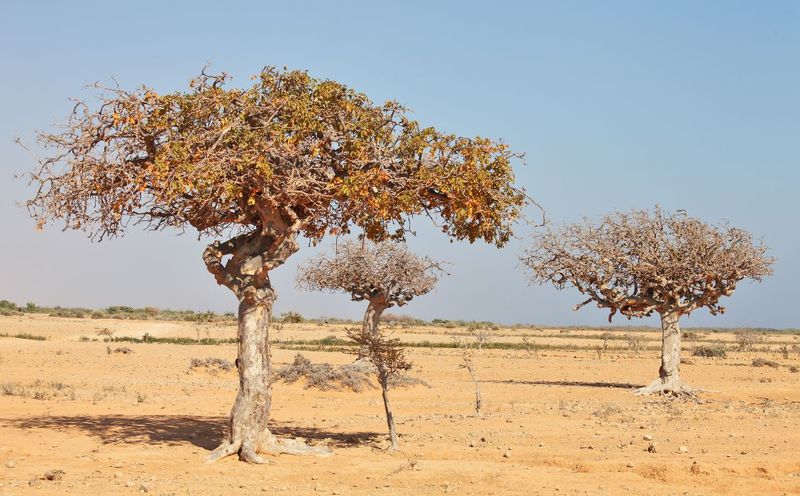
Myrrh, like frankincense, was a gift from the Magi and is known for its aromatic resin used in anointing oils. It symbolizes suffering and healing in biblical narratives.
This hardy shrub thrives in dry climates, with its resin being harvested for medicinal purposes.
Placing myrrh in your garden connects you to ancient traditions of healing and sacrifice, offering a place for contemplation and reverence.
9. Pomegranate
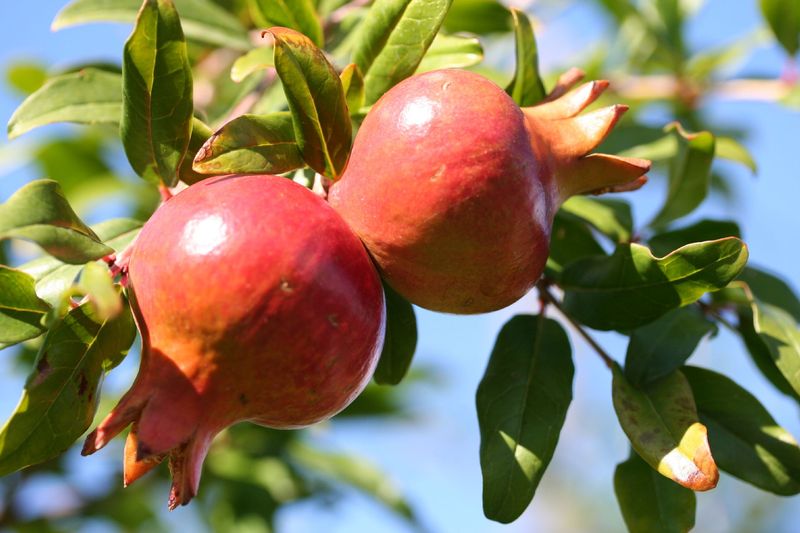
The pomegranate is a symbol of fertility and abundance, often mentioned in biblical texts. Its vibrant red fruit has long been associated with life and prosperity.
A pomegranate tree not only adds a splash of color to your garden but also offers nutritious fruit.
Incorporating this tree can remind you of the abundance of blessings and the richness of life, making your garden a place of gratitude and celebration.
10. Rose of Sharon
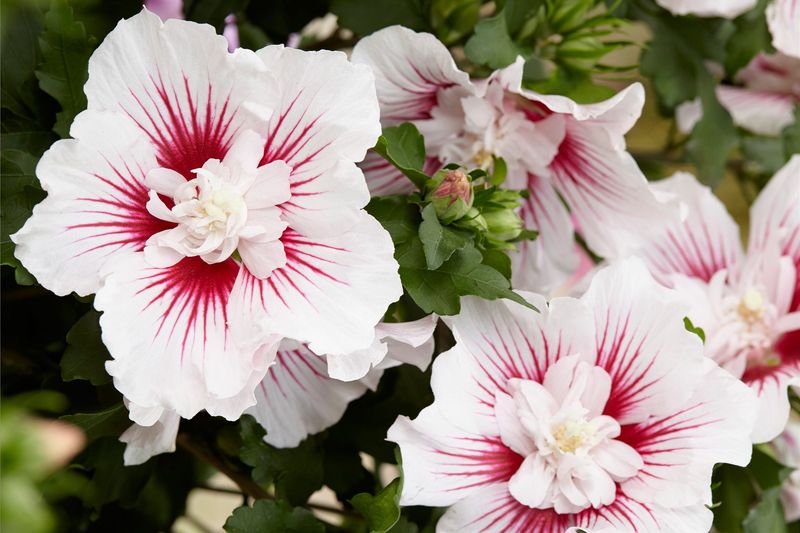
Mentioned in the Song of Solomon, the Rose of Sharon is a beautiful flowering plant that symbolizes beauty and love. Its large blooms are a feast for the eyes and soul.
This hardy plant can thrive in diverse conditions, making it a resilient addition to any garden.
Planting the Rose of Sharon can bring an expression of divine beauty and love into your space, offering a serene setting for quiet reflection.
11. Cypress Tree

Cypress trees are frequently mentioned in the Bible, often symbolizing life and eternal existence. Their towering presence and evergreen nature make them a symbol of endurance and steadfastness.
These trees can provide both shade and a sense of privacy, transforming a garden into a peaceful retreat.
Incorporating cypress trees in your garden invites contemplation on eternal life and spiritual growth, creating a backdrop for meditation and prayer.
12. Wheat
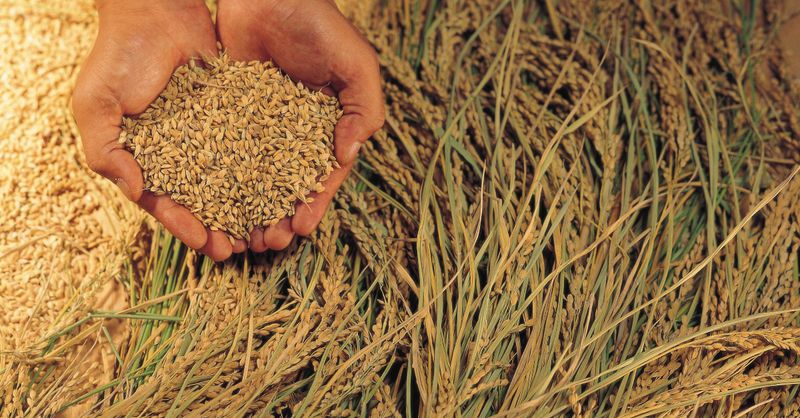
Wheat is a staple grain and holds significant symbolism in the Bible, representing sustenance and the cycles of life and death. Jesus often used wheat as a metaphor in His parables.
Cultivating wheat in your garden connects you to the biblical stories of provision and spiritual growth.
This humble grain can serve as a reminder of the nourishment that faith provides and the spiritual harvest that awaits those who sow seeds of belief.
13. Date Palm
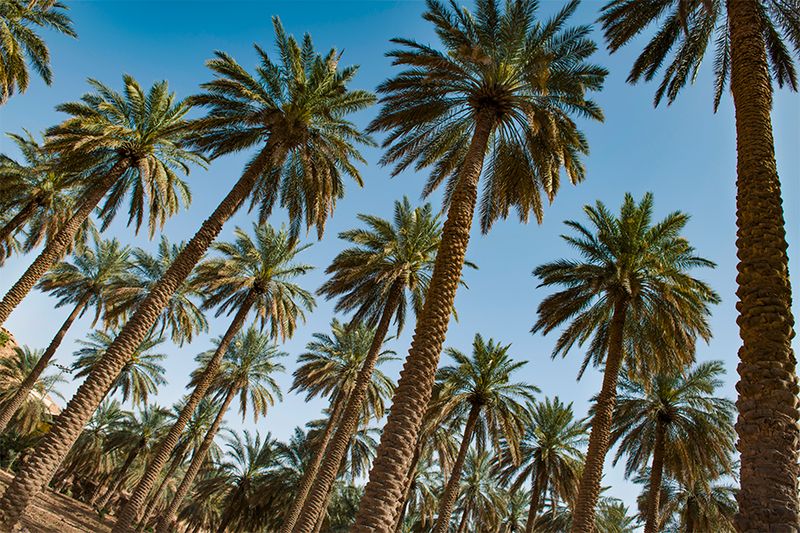
The date palm is a symbol of prosperity and triumph in the Bible. Its fruits were a staple in biblical times, providing nourishment and sustenance.
This tall and elegant tree offers shade and beauty, transforming any garden into a tranquil retreat.
Incorporating a date palm can remind you of the spiritual nourishment and triumphs within the faith journey, offering a place of rest and reflection.
14. Grapevine
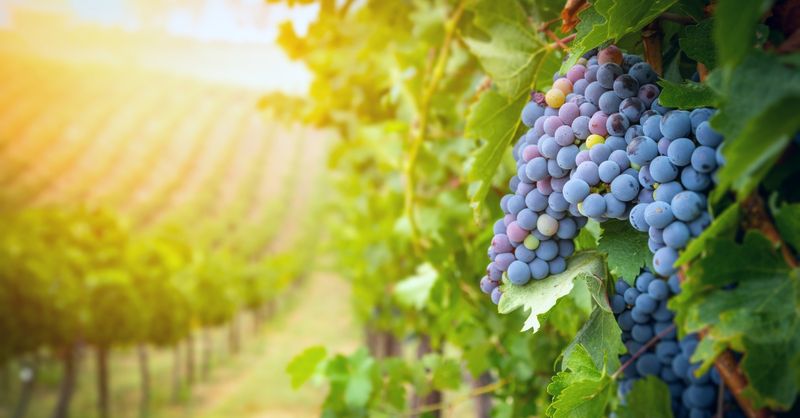
Grapevines are often associated with abundance and joy, frequently mentioned in biblical texts. Jesus referred to Himself as the “true vine,” symbolizing connection and spiritual nourishment.
In a garden, grapevines can create a lush canopy and provide sweet, juicy fruit.
Planting grapevines serves as a reminder of the deep spiritual connections fostered through faith, inviting contemplation and gratitude for the bountiful gifts of the spirit.
15. Lentil Plant
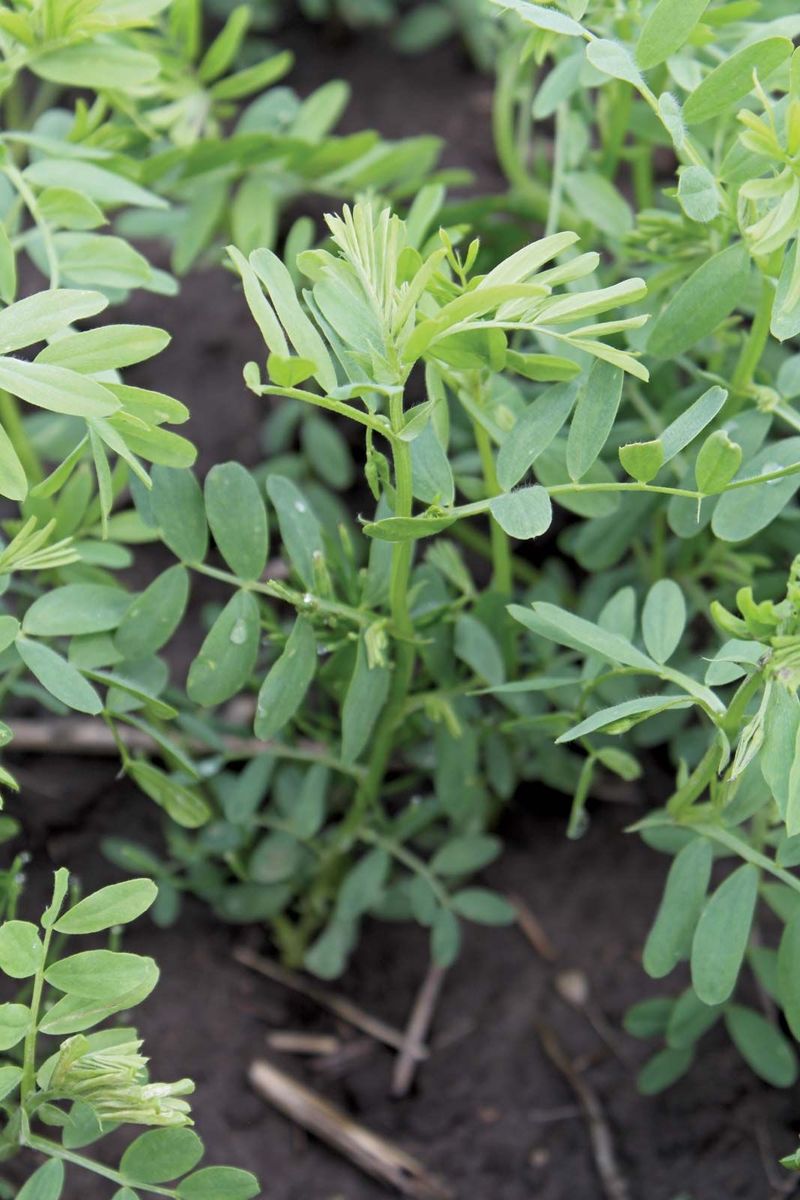
Lentils are mentioned in the Bible as a common food source, symbolizing nourishment and simplicity. They were part of the famous “pottage” for which Esau sold his birthright.
These legumes are easy to grow and can enrich the soil, making them a practical addition to any garden.
Incorporating lentils reminds you of the simple yet profound sustenance that faith provides, grounding your meditative space in humility and gratitude.
16. Saffron
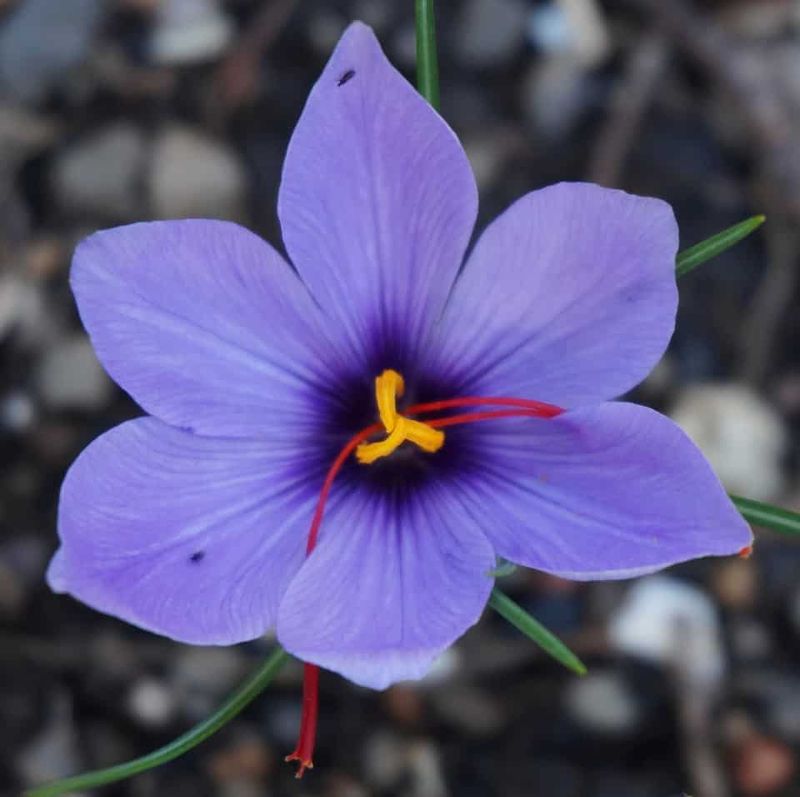
Saffron is referenced in the Song of Solomon, symbolizing luxury and beauty. Its delicate flowers produce the precious spice, known for its vibrant color and aroma.
Growing saffron adds a touch of elegance and rarity to your garden, with its flowers blooming in vibrant purples.
Incorporating saffron reminds you of the beauty and richness of faith, enhancing your meditation garden with its exotic presence and aromatic charm.
17. Reed

Reeds are often mentioned in the Bible, symbolizing fragility and humility. They grow abundantly near water and were used in ancient times for various practical purposes.
Their graceful movement and rustling sound can create a soothing atmosphere in your garden.
Incorporating reeds in your space invites contemplation on humility and the gentle strength found in faith, offering a serene backdrop for meditation near water features.
18. Lily
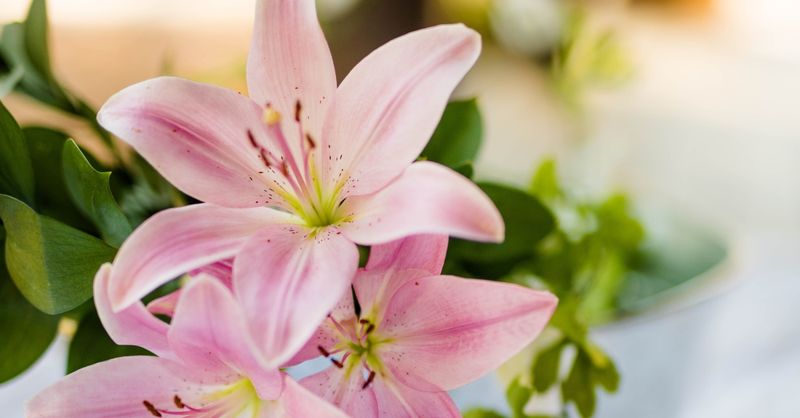
Lilies are celebrated in the Bible for their beauty and grace, symbolizing purity and divine favor. Jesus referenced them to illustrate God’s provision and care.
These flowers bring a sense of serenity and beauty to a garden, with their elegant blooms and sweet fragrance.
Planting lilies in your meditation garden can serve as a visual reminder of divine grace and the beauty found in simplicity, creating a peaceful environment for reflection.
19. Garlic
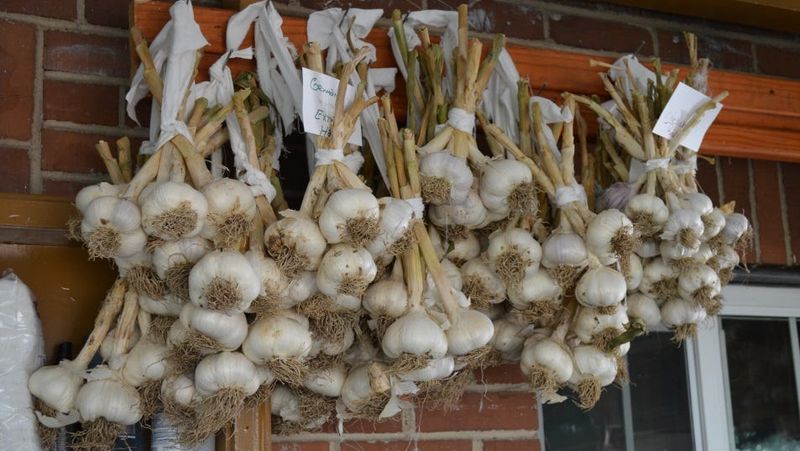
Garlic is mentioned in the Bible as part of the Israelites’ diet, symbolizing flavor and sustenance. Its pungent aroma and taste make it a staple in many culinary traditions.
Growing garlic in your garden adds both practicality and historical significance, with its bulbs being easy to cultivate.
Incorporating garlic offers a connection to the biblical narratives of provision and resilience, enhancing your garden’s role as a place of nourishment and spiritual growth.
20. Almond Tree
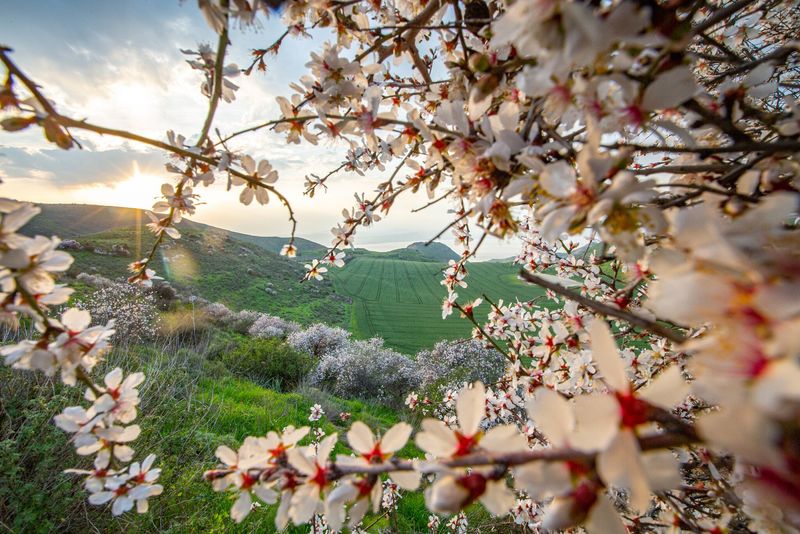
The almond tree is a symbol of watchfulness and renewal, mentioned in the Bible during Aaron’s rod blossoming. Its early blooms herald the arrival of spring, symbolizing new beginnings.
This tree’s beautiful flowers and nutritious nuts make it a valuable addition to any garden.
Planting an almond tree invites contemplation on renewal and the vigilant nature of faith, offering a place of beauty and inspiration in your meditation garden.