 Complete Gardening
Transforming your outdoor space doesn’t have to drain your wallet. With some creativity and elbow grease, you can create a beautiful landscape that impresses neighbors and provides enjoyment for years to come. These budget-friendly landscaping ideas will help you maximize your outdoor space while minimizing expenses.
1. Create a Mulch Pathway
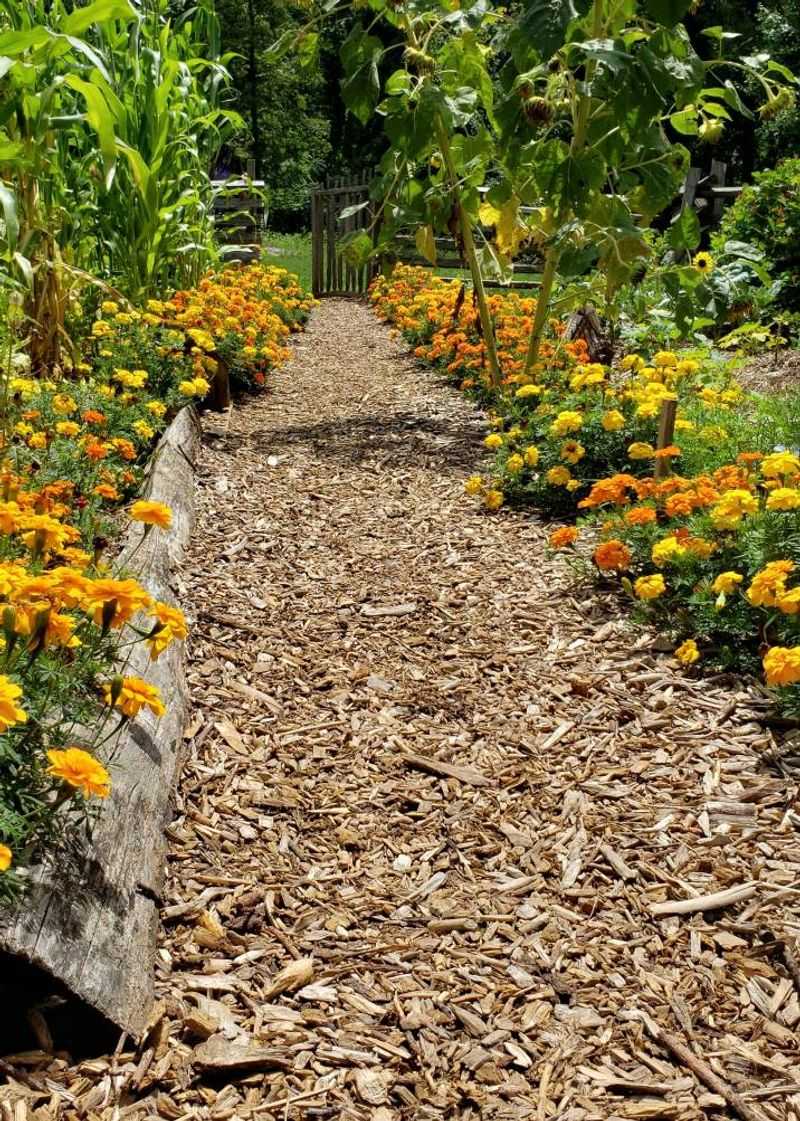
Mulch pathways offer an inexpensive alternative to stone or concrete walkways. Simply outline your desired path with landscape fabric to prevent weed growth, then spread a thick layer of mulch.
Cedar or pine bark mulch not only looks attractive but also smells wonderful when you walk on it. The natural appearance blends seamlessly with gardens and creates defined spaces in your yard without the hefty price tag of pavers.
2. Plant Perennial Flowers
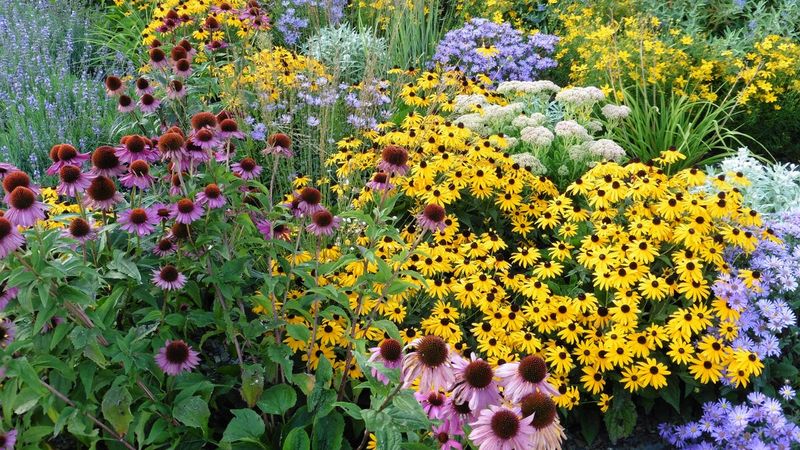
Unlike annuals that need replacing every year, perennials return season after season, saving money long-term. Choose native varieties like coneflowers, black-eyed Susans, or daylilies that thrive with minimal care.
Fall is actually the best time to find perennials on clearance at garden centers. Start with just a few plants and divide them every few years to multiply your garden’s beauty without additional cost.
3. Build a Rock Garden
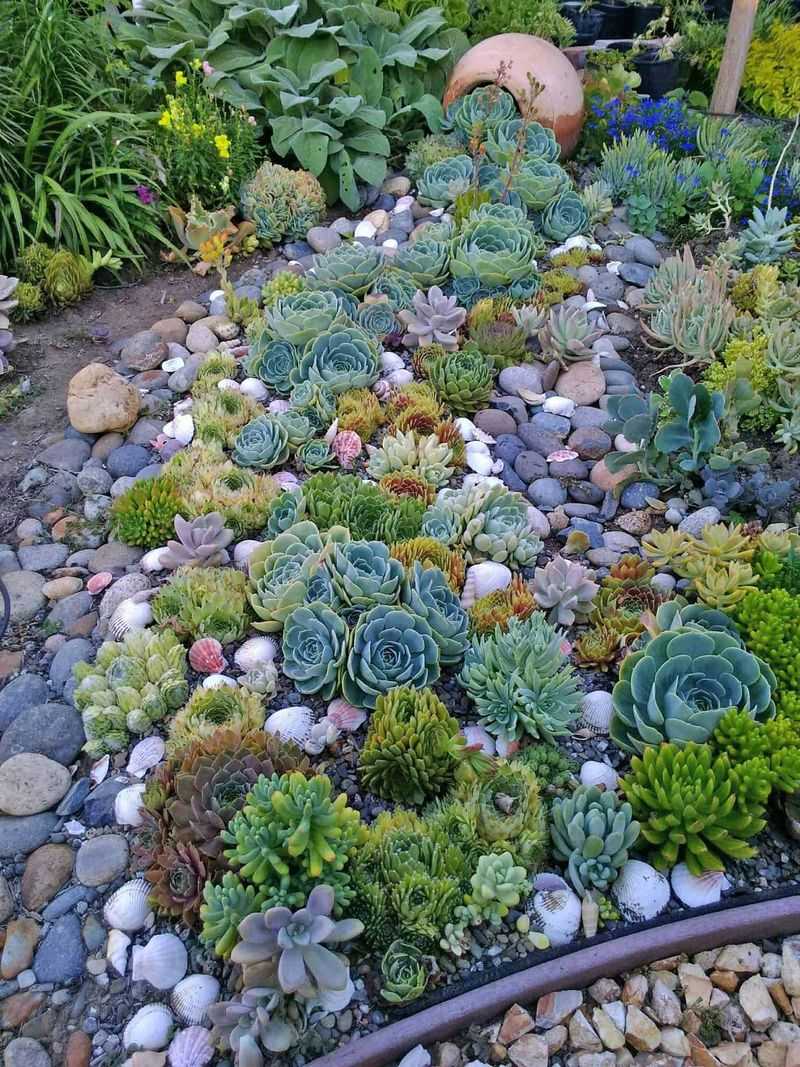
Rock gardens require minimal maintenance and can transform troublesome areas where grass won’t grow. Collect rocks from your property or ask neighbors with construction projects if they have extras to spare.
Arrange larger stones first, then fill gaps with smaller rocks and drought-resistant plants like sedums or hens-and-chicks. The beauty of rock gardens is they look better with age as plants spread and mature, creating a natural, established feel.
4. Repurpose Old Containers
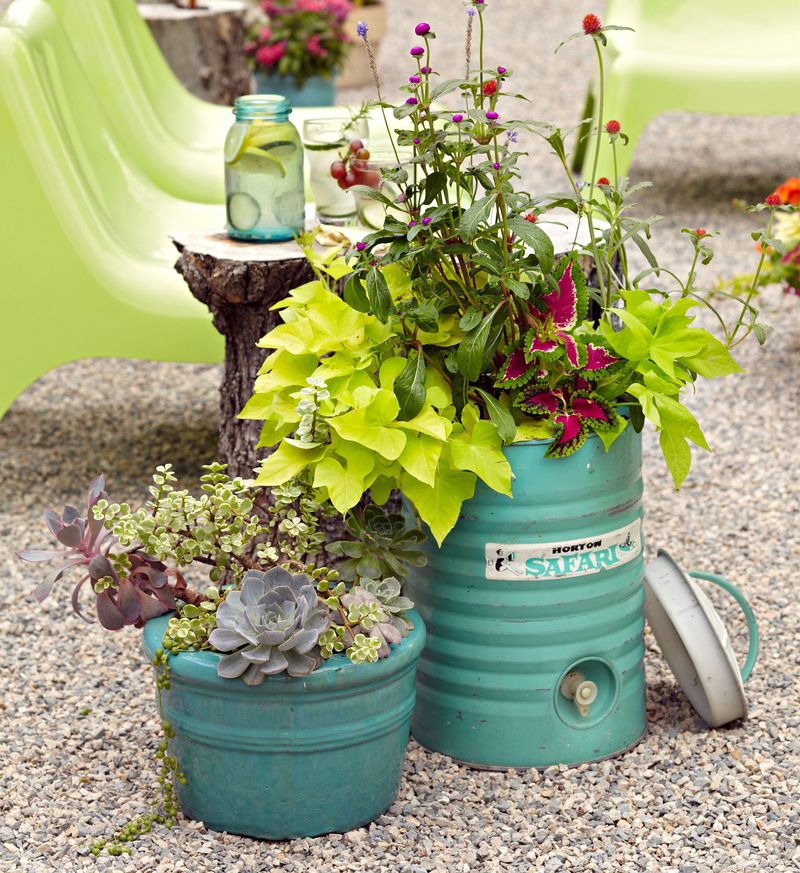
Before buying new planters, look around your home for items that could become unique containers. Old wheelbarrows, boots, wooden crates, or even chipped teapots make charming planters with character.
Just add drainage holes if needed and fill with soil and plants. Grouping several repurposed containers creates an eclectic display that adds personality to your garden. This approach not only saves money but also reduces waste.
5. Edge Flower Beds with Found Objects
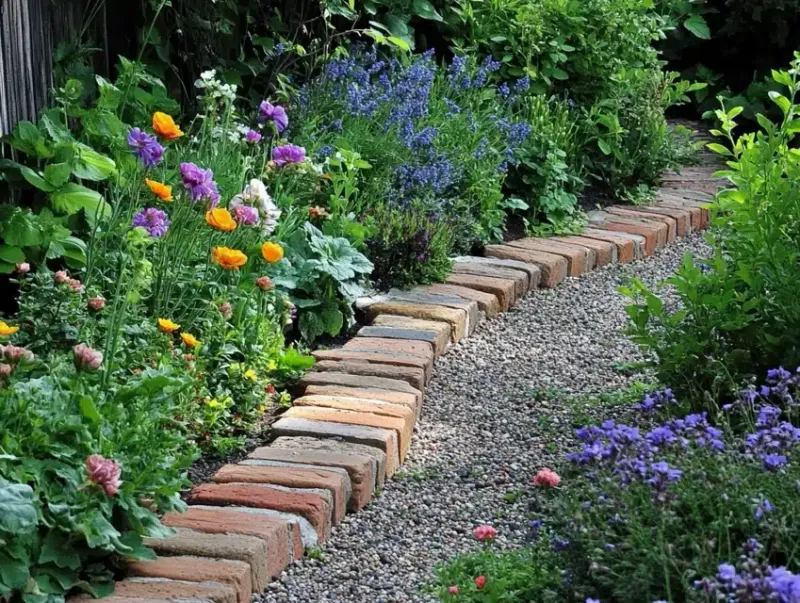
Creative edging defines garden spaces while preventing grass from invading your beds. Repurpose bricks from demolition sites, large rocks collected from your property, or even wine bottles pushed neck-down into the soil.
Fallen branches can be cut to similar lengths and partially buried to create a rustic border. For a more uniform look, check construction site dumpsters (with permission) for discarded materials that could find new life in your garden.
6. Start Composting
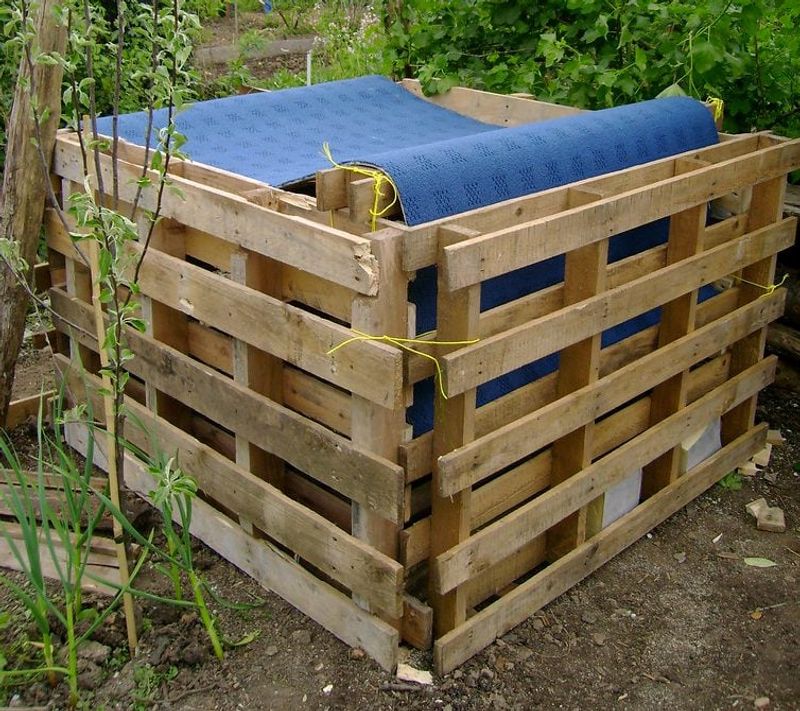
A compost bin transforms kitchen scraps and yard waste into rich soil for your garden. Build a simple bin using wooden pallets (often free from businesses) or even repurpose a garbage can by drilling drainage holes.
Layer green materials (vegetable scraps, coffee grounds) with brown materials (leaves, small twigs). Turn the pile occasionally, and within months you’ll have nutrient-rich compost that would otherwise cost $5-10 per bag at garden centers.
7. Divide Existing Plants
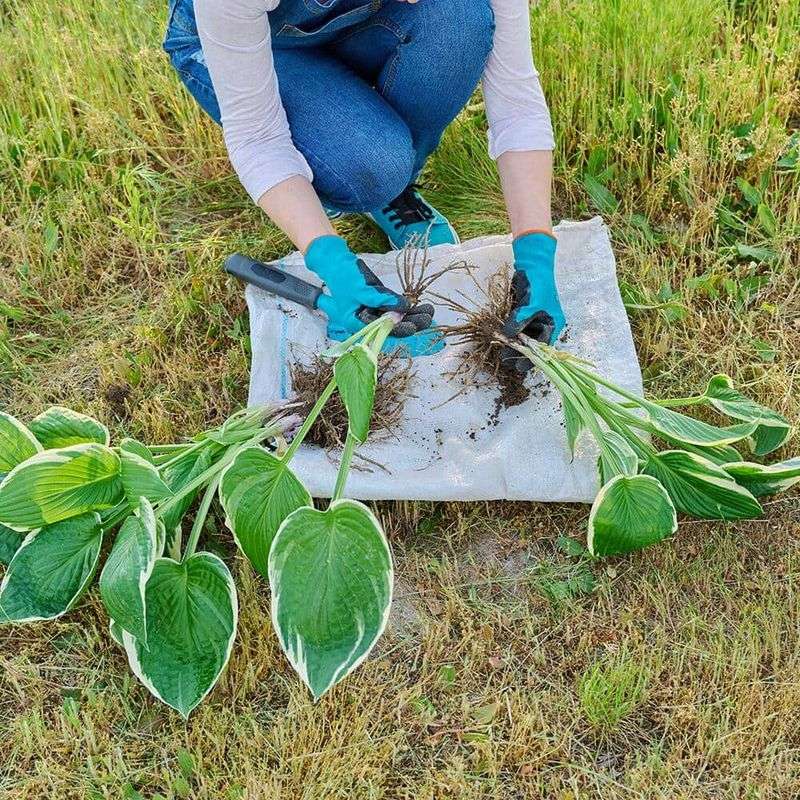
Many perennials, ornamental grasses, and shrubs can be divided every few years, essentially giving you free plants. Look for varieties that form clumps or have multiple stems emerging from the ground.
Spring or fall is ideal for dividing most plants. Simply dig up the entire plant, separate it into smaller sections with a sharp spade, and replant. Hostas, daylilies, and black-eyed Susans respond particularly well to division and will reward you with more vigorous growth.
8. Create a Gravel Seating Area
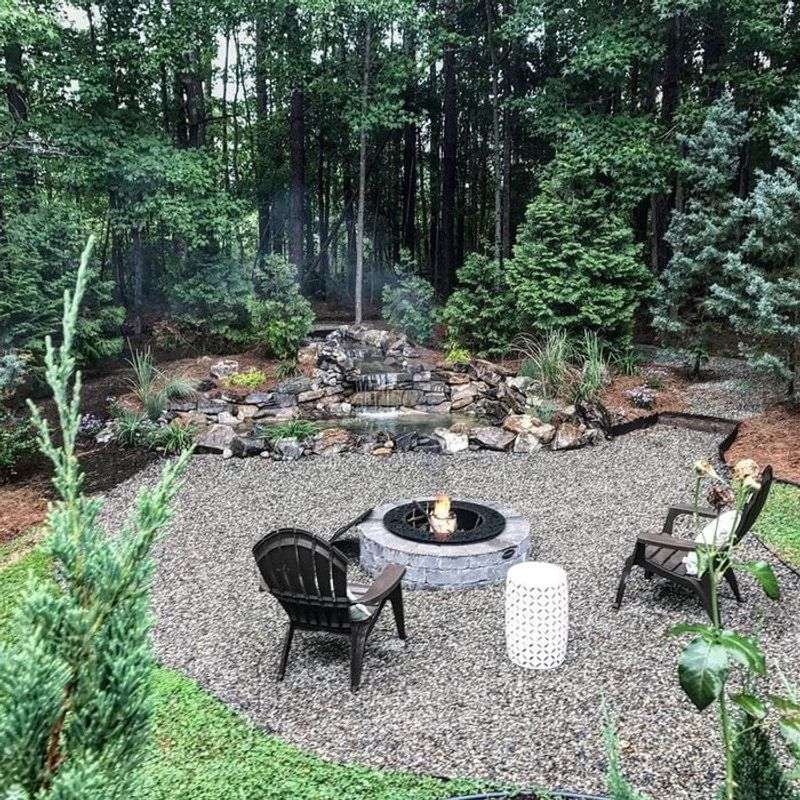
A simple gravel patio costs a fraction of concrete or pavers while still providing a functional outdoor space. Start by removing grass and weeds, then add landscape fabric to prevent future weed growth.
Add a 2-3 inch layer of gravel or crushed stone. For extra savings, check with local construction companies who might offer discounted or free delivery of leftover materials. Add inexpensive outdoor furniture or DIY seating to complete your new gathering space.
9. Plant Ground Covers Instead of Grass
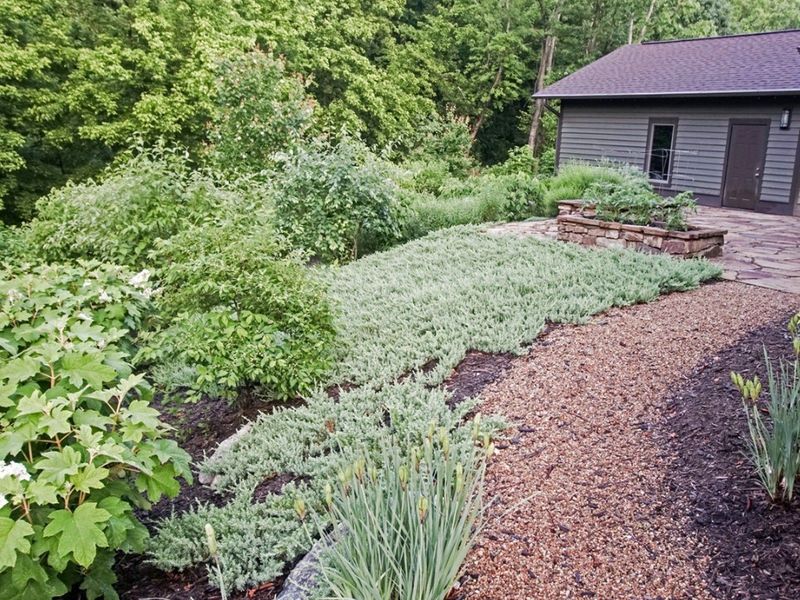
Ground covers can replace grass in difficult areas like steep slopes or deep shade where maintaining a lawn is challenging. Options like creeping thyme, clover, or ajuga spread naturally to fill spaces and require less water and mowing than traditional grass.
Many ground covers also produce attractive flowers that support pollinators. The initial cost might be higher than grass seed, but the long-term savings on water, fertilizer, and maintenance make ground covers an economical choice for problem areas.
10. Install a Simple Drip Irrigation System
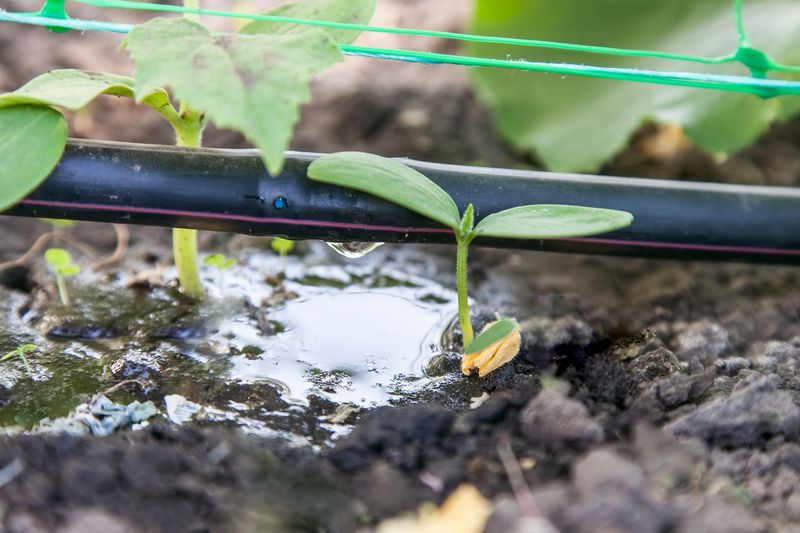
Drip irrigation delivers water directly to plant roots, reducing waste and lowering water bills. Basic DIY kits start around $30 and can be expanded as needed.
The system consists of flexible tubing with small holes or emitters placed near plants. Water seeps slowly into the soil rather than spraying into the air where much is lost to evaporation. Your plants will thrive with consistent moisture, and you’ll save time not having to hand-water.
11. Grow Plants from Seeds
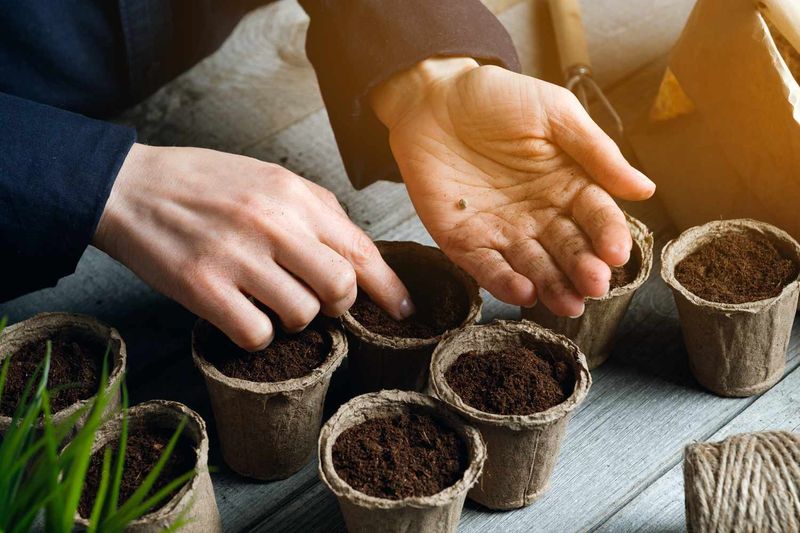
A packet of seeds costs a fraction of what you’d pay for established plants. Starting from seed allows you to grow varieties not commonly found at garden centers and produces dozens of plants for pennies each.
Begin seeds indoors 6-8 weeks before your last frost date using recycled containers like yogurt cups with drainage holes. Once seedlings develop, gradually acclimate them to outdoor conditions before planting. Save seeds from your garden at season’s end for truly free plants next year.
12. Add Solar Lighting
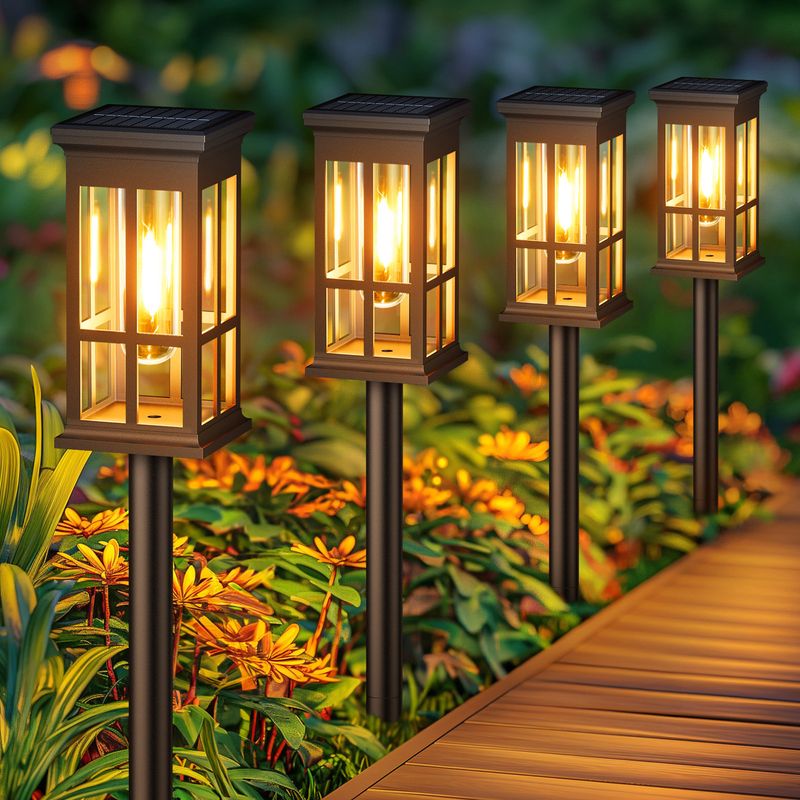
Solar lights have become incredibly affordable and require no wiring or electricity costs. Place them along pathways, near garden features, or hanging from tree branches to create magical evening ambiance.
Dollar stores often carry basic solar stake lights for as little as $1 each. For a more upscale look, watch for end-of-season sales at home improvement stores. The soft glow extends your enjoyment of outdoor spaces into the evening hours.
13. Create a Rain Garden
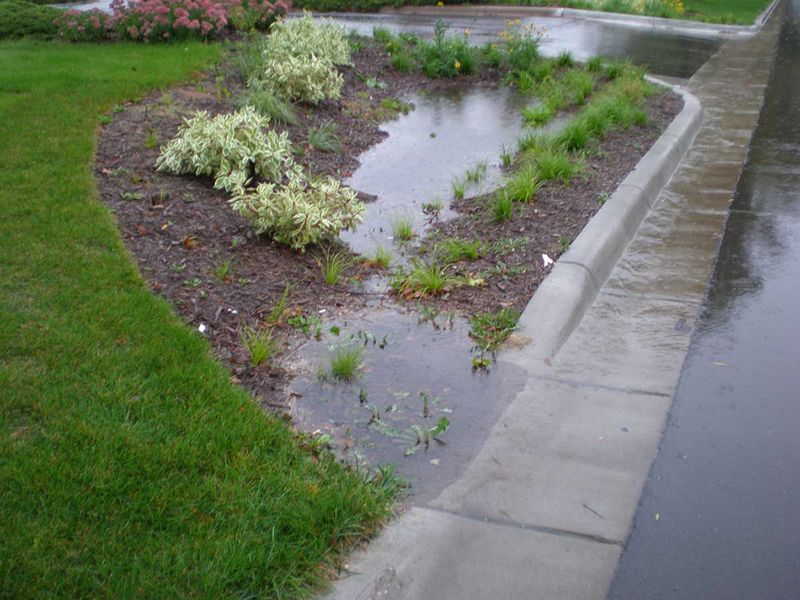
Rain gardens capture runoff from roofs and driveways, preventing erosion while creating a beautiful planted area. Identify a natural low spot in your yard or dig a shallow depression.
Plant water-loving native species that can handle both wet and dry conditions. Many municipalities offer free rain garden workshops and even plant discounts because of the environmental benefits. Besides looking attractive, your rain garden will reduce water pooling in unwanted areas after storms.
14. Build a Simple Trellis
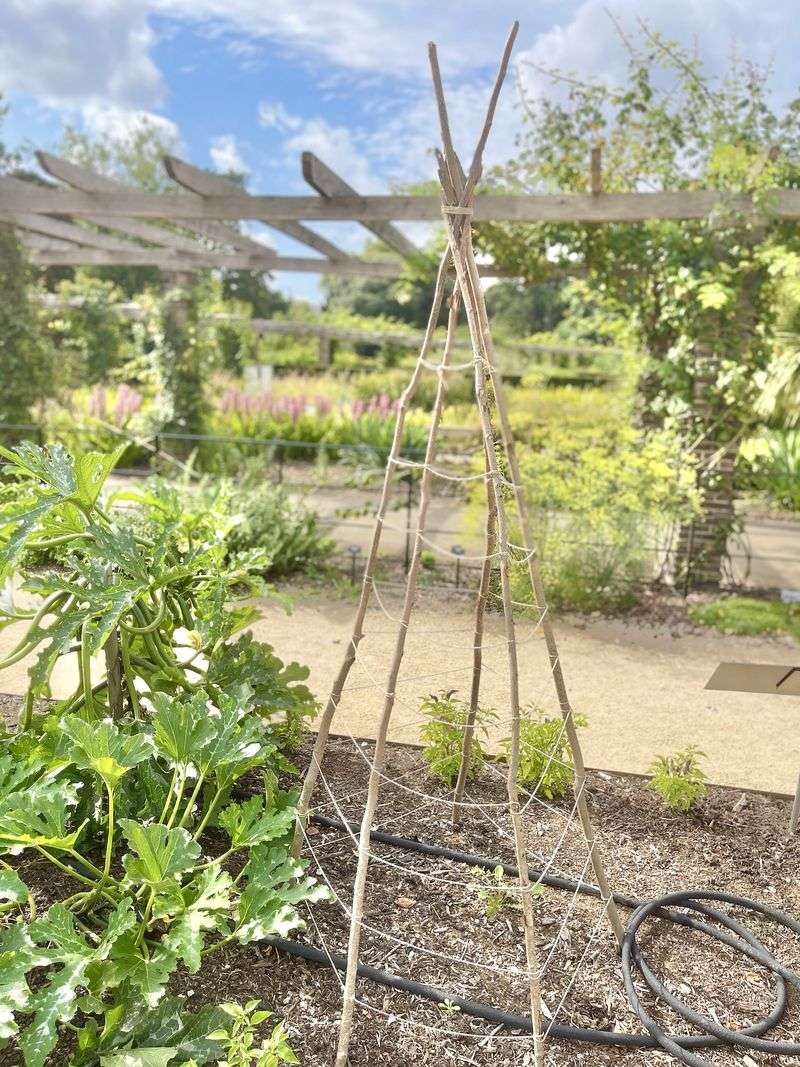
Vertical gardening maximizes space and creates visual interest. Construct a simple trellis using bamboo poles tied together with twine, repurposed wooden pallets stood upright, or even tree branches arranged in a grid pattern.
Plant climbing vegetables like cucumbers or flowering vines such as morning glories at the base. As plants grow upward, they create a living green screen that can hide unsightly views or provide privacy. Vertical elements also make small yards appear larger.
15. Use Newspaper as Weed Barrier
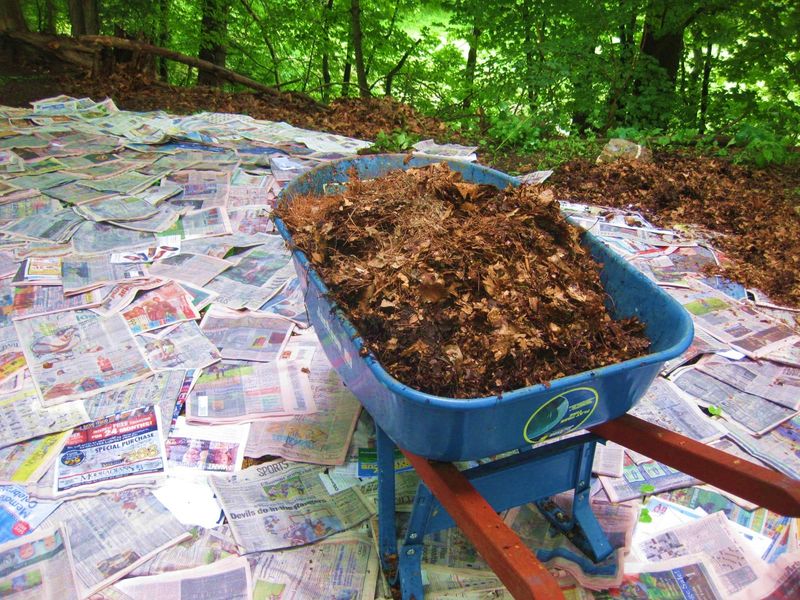
Skip expensive landscape fabric and use layers of newspaper to suppress weeds in garden beds. Simply overlap several sheets of newspaper (avoid glossy inserts), wet them thoroughly, and cover with mulch.
The newspaper blocks light to prevent weed growth while eventually decomposing to enrich the soil. For large areas, ask neighbors to save their newspapers or check with local recycling centers that might give you bundled papers for free.
16. Paint Outdoor Furniture
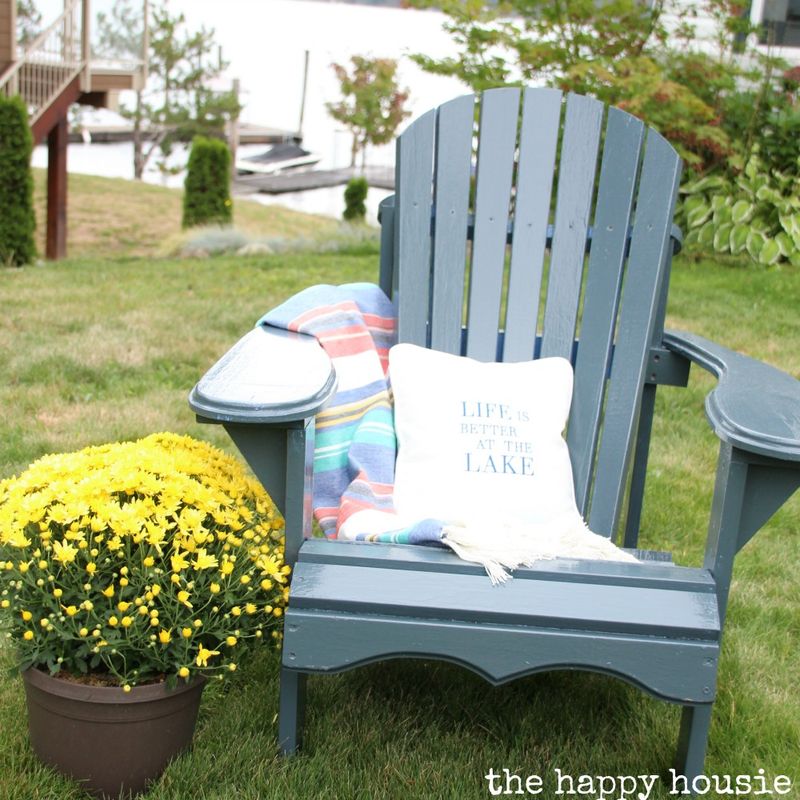
Transform tired patio furniture with a fresh coat of exterior paint instead of replacing it. Clean surfaces thoroughly, apply primer if needed, then add weather-resistant paint in a color that complements your outdoor space.
Mismatched yard sale or thrift store finds can become a cohesive set when painted the same color. Look for paint in the “oops” section where mistinted colors are sold at steep discounts. A $10 can of paint can completely rejuvenate furniture that would cost hundreds to replace.
17. Create a Meadow Area
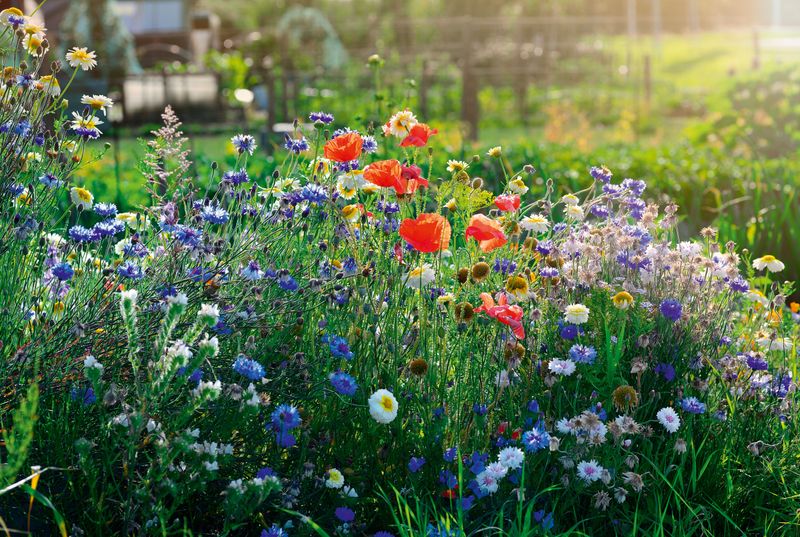
Convert part of your lawn into a low-maintenance wildflower meadow. Simply stop mowing a section of your yard and overseed with native wildflower mix suitable for your region.
The meadow will attract butterflies, bees, and birds while reducing the time and resources spent on lawn care. Maintain a mowed border around the meadow area to give it a deliberate, designed appearance that neighbors will appreciate. Cut back once yearly in late fall.
18. Add a Simple Water Feature
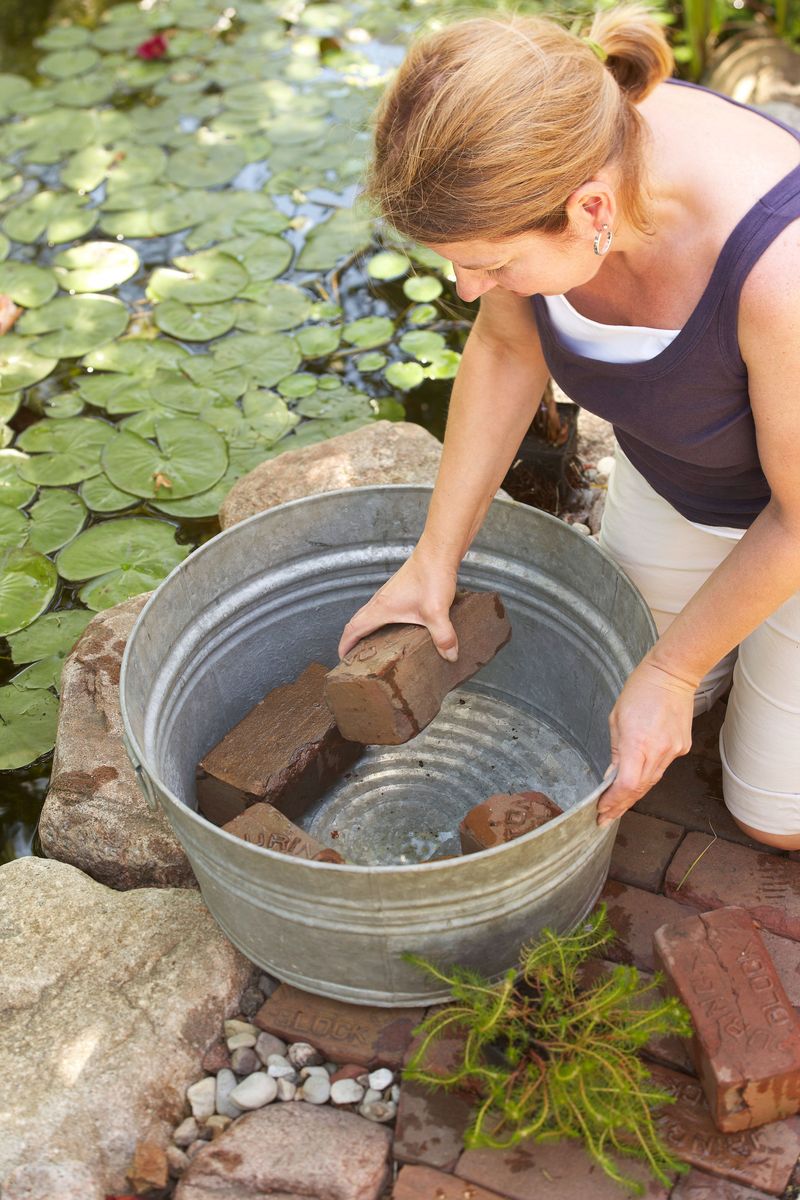
Water features create a peaceful atmosphere and attract wildlife. Create a container pond using a large plastic tub or galvanized trough partially buried in the ground.
Add a small solar fountain pump (under $20) for moving water that deters mosquitoes. Surround with rocks and aquatic plants like water lilies. The sound of trickling water adds a luxury feel to your garden that belies its modest cost.
19. Plant in Drifts for Impact
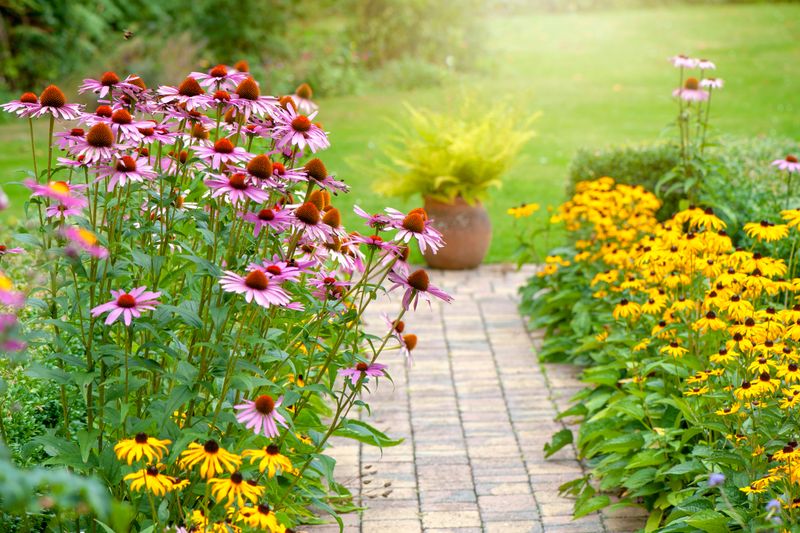
Professional-looking landscapes use groups of the same plant rather than single specimens. Buy fewer varieties but plant them in clusters of 3, 5, or 7 for greater visual impact.
This approach actually saves money since buying multiple plants of one type often costs less than selecting many different varieties. As plants mature and spread, they’ll create the lush, abundant look of expensive landscaping without the premium price tag.
20. Use Fallen Leaves as Mulch
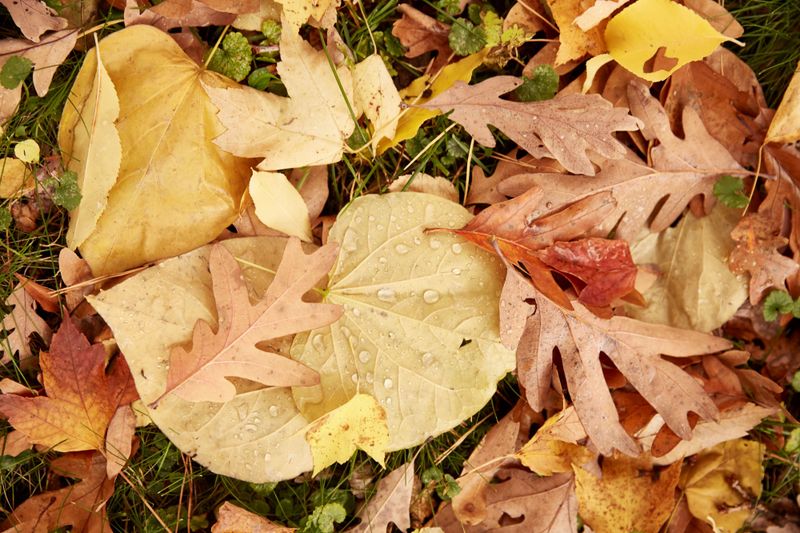
Fall leaves are garden gold that many people bag and discard. Instead, shred them with your lawn mower and use as free mulch around trees, shrubs, and in garden beds.
Leaf mulch suppresses weeds, retains moisture, and gradually breaks down to add valuable organic matter to the soil. For vegetable gardens, a thick layer of leaves in fall will decompose over winter, creating perfect planting conditions by spring.
21. Create Defined Edges Between Lawn and Beds
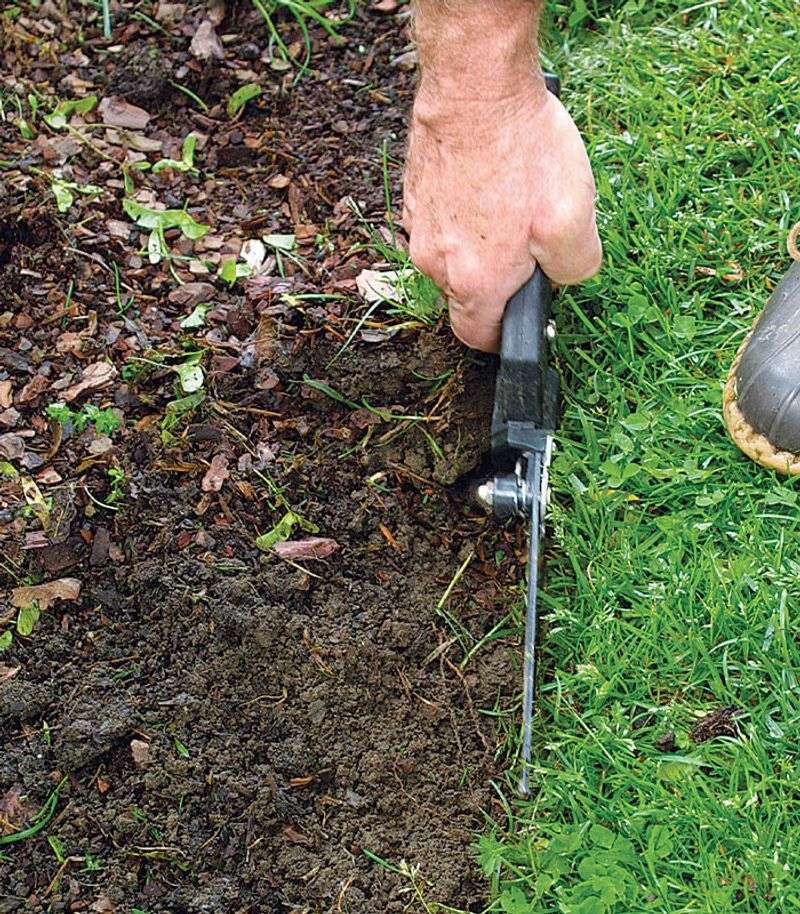
A clean edge between lawn and garden beds instantly elevates your landscape’s appearance. Use a flat-edged spade to cut a small V-shaped trench along the border.
This simple technique costs nothing but time and prevents grass from invading flower beds. For extra definition, the soil removed from the trench can be mounded slightly toward the garden side. Maintain the edge with occasional touch-ups using garden shears for a manicured look.