 Complete Gardening
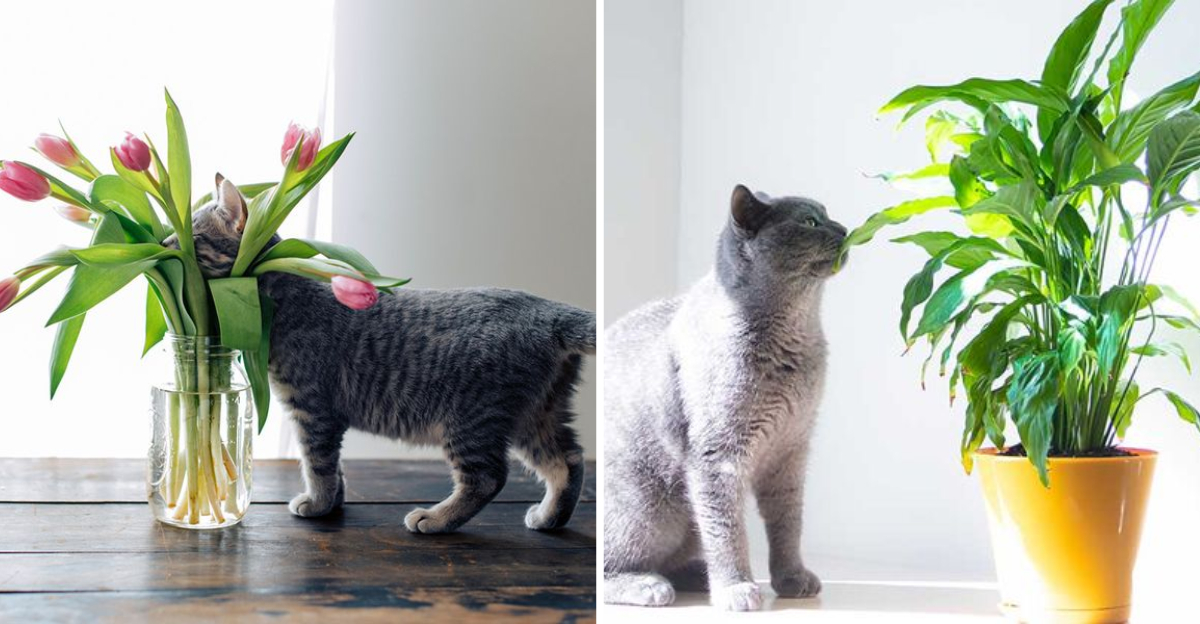
Houseplants can add beauty and tranquility to our living spaces, but not all are safe for our furry friends. While greenery offers a refreshing touch, certain plants harbor hidden dangers that could harm curious pets. This article explores twenty common houseplants that pose toxicity risks to dogs and cats, providing essential insights for pet owners. Learn about each plant’s toxic components, potential side effects, and preventative measures. By choosing pet-friendly plants or keeping toxic varieties out of reach, you can cultivate a safer, greener home. Discover how to balance aesthetics with safety, ensuring your living environment is both vibrant and pet-friendly.
1. Aloe Vera
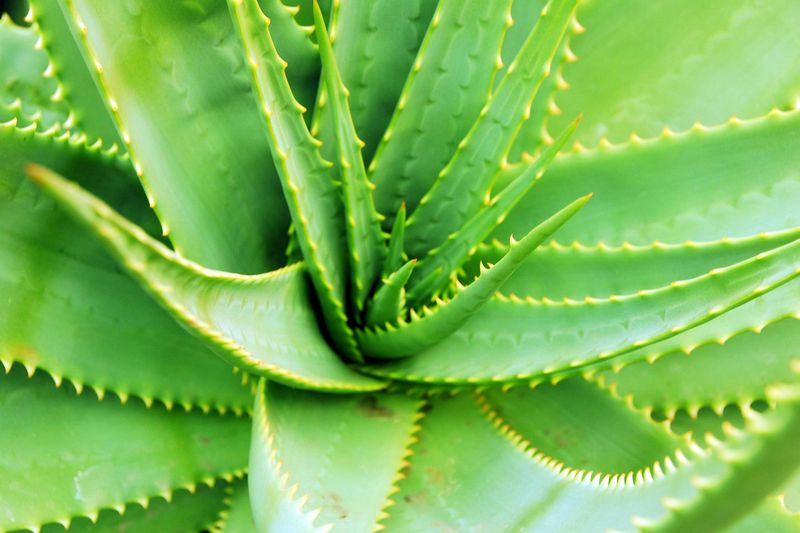
Aloe Vera, often celebrated for its medicinal properties, poses a hidden threat to pets. This succulent’s gel is renowned for soothing burns, but its leaves contain saponins and anthraquinones, which are toxic to both dogs and cats if ingested. Curious pets may be tempted by the plant’s spiky appearance, leading to unwanted snacking. Symptoms of ingestion include vomiting, diarrhea, and lethargy. It’s intriguing how a plant so beneficial to humans can spell trouble for our animal companions. To keep your pets safe, place Aloe Vera plants on high shelves or in rooms your pets can’t access.
2. Dieffenbachia
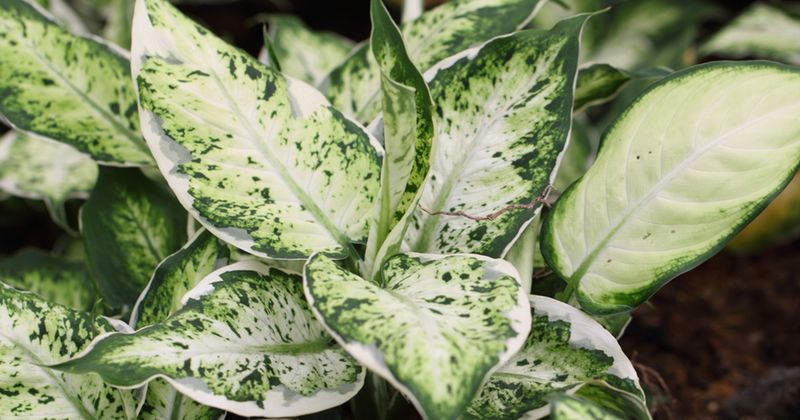
Dieffenbachia, also known as Dumb Cane, is a popular houseplant known for its striking foliage. However, its allure masks a dangerous secret. The plant contains calcium oxalate crystals, which can cause intense oral irritation in pets. If chewed, these needle-like crystals may lead to burning, excessive drooling, and swelling of the mouth, tongue, and throat. This discomfort is a stark contrast to the plant’s decorative appeal. For pet owners, it’s crucial to keep Dieffenbachia out of reach or opt for safer alternatives like spider plants. A mindful choice can prevent a painful experience for your furry friends.
3. Philodendron
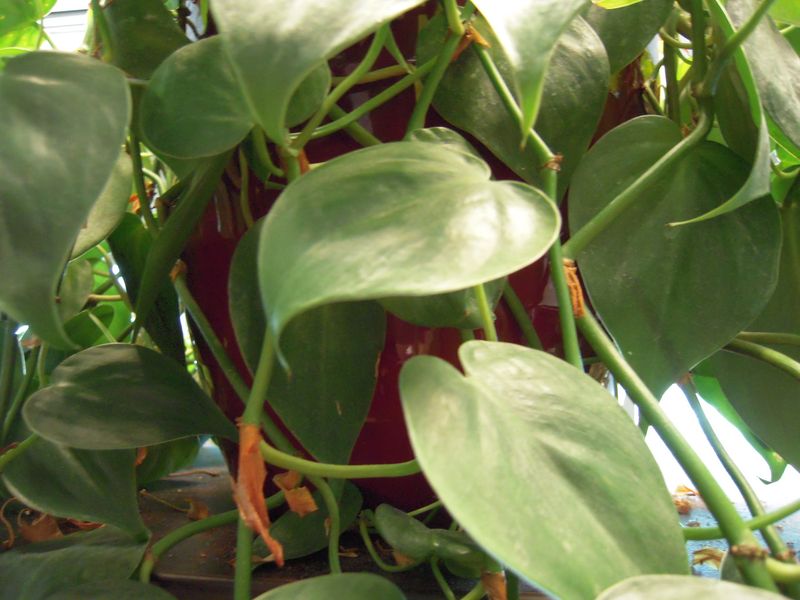
Philodendrons are cherished for their lush, green foliage and adaptability. Unfortunately, they pose significant risks to pets due to insoluble calcium oxalates. Ingestion can result in oral irritation, vomiting, and difficulty swallowing. Their cascading vines might tempt cats and dogs to nibble, unaware of the discomfort it may cause. Keep these plants out of paw’s reach, or consider displaying them in hanging baskets inaccessible to pets. Philodendrons offer beauty and elegance, but pet safety should always come first. Opt for non-toxic alternatives to ensure harmony between your greenery and your pet’s well-being.
4. Peace Lily
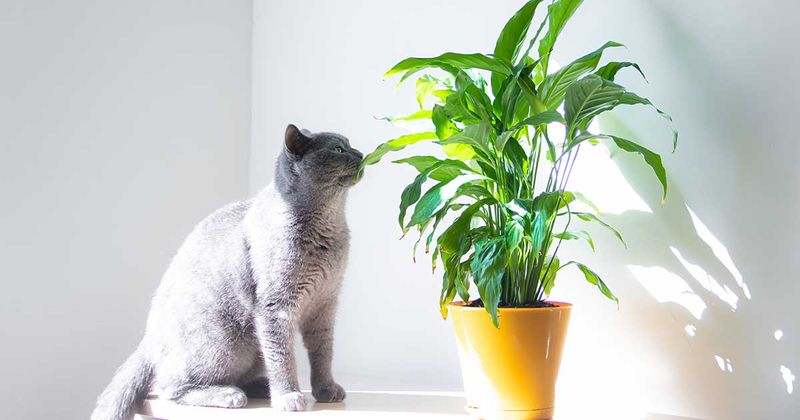
The Peace Lily, with its serene white blooms, exudes tranquility. Yet, this flower veils a toxic reality for pets. Containing insoluble calcium oxalates, Peace Lilies can induce oral irritation and digestive distress in cats and dogs. Their inviting petals might attract curious noses, leading to ingestion. Symptoms include drooling, pawing at the mouth, and decreased appetite. Despite its calming aura, this plant demands caution. By placing Peace Lilies out of reach or substituting them with pet-safe varieties, you can maintain both aesthetic appeal and your pet’s health. Balance beauty with responsibility in your home.
5. Snake Plant
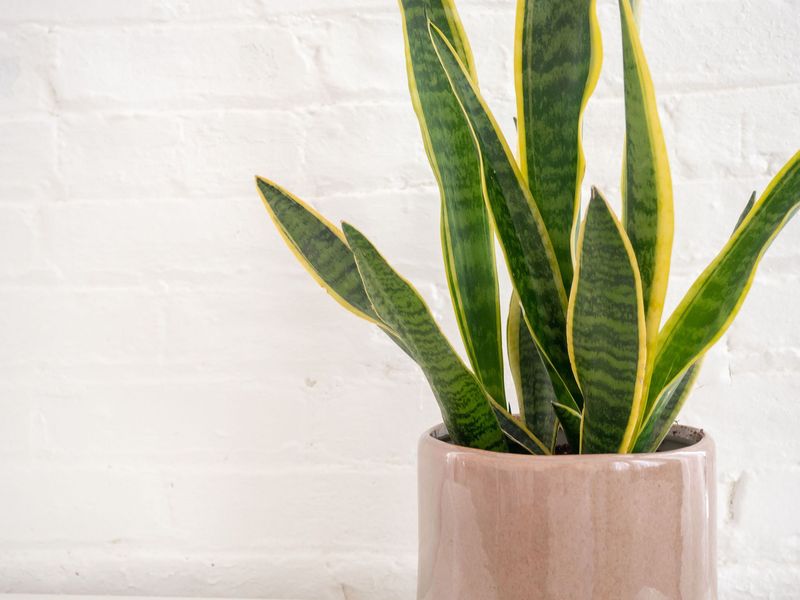
Snake Plants are admired for their architectural beauty and air-purifying qualities. However, they conceal a toxic secret. The plant contains saponins, which can cause nausea, vomiting, and diarrhea in pets if consumed. Their stiff, upright leaves might intrigue pets, but a closer investigation could lead to discomfort. Despite their benefits, Snake Plants must be handled with care in pet-friendly households. Placing them in elevated or isolated spots can minimize risks. For those seeking both style and safety, consider pet-safe alternatives that won’t compromise your décor or your pet’s well-being.
6. Sago Palm
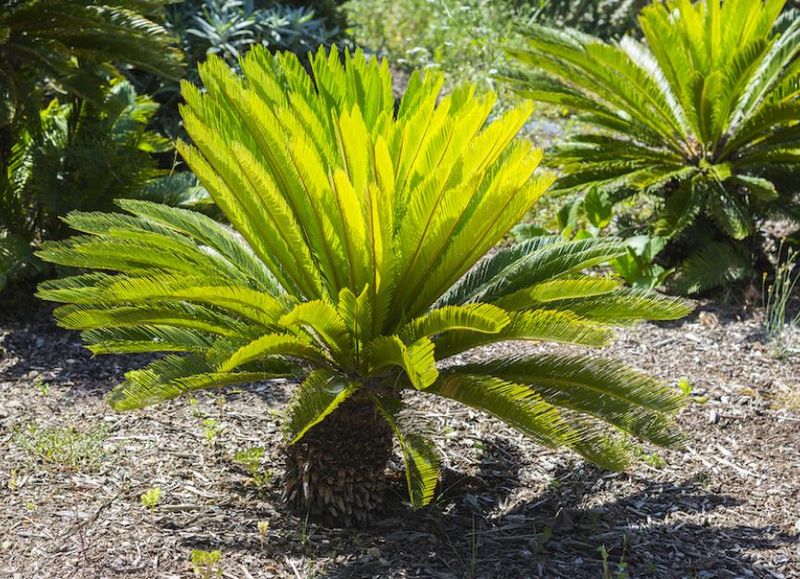
Sago Palm is an ancient plant with an exotic allure, yet it’s perilous for pets. Every part of this plant is toxic, particularly the seeds, which contain cycasin. Ingestion can lead to severe liver failure in dogs and cats. The palm’s tropical appearance might tempt pets to explore, unaware of the grave consequences. Symptoms of poisoning include vomiting, diarrhea, and even seizures. It’s a sobering reminder that not all beauty is benign. Pet owners should avoid this plant entirely or ensure it remains completely inaccessible to curious companions. Choose wisely for a pet-safe garden.
7. Jade Plant
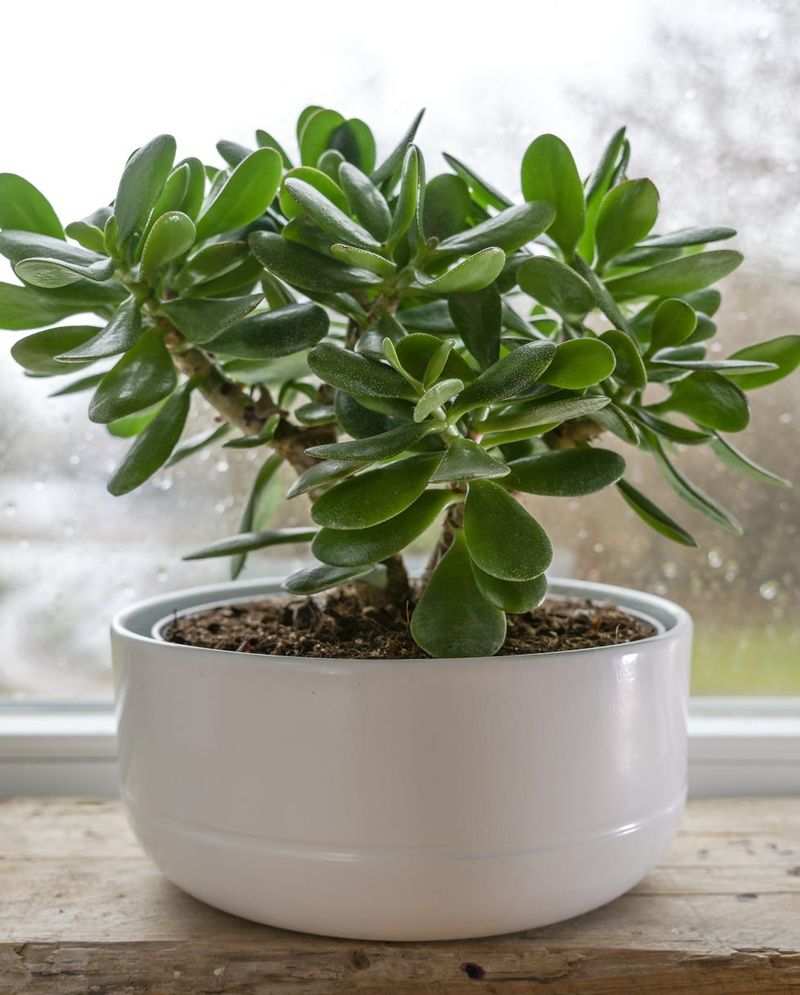
The Jade Plant, often seen as a symbol of good fortune, can bring misfortune to pets. Its fleshy leaves contain unknown toxins that can cause vomiting, incoordination, and depression in cats and dogs. Though its compact size makes it a popular choice for indoor gardens, pet owners should exercise caution. The plant’s intriguing appearance might lure pets into a dangerous taste test. To ensure safety, place Jade Plants on high shelves or in rooms away from pet access. Happiness in your home should come without hidden hazards. Choose pet-friendly plants for a worry-free environment.
8. Caladium
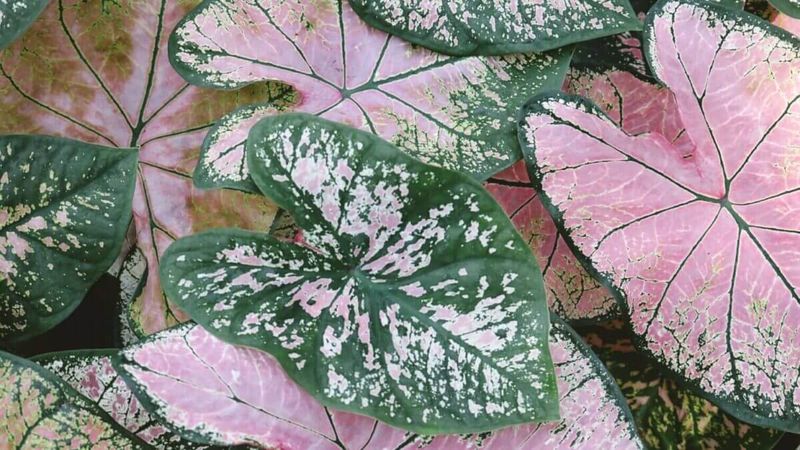
Caladium, known for its vibrant, heart-shaped leaves, offers a visual spectacle. Despite their beauty, these plants contain calcium oxalate crystals, posing a risk to pets. Ingestion can lead to oral pain, swelling, and digestive issues. The plant’s colorful foliage might tempt pets, mistaking it for a treat. Symptoms include pawing at the mouth and excessive drooling. Awareness is key for pet owners. By choosing non-toxic plants or restricting access to Caladiums, you can prevent potential harm. Let your garden be a safe haven, boldly displaying color without compromising on safety.
9. Oleander

Oleander, with its striking flowers, evokes Mediterranean charm. However, this plant harbors a deadly secret. All parts of Oleander contain cardiac glycosides, which can be fatal to pets if ingested. The alluring blooms could entice pets, unaware of the danger. Symptoms of poisoning include drooling, tremors, and heart arrhythmias. This beautiful yet perilous plant requires vigilant care. Pet owners should consider eliminating Oleander from their gardens or ensuring it’s completely out of reach. A stunning garden shouldn’t come at the cost of a pet’s safety. Choose wisely to protect your cherished companions.
10. Pothos
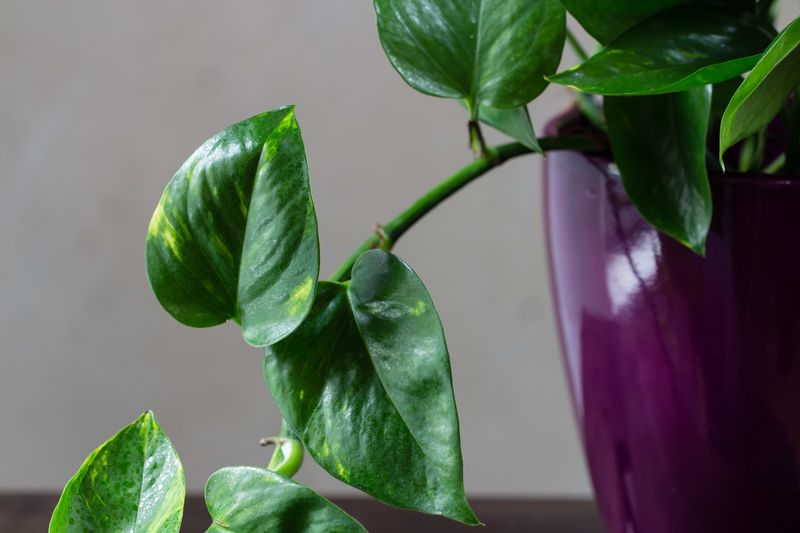
Pothos, also known as Devil’s Ivy, is a favorite for its hardy nature and vibrant foliage. Unfortunately, this plant can be a menace to pets. It contains insoluble calcium oxalates, which can cause oral irritation, drooling, and vomiting in cats and dogs. The trailing vines might seem like a playful toy to pets, leading to unwanted nibbles. To keep your pets safe, hang Pothos plants in high locations or opt for alternative greenery. A well-curated home balances lushness with safety, ensuring your pets can explore without harm. Thoughtful placement is key for harmonious living spaces.
11. Azalea

Azaleas, with their vivid blooms, add a splash of color to any garden. Yet, these plants are deceptive in their beauty. They contain grayanotoxins, which can be harmful to pets. Ingestion may lead to vomiting, drooling, and even more severe symptoms like coma or death. The alluring flowers might attract pets, unaware of the danger. As a precaution, pet owners should consider safer alternatives or ensure Azaleas are out of reach. A colorful garden should not compromise the well-being of your pets. Thoughtful planning can create a safe and stunning outdoor environment.
12. Tulip
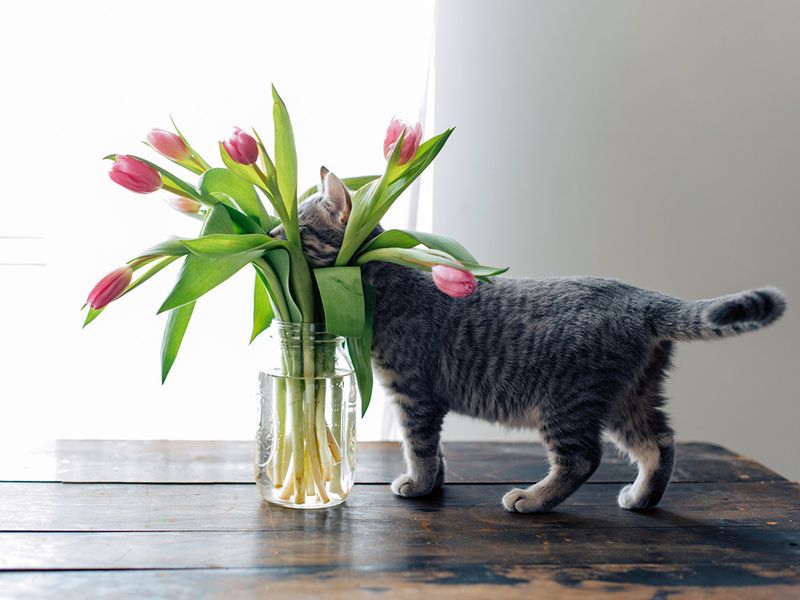
Tulips are synonymous with spring and beauty. However, these vibrant flowers can pose a threat to pets. Tulip bulbs contain toxins that can cause vomiting, diarrhea, and drooling in both cats and dogs. The allure of their bright colors might tempt pets to dig and chew. To prevent mishaps, plant tulips in areas inaccessible to pets or consider alternative blooms. A garden bursting with color should also be a safe haven for your furry friends. By choosing pet-friendly plants, you can enjoy the splendor of spring without concern. Balance beauty with vigilance.
13. Cyclamen

Cyclamen, with its delicate flowers and variegated leaves, is a charming indoor plant. Yet, it’s important to recognize its hidden dangers. The plant contains cyclamen, a toxic compound that can induce vomiting, diarrhea, and even seizures in pets. Its alluring appearance might entice pets, unaware of the potential harm. To prevent accidents, place cyclamen plants on high shelves or choose pet-safe alternatives. A home adorned with plants should never compromise on safety. Awareness and strategic placement can ensure your living space remains both beautiful and secure for your furry companions.
14. Daffodil

Daffodils herald the arrival of spring with cheerful blooms. However, their beauty belies a toxic nature. All parts of the daffodil contain lycorine, which can cause vomiting, diarrhea, and even more severe symptoms in pets. The bright flowers might attract curious noses, leading to accidental ingestion. To ensure your garden remains safe, consider planting daffodils in pet-free zones or opting for non-toxic alternatives. A vibrant spring garden should provide joy without risks. Thoughtful choices and strategic planting can protect your pets while allowing your garden to flourish.
15. English Ivy
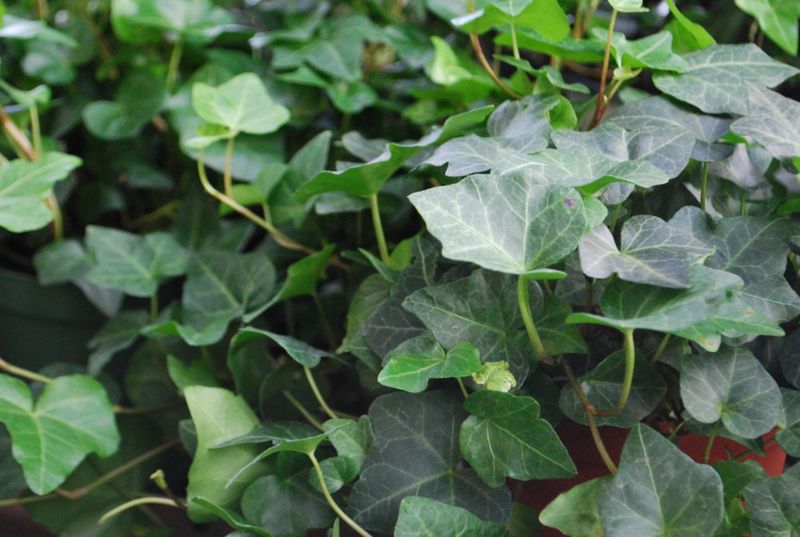
English Ivy, with its lush vines, evokes a sense of timeless elegance. Yet, it conceals a toxic secret. This plant contains triterpenoid saponins, which can lead to vomiting, abdominal pain, and hypersalivation in pets. Its trailing leaves might intrigue pets, leading to a dangerous taste test. To avoid mishaps, ensure Ivy is grown in inaccessible areas or select pet-safe alternatives. A home adorned with greenery should prioritize safety alongside aesthetics. With careful planning, you can enjoy the charm of English Ivy while safeguarding your furry companions’ well-being.
16. Hyacinth
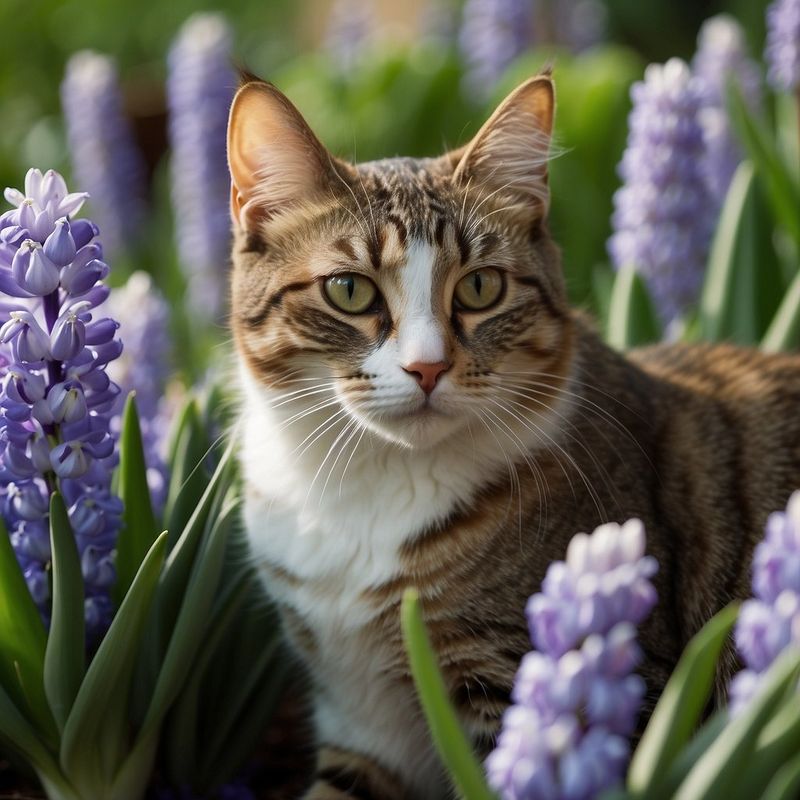
Hyacinths bring fragrant elegance to any space. However, they pose a threat to pets, especially through their bulbs. Containing oxalic acid, hyacinths can cause vomiting, diarrhea, and drooling if ingested by pets. Their vibrant colors might attract pets, unaware of the danger hidden beneath the soil. To ensure safety, plant hyacinths in areas your pets can’t access or consider safer floral options. A fragrant garden should also be a secure haven for your pets. Thoughtful plant placement can allow you to enjoy their beauty without compromising pet safety.
17. Ivy Arum
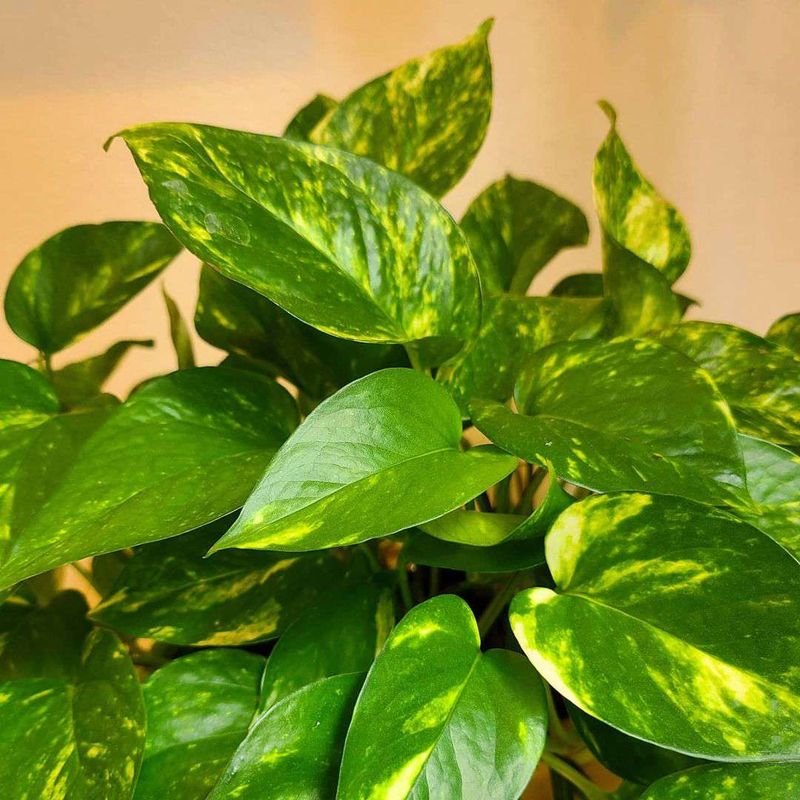
Ivy Arum, also known as Golden Pothos, is celebrated for its vibrant foliage and easy care. However, this plant poses risks to pets due to insoluble calcium oxalates. Ingestion can lead to oral irritation, vomiting, and difficulty swallowing. Its hanging vines might entice pets for a closer inspection, unaware of the discomfort it may cause. Keep these plants out of paw’s reach to ensure a safe living environment. Opting for non-toxic alternatives can harmonize your love for greenery with your pet’s safety. Carefully curated spaces can be both beautiful and secure.
18. Lilies
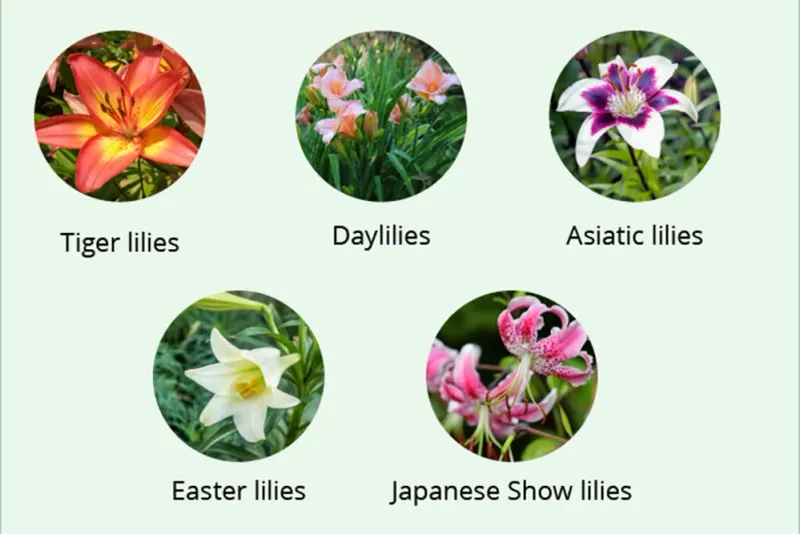
Lilies are renowned for their elegant beauty, yet they are among the most toxic plants for cats. Ingestion can lead to kidney failure, and even a small amount of pollen can be harmful. Their enticing flowers might tempt curious cats, unaware of the potential danger. Symptoms include vomiting, lethargy, and loss of appetite. For cat owners, it’s crucial to avoid lilies altogether or ensure they’re completely out of reach. A garden’s elegance should not come at the expense of your cat’s health. Choose wisely to maintain a safe and beautiful home environment.
19. Monstera
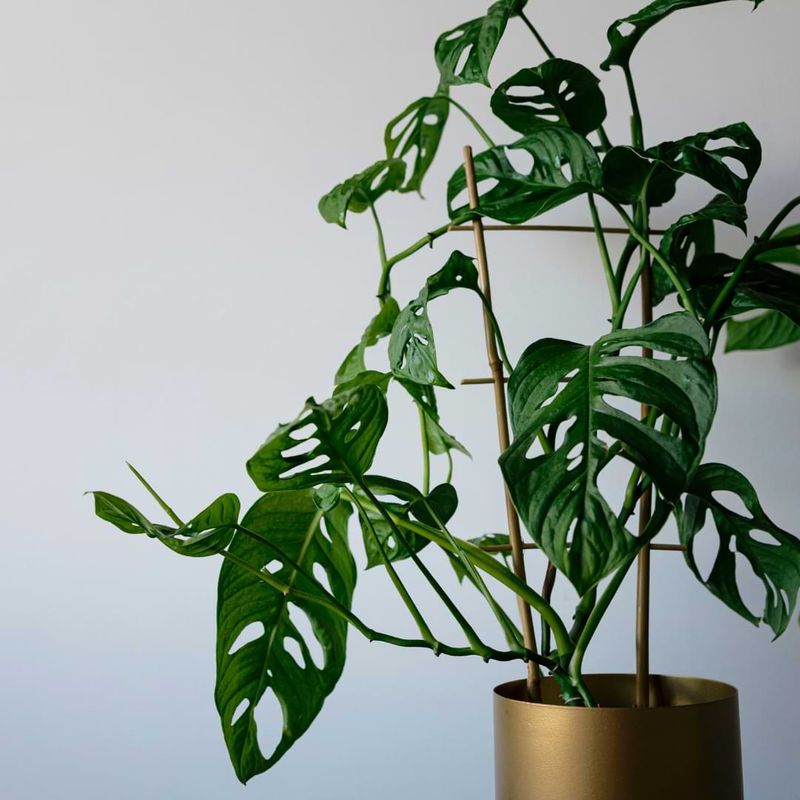
Monstera, with its iconic split leaves, adds a touch of tropical flair to interiors. Despite its allure, Monstera contains insoluble calcium oxalates, leading to oral irritation and digestive distress in pets. Cats and dogs might be tempted by its lush foliage, unaware of the discomfort it may cause. To prevent mishaps, place Monstera plants on high shelves or in rooms pets can’t access. A home filled with greenery should also prioritize pet safety. Thoughtful plant placement can allow you to enjoy Monstera’s beauty without compromising your pet’s well-being.
20. Ficus
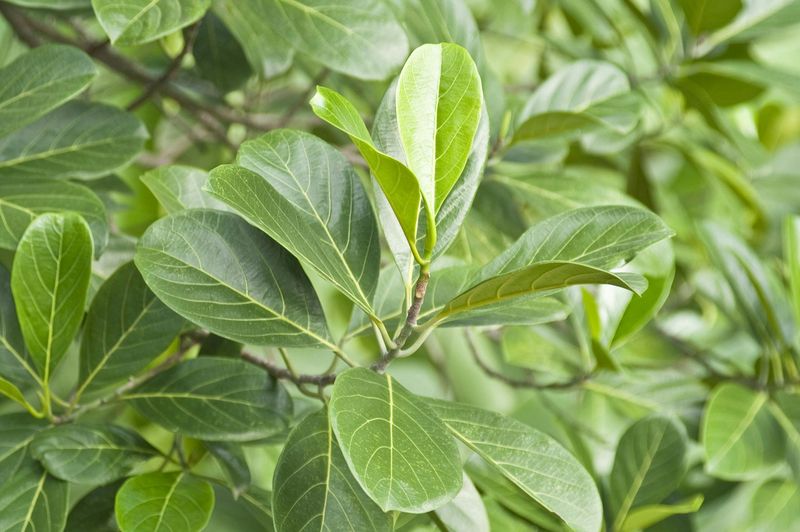
The Ficus, a staple in many homes, is admired for its glossy leaves and robust growth. However, it holds potential danger for pets. The plant contains irritants that can cause vomiting and skin irritation. Its appealing foliage might lure pets, unaware of the hidden risks. Symptoms of ingestion include drooling and vomiting. Pet owners should consider placing Ficus plants in elevated areas or opting for safer alternatives. A stylish home should not jeopardize your pet’s health. With careful planning, you can enjoy the benefits of indoor plants while ensuring your pets’ safety.