 Complete Gardening
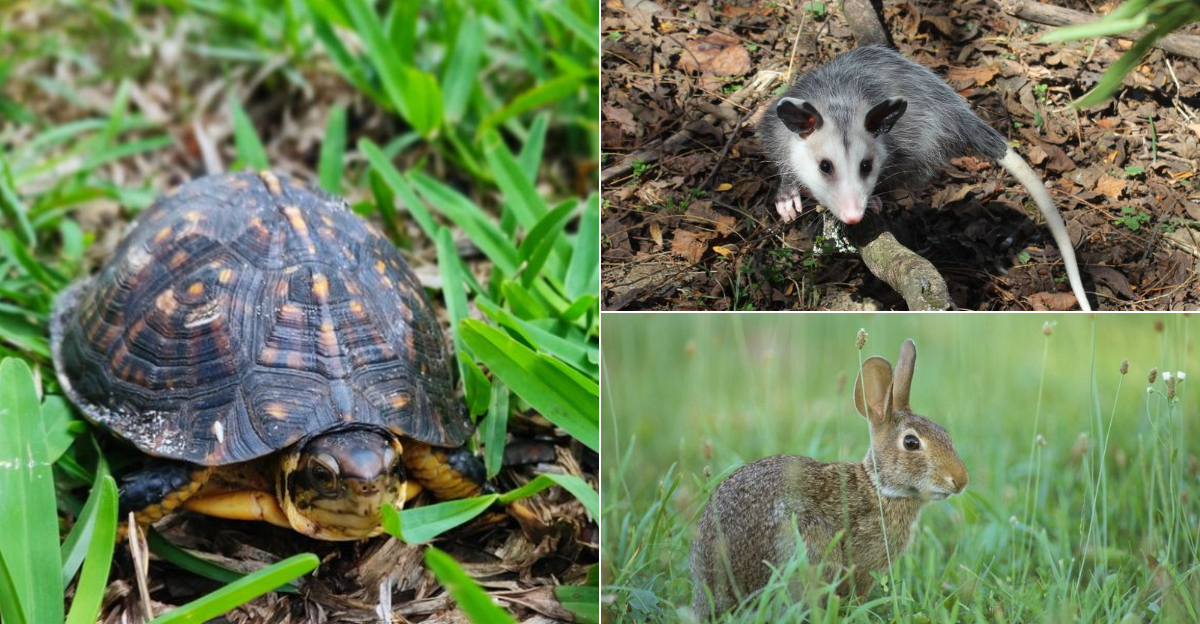
In various parts of the world, certain creatures have found sanctuary in legal protections that make it unlawful to remove them from your property. These laws are in place to conserve biodiversity and ensure the safety of species that play critical roles in their ecosystems. While they might occasionally be inconvenient, these animals are often crucial for maintaining ecological balance, and their protections help safeguard the natural world for future generations. Let’s explore 20 such fascinating creatures that you’re obligated to share your yard with, whether you like it or not.
1. American Robin
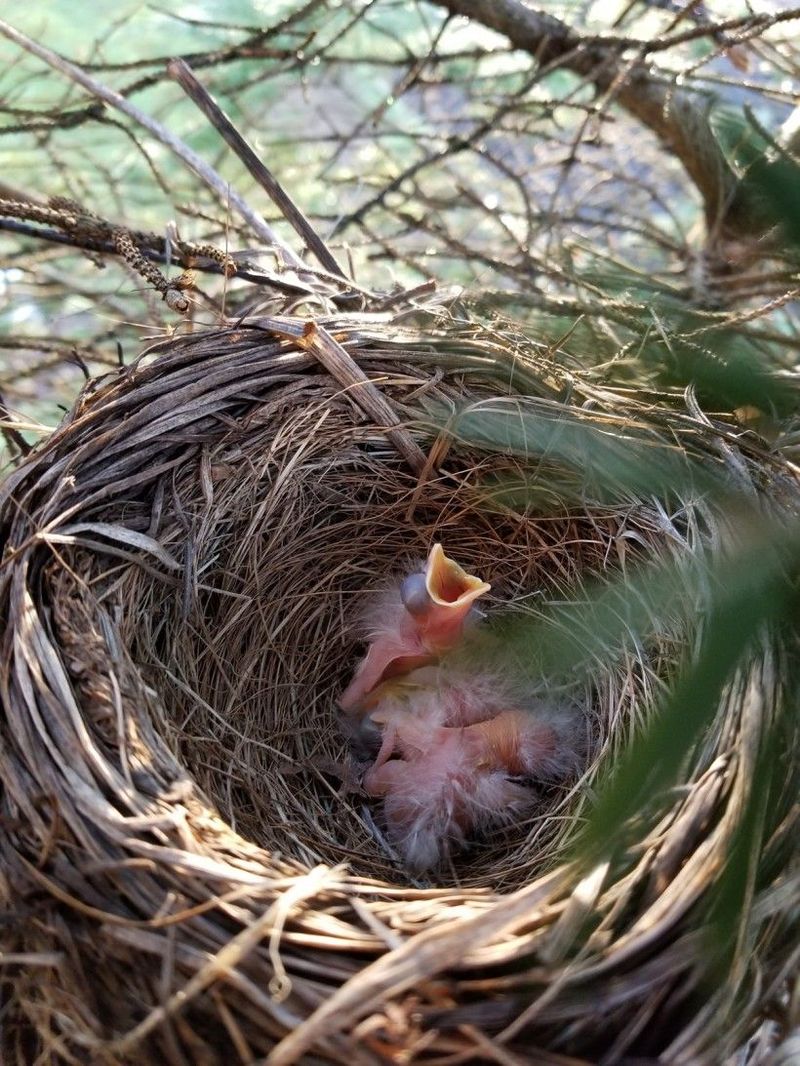
With its cheery song and rust-colored breast, the American Robin is a common sight across North America. These birds are protected under the Migratory Bird Treaty Act, making it illegal to harm them or disturb their nests. Robins often venture into suburban yards, especially if there are fruiting trees or gardens. While they might snack on your berries, their presence is a reminder of spring’s arrival. The law sees them as an essential component of the ecosystem. Did you know? They can produce up to three successful broods in a season, ensuring their vibrant presence endures.
2. Northern Cardinal
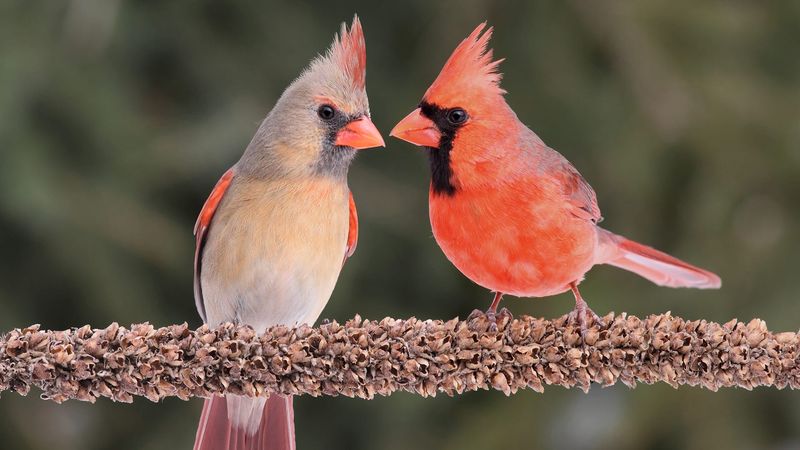
The Northern Cardinal, with its brilliant red plumage and melodic song, is a backyard favorite. However, these beautiful birds are federally protected, meaning their nests cannot be disturbed. Cardinals are monogamous creatures, often seen in pairs, and their presence is considered a sign of luck and vitality. Their striking red feathers stand out, making them easy to spot even from afar. As a symbol of beauty and vitality, cardinals brighten any yard. Fun fact: Cardinals don’t migrate, so they can be enjoyed in your garden all year round, regardless of the season.
3. Blue Jay
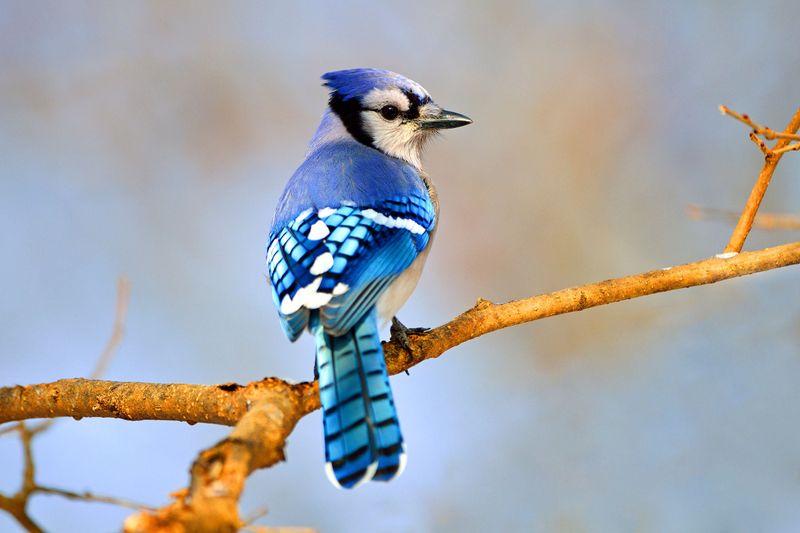
Known for its intelligence and complex social behavior, the Blue Jay is a noisy yet fascinating bird. It’s illegal to trap or kill them due to their protective status. Blue Jays are known for mimicking the calls of other birds, a trait that aids them in deceiving predators. They are also diligent seed planters, inadvertently helping in forest regeneration. Despite their sometimes raucous behavior, they play a crucial role in controlling insect populations. A remarkable fact: Blue Jays can mimic hawk calls, often misleading other birds with their impressive repertoire of sounds.
4. Red-Tailed Hawk
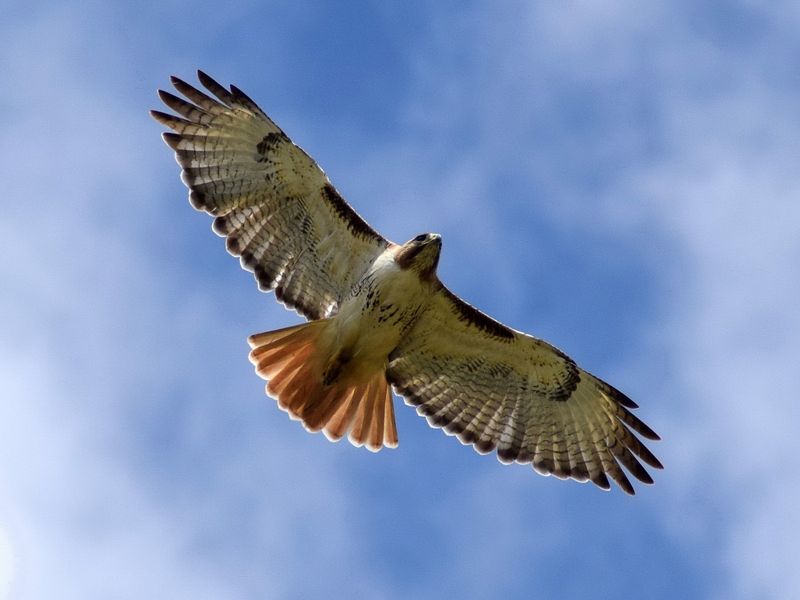
The Red-Tailed Hawk, with its piercing gaze and powerful wings, is a protected raptor under federal law. Their nests are safeguarded, and disturbing them can result in hefty fines. These hawks are known for their distinctive, raspy screech, often heard echoing in the countryside. They play a vital role in controlling rodent populations, making them beneficial allies to farmers and gardeners alike. Interesting tidbit: The iconic screech used in films to represent any bird of prey is often that of a Red-Tailed Hawk, recognized for its dramatic and commanding call.
5. Hummingbirds
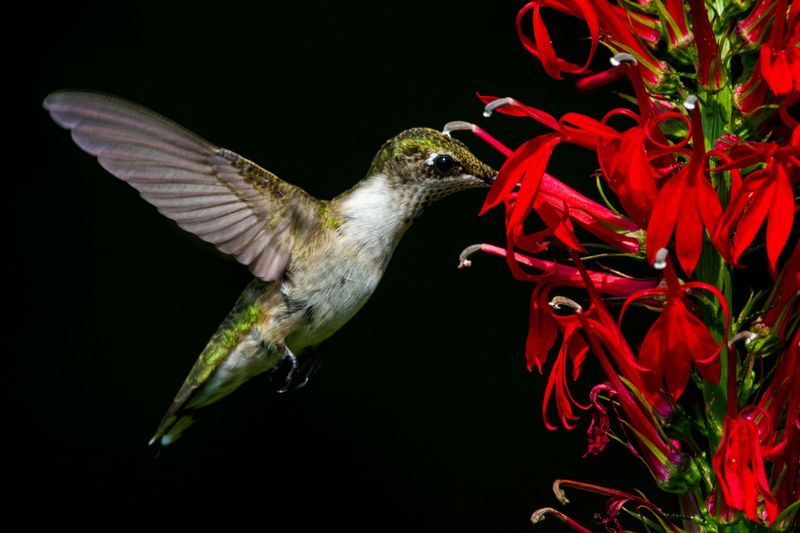
Tiny yet mesmerizing, hummingbirds are protected by laws that prohibit even the removal of their nests. These agile flyers are known for their ability to hover and fly backwards, a feat that’s as captivating as it is rare. Their rapid wing beats and iridescent feathers make them a dazzling sight in any garden. Hummingbirds play a critical role in pollination, flitting from flower to flower with remarkable precision. Did you know? Some species can migrate over 3,000 miles, traversing the Gulf of Mexico in a single flight, a testament to their endurance and strength.
6. Garter Snakes
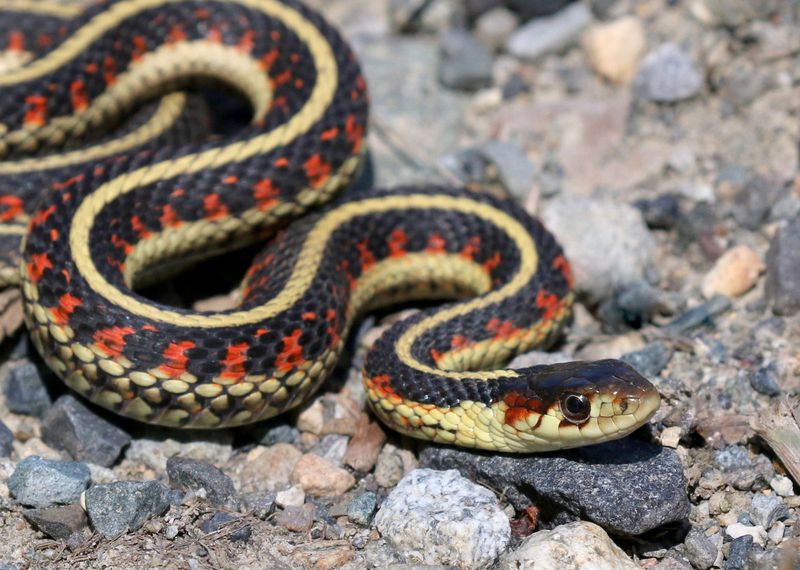
Gentle and non-venomous, Garter Snakes are often found in backyards, where they contribute to pest control. Many states have laws protecting them, making it illegal to kill them. These snakes are known for their distinctive stripes running along their bodies, which help them blend into their surroundings. Despite common fears, they are harmless to humans and play a significant role in maintaining the balance of local ecosystems. Fun fact: Garter Snakes emit a musk when threatened, a natural defense mechanism that deters predators without causing harm.
7. Box Turtles
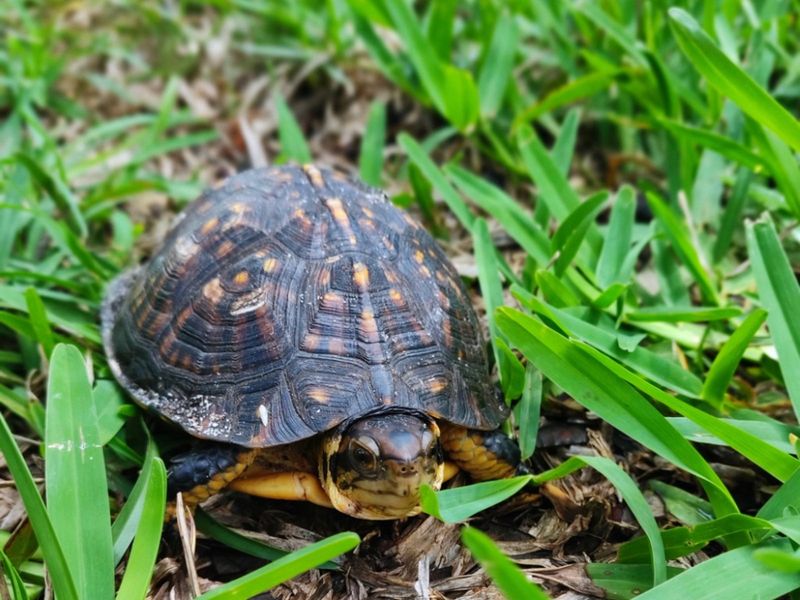
Box Turtles, with their domed shells and slow pace, are often protected by state laws. Relocating them can be illegal, as they are territorial creatures. These turtles thrive in moist environments, often found in gardens and wooded areas. Known for their longevity, some Box Turtles live for over 50 years. Their diet consists mainly of insects and plants, which makes them beneficial to gardens by controlling pests. Did you know? Box Turtles have a homing instinct, often trying to return to their birthplace, which underscores the importance of not moving them from their homes.
8. American Toads
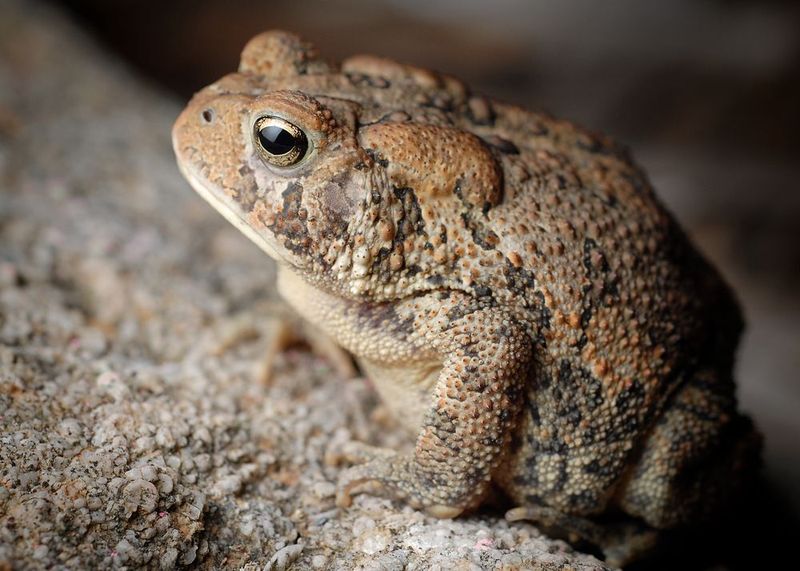
American Toads, recognizable by their bumpy skin, are often found in damp, shaded areas of yards. Many states protect these toads, prohibiting harm due to their pest-eating habits. They consume a large number of insects, acting as natural pest controllers. Their distinctive trill call is a familiar sound in the spring, marking the start of their breeding season. Interesting fact: American Toads secrete a mild toxin from their skin as a defense mechanism, which can deter predators but is harmless to humans when handled gently.
9. Rattlesnakes
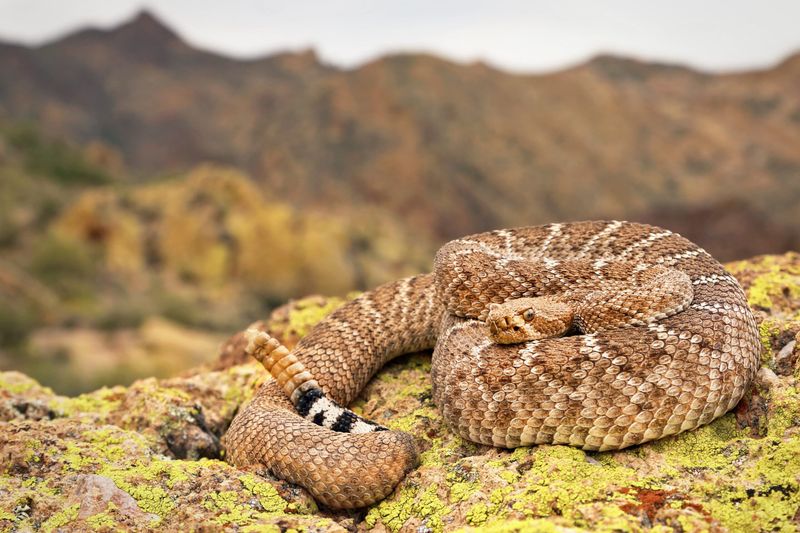
In some states, such as Arizona, rattlesnakes are protected despite their venomous nature. These snakes are crucial for controlling rodent populations, and their removal can disrupt local ecosystems. Rattlesnakes are known for their distinctive rattle, a warning signal that deters potential threats. Their camouflage enables them to blend seamlessly into their surroundings. Fun fact: Rattlesnakes can control the amount of venom they inject, often delivering dry bites as a warning. This controlled venom release showcases their preference to conserve energy and avoid unnecessary conflict.
10. Honeybees
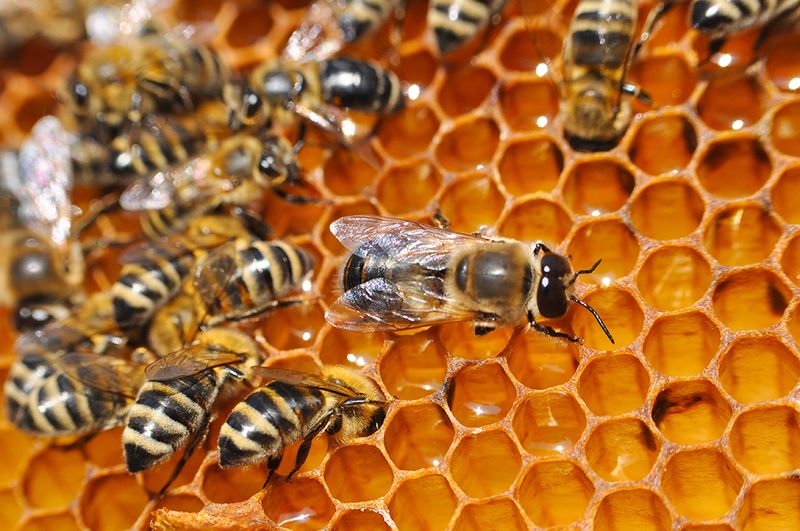
Honeybees are vital pollinators, and many states have laws requiring professional relocation rather than extermination. These industrious insects are responsible for pollinating a significant portion of the food we eat. They are social creatures, living in well-organized colonies with a single queen. Their role in producing honey and beeswax makes them invaluable to both agriculture and the economy. Did you know? Honeybees communicate through a dance language, which they use to convey information about food sources and hive locations, showcasing their remarkable social behavior.
11. Monarch Butterflies
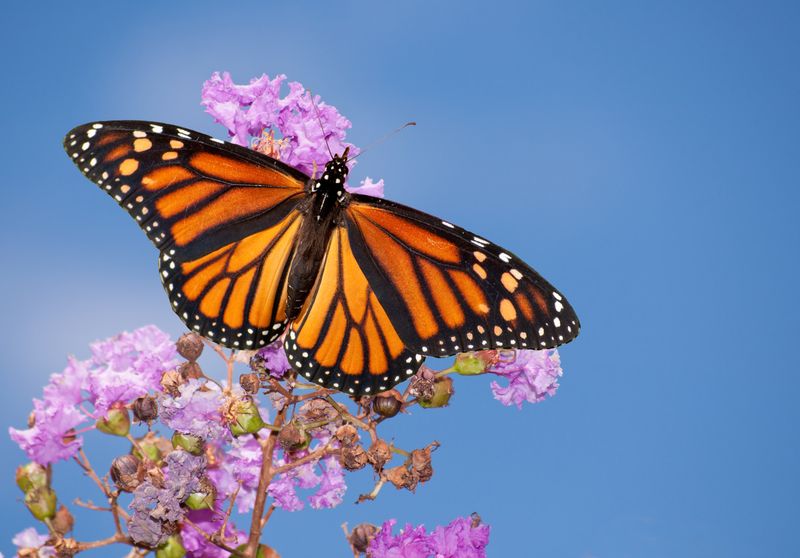
Monarch Butterflies, with their striking orange and black wings, are now federally protected, making it illegal to remove their caterpillars or eggs. These butterflies are renowned for their epic migrations, traveling thousands of miles from North America to central Mexico each year. They rely on milkweed plants for breeding, which are crucial for their survival. Monarchs are considered symbols of transformation and endurance. Fun fact: Despite their delicate appearance, Monarchs can cover up to 100 miles in a single day during migration, showcasing their incredible resilience.
12. Bumblebees
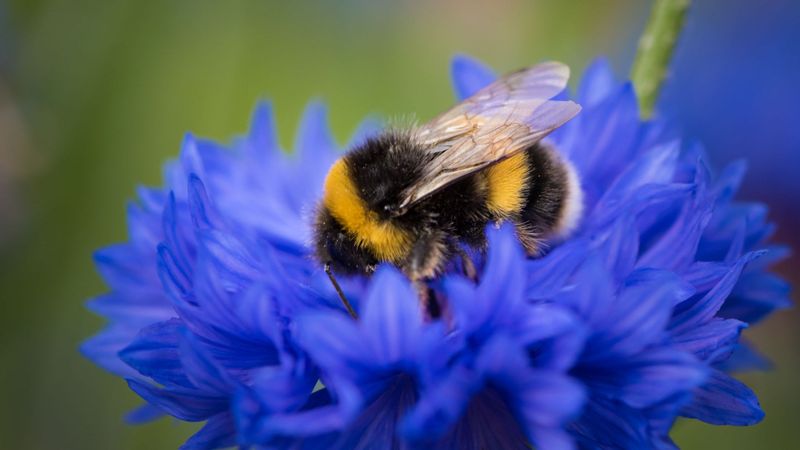
Bumblebees, known for their fuzzy appearance and gentle nature, are essential pollinators. Some species are endangered, with legal protections in place to prevent their harm. These bees are efficient pollinators, often more effective than honeybees due to their larger size and ability to buzz pollinate. They perform a unique vibrating motion that helps release pollen from flowers. Bumblebees are social insects, living in small colonies. Did you know? Unlike honeybees, bumblebees can sting multiple times without dying, but they are generally docile creatures that rarely display aggression.
13. Bats
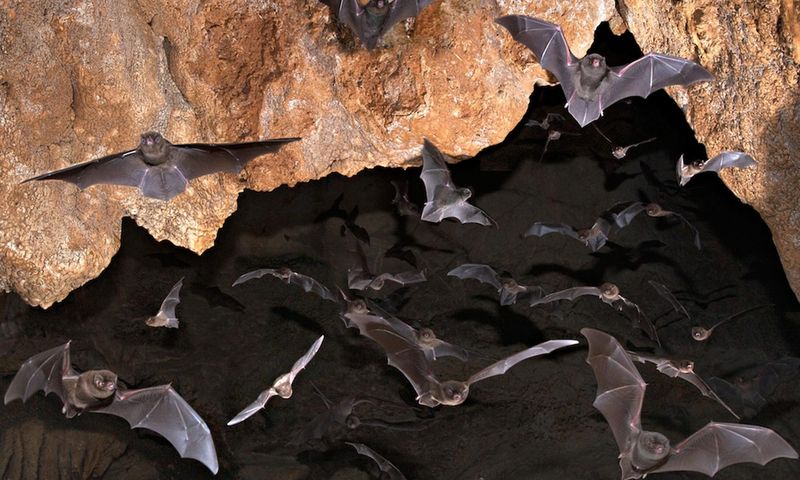
Bats, often misunderstood, play a critical role in ecosystems by controlling insect populations. Some species, like the Indiana bat, are federally protected, while others are regulated. Bats are nocturnal creatures, using echolocation to navigate in the dark. Their presence in a yard can significantly reduce pesky insects, making them beneficial neighbors. Fun fact: A single bat can eat up to 1,200 mosquitoes in an hour, highlighting their importance as natural pest controllers. Despite common myths, bats are gentle creatures that prefer to avoid human contact.
14. Opossums
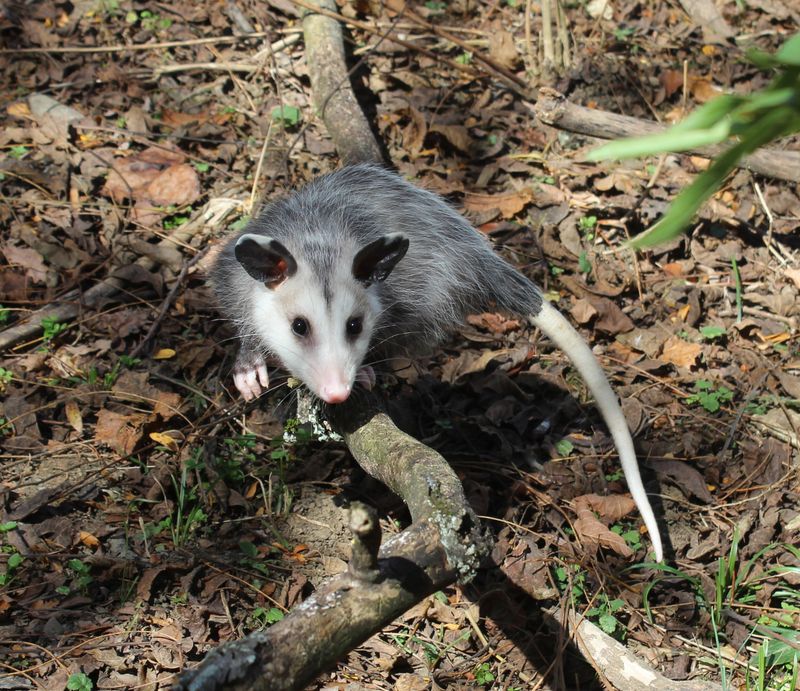
Opossums, with their unique appearance and nocturnal habits, are often protected by state laws that ban their trapping and relocation. They are known for their ability to eat ticks, significantly reducing tick-borne diseases. Opossums have a remarkable immune system, showing resistance to rabies. Despite their reputation for playing dead, they are generally non-aggressive. Fun fact: Opossums are the only marsupials found in North America, carrying their young in a pouch until they’re ready to explore independently, adding to their unique and fascinating nature.
15. Eastern Cottontail Rabbits
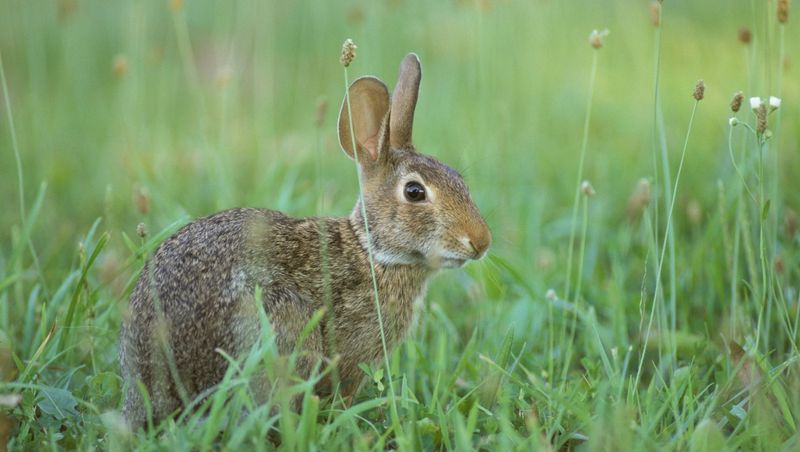
Eastern Cottontail Rabbits, with their soft fur and twitching noses, are beloved by many. Protected in some states during breeding season, these rabbits are an important part of the food chain. They are prolific breeders, with females capable of having several litters a year. Their diet consists mainly of grasses and plants, which can sometimes make them a gardener’s nemesis. However, they also contribute to soil aeration and the spreading of plant seeds. Did you know? Cottontail Rabbits can reach speeds of up to 18 miles per hour when escaping predators.
16. Praying Mantises
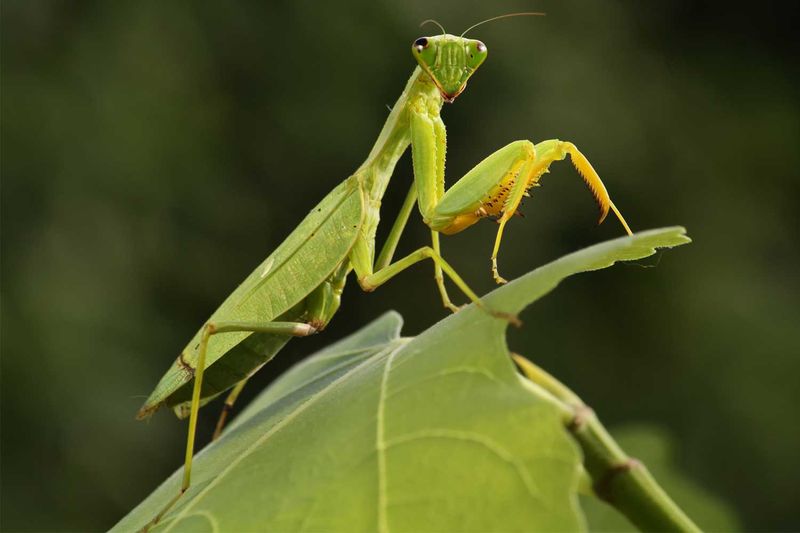
Praying Mantises, with their distinctive posture and predatory skills, are often protected in some states. These insects are natural pest controllers, consuming a variety of insects that can harm gardens. Mantises are known for their keen eyesight and ability to turn their heads 180 degrees, scanning their surroundings with precision. They are beneficial in gardens, reducing the need for chemical pest control. Interesting fact: Female mantises sometimes consume their mates after copulation, a behavior that has intrigued scientists and sparked many myths and stories about these remarkable insects.
17. Ladybugs
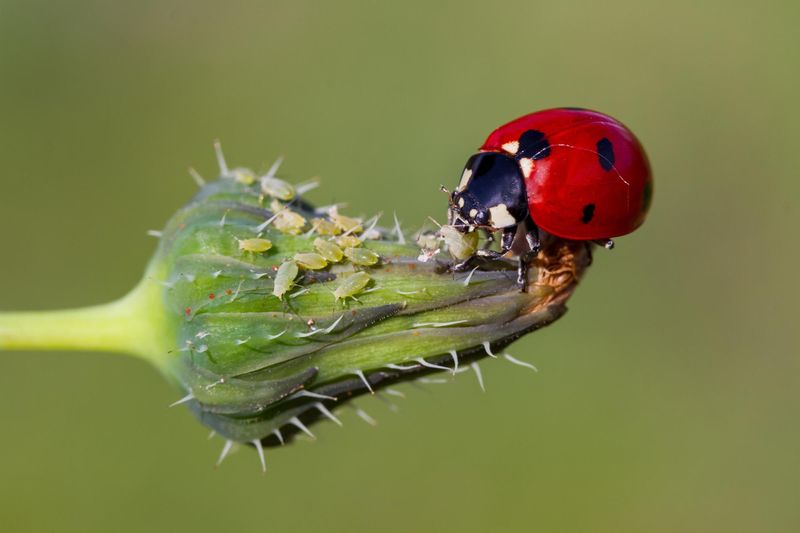
Ladybugs, with their bright colors and spotted shells, are a gardener’s friend. Many species are protected, and their presence is encouraged due to their pest-eating habits. These tiny beetles consume aphids and other soft-bodied insects, helping to maintain healthy plants. Ladybugs are often associated with good luck and are considered a symbol of prosperity. Fun fact: A single ladybug can eat up to 5,000 aphids in its lifetime, making them incredibly valuable for organic gardening and reducing dependence on chemical pesticides.
18. Bald Eagles
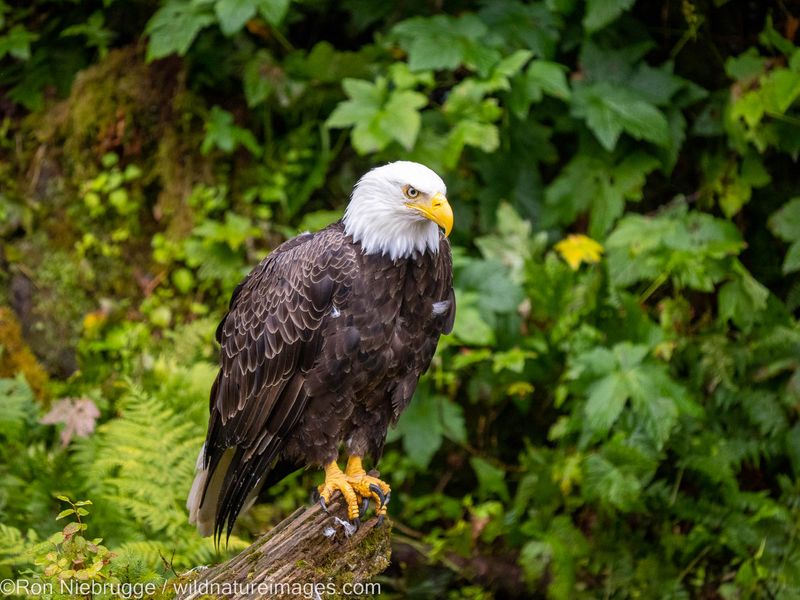
Bald Eagles, symbols of strength and freedom, are federally protected. Disturbing their nests can result in severe penalties, including hefty fines. These majestic birds are primarily found near large bodies of open water, which provide abundant food sources. Their diet consists mainly of fish, although they are opportunistic hunters. Interesting tidbit: Bald Eagles aren’t actually bald; their name comes from an old English word “balde,” meaning white, referring to their distinctive white head feathers. They play a vital role in the ecosystem by keeping fish and other prey populations in balance.
19. Burrowing Owls
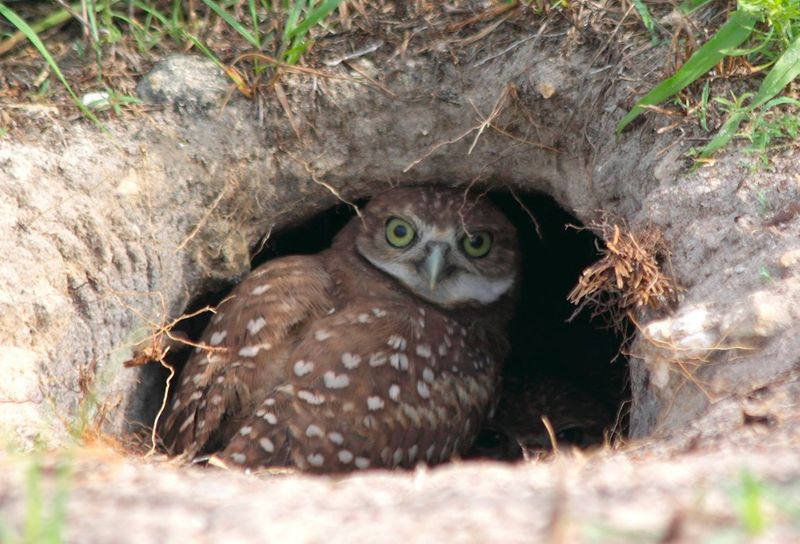
Burrowing Owls, with their curious gaze and long legs, are federally protected in regions like Florida. These small owls are unique in their choice of habitat, often residing in burrows underground. They are active during the day, unlike most other owl species. Burrowing Owls feed on insects and small mammals, playing an important role in controlling pest populations. Fun fact: These owls often decorate their burrows with bits of dung to attract insects, which they then catch and eat, showcasing their resourcefulness and adaptability in their environment.
20. Gray Wolves
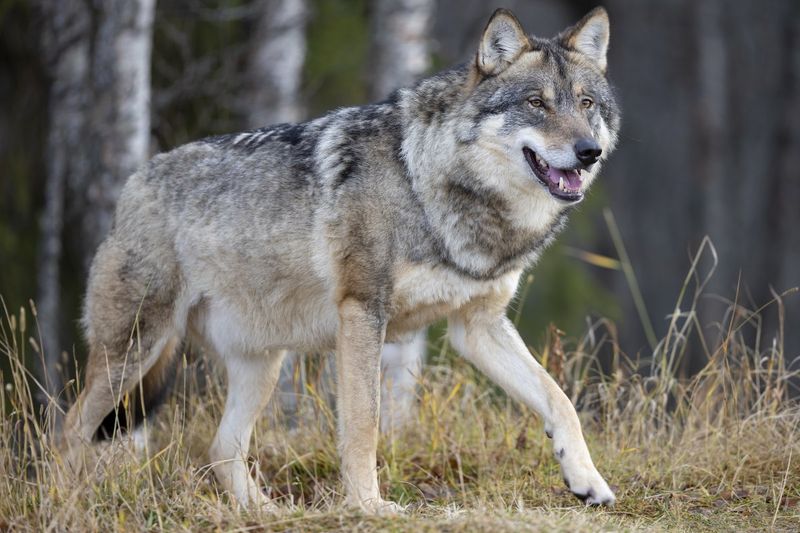
Gray Wolves, iconic and often misunderstood, are strictly protected in many areas, even on private land. These majestic animals are vital apex predators, playing a crucial role in maintaining the balance of ecosystems. Wolves are highly social creatures, living in packs led by an alpha pair. Their howling is a complex form of communication, used to coordinate hunting and strengthen pack bonds. Did you know? The reintroduction of wolves to Yellowstone National Park has led to significant ecological changes, including healthier deer populations and even changes in river courses, demonstrating their profound impact.