 Complete Gardening
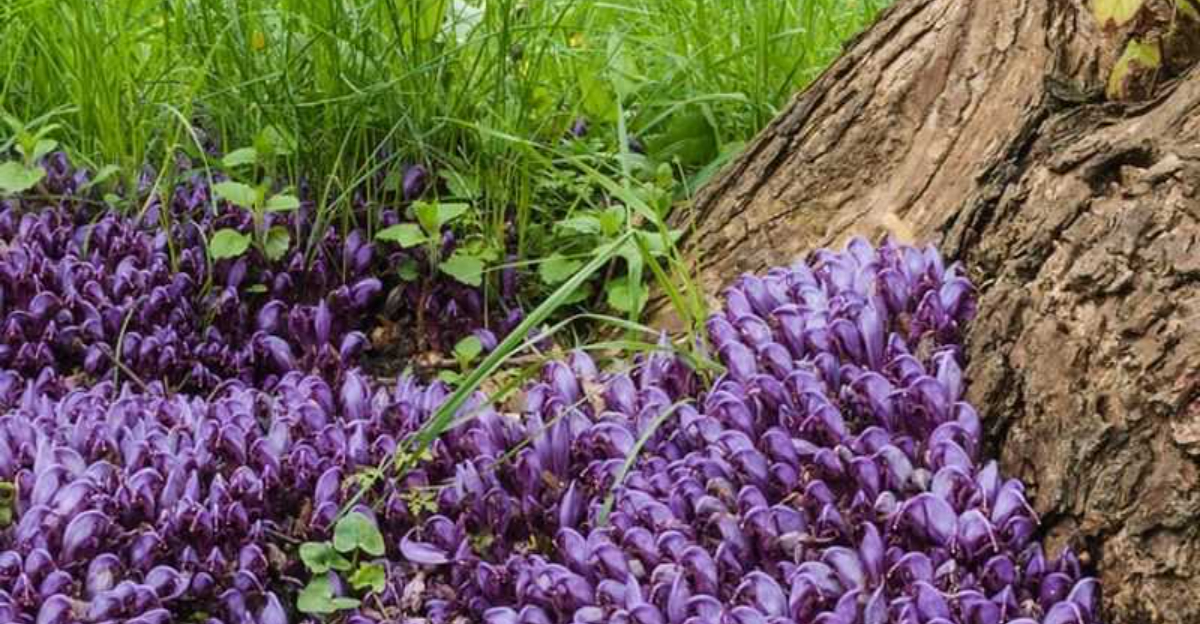
Step into the intriguing world of parasitic garden flowers—those mysterious blooms that thrive by stealing nutrients from their unsuspecting neighbors. These unique plants may look like ordinary flowers at first glance, but they possess a hidden agenda that sets them apart.
By tapping into the roots of nearby plants, they siphon the essential nutrients they need to survive, often creating a fascinating interplay of dependency and survival. In this article, we’ll explore 20 such parasitic wonders, each with its own story, function, and visual appeal. From the striking Dodder to the rare Hydnora africana, let’s uncover the secrets beneath their delicate petals.
1. Dodder (Cuscuta spp.)
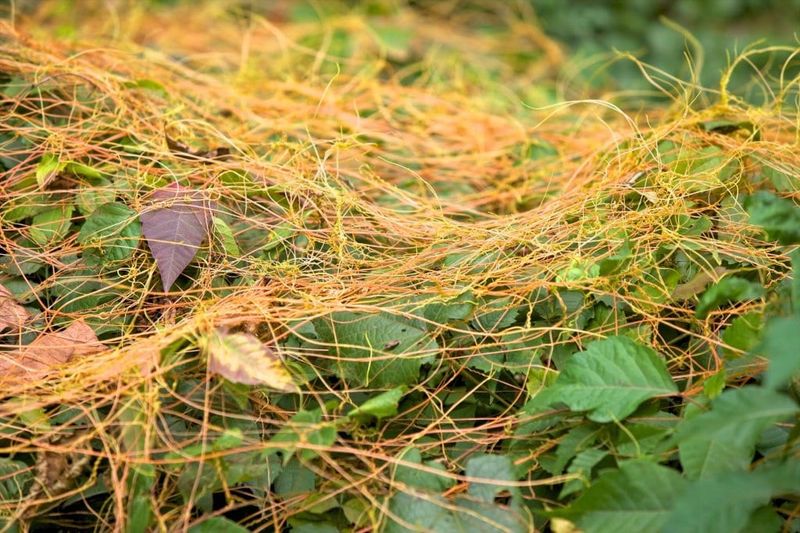
Dodder, a parasitic plant that wraps itself around host stems to forge haustoria. These structures siphon off nutrients, allowing Dodder to thrive without photosynthesizing. The sight of Dodder can be both intriguing and unsettling, as it creates a complex web of dependency. In gardens, it often targets legumes and other plants, weaving a tapestry that tells the tale of competition and survival. With its unique appearance, Dodder stands as a symbol of nature’s intricate balance.
2. Common Broomrape (Orobanche minor)
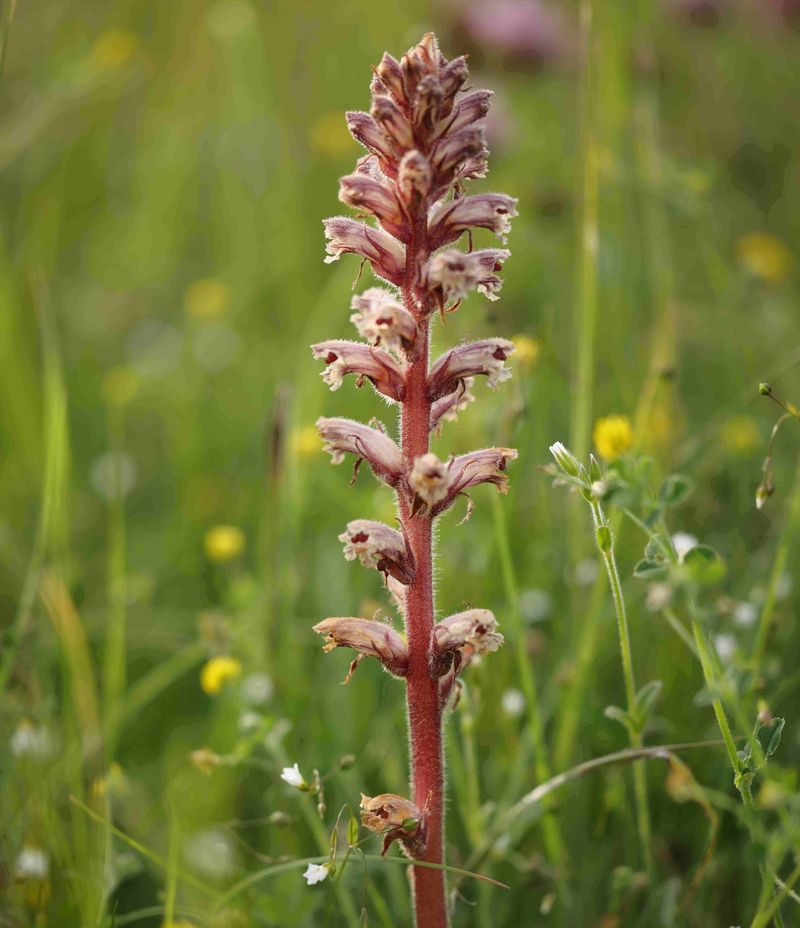
Hidden beneath the garden’s surface, Common Broomrape bursts forth with tiny yellowish flowers. Devoid of chlorophyll, this plant relies entirely on its host for nourishment. Typically found at the base of legumes, it emerges like a secret garden treasure that thrives in the shadows. The intricate relationship it forms with its host plants is both fascinating and complex. Its emergence is a subtle reminder of the interconnectedness of life, where even the smallest plant has a role to play. This seemingly unassuming bloom holds within it a world of wonder and intrigue.
3. Branched Broomrape (Phelipanche ramosa)
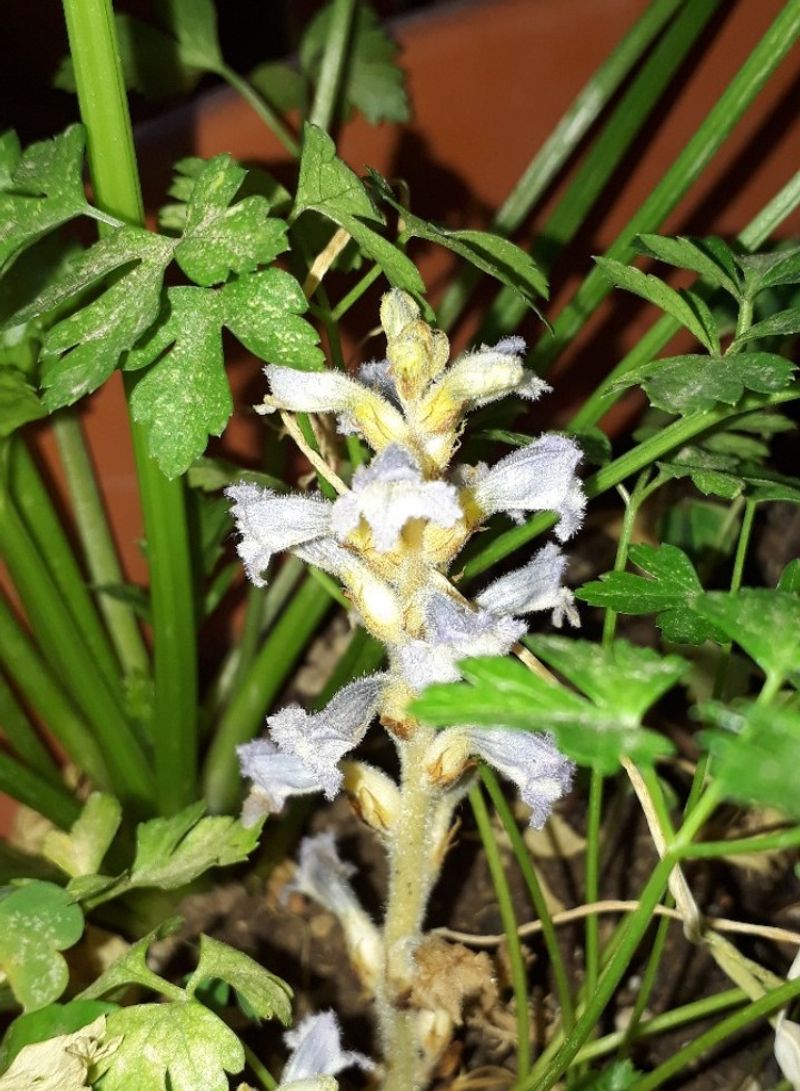
In the heart of a vegetable garden, Branched Broomrape makes its presence known. With dense clusters of pale blooms, it stealthily attaches to the roots of tomatoes and carrots. This parasitic plant is considered a serious pest, yet its resilience and adaptability invite admiration. Despite its reputation, Branched Broomrape plays a curious part in the garden’s ecosystem, a silent competitor in the race for survival. Its persistence and ability to thrive under different conditions showcase nature’s relentless drive to endure, even through the quiet theft of nutrients from its unsuspecting hosts.
4. Egyptian Broomrape (Phelipanche aegyptiaca)
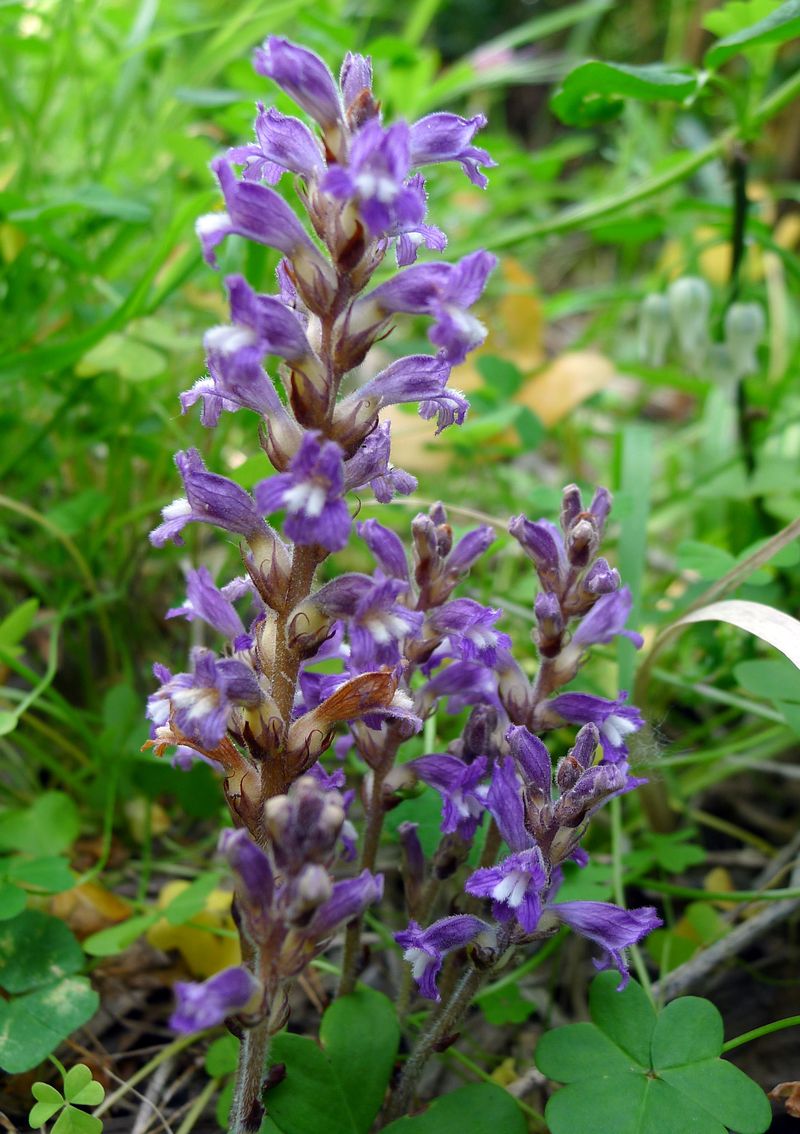
A sunny garden can quickly become a battleground with the arrival of Egyptian Broomrape. This plant prefers the company of sunflowers, primroses, and ornamentals, embedding itself into their roots. Often unnoticed until its pale blooms appear, Egyptian Broomrape tells a story of quiet persistence. The way it integrates into the garden’s tapestry is both deceptive and fascinating. It’s a reminder of the hidden struggles for resources that occur beneath our feet. Despite its parasitic nature, Egyptian Broomrape adds a unique character to the flowerscape, blending charm with tenacity.
5. Ivy Broomrape (Orobanche hederae)
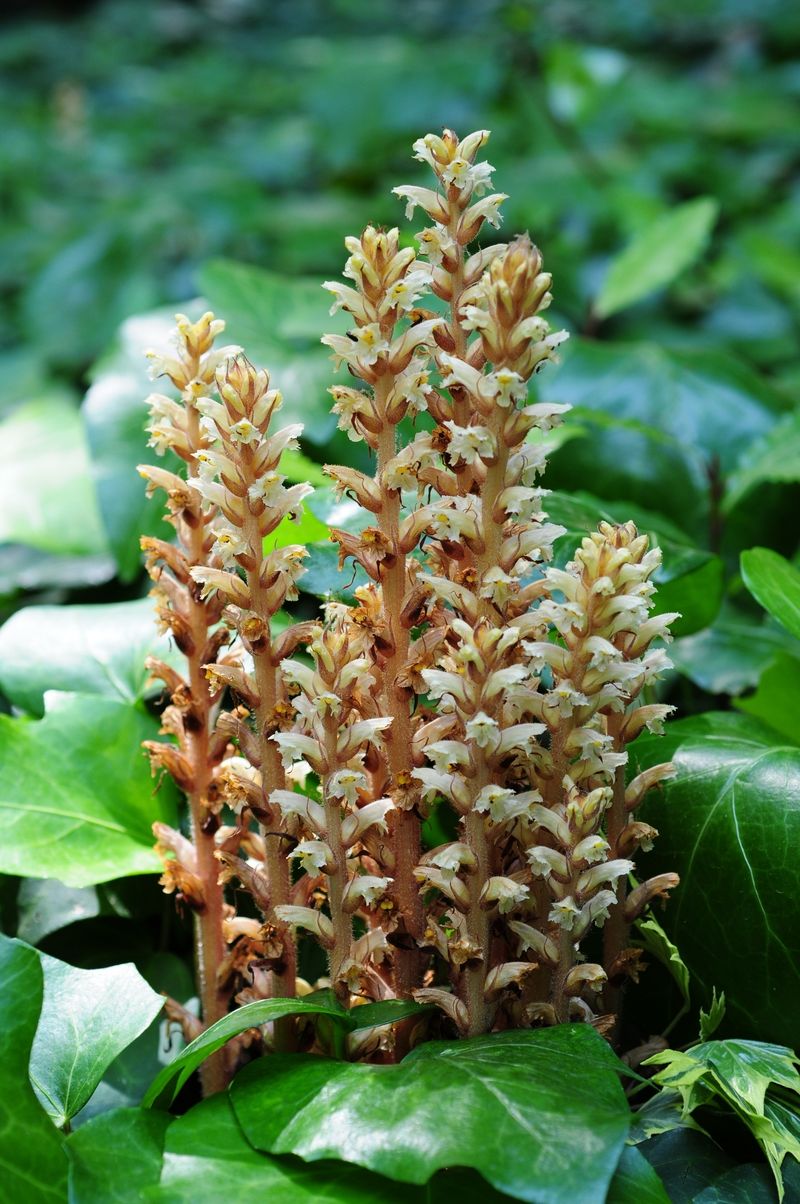
In the shady corners of your garden, Ivy Broomrape finds its niche. This parasitic plant thrives on the roots of Hedera, producing striking cream-and-purple flowers. Its presence is often unexpected, a vibrant surprise in an otherwise overlooked area. The elegant blooms of Ivy Broomrape are a testament to nature’s ability to adapt and flourish in diverse environments. By forming such a unique alliance with ivy, it highlights the complex relationships forged below the garden’s surface. This curious plant offers a glimpse into the hidden dynamics that shape our landscapes.
6. White Broomrape (Orobanche alba)
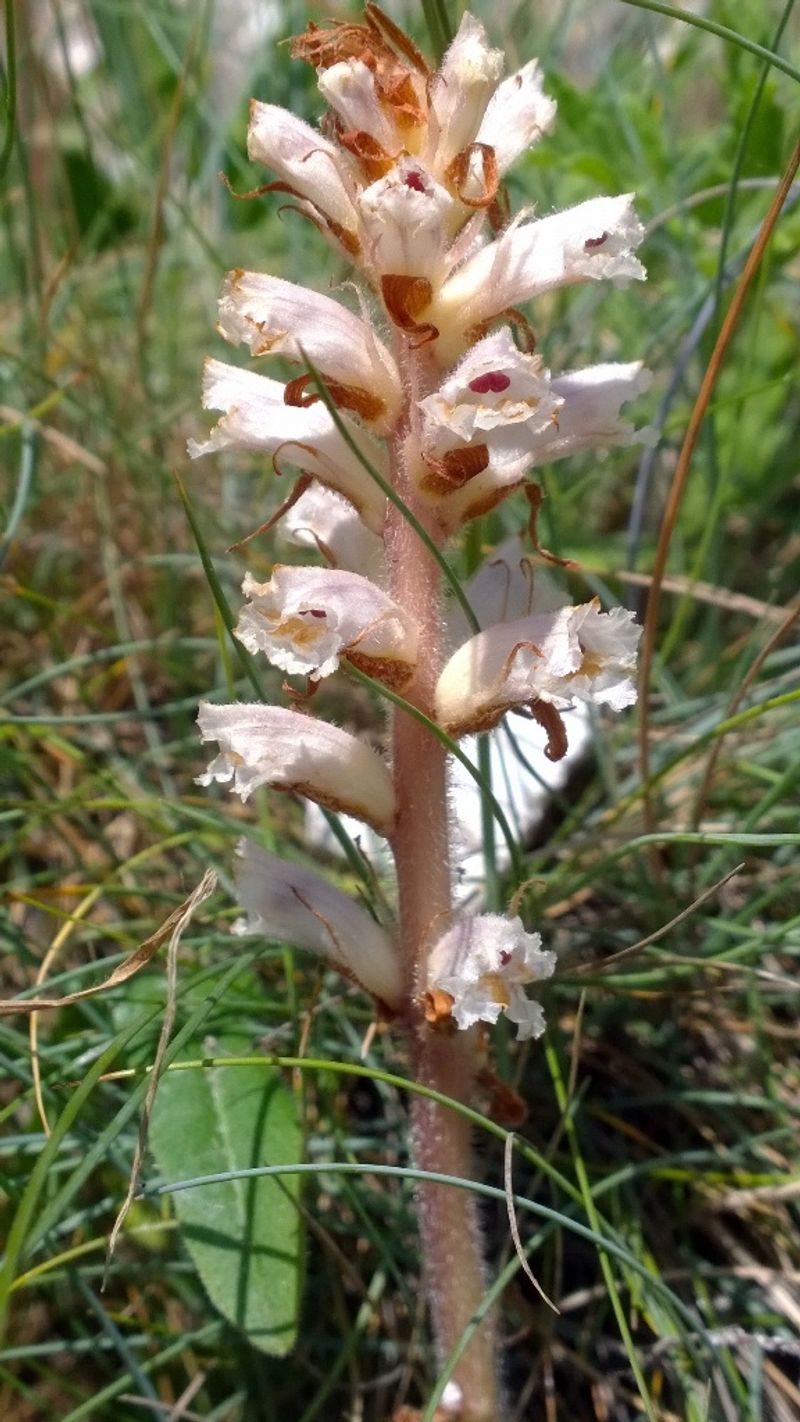
Amidst the aromatic mint herbs, White Broomrape makes its quiet entry. With its distinctive white tubular blossoms, this parasitic plant draws nutrients from the roots of mint and related herbs. While it can be seen as a garden intruder, it also adds an unexpected element of beauty. The symbiotic relationships it forms reveal the delicate balance that exists beneath the garden’s surface. Its subtle presence enhances the overall diversity of the garden, serving as a reminder of the unseen interactions that sustain life. White Broomrape is more than a parasite; it’s a marvel of adaptation.
7. Yellow Rattle (Rhinanthus minor)
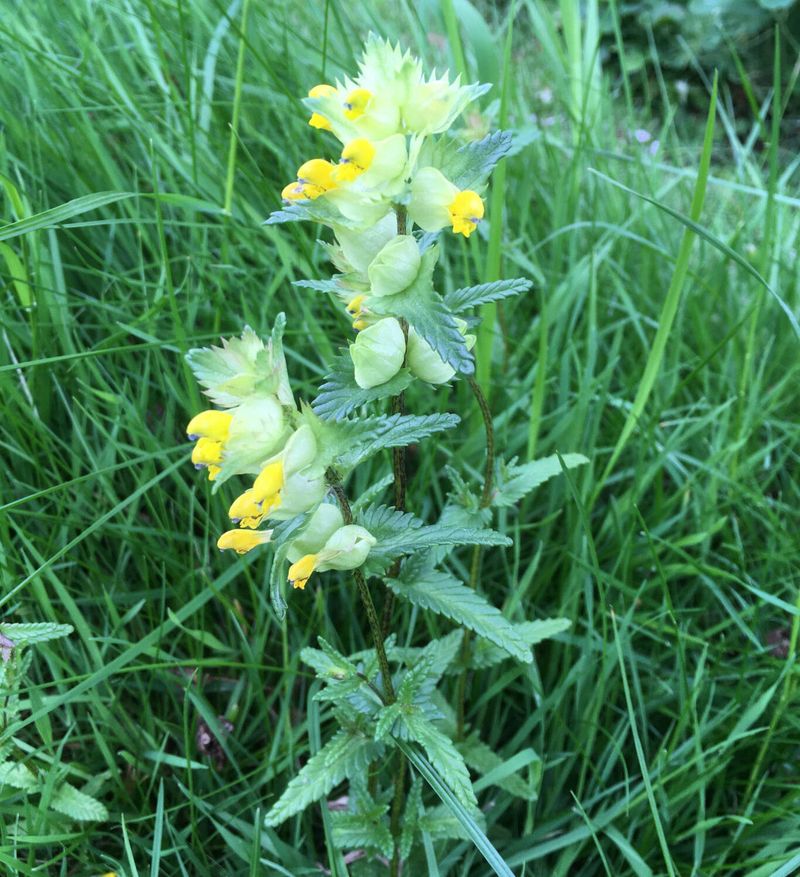
Yellow Rattle paints a picture of gentle rebellion in the meadows. Semi-parasitic on grasses, it casts its golden seed pods that rattle like musical notes before release. Its presence subtly transforms a wildflower lawn into a symphony of movement and sound. Known to naturally control grass growth, Yellow Rattle plays the part of nature’s gardener. Its vibrant colors stand out against the backdrop of green, creating a striking visual feast. Yellow Rattle not only contributes to the ecosystem but also enriches our sensory experience with its rhythm and hues.
8. Purple Toothwort (Lathraea clandestina)
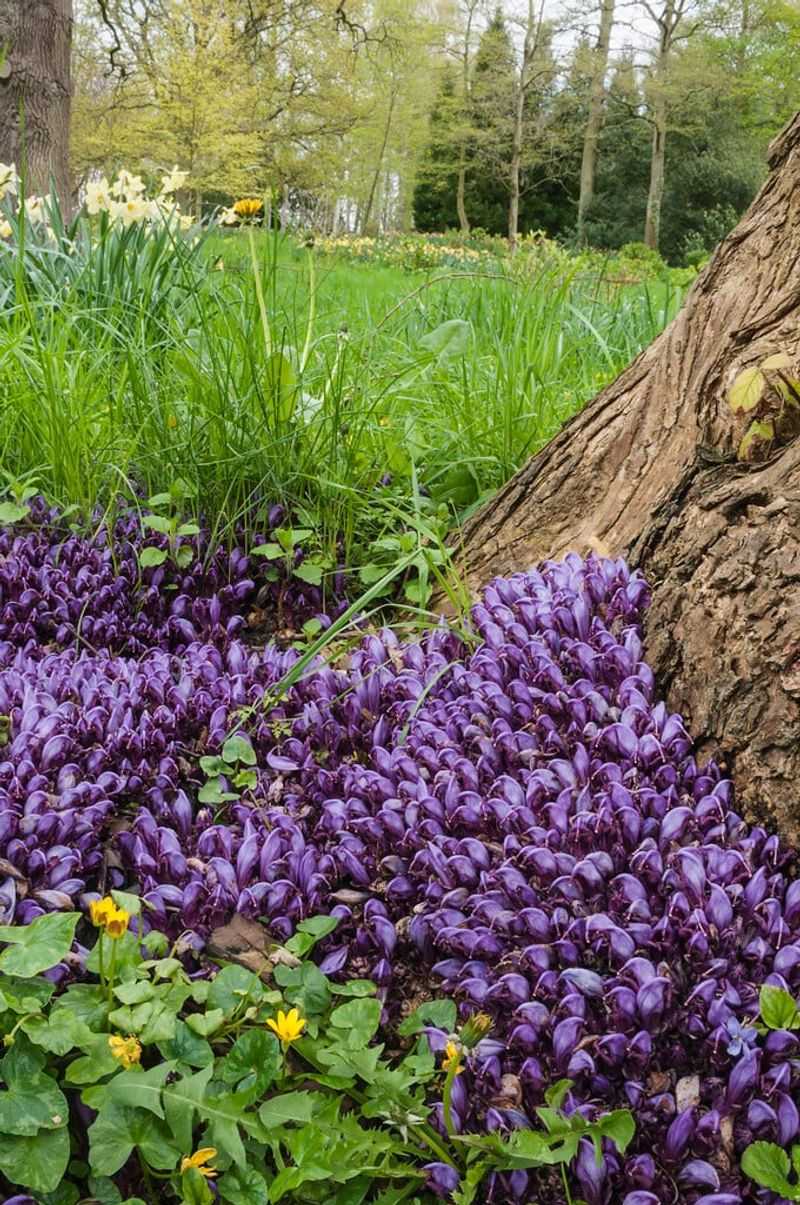
Spring heralds the arrival of Purple Toothwort, emerging with deep purple flowers resembling foxgloves. Found under shrubs and hedges, this plant paints a mysterious picture with its clandestine blooms. The parasitic nature of Purple Toothwort allows it to thrive without photosynthesis, relying instead on the resources of its host plants. Its presence is a reminder of the hidden beauty that often goes unnoticed. The vibrant hues and delicate forms invite closer inspection, encouraging us to appreciate the often overlooked marvels of the natural world. Purple Toothwort adds a touch of mystery to any garden.
9. Beechdrops (Epifagus virginiana)
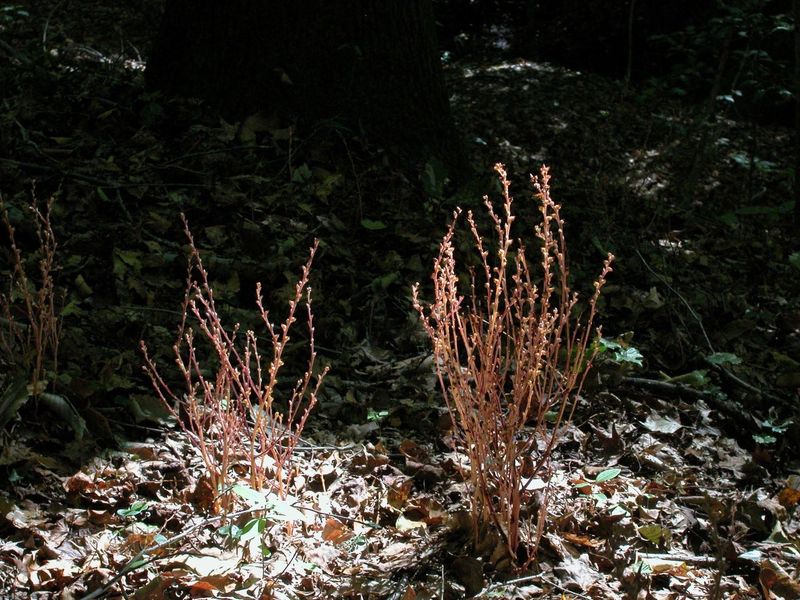
Ghostly and ethereal, Beechdrops make a rare appearance at the edges of wooded gardens. This white plant relies on beech tree roots for its sustenance, creating an otherworldly scene. Its ghostly presence is both fascinating and eerie, as it silently thrives in shaded areas. The delicate balance it maintains with its host tree highlights the complexity of ecological relationships. Beechdrops serves as a testament to the adaptability of life in even the most shaded and competitive environments. Its quiet elegance adds a haunting beauty to the garden’s edge, captivating those who happen upon it.
10. Bastard Toadflax (Thesium humifusum)
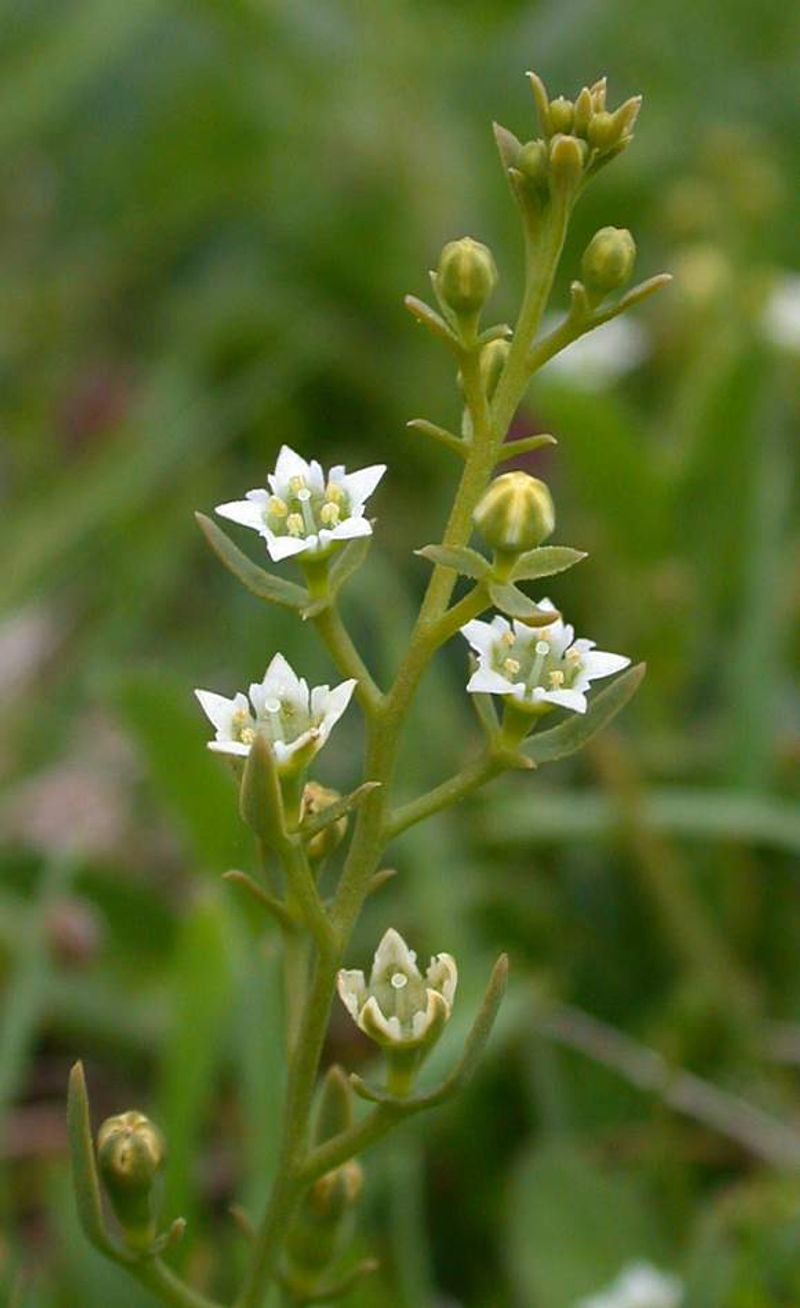
Bastard Toadflax, with its low-growing stature, makes a striking contrast against the wild grasses and buttercups. Its pale yellow flowers are subtle, yet their impact on the ecosystem is profound. By leeching off the roots of neighboring plants, it weaves itself into the natural tapestry of the garden. The plant’s behavior might seem audacious, but it plays an important role in the ecological balance. Its presence is a reminder of the often unseen interactions that sustain life. Bastard Toadflax brings a sense of intrigue, encouraging us to look deeper into the ways nature thrives.
11. Bastard Toadflax (Comandra umbellata)
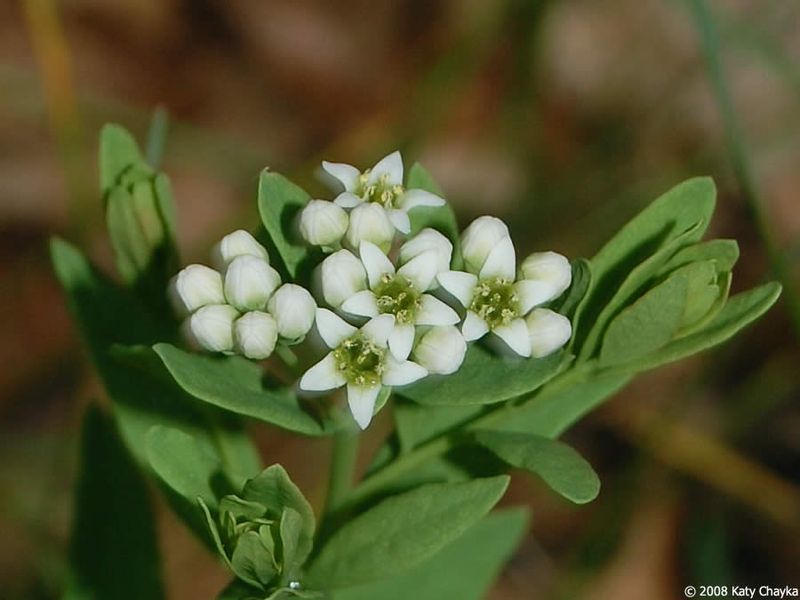
Despite its name, Bastard Toadflax is an unexpected delight in rock gardens. With creamy umbels that seem to float above the soil, it parasitizes conifer and hardwood roots. Its presence might go unnoticed at first, but once discovered, it captivates with its understated elegance. The plant’s unique relationship with its host adds an element of surprise to the rocky landscape. Bastard Toadflax’s resilience and adaptability invite admiration, as it flourishes in challenging conditions. This intriguing plant challenges our perceptions of parasitism, offering beauty and mystery in equal measure.
12. Groundcone (Boschniakia hookeri)
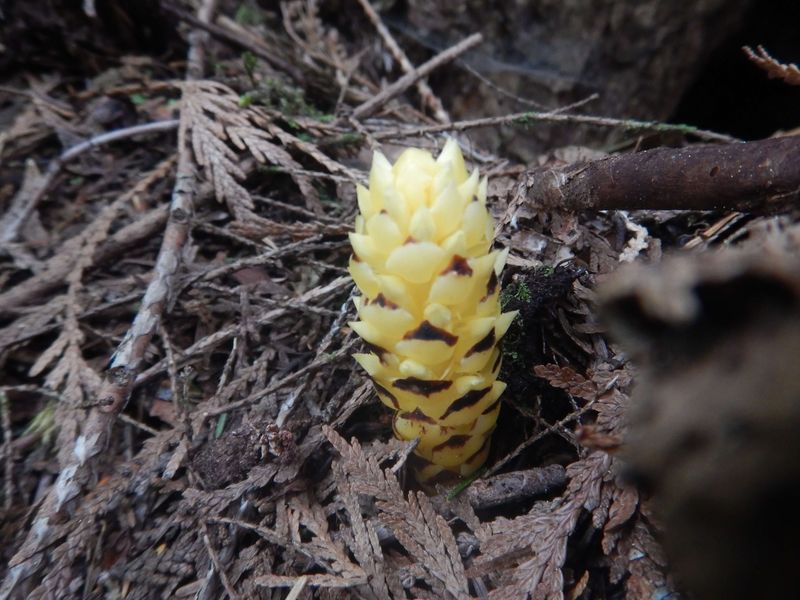
In the cool shade of a garden bed, Groundcone makes its appearance. With cone-shaped clusters of pink-brown flowers, it burrows on the roots of salal and huckleberry. This parasitic plant is both intriguing and elusive, often blending seamlessly with its environment. Its unique shape and coloration add an element of surprise to the garden, inviting curious onlookers to explore further. Groundcone’s ability to thrive in shaded areas highlights its adaptability and cunning. This plant challenges our understanding of beauty, revealing the unexpected charm that lies hidden in the shadows.
13. Snow Plant (Sarcodes sanguinea)
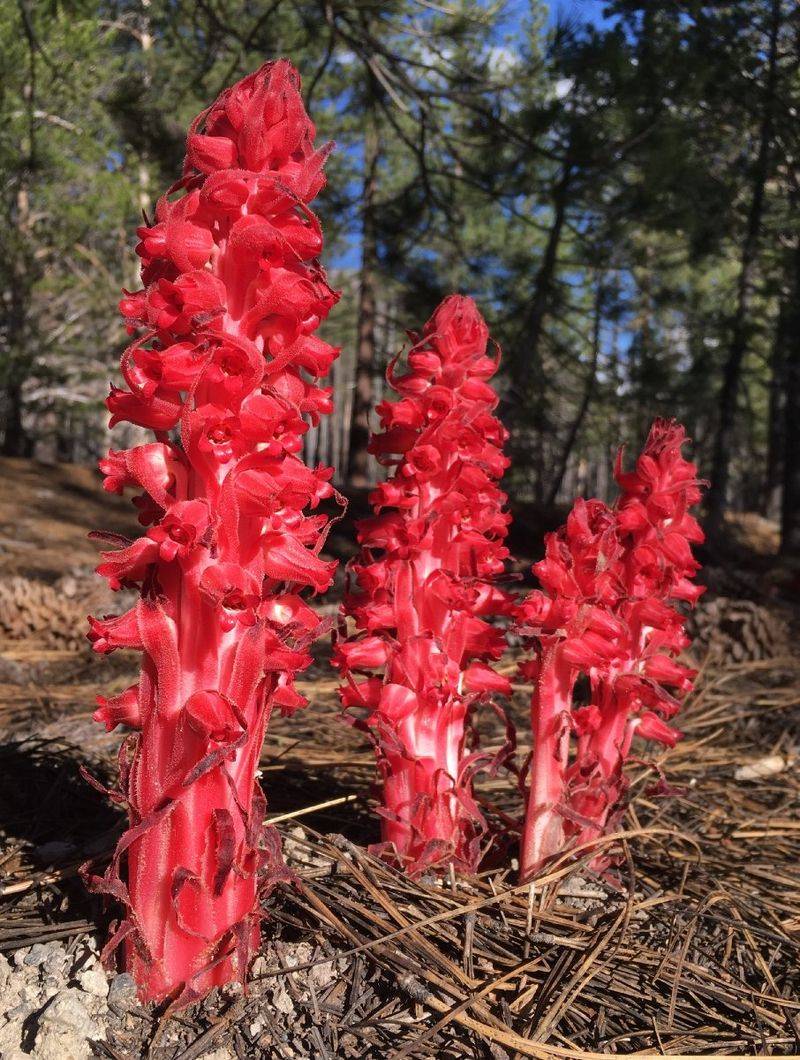
In the pine needle–mulched borders of the garden, Snow Plant emerges like a beacon. Its striking red spikes are a vibrant contrast to the subdued surroundings, creating a stunning visual impact. This plant taps into fungal networks linked to tree roots, demonstrating an intricate web of dependencies. The bold colors and unique growth pattern make Snow Plant an unforgettable sight. It serves as a reminder of the hidden complexities within the garden’s ecosystem. The Snow Plant’s vivid appearance and unusual lifestyle add a touch of drama and intrigue to any landscape.
14. Ghost Pipe (Monotropa uniflora)
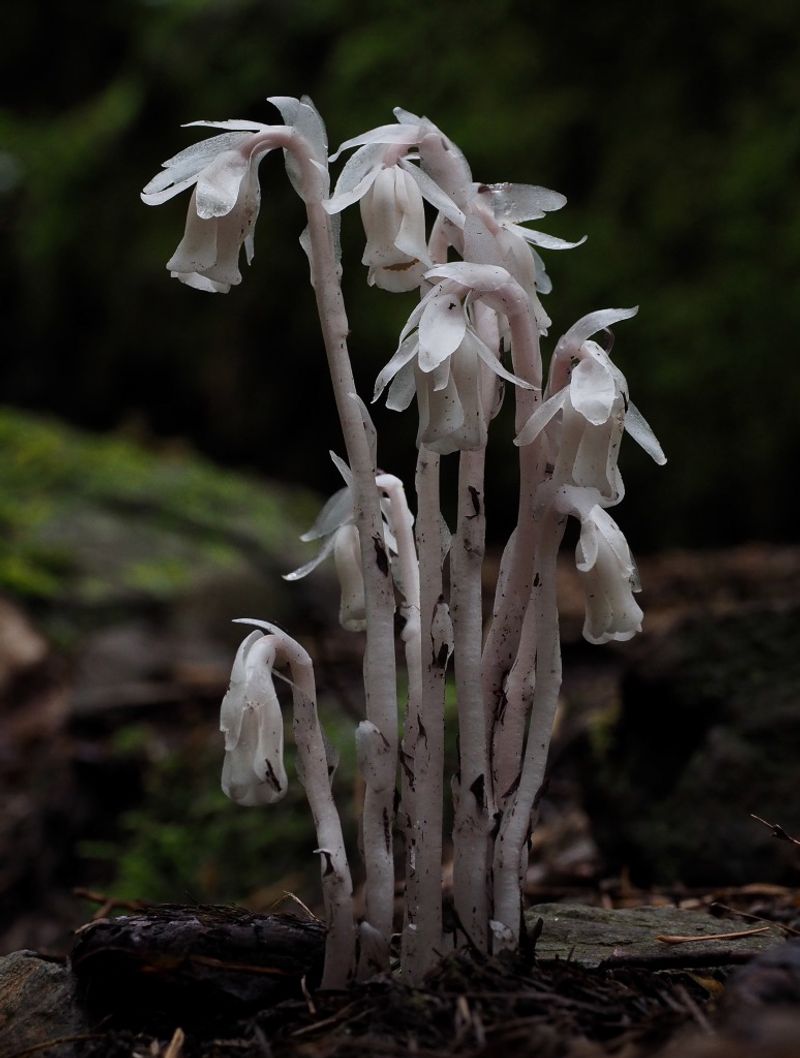
Ghost Pipe stands out with its ghostly white, waxy stems that appear like phantoms in the underbrush of woodland gardens. This parasitic plant relies on mycorrhizal fungi connected to trees, thriving without the need for sunlight. Its appearance is both haunting and beautiful, captivating those who encounter it. The delicate balance it maintains with its fungal hosts underscores the complexity of ecological networks. Ghost Pipe’s ethereal beauty and unique lifestyle offer a glimpse into the mysterious world of parasitic plants. It’s a mesmerizing addition to any shaded garden setting.
15. Celandine Broomrape (Orobanche cheiranthi)

Celandine Broomrape adds a touch of dusky elegance to the garden with its yellow blooms. Targeting wallflowers and poppies, this parasitic plant integrates into the floral tapestry with grace. Its subtle presence belies the complex interactions taking place underground, where it draws sustenance from its unsuspecting hosts. The delicate blooms and gentle demeanor of Celandine Broomrape create a harmonious addition to any garden. Its existence challenges our traditional views of parasitism, showcasing the nuanced relationships between plants. This intriguing plant offers beauty, mystery, and a lesson in ecological balance.
16. California Groundcone (Kopsiopsis hookeri)
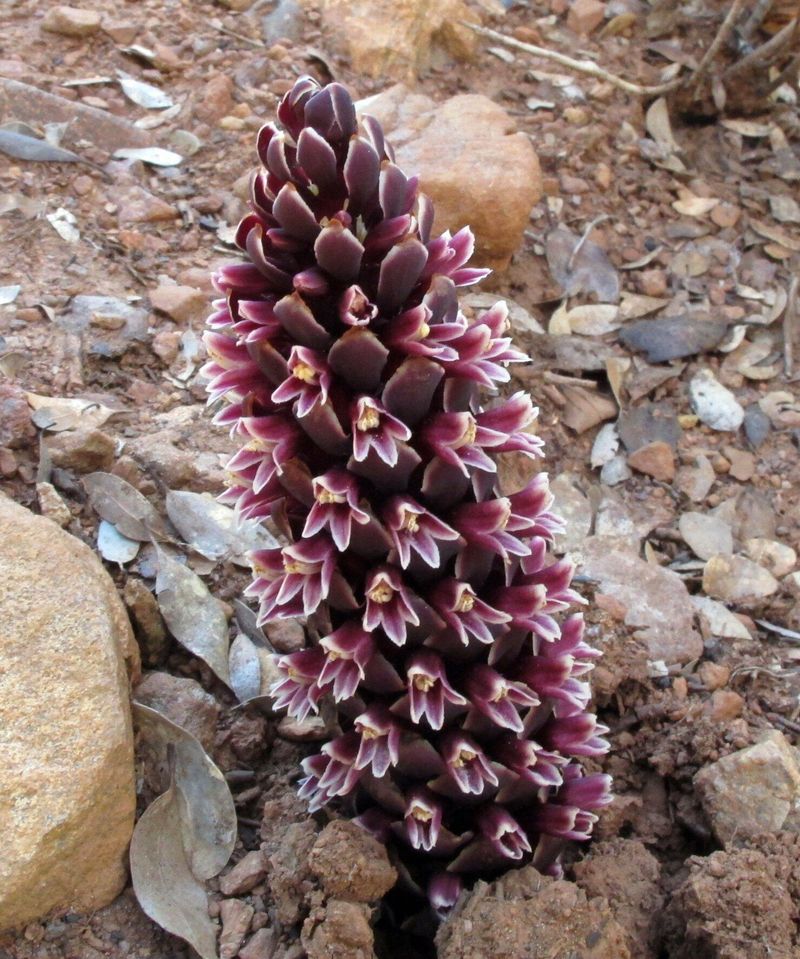
California Groundcone, similar in appearance to Boschniakia, thrives in the shaded, acidic patches of woodland gardens. Its unique form and color make it a standout in any landscape. This parasitic wildflower quietly integrates into its environment, drawing nutrients from the roots of nearby plants. Its presence adds a touch of mystery and allure, as it hides in plain sight. The subtle beauty of California Groundcone invites curiosity and exploration, encouraging gardeners to look beyond the obvious. This plant challenges us to appreciate the hidden wonders of nature and the intricate web of life.
17. Indian Pipe (Monotropa hypopitys)
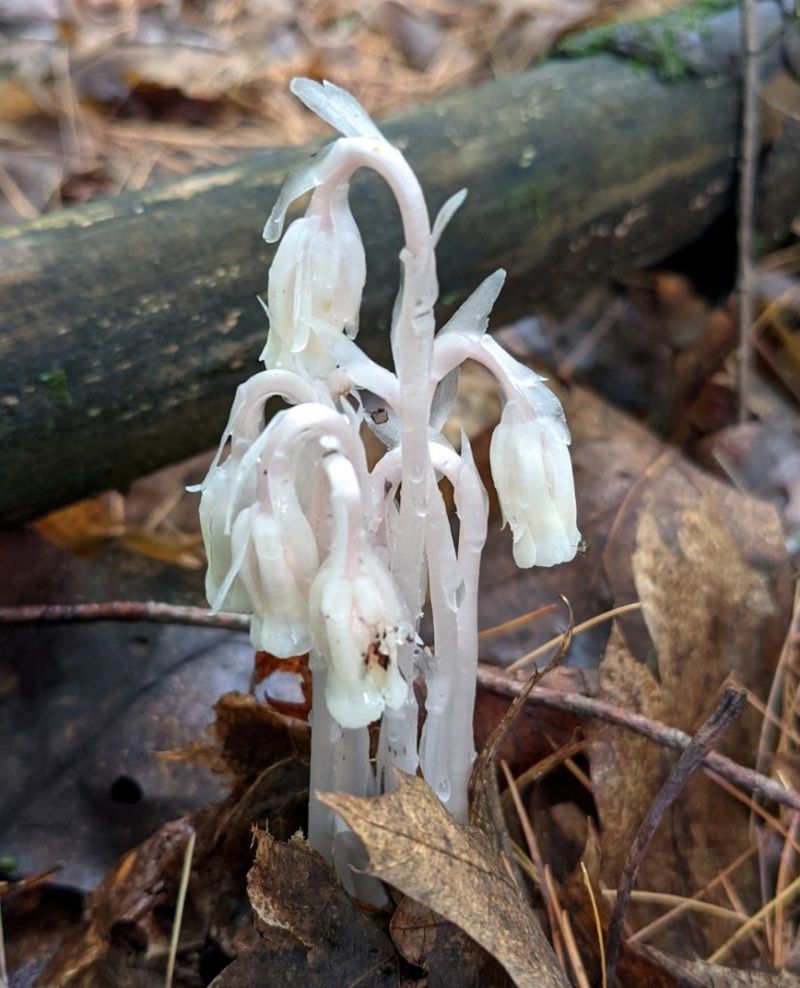
Indian Pipe, a cousin to Ghost Pipe, enchants with its pale drooping flowers. Found among oak and maple trees, this parasitic plant feeds off fungal networks tied to its hosts. Its unique appearance is both captivating and otherworldly, drawing admirers to its shaded habitat. The delicate balance it maintains with its environment underscores the complexity of ecological relations. Indian Pipe’s ethereal presence and intriguing lifestyle offer a glimpse into the mysterious world of parasitic plants. It’s a remarkable addition to any shaded garden, blending beauty and mystery in equal measure.
18. Cytinus (Cytinus hypocistis)
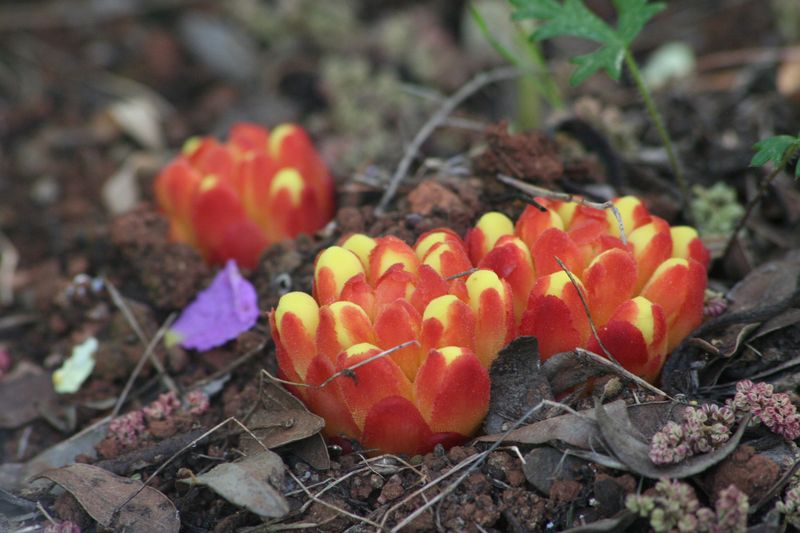
Cytinus, a Mediterranean import, captivates with its coral-colored flowers. Emerging from the roots of wild lavender and cistus, this parasitic plant adds a splash of color to rockeries. Its presence is both surprising and delightful, a testament to nature’s diversity. The intricate relationships it forms with its hosts reveal the hidden complexities of plant interactions. Cytinus challenges our perceptions of beauty, showcasing the unexpected charm that lies beneath the surface. This plant not only enhances the visual appeal of any garden but also invites exploration into the fascinating world of parasitic relationships.
19. Rhatany (Krameria lappacea)
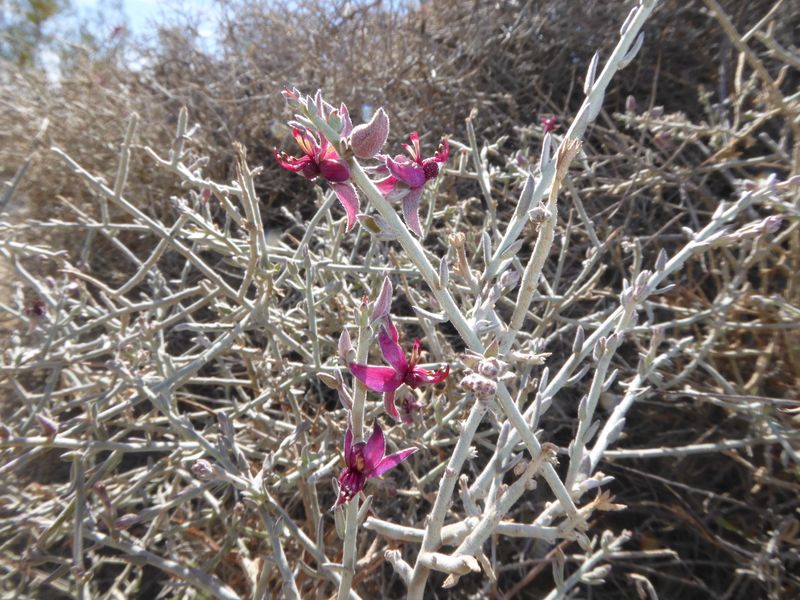
Rhatany, with its shrubby form and pink flowers, stands out in xeric or rock gardens. This parasitic plant targets the roots of legumes, creating a complex web of interactions. Its striking appearance and unique lifestyle draw interest, adding a layer of intrigue to any landscape. The vibrant blooms of Rhatany offer a bold contrast to the more subdued shades of its surroundings. This plant serves as a reminder of the diverse strategies plants use to thrive in challenging conditions. Rhatany’s presence enriches the garden’s tapestry, offering beauty, mystery, and a glimpse into nature’s adaptability.
20. Hydnora africana
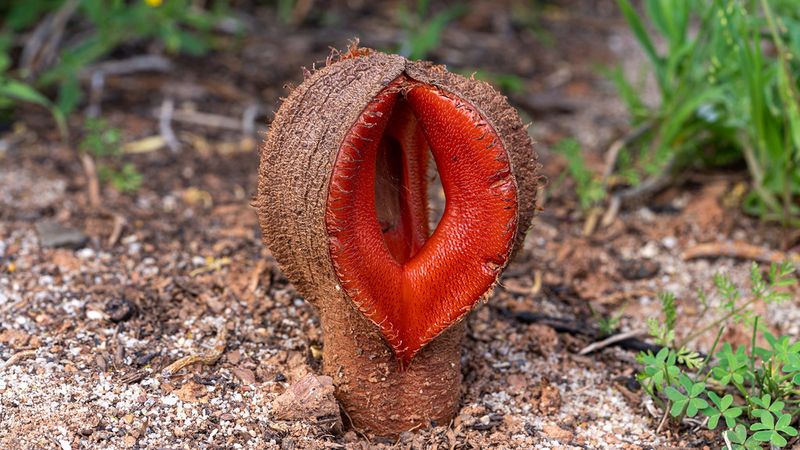
Hydnora africana is a rare gem in exotic garden collections. With a fleshy rust-colored flower that emerges from underground, it creates a striking visual spectacle. This plant is unique in its complete reliance on host roots, buried entirely beneath the surface. The unusual appearance and fascinating lifestyle of Hydnora africana captivate enthusiasts and collectors alike. Its emergence is a reminder of the hidden wonders that lie beneath our feet, waiting to be discovered. This plant challenges conventional notions of beauty, offering a bold and mysterious addition to any adventurous garden.